Constructing a goat pen requires careful planning and precise execution to ensure the safety, comfort, and productivity of your goats. A well-designed enclosure not only protects your animals from predators and harsh weather but also facilitates easy maintenance and management. Understanding the essential considerations and proper building techniques is crucial for creating a durable and functional space that supports your livestock’s well-being.
This guide covers everything from selecting the ideal location and choosing appropriate materials to constructing secure fencing and shelters, as well as maintaining the pen for long-term safety and cleanliness. By following these steps, you can establish a reliable and comfortable environment tailored to your goats’ needs.
Planning and Designing a Goat Pen
Designing an effective goat pen requires careful planning to ensure safety, functionality, and comfort for the goats. A well-designed pen not only promotes animal well-being but also facilitates ease of maintenance and management. Factors such as size, layout, and features must be thoughtfully considered to create an optimal environment tailored to the specific needs of your herd.
In this section, we explore the essential considerations for designing a goat pen, including how to develop a detailed layout plan with precise measurements and designated zones. The provided table summarizes key design options, highlighting materials, features, dimensions, and safety elements crucial for constructing a durable and secure enclosure.
Essential Considerations for Designing a Safe and Functional Goat Pen
Successful goat pen design begins with understanding the fundamental requirements that ensure the safety, health, and productivity of your goats. The following considerations serve as guiding principles in planning an effective enclosure:
- Size: Adequate space is vital to prevent overcrowding, reduce stress, and promote natural behaviors such as grazing and roaming. A minimum of 10-15 square feet per goat is recommended, though larger spaces improve overall well-being.
- Layout: An organized layout facilitates easy movement, access to food and water, and separation of different zones (e.g., shelter, grazing, storage). Clear pathways and well-defined areas contribute to efficient management.
- Features: Incorporate elements such as sturdy fencing, shaded shelter, water sources, and feeding stations. Additional features like natural barriers, enrichment objects, and drainage systems enhance safety and comfort.
- Materials: Use durable, non-toxic materials resistant to weather and wear. Proper fencing materials prevent escapes and protect goats from predators.
- Safety Elements: Ensure fencing height and design prevent goats from jumping over or squeezing through. Cover all openings, and avoid sharp edges or toxic plants within the enclosure.
Creating a Layout Plan with Specific Measurements and Zones
A detailed layout plan ensures all aspects of the goat pen are thoughtfully integrated, promoting a safe and functional environment. The steps for creating an effective layout include:
- Assess the Available Space: Measure the total area designated for the pen, considering future expansion possibilities.
- Define Zones: Divide the space into specific zones such as shelter area, grazing pasture, feeding and watering stations, storage, and waste disposal zones. Each zone should be proportionate to the number of goats and their activities.
- Determine Dimensions: Assign measurements based on goat numbers and activity needs. For example, a typical goat requires approximately 10-15 square feet of space; therefore, a herd of 10 goats would need around 100-150 square feet at minimum.
- Design Pathways: Create clear, unobstructed pathways of at least 2 feet in width for ease of movement and maintenance.
- Develop a Scale Drawing: Use graph paper or design software to sketch the layout, including specific measurements for each zone and feature. Mark entrance and exit points clearly.
Design Options Table for Goat Pen Construction
| Materials | Features | Dimensions | Safety Elements |
|---|---|---|---|
| Galvanized wire fencing | Secure perimeter fencing | Height: 4-5 feet; Length varies based on enclosure size | Ensure no sharp edges; bury fencing 1-2 feet underground to prevent digging |
| Pressure-treated wood or metal panels | Shelter or shed | Size: 8×10 feet or larger, depending on herd size | Ventilation openings protected with wire mesh; raised floor to prevent dampness |
| Concrete or gravel | Drainage and flooring | Drainage slope of 2% away from shelter | Slip-resistant surface; avoid toxic substances |
| Shade cloth or natural trees | Shade and protection from weather | Coverage area of at least 50% of grazing zone | Properly secured to withstand wind; regular maintenance |
Designing a goat pen with careful consideration of these aspects creates a safe, comfortable, and manageable environment for your goats. Proper planning reduces future issues and ensures the longevity of the enclosure.
Selecting the Location for the Goat Pen
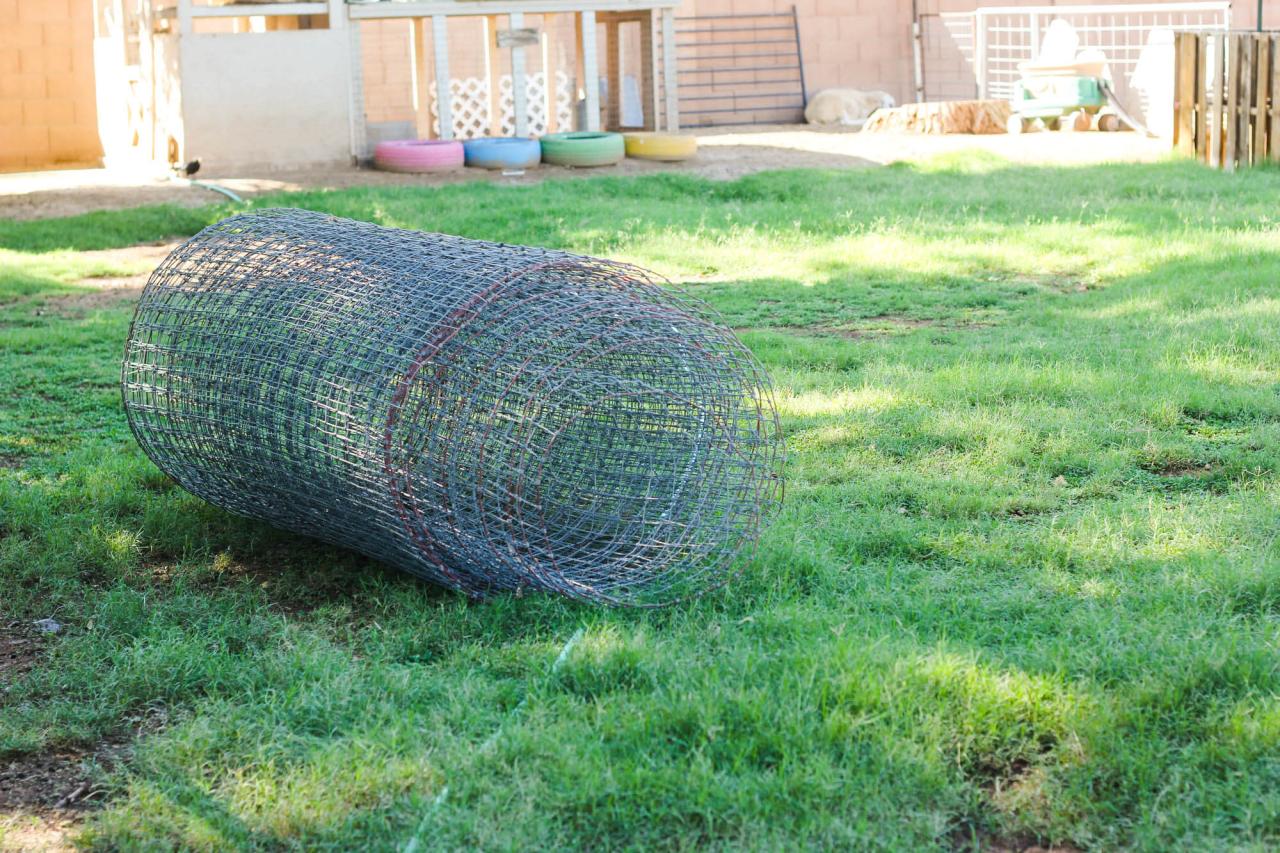
Choosing the optimal location for a goat pen is a critical step that directly impacts the health, safety, and productivity of your goats. An ideal site should provide adequate drainage, ample sunlight, and a secure environment free from common predators. Proper selection ensures the longevity of the structure and the well-being of the animals, making it a foundational element of successful goat keeping.
Evaluating land suitability involves assessing various environmental factors that influence the safety and comfort of the goats, as well as the practicality of maintenance and future expansion. Avoiding common pitfalls such as poorly drained land, exposure to harsh weather, or proximity to potential hazards will contribute to creating a sustainable and productive goat habitat.
Environmental Criteria for Choosing a Goat Pen Location
When selecting a site for a goat pen, it is essential to consider key environmental factors that affect the animals’ health and safety. These factors include proper drainage, exposure to sunlight, protection from predators, and ease of access for management and care.
- Drainage: The land should have natural slopes or be easily modified to ensure water runoff, preventing water accumulation that can lead to flooding, mud, and hoof problems. Avoid low-lying areas prone to waterlogging, which can create an unhealthy environment.
- Sunlight Exposure: Goats benefit from daily access to sunlight, which aids in vitamin D synthesis and supports overall health. Select a location that receives at least 4-6 hours of direct sunlight each day, ideally with some shade during the hottest part of the day to prevent overheating.
- Predator Safety: The site must be secure from common predators such as coyotes, foxes, raccoons, or stray dogs. This involves evaluating the surrounding fencing, natural barriers, and potential entry points that predators could exploit.
- Proximity to Resources: Consider the proximity to water sources, shelter, and your residence for ease of management and supervision. The site should be accessible but not so close to areas where predators or pests might be attracted.
Methods for Evaluating Land Suitability and Avoiding Pitfalls
Proper assessment of land involves a combination of visual inspection and practical tests to ensure the site meets the necessary criteria. Conducting a thorough evaluation can save time and resources in the long run, preventing issues related to poor location choice.
- Perform a Drainage Test: Dig a small hole or use a container to observe how quickly water drains after heavy rainfall. A site that retains water for more than 24 hours indicates poor drainage, which should be avoided or mitigated through land grading.
- Assess Sunlight and Shade Patterns: Observe the site throughout the day to determine sunlight exposure and natural shade availability. This helps in designing a layout that offers both sun and shelter as needed.
- Evaluate Predator Risks: Study the surrounding terrain and natural features that could harbor predators or facilitate their entry, such as gaps in fences, dense bushes, or nearby wooded areas.
- Check Soil Conditions: Test soil stability and composition to ensure it can support fencing and structures. Loose or sandy soils may require reinforcement or different construction techniques.
- Identify Environmental Pitfalls: Avoid sites prone to flooding, excessive wind exposure, or proximity to waste areas, which can attract pests and create unsanitary conditions.
Key environmental factors influencing location choice include:
- Proper drainage to prevent waterlogging
- Consistent sunlight for health benefits
- Physical barriers that deter predators
- Accessibility for maintenance and care
- Protection from harsh weather conditions
Building Materials and Tools Needed
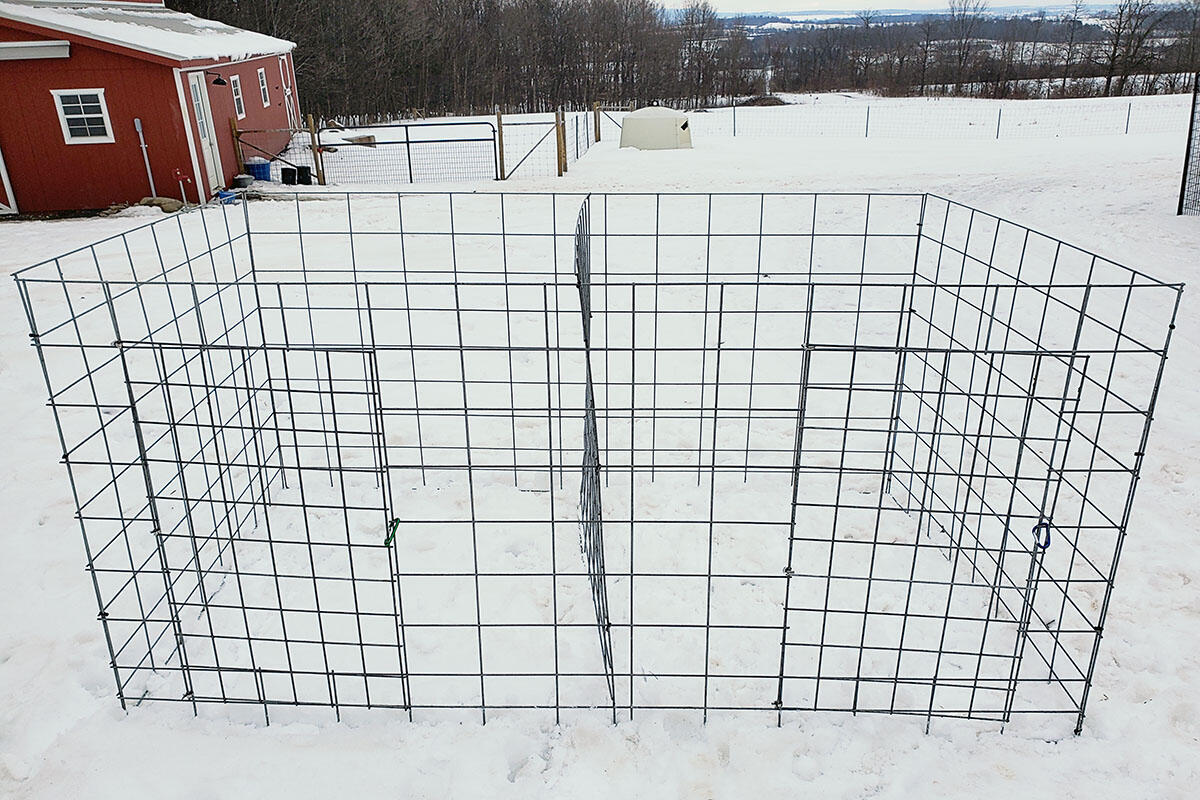
Constructing a durable and safe goat pen requires careful selection of appropriate materials and the right set of tools. Choosing high-quality supplies ensures the longevity of the enclosure, promotes the health and safety of the goats, and facilitates efficient construction. Proper planning in this phase can save time and resources, making the building process smoother and more manageable.
In this section, we will explore the essential materials suitable for creating a secure goat pen, including fencing options, gates, and bedding materials. Additionally, we will detail the necessary tools—both hand and power tools—that are indispensable for effective construction and assembly, ensuring the structure is robust and tailored to your specific needs.
Building Materials for a Goat Pen
The selection of materials forms the foundation of a sturdy and secure goat enclosure. Materials should be durable, non-toxic, and resistant to weather conditions, as goats are active animals that can challenge the integrity of their surroundings. The following list highlights commonly used and recommended construction materials for goat pens:
- Fencing: Welded wire mesh, livestock panels, or chain-link fencing are popular choices. These materials prevent goats from escaping while providing adequate ventilation and visibility.
- Gates: Heavy-duty steel or wooden gates equipped with secure latches ensure easy access and safety.
- Bedding: Straw, wood shavings, or specialized goat bedding provide a comfortable resting area and help manage waste and moisture.
- Flooring: Concrete slabs with proper drainage or compacted soil covered with bedding material to prevent hoof issues.
- Weatherproofing: Roofing materials such as corrugated metal sheets or waterproof tarp materials to protect the pen from rain and harsh sunlight.
Tools Required for Construction
Equipping yourself with the appropriate tools is vital to ensure the construction process is efficient, safe, and precise. The following list encompasses essential hand tools and power tools needed to assemble a goat pen:
- Hand Tools: Hammer, screwdrivers, pliers, wire cutters, measuring tape, level, and shovel.
- Power Tools: Cordless drill with various bits, circular saw or hand saw, post driver or auger, and angle grinder for cutting or smoothing metal parts.
- Safety Equipment: Gloves, safety glasses, ear protection, and dust masks to protect during cutting, drilling, and assembly.
Comparison of Materials and Their Advantages
| Material | Advantages |
|---|---|
| Welded Wire Mesh | High durability, excellent ventilation, and security against predators. Resistant to rust when galvanized. |
| Livestock Panels | Ease of assembly, portable, and can be reused. Provides a sturdy structure with minimal effort. |
| Chain-Link Fencing | Cost-effective, durable, and offers good visibility. Suitable for large or multiple goat enclosures. |
| Wooden Gates | Customizable size, aesthetic appeal, and ease of repair. Suitable for rustic or traditional farm settings. |
| Steel Gates | Very durable, secure, and resistant to breaking or bending under pressure. Ideal for high-traffic or predator-prone areas. |
Construction Procedures for the Goat Pen
Building a durable and secure goat pen requires meticulous attention to each construction phase, from laying the foundation to installing fencing and ensuring predator protection. Proper execution of these steps not only guarantees the safety of the goats but also enhances the longevity and functionality of the enclosure. By following a systematic approach, you can create a safe haven that promotes healthy goat development and simplifies maintenance tasks.
It is essential to approach each construction phase with precision and safety awareness. Proper planning, the right tools, and adherence to safety precautions will result in a sturdy and predator-proof goat pen. Below are detailed step-by-step procedures to guide you through this process, emphasizing techniques to maximize stability and safety.
Step-by-Step Construction Procedures
Constructing a goat pen involves several critical stages. Each step must be executed carefully to ensure a stable structure that withstands environmental conditions and protects the animals from predators. The following steps provide a comprehensive guide to building a reliable goat pen from the ground up.
-
Preparing the Site and Laying the Foundation
Begin by selecting a flat, well-drained site that minimizes erosion and waterlogging. Clear the area of debris, rocks, and vegetation to establish a clean working surface. Mark out the exact dimensions of your goat pen using stakes and string, ensuring adequate space for your goats to roam comfortably.
Ensure the foundation is level to prevent structural instability and to facilitate even fencing installation.
Dig trenches along the perimeter lines to accommodate foundation materials. For a sturdy base, pour a concrete slab or lay compacted gravel, depending on your soil conditions and available resources. A solid foundation prevents shifting and settling over time, which is crucial for safety and durability.
-
Constructing the Enclosure Frame
The structural frame supports the fencing and roof (if applicable). Use pressure-treated timber or galvanized steel posts for longevity and resistance to weather and pests. Space posts approximately 6 to 8 feet apart for optimal stability.
Ensure the posts are set at least 2 feet deep into the ground and securely anchored with concrete or gravel-filled holes to prevent movement.
Check for vertical alignment with a level and reinforce the posts with braces if necessary. Properly spaced and secured posts form a resilient framework capable of supporting fencing and withstand external forces such as wind.
-
Installing the Fencing
The fencing is the primary barrier against predators and escape routes for goats. Select fencing material that is sturdy, such as welded wire mesh or livestock panels, with small openings to prevent goats from slipping through or predators from reaching in.
Ensure the fencing is securely attached to the posts using appropriate fasteners, such as heavy-duty staples or fencing clips.
Install a double-layered fence if predator protection is a high priority. Add an overhang or inward-facing barbed wire at the top to deter climbing predators. Bury the bottom edge of the fencing 6 to 12 inches underground or extend it underground and outwards to prevent digging animals from burrowing underneath.
-
Creating the Gate and Predator-Proofing
Construct a gate using the same fencing materials and reinforce it for security. Install latch mechanisms that are predator-proof, such as locks that goats cannot manipulate.
Regularly inspect and tighten fittings and hinges to maintain integrity over time.
Additional predator-proofing methods include installing motion-activated lights, using electric fencing where appropriate, and sealing any gaps or holes in the fencing structure. These measures serve as extra layers of security, ensuring the safety of your goats at all times.
-
Final Inspection and Safety Checks
Once construction is complete, thoroughly inspect the entire enclosure. Check the stability of posts, the security of fencing, and the strength of the gates. Look for any sharp edges or protrusions that could injure the goats.
Address any weak points immediately, reinforcing fencing or posts as needed.
Test the enclosure by gently pushing on the fencing and gates to ensure they hold firm. Confirm that there are no accessible gaps or escape routes and that the predator-proof measures are intact.
Proper Fencing Installation
Ensuring the safety and containment of your goats begins with effective fencing installation. Proper fencing not only prevents goats from escaping but also protects them from predators and unwanted visitors. A well-installed fence provides peace of mind and helps maintain a secure environment for your animals, contributing to their overall health and productivity.Effective fencing installation involves selecting the right materials, establishing secure posts, and ensuring the fencing is taut and properly anchored.
It is crucial to understand the different fencing options available to choose the most suitable for your specific needs. Proper techniques during installation minimize maintenance issues and enhance the longevity of the fencing system, ultimately safeguarding your goats and optimizing your investment.
Fencing Options and Their Installation Methods
Different fencing options cater to various needs, budgets, and environmental conditions. The choice of fencing material influences installation techniques, durability, and the level of containment security.
- Wire Mesh Fencing: This type includes woven or welded wire fencing, often made of galvanized steel to resist rust. It is ideal for containing goats due to its durability and ability to prevent escapes. During installation, posts are spaced at regular intervals—usually 8 to 12 feet apart—and the wire is stretched tightly between them. Using tensioners or strainers ensures the fence remains taut, reducing sagging points that goats could exploit.
- Electric Fencing: Electric fences provide a psychological barrier that discourages goats from pushing against or attempting to breach the fence. Installation involves setting posts at regular intervals—commonly 10 to 20 feet apart—and attaching electric wires securely. The wires must be energized using a reliable energizer, and insulators should be used to prevent grounding or shorts. Proper grounding and voltage regulation are essential to maintain effectiveness.
- Wooden or Post and Rail Fencing: These fences are sturdy and visually appealing, suitable for larger or more established farms. Installation involves setting heavy-duty wooden posts deep into the ground, often 2 to 3 feet, for stability. Rails are then attached at appropriate heights, typically around 3 to 4 feet, ensuring goats cannot jump over or squeeze through gaps.
Best Practices for Fencing Installation
Implementing best practices during fencing installation ensures longevity, security, and functionality. Proper techniques reduce the need for repairs and help keep goats safe.
- Choose Suitable Locations: Select a site with well-drained soil and low vegetation to facilitate easier installation and reduce maintenance. Avoid placing fences near large trees or structures that could cause damage or interfere with the fence integrity.
- Ensure Proper Post Placement: Posts should be spaced appropriately based on fencing type—generally 8 to 12 feet apart for wire mesh and 10 to 20 feet for electric fencing. Embed posts at least 2 to 3 feet into the ground for stability, especially in areas prone to strong winds.
- Maintain Proper Tension: Tensioning the fencing material is vital to prevent sagging and gaps. Use tensioners or strainers during installation to pull the fencing taut, which deters goats from attempting to push through or climb over.
- Secure Fencing to Posts: Attach fencing securely using appropriate fasteners, clips, or staples. For wire fencing, ensure that the wire is wrapped tightly around the posts or fastened with clips that prevent slipping. In electric fences, ensure wires are at correct heights and firmly attached to insulators.
- Inspect and Reinforce Regularly: Regularly check the entire fencing system for weak points, loose fasteners, or damage caused by weather or animals. Reinforce or repair these areas promptly to maintain security and effectiveness.
- Include Gate and Entry Security: Gates should be secure and easy to open but resistant to goats pushing or escaping. Install latches that are animal-proof and positioned to prevent accidental openings.
Effective fencing installation combines strategic material selection, precise placement, and diligent maintenance, ensuring your goats are safely contained and your investment is protected for years to come.
Shelter and Comfort Features
Providing a well-designed shelter is essential for ensuring the health, safety, and well-being of goats. A properly constructed shelter offers protection from harsh weather conditions and potential predators, while also creating a comfortable environment for the goats to rest and socialize. Thoughtful planning of shelter features contributes significantly to the longevity of the structure and the overall productivity of the herd.The shelter should be durable, weather-resistant, and designed to promote good airflow and insulation.
It must safeguard goats from rain, wind, excessive heat, and cold, while also minimizing stress and discomfort. Additionally, the shelter’s layout and features should facilitate easy cleaning, maintenance, and access for feeding and veterinary care, ensuring a hygienic environment that promotes healthy goats.
Designing and Building Protective Shelters
Creating a resilient shelter involves considering materials that withstand environmental challenges, designing a structure that provides shade and windbreaks, and incorporating features that deter predators. The shelter should have sturdy walls made from treated wood, metal, or concrete blocks that resist rot and pests. The roof should be sloped to facilitate water runoff and be constructed from durable materials like corrugated metal or asphalt shingles to withstand weather variations.To prevent predators from gaining access, the shelter must feature reinforced doors and windows fitted with secure latches and predator-proof mesh.
Adequate ventilation is crucial to reduce humidity and prevent respiratory issues in goats. Installing adjustable vents or windows on opposite walls fosters cross-ventilation, maintaining fresh air circulation without creating drafts that could chill the animals during cold weather.
Ventilation, Insulation, and Flooring
Optimizing airflow, temperature regulation, and flooring are key elements to enhance goat comfort within the shelter. Proper ventilation ensures the removal of excess moisture, odors, and airborne pathogens, significantly reducing disease risk. Incorporate adjustable vents, windows, or exhaust fans where appropriate, particularly in regions with high humidity or temperature extremes.Insulation is vital for maintaining a stable internal temperature, especially in areas with significant seasonal weather fluctuations.
Materials such as straw, foam panels, or sheep’s wool can be used to insulate walls and ceilings, ensuring the shelter remains warm during winter and cool during summer. It is important to balance insulation with ventilation to prevent overheating or dampness.The flooring should be durable, slip-resistant, and easy to clean. Options include concrete with a textured surface, compacted gravel, or rubber mats in high-traffic areas.
A slight slope toward drainage points facilitates the removal of waste and excess water, helping to maintain hygienic conditions and prevent foot rot or other health issues.
Durability and goat comfort are the primary considerations when selecting shelter features, as they directly impact the health, productivity, and overall well-being of the herd.
Access and Security Measures
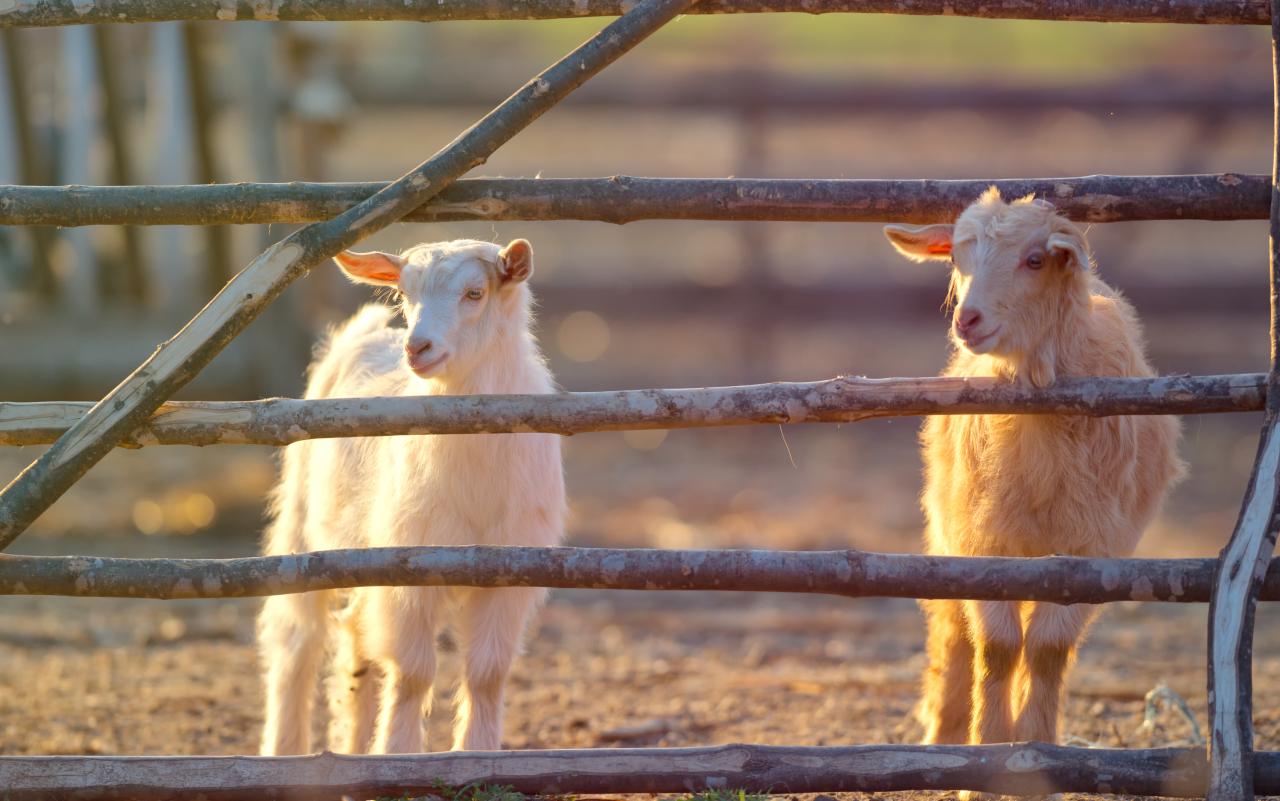
Ensuring that a goat pen is both accessible for caretakers and secure against predators and theft is a crucial aspect of effective farm management. Properly designed access points and robust security features protect the goats while facilitating ease of daily care. Implementing these measures requires attention to detail in gate installation, locking mechanisms, and reinforcement strategies to safeguard the livestock effectively.Maintaining a secure goat pen involves more than just installing fences; it encompasses thoughtful planning to prevent unauthorized access and deter potential threats.
This section provides practical methods for installing gates, selecting appropriate latches and locks, and reinforcing the pen against common predators and theft attempts, thereby ensuring a safe environment for your goats.
Gate Installation and Locking Mechanisms
The primary entry and exit points of the goat pen should be equipped with durable gates that are easy for caretakers to operate but secure enough to prevent unwanted access. The selection of appropriate locking mechanisms plays a vital role in maintaining the safety of the livestock. When installing gates, ensure they are constructed from sturdy materials such as treated wood or galvanized metal, and hinge them securely to the fence posts.
The gate should swing smoothly without sagging and be wide enough to facilitate easy movement of goats and farm equipment. For locking mechanisms, options like padlocks, latch hooks, or slide bolts provide reliable security.
- Use
heavy-duty locks that are resistant to rust and tampering, ensuring longevity and security.
- Install latches at a height that is accessible to humans but difficult for goats or predators to manipulate.
- Plan for quick access in emergencies with lockable quick-release latches.
Strategies to Reinforce the Pen Against Predators and Theft
Protection of goats from predators such as coyotes, foxes, raccoons, and birds of prey requires strategic reinforcement of the entire pen structure. In addition to sturdy fencing, other security strategies can significantly reduce vulnerability.Effective reinforcement strategies include:
- Extending the height of fences to at least 4-5 feet to prevent jumping over by predators.
- Installing an overhang or barrier at the top of the fence to deter climbing animals.
- Using fine-wire mesh or hardware cloth along the lower sections of the fence to prevent digging underneath or entry through small openings.
- Adding a predator apron—a horizontal wire barrier extending outward along the fence base to discourage digging.
- Securing all access points with reinforced gates and locking mechanisms as previously described.
- Implementing surveillance measures such as motion-activated lights or cameras, especially in areas with frequent predator activity or theft reports.
To deter theft, it is advisable to:
- Position the goat pen in a well-visible, central location on the property, reducing blind spots.
- Regularly inspect fencing and gates for signs of tampering or damage.
- Use tamper-proof locks and secure all access points during non-working hours.
- Install security lighting around the pen perimeter to discourage intruders at night.
Security Features Comparison Table
Below is a comparison of various security features based on their effectiveness, cost, and ease of installation.
| Security Feature | Effectiveness | Cost | Ease of Installation |
|---|---|---|---|
| Heavy-duty Padlocks | High – resistant to tampering | Moderate | Easy |
| Hardware Cloth Fencing | High – prevents digging and climbing | Moderate to high | Moderate |
| Overhang or Climbing Barriers | High – prevents climbing | Low to moderate | Moderate |
| Motion-activated Lights and Cameras | Moderate to high – deters theft and predator approach | Variable | Moderate to difficult |
| Predator Aprons | High – effective against digging | Low | Easy |
| Secure Locking Gates | High – prevents unauthorized entry | Moderate | Easy |
Implementing a combination of these security measures tailored to your specific environment will greatly enhance the safety and security of your goat pen. Regular maintenance and timely upgrades of security features are essential to adapt to changing threats and ensure ongoing protection for your goats.
Maintenance and Upkeep of the Goat Pen
Proper maintenance and regular upkeep are essential for ensuring the longevity of your goat pen, promoting the health and safety of your goats, and minimizing long-term repair costs. An organized maintenance routine helps prevent common issues such as structural deterioration, fencing breaches, and unsanitary conditions. Implementing consistent procedures for cleaning, repairs, and safety checks will keep the pen in optimal condition and provide a secure environment for your goats.Routine maintenance involves inspecting and repairing various components of the pen, including fencing, bedding, and shelter structures.
Regular checks help identify potential hazards before they become serious problems, ensuring your goats remain healthy and secure. Maintaining a clean and sturdy environment also reduces the risk of disease, parasite infestations, and injuries.
Routine Cleaning and Safety Checks
Effective maintenance begins with routine cleaning and safety assessments to sustain hygiene standards and structural integrity. Cleaning should be conducted frequently to prevent the buildup of waste, mud, and debris, which can harbor bacteria and parasites. Safety checks involve inspecting fencing for holes or damage, examining shelter structures for stability, and ensuring access points are secure.Cleaning debris, manure, and old bedding reduces the risk of infections and parasites.
Regularly inspecting and repairing fencing prevents escapes and predator intrusions. Safety checks should also include monitoring for sharp edges, protruding nails, or broken supports that could injure your goats.
Fencing, Bedding, and Shelter Maintenance Tasks
Maintaining the fencing, bedding, and shelter structures is vital for the safety and comfort of your goats. These tasks should be scheduled according to the specific needs of your operation, typically on a weekly or bi-weekly basis, with more frequent checks after severe weather events.
- Fencing: Inspect fences for damage, loose wires, or gaps; repair or reinforce as needed to prevent escapes or predator breaches.
- Bedding: Change soiled bedding regularly, generally every 1-2 weeks, to control odor, reduce parasite load, and provide a clean resting area.
- Shelter Structures: Examine roofs, walls, and doors for stability, leaks, or damage; repair or reinforce structural elements to ensure weatherproofing and safety.
- Drainage and Ventilation: Clear drainage systems to prevent water pooling; check ventilation to ensure proper airflow, especially during hot or humid periods.
Comprehensive Maintenance Schedule
Implementing a structured maintenance schedule promotes consistent care and prevents neglect. Below is an example of a recommended weekly maintenance routine:
- Inspect fencing for damage; repair any breaches immediately.
- Clean and replace bedding in sleeping areas to maintain hygiene.
- Examine shelter for structural issues; reinforce weak areas.
- Check for pests or signs of disease in goats and their environment.
- Test all access points and latches for security and ease of use.
- Ensure water supply containers are clean and filled with fresh water.
- Evaluate overall cleanliness and remove any waste or debris.
Periodic Deep Maintenance and Repairs
Beyond routine tasks, periodic deep maintenance is essential for the long-term health of the goat pen. These tasks might include:
- Reinforcing or replacing large sections of fencing or shelter structures every 2-3 years.
- Applying protective coatings or sealants to wooden structures to prevent rot and weather damage.
- Upgrading fencing or shelter features based on new safety standards or emerging needs.
- Conducting thorough pest control measures periodically to control ticks, mites, or rodents.
Consistent maintenance not only prolongs the lifespan of the goat pen but also ensures a safe, healthy environment that promotes the well-being of your goats and peace of mind for the caretaker.
Outcome Summary
Building a goat pen that is safe, durable, and comfortable involves thoughtful planning, proper construction practices, and regular maintenance. With careful attention to location, materials, and security, you can create an optimal habitat that promotes the health and productivity of your goats. Implementing these guidelines ensures a sustainable and stress-free environment for your livestock, ultimately supporting your success as a caretaker.