Building a pasture fence is a vital task that ensures the safety, containment, and clear boundary definition of your land and livestock. A well-constructed fence not only protects animals from external dangers but also maintains property integrity and prevents unwanted intrusions. Understanding the key aspects involved in planning, material selection, and installation is essential for creating a durable and efficient fencing system.
This guide provides comprehensive insights into the process of building a pasture fence, covering everything from initial assessment and material choice to installation techniques and maintenance tips. By following these detailed steps, landowners can achieve a secure enclosure that stands the test of time and weather, ensuring peace of mind and a well-managed pasture.
Introduction to Pasture Fencing
Constructing a secure and durable pasture fence is fundamental to effective livestock management. It ensures that animals remain safely contained within designated grazing areas, prevents unwanted intrusions, and helps delineate property boundaries clearly. A well-built fence not only safeguards animals from potential hazards but also minimizes the risk of escape, reducing liability and ensuring consistent grazing patterns.
Pasture fences serve multiple essential purposes. They provide containment, which is vital for the health and safety of livestock. Additionally, fences act as boundary markers, defining property lines and preventing disputes with neighboring landowners. Safety is another critical aspect, as fences keep animals away from roads, hazardous terrains, or other dangerous environments. Furthermore, fences can contribute to rotational grazing practices, promoting healthier pastures and better resource management.
Typical Materials Used in Pasture Fencing
Choosing the appropriate materials for pasture fencing depends on factors such as the type of livestock, environmental conditions, budget considerations, and desired durability. The selection of materials influences the longevity, maintenance requirements, and overall effectiveness of the fence.
Common materials used in pasture fencing include:
| Material | Advantages | Considerations |
|---|---|---|
| Wood | Natural appearance, easy to install, customizable | Requires regular maintenance to prevent rot and weather damage; susceptible to pests |
| Wire Fencing | Cost-effective, durable, and adaptable to various terrains | Needs tensioning and regular inspections; potential for injury if not properly installed |
| Vinyl | Low maintenance, weather-resistant, aesthetically pleasing | Higher initial cost; less flexible than wood or wire |
| Composite Materials | Combines durability and low maintenance; environmentally friendly options available | Cost varies; may require specialized installation |
| Electric Fencing | Effective for controlling movement; quick to install and modify | Requires energizer and grounding; ongoing electricity costs |
“In selecting fencing materials, it is crucial to balance durability, safety, and cost-effectiveness to meet the specific needs of your pasture environment and livestock type.”
Planning Your Pasture Fence
Effective planning is a fundamental step in establishing a durable and functional pasture fence. Proper assessment of the land’s dimensions, shape, and specific needs ensures that the fencing will serve its purpose efficiently while minimizing costs and labor. Careful planning also involves selecting the most appropriate fencing materials tailored to the type of land and livestock involved, ultimately contributing to the safety and productivity of your pasture.
Accurate measurement, strategic marking, and thoughtful material selection are key components of this phase. These steps help prevent future issues such as weak points, livestock escapes, or unnecessary expenses. By following these guidelines, landowners can create a reliable fencing system that aligns with land characteristics and livestock requirements.
Assessing the Size and Shape of the Pasture Area
Understanding the dimensions and layout of the pasture area is essential for determining the length and complexity of fencing required. This process begins with a comprehensive assessment of the land, noting any natural features, slopes, or obstacles that may influence fencing installation. Accurate land assessment helps in optimizing material usage and ensuring the fence encloses the intended space securely.
Begin by visualizing the pasture’s perimeter, considering any irregularities or existing natural boundaries such as trees, streams, or rocks. Use a reliable measuring tool such as a measuring wheel or surveyor’s tape to determine the distances of each side. For irregularly shaped areas, divide the land into manageable segments and measure each individually. Mapping the area on paper with scaled dimensions provides a clear overview, facilitating precise planning and material estimation.
Measuring and Marking the Perimeter Accurately
Precise measurement and marking are critical to ensure the fence follows the intended boundary and maintains proper distances for livestock safety. Proper marking prevents future disputes and reduces the need for rework or adjustments after installation begins.
Start by establishing corner points using stakes or flags at the calculated boundary positions. Use a tape measure or measuring wheel to verify distances between stakes, ensuring they match the scaled plan. Mark intermediate points at regular intervals—typically every 8 to 12 feet—where fence posts will be placed. These markers serve as guides during installation, ensuring a straight and even fence line.
It is advisable to double-check measurements at multiple points to account for land irregularities and ensure accuracy.
Considerations for Selecting Fencing Materials
The choice of fencing material significantly influences the durability, maintenance, and overall effectiveness of the pasture fence. Selection should be based on land characteristics, type of livestock, climate conditions, and budget constraints. Different materials offer varying benefits and limitations, making it essential to evaluate each option thoroughly.
Factors to consider include the terrain’s stability, soil type, and whether the land is prone to erosion or flooding. For livestock that tend to challenge fences, such as cattle or horses, stronger and more resilient materials are preferable. Additionally, maintenance requirements and aesthetic preferences may influence the decision. The overall goal is to select a fencing material that provides safety, longevity, and cost-efficiency.
Comparison of Fencing Options
Below is a detailed comparison of common fencing materials, highlighting their advantages and disadvantages to assist in informed decision-making:
| Material | Pros | Cons |
|---|---|---|
| Wood |
|
|
| Wire (Barbed, woven, or braided) |
|
|
| Electric |
|
|
| Vinyl/Plastic |
|
|
Selecting Materials for Building a Pasture Fence
Choosing the right materials for a pasture fence is crucial for ensuring the safety, durability, and longevity of the enclosure. The selection process involves understanding the specific needs of your livestock, the environmental conditions of your land, and the available resources for sourcing materials. Properly selected fencing materials not only provide security but also minimize maintenance costs and prevent livestock from escaping or injuring themselves.
High-quality fencing materials should resist weather elements, avoid rust and decay, and be safe for the animals. Considering these factors will help you build a reliable fence that withstands the test of time and the challenges posed by different livestock types and environmental conditions.
Materials Needed for Building a Pasture Fence
Constructing a durable pasture fence requires a comprehensive list of materials, each serving a specific purpose in the overall structure. The following items are essential:
- Fence Posts: Wooden posts, metal T-posts, or fiberglass posts, depending on the terrain and livestock requirements.
- Fencing Wire: Options include woven wire, high-tensile wire, barbed wire, or electrified wire, selected based on livestock and land conditions.
- Fasteners and Fittings: Staples, wire clips, tension bands, clips, and insulators for attaching wire to posts and maintaining tension.
- Gate Materials: Hinges, latches, and frame supports for pasture entrances.
- Tools: Post driver or sledgehammer, pliers, wire cutters, tensioning tools, and a measuring tape for accurate installation.
Accurate measurement and quality installation tools are fundamental to ensuring the fence is properly erected and secure. Investing in reliable, well-made materials reduces the need for frequent repairs and enhances safety for both livestock and landowners.
Characteristics of Suitable Fencing Materials for Different Livestock
The choice of fencing materials must be tailored to the specific type of livestock being contained. Different animals have varied behaviors and physical capabilities, influencing the materials and design features needed for effective fencing.
- For Cattle: Sturdy, high-tensile wire or woven wire with a minimum height of 4-5 feet prevents cattle from pushing through or jumping over. Wooden posts provide additional strength.
- For Horses: Smooth wire, electric fencing, or wooden rails are preferred to avoid injuries. Height should be at least 4-5 feet, with insulators used for electric fences.
- For Sheep and Goats: Woven wire with smaller gaps or electric fencing effectively contains these smaller animals. Barbed wire should be avoided to prevent injury.
- For Swine: Solid and secure fencing such as woven wire or electric fencing that prevents escape and protects against predators.
Choosing appropriate fencing materials enhances containment and minimizes injury risks, especially important for animals prone to jumping, pushing, or rubbing against fences.
Sourcing Quality Fencing Supplies
Reliable fencing materials can be sourced through local suppliers, farm and hardware stores, or online retailers. When sourcing supplies, consider the following:
- Local Suppliers: Offer the advantage of immediate availability, personalized advice, and the opportunity to inspect materials before purchase. Many agricultural co-operatives and hardware stores carry fencing supplies tailored for rural needs.
- Online Retailers: Provide a broad selection of fencing options, often at competitive prices. Reputable online sellers include well-known agricultural supply companies, which offer detailed product specifications, reviews, and delivery options.
- Quality Assurance: Always verify the reputation of suppliers, ensure materials meet industry standards, and opt for products with warranties or guarantees when possible. Reading customer reviews helps gauge durability and performance.
Prioritize sourcing from vendors that supply weather-resistant, rust-proof, and animal-safe materials to ensure the fence’s longevity and safety. Proper selection and sourcing of high-quality materials are fundamental to building a reliable pasture fence that serves its purpose effectively over many years.
Preparing the Site for Fencing
Effective fencing begins with meticulous site preparation, ensuring that the land is suitably ready to support a durable and stable fence. Proper preparation not only facilitates smoother installation but also enhances the longevity and effectiveness of your fencing system. Attention to detail during this phase can prevent future issues such as fence leaning, damage, or the need for costly repairs.
By systematically clearing the land, leveling the surface, and carefully marking the fence lines, you set a solid foundation for a successful fencing project. Additionally, considering soil and terrain characteristics and avoiding underground obstacles contribute significantly to fence stability and safety.
Clearing and Leveling the Land
Clearing and leveling the land are essential initial steps to create an even surface that allows for straightforward installation and consistent fence height. This process involves removing all vegetation, debris, rocks, and any other obstructions that could interfere with fence posts or wire placement.
The clearing process should begin with removing trees, bushes, and tall grasses using appropriate tools such as chainsaws, brush cutters, or manual hand tools. For smaller areas, manual removal may suffice, but larger plots benefit from mechanical equipment like bulldozers or excavators. After clearing, the land must be leveled to prevent sagging or uneven tension in the fencing material. Using a transit level or laser leveling tool ensures accuracy, especially over larger terrains.
Marking Fence Lines with Stakes and String
Precise marking of fence lines is crucial to ensure the fence follows the desired boundaries and maintains proper alignment. This task involves setting stakes along the intended perimeter and stretching a durable string tightly between them to visualize the future fence line clearly.
To achieve accurate marking, start by measuring the boundaries using a surveyor’s tape or measuring wheel, confirming property lines with existing markers or legal documents. Place stakes at regular intervals—typically every 10 to 20 meters—and secure the string at each stake, ensuring it is straight and level. This visual guide acts as a reference during post installation, helping to maintain straight, consistent lines and avoid encroaching on neighboring properties or utility easements.
Soil and Terrain Considerations
The characteristics of the soil and terrain directly influence the stability and durability of the fence. Different soil types require tailored approaches to anchoring posts and selecting appropriate materials.
- Sandy soils: These soils drain quickly and offer less support for fence posts. Deep post holes filled with gravel or concrete can improve stability.
- Clay soils: These retain moisture and can cause posts to shift or rot if not properly treated. Using treated wood or metal posts is advisable, alongside proper drainage measures.
- Rocky terrains: Installing posts may require specialized tools such as rock augers or drilling equipment. Concrete anchors might be necessary for secure footing.
Contouring terrain presents unique challenges as uneven ground can lead to inconsistent fence heights and sagging. Installing chain link or wire fences along hilly landscapes may necessitate additional bracing or the use of flexible fencing materials that adapt to the terrain.
Identifying Underground Utilities and Obstacles
Before drilling or digging, identifying underground utilities and obstacles is paramount for safety and to prevent costly damages. Installing fencing over or near buried lines can be dangerous and result in service disruptions or legal liabilities.
Contact local utility companies or use professional services to conduct underground utility locate surveys. In the United States, calling 811 prior to excavation is standard procedure, as it alerts utility providers to mark underground lines such as gas, water, electric, and communication cables. Visual inspections should also be conducted for visible obstacles like concrete foundations, septic systems, or large rocks that may require specialized equipment or alternative fencing routes.
Mapping out and avoiding these underground and surface obstacles during the initial site preparation can save time and money, ensuring a safer and more efficient fencing process.
Installing Fence Posts
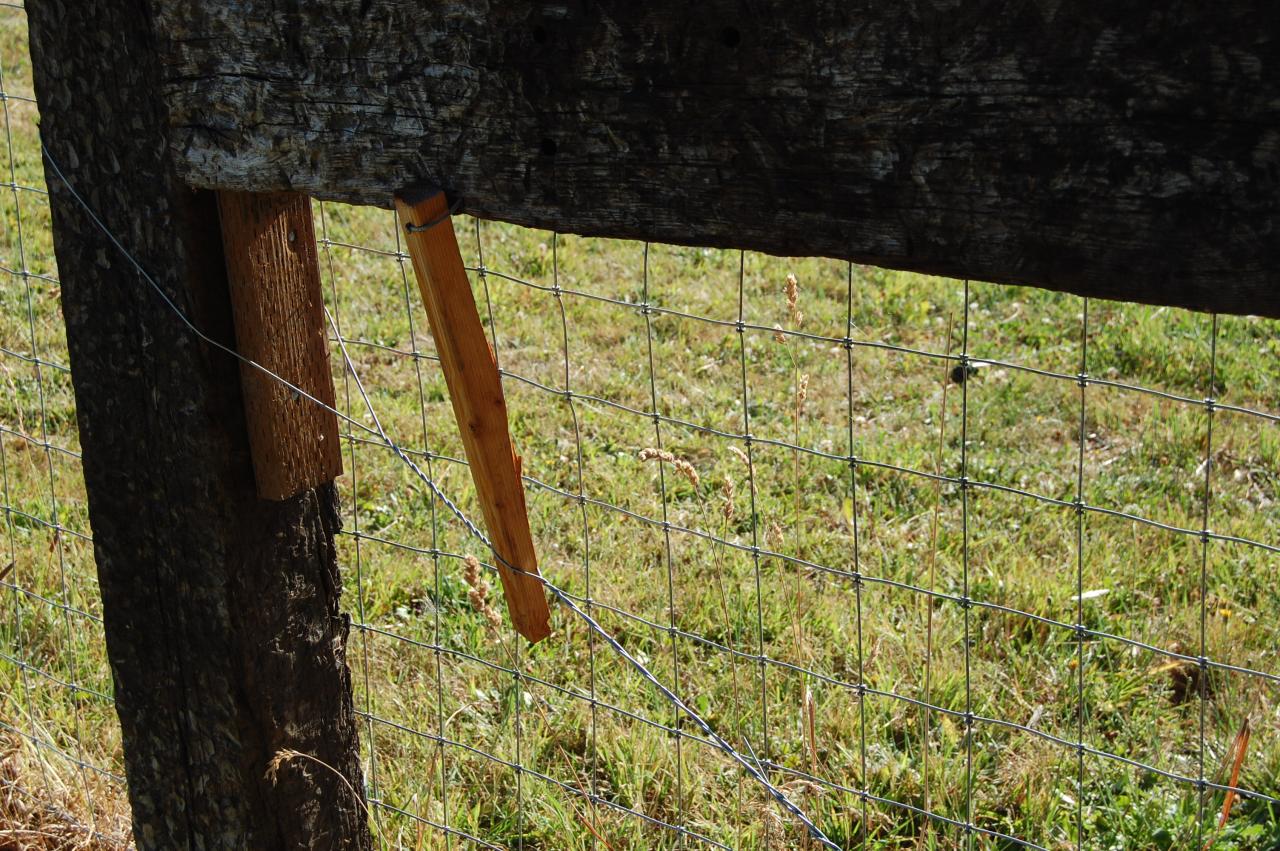
Proper installation of fence posts is fundamental to the durability, stability, and safety of your pasture fencing. Securing posts correctly ensures that the entire fence line remains upright, taut, and capable of withstanding environmental stresses such as wind, animals’ contact, and soil shifts. Achieving precise alignment and appropriate spacing during installation forms the backbone of a reliable fencing system that will serve your needs for years to come.
Accurate placement and secure setting of fence posts involve a combination of careful planning, the right tools, and appropriate materials. This process not only influences the fence’s overall strength but also contributes to its aesthetic appeal and operational longevity. Below are detailed steps and best practices to ensure your fence posts are installed correctly, aligned evenly, and reinforced for maximum stability.
Step-by-Step Process for Setting Fence Posts Securely
Establishing a methodical approach to setting fence posts helps prevent future issues such as leaning, shifting, or failure. The following sequence Artikels the essential steps for secure post installation:
- Marking the Post Locations: Use a tape measure, string line, or stakes to mark the exact locations of each post along your planned fence line, ensuring consistent spacing and alignment.
- Digging Post Holes: Utilize a post hole digger or auger to create holes that are at least one-third the height of the post above ground. For example, a 6-foot post should have a hole approximately 2-3 feet deep. The diameter should be about three times the width of the post for stability.
- Checking Depth and Alignment: Before setting the post, verify the depth with a level and measure the distance between posts to maintain consistent spacing. Use a string line stretched between end posts to guide vertical and horizontal alignment.
- Placing the Post: Insert the post into the hole, ensuring it remains upright and aligned according to your markings or guiding string.
- Adding Stabilizers: Fill the hole with a mixture of gravel and soil, or pour concrete for extra reinforcement, as described in later sections. Tamp the fill material firmly around the post to eliminate air pockets and enhance stability.
- Final Adjustment: Use a level to check that the post remains vertical and adjust as necessary before the fill sets or hardens.
Techniques for Aligning Posts to Ensure Even Fencing
Consistent alignment of fence posts is critical to achieve an aesthetically pleasing and functional fence line. Proper alignment prevents sagging, uneven tension, and structural weaknesses. The following techniques help maintain uniformity:
- String Line Method: Stretch a durable string or twine tightly between end posts or corner posts at the desired height. This acts as a visual guide for aligning intermediate posts both vertically and horizontally, ensuring straightness across long distances.
- Use of a Level: During post placement, regularly check each post with a spirit level to confirm verticality. For long fences, periodically verify that posts are aligned with the string line to prevent deviations.
- Visual Inspection: Step back frequently to view the fence line from a distance. This helps identify subtle misalignments or deviations early, allowing for corrections before the fill material sets.
Choosing the Right Post Spacing for Strength and Safety
Determining appropriate post spacing is vital for the integrity and safety of your pasture fence. Spacing influences the fence’s ability to withstand pressure from animals, weather conditions, and soil movement. Factors affecting spacing include fence material, height, terrain, and the type of livestock kept.
| Fence Material | Recommended Post Spacing |
|---|---|
| Wood or Vinyl | 8 to 10 feet |
| Wire or Electric | 10 to 12 feet |
| High-tensile steel | 15 to 20 feet |
“Shorter spacing increases fence stability and reduces sagging, especially in areas with heavy livestock or wind loads.”
In general, closer spacing enhances strength and safety, reducing the risk of posts leaning or breaking under pressure. For example, in high-traffic or hilly terrains, posts should be spaced more closely. Conversely, in flat, open pastures with lighter fencing, spacing can be extended without compromising integrity.
Always consider local conditions and consult fencing standards or professionals when planning your spacing to ensure maximum durability and safety for your livestock and property.
Using Concrete or Other Stabilizers to Reinforce Posts
Reinforcing fence posts with concrete or stabilizers significantly enhances their capacity to withstand environmental forces and prolongs their lifespan. Proper use of these stabilizers provides a firm foundation, especially in challenging soil conditions or with taller, heavier fences.
- Concrete Mix: Prepare a concrete mixture following manufacturer instructions, typically a ratio of 1 part cement, 2 parts sand, and 3 parts gravel, combined with water to form a workable consistency.
- Pouring the Concrete: Fill the post hole about one-third full with gravel for drainage, then position the post, and pour the mixed concrete around it. Use a trowel or stick to eliminate air pockets and ensure the concrete surrounds the post evenly.
- Leveling and Curing: Adjust the post with a level to maintain vertical alignment while the concrete is still wet. Let the concrete cure for at least 24-48 hours before applying tension or attaching fencing materials.
- Alternative Stabilizers: In cases where concrete is not suitable, soil stabilization compounds or gravel backfill mixed with stabilizing agents can provide adequate support for posts in less demanding situations.
Incorporating concrete or stabilizers into your installation process provides a solid anchor, especially for corner or end posts which bear the most tension. Proper curing and stabilization techniques ensure your fence remains upright and secure over the long term, even under adverse weather conditions and animal pressure.
Attaching Fencing Material to Posts
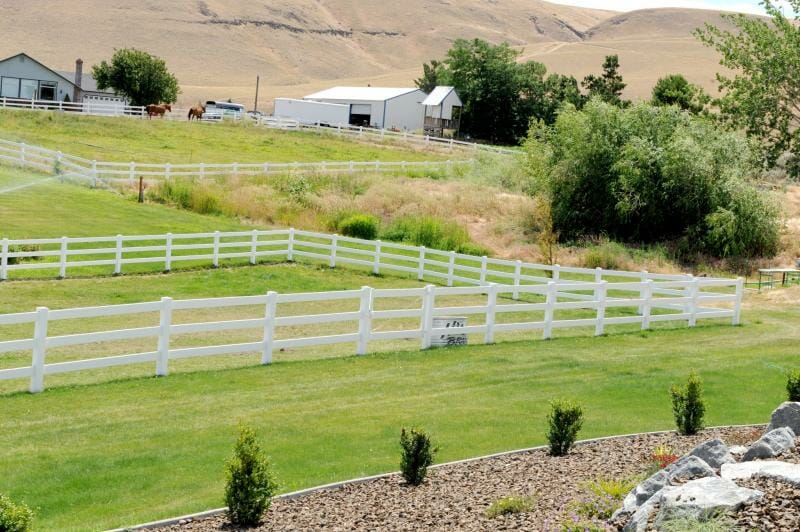
Establishing a secure connection between fencing material and posts is a critical step in constructing a durable and effective pasture fence. Proper attachment not only ensures the longevity of the fence but also maintains the safety and containment of livestock. Whether installing wire, boards, or electric fencing, attention to detail during this phase significantly impacts the overall performance of the fence line.Attaching fencing materials involves precise techniques tailored to the type of fencing and the materials used.
Ensuring that the fencing is firmly secured prevents sagging, detachment, and potential gaps that could compromise the enclosure. Additionally, proper attachment facilitates even tension distribution along the fence line, which is essential for maintaining straightness and structural integrity. This process is especially important when creating gates, where secure and flexible connections are necessary for smooth operation and durability.
Methods for Attaching Wire, Boards, or Electric Lines to Posts
Attaching fencing materials to posts requires specific tools and techniques suitable for each type of fencing. For wire fencing, use sturdy fence staples or wire clips designed to grip the wire securely without damaging it. When installing boards, galvanized nails or screws ensure durability and resistance to rust. Electric fencing lines are typically attached using specialized insulators that prevent electrical shorts and ensure safety.Begin by positioning the fencing material at the desired height and securing one end to the post using the appropriate fasteners.
Maintain consistent spacing between fasteners—generally every 12 to 24 inches for wire fencing—to evenly distribute tension. For electric lines, ensure insulators are properly mounted to prevent grounding issues. Use pliers or tensioning tools to attach wire or electric line tightly to the fasteners, avoiding slack and sagging that could weaken the fence.
Methods for Tensioning Wire or Fencing Material
Effective tensioning is crucial for preventing sagging and ensuring the fence remains straight and secure over time. Proper tensioning reduces the likelihood of animals escaping and minimizes maintenance needs. Start by attaching the fencing material to one end post and gradually work towards the opposite end, tightening as you go. Use a come-along or a fencing tensioner tool—these devices allow for controlled and even tensioning of wires or electric lines.
For wire fences, the goal is to achieve a moderate tautness—tight enough to prevent sagging but not so tight as to damage the wire or posts. A useful tip is to periodically check tension along the entire fence line with a tension meter or by hand, ensuring uniformity. When tensioning wire, keep in mind that environmental factors such as wind or temperature fluctuations can cause slight stretching over time, so it is advisable to add a little extra tension initially.
Tips for Ensuring Fence Security and Straightness
Maintaining a secure and straight fence line requires careful attention during attachment and tensioning. It is important to regularly inspect the fence for any sagging or loose fasteners, especially after adverse weather conditions.One effective tip is to establish a straight line using a guideline stretched between end posts before attaching the fencing material. This acts as a visual reference to keep the fence in alignment.
When attaching fencing, tighten each section incrementally, rather than in one large stretch, to prevent uneven tension and sagging.Use spacers or post levels to verify that posts are aligned vertically and at consistent heights, which directly impacts the overall straightness. For wire fencing, employ strainers at each end and at intermediate points to maintain consistent tension. For boards, ensure they are firmly nailed or screwed, with no slack or warping, to prevent the fence from leaning or developing gaps over time.
Creating Gates within the Fence Line
Integrating gates into the fencing line requires precise planning and secure attachment to maintain the fence’s integrity and functionality. Gates are essential for access, and their construction should allow for ease of use while ensuring livestock cannot escape.Begin by marking the gate opening at the desired location, ensuring it aligns with the fence posts. Install sturdy posts on either side of the gate opening, reinforced with concrete if necessary for added stability.
Attach hinges to the gate frame and secure them to the posts using heavy-duty bolts or hinges designed for fencing gates.For attaching the fencing material to the gate, use similar fasteners as in the main fence, ensuring the material is taut and securely anchored. When installing the gate latch, choose a locking mechanism that is resistant to weather and livestock tampering.
Always test the gate’s movement and security to confirm that it opens smoothly and closes firmly, maintaining the overall security and straightness of the fence line.
Finishing Touches and Maintenance
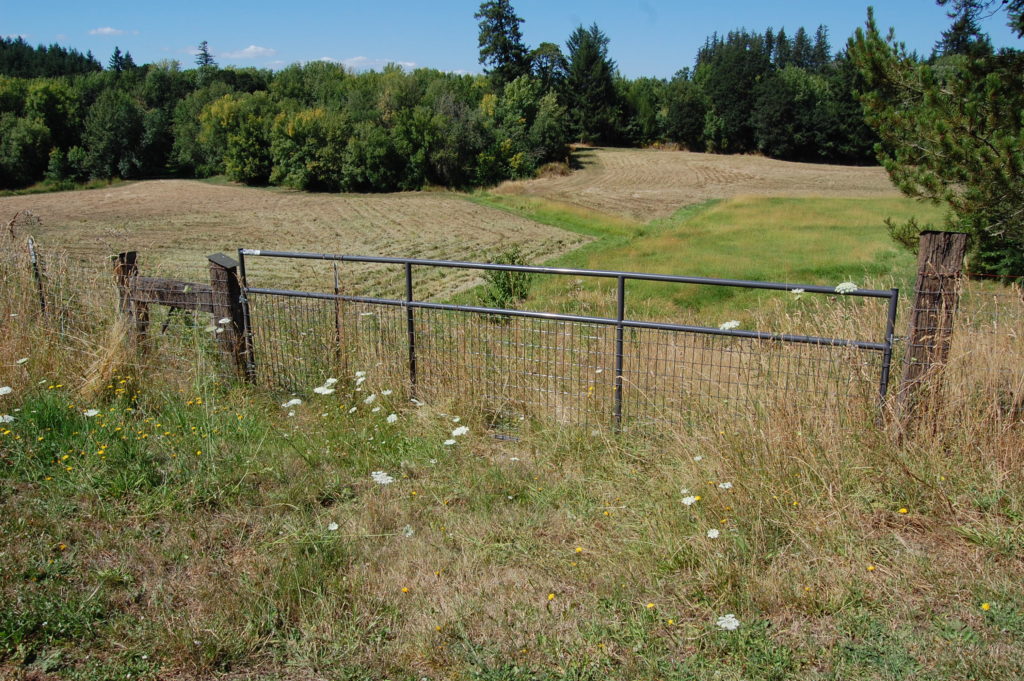
Completing your pasture fencing project involves not only installing the structure but also ensuring its longevity and reliability through regular inspection and maintenance. Proper upkeep safeguards your investment, keeps your livestock secure, and maintains the aesthetic appeal of your property. Implementing consistent inspection routines and timely repairs can prevent minor issues from escalating into costly repairs or safety hazards.
Effective fencing maintenance encompasses routine inspections, prompt repairs of damaged sections, seasonal tasks to adapt to weather changes, and safety practices for workers. Adhering to these best practices ensures your pasture fence remains durable, functional, and safe for years to come.
Regular Inspection of the Fence
Establishing a schedule for inspecting the fence at regular intervals is crucial for early detection of potential problems. Visual inspections should focus on identifying signs of wear, damage, or deterioration, especially after severe weather events such as storms or heavy snowfall. Pay attention to areas where the fence may be under stress, such as corners, gates, or sections with high livestock activity.
During inspections, look for:
- Broken or loose fence posts
- Sagging or sagging sections of wire or fencing material
- Rust, corrosion, or rot in wooden or metal parts
- Gaps or holes that could allow livestock to escape
- Vegetation growth that may compromise fencing integrity
Repair Procedures for Damaged Sections
Addressing damage promptly is essential to maintain fence security and prevent livestock escapes. Repair procedures vary depending on the type of damage and fencing material, but some general steps include the following:
- Identify the extent and location of the damage during routine inspections.
- For broken or loose fence posts, remove the damaged post and replace it with a new one of similar size and material. Ensure the new post is set firmly into the ground and aligned properly.
- For sagging wire or fencing material, tighten the wire using a tensioner or stretchers to restore proper tension.
- In cases of rust or rot, replace the affected sections or treat the area with appropriate preservatives or rust inhibitors.
- Seal any holes or gaps with suitable repair materials such as wire patches, fencing staples, or repair clips to prevent livestock from escaping.
Always wear appropriate safety gear, such as gloves and eye protection, when performing repairs to avoid injuries from sharp fencing components or tools.
Seasonal Maintenance Tasks
Seasonal changes influence the wear and tear on fencing structures. Conducting seasonal maintenance helps extend the lifespan of your fence and adapts it to climatic conditions. Some key tasks include:
- Spring: Remove accumulated debris, check for frost-heaved posts, and repair any winter damages. Clear vegetation that may be growing into or around the fence.
- Summer: Regularly inspect for heat-related wear, such as warping or warping of wooden posts or sagging wire due to livestock activity. Reapply protective treatments if needed.
- Fall: Prepare fencing for winter by inspecting for damage and reinforcing sections vulnerable to snow or ice accumulation. Trim back overgrown vegetation.
- Winter: Protect wooden posts from moisture and ice damage by ensuring proper drainage and possibly applying weatherproof coatings. Check for ice build-up that could cause posts to heave or break.
Proactive seasonal maintenance reduces the need for extensive repairs and enhances safety during adverse weather conditions.
Safety Tips for Working on or Around Fencing Structures
Ensuring safety during fencing maintenance and repair is paramount to prevent injuries. Proper safety practices include:
- Always wear suitable personal protective equipment (PPE), such as gloves, safety glasses, and sturdy footwear.
- Use appropriate tools for the job, ensuring they are in good condition and suitable for fencing materials.
- Be cautious of sharp wire edges, splinters from wooden posts, or protruding nails and staples.
- When working at heights or on ladders, ensure stability and proper positioning to prevent falls.
- Keep the work area clear of tripping hazards, especially when using power tools or handling heavy materials.
- Be aware of livestock in the vicinity, and work in a manner that does not stress or alarm animals.
- Follow local safety regulations and guidelines for machinery and tool use.
Implementing these safety protocols minimizes the risk of injury and promotes a safe environment for all involved in fence maintenance activities.
Cost Estimation and Budgeting
Accurate cost estimation and effective budgeting are essential steps in the process of building a pasture fence. Understanding the typical expenses involved ensures that project planning remains within financial limits while achieving the desired fencing quality and durability. Proper budgeting also helps in sourcing affordable materials and avoiding unexpected costs during construction.
By carefully assessing the expenses associated with different fencing materials and the scope of your land, you can develop a comprehensive budget plan. This planning facilitates efficient allocation of resources, enables comparison of material options based on cost and longevity, and ultimately results in a sustainable fencing project that meets your needs without overspending.
Typical Costs Involved in Building a Pasture Fence
Building a pasture fence incurs various costs, which can vary depending on the size of the land, material choices, and labor considerations. The main expenses typically include materials, tools, labor (if hiring professionals), and miscellaneous costs such as permits or additional hardware. It is important to itemize these costs to build an accurate budget and prevent financial surprises during the project.
- Fencing Materials: The primary expense, varies based on type (wood, vinyl, wire, etc.) and quantity required.
- Fence Posts: Cost depends on the type (wood, metal, concrete) and quantity needed for your land’s perimeter.
- Tools and Equipment: Expenses for renting or purchasing tools such as post drivers, drills, or cutting equipment.
- Labor Costs: If hiring contractors or laborers, include wages and contractual fees.
- Additional Hardware and Accessories: Items like nails, staples, brackets, and gates add to the overall cost.
- Permits and Inspection Fees: Depending on local regulations, some areas might require permits, adding to expenses.
Cost Comparison Table for Fencing Materials
Materials differ not only in aesthetic and durability but also in cost. The following table summarizes typical price ranges for common fencing options, helping you make informed choices aligned with your budget and land requirements.
| Material Type | Average Cost per Linear Foot | Durability | Maintenance Level |
|---|---|---|---|
| Wood (pressure-treated) | $10 – $15 | Moderate | Moderate; periodic sealing or painting needed |
| Vinyl | $20 – $30 | High | Low; resistant to weather and pests |
| Barbed Wire | $2 – $4 | Low to Moderate | Low; prone to rust without treatment |
| High-Tensile Wire | $3 – $6 | High | Low; requires tension adjustments |
| Steel or Metal Panels | $25 – $40 | Very High | Low; corrosion-resistant options available |
Estimating Total Expenses Based on Land Size and Material Choice
To accurately project your fence budget, consider both the total land perimeter and the selected fencing material. Begin by measuring or calculating the total length of fencing required, then multiply this by the cost per linear foot for your chosen material. This provides a base estimate for material costs.
Formula: Total Cost = Land Perimeter (feet) x Cost per Linear Foot
For example, if your pasture perimeter is 1,000 feet and you select wood fencing at an average of $12.50 per foot, your material estimate would be approximately $12,500. Additional costs such as hardware, posts, and labor should be added to this figure for a comprehensive budget.
It is advisable to add a contingency buffer—generally 10-15%—to account for unforeseen expenses or material price fluctuations. This practice ensures that your project remains financially feasible even when unexpected costs arise.
Tips for Budgeting and Sourcing Affordable Supplies
Effective budgeting involves not only estimating costs but also identifying ways to reduce expenses without compromising quality. Consider the following strategies:
- Compare prices from multiple suppliers and seek bulk purchase discounts for large orders of materials like wire or posts.
- Explore local salvage yards or recycling centers for reclaimed fencing materials or posts, which can significantly lower costs.
- Plan the project during off-peak seasons when suppliers may offer discounts or promotions.
- Leverage community resources or fencing co-ops to access shared equipment or bulk purchasing options.
- Consider alternative, cost-effective materials that still meet durability and safety standards suitable for your livestock.
Maintaining a flexible budget and diligent sourcing efforts can lead to substantial savings, making pasture fencing projects more accessible and sustainable in the long run.
Common Challenges and Troubleshooting
Maintaining a durable and secure pasture fence involves anticipating and addressing typical issues that may arise over time. Fencing systems are subjected to various environmental factors, animal behaviors, and material wear, which can compromise their effectiveness. Understanding common problems and implementing effective solutions ensures the longevity of your fencing and the safety of your livestock.Fencing-related challenges often manifest as structural instability, animal breaches, or material degradation.
Recognizing these issues early enables prompt intervention, preventing further damage and maintaining a secure enclosure for your animals. Adaptability and routine inspection are key components in managing these challenges effectively.
Leaning or Unstable Fence Posts
Fence posts that lean or become unstable pose a significant threat to the integrity of the entire fence line. This issue is frequently caused by soft or saturated soil, improper post installation, or enduring weather conditions such as strong winds and heavy rains.To address leaning posts, it is important to first assess the cause. If soil saturation is to blame, improving drainage around the base of the posts can help.
For posts that were improperly installed, removing and resetting them with adequate concrete or deeper anchoring can restore stability. Installing posts at the correct depth—typically one-third of their total length below ground—provides better support. Using treated wood or metal posts enhances durability, especially in challenging terrains.Best practices include installing concrete footing for critical posts, especially those bearing significant tension, and ensuring posts are plumb during installation.
Routine inspections and timely reinforcement prevent small issues from escalating into major failures.
Wire Sagging or Damage
Wire fencing is susceptible to sagging over time due to tension loss, environmental exposure, or mechanical damage from animals or machinery. Sagging wires reduce security and can create openings for escape or intrusion.Maintaining proper tension is essential. When sagging is identified, tightening the wire using tensioners or strainers ensures the fence remains taut and secure. For damaged sections, replacing the affected wire segment prevents further deterioration.
Regular inspection of the entire fence line helps identify early signs of wear, rust, or breaks, allowing for timely repairs.Applying protective coatings or galvanized wire can prolong lifespan and resist rust, especially in humid or coastal environments. If sagging persists despite tension adjustments, consider adding additional straining points or upgrading to higher-tensile wire options.
Animal Breaches and Escapes
Animals may breach fences due to persistent motivation to escape, fence weaknesses, or inadequate height. Such breaches threaten livestock safety and can lead to property loss or interactions with traffic or predators.To prevent escapes, ensure the fence height is appropriate for the species—generally, cattle require at least 4.5 feet, while smaller animals may need less. Reinforcing weak points, such as gates and corners, with sturdy posts and bracing minimizes vulnerabilities.
Installing electrified wire or tape at the top of the fence can deter animals from attempting to breach.Monitoring animal behavior and adjusting fencing design accordingly can significantly reduce breaches. For example, adding a bottom wire close to the ground prevents animals from crawling underneath, while regular maintenance keeps the fence in optimal condition.
Adapting Fencing to Challenging Terrains
Rugged or uneven terrain presents unique challenges that require tailored fencing solutions. Steep slopes, rocky ground, or dense vegetation can hinder standard installation and affect fence stability.In such environments, using flexible materials like woven wire or high-tensile wire allows the fence to conform to irregular land contours. Installing posts at varying depths and angles provides better anchoring. For steep slopes, constructing terraced fences or using step-in posts can prevent sagging and maintain tension.Clear vegetation and debris along the fence line facilitate inspections and reduce damage from physical contact.
Additionally, employing specialized equipment or techniques, such as batter posts for rocky terrain or expanding the spacing between posts on gentle slopes, optimizes resource use and ensures fence durability.
Upgrading and Modifying Existing Fences
Over time, fences may require upgrades to improve their performance or adapt to changing needs. This can involve reinforcing weak sections, replacing worn-out materials, or modifying the fence design for increased security.For existing fences experiencing sagging or leaning, upgrading tensioning systems or adding additional support posts enhances stability. Installing modern materials like high-tensile wire or composite posts can extend the lifespan and reduce maintenance efforts.In cases where livestock have learned to breach the fence, raising the height or adding electrification can serve as effective deterrents.
Incorporating additional features, such as barbed wire at the top or underground barriers, creates a more robust enclosure.Regular assessment of the entire fencing system helps identify areas needing modification. Upgrades should be planned considering the specific needs of the livestock, environmental conditions, and available budget to ensure long-term fencing effectiveness.
Final Review
In conclusion, constructing a reliable pasture fence involves careful planning, selecting appropriate materials, and precise installation practices. Regular inspections and timely repairs will prolong the fence’s lifespan, allowing you to maintain a safe and productive environment for your livestock. With the right approach, your fence can serve as a strong, lasting boundary that enhances the overall management of your land and animals.