Embarking on the journey of constructing a pig pen is a rewarding endeavor, and this guide offers a comprehensive roadmap to ensure your success. We will delve into the foundational principles of designing a functional and secure enclosure, covering everything from essential elements to critical planning considerations.
This exploration will equip you with the knowledge to select the ideal site, design appropriate layouts, and gather the necessary materials and tools. Our step-by-step construction guide will walk you through each phase, ensuring a sturdy and safe environment for your pigs, complete with essential shelter and comfort features.
Understanding the Basics of Pig Pen Construction
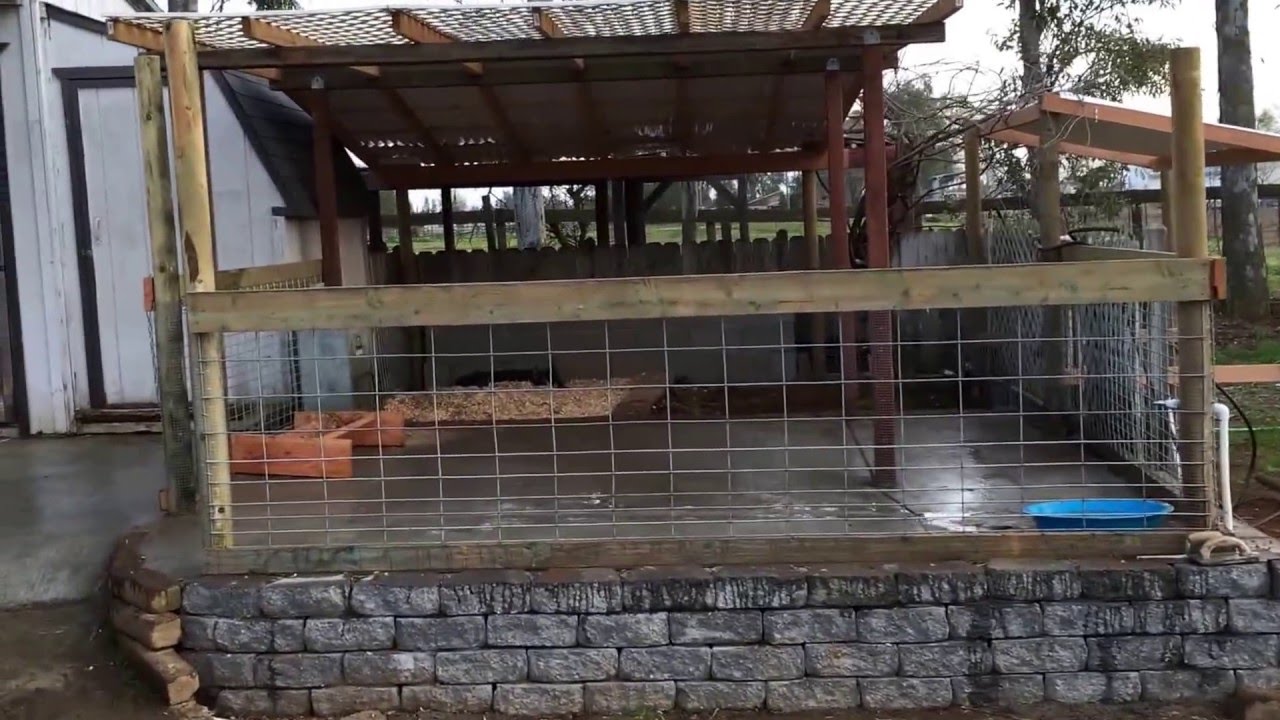
Building a pig pen requires careful planning and consideration of your pigs’ welfare and your operational needs. The fundamental principles revolve around providing a safe, secure, and comfortable environment that meets their biological and behavioral requirements. A well-designed pen not only prevents escapes and protects your animals from predators but also facilitates efficient management and cleaning.A functional pig pen is more than just an enclosure; it’s a carefully constructed habitat designed to support the health, safety, and productivity of your livestock.
Key to its success is a thorough understanding of the essential elements that contribute to its overall effectiveness. Before breaking ground, several crucial factors must be assessed to ensure the pen is fit for purpose and sustainable in the long term.
Fundamental Principles of Pig Enclosure Design
The design of a pig enclosure should prioritize the animal’s well-being and safety above all else. This involves creating a space that is free from hazards, offers protection from environmental extremes, and allows for natural behaviors. Key principles include structural integrity to prevent escapes and predator intrusion, adequate ventilation to maintain air quality, and easy access for feeding, watering, and cleaning.
Essential Elements of a Functional Pig Pen
A functional pig pen comprises several critical components that work together to create a suitable living environment. These elements are designed to address the specific needs of pigs, from their physical requirements to their behavioral patterns.
- Structure and Materials: The pen must be robust, utilizing durable materials like treated lumber, concrete, or strong wire mesh. The structure should be free of sharp edges or protruding elements that could injure the animals.
- Flooring: Flooring options vary, but they should be easy to clean, provide good drainage, and offer adequate traction. Options include concrete with a slope for drainage, compacted earth, or specialized rubber matting.
- Shelter: Pigs need protection from sun, wind, and rain. This can be provided by a solid roof structure, a three-sided shelter, or even natural shade from trees, depending on the climate and pen design.
- Watering System: Access to clean, fresh water is paramount. This can be achieved through automatic waterers, nipple drinkers, or troughs that are regularly cleaned and refilled.
- Feeding System: Efficient feeding is crucial for managing resources and ensuring all pigs have access to food. Feeders should be designed to minimize waste and be easily accessible for refilling.
- Manure Management: A well-designed pen incorporates features that facilitate manure removal and management, such as sloped floors, adequate drainage, and accessible areas for cleaning.
Common Considerations Before Beginning Construction
Embarking on pig pen construction necessitates a proactive approach to planning, addressing potential challenges and opportunities before any physical work begins. These considerations are vital for ensuring the project’s success and the long-term welfare of the animals.
- Local Regulations and Zoning: It is imperative to research and comply with all local ordinances, zoning laws, and agricultural regulations pertaining to livestock housing. This may include setback requirements, size limitations, and waste management protocols.
- Climate and Weather Patterns: The prevailing climate significantly influences pen design. Considerations include providing adequate shade in hot weather, robust shelter from wind and rain in colder months, and effective drainage to prevent waterlogging.
- Predator Protection: Pigs, especially piglets, are vulnerable to predators. The pen must be designed with secure fencing, potentially including buried mesh to prevent digging predators and sturdy roofing to deter aerial threats.
- Pest Control: Effective pest management, including rodents and insects, is essential for animal health and hygiene. The pen’s design and materials can play a role in deterring pests.
- Ease of Access and Maintenance: The pen should be designed for convenient access for feeding, watering, health checks, and cleaning. This includes ensuring gates are functional and cleaning pathways are clear.
- Budget and Resources: A realistic budget and an assessment of available resources, including materials, labor, and time, are crucial for a successful construction project.
Primary Factors Influencing Pen Size and Layout
The optimal size and layout of a pig pen are not static; they are dynamic factors influenced by several interconnected elements. Understanding these influences is key to creating an environment that supports the pigs’ well-being and your management efficiency.
Pig Breed and Size
The breed of pig and its expected mature size are primary determinants of pen dimensions. Larger breeds, such as Durocs or Landrace, will require significantly more space than smaller heritage breeds or miniature pigs. For example, a mature commercial hog might require 10-15 square feet of space, whereas a smaller breed could be comfortable with 6-8 square feet. It is important to consult breed-specific guidelines.
Number of Pigs
The number of pigs housed in a single pen directly correlates with the total space required. Overcrowding can lead to increased stress, aggression, disease transmission, and reduced growth rates. A general guideline for grower-finisher pigs is to allow at least 8 square feet per animal, though this can increase for larger breeds or if pigs are housed for extended periods.
Age and Life Stage
Different life stages necessitate varying space requirements. Piglets have lower space needs than growing pigs or mature breeding stock. For instance, farrowing pens for sows with piglets require ample space for the sow to move and for piglets to have safe zones. Gestation stalls, if used, are designed for individual confinement, whereas group housing for sows requires careful layout to accommodate social dynamics.
Purpose of the Pen
The intended use of the pen—whether for farrowing, gestation, growing, finishing, or a combination—will dictate its layout and features. A farrowing pen, for example, needs specialized equipment like farrowing crates to protect piglets. Finishing pens might prioritize easy access to feeders and waterers for rapid growth.
Environmental Factors and Climate
The layout should also consider environmental factors. In hot climates, pens should be designed to maximize airflow and provide ample shade. In cold climates, windbreaks and sheltered areas are crucial. The layout can also incorporate features to manage manure effectively, such as sloped floors leading to drainage channels.
Management Practices
Your planned management practices, such as feeding methods (e.g., ad libitum vs. restricted feeding), cleaning schedules, and health monitoring routines, will influence the most efficient pen layout. For example, pens designed for easy observation and access for medication will differ from those optimized for automated feeding systems.
Planning and Design Considerations
Before embarking on the construction of your pig pen, thorough planning and design are paramount to ensure a functional, safe, and sustainable environment for your livestock. This phase involves careful consideration of your specific needs, resources, and the well-being of the pigs.A well-thought-out plan minimizes costly mistakes and ensures the pen effectively serves its purpose, whether for a few backyard pigs or a larger commercial operation.
Addressing these points proactively will lay a solid foundation for a successful pig pen project.
Essential Planning Steps Checklist
To guide your preparation, a systematic approach is recommended. This checklist Artikels the critical steps to take before and during the design and construction process.
- Define Your Objectives: Determine the purpose of the pen (e.g., farrowing, finishing, breeding, growing out) and the number of pigs you intend to house.
- Assess Available Space: Measure the total area you can dedicate to the pig pen, considering future expansion if necessary.
- Budget Allocation: Establish a realistic budget for materials, labor (if applicable), and any unforeseen expenses.
- Local Regulations and Zoning: Research and comply with any local ordinances, building codes, or agricultural regulations pertaining to livestock housing.
- Environmental Impact: Consider drainage, waste management, and potential impact on neighboring properties or water sources.
- Material Sourcing: Identify reliable sources for construction materials, prioritizing durability, safety, and cost-effectiveness.
- Climate Considerations: Factor in your local climate, including temperature extremes, precipitation, and wind patterns, to design for adequate shelter and ventilation.
- Pest and Predator Control: Plan for measures to prevent the entry of pests and the protection of pigs from predators.
Pen Layouts for Varied Farm Sizes and Pig Numbers
The optimal layout of a pig pen is intrinsically linked to the scale of your operation and the number of animals you plan to house. Different configurations offer varying levels of efficiency, management ease, and animal welfare.
For smaller operations or hobby farms with a few pigs, a simple, rectangular or square pen may suffice. This is often easier to construct and manage, requiring less complex fencing and gate systems. As the number of pigs increases, or if specific management practices are to be implemented, more complex layouts become beneficial. These can include divided pens for separating age groups or sexes, designated feeding and watering areas, and specialized zones for different activities.
In larger commercial settings, efficiency and animal flow are paramount. Layouts might incorporate multiple connected pens, allowing for controlled movement of pigs between areas for feeding, watering, resting, and waste removal. Rotational grazing systems, where pigs move between different paddocks, are also a consideration for larger farms, promoting pasture health and reducing parasite buildup. The design should facilitate easy access for cleaning, feeding, and health checks.
Importance of Site Selection for a Pig Pen
The location of your pig pen is a critical factor that profoundly impacts the health, safety, and management efficiency of your pigs, as well as your own convenience and the environment.
Choosing the right site mitigates potential problems before they arise. Proper site selection ensures good drainage, which is vital for preventing muddy conditions that can lead to foot problems and disease. It also helps in managing manure effectively, reducing odors and the risk of water contamination. Proximity to existing farm infrastructure, such as water and electricity sources, can also significantly reduce construction and operational costs.
Furthermore, the site should offer natural protection from prevailing winds and excessive sun. While pigs can tolerate a range of temperatures, extreme conditions can cause stress and reduce productivity. A site that allows for natural shade or can easily accommodate artificial shade structures is advantageous. Lastly, consider the accessibility for daily chores, such as feeding and watering, and for larger tasks like manure removal.
Ease of access for veterinary care is also a crucial, though often overlooked, aspect.
Basic Pen Structure Design: Materials and Dimensions
Designing a basic pig pen involves selecting appropriate materials and determining suitable dimensions that cater to the welfare and management needs of the animals.
A common and effective basic pen structure is a rectangular enclosure. For a small group of growing pigs, a pen measuring approximately 10 feet by 15 feet (3 meters by 4.5 meters) can provide adequate space. This size allows for movement, resting, and feeding areas. For larger or more active breeds, or for sows with piglets, increased space per animal is essential.
A general guideline is to provide at least 50 square feet (4.6 square meters) per finishing pig, with more space required for breeding stock or during warmer months.
Materials should be chosen for durability, safety, and ease of maintenance. Robust fencing is a primary concern. Options include:
- Wood: Treated lumber can be used for posts and framing. It is relatively inexpensive but may require regular maintenance and replacement. Ensure wood is free from toxic treatments that could harm pigs.
- Metal Fencing: Woven wire or heavy-gauge welded wire mesh is a good choice for containing pigs, especially younger ones. It should be secured to sturdy posts.
- Concrete Blocks or Stone: These can be used for lower walls, offering excellent durability and containment, particularly against determined rooting.
- Electric Fencing: Can be an effective deterrent, often used in conjunction with other fencing types, especially for larger areas or to reinforce boundaries.
The pen should include a solid shelter area, providing protection from sun, rain, and wind. This shelter can be a simple A-frame structure or a more enclosed building. The floor of the pen should be well-drained. For solid-floored pens, adequate bedding (such as straw or wood shavings) is crucial for comfort and insulation. For outdoor pens, ensuring the ground slopes away from the shelter and feeding areas is ideal.
Gates should be sturdy and secure, allowing easy access for management tasks.
“The foundation of a healthy pig pen lies in its design, ensuring adequate space, secure containment, and protection from the elements.”
Essential Materials and Tools
Constructing a sturdy and effective pig pen requires careful consideration of the materials and tools you’ll need. Selecting the right components ensures durability, safety for your animals, and ease of construction. This section will guide you through the common materials and essential tools for building a reliable pig enclosure.The success of your pig pen hinges on the quality and suitability of the materials used.
From the structural integrity of the fencing to the fasteners that hold it all together, each element plays a crucial role. Understanding the options available and their respective benefits will help you make informed decisions that align with your budget and long-term goals.
Common Materials for Pig Pen Construction
A variety of materials can be used to build a pig pen, each offering different advantages in terms of cost, durability, and maintenance. The following list Artikels the most frequently used components:
- Fencing: This is the most critical component for containing your pigs. Options include wooden posts and rails, wire mesh, electric fencing, and specialized hog panels.
- Posts: Essential for supporting the fencing, posts can be made from treated lumber, metal, or concrete. The type and spacing of posts will depend on the fencing material and the size of your pen.
- Fasteners: This category includes nails, screws, bolts, hinges, and other hardware needed to assemble the pen. Galvanized or stainless steel options are recommended to prevent rust and corrosion.
- Gates: A functional and secure gate is vital for access, feeding, and animal management. These can be constructed from wood, metal, or a combination of both.
- Roofing (Optional but Recommended): For protection from the elements, a roof or shelter is highly beneficial. Materials like corrugated metal, asphalt shingles, or treated wood can be used.
- Bedding: While not a construction material, providing appropriate bedding like straw, wood shavings, or sand is crucial for the comfort and health of your pigs.
Necessary Tools for Building a Pig Enclosure
Having the right tools at your disposal will make the construction process smoother, safer, and more efficient. Investing in quality tools can also ensure a more professional and durable final product.The following is a list of essential tools that will be instrumental in building your pig pen:
- Measuring Tape: For accurate measurements of distances, post spacing, and material lengths.
- Level: To ensure posts are plumb and structures are level, which is critical for stability.
- Shovel and Post Hole Digger: For digging holes for posts, ensuring they are deep and stable enough to support the pen.
- Hammer: For driving nails when working with wooden components.
- Drill/Screwdriver: For driving screws, which often provide a more secure connection than nails, especially for heavier components.
- Saw (Hand Saw or Circular Saw): For cutting lumber to the required lengths.
- Wrench/Pliers: For tightening bolts and nuts, and for manipulating wire fencing.
- Wire Cutters/Crimpers: Essential if you are using wire mesh or electric fencing.
- Safety Gear: Including work gloves, safety glasses, and sturdy footwear, are paramount for personal protection.
Comparison of Fencing Materials for Pig Pens
Choosing the right fencing material is paramount for effectively containing pigs. Each option has its own set of advantages and disadvantages that should be weighed against your specific needs and budget.Here’s a comparative look at common fencing materials:
| Fencing Material | Pros | Cons |
|---|---|---|
| Wooden Posts and Rails | Durable, aesthetically pleasing, can be built to specific heights and strengths. Good for larger, more robust pigs. | Can be labor-intensive to build, susceptible to rot and insect damage if not properly treated, can be chewed by pigs. |
| Wire Mesh (e.g., Welded Wire Fencing) | Effective for containing smaller pigs, relatively affordable, easy to install. | Can be less durable against larger, more determined pigs; pigs can potentially push through or get limbs caught if mesh openings are too large. Requires strong posts for support. |
| Hog Panels (Woven Wire Fencing) | Specifically designed for pigs, very strong and durable, effective at containing even large breeds. | More expensive than basic wire mesh, can be heavy and difficult to handle for a single person, requires sturdy corner and brace posts. |
| Electric Fencing | Cost-effective for perimeter fencing, deters pigs through a mild shock, can be used in conjunction with other fencing for added security. | Requires a power source (solar or mains), needs regular maintenance to ensure it’s working correctly, may not be sufficient as a sole barrier for all pigs, especially piglets. |
Specifications for Lumber, Hardware, and Other Construction Supplies
When purchasing materials for your pig pen, paying attention to specifications ensures you are selecting items that will provide the necessary strength and longevity. Using appropriate materials prevents premature failure and costly repairs.For lumber, consider the following:
- Type: Pressure-treated lumber is highly recommended for posts and any wood in contact with the ground to resist rot and insect infestation. Cedar or redwood are naturally more resistant but also more expensive.
- Dimensions: For posts, 4×4 or 6×6 inches are common, with lengths determined by desired height and depth of burial (typically 2-3 feet into the ground). For rails or framing, 2×4 or 2×6 lumber is suitable.
- Treatment: Ensure lumber is rated for ground contact if it will be buried.
For hardware:
- Material: Opt for galvanized or stainless steel fasteners (nails, screws, bolts, hinges) to prevent rust and corrosion, which can weaken connections over time.
- Strength: Use appropriately sized screws and bolts for the load they will bear. For example, lag screws are often used for attaching rails to posts.
For wire fencing:
- Gauge: A lower gauge number indicates thicker wire, which is stronger. For pig pens, a 12-gauge or 10-gauge wire is often preferred for durability.
- Mesh Size: The size of the openings in the wire mesh should be small enough to prevent pigs from getting their heads or limbs stuck. For piglets, smaller openings are essential.
- Height: The height of the fencing should be adequate to prevent pigs from jumping over, typically 3-4 feet for most breeds, but potentially higher for very agile or large pigs.
Step-by-Step Construction Guide
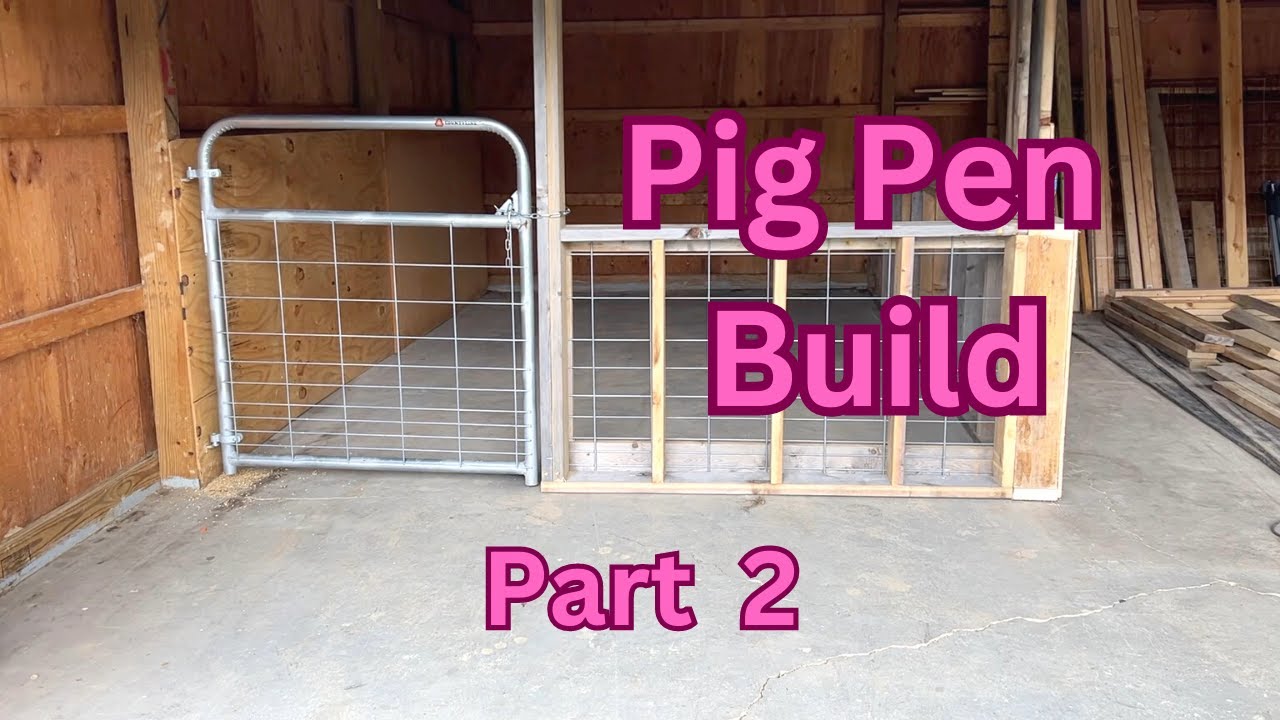
Building a pig pen involves several distinct phases, each requiring careful attention to detail to ensure a secure, functional, and safe enclosure for your livestock. This guide will walk you through the construction process, from preparing the ground to the final touches of gate installation. By following these steps, you can effectively construct a durable and appropriate habitat for your pigs.The foundation of a robust pig pen lies in its structural integrity.
This begins with properly setting the posts, which will support the entire fencing system. Taking the time to do this correctly will prevent future sagging or structural failures.
Setting Foundation Posts
The first critical step in building your pig pen is establishing a solid foundation. This typically involves setting sturdy posts that will anchor the fencing and provide the primary structural support. The placement and depth of these posts are paramount for the pen’s overall stability and longevity.To begin, mark out the perimeter of your pig pen according to your design.
Using a post hole digger or auger, excavate holes for your corner posts and any intermediate posts at regular intervals (usually every 8-10 feet, depending on fence material and pig size). The holes should be at least 2-3 feet deep, or one-third the length of the post, to ensure they are firmly anchored in the ground. For areas with softer soil or where larger, more boisterous pigs will be housed, consider increasing the depth.Once the holes are dug, place the posts in the center of each hole.
Use a level to ensure each post is perfectly vertical. You can then begin backfilling the holes with the excavated soil, compacting it firmly around the post with a tamper or the back of a shovel. Alternatively, for enhanced stability, especially in areas prone to frost heave or heavy winds, you can set the posts in concrete. Pour a concrete mix into the hole around the post, ensuring it is level and smooth at the top to shed water.
Allow the concrete to cure fully according to the manufacturer’s instructions before proceeding.
Erecting Secure Fencing
With the foundation posts firmly in place, the next phase is to erect the fencing material. The method of attachment will depend on the type of fencing you’ve chosen, but the primary goal is to create a continuous, strong barrier that your pigs cannot breach.Here are the key considerations for securely attaching your fencing:
- Material Selection: Whether you are using wooden planks, wire mesh, or electric fencing, ensure it is appropriate for the size and temperament of your pigs. Heavy-duty wire mesh (like hog panel or welded wire fencing with small openings) is often preferred for its durability and ability to contain even determined pigs.
- Attachment Points: For wire mesh or panels, use heavy-duty staples, U-bolts, or specialized fence clips to attach the fencing securely to the posts. Ensure these fasteners are driven deeply and spaced closely enough to prevent the fencing from pulling away.
- Tensioning: For wire fencing, it is crucial to maintain proper tension. Use a fence stretcher or come-along tool to pull the fencing taut between posts before securing it. Loose fencing is easier for pigs to push or break.
- Height and Ground Clearance: The fence should be tall enough to prevent pigs from jumping over it, typically at least 3-4 feet for growing pigs and potentially higher for mature animals. Ensure there are no significant gaps between the bottom of the fence and the ground, as pigs are adept at digging and escaping. You may need to bury the bottom edge of the fencing slightly or add a skirt of wire mesh along the base.
- Reinforcement: For particularly strong-willed pigs or in high-pressure areas, consider reinforcing the fence. This might involve adding a second layer of fencing, using thicker gauge wire, or incorporating electric fencing as a deterrent.
Installing Gates and Latches
Safe and easy access is vital for feeding, watering, cleaning, and moving your pigs. The installation of gates and appropriate latches is a crucial final step in completing your pig pen.The design of your gate should be robust and well-fitted to prevent escapes. For a typical pig pen, a swinging gate is common. When installing the gate, ensure it swings freely and closes snugly against the frame or post to avoid any gaps.For latches, prioritize security and ease of use.
Pigs can be surprisingly intelligent and persistent, so a simple hook-and-eye latch may not be sufficient. Consider latches that require a deliberate action to open, such as:
- Bolt Latches: A heavy-duty sliding bolt that extends into a receiver on the opposite post.
- T-Handle Latches: These often incorporate a locking mechanism that requires lifting and sliding to open.
- Spring-Loaded Latches: These provide a secure closure and can be easily operated with one hand.
It is advisable to reinforce the gate posts with additional bracing or concrete if they will bear significant stress from the gate and latch mechanism. Regularly inspect your gates and latches for wear and tear, ensuring they remain functional and secure to maintain the integrity of the pig pen.
Shelter and Comfort Features
Providing adequate shelter and ensuring a comfortable environment are paramount for the health, well-being, and productivity of your pigs. A well-designed shelter protects them from extreme weather conditions, offers a sense of security, and promotes good hygiene.The primary function of a pig pen’s shelter is to shield the animals from the elements. This includes protection from direct sunlight, which can cause heat stress, and from rain, wind, and cold temperatures, which can lead to discomfort and illness.
The shelter should also be designed to prevent drafts while allowing for sufficient air circulation.
Requirements for Adequate Shelter
A suitable shelter must meet several key requirements to ensure pig comfort and health. These include protection from temperature extremes, precipitation, and strong winds. The shelter’s size should be adequate for the number of pigs housed, allowing them to lie down comfortably and move around without feeling overly confined. The materials used for the shelter should be durable, easy to clean, and non-toxic.
Creating a Comfortable Bedding Area
A comfortable bedding area is essential for pigs to rest, sleep, and regulate their body temperature. Pigs naturally seek out dry, clean, and soft bedding. The type and amount of bedding will influence their comfort and can also help absorb moisture and waste.The bedding area should be kept clean and dry. Regular removal of soiled bedding and replacement with fresh material is crucial for preventing the buildup of ammonia and bacteria, which can cause respiratory issues and skin problems.
- Straw: A popular choice, straw provides excellent insulation and is soft. It should be kept dry and replenished regularly.
- Wood shavings: Pine or cedar shavings can be used, but ensure they are not too dusty, as this can irritate the pigs’ respiratory systems.
- Hay: Similar to straw, hay offers good insulation but can become moldy if it gets wet.
- Sand: While not as common, sand can be used as bedding in warmer climates as it stays cool and drains well.
Ventilation and Drainage Importance
Effective ventilation and drainage are critical for maintaining a healthy environment within the pig pen. Poor ventilation can lead to a buildup of ammonia, carbon dioxide, and moisture, creating a breeding ground for diseases and causing respiratory distress. Proper drainage prevents waterlogging, which can lead to muddy conditions, discomfort, and increased parasite risks.Ventilation ensures a constant supply of fresh air while removing stale, moist, and contaminated air.
This helps regulate temperature and humidity levels within the pen, creating a more stable and comfortable microclimate for the pigs.Drainage systems are necessary to remove excess moisture from the pen, whether from rain, urine, or cleaning water. This keeps the bedding dry and reduces the risk of foot problems and disease transmission.
Simple Shelter Structure Design
A simple, effective shelter structure can be built using readily available materials. The design should prioritize protection from the elements and ease of maintenance.A common and effective design is a three-sided shelter, often referred to as a “lean-to” or “roofed shelter.” This structure provides protection from prevailing winds and rain while allowing for open access and good airflow.
| Component | Description | Purpose |
|---|---|---|
| Roof | Sloped to allow water runoff. Made from corrugated metal, asphalt shingles, or treated wood. | Protection from sun, rain, and snow. |
| Back Wall | Solid, providing protection from wind and weather. Can be made from wood planks, plywood, or concrete blocks. | Blocks prevailing winds and prevents drafts. |
| Side Walls (Two) | One side can be open for access, while the other can be partially enclosed or fully open depending on the prevailing wind direction. | Provides additional protection from wind and rain. |
| Floor | The pen floor itself, which should be well-drained and covered with bedding. | Provides a dry and comfortable resting area. |
“A well-ventilated and dry shelter is the first line of defense against common pig ailments.”
The dimensions of the shelter should be scaled to the size of the pig herd. For example, a small shelter for a few growing pigs might be 6 feet by 8 feet, while a larger shelter for a breeding sow and her litter would need to be considerably bigger. The height should be sufficient to allow pigs to stand comfortably.
Ensuring the roof overhangs the walls provides additional protection from rain. The placement of the shelter within the pen is also important, ideally facing away from the prevailing winds.
Safety and Security Measures
Ensuring the safety of your pigs and the security of their enclosure is paramount. A well-designed pig pen not only provides comfort but also acts as a barrier against external threats and prevents escapes, which can lead to various dangers for the animals and potential issues for the owner. Implementing thoughtful safety and security features from the outset will save considerable effort and potential heartache in the long run.A secure and safe pig pen is a fundamental aspect of responsible animal husbandry.
It protects your livestock from predators, prevents them from wandering into hazardous areas, and minimizes the risk of injury to both the animals and people. This section will guide you through the essential considerations for building a robust and secure pig pen.
Key Safety Features
Incorporating specific safety features into your pig pen design is crucial for preventing injuries and ensuring the well-being of your pigs. These features address potential hazards inherent in any animal enclosure and are designed to mitigate risks.
- Rounded Corners and Smooth Surfaces: All interior and exterior surfaces of the pen, including gates and feeders, should be free of sharp edges, protruding nails, or splinters. This minimizes the risk of cuts and abrasions to the pigs’ skin.
- Adequate Ventilation: Proper airflow is essential to prevent respiratory problems and the buildup of harmful gases like ammonia. Ensure there are no drafts directly on the sleeping areas, but sufficient openings for fresh air exchange.
- Secure Fencing Materials: Choose sturdy fencing materials that are free from rust or sharp, jagged edges. Woven wire mesh, sturdy wooden planks, or robust metal panels are good options, depending on the size and breed of your pigs.
- Safe Water Sources: Water troughs or nipples should be stable and designed to prevent pigs from tipping them over or getting trapped. Ensure water is clean and readily accessible.
- Non-Toxic Materials: If using any treated wood or paint, ensure they are certified as non-toxic and safe for animal housing. Pigs are known to chew on their surroundings, so material safety is critical.
- Escape-Proofing at Ground Level: Pigs, especially piglets, can be surprisingly adept at digging or squeezing through small gaps. Burying the fencing a few inches into the ground or using a solid base can prevent escapes from below.
Ensuring Pen Security Against Escapes
Preventing escapes is a primary concern in pig pen construction. Pigs are intelligent and persistent animals, and a poorly secured pen can lead to them wandering off, encountering dangers, or causing damage to property. Robust security measures are essential to keep your pigs safely contained.A well-constructed pen will deter even the most determined escape artist. This involves a combination of sturdy construction, appropriate height, and secure fastening of all components.
- Pen Height: The height of the pen walls should be sufficient to prevent pigs from jumping over. For most adult pigs, a minimum height of 4-5 feet is recommended, but this can vary depending on the breed and their jumping capabilities. Consider adding an overhang inwards at the top of the fence for added security.
- Gate Security: Gates are often the weakest point of a pen. Ensure they are constructed from strong materials, fit snugly within the frame, and are secured with reliable latches that cannot be easily opened by pigs. Double-latching mechanisms can provide extra security.
- Sturdy Post Installation: Fence posts should be deeply set in the ground and securely anchored, ideally with concrete. This provides the necessary structural integrity to withstand the pressure exerted by pigs leaning or pushing against the fence.
- Reinforced Corners and Gates: Pay extra attention to the corners and the areas around gates, as these are common points of weakness. Reinforce these areas with additional bracing and sturdy fasteners.
- Continuous Fencing: Ensure there are no gaps or breaks in the fencing. Even small openings can be exploited by pigs, especially piglets, to escape. Regularly check the entire perimeter for any signs of damage or wear.
Importance of Regular Maintenance for Pen Integrity
The long-term effectiveness and safety of your pig pen rely heavily on consistent maintenance. Weather, the pigs’ own behavior, and the passage of time can all contribute to wear and tear, compromising the pen’s integrity and security. Proactive maintenance is far more efficient and cost-effective than reactive repairs after an escape or an injury.Regular inspections and timely repairs are essential to maintain a safe and secure environment for your pigs.
This proactive approach prevents minor issues from escalating into major problems.
- Routine Inspections: Establish a schedule for regular visual inspections of the entire pen, including fences, gates, latches, and the shelter. This should be done at least weekly, with more frequent checks during adverse weather conditions or after periods of intense activity by the pigs.
- Checking for Wear and Tear: Look for signs of rust on metal components, rot in wooden structures, loose boards, or damaged wire mesh. Pay close attention to areas where pigs frequently interact with the pen, such as near feeders or resting spots.
- Tightening Fasteners: Over time, bolts, screws, and nails can loosen due to vibration and the pigs’ activity. Regularly tighten all fasteners to ensure the structural integrity of the pen.
- Repairing Damage Promptly: Any identified damage, no matter how small, should be repaired immediately. A small hole in the fence can quickly become a significant escape route.
- Maintaining Shelter: The shelter within the pen also requires maintenance. Check for leaks in the roof, damaged walls, or any potential hazards within the sleeping area.
Inspecting the Pen for Potential Hazards
A thorough inspection of the pig pen should focus on identifying and rectifying any potential hazards that could harm your pigs or allow them to escape. This goes beyond just checking for structural damage and involves a comprehensive safety audit of the entire enclosure.A systematic approach to inspection ensures that all potential risks are identified and addressed before they can cause harm.
- Structural Integrity Check: Walk the perimeter of the pen and inspect all fencing posts and panels for stability. Push on them to ensure they are firmly anchored and do not wobble.
- Surface Smoothness: Run your hands along the interior surfaces of the pen, paying attention to any rough edges, protruding nails, or sharp wire ends. If any are found, file them down or remove them.
- Gate and Latch Functionality: Open and close all gates to ensure they swing freely and latch securely. Test the latches to make sure they cannot be easily manipulated or opened by the pigs.
- Protruding Objects: Look for any objects within or around the pen that could pose a hazard, such as discarded tools, sharp rocks, or broken glass. Remove anything that is not part of the pen’s design.
- Electrical Hazards: If any electrical components are used in or near the pen (e.g., for heating or lighting in the shelter), ensure they are properly insulated, protected from moisture, and inaccessible to the pigs.
- Contamination Check: Inspect the pen for any potentially toxic plants or substances that may have found their way into the enclosure. Remove any foreign objects that could be ingested by the pigs.
- Water and Feed Station Safety: Ensure water troughs are stable and free from sharp edges. Check feeders for any broken parts or areas where a pig could get its head or limbs trapped.
Environmental Factors and Sustainability
Building a pig pen is not just about creating a safe and comfortable space for your animals; it also involves a responsibility towards the surrounding environment. Sustainable practices ensure that your pig operation minimizes its ecological footprint and contributes positively to the local ecosystem. This section delves into key environmental considerations for pig pen construction and management.Effective waste management is paramount to preventing pollution and maintaining a healthy environment.
Pigs, like all livestock, produce manure, which, if not managed properly, can contaminate soil and water sources. Implementing a thoughtful waste management strategy not only benefits the environment but can also turn a potential problem into a valuable resource.
Waste Management Strategies
Proper management of pig waste is crucial for environmental protection and can be a source of valuable organic fertilizer. A well-designed system will reduce odors, prevent runoff, and potentially create a usable product for agricultural purposes.
- Composting: This biological process breaks down organic matter, including pig manure and bedding, into a stable, nutrient-rich compost. It requires a balance of carbon-rich materials (like straw or wood shavings) and nitrogen-rich manure. Regular turning and monitoring of temperature and moisture are essential for efficient composting.
- Manure Lagoons: These are engineered ponds designed to store and treat liquid manure. They are typically lined to prevent seepage into the groundwater. While effective for large operations, they require careful design and management to prevent overflow and odor issues.
- Solid-Liquid Separation: Separating the solid and liquid components of manure allows for more targeted management. Solids can be composted or spread directly as fertilizer, while liquids can be further treated or used in irrigation systems.
- Dry Stacking: This method involves dehydrating manure to reduce its volume and odor. The dried manure can then be stored and used as fertilizer or bedding.
Water Access and Hygiene
Ensuring consistent access to clean water is vital for the health and well-being of pigs. It also plays a significant role in maintaining hygiene within the pen, which can prevent disease outbreaks and reduce the spread of pathogens.
- Automatic Waterers: These systems provide a continuous supply of fresh water and are generally more hygienic than open troughs, as they minimize contamination from feed and waste.
- Regular Cleaning: Water sources should be cleaned regularly to prevent the buildup of algae and bacteria. This includes flushing troughs and checking the functionality of automatic waterers.
- Drainage: Proper drainage around water sources is important to prevent muddy areas, which can become breeding grounds for pests and disease.
- Water Quality Testing: Periodically testing the water supply for contaminants ensures that it is safe for consumption by the pigs.
Pen Location and Environmental Impact
The placement of your pig pen has a direct impact on the surrounding environment, influencing factors like odor dispersion, potential for water contamination, and the overall aesthetic of the area. Careful consideration of location can mitigate negative impacts and promote harmonious coexistence with the natural surroundings.
- Distance from Waterways: Pens should be located a significant distance from streams, rivers, and lakes to prevent manure runoff from contaminating these water bodies. Regulatory guidelines often specify minimum setback distances.
- Wind Direction: Understanding prevailing wind patterns can help in siting the pen to minimize odor drift towards neighboring properties or residential areas.
- Topography: Sloping terrain can aid in natural drainage, but steep slopes may increase the risk of erosion and runoff. Well-drained, level areas are generally preferable.
- Soil Type: The permeability of the soil can affect how quickly liquids from the pen are absorbed. Clay soils are less permeable and may require more robust drainage solutions to prevent saturation and runoff.
- Proximity to Neighbors: While not strictly an environmental factor, considering the impact of potential odors and noise on neighbors is an important aspect of responsible land use.
Incorporating Natural Elements for Enrichment
Providing pigs with a stimulating environment that mimics their natural behaviors is crucial for their physical and mental well-being. Integrating natural elements into the pen design not only enriches their lives but can also contribute to a more sustainable and aesthetically pleasing pen.
- Foraging Areas: Allowing pigs access to areas where they can root, dig, and forage for natural food sources is highly beneficial. This can include planting edible shrubs or grasses within or adjacent to the pen.
- Mud Wallows: Pigs naturally seek out mud to cool themselves and protect their skin from the sun and insects. Creating a designated mud wallow area, using natural soil and water, is an excellent form of enrichment.
- Sand Pits: Providing a deep sand pit allows pigs to indulge their natural rooting and digging instincts, offering a different texture and sensory experience compared to mud.
- Natural Shade: Incorporating trees or sturdy natural structures that provide ample shade helps pigs regulate their body temperature, especially during warmer months.
- Varied Substrates: Offering a variety of bedding materials, such as straw, wood shavings, and even leaf litter, can provide different textures and encourage natural behaviors like nest building.
Variations and Advanced Designs
Beyond the fundamental principles of pig pen construction, a variety of designs and features cater to specific needs and operational scales. Understanding these variations allows for the creation of more efficient, humane, and specialized housing for pigs at different life stages. This section explores different construction types, specialized pen designs, and the integration of modern technologies.
Temporary Versus Permanent Pig Pen Construction
The choice between temporary and permanent pig pen construction hinges on factors such as herd size, intended duration of use, budget, and the availability of land. Each approach offers distinct advantages and disadvantages.
- Temporary Pens: These are typically constructed with readily available, often movable materials like electric fencing, portable panels, or even sturdy wooden frames. They are ideal for short-term needs, such as weaning pigs, quarantine periods, or managing smaller herds where flexibility is paramount. Their ease of assembly and disassembly allows for quick adaptation to changing requirements and facilitates rotational grazing or pasture management.
However, they may offer less protection against extreme weather and predators and can be less durable over extended periods.
- Permanent Pens: Constructed with durable materials such as concrete, sturdy lumber, or metal, permanent pens are designed for long-term use and greater structural integrity. They provide superior protection against weather, predators, and can be more easily equipped with specialized features. Permanent structures are common in commercial operations where consistency and controlled environments are crucial. While offering longevity and robust security, they require a more significant initial investment and are less flexible to relocate or reconfigure.
Specialized Pig Pen Designs
Different stages of a pig’s life and specific management practices necessitate specialized pen designs to ensure optimal health, growth, and well-being.
Farrowing Pens
Farrowing pens are specifically designed to house a sow during and after giving birth, ensuring the safety and comfort of both the sow and her piglets. Key features include:
- Farrowing Crate: A central element in many farrowing pens, the farrowing crate is a metal or plastic structure that prevents the sow from crushing her piglets. It typically has adjustable bars or rails that create a safe space for piglets to nurse and rest.
- Piglet Heat Source: A dedicated heat lamp or heat mat is essential to provide a warm environment for newborn piglets, as they are unable to regulate their own body temperature effectively.
- Solid Flooring with Drainage: The flooring should provide good traction and be easy to clean, with adequate drainage to prevent moisture buildup and reduce the risk of disease. Slatted floors are sometimes used in specific sections to aid in waste removal.
- Sow Comfort: The sow should have ample space to lie down comfortably and access to clean water and feed.
Finishing Pens
Finishing pens are designed to house growing pigs from weaning to market weight. The primary focus is on providing ample space, facilitating efficient feeding and watering, and ensuring good ventilation and hygiene.
- Space Allocation: Adequate space per pig is crucial for preventing stress, aggression, and disease. Overcrowding can lead to slower growth rates and increased susceptibility to illness.
- Feeding and Watering Access: Pens should be equipped with easily accessible feeders and waterers that can accommodate the number of pigs housed. Automated systems are often employed in larger operations.
- Ventilation: Good airflow is vital to remove ammonia and moisture, maintaining a healthy air quality and preventing respiratory issues.
- Manure Management: The design should facilitate easy cleaning and manure removal, often incorporating slatted flooring or scrape-through systems in larger facilities.
Automated Feeding and Watering Systems
Integrating automated feeding and watering systems can significantly enhance efficiency and reduce labor in pig pen management.
- Automated Feeders: These systems deliver precise amounts of feed at scheduled intervals, ensuring pigs receive consistent nutrition and reducing feed waste. Types include auger feeders, chain feeders, and electronic feeding stations that can dispense specific rations to individual pigs.
- Automated Waterers: Nipple drinkers or cup waterers connected to a central water supply provide a continuous source of fresh water. These systems are designed to be self-cleaning and minimize water wastage.
“Automation in livestock housing not only optimizes resource utilization but also contributes to improved animal welfare by ensuring consistent access to essential resources.”
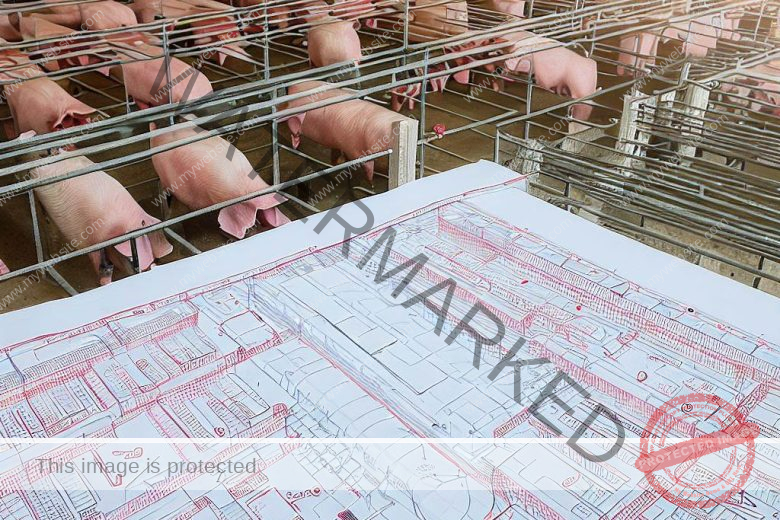
Visual Representation of a Multi-Sectioned Pig Pen for Larger Operations
For larger operations, a multi-sectioned pig pen system offers a structured approach to managing different groups of pigs. Imagine a rectangular facility divided into several smaller pens.
- Layout: The main structure could be divided lengthwise by walkways, with pens arranged on either side. These pens might be further subdivided to accommodate specific age groups or management needs.
- Pen Features: Each pen would feature durable fencing, appropriate flooring (potentially slatted in some areas for waste management), integrated automated feeders and waterers along one wall, and adequate ventilation systems.
- Access and Management: Walkways between pens allow for easy access for feeding, cleaning, and animal health checks. Gates between adjacent pens can facilitate movement for sorting or grouping.
- Centralized Services: Water lines and feed delivery systems would be centralized, with distribution points to each pen. Waste removal systems, such as alley scrapers or gravity-fed drainage, would be integrated into the overall design.
This multi-sectioned approach allows for segregation of different pig groups, simplifying management, disease control, and targeted feeding strategies, thereby maximizing operational efficiency and animal health.
Last Word
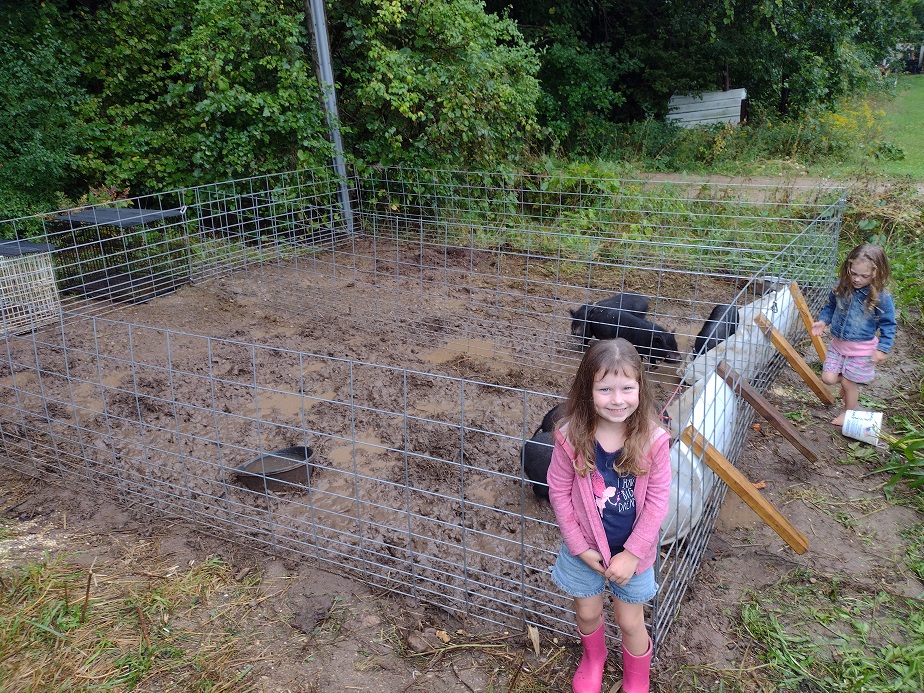
In conclusion, building a well-designed pig pen is paramount for the health, safety, and well-being of your livestock. By understanding the fundamental principles, meticulously planning your design, and adhering to a structured construction process, you can create an effective and sustainable enclosure. Remember to prioritize safety, comfort, and environmental considerations to foster a thriving environment for your pigs.