Constructing a rabbit hutch involves careful planning and precise execution to ensure your rabbits’ safety, comfort, and well-being. This comprehensive guide covers essential design considerations, material selection, step-by-step building instructions, and tips for creating an environment that promotes health and happiness for your furry friends.
By exploring various design styles, choosing durable and eco-friendly materials, and maintaining proper hygiene, you can create a custom habitat that suits your outdoor space and climate. Whether you are a beginner or experienced hobbyist, this guide aims to provide valuable insights for building a functional, safe, and inviting rabbit hutch.
Planning and Designing a Rabbit Hutch
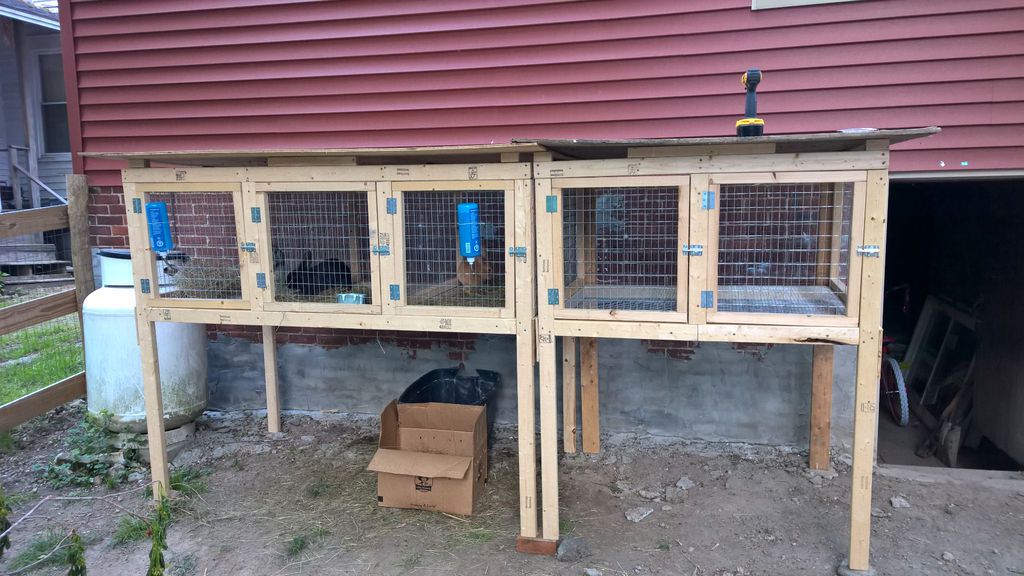
Effective planning and thoughtful design are fundamental to creating a safe, comfortable, and functional rabbit hutch. Proper considerations ensure that your rabbit enjoys a healthy environment that promotes well-being and ease of maintenance. This stage involves evaluating spatial requirements, safety features, accessibility for cleaning and feeding, and aesthetic integration with your outdoor space.
Designing a rabbit hutch requires balancing practical needs with aesthetic preferences, ensuring durability against weather conditions, and providing a secure environment free from predators. The process begins with assessing the specific needs of your rabbits, considering their size, number, and activity levels, and then translating these needs into a well-structured plan that accommodates daily care routines.
Factors to Consider in Hutch Planning and Design
When designing a rabbit hutch, several essential factors must be carefully evaluated to create an optimal habitat. These include appropriate size, safety measures, ease of access, ventilation, and material durability. Incorporating these elements ensures that the hutch supports the health and safety of your rabbits while facilitating maintenance and cleaning tasks.
- Size: The hutch should provide sufficient space for rabbits to move, stretch, and hop comfortably. A common guideline is a minimum of 4 square feet per rabbit for indoor enclosures, with additional outdoor run space.
- Safety: The structure must be predator-proof, with secure latches, sturdy materials, and escape-proof fencing. Elevated floors can prevent dampness and protect from ground predators.
- Accessibility: Design doors and panels that allow easy access for feeding, cleaning, and health checks. Consider placing doors at different heights for convenience.
- Ventilation and Weather Resistance: The hutch should promote airflow to prevent respiratory issues, with weatherproofing to shield against rain, wind, and excessive sunlight.
Features of a Suitable Rabbit Hutch
Including specific features enhances the functionality and comfort of the rabbit hutch. The following table summarizes vital features, their recommended dimensions, suitable materials, and additional notes for designing an optimal habitat.
| Features | Dimensions | Materials | Additional Notes |
|---|---|---|---|
| Sleeping Area | Minimum 2 ft x 2 ft per rabbit | Wood or weather-resistant plastic | Insulated for cold seasons; ensure proper ventilation |
| Run Space | At least 8 sq ft per rabbit | Wire mesh (galvanized steel) | Predator-proof fencing; shaded area for hot days |
| Access Doors | Width of 12-16 inches | Wood or metal with secure locks | Multiple doors for cleaning and feeding access |
| Vents and Windows | Size varies based on hutch dimensions | Wire mesh or acrylic | Ensure airflow while preventing drafts and predators |
| Flooring | Entire base area | Wood slats, concrete with bedding, or wire mesh | Comfortable for rabbits; avoid wire directly on ground to prevent foot injuries |
Sketching and Blueprinting the Hutch Layout
Developing a clear sketch or blueprint is essential for translating design ideas into a functional structure. Start by drawing a scaled plan of the available outdoor space, then Artikel the main components: sleeping area, run space, access points, and ventilation features. Use graph paper or digital design tools to ensure accuracy in dimensions.
Key considerations when creating the layout include ensuring direct access to daily care zones, optimizing the flow for cleaning and feeding, and providing a sheltered area that can be easily cleaned and maintained. Incorporating storage for bedding, food, and cleaning supplies into the blueprint can improve overall efficiency.
A functional design might include a multi-level hutch with separate zones for sleeping and playing, while a simpler single-story layout suits smaller spaces. Visualize how sunlight and shade will move throughout the day to position the hutch for maximum comfort.
Design Styles for Different Outdoor Spaces and Climates
Choosing a design style for your rabbit hutch should harmonize with your outdoor environment and climate conditions. Various architectural designs can adapt to different aesthetic preferences and functional needs, ensuring durability and visual appeal.
- Classic Wooden Cottage Style: Ideal for traditional gardens, featuring natural wood finishes with decorative trims. Provides excellent insulation and a cozy appearance.
- Modern Minimalist: Characterized by clean lines and neutral colors, often using composite materials or treated wood for weather resistance. Suitable for contemporary outdoor spaces.
- Raised Platform Design: Elevates the hutch above ground level, preventing dampness and protecting from predators. Suitable for wetter climates or uneven terrains.
- Compact Urban Design: Small footprint with integrated run space, perfect for limited outdoor areas or balconies, utilizing space-saving features without compromising comfort.
Designing a rabbit hutch that fits seamlessly into your outdoor space enhances both functionality and aesthetics, providing a safe haven for your rabbits while complementing your garden or yard.
Selecting Materials for Building a Rabbit Hutch
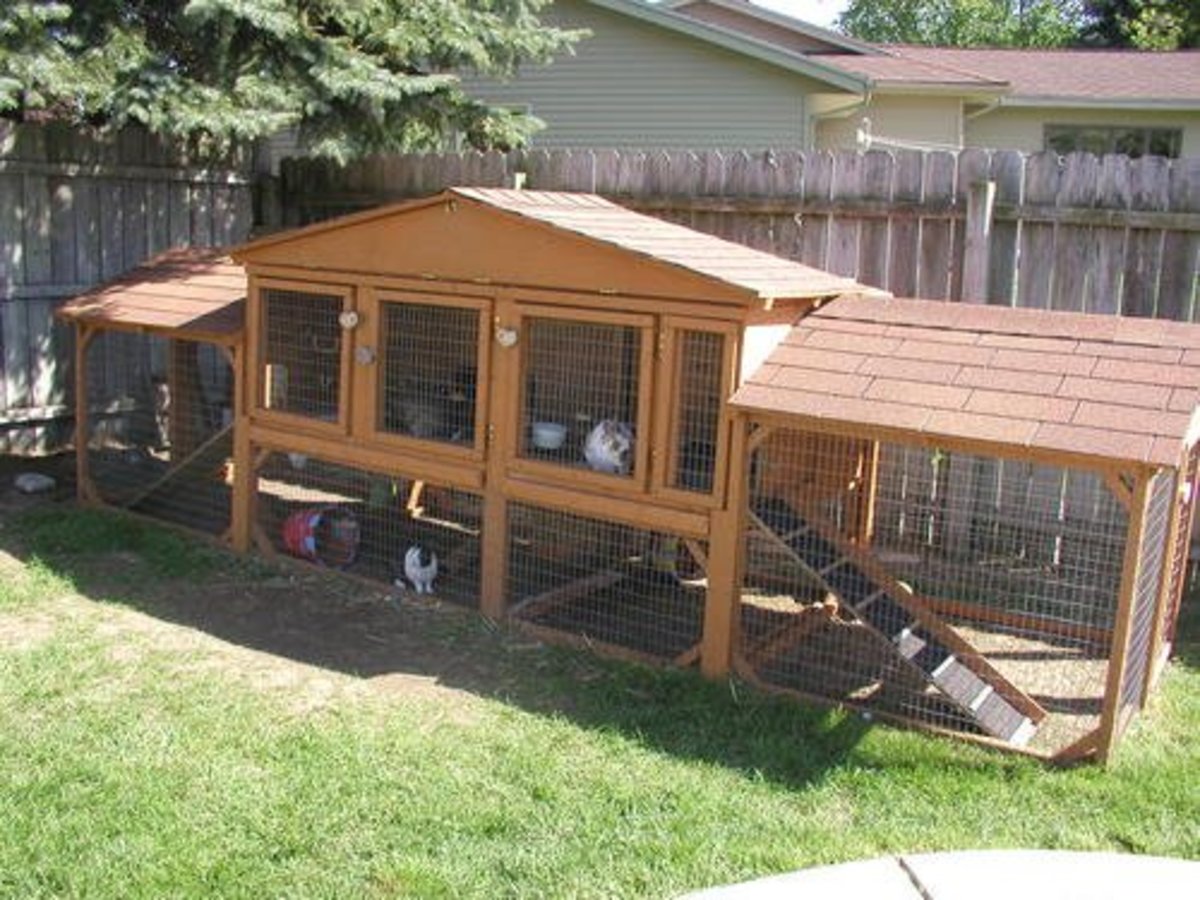
Choosing the appropriate materials for constructing a rabbit hutch is essential to ensure the safety, durability, and comfort of your furry friend. The selection process involves evaluating various options based on their strength, safety, weather resistance, and sustainability. By selecting high-quality, durable materials, you can create a resilient habitat that withstands environmental challenges and provides a healthy environment for your rabbit.
It is equally important to consider the safety aspects of materials used, avoiding those that may contain harmful chemicals or pose injury risks. Additionally, the compatibility of materials with outdoor conditions determines the longevity and maintenance requirements of the hutch. The following sections provide a detailed comparison of common materials used in hutch construction, along with guidance on choosing weather-resistant and eco-friendly options.
Durable and Safe Materials for Constructing a Rabbit Hutch
Constructing a rabbit hutch requires materials that combine durability, safety, and ease of maintenance. The materials should resist weather elements such as rain, snow, and UV rays, while also providing a non-toxic environment for the rabbits. The most recommended materials include specific types of wood, wire mesh, and flooring options that meet these criteria.
| Material Type | Cost | Durability | Ease of Cleaning |
|---|---|---|---|
| Cedar Wood | Moderate to High | High; naturally resistant to decay and pests | Moderate; requires sealing to prevent absorption of moisture |
| Hemlock or Pine Wood | Lower to Moderate | Moderate; susceptible to rot if untreated, needs sealing | Moderate; smooth surfaces facilitate cleaning |
| Galvanized Steel Wire Mesh | Moderate | Very high; resistant to rust and damage | High; easy to wipe or scrub |
| Plastic or Resin Flooring | Variable; generally moderate | High; resistant to moisture and pests | High; seamless and easy to disinfect |
| Concrete or Brick Flooring | Higher | Very high; durable and weather-resistant | Low; can be hard to clean and may require bedding material |
Choosing Weather-Resistant Materials for Outdoor Durability
For outdoor rabbit hutches, selecting weather-resistant materials is crucial to protect against rain, snow, sunlight, and temperature fluctuations. Naturally resistant woods such as cedar are excellent choices because they contain aromatic oils that fend off pests and decay. Additionally, applying protective sealants or paint specifically designed for outdoor use can extend the lifespan of softer woods like pine or hemlock.
Wire mesh used in outdoor settings should be galvanized or coated with weatherproof finishes to prevent rust. Flooring options like sealed plastic or concrete also offer superior durability, but they require careful cleaning and bedding management to keep the environment healthy. Ensuring all materials have appropriate weatherproofing enhances the overall longevity of the hutch and safeguards your rabbits from environmental hazards.
Eco-Friendly and Sustainable Material Options
In pursuit of environmentally responsible construction, several eco-friendly materials can be used for building rabbit hutches. Sustainable wood options include reclaimed wood, FSC-certified timber, and bamboo, all of which reduce environmental impact and promote responsible forestry practices. These materials are durable when properly treated and can provide a natural, safe habitat for your rabbits.
Recycled metal wire mesh, made from salvaged steel or aluminum, offers a sustainable alternative to virgin materials while providing robust protection and ventilation. Biodegradable or low-toxicity sealants and finishes further contribute to sustainability efforts. Incorporating these eco-friendly options ensures that your rabbit hutch is not only functional but also aligns with principles of environmental stewardship.
Building the Rabbit Hutch Step-by-Step
Constructing a durable and safe rabbit hutch requires careful planning and precise execution. This guide provides a detailed, step-by-step approach to assembling your hutch, ensuring it is both functional and secure for your rabbits. From initial measurements to final finishing touches, each phase is designed to facilitate a smooth construction process that prioritizes safety and stability.
A systematic approach to building your rabbit hutch not only enhances the structural integrity but also reduces potential hazards. Proper tools, safety precautions, and adherence to construction best practices are essential to achieve a high-quality result. This section will walk you through each construction phase, offering tips and insights to help you create a comfortable and long-lasting habitat for your rabbits.
Step-by-Step Construction Process
The following procedural flowchart and detailed instructions Artikel each key stage involved in building a rabbit hutch. This comprehensive guide ensures clarity and efficiency, enabling both novice and experienced builders to assemble a robust structure.
| Construction Phase | Description |
|---|---|
| 1. Measuring and Cutting Materials | Accurately measure dimensions based on your design plan. Use a measuring tape and mark cutting lines clearly. Cut panels, framing pieces, and flooring to size using appropriate saws, such as a circular saw or handsaw, ensuring clean, straight edges for proper assembly. |
| 2. Assembling the Base Frame and Floor | Construct the foundation by joining the base frame using screws or nails. Secure the flooring panels to the frame, ensuring a level surface. Reinforce corners with corner brackets if necessary to enhance stability. |
| 3. Building the Walls and Roof | Frame the walls with vertical supports, then attach wall panels with screws. For the roof, build a sloped structure for rain runoff, attaching it securely to the wall supports. Use hinges if you plan to include access panels or doors that need opening and closing. |
| 4. Attaching Doors and Windows | Cut openings for doors and windows precisely, then install frames and secure them with hinges and locks. Adding latches or locks ensures your rabbits remain safe and secure inside the hutch. |
| 5. Final Assembly and Reinforcements | Join all sections together, ensuring screws are tight and joints are secure. Add braces or additional supports at stress points to prevent wobbling or collapse. Sand any rough edges to prevent injury. |
| 6. Finishing Touches | Apply non-toxic paint or wood sealant suitable for outdoor use to protect the hutch from weather elements. Install flooring, bedding, and any ventilation features. Conduct a thorough safety check before introducing rabbits. |
Ensuring the structural stability of your rabbit hutch during assembly involves tightening all fasteners securely, verifying that panels are flush and level, and reinforcing joints with additional supports if needed. Regularly checking for wobbling or loose parts helps maintain safety over time.
Safety is paramount: Always wear protective gear such as safety goggles and gloves during cutting and assembly. Use tools according to manufacturer instructions, and ensure your workspace is free of hazards.
Necessary tools include a measuring tape, saw (circular or handsaw), drill with screwdriver bits, hammer, level, clamps, and safety equipment. Organizing your tools beforehand streamlines the process and minimizes delays, allowing for a more efficient and safe building experience.
Creating a Safe and Comfortable Interior
Ensuring the interior of a rabbit hutch provides a secure, cozy, and stimulating environment is essential for the health and happiness of your rabbit. A thoughtfully organized space addresses their physical needs and encourages natural behaviors, reducing stress and promoting well-being. The interior should balance functionality with comfort, incorporating appropriate nesting areas, ventilation, flooring, and enrichment features that support a rabbit’s natural instincts.Creating an optimal interior involves understanding the specific needs of rabbits, such as their preference for quiet, sheltered spaces, and their desire for activity and mental stimulation.
Properly designed and maintained interior spaces help prevent common health issues, such as sore hocks or respiratory problems, and create an inviting habitat that your rabbit will enjoy.
Organizing the Interior Space for Rabbit Comfort
A well-organized interior maximizes space efficiency while providing essential zones for resting, playing, and hiding. The nesting area should be private and comfortable, ideally positioned in a quiet corner of the hutch to offer rabbits a retreat for rest or nesting. Ventilation is crucial to maintain fresh air flow, which helps prevent respiratory problems and limits moisture buildup, especially in humid climates.
The flooring should be soft yet durable, providing comfort without causing injuries or soreness to sensitive paws.Adequate space allows rabbits to move freely, stretch, and engage in natural behaviors. Dividing the hutch into designated zones—such as a sleeping nook, a litter area, and an exercise space—supports their mental and physical health. Proper placement of these zones, along with ensuring good air circulation and suitable flooring, promotes a safe and comfortable environment.
Bedding Options and Setup Procedures
Choosing the right bedding significantly impacts the rabbit’s comfort and health. Different bedding materials offer varied benefits, and their proper setup is essential to maintain cleanliness and hygiene within the hutch.
- Paper-based bedding: Soft, absorbent, and dust-free, paper bedding is gentle on sensitive paws and respiratory systems. It can be easily changed daily or as needed, providing a clean surface for resting areas.
- Wood shavings: Fine, kiln-dried shavings are commonly used, but should be free of aromatic oils to prevent respiratory issues. They offer excellent absorbency but require regular replacement to avoid odor buildup.
- Hay or straw: Besides serving as bedding, hay provides nutritional value. It should be layered over a more absorbent base material and replaced regularly to prevent mold and pests.
- Fleece liners: Reusable and washable, fleece provides a soft, comfortable surface. It requires a waterproof base underneath and regular cleaning to maintain hygiene.
Setup procedures include placing the bedding material in designated resting zones, ensuring a layer deep enough to provide cushioning and absorb moisture, and regularly replacing or cleaning to maintain a hygienic environment. Proper bedding setup reduces odors, controls moisture, and creates a cozy space for your rabbit.
Incorporating Enrichment Features
Enrichment features stimulate your rabbit’s natural behaviors such as foraging, hiding, and chewing, which are crucial for their mental health and prevent boredom. Integrating these features within the hutch makes the environment more engaging and supportive of their physical activity.
- Hiding spots, such as small wooden houses, tunnels, or cardboard boxes, offer rabbits private retreats where they can relax and feel secure. Position these in quiet corners or against walls for stability.
- Chew toys made from safe materials like untreated wood, willow, or hay stimulate natural gnawing habits, helping to maintain dental health and prevent overgrown teeth.
- Hanging or movable toys encourage activity and exploration, providing mental stimulation.
- Platforms or ramps can be incorporated to promote climbing and physical exercise, helping to keep muscles toned and joints flexible.
Including these features encourages your rabbit to engage in natural behaviors, reducing stress and increasing overall happiness.
Insulation and Weatherproofing for Interior Comfort
Proper insulation and weatherproofing inside the hutch are fundamental to maintaining a stable and comfortable environment, especially in regions with extreme temperatures or high humidity. Insulation helps keep the interior warm during cold weather and cool during hot periods, protecting rabbits from temperature fluctuations that can lead to stress or illness.Use insulating materials such as foam panels or thick bedding layers to line walls without obstructing ventilation.
Weatherproofing involves sealing gaps, ensuring the roof is watertight, and adding weather-resistant coverings or awnings to shield the hutch from rain or direct sunlight. Elevated flooring prevents dampness from the ground, reducing the risk of moisture-related health problems.A well-insulated and weatherproofed interior maintains a stable microclimate, reduces drafts, and protects against the elements, creating a safe haven where rabbits can thrive regardless of external weather conditions.
Maintenance and Upkeep of the Rabbit Hutch
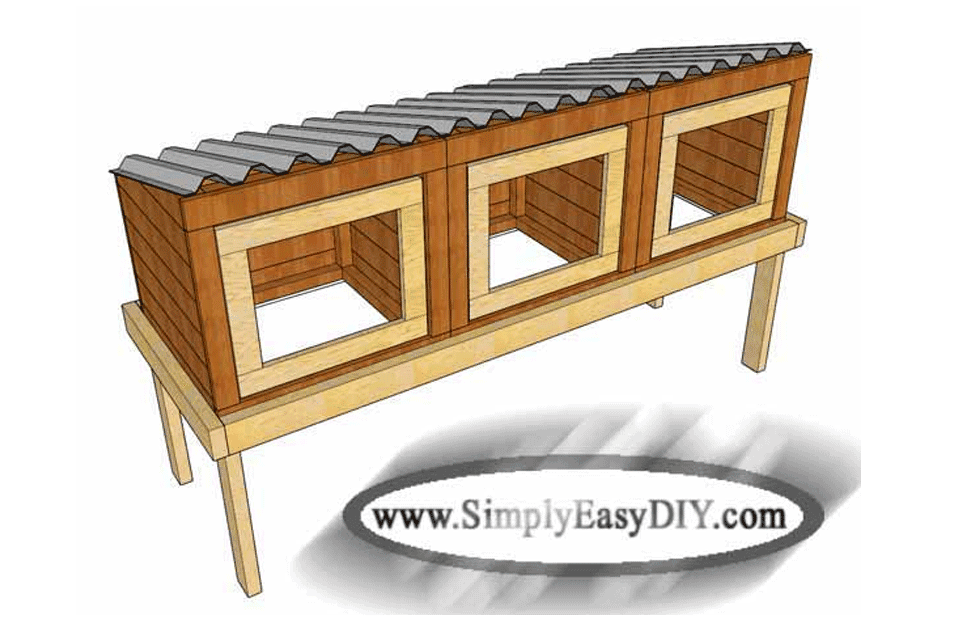
Ensuring the longevity and safety of a rabbit hutch requires consistent maintenance and diligent upkeep. Proper cleaning routines, regular inspections, and timely repairs help create a healthy environment for your rabbits while preventing potential issues such as pest infestations or structural damages. Implementing a routine maintenance schedule not only extends the lifespan of the hutch but also promotes the well-being of your rabbits by providing a safe, clean, and secure habitat.
Enhancing the Environment Around the Hutch
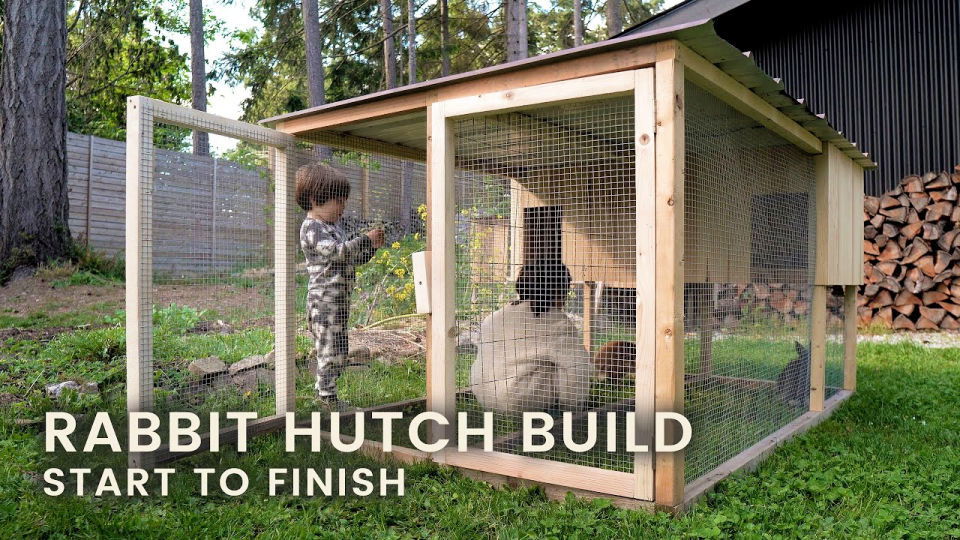
Creating a safe, engaging, and comfortable outdoor environment for your rabbit is essential for their well-being and happiness. Proper landscaping and enclosure management not only provide protection from the elements but also promote natural behaviors and prevent potential hazards. An thoughtfully designed environment reduces stress, encourages activity, and contributes to your rabbit’s overall health.The area surrounding your rabbit hutch should mimic their natural habitat as closely as possible while ensuring safety and accessibility.
This involves strategic landscaping, natural enrichment options, weather protection, and cleanliness maintenance. Implementing these elements creates a nurturing outdoor space that supports your rabbit’s physical and mental health.
Landscaping Tips for a Safe Outdoor Enclosure
The landscape of your outdoor rabbit enclosure plays a significant role in their safety and comfort. Focus on creating a secure and enriching environment that minimizes risks and maximizes natural behaviors.
Proper fencing forms the cornerstone of safe outdoor housing. Use sturdy, high-quality fencing such as welded wire mesh or hardware cloth, with a minimum height of 4 feet to prevent escapes or intrusion by predators. Ensure the fencing is buried at least 6 inches underground to deter burrowing predators like foxes or badgers. Regularly inspect the fencing for any damage or gaps that could compromise security.
Incorporate shaded areas within the enclosure to provide relief during hot weather. Use natural shade sources such as dense trees or strategically placed shade cloths. Shade cloths should block at least 70-80% of sunlight and be supported on stable frames to prevent sagging or collapse. Positioning the hutch adjacent to shaded zones minimizes the risk of overheating and sunburn.
To further enhance safety, avoid planting toxic plants within reach of your rabbit. Common plants like azaleas, rhododendrons, and certain types of lilies are toxic and should be removed or kept out of the enclosure. Incorporate soft, non-toxic ground cover such as grass or clover to encourage grazing and reduce the risk of injury on hard surfaces.
Natural Enrichment and Shelter Options Outside the Hutch
Providing natural enrichment elements encourages exploratory and foraging behaviors, keeping your rabbit mentally stimulated and physically active.
Natural shelter options include small wooden or brush shelters that mimic burrows, offering additional hiding spots and protection from weather changes. These structures should be stable, well-ventilated, and easy to clean. Incorporate logs, rocks, or tunnels made from untreated wood or durable, non-toxic materials to create varied environments that stimulate curiosity and exercise.
Planting a variety of safe, rabbit-friendly plants such as herbs (parsley, basil, mint) and grasses can serve as natural foraging opportunities. These plants also provide nutritional benefits and promote natural grazing behaviors. Ensure all plants introduced are non-toxic and free from pesticides or chemicals.
- Incorporate climbing structures or platforms made from untreated wood to encourage movement and exploration.
- Scatter hay and treats in different areas to motivate your rabbit to forage and explore naturally.
- Use natural objects like hollow logs or large stones as hiding spots and play features.
Protection from Extreme Weather Conditions
Extreme weather poses a risk to outdoor rabbits, requiring proactive measures to ensure their safety and comfort.
During hot weather, enhance shading with weather-resistant covers and ensure ample ventilation within and around the enclosure. Provide fresh, cool water at all times, and consider misting systems or fans in particularly hot climates. Elevate the hutch off the ground to prevent heat absorption from the soil and enhance airflow underneath.
In colder months, insulation becomes critical. Use weatherproof tarps or windbreaks to shield the enclosure from wind and snow. Adding bedding such as straw or hay inside the shelter helps retain warmth. Regularly check for drafts and reinforce any weak points in the fencing or shelter structures. It’s essential to monitor your rabbit closely for signs of cold stress or overheating and adjust the environment accordingly.
Maintaining Cleanliness and Preventing Disease
A clean environment is vital for preventing illness and maintaining your rabbit’s health. Regular maintenance of the outdoor area reduces the risk of parasites, bacteria, and fungi.
Implement daily removal of waste, uneaten food, and soiled bedding within the immediate hutch and surrounding areas. Use a rake or broom to clear debris, leaves, and mud from the enclosure floor to prevent the accumulation of bacteria and parasites. Periodically disinfect fencing, shelters, and enrichment objects with rabbit-safe cleaners or mild vinegar solutions to eliminate pathogens.
Maintaining dry, clean surfaces and removing waste promptly significantly reduces the risk of diseases such as coccidiosis, myxomatosis, and respiratory infections.
Design the outdoor space with good drainage to prevent puddles and mud formation, which can harbor parasites and promote bacterial growth. Consider installing a gravel or concrete pad beneath the hutch and around key activity zones to facilitate cleaning and drainage. Regular health checks for parasites, such as fleas or mites, combined with strategic use of preventative treatments, further support a healthy outdoor environment.
Outcome Summary
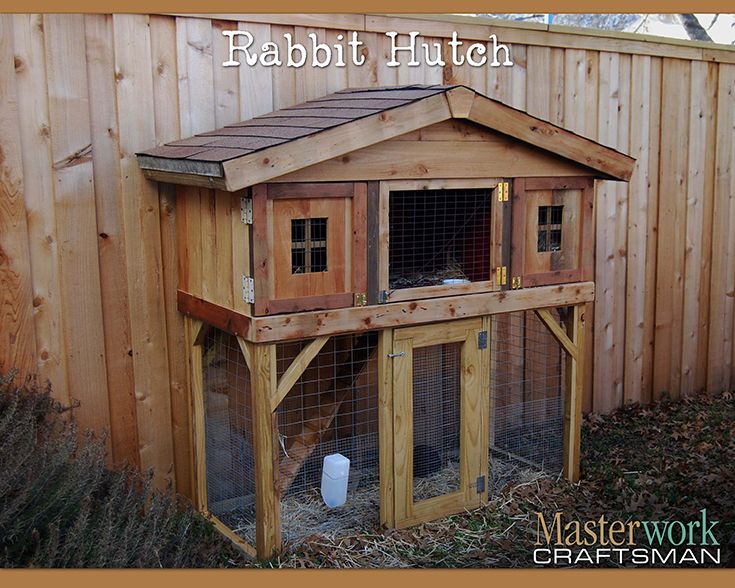
In conclusion, building a rabbit hutch that combines safety, comfort, and durability is a rewarding project that enhances your rabbits’ quality of life. With thoughtful design, quality materials, and proper maintenance, you can create a thriving environment that ensures your rabbits remain healthy and happy for years to come. Remember, a well-built hutch is the foundation of your rabbits’ well-being.