Embarking on the journey of how to build duck nesting boxes is a rewarding endeavor that blends the joy of craftsmanship with the satisfaction of contributing to wildlife conservation. These havens, meticulously designed and constructed, offer essential shelter and safety, significantly boosting the chances of successful duck breeding in your area. This guide provides a comprehensive overview, transforming your backyard into a haven for these fascinating creatures.
From understanding the benefits of providing nesting boxes to mastering the art of their construction, we’ll cover every aspect. You’ll learn about selecting the right materials, choosing the ideal location, and implementing maintenance strategies to ensure your duck nesting box thrives. This guide not only focuses on the practical aspects of construction but also delves into the ethical considerations and the joy of watching ducks thrive in a safe, well-maintained environment.
Introduction: Why Build Duck Nesting Boxes?
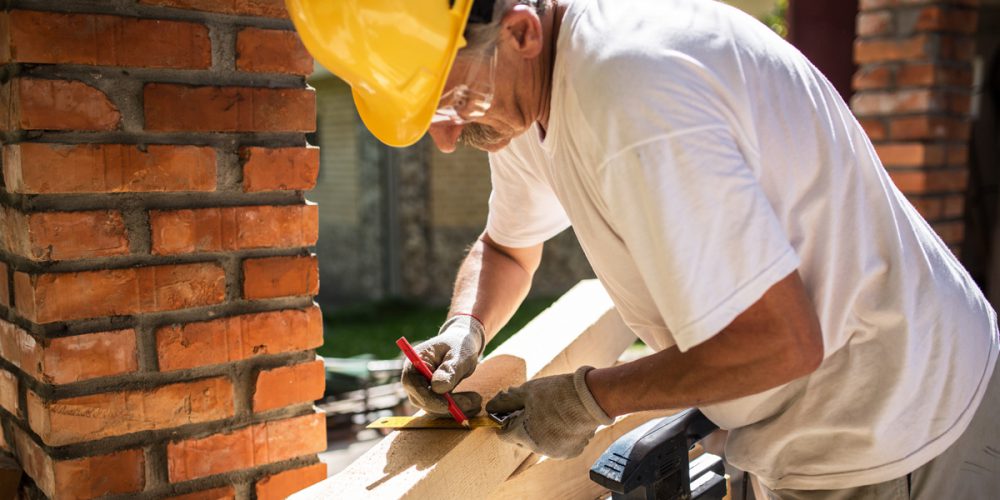
Building duck nesting boxes is a rewarding endeavor that contributes significantly to both the conservation of duck populations and the enhancement of local ecosystems. These structures provide safe and secure environments for ducks to raise their young, mitigating the risks associated with natural predators and habitat loss. Furthermore, the presence of nesting boxes can attract ducks to areas where they might not otherwise choose to nest, increasing opportunities for observation and appreciation of these fascinating birds.Providing nesting boxes is a proactive approach to supporting duck populations, especially in areas where natural nesting sites are scarce or threatened.
This initiative aligns with ethical principles of wildlife management, promoting the well-being of animals and fostering a deeper understanding of their needs.
Benefits of Duck Nesting Boxes
Constructing duck nesting boxes offers several advantages for both ducks and the environment. These benefits include enhanced nesting success, protection from predators, and increased duck populations.
- Increased Nesting Success: Nesting boxes provide a secure and sheltered environment for ducks to lay their eggs and raise their young. They protect against harsh weather conditions and offer a safe haven from predators like raccoons, foxes, and snakes. This leads to a higher percentage of eggs hatching and ducklings surviving to adulthood.
- Protection from Predators: Predation is a major cause of nest failure in ducks. Nesting boxes are designed to make it difficult for predators to access the eggs and ducklings. The elevated position, small entrance hole, and sturdy construction all contribute to this protection. For example, a study by the U.S. Geological Survey found that nesting boxes significantly increased nesting success rates in wood ducks compared to natural nests, with predation rates reduced by as much as 70%.
- Population Enhancement: By providing a safe and reliable nesting site, duck nesting boxes contribute to the overall health and size of duck populations. They can be particularly beneficial in areas where natural nesting sites are limited due to habitat loss or degradation. Over time, this can lead to a greater abundance and diversity of duck species in a given area.
Importance of Safe Nesting Sites
Safe nesting sites are crucial for the survival and reproduction of duck populations. Without adequate protection, duck nests are vulnerable to a variety of threats, significantly impacting their ability to thrive.
- Habitat Loss and Degradation: Human activities, such as deforestation, urbanization, and agricultural expansion, have resulted in the loss and degradation of natural nesting habitats for ducks. Wetlands, marshes, and wooded areas are often destroyed or fragmented, leaving ducks with fewer options for safe nesting.
- Predator Pressure: Increased predator populations, often due to habitat changes, can pose a significant threat to duck nests. Predators such as raccoons, foxes, and snakes are adept at finding and destroying nests, leading to high nest failure rates.
- Competition for Nesting Sites: In some areas, ducks may face competition for limited nesting sites from other bird species or even other ducks. Nesting boxes can alleviate this competition by providing additional nesting options.
Ethical Considerations in Nesting Box Construction
Building and maintaining duck nesting boxes involves ethical considerations that ensure the well-being of the ducks and the environment. It is important to approach this activity responsibly and with a commitment to conservation.
- Species Appropriateness: Ensure the nesting box design is appropriate for the target duck species. Different species have different nesting preferences, and a poorly designed box may be ignored. Research the specific needs of the ducks in your area. For instance, wood ducks prefer boxes with a specific entrance hole size and an elevated location.
- Placement and Maintenance: Choose appropriate locations for the boxes, considering factors like proximity to water, predator protection, and accessibility for maintenance. Regularly inspect and clean the boxes to remove old nesting material and prevent the spread of parasites or diseases. Failure to maintain the boxes can create health hazards for the ducks.
- Monitoring and Data Collection: Consider monitoring the use of the boxes and collecting data on nesting success. This information can help to evaluate the effectiveness of the nesting boxes and inform future conservation efforts. Observing the nesting boxes and recording data, such as the number of eggs laid, the hatching rate, and the survival of ducklings, can provide valuable insights into the success of the project.
Planning and Preparation

Before you begin constructing your duck nesting boxes, meticulous planning and preparation are crucial. This phase ensures the project’s success, minimizing wasted materials, and maximizing the likelihood of attracting ducks. Careful consideration of materials, tools, and location significantly contributes to the longevity and effectiveness of your nesting boxes.
Essential Tools and Materials
Assembling the correct tools and materials streamlines the construction process and guarantees a sturdy, weather-resistant nesting box. This list provides a comprehensive overview of the necessary items.
- Wood: Choose a suitable type of wood, as detailed below. The dimensions will vary based on your chosen design, but generally, you’ll need enough to create a box approximately 12″ wide x 12″ deep x 24″ high.
- Wood Screws: Exterior-grade wood screws are essential for securely fastening the wood pieces. Select screws appropriate for the thickness of your wood. A variety of lengths will be helpful.
- Saw: A hand saw, circular saw, or jigsaw will be required for cutting the wood to the appropriate dimensions. A circular saw offers the most efficiency for straight cuts.
- Drill/Driver: A power drill/driver is needed for pre-drilling pilot holes and driving in the screws.
- Measuring Tape: Accurate measurements are vital for precise cuts and assembly.
- Pencil: For marking measurements and cutting lines on the wood.
- Safety Glasses: Protect your eyes from flying debris.
- Gloves: Protect your hands during handling and construction.
- Level: Ensures the box is plumb and level when installed.
- Sandpaper: For smoothing rough edges and surfaces.
- Hinges (optional): If you plan to have a hinged lid or access door.
- Latch or Closure (optional): To secure the lid or door.
- Hardware Cloth (optional): To create a ramp or prevent predators from entering.
- Nesting Material: Straw, hay, or wood shavings for the ducks to use inside the box.
Suitable Wood Types
Selecting the right wood is critical for the longevity and effectiveness of your duck nesting box. Different wood types offer varying degrees of durability, weather resistance, and cost.
- Cedar: Cedar is a popular choice due to its natural resistance to rot, insects, and weather. It has a pleasant aroma and weathers beautifully. However, cedar can be more expensive than other options.
- Redwood: Similar to cedar, redwood is naturally rot-resistant and durable. It’s a good option if you prefer a different color or texture. Like cedar, redwood is also on the pricier side.
- Pine: Pine is a more affordable option. However, it is less naturally rot-resistant than cedar or redwood. It is advisable to treat pine with a weather-resistant sealant or paint to extend its lifespan. Pressure-treated pine is another option, but ensure it is safe for wildlife.
- Fir: Fir is another cost-effective option, similar to pine in terms of durability and requires treatment for weather resistance.
Choosing the Right Location
The location of your duck nesting box is paramount for attracting ducks and ensuring their safety. Consider these factors when selecting a suitable spot.
- Proximity to Water: Ducks need easy access to water for swimming, feeding, and preening. Place the box as close as possible to a pond, lake, stream, or other water source. A distance of 50-100 feet is ideal, but the exact distance can vary depending on the ducks’ preferences and the surrounding environment.
- Shelter and Cover: Ducks prefer nesting boxes that are somewhat sheltered from direct sunlight, wind, and predators. Position the box near bushes, trees, or other natural cover. Avoid placing the box in completely open, exposed areas.
- Predator Protection: Consider potential predators in your area, such as raccoons, foxes, and snakes. Place the box in a location that is difficult for predators to access. This might involve elevating the box on a pole or mounting it on a platform.
- Accessibility: Ensure you can easily access the box for cleaning and maintenance. Choose a location that is relatively easy to reach without disturbing the ducks.
- Orientation: Consider the direction the box faces. Avoid placing the entrance directly into prevailing winds or intense sunlight.
Material and Tool Checklist
A well-organized checklist prevents overlooking essential items and ensures a smooth construction process. This checklist will help you gather everything you need before you start building.
- Wood (specify type and dimensions)
- Wood Screws (various lengths)
- Saw (hand saw, circular saw, or jigsaw)
- Drill/Driver
- Measuring Tape
- Pencil
- Safety Glasses
- Gloves
- Level
- Sandpaper
- Hinges (optional)
- Latch or Closure (optional)
- Hardware Cloth (optional)
- Nesting Material (straw, hay, or wood shavings)
- Weather-resistant sealant or paint (if using pine or fir)
Duck Nesting Box Designs
Choosing the right duck nesting box design is crucial for attracting and accommodating ducks on your property. Several factors influence the best choice, including the target duck species, available space, and desired level of protection from predators and the elements. Different designs cater to various needs, offering varying levels of accessibility, security, and ease of maintenance.Understanding the different design options allows you to create the most suitable and effective nesting environment.
This section will explore various nesting box designs, providing details on their construction, suitability for different duck species, and important considerations for their effectiveness.
Comparison of Duck Nesting Box Designs
Selecting a suitable nesting box design involves considering the pros, cons, and target species for each option. The table below offers a comparative overview of three common duck nesting box designs: the simple box, the A-frame, and the elevated platform. This information will assist in making an informed decision based on your specific requirements.
| Design | Pros | Cons | Target Duck Species |
|---|---|---|---|
| Simple Box | Easy to build; inexpensive; readily accessible for cleaning and inspection. | Offers limited protection from predators; may not be as weather-resistant; less aesthetically pleasing. | Mallards, Muscovy ducks, and other ground-nesting species. |
| A-Frame | Provides good weather protection; offers some predator deterrence; can be visually appealing. | Can be more complex to build; requires more materials; may be less accessible for cleaning. | Mallards, Wood ducks, and other species that appreciate a sheltered environment. |
| Elevated Platform | Offers excellent protection from ground predators; good ventilation; can be placed near water. | More complex to build; requires sturdy support; may be less accessible for inspection and cleaning. | Wood ducks, and other species that prefer elevated nesting sites. |
Simple Rectangular Duck Nesting Box Construction
Constructing a simple rectangular duck nesting box is a straightforward project suitable for beginners. This design provides a basic but functional shelter for ground-nesting ducks. Following these steps will guide you through the building process.
- Materials: You will need the following materials:
- One sheet of exterior-grade plywood (e.g., 3/4-inch thick), cut into the following pieces:
- Bottom: 12 inches x 18 inches
- Sides (2 pieces): 12 inches x 12 inches
- Front: 12 inches x 12 inches (with a 6-inch diameter entrance hole centered)
- Back: 12 inches x 18 inches
- Roof (2 pieces): 14 inches x 20 inches
- Exterior wood screws (1 1/4 inch)
- Wood glue (exterior grade)
- Hardware cloth (optional, for a ramp)
- Wood shavings or straw for bedding
- One sheet of exterior-grade plywood (e.g., 3/4-inch thick), cut into the following pieces:
- Assembly:
- Attach the sides to the bottom using wood glue and screws. Ensure the corners are square.
- Attach the front and back to the sides and bottom, using wood glue and screws.
- Attach the roof pieces, slightly overlapping at the top to provide weather protection. Secure with screws. Consider angling the roof pieces slightly for better water runoff.
- Sand any rough edges.
- Optional: Attach a small ramp made of hardware cloth to the front of the box to assist ducklings in entering and exiting.
- Placement:
- Place the nesting box in a sheltered location, near water if possible, but away from direct sunlight and prevailing winds.
- Elevate the box slightly off the ground using bricks or wooden blocks to improve drainage and deter predators.
- Add a generous layer of wood shavings or straw to the bottom of the box for nesting material.
Alternative Nesting Box Designs for Different Duck Species
Different duck species exhibit preferences for their nesting habitats. Adapting nesting box designs to suit these preferences can increase the likelihood of attracting specific duck species.For instance, Wood ducks favor elevated nesting sites, often in tree cavities. Therefore, an elevated platform or a modified A-frame design placed on a post or near a tree trunk can be highly effective. The elevated platform should be at least 4 to 6 feet above the ground and accessible by a predator guard, such as a metal cone or a smooth, slippery pole.
The entrance hole should be appropriately sized (approximately 4 inches in diameter) to deter larger predators.For species like Buffleheads, which also nest in cavities, a smaller, more compact box with a similarly sized entrance hole is appropriate. These ducks are known to nest in natural cavities, so mimicking this environment is crucial.Muscovy ducks, on the other hand, are less particular and will often nest on the ground or in simple structures.
A simple box design, as described earlier, or an open-fronted box with a slanted roof can be suitable. Providing a sheltered location with adequate bedding is often sufficient to attract them.
Importance of Ventilation and Drainage
Proper ventilation and drainage are critical aspects of duck nesting box design. These features contribute significantly to the health and safety of the nesting ducks and their eggs.Adequate ventilation prevents the buildup of moisture and ammonia, which can be harmful to both eggs and ducklings. A well-ventilated box will also help regulate the temperature inside, preventing overheating during warm weather.
Ventilation can be achieved through several methods, including:
- Small vent holes: Drilling several small holes near the top of the box, on the sides or back, allows for air circulation.
- Gaps in the roof: Leaving a small gap between the roof pieces, particularly at the top, can provide ventilation. Ensure the gap is small enough to prevent rain from entering.
Good drainage prevents the accumulation of water inside the box, which can lead to egg spoilage and chilling of ducklings. To ensure proper drainage:
- Sloped roof: A sloped roof helps water run off quickly.
- Elevated base: Elevating the box slightly off the ground allows water to drain away.
- Drainage holes: Drilling a few small holes in the bottom of the box can help drain any water that does get inside.
By incorporating these features, you create a healthier and more comfortable nesting environment, increasing the chances of successful duck nesting.
Construction Methods and Procedures
Constructing a duck nesting box involves several crucial steps, from precise wood cutting to secure assembly and the addition of protective features. Following these procedures carefully ensures a safe and functional nesting environment for your ducks, contributing to their overall well-being and reproductive success.
Cutting Wood for a Standard Nesting Box
Precise wood cutting is the foundation of a well-built nesting box. Accuracy in this step ensures proper fit and structural integrity.The following steps detail the process for cutting wood based on a common nesting box design:
- Gather Materials and Tools: Before starting, gather all necessary materials, including the pre-cut wood pieces based on your design, a measuring tape, a pencil or marker, a saw (circular saw, hand saw, or jigsaw), safety glasses, and work gloves. Ensure the wood is appropriate for outdoor use, such as cedar or pressure-treated lumber.
- Measure and Mark: Carefully measure and mark the wood pieces according to your design plan. Use a pencil or marker to clearly indicate the cut lines. Double-check all measurements before cutting to avoid errors.
- Cut the Wood: Using the appropriate saw for the type of cut, carefully follow the marked lines to cut the wood pieces. For straight cuts, a circular saw is ideal. For curved cuts, a jigsaw is more appropriate. Always wear safety glasses and work gloves during this process.
- Check for Accuracy: After cutting each piece, check its dimensions against the design plan to ensure accuracy. Make any necessary adjustments before proceeding to the next step.
- Sand Rough Edges: Use sandpaper to smooth any rough edges or splinters on the cut pieces. This will improve the overall finish and prevent injury during assembly.
Assembling the Nesting Box
Proper assembly techniques are essential for a durable and weatherproof nesting box. The choice of fasteners and their correct application is crucial for long-term performance.Here’s how to assemble the nesting box:
- Dry Fit: Before permanently fastening any pieces, perform a “dry fit” to ensure all the cut pieces fit together correctly. This allows you to identify and correct any discrepancies before committing to the assembly.
- Fastening Techniques: Choose appropriate fasteners based on the wood type and the design. Screws offer superior holding power and are generally preferred over nails, especially for outdoor projects. Nails can be used but require pre-drilling to prevent splitting the wood. Consider using galvanized or stainless-steel screws or nails to resist corrosion.
- Pre-Drilling: Always pre-drill holes before inserting screws or nails, particularly near the edges of the wood. This prevents the wood from splitting.
- Assembly Order: Follow the assembly plan meticulously. Typically, the base and side walls are assembled first, followed by the front, back, and roof.
- Securing the Parts: Apply wood glue to the mating surfaces of the wood pieces before fastening them together. This adds extra strength and helps to seal the joints. Use screws or nails to secure the pieces, ensuring they are flush and aligned.
- Roof Attachment: Attach the roof securely, ensuring it overhangs the sides to protect the box from rain. Consider using hinges on one side of the roof to allow for easy access for cleaning and inspection.
Creating a Predator Guard
Protecting the nesting box from predators is critical for the safety of the ducks and their eggs. A well-designed predator guard helps to deter unwanted visitors.Here’s a procedure for creating a predator guard:
- Design the Guard: The predator guard’s design should restrict access to the nesting box entrance while allowing the ducks to enter and exit easily. Common designs include an overhanging lip, a raised entrance, or a tunnel-like structure.
- Materials: Use durable materials, such as wood, metal, or a combination of both, for the predator guard.
- Construction:
- Overhanging Lip: Attach a piece of wood or metal to the front of the nesting box, extending it outward and downward to create an overhang. This makes it difficult for predators to reach the entrance.
- Raised Entrance: Build a small platform in front of the entrance. This will make it more difficult for predators to reach the entrance.
- Tunnel: Construct a short tunnel leading to the entrance. This forces predators to enter a confined space, making them more vulnerable.
- Attachment: Securely attach the predator guard to the nesting box using screws or nails. Ensure the attachment is robust and cannot be easily removed by predators.
- Placement: Position the predator guard to provide maximum protection while allowing the ducks easy access.
Building a Ramp or Ladder for Ducklings
Providing a ramp or ladder facilitates duckling access to and from the nesting box. This is especially important if the box is elevated.The following details the steps for building a ramp or ladder:
- Determine the Height: Measure the height from the ground to the bottom of the nesting box entrance. This measurement will determine the length of the ramp or ladder.
- Ramp Design:
- Materials: Use a piece of wood wide enough for ducklings to walk on comfortably. Pressure-treated lumber is a good choice.
- Construction: Attach the ramp securely to the nesting box and the ground. The ramp should have a gentle slope to make it easy for the ducklings to climb. Consider adding cleats or cross-pieces to the ramp surface to provide traction.
- Ladder Design:
- Materials: Use two pieces of wood for the sides and several rungs.
- Construction: Assemble the ladder using screws or nails to secure the rungs to the side pieces. Ensure the rungs are spaced closely enough for the ducklings to climb easily. Attach the ladder securely to the nesting box.
- Placement: Position the ramp or ladder directly beneath the nesting box entrance.
- Testing: Observe the ducklings using the ramp or ladder to ensure they can easily access the box. Make adjustments as needed.
Materials and Dimensions
Selecting the right materials and adhering to appropriate dimensions are crucial for creating a successful duck nesting box. These factors directly impact the box’s durability, weather resistance, and ultimately, its appeal to nesting ducks. Careful consideration ensures the nesting box provides a safe, secure, and comfortable environment, contributing to the overall well-being of the ducks.
Nesting Box Dimensions
The dimensions of a duck nesting box can vary slightly depending on the target species. However, a common design provides a suitable home for many breeds. The following table presents standard dimensions, which can be adapted to suit specific needs and preferences.
| Component | Dimensions (inches) | Notes |
|---|---|---|
| Base | 12 x 18 | Provides a stable foundation. |
| Sides (Height) | 12 | Ensures adequate space and protection. |
| Roof (Overhang) | 2-3 (all sides) | Protects the entrance and sides from rain and sun. |
| Entrance Hole (Diameter) | 6 | Size can be adjusted based on duck species. |
Material Properties for Weather Protection
Choosing materials that can withstand the elements is essential for the longevity and effectiveness of a duck nesting box. The ideal materials should be water-resistant, durable, and able to withstand temperature fluctuations.
- Wood: Wood is a popular choice, with cedar and redwood being excellent options due to their natural resistance to rot and insects. Untreated pine is another viable, more economical choice, but requires regular maintenance and potentially the application of a non-toxic sealant or paint.
- Exterior-Grade Plywood: Exterior-grade plywood is another alternative, offering good water resistance and structural integrity. Ensure the plywood is specifically designed for outdoor use to withstand moisture and prevent delamination.
- Roofing Materials: The roof can be constructed from the same wood as the box or utilize materials like asphalt shingles or metal flashing for added protection from the elements. These materials provide an effective barrier against rain and sunlight.
Importance of Non-Toxic Materials
The safety of the nesting ducks is paramount. Using non-toxic materials is crucial to prevent any harm to the birds and their eggs. Ducks may chew on the box, and any harmful substances could be ingested.
- Paints and Sealants: If painting or sealing the box, select products specifically labeled as “non-toxic” or “animal-safe.” These products are formulated to be free of harmful chemicals that could leach into the nesting environment.
- Wood Treatment: Avoid using pressure-treated lumber, as it often contains chemicals that are toxic to birds. Opt for untreated wood or choose a non-toxic wood preservative if necessary.
- Fasteners: Use galvanized or stainless steel screws and nails. These materials resist rust and corrosion, preventing the release of harmful substances.
Entrance Hole Size for Different Duck Species
The size of the entrance hole should be appropriate for the intended duck species. A hole that is too large may allow predators to enter, while a hole that is too small may deter the ducks from using the box.
- Mallard Ducks: A 6-inch diameter entrance hole is generally suitable for Mallard ducks, providing ample space for entry and exit.
- Smaller Duck Species (e.g., Wood Ducks): For smaller species, the entrance hole size can be slightly smaller, around 4-5 inches in diameter. This helps to exclude larger predators.
- Consideration for Predator Protection: A predator guard, such as a metal plate around the entrance hole, can further deter predators and enhance the safety of the nesting box.
Placement and Installation

Proper placement and installation are critical for the success of your duck nesting box. The goal is to provide a safe, secure, and attractive nesting site for the ducks, while also protecting the eggs and ducklings from predators and the elements. This section will guide you through the essential considerations for ensuring your duck nesting box is optimally positioned.
Mounting the Nesting Box Securely
The method of mounting your duck nesting box will depend on the environment and the type of box you’ve constructed. Ensuring the box is securely fastened is paramount to prevent it from falling, being dislodged by wind, or accessed by predators.
- Mounting on Trees: Choose a sturdy, mature tree with a branch strong enough to support the box’s weight. Use heavy-duty screws or lag bolts to attach the box directly to the branch or trunk. Ensure the box is level and securely fastened. Consider adding a metal band around the tree to prevent predators from climbing to the box. Avoid placing the box too high, as ducklings will need to be able to reach the ground after hatching.
- Mounting on Poles: Wooden or metal poles can be used. For wooden poles, bury the pole deep enough to provide stability, ideally at least one-third of the pole’s length. Secure the box to the pole using screws, bolts, or brackets. For metal poles, use appropriate brackets designed for outdoor use. Ensure the pole is firmly anchored in the ground.
Consider adding a predator guard, such as a cone-shaped baffle, below the box.
- Mounting on the Ground: Ground-mounted boxes are best suited for certain duck species or in areas where other mounting options are not feasible. Ensure the box is elevated slightly off the ground to prevent flooding. Secure the box to stakes driven into the ground or anchor it with heavy-duty stakes and rope. Consider surrounding the box with a predator-proof fence.
Ideal Mounting Height
The ideal height for mounting a duck nesting box varies depending on the species of duck you’re trying to attract and the surrounding environment. This is important for providing a safe and accessible nesting site.
- For Wood Ducks and other cavity-nesting species: Generally, mount the box between 4 and 20 feet above the ground. However, the height can vary depending on local conditions and the presence of predators. A height of 10-15 feet is often considered ideal.
- For Ground-Nesting Species (like Mallards): Ground-level or slightly elevated boxes are appropriate. Elevate the box a few inches off the ground to prevent water damage.
- Considerations for Duckling Safety: Ensure that the height allows ducklings to safely jump or climb out of the box after hatching. Avoid excessively high placements.
Choosing a Location Away from Predators
Selecting the right location is crucial for protecting nesting ducks and their eggs from predators. Identifying and understanding the local predator population is essential for effective placement.
- Identify Predators: Common predators include raccoons, opossums, snakes, foxes, cats, and various birds of prey.
- Avoid Areas with High Predator Activity: Stay away from areas near dense undergrowth, where predators can easily hide.
- Use Predator Guards: Employ predator guards such as metal bands around trees, cone baffles on poles, or wire mesh around ground-mounted boxes.
- Proximity to Water: Place the box within sight of a water source (pond, lake, or stream), but not so close that it is easily accessible to predators.
Camouflaging the Nesting Box
Camouflaging the nesting box can make it more appealing to ducks and provide additional protection from predators. The goal is to make the box blend in with the surrounding environment.
- Use Natural Materials: Cover the box with natural materials like branches, leaves, and twigs. Avoid using materials that could attract predators or cause harm to the ducks.
- Paint the Box: Paint the box with natural, non-toxic colors that blend with the surrounding environment. Earth tones like browns, greens, and grays are often effective.
- Positioning Near Vegetation: Place the box near existing vegetation, such as bushes or trees, to provide additional cover.
- Consider the Background: Position the box against a background that will help it blend in. Avoid placing it against a stark or contrasting background.
Maintenance and Care
Maintaining your duck nesting boxes is crucial for the health and safety of the ducks, and for the continued success of their nesting attempts. Regular upkeep ensures a clean, predator-resistant environment, maximizing the chances of successful egg laying and hatching. Neglecting maintenance can lead to a decline in duck populations and increased risk of disease.
Cleaning and Maintenance Tasks
Regular cleaning and maintenance are essential for the longevity and effectiveness of your duck nesting boxes. A consistent schedule will contribute to a healthy environment for the ducks and help prevent the spread of diseases. The following tasks should be performed regularly:
- Removing Old Nesting Material: Old nesting material, such as straw or wood shavings, should be removed. This material can harbor parasites, bacteria, and attract unwanted pests.
- Cleaning the Box Interior: The interior of the box should be thoroughly cleaned with a mild soap and water solution. Avoid harsh chemicals that could be harmful to the ducks.
- Replacing Nesting Material: After cleaning, replace the old nesting material with fresh, clean material.
- Checking for Damage: Inspect the box for any signs of damage, such as cracks, loose boards, or signs of wear and tear. Repair any damage promptly to maintain the structural integrity of the box.
- Inspecting for Pests: Regularly check for signs of pests, such as rodents, insects, or mites. Implement control measures as needed.
- Trimming Vegetation: Trim any vegetation around the box that might obstruct access or provide cover for predators.
- Checking for Predators: Look for any signs of predator activity near the nesting box, such as tracks or droppings.
Optimal Time for Cleaning
The best time to clean the nesting box is generally after the nesting season has ended, typically in late summer or early fall. This allows you to clean the box thoroughly without disturbing active nests. However, if you observe a particularly dirty or unsanitary condition at other times, spot cleaning may be necessary. Consider the local duck breeding cycles, which can vary based on geographical location.
Predator Prevention Methods
Protecting your duck nesting boxes from predators is critical to ensure the survival of ducklings and eggs. Several effective methods can be employed:
- Placement: Strategically place the nesting box away from areas that predators are likely to frequent. This includes areas with dense vegetation or near structures that provide cover.
- Box Design: Design the box with features that deter predators, such as an overhanging roof, a small entrance hole, or a predator guard.
- Predator Guards: Install predator guards around the box. These can include metal or wire mesh that prevents predators from reaching the entrance.
- Fencing: Erect fencing around the nesting area to create a barrier against larger predators.
- Regular Inspections: Regularly inspect the nesting boxes and surrounding areas for signs of predator activity, such as tracks or droppings.
- Motion-Activated Devices: Consider using motion-activated lights or sprinklers to deter predators from approaching the nesting boxes.
Monitoring and Management After Installation
Ongoing monitoring and management are vital for the long-term success of your duck nesting boxes. Regular observation and proactive measures can help ensure a healthy and productive nesting environment.
- Regular Inspections: Conduct regular inspections of the nesting boxes, at least once a week during the nesting season. This allows you to monitor nesting activity, identify any problems, and take corrective action.
- Record Keeping: Keep a record of nesting activity, including the date the box was first used, the number of eggs laid, and the number of ducklings hatched. This information can help you track the success of your nesting boxes and identify any trends or problems.
- Egg Collection: If desired, you can collect eggs from the nesting boxes. However, ensure that you leave enough eggs in the nest to encourage the duck to continue laying.
- Pest and Predator Control: Implement appropriate measures to control pests and predators. This may involve trapping, fencing, or other deterrents.
- Adjustments: Be prepared to make adjustments to the nesting boxes or their placement if needed. This could include adding predator guards, relocating the box, or modifying the design.
Attracting Ducks to Your Nesting Box
Now that your duck nesting box is built and installed, the next crucial step is attracting ducks to use it. This involves creating a welcoming environment that encourages them to choose your box over other potential nesting sites. Several factors contribute to the success of attracting ducks, including the type of bedding used, the surrounding habitat, and the overall presentation of the box.
Importance of Bedding Materials
Bedding materials are essential for providing a comfortable and safe nesting environment for ducks. The right bedding helps to insulate eggs, absorb moisture, and provide a secure surface for the hen. Choosing the appropriate bedding can significantly increase the likelihood of ducks utilizing your nesting box.
- Straw: Straw is a popular and effective bedding choice. It provides excellent insulation and allows for good drainage. Wheat, oat, and barley straw are all suitable options. Avoid using hay, as it can contain seeds that may attract rodents.
- Wood Shavings: Untreated wood shavings can also be used, but ensure they are from a non-toxic wood source. Avoid using cedar shavings, as the oils can be irritating to the ducks. Wood shavings offer good insulation and absorbency.
- Dry Grass Clippings: Clean, dry grass clippings can be a viable bedding option, particularly if other materials are unavailable. However, they may mat down more easily than straw or wood shavings, requiring more frequent replacement. Ensure the grass clippings are completely dry to prevent mold growth.
- Hay: Although not the preferred option, hay can be used in a pinch. It is less effective than straw in terms of drainage and can harbor seeds that attract rodents. If using hay, monitor the box regularly for rodent activity.
Methods to Attract Ducks to Use the Nesting Box
Several strategies can be employed to entice ducks to utilize your nesting box. These methods focus on creating a safe, attractive, and easily accessible nesting site. The more inviting you make the box, the higher the chances of attracting ducks.
- Location, Location, Location: The placement of your nesting box is paramount. Position the box near a body of water, such as a pond, lake, or stream, and away from areas with heavy human activity or predators. Consider the ducks’ natural habitat when choosing a location.
- Camouflage: Blend the nesting box into its surroundings. Use natural materials like branches, reeds, or vegetation to camouflage the box and provide a sense of security. This makes the box less visible to predators.
- Cleanliness: Regularly inspect and clean the nesting box, especially after the nesting season. Remove old bedding and replace it with fresh material to maintain a healthy and inviting environment.
- Predator Protection: Implement predator-deterrent measures, such as predator guards around the box or in the water, to protect the nesting ducks and their eggs. This gives the ducks confidence in the safety of the box.
- Mimic Natural Nesting Sites: Observe the natural nesting preferences of the duck species in your area. Try to replicate these preferences in your nesting box, considering factors such as height above water, proximity to cover, and the angle of the box.
What NOT to Do When Trying to Attract Ducks
Avoiding certain actions can be just as important as implementing positive ones. Some common mistakes can deter ducks from using your nesting box.
- Over-Interference: Avoid excessive human presence near the nesting box. Constant disturbance can scare away ducks and discourage them from nesting. Observe from a distance.
- Using Pesticides or Herbicides: Refrain from using pesticides or herbicides near the nesting box or the surrounding water. These chemicals can be harmful to ducks and their eggs.
- Feeding Ducks: Avoid feeding ducks near the nesting box. Feeding can attract unwanted animals, such as rodents and predators, and disrupt the ducks’ natural foraging behavior.
- Ignoring Maintenance: Neglecting the nesting box by failing to clean it regularly or replace the bedding will make it less appealing to ducks.
- Poor Placement: Placing the box in an exposed, unsafe location or far from a suitable water source significantly reduces the chances of attracting ducks.
Creating a Welcoming Environment Around the Nesting Box
Beyond the box itself, the surrounding environment plays a crucial role in attracting ducks. A well-maintained habitat can make your nesting box a highly desirable nesting location.
- Provide Natural Cover: Encourage the growth of native vegetation around the nesting box to provide cover and protection from predators. This creates a more secure feeling for the nesting ducks.
- Maintain Water Quality: Ensure the water source near the nesting box is clean and free of pollution. Ducks need clean water for drinking, bathing, and feeding.
- Control Invasive Species: Remove invasive plant species that may compete with native vegetation and disrupt the habitat. Invasive species can reduce the quality of the nesting environment.
- Minimize Human Disturbance: Reduce human activity in the area around the nesting box, especially during the nesting season. Quiet observation is the best approach.
- Offer Supplemental Food (Cautiously): While generally discouraged, in some situations, a small amount of supplemental food, such as cracked corn, can be offered during particularly harsh winters or food shortages. However, this should be done sparingly and only if necessary, to avoid attracting unwanted animals.
Troubleshooting Common Problems

Building and maintaining duck nesting boxes can be a rewarding experience, but it’s not without its challenges. Several issues can arise, impacting the success of your nesting boxes. Understanding these potential problems and knowing how to address them is crucial for ensuring a safe and productive environment for nesting ducks. This section focuses on identifying and resolving common issues to optimize your duck nesting box project.
Predator Interference Solutions
Predator interference is a significant concern when attracting ducks to nesting boxes. Various predators, from raccoons and foxes to snakes and even domestic animals, may attempt to access the nests and eggs. Protecting your nesting boxes from these threats is essential for a successful nesting season.To mitigate predator interference, consider these strategies:
- Placement: Locate nesting boxes in areas that are difficult for predators to access. This may include placing them over water (e.g., on posts in a pond) or in areas with dense vegetation that provides some natural cover. Avoid placing boxes near trees or structures that predators can easily climb.
- Predator Guards: Install predator guards around the nesting boxes. These can take several forms:
- Baffle Systems: Use metal or plastic baffles on the posts supporting the nesting boxes. These are typically cone-shaped or stovepipe-shaped and prevent predators from climbing up.
- Hardware Cloth: Wrap hardware cloth (a sturdy wire mesh) around the posts to create a barrier. Ensure the mesh is securely attached and buried slightly in the ground to prevent digging.
- Overhanging Roofs: Extend the roof of the nesting box to create an overhang, making it more difficult for predators to reach the entrance.
- Entrance Hole Design: Ensure the entrance hole is appropriately sized. While large enough for ducks to enter, it should be small enough to deter larger predators. A hole diameter of 5-6 inches is often sufficient.
- Regular Inspections: Regularly inspect the nesting boxes for signs of predator activity, such as scratch marks, disturbed nesting material, or missing eggs.
- Motion-Activated Deterrents: Consider using motion-activated lights or sprinklers near the nesting boxes. These can startle and deter predators.
- Fencing: In some cases, constructing a fence around the nesting area can offer an additional layer of protection. This is most effective if the fence is buried below ground level to prevent digging.
Weather Damage Mitigation
Weather damage can compromise the structural integrity of nesting boxes and impact their usability. Exposure to the elements, including rain, sun, and wind, can cause wood to rot, warp, or crack, potentially leading to nest failure. Protecting nesting boxes from weather-related damage is important for their longevity and the safety of the nesting ducks.To protect nesting boxes from weather damage, follow these recommendations:
- Material Selection: Choose weather-resistant materials like cedar, redwood, or treated lumber. These materials are naturally more resistant to rot and decay. Avoid using untreated wood in direct contact with the ground.
- Construction Techniques:
- Proper Drainage: Ensure the nesting box has adequate drainage. Drill drainage holes in the bottom of the box to prevent water from pooling inside.
- Overhanging Roof: Design the roof with an overhang to protect the entrance and sides of the box from rain.
- Sealing and Painting: Seal the wood with a water-resistant sealant or paint. This will help protect it from moisture and UV damage. Choose exterior-grade paints and sealants.
- Placement Considerations:
- Sun Exposure: Position the nesting boxes in areas with partial shade, particularly during the hottest parts of the day. Excessive sun exposure can cause the wood to dry out and crack.
- Wind Protection: Place the nesting boxes in locations sheltered from strong winds. Strong winds can cause the boxes to tip over or sustain damage.
- Regular Maintenance:
- Inspections: Regularly inspect the nesting boxes for signs of wear and tear, such as cracks, rot, or loose joints.
- Repairs: Address any damage promptly. Repair or replace damaged components as needed. This may include replacing rotting wood, tightening loose screws, or reapplying sealant.
Duckling Access Problems and Solutions
Ensuring ducklings can safely enter and exit the nesting box is critical for their survival. Problems with access can lead to ducklings becoming trapped or unable to reach food and water, leading to starvation or predation. Several factors can hinder duckling access, and it is important to consider these and plan accordingly.To facilitate duckling access, take these measures:
- Entrance Hole Location: Position the entrance hole at an appropriate height, considering the anticipated water level. Ensure the ducklings can easily jump or climb out.
- Ramp or Landing Platform: Provide a ramp or a small landing platform near the entrance hole, especially if the box is elevated. This will help the ducklings climb in and out. The ramp should be made of a non-slip material, such as rough-sawn wood or hardware cloth, to provide good traction.
- Interior Design: Avoid placing any internal obstacles, such as sharp edges or protruding nails, that could injure the ducklings.
- Box Placement: Position the nesting box close to water sources. Ducklings need easy access to water for swimming and feeding.
- Observation: Observe the ducklings after they hatch to ensure they can successfully navigate the entrance and exit. Make adjustments to the ramp or platform if needed.
- Nest Material: Use nest material that is not too slippery, as this can make it difficult for the ducklings to gain traction.
Visual Aids and Illustrations
Visual aids are crucial for understanding and successfully building duck nesting boxes. Clear and detailed illustrations can significantly enhance comprehension of the various designs, construction techniques, and placement strategies. This section provides detailed descriptions for several illustrative components that would be essential to any guide on building duck nesting boxes.
Illustrations of Nesting Box Designs
Several nesting box designs can be considered for ducks. Visual representations of these designs help potential builders understand the different options available.
- Design 1: The Basic Rectangular Box. This illustration depicts a simple, rectangular box constructed from wood. The box has a sloped roof to shed rain and a circular entrance hole positioned near the top of one of the longer sides. The entrance hole’s diameter is specified (e.g., 6 inches). A small landing perch, extending a few inches from the entrance, is also shown. The illustration labels key components such as the roof, side walls, front panel (with the entrance hole), and base.
- Design 2: The Elevated Box with a Predator Guard. This illustration presents a box similar to Design 1, but elevated on posts or a pole. It includes a conical or cylindrical predator guard positioned below the box to prevent predators from climbing up. The guard’s dimensions (height and diameter) are clearly indicated. The illustration also details how the box is attached to the support structure.
- Design 3: The A-Frame Box. This illustration shows a box shaped like an “A”, with a peaked roof. The entrance is located on one of the angled sides. The illustration highlights the angled sides and the construction of the roof, as well as the base of the box.
- Design 4: The Natural-Looking Box (e.g., Log Cabin Style). This illustration presents a box designed to blend in with the natural environment. The box resembles a small log cabin, constructed from rough-hewn lumber or even actual logs. The illustration details the construction of the log walls, the gabled roof, and the entrance, which may be a more natural-looking opening.
- Design 5: The Open-Top Box. This illustration shows a box with a low wall and an open top. This design is suitable for ducks that prefer open nesting sites. The illustration labels the height of the walls and the dimensions of the box. It also shows the inclusion of nesting material within the box.
Illustration of Correct Placement in a Natural Environment
The proper placement of a nesting box is critical for its success. This illustration shows the ideal location for a duck nesting box.
- The illustration depicts a natural environment, such as a pond or lake edge. The nesting box is placed near the water’s edge, preferably partially concealed by vegetation like tall grasses or shrubs. The illustration indicates the recommended distance from the water (e.g., 10-20 feet). The box is oriented to face away from prevailing winds and direct sunlight, if possible.
The illustration shows the surrounding landscape, including trees, water, and vegetation.
- The illustration also demonstrates the importance of accessibility. The nesting box is positioned in a location that is relatively easy for ducks to access but difficult for predators.
Illustration Detailing Predator Guard Construction
Predator guards are essential for protecting nesting ducks and their eggs. This illustration provides a detailed guide to building and installing a predator guard.
- The illustration shows a conical or cylindrical predator guard made from sheet metal. It provides dimensions for the guard, including its height and the diameters at the top and bottom. The illustration shows how the guard is attached to the support pole or post, using screws or bolts. The illustration also shows the placement of the guard relative to the nesting box, ensuring that the guard is positioned low enough to prevent predators from climbing up to the box.
- The illustration also includes details on alternative predator guard designs, such as a baffle made from a sheet of metal. The dimensions and installation methods for the baffle are provided.
Illustration Detailing Duck Nesting Box Dimensions
Precise dimensions are critical for building a functional and comfortable duck nesting box. This illustration provides a comprehensive guide to the necessary measurements.
- The illustration depicts a side view, front view, and top-down view of a typical rectangular nesting box. Each dimension is clearly labeled, including the length, width, and height of the box. The illustration specifies the diameter of the entrance hole and the length of the landing perch (if applicable).
- The illustration also provides dimensions for the roof overhang, ensuring that the box is adequately protected from the elements. The illustration also provides measurements for the thickness of the wood used in construction.
- The illustration includes a table summarizing recommended dimensions for different duck species, acknowledging that box size should be tailored to the specific species intended to occupy the box. For instance, Mallards may require a box of 12″ x 12″ x 18″ (length x width x height), while smaller species may require a smaller box.
End of Discussion
In conclusion, the creation of duck nesting boxes is more than just a construction project; it’s an investment in the local ecosystem. By following the guidelines Artikeld in this guide, you’ll be equipped to design, build, and maintain a safe and inviting home for ducks, fostering their population and enriching your surroundings. The satisfaction of providing a haven for these wonderful creatures is immeasurable, and the experience will leave you with a profound appreciation for the natural world and the role you can play in its preservation.