Embarking on the journey of livestock management? One of the most crucial aspects is understanding how to calculate livestock feed budget effectively. This isn’t just about throwing food at your animals; it’s a strategic process that involves understanding their nutritional needs, available resources, and the financial implications of your choices. A well-calculated feed budget ensures your livestock thrive, your costs are controlled, and your operation remains sustainable.
This guide will take you through the entire process, from identifying the specific dietary requirements of different livestock species to creating a detailed budget that accounts for feed costs, animal numbers, and production goals. We’ll explore various feed types, learn how to interpret feed analysis reports, and discover best practices for managing feed storage and minimizing waste. By the end, you’ll have the knowledge and tools to create and manage a feed budget that optimizes both animal health and your bottom line.
Defining Livestock and Feed Requirements
Understanding livestock feed requirements is fundamental to successful and sustainable animal production. This involves a detailed knowledge of the specific needs of different animal species, the factors that influence those needs, and methods for accurately assessing animal weight. Proper feed budgeting ensures optimal animal health, growth, and productivity while minimizing feed costs and environmental impact.
Livestock Species and Nutritional Needs
Different livestock species have unique nutritional requirements due to variations in their digestive systems, metabolic rates, and production goals. These needs are primarily determined by the animal’s species, age, breed, and physiological state.
- Ruminants (Cattle, Sheep, Goats): Ruminants possess a multi-compartment stomach (rumen, reticulum, omasum, and abomasum) that allows them to digest fibrous plant material. Their diets typically consist of forages (grass, hay, silage) supplemented with concentrates (grains, protein supplements) to meet their energy, protein, and mineral needs. For example:
- Beef Cattle: Growing beef cattle require diets rich in energy and protein for muscle development.
Lactating beef cows need increased energy and protein to support milk production. A typical growing steer might need a diet consisting of 60-70% concentrate and 30-40% forage.
- Dairy Cattle: High-producing dairy cows have significant energy and nutrient demands. Their diets often include high-quality forages, grains (corn, barley), and protein supplements (soybean meal, cottonseed meal). A lactating dairy cow might consume up to 50-60 pounds of feed daily, with a balanced ratio of forage to concentrate.
- Sheep and Goats: These species are well-adapted to grazing and browsing. Their diets typically consist of forages, with supplementation depending on their production stage (e.g., pregnancy, lactation). A pregnant ewe needs increased energy and protein in the final stages of gestation.
- Beef Cattle: Growing beef cattle require diets rich in energy and protein for muscle development.
- Monogastrics (Pigs, Poultry): Monogastric animals have a single-compartment stomach and cannot efficiently digest fibrous materials. Their diets require readily digestible nutrients and are typically formulated with grains, protein sources, and vitamin/mineral supplements. For example:
- Pigs: Pigs require diets formulated based on their growth stage. Young piglets need diets high in protein and digestible energy. Growing pigs require a balanced diet for muscle development, and finishing pigs need diets that optimize fat deposition.
A typical pig diet includes corn, soybean meal, and vitamin/mineral premixes.
- Poultry (Chickens, Turkeys): Poultry diets are formulated to meet specific requirements based on the bird’s age and purpose (e.g., egg production, meat production). Broiler chickens require diets rich in protein and energy for rapid growth. Laying hens need a balanced diet to support egg production, including calcium for strong eggshells.
- Pigs: Pigs require diets formulated based on their growth stage. Young piglets need diets high in protein and digestible energy. Growing pigs require a balanced diet for muscle development, and finishing pigs need diets that optimize fat deposition.
- Equines (Horses, Donkeys): Equines have a digestive system that allows them to digest fiber to some extent, but their nutritional needs differ from ruminants. Their diets typically include forage as the primary component, supplemented with grains, concentrates, and supplements based on their activity level and physiological state. For example:
- Horses: The nutritional requirements of horses vary significantly depending on their activity level, from pasture grazing to high-intensity training.
Horses need a balanced diet including forage, grain, and supplements, such as vitamin E, depending on the type of work.
- Horses: The nutritional requirements of horses vary significantly depending on their activity level, from pasture grazing to high-intensity training.
Factors Influencing Feed Requirements
Several factors significantly impact the feed requirements of livestock. Understanding these factors is crucial for accurate feed budgeting and optimizing animal performance.
- Age: Young animals have higher nutrient requirements per unit of body weight compared to mature animals. Growing animals require diets that support muscle development and skeletal growth. As animals mature, their nutrient needs change, and their diets need to be adjusted accordingly.
- Breed: Different breeds within the same species can have varying nutrient requirements. For example, high-producing dairy breeds require more nutrients than low-producing breeds. Similarly, fast-growing broiler breeds need different diets than slower-growing breeds.
- Activity Level: Animals with higher activity levels require more energy. Working animals, such as draft horses, need more energy than animals kept in a pasture environment. This increased energy demand translates into a higher feed intake.
- Physiological State: The physiological state of an animal significantly influences its nutrient requirements.
- Pregnancy: Pregnant animals require increased energy, protein, and mineral intake to support fetal development. The nutritional needs are highest in the final trimester of pregnancy.
- Lactation: Lactating animals have significantly higher nutrient requirements to support milk production. Dairy cows, for example, need increased energy, protein, and calcium during lactation.
- Growth: Growing animals need high-quality feed to support growth and muscle development.
- Environmental Conditions: Extreme temperatures can affect feed requirements. Animals may need more energy to maintain body temperature in cold environments.
Importance of Accurate Animal Weight
Accurate animal weight is essential for determining feed requirements. Feed rations are often calculated based on body weight, so an incorrect weight estimate can lead to overfeeding or underfeeding.
- Direct Weighing: The most accurate method for determining animal weight is through direct weighing using a livestock scale. Regular weighing allows for monitoring of growth and health.
- Estimating Weight (If Direct Weighing is Not Possible): If direct weighing is not possible, animal weight can be estimated using various methods:
- Weight Tapes: Weight tapes are available for several livestock species (e.g., cattle, horses). These tapes measure the animal’s heart girth (circumference around the chest) and provide an estimated weight. While not as accurate as direct weighing, they are a practical alternative.
- Body Condition Scoring (BCS): BCS involves visually assessing the animal’s body fat reserves. BCS is useful for adjusting feed rations based on the animal’s energy status, but it does not provide an exact weight.
- Formulas: Weight can be estimated using formulas that incorporate body measurements. For example, a formula might use heart girth and body length to estimate weight.
Example: For beef cattle, a common formula to estimate weight is: (Heart Girth in inches)^2Body Length in inches / 300. This provides an estimated weight in pounds.
Identifying Available Feed Resources
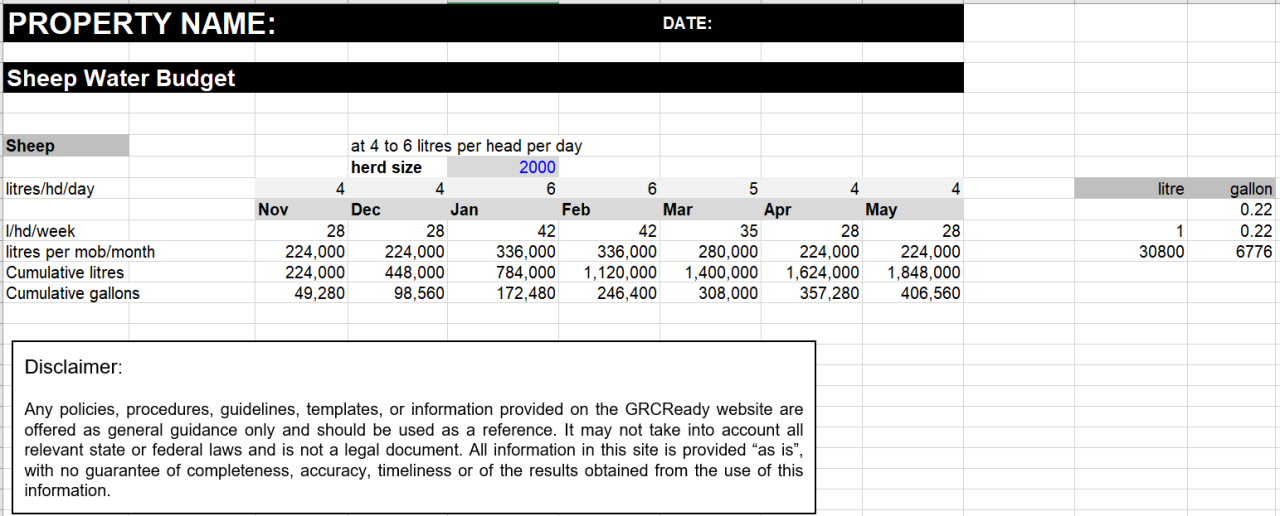
Understanding the feed resources available to you is a critical step in creating an effective livestock feed budget. This involves identifying the different types of feed you can access and assessing their nutritional value, cost, and availability. A thorough inventory of your feed resources will help you make informed decisions about what to feed your livestock and how to optimize their diets for growth, reproduction, and overall health.
Common Types of Livestock Feed
Livestock diets are typically composed of various feedstuffs categorized into forages, concentrates, and supplements. Each category plays a vital role in providing the necessary nutrients for livestock.Forages are the foundation of many livestock diets, particularly for ruminants like cattle, sheep, and goats. These are the plant-based feeds that animals graze on or are harvested and stored for later use.
- Pasture: This is grazing land where livestock can consume fresh forage. The nutritional value of pasture varies significantly depending on the plant species, stage of growth, and environmental conditions.
- Hay: Hay is forage that has been cut and dried. It is a common feed source during periods when pasture is unavailable, such as during winter. Different types of hay are available, including grass hay, legume hay (e.g., alfalfa, clover), and mixed hay.
- Silage: Silage is forage that has been preserved through fermentation. It is typically made from crops like corn, sorghum, or grasses. Silage is a good source of energy and can be a cost-effective way to store forage.
Concentrates are feedstuffs that are high in energy and/or protein. They are often used to supplement forages and provide additional nutrients to meet the animals’ needs.
- Grains: Grains, such as corn, barley, oats, and wheat, are excellent sources of energy. They are typically used to supplement forage-based diets, particularly for animals with high energy demands, such as growing animals or lactating females.
- Oilseed Meals: Oilseed meals, such as soybean meal, cottonseed meal, and canola meal, are high in protein and are often used to supplement forage-based diets. They are also a source of essential amino acids.
Supplements are used to provide specific nutrients that may be lacking in forages or concentrates. These can include vitamins, minerals, and other additives.
- Mineral Supplements: These provide essential minerals, such as calcium, phosphorus, and trace minerals, which are crucial for bone development, reproduction, and overall health.
- Vitamin Supplements: These provide essential vitamins that may be deficient in the diet.
- Protein Supplements: Used to increase the protein content of the diet.
Common Feed Ingredients and Nutritional Composition
Knowing the nutritional composition of feed ingredients is crucial for formulating balanced diets. This information allows you to determine how much of each ingredient to include to meet the animals’ nutrient requirements. The following is a list of common feed ingredients and their approximate nutritional composition, focusing on crude protein (CP), energy (expressed as Total Digestible Nutrients, or TDN), and fiber content.
Note that these values can vary depending on the specific ingredient, variety, and growing conditions.
- Corn (Grain): CP: 8-10%, TDN: 80-85%, Fiber: 2-3%
- Soybean Meal (48% CP): CP: 48-50%, TDN: 75-80%, Fiber: 3-5%
- Alfalfa Hay: CP: 15-20%, TDN: 50-60%, Fiber: 25-30%
- Oats (Grain): CP: 12-14%, TDN: 70-75%, Fiber: 10-12%
- Barley (Grain): CP: 11-13%, TDN: 75-80%, Fiber: 5-7%
- Wheat Bran: CP: 15-17%, TDN: 65-70%, Fiber: 10-12%
- Grass Hay: CP: 8-12%, TDN: 50-55%, Fiber: 30-40%
- Cottonseed Meal (41% CP): CP: 41-43%, TDN: 70-75%, Fiber: 10-12%
- Molasses: CP: 3-5%, TDN: 65-70%, Fiber: 0%
Pros and Cons of Different Feed Sources
The selection of feed sources depends on several factors, including cost, availability, and nutritional value. Each feed source has its advantages and disadvantages, which must be considered when developing a feed budget. The table below provides an overview of the pros and cons of common feed sources.
| Feed Source | Pros | Cons | Cost Considerations |
|---|---|---|---|
| Pasture | Low cost; natural grazing behavior; provides essential nutrients. | Nutritional value varies with season and management; susceptible to weather conditions; may require rotational grazing to prevent overgrazing. | Cost is primarily related to land ownership/rental, fencing, and pasture management practices. |
| Hay | Relatively easy to store; provides a consistent feed source; available during periods when pasture is unavailable. | Can be expensive to purchase; quality can vary; storage can lead to spoilage. | Cost varies depending on type of hay, local market prices, and transportation costs. |
| Corn (Grain) | High energy content; readily available in many regions; relatively inexpensive. | Low in protein; can cause digestive upsets if fed in excess. | Price fluctuates with market conditions and availability. |
| Soybean Meal | High protein content; readily available; good source of essential amino acids. | Can be expensive; may require careful storage to prevent spoilage. | Price fluctuates with market conditions and demand. |
Calculating Feed Needs for Individual Animals
Determining the precise feed requirements for individual animals is crucial for optimizing livestock production, minimizing feed waste, and ensuring animal health. This section Artikels the methods for calculating daily feed needs, incorporating animal weight, nutritional requirements, and feed ingredient proportions. Accurate feed budgeting at the individual animal level translates into better resource management and improved profitability.
Calculating Daily Feed Requirements Based on Animal Weight and Nutritional Needs
The process of calculating daily feed requirements hinges on understanding the animal’s weight and its specific nutritional needs. These needs vary based on the animal’s species, age, physiological state (e.g., pregnancy, lactation), and production goals (e.g., weight gain, milk production).To begin, the animal’s weight is determined, typically using a scale or through weight estimation methods. Next, the nutritional requirements are established.
This involves assessing the animal’s needs for essential nutrients, including:
- Energy: Measured in megacalories (Mcal) or kilocalories (kcal), energy fuels all bodily functions and production processes.
- Protein: Expressed as a percentage of the diet or in grams, protein is essential for growth, tissue repair, and other metabolic processes.
- Vitamins and Minerals: These micronutrients are vital for various physiological functions, and their requirements are often expressed in milligrams (mg) or international units (IU).
- Fiber: Measured as a percentage, fiber is crucial for digestive health, especially in ruminants.
These nutritional requirements are usually provided in feed requirement tables or can be calculated using established formulas.
Using Feed Requirement Tables or Formulas for Specific Livestock Species
Feed requirement tables and formulas provide standardized guidelines for estimating an animal’s nutritional needs. These resources are often species-specific and consider various factors, such as animal weight, physiological state, and production level.For example, the National Research Council (NRC) publishes nutrient requirements for various livestock species. These publications offer detailed information on the energy, protein, and mineral requirements for different stages of an animal’s life.For dairy cows, a common formula to estimate daily dry matter intake (DMI) is based on body weight and milk production:
DMI (kg/day) = (0.025
- Body Weight in kg) + (0.3
- Milk Production in kg)
This formula is a simplification, but it provides a starting point for estimating feed intake. It suggests that a cow weighing 600 kg and producing 30 kg of milk per day would require approximately:
DMI = (0.025
- 600) + (0.3
- 30) = 15 + 9 = 24 kg/day
Then, to calculate the amount of each nutrient needed, the table is consulted. For instance, a dairy cow in early lactation might need 17% crude protein and 1.6 Mcal/kg of net energy for lactation (NEL) in its diet.For beef cattle, formulas are used to estimate the daily gain and the amount of energy and protein required to support that gain.
The NRC also provides tables with these values. For example, a growing steer with a target gain of 1.5 kg/day and a body weight of 300 kg will need a specific amount of metabolizable energy and crude protein.These tables and formulas help determine the nutritional profile of the feed. This includes the proportions of various feed ingredients, such as grains, forages, and supplements.
Step-by-Step Procedure for Determining the Amount of Each Feed Ingredient Needed for an Individual Animal
After calculating the total feed requirements, the next step involves determining the amounts of each feed ingredient. This process usually involves the following steps:
- Determine Total Nutrient Needs: Using feed requirement tables or formulas, calculate the total daily requirements for energy, protein, vitamins, and minerals.
- Select Feed Ingredients: Choose available feed ingredients, such as hay, silage, grains, and supplements, considering their nutrient content and cost.
- Analyze Feed Ingredient Nutrient Content: Obtain nutrient analysis data for each feed ingredient. This data is often available from feed labels, feed suppliers, or laboratory analysis.
- Develop a Ration: Use a spreadsheet or feed formulation software to create a ration that meets the animal’s nutrient requirements. This involves adjusting the proportions of feed ingredients until the nutrient content of the ration matches the animal’s needs.
- Calculate Ingredient Amounts: Once the ration is balanced, calculate the amount of each feed ingredient needed per day. This is done by multiplying the total daily dry matter intake by the proportion of each ingredient in the ration.
- Adjust for Dry Matter: If the feed ingredients have different dry matter contents (e.g., hay vs. silage), adjust the amounts to account for the moisture content.
For example, consider a dairy cow needing 24 kg of dry matter intake, 17% crude protein, and 1.6 Mcal/kg NEL. Available feed ingredients are:
- Alfalfa hay (18% CP, 1.3 Mcal/kg NEL)
- Corn silage (8% CP, 1.4 Mcal/kg NEL)
- Soybean meal (48% CP, 1.6 Mcal/kg NEL)
- Shelled corn (9% CP, 1.6 Mcal/kg NEL)
Using a ration balancing program, the following ration might be developed:
- Alfalfa hay: 8 kg
- Corn silage: 10 kg
- Soybean meal: 2 kg
- Shelled corn: 4 kg
This ration would then be fed to the cow daily, providing the required nutrients. Regular monitoring of the animal’s body condition, milk production (for dairy cows), and overall health is essential to fine-tune the ration and ensure optimal performance.
Determining Feed Costs
Understanding and accurately calculating feed costs is crucial for the financial viability of any livestock operation. This section Artikels the factors that influence feed expenses and provides a practical method for determining these costs, accounting for potential losses due to waste and spoilage. Proper cost analysis ensures informed decision-making regarding feed selection, purchasing strategies, and overall profitability.
Factors Influencing Feed Costs
Feed costs are not static; they fluctuate based on a variety of factors. A thorough understanding of these elements is essential for effective budget planning and financial management.
- Market Prices: The primary driver of feed costs is the prevailing market price of feed ingredients. These prices are influenced by supply and demand, which in turn are affected by factors like weather conditions (droughts or floods impacting crop yields), global trade dynamics, and the overall economic climate. For example, a severe drought in a major corn-producing region can significantly increase the price of corn, directly impacting the cost of feed.
- Transportation Costs: The cost of transporting feed from the supplier to the farm adds to the overall expense. Transportation costs are influenced by the distance, the mode of transport (truck, rail, etc.), and fuel prices. Farms located further from feed suppliers will typically incur higher transportation costs.
- Storage Costs: Proper storage is necessary to maintain feed quality and prevent spoilage. Storage costs include the expense of building or maintaining storage facilities (silos, barns, etc.), as well as the costs associated with pest control and maintaining optimal storage conditions (temperature and humidity).
- Feed Ingredient Quality: The quality of feed ingredients affects their nutritional value and ultimately impacts animal performance. Higher-quality ingredients may cost more initially but can lead to better animal health, increased productivity, and potentially reduced veterinary expenses.
- Seasonality: Feed prices can vary seasonally, particularly for forages like hay. The availability of fresh pasture and the timing of harvests influence the prices of these feedstuffs.
- Supplier Relationships and Volume Discounts: Establishing strong relationships with feed suppliers can lead to favorable pricing and access to volume discounts, reducing the overall feed costs.
Calculating the Cost Per Unit of Feed
Calculating the cost per unit of feed allows for a standardized comparison of different feed options and enables accurate budgeting. The following method provides a clear approach to determine this cost.
First, you need to determine the total cost of the feed purchase, including the price of the feed itself, transportation costs, and any other associated expenses (e.g., storage, handling).
Next, determine the total weight or volume of the feed purchased. This could be in pounds, kilograms, tons, or another appropriate unit of measurement.
Then, apply the following formula:
Cost Per Unit = (Total Cost of Feed) / (Total Units of Feed)
Example: A farmer purchases 10 tons of corn at a price of $300 per ton. Transportation costs are $50 per ton. The total cost is calculated as follows:
- Feed cost: 10 tons
– $300/ton = $3,000 - Transportation cost: 10 tons
– $50/ton = $500 - Total cost: $3,000 + $500 = $3,500
- Cost per ton: $3,500 / 10 tons = $350/ton
Therefore, the cost of the corn is $350 per ton.
Factoring in Feed Waste and Spoilage
Feed waste and spoilage can significantly impact the actual cost of feed. Accounting for these losses ensures a more realistic and accurate assessment of feed expenses.
Waste Estimation: Waste can occur due to various factors, including spillage, refusal by animals, and improper storage. The percentage of waste varies depending on the type of feed, the feeding system, and animal management practices.
Spoilage Estimation: Spoilage occurs when feed deteriorates due to factors such as moisture, mold, or pest infestation. The degree of spoilage also depends on the feed type and storage conditions.
Adjusted Feed Cost Calculation: To account for waste and spoilage, adjust the amount of feed needed and the cost calculation. This can be done by estimating the percentage of feed loss and increasing the amount of feed purchased accordingly.
Formula:
Adjusted Feed Cost = (Total Feed Cost) / (1 – % Waste/Spoilage)
Example: A farmer estimates a 5% waste and spoilage rate for hay. The initial calculated feed cost is $1,
000. Applying the formula:
- Adjusted Feed Cost = $1,000 / (1 – 0.05)
- Adjusted Feed Cost = $1,000 / 0.95
- Adjusted Feed Cost = $1,052.63
The farmer should budget for $1,052.63 to account for the waste and spoilage.
Budgeting for Feed

Creating a comprehensive feed budget is crucial for the financial success of any livestock operation. This process allows producers to estimate feed costs accurately, manage resources effectively, and make informed decisions regarding animal numbers, feeding strategies, and production goals. A well-structured budget provides a roadmap for achieving profitability by optimizing feed utilization and minimizing expenses.
Template for a Livestock Feed Budget
A standard feed budget template should include several key sections to ensure all aspects of feed management are considered. This template provides a framework for organizing feed-related financial planning.
The core components of a livestock feed budget include:
- Feed Costs: This section details the estimated costs for each feed type used in the operation. It includes the price per unit of feed (e.g., per ton, per bushel, per bale) and the total quantity needed.
- Animal Numbers: This section specifies the number of animals in each production group (e.g., breeding stock, growing animals, finishing animals). Accurate animal counts are essential for calculating total feed requirements.
- Expected Production: This section Artikels the anticipated production goals, such as weight gain, milk yield, or egg production. These goals are often linked to feed efficiency and influence feed allocation.
- Feeding Strategy: This section describes the specific feeding approach employed. This could be pasture-based, confinement, or a combination of both. The feeding strategy directly impacts feed type and quantity.
- Feed Type and Quantity: This is the core of the budget, listing all feedstuffs (e.g., hay, grain, supplements) and their estimated quantities needed per animal or group of animals.
- Unit of Measure: The units of measurement are clearly stated (e.g., kg, lbs, tons).
- Price per Unit: This column lists the cost of each feed per unit.
- Total Cost: The total cost is calculated by multiplying the quantity by the price per unit for each feed item.
Here is an example of a simplified feed budget template:
| Feed Type | Quantity (Units) | Unit of Measure | Price per Unit | Total Cost |
|---|---|---|---|---|
| Hay | 100 | Bales | $10 | $1,000 |
| Grain | 500 | kg | $0.50 | $250 |
| Supplement | 100 | kg | $1.00 | $100 |
| Total Feed Cost | $1,350 | |||
This template provides a basic framework; producers should adapt it to their specific needs.
Organizing Budget Calculations for Different Feeding Strategies
Feeding strategies significantly influence feed budgets. Pasture-based and confinement feeding strategies require distinct budget approaches. The following provides an example of how to approach the budget calculations for each feeding method.
Here’s how to organize budget calculations based on different feeding methods:
- Pasture-Based Feeding: In this strategy, the primary feed source is pasture. The budget should estimate the carrying capacity of the pasture, the grazing period, and the supplemental feed needed (if any).
- Pasture maintenance costs (fertilizer, weed control).
- Supplemental feed costs (hay or grain during periods of pasture scarcity).
- Confinement Feeding: In confinement, animals are primarily fed in a controlled environment. The budget should include detailed calculations for feed rations.
- Feed ration formulation (based on animal age and production stage).
- Feed costs per pig per day.
- Total feed costs for the entire production cycle.
- Combination Feeding: Many operations use a combination of pasture and confinement. The budget must account for both feeding methods.
- Pasture costs (fertilization, reseeding).
- Hay costs (for winter feeding).
- Grain costs (for supplementation).
Example: A cattle operation grazes 50 cows on 100 acres of pasture. The estimated grazing season is 180 days. The pasture’s carrying capacity is 2 acres per cow. The budget should account for:
Example: A pig farm keeps 200 pigs in confinement. The pigs consume a specific ration of grain and supplements. The budget should consider:
Example: A dairy farm uses pasture grazing during the growing season and confinement feeding during winter. The budget must include:
The key is to allocate costs to each feeding method to ensure accurate cost accounting.
Adjusting the Feed Budget
Feed budgets are not static; they need regular adjustments to reflect changing conditions. These adjustments help to keep the operation financially viable.
Here’s how to adjust the feed budget based on various factors:
- Changes in Feed Prices: Feed prices fluctuate due to market conditions, weather, and global events.
- Recalculating the total feed cost.
- Exploring alternative feed sources.
- Adjusting the feeding strategy to reduce grain usage.
- Changes in Animal Numbers: An increase or decrease in the number of animals directly impacts feed requirements.
- Increasing the estimated feed quantities.
- Adjusting pasture management plans.
- Revising the overall feed cost.
- Changes in Production Goals: Higher production goals, such as increased milk yield or faster weight gain, will typically require more feed.
- Adjusting the feed ration.
- Increasing feed quantities.
- Monitoring animal performance.
Example: If the price of corn increases by 20%, the feed budget needs to be revised to reflect the higher cost of grain-based rations. This may involve:
Example: If a cattle operation expands its herd by 10%, the feed budget must be adjusted to account for the additional feed needed. This will require:
Example: A dairy farm aims to increase milk production by 15%. The feed budget must be adjusted to reflect the higher energy and protein requirements. This will require:
Regularly reviewing and adjusting the feed budget is essential for maintaining profitability. The use of financial records, animal performance data, and market information are important to inform budget revisions.
Monitoring and Adjusting the Feed Budget
Regularly monitoring and adjusting your livestock feed budget is crucial for maximizing profitability and ensuring the health and productivity of your animals. This ongoing process allows you to identify inefficiencies, respond to changes in animal needs or feed costs, and ultimately optimize your feeding program. It’s not a one-time task; it’s a continuous cycle of observation, evaluation, and refinement.
Importance of Monitoring Animal Performance
Monitoring animal performance is fundamental to evaluating the effectiveness of your feed budget. By tracking key indicators, you can assess whether the feed provided is meeting the nutritional requirements of your livestock and supporting their desired performance goals.* Weight Gain: For growing animals, regular weight checks provide insights into growth rates. Are they meeting or exceeding expected weight gains for their age and breed?
Milk Production
In dairy animals, milk yield is a direct measure of the success of the feeding program. Track daily or weekly milk production to identify any declines or improvements.
Egg Production
For poultry, egg laying rates are an important metric. Consistent monitoring of egg numbers and quality helps to evaluate the effectiveness of the feed.
Reproductive Performance
Observing breeding success, conception rates, and gestation periods provides valuable information about the overall health and nutritional status of the animals.
Body Condition Score (BCS)
Regularly assessing BCS helps determine if animals are over or underfed. A BCS chart, specific to the livestock type, is a useful tool.
Fecal Consistency
Observing fecal consistency provides insight into the digestion process. Abnormalities may indicate nutritional imbalances or digestive issues.
Interpreting Animal Performance Data and Adjusting the Feed Budget
Analyzing animal performance data allows for informed adjustments to the feed budget. The data, coupled with careful observation, provides the basis for modifications to optimize animal health and productivity.* Slow Weight Gain: If animals are not gaining weight at the expected rate, it may indicate insufficient energy or protein in the diet. Increasing the amount of concentrate feed or supplementing with a protein source might be necessary.
Decreased Milk Production
A decline in milk yield could be a sign of inadequate energy intake or a deficiency in essential nutrients. Adjusting the ration to include more high-energy feeds or supplementing with vitamins and minerals may be required.
Reduced Egg Production
A drop in egg laying rates could be caused by various factors, including nutrient deficiencies or poor feed quality. Increasing the level of protein or calcium in the diet can often improve egg production.
Poor Body Condition
Animals that are too thin or too fat require dietary adjustments. Overweight animals may need reduced feed intake, while underweight animals may need increased feed intake and/or a more nutrient-dense diet.
Example
Consider a dairy farm where the average daily milk production per cow has dropped by 10% over the past month. After reviewing the feeding records, it is determined that the cows are receiving the same ration as before. Further investigation reveals that the quality of the hay has declined. The farm manager can adjust the feed budget by supplementing the cows’ diet with a higher-quality hay or adding a concentrate feed to compensate for the reduced nutritional value of the hay.
Strategies for Optimizing Feed Efficiency and Reducing Feed Costs
Optimizing feed efficiency and minimizing feed costs are key to improving profitability. Implementing strategic practices can help achieve these goals.* Feed Analysis: Regularly analyze feedstuffs for nutrient content. This information enables you to formulate rations that precisely meet the animals’ needs and avoids overfeeding.
Feed Storage
Proper feed storage prevents spoilage and nutrient loss. Store feed in a cool, dry place, protected from pests and rodents.
Feed Processing
Processing feed, such as grinding grains or chopping forages, can improve digestibility and feed utilization.
Feed Additives
Consider using feed additives, such as enzymes or probiotics, to improve digestion and nutrient absorption.
Forage Management
Maximize the use of high-quality forages. Proper pasture management and forage harvesting techniques can significantly reduce feed costs.
Feed Timing and Delivery
Providing feed at optimal times and using efficient feeding methods can improve feed intake and reduce waste.
Culling Underperformers
Culling animals that consistently underperform, despite adequate feeding, can improve the overall efficiency of the operation.
Market Analysis
Stay informed about feed prices. Consider buying feed in bulk or exploring alternative feed sources when prices are favorable.
Example
A poultry farmer who carefully monitors feed consumption and egg production notices that the birds are wasting a significant amount of feed. The farmer decides to install a new feeding system that minimizes feed spillage. By reducing feed waste, the farmer is able to decrease feed costs without sacrificing egg production.
Using Feed Analysis Data
Understanding and utilizing feed analysis data is crucial for optimizing livestock feed budgets. This data provides insights into the nutritional composition of feedstuffs, allowing for precise ration formulation and improved animal performance. Accurate feed analysis helps to avoid overfeeding, which increases feed costs and environmental impact, and underfeeding, which can compromise animal health and productivity.
Interpreting a Feed Analysis Report
A feed analysis report provides a detailed breakdown of the nutritional components of a feed sample. The ability to accurately interpret this report is essential for making informed decisions about feed management.The key nutritional parameters typically found in a feed analysis report include:
- Dry Matter (DM): Represents the percentage of the feed that remains after all moisture is removed. It’s the basis for comparing the nutrient content of different feeds.
- Crude Protein (CP): Measures the total nitrogen content of the feed, which is then converted to an estimate of protein. Protein is essential for growth, reproduction, and other bodily functions.
- Crude Fiber (CF): Indicates the amount of indigestible fiber in the feed. High fiber content can limit the digestibility of the feed, especially for non-ruminant animals.
- Acid Detergent Fiber (ADF): Represents the portion of the feed that is least digestible. ADF is used to estimate the energy content of the feed.
- Neutral Detergent Fiber (NDF): Measures the total fiber content, including cellulose, hemicellulose, and lignin. NDF is related to feed intake, as higher NDF levels can reduce the amount of feed an animal consumes.
- Net Energy (NE): Represents the energy available to the animal for maintenance, growth, lactation, or other functions. It is usually expressed as Net Energy for Lactation (NEL), Net Energy for Gain (NEG), or Net Energy for Maintenance (NEm).
- Total Digestible Nutrients (TDN): An older, but still used, estimate of the total energy content of a feed, based on the digestibility of various nutrients.
- Minerals: Includes the levels of various minerals, such as calcium (Ca), phosphorus (P), potassium (K), magnesium (Mg), and trace minerals. These are vital for various physiological processes.
- Vitamins: Some reports may also include the vitamin content, which is essential for overall health and performance.
Refining the Feed Budget Using Feed Analysis Data
Feed analysis data provides the foundation for accurately calculating the nutritional needs of livestock and formulating balanced rations. This leads to more efficient use of feed resources and improved animal productivity.Here’s how feed analysis data can be used to refine the feed budget:
- Assess Nutrient Availability: Analyze the feedstuffs available and determine their nutrient content using the feed analysis report. This allows for an accurate assessment of the nutrients the animals will receive.
- Match Feed to Animal Needs: Compare the nutrient content of the available feeds with the nutritional requirements of the livestock. These requirements vary based on species, age, stage of production (e.g., growth, gestation, lactation), and desired performance.
- Formulate Balanced Rations: Use the feed analysis data to formulate rations that meet the animals’ nutritional needs. This may involve mixing different feedstuffs to achieve the desired nutrient balance.
- Adjust Feed Amounts: Adjust the amount of feed offered based on the nutrient content and animal requirements. Overfeeding can lead to waste and increased costs, while underfeeding can negatively impact animal health and productivity.
- Monitor and Re-evaluate: Regularly monitor animal performance and body condition. If performance is not meeting expectations, re-evaluate the feed analysis data and ration formulation. This might involve re-sampling feedstuffs for updated analysis.
Example Feed Analysis Report: Alfalfa Hay
Feed Type: Alfalfa Hay
Date of Analysis: October 26, 2024
Dry Matter (DM): 92%
Crude Protein (CP): 18% (on a DM basis)
Acid Detergent Fiber (ADF): 30% (on a DM basis)
Neutral Detergent Fiber (NDF): 40% (on a DM basis)
Net Energy for Lactation (NEL): 0.72 Mcal/lb (on a DM basis)
Calcium (Ca): 1.8% (on a DM basis)
Phosphorus (P): 0.25% (on a DM basis)
Explanation: This report shows that the alfalfa hay has a relatively high protein content (18%) and a moderate fiber content (ADF 30%, NDF 40%). The NEL value of 0.72 Mcal/lb indicates a good energy value for lactating dairy cows. The calcium level is high, and phosphorus is within an acceptable range. Using this data, a nutritionist can determine the amount of alfalfa hay to feed to meet the dairy cow’s protein, energy, and mineral requirements, possibly supplementing with other feeds to balance the ration.
Managing Feed Storage and Waste
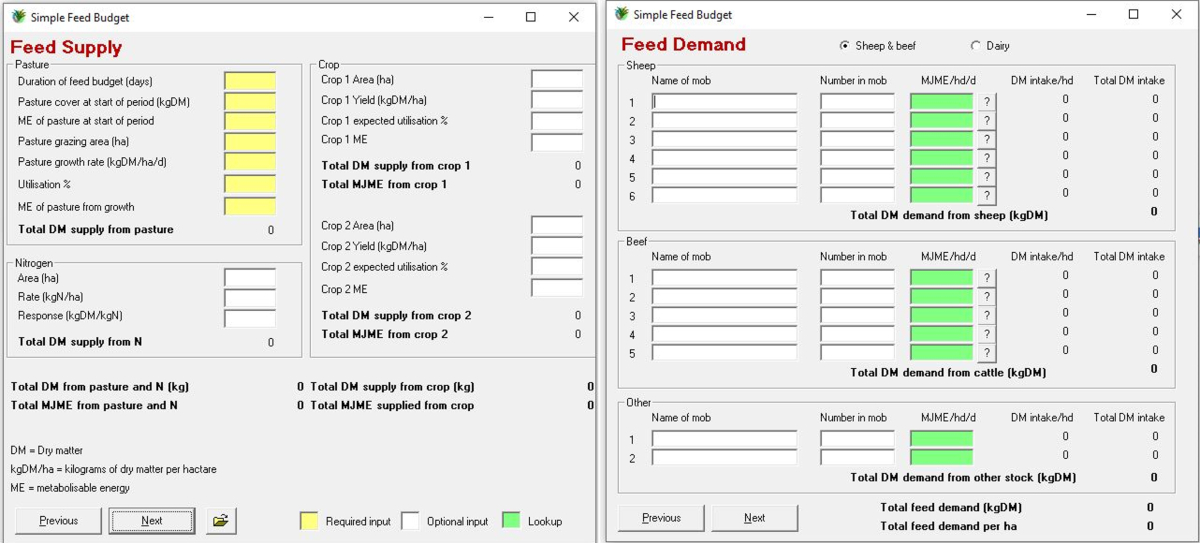
Proper feed storage and waste management are crucial components of an effective livestock feed budget. Neglecting these aspects can lead to significant financial losses due to feed spoilage, reduced animal performance, and increased feed costs. Implementing best practices in storage and waste reduction ensures that the feed provided to livestock is of optimal quality, thereby maximizing the return on investment in feed.
Best Practices for Feed Storage
Effective feed storage is essential for preserving feed quality and minimizing waste. Several factors must be considered to ensure feed remains palatable, nutritious, and free from contamination.
- Protecting from Moisture: Moisture is a primary cause of feed spoilage. Store feed in a dry environment, away from rain, snow, and flooding. Ensure storage structures have adequate ventilation to prevent condensation.
- Controlling Temperature: High temperatures can degrade feed quality, especially for stored grains and forages. Provide shade for outdoor storage or utilize insulated storage facilities.
- Preventing Pest Infestation: Rodents, insects, and birds can consume or contaminate feed. Seal storage structures to prevent entry, regularly inspect for pests, and implement control measures if necessary.
- Proper Storage Structures: Utilize appropriate storage structures for different feed types. For example, grains may be stored in silos or bins, while hay can be stored in barns or under tarpaulins.
- First-In, First-Out (FIFO) System: Rotate feed stocks to ensure older feed is used before newer feed. This minimizes the time feed is stored, reducing the risk of spoilage.
- Regular Inspection: Regularly inspect stored feed for signs of spoilage, such as mold, discoloration, or unusual odors. Remove and discard any spoiled feed immediately.
Strategies for Reducing Feed Waste
Feed waste can significantly impact feed costs and profitability. Implementing effective waste reduction strategies is vital for maximizing feed efficiency and minimizing economic losses.
- Proper Feeding Techniques: Adjust feeding methods to match animal needs and minimize spillage. For example, use feeders designed to reduce waste, and feed animals in small, frequent meals rather than one large feeding.
- Feeders and Feed Bunk Design: Design and maintain feeders and feed bunks to minimize feed waste. Ensure feeders are at the appropriate height for the animals and are easily accessible. Consider using feeders with features that reduce spillage, such as raised edges or angled bottoms.
- Feed Delivery and Handling: Minimize feed handling to reduce losses. Use efficient feed delivery systems, and handle feed carefully to prevent spillage.
- Matching Feed to Animal Needs: Formulate feed rations that meet the specific nutritional requirements of the animals. Overfeeding leads to waste, while underfeeding can negatively affect animal performance.
- Monitoring Feed Intake: Regularly monitor feed intake to ensure animals are consuming the appropriate amount of feed. Adjust feed rations as needed to prevent overfeeding or underfeeding.
- Storage Management: Implement the storage practices previously mentioned to minimize feed spoilage and waste due to degradation.
Impact of Poor Storage Practices on Feed Costs and Animal Health
Poor storage practices can have detrimental effects on both feed costs and animal health. Understanding these impacts underscores the importance of proper storage and waste management.
- Increased Feed Costs: Spoilage and waste directly increase feed costs. When feed spoils, it must be discarded, representing a loss of investment. Additionally, wasted feed reduces the efficiency of feed utilization, requiring more feed to be purchased to meet animal needs.
- Reduced Animal Performance: Spoiled or contaminated feed can reduce animal performance. Moldy feed, for example, can contain mycotoxins that can cause illness, reduced weight gain, and decreased milk production.
- Health Problems: Poor storage practices can lead to health problems in livestock. Moldy feed, insect infestations, and contamination with other substances can cause illness and disease, requiring veterinary care and potentially leading to animal losses.
- Nutrient Loss: Improper storage can lead to the loss of essential nutrients. Exposure to moisture, heat, and light can degrade vitamins, proteins, and other nutrients, reducing the nutritional value of the feed.
- Economic Losses: The combined effects of increased feed costs, reduced animal performance, and health problems result in significant economic losses for livestock producers. These losses can impact profitability and the long-term viability of the operation.
Closing Summary
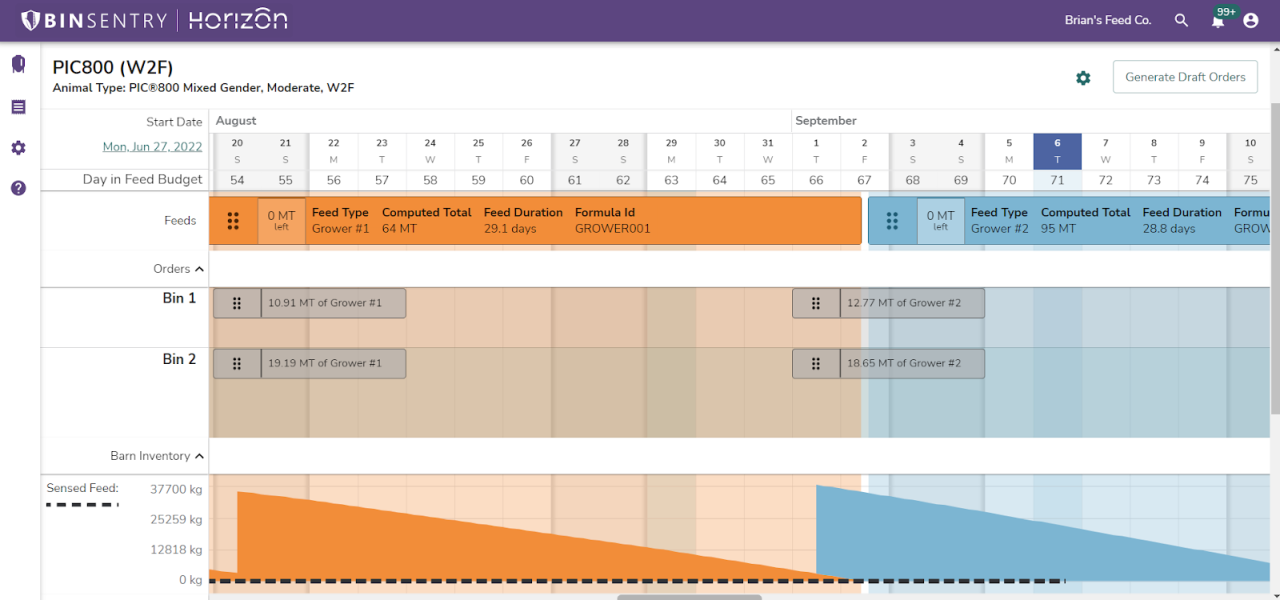
In conclusion, mastering the art of how to calculate livestock feed budget is paramount for any successful livestock operation. From understanding nutritional requirements and available feed sources to monitoring animal performance and adjusting your budget accordingly, each step contributes to efficient resource allocation and improved profitability. By implementing the strategies Artikeld in this guide, you can ensure your livestock receive the nourishment they need, minimize unnecessary expenses, and achieve your production goals.
Remember, a well-managed feed budget is the cornerstone of a healthy and prosperous livestock enterprise.