Learning how to castrate a bull calf is a fundamental aspect of responsible livestock management that benefits both animal welfare and farm productivity. Proper understanding of this procedure ensures that farmers can make informed decisions to promote healthier and more manageable herds.
This guide provides comprehensive insights into the appropriate timing, methods, tools, and care techniques involved in castrating bull calves, emphasizing ethical practices and animal safety throughout the process.
Introduction to Castration of Bull Calves
Castration of bull calves is a common practice within livestock management aimed at improving the quality and manageability of a herd. This procedure involves removing or rendering the testes non-functional to control reproductive capacity and influence behavior. Farmers and livestock handlers often opt for castration to ensure better safety, meat quality, and ease of handling, especially when raising animals for beef production or integrating them into mixed herds.
The decision to castrate is influenced by multiple factors, including economic considerations, animal health, and herd management strategies. Castration can reduce aggressive behavior and prevent unwanted breeding, which is particularly important in confined or managed environments. Additionally, meat from castrated males typically exhibits better tenderness and marbling, leading to higher market value.
Ethical Considerations in Castration Procedures
While castration offers tangible benefits for herd management, it also raises ethical considerations that livestock producers must address conscientiously. Ensuring the welfare of calves during and after the procedure is paramount, requiring adherence to humane practices and proper pain management. Ethical animal husbandry involves minimizing discomfort and distress through appropriate techniques and timely intervention.
Veterinary oversight and the use of anesthetics or analgesics during castration are integral to maintaining high welfare standards. Transparency with consumers regarding the methods used and the rationale behind castration practices also contributes to ethical accountability. Balancing the practical benefits with humane treatment remains a core principle in responsible livestock management.
Timing and Age Considerations
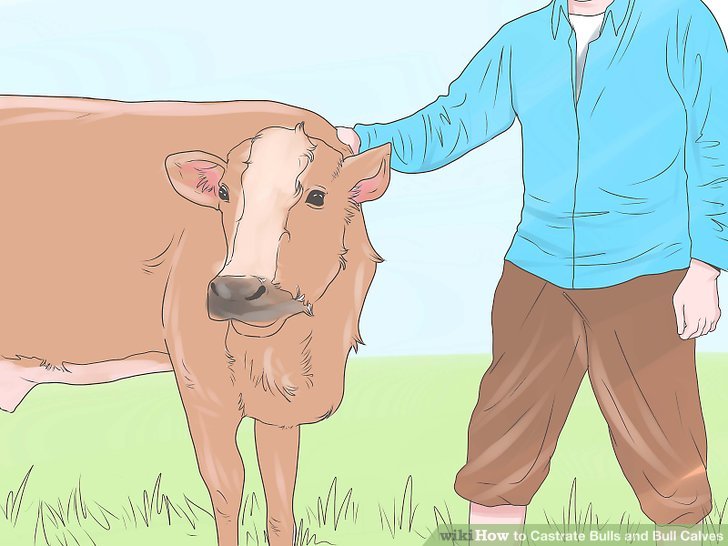
Determining the optimal age for castrating a bull calf is a crucial aspect of animal management that influences not only the ease and safety of the procedure but also the welfare and recovery of the animal. Proper timing ensures that the procedure minimizes stress and complications, while also promoting healthy development and behavior. Various factors, including growth rate, management system, and economic considerations, play a role in selecting the most appropriate age for castration.
The timing of castration impacts several variables such as surgical difficulty, healing time, and long-term health outcomes. Early castration often results in less trauma and quicker recovery, whereas later procedures may pose increased challenges but could be advantageous in specific management contexts. Understanding these dynamics allows producers and veterinarians to make informed decisions that align with animal welfare standards and operational goals.
Optimal Age Ranges for Castration
The ideal age for castrating bull calves typically falls within specific developmental windows, which vary according to breed, management practices, and regional standards. The most commonly accepted age ranges are as follows, with considerations for each stage:
| Stage | Age Range | Advantages | Challenges |
|---|---|---|---|
| Early Castration | Less than 2 months (up to 8 weeks) |
|
|
| Mid-Stage Castration | 3 to 6 months |
|
|
| Late Castration | 6 months and older |
|
|
Factors influencing the timing include the calf’s growth rate, breed-specific development patterns, management goals (meat production vs. breeding stock), and welfare standards. For example, dairy breeds often undergo castration at a very young age, typically within the first few weeks, to prevent undesirable behaviors and improve management. Conversely, beef calves destined for breeding may be castrated later to allow full development and evaluation of growth potential.
Ultimately, the decision must balance animal welfare, economic benefits, and practical considerations.
Methods and Techniques of Castration
Choosing the appropriate method for castration of bull calves is essential to ensure animal welfare, minimize pain and stress, and promote quick recovery. Different techniques vary in their complexity, cost, and suitability depending on the age and size of the calf, as well as the resources available to the operator. This section provides a detailed overview of common castration methods, including banding, surgical removal, and the Burdizzo clamp, along with step-by-step procedures and a comparison of their attributes.
Banding (Elastration)
Banding, also known as elastration, is a widely used method due to its simplicity and cost-effectiveness. It involves applying a tight rubber band around the scrotum, which cuts off blood flow, leading to tissue necrosis and eventual detachment. This technique is typically performed on young calves, generally under 2 months of age, and requires minimal equipment and anesthesia.
- Ensure the calf is calm and restrained securely in a handling chute or with halters.
- Identify and palpate the scrotum to confirm the presence of both testes.
- Select an appropriate-sized rubber band designed specifically for castration.
- Place the rubber band around the scrotum, positioning it above the testes, close to the base of the scrotal sac.
- Stretch the band and slide it over the scrotal tissue, ensuring it is snug but not overly tight to prevent excessive trauma.
- Monitor the calf for any signs of distress; the scrotal tissue will necrose and fall off within 7-10 days.
Surgical Removal (Open Castration)
Surgical castration involves making an incision to remove the testes directly. It is suitable for older calves or when quick, effective results are desired. This method requires proper restraint, sterile equipment, and, ideally, local anesthesia to reduce pain and stress.
- Restrain the calf securely, ideally in a chute or with cross-ties, ensuring immobility.
- Administer local anesthesia (e.g., lidocaine) to the area around the scrotum to minimize discomfort.
- Prepare the surgical site by clipping or shaving the area and disinfecting with antiseptic solution.
- Make a small vertical incision in the scrotal sac using a sterile scalpel or knife.
- Locate each testis within the incision and gently exteriorize it.
- Tie off the spermatic cord with absorbable surgical sutures or ligatures to prevent bleeding.
- Remove the testes carefully and ensure hemostasis (stop bleeding).
- Close the incision with sutures if necessary, or leave it open to heal by secondary intention, depending on the veterinarian’s protocol.
- Apply antiseptic ointment and monitor for signs of infection or bleeding during recovery.
Burdizzo Clamp (Bloodless Technique)
The Burdizzo clamp is a bloodless method that crushes the spermatic cord to induce testicular necrosis. It is quick and does not require anesthesia, making it suitable for use in older calves or when trained personnel are available. The technique involves applying the clamp to each spermatic cord separately, causing permanent sterility without removing tissue.
- Secure the calf using appropriate restraint to prevent movement.
- Identify the spermatic cord on each side by palpation and visualization.
- Place the Burdizzo clamp around the cord at the level where it can be effectively crushed without damaging surrounding tissues.
- Apply the clamp firmly, ensuring complete occlusion of the cord.
- Maintain compression for approximately 30-60 seconds to ensure necrosis of the testicular tissue.
- Repeat on the opposite side.
- Monitor the calf for swelling or discomfort post-procedure, and provide pain relief if necessary.
The Burdizzo method is advantageous for its speed and minimal bleeding but requires skill to avoid incomplete testicular destruction or injury to surrounding tissues.
Comparison of Castration Methods

| Method | Ease of Procedure | Cost | Pain Management | Recovery Time |
|---|---|---|---|---|
| Banding (Elastration) | Simple and quick; suitable for young calves | Low; rubber rings are inexpensive | Minimal; may cause discomfort, especially in older calves | Necrosis and fall-off in 7-10 days |
| Surgical Removal | Requires skill, sterilization, and anesthesia | Moderate to high; equipment and veterinary services | Effective local anesthesia reduces pain; postoperative pain management recommended | Healing varies; typically 1-2 weeks depending on wound care |
| Burdizzo Clamp | Moderate; requires training and skill | Low; minimal equipment costs | Minimal; no anesthesia needed, though pain relief can be used | Swelling may occur; recovery over 1-2 weeks |
Equipment and Supplies Needed
Proper preparation of equipment and supplies is essential to ensure a safe, humane, and efficient castration process for bull calves. Using the right tools not only facilitates the procedure but also minimizes stress and potential complications for the animal. Ensuring equipment is sterile and ready before beginning the operation helps maintain hygiene standards and reduces the risk of infection.
In this section, we will Artikel the key tools required for various castration methods, highlight safety precautions, and discuss sterilization procedures to promote best practices in animal care.
Essential Tools for Castration Methods
Each castration technique necessitates specific equipment designed to perform the procedure effectively while safeguarding the well-being of the bull calf. Having all necessary supplies prepared in advance ensures a smooth process and prevents unnecessary delays or errors during surgery.
| Equipment | Purpose | Recommended Brands or Specifications |
|---|---|---|
| Rubber Rings or Elastrator Bands | Used for banding (-elastrator method) to constrict blood supply and cause tissue necrosis | Jorgensen Elastrator, size appropriate for calf’s scrotum, durable rubber bands |
| Surgical Knife or Scalpel | Facilitates open surgical castration when incising tissues | Sterile surgical blades, disposable or reusable; brands like Swann-Morton |
| emasculator or Castration Clamp | Crushes spermatic cord in emasculation method, sealing blood vessels | Established brands such as Bailey’s emasculator, with adjustable tension |
| Gloves | Ensure sterility and protect both handler and animal from infection | Sterile, powder-free nitrile or latex gloves; size appropriate for handler’s hands |
| Anesthetics and Analgesics | Provide pain relief during and after the procedure | Approved veterinary drugs, such as lidocaine or local anesthetic sprays |
| Antiseptics | Disinfects the surgical site and prevents infection | Povidone-iodine solution, chlorhexidine antiseptic |
| Scissors and Forceps | Assist in tissue handling and cutting during open methods | Sterile surgical scissors, thumb forceps or tissue forceps |
| Sterile Towels or Drapes | Maintain a sterile field around the surgical area | Disposable or sterilizable cloth coverings |
| Disposal Containers | Proper disposal of used blades, gloves, and other sharps | Sharps containers complying with local biomedical waste regulations |
Safety Precautions and Sterilization Procedures
Implementing safety protocols and sterilization techniques is crucial to prevent infections, injuries, and cross-contamination. Proper handling of equipment, adherence to hygiene standards, and awareness of safety measures contribute to a successful castration procedure.
Safety Precautions: Always wear appropriate personal protective equipment, including gloves and eye protection. Handle sharp instruments carefully to avoid cuts or punctures. Ensure the environment is well-lit and free of distractions to maintain focus during the procedure.
Sterilization Procedures: Sterilize all surgical instruments by autoclaving or boiling in water with disinfectant solutions before use. Disposable items, such as gloves and blades, should be discarded after a single use in designated sharps containers. Surfaces and equipment that come into contact with the animal should be disinfected with appropriate antiseptic solutions immediately after the procedure. Proper sterilization minimizes the risk of postoperative infections and promotes animal health and welfare.
Pain Management and Anesthesia
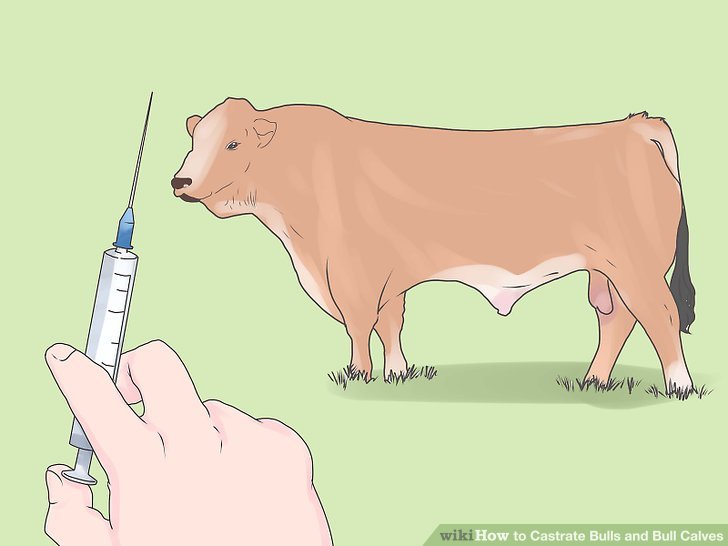
Effective pain management and anesthesia are critical components of humane and successful castration procedures in bull calves. Proper administration minimizes discomfort for the animal, reduces stress, and promotes faster recovery. Ensuring that analgesics and local anesthetics are used appropriately enhances animal welfare and aligns with ethical standards and legal regulations governing livestock care.Administering local anesthesia and analgesics requires precise techniques to achieve effective pain relief while maintaining safety.
Local anesthesia involves injecting anesthetic agents directly into the tissues surrounding the surgical site, blocking nerve conduction and eliminating pain sensation during the procedure. Analgesics are administered either preemptively or post-operatively to reduce discomfort and facilitate healing.Best practices for minimizing animal discomfort include thorough site preparation, accurate dosing, and vigilant monitoring throughout and after the procedure. Using the correct technique prevents unnecessary tissue trauma, and providing analgesics helps ease post-operative pain, ensuring the calf’s well-being.
Administration of Local Anesthesia and Analgesics
Administering local anesthesia involves precise injection techniques to ensure effective nerve blockade with minimal tissue damage. The most common method is infiltration around the testicles or the spermatic cord, depending on the castration method employed. Proper restraint and aseptic technique are vital to prevent infection and reduce stress.Analgesics should be administered according to the calf’s age, weight, and procedure type.
They provide pain relief during and after the operation, improving animal comfort and recovery. Continuous assessment of pain levels post-procedure helps in adjusting analgesic protocols if necessary.A typical analgesic protocol may include non-steroidal anti-inflammatory drugs (NSAIDs) for their anti-pain and anti-inflammatory properties, along with local anesthetics for immediate pain relief during the procedure.
Drugs and Dosages for Pain Management
The selection of appropriate drugs and dosages depends on the calf’s age, weight, and health status. It is essential to follow veterinary guidance for safe and effective use. Below is a general overview of commonly used drugs:
Local Anesthetics
Lidocaine (2%) or Mepivacaine (2%) are frequently used for nerve blocks. Typical dosage: 1-2 mg/kg, injected directly into the tissue surrounding the spermatic cord or testicles.
NSAIDs
Flunixin meglumine and meloxicam are common choices. Dosages:
- Flunixin meglumine: 1.1 mg/kg IV or IM, administered 30 minutes prior to castration and repeated if necessary.
- Meloxicam: 0.2 mg/kg orally or subcutaneously, given as a single dose pre- or post-operation.
Opioids or sedatives may be used in specific cases under veterinary supervision for additional pain control or sedation.
To optimize discomfort reduction, practitioners should ensure correct injection sites, use sterile equipment, and record dosing details meticulously. Post-operative analgesics are often continued for 24 to 72 hours, depending on the drug’s duration of action and the calf’s response. Regular monitoring and prompt management of any signs of pain or distress contribute significantly to animal welfare and recovery success.
Step-by-Step Procedures for Castration of Bull Calves
Castration is a common management practice aimed at controlling breeding, reducing aggressive behavior, and improving meat quality. Proper technique, animal restraint, and attention to safety are essential for a humane and effective procedure. This guide provides detailed, step-by-step instructions for the most widely used castration methods, emphasizing safety, efficacy, and animal welfare.When performing castration, ensuring the calf is properly restrained is vital for both operator safety and procedure success.
Well-restraint reduces stress for the animal and minimizes movement during the procedure, leading to cleaner cuts, reduced complications, and faster recovery. All procedures should adhere to established animal welfare standards, and operators should be trained and experienced in handling livestock.
Understanding Animal Restraint and Handling
Effective restraint involves the use of appropriate equipment such as head gates, chute systems, or halters, depending on the method chosen. Calm handling, gentle vocal commands, and minimized stress are key elements. Always approach the calf calmly and confidently, avoiding sudden movements or loud noises. Proper restraint not only enhances safety but also improves procedural accuracy, especially when dealing with young or anxious animals.
Step-by-Step Guide for Surgical Castration Using the Open Technique
This method involves making an incision, ligating the spermatic cord, and removing the testicles. It is often preferred for its straightforward approach and effectiveness.
- Preparation and Restraint
- Secure the calf in a well-designed chute or with a halter and stakes, ensuring the animal stands securely and comfortably.
- Use a squeeze chute or head gate to immobilize the head, and position the animal on a clean, dry surface.
- Administer a localized anesthetic at the incision site to minimize pain.
- Preparation of Surgical Site
- Shave or clip the fur around the scrotal area to improve visibility and reduce infection risk.
- Disinfect the area thoroughly using an antiseptic solution such as iodine or chlorhexidine.
- Incision and Testicle Removal
- Make a midline incision in the center of the scrotum, approximately 2-3 cm long, using a scalpel or sharp scissors.
- Gently exteriorize the testicle and spermatic cord, taking care to avoid tearing tissue.
- Ligate the spermatic cord with absorbable suture material or use emasculators to clamp and crush the cord, then cut between the clamps.
- Repeat for the second testicle if bilateral castration is desired.
- Post-operative Care
- Apply antiseptic ointment to the incision site.
- Ensure the calf is monitored closely during recovery for signs of bleeding or swelling.
- Provide analgesics as needed, following veterinary guidance.
Step-by-Step Guide for Banding Method
Banding is a non-surgical, bloodless technique suitable for young calves, typically under 3 months old.
- Animal Restraint and Preparation
- Secure the calf in a calm, well-ventilated area using a head gate or halter.
- Shave or clip the scrotal hair to facilitate placement of the band.
- Disinfect the area thoroughly with an antiseptic solution.
- Placement of the Band
- Choose a proper rubber or elastic band designed for castration.
- Position the band at the neck of the scrotum, just above the testicles, ensuring it is snug but not excessively tight to prevent undue pain or tissue necrosis.
- Ensure the band completely encircles the scrotal sac, cutting off blood supply to the testicles.
- Monitoring and Follow-up
- Observe the calf regularly for signs of discomfort, swelling, or infection.
- The testes will necrotize and fall off naturally within 1-2 weeks.
- Remove any remaining tissue or band if necessary, under veterinary supervision.
Step-by-Step Guide for Using Emasculators
This method employs an emasculatome or emasculator device to crush and cut the spermatic cord in a single step.
- Restrain the Calf
- Use a chute, halter, or head gate to secure the animal firmly in a clean and comfortable environment.
- Ensure the calf’s legs are stable, and the animal is calm before proceeding.
- Preparation of the Surgical Area
- Shave and disinfect the scrotal region thoroughly.
- Administer local anesthesia if available, especially for older calves.
- Positioning and Device Application
- Hold the spermatic cord in the emasculator, ensuring correct placement above the testicle.
- Apply the device, squeezing to crush the cord, then lock it in position to cut through the tissue.
- Remove the emasculator carefully, ensuring complete severance of the cord.
- Post-Procedure Monitoring
- Apply antiseptic or wound dressing if necessary.
- Observe for bleeding or swelling, providing analgesics if recommended.
Important Considerations for Animal Safety and Procedure Efficacy
Ensuring safety and effectiveness during castration involves more than just technique. Proper animal handling, hygiene, and post-operative care are essential components.
- Always use sharp, sterilized instruments to prevent infection and tissue trauma.
- Maintain calm and confident handling to reduce stress and movement during the procedure.
- Use appropriate analgesic and anesthetic protocols to minimize pain and discomfort.
- Monitor the animal closely during recovery and provide supportive care as needed.
- Keep detailed records of the procedure, including date, method, and any complications, to inform future management decisions.
Post-Procedure Care and Monitoring
Ensuring proper post-castration care is vital for the health, comfort, and recovery of the bull calf. Adequate monitoring and timely intervention can prevent complications and promote healing, ensuring the calf remains healthy and develops normally after the procedure.Providing attentive aftercare involves diligent wound management, infection prevention strategies, and vigilant observation for any signs of complications. Proper care routines in the first few days are essential for minimizing pain and facilitating a smooth recovery process.
Wound Care and Infection Prevention
Effective wound management and infection control are essential components of post-castration care. Proper handling reduces the risk of infection, supports healing, and minimizes discomfort for the calf.It is important to keep the surgical site clean and dry, inspecting the wound regularly for any abnormalities such as swelling, excessive redness, or discharge. Applying a sterile bandage or dressing may be recommended if indicated by the veterinarian, especially if bleeding persists or if there’s debris around the wound.Preventive measures include:
- Cleaning the wound with sterile saline solution or an approved antiseptic as directed by the veterinarian.
- Applying topical ointments or dressings if recommended to protect the wound from dirt and bacteria.
- Ensuring the calf is kept in a clean, dry environment to minimize exposure to pathogens.
- Using fly control measures, such as fly strips or insecticide sprays, to prevent irritation and infection from flies.
Monitoring for signs of infection involves watching for:
- Persistent swelling or warmth around the wound site.
- Foul odor or purulent discharge from the wound.
- Excessive bleeding or hematoma formation.
- Fever or lethargy indicating systemic infection.
Infections can compromise healing and may require antibiotic treatment, so early detection and veterinary consultation are critical.
Observation of Behavior, Healing, and Pain Management
Close observation during the initial recovery period ensures that any adverse reactions or complications are promptly identified and addressed. Monitoring should focus on behavioral changes, wound healing progress, and signs of pain or discomfort.Daily care routines for the first week post-castration should include:
- Checking the wound for signs of healing, such as reduced swelling, dryness, and absence of discharge.
- Assessing the calf’s overall behavior, noting normal activity levels, appetite, and responsiveness.
- Monitoring for signs of pain, including restlessness, vocalization, abnormal postures, or reluctance to move.
- Ensuring the calf remains on a clean, dry bedding area to prevent contamination of the wound.
- Administering any prescribed pain relief or antibiotics exactly as directed by the veterinarian.
- Watching for signs of systemic illness, such as fever or depression, which may indicate complications.
In cases where the calf exhibits persistent pain, swelling, or signs of infection, immediate veterinary consultation is necessary to prevent further health issues. Maintaining detailed records of daily observations can help in identifying trends or emerging problems early, facilitating timely intervention and ensuring a smooth recovery process.
Potential Complications and Prevention
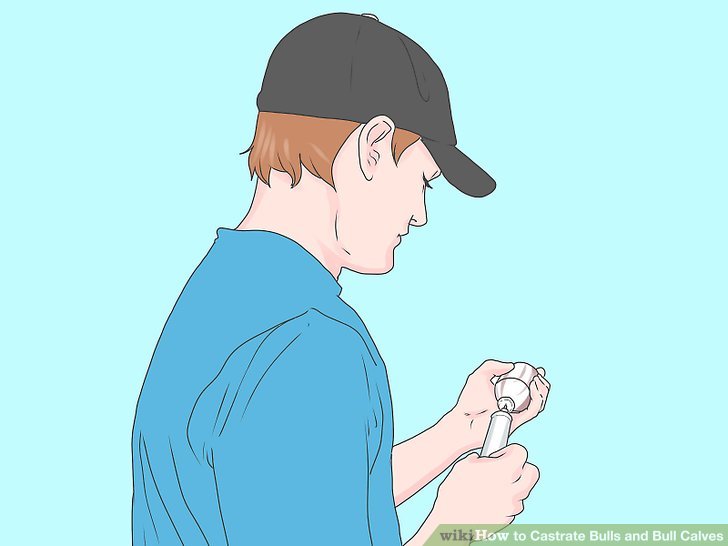
Castration of bull calves, while commonly performed and generally safe when executed properly, can be associated with certain complications that may impact animal welfare and recovery. Recognizing these potential issues and implementing preventative measures are essential steps to ensure a successful procedure and promote quick healing. This section discusses the most common complications such as bleeding, infection, and pain, along with preventative strategies to minimize their occurrence.Understanding and anticipating these complications allow veterinarians and livestock handlers to respond promptly and effectively, reducing the risk of long-term issues or unnecessary suffering.
Employing appropriate techniques, maintaining hygiene, and providing adequate pain management are key components in preventing these complications and ensuring the well-being of the bull calves.
Bleeding
Bleeding is a frequent concern during and immediately after castration, especially when blood vessels are inadvertently damaged or if proper hemostasis is not achieved during the procedure. Excessive bleeding can lead to hypovolemia, anemia, or heightened stress for the animal.Preventative measures include:
- Careful dissection and ligation of blood vessels during the procedure, particularly when using surgical methods.
- Applying pressure to the wound immediately after castration to promote clot formation.
- Using appropriate surgical techniques and ensuring that tools are sharp and well-maintained, reducing tissue trauma.
- Monitoring the calf closely in the immediate post-operative period for signs of bleeding, such as swelling, discoloration, or oozing from the wound.
In cases of ongoing bleeding, applying local pressure, using hemostatic agents, or consulting a veterinarian for further interventions such as suturing or ligation may be necessary.
Infection
Post-castration infection can develop if the surgical site becomes contaminated or if hygiene protocols are not strictly followed. Infection can manifest as swelling, redness, heat, pain, and in severe cases, abscess formation or systemic illness.Preventative measures include:
- Ensuring a clean, sterile environment during the procedure by disinfecting instruments and the area of application.
- Using antiseptic solutions to cleanse the surgical site before and after castration.
- Applying topical antibiotics or antiseptics post-procedure to reduce bacterial colonization.
- Restricting access to dirt, mud, or contaminated bedding during the recovery period.
- Monitoring the wound regularly for early signs of infection, and administering appropriate antibiotics if infection develops, under veterinary guidance.
Ensuring proper wound closure and minimizing wound tension also help reduce the risk of infection.
Pain
Pain management is a crucial aspect of castration, both for animal welfare and to promote faster recovery. Uncontrolled pain can lead to stress, decreased feed intake, and delayed healing.Preventative measures include:
- Administering appropriate local anesthesia and analgesics before, during, and after the procedure.
- Utilizing non-steroidal anti-inflammatory drugs (NSAIDs) to reduce inflammation and provide ongoing pain relief.
- Employing minimally invasive techniques where feasible to decrease tissue trauma.
- Providing a comfortable, stress-free environment during recovery, with access to clean water and nutritious feed.
- Monitoring behavioral and physiological indicators of pain, such as vocalization, reluctance to move, or elevated heart rate, and adjusting pain management protocols accordingly.
Proper pain management not only improves the welfare of the animal but also facilitates better healing and reduces the likelihood of complications related to stress and pain-induced immune suppression.
Complication, Causes, and Response Table
| Complication | Primary Causes | Recommended Response |
|---|---|---|
| Bleeding | Inadequate vessel ligation, tissue trauma, poor technique | Apply pressure, use hemostatic agents, suture bleeding vessels, consult veterinarian if bleeding persists |
| Infection | Contaminated environment, poor hygiene, wound tension | Clean and disinfect wound, administer antibiotics if needed, keep environment clean, monitor wound |
| Pain | Inadequate anesthesia, tissue trauma, delayed analgesia | Provide proper analgesics, ensure effective anesthesia, minimize tissue damage, monitor pain indicators |
Legal and Ethical Considerations
Castration of bull calves is a common practice in livestock management, but it is also subject to a range of legal regulations and ethical debates that vary across regions and cultures. Understanding these considerations is essential for ensuring compliance with laws and for maintaining responsible animal welfare standards. It is equally important to recognize the ongoing ethical discussions regarding the timing and methods employed in castration procedures, which often aim to balance economic benefits with animal well-being.Legal frameworks governing castration practices differ significantly worldwide.
Many countries have established regulations that specify the age at which castration can be performed, the methods permitted, and requirements for veterinary oversight. For example, in the European Union, regulations emphasize minimizing pain and stress, often requiring veterinarians to perform or supervise the procedure. In contrast, some regions in North America permit early-age castration as routine management, with guidelines designed to reduce discomfort through specific techniques.
Certain areas also impose restrictions on the use of anesthetics or analgesics depending on the age of the animal and the intended use of the livestock.The ethical debates surrounding castration primarily focus on animal welfare concerns, including pain management, timing of the procedure, and the potential stress inflicted on young calves. Critics argue that castration should be performed only when absolutely necessary and with the most humane techniques available.
Conversely, proponents highlight the importance of castration for preventing aggressive behavior, managing temperament, and maintaining meat quality standards, emphasizing that proper pain mitigation and humane practices are integral to ethical livestock management.
Animal Welfare Best Practices During Castration
Ensuring the welfare of bull calves during castration involves adhering to established best practices that minimize pain, stress, and potential complications. These principles are rooted in scientific research and animal welfare guidelines, emphasizing humane treatment at every stage of the procedure.
- Perform castration at the earliest age possible to reduce pain sensitivity and facilitate healing.
- Use effective pain management strategies, including local anesthesia, analgesics, or sedation, tailored to the calf’s age and health status.
- Employ humane methods and techniques that minimize tissue damage and discomfort, such as elastic banding or surgical techniques performed by trained personnel.
- Ensure all equipment is sterilized and maintained to prevent infection and complications.
- Handle calves gently and calmly to reduce stress and avoid unnecessary trauma during restraint and procedure.
- Monitor calves closely post-procedure for signs of pain, bleeding, or infection, and provide appropriate intervention promptly.
- Maintain detailed records of the procedure, including age, method used, pain management applied, and any complications encountered.
Adopting humane practices and prioritizing animal welfare during castration not only aligns with ethical standards but also enhances the overall quality and reputation of livestock management.
Resources and References
Effective castration practices rely on access to comprehensive resources, authoritative guidelines, and expert assistance. Providing livestock handlers, veterinarians, and farm managers with reliable references ensures adherence to best practices, promotes animal welfare, and enhances operational success. This section highlights key sources of information, visual aids for technique clarity, and professional organizations dedicated to livestock management and castration procedures.
Veterinary Guidelines and Training Materials
Having access to standardized veterinary guidelines and training resources is vital for ensuring safe and humane castration procedures. These materials often include detailed protocols, ethical considerations, and pain management strategies, tailored to different age groups and methods.
- American Veterinary Medical Association (AVMA): Provides comprehensive guidelines on animal procedures, including castration, emphasizing animal welfare and ethical practices. Website: https://www.avma.org
- World Organisation for Animal Health (OIE): Offers internationally recognized standards for animal health and welfare, including surgical and non-surgical castration methods. Website: https://www.oie.int
- Academic Texts and Manuals: Veterinary textbooks such as “Veterinary Surgery” by Tobias and Johnston, and specific manuals on livestock management, provide detailed procedures, illustrations, and case studies.
- Online Training Modules: Many veterinary colleges and agricultural universities offer online courses or modules focusing on livestock procedures, including video demonstrations and interactive assessments.
Visual Aids and Diagrams
Visual aids are instrumental in understanding and executing castration techniques accurately. Clear diagrams and step-by-step illustrations help reduce errors and improve animal welfare by ensuring procedures are performed correctly.
Visual materials should depict the anatomy of the bull calf’s scrotal region, correct placement of surgical instruments, and proper restraint techniques. Diagrams illustrating different castration methods, such as banding, surgical removal, and rubber ring application, can be invaluable for both novice and experienced practitioners.
“High-quality, detailed illustrations of the anatomy and procedural steps enhance comprehension and facilitate hands-on training, reducing the risk of complications.”
Organizations and Professional Resources
Engaging with established organizations specializing in livestock health and management provides access to expert advice, ongoing education, and networking opportunities.
- American Association of Bovine Practitioners (AABP): Offers resources, continuing education, and guidelines specifically tailored for bovine health professionals. Website: https://aabp.org
- National Cattlemen’s Beef Association (NCBA): Provides educational materials, policy updates, and best practices related to cattle management, including animal husbandry and welfare standards. Website: https://www.ncba.org
- Local Veterinary Practitioners and Livestock Extension Services: Consultations with experienced veterinarians and extension agents are vital for case-specific advice, troubleshooting, and training workshops.
- Livestock Management Conferences and Workshops: Participating in regional or national events offers hands-on training and updates on current best practices and innovations in castration techniques.
Incorporating these resources into daily practice ensures that procedures are aligned with current standards, and practitioners remain informed about the latest developments in livestock welfare and management.
Outcome Summary

In summary, mastering the proper techniques and care routines for castrating bull calves contributes significantly to ethical livestock management and improved herd health. By adhering to best practices and ensuring animal welfare, farmers can achieve optimal results while maintaining compliance with regulations.