Castrating piglets is a common practice in agriculture, driven by both practical farming needs and considerations for animal welfare. This guide delves into the critical aspects of humane piglet castration, exploring the reasons behind it, the various methods available, and, most importantly, how to minimize pain and stress for the animals. Understanding these procedures is essential for anyone involved in pig farming, ensuring responsible and ethical animal care practices.
We’ll explore the “why” and “when” of castration, from the perspective of both agricultural benefits and animal welfare. We will also examine different castration methods, including surgical and non-surgical approaches, and provide a detailed guide on pain management and anesthesia. Moreover, we’ll cover post-operative care, common complications, and the ethical considerations that should always guide our practices.
Understanding Piglet Castration
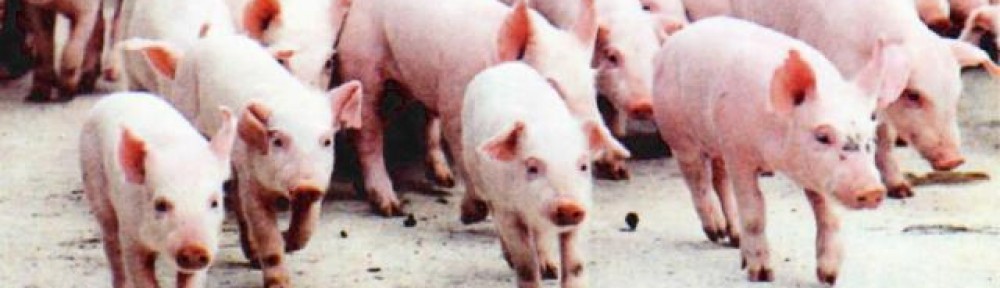
Castrating piglets is a common practice in pig farming, driven by a combination of agricultural efficiency, animal welfare considerations, and consumer preferences. This procedure, when performed humanely, offers several advantages for both the farmer and the animal, while also addressing important ethical considerations related to meat production.
Reasons for Castrating Piglets
The primary reasons for castrating piglets are multifaceted, encompassing both production and welfare aspects. Castration helps manage boar taint, enhances meat quality, and contributes to overall herd management.
- Preventing Boar Taint: Intact male pigs, or boars, can develop a characteristic unpleasant odor and flavor in their meat, known as boar taint, as they mature. This is due to the accumulation of two compounds: androstenone and skatole. Castration removes the testes, the primary source of androstenone, thereby significantly reducing the likelihood of boar taint. Skatole is also reduced because testosterone influences skatole production in the gut.
- Improving Meat Quality: Castration can lead to improvements in meat quality. Castrated pigs, or barrows, tend to deposit more fat, leading to increased marbling in the meat. This marbling enhances the tenderness and flavor of the pork.
- Managing Aggression and Handling: Intact boars can exhibit aggressive behavior, particularly as they reach sexual maturity. Castration reduces aggression, making the pigs easier to handle and manage, which improves the safety of both the animals and the farm workers.
- Welfare Considerations: While the procedure itself can be painful, castrating piglets at a young age and with appropriate pain management strategies can improve their overall welfare. By reducing aggression and preventing unwanted mating, castration contributes to a more harmonious social environment within the herd.
Optimal Age for Piglet Castration
The timing of piglet castration is a critical factor, directly impacting both the animal’s welfare and the ease of the procedure. The consensus favors early castration, typically within the first week of life.
- Minimizing Pain and Stress: Piglets, particularly at a very young age, experience less pain compared to older pigs. Their nervous systems are less developed, and they are less likely to remember the event, which is beneficial for their recovery. Early castration also results in less blood loss and a faster healing process.
- Ease of Procedure: Castrating piglets at a young age is technically simpler. The testicles are smaller and more easily accessible, and the surgical site is smaller, leading to reduced complications.
- Recovery and Growth: Young piglets recover more quickly from the procedure, allowing them to resume normal feeding and growth patterns sooner. This minimizes any negative impact on their development.
- Pain Management: The use of analgesics, such as local anesthetics or non-steroidal anti-inflammatory drugs (NSAIDs), is crucial, especially in the early stages of life. These can significantly reduce the pain experienced during and after the procedure.
Benefits of Castration on Meat Quality and Consumer Perception
Castration significantly influences the quality of pork and is closely linked to consumer acceptance and market value. The absence of boar taint is paramount.
- Enhancing Meat Quality Attributes: As mentioned, castration leads to increased fat deposition, resulting in enhanced marbling. This marbling contributes to improved tenderness, juiciness, and flavor.
- Reducing Boar Taint Incidence: The primary benefit is the elimination of boar taint. This assures consumers of a more palatable eating experience, as the off-flavors and odors associated with intact boars are absent.
- Marketability and Consumer Preference: The consistent quality of pork from castrated pigs is preferred by consumers. Pork products free from boar taint are easier to market and command higher prices, making castration economically advantageous for producers.
- Consumer Trust and Food Safety: By ensuring a consistently high-quality product, castration contributes to consumer trust in the safety and quality of pork, supporting the overall image of the pork industry.
Hormonal Changes Caused by Castration
Castration initiates significant hormonal changes in piglets, influencing various physiological processes. The most notable impact is on the levels of sex hormones, primarily testosterone.
- Reduction in Testosterone: The removal of the testes eliminates the primary source of testosterone. This leads to a dramatic decline in testosterone levels, which is the main driver of the changes observed in castrated pigs.
- Impact on Muscle and Fat Deposition: Testosterone plays a role in muscle development. The reduction in testosterone levels results in slower muscle growth and increased fat deposition.
- Behavioral Changes: The absence of testosterone also influences behavior. Castrated pigs are less likely to exhibit aggressive behaviors associated with intact boars.
- Effects on Secondary Sex Characteristics: Castration prevents the development of secondary sex characteristics, such as the thickening of the neck and the development of tusks, which are characteristic of boars.
Humane Castration Methods
The humane castration of piglets is paramount for animal welfare and is a crucial practice in pig farming. Several methods are available, each with its own advantages and disadvantages regarding pain management, ease of implementation, and overall effectiveness. Understanding these methods allows farmers to make informed decisions, ensuring the well-being of their animals. This section will explore the various castration techniques, including surgical and non-surgical options, providing a detailed comparison to aid in selecting the most appropriate approach.
Comparing Surgical and Non-Surgical Methods
Castration methods are broadly categorized into surgical and non-surgical approaches. Surgical methods involve the physical removal of the testicles, while non-surgical methods typically utilize hormonal manipulation or immunological responses. The choice between these methods depends on several factors, including the age of the piglets, farm resources, and the farmer’s priorities regarding animal welfare and labor requirements.
Surgical Castration Methods: Open and Closed Techniques
Surgical castration is the most common method, involving the physical removal of the testicles. Two primary techniques exist: the open and closed methods.The open method involves incising the scrotum to expose the testicles and spermatic cord. The spermatic cord is then severed, and the testicles are removed. This method allows for a clear view of the surgical field, potentially reducing the risk of complications.The closed method, conversely, involves making a small incision through the scrotum and pushing the testicles out through the incision.
The spermatic cord is then either crushed or tied off before removing the testicles. This method can be faster than the open method.Both methods require careful attention to hygiene and pain management to minimize the risk of infection and discomfort.
Non-Surgical Methods: Immunocastration
Immunocastration is a non-surgical method that involves stimulating the piglet’s immune system to produce antibodies against gonadotropin-releasing factor (GnRF). GnRF is responsible for stimulating the production of testosterone in boars. By neutralizing GnRF, immunocastration effectively suppresses testosterone production, leading to similar effects as surgical castration.This method typically involves two injections: the first to initiate the immune response and the second to maintain it.
The effect is reversible, and testosterone production resumes if the injections are stopped.
Castration Method Comparison Table
Here’s a table summarizing the pros and cons of each castration method, considering pain management and other factors.
| Castration Method | Pros | Cons | Pain Management Considerations |
|---|---|---|---|
| Open Surgical | Clear surgical field, potentially lower risk of complications if performed aseptically. | Higher risk of infection if hygiene is poor, more invasive, potentially longer recovery time. | Local anesthesia or analgesics are recommended. Adequate post-operative care is essential. |
| Closed Surgical | Potentially faster than the open method, less invasive. | Higher risk of incomplete removal, risk of hemorrhage, potentially higher pain levels if performed improperly. | Local anesthesia or analgesics are recommended. Good technique is crucial. |
| Immunocastration | Reduced surgical stress, reversible effect, can reduce boar taint. | Requires two injections, cost of vaccine, potential for adverse reactions, not immediately effective. | Generally considered less painful than surgical methods. |
Pain Management and Anesthesia
Providing effective pain management is paramount for the ethical and humane treatment of piglets undergoing castration. This section delves into the critical aspects of anesthesia and analgesia, outlining the different methods and best practices for ensuring the piglets’ comfort and well-being throughout the procedure. The use of appropriate pain relief not only alleviates suffering but also contributes to faster recovery and improved animal welfare.
Ethical Implications of Pain Management
Animal welfare is a fundamental consideration in modern livestock production. Failing to manage pain during castration constitutes a significant ethical breach. The pain experienced by piglets can be intense and prolonged, leading to distress, changes in behavior, and potentially, compromised immune function. Neglecting pain management is often viewed as a violation of animal rights and can lead to negative public perception of farming practices.
The implementation of pain relief strategies is a direct reflection of the farmer’s commitment to responsible animal husbandry and demonstrates a respect for the animals under their care.
Types of Anesthetics and Analgesics
A variety of anesthetic and analgesic agents can be employed to manage pain during piglet castration. These agents work through different mechanisms to block or reduce pain signals. The selection of the most appropriate agent depends on factors such as the age of the piglet, the duration of the procedure, and the experience of the veterinarian or stockperson.
Administration Methods for Pain Relief
Several methods are available for administering pain relief to piglets. These methods vary in their invasiveness and the duration of pain relief they provide.* Local Anesthetics: Local anesthetics, such as lidocaine or bupivacaine, are injected directly into the tissues surrounding the testicles and spermatic cord. They provide rapid and effective pain relief by blocking nerve impulses in the targeted area.
Systemic Analgesics
Systemic analgesics, such as non-steroidal anti-inflammatory drugs (NSAIDs) or opioids, are administered either orally, intramuscularly, or intravenously. They provide pain relief throughout the body. NSAIDs are commonly used for their anti-inflammatory and analgesic properties. Opioids, such as butorphanol, may be used for more severe pain.
Combined Approaches
Combining local and systemic analgesia can provide a more comprehensive approach to pain management, offering both immediate and sustained pain relief.
Best Practices for Recognizing and Assessing Pain Levels
Accurate pain assessment is crucial for effective pain management. Piglets exhibit various behavioral and physiological signs of pain. These signs should be carefully monitored before, during, and after the castration procedure.* Behavioral Signs: These include vocalization (squealing), restlessness, attempts to escape, changes in posture (e.g., hunched back), reduced activity, and decreased feeding.
Physiological Signs
These can include increased heart rate, elevated respiratory rate, and changes in blood pressure.
Pain Scoring Systems
Using a standardized pain scoring system can help objectively assess pain levels. These systems typically involve observing specific behaviors and assigning scores based on their severity. This enables better pain management.
Steps for Administering Local Anesthesia
Proper administration of local anesthesia is essential for effective pain relief. The following steps should be followed:
- Preparation: Gather all necessary equipment, including the local anesthetic, syringes, needles, and disinfectant.
- Restraint: Properly restrain the piglet to minimize movement during the injection.
- Site Preparation: Clean the area around the scrotum with a disinfectant.
- Injection: Insert the needle into the spermatic cord or around the testicles, aspirating to ensure the needle is not in a blood vessel. Slowly inject the anesthetic.
- Monitoring: Observe the piglet for signs of pain and ensure adequate anesthesia is achieved before starting the castration procedure.
Surgical Procedure
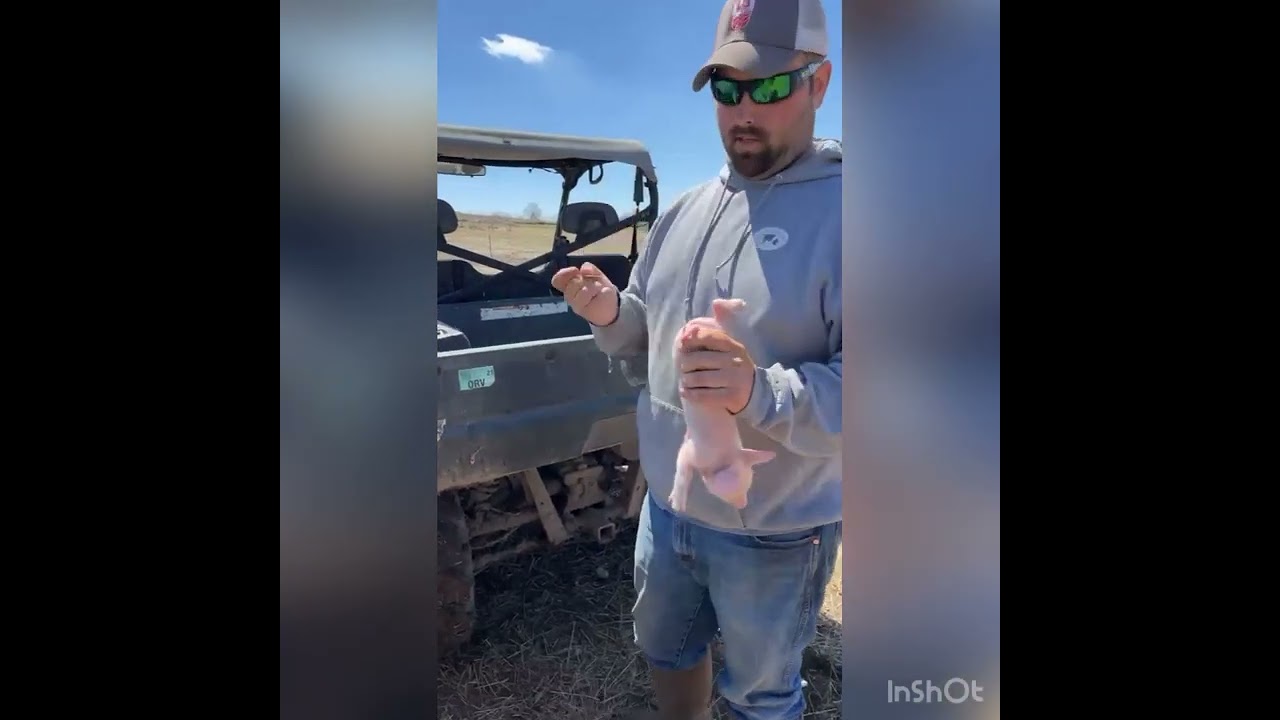
Surgical castration of piglets requires meticulous attention to detail and adherence to established protocols to ensure the procedure is performed humanely and effectively. This section provides a comprehensive, step-by-step guide, emphasizing the importance of preparation, technique, and post-operative care. Proper execution minimizes pain, reduces the risk of complications, and contributes to the overall welfare of the piglets.
Preparations for Surgical Castration
Successful castration begins with thorough preparation. This involves creating a sterile environment, ensuring the availability of all necessary equipment, and preparing the piglet itself. This careful approach significantly reduces the risk of infection and promotes a smooth surgical process.
- Hygiene and Environment: The surgical area must be clean and well-lit. Disinfect the work surface with a suitable disinfectant, such as a 1:10 dilution of povidone-iodine solution or a chlorhexidine-based solution. Ensure the area is free from drafts and potential contaminants.
- Equipment Sterilization: Sterilize all surgical instruments, including scalpels, scissors, forceps, and hemostats, before use. This can be achieved through autoclaving (preferred method) or by using a chemical sterilant, following the manufacturer’s instructions. Ensure instruments are properly dried after sterilization.
- Personal Protective Equipment (PPE): Wear appropriate PPE, including sterile gloves, a surgical mask, and eye protection. This protects both the operator and the piglet from potential contamination.
- Anesthetic and Pain Management: Prepare the anesthetic and pain management drugs as prescribed by a veterinarian. This may include local anesthetics for infiltration or injectable analgesics. Have all medications ready for immediate use.
- Restraint: Ensure proper restraint of the piglet. This can be achieved using a piglet-specific restraint device or with the assistance of an experienced handler. The piglet should be positioned comfortably and safely.
Step-by-Step Surgical Procedure
The following steps Artikel the surgical castration procedure. Careful adherence to these steps, combined with appropriate pain management, is critical for a successful outcome. Each action should be performed with precision and a focus on minimizing trauma.
- Pre-Surgical Preparation of the Piglet: After ensuring proper restraint, thoroughly clean the scrotum and surrounding area with a suitable antiseptic solution. Common examples include povidone-iodine or chlorhexidine. This is crucial to reduce the risk of infection.
- Incision: Make a single, small incision over each testicle. The incision should be of sufficient length to allow for the testicle to be exteriorized but minimize the overall size of the wound. A common practice is to make a single incision on the midline of the scrotum.
- Exteriorization of the Testicle: Gently grasp the testicle and exteriorize it through the incision. This can be done with forceps or by hand. Ensure the testicle is fully exposed.
- Spermatic Cord Ligation or Severance: This is a critical step. The spermatic cord, containing the blood vessels and vas deferens, must be either ligated or severed.
- Ligation: Ligation involves tying off the spermatic cord to prevent bleeding. Use a sterile, absorbable suture material, such as chromic catgut or a synthetic absorbable suture. Double ligate the cord proximally (closer to the body) and then transect the cord distal to the ligatures.
- Severance: Alternatively, the spermatic cord can be severed. In this method, crush the spermatic cord with a hemostat, and then sever the cord distal to the crushed area. This method relies on the crushing action to control bleeding and is generally considered less reliable than ligation.
- Removal of the Testicle: Once the spermatic cord is secured (ligated or severed), remove the testicle.
- Repeat on the Other Side: Repeat the procedure on the other testicle, using the same meticulous technique.
- Wound Closure: The incision site does not typically require sutures. Allow the incision to heal naturally. In some cases, especially if the incision is larger or bleeding is excessive, a single suture may be placed to close the incision partially.
- Post-Operative Care: Apply a topical antiseptic solution to the incision site. Monitor the piglets closely for signs of infection (swelling, redness, discharge) or excessive bleeding. Provide appropriate pain relief and ensure a clean and comfortable environment for recovery.
Identifying and Ligating the Spermatic Cord
Proper identification and ligation of the spermatic cord are crucial for preventing hemorrhage and ensuring a successful castration. This step requires careful anatomical understanding and a steady hand.
- Identification: Once the testicle is exteriorized, carefully identify the spermatic cord. The spermatic cord is a bundle of tissues that includes the vas deferens, blood vessels, and nerves. It will be clearly visible and distinct from the surrounding tissues.
- Ligation Technique:
- Using a sterile, absorbable suture material, place two ligatures around the spermatic cord. The first ligature should be placed as close to the body as possible (proximally). The second ligature should be placed approximately 1 cm distal to the first ligature.
- Ensure the ligatures are tied securely, using a surgeon’s knot or another appropriate knotting technique. This will prevent the suture from loosening and causing bleeding.
- After the ligatures are securely tied, transect the spermatic cord between the two ligatures. This ensures that the testicle is completely separated from the blood supply.
- Alternative: Crimping and Severance Instead of ligation, some practitioners use a hemostat to crush the spermatic cord. The cord is then severed distal to the crushed area. This method relies on the crushing action to control bleeding. While faster, it may be associated with a higher risk of hemorrhage.
Handling and Dressing the Incision Site
Proper handling and dressing of the incision site are essential to prevent infection and promote healing. This involves using appropriate antiseptic solutions, providing a clean environment, and monitoring for any signs of complications.
- Antiseptic Application: After removing the testicle and before closing the incision (if applicable), apply a topical antiseptic solution to the incision site. Povidone-iodine or chlorhexidine solutions are commonly used. Ensure the antiseptic solution is applied thoroughly to the entire wound area.
- Environmental Hygiene: Provide a clean and dry environment for the piglets to recover. Bedding should be clean and changed regularly to prevent contamination. Minimize exposure to dust and other potential irritants.
- Monitoring for Infection: Closely monitor the incision site for signs of infection. These signs include:
- Swelling: Excessive swelling around the incision site.
- Redness: Redness or inflammation of the surrounding tissues.
- Discharge: Any discharge from the incision site, especially if it is pus-like.
- Pain: Signs of pain or discomfort in the piglets, such as reluctance to move or feed.
- Treatment of Infection: If signs of infection are observed, consult with a veterinarian immediately. Treatment may include antibiotics, wound cleaning, and, in severe cases, surgical intervention.
- Post-Operative Pain Management: Continue pain management as prescribed by the veterinarian. This may include administering analgesics for several days following the procedure.
Preparing the Piglet Before Castration
Proper preparation of the piglet before castration is essential for minimizing stress and ensuring a successful outcome. This involves several steps, from fasting to administering pre-operative medications.
- Fasting (Optional): In some cases, it may be beneficial to withhold feed from the piglets for a few hours before the procedure. This can reduce the risk of vomiting during anesthesia. However, prolonged fasting is generally not recommended for piglets.
- Water Availability: Ensure that piglets have access to fresh, clean water before the procedure.
- Pre-Operative Examination: Before castration, perform a thorough physical examination of the piglet. Check for any signs of illness or injury. Piglets that are unwell should not undergo castration.
- Administration of Pre-Operative Medications (if prescribed): If the veterinarian has prescribed pre-operative medications, such as antibiotics or analgesics, administer them as directed.
- Positioning and Restraint: Position the piglet appropriately for the procedure and ensure proper restraint. This will facilitate the surgical process and minimize the risk of injury to the piglet.
- Scrotal Preparation: As described earlier, thoroughly clean the scrotum and surrounding area with a suitable antiseptic solution. This reduces the risk of infection.
Post-Operative Care and Complications
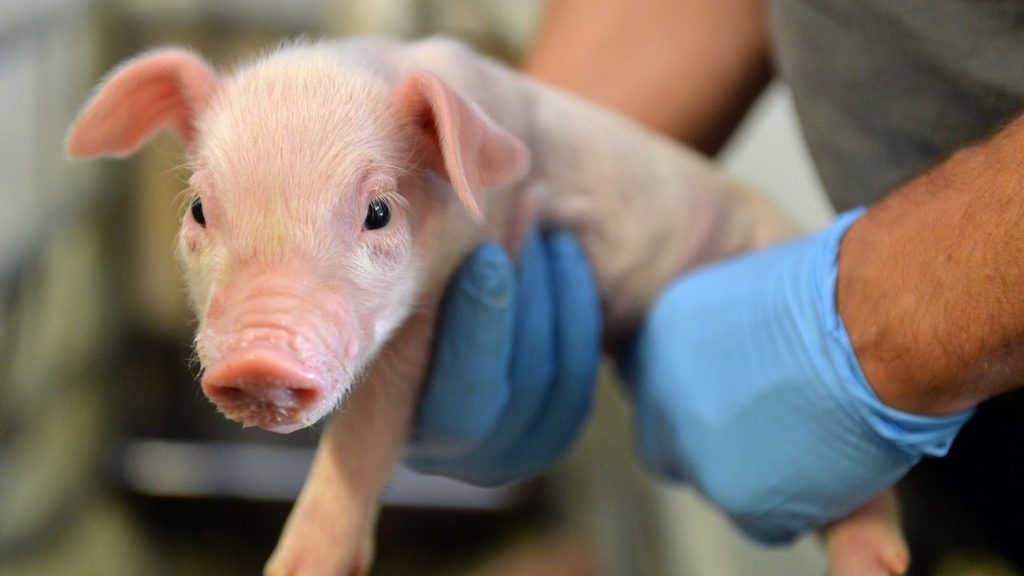
Following the humane castration of piglets, diligent post-operative care is crucial for their recovery and well-being. This involves attentive wound management, vigilant monitoring for potential complications, and providing a clean and comfortable environment. Proper care minimizes pain, reduces the risk of infection, and promotes rapid healing.
Wound Management and Monitoring
Effective wound management is essential for preventing infection and promoting healing. Close observation for any signs of complications is also critical.
- Wound Cleaning: The castration site should be checked daily for any signs of infection, such as redness, swelling, or discharge. Gently clean the area with a mild antiseptic solution, such as diluted povidone-iodine, as directed by a veterinarian. Avoid harsh scrubbing.
- Environmental Hygiene: Ensure the piglets’ environment is clean and dry. Regularly change bedding to prevent the build-up of bacteria and reduce the risk of infection.
- Monitoring Vital Signs: Observe the piglets for any changes in behavior, such as lethargy, loss of appetite, or fever. These can be signs of complications.
- Pain Assessment: Monitor the piglets for signs of pain, such as vocalization, restlessness, or reluctance to move. Provide pain relief as prescribed by a veterinarian.
Common Post-Operative Complications
Several complications can arise after piglet castration. Recognizing the signs of these complications is essential for timely intervention.
- Infection: Infection is a common complication, often indicated by redness, swelling, pus, and fever. Treatment usually involves antibiotics prescribed by a veterinarian.
- Bleeding: Excessive bleeding can occur immediately after castration or in the days following the procedure. This may require veterinary intervention to control.
- Swelling: Some swelling is normal, but excessive swelling can indicate infection or inflammation. Monitor the swelling and consult with a veterinarian if it worsens.
- Herniation: Inguinal hernias, where abdominal contents protrude through the incision, are a potential, though less frequent, complication. Immediate veterinary attention is necessary.
Recognizing and Treating Complications
Early detection and prompt treatment are crucial for managing post-operative complications.
- Infection: If an infection is suspected, the piglet should be isolated and treated with antibiotics as prescribed by a veterinarian. The wound may need to be cleaned and flushed.
- Bleeding: If bleeding is excessive, apply direct pressure to the wound. If bleeding persists, seek immediate veterinary attention.
- Swelling: Monitor the swelling and apply a cold compress if it is minor. Consult with a veterinarian if the swelling worsens or is accompanied by other signs of infection.
- Herniation: Hernias require immediate veterinary intervention, often involving surgical repair.
Providing a Comfortable Environment
A clean, dry, and comfortable environment is vital for promoting recovery.
- Clean Bedding: Provide clean, dry bedding, such as straw or wood shavings. Change the bedding frequently to keep it clean and reduce the risk of infection.
- Temperature Control: Maintain a comfortable temperature for the piglets. Young piglets are particularly susceptible to chilling.
- Shelter: Provide adequate shelter from the elements, such as wind and rain.
- Easy Access to Food and Water: Ensure the piglets have easy access to fresh, clean water and nutritious feed.
Antibiotic Administration and Withdrawal Periods
Antibiotics may be necessary to treat or prevent infection. It is crucial to follow veterinary instructions and adhere to withdrawal periods.
- Veterinary Prescription: Antibiotics should only be administered under the direction of a veterinarian.
- Dosage and Duration: Follow the prescribed dosage and duration of treatment carefully.
- Withdrawal Periods: Adhere strictly to the withdrawal period specified for the antibiotic used. This is the time that must pass between the last dose of the antibiotic and when the piglet can be sent to market. Failure to adhere to withdrawal periods can result in drug residues in the meat, which poses a risk to human health.
Table of Common Post-Operative Complications
The following table summarizes common post-operative complications, their symptoms, and recommended treatments.
| Complication | Symptoms | Recommended Treatment |
|---|---|---|
| Infection | Redness, swelling, pus, fever, lethargy, loss of appetite | Administer antibiotics as prescribed by a veterinarian. Clean and flush the wound. Provide supportive care. |
| Bleeding | Excessive bleeding from the castration site | Apply direct pressure to the wound. Seek immediate veterinary attention if bleeding persists. |
| Swelling | Swelling at the castration site, possibly accompanied by heat and pain | Monitor the swelling. Apply a cold compress. Consult a veterinarian if the swelling worsens or is accompanied by other signs of infection. |
| Herniation | Protrusion of abdominal contents through the incision | Requires immediate veterinary intervention, often involving surgical repair. |
Non-Surgical Castration: Alternatives
The welfare of piglets is paramount, and while surgical castration remains a common practice, non-surgical alternatives are gaining traction. These methods aim to reduce or eliminate the pain and stress associated with castration. This section explores one of the most promising alternatives: immunocastration.
Immunocastration Overview
Immunocastration is a non-surgical method of castration that uses the pig’s immune system to suppress testicular function. This approach offers a humane alternative to surgical castration, reducing pain and improving animal welfare.
Mechanism of Action
Immunocastration works by stimulating the pig’s immune system to produce antibodies against gonadotropin-releasing factor (GnRF). GnRF is a hormone that controls the production of testosterone and other hormones responsible for sexual development and behavior in boars. The antibodies bind to GnRF, preventing it from reaching the pituitary gland, which in turn reduces the production of luteinizing hormone (LH) and follicle-stimulating hormone (FSH).
This cascade of events ultimately leads to a decrease in testosterone production by the testes, effectively castrating the pig.
Injection Protocols
Immunocastration typically involves two injections. The first injection, administered at a specific age and weight, primes the immune system. The second injection, a booster dose, is given several weeks later, before the pigs reach the age of puberty. The exact timing and dosage may vary depending on the product used and the manufacturer’s recommendations.
- First Injection (Priming Dose): Administered typically between 6-10 weeks of age or at a weight of around 25-30 kg. This initial injection prepares the pig’s immune system to recognize and respond to the GnRF antigen.
- Second Injection (Booster Dose): Given approximately 4-6 weeks after the priming dose, usually 2-4 weeks before the intended slaughter date. This booster dose triggers a strong immune response, leading to a significant reduction in testosterone levels.
- Dosage: The dosage varies depending on the specific immunocastration product used. Always follow the manufacturer’s instructions.
Comparison: Immunocastration vs. Surgical Castration
Immunocastration and surgical castration each have their own advantages and disadvantages. Understanding these differences is crucial for making informed decisions about piglet management.
| Feature | Immunocastration | Surgical Castration |
|---|---|---|
| Pain and Stress | Significantly reduces pain and stress compared to surgical castration. The injections cause minimal discomfort. | Causes acute pain and stress during the procedure and the post-operative period. |
| Animal Welfare | Generally considered a more humane method due to the reduction in pain and stress. | Raises animal welfare concerns due to the painful nature of the procedure. |
| Procedure | Requires two injections, typically administered by trained personnel. | Involves a surgical procedure, requiring skilled personnel and proper hygiene. |
| Meat Quality | Can improve meat quality by reducing boar taint and improving carcass characteristics. | Can reduce boar taint, but may not always achieve the same level of improvement. |
| Labor and Cost | Can be less labor-intensive and potentially less expensive than surgical castration, depending on the product and labor costs. | Requires skilled labor, surgical supplies, and post-operative care, which can increase costs. |
| Reversibility | The effect is reversible. Testosterone levels return to normal if the pig is not slaughtered. | Permanent castration. |
Impact on Meat Quality and Consumer Acceptance
Immunocastration can significantly impact meat quality, particularly by reducing boar taint. Boar taint is an unpleasant odor and flavor that can occur in the meat of uncastrated male pigs due to the accumulation of certain compounds, primarily androstenone and skatole. Immunocastration reduces the levels of these compounds, resulting in improved meat quality.
- Reduced Boar Taint: Immunocastration effectively lowers levels of androstenone and skatole, minimizing the risk of boar taint.
- Improved Carcass Characteristics: Immunocastration can also improve carcass characteristics, such as increased lean meat yield and reduced backfat thickness.
- Consumer Acceptance: Consumer acceptance of immunocastrated pork is generally high, especially when the benefits of improved meat quality and animal welfare are communicated effectively. In many markets, consumers are increasingly demanding pork produced using more humane methods.
Effects on Piglet Behavior
Immunocastration affects piglet behavior by reducing the levels of testosterone, leading to changes in aggressive behavior, sexual behavior, and overall activity levels.
- Reduced Aggression: Immunocastrated pigs tend to exhibit less aggressive behavior compared to intact males. This can lead to fewer fighting injuries and improved group dynamics.
- Decreased Sexual Behavior: Immunocastration reduces sexual behavior, such as mounting and fighting over females, which can improve overall welfare.
- Improved Feed Conversion: Immunocastrated pigs often show improved feed conversion efficiency, as they channel energy into growth rather than aggressive or sexual behaviors.
- Reduced Activity Levels: Immunocastrated pigs may exhibit slightly reduced activity levels compared to intact males.
Ethical Considerations and Welfare
Piglet castration is a practice that raises significant ethical concerns, primarily centered on animal welfare. Balancing the economic benefits of castration with the potential for pain and distress in piglets is a complex issue. This section explores the ethical dimensions of piglet castration, examines current regulations, and highlights best practices for humane implementation.
Current Regulations and Guidelines
Regulations and guidelines concerning piglet castration vary significantly across different regions and countries. These differences reflect varying societal values, animal welfare standards, and economic considerations.
- European Union: The EU has implemented relatively stringent regulations. Member states are encouraged to phase out surgical castration of piglets. This is being achieved through:
- Promoting the use of alternative methods such as immunocastration.
- Mandating pain relief (analgesia or anesthesia) for surgical castration.
- Requiring that castration be performed by trained personnel.
- United States: Regulations are less uniform. While there is increasing awareness of animal welfare, there is no federal mandate requiring pain relief for piglet castration. Some states and individual farms are adopting pain management practices voluntarily. The National Pork Board provides guidelines and resources for producers.
- Canada: Canada’s approach is similar to the US, with a focus on encouraging the adoption of best practices. The Canadian Pork Council promotes the use of pain management strategies.
- Other Regions: In many other parts of the world, regulations may be less developed or absent. The welfare standards often depend on local farming practices and economic factors.
Role of Pain Mitigation
Pain mitigation is a critical aspect of humane piglet castration. The procedure is inherently painful, and without appropriate pain management, piglets can experience significant suffering. Effective pain relief minimizes distress and promotes animal welfare.
- Anesthesia: General anesthesia, such as isoflurane, renders the piglet unconscious and prevents pain perception. This is the most effective method of pain control but requires specialized equipment and training.
- Analgesia: Analgesics, such as local anesthetics (e.g., lidocaine) and non-steroidal anti-inflammatory drugs (NSAIDs), can reduce pain. Local anesthetics block pain signals at the site of castration, while NSAIDs reduce inflammation.
- Combination of Approaches: Combining different pain management techniques often provides the best results. For example, a local anesthetic can be administered before surgical castration, followed by an NSAID for post-operative pain relief.
Best Practices for Reducing Stress and Pain
Implementing best practices can significantly reduce stress and pain during piglet castration, improving animal welfare and facilitating recovery.
- Age at Castration: Castrating piglets at a younger age (ideally within the first few days of life) can reduce pain and stress, as the tissues are less developed.
- Personnel Training: Ensuring that personnel performing the procedure are properly trained in surgical techniques, pain management, and animal handling is crucial.
- Cleanliness and Hygiene: Maintaining a clean and hygienic environment helps to minimize the risk of infection, which can exacerbate pain and prolong recovery.
- Post-operative Care: Providing appropriate post-operative care, such as clean bedding, a comfortable environment, and access to food and water, supports recovery.
- Alternative Methods: Consider alternative methods, such as immunocastration, which avoids the need for surgical castration.
Current welfare standards for piglet castration emphasize the importance of minimizing pain and distress. This involves the use of appropriate pain relief, such as analgesia or anesthesia, the implementation of best practices to reduce stress, and consideration of alternative methods. Regulations vary across regions, but the trend is towards increased emphasis on animal welfare and humane practices.
Training and Certification
Proper training and certification are essential for ensuring humane piglet castration. They equip individuals with the necessary skills and knowledge to perform the procedure safely and effectively, prioritizing animal welfare and minimizing pain and stress. This section Artikels the key aspects of training and certification in piglet castration, emphasizing their significance in responsible animal husbandry.
Required Skills and Knowledge
Performing humane piglet castration requires a comprehensive understanding of several key areas. This includes anatomical knowledge, surgical techniques, pain management, and post-operative care.
- Anatomy: A thorough understanding of piglet anatomy, particularly the reproductive system, is crucial. This includes the location of the testicles, spermatic cord, and surrounding structures. This knowledge helps in identifying the correct surgical site and avoiding accidental damage to other organs.
- Surgical Technique: Proper surgical technique is fundamental to minimizing pain and complications. This encompasses incision techniques, testicle removal, and wound closure. Proper technique minimizes bleeding, reduces the risk of infection, and promotes faster healing.
- Pain Management: Effective pain management is a cornerstone of humane castration. This involves understanding different pain management options, including local anesthetics, systemic analgesics, and the timing of their administration. The choice of pain management should be tailored to the piglet’s age, size, and the overall procedure.
- Post-Operative Care: Knowledge of post-operative care is essential for ensuring the piglet’s recovery and well-being. This includes monitoring for signs of infection, providing appropriate wound care, and ensuring the piglet has access to food and water. It also involves recognizing and addressing potential complications.
- Animal Handling and Welfare: Proper animal handling techniques are necessary to minimize stress and distress. This includes gentle restraint, avoiding rough handling, and creating a calm environment. Understanding and adhering to animal welfare principles are fundamental to responsible castration practices.
Training Programs and Certification Processes
Various training programs and certification processes are available to equip individuals with the skills and knowledge required for humane piglet castration. These programs often combine theoretical instruction with practical hands-on experience.
- Training Program Structure: Training programs typically involve a combination of classroom lectures, demonstrations, and hands-on practice. Lectures cover the theoretical aspects of castration, including anatomy, surgical techniques, and pain management. Demonstrations provide visual guidance on proper procedures. Hands-on practice allows participants to practice the techniques under the supervision of experienced instructors.
- Certification Requirements: Certification processes often involve a written examination to assess knowledge and a practical examination to evaluate surgical skills. Successful completion of both components leads to certification, demonstrating competence in performing humane piglet castration. Certification may be offered by veterinary organizations, agricultural colleges, or specialized training providers.
- Accreditation Standards: Reputable training programs and certification processes adhere to specific standards and guidelines. These standards ensure the quality of training and the competence of certified individuals. Accreditation by recognized veterinary or agricultural organizations adds credibility to the training program.
Benefits of Proper Training and Certification
Proper training and certification offer significant benefits for both animal welfare and farm efficiency. These benefits contribute to improved animal health, reduced stress, and enhanced productivity.
- Improved Animal Welfare: Training and certification prioritize animal welfare by emphasizing humane castration techniques, pain management, and post-operative care. This leads to reduced pain, stress, and suffering for the piglets.
- Reduced Complications: Trained individuals are better equipped to perform the procedure safely and effectively, reducing the risk of complications such as infection, hemorrhage, and hernias.
- Enhanced Farm Productivity: Healthy and stress-free piglets grow more efficiently, leading to improved weight gain and reduced mortality rates. This, in turn, contributes to increased farm productivity and profitability.
- Compliance with Regulations: Many countries and regions have regulations regarding piglet castration. Proper training and certification help farmers comply with these regulations and demonstrate their commitment to animal welfare.
- Increased Consumer Confidence: Consumers are increasingly concerned about animal welfare. Farms that prioritize humane practices and have trained personnel can enhance their reputation and gain consumer trust.
Continuing Education in Castration Practices
Continuing education plays a crucial role in maintaining and improving castration practices. This allows practitioners to stay informed about the latest advancements in surgical techniques, pain management, and animal welfare.
- Importance of Updates: The field of veterinary medicine and animal husbandry is constantly evolving. Continuing education ensures that practitioners are up-to-date with the latest research, best practices, and regulatory changes.
- Types of Continuing Education: Continuing education can take various forms, including workshops, seminars, conferences, and online courses. These events provide opportunities to learn new techniques, share experiences, and network with other professionals.
- Benefits of Continuous Learning: Continuous learning helps practitioners refine their skills, improve their understanding of animal welfare, and adapt to changing regulations. This leads to better outcomes for piglets and enhanced farm practices.
Resources for Finding Accredited Training Programs
Finding accredited training programs is essential for ensuring the quality and credibility of the training received. Several resources can help individuals locate reputable programs.
- Veterinary Organizations: Veterinary organizations, such as the American Veterinary Medical Association (AVMA) and the Royal College of Veterinary Surgeons (RCVS), often provide lists of accredited training programs. These organizations may also offer their own training courses or certifications.
- Agricultural Colleges and Universities: Agricultural colleges and universities often have departments specializing in animal science and veterinary medicine. These institutions may offer training programs or collaborate with other organizations to provide them.
- Government Agencies: Government agencies responsible for animal health and welfare may provide information on approved training programs or certification processes.
- Professional Associations: Professional associations for pig farmers or animal husbandry professionals may also provide resources and information on training programs.
End of Discussion
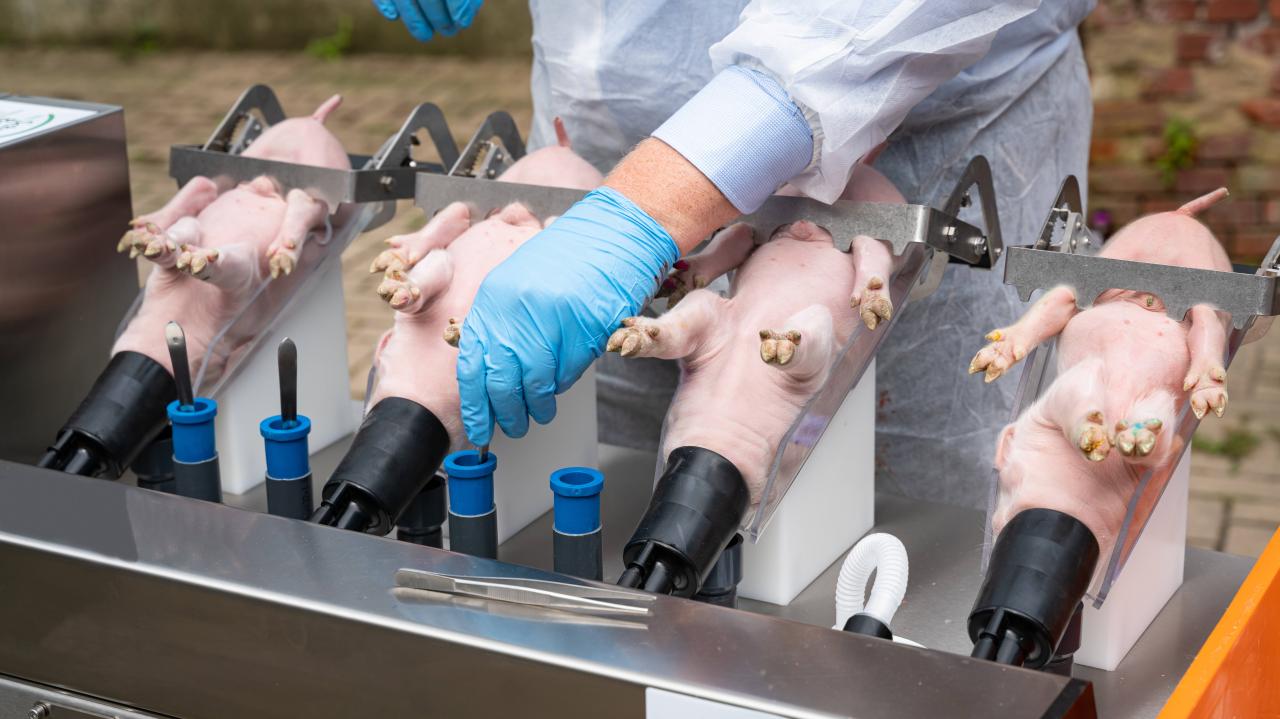
In conclusion, humane piglet castration is a multifaceted process that requires a thorough understanding of the procedures, the ethical implications, and the importance of animal welfare. By implementing best practices in pain management, surgical techniques, and post-operative care, we can significantly reduce the suffering of piglets. This guide provides a valuable resource for farmers, veterinarians, and anyone dedicated to responsible animal husbandry, ensuring the well-being of these animals and promoting ethical agricultural practices.