Understanding how to control chicken lice is essential for maintaining healthy poultry and ensuring optimal productivity. Proper management not only prevents infestations but also promotes the well-being of your chickens, safeguarding them against discomfort and disease.
This guide provides comprehensive insights into identifying, preventing, and effectively managing chicken lice through natural, chemical, and mechanical methods, supported by monitoring strategies for lasting control.
Understanding Chicken Lice
Chicken lice are common ectoparasites that can significantly impact the health and productivity of poultry flocks. Gaining a thorough understanding of their biology, lifecycle, and the different species that affect chickens is essential for effective management and control. Proper identification and insight into their behavior enable poultry keepers to implement targeted strategies to minimize infestations and maintain healthy flocks.
These parasites are obligate external parasites, meaning they depend entirely on the host chicken for survival and reproduction. They can spread rapidly within a flock, especially in conditions that favor their proliferation, such as overcrowding, poor hygiene, and inadequate ventilation. Recognizing the signs of infestation, along with understanding the environmental preferences of different lice species, forms the foundation for effective control measures.
Biology and Lifecycle of Chicken Lice
Chicken lice undergo a simple yet effective lifecycle comprising three main stages: eggs, nymphs, and adults. The lifecycle is completed entirely on the host or within close proximity to it, making eradication challenging once an infestation establishes itself.
- Eggs (nits): Female lice lay eggs directly on the feathers or skin, usually near the base of feathers. These eggs are oval-shaped, glued tightly to the feathers, and remain attached even after hatching.
- Nymphs: After about 5–7 days, eggs hatch into nymphs or juvenile lice. Nymphs resemble adult lice but are smaller and lack reproductive capabilities. They undergo several molts over 7–10 days before reaching maturity.
- Adults: Fully developed adult lice are resilient and capable of reproduction. They feed on blood, skin debris, and feathers, and can live for up to 2–3 weeks on the host, continuously laying eggs and perpetuating the infestation cycle.
The entire lifecycle from egg to adult can be completed within 2–3 weeks, which explains the rapid progression of infestations if left unchecked. The key to control is interrupting this cycle through targeted treatments and environmental management.
Types of Lice Affecting Chickens
Several lice species prefer poultry hosts, each with distinct behaviors, preferences, and impact levels. Proper identification of the lice type is crucial for selecting the most effective control strategies.
| Lice Species | Infestation Signs | Preferred Environment |
|---|---|---|
| Menacanthus stramineus |
|
|
| Menopon gallinae |
|
|
| Mallophaga spp. (biting lice) |
|
|
| Menacanthus pallidulus |
|
|
Comparison of Lice Species, Infestation Signs, and Environments
Understanding the differences among lice species, their signs, and preferred environments helps in the accurate diagnosis and targeted treatment of infestations.
Key Point: Regular inspection and identification of lice species allow poultry owners to select the most effective control measures and prevent widespread infestations.
Identifying Signs of Lice Infestation

Early detection of chicken lice is essential for effective control and prevention of widespread infestations in poultry flocks. Recognizing the visual symptoms and behavioral changes induced by lice allows poultry keepers to address the problem promptly, minimizing health risks and productivity losses. Accurate diagnosis involves systematic inspection techniques that help confirm the presence of lice and determine the infestation level, enabling targeted treatment strategies.
Understanding how lice affect chickens and mastering inspection procedures are fundamental steps toward maintaining a healthy, lice-free flock. The following sections detail the common physical signs to observe and provide a comprehensive guide for conducting thorough inspections.
Visual Symptoms and Behavioral Changes in Chickens
Lice infestations manifest through distinct physical and behavioral indicators, which signal the need for closer examination. Chickens subjected to lice attacks often exhibit signs of discomfort and irritation, leading to noticeable behavioral shifts. These symptoms serve as early warning signs for poultry farmers and enthusiasts to initiate inspection and control measures. Common physical symptoms include:
- Feather Loss and Damage: Chickens may show patches of missing feathers, especially around the vent, neck, and underbelly, caused by lice feeding and chicken scratching at irritated areas.
- Skin Irritation and Scabs: The skin may appear inflamed, with crusty scabs or small bumps resulting from lice bites and scratching attempts.
- Visible Lice or Nits: Tiny, moving insects or their eggs (nits) can often be seen on feathers, particularly near the base of the feathers or around the comb and wattles.
- Restlessness and Agitation: Infested chickens tend to be more restless, frequently preening excessively, scratching, or attempting to dislodge the parasites.
- Reduced Activity and Feather Plucking: Severe infestations may cause chickens to become lethargic, lose interest in their environment, or even pluck their own feathers, leading to further skin damage.
Behavioral changes such as increased preening, irritation, and feather pecking are common responses to lice discomfort. Recognizing these signs promptly helps prevent severe infestations and related complications like anemia or secondary infections.
Step-by-Step Procedures for Inspecting and Diagnosing Lice Infestation
Accurate diagnosis begins with a systematic inspection process that thoroughly examines chickens for lice and their eggs. Proper inspection tools and methodical steps ensure reliable detection, facilitating timely intervention:
Tools Needed for Effective Inspection:
- Bright flashlight or portable lamp: To illuminate dark feathering areas and spot lice and eggs clearly.
- Fine-tooth comb or flea comb: For combing through feathers to dislodge lice and nits.
- Gloves: To protect your hands and prevent spreading lice between birds.
- Magnifying glass: To closely examine tiny eggs and lice on feathers.
- Clean cloth or paper towels: For wiping or collecting lice specimens during inspection.
- Disinfectant solution or alcohol swabs: To clean tools after use and avoid cross-contamination.
Inspection Procedure:
- Prepare a well-lit, clean area to conduct the inspection, ensuring minimal stress for the chickens.
- Wear gloves to maintain hygiene and reduce the risk of parasite transmission.
- Gently restrain the chicken and examine the head, comb, wattles, and around the eyes for visible lice or nits.
- Part the feathers carefully, especially around the neck, vent, underwings, and tail, using the fine-tooth comb to dislodge any parasites or eggs.
- Use the flashlight or magnifying glass to inspect the base of feathers, as lice and nits tend to cluster in these areas.
- Look for tiny, moving insects that are about 2-4 mm long, with flat, elongated bodies, and for eggs attached to feather shafts—appearing as small, oval, whitish or yellowish specks.
- If lice or eggs are detected, conserve a few specimens on a paper towel for identification or further analysis.
- Clean and disinfect all tools after each inspection to prevent spreading lice to other birds.
Regular, thorough inspections, ideally every two weeks or after noticing signs of discomfort, help maintain early detection and effective management of lice infestations in poultry farms or backyard flocks. Early diagnosis reduces the severity of infestations and facilitates targeted treatment, ensuring the health and well-being of the chickens.
Preventative Measures to Control Lice

Implementing effective preventative strategies is crucial in minimizing the risk of chicken lice infestations. Proactive environmental management and diligent maintenance routines can significantly reduce the likelihood of lice establishing a foothold in poultry housing. Establishing these practices forms the backbone of a sustainable approach to lice control, ensuring the health and productivity of your flock remains optimal.
Good hygiene and environmental sanitation are vital components in preventing lice infestations. Regularly maintaining clean coops and nesting areas helps eliminate lice eggs and reduces the chances of lice spreading among chickens. These measures not only protect your birds but also lessen the need for chemical treatments, promoting a healthier and more natural rearing environment.
Environmental Management Practices
Reducing lice risks begins with managing the environment where chickens live. Lice thrive in dark, moist, and cluttered spaces, making environmental control a key preventative step. Ensuring proper ventilation, reducing humidity, and limiting overcrowding can make the coop less hospitable to lice. Additionally, removing debris, old bedding, and any organic matter that can harbor lice eggs minimizes breeding sites.
Implementing rotational grazing or moving poultry to different areas periodically can prevent lice from becoming established in one location. Regularly inspecting the outdoor environment for lice or lice-infested debris allows for early detection and intervention, further lowering infestation risks.
Maintaining Clean Coops and Nesting Areas
An organized and sanitized coop environment is fundamental in controlling lice populations. Maintaining cleanliness involves a systematic approach to removing waste, old bedding, and organic material that can serve as breeding grounds. Proper sanitation disrupts the lice lifecycle by eliminating eggs and nymphs before they mature into adult lice capable of infesting the flock.
Establishing a detailed cleaning schedule ensures consistent hygiene practices. This scheduled approach prevents the buildup of debris and keeps the environment less conducive to lice survival. Using safe, effective disinfectants on coop surfaces, perches, and nesting boxes further reduces lice presence, creating an inhospitable environment for the pests.
Hygiene Routines and Frequency
Consistent hygiene routines are essential in preventing lice infestations and maintaining a healthy flock. Regular cleaning and sanitation practices should be integrated into daily, weekly, and monthly routines. The following list Artikels effective hygiene measures along with recommended frequencies:
- Daily: Remove droppings, spilled feed, and manure from the coop and surrounding areas to minimize breeding sites for lice.
- Weekly: Sweep and disinfect perches, nesting boxes, and feeding equipment with suitable poultry-safe disinfectants.
- Bi-weekly: Deep clean the entire coop, including walls, floors, and ventilation systems, ensuring all organic debris is eliminated.
- Monthly: Replace bedding material, such as straw or shavings, and inspect the coop thoroughly for signs of lice or lice eggs.
- Quarterly or after any suspected infestation: Conduct a comprehensive lice eradication treatment combined with thorough cleaning and disinfection to break the lice lifecycle.
Maintaining a disciplined routine of sanitation and environmental management is the most effective preventative measure against chicken lice, ensuring a healthier environment for your flock.
Natural Remedies and Organic Treatments
Implementing natural remedies offers a holistic and eco-friendly approach to controlling chicken lice. These methods not only help reduce reliance on chemical treatments but also promote a healthier environment for your flock and surrounding ecosystem. Proper application of herbal solutions and organic materials can effectively diminish lice populations when used consistently and correctly.
Natural remedies primarily leverage botanical extracts, mineral powders, and essential oils known for their insect-repellent or insecticidal properties. Understanding how to prepare and apply these solutions ensures maximum effectiveness and safety for your chickens. When selecting organic treatments, it is crucial to consider their compatibility with poultry health and their environmental impact.
Herbal and Natural Solutions Preparation and Application
Herbal infusions and sprays are among the most accessible natural treatments for chicken lice. These solutions typically involve steeping herbs with pesticidal properties, such as neem, lavender, or eucalyptus, in water and applying the resulting liquid to affected areas.
To prepare herbal solutions:
- Choose herbs with known insecticidal or repellent qualities, such as neem leaves, lavender, eucalyptus, or rosemary.
- Crush or grind the herbs to maximize the release of their active compounds.
- Simmer the herbs in clean water for about 20-30 minutes to create a concentrated infusion.
- Allow the infusion to cool completely before straining out the plant material.
- Pour the herbal liquid into a spray bottle for easy application or use a clean cloth to apply directly onto the chickens and their environment.
Spraying should be done in the early morning or late evening to avoid heat stress and to maximize coverage on the birds’ feathers and nesting areas. Reapplication every 5-7 days can help prevent reinfestation.
Using Diatomaceous Earth and Essential Oils Effectively
Natural control agents like diatomaceous earth (DE) and essential oils are widely recognized for their efficacy against lice when used properly.
To utilize diatomaceous earth:
- Choose food-grade diatomaceous earth, which is safe for poultry and humans when used correctly.
- Apply a thin layer of DE to the chickens’ feathers, under the wings, and around nesting boxes. It can also be dusted onto bedding and coop surfaces to create a hostile environment for lice.
- Reapply after cleaning or bedding changes to maintain effectiveness.
- Ensure good ventilation during application to prevent dust inhalation by birds and handlers.
Essential oils such as tea tree, lavender, or eucalyptus can be used as repellents or insecticidal agents. For application:
- Mix 10-15 drops of essential oil with a cup of water and a small amount of natural soap or carrier oil.
- Spray this mixture onto the chickens’ feathers, focusing on areas prone to lice infestation.
- Repeat every 3-4 days, especially during peak lice activity seasons.
- Always test a small area first to ensure the birds do not have an adverse reaction.
Note: Regular monitoring and consistent application of these natural remedies significantly enhance their success rate in controlling lice populations organically.
Pros and Cons of Natural Control Options
| Natural Control Option | Pros | Cons |
|---|---|---|
| Diatomaceous Earth |
|
|
| Herbal Infusions and Sprays |
|
|
| Essential Oils |
|
|
Chemical and Commercial Lice Control Products
Effective management of chicken lice often involves the use of approved chemical and commercial treatments designed specifically for poultry. These products can provide quick and significant relief from infestations when used correctly. Understanding the types of chemical treatments available, their proper application, and safety precautions is essential for ensuring the health and safety of your flock while maintaining effective lice control.
Here, we will explore the various approved chemical treatments for chickens, Artikel a step-by-step guide for their safe application and dosage, and emphasize safety measures that must be followed during treatment to protect both the poultry and the handler.
Types of Approved Chemical Treatments for Chickens
The primary chemical treatments used to control chicken lice are specifically formulated pesticides and insecticides that are approved for poultry use. These products include:
| Product Type | Description | Common Examples |
|---|---|---|
| Pyrethroids | Synthetic insecticides mimicking natural pyrethrins, effective against lice and mites. | Permethrin, Cypermethrin |
| Organophosphates | Insecticides that inhibit nerve function in pests, used less frequently due to toxicity concerns. | Coumaphos (e.g., Co-Ral), Dichlorvos |
| Avermectins | Insecticides that interfere with nerve transmission, effective against lice and mites. | Ivermectin (used via injectable or topical formulations) |
| Others | Products containing natural or synthetic ingredients approved for poultry use | Supona (permanently approved in some regions), certain pyrethrin-based products |
It is critical to ensure that any chemical treatment used is specifically labeled for poultry and approved by relevant regulatory authorities. Always read and follow the manufacturer’s instructions to avoid misuse or overuse of these chemicals.
Guidelines for Safe Application and Dosage
Accurate application and dosage are essential to maximize effectiveness while minimizing risks to chickens and handlers. The following step-by-step process guides proper treatment:
- Preparation: Wear protective gear including gloves, masks, and goggles. Clear the area of food and water sources to avoid contamination.
- Read Instructions: Carefully review the product label for recommended dosage, application method, and safety precautions.
- Calculate the Dose: Determine the appropriate amount based on the flock size and weight as specified on the product label.
- Apply the Treatment: Use the designated method—such as spray, dust, or pour-on—ensuring even coverage on all birds or infested areas. Usually, treatments are applied in the late afternoon or evening to reduce stress.
- Monitoring: Observe the chickens for any adverse reactions during and after application. Reapply if recommended by the manufacturer or if lice infestation persists.
- Record Keeping: Document the treatment date, product used, dosage, and any observations for future reference and compliance.
Important: Never exceed the recommended dosage, as overuse can lead to toxicity, resistance, or environmental contamination.
Safety Precautions During Chemical Treatment
Implementing safety precautions is vital to protect both human handlers and poultry from chemical exposure and potential health hazards. The following precautions should be strictly observed:
- Always wear personal protective equipment (PPE), including gloves, masks, and eye protection.
- Ensure proper ventilation in the treatment area to prevent inhalation of fumes.
- Keep humans and non-target animals away from treated poultry until the product has dried or the recommended interval has passed.
- Store chemicals in a secure, labeled area away from food, feed, and water sources.
- Dispose of any residual chemicals and contaminated materials according to local regulations and manufacturer instructions.
- Wash hands and exposed skin thoroughly after application.
- Follow all manufacturer safety instructions, including restrictions on use during egg-laying or breeding periods if applicable.
Adhering to these safety measures ensures the effectiveness of lice control efforts while protecting the health of everyone involved and maintaining safe environmental practices.
Mechanical and Physical Removal Techniques
Mechanical and physical methods are essential components of an integrated approach to controlling chicken lice. These techniques focus on manually removing lice and their eggs from the birds and their environment, providing immediate relief and reducing the parasite load without reliance on chemicals. Proper implementation of these methods can significantly improve the health and well-being of your flock while minimizing chemical residues and environmental impact.
By employing manual and physical tools effectively, poultry keepers can target lice directly, especially in cases of light infestations or as supplementary measures alongside other control strategies. The key is to adopt consistent, gentle, and thorough procedures to ensure maximum removal efficiency while maintaining the comfort of the chickens.
Manual Removal Procedures
Manual removal techniques involve physically detaching lice, nits, and eggs from the chickens’ feathers and skin. This approach requires patience, gentle handling, and attention to detail to prevent stress or injury to the birds. Regularly scheduled manual removal can help keep infestations manageable and serve as an early intervention method.
- Dusting with Diatomaceous Earth or Other Safe Powders: Lightly dust the chickens’ feathers, especially around the vent, under the wings, and along the neck. Use food-grade diatomaceous earth or equivalent powders that are safe for poultry. The powder works by dehydrating lice and their eggs upon contact. Ensure even coverage and repeat as needed, particularly after cleaning or mud bathing.
- Using Lice Combs or Fine-Toothed Brushes: Carefully run a fine-toothed lice comb or a gentle brush through the feathers, focusing on areas where lice are visible or tend to congregate. The comb mechanically dislodges lice and nits, which can then be collected and disposed of properly. Regular combing sessions can significantly reduce lice populations and help monitor infestation levels.
Use of Lice Combs and Other Physical Tools
Specialized tools such as lice combs and hand-held brushes are effective for targeted removal of lice and eggs from individual chickens. These tools are designed with fine teeth to ensure they can grasp and remove even the smallest nits without damaging the feathers or skin.
- Lice Combs: These are typically plastic or metal combs with fine teeth spaced close enough to catch lice and nits efficiently. Combing should be performed gently but thoroughly, starting from the head and working toward the tail. Pay particular attention to the areas around the vent, under the wings, and on the neck, where lice tend to hide.
- Soft Brushes or Sponges: Soft brushes can help loosen lice from feather bases, while damp sponges can be used to wipe down the skin and feathers gently. These tools are especially useful for birds that may be sensitive to direct combing or in cases where lice are clustered in specific areas.
Consistent manual removal not only reduces lice populations but also allows poultry keepers to visually inspect their flock regularly, facilitating early detection and intervention.
Step-by-Step Guide for Effective Mechanical Removal
- Secure the chicken gently but firmly to prevent injury and reduce stress. Using a calm demeanor and slow movements encourages cooperation.
- Begin by inspecting the bird visually, focusing on common sites such as the vent, under the wings, around the neck, and along the back.
- If using a lice comb, start at the head or neck area, running the fine teeth through the feathers in a systematic manner. Ensure you cover every section thoroughly.
- After each pass, wipe the comb on a clean cloth or rinse it in a bucket of warm water to remove lice and eggs.
- For dusting, sprinkle a thin, even layer of diatomaceous earth or another approved powder on the bird’s feathers, avoiding the eyes and beak. Use a brush or your hands to work the powder into the feathers gently.
- Repeat the process regularly, especially during peak infestation seasons, to keep lice populations under control.
By integrating these mechanical and physical removal techniques into your lice management plan, you can significantly reduce parasite loads, promote healthier chickens, and decrease dependence on chemical treatments. Regular manual inspections, combined with effective physical tools, form a cornerstone of sustainable poultry health management.
Monitoring and Follow-Up Strategies
Effective management of chicken lice requires diligent monitoring and consistent follow-up to ensure that infestations are controlled promptly and effectively. Establishing a structured approach helps prevent severe infestations, minimizes the risk of resistance development, and maintains the health and productivity of the flock. Regular assessment of treatment outcomes and record-keeping are essential components of a comprehensive lice control program, allowing for data-driven decisions and timely interventions.Continuous monitoring involves scheduled inspections of the poultry environment and individual birds to detect recurring or lingering lice populations.
Implementing systematic follow-up strategies ensures that treatment protocols are effective, and any new infestations are addressed swiftly. By maintaining diligent records and adhering to a schedule, poultry keepers can optimize their lice management efforts and safeguard their flock’s overall well-being.
Establishing a Regular Lice Monitoring Schedule
Maintaining a consistent and thorough inspection routine is crucial for early detection and effective control of chicken lice. A recommended approach involves weekly inspections during peak infestation seasons and bi-weekly inspections during calmer periods. The inspections should focus on common lice habitats, such as the base of feathers, around the vent, under the wings, and near the neck area.To conduct a proper inspection, gently part the feathers and look for signs of lice, including live insects, eggs (nits), or skin irritation.
Using a bright light or a magnifying glass can enhance visibility of small pests. The frequency of inspections must be tailored to the flock’s history and environmental conditions, with more frequent checks for flocks that have previously experienced infestations or are exposed to high-risk factors such as poor sanitation or frequent outdoor access.
Assessing Treatment Effectiveness
Evaluating whether lice control measures are successful requires a structured approach to post-treatment assessment. After implementing a treatment, it is vital to conduct inspections at regular intervals, typically every 3 to 7 days, to monitor for signs of lice resurgence or persistence. The goal is to determine whether the treatment has eradicated the infestation or if additional measures are needed.During follow-up inspections, look for the absence of live lice, eggs, or skin irritation.
A decrease in lice presence over successive inspections indicates effectiveness, while persistent signs suggest that the treatment may need reinforcement or adjustment. In cases where lice are still observed after two or three treatment cycles, it is recommended to review the treatment method, dosage, and application technique, considering alternative approaches if necessary.
Sample Record-Keeping Chart for Inspection Results and Treatments
Maintaining organized records of inspections and treatments allows for effective monitoring and decision-making. Below is an example of a simple table format suitable for tracking inspection outcomes and treatment applications:
| Date | Location Inspected | Signs of Lice (Yes/No) | Number of Live Lice Found | Eggs/Nits Detected | Treatment Applied (Type & Date) | Follow-Up Notes |
|---|---|---|---|---|---|---|
| 2024-10-01 | Coop Floor/Perches | No | 0 | None | None | Routine weekly inspection; no issues observed |
| 2024-10-08 | Under Wings and Vent | Yes | 5 | 12 eggs | Natural remedy application on 2024-10-07 | Signs of lice reduced; continue monitoring |
| 2024-10-15 | Neck Area | No | 0 | None | Follow-up inspection, no treatment needed | Infestation under control, maintain regular checks |
Using such a record-keeping system facilitates tracking patterns over time, assessing the success of specific treatments, and planning future inspections and interventions. It also supports transparency and accountability in lice management efforts, ensuring that every step is documented and evaluated for optimal flock health.
Last Recap
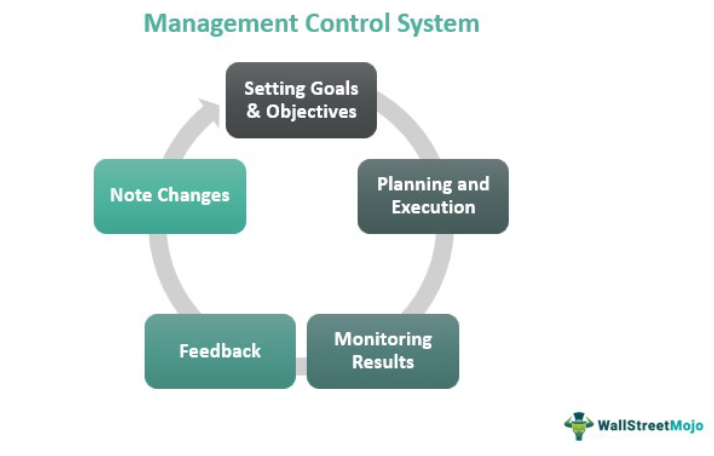
In summary, controlling chicken lice requires a combination of vigilant observation, effective preventive measures, and appropriate treatment options. By implementing these strategies consistently, poultry owners can maintain a healthy environment for their chickens and minimize the impact of lice infestations.