Early detection is paramount in maintaining the health and productivity of your cattle herd. This comprehensive guide delves into the crucial aspects of how to detect cattle diseases early, empowering you with the knowledge and tools to identify potential health issues before they escalate. From understanding subtle behavioral changes to leveraging advanced diagnostic techniques, this resource provides a roadmap for proactive disease management.
We will explore a range of topics, including recognizing early signs and symptoms of common cattle diseases, implementing effective monitoring techniques, utilizing various diagnostic methods, and emphasizing the vital role of nutrition, management, and biosecurity protocols. Furthermore, the importance of collaboration with veterinary professionals will be highlighted, ensuring a holistic approach to cattle health.
Early Signs & Symptoms of Common Cattle Diseases
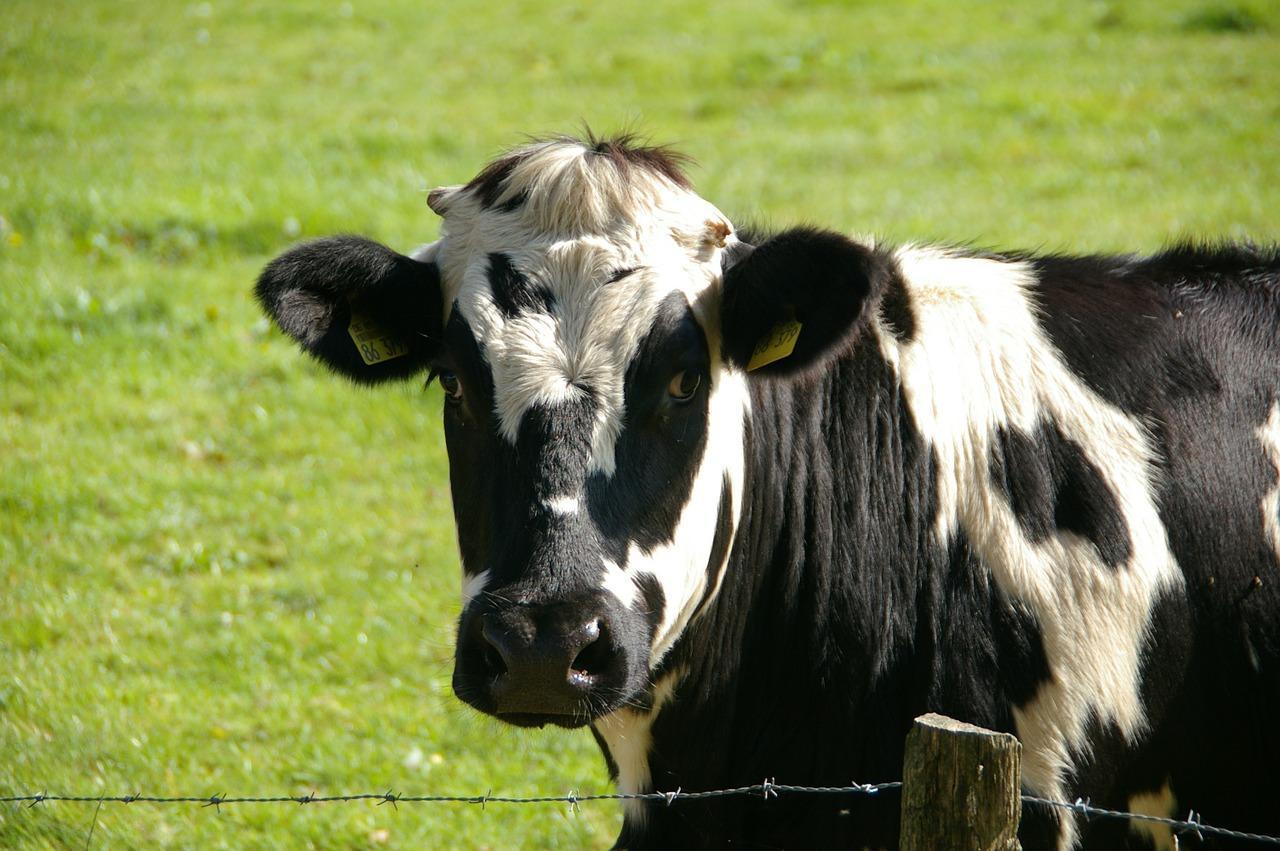
Detecting cattle diseases early is crucial for effective treatment and minimizing economic losses. Early intervention often leads to a higher chance of recovery and reduces the spread of disease within a herd. Understanding the initial signs and symptoms allows producers to quickly identify potential health issues and implement appropriate management strategies. This information is critical for maintaining herd health and productivity.
Early Physical Signs of Cattle Diseases
Early physical signs provide valuable clues to identify potential health problems in cattle. Observing these signs can help producers initiate prompt action and prevent the disease from progressing. Different diseases manifest with distinct physical symptoms.
- Respiratory Diseases:
- Increased respiratory rate (rapid breathing).
- Coughing, which can be dry or productive (with mucus).
- Nasal discharge, which may be clear, watery, or thick and discolored (yellow, green).
- Fever (elevated body temperature).
- Labored breathing, such as open-mouth breathing or flared nostrils.
- Digestive Diseases:
- Loss of appetite or reduced feed intake.
- Diarrhea, which can vary in consistency and color.
- Constipation, evidenced by straining or lack of manure.
- Bloat, characterized by distention of the abdomen.
- Abdominal pain, which may be indicated by kicking at the belly or grinding teeth.
- Reproductive Diseases:
- Abnormal vaginal discharge.
- Failure to conceive after breeding.
- Abortion.
- Difficulty calving (dystocia).
- Lameness and Musculoskeletal Diseases:
- Limping or reluctance to bear weight on a limb.
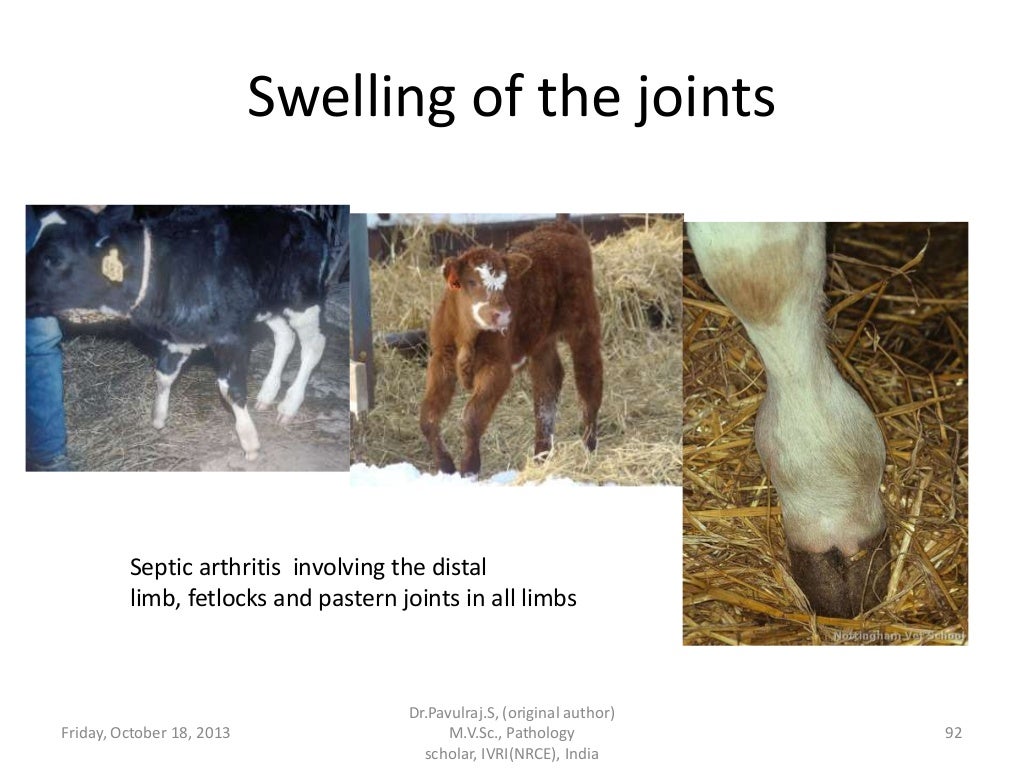
- Swelling in joints or limbs.
- Muscle tremors or stiffness.
- Skin Diseases:
- Skin lesions, such as bumps, blisters, or ulcers.
- Hair loss.
- Itching or scratching.
Behavioral Changes Indicating Early Illness in Cattle
Changes in behavior can often be the first indicators of illness in cattle. These alterations can be subtle but should be carefully monitored. Observing these behavioral shifts allows for early intervention and can prevent more serious health issues.
- Lethargy and Depression: A decrease in activity levels and a lack of interest in their surroundings. Affected animals may isolate themselves from the herd.
- Reduced Feed and Water Intake: A significant drop in consumption is a key sign of illness. Monitoring feed and water intake daily is essential.
- Changes in Posture: Animals may stand with their heads down, arch their backs, or exhibit a hunched posture.
- Isolation from the Herd: Sick animals often separate themselves from the rest of the herd.
- Changes in Vocalization: Alterations in bellowing or mooing patterns can indicate discomfort or pain.
Disease Identification and Action Table
This table provides a quick reference for identifying common cattle diseases based on early symptoms, potential causes, and recommended actions. It serves as a starting point for disease diagnosis and management.
| Disease Name | Early Symptom | Potential Cause | Recommended Action |
|---|---|---|---|
| Pneumonia | Coughing, nasal discharge, fever, rapid breathing | Bacterial or viral infection, environmental stressors | Isolate sick animals, administer antibiotics (as prescribed by a veterinarian), provide supportive care (e.g., ensure adequate ventilation, nutrition, and hydration). |
| Shipping Fever (BRD – Bovine Respiratory Disease) | Depression, fever, coughing, loss of appetite | Stress of transport, viral and bacterial infections | Provide immediate veterinary care, administer antibiotics, reduce stress, ensure proper ventilation, and hydration. |
| Foot Rot | Lameness, swelling between the claws, foul odor | Bacterial infection (Fusobacterium necrophorum) | Trim the affected foot, administer antibiotics (as prescribed by a veterinarian), and provide foot baths with appropriate solutions. |
| Mastitis | Abnormal milk appearance (clots, flakes), swelling of the udder | Bacterial infection | Perform a California Mastitis Test (CMT), administer antibiotics (as prescribed by a veterinarian), and practice proper milking hygiene. |
| Bovine Viral Diarrhea (BVD) | Fever, diarrhea, loss of appetite, nasal discharge | BVD virus | Consult with a veterinarian for diagnosis and management strategies. Consider vaccination and biosecurity measures to prevent spread. |
Differentiating Symptoms: Pneumonia vs. Shipping Fever
While both pneumonia and shipping fever (Bovine Respiratory Disease – BRD) affect the respiratory system, understanding the nuances in symptoms is crucial for proper diagnosis and treatment. Differentiating these diseases is vital because they can have different underlying causes and require specific management strategies.
- Pneumonia:
- Symptoms: Often characterized by coughing, nasal discharge, fever, and rapid breathing. The symptoms can develop gradually or rapidly, depending on the causative agent and severity of the infection.
- Causes: Can be caused by a variety of bacterial or viral infections. Environmental stressors, such as poor ventilation or overcrowding, can also contribute to its development.
- Shipping Fever (BRD):
- Symptoms: Usually triggered by the stress of transportation and commingling of animals. Common signs include depression, fever, coughing, and loss of appetite. Animals often show a more pronounced degree of illness, often rapidly deteriorating after the onset of the infection.
- Causes: A complex disease that is often associated with a combination of viral and bacterial infections. The stress of transportation weakens the immune system, making cattle more susceptible to infection.
Distinguishing between pneumonia and shipping fever is important because:
Pneumonia can be caused by a wider range of pathogens, while shipping fever is often associated with stress-related immunosuppression. The treatment protocols and management strategies will vary based on the specific disease and causative agents. Early and accurate diagnosis is essential for improving the chances of successful treatment and reducing the impact on the herd.
Monitoring Techniques for Disease Detection
Early and accurate disease detection is crucial for effective cattle management, impacting animal welfare and farm profitability. Implementing robust monitoring techniques enables producers to identify health issues promptly, allowing for timely intervention and minimizing the spread of disease within the herd. This section details various monitoring strategies, ranging from simple visual observations to advanced technological applications.
Visual Observation for Detecting Early Signs of Illness
Regular visual observation is a fundamental, cost-effective method for detecting early signs of illness in cattle. It allows producers to quickly identify animals exhibiting abnormal behaviors or physical symptoms.
- Posture and Gait: Observe how the animal stands and moves. A hunched posture, lameness, or reluctance to move can indicate pain or illness. An example of this would be a cow exhibiting a stiff gait, which might be a sign of foot rot.
- Appetite and Drinking Behavior: Monitor feed and water intake. A decrease in appetite (anorexia) or a change in drinking habits is a common early sign of illness. An example of this would be a calf that is usually eager to feed but is now disinterested in its milk bottle.
- Rumen Function: Observe rumen fill and activity. A healthy cow’s rumen should be full and active. Lack of rumen fill or cessation of rumination is a sign of disease.
- Respiratory Rate and Effort: Note the animal’s breathing rate and effort. Rapid, shallow breathing or coughing can indicate respiratory disease. An example is a cow with labored breathing and nasal discharge, suggesting pneumonia.
- Feces and Urine: Examine the consistency and frequency of feces and urine. Diarrhea or changes in urine color or frequency can indicate various health problems.
- Body Condition Score (BCS): Assess the animal’s body condition. A decline in BCS can be a sign of chronic illness or nutritional deficiencies.
- Skin and Coat: Look for changes in the skin and coat, such as hair loss, dull coat, or the presence of lesions. A cow with patchy hair loss and scaly skin could be suffering from mange.
- Eyes and Nose: Observe for discharge, redness, or swelling around the eyes and nose. These symptoms could be indicative of infections.
Role of Regular Temperature Checks in Identifying Sick Animals
Regular temperature checks are a critical component of a proactive health management program. Taking an animal’s temperature provides a quantitative measure of its health status and can help identify animals with a fever, a common sign of infection or inflammation.
- Frequency: Temperature checks should be conducted regularly, especially during times of stress, such as calving, weaning, or transport, and when introducing new animals to the herd.
- Method: The most common method is using a rectal thermometer.
- Normal Temperature: The normal rectal temperature for cattle ranges from 101.5°F to 102.5°F (38.6°C to 39.2°C).
- Interpreting Results: A temperature above the normal range is considered a fever, which may indicate an infection or other health problem. A temperature below the normal range could indicate hypothermia or other issues.
- Action: Animals with abnormal temperatures should be isolated and further examined by a veterinarian.
Procedure for Conducting a Basic Health Assessment
A basic health assessment involves a systematic evaluation of an animal’s overall health. This process helps to identify potential health problems early on, allowing for timely intervention.
- Visual Inspection: Observe the animal from a distance, noting its posture, gait, and behavior.
- Approach and Observation: Slowly approach the animal, observing its alertness, responsiveness, and any signs of distress.
- Physical Examination:
- Temperature: Take the animal’s rectal temperature.
- Heart Rate: Assess the heart rate by palpating the pulse or using a stethoscope.
- Respiratory Rate: Observe the animal’s breathing rate and effort.
- Palpation: Gently palpate the animal’s body, checking for swelling, tenderness, or other abnormalities.
- Auscultation: Listen to the heart and lungs using a stethoscope.
- Mucous Membranes: Examine the color of the mucous membranes (gums, eyes) for signs of anemia or jaundice.
- Record Keeping: Maintain detailed records of all observations, including any abnormalities noted and the animal’s temperature, heart rate, and respiratory rate.
- Consultation: Consult with a veterinarian for diagnosis and treatment if any abnormalities are detected.
Technologies Used for Early Disease Detection
Advancements in technology offer sophisticated tools for early disease detection in cattle, enabling more proactive and efficient herd health management.
- Wearable Sensors: These devices, such as activity trackers and smart collars, monitor various physiological parameters, including activity levels, rumination time, and body temperature.
- Benefits: Provide continuous, real-time data, allowing for early detection of changes in behavior or vital signs.
- Limitations: Cost of implementation, data management requirements, and potential for device malfunction.
- Thermal Imaging: Thermal cameras detect changes in surface temperature, which can indicate inflammation or infection.
- Benefits: Non-invasive, can identify localized areas of elevated temperature.
- Limitations: Can be affected by environmental factors, requires specialized equipment and training.
- Electronic Identification (EID) Systems: EID tags and readers can be used to track individual animal health data, such as weight, temperature, and treatment history.
- Benefits: Improves traceability, facilitates data collection and analysis, and allows for the integration of health data with other farm management systems.
- Limitations: Initial investment in equipment, potential for tag loss or malfunction, and reliance on data accuracy.
- Automated Monitoring Systems: These systems combine multiple technologies, such as sensors, cameras, and data analytics, to monitor animal health and behavior automatically.
- Benefits: Provide comprehensive data, reduce labor requirements, and enable early disease detection.
- Limitations: High initial investment, complexity of implementation, and the need for skilled technicians to manage and interpret the data.
Diagnostic Methods for Early Disease Identification
Early and accurate diagnosis is crucial for effective disease management in cattle. Employing various diagnostic methods allows for timely intervention, minimizing the spread of disease, reducing economic losses, and improving animal welfare. This section will explore several key diagnostic techniques used to identify cattle diseases at their earliest stages.
Blood Sample Analysis for Disease Diagnosis
Blood sample analysis is a fundamental diagnostic tool, providing valuable insights into the health status of cattle. It involves collecting blood samples and analyzing them for various parameters, including the presence of pathogens, antibody levels, and indicators of organ function.Blood sample collection is a relatively straightforward procedure. It typically involves the following steps:
- Preparation: The animal is restrained, and the sampling site (usually the jugular vein) is cleaned and disinfected.
- Venipuncture: A needle is inserted into the vein, and blood is drawn into a sterile tube.
- Sample Handling: The blood sample is then carefully handled and processed to prevent clotting or contamination. Different tubes are used depending on the tests required. For example, tubes containing anticoagulants are used for complete blood counts, while serum separator tubes are used for biochemical analysis.
Blood samples are analyzed using various techniques:
- Complete Blood Count (CBC): This assesses the number and types of blood cells, which can indicate infection, inflammation, or anemia.
- Biochemical Analysis: This measures levels of various substances in the blood, such as liver enzymes, kidney function markers, and electrolytes, providing information about organ health.
- Serology: This detects the presence of antibodies against specific pathogens, indicating past or current infection.
- PCR (Polymerase Chain Reaction): This can detect the genetic material of pathogens directly in the blood.
For example, in cases of Bovine Leukemia Virus (BLV) infection, serological tests like ELISA (Enzyme-Linked Immunosorbent Assay) are used to detect antibodies, while PCR can be used to detect the virus’s genetic material, often even before clinical signs appear. Similarly, blood tests can indicate early signs of diseases like anaplasmosis, where the presence of the parasite
Anaplasma marginale* can be confirmed through blood smears and PCR.
Fecal Sample Analysis
Fecal sample analysis is a valuable diagnostic tool for identifying parasitic infections and certain bacterial and viral infections in cattle. Analyzing fecal samples helps to detect the presence of parasites, assess digestive function, and identify potential pathogens.The process of fecal sample analysis generally includes:
- Sample Collection: Fresh fecal samples are collected directly from the rectum or from the ground, ensuring minimal contamination.
- Sample Preparation: The samples are then processed, often involving techniques like flotation, sedimentation, and microscopic examination.
- Microscopic Examination: Samples are examined under a microscope to identify parasite eggs, larvae, or oocysts.
- Other Tests: Depending on the suspected disease, other tests like bacterial culture or PCR may be performed.
Fecal analysis can reveal:
- Parasite Eggs/Larvae: Identification of various parasites, such as roundworms (e.g.,
-Ostertagia*), coccidia, and flukes. The number of eggs or oocysts present can help determine the severity of the infection. - Digestive Function: Analysis of fecal consistency, color, and the presence of undigested feed particles can provide insights into digestive health.
- Pathogens: Detection of bacteria like
-Salmonella* or
-E. coli* or viruses through culture or PCR.
For instance, in cases of coccidiosis, the presence ofEimeria* oocysts can be readily detected in fecal samples, guiding the use of appropriate anticoccidial treatments. Similarly, in cases of parasitic gastroenteritis caused by worms, the number of eggs per gram of feces (EPG) is often quantified to assess the worm burden and the need for deworming. A high EPG count, such as over 200 EPG for some worm species, typically warrants treatment.
PCR Tests for Early Disease Detection
Polymerase Chain Reaction (PCR) tests are a powerful molecular diagnostic tool used to detect the presence of specific pathogens in biological samples, including blood, feces, and tissue. PCR is highly sensitive and specific, allowing for the early detection of diseases even before clinical signs are apparent.PCR works by amplifying specific DNA or RNA sequences from a pathogen. This amplification process creates millions of copies of the target sequence, making it detectable even if only a small amount of the pathogen is present in the sample.PCR tests are used for detecting a wide range of cattle diseases:
- Viral Diseases: Bovine Viral Diarrhea Virus (BVDV), Bovine Leukemia Virus (BLV), and Bovine Herpesvirus-1 (IBR).
- Bacterial Diseases:
-Mycoplasma bovis*,
-Mycobacterium bovis* (tuberculosis). - Parasitic Diseases:
-Theileria parva* (East Coast fever).
PCR offers several advantages:
- High Sensitivity: Can detect very low levels of pathogens.
- High Specificity: Targets specific pathogens, minimizing false positives.
- Rapid Results: Results are often available within hours or days.
For example, PCR is a key diagnostic tool for Bovine Viral Diarrhea (BVD). It can identify the virus in blood or tissue samples, helping to differentiate between persistently infected animals and those that have recovered. In the case of Tuberculosis, PCR can detectMycobacterium bovis* in tissue samples, such as lymph nodes, even if the bacteria are present in small numbers.
This allows for early detection and control of the disease.
The procedure for administering a skin test, such as the tuberculin test for tuberculosis, involves the following steps:
- Preparation: The animal’s skin is cleaned and shaved at the injection site (usually the caudal fold).
- Injection: A small amount of tuberculin is injected intradermally.
- Observation: The injection site is examined after 72 hours for any swelling or reaction.
- Interpretation: The size and nature of the reaction are used to determine whether the animal has been exposed to tuberculosis.
Role of Nutrition and Management in Disease Prevention
Implementing effective disease prevention strategies in cattle operations is crucial for maintaining herd health and productivity. While early detection and rapid response are vital, a proactive approach focusing on nutrition and management significantly reduces disease incidence. This section explores how optimizing these factors strengthens cattle’s natural defenses, creating a healthier and more resilient herd.
Proper Nutrition Strengthens the Immune System
Adequate nutrition is the cornerstone of a robust immune system in cattle. It provides the necessary building blocks and energy for immune cells to function effectively, enabling them to recognize and eliminate pathogens. A well-nourished animal is better equipped to withstand disease challenges.
Essential Nutrients and Their Impact on Disease Resistance
A balanced diet, rich in specific nutrients, is essential for optimal immune function. Deficiencies in these nutrients can compromise the immune system, making cattle more susceptible to infections.
- Protein: Protein is vital for the production of antibodies, which are crucial for recognizing and neutralizing pathogens. Deficiencies can lead to reduced antibody production and increased susceptibility to diseases. For example, cattle grazing on pastures with insufficient protein levels may experience decreased resistance to respiratory infections.
- Vitamins: Several vitamins play key roles in immune function.
- Vitamin A: Supports the integrity of mucous membranes, which act as a barrier against pathogens. A deficiency can increase susceptibility to respiratory and digestive diseases.
- Vitamin E and Selenium: Act as antioxidants, protecting cells from damage and supporting immune cell function. Supplementation with Vitamin E and Selenium has been shown to improve immune responses in cattle, particularly during periods of stress.
- Minerals: Minerals are critical for various immune processes.
- Zinc: Essential for immune cell development and function. Zinc deficiency can impair the immune response, making cattle more vulnerable to infections.
- Copper: Plays a role in the function of immune cells. Copper deficiency can weaken the immune system and increase susceptibility to diseases.
- Energy: Sufficient energy intake is crucial for supporting the metabolic demands of the immune system. Energy deficiencies can weaken the immune response and increase susceptibility to diseases. For instance, cattle experiencing negative energy balance, such as during early lactation, may be more prone to infections.
Importance of Clean Water and a Sanitary Environment
Providing access to clean water and maintaining a sanitary environment are fundamental to preventing disease outbreaks. These factors minimize exposure to pathogens and reduce the risk of infection.
- Clean Water: Cattle require a constant supply of fresh, clean water. Contaminated water can harbor pathogens that cause diseases like cryptosporidiosis and salmonellosis. Regularly cleaning water troughs and ensuring a reliable water source are crucial.
- Sanitary Environment: A clean environment reduces the build-up of pathogens. Regular cleaning of feeding areas, removal of manure, and proper waste management are essential. This reduces the risk of disease transmission. For example, overcrowded and unsanitary housing conditions increase the spread of respiratory diseases.
Designing a Rotational Grazing Plan to Minimize Disease Spread
Rotational grazing is a management practice that can significantly reduce the spread of diseases by limiting parasite burdens and pathogen exposure. This system involves dividing pasture into smaller paddocks and moving cattle between them on a regular schedule.
- Reduced Parasite Load: Rotational grazing disrupts the life cycles of many parasites. Moving cattle to a new paddock before parasite larvae can mature and infect them reduces the parasite burden.
- Improved Pasture Health: Allowing paddocks to rest and recover promotes healthier grass growth, which improves the nutritional value of the forage and reduces the risk of overgrazing.
- Reduced Pathogen Concentration: Concentrating manure in specific areas and allowing those areas to rest can help reduce the concentration of pathogens in the grazing environment.
- Example: A common rotational grazing plan might involve dividing a pasture into four or more paddocks. Cattle graze in one paddock for a week, then are moved to the next. This allows the grazed paddock to rest for several weeks, reducing parasite loads and improving pasture health. This approach helps to minimize the spread of diseases and promotes overall herd health.
Vaccination & Prophylactic Measures
Proactive disease management in cattle is crucial for minimizing economic losses and ensuring animal welfare. Vaccination and prophylactic measures play a vital role in achieving this. Implementing a well-structured vaccination program and employing prophylactic strategies, such as judicious antibiotic use, can significantly reduce the incidence and severity of common cattle diseases. This proactive approach not only protects individual animals but also contributes to the overall health and productivity of the herd.
Detailed Vaccination Schedule for Common Cattle Diseases
A carefully planned vaccination schedule is a cornerstone of preventative medicine in cattle. The timing and type of vaccines administered are critical for providing optimal protection, considering factors like age, immune status, and the prevalence of specific diseases in the region. It’s always recommended to consult with a veterinarian to tailor the vaccination schedule to your specific herd’s needs and local disease pressures.Here is a general vaccination schedule for common cattle diseases:
- Calves (Birth to 2 Months):
- Clostridial Diseases (e.g., Blackleg, Malignant Edema): Administer a multivalent clostridial vaccine at 2-4 weeks of age, followed by a booster shot 4-6 weeks later. This protects against several potentially fatal diseases.
- IBR (Infectious Bovine Rhinotracheitis) and BVD (Bovine Viral Diarrhea): Administer a modified-live or killed vaccine at 2-3 months of age, depending on the vaccine type and local recommendations. This helps prevent respiratory and reproductive problems.
- Rotavirus, Coronavirus, and E. coli: Vaccinate the dam during late gestation (around 60-30 days before calving) to provide passive immunity to the calf through colostrum. This protects against scours (diarrhea) in newborn calves.
- Calves (2-6 Months):
- IBR/BVD Booster: Administer a booster dose of the IBR/BVD vaccine 4-6 weeks after the initial vaccination.
- Leptospirosis: Administer a vaccine for Leptospirosis, a bacterial disease that can cause reproductive issues and fever, based on local prevalence. Typically, this is done at 4-6 months of age, followed by a booster.
- Pneumonia (e.g., Mannheimia haemolytica): Vaccinate against pneumonia-causing bacteria, especially if there’s a history of respiratory disease in the herd.
- Heifers and Cows:
- IBR/BVD Booster (Annual): Administer annual booster vaccinations for IBR and BVD.
- Leptospirosis (Annual): Administer annual booster vaccinations for Leptospirosis.
- Clostridial Diseases (Annual): Administer annual booster vaccinations for clostridial diseases.
- Reproductive Vaccines: If there’s a risk of reproductive diseases such as Vibriosis or Trichomoniasis, consult with your veterinarian for appropriate vaccination protocols.
Benefits of Using Prophylactic Antibiotics in Specific Situations
Prophylactic antibiotic use, when judiciously applied, can offer benefits in specific situations. This approach involves administering antibiotics to prevent the development of disease in animals that are at high risk. However, it’s crucial to emphasize that prophylactic use should be carefully considered and implemented under veterinary guidance to minimize the risk of antibiotic resistance.Here are some situations where prophylactic antibiotics might be beneficial:
- Following High-Risk Procedures: After procedures such as dehorning or castration, prophylactic antibiotics can help prevent infections at the surgical site, particularly in environments with high bacterial loads.
- During Periods of Stress: During times of increased stress, such as weaning, transport, or calving, cattle are more susceptible to infections. Prophylactic antibiotics can be used to reduce the risk of respiratory infections or other diseases.
- In Outbreaks: In the face of an outbreak of a specific bacterial disease, prophylactic antibiotics can be administered to healthy animals that have been exposed to the infection but haven’t yet shown clinical signs. This is usually done to limit the spread of the disease.
It is crucial to adhere to the following best practices:
- Veterinary Consultation: Always consult with a veterinarian before using prophylactic antibiotics. They can assess the risk factors, select the appropriate antibiotic, and determine the correct dosage and duration of treatment.
- Specific Indications: Only use prophylactic antibiotics when there’s a clear indication, such as a high-risk procedure or a known disease outbreak.
- Proper Administration: Administer antibiotics according to the veterinarian’s instructions, including the correct dosage, route of administration, and duration of treatment.
- Monitoring for Resistance: Monitor the herd for signs of antibiotic resistance, such as treatment failures.
Best Practices for Handling and Storing Vaccines to Ensure Effectiveness
The effectiveness of vaccines relies heavily on proper handling and storage. Failure to adhere to best practices can compromise vaccine potency, rendering them ineffective and leaving cattle vulnerable to disease. Strict adherence to these guidelines is critical for maintaining vaccine efficacy.Here are some essential best practices:
- Storage Temperature: Most vaccines require refrigeration at temperatures between 2°C and 8°C (35°F and 46°F). Always check the specific storage requirements on the vaccine label. Never freeze vaccines unless explicitly stated.
- Refrigeration Units: Use a dedicated refrigerator for storing vaccines. Avoid storing vaccines in the door of the refrigerator, where temperature fluctuations are more common.
- Monitoring Temperatures: Regularly monitor the refrigerator temperature with a calibrated thermometer. Record the temperatures at least twice daily.
- Protecting from Light: Protect vaccines from direct sunlight, as it can degrade the vaccine components.
- Expiration Dates: Always check the expiration date before administering a vaccine. Discard any expired vaccines.
- Mixing Vaccines: Prepare vaccines just before administration. Once mixed, use the vaccine within the timeframe specified by the manufacturer (usually within an hour).
- Needles and Syringes: Use clean, sterile needles and syringes for each animal. Change needles frequently, especially if they become dull or contaminated.
- Proper Administration: Administer vaccines via the appropriate route (e.g., subcutaneous, intramuscular) as specified on the label.
- Record Keeping: Maintain accurate records of all vaccinations, including the date, vaccine type, lot number, and animal identification.
Comparison of Different Types of Vaccines and Their Suitability for Early Disease Prevention
Different types of vaccines employ various strategies to stimulate the immune system, each with its own advantages and disadvantages. Understanding the characteristics of each type is crucial for selecting the most appropriate vaccine for early disease prevention in cattle.Here’s a comparison of two common vaccine types:
- Live Attenuated Vaccines:
- Description: These vaccines contain weakened (attenuated) versions of the live pathogen. They replicate in the animal, stimulating a strong and long-lasting immune response.
- Advantages: They typically provide a robust and long-lasting immunity, often requiring fewer doses. They also stimulate both humoral (antibody) and cell-mediated immunity.
- Disadvantages: They may be more susceptible to degradation if not stored or handled properly. They are generally not recommended for pregnant animals due to the potential for causing disease in the fetus.
- Suitability for Early Disease Prevention: Well-suited for preventing diseases such as IBR and BVD, especially in calves. They can provide rapid and effective protection.
- Inactivated (Killed) Vaccines:
- Description: These vaccines contain killed or inactivated pathogens or their components. They are safe for use in pregnant animals and do not replicate in the host.
- Advantages: They are safe for use in pregnant animals and are generally more stable than live vaccines. They can be combined with other vaccines more easily.
- Disadvantages: They often require multiple doses (boosters) to achieve adequate immunity. The immune response may be less robust and shorter-lived compared to live vaccines.
- Suitability for Early Disease Prevention: Effective for preventing diseases like clostridial infections and Leptospirosis. Often used in young calves and pregnant cows.
The choice of vaccine type depends on several factors, including the specific disease, the age and immune status of the cattle, and the desired duration of immunity. Consulting with a veterinarian is essential to determine the most appropriate vaccine for your herd.
Biosecurity Protocols for Early Disease Control
Implementing robust biosecurity protocols is crucial for preventing the introduction and spread of diseases within a cattle operation. These measures are designed to minimize the risk of pathogens entering the farm and to limit their dissemination if an outbreak occurs. A well-executed biosecurity plan protects the health and productivity of the herd, contributing to the economic viability of the farm.
Essential Biosecurity Measures
Adopting comprehensive biosecurity practices is paramount for safeguarding cattle health. The following measures are fundamental to a proactive disease control strategy:
- Restricting Access: Limit access to the farm to essential personnel and vehicles only. Visitors should be required to sign in, and their activities should be monitored.
- Vehicle and Equipment Sanitation: Implement strict protocols for cleaning and disinfecting vehicles and equipment entering and leaving the farm. This includes washing and disinfecting tires, undercarriages, and any equipment used in animal handling.
- Personnel Hygiene: Ensure that all personnel follow strict hygiene practices. This includes wearing clean clothing and footwear, washing hands thoroughly before and after handling cattle, and showering after working with animals.
- Animal Source Management: Carefully evaluate the health status of any new animals introduced to the herd. Obtain animals from reputable sources with known health histories and implement a quarantine protocol.
- Feed and Water Management: Source feed and water from reliable suppliers and store them in a manner that prevents contamination. Regularly test water sources for quality.
- Pest Control: Implement a comprehensive pest control program to manage rodents, insects, and other potential disease vectors.
- Biosecurity Zones: Establish designated biosecurity zones, such as a perimeter buffer zone, to separate high-risk areas (e.g., livestock housing) from lower-risk areas.
- Record Keeping: Maintain detailed records of animal health, movements, and treatments, as well as biosecurity practices and any breaches.
Quarantine Protocol for Newly Arrived Animals
Quarantine is a critical component of biosecurity, serving as the first line of defense against introducing diseases. The quarantine protocol should be meticulously followed for all newly acquired animals.
- Isolation: Upon arrival, newly acquired animals should be isolated from the existing herd in a separate facility or designated area. This area should be physically separated, with its own equipment and dedicated personnel.
- Observation: The quarantined animals should be closely observed for signs of illness, such as fever, coughing, diarrhea, or changes in appetite or behavior. The observation period should typically last for at least 21-30 days, the incubation period for many common cattle diseases.
- Testing: Conduct appropriate diagnostic testing for relevant diseases based on the animal’s origin and health history. This may include blood tests, fecal examinations, or other tests as recommended by a veterinarian.
- Treatment (if necessary): Treat any sick animals promptly according to veterinary recommendations.
- Vaccination (if applicable): Administer necessary vaccinations during the quarantine period, following a veterinarian’s guidance.
- Gradual Integration: After the quarantine period and successful health assessment, the animals can be gradually integrated into the main herd, starting with limited contact and close monitoring.
Proper Disposal of Dead Animals
The proper disposal of dead animals, also known as mortality management, is crucial for preventing the spread of disease and protecting the environment. Improper disposal can contaminate soil and water sources, and attract scavengers that may spread disease.
- Carcass Removal: Promptly remove dead animals from the premises.
- Disposal Methods: Choose an appropriate disposal method based on local regulations and farm resources. Acceptable methods include:
- Rendering: This involves processing carcasses into useful products, such as animal feed or fertilizer. This is the most common method in areas with rendering facilities.
- Composting: Carcasses are broken down through natural decomposition, producing a nutrient-rich compost.
- Burial: Burial must be done according to local regulations, at a sufficient depth to prevent scavenging and environmental contamination.
- Incineration: Burning carcasses at high temperatures is a method that reduces the risk of disease spread.
- Record Keeping: Maintain records of all animal deaths, including the date, cause of death (if known), and disposal method.
- Containment: During any of the disposal processes, ensure that the carcasses are contained in a manner that prevents access by scavengers or the spread of disease agents.
Creating a Farm Map Highlighting Areas of High Disease Risk
Developing a detailed farm map that identifies areas of high disease risk allows for targeted implementation of biosecurity measures and proactive monitoring. This map serves as a visual guide for managing risks and can be easily updated as the farm’s operations change.
The farm map should include the following:
- Animal Housing: Clearly identify all animal housing facilities, including barns, sheds, and pastures.
- Traffic Flow: Map out the routes of animal, vehicle, and personnel traffic.
- Water Sources: Mark all water sources, including wells, ponds, and troughs.
- Feed Storage: Indicate the location of feed storage areas.
- Waste Management: Identify manure storage and disposal areas.
- Isolation Areas: Designate quarantine and isolation areas for sick or newly arrived animals.
- High-Risk Areas: Highlight areas with a higher potential for disease transmission, such as:
- Loading and unloading areas
- Areas with high animal density
- Areas near the farm perimeter
- Biosecurity Points: Indicate the location of biosecurity checkpoints, such as handwashing stations, foot baths, and vehicle wash areas.
For example, a farm map could depict a dairy farm. The map would clearly show the location of the milking parlor (high-risk area due to close animal contact and equipment use), the calf hutches (another high-risk area for young animals), and the manure storage area (potentially high-risk for attracting flies and rodents). The map would also highlight the designated entry and exit points for vehicles and personnel, with associated biosecurity protocols.
Collaboration with Veterinary Professionals
Working closely with veterinary professionals is crucial for effective disease management in cattle herds. Veterinarians bring specialized knowledge and experience, offering essential services for early disease detection, prevention, and control. This collaborative approach ensures the health and productivity of the cattle, minimizing potential losses and maximizing the overall profitability of the farming operation.
Importance of Regular Veterinary Check-ups
Regular veterinary check-ups are a cornerstone of proactive cattle health management. These check-ups allow for early identification of diseases, often before clinical signs become apparent. Early detection is vital, as it significantly improves the chances of successful treatment and reduces the risk of disease spread within the herd.
- Routine Physical Examinations: Veterinarians conduct thorough physical examinations, assessing vital signs, body condition, and overall health. This includes checking the eyes, nose, mouth, skin, and musculoskeletal system for any abnormalities.
- Early Detection of Subclinical Diseases: Veterinary professionals can identify subclinical diseases through diagnostic testing, such as blood work or fecal analysis. This is crucial because subclinical infections can impact productivity and spread without obvious symptoms.
- Vaccination and Parasite Control Planning: Regular check-ups provide an opportunity to develop and implement vaccination and parasite control programs tailored to the specific needs of the herd and the local environment.
- Reproductive Health Management: Veterinarians can assess reproductive performance, identify potential breeding problems, and provide advice on optimizing conception rates.
- Herd Health Monitoring: Veterinary professionals can monitor herd health trends, track disease prevalence, and evaluate the effectiveness of preventative measures over time.
Information to Prepare Before Consulting a Veterinarian
Before a veterinary consultation, farmers should gather and prepare specific information to assist the veterinarian in making an accurate diagnosis and developing an effective treatment plan. Thorough preparation ensures a more efficient and productive consultation.
- Detailed History: Provide a comprehensive history of the affected animals, including their age, breed, and any previous health issues.
- Observation of Symptoms: Document the observed symptoms, including the onset, duration, and severity. Note any changes in behavior, appetite, or activity levels.
- Herd Management Practices: Describe the current herd management practices, including feeding programs, housing conditions, and any recent changes in routine.
- Medication History: List any medications or treatments already administered, including dosages and the duration of treatment.
- Record Keeping: Bring relevant records, such as vaccination records, breeding records, and any previous diagnostic test results.
- Environmental Factors: Be prepared to discuss environmental factors, such as weather conditions, pasture conditions, and any potential exposure to disease vectors.
Questions to Ask a Veterinarian
Farmers should actively engage in discussions with their veterinarians, asking specific questions to gain a deeper understanding of disease prevention and control strategies. This proactive approach fosters a collaborative partnership and ensures informed decision-making.
- Disease Diagnosis and Treatment: Inquire about the specific disease diagnosis, the recommended treatment plan, and the expected prognosis.
- Preventative Measures: Ask about the most effective preventative measures, including vaccination protocols, biosecurity protocols, and nutritional strategies.
- Disease Spread and Control: Discuss the potential for disease spread within the herd and the measures to control its transmission.
- Zoonotic Risks: Inquire about any potential zoonotic risks, meaning diseases that can be transmitted from animals to humans, and the necessary precautions.
- Follow-up Care: Ask about the recommended follow-up care, including monitoring the animal’s progress and any necessary adjustments to the treatment plan.
- Long-Term Health Management: Discuss long-term health management strategies, including herd health monitoring and proactive disease prevention.
Disease, Symptoms, and Veterinary Action Table
This table summarizes common cattle diseases, their symptoms, and the appropriate actions to take, including when to contact a veterinarian and the typical actions a veterinarian might take.
| Disease | Symptoms | When to Contact Vet | Vet’s Action |
|---|---|---|---|
| Bovine Respiratory Disease (BRD) | Coughing, nasal discharge, fever, rapid breathing, loss of appetite. | When any of the above symptoms are observed, especially if multiple animals are affected. | Conduct a physical exam, take temperature, listen to lungs, possibly take blood samples for diagnostic tests, and prescribe antibiotics or other supportive care. |
| Foot Rot | Lameness, swelling between the toes, foul odor, reluctance to move. | When lameness is observed or if the animal is unable to bear weight on the affected foot. | Perform a foot exam, trim the affected foot, administer antibiotics, and provide foot care. |
| Mastitis | Swollen udder, abnormal milk (clots, flakes, discoloration), decreased milk production, fever. | When any changes in the udder or milk quality are observed. | Perform a physical exam, collect milk samples for culture and sensitivity testing, and administer antibiotics or other treatments based on the diagnosis. |
| Johne’s Disease | Chronic diarrhea, weight loss, emaciation, thickening of the intestinal wall. | When persistent diarrhea and weight loss are observed, especially in adult cattle. | Perform blood tests or fecal tests to diagnose the disease, and provide supportive care. There is no cure, but management can slow the progression. |
Ultimate Conclusion

In conclusion, the ability to detect cattle diseases early is a cornerstone of successful livestock management. By implementing the strategies Artikeld in this guide, you can significantly improve the health and well-being of your herd, minimizing losses and maximizing productivity. Remember that a proactive approach, coupled with diligent observation and professional veterinary consultation, is the key to safeguarding your cattle’s health and ensuring a thriving operation.