Understanding how to detect heat in cows is essential for optimizing reproductive success and ensuring healthy herd management. Accurate identification of heat signs enables timely breeding, contributing to improved productivity and genetic progress. This guide provides comprehensive insights into the biological, behavioral, and technological methods used to recognize when cows are in heat, empowering farmers and breeders with valuable tools and knowledge.
From visual and behavioral indicators to advanced electronic devices, each method plays a vital role in accurately determining heat periods. Proper observation, record-keeping, and environmental management further enhance detection efficiency, reducing the chances of missed heats or misinterpretations. Mastering these techniques ensures more successful breeding outcomes and overall herd health.
Visual Indicators of Heat in Cows
Recognizing the visual signs of heat in cows is a crucial aspect of effective reproductive management. Farmers and veterinarians rely on observable physical and behavioral cues to identify when a cow is in the heat cycle, enabling timely artificial insemination or natural breeding interventions. Accurate detection not only improves conception rates but also optimizes herd fertility and productivity.
Understanding the specific visual indicators involves observing both external physical changes and distinctive behaviors exhibited by cows during estrus. Proper observation, recording, and interpretation of these signs are essential for effective heat detection. This section provides detailed guidance on identifying these signs and organizing them systematically for practical use.
Physical Signs of Heat in Cows
Physical signs are often the most evident and easiest indicators to observe during heat detection. These signs manifest externally and can be seen or felt with careful examination. Recognizing and documenting these signs accurately can significantly enhance the success of breeding programs.
| Sign | Description | Observation Tips | Notes |
|---|---|---|---|
| Swelling of the Vulva | The vulva appears enlarged, soft, and swollen due to increased blood flow and hormonal changes associated with heat. | Gently examine the vulva for swelling, noting any increase compared to non-estrus periods. The swelling is typically symmetrical and more prominent during estrus. | Swelling usually lasts for about 12-24 hours, making continuous monitoring beneficial. |
| Mucus Discharge | A clear, watery, or mucous-like secretion is observed from the vulva, often indicating readiness to conceive. | Observe the vulva regularly, especially during peak heat periods. Fresh mucus is usually abundant and appears as a clear, viscous fluid. | Discharge may be more noticeable when the cow is mounted or during palpation. |
| Vaginal Discharge Color and Consistency | The discharge is typically clear and watery but may become cloudy or mucoid as heat progresses. | Inspect the vulva and surrounding area with a clean cloth or gloved finger, noting the color and consistency of the discharge. | Changes in discharge pattern can aid in pinpointing the optimal breeding time. |
Behavioral Signs of Heat in Cows
Behavioral changes often serve as reliable indicators of heat, especially when physical signs are subtle or difficult to observe. Paying close attention to such behaviors allows for more accurate detection, particularly in larger herds.
These behaviors include mounting activity, restlessness, and vocalization, among others. Observing these signs requires consistent monitoring and documentation to establish a clear heat pattern for each cow.
- Mounting Behavior: Cows in heat frequently stand to be mounted and may also engage in mounting other cows. This behavior is often the most conspicuous and consistent sign.
- Restlessness and Increased Activity: An estrous cow may appear more agitated, move around more than usual, and seek the attention of other cows or humans.
- Vocalization: Increased mooing or calling is common, as the cow exhibits heightened activity and discomfort during heat.
- Frequent Urination: Some cows may urinate more often and in larger volumes, possibly due to hormonal changes affecting bladder control.
- Licking and Tail Raising: Excessive licking of the genital area or tail raising can also indicate heat, as the cow attempts to attract attention or signal receptivity.
In practice, combining behavioral observations with physical signs enhances the accuracy of heat detection. Recording the timing, frequency, and intensity of these behaviors provides valuable data for determining the optimal insemination window.
Behavioral Signs and Observation Techniques
Monitoring behavioral signs in cows during estrus is a vital component of accurate heat detection. These signs often manifest through changes in activity levels and social behaviors that can be observed directly or recorded systematically. Implementing structured observation schedules and meticulous record-keeping enhances the reliability of heat detection and supports timely breeding decisions.
Proper observation techniques involve regular monitoring over specific periods, detailed documentation of behaviors, and recognizing patterns that indicate estrus. By combining visual assessments with consistent recording practices, farm managers and veterinarians can improve breeding efficiency and overall herd health. Understanding and interpreting these behavioral cues accurately ensures that cows receive optimal reproductive management and increases the likelihood of successful conception.
Monitoring Activity Levels and Restlessness in Cows During Heat
Behavioral monitoring during heat involves assessing changes in activity patterns and signs of restlessness. Cows in estrus typically exhibit increased movement and agitation, which can be identified through direct observation or the use of technology such as activity monitors or accelerometers. Regularly scheduled checks, ideally at specific times of day, help detect fluctuations that are indicative of heat. Restlessness may include pacing, frequent standing and lying, or increased vocalizations, all of which signal a cow’s readiness for breeding.
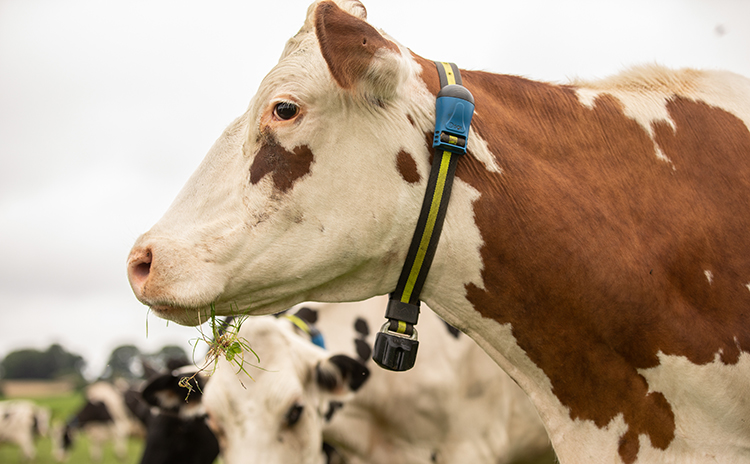
Integrating technological tools like pedometers or activity sensors can provide quantitative data on activity levels. These devices record movement continuously and generate reports highlighting abnormal or heightened activity periods. Combining these data with visual observations ensures a comprehensive understanding of each cow’s heat status, allowing for more precise and timely interventions.
Utilization of Observation Schedules and Record-Keeping Practices
Structured observation schedules are essential for systematic heat detection. Establishing specific times for observation—such as early morning, midday, and late afternoon—maximizes the chances of noticing behavioral changes. A consistent schedule helps build a pattern over successive heat cycles, making it easier to predict upcoming heat periods.
Record-keeping practices involve documenting each cow’s behavior, activity levels, and any signs of heat observed during scheduled checks. Maintaining detailed logs—including the date, time, specific behaviors noted, and duration—creates a valuable database that can be analyzed over time. This data supports identifying individual patterns, detecting false heats, and planning appropriate breeding strategies.
Best practices for record-keeping include: using standardized forms or digital systems, recording observations immediately after checks, and regularly reviewing data to identify consistent behavioral cues associated with estrus.
Adopting a disciplined approach to observation and documentation enhances the accuracy of heat detection, facilitates quick decision-making, and ultimately improves reproductive performance across the herd. Combining visual assessments with record analysis provides a comprehensive picture of each cow’s reproductive status, ensuring timely and effective breeding management.
In practice, farms that implement regular monitoring routines and detailed record-keeping often experience higher conception rates, reduced calving intervals, and more efficient herd management. Consistency in observation and diligent data recording are key to leveraging behavioral signs effectively for reproductive success.
Use of Heat Detection Aids
Effective management of reproductive health in dairy and beef cattle requires accurate detection of heat or estrus. While visual and behavioral signs provide valuable information, the integration of specific heat detection aids enhances the precision and reliability of identifying cows in heat. These aids are particularly useful in large herds or when labor resources are limited, enabling timely and efficient breeding decisions.
Various heat detection aids have been developed, each with unique application procedures, advantages, and limitations. Selecting the appropriate aid depends on herd management practices, economic considerations, and environmental conditions. Understanding how to correctly apply and interpret these aids ensures optimal reproductive performance and reduces the interval between calving and conception.
Teaser Bulls
Teaser bulls are vasectomized bulls equipped with a harness or markings that allow farmers to observe behavioral responses from cows. When a cow is in heat, it typically exhibits mounting behavior or reacts to the teaser bull, providing a visual cue for estrus detection.
- Application: The teaser bull is introduced into the herd for a specific period, usually 24 to 48 hours daily. The animal should be well-trained and accustomed to the herd environment to elicit natural behaviors.
- Interpretation: Cows that mount or show increased interest in the teaser bull are considered in heat. It is important to observe for consistent behaviors over multiple periods to confirm estrus presence.
Tail Paint
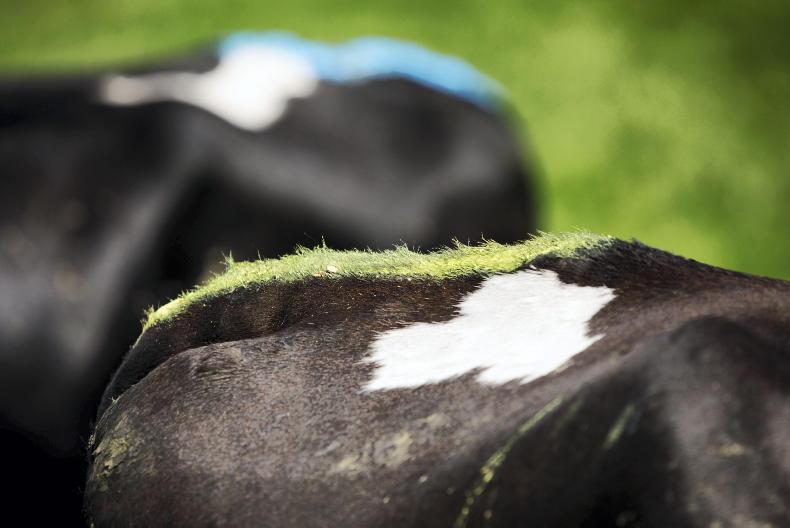
Tail paint involves applying a colored, washable marking substance to the cow’s tailhead. During heat, cows often mount each other, causing the tail paint to transfer and indicating potential estrus readiness.
- Application: A thin, even coat of the tail paint is applied to the tailhead area, preferably in the late evening or early morning to allow for reliable observation.
- Interpretation: After a 12- to 24-hour period, cows that have been mounted will have the tail paint smeared or transferred, signaling they are in heat and suitable for breeding.
Heat Mount Detectors
Heat mount detectors are adhesive or mechanical devices attached to the cow’s tailhead or other body parts. These devices record mounting activity, providing a visual record that helps determine the onset of estrus.
- Application: Mount detectors are affixed securely to the tailhead, ensuring they do not cause discomfort. They should be checked regularly, ideally at least twice daily.
- Interpretation: Detectors that have registered mounting activity indicate the cow is in heat. Some advanced models incorporate electronic sensors that log data for more precise analysis.
Comparative Advantages and Limitations of Heat Detection Aids
| Heat Detection Aid | Advantages | Limitations |
|---|---|---|
| Teaser Bulls |
|
|
| Tail Paint |
|
|
| Heat Mount Detectors |
|
|
Environmental and Management Factors
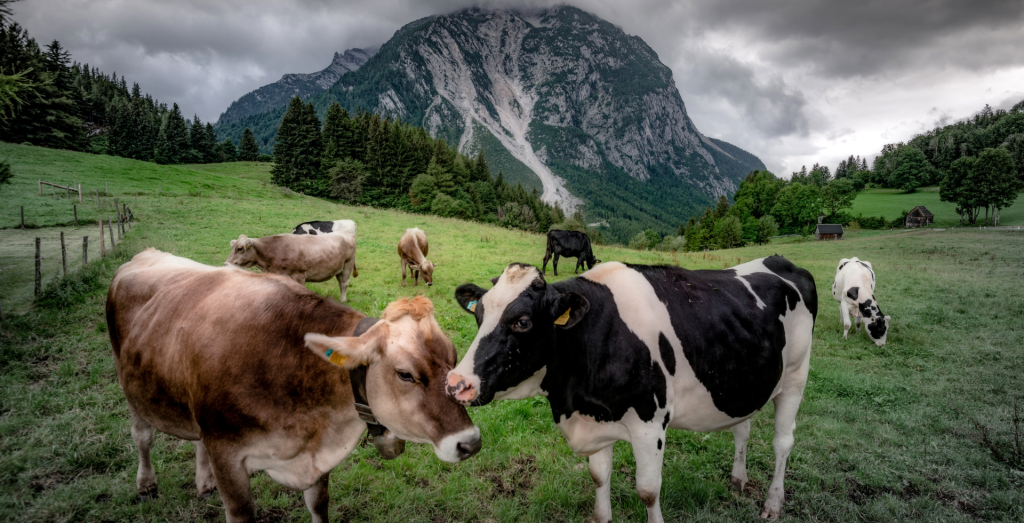
Effective detection of heat in cows is significantly influenced by various environmental and management conditions. Factors such as housing design, climate variables, and handling practices can either facilitate or hinder accurate observation of behavioral and physical signs of heat. Understanding and optimizing these elements are essential for improving reproductive efficiency and ensuring timely insemination.
Environmental and management settings can create either ideal or challenging conditions for observing heat. Poor ventilation, extreme temperatures, excessive noise, or inadequate handling routines may obscure behavioral cues or cause stress, affecting both the cow’s natural heat expressions and the observer’s ability to detect them accurately. Tailoring the environment and management practices to support natural behaviors enhances the reliability of heat detection methods.
Housing, Climate, and Handling Practices
The physical environment where cows are housed and managed plays a critical role in heat detection accuracy. Uncomfortable or stressful conditions can suppress heat behaviors, making detection more difficult. Conversely, a comfortable, well-managed environment encourages natural behaviors that are easier to observe and interpret.
Factors such as housing ventilation, bedding comfort, lighting, and noise levels directly influence cow activity and behavioral expression. For instance, excessive heat stress due to poor ventilation can reduce mounting behaviors or alter vocalization patterns, while appropriate shade and cooling systems can promote natural heat signs. Similarly, handling practices that minimize stress and discomfort enable cows to display typical heat behaviors more clearly.
Methods to Optimize Environment for Better Observation
Creating an environment conducive to clear heat detection involves several practical adjustments aimed at reducing stress and promoting natural behaviors. These include:
- Providing shaded areas and cooling systems, such as fans or sprinklers, to mitigate heat stress during hot weather, encouraging normal activity and heat signs.
- Ensuring proper ventilation within housing facilities to maintain comfortable temperature and humidity levels, reducing stress-related suppression of heat behaviors.
- Designing handling routines that are calm, consistent, and gentle to minimize stress and avoid behavioral suppression that can obscure heat signs.
- Implementing a routine observation schedule during peak heat periods, typically early morning and late evening, when cows are naturally more active and visible.
- Providing comfortable bedding and avoiding overcrowding to facilitate natural movement and behaviors associated with heat.
Management Procedures to Enhance Heat Detection Efficiency
Adopting structured management protocols can greatly improve the accuracy and timeliness of heat detection. These procedures include:
- Regular training of farm personnel on behavioral and physical signs of heat to ensure consistent and accurate observations.
- Maintaining detailed heat observation records to track individual cow behaviors over time, aiding in early detection patterns.
- Implementing scheduled checks during times of high activity, such as early mornings, evenings, or after feeding, when heat signs are more prominent.
- Using consistent handling routines to reduce stress and promote natural behaviors that signal heat.
- Integrating environmental controls like cooling systems and adequate lighting to support normal activity levels and behavior expression.
- Establishing a team-based approach to observation, encouraging multiple staff members to verify heat signs and reduce oversight errors.
Challenges and Troubleshooting in Heat Detection
Accurate heat detection is vital for successful breeding programs and reproductive efficiency in dairy herds. Despite employing various methods, challenges often arise that can compromise the reliability of identifying standing and non-standing heats. Recognizing these issues and implementing effective troubleshooting strategies ensures better synchronization of breeding activities and improves overall herd productivity.Understanding the common obstacles faced during heat detection helps in refining observation techniques and adopting appropriate corrective measures.
This section explores the prevalent problems such as silent heats, misinterpretation of signs, and environmental factors that influence detection accuracy. It also provides practical troubleshooting steps and best practices aimed at enhancing the precision and consistency of heat detection efforts.
Common Issues in Heat Detection
The primary challenges in heat detection stem from biological variations among cows and environmental influences that obscure or mimic heat signs. Silent heats, where cows do not exhibit overt behavioral cues, pose a significant risk of missed breeding opportunities. Conversely, other signs like increased activity or swelling may be misinterpreted or attributed to non-reproductive causes, leading to false positives.Misinterpretation of signs can occur due to observer inexperience, inconsistent observation schedules, or overlapping behaviors caused by other factors such as stress, illness, or environmental disturbances.
These issues can result in inaccurate identification of optimal breeding times, impacting conception rates.
Troubleshooting Detection Errors
To address these challenges effectively, a systematic approach to troubleshooting is essential. The following detailed steps assist in identifying and correcting detection errors:
- Review Observation Records Regularly: Maintain meticulous logs of behavioral signs, environmental conditions, and any anomalies. Analyzing these records helps identify patterns or inconsistencies that may lead to missed heats or false detections.
- Validate Signs with Multiple Indicators: Rely on a combination of visual, behavioral, and possibly technological cues rather than a single sign. For example, observe mounting behavior, vulvar swelling, and mucus discharge collectively to confirm heat presence.
- Assess and Improve Observation Timing and Frequency: Conduct observations multiple times daily, especially during peak heat hours (early morning and late afternoon). Ensure that observation schedules are consistent, and personnel are adequately trained.
- Implement and Calibrate Heat Detection Aids: Use aids such as teaser bulls, tail paint, or electronic devices, and verify their proper functioning regularly. Ensure that aids are correctly applied and interpreted.
- Identify Silent Heats: When cows consistently show no overt signs, consider using additional diagnostic tools such as progesterone testing or activity monitors. These methods help detect heats that are not visually obvious.
- Manage Environmental Factors: Minimize stressors, provide comfortable bedding, and ensure proper lighting to enhance natural behaviors associated with heat.
Best Practices to Enhance Detection Reliability
Implementing best practices can significantly reduce detection errors and foster a more reliable heat detection process:
- Training and Education: Regularly train staff on the accurate identification of heat signs, emphasizing subtle cues and differentiating heat behaviors from other activities.
- Standardized Observation Protocols: Develop clear guidelines outlining observation times, signs to look for, and recording procedures to ensure consistency across personnel and days.
- Use of Technology: Invest in electronic heat detection systems, such as activity monitors or pedometers, which provide continuous data and help identify heats that might be missed visually.
- Environmental Management: Optimize barn and pasture conditions to encourage natural mating behaviors, reducing external stressors that may mask heat signs.
- Regular Calibration of Aids: Ensure all heat detection aids are checked regularly for functionality and correct application, preventing misinterpretation of signals.
Accurate heat detection depends on a combination of attentive observation, use of reliable aids, and understanding environmental influences. Continuous evaluation and adaptation of strategies will lead to improved reproductive outcomes and herd management efficiency.
Summary
In conclusion, effective heat detection in cows combines understanding biological signs, utilizing observation techniques, and employing technological aids. Consistent record-keeping and environmental optimization are crucial for maximizing detection accuracy. Implementing these strategies leads to more successful breeding programs, ultimately supporting productive and sustainable dairy or beef operations. Staying vigilant and informed ensures that each heat cycle is recognized and utilized to its fullest potential.