Understanding how to deworm goats is essential for maintaining their health and ensuring optimal productivity. Proper deworming practices help prevent the adverse effects of internal parasites that can compromise a goat’s well-being and farm profitability.
This guide provides comprehensive insights into identifying parasite risks, selecting appropriate medications, and implementing effective treatment schedules, all designed to promote healthy and resilient goat populations.
Overview of Deworming Goats
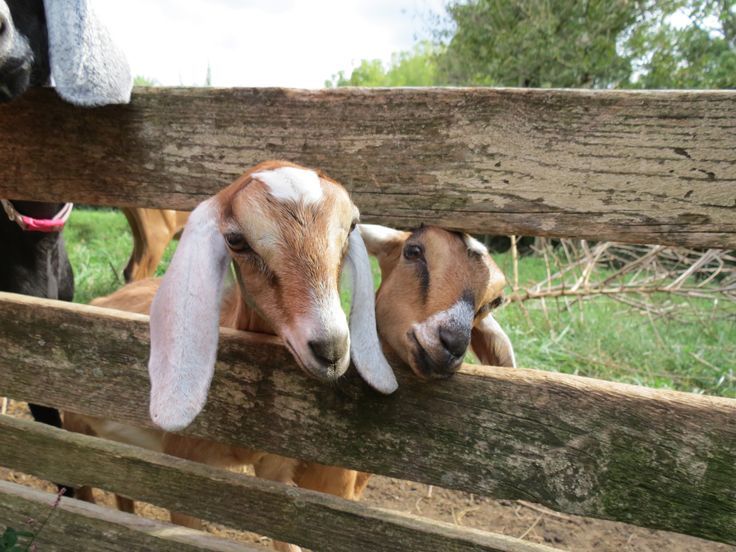
Deworming is a critical component of goat health management, ensuring the animals remain productive, healthy, and free from debilitating parasitic infections. Proper deworming practices help prevent the detrimental effects caused by internal parasites, which can compromise growth rates, reproductive performance, and overall wellbeing. Implementing an effective deworming program involves understanding the types of internal parasites that commonly affect goats, their life cycles, and the optimal timing for treatment.
Internal parasites are a significant concern in goat farming, especially in regions with humid climates or poor pasture management, where parasite loads tend to be higher. These parasites often establish themselves within the gastrointestinal tract, leading to symptoms such as weight loss, anemia, diarrhea, and in severe cases, death. Addressing these health challenges through timely deworming reduces economic losses and promotes sustainable herd management.
Common Internal Parasites Affecting Goats
Knowing the different internal parasites that affect goats, their lifecycle stages, symptoms, and impacts is essential for effective control. The table below summarizes key information about the most prevalent parasites:
| Parasite Type | Lifecycle Stage | Symptoms | Impact |
|---|---|---|---|
| Haemonchus contortus (Barber’s Pole Worm) | Eggs hatch in the environment, larvae develop on pasture, goats ingest larvae during grazing. Larvae mature into adults in the abomasum. | Sudden anemia, bottle jaw swelling, weakness, weight loss | Severe blood loss leading to hypoproteinemia, weakness, death if untreated |
| Trichostrongylus spp. (Brown Stomach Worms) | Eggs in feces hatch into larvae, which develop on pasture; goats ingest larvae, which mature in the small intestine. | Diarrhea, weight loss, poor growth, diarrhea in severe cases | Reduced feed efficiency, poor weight gain, vulnerability to secondary infections |
| Nematodirus spp. | Eggs hatch in cooler, moist environments; larvae develop on pasture, ingested by goats, mature in the small intestine. | Diarrhea, dehydration, weight loss, weakness | Decreased productivity, increased mortality in young kids |
| Fasciola hepatica (Liver Fluke) | Eggs released in feces, hatch in water, free-swimming larvae infect snails, then encyst on vegetation; goats ingest infected plants. | Liver damage, anemia, swelling, reduced appetite | Reduced growth rate, liver damage, potentially fatal if untreated |
Understanding the lifecycle stages of these parasites is fundamental for timing deworming interventions effectively. For instance, targeting larvae during their migratory or early adult stages on pasture can significantly reduce parasite burdens, minimizing health impacts on goats. Regular monitoring and fecal egg counts can aid in determining the appropriate timing and frequency of deworming treatments, ensuring optimal health management within the herd.
Signs and Symptoms Indicating the Need for Deworming
Timely identification of parasitic infestations in goats is essential to maintaining their health and productivity. Recognizing physical and behavioral signs can help farmers and caregivers determine when deworming is necessary, preventing severe health complications and ensuring optimal growth and reproduction. Regular observation and assessment of goats for specific symptoms enable early intervention and effective parasite management.
Understanding the common indicators of parasitic infections allows for proactive health management. Not all signs are immediately obvious, and some goats may exhibit subtle changes. Therefore, a keen eye and routine monitoring are vital components of herd health protocols. This section highlights key signs that suggest a goat may require deworming, supporting timely decision-making for treatment.
Physical and Behavioral Signs of Parasitic Infestation
goats affected by internal parasites often display a combination of physical and behavioral symptoms that signal the need for deworming. These signs can vary depending on the severity of the infestation, the type of parasites present, and the overall health of the animal. Recognizing these indicators early can significantly reduce the risk of complications such as weight loss, anemia, and decreased milk production.
Regular inspection of goats, combined with attentive observation of their behavior and physical condition, helps identify these signs promptly. The following list encompasses some of the most common symptoms associated with parasitic burdens in goats:
- Weight Loss: A noticeable decrease in body weight despite maintained or increased feed intake, often due to nutrient absorption impairment caused by intestinal worms.
- Diarrhea: Frequent or persistent loose stools, sometimes with mucus or blood, indicating intestinal irritation or damage from parasites.
- Anemia: Pale mucous membranes in the mouth and eyelids, due to blood-sucking parasites like Haemonchus contortus, leading to weakness and lethargy.
- Weakness and Lethargy: Reduced activity levels, reluctance to move, and overall dullness, which can stem from nutritional deficiencies and anemia.
- Bottle Jaw: Swelling or edema beneath the jaw caused by protein loss and fluid accumulation, often linked to severe parasitism.
- Poor Coat Condition: Dull, rough, or flaky coat that indicates underlying health issues, including parasitic infections.
- Decreased Milk Production: For lactating does, a drop in milk yield can be a subtle sign of internal parasite burden.
- Behavioral Changes: Increased grazing time, restlessness, or rubbing against objects due to discomfort or irritation caused by parasites.
Observation Tip: Routine health checks, including palpation and visual assessment, are critical in detecting early signs of parasitism before they become severe.
By systematically observing these signs, caregivers can determine which goats are most in need of deworming. It is important to remember that some symptoms may overlap with other health issues; thus, a comprehensive approach involving both visual assessment and, when necessary, veterinary testing, ensures accurate diagnosis and effective treatment.
Selecting the Appropriate Deworming Medication
Choosing the correct deworming medication for goats is a critical step in effective parasite management. An appropriate selection ensures that the treatment targets the specific parasites affecting the goats while minimizing the risk of drug resistance and adverse effects. Proper medication selection depends on understanding the types of parasites present, the age and health status of the goats, and the correct dosage and administration methods.
In this section, we will compare different classes of anthelmintic drugs suitable for goats, provide guidance on selecting the right medication based on parasite type and goat age, and Artikel essential dosage and administration practices to ensure safe and effective deworming procedures.
Comparison of Anthelmintic Drug Classes Suitable for Goats
Anthelmintic drugs are categorized into several classes, each targeting specific groups of parasites. Selecting the correct class is vital to ensure comprehensive parasite control and to prevent resistance development. Below is a detailed comparison of commonly used anthelmintics in goat husbandry:
| Name | Active Ingredient | Target Parasite Types | Dosage | Frequency |
|---|---|---|---|---|
| Fenbendazole | Fenbendazole | Strongyles, Nematodes, Lungworms | 1 mg/kg body weight | Repeat every 4-6 weeks as needed |
| Ivermectin | Ivermectin | Gastrointestinal worms, Lungworms, Mites, Mange mites | 200 μg/kg body weight | Every 6-8 weeks |
| Levamisole | Levamisole | Stomach worms, Liver flukes (limited), Nematodes | 8-12 mg/kg body weight | Every 4-6 weeks |
| Moxidectin | Moxidectin | Strongyles, Lungworms, Mites | 0.2 mg/kg body weight | Every 8-12 weeks |
| Albendazole | Albendazole | Gastrointestinal nematodes, Liver flukes | 7.5 mg/kg body weight | Every 4-6 weeks |
Choosing Medication Based on Parasite Type and Goat Age
Effective deworming hinges on accurately diagnosing the prevalent parasites and considering the age and health status of the goats. Different parasites respond to specific classes of drugs, and dosage adjustments may be necessary for young, pregnant, or compromised goats.
For instance, gastrointestinal nematodes like Haemonchus contortus are commonly resistant to certain drugs, and selecting an effective class such as moxidectin or ivermectin can improve outcomes. Pregnant does require careful medication selection to prevent any adverse effects on the fetus, often favoring drugs with proven safety profiles during pregnancy.
Younger goats and kids tend to be more sensitive to anthelmintics, necessitating precise dosing based on their weight and age to avoid toxicity. It is advisable to consult veterinarian guidance for parasite identification and tailored treatment plans, especially in cases of suspected resistance or mixed infections.
Guidelines for Medication Dosages and Administration Methods
Administering the correct dosage and using appropriate methods are fundamental to ensuring the efficacy and safety of deworming treatments. Over- or under-dosing can lead to ineffective parasite control or drug resistance, respectively, while improper administration may cause stress or injury to the goats.
Always weigh goats accurately to determine the correct dose, and follow manufacturer instructions closely. Oral administration via drenching is the most common method, using a calibrated syringe or drenching gun to ensure precise delivery into the mouth. Injectable forms are used in specific cases and should be administered by trained personnel to avoid injury.
For oral treatments, ensure the goat’s mouth is securely held to prevent aspiration, and confirm that the entire dose is swallowed. Injectables should be given subcutaneously or intramuscularly, following aseptic techniques. Record each treatment, including drug name, dose, date, and individual animal identification, to monitor treatment history and efficacy.
Administering Dewormers Safely and Effectively
Proper administration of dewormers is essential to ensure the health and productivity of goats while minimizing risks such as overdose or drug resistance. Accurate techniques and adherence to safety protocols can significantly enhance treatment outcomes and animal well-being. This section provides detailed procedures and best practices for administering both oral and injectable dewormers, emphasizing the importance of correct dosing and safety precautions.
Administering dewormers correctly requires an understanding of the specific medication used, the goat’s size and health status, and precise application methods. Proper administration not only ensures the effectiveness of the treatment but also safeguards against adverse reactions and the development of drug-resistant parasite populations. Following systematic procedures and best practices can optimize deworming outcomes and promote the long-term health of your herd.
Procedures for Administering Oral Dewormers
Oral dewormers are commonly used due to ease of administration and their effectiveness in treating gastrointestinal parasites. The following step-by-step procedures ensure proper delivery of medicated doses:
- Preparation: Gather the appropriate dewormer medication, a clean syringe or dosing gun, and ensure the goat is calm. Check the medication label for dosage instructions based on the goat’s weight.
- Weigh the Goat: Accurately weigh the goat using a livestock scale or weight tape to determine the correct dose.
- Calm the Animal: Handle the goat gently to reduce stress, using a halter or leash if necessary. Position the goat securely in a standing or lying position, depending on comfort.
- Administer the Dewormer: Hold the goat’s mouth open gently. Insert the syringe or dosing gun into the side of the mouth, just behind the teeth and above the tongue. Depress the plunger slowly, ensuring the full dose is administered without causing choking or aspiration.
- Reward and Observe: Offer a small treat or praise to encourage calmness, and observe the goat for any signs of choking or discomfort post-administration.
Procedures for Administering Injectable Dewormers
Injectable dewormers are administered via subcutaneous or intramuscular injection, requiring careful technique to ensure safety and efficacy. Follow these steps:
- Gather Supplies: Prepare the injectable medication, sterile syringes, and needles of appropriate gauge and length. Ensure all equipment is sterile to prevent infection.
- Calculate Dosage: Determine the correct dose based on the goat’s weight, following the manufacturer’s instructions carefully.
- Restrain the Goat: Secure the goat firmly using a halter or chute to minimize movement during injection.
- Identify Injection Site: For subcutaneous injections, locate the loose skin area over the neck or shoulder. For intramuscular injections, identify a clean site within the neck muscles, avoiding nerves and blood vessels.
- Inject the Medication: Insert the needle at the appropriate angle (usually 45° for subcutaneous or 90° for intramuscular). Aspirate gently before injecting to ensure you are not in a blood vessel, then administer the medication slowly.
- Post-Injection Care: Withdraw the needle smoothly, apply gentle pressure if necessary to prevent bleeding, and monitor the goat for any immediate adverse reactions.
Best Practices for Proper Dosage and Safety
Accurate dosing and safety precautions are vital to prevent overdose and resistance:
- Use Accurate Weights: Always weigh goats or use weight tapes to determine the correct medication dose, avoiding guesswork which can lead to under or overdosing.
- Follow Manufacturer Instructions: Adhere strictly to dosage guidelines, administration intervals, and withdrawal periods specified on medication labels.
- Avoid Overdose: Overdosing can cause toxicity and health complications. When in doubt, consult a veterinarian for guidance and confirm calculations.
- Prevent Resistance Development: Rotate dewormer classes periodically and avoid frequent, unnecessary treatments. Implement integrated parasite management practices alongside chemical treatments.
- Maintain Sterility and Hygiene: Use sterile equipment for injections, and clean the application area to reduce infection risk.
- Record Keeping: Document treatment dates, medications used, dosages, and observed outcomes to facilitate monitoring and future decision-making.
Remember, proper administration not only ensures effective parasite control but also contributes to the overall health and longevity of your goats. Consistent adherence to safety protocols is essential to sustain herd productivity and minimize the risk of drug resistance.
Timing and Frequency of Deworming
Effective deworming schedules are essential for maintaining the health and productivity of goats. Proper timing and frequency help prevent parasite buildup, reduce the risk of resistance development, and ensure goats are not unnecessarily exposed to medication. Tailoring deworming intervals based on age, environmental conditions, and parasite prevalence optimizes health outcomes and resource use.
Implementing a strategic deworming schedule involves understanding the specific needs of your herd and monitoring parasite loads regularly. This approach allows for timely interventions and minimizes the chances of overuse of anthelmintics, which can lead to drug resistance. By aligning deworming practices with the lifecycle of common parasites and the environmental factors influencing their proliferation, goat keepers can promote a healthier, more resilient herd.
Recommended Schedules Based on Goat Age, Environment, and Parasite Prevalence
Different groups of goats require tailored deworming schedules to address their specific vulnerabilities. Young kids, adult goats, and goats in high-risk environments such as humid, pasture-rich areas need distinct intervals to effectively control parasite burdens. Regular monitoring of parasite levels through fecal egg counts (FEC) aids in determining precise deworming intervals, ensuring treatments are administered only when necessary.
General Guideline: Deworming intervals should be adjusted based on the parasite load, environmental conditions, and goat health status. Overly frequent deworming can lead to resistance, while inadequate frequency may allow parasite outbreaks.
Sample Deworming Schedule Table
Below is a practical reference illustrating recommended deworming schedules for different goat groups, considering age and environmental risk factors:
| Goat Group | Timing | Notes |
|---|---|---|
| Kids (up to 6 months) | Every 6–8 weeks during high-risk seasons; every 3–4 months in low-risk seasons | Prioritize deworming before weaning and during peak parasite seasons such as late summer and fall |
| Adult Goats | Every 8–12 weeks; more frequently in high-risk environments | Adjust based on fecal egg count results and environmental conditions |
| High-Risk Groups (e.g., pregnant/nursing does, goats in humid environments) | Every 4–6 weeks during peak parasite seasons | Monitoring is critical; consider more frequent fecal testing to optimize timing |
By adhering to these schedules and customizing them based on real-time parasite monitoring, goat keepers can effectively manage parasite burdens, enhance animal welfare, and reduce the risk of anthelmintic resistance.
Preventative Measures to Reduce Deworming Frequency
Implementing effective preventative strategies is crucial for maintaining the health of goats and reducing the reliance on frequent deworming treatments. These measures not only help control parasitic loads but also promote sustainable farming practices that enhance herd resilience over time. By integrating good management practices with nutritional support and natural alternatives, goat owners can foster a healthier environment and minimize the development of drug-resistant parasites.Properly executed preventative measures can significantly decrease the necessity for routine deworming, thereby decreasing costs and potential drug residues in meat and milk.
These strategies also contribute to improved overall herd productivity, welfare, and longevity, making them essential components of responsible goat husbandry.
Pasture Rotation and Grazing Management
Rotating pastures is a fundamental practice to interrupt the life cycle of gastrointestinal parasites. By moving goats between different grazing areas, the accumulation of infective larvae in the environment is minimized. Implementing a grazing schedule that allows pasture rest periods—typically lasting at least 4-6 weeks—reduces parasite burdens naturally. This practice, combined with grazing goats on areas less contaminated by previous stock, effectively lowers infection rates.
Additionally, using mixed-species grazing, such as with sheep or cattle, can help because different species vary in their susceptibility and contribution to parasite cycles.
Hygiene and Sanitation
Maintaining high standards of hygiene within the goat housing and grazing areas is vital. Regular removal of manure, cleaning of bedding, and ensuring dry, well-ventilated living conditions diminish parasite larvae survival. Water sources should be kept clean and separate from manure-contaminated areas to prevent re-infection. Proper sanitation reduces environmental contamination, thereby lowering the likelihood of goats ingesting infective larvae.
Selective Breeding
Breeding goats for natural resistance to parasites presents a long-term solution to reducing deworming dependence. Certain genetic lines exhibit innate resilience, clearing parasites more efficiently and showing fewer clinical signs upon infection. Selecting and propagating these resilient animals, based on fecal egg counts and health records, can gradually develop a herd with lower parasite burdens. This approach supports sustainable parasite management and enhances herd productivity.
Nutritional Management
A balanced diet rich in essential nutrients—particularly proteins, vitamins, and minerals—strengthens goats’ immune responses against parasitic infections. Adequate nutrition improves gut health and overall resilience, reducing the severity of infections and the need for frequent deworming. Supplementing grazing diets with high-quality forage and mineral blocks, especially during stress periods such as lactation or winter, optimizes health and resistance.
Natural and Alternative Deworming Methods
Exploring natural or alternative methods offers additional tools for parasite control with minimal chemical use. While these methods vary in effectiveness, they can be integrated into comprehensive management plans to reduce parasite loads.
- Herbal Remedies: Certain herbs like garlic, wormwood, and neem have antiparasitic properties. These can be incorporated into feed or offered as supplements. Although research shows some efficacy, results vary, and these should complement other management practices rather than replace conventional treatments.
- Biological Control: Use of natural predators or fungi such as the fungus Duddingtonia flagrans can reduce larval populations in the environment by infecting and killing larvae. This method shows promise but requires careful application and monitoring.
- Mineral Supplements: Products containing condensed tannins, such as quebracho or sainfoin, have demonstrated potential in reducing worm burdens by affecting larval development.
- Solarization: Involves covering contaminated pasture with plastic sheeting during hot periods to kill larvae through solar heat. This non-chemical approach can be effective in small-scale settings.
Potential Risks and Side Effects of Deworming
While deworming goats is essential for maintaining their health and productivity, it is equally important to recognize and understand the potential risks and side effects associated with the use of anthelmintic medications. Proper awareness and management can prevent complications and ensure the safety of your goats during treatment.
Adverse reactions and overdose symptoms can vary depending on the medication used, the dosage administered, and the individual animal’s health status. Being vigilant and prepared to act promptly can mitigate serious health issues and improve recovery outcomes.
Common Adverse Reactions and Signs of Overdose
Understanding the typical reactions goats may exhibit following deworming is crucial for timely intervention. Common side effects can range from mild to severe, and recognizing these early can prevent escalation into more serious conditions.
- Gastrointestinal disturbances: Diarrhea, colic, or abdominal bloating are frequent signs indicating an adverse reaction to deworming medications.
- Weakness or lethargy: A noticeable decrease in activity levels or reluctance to move may suggest toxicity or overdose.
- Salivation or drooling: Excessive salivation can be a response to medication irritation or overdose.
- Respiratory issues: Rapid breathing or labored respiration may be observed in severe cases.
- Neurological signs: Tremors, incoordination, or seizures indicate a serious overdose or hypersensitivity reaction.
Note: Overdose symptoms typically appear within hours of administration and require immediate veterinary attention to prevent fatal outcomes.
Importance of Consulting a Veterinarian Before Treatment
Administering dewormers without veterinary guidance can increase the risk of incorrect dosing and potential adverse effects. A qualified veterinarian can assess your goats’ health status, recommend suitable medications, and determine appropriate dosages based on weight and age.
Veterinary consultation also ensures that deworming strategies are integrated into a comprehensive parasite control program, minimizing the development of drug resistance and optimizing overall herd health.
Managing Side Effects if They Occur
If signs of adverse reactions or overdose are observed, prompt action is essential to protect the goats’ well-being. Managing side effects involves supportive care and, in some cases, emergency intervention.
- Remove the medication: Discontinue the use of the current dewormer if adverse reactions are suspected, but only after consulting a veterinarian.
- Provide supportive fluids: Oral or intravenous fluids can help maintain hydration and electrolyte balance, especially in cases of diarrhea or dehydration.
- Administer antidotes: Some severe reactions may require specific antidotes or medications, which should only be given under veterinary supervision.
- Monitor closely: Keep a detailed record of symptoms, behavior changes, and any interventions performed to inform follow-up care.
- Seek immediate veterinary assistance: Rapid response can be life-saving in cases of severe reactions, neurological signs, or suspected overdose.
Important: Always prioritize professional veterinary advice before and during deworming to ensure safe and effective treatment tailored to your herd’s needs.
Closing Summary
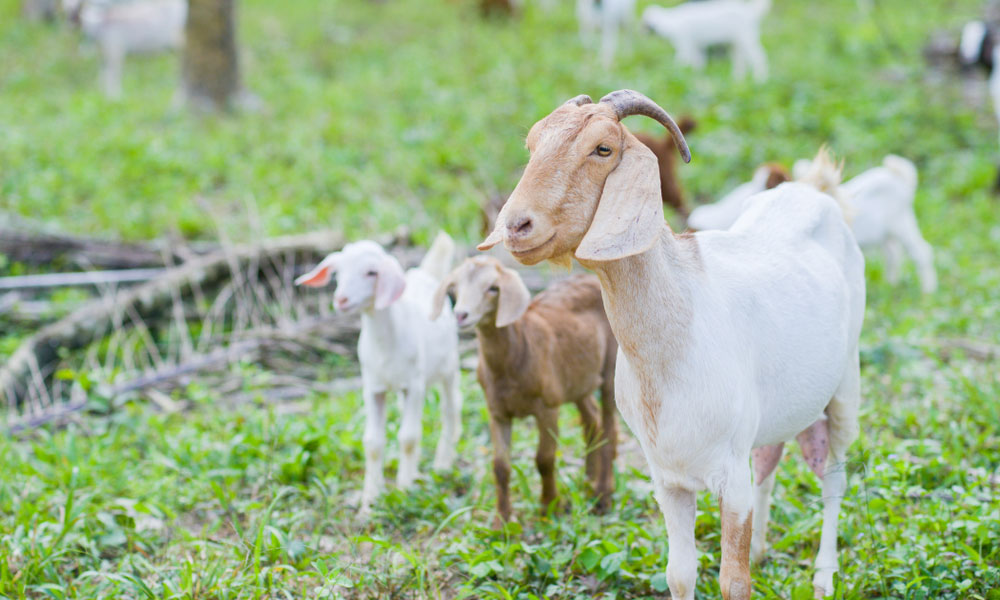
In conclusion, effective deworming is a cornerstone of successful goat management. By recognizing signs of infestation, choosing suitable treatments, and applying preventative measures, farmers can significantly reduce health issues caused by parasites, leading to healthier, more productive goats.