Maintaining a healthy environment for animals is paramount, and effective disinfection of housing is a cornerstone of animal welfare and disease prevention. Inadequate disinfection practices can lead to the spread of pathogens, causing significant health risks and economic losses. This guide delves into the critical aspects of disinfecting animal housing, from pre-cleaning to safety precautions, ensuring a comprehensive understanding of best practices.
We will explore the potential health risks associated with inadequate disinfection, the benefits of a comprehensive disinfection protocol, and the step-by-step procedures for achieving optimal hygiene. This includes understanding the importance of preparing housing, selecting appropriate disinfectants, and implementing effective disinfection procedures tailored to various animal species. Moreover, we’ll address essential aspects like evaluating effectiveness, ensuring safety, considering environmental impacts, and avoiding common mistakes.
Understanding the Importance of Disinfection in Animal Housing
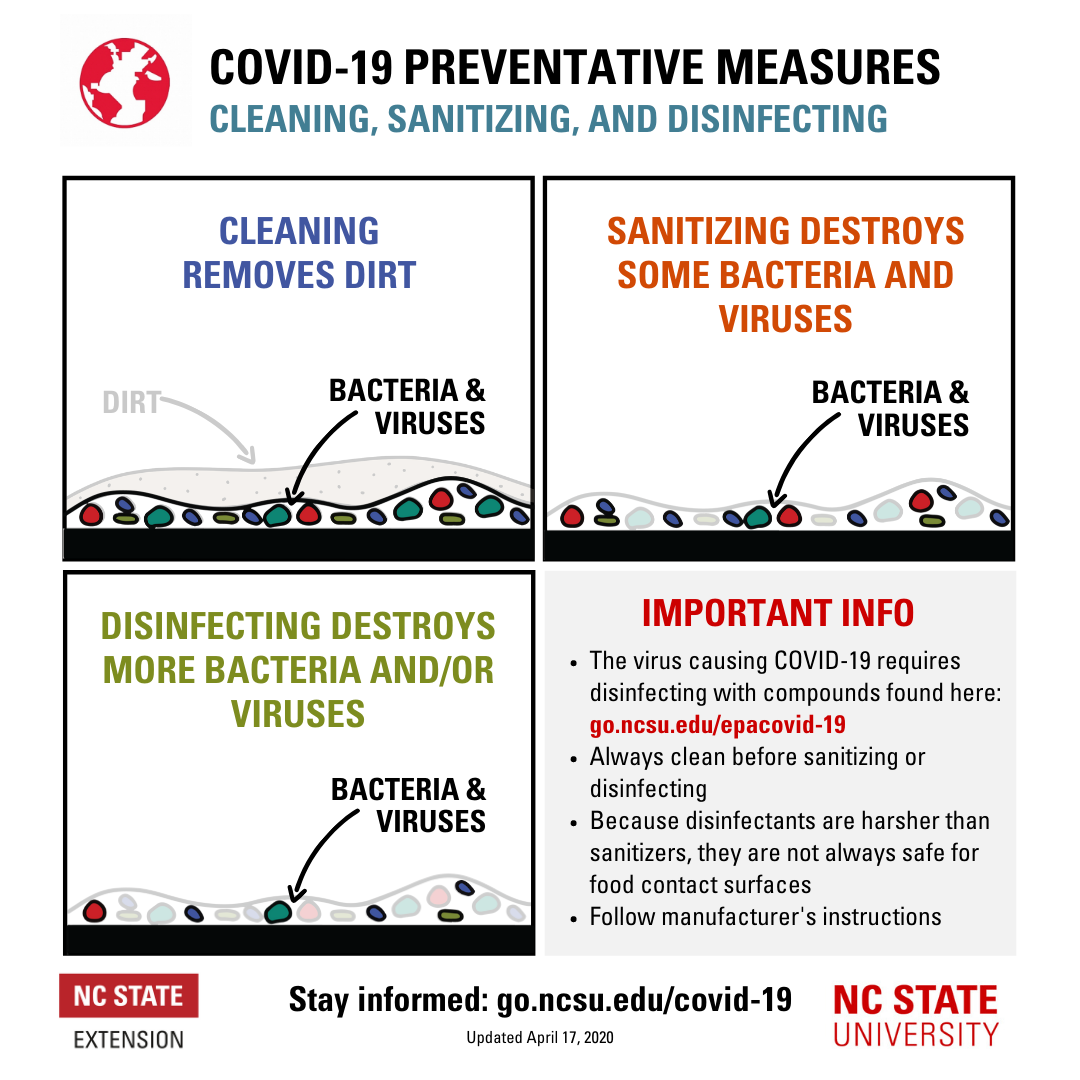
Disinfection is a critical component of animal housing management, directly impacting animal health, productivity, and the overall economic viability of a facility. Implementing effective disinfection protocols minimizes the spread of infectious diseases, reduces the risk of outbreaks, and promotes a healthier environment for animals and the people who care for them. Neglecting disinfection practices can lead to significant consequences, making a comprehensive approach essential.
Potential Health Risks of Inadequate Disinfection
Inadequate disinfection practices in animal housing create an environment where pathogens can thrive and spread rapidly. This can lead to a range of health problems in animals, affecting their welfare and potentially leading to economic losses for the facility.
- Increased Disease Incidence: Failure to disinfect properly allows pathogens to persist in the environment. This increases the likelihood of animals contracting diseases, leading to illness, suffering, and potentially death.
- Compromised Immune Systems: Constant exposure to pathogens can weaken animals’ immune systems. This makes them more susceptible to a wider range of infections, including secondary infections.
- Zoonotic Disease Risk: Some pathogens that affect animals can also be transmitted to humans. Inadequate disinfection increases the risk of zoonotic disease transmission, potentially impacting the health of animal handlers and the wider community. An example is the transmission of Salmonella from poultry to humans.
- Antibiotic Resistance: Frequent infections and the use of antibiotics to treat them can contribute to the development of antibiotic-resistant bacteria. This can make infections harder to treat and increase the risk of treatment failure.
Common Pathogens in Animal Housing Environments
Animal housing environments provide ideal conditions for various pathogens to survive and multiply. Understanding these pathogens is crucial for selecting appropriate disinfectants and implementing effective disinfection strategies.
- Viruses: Viruses are highly contagious and can cause a wide range of diseases. Examples include:
- Avian Influenza Virus (AIV): Highly contagious in poultry, leading to severe respiratory and systemic illness.
- Porcine Reproductive and Respiratory Syndrome Virus (PRRSV): Affects pigs, causing reproductive failure and respiratory disease.
- Canine Parvovirus (CPV): Highly contagious in dogs, causing severe gastrointestinal illness.
- Bacteria: Bacteria can cause various infections. Examples include:
- Salmonella: Can cause food poisoning in humans and illness in various animals.
- Escherichia coli (E. coli): Certain strains can cause diarrhea and other infections.
- Staphylococcus aureus: Can cause skin infections and other diseases.
- Fungi: Fungi can cause skin and respiratory infections. Examples include:
- Aspergillus: Can cause respiratory infections in birds and other animals.
- Dermatophytes: Cause skin infections like ringworm.
- Parasites: Parasites can cause internal and external infestations. Examples include:
- Coccidia: Protozoan parasites that cause coccidiosis, a common intestinal disease in poultry and other livestock.
- Worms: Various types of worms can infest the gastrointestinal tract and other organs.
Economic Impact of Disease Outbreaks
Disease outbreaks in animal facilities can have significant economic consequences, impacting profitability and the long-term viability of the operation.
- Increased Veterinary Costs: Outbreaks necessitate increased veterinary care, including diagnostic testing, medication, and treatment.
- Reduced Animal Productivity: Sick animals eat less, gain less weight, produce less milk or eggs, and have lower reproductive rates.
- Mortality and Culling: Severe outbreaks can lead to animal deaths, resulting in direct financial losses. In some cases, entire herds or flocks may need to be culled to control the spread of disease.
- Reduced Market Value: Animals that survive an outbreak may have reduced market value due to poor health or the need for longer finishing periods.
- Loss of Trade and Export Restrictions: Disease outbreaks can lead to restrictions on the sale and export of animals and animal products, impacting revenue.
- Increased Labor Costs: Managing an outbreak requires additional labor for tasks such as isolating sick animals, administering medication, and implementing biosecurity measures.
- Facility Downtime: In severe cases, facilities may need to be closed for cleaning and disinfection, leading to lost production time.
For example, an outbreak of Foot-and-Mouth Disease (FMD) in a cattle operation can lead to devastating economic losses. The cost of controlling the outbreak, the loss of animals, and the disruption of trade can bankrupt a farm.
Benefits of a Comprehensive Disinfection Protocol
Implementing a comprehensive disinfection protocol provides numerous benefits, promoting animal welfare, improving productivity, and enhancing the overall health and economic stability of the animal facility.
- Improved Animal Health: Regular and effective disinfection reduces the presence of pathogens, leading to fewer infections and healthier animals.
- Increased Productivity: Healthy animals perform better, leading to increased weight gain, milk production, egg production, and reproductive success.
- Reduced Medication Costs: Fewer infections mean less need for antibiotics and other medications, reducing veterinary expenses.
- Enhanced Animal Welfare: A clean and hygienic environment reduces stress and promotes the well-being of animals.
- Reduced Risk of Zoonotic Disease Transmission: Effective disinfection helps protect both animals and humans from zoonotic diseases.
- Compliance with Regulations: Many animal facilities are subject to regulations regarding biosecurity and hygiene. A comprehensive disinfection protocol helps ensure compliance.
- Improved Reputation: Maintaining a clean and healthy facility enhances the facility’s reputation with consumers, buyers, and regulatory agencies.
Preparing Animal Housing for Disinfection
Proper preparation is critical for effective disinfection. This stage significantly influences the success of the disinfection process, maximizing the efficacy of disinfectants and minimizing potential risks to both animals and handlers. Failing to adequately prepare animal housing can render even the most potent disinfectants ineffective, allowing pathogens to persist and potentially leading to disease outbreaks.
Identifying Necessary Steps for Pre-Cleaning Animal Housing
Pre-cleaning animal housing involves several essential steps designed to remove organic matter and prepare surfaces for disinfection. This process ensures the disinfectant can reach and eliminate pathogens effectively.
- Waste Removal: This includes removing all visible organic matter, such as feces, uneaten food, bedding, and any other debris. The goal is to eliminate as much organic material as possible before cleaning.
- Dry Cleaning: Before introducing water, a thorough dry cleaning is necessary. This may involve sweeping, scraping, or vacuuming to remove loose debris. This step reduces the amount of water and cleaning solution needed, minimizing moisture.
- Washing: Washing the housing with water and a suitable cleaning solution is essential. This helps to loosen and remove any remaining organic material.
- Rinsing: After washing, thoroughly rinsing all surfaces with clean water is crucial to remove any remaining cleaning solution residue.
- Drying: Allow the housing to dry completely before applying the disinfectant. This enhances the disinfectant’s effectiveness.
Methods for Removing Organic Matter from Housing Surfaces
The method of removing organic matter depends on the type of housing and the materials used. Effective removal is crucial for successful disinfection.
- Floors:
- Solid Floors: Floors can be scraped to remove caked-on material. High-pressure washing can be used to remove debris.
- Slatted Floors: Feces and debris often fall through the slats. However, a thorough sweep and pressure washing may be required to remove any accumulated material.
- Walls: Walls can be washed using a cleaning solution and a brush or pressure washer. Ensure that all surfaces are reached.
- Equipment: Equipment, such as feeders, waterers, and other items, should be disassembled if possible and cleaned separately. This allows for thorough cleaning of all surfaces.
Cleaning Checklist for Different Types of Animal Housing
A tailored cleaning checklist helps ensure a systematic approach to cleaning and disinfection, reducing the likelihood of overlooking critical steps. The checklist will vary depending on the type of animal housing.
| Animal Housing Type | Pre-Cleaning Steps | Cleaning Solutions | Disinfection Steps |
|---|---|---|---|
| Poultry Housing |
|
|
|
| Swine Housing |
|
|
|
| Equine Housing |
|
|
|
Importance of Proper Ventilation During Cleaning and Disinfection
Adequate ventilation is essential during the cleaning and disinfection process to ensure worker safety and enhance the effectiveness of disinfectants. Ventilation removes airborne particles, reduces moisture, and promotes the drying of surfaces.
- Worker Safety: Ventilation minimizes exposure to cleaning agents and disinfectants, reducing the risk of respiratory irritation or other health issues.
- Moisture Control: Ventilation helps remove excess moisture, which can dilute disinfectants and reduce their effectiveness.
- Drying of Surfaces: Proper ventilation promotes the rapid drying of surfaces, which is crucial for some disinfectants to work effectively.
- Air Quality: Adequate ventilation improves air quality, making the environment more comfortable and healthier for both workers and, after the disinfection process, for the animals.
Selecting Appropriate Disinfectants
Choosing the right disinfectant is crucial for effective animal housing sanitation. This involves understanding the various types of disinfectants available, their strengths and weaknesses, and how to select the most suitable option for the specific needs of the animal housing environment. Incorrect disinfectant selection can lead to ineffective pathogen control, potentially harming animal health and welfare, and even contributing to the development of antimicrobial resistance.
Comparing and Contrasting Disinfectant Effectiveness
The effectiveness of a disinfectant varies depending on its chemical composition and the type of microorganisms it targets. Different disinfectant classes work through distinct mechanisms, leading to varying levels of efficacy against bacteria, viruses, fungi, and protozoa.
Here’s a comparison:
Quaternary Ammonium Compounds (Quats):
- Mechanism: Disrupts cell membranes and denatures proteins.
- Effectiveness: Effective against many bacteria and some viruses, but less effective against certain Gram-negative bacteria and non-enveloped viruses.
- Limitations: Activity can be reduced by organic matter and hard water.
Chlorine-Based Products (e.g., Sodium Hypochlorite):
- Mechanism: Oxidizes microbial cell components.
- Effectiveness: Broad-spectrum, effective against bacteria, viruses, and fungi.
- Limitations: Corrosive to some surfaces, effectiveness decreases in the presence of organic matter, and can produce irritating fumes.
Phenols:
- Mechanism: Disrupts cell walls and denatures proteins.
- Effectiveness: Effective against a wide range of microorganisms, including some that are resistant to other disinfectants.
- Limitations: Can be toxic, especially to cats, and can leave residues.
Aldehydes (e.g., Formaldehyde, Glutaraldehyde):
- Mechanism: Alkylates proteins and nucleic acids.
- Effectiveness: Broad-spectrum, effective against bacteria, viruses, and fungi.
- Limitations: Irritating and potentially carcinogenic, requires careful handling.
Pros and Cons of Common Disinfectant Types
Understanding the advantages and disadvantages of each disinfectant type is essential for making an informed decision. The following table summarizes the key aspects to consider:
| Disinfectant Type | Pros | Cons | Examples |
|---|---|---|---|
| Quaternary Ammonium Compounds (Quats) | Relatively safe, broad-spectrum activity, good for general cleaning. | Ineffective against some Gram-negative bacteria and non-enveloped viruses, activity reduced by organic matter. | Roccal-D, Parvosol |
| Chlorine-Based Products | Broad-spectrum, inexpensive, readily available. | Corrosive, inactivated by organic matter, can produce irritating fumes. | Bleach (Sodium Hypochlorite), Calcium Hypochlorite |
| Phenols | Effective against a wide range of microorganisms, persistent activity. | Can be toxic, especially to cats, may leave residues. | Lysol (certain formulations), Pine-Sol (certain formulations) |
| Aldehydes | Broad-spectrum, effective against resistant organisms. | Irritating, potentially carcinogenic, requires careful handling. | Formaldehyde, Glutaraldehyde (e.g., Cidex) |
Factors for Disinfectant Selection
Several factors influence the selection of the most appropriate disinfectant for a specific animal housing situation. Careful consideration of these elements ensures optimal disinfection efficacy and minimizes potential risks.
Key considerations include:
- Animal Species: Some disinfectants are toxic to certain animal species. For example, phenols can be highly toxic to cats.
- Surface Type: The disinfectant must be compatible with the surfaces being treated. Corrosive disinfectants, like chlorine-based products, can damage certain materials.
- Pathogen Spectrum: The disinfectant must be effective against the specific pathogens of concern. Consider the known or suspected pathogens present in the housing environment.
- Presence of Organic Matter: The disinfectant’s efficacy can be reduced by organic matter (e.g., feces, blood). The chosen product should be effective in the presence of such matter or the area must be thoroughly cleaned before disinfection.
- Contact Time: The disinfectant must remain in contact with the surface for the recommended contact time to be effective.
- Safety for Animals and Personnel: The disinfectant should be safe for both the animals and the people handling it.
- Environmental Impact: Consider the environmental impact of the disinfectant, including its biodegradability and potential for water contamination.
Interpreting Disinfectant Labels
Disinfectant labels provide crucial information for proper use, including dilution instructions, contact times, and safety precautions. It is essential to carefully read and follow the label instructions to ensure effective disinfection and minimize risks.
Key information found on disinfectant labels includes:
- Product Name and Registration Number: Identifies the specific product and confirms it has been registered by the relevant regulatory agency.
- Active Ingredients and Concentration: Lists the chemicals that kill microorganisms and their concentrations.
- Directions for Use: Specifies the recommended dilution, application method, and contact time. For example, a label might instruct to dilute a concentrate at a ratio of 1:64 with water, meaning one part concentrate to 64 parts water.
- Target Pathogens: Lists the specific microorganisms the disinfectant is effective against.
- Surface Compatibility: Indicates which surfaces the disinfectant is safe to use on.
- Safety Precautions: Provides information on personal protective equipment (PPE) required, potential hazards, and first-aid measures.
- Storage and Disposal Instructions: Artikels how to store the product safely and how to dispose of any unused product or empty containers.
Example:
A label might state: “Dilute 1:128 with water. Apply to pre-cleaned surfaces. Allow a contact time of 10 minutes.” This means you would mix one part of the disinfectant concentrate with 128 parts of water, apply the solution to surfaces that have been cleaned beforehand, and allow the disinfectant to remain in contact with the surfaces for 10 minutes before rinsing or wiping (as per the label instructions).
Disinfection Procedures
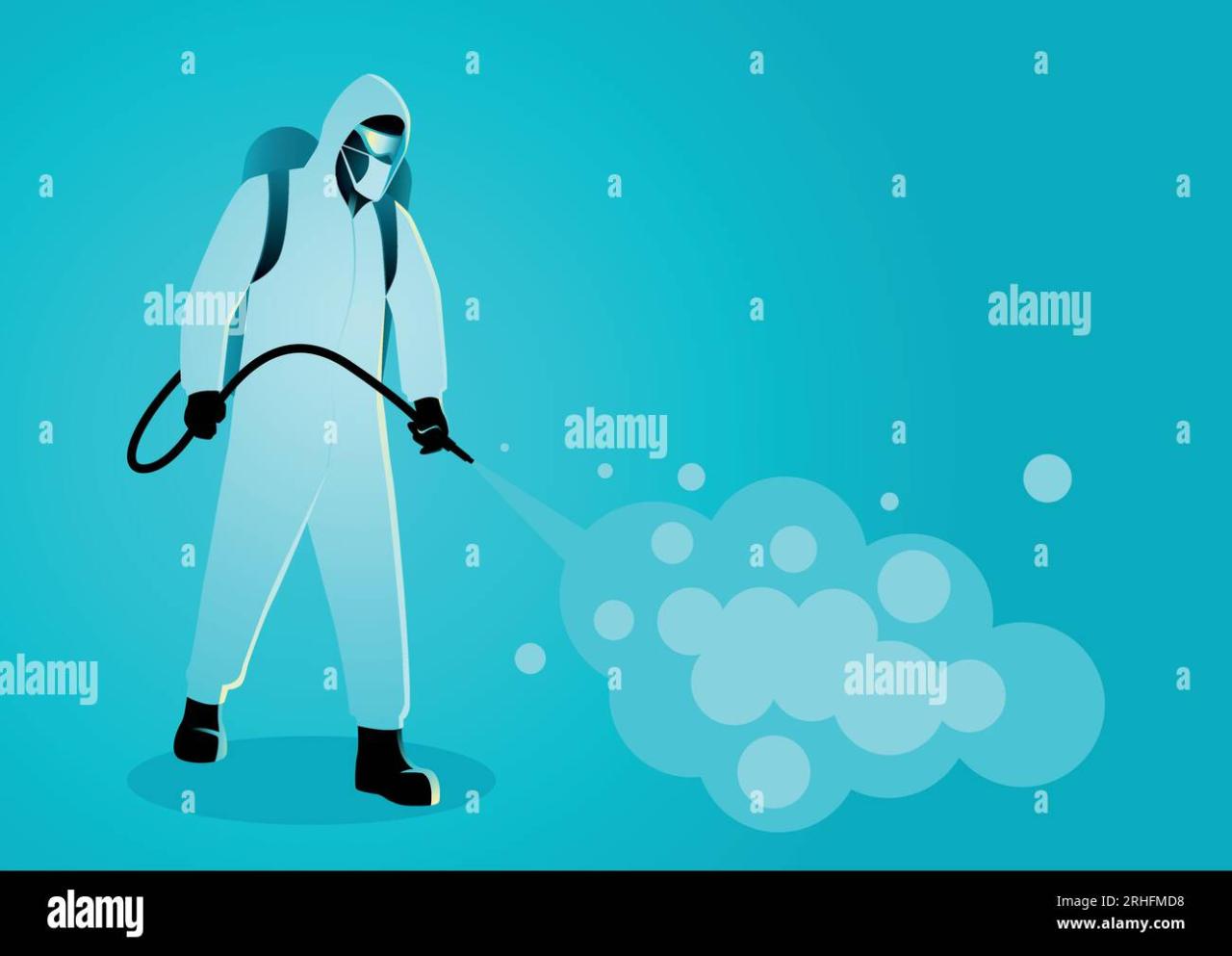
Implementing effective disinfection procedures is critical for maintaining a healthy environment in animal housing. This section provides a step-by-step guide for disinfecting various housing types, Artikels essential equipment, emphasizes the importance of contact time, and details methods for ensuring comprehensive disinfectant coverage. Adhering to these protocols helps minimize the spread of pathogens and protects animal health.
Step-by-Step Disinfection Guide
Disinfecting animal housing requires a systematic approach. The specific steps may vary slightly depending on the housing type (stalls, pens, cages), but the core principles remain consistent. The following steps provide a general framework:
- Preparation: Remove all animals from the housing area. Ensure all personnel wear appropriate personal protective equipment (PPE), including gloves, eye protection, and a respirator if necessary. Remove all organic matter, such as bedding, manure, and food waste. This is crucial, as organic matter can inactivate many disinfectants.
- Cleaning: Thoroughly clean all surfaces with a suitable detergent and water. This removes remaining organic material and prepares the surfaces for disinfection. Use brushes, scrapers, or pressure washers as needed.
- Rinsing: Rinse all cleaned surfaces thoroughly with clean water to remove any detergent residue. Detergent residue can also interfere with the effectiveness of disinfectants.
- Disinfectant Application: Apply the selected disinfectant according to the manufacturer’s instructions. Ensure complete coverage of all surfaces, including floors, walls, ceilings, and equipment.
- Contact Time: Allow the disinfectant to remain in contact with the surfaces for the recommended contact time, as specified by the manufacturer. This is essential for the disinfectant to effectively kill or inactivate pathogens.
- Rinsing (Optional): In some cases, it may be necessary to rinse the surfaces after the contact time, particularly if the disinfectant is corrosive or leaves a residue. Follow the manufacturer’s instructions.
- Drying: Allow the housing area to dry completely before reintroducing animals. This can help prevent the growth of mold and other microorganisms.
- Monitoring and Maintenance: Regularly monitor the housing environment for signs of contamination and repeat the disinfection process as needed. Maintain a log of disinfection activities, including the date, disinfectant used, and any observations.
Recommended Equipment for Applying Disinfectants
The choice of equipment significantly impacts the effectiveness and efficiency of the disinfection process. The following equipment is commonly used:
- Sprayers: Various types of sprayers are available, including hand-held sprayers, pump sprayers, and power sprayers. Sprayers are ideal for applying disinfectants to large surface areas.
- Example: A backpack sprayer can be used to disinfect large stalls or pens quickly and efficiently.
- Foggers/Misters: Foggers and misters create a fine mist of disinfectant that can reach hard-to-access areas and provide even coverage.
- Example: A fogger can be used to disinfect the entire interior of a closed poultry house.
- Brushes and Scrapers: Brushes and scrapers are essential for cleaning surfaces and removing organic matter before disinfection.
- Example: A stiff-bristled brush can be used to scrub floors and walls, while a scraper can be used to remove caked-on manure.
- Buckets and Mops: Buckets and mops are suitable for applying disinfectants to smaller areas or for spot cleaning.
- Example: A mop and bucket can be used to disinfect floors in a small animal room.
- Pressure Washers: Pressure washers can be used for cleaning surfaces prior to disinfection, particularly in large animal housing facilities.
- Example: A pressure washer can be used to clean manure from a pig pen.
- Personal Protective Equipment (PPE): Essential PPE includes gloves, eye protection, respirators, and protective clothing to protect personnel from exposure to disinfectants.
- Example: Workers should always wear chemical-resistant gloves when handling disinfectants.
Importance of Contact Time
Contact time is the period during which a disinfectant must remain in contact with a surface to effectively kill or inactivate pathogens. This is a critical factor in the disinfection process, and the manufacturer’s recommended contact time should always be followed.
Contact time is the period during which a disinfectant must remain in contact with a surface to effectively kill or inactivate pathogens.
Factors influencing contact time include:
- Type of Disinfectant: Different disinfectants have varying contact times.
- Example: A quaternary ammonium compound may require a contact time of 10 minutes, while a chlorine-based disinfectant may require 30 minutes.
- Concentration of Disinfectant: Higher concentrations of disinfectant may require shorter contact times, but it’s crucial to adhere to the manufacturer’s recommendations to avoid damaging surfaces or endangering animal health.
- Example: Using a higher concentration of a disinfectant than recommended may not necessarily improve efficacy and could lead to adverse effects.
- Type of Pathogen: Some pathogens are more resistant to disinfectants than others.
- Example: Bacterial spores are often more resistant than vegetative bacteria, requiring longer contact times or more potent disinfectants.
- Surface Type: Porous surfaces may require longer contact times than non-porous surfaces.
- Example: Disinfecting a concrete floor might require a longer contact time than disinfecting a stainless steel surface.
- Temperature: Higher temperatures can sometimes enhance the effectiveness of disinfectants, potentially shortening contact times. However, it is crucial to adhere to the manufacturer’s guidelines.
- Example: Disinfecting in a warmer environment might slightly improve the efficacy of some disinfectants, but contact time should not be reduced without explicit instructions.
Ensuring Even Disinfectant Coverage
Achieving even coverage is crucial for effective disinfection. Incomplete coverage can leave areas where pathogens can survive and multiply. The following methods can help ensure comprehensive coverage:
- Proper Application Techniques: Use the correct application method for the specific disinfectant and housing type. This might involve spraying, fogging, or wiping.
- Example: When spraying, overlap each pass to ensure complete coverage of the surface.
- Visual Inspection: After applying the disinfectant, visually inspect the area to ensure all surfaces are wet and that there are no missed spots.
- Example: Check the underside of equipment and other areas that may be easily overlooked.
- Using a Dye or Indicator: Some disinfectants come with a dye or indicator that allows you to visually verify coverage.
- Example: The use of a dye allows users to see exactly where the disinfectant has been applied, ensuring complete coverage.
- Adequate Ventilation: Ensure adequate ventilation to prevent the build-up of disinfectant vapors and to help the surfaces dry evenly.
- Example: Opening windows and doors after disinfection can aid in drying and reducing any residual odor.
- Choosing the Right Nozzle: Select the appropriate nozzle type for the sprayer to ensure even distribution of the disinfectant.
- Example: A fan nozzle is often used for spraying large, flat surfaces.
- Calibration of Equipment: Regularly calibrate sprayers and foggers to ensure they are delivering the correct amount of disinfectant.
- Example: Calibrating a sprayer ensures the proper concentration and even distribution of the disinfectant solution.
Specific Disinfection Protocols for Different Animal Species
Implementing effective disinfection protocols requires tailoring approaches to the specific needs of each animal species. Considerations such as housing design, animal behavior, and susceptibility to diseases necessitate a species-specific strategy. This section Artikels tailored disinfection protocols for poultry, livestock, and companion animals, highlighting unique challenges and best practices.
Disinfection Protocols for Poultry Housing
Poultry housing presents unique challenges due to the high density of birds, the presence of organic matter (manure, bedding), and the potential for rapid disease spread. Effective disinfection is crucial to prevent and control outbreaks of diseases like avian influenza, Salmonella, and infectious bronchitis.The following steps are essential for poultry house disinfection:
- Preparation: Remove all birds, feed, water lines, and equipment. Thoroughly clean all surfaces, including floors, walls, ceilings, and equipment, removing all organic matter. Pressure washing is often used to remove caked-on debris.
- Disinfection: Select a broad-spectrum disinfectant effective against the specific pathogens of concern. Apply the disinfectant according to the manufacturer’s instructions, ensuring complete coverage of all surfaces. Fogging or spraying can be used for large areas, while manual wiping may be necessary for smaller equipment.
- Drying and Ventilation: Allow the housing to dry completely after disinfection. Proper ventilation is critical to facilitate drying and remove any residual disinfectant fumes.
- Re-entry: Before reintroducing birds, test the environment to ensure the absence of harmful disinfectant residues. Replace bedding and reintroduce equipment.
Here is a detailed protocol for disinfecting a poultry house after a disease outbreak:
Poultry House Disinfection Protocol – Post-Disease OutbreakPhase 1: Preparation & Removal
- Bird Removal: Euthanize and remove all birds according to biosecurity protocols, ensuring proper disposal of carcasses.
- Equipment Removal: Remove all feeders, waterers, and other movable equipment from the house.
- Debris Removal: Scrape away all manure, litter, and accumulated debris. Dispose of waste according to environmental regulations.
Phase 2: Cleaning
- Pre-Wash: Rinse the entire house with water to remove loose debris.
- Washing: Apply a detergent or degreaser to all surfaces (floors, walls, ceilings, equipment) to remove organic matter.
- Rinsing: Rinse all surfaces thoroughly with clean water to remove detergent residue.
Phase 3: Disinfection
- Disinfectant Selection: Choose a broad-spectrum disinfectant approved for poultry use and effective against the specific pathogen(s) involved in the outbreak (e.g., a quaternary ammonium compound, a chlorine-based disinfectant, or a peroxygen compound).
- Application: Apply the disinfectant according to the manufacturer’s instructions, ensuring complete coverage of all surfaces. Use a sprayer, fogger, or other appropriate method. Pay close attention to cracks, crevices, and other hard-to-reach areas.
- Contact Time: Allow the disinfectant to remain in contact with the surfaces for the recommended contact time (typically 10-30 minutes), as specified by the manufacturer.
Phase 4: Drying and Verification
- Drying: Allow the house to dry completely. This may require ventilation and time.
- Verification: Test surfaces for the presence of pathogens after disinfection. This can be done through environmental sampling (e.g., swabs, contact plates).
- Final Steps: If testing reveals any remaining pathogens, repeat the disinfection process. Replace bedding and reintroduce equipment after the house is verified as pathogen-free.
Disinfection Protocols for Livestock Housing
Livestock housing, encompassing cattle, swine, and other farm animals, presents challenges related to large housing areas, the potential for environmental contamination, and the need for worker safety. Disinfection protocols must be adapted to the specific housing design and the type of livestock.Here are important steps for effective livestock housing disinfection:
- Preparation: Remove all animals and clean all surfaces, including floors, walls, and equipment. Remove all organic matter, such as manure and bedding.
- Disinfectant Selection: Select a disinfectant appropriate for the type of livestock and the specific pathogens of concern. Consider the disinfectant’s safety for animals and workers, and its effectiveness in the presence of organic matter.
- Application Methods: Apply the disinfectant using methods suitable for the housing design. Spraying, fogging, and foaming are common methods. Ensure complete coverage of all surfaces.
- Post-Disinfection: Allow the housing to dry completely after disinfection. Provide adequate ventilation to remove any residual disinfectant fumes.
Disinfection Protocols for Companion Animal Housing
Companion animal housing, including kennels, veterinary clinics, and shelters, requires careful attention to prevent the spread of infectious diseases among pets. The protocols should be tailored to the specific housing environment and the type of animals housed.Consider these important steps for companion animal housing disinfection:
- Preparation: Remove all animals from the area. Remove all organic matter, such as feces, urine, and bedding.
- Cleaning: Thoroughly clean all surfaces with a detergent to remove organic matter.
- Disinfectant Selection: Choose a disinfectant that is safe for the animals and effective against the specific pathogens of concern. Consider the disinfectant’s toxicity and residual effects.
- Application Methods: Apply the disinfectant according to the manufacturer’s instructions. Spraying and wiping are common methods.
- Post-Disinfection: Allow the area to dry completely. Provide adequate ventilation to remove any residual disinfectant fumes.
Examples of disinfectant application methods for different animal housing designs include:
- Poultry Houses: High-pressure sprayers are frequently used for large surface areas, while foggers may be used for broader disinfection of air and surfaces.
- Livestock Buildings: Foaming systems can be employed to cover large areas, particularly vertical surfaces. Sprayers are used to target specific areas.
- Kennels/Veterinary Clinics: Wiping with disinfectant-soaked cloths or mops is often used for smaller areas. Sprays are suitable for larger surfaces.
Evaluating Disinfection Effectiveness
Verifying the success of disinfection is crucial to ensure animal health and welfare, as well as to prevent the spread of disease. This involves implementing robust methods to assess the efficacy of disinfection procedures and maintaining meticulous records for future reference. Several techniques are available to evaluate how well a disinfection protocol has worked.
Methods for Verifying Disinfection Effectiveness
The effectiveness of disinfection can be confirmed through various methods that assess the reduction of microbial load. These methods provide tangible evidence of the success of the disinfection process.
- Surface Sampling: Surface sampling is a common method to assess the presence of microorganisms on surfaces after disinfection. Several techniques are employed.
- Swabbing: A sterile swab is used to collect samples from a defined surface area. The swab is then placed in a transport medium and sent to a laboratory for microbiological analysis. This method is particularly useful for assessing hard-to-reach areas.
- Contact Plates (Rodac Plates): These plates contain a culture medium that is pressed directly onto the surface being tested. Microorganisms present on the surface adhere to the agar and grow, allowing for a direct count of viable organisms.
- Sponges: Sterile sponges pre-moistened with a neutralizing buffer are used to sample larger surface areas. The sponge is then rinsed in a sterile solution, and the rinse water is analyzed.
- Air Sampling: Air sampling can be used to assess the level of airborne microorganisms, which can be an indicator of the effectiveness of disinfection, particularly in enclosed spaces.
- Impaction: Air is drawn through a device that impacts airborne particles onto a culture medium. This method is useful for identifying and quantifying airborne bacteria and fungi.
- Filtration: Air is passed through a filter, which traps airborne particles. The filter is then processed to detect and quantify microorganisms.
- Testing: This involves sending samples to a laboratory for microbiological analysis. The lab performs various tests to determine the presence and quantity of microorganisms.
Interpreting Microbiological Test Results
Understanding the results of microbiological tests is essential to make informed decisions about disinfection protocols. Proper interpretation allows for the identification of potential problems and the implementation of corrective actions.
- Colony Forming Units (CFU): Results are typically reported as Colony Forming Units per unit area (e.g., CFU/cm²) or per volume of air (e.g., CFU/m³). The CFU count reflects the number of viable microorganisms present in the sample. A higher CFU count indicates a greater microbial load, and therefore, less effective disinfection.
- Acceptable Levels: Establishing acceptable levels of microorganisms is crucial. These levels will vary depending on the animal species, the type of housing, and the specific microorganisms of concern. Consulting with a veterinarian or microbiologist is recommended to establish appropriate benchmarks.
- Identification of Microorganisms: Laboratory tests can identify the specific types of microorganisms present. This information is valuable for understanding the sources of contamination and selecting appropriate disinfectants. For example, the presence of
-Salmonella* requires specific control measures. - Trends: Monitoring results over time can reveal trends and patterns. An increase in microbial counts may indicate a failure in the disinfection protocol, or a need for adjustments to the procedure.
Importance of Routine Monitoring and Auditing
Regular monitoring and auditing are critical components of a successful disinfection program. They ensure that protocols are consistently followed and that disinfection procedures remain effective.
- Routine Monitoring: Regular surface and air sampling, as described above, should be conducted to assess the effectiveness of disinfection. The frequency of monitoring will depend on the animal species, housing type, and the risks associated with the facility.
- Auditing: Periodic audits should be performed to evaluate all aspects of the disinfection program, including:
- Protocol Adherence: Verify that staff are following the established disinfection protocols correctly.
- Disinfectant Usage: Ensure that the correct disinfectants are being used, at the proper concentrations, and within their expiration dates.
- Equipment Maintenance: Inspect and maintain all equipment used for disinfection, such as sprayers and cleaning tools.
- Record Keeping: Review the documentation of disinfection procedures and results to ensure accuracy and completeness.
- Corrective Actions: If monitoring or auditing reveals deficiencies, implement corrective actions promptly. This may involve retraining staff, adjusting the disinfection protocol, or selecting a different disinfectant.
Designing a System for Documenting Disinfection Procedures and Results
A well-designed documentation system is essential for tracking and evaluating the effectiveness of disinfection procedures. It allows for the identification of trends, facilitates troubleshooting, and provides a valuable resource for future improvements.
- Standard Operating Procedures (SOPs): Develop detailed SOPs for all disinfection procedures. These SOPs should include:
- Step-by-step instructions: detailing the cleaning and disinfection process.
- Disinfectant information: including product name, concentration, contact time, and safety precautions.
- Equipment: required for the disinfection process.
- Personnel: responsible for carrying out the procedures.
- Record Keeping: Maintain detailed records of all disinfection activities. These records should include:
- Date and time: when the disinfection was performed.
- Area disinfected: specifying the location (e.g., barn, pen, equipment).
- Disinfectant used: including the product name, concentration, and batch number.
- Personnel involved: who performed the disinfection.
- Observations: such as any challenges encountered or deviations from the SOP.
- Sampling results: including the date, location, method used, and results of any microbiological testing.
- Corrective actions: taken in response to any issues identified.
- Data Analysis: Regularly analyze the collected data to identify trends and assess the effectiveness of the disinfection program. Use this data to refine the procedures, improve the selection of disinfectants, and optimize the frequency of disinfection.
- Example of a Disinfection Log: A disinfection log can be designed in a spreadsheet format, or as a dedicated database, to record all the relevant information. This log could include columns for the date, location, disinfectant used, concentration, contact time, person responsible, and any observations. It could also include a section for sampling results, with the date of sampling, method used, and the CFU counts obtained.
Safety Precautions and Personal Protective Equipment (PPE)
Disinfection, while crucial for maintaining animal health, presents inherent risks. Implementing rigorous safety precautions and utilizing appropriate personal protective equipment (PPE) are paramount to protect individuals from potential hazards associated with disinfectant handling and application. This section details these crucial aspects to ensure safe and effective disinfection practices.
Necessary Safety Precautions When Handling Disinfectants
Handling disinfectants demands careful attention to minimize exposure and prevent accidents. Failure to adhere to these precautions can lead to skin irritation, respiratory problems, and other health complications.
- Read and Understand the Label: Always meticulously read and comprehend the disinfectant product label before use. This includes understanding the product’s hazards, recommended dilutions, contact times, and first-aid instructions.
- Ventilation: Ensure adequate ventilation in the disinfection area. Open windows and doors or use mechanical ventilation systems to prevent the buildup of harmful fumes.
- Avoid Mixing Chemicals: Never mix different disinfectants or other cleaning products unless explicitly instructed to do so on the product labels. Mixing chemicals can create dangerous and potentially toxic fumes. For instance, mixing bleach (sodium hypochlorite) with ammonia can produce toxic chloramine gas.
- Dilution Accuracy: Accurately dilute disinfectants according to the manufacturer’s instructions. Over-dilution may render the disinfectant ineffective, while under-dilution can pose health risks.
- Avoid Direct Contact: Minimize direct contact with disinfectants. Avoid splashing, spraying, or spilling the product on skin or clothing.
- Wash Thoroughly: Wash hands thoroughly with soap and water after handling disinfectants, even if PPE was worn.
- Avoid Ingestion: Never eat, drink, or smoke while handling disinfectants.
- Supervision: When disinfecting in areas where children or untrained individuals are present, ensure they are supervised and kept away from the work area.
- Training: Provide comprehensive training to all personnel involved in disinfection procedures, covering all aspects of safe handling, application, and emergency procedures.
Recommended PPE for Disinfection Tasks
Proper PPE is the primary defense against exposure to disinfectants. The specific PPE requirements vary depending on the disinfectant used, the application method, and the potential for exposure.
- Gloves: Wear chemical-resistant gloves, such as nitrile or butyl rubber gloves, to protect hands from direct contact with disinfectants. The type of glove should be selected based on the specific disinfectant being used; check the product label for recommendations.
- Eye Protection: Utilize eye protection, such as safety goggles or a face shield, to shield eyes from splashes or sprays.
- Respiratory Protection: If the disinfectant produces irritating fumes or is applied in a poorly ventilated area, wear a respirator with appropriate cartridges or filters. The type of respirator and filter should be selected based on the specific hazards of the disinfectant.
- Protective Clothing: Wear a chemical-resistant apron or coveralls to protect clothing and skin from splashes or spills.
- Footwear: Wear chemical-resistant boots to protect feet from contact with disinfectants.
Safe Storage and Disposal of Disinfectants
Proper storage and disposal of disinfectants are essential to prevent accidental exposure, environmental contamination, and misuse.
- Storage Location: Store disinfectants in a cool, dry, well-ventilated area, away from direct sunlight and heat sources.
- Secure Storage: Store disinfectants in a locked cabinet or storage area, out of reach of children and unauthorized personnel.
- Original Containers: Keep disinfectants in their original, labeled containers. Never transfer disinfectants to unmarked containers, as this can lead to confusion and accidental exposure.
- Compatibility: Store disinfectants separately from other chemicals, especially incompatible substances like acids and oxidizers.
- Spill Containment: Have spill containment materials (e.g., absorbent pads, spill kits) readily available in the storage area.
- Disposal Procedures: Dispose of used or expired disinfectants according to local regulations and the manufacturer’s instructions. Do not pour disinfectants down the drain unless specifically instructed to do so.
- Empty Container Disposal: Rinse empty disinfectant containers thoroughly before disposal. Dispose of rinsed containers according to local regulations.
First Aid Measures for Exposure to Disinfectants
Prompt and appropriate first aid is critical in the event of exposure to disinfectants.
- Skin Contact: Immediately flush the affected skin with copious amounts of water for at least 15 minutes. Remove contaminated clothing and shoes. Seek medical attention if irritation persists.
- Eye Contact: Immediately flush eyes with clean water for at least 15 minutes, lifting the upper and lower eyelids to ensure thorough rinsing. Seek immediate medical attention.
- Inhalation: Move the exposed person to fresh air immediately. If breathing is difficult, administer oxygen. Seek medical attention.
- Ingestion: Do not induce vomiting unless instructed to do so by a medical professional. Immediately seek medical attention. Provide the product label or container to the medical personnel.
- Medical Assistance: Always seek medical attention for any significant exposure to disinfectants. Provide the medical personnel with the product label or safety data sheet (SDS) to facilitate appropriate treatment.
Environmental Considerations and Regulations
Disinfecting animal housing is essential for maintaining animal health and preventing disease outbreaks. However, it’s equally important to consider the environmental impact of the disinfectants used and adhere to relevant regulations. This section addresses the environmental consequences of disinfectant use, relevant guidelines, and strategies for responsible disinfection practices.
Environmental Impact of Different Disinfectants
The choice of disinfectant significantly impacts the environment. Different disinfectants have varying levels of toxicity, persistence, and potential for environmental harm. Some disinfectants can contaminate soil and water, harming aquatic life and potentially entering the food chain.
- Chlorine-based disinfectants: These are effective and relatively inexpensive but can produce harmful disinfection byproducts (DBPs) when reacting with organic matter. These DBPs, such as trihalomethanes (THMs), can be toxic to aquatic organisms and potentially harmful to human health.
- Quaternary ammonium compounds (QACs): QACs are widely used due to their broad-spectrum activity and ease of use. However, some QACs are persistent in the environment and can be toxic to aquatic life. They also contribute to the development of antimicrobial resistance.
- Phenol-based disinfectants: Phenols are effective against a wide range of microorganisms. However, they can be toxic to aquatic organisms and can persist in the environment. Some phenol compounds are also known to be endocrine disruptors.
- Aldehydes (e.g., formaldehyde, glutaraldehyde): Aldehydes are potent disinfectants but are also known carcinogens and can cause respiratory irritation. They pose significant risks to human health and the environment. Formaldehyde, in particular, is a known human carcinogen.
- Peroxyacids (e.g., peracetic acid): Peroxyacids are considered more environmentally friendly than many other disinfectants because they degrade into harmless byproducts (acetic acid, water, and oxygen). However, they can still be corrosive and irritating.
- Alcohol-based disinfectants: Alcohols, such as ethanol and isopropyl alcohol, are relatively biodegradable. However, they are flammable and can have negative impacts on aquatic ecosystems if released in large quantities.
Relevant Regulations and Guidelines Regarding Disinfectant Use in Animal Housing
The use of disinfectants in animal housing is regulated by various governmental and international bodies. These regulations aim to protect human health, animal welfare, and the environment. Compliance with these regulations is crucial for responsible disinfectant use.
Examples of regulatory bodies and guidelines include:
- United States Environmental Protection Agency (EPA): The EPA regulates the production, distribution, and use of pesticides, including disinfectants. Disinfectants must be registered with the EPA before they can be sold or used in the United States. The EPA sets standards for product efficacy, safety, and environmental impact.
- European Union Biocidal Products Regulation (BPR): The BPR regulates the placing on the market and use of biocidal products, including disinfectants. The BPR aims to ensure a high level of protection for human health, animal health, and the environment. Products must be authorized before they can be used.
- World Organisation for Animal Health (WOAH, formerly OIE): WOAH provides international standards and guidelines for animal health, including recommendations for disinfection practices to prevent and control animal diseases.
- Local and Regional Regulations: Local and regional authorities may have specific regulations regarding the use, storage, and disposal of disinfectants, including restrictions on discharge into waterways or sewage systems.
It is important to:
- Consult the Safety Data Sheet (SDS) for each disinfectant to understand its environmental hazards and handling procedures.
- Follow all label instructions regarding dilution, application, and disposal.
- Comply with all applicable federal, state, and local regulations.
Environmentally Friendly Disinfection Alternatives
Choosing environmentally friendly disinfection alternatives can minimize the negative impact on the environment. Several options are available that offer effective disinfection while reducing environmental risks.
- Hydrogen Peroxide: Hydrogen peroxide is a biodegradable disinfectant that breaks down into water and oxygen. It is effective against a wide range of pathogens and is relatively safe for the environment.
- Peracetic Acid: Peracetic acid is another biodegradable disinfectant that breaks down into acetic acid (vinegar), water, and oxygen. It is highly effective and has a low environmental impact.
- Steam Cleaning: Steam cleaning uses high-temperature steam to disinfect surfaces. It is an environmentally friendly option that eliminates the need for chemicals in some situations.
- Ozone: Ozone is a powerful disinfectant that can be used to disinfect water and air. It is produced on-site and breaks down into oxygen, leaving no residue.
- UV-C Light: UV-C light can be used to disinfect surfaces and equipment. It is effective against many pathogens and does not leave any chemical residue.
- Electrochemically Activated Water (ECA): ECA is produced by passing salt water through an electrolytic cell. The resulting solution contains hypochlorous acid and other disinfectants, is effective against various pathogens and is environmentally friendly.
Strategies for Minimizing Disinfectant Runoff and Waste
Implementing strategies to minimize disinfectant runoff and waste is essential for protecting the environment. Proper handling and disposal practices can significantly reduce the environmental impact of disinfection procedures.
- Containment: Implement containment measures to prevent disinfectant runoff from entering waterways or the soil. This includes using absorbent materials, berms, or other barriers.
- Proper Dilution and Application: Use the correct dilution ratios as specified on the product label. Apply disinfectants using methods that minimize overspray and runoff, such as spray bottles, mops, or cloths.
- Waste Management: Collect and properly dispose of disinfectant waste. This may involve using designated waste containers or contacting a licensed waste disposal company.
- Rinsing and Neutralization: Rinse treated surfaces thoroughly after disinfection, if appropriate. Consider using neutralizing agents to deactivate residual disinfectants before disposal.
- Selection of Biodegradable Disinfectants: Choose disinfectants that are biodegradable and have a low environmental impact whenever possible.
- Employee Training: Provide thorough training to employees on proper disinfection procedures, including environmental considerations and waste management practices.
- Regular Inspection and Maintenance: Regularly inspect and maintain equipment to prevent leaks and spills.
- Use of Alternative Cleaning Methods: Employ alternative cleaning methods, such as dry cleaning or steam cleaning, where appropriate, to reduce the need for chemical disinfectants.
Common Mistakes to Avoid
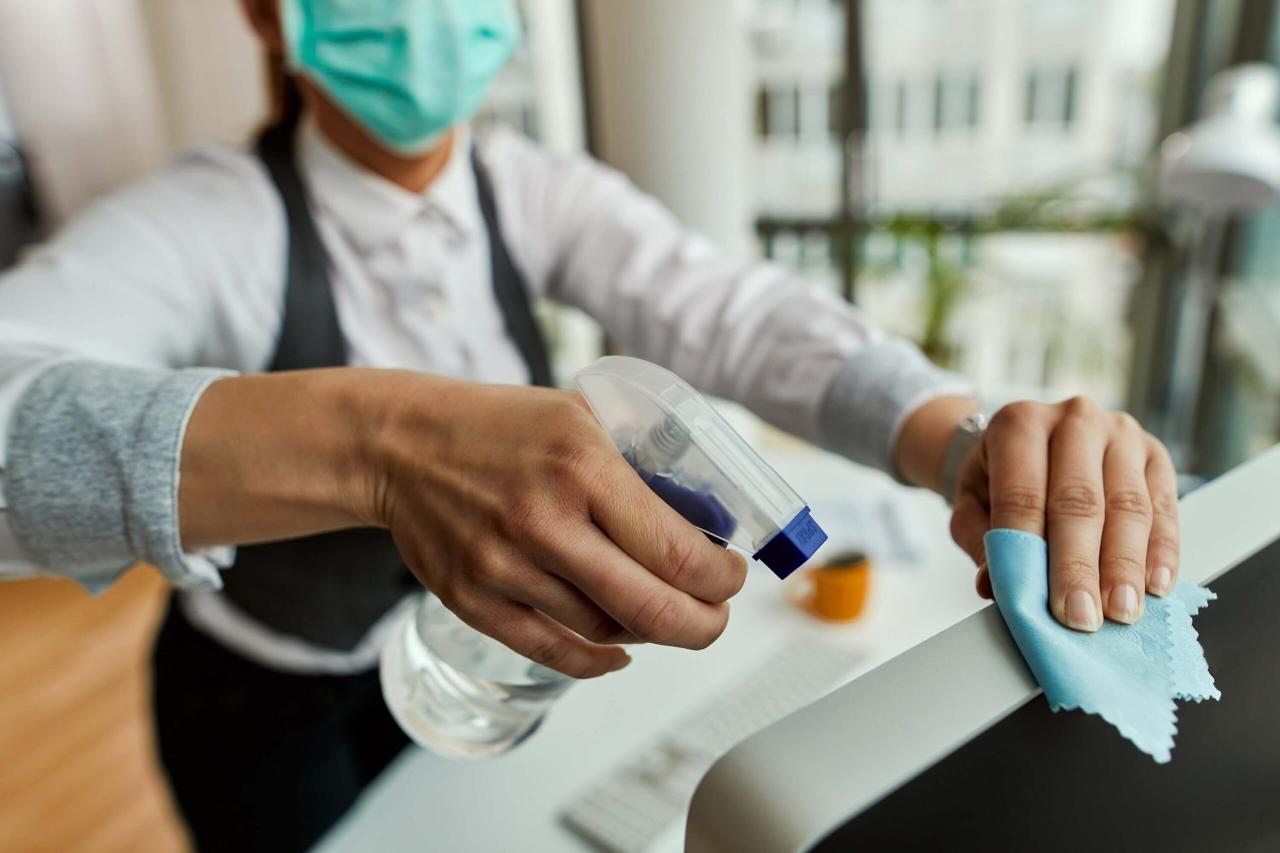
Disinfection, while crucial for maintaining animal health, is often compromised by common errors. Understanding these pitfalls and implementing preventative measures is essential for effective pathogen control. This section Artikels frequently encountered mistakes, provides solutions, and emphasizes the significance of proper staff training and equipment usage.
Incorrect Pre-Cleaning Procedures
Before applying disinfectants, thorough cleaning is paramount. Insufficient pre-cleaning is a frequent error, significantly reducing disinfectant efficacy. Organic matter, such as feces, urine, and feed residue, can inactivate disinfectants, creating a barrier that prevents them from reaching pathogens.
- Mistake: Failing to remove all organic matter before disinfection.
- Solution: Implement a robust cleaning protocol. This includes removing all visible debris, using appropriate detergents to emulsify fats and oils, and rinsing thoroughly with clean water. Consider using a pressure washer for improved cleaning, particularly in larger facilities.
- Example: In a poultry barn, a layer of dried manure can shield bacteria like Salmonella from the disinfectant. Thoroughly scraping and washing the floor before disinfection is crucial.
Improper Disinfectant Selection and Application
Choosing the wrong disinfectant or applying it incorrectly can render the entire disinfection process ineffective. Factors like the type of pathogen, the surface material, and the environmental conditions influence disinfectant selection and application methods.
- Mistake: Using a disinfectant that is not effective against the target pathogens.
- Solution: Identify the specific pathogens of concern. Consult with a veterinarian or animal health professional to select a disinfectant with proven efficacy against those pathogens. Always read and follow the manufacturer’s instructions carefully, paying close attention to dilution rates, contact times, and application methods.
- Mistake: Applying the disinfectant at an incorrect concentration or for an insufficient contact time.
- Solution: Precisely measure and dilute the disinfectant according to the manufacturer’s instructions. Ensure the disinfectant remains in contact with the surfaces for the recommended contact time, typically ranging from several minutes to an hour, depending on the product and the pathogens targeted.
- Mistake: Applying the disinfectant unevenly or to the wrong surfaces.
- Solution: Ensure the disinfectant is applied to all surfaces that come into contact with animals, including floors, walls, equipment, and feeders. Use appropriate application methods, such as spraying, mopping, or fogging, to achieve complete coverage. Avoid over-spraying or leaving puddles.
- Example: Using a quaternary ammonium compound (QAC) disinfectant on a surface heavily contaminated with organic matter, without prior cleaning, will render it ineffective against many pathogens.
Neglecting Equipment Calibration and Maintenance
Disinfection equipment, such as sprayers and foggers, requires regular calibration and maintenance to ensure accurate and consistent application. Failure to maintain this equipment can lead to uneven disinfectant distribution and reduced efficacy.
- Mistake: Using equipment that is not properly calibrated or maintained.
- Solution: Regularly calibrate all disinfection equipment according to the manufacturer’s instructions. This ensures that the disinfectant is applied at the correct rate and concentration. Implement a routine maintenance schedule that includes cleaning, inspecting, and replacing worn parts.
- Example: A sprayer with a clogged nozzle will not deliver the disinfectant evenly, resulting in areas that are inadequately disinfected.
Insufficient Staff Training and Education
Proper training is crucial for ensuring that disinfection procedures are carried out correctly and consistently. Without adequate training, staff members may misunderstand the importance of disinfection, make mistakes during the process, and compromise its effectiveness.
- Mistake: Lack of comprehensive staff training on disinfection protocols.
- Solution: Implement a comprehensive training program for all staff members involved in disinfection. The training should cover topics such as:
- The importance of disinfection and its role in animal health.
- The specific disinfection protocols for the facility, including cleaning procedures, disinfectant selection, application methods, and contact times.
- The proper use and maintenance of disinfection equipment.
- Safety precautions and the use of personal protective equipment (PPE).
- Record-keeping and documentation.
- Example: A staff member who does not understand the correct dilution rate for a disinfectant may mix it too weak, rendering it ineffective.
Ignoring Environmental Conditions
Environmental conditions, such as temperature and humidity, can impact the effectiveness of disinfectants. Failing to consider these factors can compromise the disinfection process.
- Mistake: Disinfecting in extreme temperatures or humidity levels.
- Solution: Consult the disinfectant manufacturer’s instructions for recommended temperature and humidity ranges. Some disinfectants may be less effective at low temperatures. Ensure the area is adequately ventilated to reduce humidity and promote drying.
- Example: Disinfecting a facility at freezing temperatures can reduce the efficacy of some disinfectants.
Inadequate Record Keeping
Accurate record-keeping is essential for monitoring the effectiveness of disinfection procedures and identifying areas for improvement. Without proper records, it is difficult to assess the success of the disinfection program and make necessary adjustments.
- Mistake: Failing to maintain accurate records of disinfection procedures.
- Solution: Implement a system for documenting all disinfection activities. This should include the date, time, and location of the disinfection; the disinfectant used, its concentration, and the application method; the staff members involved; and any observations or deviations from the standard protocol. Regularly review these records to identify trends and evaluate the effectiveness of the disinfection program.
- Example: Without records, it is impossible to track if a specific disinfectant consistently fails to eliminate a particular pathogen in a given area, and to address the issue.
Maintaining a Disinfected Environment
Maintaining a disinfected environment is crucial to preventing the resurgence of pathogens and ensuring the health and well-being of animals housed within. This involves implementing strategies to prevent recontamination after disinfection, along with consistent biosecurity measures and regular cleaning practices. A comprehensive approach, encompassing both immediate disinfection and ongoing maintenance, is essential for long-term success.
Preventing Recontamination After Disinfection
Recontamination can rapidly undo the benefits of thorough disinfection. Several factors contribute to recontamination, including the introduction of new animals, contaminated equipment, and improper hygiene practices. To mitigate these risks, it’s important to implement strategies that focus on maintaining a clean environment.The following are essential steps to prevent recontamination:
- Implementing a Quarantine Protocol: Newly arrived animals should be quarantined in a separate area for a specific period, typically 14-30 days, before being introduced to the general population. This allows for observation and testing to identify and address potential infections before they can spread.
- Controlling Traffic Flow: Establish designated pathways for personnel and equipment, separating clean and dirty zones. This helps to minimize the risk of cross-contamination. Restrict access to animal housing to essential personnel only.
- Providing Foot Baths and Handwashing Stations: Strategically place foot baths containing appropriate disinfectant solutions at entry points to animal housing areas. Encourage or mandate the use of handwashing stations with soap and water, or alcohol-based hand sanitizers, before entering and after leaving animal housing areas.
- Proper Storage of Feed and Bedding: Store feed and bedding materials in a dry, clean location, protected from pests and rodents. These materials can be vectors for pathogens if not properly stored.
- Regular Cleaning and Sanitation of Equipment: Regularly clean and disinfect all equipment used in animal housing, including feeders, waterers, and tools. This prevents the buildup of pathogens on surfaces that animals frequently contact.
- Implementing Pest Control Measures: Implement a comprehensive pest control program to eliminate rodents, insects, and other pests, which can carry and spread pathogens.
Effective Biosecurity Measures
Biosecurity measures are essential for preventing the introduction and spread of infectious diseases within animal housing. They encompass a range of practices designed to protect animals from pathogens. Effective biosecurity protocols include:
- Vaccination Programs: Implement appropriate vaccination programs for animals to protect them against common diseases. Vaccination helps to reduce the severity of outbreaks if they occur.
- Regular Health Monitoring: Regularly monitor animals for signs of illness, such as changes in behavior, appetite, or physical condition. Early detection is critical for containing outbreaks.
- Proper Waste Management: Implement proper waste management procedures, including the disposal of animal carcasses and contaminated materials. Waste management helps to prevent the spread of pathogens from infected animals to other animals or the environment.
- Training Personnel: Provide training to all personnel on biosecurity protocols and the importance of adhering to them. Proper training ensures that all staff members understand their roles in maintaining biosecurity.
- Visitor Management: Control and monitor visitor access to animal housing areas. Visitors should be required to follow biosecurity protocols, such as wearing appropriate protective clothing and disinfecting footwear.
Best Practices for a Clean and Healthy Animal Housing Environment
Maintaining a clean and healthy animal housing environment requires a combination of regular cleaning, disinfection, and good hygiene practices. Adhering to these best practices is vital for animal health and welfare.Here are key best practices:
- Daily Cleaning: Remove manure, soiled bedding, and spilled feed daily. This prevents the buildup of organic matter that can harbor pathogens.
- Regular Washing: Regularly wash all surfaces, including floors, walls, and equipment, with soap and water. Washing removes dirt and debris, preparing surfaces for disinfection.
- Thorough Drying: Ensure that all surfaces are thoroughly dry after cleaning and disinfection. Moisture can promote the growth of pathogens.
- Use of Appropriate Detergents and Disinfectants: Use appropriate detergents and disinfectants, following the manufacturer’s instructions. Select disinfectants that are effective against the specific pathogens of concern.
- Adequate Ventilation: Ensure adequate ventilation to remove moisture and odors, and to reduce the concentration of airborne pathogens.
- Proper Waste Disposal: Dispose of all waste materials, including bedding, manure, and soiled materials, properly. Follow local regulations for waste disposal.
- Regular Inspection and Maintenance: Regularly inspect animal housing facilities for any signs of damage or deterioration, such as cracks in walls or floors. Repair any damage promptly to prevent the buildup of pathogens.
- Record Keeping: Maintain detailed records of cleaning, disinfection, and health monitoring activities. Record keeping helps to track trends and identify potential problems.
Frequency of Disinfection in Different Animal Housing Settings
The frequency of disinfection varies depending on the type of animal housing, the species housed, and the level of biosecurity required. Certain settings require more frequent disinfection than others.The following examples illustrate how the frequency of disinfection varies:
- Commercial Poultry Farms: In commercial poultry farms, disinfection is typically performed after each flock is removed, which can be every 6-8 weeks. This ensures that the facilities are clean and free of pathogens before the next flock arrives.
- Swine Farms: Swine farms may disinfect on a continuous basis, with regular disinfection of high-traffic areas and equipment, and thorough disinfection of the entire facility between batches of pigs. This rigorous approach helps control the spread of diseases like African Swine Fever.
- Veterinary Clinics and Animal Shelters: Veterinary clinics and animal shelters often disinfect daily, especially in areas where animals are housed or treated. This helps to prevent the spread of infectious diseases between animals.
- Research Facilities: Research facilities often have stringent disinfection protocols, with frequent disinfection of animal housing areas and equipment. This is crucial to maintain the integrity of research studies and to protect the health of animals.
- Zoos and Wildlife Sanctuaries: Zoos and wildlife sanctuaries implement regular disinfection programs, which can vary based on the species housed and the potential for disease transmission. These facilities often use a combination of cleaning, disinfection, and biosecurity measures to maintain a healthy environment.
Conclusive Thoughts
In conclusion, mastering the art of disinfecting animal housing is a multifaceted endeavor that requires diligent planning, meticulous execution, and a commitment to ongoing monitoring. By understanding the principles Artikeld in this guide, you can significantly improve animal health, enhance productivity, and contribute to a more sustainable and responsible approach to animal care. Implementing these strategies will not only safeguard animal well-being but also protect the livelihoods of those who care for them.