Expanding a small farm presents an exciting opportunity to increase productivity, diversify offerings, and enhance profitability. This process requires careful planning, strategic resource management, and a commitment to sustainable practices. By assessing current capacities and exploring new land, infrastructure, and diversification options, farmers can effectively scale their operations while maintaining environmental health and market relevance.
This guide offers practical steps on evaluating existing assets, setting realistic expansion goals, improving land quality, acquiring additional resources, and implementing innovative farming techniques. It aims to equip small farm owners with the knowledge needed to grow confidently and sustainably in a competitive agricultural landscape.
Assessing the Current State of a Small Farm
Understanding the existing condition of a farm is a critical foundational step before planning any expansion. This assessment provides valuable insights into the farm’s strengths, limitations, resources, and areas requiring improvement. A comprehensive evaluation enables farm owners to make informed decisions, optimize resource utilization, and set realistic goals for sustainable growth.
Conducting a thorough assessment involves systematically examining land quality, available infrastructure, livestock, crops, and equipment. It also entails documenting current practices and productivity levels. This process not only identifies opportunities for expansion but also highlights challenges that need addressing to ensure the farm’s long-term viability and profitability.
Evaluating Land, Resources, and Infrastructure
Effective assessment of the farm’s physical assets and infrastructure forms the backbone of strategic planning. It involves analyzing soil health, water availability, fencing, storage facilities, and other structural elements crucial for daily operations and future expansion.
- Soil Quality: Conduct soil tests to determine nutrient levels, pH balance, drainage capacity, and organic matter content. This evaluation guides decisions about crop selection and necessary soil amendments.
- Water Resources: Assess water sources such as wells, ponds, or irrigation systems. Ensure adequate water supply for crops and livestock, and evaluate water quality for contamination risks.
- Infrastructure Inspection: Examine existing farm structures including barns, sheds, fencing, irrigation systems, and roads. Identify any repairs or upgrades needed to support increased activity or new infrastructure development.
Documenting these elements allows for a clear understanding of the current capacity and helps in planning necessary investments for expansion.
Inventorying Crops, Livestock, and Equipment
Creating an accurate inventory of all farm assets is essential for identifying current productivity levels and resource allocation. It provides a snapshot of the farm’s operational scope and potential capacity for growth.
To achieve a comprehensive inventory, consider the following steps:
- Crop Inventory: List all cultivated crops, including varieties, acreage, planting dates, and yields. Record crop rotation schedules and identify any gaps or underutilized land areas.
- Livestock Inventory: Document animal species, breeds, headcount, age groups, health status, and reproductive data. This helps in assessing breed performance and identifying needs for expanding livestock operations.
- Equipment and Machinery: Catalogue all tools, machinery, and implements, noting their condition, maintenance schedules, and replacement needs. This inventory informs budgeting for new equipment or upgrades necessary for expansion efforts.
Organizing a Step-by-Step Assessment Process
Establishing a systematic approach ensures that all critical areas are thoroughly evaluated and documented. Here is a structured process to follow:
- Initial Walkthrough: Conduct a visual inspection of the entire farm to observe land conditions, infrastructure state, and resource distribution.
- Soil and Water Testing: Collect soil and water samples for laboratory analysis, focusing on areas identified during the walkthrough as needing attention.
- Documentation: Record findings meticulously, including photographs, measurements, and detailed notes on each section of the farm.
- Asset Inventory: Create detailed lists of crops, livestock, and equipment, updating records regularly for accuracy.
- Identify Strengths and Weaknesses: Analyze collected data to highlight productive areas, resource constraints, infrastructure gaps, and potential for diversification or intensification.
- Develop Improvement Plan: Based on the assessment, formulate targeted strategies to address weaknesses, optimize strengths, and plan for scalable expansion.
This methodical approach ensures a comprehensive understanding of the farm’s current condition, laying a solid foundation for successful expansion initiatives.
Planning for Farm Expansion
Effective planning is essential for successfully expanding a small farm. It involves setting achievable goals that align with available resources and current market demand. A well-structured expansion plan ensures sustainable growth, minimizes risks, and maximizes the farm’s productivity and profitability over time. Developing clear strategies and frameworks enables farm owners to navigate challenges and seize new opportunities with confidence.
Careful planning begins with understanding the farm’s existing capacities, financial constraints, and market trends. It involves establishing realistic, measurable objectives that can be progressively achieved. Additionally, designing a comprehensive layout that optimizes land use and resource allocation plays a crucial role in fostering steady growth. Prioritizing activities based on their potential returns and sustainability helps in maintaining a balanced and resilient farm operation.
Strategies for Setting Realistic Expansion Goals
Establishing practical expansion goals requires a thorough assessment of current resources such as land, labor, equipment, and capital. Farm owners should analyze their financial capacity to support new investments and identify potential revenue streams. It is beneficial to conduct market research to understand demand fluctuations and consumer preferences, ensuring that expansion efforts align with market needs.
Implementing incremental growth strategies allows for manageable expansion, reducing financial strain and operational disruptions. Setting specific, measurable, achievable, relevant, and time-bound (SMART) goals helps in tracking progress and adjusting plans as needed. For example, aiming to increase crop production by 20% within two years, based on available irrigation infrastructure and labor, provides clear direction and benchmarks for success.
Designing Farm Layouts and Zones
Creating an efficient farm layout involves dividing the land into distinct zones focused on specific activities such as cropping, livestock, storage, and processing. A well-designed layout enhances workflow, reduces resource wastage, and improves overall farm management. The following framework offers a structured approach to planning new zones based on area type, size, purpose, and resources needed:
| Area Type | Size | Purpose | Resources Needed |
|---|---|---|---|
| Cropland | 10 acres | Growing vegetables and grains | Soil preparation tools, seeds, irrigation systems, fertilizers |
| Livestock Area | 2 acres | Housing and grazing for cattle or poultry | Fencing, shelter structures, feed storage, water supply |
| Processing Zone | 0.5 acres | Post-harvest processing and packaging | Processing machines, packaging materials, cold storage |
| Storage and Equipment | 1 acre | Storage for tools, machinery, and harvested produce | Sheds, shelving, security systems |
This framework can be customized based on the specific needs, scale, and future growth plans of the farm, ensuring a balanced and well-organized expansion process.
Prioritizing Expansion Activities for Sustainable Growth
Prioritization involves evaluating potential expansion activities through their expected impact, resource requirements, and alignment with long-term sustainability goals. Techniques such as cost-benefit analysis, risk assessment, and feasibility studies assist in identifying high-priority projects that offer the most significant benefits with manageable risks.
For example, investing in irrigation infrastructure may have a higher immediate impact on crop yields than expanding livestock without adequate water supply. Similarly, upgrading storage facilities can reduce post-harvest losses, directly improving profitability. A phased approach, focusing on high-impact activities first, allows farm owners to build a solid foundation for future growth while maintaining operational stability.
It is also advantageous to establish performance metrics and review points to continually assess progress. Engaging with agricultural extension services and market experts can provide valuable insights into the most promising activities, ensuring that expansion efforts are both responsible and aligned with sustainable practices.
Enhancing Soil Fertility and Land Management
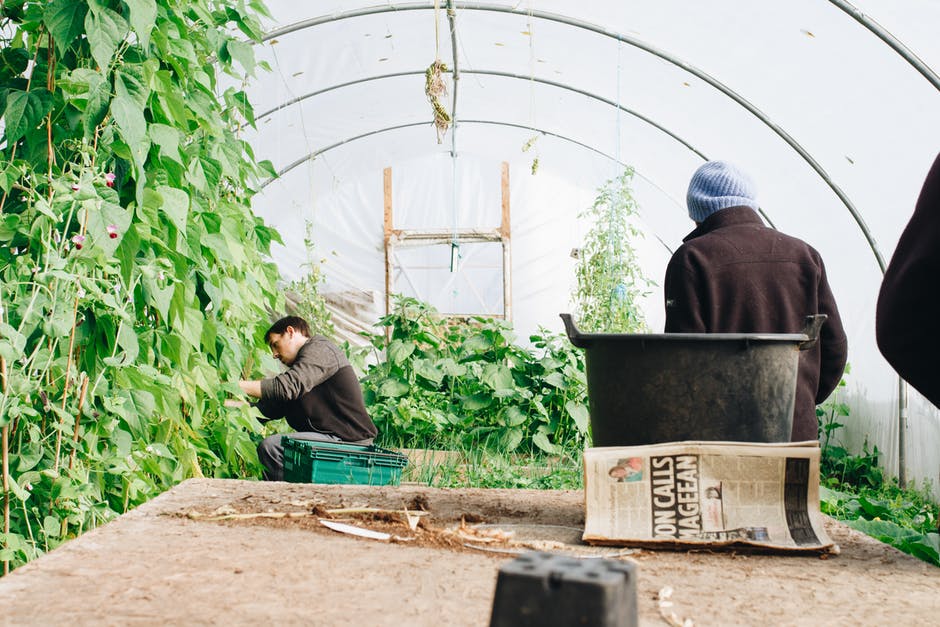
Optimizing soil health and managing land sustainably are fundamental components of expanding a small farm successfully. Proper soil fertility practices ensure robust crop growth, improved yields, and long-term land productivity. Integrating soil testing, amendments, crop rotation, cover cropping, and erosion control methods helps maintain healthy soil ecosystems while promoting environmentally responsible farming practices.
Implementing these approaches requires a systematic understanding of soil conditions and active land stewardship. The combination of scientific assessment and practical land management strategies allows small farmers to enhance soil vitality, prevent degradation, and ensure land sustainability for future agricultural endeavors.
Soil Testing, Amendments, and Sustainable Land Use
Accurate soil testing forms the foundation of informed land management, providing essential data on nutrient levels, pH balance, organic matter content, and soil texture. Regular testing, ideally conducted at least once every two years, enables farmers to identify deficiencies and excesses that could impact crop health.
Based on soil test results, appropriate amendments such as organic compost, manure, lime, or mineral fertilizers can be applied to correct imbalances. Emphasizing organic amendments enhances soil structure, nutrient retention, and microbial activity, ultimately improving land productivity while supporting ecological balance.
Adopting sustainable land use practices involves minimizing soil disturbance, avoiding overuse of chemical inputs, and integrating organic matter inputs. Maintaining ground cover, practicing minimal tillage, and preserving natural vegetation buffers around the farm reduce soil compaction and promote biodiversity.
Crop Rotation, Cover Cropping, and Composting
Implementing crop rotation and cover cropping is essential for breaking pest and disease cycles, improving soil structure, and enhancing nutrient cycling. Rotating crops such as legumes with nitrogen-fixing abilities with grains or vegetables ensures a balanced nutrient profile and reduces dependency on synthetic fertilizers.
Cover crops, including clover, vetch, and grasses, are planted during off-season periods to cover the soil surface. They prevent erosion, suppress weeds, and contribute organic matter when incorporated into the soil. Cover cropping also fosters beneficial soil microorganisms and supports overall soil diversity.
Composting organic waste transforms farm residues, crop leftovers, and manure into valuable humus, enriching soil organic matter. Proper composting involves maintaining appropriate moisture, aeration, and temperature to ensure pathogen destruction and nutrient stabilization. Mature compost improves soil fertility, moisture retention, and microbial health.
Methods for Soil Conservation and Improving Land Health
Reducing soil erosion and maintaining land health over time require implementing targeted conservation practices. These techniques preserve topsoil – the most fertile layer – and prevent land degradation, especially on slopes or wind-prone areas.
Contour plowing follows the natural land contours, slowing runoff and reducing erosion. Terracing creates level planting areas on steep slopes, significantly decreasing soil loss and increasing water retention.
Establishing vegetation cover such as grass strips, hedgerows, or riparian buffers stabilizes soil, filters runoff, and enhances biodiversity. Mulching around crops conserves soil moisture, suppresses weeds, and prevents surface erosion.
Effective land management combines scientific soil assessment with practical erosion control and sustainable practices, ensuring the land remains productive for generations to come.
Acquiring Additional Land and Resources
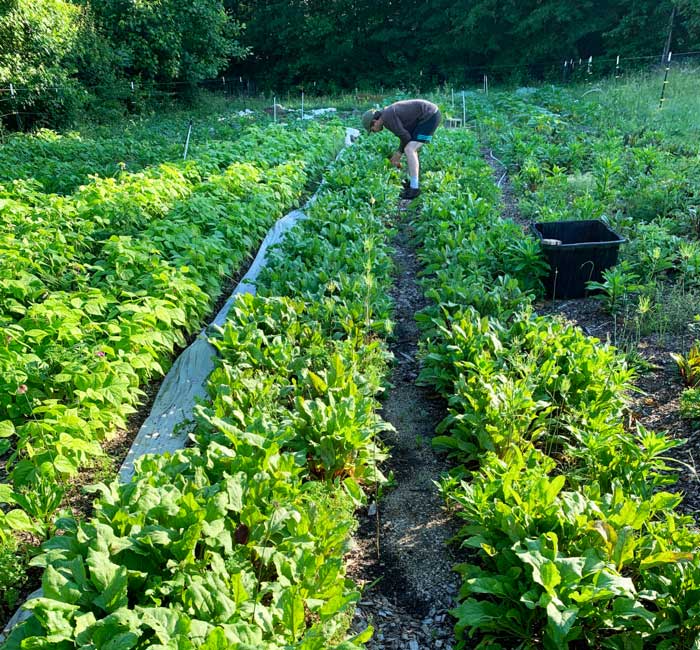
Expanding a small farm requires strategic acquisition of additional land and resources to support increased production and operational efficiency. This process involves thorough research, effective negotiations, and securing funding or support systems that facilitate growth while remaining sustainable and legally compliant.Acquiring suitable land and resources is fundamental to scaling farm operations successfully. It involves understanding various options available, assessing legal and financial implications, and leveraging community and governmental aid to optimize expansion efforts.
Researching Land Purchase Options and Leasing Opportunities
An essential step in farm expansion is identifying and evaluating land acquisition opportunities that align with your farm’s objectives and budget. This includes exploring different avenues such as purchasing land outright, leasing, or sharing arrangements.To effectively research your options:
- Review local land listings through agricultural real estate agents, online platforms, and government databases specializing in rural property sales.
- Attend land auctions and open house events to gain firsthand insights into available properties and market trends.
- Network with local farmers, cooperatives, and agricultural organizations to gather insider information and potential leads on land availability.
- Assess land suitability by considering factors such as soil quality, water access, proximity to markets, and zoning regulations.
Leasing options can offer flexibility and lower upfront costs, making them suitable for initial expansion phases. When exploring leasing, consider terms such as lease duration, renewal conditions, land use restrictions, and maintenance responsibilities.
Negotiating Land Deals and Assessing Legal Considerations
Negotiation skills are crucial for securing favorable land deals that align with your farm’s financial and operational goals. Understanding legal considerations ensures that agreements are clear, binding, and protect your interests.When negotiating:
- Determine the fair market value of the land by researching recent sales and appraisals in the area.
- Prepare a clear proposal outlining your intended use, lease or purchase terms, and any necessary modifications or improvements.
- Engage with experienced real estate agents or legal professionals specializing in agricultural properties to facilitate negotiations and ensure compliance.
- Be attentive to contingencies, such as environmental assessments, easements, or zoning restrictions, which could impact land use.
Legal assessments should include:
“Review title deeds to confirm ownership and identify any liens or encumbrances,” and ensure that all land use complies with local zoning and environmental regulations.
It is advisable to involve a qualified attorney who can review contracts, clarify legal obligations, and assist in drafting agreements that safeguard your farm’s interests.
Resource Acquisition Including Funding, Grants, and Community Support
Securing adequate resources forms the backbone of successful farm expansion. This encompasses financial funding, grants, and community partnerships that can provide vital support and reduce the financial burden.Funding options include:
- Bank loans and agricultural credit facilities, which offer competitive interest rates for farm expansion projects.
- Government grants and subsidies targeted at rural development, sustainable farming, and land conservation initiatives.
- Private investors or cooperative funding models that pool resources from multiple stakeholders interested in agricultural development.
Community support can also play a significant role:
- Local agricultural cooperatives often provide access to shared resources, equipment, and collective bargaining advantages.
- Partnerships with local government agencies may offer technical assistance, training programs, or infrastructure support.
- Engaging with nonprofit organizations focused on rural development can open access to grants, educational resources, and advocacy networks.
Building a comprehensive resource acquisition plan involves researching available funding sources, understanding eligibility criteria, and maintaining transparent communication with potential supporters to ensure sustained and effective resource flow for your farm’s expansion.
Diversification of Crops and Livestock
Implementing a diverse range of crops and livestock on a small farm can significantly enhance income stability, improve resource utilization, and reduce risks associated with market fluctuations or crop/livestock diseases. Strategic diversification allows farmers to optimize land use, extend harvest and production periods, and create synergistic relationships between different farm components.
Careful selection of compatible crops and animals is essential to establish a balanced, sustainable, and profitable system. This approach involves understanding the specific needs, growth cycles, and resource requirements of potential crops and livestock, ensuring they complement each other without causing resource conflicts.
Selection of Compatible Crops and Livestock for Diversification
Choosing suitable crops and animals involves assessing climate conditions, soil type, available resources, and market demand. Compatibility also includes considering the ecological and management interactions between different components of the farm system. For instance, integrating livestock can provide manure for crops, while certain crops can serve as feed or fodder for animals, creating a mutually beneficial cycle.
Farmers should prioritize selecting crops and livestock that have similar or complementary habitat requirements, harvest or production schedules, and management practices. It is also prudent to consider the market trends for various products, ensuring that diversification aligns with current consumer demands and price stability.
Examples of Integrated Farm Systems
To illustrate effective diversification strategies, the following table presents common crop-livestock pairings, their benefits, and implementation steps:
| Crop-Livestock Pairing | Benefits | Implementation Steps |
|---|---|---|
| Maize and Poultry | – Provides poultry with a source of grains – Poultry manure enriches soil for maize |
– Grow maize as staple crop – Establish a poultry unit nearby – Use maize residues as poultry feed – Collect and apply poultry manure to fields |
| Soybeans and Cattle | – Soybeans fix nitrogen, improving soil fertility – Cattle provide manure and draft power |
– Plant soybeans in rotations or intercropping – Maintain a cattle herd for manure and draught – Use soy and cattle manure to enhance soil health |
| Root Crops and Sheep | – Root crops offer feed for sheep – Sheep manure boosts soil nutrients |
– Cultivate sweet potatoes or carrots – Raise sheep for meat, wool, and manure – Grazing sheep on crop residues reduces weeds and fertilizes soil |
Beyond the table, integrating crops and livestock can also involve agroforestry systems, aquaculture combined with crop cultivation, or beekeeping alongside flowering crops. These systems can optimize land use, promote biodiversity, and stabilize farm income.
Trialing New Crops and Livestock Breeds
Introducing new crops and livestock breeds on a small scale allows farmers to assess their adaptability, market acceptance, and management requirements before full-scale adoption. Small-scale trials minimize risks and provide valuable insights into the performance and suitability of new varieties under local conditions.
Start by selecting promising new crops or breeds based on research, extension advice, or market trends. Allocate a manageable portion of the land or resources for initial testing, and carefully monitor growth rates, yields, health, and market response. Documentation of outcomes helps in making informed decisions about scaling up.
“Begin with small plots or a limited number of animals—observe, record, and analyze the results before expanding.”
Additionally, seeking feedback from local markets, extension agents, and fellow farmers can provide practical insights. Successful small-scale trials often lead to innovations in farm management, increased diversification, and improved farm resilience over time.
Investing in Infrastructure and Equipment
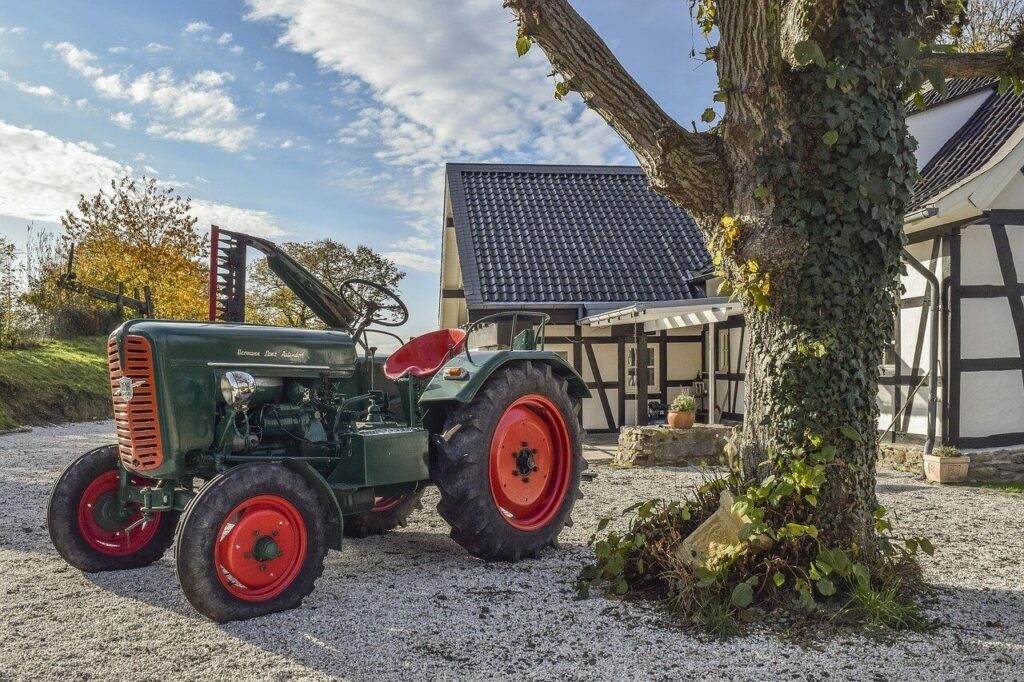
Expanding a small farm requires strategic investments in infrastructure and equipment to support increased productivity, efficiency, and sustainability. Upgrading existing structures and adding new facilities are fundamental steps in creating a resilient and capable farming operation that can accommodate growth and diversification.
Thoughtful planning and investment in the right infrastructure and equipment will optimize land use, improve resource management, and facilitate innovative farming practices. These enhancements not only boost operational capacity but also contribute to long-term farm viability and profitability.
Upgrading Existing Structures and Adding New Facilities
To effectively expand farm operations, it is essential to evaluate current infrastructure and identify areas where upgrades or new installations can improve functionality. Focus on facilities that enhance crop production, livestock management, and resource efficiency.
- Greenhouses: Installing or upgrading greenhouses allows for controlled environment agriculture, extending growing seasons and diversifying crop varieties. Modern structures should include proper ventilation, shading, and automated climate control systems to optimize plant growth.
- Irrigation Systems: Upgrading to modern, efficient irrigation methods such as drip or sprinkler systems reduces water waste and ensures consistent moisture supply. Incorporating smart sensors and timers can further improve precision and resource management.
- Storage Units: Constructing climate-controlled storage facilities enables safe preservation of harvested crops and stored equipment. Using insulated walls, ventilation, and humidity control helps maintain product quality and reduce spoilage.
Procedures for Selecting Appropriate Equipment for Larger Scale Operations
Choosing the right equipment is critical for scaling farm operations efficiently and sustainably. Proper selection involves assessing the specific needs of the farm, its crop and livestock profiles, and future expansion plans.
- Conduct Needs Assessment: Determine the types of equipment required based on the scale of production, crop or livestock types, and operational goals. For example, larger harvesters, automated feeders, or milking machines may be necessary.
- Research Equipment Specifications: Review technical details such as capacity, energy consumption, durability, and ease of maintenance. Select machinery that offers a balance of performance and cost-effectiveness.
- Evaluate Vendor Reliability: Partner with reputable suppliers that provide quality equipment, comprehensive warranties, and prompt after-sales service. Consider vendor support and training options to ensure proper utilization.
- Plan for Compatibility and Integration: Ensure new equipment seamlessly integrates with existing systems and infrastructure. Compatibility minimizes operational disruptions and facilitates future upgrades.
Planning Tips for Efficient Farm Layout and Resource Management
Optimizing farm layout and resource allocation is essential for accommodating expansion while maintaining productivity and sustainability. Strategic planning enhances workflow, minimizes waste, and maximizes land and resource use.
- Design for Accessibility: Arrange facilities to allow easy access for machinery, workers, and transportation. Clear pathways and logical zoning reduce transit time and improve operational efficiency.
- Allocate Space Strategically: Dedicate specific zones for crop production, livestock housing, storage, and processing. Proper zoning minimizes cross-contamination and streamlines management practices.
- Incorporate Water and Energy Conservation: Design systems that optimize resource use, such as gravity-fed irrigation, solar-powered equipment, and energy-efficient lighting, to reduce operational costs and environmental impact.
- Plan for Future Expansion: Leave room for constructing additional facilities or upgrading existing ones. Flexibility in layout allows the farm to adapt to changing needs and technologies over time.
“A well-planned infrastructure and equipment setup forms the backbone of successful farm expansion, enabling sustained growth and operational excellence.”
Implementing Sustainable Farming Practices
Adopting sustainable farming practices is essential for the long-term viability and health of a growing farm. These strategies help conserve vital natural resources, reduce environmental impact, and foster biodiversity, ensuring that expansion efforts contribute positively to the ecosystem.
Integrating sustainability into your farm expansion plan involves a deliberate approach to resource management, chemical use, and biodiversity promotion. By implementing effective techniques, small farms can enhance productivity while maintaining ecological balance and resilience against climate challenges.
Water Conservation Techniques
Water is a critical resource in farming, and efficient use is fundamental for sustainable expansion. Techniques aimed at conserving water not only reduce costs but also mitigate the risk of depletion during dry seasons. Implementing methods such as drip irrigation, rainwater harvesting, and turning to soil moisture monitoring devices ensures water is used judiciously. These practices help maintain soil moisture levels while minimizing runoff and evaporation, which are common causes of water wastage.
Incorporating water-saving infrastructure, such as mulching and contour farming, further enhances water retention in the soil. Additionally, planning crop layouts to maximize water efficiency and implementing watering schedules aligned with crop needs are practical steps that promote conservation.
Reducing Chemical Use and Promoting Biodiversity
Over-reliance on chemical inputs such as synthetic fertilizers and pesticides can harm soil health, pollute water sources, and reduce biodiversity. Transitioning towards integrated pest management (IPM), organic fertilizers, and biological pest control methods helps reduce chemical dependency. These techniques support healthier ecosystems and promote beneficial insects, soil microbes, and native flora.
Encouraging biodiversity involves planting cover crops, creating wildlife habitats, and maintaining hedgerows or buffer zones. These practices attract pollinators and natural pest predators, which contribute to pest regulation and crop productivity. Emphasizing crop diversity and rotational planting further enhances soil resilience and reduces the likelihood of pest and disease outbreaks.
Integrating Organic Farming Methods
Organic farming aligns closely with sustainability goals by emphasizing natural processes and input-free practices. Transitioning to organic methods involves adopting composting, crop rotation, and reduced tillage to improve soil health and fertility naturally. These practices also help in building a resilient farm ecosystem that can adapt to environmental stresses.
Incorporating organic certification standards into your expansion plans can open new markets and increase consumer trust. Establishing organic pest and weed management protocols ensures compliance while maintaining crop yields and quality. The shift to organic practices requires thorough planning but offers long-term benefits for soil vitality and farm sustainability.
Monitoring and Improving Environmental Impact
Continuous assessment of environmental impact is vital to ensure sustainable practices are effective and to identify areas for improvement. Implementing regular soil testing, water quality analysis, and biodiversity surveys provides quantitative data to guide decision-making. Technologies such as remote sensing and Geographic Information Systems (GIS) can offer detailed insights into land health and resource usage.
Farmers should establish environmental performance benchmarks and review them periodically. Adjustments to management strategies, such as diversifying crops, modifying irrigation schedules, or integrating new organic methods, can then be made to enhance sustainability. Transparency and documentation of these efforts support certification processes and demonstrate commitment to environmental stewardship.
Marketing and Selling Expanded Production
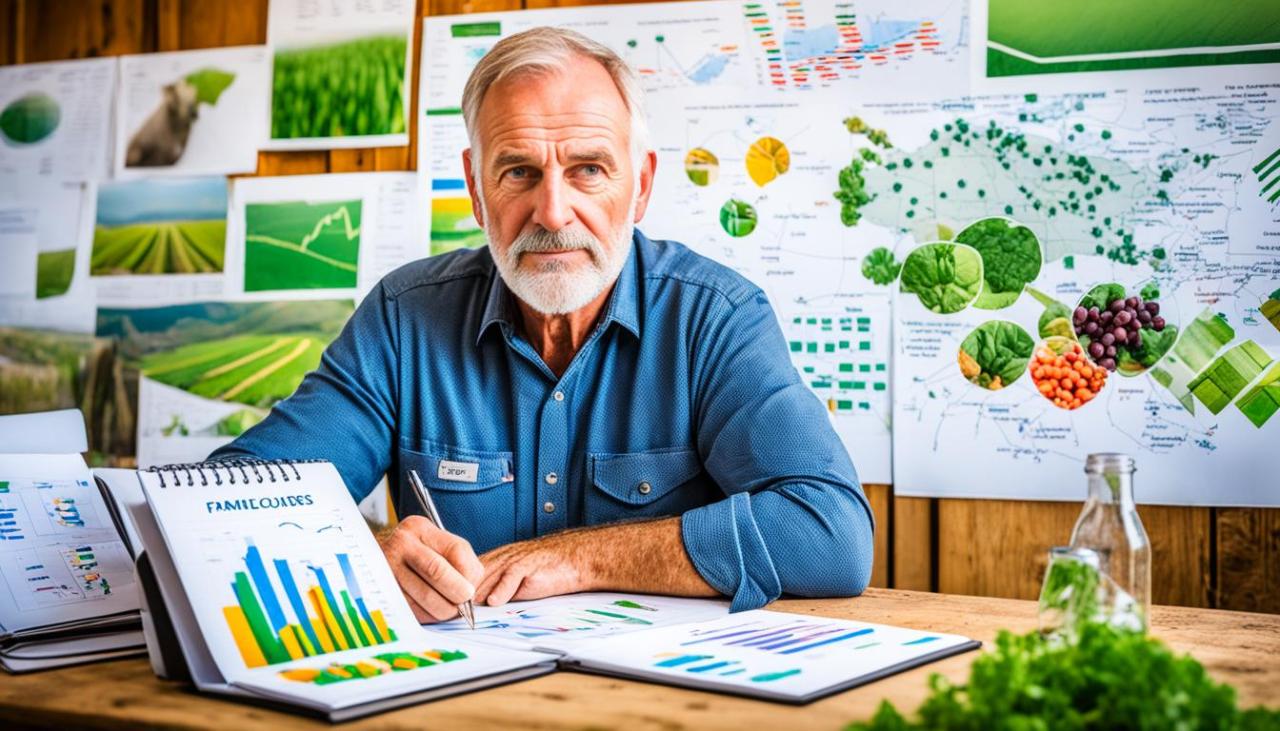
Effectively marketing and selling the increased output from a growing farm is crucial for ensuring profitability and sustainability. Developing a strong brand, exploring diverse sales channels, and engaging directly with consumers can significantly enhance market reach and consumer loyalty. Implementing targeted marketing strategies not only maximizes revenue but also builds a reputable presence within local and broader markets.
Farmers expanding their operations should focus on creating compelling brand identities, establishing reliable sales channels, and leveraging digital platforms to connect with customers. These steps will enable a small farm to thrive amidst competitive markets, foster customer trust, and secure consistent sales of its expanded produce.
Strategies for Developing a Brand and Reaching New Markets
Building a recognizable and trustworthy brand is essential for attracting and retaining customers. A well-defined brand communicates the farm’s values, quality standards, and unique story, differentiating it from competitors. Consistent visual identity, such as logos, packaging, and farm signage, reinforces brand recognition.
Reaching new markets involves comprehensive research to identify target customer segments, including local consumers, restaurants, grocery stores, and specialty food shops. Participating in community events, farm tours, and agricultural fairs increases visibility. Collaborating with local chefs and retailers enhances credibility and expands distribution points. Digital marketing, including social media platforms and email newsletters, can broaden the farm’s reach, allowing direct communication with potential customers and building an engaged community around the farm’s brand.
Creating Product Catalogs and Price Lists
Clear and professional product catalogs and price lists serve as essential tools for informing customers about available products, pricing, and availability. These documents should be easy to read, visually appealing, and accurately reflect the farm’s offerings, helping to establish transparency and trust.
Use structured formatting to ensure consistency and clarity in presenting product information.
| Product | Description | Price | Availability |
|---|---|---|---|
| Fresh Tomatoes | Vine-ripened organic heirloom tomatoes, ideal for salads and cooking | $3.50 per pound | Available from June to September |
| Free-range Eggs | Eggs from hens fed organic feed, rich in flavor and nutrients | $4.00 per dozen | Available year-round |
| Honey | Raw, unfiltered honey harvested from farm hives | $8.00 per pint | Available from late summer to early fall |
Farmers can customize catalogs for print or digital use, updating product details regularly to reflect seasonal changes and inventory levels. Including high-quality images and brief descriptions enhances attractiveness and informs buyers effectively.
Establishing Direct-to-Consumer Sales Channels
Direct-to-consumer (DTC) sales are vital for maximizing profit margins, gaining customer loyalty, and receiving immediate feedback. Farmers can leverage multiple channels to reach consumers directly, creating a personal connection and promoting farm products effectively.
Farmers markets offer a traditional yet highly effective venue for showcasing fresh produce and farm products. Setting up an attractive booth with clear signage, sampling options, and engaging staff encourages customer interaction and sales. Regular participation builds brand recognition within the community and fosters loyal customer relationships.
Online platforms expand the farm’s reach beyond local markets. Developing a user-friendly website with an integrated e-commerce system allows customers to place orders in advance for pickup or delivery. Utilizing social media accounts on platforms like Facebook, Instagram, and Twitter can promote products, share farm updates, and run targeted advertising campaigns. Subscription boxes or farm share programs offer recurring revenue opportunities and deepen customer engagement.
Implementing these strategies requires consistent effort, quality assurance, and excellent customer service. Over time, a well-established marketing and sales approach will contribute significantly to the farm’s sustained growth and profitability.
Training and Workforce Development
As a small farm expands its operations, investing in comprehensive training and developing a skilled workforce become crucial components for sustainable growth. Ensuring that farm workers are equipped with the necessary skills and knowledge enhances productivity, safety, and overall farm management efficiency. A well-trained team also fosters innovation and adaptability, which are vital in the evolving landscape of agriculture.
Implementing targeted training programs and establishing ongoing education initiatives will help both new and existing staff to meet the demands of expanded farm activities. Developing a strategic approach to recruiting, managing, and continuously enhancing the skills of the workforce ensures that the farm can operate smoothly and profitably as it grows.
Training Programs for New Skills Required During Expansion
Expansion introduces new technologies, crops, and livestock management practices that necessitate specialized skills. Training programs should focus on areas such as advanced machinery operation, integrated pest management, sustainable farming techniques, and data-driven farm management systems.
Effective training can be delivered through various methods, including hands-on workshops, online courses, and collaboration with agricultural extension services. For example, a farm adopting precision agriculture technology might organize workshops with equipment manufacturers or agronomists to ensure staff proficiency in using GPS-guided tractors or drone mapping tools. This targeted skill development minimizes operational errors and maximizes resource efficiency.
Methods for Recruiting and Managing Additional Farm Workers
Expanding farm operations requires a strategic approach to recruiting reliable and skilled workers. Utilizing local job boards, agricultural staffing agencies, and community networks can help attract qualified candidates. Additionally, establishing partnerships with vocational schools and agricultural colleges can create a pipeline of trained individuals eager to gain practical experience.
Management practices should emphasize clear communication, fair labor policies, and safety protocols. Implementing a structured onboarding process ensures new employees understand farm standards, safety regulations, and operational procedures from the outset. Regular performance evaluations and feedback sessions foster a motivated and cohesive team, which is essential for managing increased workforce numbers effectively.
Creating a Schedule for Ongoing Education and Skill Enhancement
Continuous education is vital to keep the workforce updated with the latest agricultural practices and technologies. Developing a structured training schedule helps prioritize skill development and ensures consistent knowledge upgrades across the team.
This schedule can include monthly workshops, seasonal training sessions, and participation in industry conferences. For instance, as new pest management techniques emerge, a farm might organize quarterly refresher courses to keep staff informed. Encouraging a culture of learning not only improves individual performance but also promotes innovative problem-solving and operational resilience in the face of changing agricultural conditions.
Wrap-Up
In conclusion, successfully expanding a small farm involves a comprehensive approach that balances resource assessment, land management, diversification, infrastructure development, and market strategies. Embracing sustainable practices throughout this journey not only ensures environmental well-being but also fosters long-term farm resilience. With thoughtful planning and dedication, small farmers can transform their operations into thriving, sustainable enterprises that serve both their community and the environment.