Embarking on the journey of exporting animal products legally can seem complex, but with the right knowledge, it becomes a manageable and rewarding endeavor. This guide provides a thorough overview of the essential aspects, from navigating international regulations and obtaining necessary permits to understanding country-specific requirements and managing the financial aspects of the process. We will delve into the critical steps needed to ensure your exports meet all legal and safety standards, allowing you to confidently enter the global market.
This detailed exploration covers a wide range of topics, including compliance with international trade agreements, the significance of sanitary and phytosanitary (SPS) measures, and the intricacies of packaging, labeling, and transportation. You’ll also discover valuable insights into customs procedures, financial considerations, and the legal liabilities associated with exporting. Whether you’re a seasoned exporter or just starting, this guide offers the information and tools necessary to succeed in the competitive world of international animal product trade.
Regulations and Permits for Exporting Animal Products
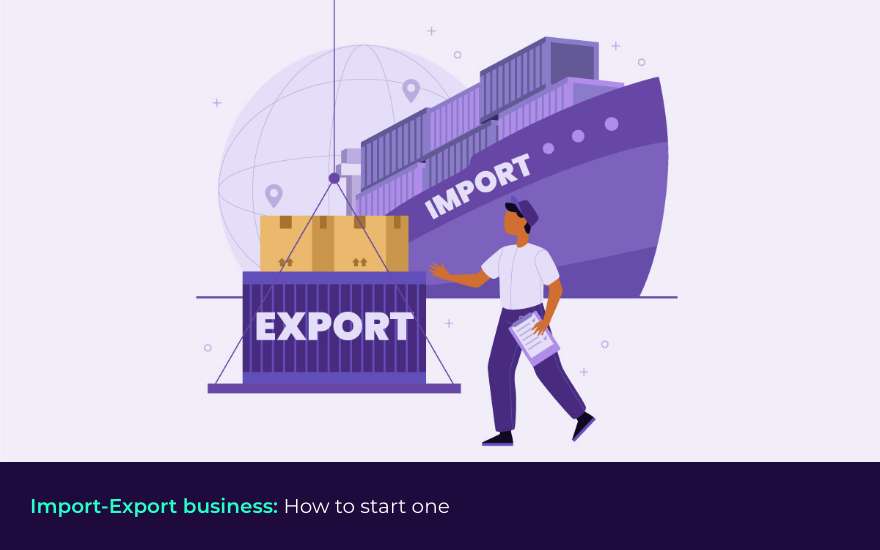
Exporting animal products involves navigating a complex web of international and national regulations. Compliance is crucial to ensure legal trade, protect animal health, and safeguard public safety. Understanding the specific requirements for each product and destination country is essential for a successful export operation.
Primary International Organizations
Several international organizations play pivotal roles in regulating the export of animal products. These organizations set standards, provide guidelines, and facilitate international cooperation to ensure safe and ethical trade.
- World Organisation for Animal Health (WOAH, formerly OIE): WOAH establishes international standards for animal health and welfare, including those related to trade in animals and animal products. It develops and promotes sanitary measures to prevent the spread of animal diseases. The organization provides a framework for countries to cooperate in controlling animal diseases and ensuring the safety of animal products.
- Food and Agriculture Organization of the United Nations (FAO): The FAO works to improve food security and nutrition globally. It provides technical assistance to countries on animal production, health, and trade, and it also contributes to the development of international standards and guidelines for food safety.
- World Trade Organization (WTO): The WTO facilitates international trade and ensures that trade regulations are transparent and non-discriminatory. It provides a framework for resolving trade disputes, including those related to sanitary and phytosanitary measures (SPS) that affect the trade in animal products.
Types of Permits Required for Exporting Animal Products
The specific permits required for exporting animal products vary depending on the type of product, the destination country, and the regulations in place. It is essential to identify the correct permits needed before beginning the export process.
- Export Licenses: These are general permits required by the exporting country to authorize the export of specific goods. They typically verify that the exporter meets all legal requirements and is authorized to conduct international trade.
- Health Certificates: These certificates, issued by the veterinary authorities of the exporting country, certify that the animal products meet the health requirements of the importing country. They confirm that the products are free from specific diseases and are safe for human consumption. Health certificates are essential for many animal products, including meat, dairy, and eggs.
- Import Permits: These permits are issued by the importing country and authorize the entry of specific animal products. They typically Artikel the conditions under which the products can be imported, including health requirements, labeling requirements, and inspection procedures.
- Sanitary and Phytosanitary (SPS) Certificates: These certificates, often required by the importing country, verify that the animal products meet the SPS standards designed to protect human, animal, and plant health. These certificates often address issues like pesticide residues, contaminants, and disease prevention.
- CITES Permits (for certain products): The Convention on International Trade in Endangered Species of Wild Fauna and Flora (CITES) regulates the international trade in endangered species. If the animal product originates from a CITES-listed species, an export permit and sometimes an import permit are required.
Steps for Obtaining an Export Permit
Obtaining an export permit generally involves a series of steps, including application, inspection, and certification. The specific process may vary depending on the product and the exporting country.
- Determine Requirements: Research the specific export regulations of both the exporting and importing countries. Identify the required permits, certificates, and documentation. This includes understanding the health requirements, labeling requirements, and any other specific conditions for the product.
- Prepare Documentation: Gather all necessary documentation, including the export license application, health certificates, import permits (if required), commercial invoices, packing lists, and any other supporting documents. Ensure all documents are accurate, complete, and comply with the relevant regulations.
- Application Submission: Submit the export permit application and all required documentation to the relevant government agency or authority. This may be an online application, or it may involve submitting paper documents.
- Inspection: The exporting country’s veterinary authorities may conduct inspections of the animal products and the production facilities to verify compliance with health and safety standards. This may involve physical examination of the products, laboratory testing, and review of production records.
- Certification: If the inspection is successful, the relevant authorities will issue the necessary certificates, such as health certificates and export licenses. These certificates are essential for customs clearance and entry into the importing country.
- Customs Clearance: Present the export permits, certificates, and other required documentation to customs officials at the point of export. Customs officials will review the documentation and inspect the goods to ensure compliance with all regulations.
Regulations for Exporting Animal Products to Different Countries
The following table Artikels some specific regulations for exporting animal products to three different countries. Please note that regulations can change, and it is crucial to consult the latest information from the relevant authorities before exporting.
| Country | Product Type | Key Regulations | Contact Information |
|---|---|---|---|
| United States of America | Meat (Beef, Pork, Poultry) | Must meet USDA (United States Department of Agriculture) Food Safety and Inspection Service (FSIS) standards, including inspections and labeling requirements. Requires import permits and health certificates. Compliance with the Lacey Act may be necessary. | USDA-FSIS: https://www.fsis.usda.gov/ |
| European Union | Dairy Products (Milk, Cheese, Yogurt) | Must comply with EU food safety regulations, including traceability, hygiene standards, and labeling requirements. Requires health certificates issued by the exporting country’s competent authority. Compliance with the Common Agricultural Policy (CAP) may be needed. | European Commission, Directorate-General for Health and Food Safety: https://food.ec.europa.eu/ |
| Japan | Eggs | Requires compliance with Japan’s Food Sanitation Act, including inspections and labeling requirements. Requires import permits and health certificates. May be subject to import quotas. | Ministry of Agriculture, Forestry and Fisheries (MAFF): https://www.maff.go.jp/e/index.html |
Compliance with International Trade Agreements
Navigating international trade agreements is crucial for the legal export of animal products. These agreements establish the framework for trade, setting standards, and minimizing trade barriers. Understanding and adhering to these agreements is vital for exporters to ensure smooth transactions and avoid legal complications.
The Role of the World Trade Organization (WTO) in Regulating Trade of Animal Products
The World Trade Organization (WTO) plays a pivotal role in regulating international trade, including the trade of animal products. Its primary function is to ensure that trade flows as smoothly, predictably, and freely as possible.The WTO achieves this through several key mechanisms:
- Trade Agreements: The WTO provides a platform for negotiating and administering trade agreements. These agreements, such as the Agreement on the Application of Sanitary and Phytosanitary Measures (SPS Agreement), are binding on all member countries and establish rules for trade in animal products, including food safety standards.
- Dispute Settlement: The WTO has a robust dispute settlement system. When a member country believes another country is violating a trade agreement, it can file a complaint. A panel of experts will then investigate the complaint and issue a ruling. This system helps to resolve trade disputes and ensures that countries comply with their obligations.
- Transparency and Information: The WTO promotes transparency by requiring member countries to publish their trade regulations and policies. This allows exporters to understand the rules and regulations that apply to their products. The WTO also provides a wealth of information on trade, including market access conditions and trade statistics.
- Technical Assistance: The WTO provides technical assistance to developing countries to help them implement trade agreements and participate more effectively in the global trading system. This assistance can include training on food safety standards, customs procedures, and other trade-related issues.
The SPS Agreement is particularly relevant to animal product exports. It allows countries to set their own food safety standards, but these standards must be based on scientific evidence and cannot be used as a disguised form of protectionism. This agreement helps to balance the need for food safety with the need to facilitate trade.
Comparing and Contrasting Trade Agreements Affecting Animal Product Exports
Different trade agreements affect the export of animal products from various regions, each with its specific provisions and implications. Understanding these variations is essential for exporters to optimize their trade strategies.Here’s a comparison:
- North American Free Trade Agreement (NAFTA) / United States-Mexico-Canada Agreement (USMCA): USMCA, which replaced NAFTA, eliminated tariffs on many agricultural products, including some animal products, between the United States, Canada, and Mexico. It also includes provisions on sanitary and phytosanitary (SPS) measures, aiming to ensure that food safety regulations do not unduly restrict trade. For example, the agreement streamlines procedures for certifying the origin of animal products, facilitating trade.
- European Union (EU) Trade Agreements: The EU has a network of trade agreements with various countries and regions. These agreements often include provisions on animal product trade, such as reduced tariffs, quotas, and SPS standards. The EU’s agreements with countries like Switzerland, Norway, and Japan vary, reflecting different levels of market access and regulatory harmonization. For instance, the EU’s trade agreement with South Korea includes specific provisions on animal welfare standards.
- Comprehensive and Progressive Agreement for Trans-Pacific Partnership (CPTPP): This agreement, involving countries like Australia, Canada, Japan, and Vietnam, reduces tariffs and establishes common standards for trade in animal products. The CPTPP aims to promote free and fair trade, including provisions related to SPS measures, ensuring that trade is not disrupted by unjustified health and safety requirements.
- Regional Comprehensive Economic Partnership (RCEP): RCEP, a trade agreement among several Asian countries, including China, Japan, and Australia, aims to create a unified market for animal products. It reduces tariffs, simplifies customs procedures, and sets common standards. RCEP’s scope is extensive, influencing the export landscape in the Asia-Pacific region by consolidating regulations and streamlining processes.
The key differences between these agreements often involve the level of tariff reduction, the stringency of SPS measures, and the specific product coverage. For example, the EU’s agreements often have stricter SPS requirements than those of some other trade blocs, reflecting its higher standards for food safety and animal welfare.
Common Challenges Exporters Face in Complying with International Trade Agreements
Exporters face several challenges when complying with international trade agreements, ranging from understanding complex regulations to adapting to evolving standards. Successfully navigating these challenges is critical for maintaining market access and avoiding trade disruptions.These challenges include:
- Complex Regulatory Frameworks: International trade agreements involve intricate legal frameworks, including tariff schedules, SPS requirements, and rules of origin. Understanding these regulations can be difficult, especially for small and medium-sized enterprises (SMEs).
- Varying Standards and Requirements: Different countries and trade blocs have different standards for food safety, animal health, and labeling. Exporters must adapt their products and processes to meet these varying requirements, which can increase costs and complexity.
- Compliance Costs: Meeting international trade standards often involves significant compliance costs, including investments in new equipment, testing, and certification. These costs can be a barrier to entry, particularly for smaller businesses.
- Documentation and Certification: Exporting animal products requires extensive documentation, including health certificates, origin certificates, and other regulatory paperwork. Obtaining and managing these documents can be time-consuming and complex.
- Trade Barriers and Protectionism: Despite trade agreements, exporters may still face trade barriers, such as tariffs, quotas, and non-tariff barriers like SPS measures. These barriers can restrict market access and increase costs.
- Currency Fluctuations and Exchange Rates: Fluctuations in currency exchange rates can affect the competitiveness of exports, potentially reducing profit margins and increasing financial risks.
For example, a poultry exporter might face challenges related to varying salmonella testing requirements in different markets. Or, an exporter of beef could struggle with the complex rules of origin to qualify for preferential tariffs under a trade agreement.
Dispute Resolution Mechanisms Available to Exporters Facing Trade Barriers
Exporters facing trade barriers have access to dispute resolution mechanisms, both within the framework of trade agreements and through national and international legal channels. These mechanisms provide avenues to address trade disputes and seek redress for unfair trade practices.Here’s a look at these mechanisms:
- World Trade Organization (WTO) Dispute Settlement: The WTO’s dispute settlement system is a primary avenue for resolving trade disputes. If an exporter believes that a country is violating a WTO agreement, it can file a complaint with the WTO. The WTO will then investigate the complaint and issue a ruling.
- Free Trade Agreement (FTA) Dispute Resolution: Many free trade agreements include their own dispute resolution mechanisms. These mechanisms often involve consultations, mediation, and arbitration. For example, USMCA has a dispute resolution process to address trade disputes between the United States, Canada, and Mexico.
- National Trade Remedies: Countries often have national trade remedy laws, such as anti-dumping duties and countervailing duties, to address unfair trade practices. Exporters can file complaints with their national trade authorities if they believe that their products are being unfairly targeted by these measures.
- International Arbitration: International arbitration is a mechanism for resolving disputes outside of national courts. This can be a faster and more cost-effective way to resolve trade disputes than litigation in national courts.
- Legal Counsel and Advocacy: Exporters can seek legal counsel to understand their rights and options. Trade associations and advocacy groups can also provide support and represent exporters in trade disputes.
For instance, an exporter of pork products facing discriminatory tariffs imposed by another country could initiate a dispute settlement case under the WTO. Alternatively, a seafood exporter could utilize the dispute resolution mechanism of a specific FTA to address issues related to sanitary and phytosanitary measures. These mechanisms provide crucial support to exporters facing unfair trade practices.
Sanitary and Phytosanitary (SPS) Measures
Sanitary and Phytosanitary (SPS) measures are critical for safeguarding human, animal, and plant health while facilitating international trade in animal products. These measures are designed to prevent the introduction and spread of pests and diseases, ensuring the safety and quality of exported goods. Compliance with SPS standards is not only a legal requirement but also a crucial factor in maintaining consumer confidence and market access.
Significance of SPS Measures
SPS measures play a vital role in protecting public health and preventing economic losses associated with outbreaks of animal diseases. They are based on scientific principles and risk assessments, aimed at minimizing potential hazards. Without effective SPS measures, the international trade in animal products would be significantly hampered due to the risk of disease transmission and contamination.
Examples of SPS Requirements for Animal Product Categories
SPS requirements vary depending on the animal product and the importing country’s regulations. These requirements are typically Artikeld by international organizations like the World Organisation for Animal Health (WOAH) and the World Trade Organization (WTO).* Livestock (e.g., cattle, pigs, sheep): Requirements often include pre-export quarantine periods, vaccination against specific diseases (e.g., foot-and-mouth disease, swine fever), and health inspections. The exporting country must demonstrate freedom from certain diseases, as specified by the importing country.
For example, the export of live cattle from the United States to Japan requires a comprehensive testing and quarantine protocol to ensure the cattle are free from bovine spongiform encephalopathy (BSE), commonly known as “mad cow disease”.
Poultry (e.g., chickens, turkeys)
SPS measures typically focus on avian influenza (bird flu) and Newcastle disease. Requirements may involve mandatory vaccination programs, testing for pathogens, and adherence to biosecurity protocols on farms. For example, the export of poultry products from the European Union to countries like China requires stringent testing for Salmonella and other pathogens, along with documentation of compliance with EU biosecurity standards.
Seafood (e.g., fish, shellfish)
SPS requirements for seafood focus on preventing contamination with pathogens, heavy metals, and toxins. These may include requirements for water quality monitoring in aquaculture, inspections of processing facilities, and testing for contaminants such as mercury and cadmium. The import of shrimp to the United States from certain countries is subject to stringent inspection programs to ensure compliance with food safety standards, particularly concerning antibiotic residues and foodborne pathogens.
Process of Obtaining a Health Certificate
Obtaining a health certificate is a crucial step in exporting animal products. This certificate serves as official documentation, certifying that the exported products meet the SPS requirements of the importing country. The process generally involves the following steps:
1. Application
The exporter submits an application to the relevant government agency responsible for animal health and food safety (e.g., the USDA’s Food Safety and Inspection Service in the United States). The application typically includes details about the product, the intended destination, and the desired export date.
2. Inspection
Government inspectors conduct inspections of the product, the processing facility, and the farm of origin to verify compliance with SPS standards. Inspections may involve visual examinations, laboratory testing, and review of documentation.
3. Testing
Samples of the product may be collected and sent to accredited laboratories for testing to detect pathogens, contaminants, or other substances of concern.
4. Certification
If the product meets all the required standards, the government agency issues a health certificate. The certificate typically includes information about the product, the exporter, the importer, the origin, and the health status of the product.
5. Documentation
The health certificate, along with other required export documents, is presented to the importing country’s authorities upon arrival.
Common SPS Violations and Consequences
Violations of SPS regulations can lead to serious consequences, including rejection of the shipment, fines, and even the suspension of export privileges. The following are some common SPS violations:* Presence of Prohibited Substances: This includes residues of antibiotics, pesticides, or other chemicals exceeding permitted levels.
Contamination with Pathogens
Detection of harmful bacteria, viruses, or parasites (e.g., Salmonella, E. coli, avian influenza virus).
Failure to Meet Labeling Requirements
Incorrect or incomplete labeling, including inaccurate information about ingredients, origin, or health status.
Lack of Proper Documentation
Failure to provide required health certificates, import permits, or other necessary documentation.
Non-Compliance with Processing Standards
Failure to adhere to hygiene and sanitation standards during processing and handling.
Consequences
Rejection of the shipment and return to the country of origin.
Destruction of the product.
Imposition of fines.
Suspension of export privileges.
Damage to the exporter’s reputation and loss of market access.
Legal action.
Packaging, Labeling, and Transportation Requirements
Successfully exporting animal products hinges on adhering to stringent packaging, labeling, and transportation regulations. These measures are crucial for maintaining product safety, preventing spoilage, and complying with international trade standards. Meticulous attention to these details is paramount for ensuring the product reaches its destination in optimal condition and meets all import requirements.
Specific Packaging Requirements for Animal Products
Packaging animal products correctly is essential for preserving their quality and preventing contamination during transit. Requirements vary depending on the product type, the duration of the journey, and the environmental conditions.
- Meat and Poultry: Fresh meat and poultry often require vacuum-sealed or modified atmosphere packaging (MAP) to extend shelf life and prevent bacterial growth. These packages are typically placed in insulated containers with refrigerants, such as gel packs or dry ice, to maintain the required temperature. Frozen products are often packed in sturdy, moisture-resistant cartons.
- Dairy Products: Milk and liquid dairy products are often packaged in aseptic cartons or bottles, designed to prevent spoilage. Cheese and butter are often wrapped in food-grade plastic films or foil, and then placed in cardboard boxes. Refrigerated transportation is critical for dairy products.
- Eggs: Eggs are typically transported in specially designed cartons that protect them from breakage. These cartons are often placed in larger corrugated cardboard boxes, with appropriate cushioning material.
- Seafood: Fresh seafood must be packed in insulated containers with ice or refrigerants. Vacuum packaging or MAP is often used to preserve freshness. Frozen seafood is packed in moisture-resistant packaging and transported at extremely low temperatures.
Labeling Regulations for Animal Products
Labeling regulations for animal products are designed to provide consumers with essential information and to ensure product traceability. These regulations vary by country, but certain core elements are almost universally required.
- Mandatory Information: Labels typically must include the product name, a list of ingredients, the net weight or volume, the name and address of the manufacturer or exporter, the country of origin, and any necessary handling instructions.
- Language Requirements: The language of the label must comply with the import country’s regulations. This often means translating the label into the local language. Some countries may also require dual labeling (e.g., English and French).
- Date Marking: Expiration dates, use-by dates, or best-before dates are usually mandatory, along with production or packing dates, to inform consumers about the product’s freshness.
- Allergen Information: The presence of common allergens, such as milk, eggs, soy, wheat, and nuts, must be clearly declared on the label.
- Health and Nutritional Information: Many countries require nutritional information panels, detailing the product’s caloric content, fat content, protein content, and other nutritional data.
Best Practices for Transporting Animal Products
Effective transportation is vital for preserving the quality and safety of animal products during export. Following best practices ensures that products arrive in acceptable condition.
- Temperature Control: Maintaining the correct temperature throughout the transportation process is paramount. Refrigerated or frozen products require temperature-controlled vehicles (reefers) to prevent spoilage and maintain product integrity.
- Handling Procedures: Proper handling procedures are crucial to prevent damage or contamination. This includes using appropriate handling equipment, training staff in proper handling techniques, and adhering to strict hygiene protocols.
- Packaging Integrity: Regularly inspecting packaging for damage or leaks is important. Damaged packaging can compromise the product’s safety and shelf life.
- Documentation: Maintaining accurate records of temperature, handling procedures, and other relevant information is essential for traceability and compliance.
- Transportation Time: Minimizing transportation time reduces the risk of spoilage, particularly for perishable products. Efficient logistics and careful route planning are crucial.
Visual Representation: Proper Labeling of a Packaged Meat Product
This visual representation describes the label on a packaged meat product, providing a clear example of the information required.The image depicts a rectangular package of sliced ham. The packaging is made of a clear, transparent material, allowing the consumer to see the product inside. The label is prominently displayed on the front of the package.The label contains the following elements:* Product Name: At the top, in bold, large font, it reads “Premium Sliced Ham”.
Brand Logo
The brand’s logo is positioned above the product name. It is a stylized image of a pig.
Weight
Below the product name, it indicates the net weight, for example, “Net Wt. 12 oz (340g)”.
Ingredients List
A list of ingredients is displayed in a smaller font, including ingredients like “Pork, Water, Salt, Sugar, Sodium Phosphate, Sodium Erythorbate, Sodium Nitrite”.
Nutritional Information Panel
A panel providing nutritional information is shown, including serving size, calories per serving, total fat, saturated fat, cholesterol, sodium, total carbohydrates, and protein.
Country of Origin
The phrase “Product of [Country Name]” is present.
Manufacturer Information
The name and address of the manufacturer are provided.
Use-by Date
A clearly marked “Use By” date is displayed, indicating the date by which the product should be consumed, such as “Use By: 01/01/2025”.
Handling Instructions
Text instructing “Keep Refrigerated” is clearly visible.
Allergen Information
A statement such as “Contains: No Allergens” or if applicable, the allergens contained in the product, is included.
Country-Specific Export Requirements
Understanding and adhering to country-specific export requirements is crucial for the legal and successful international trade of animal products. Each country possesses its own unique set of regulations, encompassing everything from import permits and health certifications to specific labeling and packaging standards. Navigating these complexities requires diligent research and a proactive approach to ensure compliance and avoid potential delays, rejections, or penalties.
Researching and Identifying Specific Export Requirements
The process of determining the specific export requirements for a particular country involves several key steps, requiring thorough investigation and the utilization of various resources. These steps are essential to avoid non-compliance.
- Consulting Government Agencies: The primary source of information is typically the government agencies responsible for trade and agriculture in both the exporting and importing countries. For example, in the United States, the Department of Agriculture (USDA) and the Food and Drug Administration (FDA) provide essential guidelines. In the destination country, the equivalent agencies, such as the Ministry of Agriculture or the Food Standards Agency, are critical.
- Reviewing Trade Agreements: International trade agreements, such as those established by the World Trade Organization (WTO) or bilateral agreements between countries, often Artikel specific regulations and standards for animal product exports. These agreements can influence tariffs, quotas, and sanitary requirements.
- Utilizing Online Databases and Portals: Numerous online databases and portals offer information on export regulations. The Trade Compliance Center, the ITC Market Access Map, and the USDA’s Foreign Agricultural Service (FAS) are valuable resources. These tools provide access to regulations, tariffs, and other relevant information.
- Engaging with Industry Associations: Industry-specific associations, such as the National Pork Producers Council or the American Meat Institute, often have expertise in export regulations and can provide valuable insights and guidance. They can also offer information on specific market trends and challenges.
- Seeking Professional Advice: Consulting with trade professionals, such as customs brokers, freight forwarders, and legal experts specializing in international trade, can provide expert advice and ensure compliance with complex regulations. These professionals can assist with navigating the paperwork and procedures.
Comparing and Contrasting Export Requirements in Different Countries
Export requirements for animal products vary significantly between countries, reflecting differences in consumer preferences, disease prevalence, and regulatory priorities. Comparing and contrasting these requirements highlights the need for tailored export strategies.
Consider the export requirements for beef products from the United States to Japan and the European Union (EU).
- Japan: Japan’s import regulations are stringent, particularly concerning traceability and safety. Japan requires comprehensive traceability systems, allowing for the tracking of beef from the farm to the consumer. Additionally, Japan has specific requirements related to the origin of beef, often limiting imports to beef from cattle under a certain age to mitigate the risk of Bovine Spongiform Encephalopathy (BSE).
The Japanese government also mandates detailed labeling, including information on the origin, processing, and any additives.
- European Union (EU): The EU’s regulations prioritize animal welfare and food safety. The EU has strict rules regarding the use of hormones and antibiotics in beef production. The EU also mandates detailed traceability and labeling, emphasizing consumer information and transparency. The EU places significant emphasis on the certification of production processes, including farm inspections and slaughterhouse audits.
The differences are significant. While both countries demand high standards, Japan focuses on traceability and origin, while the EU emphasizes animal welfare and production methods. These differences necessitate distinct export strategies, including adapting production practices, obtaining specific certifications, and tailoring labeling to meet the requirements of each market.
Examples of Import Restrictions or Bans on Certain Animal Products
Various countries implement import restrictions or bans on certain animal products for various reasons, including concerns about disease, animal welfare, or trade protectionism. Understanding these restrictions is crucial to avoid non-compliance and potential losses.
- Bovine Spongiform Encephalopathy (BSE) Restrictions: Following outbreaks of BSE, many countries implemented bans or restrictions on beef imports from affected regions. For example, after the BSE crisis in the UK, numerous countries banned beef imports from the UK, impacting trade for several years. The restrictions were lifted gradually as the situation improved and risk assessments were updated.
- Foot-and-Mouth Disease (FMD) Bans: Countries free from FMD often ban imports of live animals and meat products from regions where the disease is present. This is to prevent the introduction of the disease, which can have devastating economic consequences for livestock industries. These bans typically include beef, pork, and other susceptible products.
- Avian Influenza Restrictions: Outbreaks of avian influenza (bird flu) can trigger bans on poultry imports. Many countries ban poultry imports from regions affected by outbreaks to protect their poultry industries. This affects trade in chicken, turkey, and other poultry products.
- Hormone and Antibiotic Restrictions: Some countries, such as the EU, have strict regulations regarding the use of hormones and antibiotics in animal production. They may ban imports of meat products from countries where these substances are used. This impacts trade in beef and other products.
- Specific Product Bans: Certain countries may ban specific products based on religious or cultural reasons. For instance, some countries ban pork products based on religious dietary laws.
Resources for Accessing Country-Specific Export Information
Accessing reliable and up-to-date information is essential for successful exporting. The following resources can assist exporters in obtaining country-specific export information.
- Government Websites: Websites of government agencies in both the exporting and importing countries (e.g., USDA, FDA, Ministry of Agriculture) provide regulations, guidelines, and contact information.
- Trade Portals: Online portals like the Trade Compliance Center, the ITC Market Access Map, and the USDA’s Foreign Agricultural Service (FAS) offer comprehensive trade information.
- World Trade Organization (WTO): The WTO website provides information on trade agreements, sanitary and phytosanitary (SPS) measures, and dispute settlement.
- Industry Associations: Industry-specific associations, such as the National Pork Producers Council or the American Meat Institute, offer valuable resources and expertise.
- Customs Brokers and Freight Forwarders: These professionals possess in-depth knowledge of export regulations and can assist with navigating the complexities of international trade.
- Embassy and Consular Websites: Websites of the embassies and consulates of the importing country in the exporting country often provide information on import requirements.
Customs Procedures and Documentation
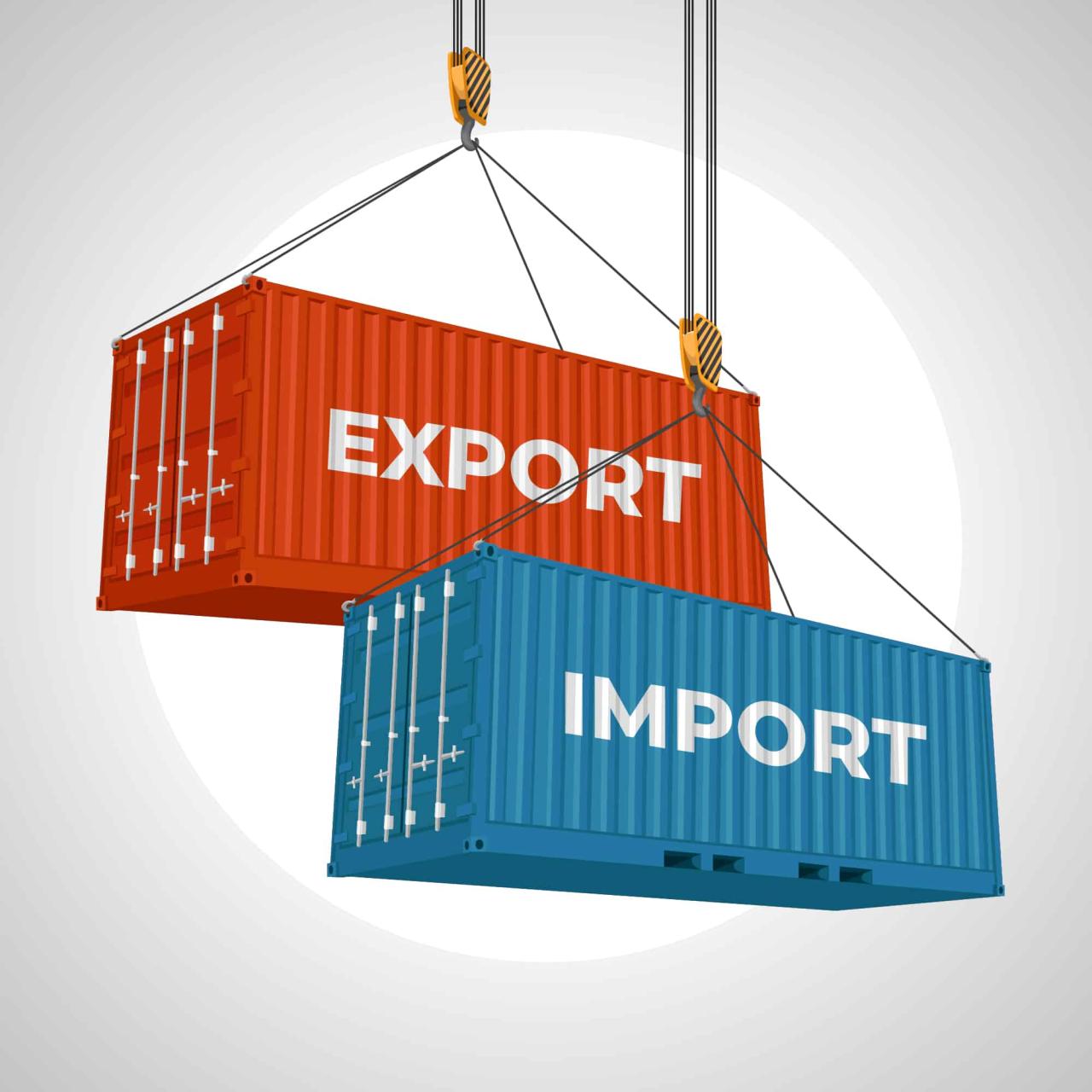
Navigating customs procedures and documentation is a critical step in the legal export of animal products. Understanding the role of customs officials and meticulously preparing the required paperwork are essential for a smooth and compliant export process. Failure to adhere to these requirements can lead to significant delays, penalties, and even the rejection of your shipment.
Role of Customs Officials in the Export Process
Customs officials play a pivotal role in ensuring the legal and safe export of animal products. They are responsible for verifying the accuracy of documentation, inspecting the goods, and ensuring compliance with national and international regulations. Their primary responsibilities include:
- Document Verification: Customs officials meticulously review all submitted documentation to confirm its accuracy and completeness. This includes verifying permits, licenses, health certificates, and other required forms.
- Goods Inspection: They may conduct physical inspections of the animal products to ensure they match the declared description, are properly packaged, and meet sanitary standards. This can involve examining samples or the entire consignment.
- Compliance Assessment: Customs officials assess the shipment’s compliance with all relevant regulations, including those related to tariffs, quotas, and trade agreements.
- Duty and Tax Collection: They are responsible for calculating and collecting any applicable duties and taxes on the exported animal products.
- Release of Goods: Upon successful completion of the verification and inspection process, customs officials authorize the release of the goods for export.
Step-by-Step Guide to Completing Customs Documentation
Accurate and complete customs documentation is crucial for a successful export. Here is a step-by-step guide to help you prepare the necessary documents:
- Determine the Required Documents: Identify all the specific documents required by the importing country and your own country’s export regulations. This will vary depending on the type of animal product, the destination country, and any applicable trade agreements. Refer to the country-specific export requirements discussed earlier.
- Obtain Necessary Permits and Licenses: Ensure you have all the necessary permits and licenses, such as export licenses, health certificates, and any specific permits required for the type of animal product being exported.
- Complete the Export Declaration: Accurately complete the export declaration form, providing detailed information about the shipment, including the product description, quantity, value, and the names and addresses of the exporter and importer.
- Prepare Commercial Invoice: Create a commercial invoice that includes a detailed description of the goods, the quantity, unit price, total value, and the terms of sale (e.g., Incoterms).
- Prepare Packing List: Generate a packing list that itemizes each package in the shipment, including its contents, weight, and dimensions.
- Prepare Bill of Lading/Air Waybill: Obtain a bill of lading (for sea freight) or an air waybill (for air freight) from the carrier. This document serves as a receipt for the goods and a contract of carriage.
- Submit Documentation: Submit all required documentation to the customs authorities electronically or in paper format, as required by the specific country.
- Pay Duties and Taxes: Pay any applicable duties and taxes on the exported animal products.
- Await Customs Clearance: Wait for the customs authorities to review the documentation and inspect the goods.
- Obtain Customs Clearance: Once the goods have been cleared, obtain the necessary customs clearance documents.
Tips for Avoiding Delays and Complications During Customs Clearance
To minimize delays and complications during customs clearance, consider the following tips:
- Accuracy is Paramount: Ensure all documentation is accurate, complete, and free of errors. Any discrepancies can lead to delays or rejection of the shipment.
- Early Preparation: Begin preparing your documentation well in advance of the export date. This allows time to address any issues and obtain necessary clarifications.
- Use a Customs Broker: Consider using a customs broker, especially if you are new to exporting. A broker can help you navigate the complexities of customs procedures and ensure compliance.
- Maintain Open Communication: Maintain open communication with your customs broker (if you use one), the importer, and the carrier. This helps address any issues promptly.
- Understand Incoterms: Clearly understand the Incoterms (International Commercial Terms) that govern your trade agreement. This clarifies responsibilities for customs clearance, insurance, and transportation costs.
- Proper Packaging and Labeling: Ensure your animal products are properly packaged and labeled according to the importing country’s regulations. This includes meeting specific labeling requirements for ingredients, origin, and health warnings.
- Stay Updated: Keep abreast of any changes in customs regulations or trade agreements that may affect your exports. Consult with customs authorities or trade experts for the latest information.
Key Documents Required for Exporting Animal Products:
- Export License (if required)
- Health Certificate
- Commercial Invoice
- Packing List
- Bill of Lading/Air Waybill
- Export Declaration
- Certificate of Origin (if required)
- Other permits specific to the product and destination country
Financial Aspects of Exporting Animal Products
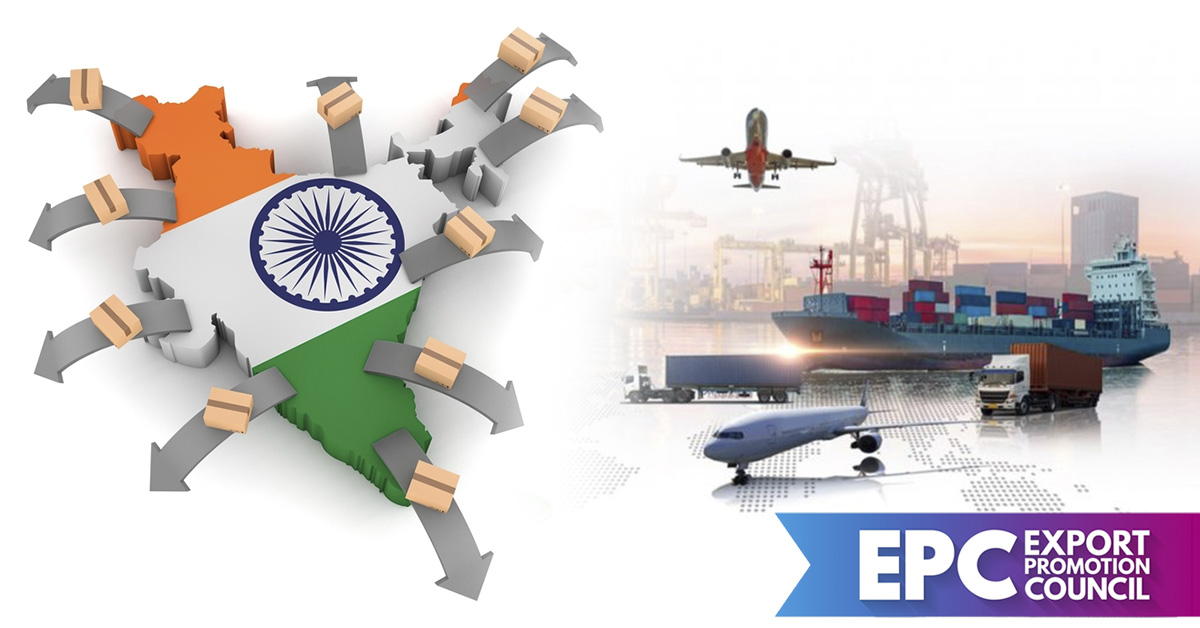
Exporting animal products involves significant financial considerations. Understanding these aspects is crucial for ensuring profitability and minimizing financial risks. This section details the various costs, payment methods, financing options, currency exchange strategies, and tax implications associated with exporting animal products.
Costs Associated with Exporting Animal Products
Exporting animal products incurs a variety of costs beyond the production of the goods themselves. These costs can significantly impact the profitability of an export venture.
- Permits and Licenses: The costs of obtaining necessary export permits and licenses vary depending on the country of origin and destination, as well as the specific animal product. These fees can range from a few hundred to several thousand dollars, and should be budgeted for accordingly.
- Inspections and Certifications: Inspections by veterinary authorities and other regulatory bodies are often required to ensure compliance with health and safety standards. These inspections may involve fees, which can vary depending on the type of product and the frequency of inspections. Obtaining certifications, such as those related to origin, quality, and safety, also adds to the costs.
- Transportation: Transportation costs are a major component of exporting. These costs depend on the mode of transport (air, sea, or land), the distance, and the volume of the product. Consider factors such as:
- Freight Charges: These are the primary costs associated with shipping the goods. They are influenced by the size and weight of the shipment, the route, and the current market rates.
- Insurance: Marine or cargo insurance is essential to protect the goods against loss or damage during transit. Insurance premiums are based on the value of the goods and the perceived risks of the journey.
- Handling and Storage: Costs associated with loading, unloading, and storing the animal products at ports or warehouses. Cold storage is often required for perishable goods, adding to the expense.
- Packaging and Labeling: Specialized packaging and labeling may be required to meet the import regulations of the destination country. This can include costs for materials, printing, and labor.
- Customs Duties and Taxes: Importers in the destination country will typically pay customs duties and taxes, but exporters may need to cover some of these charges or factor them into their pricing strategy.
- Marketing and Sales: Costs associated with finding buyers, attending trade shows, and developing marketing materials.
- Legal and Consulting Fees: Fees for legal advice, customs brokers, and other consultants who can assist with navigating the export process.
Payment Methods and Financing Options
Choosing the right payment method and securing appropriate financing are essential for managing cash flow and mitigating financial risks.
- Payment Methods:
- Letters of Credit (LCs): An LC is a commitment from a bank guaranteeing payment to the exporter, provided that the exporter fulfills the terms and conditions of the sale. LCs offer a high level of security for the exporter.
- Documentary Collections: The exporter’s bank sends the shipping documents to the importer’s bank, and the importer can obtain the documents and take possession of the goods only after making payment. This offers a moderate level of security.
- Open Account: The exporter ships the goods and invoices the importer, with payment due at a later date. This method carries the most risk for the exporter.
- Cash in Advance: The importer pays the exporter before the goods are shipped. This provides the exporter with the highest level of security.
- Financing Options:
- Export Credit Insurance: This insurance protects the exporter against the risk of non-payment by the importer.
- Export Financing: Banks and other financial institutions offer loans and other financing options to exporters to cover pre-shipment and post-shipment costs.
- Factoring: The exporter sells its accounts receivable to a factoring company, which provides immediate cash flow.
- Government Programs: Many governments offer export financing programs and other incentives to support exporters.
Strategies for Managing Currency Exchange Risks
Currency fluctuations can significantly impact the profitability of an export transaction. Employing strategies to manage these risks is crucial.
- Hedging:
- Forward Contracts: A forward contract locks in an exchange rate for a future date, protecting the exporter from adverse currency movements.
- Currency Options: Currency options give the exporter the right, but not the obligation, to buy or sell a currency at a specific rate on or before a certain date.
- Invoicing in a Stable Currency: Invoicing in a more stable currency, such as the US dollar or the Euro, can reduce currency risk.
- Matching Currency Inflows and Outflows: Matching the currency of sales with the currency of expenses can reduce currency risk.
- Diversifying Currency Exposure: Not relying on a single currency for all transactions can help mitigate risk.
Tax Implications of Exporting Animal Products
Exporting animal products can have various tax implications, both in the country of origin and in the destination country.
- Value-Added Tax (VAT) or Goods and Services Tax (GST): In many countries, exports are typically zero-rated for VAT or GST, meaning that the exporter does not charge VAT or GST on the sale. However, exporters may be able to claim a refund for VAT or GST paid on inputs used in the production of the exported goods.
- Income Tax: Export profits are subject to income tax in the exporter’s country. The specific tax rates and rules will vary depending on the country. Exporters may be able to claim deductions for export-related expenses.
- Customs Duties and Taxes in the Destination Country: Importers in the destination country are typically responsible for paying customs duties and taxes. However, these costs can affect the exporter’s pricing strategy.
- Tax Treaties: Tax treaties between countries can affect the tax treatment of export profits. These treaties may provide for reduced withholding tax rates or other benefits.
- Transfer Pricing Regulations: If the exporter and the importer are related parties, transfer pricing regulations may apply. These regulations require that transactions between related parties be conducted at arm’s length prices.
Legal Considerations and Liabilities
Exporting animal products involves a complex web of legal obligations. Understanding and adhering to these regulations is crucial to avoid significant legal and financial repercussions. Non-compliance can lead to penalties, product seizures, and reputational damage. This section explores the legal liabilities inherent in exporting animal products, the importance of insurance, and the necessity of ethical and sustainable practices.
Legal Liabilities Associated with Exporting Animal Products
Exporters of animal products face several potential legal liabilities. These liabilities arise from various sources, including national and international laws, trade agreements, and product safety regulations.
- Product Liability: Exporters are liable for the safety and quality of their products. This includes ensuring products are free from contaminants, meet required nutritional standards, and are properly labeled. Failure to comply can lead to lawsuits if consumers suffer illness or injury.
- Contractual Liability: Exporters are bound by contracts with buyers. Breach of contract, such as failing to deliver goods on time or failing to meet specified quality standards, can result in financial penalties and legal action.
- Regulatory Non-Compliance: Non-compliance with import regulations of the destination country, such as failing to obtain necessary permits or adhering to sanitary and phytosanitary (SPS) measures, can lead to product rejection, fines, and legal proceedings.
- Intellectual Property Infringement: Exporters must ensure they do not infringe on intellectual property rights, such as trademarks or patents, related to the products or their packaging.
- Environmental Liability: Exporters may be held liable for environmental damage caused by their operations, including improper waste disposal or unsustainable sourcing practices.
- Liability for Acts of Employees/Agents: Exporters are often held responsible for the actions of their employees or agents, including any violations of law committed in the course of their duties.
Insurance Options for Protecting Against Potential Risks
To mitigate the risks associated with exporting animal products, various insurance options are available. These policies help protect exporters from financial losses due to unforeseen events.
- Marine Cargo Insurance: This insurance covers loss or damage to goods during transit, including risks such as theft, fire, and natural disasters. This is crucial, given the long distances and various handling stages involved in international shipping.
- Product Liability Insurance: This policy protects against claims arising from product defects that cause injury or illness to consumers. It covers legal defense costs and potential settlements or judgments.
- Errors and Omissions (E&O) Insurance: This insurance protects against claims arising from errors or omissions in the exporter’s professional services, such as incorrect documentation or mislabeling.
- Political Risk Insurance: This type of insurance protects against losses due to political events in the importing country, such as currency inconvertibility, expropriation, or war.
- Credit Insurance: Credit insurance protects exporters against the risk of non-payment by buyers. It covers losses if a buyer defaults on a payment.
Importance of Adhering to Ethical and Sustainable Sourcing Practices
Ethical and sustainable sourcing practices are becoming increasingly important in the global market. Consumers are more aware of the origins of their food and demand products from companies that prioritize ethical and environmental responsibility.
- Consumer Demand: Consumers are increasingly seeking products from companies that demonstrate a commitment to ethical and sustainable practices.
- Reputational Benefits: Adhering to ethical and sustainable practices enhances a company’s reputation and builds trust with consumers, stakeholders, and partners.
- Legal and Regulatory Compliance: Many countries are implementing regulations related to animal welfare, environmental sustainability, and fair labor practices. Compliance is essential to avoid legal penalties.
- Market Access: Some markets, particularly in Europe and North America, are placing a greater emphasis on sustainable sourcing, which can affect market access.
- Supply Chain Resilience: Sustainable sourcing can help build more resilient supply chains by mitigating risks related to environmental degradation, resource depletion, and social instability.
Scenario: Legal Dispute Related to the Export of Animal Products and its Potential Outcomes
Consider a scenario where a U.S. company exports frozen beef to Japan. The beef is inspected by the USDA and certified as meeting all U.S. export requirements. Upon arrival in Japan, a sample of the beef is tested and found to contain trace amounts of a banned antibiotic.
This leads to a series of legal and commercial consequences.
Scenario Details:
- The Issue: Contamination with a banned antibiotic violates Japanese import regulations.
- Parties Involved: The U.S. exporter, the Japanese importer, the Japanese government (through its food safety agency), and possibly the USDA.
- Potential Legal Actions:
- Japanese Government: Could impose a fine on the importer and/or the exporter. They could also order the destruction of the shipment or its return to the U.S. at the exporter’s expense.
- Japanese Importer: Could sue the U.S. exporter for breach of contract, seeking compensation for the loss of the shipment, lost profits, and reputational damage.
- Consumers: While less likely, consumers who consumed the beef could potentially file a product liability lawsuit if they could prove they were harmed by the contamination, though this is less likely given the trace amounts.
- Potential Outcomes:
- Financial Penalties: The exporter could face significant fines from the Japanese government and/or be ordered to pay damages to the importer.
- Product Seizure: The shipment of beef could be seized and either destroyed or returned to the U.S., resulting in a complete loss of revenue for the exporter.
- Reputational Damage: The incident could damage the exporter’s reputation in Japan and globally, making it difficult to secure future contracts.
- Increased Scrutiny: The exporter’s future shipments to Japan (and potentially other markets) could face increased scrutiny and more frequent inspections, leading to delays and higher costs.
- Legal Costs: The exporter would incur substantial legal costs defending against the lawsuits and navigating the regulatory challenges.
This scenario highlights the critical importance of rigorous quality control, adherence to all relevant regulations, and the need for appropriate insurance coverage to mitigate potential risks. The exporter could have potentially protected itself through:
“Marine Cargo Insurance, Product Liability Insurance, and a thorough understanding of Japanese import regulations and compliance with any specific standards.”
Outcome Summary
In conclusion, successfully exporting animal products legally requires a comprehensive understanding of international and country-specific regulations, meticulous attention to detail, and proactive risk management. By diligently adhering to the guidelines Artikeld in this guide, exporters can navigate the complexities of the global market with confidence, ensuring the safety, quality, and legality of their products. Remember that staying informed, adapting to changing regulations, and prioritizing ethical practices are key to building a sustainable and prosperous export business.