Understanding how to export livestock is essential for ensuring successful international trade and animal welfare. This comprehensive guide walks you through each critical step, from preparing your animals and securing the necessary permits to coordinating logistics and maintaining high standards of care during transit.
By following the Artikeld procedures and best practices, exporters can navigate complex regulations, optimize transportation methods, and ensure that livestock arrive safely and in compliance with all legal requirements, ultimately fostering sustainable and profitable trade relationships across borders.
Overview of Livestock Exporting Procedures
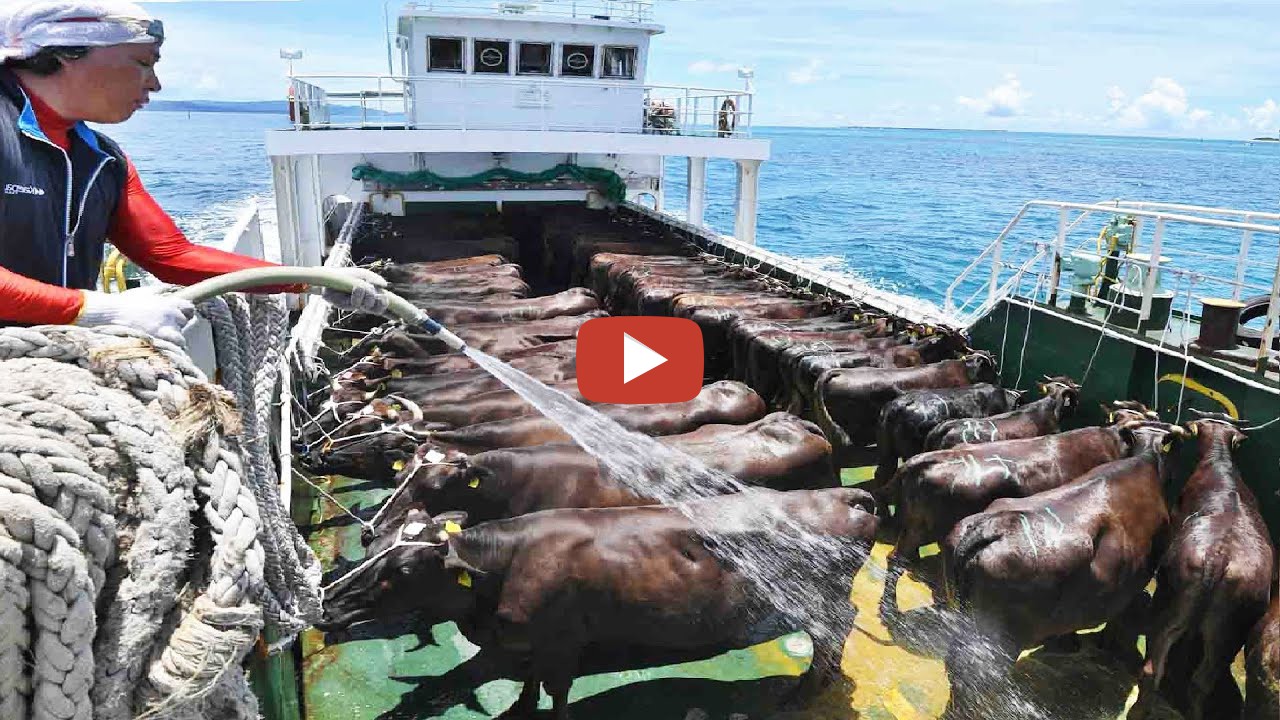
Exporting livestock involves a series of carefully coordinated steps designed to ensure the health, safety, and compliance of animals traveling across borders. Proper preparation not only facilitates smooth customs procedures but also safeguards animal welfare and meets international standards. This overview offers a comprehensive understanding of the essential procedures involved in livestock export operations.
From initial health assessments to the compilation of requisite documentation, each phase plays a critical role in adhering to legal standards and ensuring successful shipment. Understanding the detailed procedures helps exporters navigate complex regulations and streamline the export process, ultimately supporting efficient trade practices in the global livestock market.
Preparation of Livestock for Export
Prior to export, livestock must undergo thorough health checks, vaccinations, and certifications to confirm their fitness for travel and compliance with destination country requirements. Proper identification and record-keeping are also essential to maintain traceability and meet legal standards.
- Conduct comprehensive veterinary health inspections to assess animals’ physical condition and identify any signs of disease.
- Administer necessary vaccinations and treatments in accordance with international health standards, such as the OIE (World Organisation for Animal Health) guidelines.
- Perform parasite control to prevent the spread of parasitic diseases during transit.
- Obtain health certificates issued by accredited veterinarians, detailing the health status and treatments administered.
- Implement animal identification methods, including ear tags, branding, or microchips, to ensure traceability throughout the export chain.
Proper documentation and health preparations are vital to comply with both local and international regulations, reducing the risk of delays or rejection during customs clearance.
Legal Requirements and Compliance Standards
Adherence to legal requirements and international standards is fundamental for livestock export success. These regulations are designed to protect animal welfare, public health, and ensure fair trade practices. Exporters must be familiar with and strictly follow these standards to avoid legal penalties and logistical setbacks.
- Export Permits and Licenses: Secure all necessary permits from relevant authorities, such as the Department of Agriculture or Veterinary Services, prior to shipment.
- Animal Welfare Regulations: Ensure compliance with welfare standards that mandate proper handling, transport conditions, and rest periods during transit.
- International Standards: Follow guidelines established by the World Organisation for Animal Health (OIE), including requirements for animal health, handling, and transport.
- Customs and Trade Documentation: Prepare accurate export declarations, commercial invoices, and certificates of origin to facilitate customs clearance.
- Quarantine and Inspection Protocols: Coordinate with quarantine facilities to meet health inspection standards required by both exporting and importing countries.
- Biosecurity Measures: Implement strict biosecurity protocols to prevent disease transmission during transportation and at border crossings.
“Compliance with legal and international standards is the cornerstone of successful livestock export, ensuring animal welfare and facilitating trade.”
Export Process Flowchart
The process of livestock export can be visualized as a sequential flowchart, illustrating each critical stage from farm to destination country. This flowchart facilitates understanding of the interconnected steps, including preparation, documentation, transportation, and final clearance.
| Stage | Description | Key Activities |
|---|---|---|
| Farm Preparation | Initial health checks and animal identification | Veterinary inspection, vaccinations, tagging |
| Documentation & Permits | Obtaining necessary export licenses and health certificates | Application for permits, health certification |
| Transport Arrangement | Planning logistics for safe transportation | Booking ships/planes, arranging vehicles, ensuring welfare standards |
| Quarantine & Inspection | Animal health verification at entry and exit points | Quarantine procedures, inspection by authorities |
| Shipping & Transit | Transport to destination with proper handling | Monitoring conditions, providing feed and water |
| Arrival & Final Clearance | Border inspection, customs clearance in destination country | Final health checks, import permits, delivery to buyers |
Understanding and following this structured flow ensures a smooth transition of livestock from farm to international markets, minimizing risks and ensuring compliance at every stage.
Documentation and Permits for Livestock Export
Securing the appropriate documentation and permits is a fundamental step in ensuring a smooth livestock export process across different regions. These documents serve to verify that animals meet health, safety, and legal standards required by destination countries, facilitating compliance with international trade regulations and animal welfare protocols. Proper organization and understanding of these requirements prevent delays, penalties, or rejection of shipments at customs.
Navigating the diverse permit landscape involves identifying the specific certificates, health clearances, and export documentation mandated by the importing and exporting countries. This process often involves coordination with veterinary authorities, customs agencies, and trade bodies to ensure all paperwork is accurate, complete, and up-to-date before shipment.
Essential Permits, Certificates, and Export Documentation
In livestock export, a comprehensive understanding of regional requirements is critical. Different countries and regions may have distinct documentation needs, which can include:
- Export Permit: Official approval issued by the exporting country’s governmental authority, authorizing the shipment of livestock abroad.
- Health Certificate: A document issued by a licensed veterinarian confirming animals are disease-free and meet health standards of the destination country.
- Import Permit: Authorization from the destination country’s authorities allowing entry of livestock.
- Animal Identification Records: Documentation such as ear tags or microchip details verifying individual animal identity.
- CITES Permits: Required for certain species or breeds protected under the Convention on International Trade in Endangered Species.
- Transit Permits: Necessary for animals passing through multiple jurisdictions.
It is essential to consult regional trade regulations and work closely with veterinary and customs officials to ensure all permits are obtained promptly. Proper documentation not only accelerates processing but also ensures compliance with international animal welfare and biosecurity standards.
Checklist for Customs Clearance and Veterinary Certificates
Efficient handling of customs and veterinary documentation is crucial for a seamless export. Below is a comprehensive checklist to guide exporters through this process:
- Verify all permits are valid and issued within the required timeframe.
- Ensure the health certificate is completed and signed by a licensed veterinarian, indicating that animals are free from contagious diseases.
- Confirm that animal identification records match the physical tags or microchips on each animal.
- Secure any additional certificates required by the importing country, such as vaccination certificates.
- Prepare detailed shipment documentation, including animal count, breed, age, and origin details.
- Coordinate with customs authorities to understand specific procedural requirements and clearances.
- Verify that all documentation is accurately translated if required by the destination country.
- Ensure timely submission of all paperwork to avoid delays at border crossings.
Tip: Maintaining organized, digital copies of all permits and certificates can streamline processes and provide quick access during inspections or audits.
Sample Template for Export Health Certificates and Animal Identification Records
Accurate and standardized documentation enhances clarity and compliance during export procedures. The following table provides a sample format for export health certificates and animal identification records:
| Document Type | Details | Sample Content | ||||||||||||||||||||
|---|---|---|---|---|---|---|---|---|---|---|---|---|---|---|---|---|---|---|---|---|---|---|
| Export Health Certificate | Animal health status and compliance details |
|
||||||||||||||||||||
| Animal Identification Record | Individual animal identification details |
|
Preparing Livestock for Export
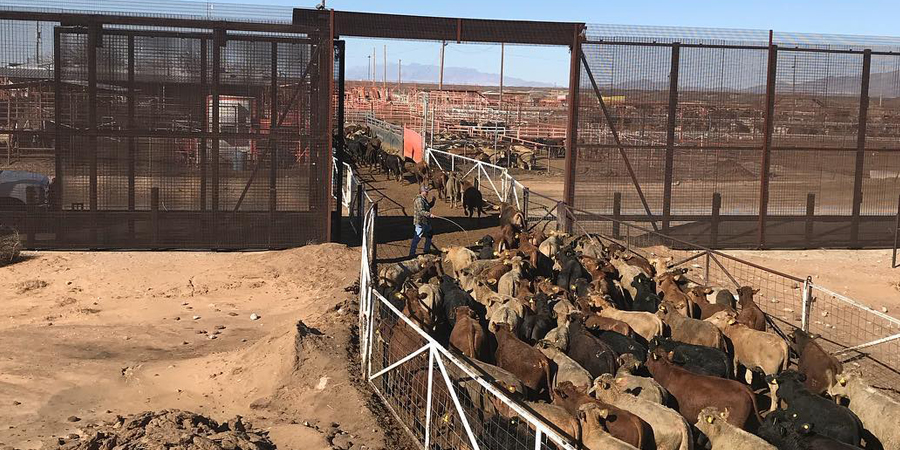
Ensuring livestock are thoroughly prepared prior to export is crucial for their health, safety, and humane treatment throughout the journey. Proper handling, transportation, and care not only comply with regulatory standards but also promote animal welfare and reduce the risk of health issues that could delay or impede export processes. Adequate preparation involves strategic planning and adherence to best practices that facilitate smooth transit from the farm to the destination country.
Comprehensive preparation encompasses health management, proper handling techniques, transportation arrangements, and safe loading and unloading procedures. Implementing these practices helps safeguard animal wellbeing and ensure compliance with international standards, fostering a responsible and efficient livestock export operation.
Best Practices for Livestock Handling, Transportation, and Care Prior to Export
The handling, transportation, and ongoing care of livestock require meticulous planning and execution. Proper handling minimizes stress and injury, while suitable transportation conditions maintain animal health and comfort during transit. Consistent care before export ensures livestock are in optimal condition, reducing post-export health issues and supporting humane treatment.
- Handle animals calmly and consistently to reduce stress and prevent injuries; use appropriate facilities like non-slip flooring and gentle guiding tools.
- Design transportation units to provide adequate ventilation, space, and comfort, considering factors such as vehicle type, load density, and journey duration.
- Monitor weather conditions and avoid extreme temperatures; provide shade and cooling systems where necessary.
- Ensure feeding and watering routines are maintained up to the point of departure to prevent dehydration and nutritional deficiencies.
Procedures for Ensuring Animal Health, Including Vaccinations and Quarantine Protocols
Maintaining animal health is fundamental to a successful export operation. This involves implementing vaccination programs, health assessments, and quarantine procedures that align with both domestic and international regulations. These measures help prevent disease transmission and ensure animals are fit for travel and import into the destination country.
- Conduct comprehensive health assessments by licensed veterinarians, documenting the physical condition and identifying any health issues prior to export.
- Implement vaccination protocols against critical diseases such as foot-and-mouth disease, brucellosis, and contagious bovine pleuropneumonia, tailored to the destination country’s requirements.
- Establish quarantine procedures to monitor animals for signs of illness, typically involving a minimum quarantine period that adheres to international standards—often 30 to 60 days, depending on the origin and destination countries.
- Perform diagnostic tests as required, including blood tests or screenings for specific diseases, to certify health status before shipment.
- Maintain detailed health records for each animal, including vaccination history, test results, and quarantine documentation, ensuring traceability and compliance.
Proper health management and quarantine procedures are vital to prevent disease outbreaks during transit, protect the welfare of the livestock, and ensure compliance with importing country regulations.
Step-by-Step Guide for Loading and Unloading Livestock Safely and Humanely
Loading and unloading are critical phases in the export process that demand careful planning to ensure safety and humane treatment. Proper techniques reduce stress and injury for animals while facilitating efficient handling and compliance with welfare standards.
- Prepare the loading area by ensuring it is clean, dry, and free of hazards, with adequate space for movement and easy access for handlers.
- Inspect transportation vehicles to confirm they are well-ventilated, secure, and suitable for the specific livestock species and numbers.
- Use appropriate handling equipment such as ramps with non-slip surfaces, side barriers, and guiding panels to facilitate orderly movement.
- Handle animals calmly, using minimal restraint and avoiding loud noises or sudden movements that may cause distress.
- Guide livestock onto the transport using gentle, consistent cues, ensuring even distribution of weight and avoiding overcrowding.
- During transit, regularly check on the animals to monitor their condition, providing water and ventilation as needed.
- Unload animals smoothly and safely using the same humane handling principles, ensuring the environment at the unloading site is prepared and free from hazards.
- Immediately inspect animals upon arrival for signs of stress or injury, and provide necessary care or medical attention as required.
Implementing humane loading and unloading protocols is essential to uphold animal welfare standards and to ensure a smooth, compliant livestock export process.
Selecting Suitable Export Vehicles and Equipment
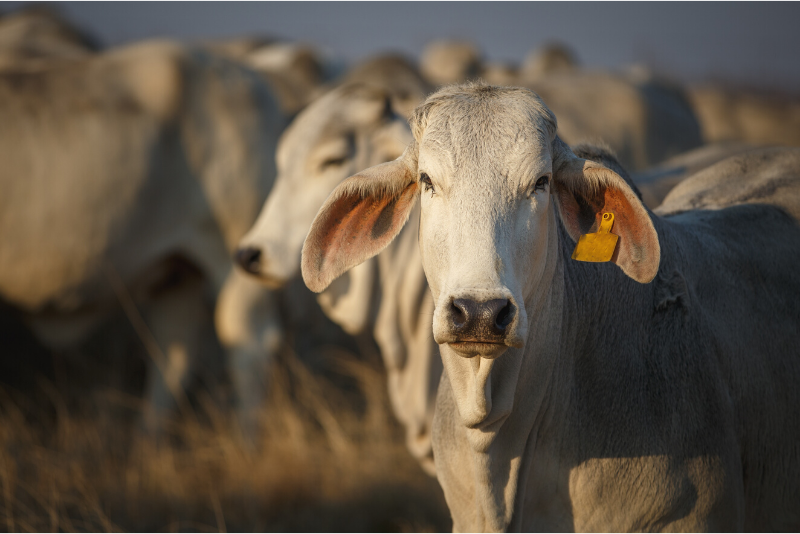
Choosing the appropriate transport vehicles and equipment is a critical component in ensuring the safety, health, and well-being of livestock during export. Proper selection not only complies with regulatory standards but also optimizes transit efficiency and minimizes stress or injury to animals. This involves evaluating various transport options and maintaining equipment to uphold animal welfare throughout the journey.
The process of selecting suitable export vehicles and equipment requires careful consideration of factors such as animal size and species, journey duration, environmental conditions, and logistical requirements. The right choice of containers, trucks, and shipping vessels can significantly impact the success of livestock export by reducing transit times, preventing injuries, and ensuring compliance with international animal welfare standards.
Criteria for Choosing Transport Containers, Trucks, and Shipping Vessels
Effective livestock export depends on selecting transport methods that meet specific criteria related to safety, comfort, and regulatory compliance. The following factors are essential when evaluating potential transport options:
- Animal Compatibility: Containers and vehicles must accommodate different sizes and species, providing sufficient space, ventilation, and access for care.
- Durability and Structural Integrity: Equipment should withstand environmental stresses, such as rough handling, weather conditions, and long transit durations, without compromising animal safety.
- Ventilation and Climate Control: Proper airflow and temperature regulation are vital to prevent heat stress, dehydration, or respiratory issues during transit.
- Ease of Loading and Unloading: Equipment should facilitate smooth handling, reducing stress and injury during these critical phases.
- Regulatory Compliance: Vehicles and containers must adhere to international standards such as the International Maritime Organization (IMO) and the World Organisation for Animal Health (OIE) guidelines.
Comparison of Transport Methods
Transport methods for livestock export vary depending on distance, animal needs, and logistical considerations. The following table highlights the main advantages and disadvantages of each method to assist in decision-making:
| Transport Method | Advantages | Disadvantages |
|---|---|---|
| Road Transport (Trucks and Trailers) |
|
|
| Sea Transport (Shipping Vessels) |
|
|
| Air Transport |
|
|
Recommendations for Equipment Maintenance
Maintaining transport equipment in optimal condition is vital for animal safety and welfare during transit. Proper maintenance ensures that containers, trucks, and vessels function correctly and reduce the risk of incidents that could harm livestock.
Regular inspection and servicing of ventilation systems, structural components, and securing mechanisms are essential. Equipment should be cleaned and disinfected after each use to prevent disease transmission. Additionally, contingency plans should be in place for repairs or emergencies during transit, with spare parts and tools readily available.
Specifically, ventilation fans and filters should be checked for unobstructed airflow, and temperature control systems calibrated regularly. Structural elements such as doors, locks, and flooring must be inspected for wear or damage. For shipping vessels, maintaining stability and ensuring ballast systems operate correctly prevent undue movement that could cause injuries. Routine maintenance, coupled with proper cleaning protocols, creates a safe environment conducive to animal health from loading to final destination.
Export Logistics and Planning
Effective logistics planning is crucial to ensure the smooth and timely export of livestock. Proper organization helps minimize costs, reduces delays, and ensures compliance with all regulatory requirements. Developing a comprehensive export plan involves coordinating multiple stakeholders, managing schedules, and optimizing transportation routes to achieve efficient and economical livestock export operations.A well-structured logistics plan addresses the scheduling of shipments, booking cargo space in advance, and aligning with freight carriers and port services.
It also includes contingency planning for unforeseen delays or issues, ensuring that livestock welfare remains a priority throughout the process.
Organizing a Timeline for Export Planning
Creating a detailed timeline for livestock export ensures all preparatory activities are completed systematically and deadlines are met. This involves establishing key milestones such as booking cargo space, completing necessary documentation, arranging for veterinary inspections, and coordinating with port authorities.To facilitate smooth operations, a typical timeline includes:
- Initial planning and consultation with freight service providers—generally 4-6 weeks before departure.
- Scheduling livestock health checks and obtaining clearance—3-4 weeks prior.
- Booking cargo space and transportation equipment—2-3 weeks in advance.
- Final documentation and permits processing—1-2 weeks before shipment.
- Pre-departure inspections and livestock loading—within the week of departure.
Effective scheduling helps prevent last-minute issues and aligns all activities seamlessly, ensuring compliance and animal welfare.
Managing Costs and Optimizing Logistics Routes
Controlling expenses and ensuring efficient routes are vital components of successful livestock export logistics. Strategies include consolidating shipments where possible to reduce transportation costs, negotiating bulk rates with freight carriers, and choosing routes that minimize transit time and stress on livestock.Optimizing routes involves analyzing multiple factors:
Prioritize routes with fewer transshipments, shorter transit times, and reliable port facilities to reduce livestock stress and potential delays.
Transport routes should consider geographical proximity, infrastructural quality at ports, and the availability of direct shipping options. For example, exporting livestock from regions with established direct shipping lanes to importing countries like the Middle East or Southeast Asia can significantly cut transit times and costs.Furthermore, leveraging technology such as GPS tracking and real-time monitoring enhances route management, allowing for adjustments in response to weather conditions, port congestion, or other logistical challenges.
Regularly reviewing past shipments helps identify bottlenecks and opportunities for route improvements.
Procedures for Coordinating with Customs and Port Authorities
Effective coordination with customs and port authorities is essential to ensure compliance with all legal and regulatory frameworks governing livestock exports. Establishing open communication channels and understanding specific port requirements streamline the clearance process and reduce potential delays.Procedures include:
- Pre-arranging documentation submission—such as export permits, health certificates, and transportation permits—before arriving at the port.
- Collaborating with customs officials to prepare for inspections by providing all necessary documentation and adhering to biosecurity protocols.
- Scheduling port inspections and veterinarian checks in collaboration with port authorities to ensure timely processing.
- Understanding and complying with quarantine and biosecurity measures required at the port, which may involve dedicated holding areas or specific handling procedures.
- Implementing a communication plan with port and customs officials to address any issues promptly during the clearance process.
Establishing a proactive approach with authorities minimizes clearance times, reduces the risk of shipment delays, and ensures livestock welfare throughout the export process.
Ensuring Animal Welfare During Export
Maintaining the well-being of livestock throughout the export process is a fundamental responsibility that upholds ethical standards, legal requirements, and the overall integrity of the trade. Proper care during transportation not only minimizes stress and health risks for the animals but also ensures compliance with international animal welfare guidelines, fostering sustainable and responsible livestock export practices.Ensuring animal welfare during export involves implementing comprehensive standards and protocols that address every stage of transit—from loading to unloading.
Regular monitoring of livestock condition is essential to identify early signs of distress or health issues, enabling prompt intervention. Additionally, establishing clear emergency procedures prepares handlers and transport personnel to effectively respond to unexpected disruptions or health emergencies, safeguarding both animals and personnel.
Standards and Protocols to Maintain Animal Welfare
Adhering to internationally recognized standards such as those set by the World Organisation for Animal Health (OIE) is crucial in ensuring livestock are transported humanely. Key protocols include:
- Providing adequate space based on species and size to prevent overcrowding.
- Ensuring proper ventilation to maintain air quality and temperature within safe limits.
- Supplying clean, fresh water at regular intervals to prevent dehydration.
- Offering appropriate feed during long journeys to sustain energy and reduce stress.
- Minimizing noise and sudden movements to prevent undue stress.
- Employing experienced handlers trained in animal behavior and welfare.
These standards should be integrated into all operational procedures, with staff receiving ongoing training to uphold best practices.
Best Practices for Monitoring Livestock Condition During Transit
Continuous observation of livestock condition during transportation is vital for early detection of health or stress issues. Effective monitoring involves:
- Conducting regular visual inspections at scheduled intervals, focusing on behavior, respiration, and signs of distress such as vocalization or restlessness.
- Utilizing technology such as cameras or sensors within vehicles to provide real-time data on temperature, humidity, and animal activity.
- Assigning trained personnel to oversee animals, ensuring they are responsive and comfortable.
- Keeping detailed records of observations, noting any abnormalities or interventions taken.
Prompt response to observed issues can significantly improve animal outcomes and reduce the risk of morbidity or mortality during transit.
Emergency Procedures for Transport Disruptions or Health Issues
Preparation for unforeseen events is indispensable in safeguarding livestock welfare during export. Developing a detailed emergency checklist ensures readiness for various scenarios such as vehicle breakdowns, adverse weather, or sudden health crises. An effective emergency plan includes:
- Immediate halting of transport and securing animals in a safe location.
- Providing emergency veterinary care if signs of severe illness or injury are observed.
- Communicating with relevant authorities and emergency services to coordinate assistance.
- Ensuring availability of backup transport arrangements or contingency routes.
- Maintaining readily accessible supplies, including first aid kits, water, and feed.
- Documenting incidents thoroughly for future review and compliance reporting.
Having a clear, well-practiced emergency response framework minimizes risks and ensures that animal welfare remains a priority under all circumstances.
Post-Export Procedures and Follow-Up
Effective management after livestock has been exported is a vital component of the entire export process. It ensures compliance with international standards, maintains animal health and welfare, and facilitates smooth trade relationships. Proper documentation, reporting, and adherence to importing country regulations are essential for ongoing transparency and accountability. Additionally, handling livestock upon arrival requires careful planning for quarantine, acclimatization, and ongoing health assessments.
Establishing standardized procedures and templates supports accurate record-keeping and facilitates communication between exporting and importing parties, thus promoting a successful and compliant export operation.
Post-Export Documentation, Reporting, and Compliance
Once livestock has been exported, comprehensive documentation and reporting are critical for ensuring compliance with both local and international regulations. These activities verify that all export procedures were adhered to and that the health and welfare standards were maintained throughout the process.
Key points include:
- Completion of Export Certificates: Ensuring all certificates issued prior to and during export, such as health certificates and movement permits, are completed accurately and submitted to relevant authorities.
- Animal Health and Welfare Reports: Generating detailed reports documenting the health status, vaccination records, and treatment history of livestock at the time of export.
- Reporting to Regulatory Agencies: Submitting required documentation to both exporting and importing country authorities, including customs declarations, quarantine reports, and compliance forms.
Maintaining organized records of all documentation supports traceability, facilitates audits, and ensures compliance with international trade agreements. It also prepares exporters for any future inspections or inquiries related to the export process.
Handling Livestock After Arrival
Proper handling of livestock after arrival is essential to safeguard their health, ensure smooth acclimatization, and comply with quarantine regulations set by the importing country. The process involves strategic planning for quarantine periods, health assessments, and adaptation to new environmental conditions.
The following steps are typically involved:
- Quarantine Procedures: Livestock should undergo a quarantine period in designated facilities to monitor for signs of illness and to perform any required health treatments. The duration of quarantine varies depending on the species and importing country regulations but generally ranges from 14 to 30 days.
- Health Assessments and Treatments: Veterinary inspections are conducted regularly during quarantine to identify and address any health issues promptly. Vaccinations and treatments should be administered as per the import requirements.
- Acclimatization and Welfare Monitoring: Ensuring adequate space, nutrition, and comfort during this period helps reduce stress and facilitates adaptation to the new environment. Continuous monitoring by trained personnel is essential to promptly detect and address any welfare concerns.
Implementing these procedures minimizes the risk of disease transmission and promotes long-term health and productivity of the livestock in their new setting.
Sample Post-Export Report Template
Accurate and comprehensive reporting following livestock export supports transparency and compliance. Below is a template that can be adapted to specific export transactions:
Field Details Export Date _____________ Exporter Name & ID _____________ Consignment Number _____________ Number and Species of Livestock _____________ Health Certification Details _____________ Transport Details Mode, Vehicle ID, Departure & Arrival Ports Quarantine & Post-Export Handling Duration, Location, Veterinary Reports Animal Health Status at Arrival Any Health Issues, Treatments Administered Compliance Notes Specific Regulations Followed, Deviations if Any Follow-Up Actions Needed Further Monitoring, Treatments, or Reports Prepared by _____________________ Date of Report _____________________
This template ensures that all pertinent information regarding the export process and animal health is systematically documented, facilitating future audits, compliance checks, and ongoing animal welfare management.
Final Wrap-Up
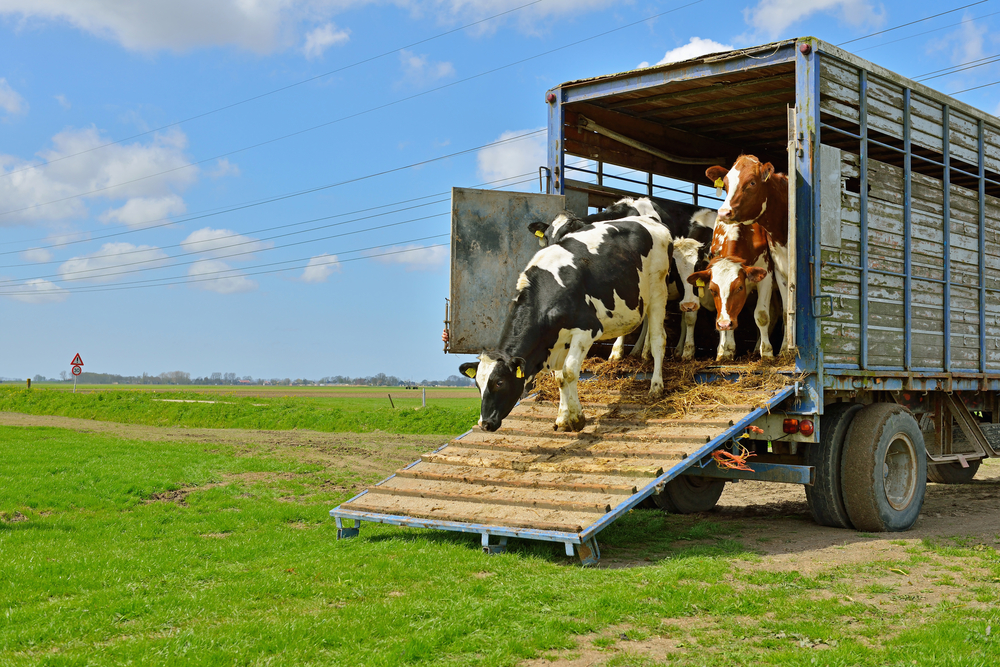
In conclusion, mastering the process of exporting livestock involves meticulous planning, strict adherence to regulations, and a focus on animal welfare. Implementing these practices will facilitate smooth operations and build trust in international markets, paving the way for continued success in livestock export endeavors.