Learning how to fatten broilers quickly is essential for maximizing productivity and meeting market demands efficiently. By implementing effective strategies, poultry farmers can significantly accelerate growth rates while maintaining health and quality. This approach involves optimizing feeding routines, managing environmental conditions, selecting suitable breeds, and utilizing safe supplements, all tailored to promote rapid weight gain.
Understanding and applying these techniques can lead to healthier, faster-growing broilers that reach market weight in a shorter period, ultimately increasing profitability and operational efficiency. Proper management and informed decisions are key to achieving optimal results in broiler fattening.
Effective Feeding Strategies for Rapid Broiler Growth
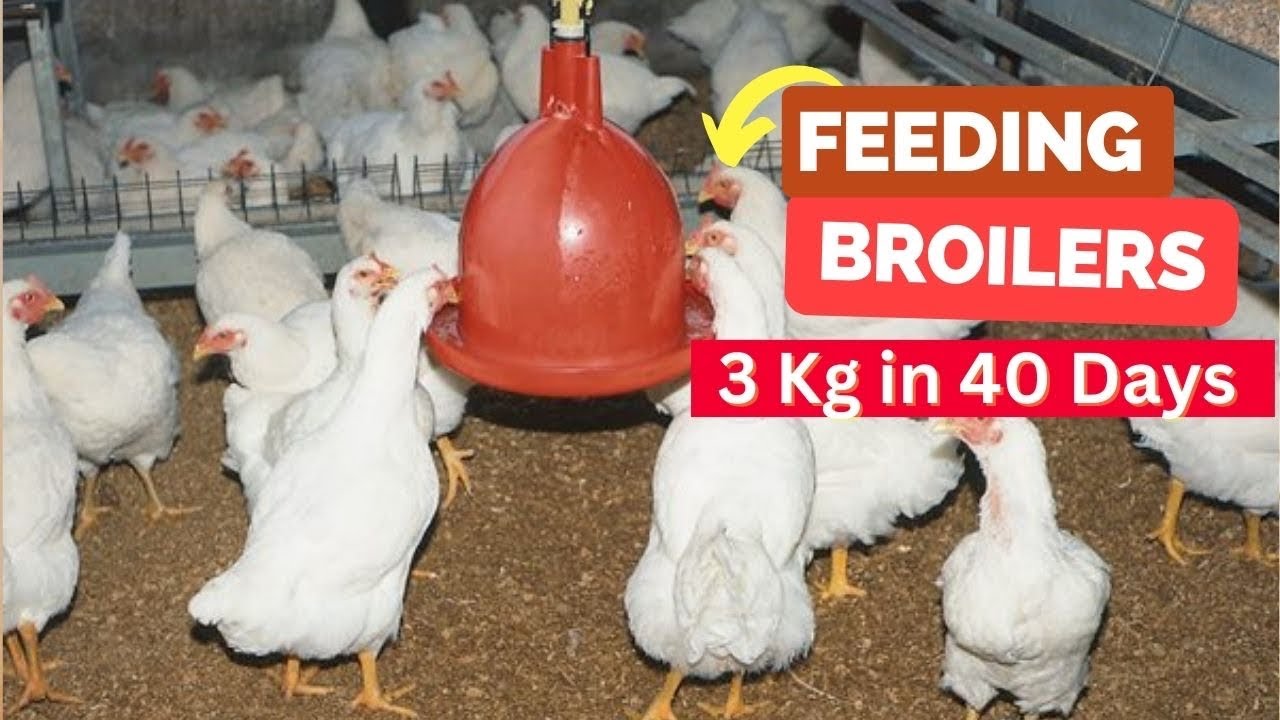
Optimizing feeding strategies is crucial for achieving rapid and healthy growth in broiler chickens. Proper nutrition not only accelerates weight gain but also ensures the development of strong musculoskeletal and immune systems, leading to more efficient production outcomes. Implementing a scientifically balanced diet combined with a structured feeding schedule can significantly enhance growth rates while maintaining bird health.
To promote quick weight gain, broiler diets should be formulated with precise proportions of proteins, energy sources, and essential vitamins. These components support rapid muscle development, metabolic efficiency, and overall vitality. Additionally, integrating high-calorie supplements safely into daily feeds can provide the extra energy needed during peak growth phases without compromising bird health.
Optimal Feed Composition for Broilers
The foundation of rapid growth lies in the formulation of a balanced diet that meets the specific nutritional demands of growing broilers. The key components include:
- Protein: Essential for muscle development, broilers require high-quality protein sources such as soybean meal, fish meal, or processed plant proteins. The target crude protein content in starter diets (up to 3 weeks) should be around 23-24%, decreasing gradually to about 20-21% in finisher feeds.
- Energy: Adequate caloric intake is vital for sustained growth. Corn, wheat, and sorghum are common energy sources, providing easily digestible carbohydrates. The metabolizable energy (ME) should range between 3,000 to 3,200 kcal/kg depending on the growth stage.
- Vitamins and Minerals: A complete vitamin and mineral premix should be incorporated to support metabolic functions, bone development, and immune health. Key vitamins include A, D3, E, and B-complex, while minerals such as calcium, phosphorus, and trace elements are equally important.
Formulating diets with these components ensures that broilers receive the necessary nutrients to promote rapid growth without overfeeding, which could lead to metabolic disorders or excessive fat deposition.
Step-by-Step Feeding Schedule for Broilers
Adhering to a structured feeding schedule helps maximize growth efficiency and ensures consistent nutritional intake at each developmental stage. The following table Artikels an optimal feeding routine:
| Age | Feed Type | Quantity | Notes |
|---|---|---|---|
| 0-7 days | Starter Feed | 4-6 grams per bird per meal | High in protein (22-24%), finely ground for easy digestion |
| 8-21 days | Grower Feed | 8-12 grams per bird per meal | Crude protein around 20%, balanced energy content |
| 22-35 days | Finisher Feed | 15-20 grams per bird per meal | Lower protein (around 18-20%), higher energy to promote fattening |
Note: Feed quantities should be adjusted based on bird size, environmental conditions, and feed intake behavior. Regular monitoring ensures optimal consumption and growth rates.
Incorporating High-Calorie Supplements Safely
To boost daily caloric intake without compromising health, high-calorie supplements can be incorporated into the feed regimen. These supplements must be used judiciously to prevent metabolic disturbances or undue fat accumulation.
- Fat Supplements: Adding vegetable or animal fats (such as soybean oil or poultry fat) at 2-4% of the diet can significantly increase energy density. It is essential to gradually introduce fats to prevent digestive upsets.
- Carbohydrate Supplements: Incorporating ingredients like molasses or corn syrup can enhance caloric content, especially during the finisher stage. These should be mixed uniformly to prevent sorting or selective feeding.
- Use of Commercial Energy Boosters: Commercially formulated energy supplements that contain a blend of fats, sugars, and amino acids are available. These should be used according to manufacturer guidelines to ensure safety and efficacy.
When adding high-calorie supplements, it is vital to monitor bird response regularly. Ensuring clean water access and maintaining proper feed hygiene can mitigate potential issues related to fat or sugar overloads. Gradual integration and consistent observation help optimize growth while safeguarding health.
Selection of Broiler Breeds for Fast Fattening
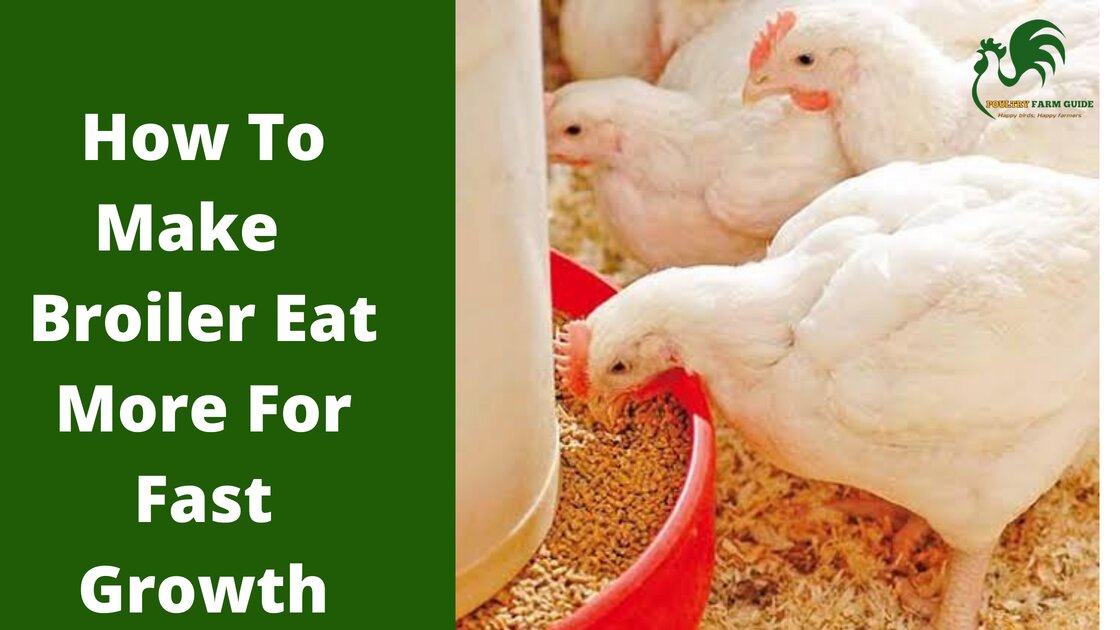
Choosing the appropriate broiler breed is a fundamental step towards achieving rapid growth and efficient meat production. Different breeds possess unique genetic traits that influence their growth rate, feed efficiency, and resilience to diseases. Understanding these characteristics enables producers to make informed decisions tailored to their specific operational goals and environmental conditions.
High-performance broiler breeds are selectively bred to optimize traits such as rapid weight gain, feed conversion efficiency, and disease resistance. Selecting the right breed can significantly reduce the time required to reach desired market weights, improve profitability, and ensure animal welfare. The following overview provides insight into breeds known for quick growth and guidance on selecting the most suitable options for rapid fattening projects.
Breeds Known for Rapid Growth and Their Traits
Several broiler breeds have been developed to maximize growth speed and feed efficiency. These breeds typically exhibit specific genetic traits that contribute to their suitability for intensive fattening programs. The primary breeds include:
- Ross 308: Known for exceptional growth rate, high feed conversion efficiency, and good disease resistance. Typically reaches market weight in about 35-42 days.
- Cobb 500: Widely used in commercial operations, noted for rapid growth, excellent feed conversion ratio (FCR), and robustness against common poultry diseases. Usually ready in 42 days.
- Avian 208: An alternative breed that emphasizes early maturity, often reaching target weight in approximately 35 days, with efficient feed utilization.
- Hybro G: A hybrid breed focusing on high growth rate, good carcass quality, and disease resistance, suitable for quick fattening cycles.
Comparison Table of Broiler Breeds
Understanding the differences among breeds assists in selecting the most suitable one for rapid fattening. The table below compares growth rate, feed conversion ratio, and disease resistance based on industry data and field observations.
| Breed | Growth Rate (Days to Market Weight) | Feed Conversion Ratio (FCR) | Disease Resistance |
|---|---|---|---|
| Ross 308 | 35-42 days | 1.5 – 1.6 | High resilience to common diseases, good immune response |
| Cobb 500 | 42 days | 1.55 – 1.65 | Moderate to high disease resistance, especially against respiratory issues |
| Avian 208 | 35 days | 1.4 – 1.5 | Good resistance to common poultry diseases, adaptable to various environments |
| Hybro G | 40-42 days | 1.55 | Resistant to some bacterial infections, maintains health under intensive conditions |
Guidance on Selecting High-Performance Breeds
For rapid fattening projects, selecting a breed should involve evaluating several key factors beyond growth rate alone. These factors include adaptability to local environmental conditions, availability, feed costs, and management practices. Breeds like Ross 308 and Avian 208 are often preferred for their superior growth performance and relatively better disease resistance, which minimizes mortality rates and additional veterinary costs.
Producers should also consider the genetic lineage and certification status of breeding stock to ensure they are acquiring high-quality, certified strains that conform to industry standards. Additionally, conducting small-scale trials can help determine which breed performs optimally within specific farm conditions, thereby reducing risks and optimizing productivity.
In summary, a thorough understanding of breed traits, coupled with local environmental assessments and management capabilities, will facilitate the selection of the most suitable high-performance broiler breed for quick and efficient fattening.
Supplementation and Additives to Accelerate Weight Gain
Optimizing broiler growth involves strategic use of supplements and feed additives to enhance nutritional intake and support rapid weight gain. Proper supplementation not only accelerates growth rates but also improves feed efficiency and overall health, leading to more profitable broiler production. When used correctly, these additives can significantly reduce the time needed to reach market weight, thereby increasing turnover and profitability.
Careful selection and application of growth promoters, vitamins, and natural herbal supplements are essential for safe and effective results. This section provides detailed methods for incorporating these supplements into broiler diets, alongside a comprehensive table summarizing key additives and their roles. Emphasizing safety and moderation ensures that broilers benefit from these enhancements without adverse effects.
Use of Growth Promoters, Vitamins, and Feed Additives
Effective supplementation involves precise dosing, timing, and understanding the specific needs of broilers during different growth phases. Growth promoters such as antibiotics or probiotics can improve gut health and nutrient absorption, leading to faster weight gain. Vitamins, particularly A, D3, E, and B-complex, are crucial during rapid growth phases to support metabolic functions, immune competence, and overall vitality. Feed additives like enzymes, organic acids, and amino acids further enhance digestibility and nutrient utilization.
It is vital to adhere to recommended dosages and avoid over-supplementation, which can cause health issues or lead to drug residues in meat. Regular monitoring of broiler performance and health status helps tailor supplementation practices for optimal results. Natural and herbal supplements can serve as safe alternatives or complements to synthetic additives, promoting health and growth holistically.
| Supplement | Function | Recommended Dosage | Timing of Administration |
|---|---|---|---|
| Vitamin A | Supports immune function and growth | 2000-3000 IU/kg feed | Start from day 1, continue throughout grow-out |
| Vitamin D3 | Enhances calcium absorption, bone development | 500-1000 IU/kg feed | Begin at day 1, with possible booster at week 3 |
| Vitamin E | Antioxidant, improves feed conversion | 50-100 IU/kg feed | Throughout growth period |
| Probiotics | Promotes gut health and nutrient absorption | 1-2 g/kg feed | Starting at day 1, continued daily |
| Enzymes | Improves digestibility of feed components | According to manufacturer instructions | Administered with feed during entire grow-out |
| Organic acids | Enhances gut environment and pathogen control | 0.5-1% of feed | Start at week 1, especially in starter diets |
| Herbal Extracts (e.g., Echinacea, Garlic) | Boosts immunity, supports overall health | Follow manufacturer recommendations or natural ratios | Incorporate into feed or water from week 1 onwards |
Natural Herbal Supplements Supporting Rapid Growth
Herbal supplements have gained popularity due to their natural origin, safety, and health-promoting properties. Certain herbs and plant extracts can stimulate appetite, improve digestion, and bolster immunity, all of which contribute to faster growth and better health in broilers.
Examples include garlic, which possesses antimicrobial and immune-enhancing properties; Echinacea, known for its immune-stimulating effects; and turmeric, which has anti-inflammatory and antioxidant benefits. These herbs can be incorporated into feed or water, often as extracts or powders, to support broiler health without the risk of residues associated with synthetic additives.
Research and field experiences indicate that herbal supplements, when used appropriately, can lead to improved feed conversion ratios and healthier birds, with faster attainment of market weight. Their inclusion is especially beneficial in organic or antibiotic-free production systems, aligning with consumer preferences for naturally raised poultry.
Monitoring and Managing Broiler Health for Quick Fattening
Ensuring the health of broilers is a fundamental aspect of achieving rapid growth and optimal weight gain. Regular health checks, proactive disease prevention measures, and robust immune support are crucial to minimize setbacks and maintain consistent growth rates. Proper health management not only reduces mortality but also enhances feed efficiency and overall productivity, making it a vital component of a successful broiler farming operation.
Implementing a comprehensive health management routine involves routine examinations, early detection of health issues, vaccination programs, and environmental control. Monitoring indicators of health versus signs of illness allows farmers to intervene promptly, ensuring broilers remain in peak condition and grow rapidly. This section provides detailed procedures and visual aids to assist in effective health management practices for fast-growing broilers.
Procedures for Regular Health Checks and Disease Prevention
Consistent health assessments are essential for early detection of potential problems. These procedures include daily visual inspections, weekly weight monitoring, and periodic clinical examinations. Regular observation helps identify subtle changes in behavior, feed intake, or physical appearance that could signal health issues. Disease prevention strategies encompass maintaining clean housing, controlling vectors such as rodents and insects, and implementing biosecurity measures to prevent pathogen entry.
Supporting the immune system through nutritional supplementation, adequate ventilation, and proper sanitation enhances broilers’ resilience against diseases. Vaccination schedules should be adhered to strictly, with vaccines administered at specific ages to protect against common diseases such as Newcastle disease, infectious bronchitis, and fowl pox. Routine health management routines, including disinfection protocols and environmental controls, help minimize growth disruptions caused by health problems.
Signs of Good Health versus Illness Indicators
Recognizing the difference between healthy broilers and those exhibiting signs of illness is vital for timely intervention. Below is a table illustrating key indicators:
| Signs of Good Health | Indicators of Illness |
|---|---|
|
|
Vigilant observation of these signs allows for early remediation, reducing the impact of health issues on growth performance.
Vaccination Schedules and Routine Health Management
Designing an effective vaccination schedule is essential to shield broilers from prevalent infectious diseases and prevent growth setbacks. Typically, vaccinations are administered at specific ages, such as infectious bronchitis at 7-14 days, Newcastle disease at 7-14 days, and fowl pox around 10-12 days, depending on regional disease prevalence and farm protocols.
Alongside vaccinations, routine health management routines include daily cleaning of housing facilities, regular disinfection, proper ventilation, and controlled temperature and humidity levels. These practices create a conducive environment that supports immune function and minimizes stress, which can otherwise compromise growth. Supplying clean, fresh water and maintaining optimal litter conditions further reinforce health and facilitate rapid weight gain.
Incorporating these practices into daily farm routines ensures that broilers remain healthy, resilient, and able to sustain the rapid growth rates necessary for profitable and efficient poultry production.
Practical Techniques for Increasing Feed Intake

Ensuring broilers consume adequate amounts of feed is crucial for achieving rapid weight gain. Implementing effective strategies to encourage higher feed intake can significantly impact growth rates and overall flock performance. This section Artikels practical methods to stimulate appetite, improve feed presentation, and minimize wastage, thereby optimizing feed efficiency and accelerating broiler growth.Increasing feed intake involves more than just providing sufficient quantities; it requires creating an environment and offering feed in a manner that naturally stimulates appetite.
Proper feed palatability, strategic feeding schedules, innovative presentation techniques, and equipment can make a noticeable difference in feed consumption rates. Combining these approaches with vigilant management helps ensure broilers meet their growth potential efficiently.
Enhancing Feed Palatability and Presentation
The taste, texture, and aroma of feed influence voluntary intake notably. Incorporating natural flavor enhancers such as molasses, fish meal, or specific plant extracts can make feed more appealing. Ensuring the feed mix has a balanced aroma and texture encourages broilers to eat eagerly. Additionally, presenting feed in a clean, fresh state and avoiding stale or moldy feed maintains its attractiveness.Innovative feeding equipment can further promote intake.
Feeders designed with adjustable heights cater to the birds’ growth stages, making access easier and more comfortable. Flat-bottom feeders reduce feed spillage and contamination, ensuring that feed remains appealing and accessible. Use of nipple drinkers alongside feeders can also encourage consistent feeding behavior, especially in hot weather when broilers tend to reduce intake.
Optimizing Feeding Frequency and Schedule
Feeding frequency and timing are vital for maximizing feed intake. Offering smaller, more frequent feedings can stimulate continuous appetite and prevent fatigue. For example, providing 3-4 meals per day instead of a single large feed helps maintain consistent energy levels and encourages sustained consumption.Implementing a fixed feeding schedule aligned with natural activity cycles encourages birds to anticipate feeding times, boosting voluntary intake.
Maintaining consistent feeding times and avoiding long fasting periods ensures broilers remain motivated to eat and supports rapid growth.
Innovative Feeding Equipment and Methods
Adopting advanced feeding technologies can significantly improve feed intake. Automatic feeders equipped with sensors can monitor feed levels and dispense feed precisely when needed, reducing waste and ensuring consistent availability. Auger-based feeding systems allow for uniform distribution of feed, minimizing competition among birds and encouraging all to eat more.Vertical and wide-area feeders facilitate easy access for multiple birds simultaneously, reducing stress and promoting higher intake.
Additionally, feed delivery methods that incorporate visual cues, such as color-coded feeds for different growth stages, can stimulate curiosity and increase consumption.
Tips to Prevent Feed Wastage While Maximizing Intake
Efficient feeding management involves not only encouraging intake but also minimizing waste to ensure cost-effectiveness. Several practical tips include:
- Use high-quality, dust-free feed to prevent spoilage and reduce wastage caused by spoilage or caking.
- Maintain clean, dry feeders to discourage feed contamination and mold growth.
- Adjust feeder heights appropriately as broilers grow to prevent spillage and ensure easy access.
- Utilize feed restrictors or regulators in feeders to control the amount dispensed, preventing overfilling and spillage.
- Implement controlled feeding times to limit unnecessary feed scattering and ensure the birds eat what is provided.
- Regularly monitor feed consumption and wastage levels, adjusting feeding strategies accordingly.
- Train staff to observe and quickly address issues like feed spillage or blockages in feeders.
By applying these techniques, poultry producers can maximize feed intake efficiency, support rapid growth, and optimize overall flock performance while reducing unnecessary wastage and costs.
Managing Growth Rates and Preventing Overfatening
Balancing rapid growth with the health of broilers is essential to ensure optimal production efficiency and animal welfare. While the goal is to achieve market weight swiftly, overfattening can lead to health complications, reduced feed efficiency, and inferior meat quality. Proper management involves continuous monitoring and adjustments to feeding regimes, environmental conditions, and overall care as broilers approach their target weight.
Implementing effective strategies to control growth rates helps prevent the onset of excessive fat deposition, which can compromise the broiler’s health and marketability. This section discusses practical procedures and strategic adjustments necessary to maintain healthy growth trajectories while avoiding overfatness.
Monitoring Growth Milestones Versus Appropriate Fat Levels
Understanding the relationship between growth milestones and fat development is crucial for timely management interventions. The following table illustrates typical growth stages in broilers and the recommended fat levels to prevent overfattening while ensuring optimal weight gain.
| Growth Milestone (Days) | Target Live Weight (kg) | Optimal Fat Level (%) | Notes |
|---|---|---|---|
| 14-21 | 0.5 – 0.8 | Below 3% | Early stage; focus on uniform growth and minimal fat accumulation. |
| 22-28 | 1.2 – 1.8 | 3% – 4% | Growth acceleration; monitor feed intake to prevent excessive fat deposition. |
| 29-35 | 2.2 – 2.8 | 4% – 5% | Approaching market weight; control feed to balance growth and fat levels. |
| 36-42 | 3.0 – 3.5 | 5% or slightly above | Final stage; early signs of overfatness should prompt environmental and dietary adjustments. |
Maintaining fat levels within these recommended ranges ensures broilers grow efficiently without compromising their health or meat quality. Exceeding these levels, especially beyond 5%, can lead to increased mortality, liver issues, and reduced consumer appeal.
Adjusting Feeding and Environment as Broilers Approach Market Weight
As broilers near their target weight, meticulous adjustments in feeding strategies and environmental management become critical. These modifications help slow growth slightly, reduce fat deposition, and improve meat quality, ensuring birds are healthy and market-ready.
Feeding adjustments include:
- Gradually reducing energy-dense feed components to limit excessive calorie intake.
- Increasing the fiber content slightly to promote satiety without adding excess weight.
- Implementing restricted feeding schedules to prevent overconsumption, especially in broilers that tend to eat rapidly during the final stages.
Environmental strategies involve:
- Maintaining optimal ventilation to improve air quality and reduce stress, which can influence feeding behavior.
- Controlling ambient temperature to prevent heat stress, which often leads to increased feed intake and fat accumulation.
- Providing adequate space to prevent overcrowding, which can cause stress-induced overeating.
Regular weighing and visual assessment of fat deposition should guide these interventions. If signs of overfatness are observed, such as excessive abdominal fat or lethargic behavior, immediate adjustments are warranted to prevent health issues and economic losses.
End of Discussion
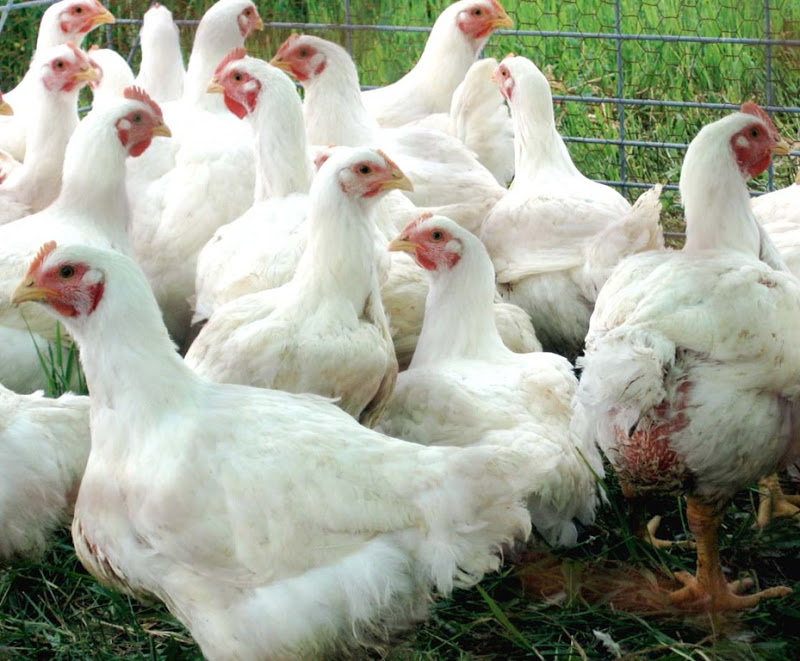
In conclusion, successfully fattening broilers quickly requires a comprehensive approach that combines proper nutrition, environmental control, breed selection, and health management. By carefully monitoring and adjusting these factors, farmers can ensure their broilers grow rapidly without compromising their well-being. Implementing these strategies will help you achieve faster turnaround times and better returns in your poultry venture.