Learning how to fatten cattle effectively is essential for ensuring healthy weight gain and maximizing profitability in cattle farming. This process involves understanding biological growth mechanisms, selecting suitable breeds, and implementing proper nutrition and management strategies. By mastering these key aspects, farmers can promote efficient fattening while maintaining the well-being of their livestock.
This comprehensive guide covers fundamental techniques, nutritional best practices, environmental management, growth monitoring, and solutions to common challenges, providing a well-rounded approach to successful cattle fattening.
Fundamentals of Fattening Cattle
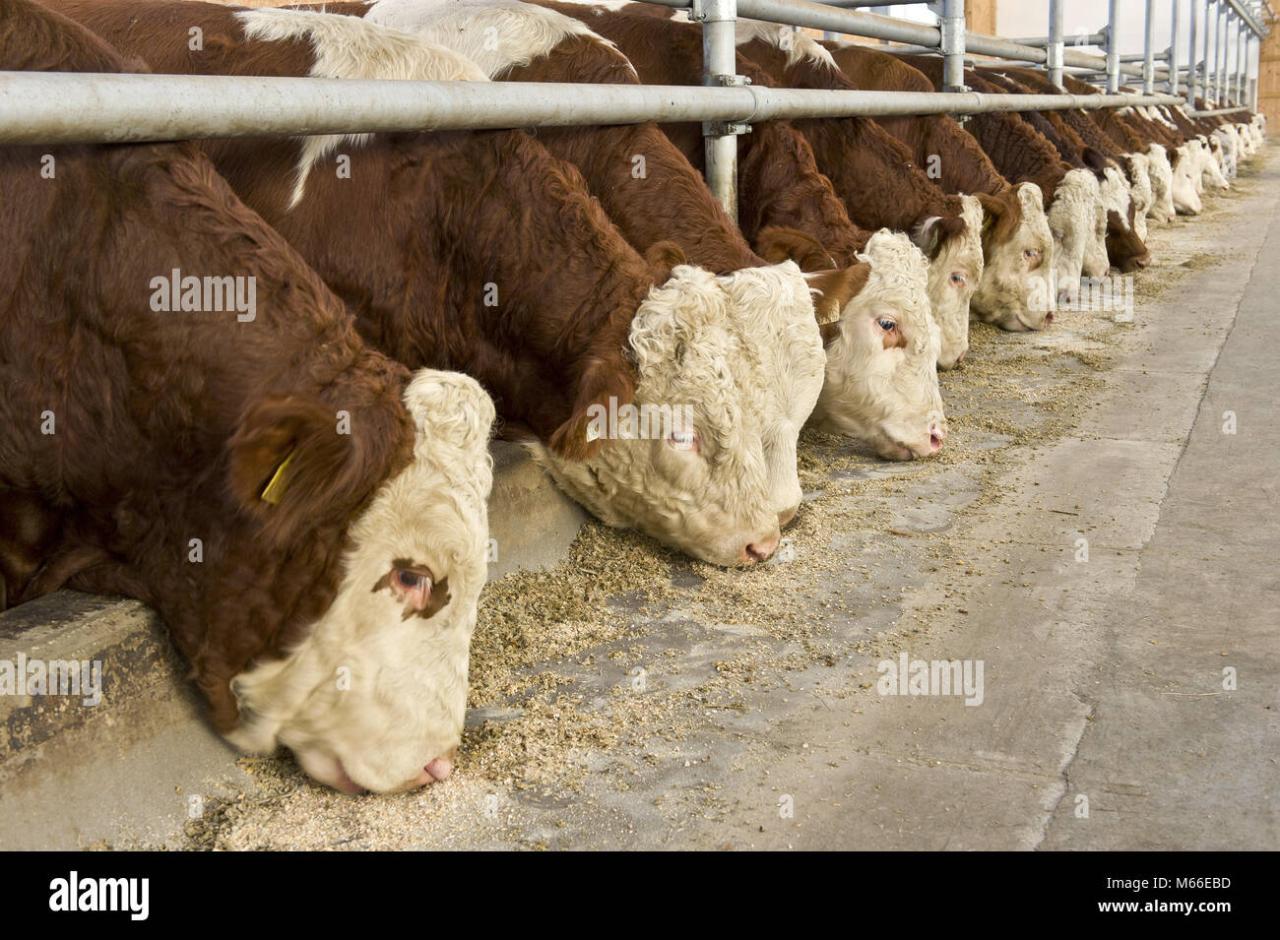
Fattening cattle is a critical phase in beef production, emphasizing efficient weight gain to maximize meat quality and yield. Understanding the biological processes and nutritional requirements involved is essential for achieving optimal results. Selecting appropriate breeds and managing feeding strategies effectively can significantly influence the success of a fattening program.
The biological process of cattle gaining weight involves a combination of genetic, nutritional, and management factors that promote muscle development, fat deposition, and overall growth. Efficient fattening entails providing a balanced diet that supports rapid yet healthy weight gain while avoiding metabolic disorders. Proper breed selection ensures that the animals possess the genetic predisposition for efficient growth and carcass quality, which can vary based on the intended market and environmental conditions.
Biological Process of Weight Gain
The process begins with the digestion and absorption of nutrients from feed, which are then utilized for tissue synthesis and energy production. Carbohydrates serve as the primary energy source, supporting daily activities and growth, while proteins are vital for muscle development. Lipids contribute to energy density and fat deposition, especially during later stages of fattening. The efficiency of this process depends on the balance of these nutrients, the animal’s health, and environmental factors such as temperature and housing conditions.
Selecting Suitable Breeds for Fattening
Choosing the right breed is fundamental to achieving desirable growth rates, feed conversion efficiency, and carcass characteristics. Broiler-type breeds like Charolais, Limousin, and Angus are known for their rapid growth and high-quality meat. Conversely, native or local breeds may have slower growth rates but better adaptability to specific climates and resistance to local diseases, making them suitable for particular production systems.
Breeds with a genetic predisposition for marbling and fat deposition are preferred for meat quality, especially in markets demanding premium beef.
Key Nutritional Components for Cattle Growth
A balanced diet ensuring adequate nutrient intake is vital for effective fattening. The following table summarizes the main feed types, their nutrient contents, quantities, and recommended durations for feeding during the fattening process.
| Feed Type | Nutrient Content | Quantity | Recommended Duration |
|---|---|---|---|
| Hay and Grazing Pasture | Carbohydrates, Fiber, Vitamins | Ad libitum or as available | Initial to Mid-fattening stage |
| Concentrates (Grains such as maize, barley) | High energy, Starch, Proteins | 1.5–2.5% of body weight per day | Mid to Final fattening stage |
| Protein Supplements (Soybean meal, Cottonseed meal) | Proteins, Amino acids | 0.2–0.5% of body weight per day | Throughout fattening period as required |
| Mineral and Vitamin Premixes | Essential minerals and vitamins | As per manufacturer’s recommendations | Throughout fattening period |
Note: Proper balancing of these components is crucial to prevent metabolic disorders like acidosis or ketosis, which can arise from improper feed formulation.
Best Practices for Cattle Nutrition
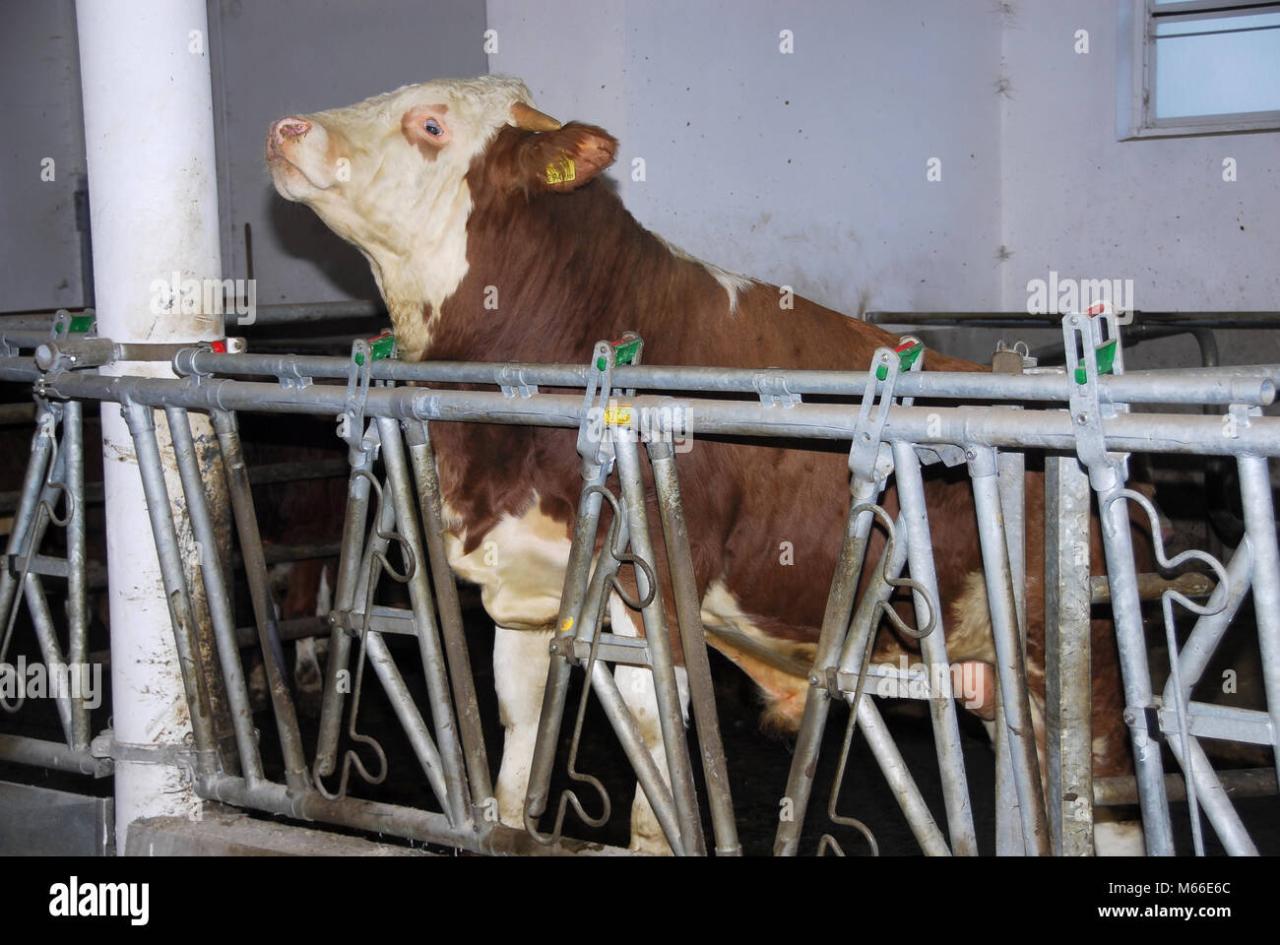
Optimizing cattle nutrition is fundamental to achieving efficient weight gain and ensuring overall health. Employing high-energy feeds and carefully balanced diets allows for maximized growth rates and improved feed conversion efficiency. Proper monitoring and adjustments further refine the feeding strategy, leading to better productivity and economic returns in cattle fattening operations.
Implementing best practices in cattle nutrition involves selecting appropriate high-energy feeds, balancing rations accurately, and maintaining vigilant oversight of feed intake. Comparing grazing versus supplemented feeding strategies enables producers to tailor nutrition plans based on resource availability, cattle requirements, and economic considerations.
High-Energy Feeds and Supplements to Enhance Weight Gain
High-energy feeds serve as the cornerstone for promoting rapid weight gain in cattle. These feeds provide the necessary caloric density to support increased growth rates, especially during the finishing phase. Supplements further enhance energy intake and address specific nutritional deficiencies.
- Corn: Rich in starch, corn is a primary energy source that promotes rapid weight gain.
- Sorghum: An alternative to maize, offering high energy with good adaptability to different environments.
- Barley: Contains higher fiber but provides significant energy, suitable for cattle requiring moderate energy boosts.
- Sugarcane Molasses: A liquid supplement high in soluble sugars, enhancing palatability and energy density.
- By-product Feeds: Such as wheat middlings, distillers grains, and brewer’s grains, which offer high caloric content and additional nutrients.
- Fat Supplements: Including vegetable oils or protected fats, used to increase caloric density without increasing feed bulk, especially beneficial in late finishing stages.
Balancing Rations to Meet Cattle Dietary Needs
Proper ration balancing ensures cattle receive all essential nutrients in appropriate proportions, facilitating optimal growth and health. It involves calculating the correct ratios of energy, protein, vitamins, and minerals based on the animals’ age, weight, and production stage.
Key procedures include analyzing feed ingredient composition, determining nutrient requirements using established guidelines, and employing ration formulation software or manual calculations to create balanced diets. Ensuring adequate fiber intake prevents digestive disturbances, while sufficient protein supports muscle development. Minerals and vitamins are added to prevent deficiencies that could impair growth or reproductive performance.
“Achieving a balanced diet improves feed efficiency, reduces feed costs, and enhances overall cattle performance.”
Monitoring Feed Intake and Adjusting Diets
Continuous monitoring of feed intake provides crucial insights into cattle health and diet adequacy. It involves recording daily feed consumption, observing cattle behavior, and evaluating body condition scores regularly. Variations from expected intake levels can indicate health issues, feed palatability problems, or nutritional imbalances.
Adjustments to diets should be based on observed data, cattle performance, and current body condition. For instance, a decline in feed intake coupled with weight loss may necessitate increasing energy density or improving feed palatability. Conversely, excessive weight gain might require lowering energy levels to prevent overconditioning. Using tools such as feed analysis reports and performance records helps fine-tune rations for optimal results.
Comparison of Natural Grazing Versus Supplemented Feeding Strategies
Both grazing and supplemented feeding strategies have distinct advantages and considerations that influence their application in cattle fattening programs.
- Natural Grazing:
- Provides a natural diet rich in forage, promoting gut health and natural behavior.
- Lower feed costs due to reliance on pasture resources.
- Dependent on pasture quality and seasonal variations, which may limit growth potential.
- Suitable for extensive systems with ample land and favorable climate conditions.
- Supplemented Feeding:
- Allows precise control over nutrient intake, especially energy-dense feeds for rapid weight gain.
- Enables year-round feeding regardless of pasture conditions, ensuring consistent growth rates.
- Involves higher costs due to purchase of concentrates and supplements.
- Requires careful ration formulation and monitoring to prevent overfeeding or deficiencies.
Choosing between these strategies depends on resource availability, farm management goals, and economic factors. A combination approach often yields balanced benefits, with grazing supplemented by concentrates during periods of low forage availability or for finishing cattle more rapidly.
Managing Housing and Environment
Ensuring optimal housing and environmental conditions is fundamental to achieving healthy weight gain in cattle. Proper shelter, ventilation, and pasture management not only promote better feed intake but also reduce stress and disease risks, ultimately enhancing overall growth performance. Creating an environment that aligns with cattle needs fosters efficiency in fattening programs and leads to more predictable and desirable outcomes.Effective management of housing and environmental factors plays a pivotal role in cattle fattening.
Proper shelter provides protection from extreme weather conditions, such as excessive heat, cold, or rain, which can impair appetite and metabolic processes. Adequate ventilation ensures a continuous supply of fresh air, reducing humidity and buildup of harmful gases like ammonia that can cause respiratory issues. When cattle are comfortable and stress-free, their natural growth potential is maximized, leading to better feed conversion ratios and weight gains.
Optimizing Shelter and Ventilation
A well-designed shelter minimizes environmental stressors and promotes healthy weight gain. When planning housing facilities, consider the following aspects:
- Ventilation Systems: Incorporate natural ventilation through strategically placed windows, vents, or ridge openings that facilitate airflow. Mechanical systems such as exhaust fans can be used in larger facilities to maintain air quality, especially in humid conditions.
- Shade and Shelter: Provide shaded areas that protect cattle from direct sunlight, which can cause heat stress. Shelter should be spacious enough to prevent overcrowding, allowing cattle to move freely and reduce competition for resources.
- Material Selection: Use materials that resist dampness and promote good insulation, such as well-ventilated brick or metal structures with adequate roofing to prevent water ingress and heat accumulation.
Enhancing Pasture Quality for Better Nutrition
Pasture management is a critical component of efficient cattle fattening, directly affecting the nutritional intake and growth rates. High-quality pasture ensures cattle obtain essential nutrients naturally, reducing reliance on supplementary feeds.To optimize pasture quality:
- Regular Grazing Rotation: Implement rotational grazing to prevent overgrazing, allowing pasture plants to recover and maintain high nutritive value. This practice also reduces parasite loads and promotes healthy soil development.
- Soil Fertility Management: Conduct soil tests periodically and apply appropriate fertilizers to enhance pasture productivity and nutrient content. Balanced fertilization supports vigorous grass growth with higher protein and energy levels.
- Species Selection: Incorporate a mix of legumes (such as clover or alfalfa) with grasses to naturally boost protein levels and improve digestibility. Perennial pastures provide consistent nutrition throughout the year.
Designing Environmental Conditions for Efficient Fattening
Creating an environment conducive to rapid and healthy fattening involves thoughtful layout planning and setup considerations:
| Feature | Design Considerations |
|---|---|
| Feeding Areas | Design spacious, accessible feeding zones that prevent overcrowding and allow cattle to eat comfortably, reducing stress and competition. |
| Water Supply | Ensure a constant supply of clean, fresh water, positioned conveniently to encourage intake. Water troughs should be durable, easy to clean, and appropriately sized for the herd. |
| Drainage and Flooring | Implement well-drained flooring solutions such as gravel or sloped concrete to prevent mud and standing water, which can lead to hoof problems and disease. |
| Layout Arrangement | Arrange shelters, feeding, and watering points to minimize movement distances, improve airflow, and reduce cattle stress. Consider separating high-traffic zones to prevent congestion. |
“A clean, stress-free environment is essential for optimal growth; cattle thrive when they are comfortable, healthy, and free from environmental stressors.”
Ensuring that housing and environmental conditions are carefully managed contributes significantly to the efficiency and success of cattle fattening programs. By focusing on shelter quality, pasture management, and thoughtful layout, producers can promote healthier, faster-growing cattle that meet desired weight and quality standards.
Growth Monitoring and Record Keeping
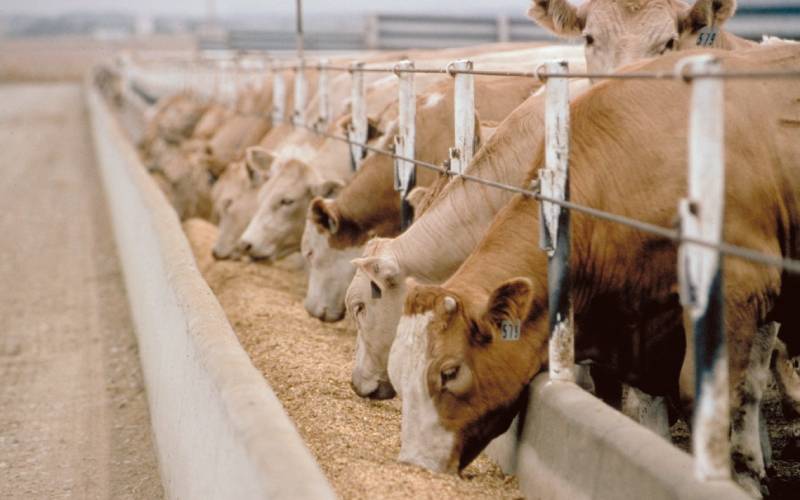
Effective growth monitoring and meticulous record keeping are vital components of successful cattle fattening operations. Regularly tracking each animal’s weight and health indicators enables farmers to assess progress, detect potential issues early, and make informed management decisions to optimize growth performance and overall productivity.
Implementing organized procedures for measuring cattle weight, recording relevant metrics, and analyzing growth patterns ensures a systematic approach. This process not only facilitates better nutritional and health management but also provides valuable data for evaluating the effectiveness of feeding strategies and environmental conditions, ultimately contributing to more profitable cattle production.
Procedures for Regular Measurement and Record Keeping
Maintaining consistent and accurate records begins with establishing standard procedures for measuring cattle weight and health indicators. These procedures should include scheduled weighing routines, standardized techniques for handling animals to minimize stress, and consistent measurement tools such as calibrated scales. Proper record keeping supports trend analysis, which is essential for making timely adjustments to feeding and management practices.
It is recommended to measure cattle’s weight at regular intervals—such as biweekly or monthly—depending on the growth stage and production goals. Alongside weight, health indicators such as body condition score, incidences of illness, and behavioral observations should be documented. Using systematic record-keeping practices helps identify deviations from expected growth patterns and facilitates prompt corrective actions.
Templates for Recording Growth Metrics
Structured templates simplify the process of documenting vital data and ensuring consistency across observations. Below is an example of an HTML table designed to record key growth metrics:
| Date | Weight (kg) | Feed Intake (kg/day) | Remarks |
|---|---|---|---|
| 2024-04-01 | 250 | 8 | Healthy appetite, active behavior |
| 2024-04-15 | 265 | 8.5 | Good weight gain, slight increase in activity level |
| 2024-04-29 | 280 | 9 | Steady growth, no health issues observed |
This template can be customized to fit specific farm needs, including additional columns for health checks, medication records, or other relevant data points. Maintaining digital or physical copies of these records ensures easy access and comprehensive data analysis over time.
Signs of Healthy versus Unhealthy Weight Gain
Recognizing the difference between healthy and unhealthy weight gain is essential for timely interventions that promote optimal growth and animal welfare. Healthy weight gain is characterized by consistent, gradual increases in body weight, accompanied by good appetite, active demeanor, and stable body condition scores. These animals generally display a shiny coat, bright eyes, and smooth gait, indicating good overall health.
Healthy weight gain should be approximately 0.8 to 1.2 kg per day, depending on age, breed, and production stage. Deviations from this rate may signal issues that require attention.
Unhealthy weight gain, on the other hand, may manifest as rapid or stagnant growth, loss of appetite, lethargy, or physical signs such as swelling, lameness, or abnormal body condition. Sudden weight fluctuations or poor feed conversion efficiency can also be indicators of underlying health problems or nutritional deficiencies.
Regular monitoring helps differentiate between these states, allowing for prompt management adjustments such as dietary modifications, health treatments, or environmental improvements to ensure animals continue to progress healthily.
Evaluating Growth Progress and Making Adjustments
Evaluating growth progress involves analyzing recorded data against expected benchmarks for specific breeds and production stages. Growth curves and trend analysis enable farmers to visualize progress over time and identify periods of slower or accelerated growth. If growth rates fall below targets, it may be necessary to reassess feeding strategies, improve diet quality, or address health concerns.
When evaluating growth data, consider factors such as feed intake efficiency, health status, and environmental conditions. Using the recorded metrics, calculations such as Average Daily Gain (ADG) can be performed to quantify growth performance:
ADG = (Final weight – Initial weight) / Number of days
For example, if a steer weighs 250 kg at the start and 280 kg after 30 days, the ADG is (280 – 250) / 30 = 1 kg/day, indicating satisfactory growth. If the ADG is consistently below expected levels, adjustments such as increasing high-energy feeds or improving housing conditions may be necessary. Regular review of records facilitates proactive management, ensuring that cattle achieve target weights efficiently and healthily.
Common Challenges and Solutions in Fattening Cattle
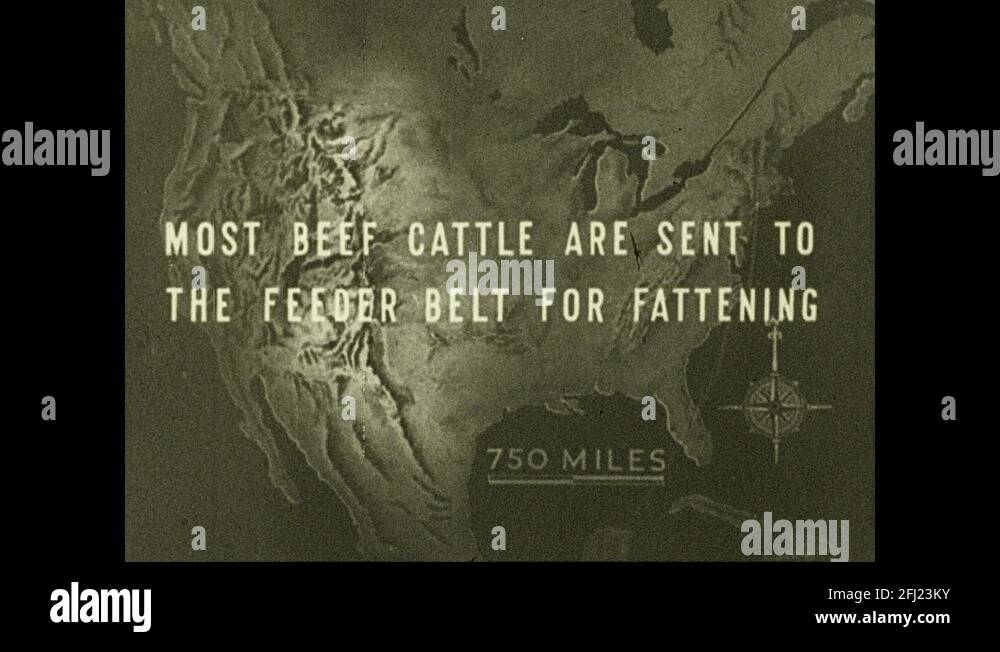
Fattening cattle programs often encounter various challenges that can impede optimal growth, feed efficiency, and overall animal health. Recognizing these issues early and implementing effective solutions is crucial for successful cattle fattening operations. This section explores common problems faced during the fattening process, provides troubleshooting strategies, and discusses preventative measures to maintain ideal conditions for beef production.In practice, addressing challenges proactively ensures animals achieve targeted weight gains while minimizing health risks and economic losses.
Understanding both the causes and remedies of typical issues allows farm managers to optimize productivity and animal welfare throughout the fattening cycle.
Potential Issues in Fattening Cattle
Fattening cattle may experience a range of health and performance issues, including obesity, metabolic disorders, and poor feed conversion efficiency. These problems can result from nutritional imbalances, inadequate management, or environmental stressors.
- Obesity can lead to reduced fertility, increased susceptibility to diseases, and difficulties during processing.
- Metabolic disorders, such as ketosis or acidosis, often arise from rapid diet changes or excessive concentrate feeding.
- Poor feed conversion means animals are not efficiently converting feed into body mass, leading to increased costs and suboptimal growth rates.
Identifying the specific issue affecting the cattle is vital, as each problem requires targeted interventions to restore proper growth trajectories and health status.
Strategies for Troubleshooting and Problem-Solving
Effective management of challenges in cattle fattening involves systematic troubleshooting and tailored corrective actions. It is essential to closely monitor animal behavior, physical condition, and feed intake patterns to detect early signs of problems.Key troubleshooting steps include:
- Regularly assess the body condition score of each animal to identify signs of over- or under-nutrition.
- Monitor feed intake and digestion patterns for abnormalities that could indicate metabolic or digestive issues.
- Track growth rates and compare them with expected benchmarks to detect stagnation or decline in performance.
- Observe manure consistency and color, as changes can signal digestive disturbances or metabolic problems.
- Conduct blood tests or other diagnostics when necessary to identify specific metabolic or infectious conditions.
By systematically analyzing these indicators, managers can pinpoint issues accurately and implement appropriate corrective measures promptly.
Implementing Corrective Measures
Once problems are identified, a structured approach to implementing corrective actions ensures effective resolution without compromising animal health. The following procedures serve as a guideline:
- Adjust the diet composition to correct nutritional imbalances, such as reducing concentrate for animals showing signs of acidosis or increasing fiber for digestive health.
- Gradually modify feed schedules to prevent sudden changes that could stress the animals or trigger metabolic disorders.
- Improve housing and environmental conditions if issues arise from stress, overcrowding, or poor ventilation.
- Administer prescribed veterinary treatments for infectious or metabolic diseases, following proper dosage and timing protocols.
- Implement targeted supplementation, such as mineral or vitamin additives, to address deficiencies identified through diagnostics.
- Reduce animal stress by ensuring consistent handling practices and minimizing environmental fluctuations.
Consistent monitoring and documentation of these interventions aid in evaluating their effectiveness and making further adjustments as needed.
Preventative Practices for Optimal Growth Conditions
Prevention is the cornerstone of successful cattle fattening, emphasizing proactive management to minimize the occurrence of problems. Key preventative strategies include:
- Providing a balanced, nutritionally adequate diet tailored to the specific growth stage and breed of cattle.
- Ensuring gradual dietary transitions to allow the rumen to adapt and prevent digestive disturbances.
- Maintaining proper housing conditions, including adequate ventilation, clean and dry bedding, and appropriate space per animal.
- Implementing regular health checks and vaccinations to prevent infectious diseases.
- Monitoring environmental factors such as temperature and humidity, and providing shade or cooling systems during hot weather.
- Keeping detailed records of animal health, feed intake, growth rates, and environmental conditions to identify trends and address issues promptly.
Adopting these practices ensures cattle are kept in conditions conducive to healthy growth, reduces the incidence of health problems, and optimizes feed efficiency and overall profitability.
Ultimate Conclusion
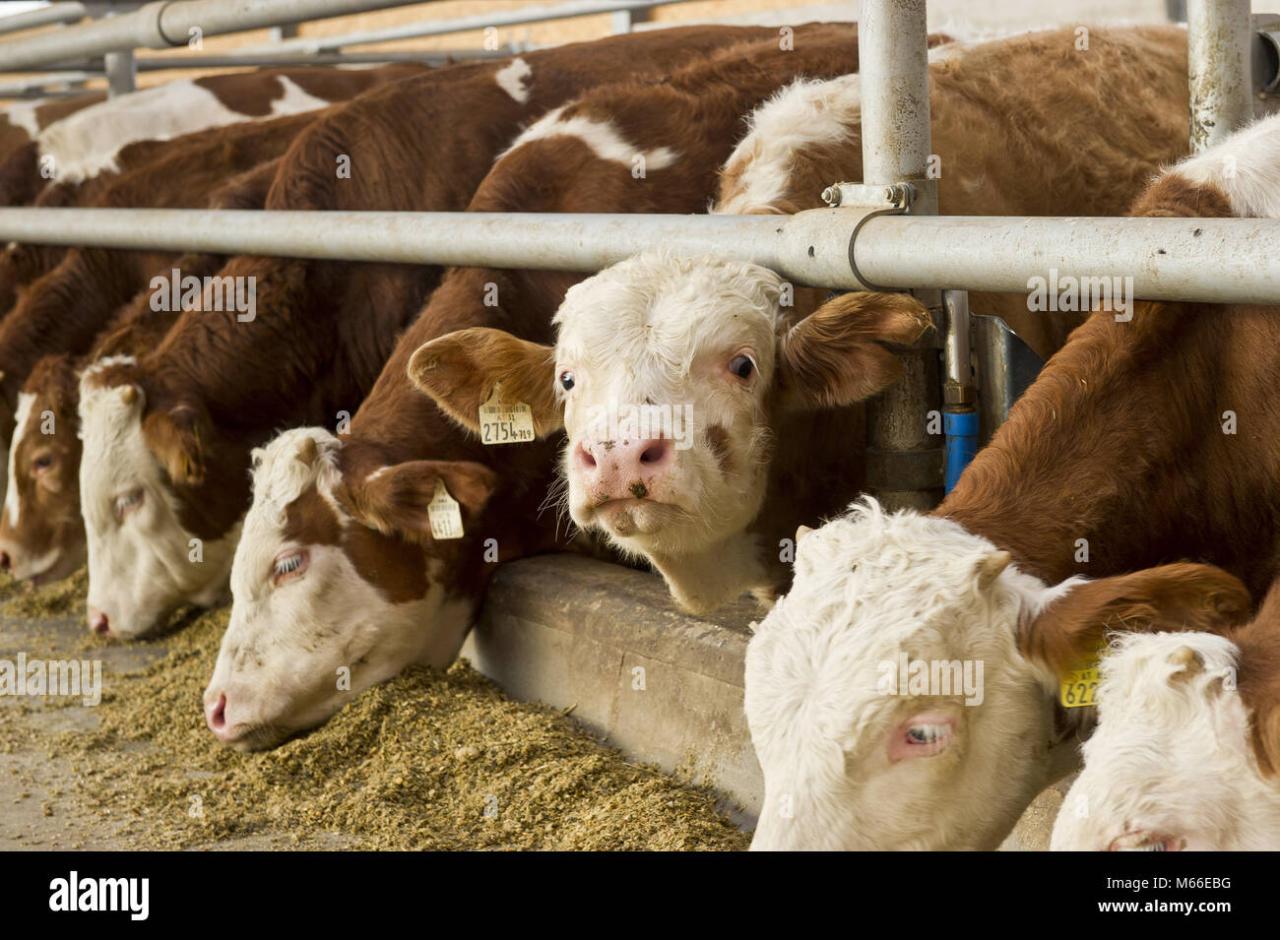
In conclusion, implementing proper feeding, environment, and health monitoring practices are vital for achieving optimal cattle weight gain. Consistent management and proactive problem-solving ensure healthy growth, leading to better productivity and economic returns. With careful attention to each phase of the fattening process, farmers can enjoy sustainable success in their cattle enterprise.