Understanding how to fatten pigs quickly is essential for farmers seeking efficient and profitable livestock production. Implementing effective feeding strategies, optimizing dietary formulations, and managing environmental conditions can significantly accelerate pig growth rates. This guide provides comprehensive insights into methods that promote rapid weight gain while maintaining animal health and well-being.
By following proven techniques and carefully monitoring health and environmental factors, farmers can achieve optimal growth within a shorter timeframe. The integration of suitable supplements, proper management practices, and regular progress tracking ensures that pigs reach desired weights efficiently and sustainably.
Proper Methods for Increasing Pig Weight Rapidly
Achieving rapid weight gain in pigs requires a strategic combination of optimal feeding practices, high-quality nutrition, and proper management. Implementing effective methods ensures quicker growth rates, improves overall health, and enhances profitability for pig farmers. It is vital to understand that the right approach balances nutritional needs with feeding schedules, environmental conditions, and supplementation to maximize growth potential.
Adopting scientifically-backed feeding strategies can significantly influence the growth trajectory of pigs. These methods focus on providing energy-dense diets, ensuring balanced nutrient intake, and minimizing growth bottlenecks. Proper nutritional management, alongside close monitoring, helps prevent common issues such as deficiencies or metabolic disorders, which can hamper rapid weight gain.
Effective Feeding Strategies for Rapid Weight Gain
Feeding strategies tailored to promote quick weight gain involve selecting the right feed types, establishing consistent feeding schedules, and incorporating appropriate supplements. These approaches are designed to meet the high energy and protein demands of growing pigs, especially during the finishing phase. Proper implementation of these strategies results in healthier, faster-growing pigs that reach market weight efficiently.
| Feed Types | Feeding Schedules | Ingredients | Expected Results |
|---|---|---|---|
| High-Protein Grower Feed | Feed twice daily, morning and evening, with continuous access during the finishing stage |
|
Rapid muscle development and increased overall weight gain, reaching slaughter weight faster |
| Energy-Dense Finisher Feed | Ad libitum access starting from 10 weeks of age until market weight |
|
Enhanced caloric intake promoting fat deposition and finishing weight in less time |
| Supplemental Nutrients and Additives | Administered during feeding sessions, typically 2-3 times per week |
|
Improved nutrient absorption, reduced feed conversion ratio, and accelerated growth rates |
| Specialized Growth Promoters | Integrated within the feeding schedule based on veterinarian recommendations |
|
Enhanced feed efficiency and faster attainment of target weights |
Implementing these feeding strategies requires careful planning, consistent monitoring, and adjustments based on the pigs’ growth performance. Regular weighing and health assessments help tailor feeding regimens to optimize weight gain while maintaining animal welfare. Combining high-nutrition feeds with proper schedules ensures pigs reach market weight efficiently, maximizing profitability and promoting sustainable farming practices.
Optimal Diet Formulations for Fast Pig Growth
Achieving rapid weight gain in pigs hinges significantly on providing a well-balanced, nutrient-rich diet tailored to their growth stages. Proper diet formulation not only accelerates growth rates but also ensures the health and well-being of the animals. Strategic selection and combination of feed ingredients are vital for optimizing feed efficiency and maximizing gains in a short period.
In devising effective diets for swift pig growth, it is essential to understand the nutritional needs at various growth phases and the impact of different ingredients on overall performance. Formulating such diets involves balancing energy, protein, vitamins, and minerals to promote lean muscle development, reduce feed costs, and prevent metabolic disorders.
Recommended Recipes for Accelerated Pig Growth
Creating high-performance diets requires blending ingredients that provide maximum nutritional value while being economically feasible. Below are detailed formulations for different growth stages:
- Starter Diet (0-8 weeks): Typically rich in protein to support early muscle development. Example recipe includes:
- Grower Diet (8-16 weeks): Focuses on sustaining rapid growth with balanced energy and protein:
- Finisher Diet (16 weeks and beyond): Aimed at maximizing lean muscle and fat deposition:
-Corn: 50% (source of energy, easily digestible)
-Soybean Meal: 25% (high-quality protein)
-Wheat Bran: 10% (fiber source)
-Fish Meal: 5% (additional protein and amino acids)
-Vitamin and Mineral Premix: 2%
-Salt and Additives: 1%
-Water: as needed to achieve moist consistency
-Corn: 55%
-Soybean Meal: 20%
-Wheat Bran or Corn Silage: 10%
-Fish or Poultry Meal: 4%
-Vitamin and Mineral Premix: 2%
-Additives (such as lysine and methionine): 1%
-Water: sufficient for feed consistency
-Corn: 60%
-Soybean Meal or Cottonseed Meal: 15%
-Bran or Wheat Shorts: 8%
-Fish or Blood Meal: 3%
-Vitamin and Mineral Premix: 2%
-Additives like enzymes for digestibility: 1%
-Water: as required
Comparison of Feed Ingredients and Their Impact on Growth Rates
Different feed ingredients contribute uniquely to pig growth, influencing efficiency, health, and carcass quality. Understanding these effects facilitates optimal diet formulation:
| Feed Ingredient | Primary Nutritional Content | Impact on Growth | Additional Benefits |
|---|---|---|---|
| Corn | High energy (starch), moderate protein | Supports rapid weight gain by providing readily available energy | Cost-effective energy source, improves feed conversion ratio |
| Soybean Meal | High-quality protein, rich in amino acids | Enhances muscle development and overall growth rate | Improves feed efficiency, supports immune function |
| Fish Meal | High protein, rich in essential amino acids and omega-3 fatty acids | Accelerates growth, improves meat quality | Boosts immune response, enhances carcass quality |
| Wheat Bran | Fiber, modest protein | Supports gut health and digestion, indirectly supports growth | Reduces feed costs, maintains intestinal health |
| Blood or Poultry Meal | Very high protein, rich in iron and minerals | Stimulates rapid muscle tissue growth | Provides vital micronutrients, enhances lean meat deposition |
Managing pig health during rapid weight gain
Ensuring the health and well-being of pigs during periods of rapid weight gain is crucial for achieving optimal growth outcomes while minimizing health risks. Proper management practices can prevent common health issues that often accompany fast growth, such as metabolic disorders, lameness, and disease outbreaks. Regular health monitoring and timely interventions are essential components of a successful fattening program.
Maintaining a healthy pig population during rapid weight gain involves vigilant observation for signs of nutritional deficiencies and health problems. Early detection allows for prompt corrective action, which can include dietary adjustments, medical treatments, or enhanced sanitation measures. Implementing a comprehensive health management plan ensures pigs remain resilient and productive throughout their growth period.
Health monitoring procedures during rapid growth
Effective health management relies on systematic monitoring protocols that allow farmers to identify issues early and implement appropriate measures. Regular observation and record-keeping help in tracking growth patterns, feed intake, and behavioral changes. Routine physical examinations should include checking for lameness, swelling, abnormal discharges, and skin conditions. Additionally, monitoring vital signs such as body temperature, respiration rate, and heart rate provides insights into the animal’s overall health status.
Laboratory testing can support physical assessments by detecting subclinical infections or deficiencies. Blood tests for micronutrient levels, hematology profiles, and pathogen screening can identify underlying health concerns before they manifest visibly. Maintaining detailed records of health observations and interventions supports data-driven decisions, improving overall herd health management.
Signs of nutritional deficiencies or health problems and solutions
Recognizing early symptoms of nutritional deficiencies or health issues is key to preventing severe problems during rapid growth. Common signs include decreased feed intake, lethargy, uneven growth rates, and behavioral changes such as reluctance to move or social withdrawal. Physical indicators like pale mucous membranes may suggest anemia, while swelling or lameness could indicate mineral deficiencies such as calcium or selenium.
Addressing these issues involves adjusting dietary formulations to correct deficiencies, improving sanitation and biosecurity measures, and providing targeted medical treatments when necessary. Supplementing diets with vitamins and minerals, using probiotics to support gut health, and ensuring clean drinking water are vital strategies. Consulting with a veterinarian for accurate diagnosis and tailored treatment plans enhances recovery and sustains growth performance.
Health management practices, including vaccination and parasite control
Implementing comprehensive health management practices helps reduce disease incidence and supports rapid growth environments. These practices include:
- Regular vaccination schedules against common pig diseases such as classical swine fever, porcine parvovirus, and erysipelas, based on regional disease prevalence
- Routine deworming and parasite control programs to prevent internal parasites like roundworms and whipworms, which can impair nutrient absorption
- Maintaining clean and dry housing conditions to reduce pathogen load and minimize stress factors that compromise immunity
- Implementing strict biosecurity measures, including quarantine procedures for new animals and control of visitors and equipment movement
- Ensuring proper ventilation and environmental control to prevent respiratory illnesses and heat stress
- Providing adequate nutrition tailored to support immune function and overall health, including necessary supplements as advised by a veterinarian
Consistent health management, including vaccination and parasite control, is fundamental to sustaining rapid growth while safeguarding pig welfare and productivity.
Environmental Conditions that Promote Quick Pig Growth

Optimizing environmental factors is essential for achieving rapid and healthy weight gain in pigs. Proper housing design, temperature regulation, ventilation, and lighting play pivotal roles in influencing pig comfort, feed efficiency, and overall growth performance. Ensuring that these conditions are tailored to meet the pigs’ needs can significantly shorten the time required to reach market weight, improving productivity and profitability.
Maintaining an ideal environment reduces stress, prevents health issues, and enhances feed conversion efficiency. Pigs are sensitive to their surroundings; thus, a well-managed environment fosters their natural growth potential and supports rapid weight gain without compromising their well-being.
Housing and Temperature Control
Proper housing structures provide a comfortable space that minimizes stress and supports metabolic efficiency. Temperature regulation is crucial since pigs are unable to sweat effectively and are susceptible to thermal stress, which can hinder growth. Ensuring that the housing maintains a consistent temperature within optimal ranges accelerates weight gain and prevents health complications.
The ideal temperature for pigs during rapid growth phases is generally between 18°C to 22°C (65°F to 72°F). Younger pigs or those in colder climates may require additional heat sources, such as heat lamps or heating pads, particularly in their initial weeks post-weaning. Conversely, in hot climates, cooling systems like misting fans or evaporative cooling pads help avoid heat stress.
Ventilation and Air Quality
Effective ventilation is essential for maintaining fresh air, removing excess moisture, and controlling ammonia and other harmful gases. Poor air quality can lead to respiratory issues, decreased feed intake, and slower growth rates. Proper ventilation systems should promote uniform airflow throughout the pigpen, reducing drafts and hot spots.
Using fans and exhaust systems alongside natural ventilation techniques ensures optimal air exchange, especially in larger or enclosed housing facilities. Regular maintenance of ventilation equipment guarantees continuous performance, supporting healthier pigs and faster growth.
Lighting Conditions
Lighting influences pig behavior, feed intake, and circadian rhythms, all of which impact growth rate. Providing a consistent and adequate lighting schedule encourages activity during the day and restful periods at night, promoting efficient feeding and growth.
Typically, a light intensity of around 200 lux during the day, with 8 to 12 hours of light, is sufficient for promoting optimal growth. Using LED lighting can improve energy efficiency and allow for adjustable light cycles, ensuring pigs’ biological needs are met and reducing stress-induced growth delays.
Guidelines for Optimizing Pigpen Conditions
Implementing the following actionable steps can help maximize pig growth rates by creating an ideal environment:
- Maintain ambient temperatures within the optimal range of 18°C to 22°C (65°F to 72°F), adjusting for age and climate conditions.
- Utilize heating systems such as heat lamps or radiant heaters for young piglets, especially during colder months.
- Ensure continuous and effective ventilation using fans, exhaust fans, or natural airflow to keep air fresh and humidity low.
- Design housing with proper insulation and spacing to avoid drafts and temperature fluctuations.
- Provide a consistent lighting schedule of 8-12 hours per day with a light intensity of approximately 200 lux to support natural activity and feeding behaviors.
- Regularly inspect and maintain ventilation and heating equipment to ensure optimal operation at all times.
- Incorporate environmental enrichment and comfortable flooring to reduce stress and support physical activity, which can improve feed intake and growth.
By adhering to these environmental management practices, pig producers can create an ideal setting that promotes rapid, healthy growth, ultimately leading to increased efficiency and profitability in pig farming operations.
Use of Supplements and Growth Enhancers
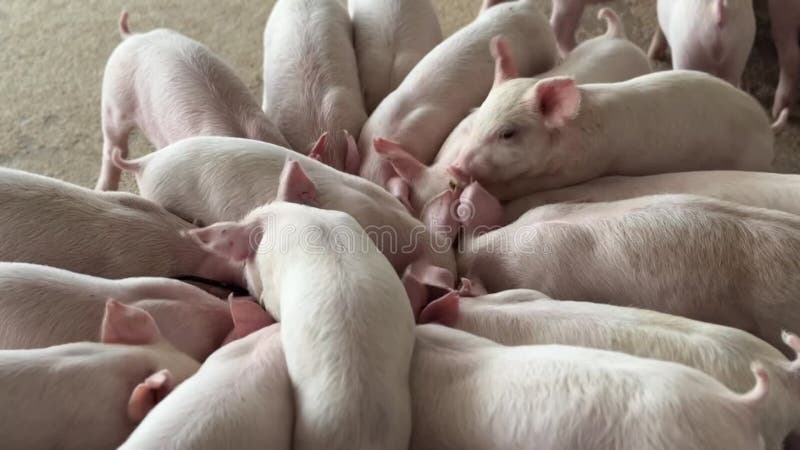
Effective application of supplements and growth enhancers plays a significant role in accelerating pig weight gain while maintaining health and productivity. When incorporated correctly, these products can complement a balanced diet and environmental management, resulting in improved growth rates and overall farm profitability. Proper selection and administration are essential to maximize benefits and ensure animal safety.Supplements and growth enhancers are substances added to pig diets to boost growth performance beyond what standard feeding programs provide.
They include natural feed additives, minerals, vitamins, and approved growth promoters that are safe for animals and compliant with veterinary regulations. Integrating these products into daily routines requires adherence to recommended dosages, timing, and handling procedures to prevent adverse effects and optimize results.
Types of Safe Supplements and Growth Promoters for Pigs
The use of safe supplements and growth promoters involves selecting products that are proven to be effective and approved by relevant regulatory authorities, such as the Food and Drug Administration (FDA) or equivalent agencies in different countries. Common categories include probiotics, prebiotics, enzymes, amino acids, minerals, vitamins, and natural growth-promoting additives like phytonutrients. Moreover, certain approved feed additives such as ionophores (where permitted) can enhance feed efficiency and weight gain.Probiotics and prebiotics help establish beneficial gut flora, improving nutrient absorption and health.
Enzymes assist in breaking down complex feed components, making nutrients more available. Amino acids and minerals like zinc and selenium support immune function and tissue development. Natural growth promoters derived from herbs or plant extracts may also improve feed intake and growth rates without synthetic hormone use.
Procedures for Integrating Supplements into Daily Feeding Routines
Effective supplementation involves systematic planning and consistent application to ensure pigs benefit fully from these products. Supplements should be introduced gradually, starting with low dosages to monitor tolerance. It is essential to follow manufacturer instructions regarding mixing, frequency, and duration.Integrate supplements into the feed by thoroughly mixing them with daily rations to ensure uniform distribution. For liquids or powders, use appropriate equipment to prevent wastage and contamination.
Regularly monitor pig health, feed intake, and growth performance to assess supplement efficacy. Adjust dosages based on growth stages, environmental conditions, and veterinarian recommendations, avoiding overuse that could lead to toxicity or resistance issues.
Supplement Recommendations Table
Below is a table listing various supplements, their recommended dosages, and the benefits they provide. This guide aids farmers and practitioners in selecting appropriate products tailored to specific growth goals.
| Supplement | Recommended Dosage | Benefits |
|---|---|---|
| Probiotics | 1-2 grams per kg of feed daily | Improves gut health, enhances nutrient absorption, reduces diarrhea |
| Organic Zinc | 50-100 mg per kg of feed | Supports immune function, accelerates growth, improves skin and hoof health |
| Vitamin E and Selenium | 100 IU Vitamin E and 0.3 mg Selenium per kg of feed | Enhances reproductive performance, boosts immune response, prevents oxidative stress |
| Enzymes (e.g., Phytase) | 100-200 grams per ton of feed | Increases digestibility of phosphorus and fiber, improves feed efficiency |
| Natural Phytochemicals (e.g., Yucca, Garlic Extracts) | As per manufacturer instructions | Reduces ammonia emissions, improves feed intake, supports overall health |
In conclusion, incorporating carefully selected supplements and growth enhancers into pig feeding programs, with adherence to recommended procedures, can significantly promote rapid and healthy weight gain. Ensuring safety, compliance, and proper management will maximize the benefits, leading to more efficient and profitable pig farming operations.
Common mistakes to avoid when trying to fatten pigs quickly
Fattening pigs efficiently requires careful management and adherence to best practices. While aiming for rapid weight gain, many farmers may unintentionally make errors that hinder progress or compromise the health and well-being of the animals. Recognizing and avoiding these common mistakes is essential for achieving optimal results and maintaining pig health throughout the process. Proper planning and management can help prevent setbacks and ensure a successful fattening period.Exceeding the pigs’ nutritional needs, neglecting sanitation protocols, or mismanaging environmental conditions can all lead to adverse outcomes.
These mistakes often result in slower growth rates, increased susceptibility to diseases, or even mortality among the pigs. It is important to implement strategies that promote healthy, rapid growth while safeguarding welfare standards.
Overfeeding and Nutritional Imbalances
Overfeeding pigs or providing an unbalanced diet can cause more harm than good. Excessive feeding often leads to obesity, metabolic disorders, or nutritional deficiencies. While a high-calorie diet is necessary for rapid growth, it must be carefully formulated to include the right proportions of proteins, carbohydrates, fats, vitamins, and minerals. An imbalance can impair digestion, reduce feed efficiency, and increase the risk of conditions such as diarrhea or lameness.Proper diet formulation based on the pigs’ age, weight, and health status is crucial.
Overestimating their capacity to consume feed can result in wastage and health issues. Regular monitoring and adjustments ensure pigs receive adequate nutrition without overloading their systems.
Poor Sanitation and Hygiene Practices
Maintaining a clean environment is fundamental to preventing disease and promoting healthy growth. Neglecting sanitation leads to the buildup of waste, bacteria, and parasites, which can cause infections and hinder weight gain. Overcrowded or dirty pens increase stress levels and facilitate the spread of contagious illnesses, ultimately slowing down growth rates.Implementing routine cleaning schedules, disinfecting housing, and managing waste effectively are vital steps.
Proper sanitation minimizes health risks, reduces veterinary costs, and keeps pigs comfortable and stress-free, all of which contribute to faster, healthier weight gain.
Improper Management of Environmental Conditions
Environmental factors such as temperature, ventilation, and lighting significantly influence pig growth. Excessive heat or cold stress can reduce feed intake and metabolic efficiency, delaying weight gain. Poor ventilation can cause respiratory issues, while inadequate lighting may affect feeding behavior.It is essential to maintain optimal environmental conditions tailored to the pigs’ developmental stage. Adequate ventilation systems, temperature regulation, and proper lighting schedules promote comfort and reduce stress, facilitating quicker and more consistent growth rates.
Neglecting Monitoring and Record-Keeping
Failing to regularly monitor pig health, feed intake, and weight progress hampers the ability to make informed management decisions. Without proper record-keeping, issues such as nutritional deficiencies, health problems, or environmental stressors may go unnoticed until they significantly impact growth.Implementing systematic health checks, weight recordings, and feed intake logs allows for early detection of problems. This proactive approach ensures timely interventions, minimizes setbacks, and supports sustained rapid growth.
Precautions for Safe and Effective Pig Fattening
- Maintain balanced and appropriate diets tailored to growth stages.
- Implement rigorous sanitation and hygiene protocols.
- Ensure environmental conditions are optimal for temperature, ventilation, and lighting.
- Monitor pig health, weight, and feed intake regularly, and keep detailed records.
- Avoid overfeeding to prevent metabolic and health disorders.
- Gradually introduce new feed or management changes to reduce stress.
- Limit overcrowding to reduce stress and disease transmission.
- Consult with a veterinarian or animal nutritionist for guidance on feeding regimens.
- Develop a contingency plan to address health issues promptly.
Tracking and measuring pig growth progress
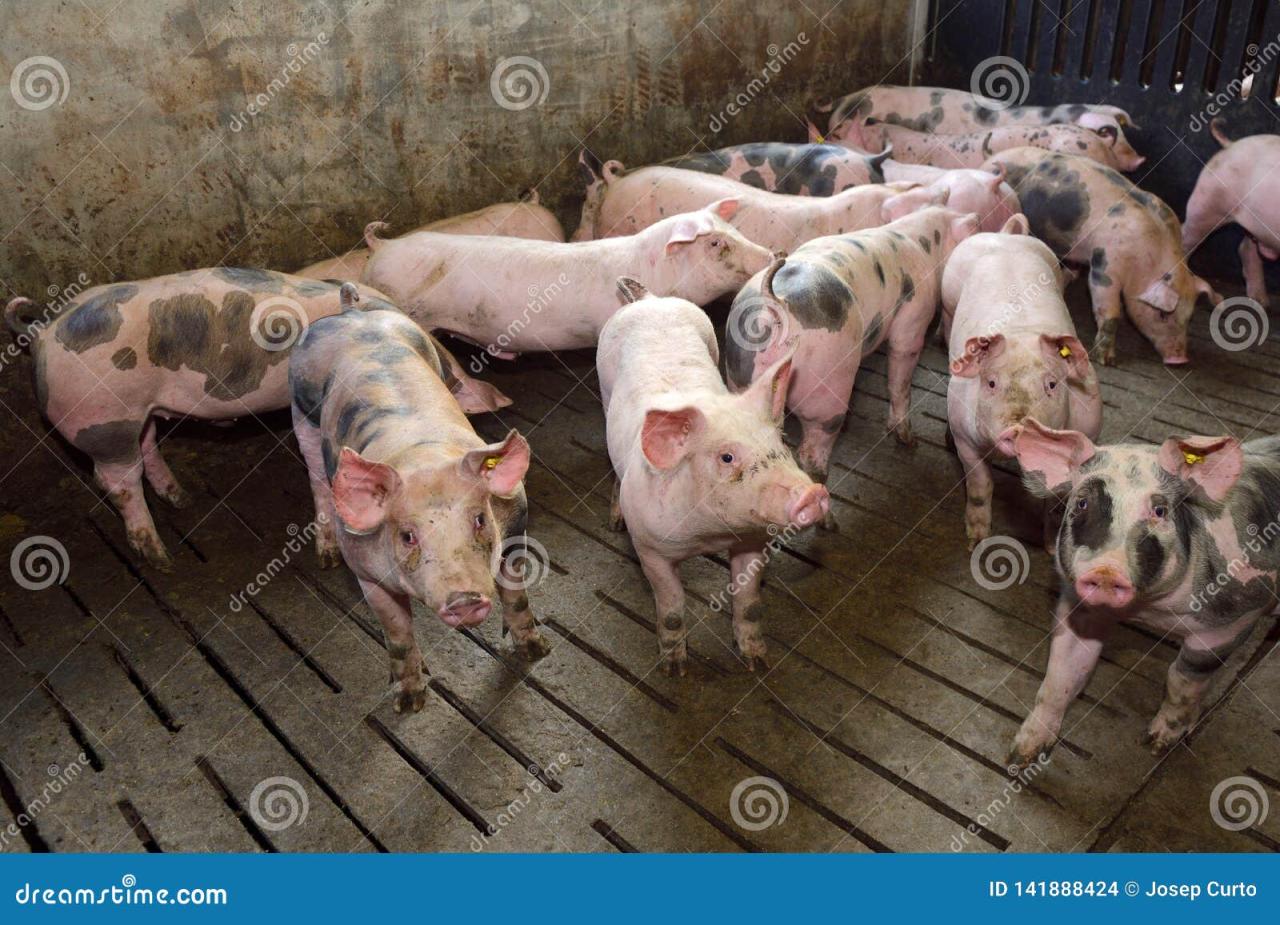
Maintaining accurate records of pig growth is essential for evaluating the effectiveness of feeding strategies and ensuring animals are reaching desired weight milestones efficiently. Proper tracking allows farmers and breeders to identify growth patterns, detect health issues early, and make informed decisions to optimize production outcomes. Implementing systematic measurement techniques and record-keeping practices ensures that progress is monitored objectively and consistently over time.Consistent measurement of pig weight and growth milestones provides valuable data to assess the success of rapid weight gain protocols.
Accurate tracking involves selecting appropriate tools, establishing regular measurement schedules, and maintaining comprehensive records. This process not only helps in identifying individual pig performance but also facilitates comparisons across groups, enabling targeted management interventions for optimal results.
Methods to monitor weight gain effectively over time
Effective monitoring of pig growth requires a combination of precise measurement techniques and disciplined record-keeping. The following methods are commonly used:
- Regular Weighing: Pigs should be weighed at consistent intervals—commonly weekly or biweekly—to track progress accurately. Using a calibrated digital or mechanical scale ensures measurement precision. Weigh pigs at the same time of day, ideally before feeding, to reduce variability caused by feed weight and gut fill.
- Visual and Dimensional Assessments: Observing changes in body condition, girth, and length can complement weight data and provide insights into overall health and muscle development. Measuring parameters such as backfat thickness and body length offers additional growth indicators.
- Growth Rate Calculations: Calculating average daily gain (ADG) helps evaluate the effectiveness of feeding regimens. ADG is obtained by dividing the total weight gained over a period by the number of days between measurements.
Tools and records necessary for accurate progress assessment
Accurate tracking hinges on the use of reliable tools and meticulous record management:
- Scales: Digital scales with high precision are preferred for their ease of use and accuracy. Mechanical scales can be used as a backup but require regular calibration.
- Measurement Tape and Calipers: For evaluating body dimensions such as girth, length, and backfat thickness, providing additional insights into growth quality and body composition.
- Record-keeping Templates: Structured logs or digital record-keeping software help organize data systematically, allowing for easy analysis and trend identification.
- Data Analysis Tools: Spreadsheets or specialized software can be used to calculate growth rates, visualize progress, and generate reports for decision-making.
Example table template to log weekly pig weights and growth milestones
A well-structured table simplifies the process of tracking growth over time. Below is an example template that can be adapted to individual farm needs:
| Pig ID | Week Number | Date of Measurement | Initial Weight (kg) | Current Weight (kg) | Weight Gain (kg) | Average Daily Gain (kg/day) | Remarks |
|---|---|---|---|---|---|---|---|
| Pig001 | 1 | 2024-04-01 | 20.0 | 25.0 | 5.0 | Healthy, active | |
| Pig001 | 2 | 2024-04-08 | 25.0 | 30.2 | 5.2 | Consistent growth |
Regularly updating the growth log ensures timely adjustments to feeding or management practices, ultimately leading to more efficient weight gain and healthier pigs.
Wrap-Up
In conclusion, mastering how to fatten pigs quickly involves a combination of strategic feeding, vigilant health management, and optimal living conditions. By adhering to these practices, farmers can enhance growth performance, increase profitability, and promote the overall health of their livestock. Consistent monitoring and careful management are key to successful rapid weight gain in pigs.