Effective feeding practices for broiler chickens are essential to ensure healthy development and maximize growth performance. Understanding proper nutrition, appropriate feed types, and management strategies plays a crucial role in achieving successful rearing outcomes. This guide provides comprehensive insights into the key aspects of broiler chicken feeding, from nutritional requirements to sustainable practices.
By following structured feeding schedules, selecting suitable feed ingredients, and maintaining proper hydration and hygiene, farmers can enhance the productivity and well-being of their broiler flocks. A well-planned feeding routine not only promotes efficient growth but also contributes to economic efficiency and environmental sustainability in poultry farming.
Overview of Broiler Chicken Feeding
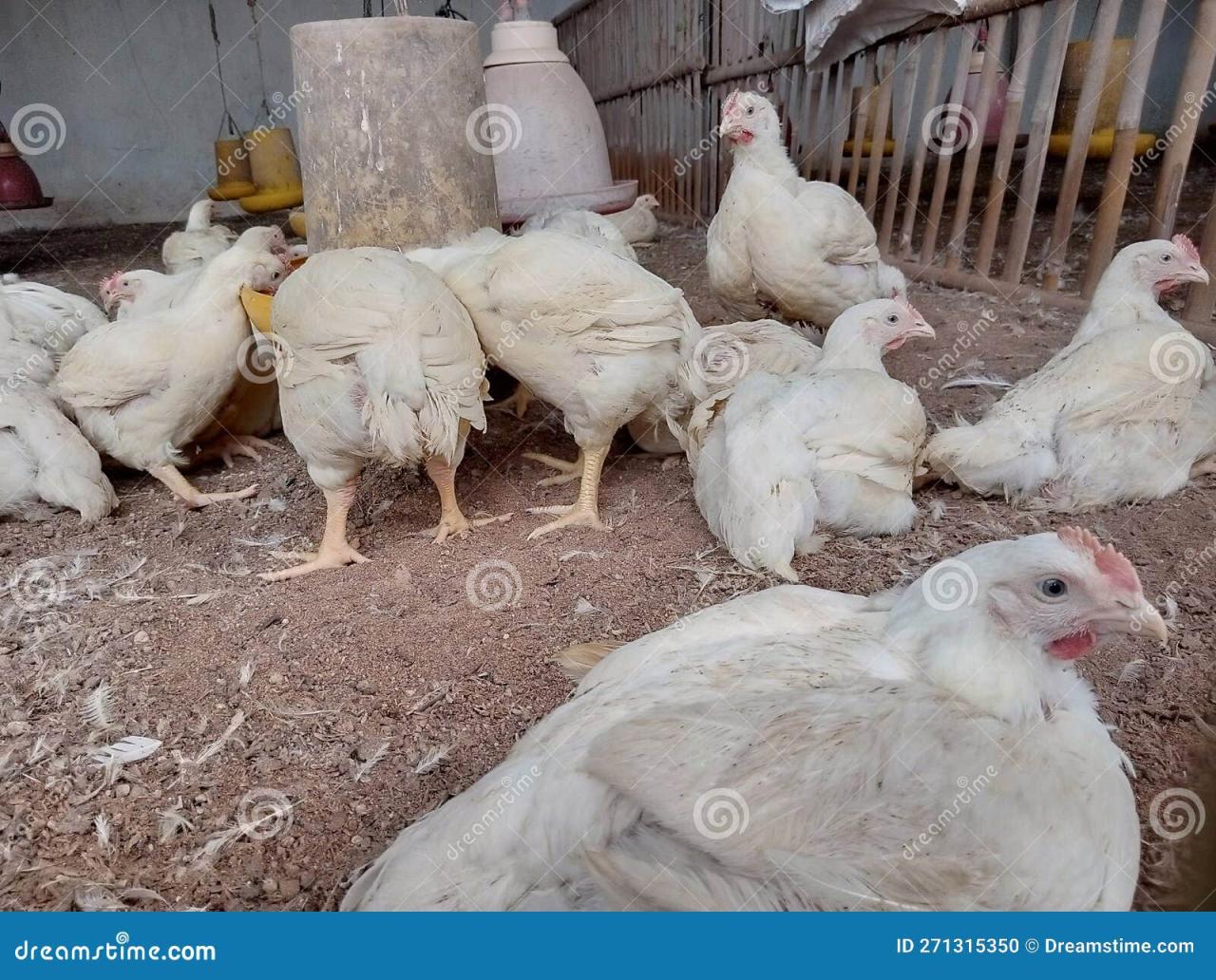
Proper nutrition is fundamental to maximizing the growth performance, health, and overall productivity of broiler chickens. Achieving optimal feed formulation and timing ensures that broilers develop efficiently, maintain good health, and reach market weight within the desired timeframe. An understanding of their nutritional needs and appropriate feeding strategies is essential for farmers and poultry professionals alike.
Broiler chickens have specific dietary requirements that vary at different stages of growth. Meeting these needs involves providing balanced diets rich in energy, protein, vitamins, minerals, and other essential nutrients. Adjustments in feed composition are necessary to support rapid growth in early stages and to optimize body composition as birds mature.
Basic Nutritional Requirements at Different Growth Stages
Broiler chickens require a carefully formulated diet tailored to their developmental phase to ensure healthy growth and efficient feed conversion. The nutritional focus shifts from high-protein diets during the starter phase to energy-dense feeds in the finisher phase, with adequate mineral and vitamin supplementation throughout.
In the early stages (starter phase), the primary goal is to support rapid growth of tissues and immune system development. As they progress into the grower and finisher phases, the emphasis shifts toward maximizing weight gain and feed efficiency while minimizing fat deposition. Proper nutrient balance at each stage reduces the risk of metabolic disorders and improves overall performance.
Feeding Process Summary from Starter to Finisher Phase
| Age | Feed Type | Nutritional Focus |
|---|---|---|
| 0-14 days | Starter Feed | High protein (around 22-24%), essential amino acids, vitamins, and minerals to promote rapid tissue growth and immune development. |
| 15-28 days | Grower Feed | Moderate protein (around 20-22%), balanced energy, continued mineral, and vitamin support for sustained growth. |
| 29 days to market weight (6-8 weeks) | Finisher Feed | Lower protein (around 18-20%), higher energy content to promote muscle development and fat deposition optimization. |
Adhering to this progression ensures that broiler chickens receive the appropriate nutrients at each stage, leading to healthy development and efficient feed conversion ratios, ultimately culminating in high-quality, market-ready poultry.
Types of Feed for Broilers
Proper nutrition is essential for the optimal growth and development of broiler chickens. Selecting the appropriate types of feed at different stages ensures that chickens receive the necessary nutrients to reach market weight efficiently. Understanding the various feed options available, along with their characteristics and purposes, allows poultry farmers to make informed decisions that enhance productivity and health.
Broiler feeds can broadly be categorized based on their ingredients, purpose, and the stage of growth of the chicken. These include starter, grower, finisher feeds, and supplementary feeds. Each type is formulated to meet specific nutritional needs, promoting steady growth and efficient feed conversion. The choice between natural and commercial feeds further influences growth performance, cost-effectiveness, and overall flock health.
Common Feed Types for Broilers
Broiler feeds are designed to support various stages of growth, from hatch to market readiness. Below is a list of the most common feed types used in broiler production:
- Starter Feed: Typically given from day 1 to 10-14 days old, this feed is high in protein (about 22-24%) to support early development and rapid growth of muscles and organs.
- Grower Feed: Provided from approximately 10-14 days to 24-28 days, this feed has a slightly lower protein content (around 20-22%) to promote steady growth and prepare birds for the final finishing stage.
- Finisher or Broiler Finish Feed: Usually administered from 4-6 weeks until market weight, this feed has a reduced protein level (about 18-20%) and higher energy content to optimize fat deposition and final weight gain.
- Supplements: These include vitamins, minerals, and amino acids added to enhance nutrition, correct deficiencies, or improve feed efficiency. Examples are premixes, enzymes, and growth promoters.
Feed Type Comparison Table
The following table summarizes key aspects of each feed type to facilitate understanding of their roles, ingredients, and feeding durations:
| Feed Type | Ingredients | Purpose | Feeding Duration |
|---|---|---|---|
| Starter | High protein grains (soybean meal, maize), vitamins, minerals | Support early growth, muscle development, immune system | 0-14 days (or up to 3 weeks) |
| Grower | Moderate protein grains, vitamins, minerals | Maintain steady growth, prepare for finishing stage | 2-4 weeks (or up to 5 weeks) |
| Finisher | Higher energy grains, lower protein, fats | Maximize weight gain, fat deposition, prepare for market | 4-6 weeks (or until market weight) |
| Supplements | Vitamins, minerals, amino acids, enzymes | Enhance nutritional profile, prevent deficiencies | Throughout growth stages as needed |
Natural vs. Commercial Feeds
Natural feeds involve using locally available agricultural by-products and ingredients such as grains, greens, or kitchen scraps, often prepared on-farm. These feeds tend to be more cost-effective, especially in small-scale or rural settings, but may lack the precise nutrient balance required for optimal broiler growth. Natural feeding practices can result in variable growth rates and require careful formulation to prevent deficiencies.
In contrast, commercial feeds are formulated with scientifically balanced ingredients and undergo processing to ensure consistent quality. They are fortified with necessary vitamins and minerals, providing predictable and uniform growth results. Commercial feeds generally promote faster growth rates, higher feed conversion efficiency, and better health outcomes. However, they are typically more costly and depend on reliable supply chains.
Choosing between natural and commercial feeds depends on resource availability, economic considerations, and specific production goals. Combining both approaches with proper formulation can optimize growth and profitability.
Feed Ingredients and Their Roles
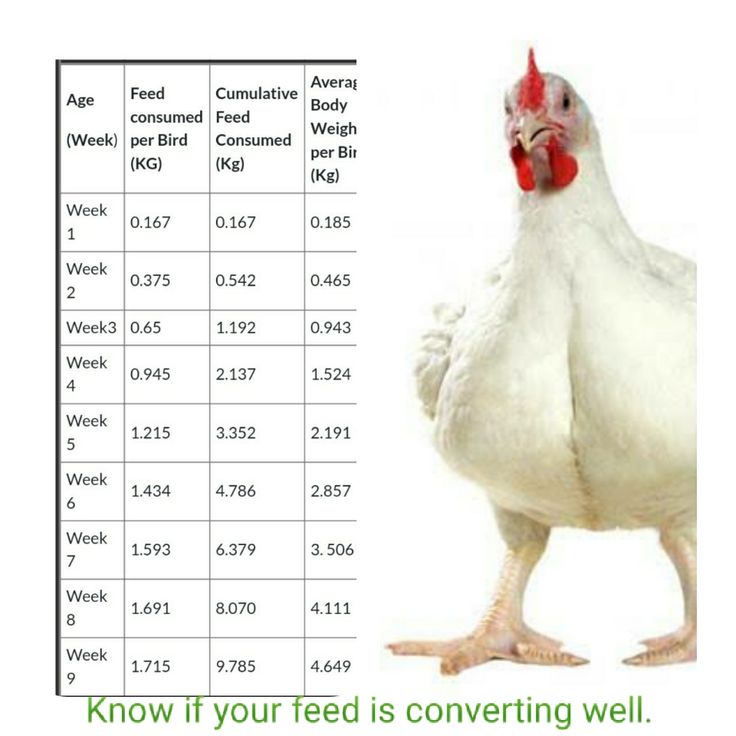
Understanding the composition of broiler chicken feed is vital for optimizing growth, health, and overall production efficiency. The selection and proportion of various ingredients directly influence how well broilers develop from hatch to market weight. A balanced diet that provides essential nutrients ensures that broilers grow rapidly while maintaining good health and feed efficiency.
Each ingredient in broiler feed has a specific role, contributing unique nutrients that support various physiological functions. Properly formulated feeds incorporate a mix of grains, proteins, vitamins, and minerals, tailored to different growth phases to meet the changing nutritional needs of the chickens.
Key Ingredients and Their Functions
In broiler diets, the main ingredients can be categorized into grains, protein sources, vitamins, and minerals. These components work synergistically to promote optimal growth, muscle development, immune function, and overall performance.
- Grains: Typically maize (corn), wheat, or sorghum serve as the primary energy source. They supply carbohydrates, which are vital for energy needs and overall metabolic functions.
- Protein Sources: Commonly include soybean meal, fish meal, or meat and bone meal. Proteins are crucial for muscle growth, tissue repair, and enzyme production.
- Vitamins: Commercial premixes containing vitamins A, D3, E, K, and B-complex are added to prevent deficiencies that can impair growth and immune response.
- Minerals: Elements like calcium, phosphorus, sodium, and trace minerals (zinc, manganese, selenium) are essential for bone development, metabolic processes, and overall health.
Proportions of Major Ingredients in Different Feeding Phases
Feeding strategies for broilers involve adjusting the proportions of ingredients to match their evolving nutritional needs during various growth stages. Proper formulation ensures efficient feed utilization and maximizes growth potential.
- Starter Phase (1-3 weeks):
- Grains (corn/wheat): 55-60%
- Protein sources (soybean meal): 25-30%
- Vitamins and minerals premix: as per recommended levels
- Additional amino acids (lysine, methionine): supplemented as needed
- Grower Phase (4-6 weeks):
- Grains: 60-65%
- Protein sources: 20-25%
- Vitamins and minerals premix: adjusted according to growth requirements
- Amino acids: maintained or slightly increased
- Finisher Phase (7 weeks and above):
- Grains: 65-70%
- Protein sources: 15-20%
- Vitamins and minerals premix: tailored for final weight gain and health
- Amino acids: balanced for optimal muscle development
Adjusting ingredient proportions according to the bird’s age and growth stage ensures that broilers receive the right balance of nutrients, leading to efficient growth and optimal feed conversion ratios.
Designing a Feeding Schedule
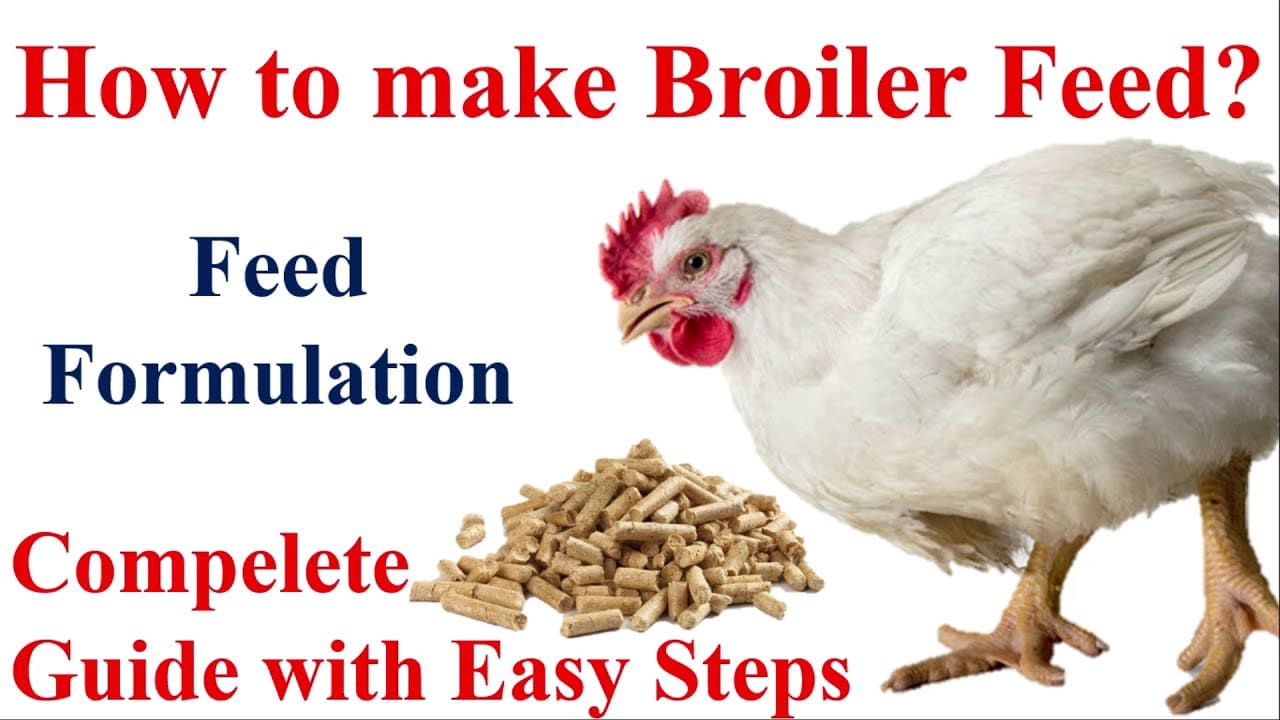
Creating an effective feeding schedule for broiler chickens is essential to ensure optimal growth, feed efficiency, and overall health. A well-structured timetable helps prevent overfeeding or underfeeding, reduces feed waste, and aligns with the chickens’ developmental stages. Proper planning of feeding times and quantities tailored to their age and condition lays the foundation for successful broiler management and profitability.An organized feeding schedule considers the specific nutritional requirements at different growth phases, the availability of feed resources, and the convenience for farm management.
Regularly reviewing and adjusting the schedule based on the birds’ performance and health status ensures that the broilers receive appropriate nutrition throughout their lifecycle, leading to improved weight gain and feed conversion ratios.
Steps to Create an Effective Daily Feeding Timetable
Developing a daily feeding timetable involves systematic planning that aligns with the biological needs of broilers at various age groups. The following steps guide the formulation of a practical and adaptable feeding plan:
- Assess Growth Stages: Identify key age brackets, such as starter (1-14 days), grower (15-28 days), and finisher (29 days to market). Each stage has distinct nutritional needs.
- Determine Feed Types and Quantities: Select appropriate feed formulations for each stage and estimate daily intake based on averages, adjusting for individual flock performance.
- Schedule Feeding Times: Establish consistent times for feeding, typically two to three times daily, to promote stable digestion and reduce feed wastage.
- Monitor and Record: Keep detailed logs of feed consumption, bird weights, and health indicators to inform necessary adjustments.
- Adjust Quantities and Frequencies: Modify feed amounts based on the birds’ age, weight gain, and health status to prevent deficiencies or excesses.
Procedures to Adjust Feed Quantities Based on Age, Weight, and Health
Dynamic adjustment of feed quantities is crucial for maintaining optimal growth rates and health. The following procedures facilitate accurate and timely modifications:
- Regularly weigh a representative sample of birds to gauge average growth and adjust feed rations accordingly, aiming for steady weight gain without overfeeding.
- Observe feed intake patterns daily; a sudden decrease may indicate health issues or feed palatability problems, necessitating intervention.
- Monitor health status closely; birds showing signs of illness may require a modified diet or additional nutrients to support recovery.
- Utilize growth curves and target weights to determine if birds are progressing as expected, adjusting feed amounts to meet or correct deviations.
- Incorporate a block or phased feeding approach where feed quantities are gradually increased or decreased, avoiding abrupt changes that may stress the birds.
Sample Feeding Schedule
Implementing a structured sample schedule helps visualize daily routines and ensures timely feed delivery aligned with broiler development stages. Here is an example of a standard feeding timetable based on age, feed type, quantity, and feeding times:
| Age (Days) | Feed Type | Quantity per Bird (g) | Feeding Times (Daily) |
|---|---|---|---|
| 1-14 | Starter Feed | 20-25 | 8:00 AM, 4:00 PM |
| 15-28 | Grower Feed | 50-70 | 8:00 AM, 4:00 PM |
| 29-42 | Finisher Feed | 80-100 | 8:00 AM, 4:00 PM |
Adjustments may be necessary based on actual feed intake, weight gains, and health assessments. For example, if the flock shows rapid growth, incrementally increase feed quantities within recommended ranges. Conversely, if some birds lag in growth or show signs of health issues, consult a veterinarian or nutritionist to modify the diet appropriately.
Watering and Hydration Practices
Providing clean, accessible, and adequate water is essential to the health, growth, and overall productivity of broiler chickens. Proper hydration supports digestion, nutrient absorption, thermoregulation, and immune function, directly influencing feed conversion efficiency and weight gain. Ensuring consistent water supply and maintaining optimal hydration practices are fundamental components of effective broiler management.
While feed provides the necessary nutrients, water accounts for approximately 70% of a broiler’s body weight and plays a critical role in metabolic processes. Dehydration can lead to reduced feed intake, slower growth rates, increased mortality rates, and compromised bird welfare. Therefore, implementing effective watering systems and practices is vital for achieving optimal production outcomes.
Water-to-Feed Ratio and Hydration Tips
Maintaining an appropriate water-to-feed ratio is crucial for ensuring broilers remain adequately hydrated without excess wastage. Generally, broilers consume about 2 to 3 times more water than feed daily, with a typical water-to-feed ratio of approximately 2:1 to 3:1, depending on environmental conditions, bird age, and feed composition. During hot weather, increased water intake is necessary to prevent heat stress and dehydration, potentially raising the ratio to 3:1 or higher.
It is important to monitor water intake regularly and adjust accordingly. Fresh, clean water should be available at all times, especially during peak heat periods. Providing cool water, ideally between 18°C and 22°C, encourages consumption. Avoiding sudden changes in water source or quality minimizes stress and reduces the risk of disease transmission.
Ensure that water is readily available and appealing to promote optimal intake, which directly supports feed efficiency and overall health.
Designing an Effective Watering System
An efficient watering system ensures consistent access to clean water, simplifies maintenance, and minimizes waste. When designing or selecting a watering system, consider system types, maintenance needs, and hygiene practices to sustain optimal conditions for broilers.
Types of Watering Systems
The common systems include nipple drinkers, bell or puddle drinkers, and cup or trough systems. Nipple drinkers are widely preferred because they reduce water spillage, minimize contamination, and allow precise control of water flow. Bell or puddle systems are simple and cost-effective but may lead to wastage and hygiene issues if not managed properly. Trough systems are suitable for larger flocks but require regular cleaning to prevent disease spread.
Maintenance and Hygiene Practices
Consistent cleaning and disinfecting of water lines and drinkers are essential to prevent bacterial growth and biofilm formation. Daily inspections help identify leaks, clogging, or damage that could hinder water flow or introduce contaminants. Using chlorinated or treated water can further reduce pathogen risks. Ensuring that water pressure is adequate and uniform across all outlets maintains consistent delivery, encouraging consistent intake.
Designing a Responsive Watering System
| System Type | Advantages | Maintenance & Hygiene |
|---|---|---|
| Nipple Drinkers | Reduces wastage, minimizes contamination, easy to monitor individual consumption | Regular cleaning of nozzles and water lines to prevent clogging; check for leaks |
| Bell or Puddle Drinkers | Cost-effective, simple installation, suitable for small-scale operations | Frequent cleaning to prevent dirt accumulation and bacterial growth; ensure clean water supply |
| Trough Systems | Ideal for large flocks, allows easy access | Daily removal of debris; disinfect water containers regularly |
Implementation of a reliable watering system, combined with consistent maintenance and hygiene practices, ensures broilers remain properly hydrated, which is vital for their growth performance and overall health. Regular monitoring and timely adjustments contribute to a sustainable and efficient broiler production system.
Nutritional Supplements and Additives
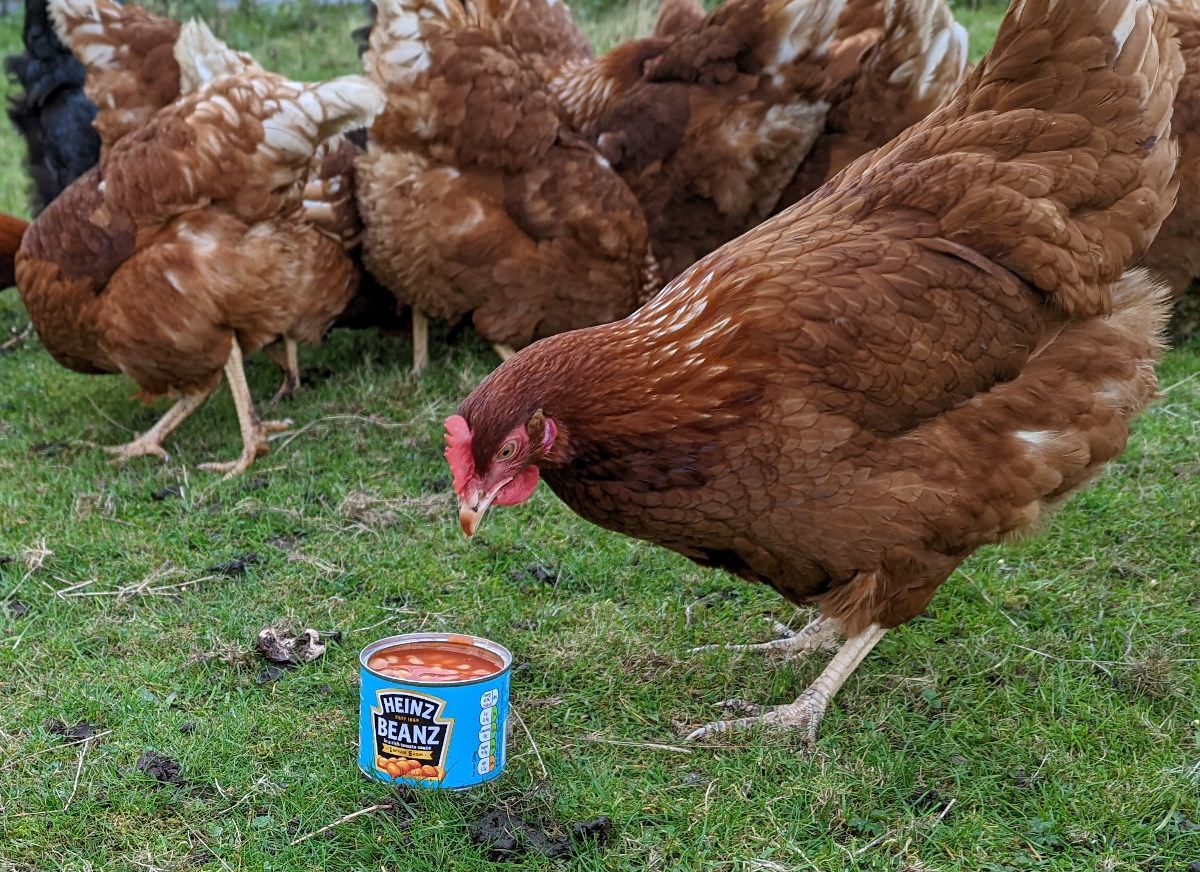
In broiler chicken production, the incorporation of nutritional supplements and feed additives is vital to optimize growth, enhance feed efficiency, and prevent common deficiencies. These supplementary components support overall health and productivity, particularly during critical growth phases or under challenging environmental conditions. Proper utilization of supplements can lead to improved carcass quality, better immune response, and increased profitability for poultry farmers.
Understanding the types of supplements available, their specific roles, and how to effectively integrate them into daily feeding routines ensures that broiler chickens receive a balanced and complete diet. This approach not only promotes rapid growth but also maintains the health and resilience of the flock throughout the rearing cycle.
Common Supplements and Their Roles
Supplements such as vitamins, probiotics, enzymes, and feed additives are commonly used to address specific nutritional needs and mitigate health issues in broilers. These components contribute to various physiological functions, including immunity, digestion, and growth performance.
- Vitamins: Essential for metabolic processes, growth, and development. Commonly supplemented vitamins include A, D3, E, K, and B-complex. For example, Vitamin D3 enhances calcium absorption, supporting skeletal development.
- Probiotics: Live beneficial microorganisms that improve intestinal health by balancing gut flora. They enhance nutrient absorption, reduce pathogen colonization, and can decrease the incidence of digestive disturbances.
- Feed Additives: Includes enzymes, amino acids, and minerals that improve feed digestibility, growth rate, and feed conversion ratios. Enzymes like phytase release bound nutrients from plant-based ingredients, increasing their bioavailability.
Roles in Enhancing Growth Performance and Preventing Deficiencies
Appropriate supplementation plays a crucial role in maximizing growth potential and preventing deficiencies that could impair development or cause health issues. Vitamins support enzymatic reactions and immune functions; deficiencies may lead to poor growth, rickets, or immune suppression. Probiotics help prevent gastrointestinal diseases, which are common stressors in broiler production, and promote better nutrient utilization.
“Inclusion of targeted supplements can result in noticeable improvements in weight gain, feed efficiency, and overall flock health, especially when combined with a balanced diet and proper husbandry practices.”
For example, supplementing broiler diets with vitamin E and selenium has been shown to enhance antioxidant capacity, thereby reducing oxidative stress and improving meat quality. Similarly, probiotic supplementation can reduce the need for antibiotic growth promoters, aligning with sustainable and responsible poultry practices.
Guidelines for Incorporating Supplements into Feeding Routines
Effective supplementation requires careful planning to ensure that additives are administered at appropriate levels and times during the broiler growth cycle. Supplements should be integrated into the feed or water in accordance with manufacturer instructions, considering the age, weight, and health status of the flock.
- Consult veterinary or nutritionist expertise to determine the specific supplements needed based on the flock’s condition and environmental factors.
- Introduce supplements gradually and monitor bird response regularly, adjusting dosages if necessary.
- Mix supplements thoroughly with feed or ensure uniform distribution in drinking water to prevent uneven intake.
- Maintain proper storage conditions for supplements to preserve their efficacy and prevent spoilage.
- Document supplement usage and observe the impact on growth rates, feed conversion, and health indicators to inform future management decisions.
For instance, in a commercial broiler operation experiencing occasional digestive issues, adding a probiotic supplement at the onset of the second week can improve gut health and reduce mortality rates. Regular evaluation ensures that supplementation remains effective and cost-efficient.
Common Feeding Challenges and Solutions
Feeding broiler chickens effectively is vital for optimal growth, health, and productivity. However, poultry farmers often encounter specific challenges that can hinder achieving these goals. Recognizing these issues early and implementing appropriate solutions can substantially improve flock performance and reduce economic losses. This section highlights common feeding problems such as feed refusal, uneven growth, and contamination, providing practical diagnostic procedures and troubleshooting tips to address each challenge efficiently.Addressing these challenges requires a keen observation of the flock’s behavior and environment, combined with systematic diagnosis and intervention.
Understanding the underlying causes allows farmers to implement targeted solutions, ensuring healthy growth and minimizing feed wastage or health risks.
Feed Refusal
Feed refusal is a prevalent issue where broiler chickens reject or consume less than their expected feed intake. This problem can result from factors such as feed quality, palatability, or health status. When chickens refuse to eat, their growth rate can decline, and their immune system may weaken, increasing vulnerability to disease.To diagnose feed refusal, observe the birds’ behavior and check if they are actively pecking at the feed.
Examine the feed for signs of spoilage, contamination, or undesirable texture and smell. Additionally, assess the health status of the flock, as illnesses may reduce appetite. Troubleshooting Tips:
- Ensure that feed is fresh, free from mold, and has a pleasant aroma to encourage consumption.
- Adjust the feed texture—finely ground feeds are often more acceptable to young or finicky birds.
- Improve palatability by adding natural flavor enhancers or small amounts of molasses, if appropriate.
- Maintain optimal environmental conditions—preventing heat stress or overcrowding that can suppress appetite.
- Monitor for health issues such as coccidiosis or respiratory infections that may cause feed aversion, and consult a veterinarian if needed.
Uneven Growth
Uneven growth among broilers can compromise overall flock productivity and profitability. Causes include inconsistent feed distribution, genetic factors, or health disparities within the flock. When some birds grow faster than others, it often indicates management or nutritional issues.Diagnosing uneven growth involves monitoring individual bird weights periodically and observing feeding behavior. Inconsistent feed intake or poor feed distribution can be identified through regular checks of feeders and watering systems.
Health issues or parasitic infestations may also contribute. Troubleshooting Tips:
- Implement uniform feed distribution practices, ensuring all birds have equal access to feed and water.
- Use feeders and drinkers that accommodate varying bird sizes and prevent feed wastage or competition.
- Regularly weigh a representative sample of birds to monitor growth patterns and identify lagging individuals.
- Address health issues promptly through vaccination or medication as recommended by a veterinarian.
- Adjust feeding schedules and amounts to meet the nutritional needs of all growth stages, reducing selective feeding.
Contamination of Feed
Feed contamination poses serious health risks, including poisoning and outbreaks of disease. Contaminants such as mold, bacteria, or chemical residues can compromise bird health and reduce feed efficiency.To diagnose contamination, visually inspect feed for mold growth, discoloration, or unusual odors. Laboratory testing may be necessary for suspected chemical or bacterial contamination. Ensuring feed hygiene, proper storage, and handling practices are critical preventive measures.
Troubleshooting Tips:
- Store feed in dry, clean, and well-ventilated conditions to prevent mold and bacterial growth.
- Regularly clean feeders and storage containers to inhibit microbial proliferation.
- Check for and eliminate sources of chemical contamination, such as pesticide residues or contaminated water sources.
- Use certified and high-quality feed ingredients from reputable suppliers.
- Implement strict quarantine procedures when introducing new feed or ingredients to prevent cross-contamination.
Best Practices for Sustainable Broiler Feeding
Implementing sustainable feeding practices in broiler production not only supports environmental conservation but also enhances economic efficiency and animal welfare. By adopting eco-friendly strategies and optimizing resource use, poultry farmers can achieve a balance between productivity and sustainability, ensuring the long-term viability of their operations.
Sustainable broiler feeding involves a combination of environmentally conscious feed choices, waste management techniques, and efficient feeding protocols. These practices help reduce the carbon footprint of poultry farms, minimize feed waste, and lower operational costs, all while maintaining optimal growth and health of the broilers.
Eco-Friendly Feeding Strategies and Waste Management
Eco-friendly feeding emphasizes the use of renewable, locally sourced ingredients, and minimizing waste through proper management and recycling. Incorporating by-products from agriculture or food processing can reduce reliance on traditional grains and promote circular economy principles.
Effective waste management includes composting manure and feed leftovers to produce organic fertilizer, which can be used in crop cultivation, thereby reducing chemical fertilizer use. Ensuring proper storage and handling of feed ingredients prevents spoilage and contamination, further reducing waste and environmental impact.
Methods for Optimizing Feed Efficiency and Reducing Costs
Maximizing feed efficiency involves precise formulation tailored to the broiler’s growth stages, ensuring optimal nutrient intake without excess. Using technology such as automated feeding systems and regular monitoring can help maintain consistent feed delivery and minimize wastage.
Cost reduction strategies include bulk purchasing of ingredients, sourcing locally to reduce transportation costs, and utilizing nutrient-dense ingredients that require lower inclusion rates. Implementing feeding schedules aligned with the bird’s growth cycle prevents overfeeding and reduces unnecessary expenses.
Sustainable Feed Ingredients and Their Benefits
Choosing sustainable feed ingredients is crucial for reducing environmental impact while maintaining nutritional adequacy. Below are some of the most beneficial options:
| Ingredient | Benefits |
|---|---|
| Legume Seeds (e.g., peas, lentils) | High protein content, nitrogen fixation properties, and renewable source, reducing dependence on imported soy |
| Insect Meal (e.g., black soldier fly larvae) | Rich in protein and fats, low environmental footprint, and efficient in converting organic waste into feed |
| Food Processing By-products (e.g., distillers grains, brewers’ grains) | Cost-effective, nutrient-dense, and promotes waste recycling |
| Local Vegetables and Greens | Supplemental vitamins and fiber, reduces reliance on conventional grains, and supports local agriculture |
| Algae-based Ingredients | Rich in omega-3 fatty acids, vitamins, and minerals, and can be cultivated sustainably in controlled environments |
Integrating these sustainable ingredients helps reduce environmental degradation, supports local economies, and often lowers feed costs while maintaining or improving broiler performance.
Final Conclusion
In summary, mastering the art of feeding broiler chickens involves a balanced combination of proper nutrition, effective management, and attention to sustainability. Implementing these best practices can lead to healthier birds, improved growth rates, and more sustainable poultry production. Continued focus on innovative feeding strategies will ensure both economic and environmental benefits for poultry farmers.