Understanding how to feed dairy cows effectively is essential for ensuring their health and maximizing milk yield. Proper nutrition not only supports the cow’s well-being but also directly influences productivity and reproductive performance. Implementing well-balanced feeding strategies can lead to healthier herds and improved farm profitability.
This guide explores key aspects of dairy cow nutrition, including the types of feed, feeding routines, storage practices, and adjustments needed for different stages. It provides practical insights and tips to help farmers optimize their feeding programs and achieve sustainable dairy farming outcomes.
Overview of Dairy Cow Nutrition
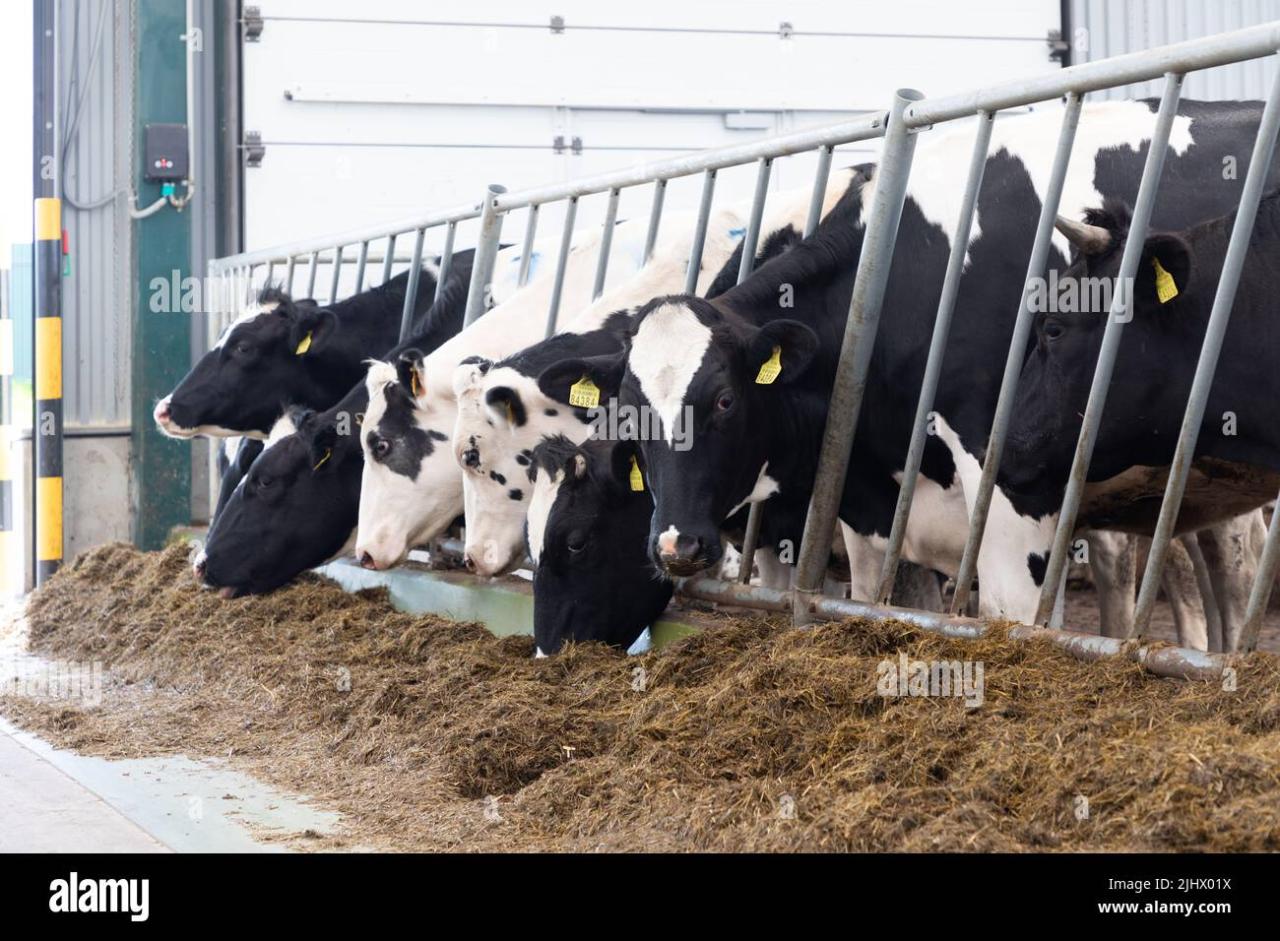
Effective nutrition is fundamental to maintaining the health, productivity, and overall well-being of dairy cows. Proper feeding strategies ensure that cows can produce high-quality milk consistently while remaining resilient against diseases and metabolic disorders. Understanding the nutritional needs at various stages of a cow’s life cycle enables farmers and nutritionists to optimize diet formulation and improve herd performance.
Balanced nutrition supports not only milk yield but also reproductive efficiency, immune function, and longevity of the dairy cow. It is essential to tailor feeding programs according to the specific physiological states—whether the cow is dry, lactating, or pregnant—to meet their unique energy, protein, vitamin, and mineral requirements.
Basic Nutritional Requirements of Dairy Cows at Different Stages
Each stage of a dairy cow’s life—dry, lactating, and pregnant—demands specific nutritional compositions to support physiological functions and productivity. Recognizing these variations allows for precise diet formulation that promotes optimal health and milk production while minimizing metabolic disorders.
Dry Cows
During the dry period, which typically lasts for about 60 days before calving, cows require a diet that maintains body condition and prepares the udder for lactation. It is important to prevent excessive weight gain or loss, as both can impact subsequent milk yield and health.
- Energy: Moderate levels to prevent overconditioning; primarily from high-quality forage like hay and silage.
- Protein: Adequate to support maintenance and fetal growth, often around 12-14% crude protein.
- Minerals and Vitamins: Increased calcium and phosphorus to support fetal development and prepare the mammary gland for lactation.
Lactating Cows
During lactation, cows have elevated energy and nutrient demands to sustain high milk production. Proper nutrition during this stage is critical for maximizing yield and maintaining health.
- Energy: High-energy feeds such as grains (corn, barley) to meet increased caloric needs.
- Protein: Elevated to support milk synthesis, typically around 16-18% crude protein.
- Minerals and Vitamins: Increased calcium, magnesium, and vitamin A to support milk production and bone health.
Pregnant Cows
In the late stages of pregnancy, nutritional focus shifts towards supporting fetal development and preparing the cow for the upcoming lactation. Proper nutrition reduces the risk of metabolic disorders such as ketosis and fatty liver.
- Energy: Slightly increased, with emphasis on easily digestible carbohydrates.
- Protein: Sufficient to support tissue growth, generally around 14-16% crude protein.
- Minerals and Vitamins: Emphasis on calcium, phosphorus, and trace minerals like selenium and zinc for fetal development.
Common Feed Ingredients Used in Dairy Cow Diets
Feeding dairy cows involves a variety of ingredients that provide essential nutrients in balanced proportions. The selection of feed ingredients depends on availability, cost, and nutritional content, with the goal of creating a cost-effective and nutritious diet.
| Feed Ingredient | Description and Nutritional Role |
|---|---|
| Forages | Includes high-quality hay, silage, and pasture; serve as primary fiber sources, supplying bulk and aiding digestion. |
| Cereal Grains | Corn, barley, oats; provide high energy through starch content, supporting milk production. |
| Protein Supplements | Soybean meal, canola meal, cottonseed; supply essential amino acids necessary for milk synthesis and tissue repair. |
| Mineral and Vitamin Premixes | Ensure the diet meets all micronutrient requirements, preventing deficiencies that could impair health and productivity. |
| By-Products | Brewer’s grains, beet pulp, citrus pulp; offer additional nutrients and fiber, often at lower costs. |
The formulation of dairy cow diets should always prioritize a balanced ratio of energy, protein, fiber, vitamins, and minerals to promote optimal health and milk yield.
Types of Feed for Dairy Cows
Providing a balanced and nutritious diet for dairy cows is essential for optimal milk production, health, and reproductive performance. Understanding the various types of feed available allows farmers and nutritionists to formulate effective feeding strategies that meet the specific needs of dairy cattle at different stages of production and environmental conditions.
Feeds for dairy cows are generally categorized into forage options, concentrates, and supplements. Each component plays a vital role in ensuring the cows receive essential nutrients such as energy, protein, fiber, vitamins, and minerals. The selection and combination of these feeds influence not only productivity but also the overall health and longevity of the animals.
Forage Options Including Pasture, Hay, and Silage
Forages constitute the foundation of a dairy cow’s diet, providing the necessary fiber to support digestive health and rumen function. They are typically the bulk of the diet, especially in pasture-based systems, but also include stored feeds such as hay and silage when pasture is unavailable or unsuitable.
- Pasture Grasses: Fresh, green grasses grown on pasture are highly palatable and rich in nutrients such as crude fiber, vitamins, and minerals. Common species include ryegrass, clover, Timothy, and Bermuda grass. Pasture grazing allows cows to consume forage naturally, encouraging activity and overall well-being.
- Hay: Dried and preserved forage, hay is produced by drying feed crops like alfalfa, clover, or grasses. It is a vital feed during periods when fresh pasture isn’t available. Good-quality hay should be green, free of mold, and contain adequate levels of protein and digestible fiber.
- Silage: Fermented, moist stored forage made from crops such as maize, sorghum, or grasses. Silage offers a high-energy feed option, especially in winter or dry seasons when fresh forage is limited. Proper fermentation and storage are critical to prevent spoilage and preserve nutritional quality.
Comparison Table of Concentrate Feeds
Concentrates are energy and protein-rich feeds that complement forages, ensuring dairy cows meet their nutritional requirements for production and maintenance. The choice of concentrates depends on factors such as availability, cost, and specific dietary needs.
| Feed Type | Main Components | Nutritional Role | Examples |
|---|---|---|---|
| Grains | Corn, barley, oats, wheat | Primary energy sources, high in starch | Corn, barley |
| Protein Meals | Soybean meal, canola meal, cottonseed meal | Provide essential amino acids for growth and milk synthesis | Soybean meal, cottonseed meal |
| By-products | Distillers grains, beet pulp, soybean hulls | Cost-effective sources of energy and fiber, often rich in protein | Distillers grains, beet pulp |
Choosing an appropriate concentrate mix depends on balancing energy and protein levels, ensuring they complement forage intake without causing digestive issues or metabolic disorders.
Role of Mineral Supplements and Vitamins in Dairy Cow Diets
Minerals and vitamins are crucial micronutrients that support various physiological functions in dairy cows, including bone development, immune response, reproductive health, and metabolic processes. Ensuring adequate intake of these nutrients is fundamental to maintaining optimal productivity and preventing deficiencies that could lead to health problems.
Mineral Supplements: Typically include calcium, phosphorus, magnesium, potassium, sodium, and trace minerals such as zinc, copper, manganese, and selenium. Proper mineral balance enhances bone strength, milk production, and overall metabolic functions.
Vitamins: Essential vitamins for dairy cows include vitamin A, D, and E. Vitamin A supports vision and immune function, vitamin D aids calcium and phosphorus absorption for bone health, and vitamin E is vital for immune response and antioxidant activity. Supplementation can be through mineral mixes or fortified feeds.
Incorporating mineral and vitamin supplements into the diet ensures that dairy cows meet their nutritional requirements, especially in diets dominated by forage, which may be deficient in certain nutrients. Regular analysis of feed and monitoring of animal health are recommended to tailor supplementation accordingly, thus optimizing milk yield and animal welfare.
Feeding Strategies and Routines
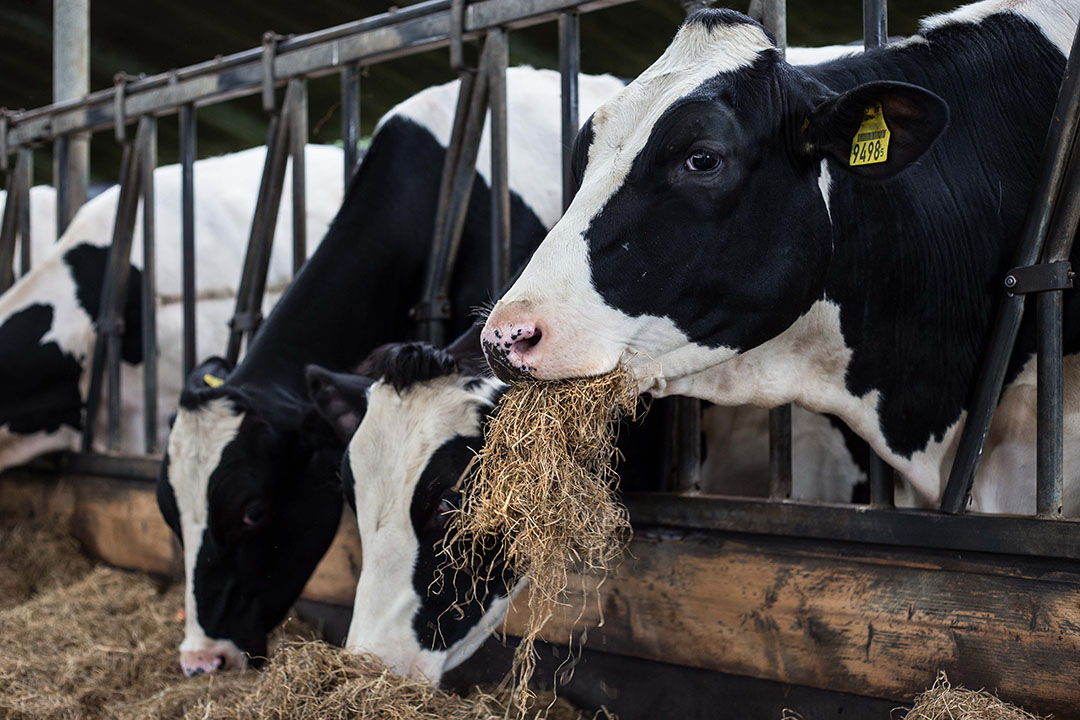
Establishing effective feeding strategies is essential for maintaining optimal dairy cow health, maximizing milk production, and ensuring efficient feed utilization. A well-planned feeding routine not only promotes consistent intake but also minimizes digestive disturbances and promotes overall well-being. Implementing structured schedules, precise ration formulation, and practical mixing procedures can significantly enhance farm productivity and animal comfort.An efficient feeding routine involves carefully timed feedings, appropriate portion sizes, and consistent delivery methods.
Such routines help cows to develop a predictable feeding pattern, facilitating better digestion and nutrient absorption. Proper planning ensures that each cow receives the right amount of nutrients at suitable intervals, reducing feed wastage and preventing overeating or underfeeding.
Establishing Effective Feeding Schedules
Creating a reliable feeding schedule is fundamental to effective dairy herd management. The frequency of feedings should align with the cows’ production stage, environmental conditions, and housing systems. Typically, feeding two to three times daily is recommended to maintain steady nutrient intake and prevent fluctuations that could lead to digestive issues.Portion sizes should be calculated based on the cows’ weight, milk production level, and nutritional requirements.
For example, high-producing dairy cows may require daily intakes of 3-4% of their body weight in dry matter, distributed across multiple feedings. Dividing the total daily ration into equal parts ensures uniform consumption, reduces competition at feeding times, and supports consistent digestion.
Procedures for Mixing and Ration Formulation
Proper mixing and ration formulation are critical to delivering balanced nutrition. The process begins with selecting high-quality ingredients that meet the specific nutrient requirements of the herd. The key steps include:
- Determine nutrient requirements: Calculate the energy, protein, fiber, mineral, and vitamin needs based on the cows’ production stage and health status.
- Select ingredients: Choose suitable forages, grains, protein sources, and supplement feeds that collectively fulfill the nutritional profile.
- Formulate the ration: Use feeding software or manual calculations to balance ingredients, ensuring the mixture provides adequate nutrients without exceeding energy or protein limits.
- Mix ingredients thoroughly: Combine all components uniformly using appropriate mixing equipment, avoiding segregation or uneven distribution.
- Test the feed: Perform feed analysis periodically to verify nutrient content and adjust formulations accordingly.
Consistent mixing procedures are vital to prevent nutrient deficiencies or excesses, which can impact cow health and productivity. Regularly calibrating feed mixers and maintaining proper ingredient storage conditions contribute to the accuracy and quality of the ration.
Tips to Optimize Feed Intake and Prevent Digestive Disorders
Ensuring optimal feed intake while safeguarding against digestive problems is a priority in dairy management. The following tips can help achieve these goals:
- Maintain a consistent feeding schedule to promote routine and reduce stress among the herd.
- Provide fresh, clean water at all times, as dehydration can reduce feed intake and cause health issues.
- Offer high-quality forage with appropriate particle size to stimulate chewing and saliva production, which buffers stomach acidity.
- Introduce gradual changes when modifying diets, avoiding sudden shifts that can disrupt rumen function.
- Ensure that the feed mixture is well-balanced and palatable, encouraging voluntary intake.
- Monitor cows regularly for signs of digestive discomfort, such as bloating, diarrhea, or decreased appetite, and adjust feeding practices accordingly.
- Avoid overfeeding energy-dense concentrates, which can predispose cows to acidosis and other metabolic disorders.
- Include sufficient fiber in the diet, particularly effective fiber that promotes rumen fermentation and motility.
Implementing these strategies fosters a healthy digestive environment, enhances nutrient absorption, and contributes to sustained milk production and overall herd health.
Managing Feed Quality and Storage
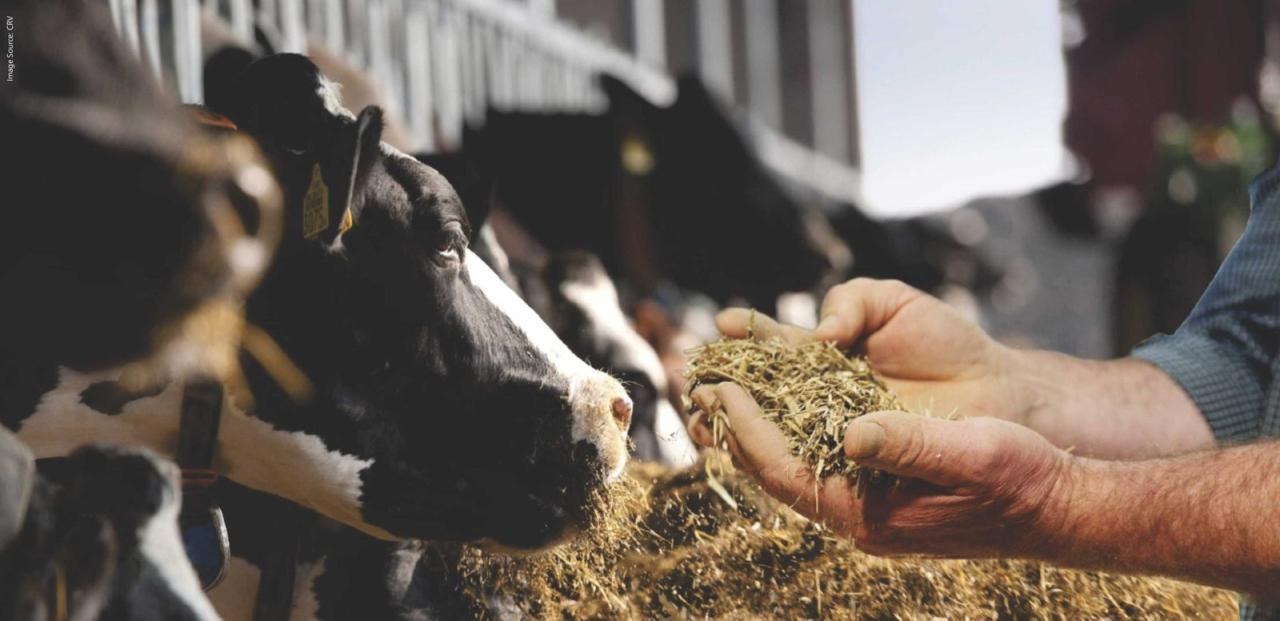
Proper management of feed quality and storage is essential to ensure that dairy cows receive nutritious, safe, and palatable feed. Effective procedures for assessing feed quality, maintaining freshness, and preserving nutritional content are vital components of a successful dairy feeding program. Additionally, adopting best practices for feed storage can significantly reduce spoilage, mold growth, and nutrient degradation, ultimately enhancing milk production and animal health.
Maintaining high-quality feed involves regular evaluation of feed ingredients and stored feeds to ensure they meet nutritional standards and are free from contaminants. Proper storage techniques are equally important to prevent the deterioration of feed quality over time and to minimize economic losses. The following overview provides insights into assessing feed quality and implementing effective storage practices tailored to forages and concentrates.
Assessing Feed Quality, Freshness, and Nutritional Content
Accurate assessment of feed quality is foundational to maintaining a healthy and productive dairy herd. The evaluation process combines visual inspection, sensory evaluation, and laboratory analysis to determine freshness, safety, and nutrient content.
- Visual Inspection: Check for signs of mold, discoloration, insect infestation, or unusual odors that may indicate spoilage or contamination. Fresh forage should be greenish and moist but not overly wet or slimy.
- Odor and Texture: Fresh feeds typically have a pleasant, grassy smell. A musty or sour odor suggests spoilage or fermentation issues. For concentrates, ensure they are free from clumping or caking which indicates moisture ingress.
- Nutritional Testing: Laboratory analysis provides detailed data on crude protein, fiber, energy content, and mineral levels. Regular testing helps tailor feeding strategies to meet the specific needs of the herd.
- Consistent Monitoring: Establish routine checks by trained personnel to identify early signs of deterioration, enabling prompt corrective actions.
Best Practices for Feed Storage to Prevent Spoilage, Mold, and Nutrient Loss
Effective storage practices are crucial to maintaining feed quality from harvest or purchase until feeding. Proper storage minimizes exposure to environmental factors that accelerate spoilage and nutrient degradation.
- Proper Storage Facilities: Use well-ventilated, dry, and clean storage structures designed to prevent water ingress, pests, and mechanical damage. Elevated storage units reduce contact with ground moisture.
- Moisture Control: Maintain feed moisture levels below critical thresholds—generally less than 15% for hay and silage—to inhibit mold growth and fermentation issues.
- Temperature Management: Store feeds in cool conditions to slow microbial activity and preserve nutrients. Avoid exposing stored feed to direct sunlight or heat sources.
- Segregation and Rotation: Organize storage to segregate different feed types and implement a first-in, first-out (FIFO) system to use older feeds before new ones, reducing the risk of spoilage.
- Protection from Pest Infestation: Seal storage units and implement pest control measures to prevent contamination from rodents, insects, and birds.
Comparison Table of Storage Methods for Forages and Concentrates
| Storage Method | Suitability | Advantages | Disadvantages |
|---|---|---|---|
| Hay Barns or Shelters | For dry, cured forages | Protection from rain, sun, and pests; maintains quality over long periods | Requires space and construction costs; risk of moisture ingress if poorly managed |
| Silage Pit or Tower Silos | High-moisture forage preservation | Preserves nutrients through fermentation; large capacity | Requires proper sealing; risk of spoilage if silo is compromised; high initial investment |
| Plastic or Polyethylene Fasks | Small-scale or temporary storage of forage and concentrates | Cost-effective; easy to handle; quick setup | Limited lifespan; susceptible to weather and pest damage; potential for nutrient loss if not properly sealed |
| Metal or Plastic Feed Tubs | Concentrates and mixed feeds | Easy to clean; reduces contamination; portable | Potential for rust or cracking; requires regular cleaning to prevent mold |
| Bulk Storage Bins | Large quantities of concentrates or grains | Efficient handling; reduces storage costs; minimizes feed wastage | High capital cost; needs proper ventilation and pest control measures |
Adopting appropriate storage strategies tailored to specific feed types and farm conditions is vital for maintaining feed quality, preventing economic losses, and supporting optimal dairy production. Regular assessment, combined with diligent storage management, ensures that dairy cows receive the highest quality nutrition at all times.
Special Considerations for Lactating vs. Dry Cows
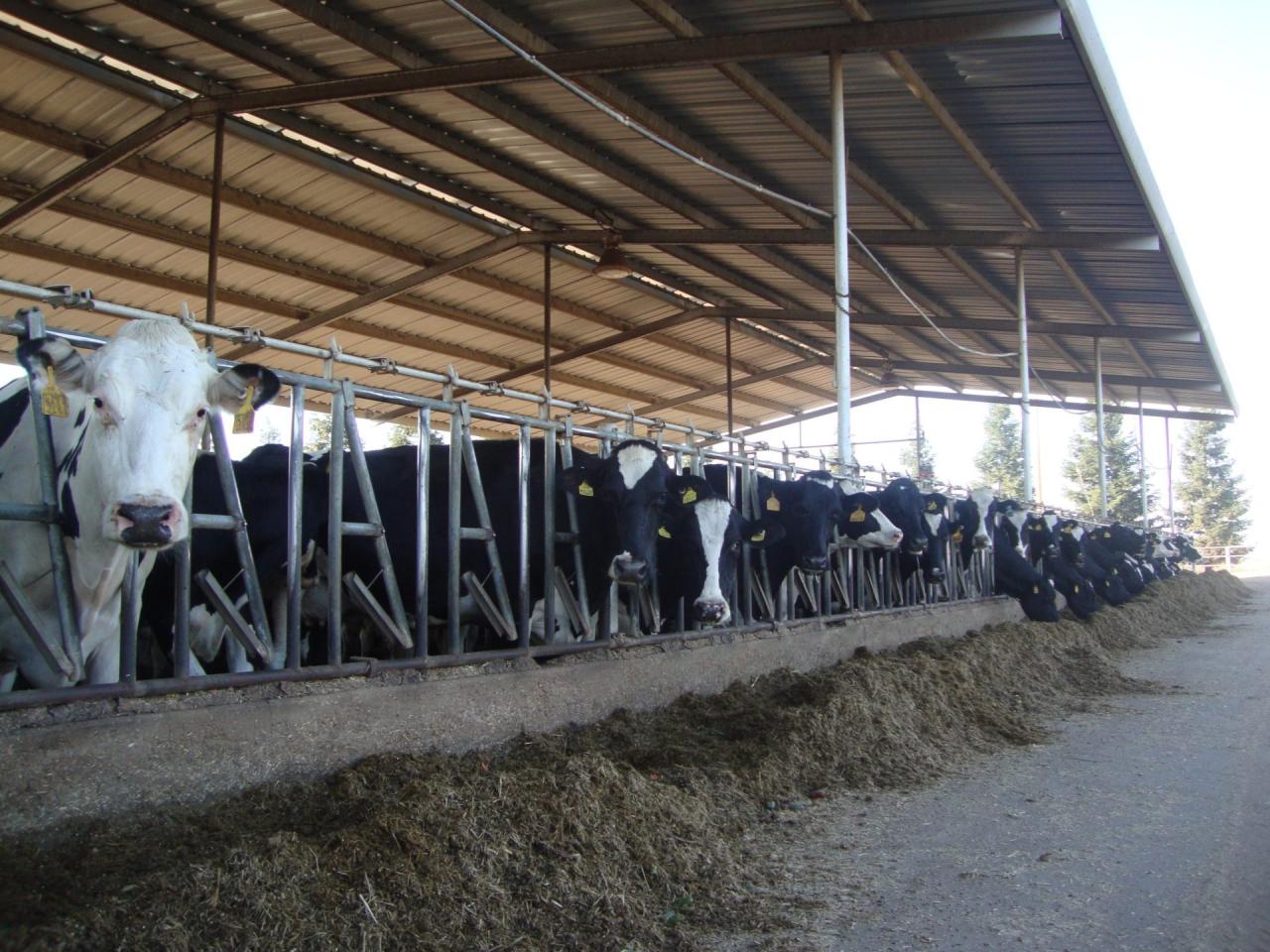
Understanding the distinct nutritional needs of lactating and dry cows is essential for optimizing dairy herd productivity and health. Each stage of a cow’s reproductive cycle demands specific dietary adjustments to support metabolic processes, milk production, and overall well-being. Proper management of these differences ensures that cows are neither underfed nor overfed, which can lead to health complications and economic losses.Lactating cows are in a high-energy demanding phase where the goal is to maximize milk yield while maintaining body condition.
Conversely, dry cows require a balanced diet that supports udder health and prepares the cow for the upcoming lactation period without promoting excessive weight gain or loss. Transitioning between these phases involves precise adjustments in feed composition, ensuring that nutritional needs are met at each stage without causing metabolic disorders such as ketosis, milk fever, or displaced abomasum.
Dietary Adjustments for Lactating vs. Dry Cows
The nutritional requirements of lactating and dry cows differ markedly, primarily in energy, protein, and mineral content. Lactating cows need higher energy intake to sustain milk production, which is often achieved by increasing the concentrate portion in their diet. They also require elevated levels of digestible fiber to promote rumen health and smooth milk synthesis. Adequate calcium and phosphorus are vital to support milk mineralization, while vitamins like A, D, and E play roles in immune function and metabolic health.Dry cows, on the other hand, should receive a diet that maintains body condition and promotes udder health, with moderate energy levels and controlled protein intake.
Excessive calories can lead to fat deposition around organs, impacting metabolic efficiency during early lactation. Ensuring appropriate mineral balance, especially with adequate magnesium and trace minerals, helps prevent disorders such as ketosis and milk fever. Fiber intake remains important to prevent metabolic upsets and promote rumen function, but the concentrate level is typically reduced compared to lactating cows.
Procedures for Transitioning Cows Between Feeding Phases
Transitioning cows smoothly from dry to lactating status, and vice versa, involves carefully phased dietary modifications to prevent metabolic disturbances. This process, often called the “dry-off to freshening” transition, requires a gradual change in feed composition over a period of approximately two to three weeks.During the last few weeks of the dry period, the diet is adjusted to reduce energy density gradually, avoiding sudden shifts that can cause rumen upset or ketosis.
As cows approach calving, the focus shifts to increasing energy levels slightly while maintaining adequate fiber intake to support rumen health. After calving, the diet is rapidly adapted to meet the heightened demands of lactation, with increased concentrates and energy-rich feeds introduced progressively.Proper monitoring of body condition score (BCS), milk production, and metabolic health indicators during this transition helps identify and correct any nutritional imbalances promptly.
Regular feed analysis and modifications ensure that cows adapt well to their changing physiological states without adverse effects.
Common Issues Caused by Improper Feeding During Lactation
Inadequate or improper feeding during lactation can lead to a range of health and production issues, adversely affecting the dairy operation’s profitability and animal welfare. Recognizing these issues underscores the importance of precise dietary management.
- Ketosis: Excessive energy deficit during early lactation can cause fat mobilization, leading to high ketone levels and metabolic acidosis.
- Milk Fever: Overconsumption of calcium or rapid dietary shifts can disturb calcium homeostasis, resulting in hypocalcemia.
Imbalanced feeding, especially with too much concentrate, can cause the abomasum to move out of position, impairing digestion and nutrient absorption. - Reduced Milk Yield: Underfeeding energy or protein diminishes milk production, impacting farm income.
- Poor Reproductive Performance: Nutritional deficiencies can lead to irregular estrous cycles, delayed conception, and longer calving intervals.
- Increased Susceptibility to Diseases: Malnutrition weakens immune defenses, making cows more vulnerable to mastitis, lameness, and other health issues.
Monitoring and Adjusting Dairy Cow Diets
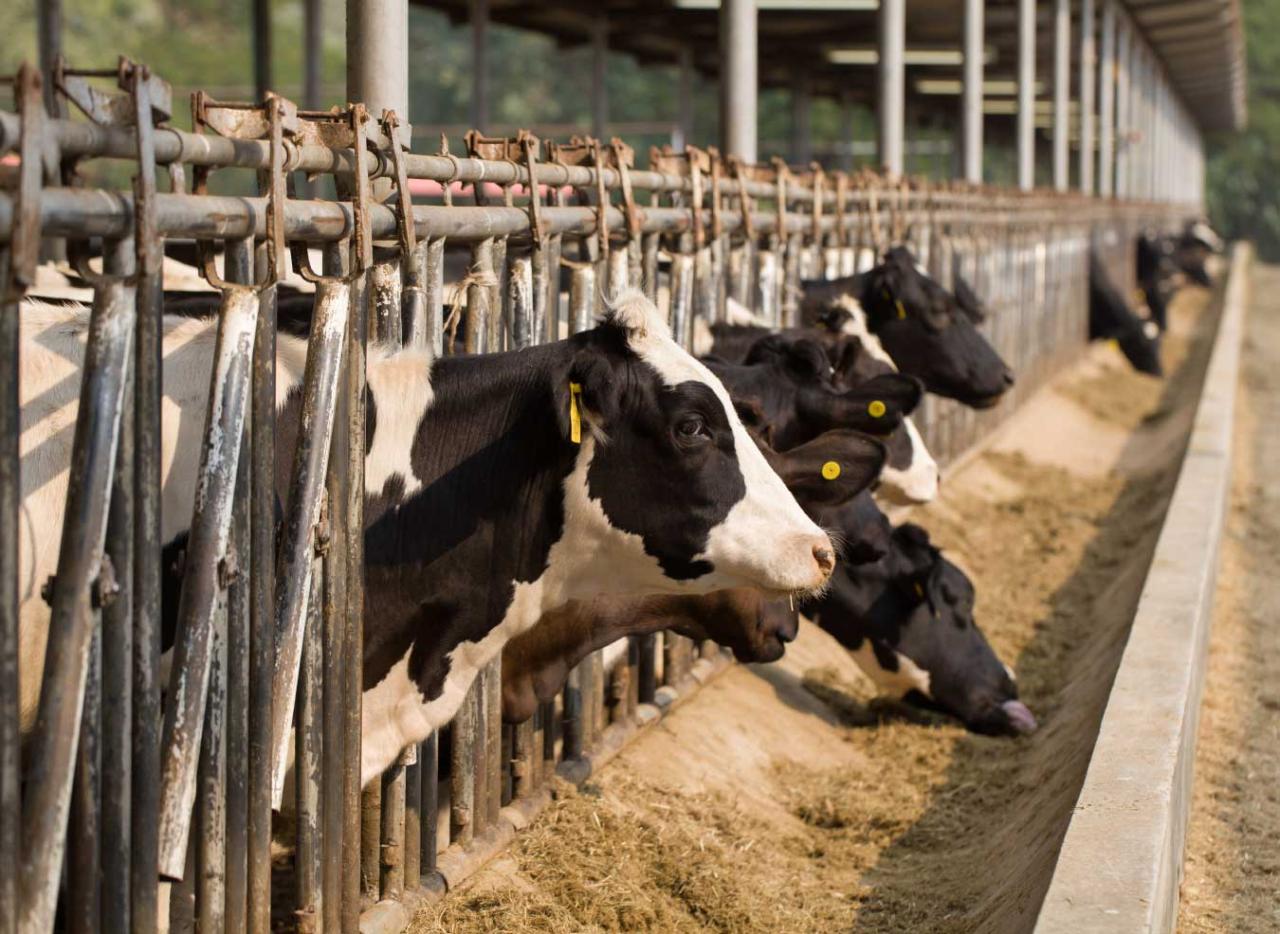
Effective dairy cow management requires continuous monitoring of health indicators and milk production to ensure that dietary regimes meet the cows’ nutritional needs. Regular assessment allows for timely adjustments that optimize productivity, health, and overall well-being. This dynamic approach helps prevent deficiencies or excesses in nutrients, which can negatively impact milk yield and animal health.
Implementing systematic monitoring and flexible adjustment strategies ensures that dietary plans remain aligned with the cows’ changing physiological states, environmental conditions, and production goals. This process involves a combination of observation, measurement, and data analysis to make informed decisions that promote sustainable and profitable dairy farming.
Monitoring Cow Health Indicators and Milk Yield
Maintaining optimal health and production requires diligent monitoring of specific indicators linked to dietary intake. Regular evaluation helps identify early signs of nutritional deficiencies or imbalances, enabling prompt corrective actions.
- Milk Production Records: Tracking daily, weekly, and monthly milk yields provides direct insight into the effectiveness of the diet. Sudden drops may indicate nutritional issues or health problems.
- Body Condition Score (BCS): Periodic BCS assessments help gauge energy balance, guiding adjustments to energy-dense feeds or fiber sources to prevent overconditioning or excessive weight loss.
- Rumen Function and Behavior: Observations of chewing activity, cud reflux, and overall activity levels reflect rumen health and digestive efficiency, both of which are influenced by diet composition.
- Blood and Fecal Tests: Laboratory analyses can detect deficiencies or toxicities in minerals, vitamins, or other nutrients, providing a detailed nutritional status.
- Health Events and Disease Monitoring: Incidences of metabolic disorders such as ketosis or milk fever often relate to dietary imbalances, necessitating diet review.
Utilizing modern technologies such as electronic milk meters, wearable sensors, and farm management software enhances precision in monitoring and data collection, facilitating more accurate and timely decision-making.
Strategies for Adjusting Rations Based on Production, Health, and Environmental Factors
Adjusting dairy cow diets is a proactive process that considers fluctuating production levels, health status, and environmental conditions to maintain optimal performance and welfare.
- Production-Based Adjustments: When milk yields increase, energy and protein levels may need to be elevated to meet higher demands. Conversely, reduced production can warrant a reduction in concentrate intake to prevent overfeeding.
- Health-Driven Modifications: Signs of metabolic issues or disease may require altering the diet to balance specific nutrients, such as increasing calcium for cows prone to milk fever or adjusting mineral levels to support immune function.
- Environmental Considerations: Extreme weather conditions influence feed intake and nutrient requirements. During hot weather, diets should be modified to include more readily digestible fibers and electrolytes to counteract heat stress. Cold conditions may increase energy needs for maintenance.
- Feed Availability and Cost: Seasonal or market fluctuations can impact feed ingredient quality and prices. Strategic adjustments include substituting ingredients or optimizing rations to maintain nutritional adequacy while controlling costs.
Incorporating predictive modeling and consultation with animal nutritionists can enhance the precision of dietary adjustments, ensuring that changes are both effective and sustainable.
Decision-Making Flowchart for Dietary Modifications
The following table summarizes the decision points involved in evaluating and modifying dairy cow diets, facilitating quick and structured responses to various farm scenarios:
| Decision Point | Indicators Assessed | Possible Actions |
|---|---|---|
| Milk Yield Decline | Drop in production, BCS, rumen activity | Increase energy density, check for health issues, adjust feeding routines |
| Signs of Nutritional Deficiency | Blood tests, fecal mineral analysis, behavioral changes | Supplement specific nutrients, modify mineral content |
| Overconditioning or Excessive Body Condition | High BCS, decreased activity | Reduce energy intake, increase fiber to promote balance |
| Environmental Stress (Heat or Cold) | Feed intake reduction, signs of stress | Adjust diet for higher energy or electrolyte needs, modify feed delivery timing |
| Health Event Occurs | Metabolic disorder diagnosis, clinical signs | Modify diet to support recovery, consult veterinary advice |
Implementing such structured decision-making processes enhances responsiveness and supports maintaining optimal dietary conditions for dairy cows under varying circumstances.
Last Recap
In summary, mastering how to feed dairy cows involves understanding their nutritional needs, selecting appropriate feeds, and maintaining proper management practices. By continuously monitoring and adjusting diets, farmers can promote healthier cows, higher milk production, and overall farm success. Implementing these strategies ensures a productive and sustainable dairy operation for years to come.