Understanding how to feed goats properly is essential for ensuring their health, productivity, and well-being. Proper nutrition not only supports growth and reproduction but also enhances milk production and overall vitality. Whether you are a seasoned farmer or new to goat husbandry, mastering the art of balanced feeding can significantly impact your success.
This guide explores the fundamental aspects of goat nutrition, including dietary requirements, suitable feed types, feeding schedules, water management, and health considerations across different life stages. By applying these principles, you can create an effective feeding routine tailored to your goats’ specific needs.
Understanding Goat Nutrition Requirements
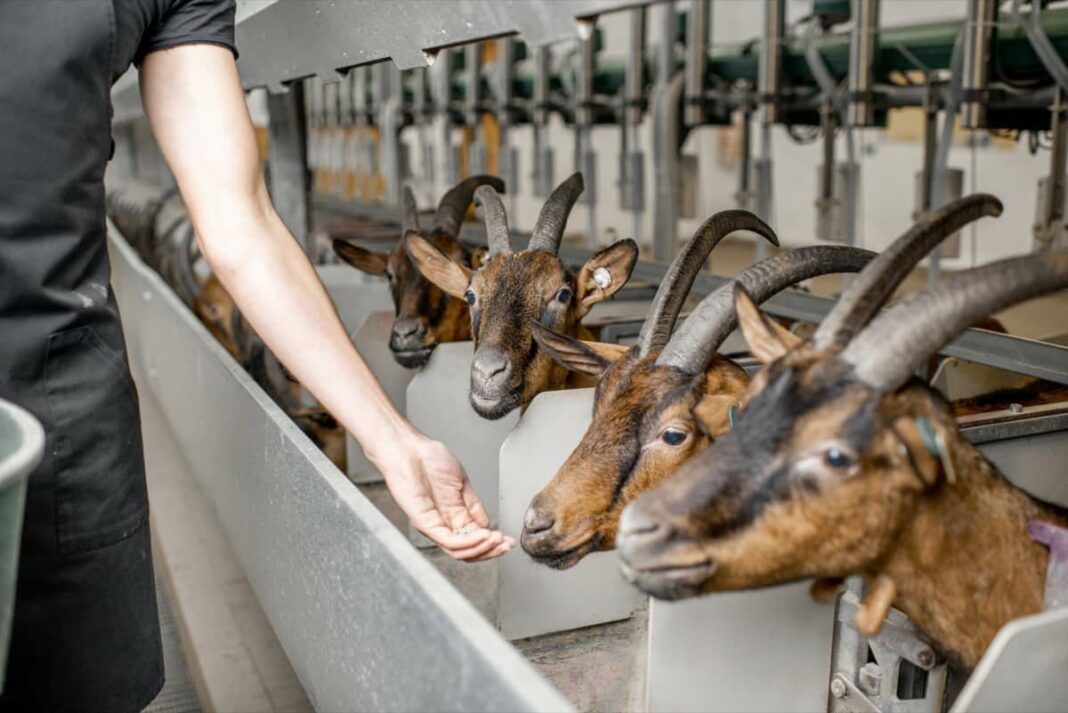
Proper nutrition forms the foundation of healthy and productive goats. Ensuring they receive the right balance of essential nutrients daily is crucial for growth, reproduction, and milk production. Recognizing the specific dietary needs of different breeds and age groups helps in formulating tailored feeding strategies that support optimal health and performance.
Goats are ruminants with unique digestive systems designed to process fibrous plant material efficiently. Their nutritional requirements vary based on factors such as age, breed, reproductive status, and level of activity. Meeting these needs involves providing a balanced diet rich in proteins, fibers, vitamins, and minerals, which collectively contribute to their overall well-being and productivity.
Essential Nutrients and Their Roles
Understanding the specific nutrients goats need daily is fundamental to effective feeding management. These nutrients support various physiological functions, from tissue repair to immune response. The key nutrients include proteins, fibers, vitamins, and minerals, each playing a vital role in maintaining health and ensuring proper growth and production.
| Nutrient Type | Recommended Daily Intake | Sources | Signs of Deficiency |
|---|---|---|---|
| Proteins | 12-16% of total diet for maintenance; higher for growth, reproduction, and lactation | Leguminous forages, soybean meal, cottonseed meal, alfalfa, clover | Poor growth, weight loss, decreased milk production, dull coat |
| Fibers | Approx. 30-40% of diet, primarily from forages | Hay, pasture grasses, straw, silage | Digestive disturbances, loose stools, decreased feed intake |
| Vitamins | Varies; generally, supplementation depends on forage quality | Green forages, vitamin supplements, fortified feeds | Poor immune response, anemia, reproductive issues, lethargy |
| Minerals | Calcium: 0.4-1.0% of diet, Phosphorus: 0.3-0.4%, Selenium, Zinc, Copper, Iodine | Mineral blocks, salt licks, mineral supplements, mineral-rich greens | Bone deformities, reproductive problems, anemia, weak immune system |
Dietary Needs for Different Breeds and Age Groups
Different goat breeds and age groups have unique nutritional requirements that must be considered to optimize their health and productivity. Dairy breeds such as Nubians and Saanens often need higher energy and protein intake to support milk production, while meat breeds like Boer goats focus on rapid growth and muscle development. Similarly, young kids require a diet rich in nutrients to promote proper growth, whereas mature goats need balanced maintenance diets to sustain their health.
For kid goats, the focus is on providing easily digestible nutrients with adequate proteins and calcium to support skeletal development. Adult goats, depending on their reproductive status, may require adjustments in nutrient levels; lactating does, for example, need increased energy and protein to sustain milk production. Older goats might need diets lower in energy but rich in fiber to support dental health and digestion.
Types of Feed for Proper Goat Nutrition
Providing a balanced and appropriate diet is essential for maintaining the health, productivity, and overall well-being of goats. A variety of feeds, each with specific nutritional benefits, should be incorporated into their diet to meet their diverse requirements. Understanding the different types of feed available allows goat owners to create an optimal feeding strategy that supports growth, reproduction, and milk production.
Goat nutrition involves a combination of forage, concentrates, and supplements, each playing a vital role in fulfilling the animal’s dietary needs. Proper selection and management of these feed types ensure goats receive adequate energy, protein, minerals, and vitamins essential for their development and productivity.
Forage Options: Grasses, Hay, and Browse
Forages constitute the foundation of a goat’s diet, providing essential fiber, vitamins, and minerals necessary for digestion and overall health. Incorporating a variety of forage options offers both nutritional diversity and environmental enrichment for goats.
- Grasses: Fresh pasture grasses, such as Bermuda grass, Ryegrass, and Timothy, are highly nutritious when grazed freely. They provide a rich source of fiber, vitamins, and energy, especially when managed properly to prevent overgrazing.
- Hay: Dried grasses like Timothy, Orchard, or Alfalfa hay serve as a vital feed during periods when fresh pasture is unavailable. Hay offers concentrated fiber and nutrients, and its quality significantly influences goat health and productivity.
- Browse: Leafy twigs, shrubs, and bushes such as blackberry, black locust, or shrub legumes can supplement forage intake, especially in browsing breeds. Browse provides additional nutrients, particularly during dry seasons or in areas with limited pasture access.
Advantages of these forage options include their natural availability, high fiber content for rumen health, and their role in reducing feed costs. The diversity of forage sources helps prevent nutritional deficiencies and encourages natural foraging behavior, which is beneficial for goat welfare.
Concentrate Feeds: Grains, Legumes, and Commercial Goat Feeds
Concentrates are energy-dense feeds that supply the additional nutrients needed for growth, reproduction, and lactation. They are typically fed in controlled amounts to prevent overfeeding and metabolic issues.
- Grains: Corn, wheat, oats, and barley are common grains used in goat diets. For example, small quantities of cracked corn or oats can be fed daily, typically constituting 10-20% of total diet dry matter, depending on the goat’s stage of production.
- Legumes: Leguminous feeds such as soybean meal, lupins, or peas are excellent sources of high-quality protein. Incorporating these into concentrate mixes ensures adequate amino acids for growth and milk production.
- Commercial Goat Feeds: Formulated pellets or mash specifically designed for goats contain balanced proportions of grains, proteins, vitamins, and minerals. Serving rates vary based on age, weight, and production stage but generally range from 0.5 to 2 kg per day for adult goats.
Feeding concentrates should be introduced gradually to avoid digestive disturbances and should be balanced with forage intake. They are crucial during high-demand periods such as pregnancy, lactation, or rapid growth phases.
Supplemental Feeding: Mineral Blocks and Salt Licks
Supplements like mineral blocks and salt licks play a critical role in addressing specific micronutrient deficiencies and maintaining overall health. These are especially important in areas where natural soil or forage lacks essential minerals.
- Mineral Blocks: These are palatable, easily accessible sources of essential minerals such as calcium, phosphorus, magnesium, and trace elements. Proper placement in goat housing or grazing areas ensures consistent access for all animals.
- Salt Licks: Provide sodium and chloride, vital for nerve function and osmotic balance. Placement near feeding or watering areas encourages goats to lick regularly, ensuring intake.
Ensuring the availability of these supplements helps prevent mineral deficiencies that can lead to poor growth, reproductive issues, or health problems. Regular monitoring and replenishment are necessary to maintain their effectiveness.
Comparison of Forage, Concentrates, and Supplements
| Feed Type | Benefits | Drawbacks | Serving Method |
|---|---|---|---|
| Forage |
|
|
Grazed directly from pasture, fed as hay or browse; provided ad libitum or in measured amounts |
| Concentrates |
|
|
Mixed with forage or fed separately in controlled quantities, usually as pellets or grains |
| Supplements (Mineral Blocks and Salt Licks) |
|
|
Placed in accessible areas for constant or regular lick intake |
Feeding Procedures and Schedules
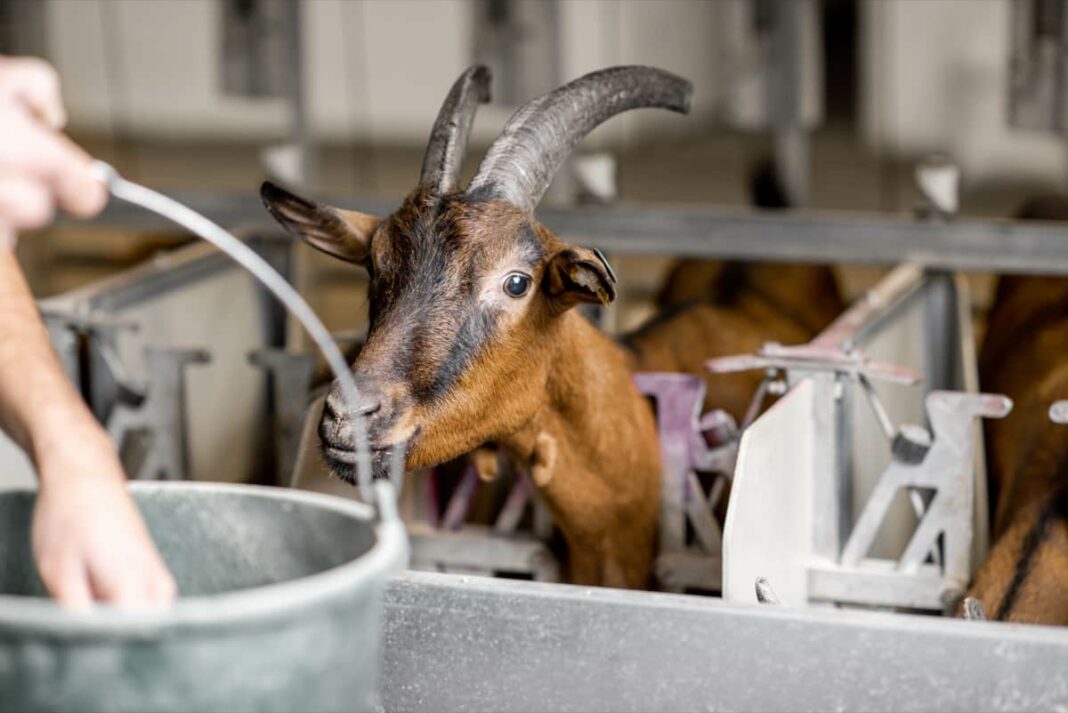
Implementing an effective feeding routine is essential for maintaining healthy, productive goats. Proper procedures and schedules ensure that goats receive the right nutrients at appropriate times, adapting to their specific needs based on environment, age, and production stage. Structured feeding routines also foster consistent intake, minimize waste, and prevent health issues related to overfeeding or underfeeding.
Establishing clear procedures for feeding goats in various environments—whether pasture-based or confined—helps optimize their health and productivity. Regular monitoring and adjustments based on individual and herd health status are key components of a successful feeding program. Tailoring schedules across daily, weekly, and seasonal periods supports growth, reproduction, and milk production, contributing to overall herd performance.
Feeding Procedures for Pasture-Based and Confined Goats
Efficient feeding procedures differ depending on whether goats are managed on pasture or in confinement. Each environment requires specific management practices to ensure goats meet their nutritional requirements without wastage or deficiencies.
- Pasture-Based Systems:
- Provide free access to clean, fresh pasture that is rich in grasses, legumes, and herbs suitable for goats.
- Rotate grazing areas regularly to prevent overgrazing and ensure the pasture remains nutritious.
- Supplement with mineral blocks or salt licks to enhance mineral intake, especially in areas where pasture mineral content is deficient.
- Monitor grazing time; typically, goats graze 4–8 hours daily depending on pasture quality and weather conditions.
- Confined Systems:
- Offer measured amounts of concentrate feeds, hay, and fresh water according to daily requirements.
- Divide daily feed into multiple small meals to promote digestion and prevent bloating.
- Provide access to clean, fresh water at all times, with additional supplements like minerals as needed.
- Maintain cleanliness of feeding areas to prevent disease transmission and feed contamination.
Daily, Weekly, and Seasonal Feeding Schedules
Designing a comprehensive feeding schedule aligns goat nutritional needs with their lifecycle stages and environmental conditions. This structured approach helps in maintaining consistent growth, reproduction, and milk production while accommodating seasonal changes.
- Daily Schedule:
- Provide fresh water at least twice daily, ideally morning and evening.
- Feed hay or pasture first thing in the morning to encourage intake and prevent morning hunger stress.
- Administer concentrate feeds or supplements mid-morning or early afternoon, especially for lactating or growing goats.
- Offer additional feed, such as grain mixes or treats, in the late afternoon if necessary.
- Ensure clean feeding and watering stations are maintained throughout the day.
- Weekly Schedule:
- Assess feed intake and adjust quantities based on goat behavior, body condition, and productivity.
- Inspect and replenish mineral blocks or salt licks regularly.
- Clean feeding equipment to prevent mold, disease, and feed spoilage.
- Rotate grazing areas or pasture sections to prevent overgrazing and promote pasture health.
- Seasonal Schedule:
- Summer:
- Increase water availability and shade to prevent heat stress.
- Reduce concentrate feed to prevent heat stress but ensure adequate mineral intake.
- Winter:
- Provide supplemental hay or stored forage to compensate for reduced pasture availability.
- Adjust feeding quantities to match decreased energy expenditure and maintain body condition.
- Breeding and lactation periods:
- Increase energy and nutrient-rich feeds to support fetal development and milk production.
Monitoring and Adjusting Feeding Routines
Regular monitoring of goat health, body condition, and productivity is vital for refining feeding routines. Observations should include body score assessments, coat condition, fecal consistency, and milk yield. Any deviations from expected health or production levels signal the need to adjust feed quantities or composition.
“Adjust feeding routines based on ongoing assessments, ensuring goats receive optimal nutrition without overburdening their digestive systems or causing metabolic issues.”
In practice, if goats exhibit signs of weight loss, dull coat, or decreased milk, increased energy-rich feeds or mineral supplementation may be necessary. Conversely, overweight goats or those showing bloating may require restricted feed access or increased fiber intake. Maintaining detailed feeding records facilitates trend analysis and timely adjustments, ensuring herd health and productivity are maximized.
Best Practices for Consistent Feeding and Avoiding Overfeeding or Underfeeding
Adhering to best practices ensures goats receive balanced nutrition consistently, preventing health issues linked to improper feeding. These practices include:
- Establishing a fixed daily routine for feeding times to promote consistent intake and digestion.
- Monitoring individual goat body conditions regularly and adjusting feed accordingly.
- Using high-quality, specifically formulated feeds to meet the nutritional requirements of different lifecycle stages.
- Providing adequate fiber, especially roughage, to support rumen health and prevent digestive disorders.
- Avoiding sudden changes in feed to prevent digestive upset; introduce new feeds gradually over several days.
- Calculating feed amounts precisely based on age, weight, production status, and activity level, referencing established nutritional guidelines.
- Maintaining proper sanitation and storage of feeds to prevent spoilage and contamination.
Recognizing and Preventing Feeding-Related Health Issues
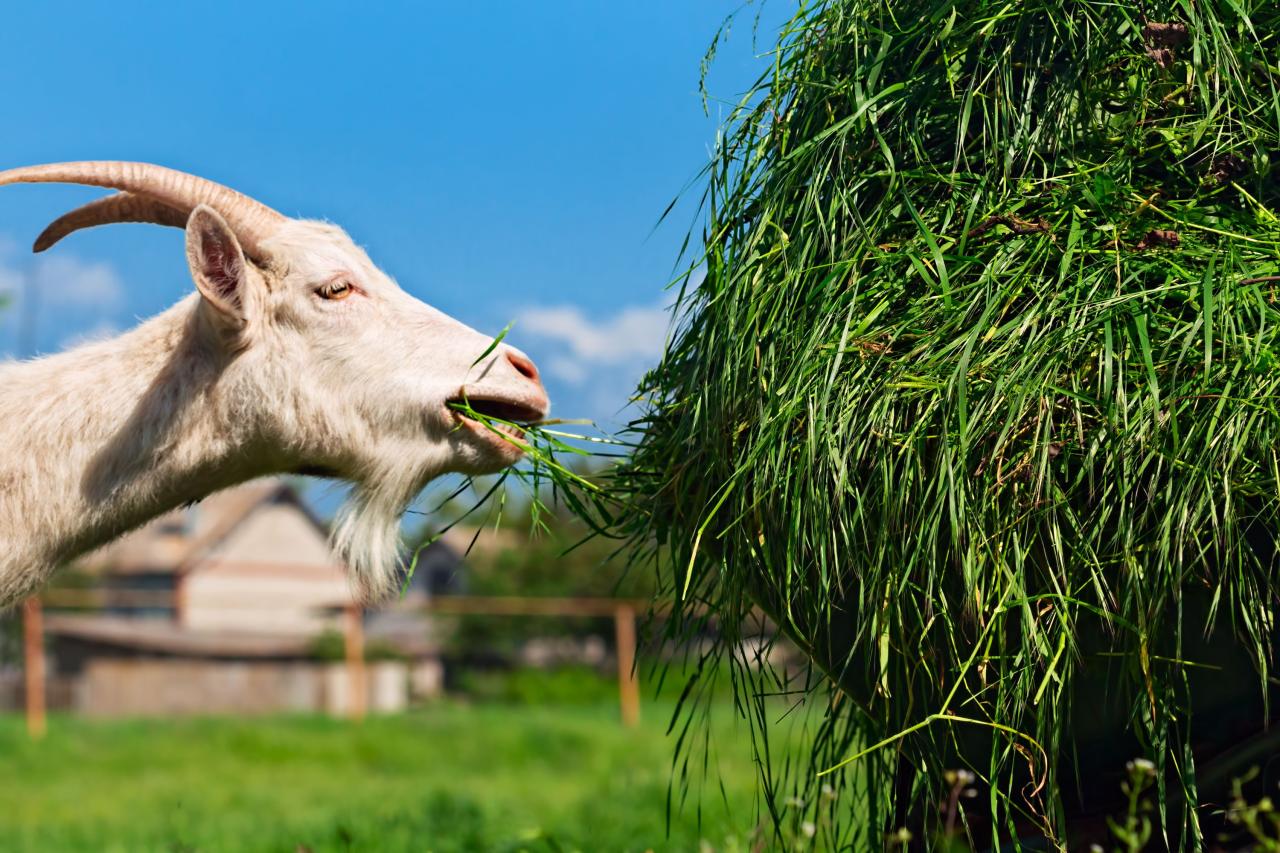
Proper feeding management is crucial in maintaining the health and productivity of goats. While providing a balanced diet supports growth, reproduction, and milk production, improper feeding can lead to significant health issues that compromise the well-being of the animals. Early recognition and effective prevention strategies are essential in minimizing these risks and ensuring optimal goat health.Understanding the common health problems associated with improper feeding helps farmers and caretakers implement timely interventions.
These issues often stem from nutritional imbalances, inadequate diet formulation, or poor feeding practices. Addressing these concerns through vigilant observation and preventive measures promotes a healthier herd and reduces veterinary costs.
Common Feeding-Related Health Issues
Unbalanced nutrition and inappropriate feed intake can cause a variety of health problems. Among the most prevalent are bloating, acidosis, and mineral deficiencies, each with distinct causes and symptoms. Recognizing these issues early allows for prompt corrective actions to prevent severe consequences.
| Health Issue | Causes | Symptoms | Potential Consequences |
|---|---|---|---|
| Bloating | Overeating on lush pasture or rapidly fermentable feeds | Distended abdomen, discomfort, labored breathing | Severe cases can lead to death if not addressed immediately |
| Acidosis | Excessive consumption of high carbohydrate feeds, especially grains | Diarrhea, weakness, dehydration, lethargy | Damage to rumen lining, reduction in feed intake, or death |
| Mineral Deficiencies | Imbalanced diets lacking essential minerals like selenium, copper, or calcium | Lameness, poor growth, reproductive issues, weak immune responses | Reduced productivity, increased susceptibility to diseases |
Early Detection of Nutritional Problems
Regular monitoring of goats’ behavior and physical condition plays a vital role in identifying nutritional imbalances before they escalate. Changes in activity levels, feed intake, or physical appearance often serve as early warning signs of underlying health issues.Behavioral indicators include decreased grazing activity, reluctance to eat, or signs of discomfort such as pawing or lying down persistently. Physical signs may manifest as bloated abdomen, poor coat condition, or hoof problems.
Routine health checks and observation help in catching these signs promptly, enabling timely intervention.
Preventive Measures for Nutritional Health
Implementing a well-balanced diet tailored to the goats’ age, reproductive status, and production goals is fundamental in preventing feeding-related health issues. Ensuring variety in feed sources, proper mineral supplementation, and adequate water intake supports overall health.Regular health assessments by veterinary professionals are also vital. These include blood tests to check mineral levels, dental examinations, and physical inspections. Maintaining a clean, parasite-free environment reduces additional stress factors that could exacerbate nutritional deficiencies or health problems.
Troubleshooting Steps for Nutritional Imbalances
In cases where goats exhibit signs of nutritional issues, systematic troubleshooting helps identify and correct the cause efficiently. The following steps should be taken:
- Observe and document behavioral and physical symptoms in detail.
- Review the recent feed sources, quantities, and feeding schedules to identify potential imbalances or changes.
- Check for signs of bloating, diarrhea, or other immediate physical symptoms.
- Assess the mineral and vitamin supplementation program, ensuring it meets the goats’ specific requirements.
- Evaluate environmental factors such as pasture quality, water availability, and hygiene conditions.
- Consult a veterinarian or animal nutritionist for a thorough examination and tailored advice.
- Adjust the feeding regime based on findings, emphasizing balanced diets and gradual changes to reduce shock risks.
- Implement routine health checks and continued monitoring to verify improvements and prevent recurrence.
Special Considerations for Different Life Stages and Conditions
Understanding the unique nutritional needs of goats at various stages of life and under different health conditions is essential for optimal growth, reproduction, and overall health. Adjusting feeding strategies to accommodate these differences ensures that each goat receives the appropriate nutrients to support their specific physiological requirements and maintain well-being throughout their lifecycle.Proper dietary management during distinct life stages and health conditions not only promotes productivity but also prevents nutritional deficiencies and related health issues.
It requires careful evaluation of each goat’s age, reproductive status, and health status to tailor feeding practices effectively.
Feeding Adjustments for Kids, Pregnant, and Lactating Goats
The nutritional demands of goats vary significantly during different life stages and reproductive conditions. Adequate adjustments in feed composition, quantity, and feeding frequency are fundamental to meet these needs and support healthy development and reproduction.For kids, the focus is on providing high-quality, easily digestible nutrients that promote rapid growth and strong skeletal development. Their diet should be rich in energy, protein, and minerals, with a gradual transition from milk to solid feeds as they mature.Pregnant goats require increased energy and protein intake, especially during the last trimester when fetal growth accelerates.
The diet should include higher-quality forage and supplemental concentrates to support fetal development and maintain the health of the doe.Lactating goats have elevated energy and nutrient requirements to sustain milk production. Diets should be rich in digestible carbohydrates, proteins, and minerals like calcium and phosphorus, supporting both milk yield and the health of the doe.
Dietary adjustments for different life stages and conditions are essential for optimizing growth, reproduction, and health, ensuring goats receive tailored nutrition reflective of their physiological needs.
Dietary Modifications for Goats with Health Issues or Specific Conditions
When managing goats with health conditions, customized nutrition plans are crucial to support recovery, mitigate symptoms, and prevent further complications. Specific conditions such as obesity, digestive disorders, or metabolic diseases necessitate targeted dietary modifications.For obese goats, a low-energy, high-fiber diet with controlled forage intake helps reduce weight gradually without causing nutritional deficiencies. Conversely, goats suffering from weight loss or poor condition require nutrient-dense feeds with enhanced digestibility to promote weight gain.Digestive disorders may require the introduction of easily digestible feeds, reduced grain intake, and probiotics to restore gut health.
Additionally, goats with metabolic issues like ketosis or milk fever need diets carefully balanced with minerals and vitamins, often under veterinary supervision.Gradual diet transitions during seasonal changes help prevent digestive upset and ensure goats adapt smoothly to new forage types or feeding routines. Such changes should occur over 7-14 days, incrementally increasing the new feed component while decreasing the previous diet.
Guidelines for Seasonal Diet Transitions
Seasonal variations influence forage quality, availability, and nutritional composition, necessitating systematic dietary adjustments. A gradual transition minimizes digestive disturbances and maintains nutritional balance during these periods.In spring and summer, increased availability of fresh forage allows for higher fiber intake, but caution is needed to prevent excessive lush pasture consumption, which can lead to bloat. During autumn and winter, supplemental feeding with hay, silage, or concentrates becomes necessary to compensate for reduced pasture quality.A recommended approach involves increasing the proportion of new feed by 20% every 3-5 days, monitoring goats for any adverse reactions, and adjusting accordingly.
Consistent access to clean, fresh water and mineral supplements during transitions further supports health and digestion.
Effective management of dietary adjustments during various life stages and health conditions enhances overall herd productivity, ensures animal welfare, and reduces the incidence of nutritional-related health issues.
Comparison Table of Nutritional Needs and Feeding Methods
| Age/Condition | Nutritional Needs | Feeding Method | Notes |
|---|---|---|---|
| Kids (0-6 months) | High energy, protein, calcium, phosphorus for growth and bone development | Milk until weaned; introduction of high-quality forage and starter concentrates gradually after weaning | Ensure easy access to clean water; monitor growth rates |
| Pregnant Does (Late gestation) | Increased energy, protein, calcium for fetal growth | Enhanced forage with supplemental concentrates; mineral supplementation | Adjust diet as pregnancy advances; monitor body condition |
| Lactating Does | High energy, protein, calcium, phosphorus for milk production | High-quality forage combined with concentrates; mineral and vitamin supplements | Frequent feeding to maintain consistent intake; water is vital |
| Goats with Health Issues | Condition-specific nutrients; easily digestible feeds; balanced minerals | Customized diets based on condition; gradual dietary modifications | Consult veterinary advice; monitor health status closely |
| Seasonal Transition Periods | Balanced nutrients matching forage availability; gradual adjustments | Incremental feed changes over 7-14 days; consistent water and mineral access | Observe for digestive disturbances; adjust based on animal responses |
Conclusion
In conclusion, proper feeding practices are the cornerstone of healthy and productive goats. Paying attention to their nutritional needs, providing the right types of feed, and monitoring their health can prevent common issues and promote longevity. Implementing these strategies will lead to a thriving goat herd and a successful farming endeavor.