Caring for a lactating rabbit is a rewarding experience, but it also demands a deep understanding of her nutritional needs. Ensuring your doe receives the proper diet is crucial not only for her health and well-being but also for the healthy development of her kits. This comprehensive guide will delve into the essential aspects of feeding lactating rabbits, providing you with the knowledge to support a successful and thriving breeding season.
We will explore the critical role of specific nutrients, the importance of selecting the right feed, and the ideal feeding schedules to maximize milk production. We will also cover supplementing the diet, ensuring proper hydration, and managing environmental factors that can impact feeding habits. Furthermore, we’ll guide you on how to monitor the doe and kits, and highlight common feeding mistakes to avoid, ensuring you are well-equipped to provide the best care possible.
Nutritional Needs of Lactating Rabbits
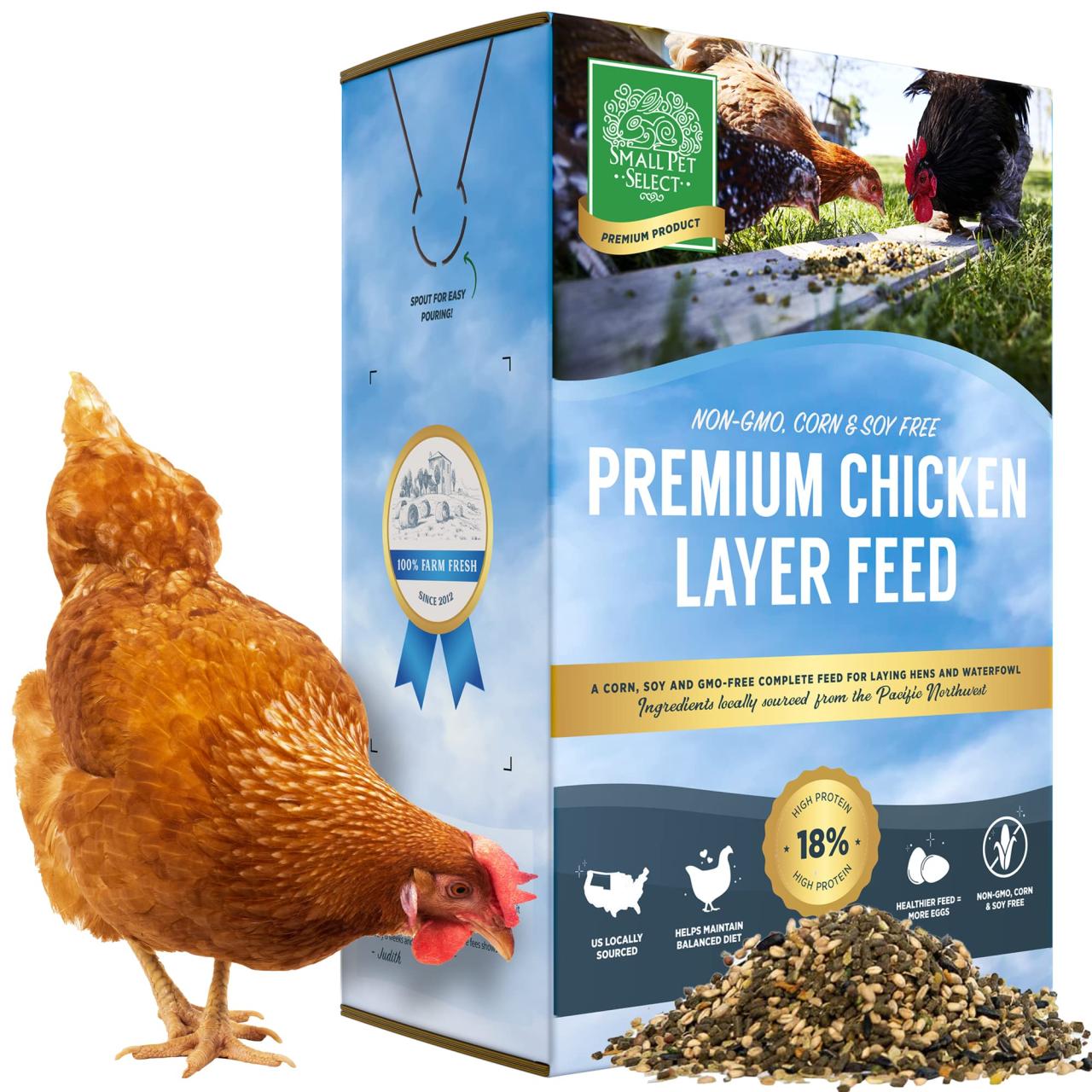
Providing proper nutrition is crucial for lactating rabbits to ensure both the health of the mother and the healthy development of her kits. Lactation places significant demands on a rabbit’s body, requiring increased intake of essential nutrients to support milk production. Failure to meet these increased needs can lead to health problems for the doe and compromised growth in her offspring.
Increased Caloric Requirements
Lactating rabbits have significantly higher caloric needs compared to non-lactating rabbits. This increase is primarily due to the energy expenditure required for milk production. The exact increase depends on factors like the number of kits, the stage of lactation, and the individual rabbit’s metabolism.During peak lactation, a doe’s caloric requirements can increase by as much as 2-3 times her normal maintenance needs.
For example, a non-lactating rabbit might require around 100-150 calories per day. However, during peak lactation, this could increase to 200-450 calories or more, depending on the litter size and the doe’s milk production. This increased energy demand underscores the importance of providing a high-quality, energy-dense diet. Failure to meet these needs can result in weight loss in the doe, decreased milk production, and potentially, the death of the kits.
Essential Nutrients for Milk Production
A lactating rabbit’s diet must be carefully formulated to provide all the essential nutrients needed for milk production. These nutrients include protein, fat, fiber, vitamins, and minerals.* Protein: Protein is a crucial building block for milk, providing the amino acids necessary for its composition. Lactating rabbits require a higher percentage of protein in their diet. A diet containing 16-18% crude protein is typically recommended.
Good sources of protein include alfalfa hay, high-quality rabbit pellets, and supplemental protein sources like soybean meal.* Fat: Fat provides energy and supports the absorption of fat-soluble vitamins. The milk produced by rabbits is relatively high in fat, so a sufficient fat intake is essential. A diet containing 2-4% fat is generally recommended. Sources of fat include flaxseed, sunflower seeds (in moderation), and some commercially available rabbit pellets.* Fiber: Fiber is crucial for digestive health, preventing gastrointestinal stasis, a common and potentially fatal condition in rabbits.
It also helps to regulate blood sugar levels. Lactating rabbits should have access to unlimited amounts of high-quality fiber, primarily in the form of hay, such as timothy or orchard grass. A diet containing at least 18% crude fiber is ideal.* Vitamins: Vitamins play a vital role in various metabolic processes, including milk production. Lactating rabbits need adequate levels of all vitamins, particularly vitamin A, vitamin D, vitamin E, and the B vitamins.
Commercial rabbit pellets are often fortified with vitamins, but fresh vegetables can also supplement these needs.* Minerals: Minerals are essential for bone development, milk production, and overall health. Calcium, phosphorus, and magnesium are particularly important. A balanced mineral intake is crucial. Rabbits should have access to a mineral block or a diet formulated to meet their mineral needs.
Impact of Nutrient Deficiencies
Nutrient deficiencies can have detrimental effects on both the mother rabbit and her kits. Deficiencies in any of the essential nutrients can compromise milk production and lead to health problems.* For the Mother Rabbit: Protein deficiency can lead to weight loss, muscle wasting, and reduced milk production. Fat deficiency can cause poor coat condition and decreased energy levels. Fiber deficiency can result in digestive problems.
Vitamin and mineral deficiencies can lead to various health issues, including bone problems, anemia, and weakened immune systems.* For the Kits: Nutrient deficiencies in the mother rabbit can result in insufficient milk production, leading to slow growth, poor weight gain, and increased susceptibility to diseases in the kits. In severe cases, kits may fail to thrive and may even die.
For example, a calcium deficiency in the mother can result in milk with a low calcium content, which can lead to bone problems in the kits.
Nutritional Content Comparison of Rabbit Feed Brands
The following table provides a comparison of the nutritional content of various rabbit feed brands. This table is for illustrative purposes only, and specific formulations may vary. Always refer to the product packaging for the most accurate and up-to-date information.
| Feed Brand | Crude Protein (%) | Crude Fat (%) | Crude Fiber (%) |
|---|---|---|---|
| Brand A (Premium) | 17 | 3 | 18 |
| Brand B (Standard) | 15 | 2 | 16 |
| Brand C (Economy) | 14 | 1.5 | 14 |
| Brand D (Specialty – Alfalfa Based) | 18 | 2.5 | 20 |
Selecting the Right Rabbit Feed
Choosing the correct feed is crucial for the health and milk production of lactating does. A well-formulated diet ensures the doe receives the necessary nutrients to support both her own body and the rapid growth of her kits. Selecting the right feed directly impacts the litter’s survival, growth rate, and overall well-being.
Importance of High-Quality Commercial Feed
Commercial rabbit feeds specifically designed for lactating does are formulated to meet their elevated nutritional needs. These feeds are typically more nutrient-dense than maintenance feeds, providing increased levels of protein, fat, and energy.
Key Ingredients in Lactating Rabbit Feed
A lactating rabbit feed should contain specific ingredients that support high milk production and the doe’s health.
- Alfalfa Hay: A primary source of fiber, protein, and calcium. Alfalfa hay is often preferred for lactating does due to its higher nutritional content compared to other hay types.
- Timothy Hay: While not as nutrient-dense as alfalfa, timothy hay provides essential fiber for digestive health and can be used in combination with alfalfa.
- Soybean Meal: A high-quality protein source crucial for milk production. Soybean meal helps meet the doe’s increased protein requirements during lactation.
- Other ingredients: The feed may also include added vitamins and minerals to ensure the doe receives a complete and balanced diet.
Drawbacks of Unsuitable Feed
Feeding an unsuitable feed during lactation can have several negative consequences.
- Reduced Milk Production: Insufficient nutrient intake can lead to decreased milk production, potentially starving the kits.
- Poor Kit Growth: Kits may not grow properly if the milk produced is lacking essential nutrients. This can result in stunted growth and increased susceptibility to disease.
- Doe Health Issues: The doe’s health can suffer as she tries to meet the demands of lactation without adequate nutritional support. This can lead to weight loss, a weakened immune system, and other health problems.
- Increased Risk of Disease: Deficiencies in essential nutrients can compromise the doe’s immune system, making her more vulnerable to diseases.
Examples of Feed Brands and Suitability
Several commercial rabbit feed brands offer formulas suitable for lactating does. Always read the feed label and check the guaranteed analysis for protein, fat, and fiber content.
- Example Brand A: A feed specifically designed for lactating does, with a guaranteed analysis of 18% protein, 3.5% fat, and 18-22% fiber. This high protein content supports optimal milk production.
- Example Brand B: Offers a lactating doe formula with a slightly lower protein content (16%) but with added vitamins and minerals to support overall health. Fiber content is around 20%.
- Example Brand C: A feed formulated for all life stages, including lactation, typically containing 17% protein and 3% fat. While suitable, it might require supplemental feeding of alfalfa hay for does with large litters or high milk demands.
Feeding Schedule and Frequency
Maintaining an appropriate feeding schedule and frequency is critical for the health and milk production of a lactating rabbit. Providing consistent access to the right amount of food ensures the doe can meet the nutritional demands of her kits and maintain her own well-being. This section details a recommended feeding plan, emphasizing gradual adjustments and responsiveness to the needs of the growing litter.
Ideal Feeding Schedule for Lactating Rabbits
A well-structured feeding schedule helps maximize milk production and prevent nutritional deficiencies in the doe. It should provide adequate nutrition while minimizing waste and maintaining a healthy digestive system. The following schedule provides a general guideline that can be adapted based on individual needs.The ideal feeding schedule for a lactating rabbit should include multiple feedings throughout the day to ensure a steady supply of nutrients.
This also mimics the natural feeding patterns of rabbits, who are crepuscular feeders, meaning they are most active and eat primarily during dawn and dusk.
Here is an example of a feeding schedule for a lactating rabbit, presented in a table format:
| Time of Day | Feed Type | Portion Size | Notes |
|---|---|---|---|
| 6:00 AM | High-Quality Pelleted Feed | 1/4 cup | Provide fresh water and hay. |
| 10:00 AM | Fresh Hay (Timothy, Orchard, or Meadow) | Unlimited access | Ensure hay is readily available. |
| 4:00 PM | High-Quality Pelleted Feed | 1/2 cup | Add a small amount of fresh greens (e.g., dark leafy greens) |
| 8:00 PM | High-Quality Pelleted Feed | 1/2 cup | Offer fresh water. |
| 10:00 PM | Hay (Timothy, Orchard, or Meadow) | Unlimited access | Provide fresh hay. |
Gradually Increasing Feed Intake After Giving Birth
The doe’s nutritional needs increase dramatically after giving birth. Gradually increasing her feed intake helps prevent digestive upset and allows her body to adapt to the increased demands of milk production. This process should be carefully managed to ensure optimal health for both the doe and her kits.A step-by-step procedure for increasing the doe’s feed intake after giving birth involves the following:
- Day 1-3 Postpartum: Maintain the doe’s pre-pregnancy diet. Observe the doe’s appetite and stool consistency.
- Day 4: Increase the pelleted feed portion by 1/4 cup per day, divided into two feedings.
- Day 7: Continue increasing the pelleted feed portion by another 1/4 cup per day, distributed across the feeding times, depending on the number of kits.
- Week 2: Continue to monitor the doe’s body condition and milk production. Adjust the feed as needed.
- Week 3: Maintain the increased feed level. Begin offering a small amount of fresh, washed greens to the doe.
- Week 4 (Weaning): Begin gradually reducing the doe’s feed intake over the weaning period.
Adjusting the Feeding Schedule Based on the Number of Kits and Their Growth
The number of kits in a litter and their growth rate significantly influence the doe’s nutritional requirements. Adjusting the feeding schedule based on these factors ensures that the doe produces enough milk to support the kits’ development. Regular monitoring and adjustments are crucial for the health of the entire family.
Adjustments to the feeding schedule based on the number of kits and their growth require careful observation and responsiveness:
- Small Litters (1-3 kits): The doe may require slightly less feed than with a larger litter. Monitor the kits’ weight gain and the doe’s body condition.
- Average Litters (4-7 kits): The feeding schedule should be followed closely, with potential for slight increases in feed as the kits grow.
- Large Litters (8+ kits): Increase the feed portions by an additional 1/4 cup per feeding, and ensure that the doe has constant access to fresh hay and water. Monitor milk production closely.
- Kits’ Growth: As the kits grow and their nutritional demands increase, the doe’s feed intake should be adjusted accordingly. Weigh the kits regularly to monitor their growth rate.
- Milk Production: Observe the doe’s milk production by checking the kits’ bellies after nursing. If the kits are not gaining weight or appear hungry, increase the doe’s feed.
Supplementing the Diet
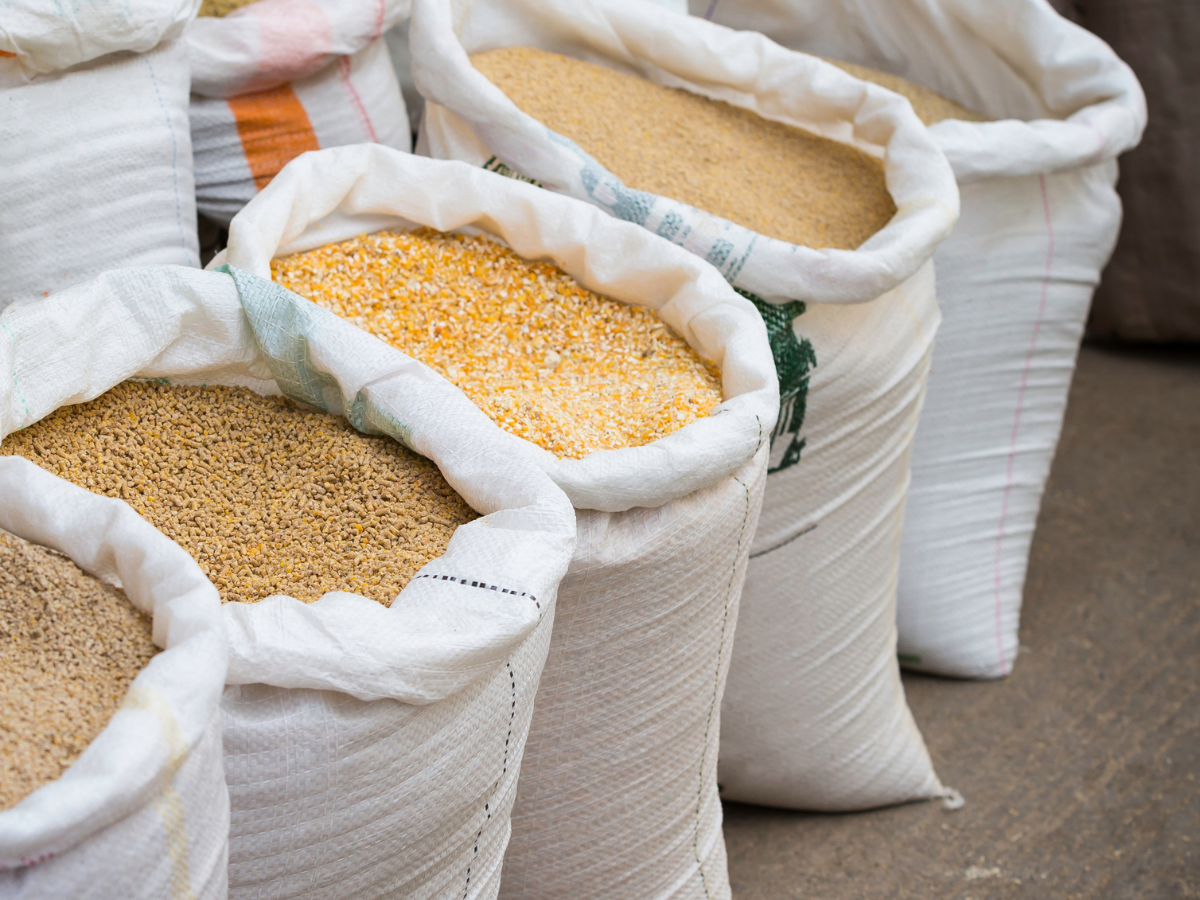
During lactation, does require a significantly increased intake of nutrients to support milk production and maintain their own health. While a high-quality commercial rabbit feed should form the foundation of their diet, supplementing with additional hay, fresh vegetables, and occasional treats can provide essential nutrients and enrichment. Supplementation should always be approached carefully, considering the rabbit’s individual needs and overall health.
Benefits of Supplementation
Supplementing a lactating doe’s diet offers several advantages. It helps ensure adequate nutrient intake, supports milk production, and encourages the doe to eat more, which is crucial during this demanding period. Furthermore, providing a variety of foods can prevent nutritional deficiencies and enhance the rabbit’s enjoyment of their meals. Supplementation also promotes a healthy gut environment and can help prevent digestive issues that are more common during times of stress, such as lactation.
Safe and Beneficial Vegetables and Treats
A diverse diet is beneficial for lactating rabbits. Fresh vegetables and occasional treats can provide additional vitamins, minerals, and fiber.
- Safe Vegetables: Offer a variety of leafy greens and other vegetables in moderation. Good choices include:
- Romaine lettuce (avoid iceberg lettuce, which has little nutritional value)
- Green leaf lettuce
- Escarole
- Endive
- Dandelion greens (pesticide-free)
- Carrot tops
- Bell peppers (various colors)
- Broccoli leaves and stems (offer in small amounts, as some rabbits can experience gas)
- Celery (in moderation, as it can have a high water content)
- Cilantro
- Parsley
- Treats (in moderation): Offer occasional treats to provide variety and encourage eating.
- Small pieces of fresh fruit, such as apple (without seeds), banana, or berries.
- A small amount of plain, rolled oats.
- A small piece of a whole-grain, rabbit-safe cracker.
- Commercial rabbit treats, but always check the ingredients and ensure they are low in sugar and safe for rabbits.
Advantages and Disadvantages of Supplementation Methods
There are several methods for supplementing a lactating doe’s diet, each with its own set of advantages and disadvantages.
- Adding Hay:
- Advantages: Provides essential fiber for digestive health, encourages natural foraging behavior, and helps wear down teeth. Hay is also low in calories and can be offered freely.
- Disadvantages: May not provide enough additional nutrients to meet the increased demands of lactation on its own. Ensure the hay is fresh and of high quality (e.g., Timothy hay, orchard grass, or oat hay).
- Offering Fresh Vegetables:
- Advantages: Provides a wide range of vitamins, minerals, and antioxidants. Offers variety and enrichment.
- Disadvantages: Can be time-consuming to prepare and must be washed thoroughly to remove pesticides. Overfeeding can lead to digestive upset, such as diarrhea.
- Providing Treats:
- Advantages: Can be used to encourage eating, provide enrichment, and build a bond with the rabbit.
- Disadvantages: Treats are often high in sugar or carbohydrates, which can lead to weight gain, dental problems, and digestive issues if overfed. Must be given in very small quantities.
Foods to Avoid During Lactation:
- High-Sugar Foods: Excess sugar can lead to weight gain and digestive problems. This includes sugary treats, excessive fruit, and foods with added sugars.
- Foods that Cause Gas: Some vegetables, such as cabbage and cauliflower, can cause gas and discomfort.
- Processed Foods: Avoid processed foods, which often contain artificial ingredients and preservatives that can be harmful.
- Chocolate, Caffeine, and Alcohol: These substances are toxic to rabbits.
- Seeds and Nuts: While some commercial rabbit treats contain seeds and nuts, these should be given sparingly due to their high fat content.
- Avocado: Avocado is toxic to rabbits.
Water Requirements and Hydration
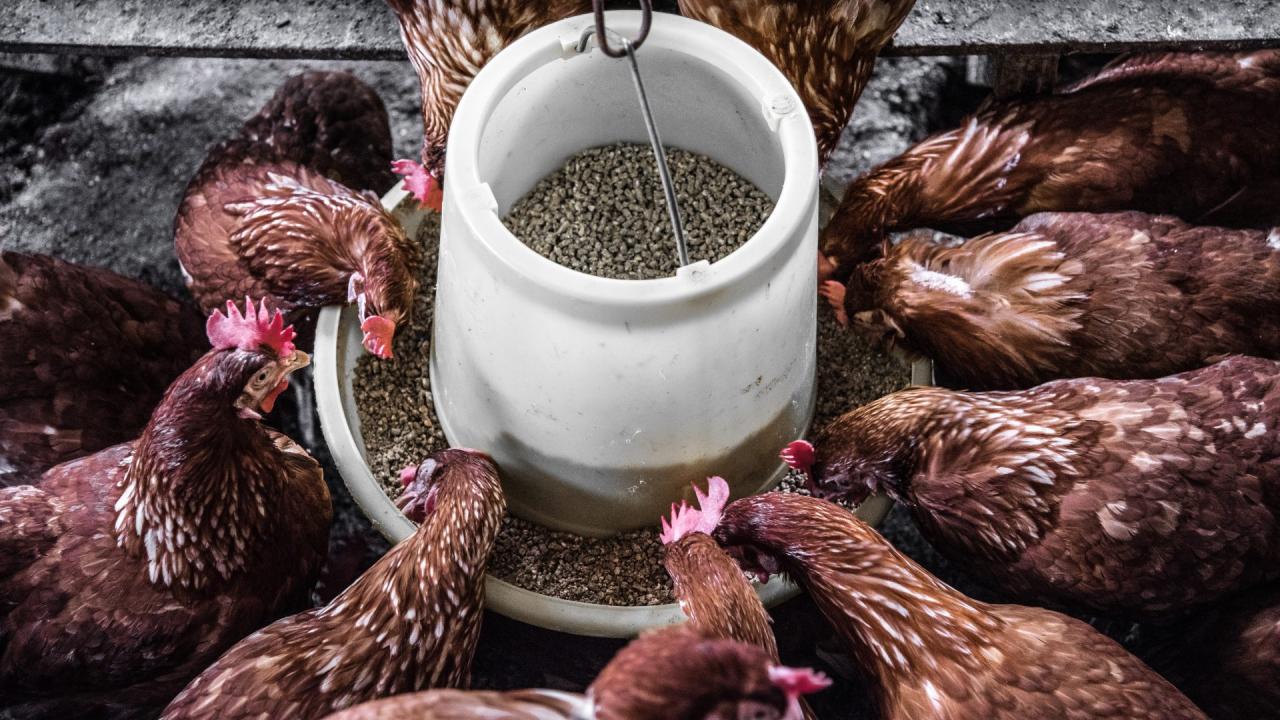
Maintaining adequate hydration is absolutely critical for lactating rabbits. Providing constant access to fresh, clean water is not just a suggestion, but a fundamental requirement for their health and the well-being of their kits. Water plays an indispensable role in numerous physiological processes, particularly during lactation, where the demand for fluids increases dramatically.
Importance of Fresh, Clean Water
A constant supply of fresh, clean water is essential for a lactating doe’s health. Water is involved in almost every bodily function, including digestion, nutrient absorption, temperature regulation, and waste removal. During lactation, a doe’s water needs increase significantly to support milk production.
Signs of Dehydration and Addressing Them
Dehydration in rabbits can quickly become a serious health concern. Recognizing the signs early is crucial for prompt intervention.
- Reduced appetite: Dehydrated rabbits may eat less or stop eating altogether.
- Lethargy: They may appear weak, less active, and less responsive.
- Sunken eyes: The eyes may appear sunken into the head.
- Dry gums: The gums will appear dry and sticky, rather than moist and pink.
- Skin tenting: Gently pinch the skin on the back of the neck. If the skin remains tented (raised) instead of snapping back immediately, it indicates dehydration.
- Decreased or absent urination: Dehydration reduces urine production.
If a rabbit shows signs of dehydration, immediate action is necessary.
- Offer water: Ensure fresh, clean water is readily available in multiple locations.
- Encourage drinking: Some rabbits may prefer water in a shallow bowl rather than a bottle. You can gently offer water using a syringe (without a needle) if the rabbit is not drinking.
- Veterinary attention: Severe dehydration requires veterinary intervention, which may include subcutaneous or intravenous fluid administration.
Role of Water in Milk Production
Water is a primary component of milk, constituting a significant percentage of its volume. The doe’s body uses water to transport nutrients from the food she consumes to the mammary glands, where milk is produced.
Milk is approximately 87% water.
This highlights the crucial need for adequate water intake to support sufficient milk production for the kits. A doe that doesn’t drink enough water will produce less milk, potentially impacting the kits’ growth and development.
Detailed Image Description: Doe Drinking Water
Imagine a tranquil scene inside a clean, well-ventilated hutch. Sunlight streams through a window, illuminating the soft, timothy hay bedding. A healthy, adult doe rabbit, with soft, brown fur and alert ears, is positioned in front of a clear, glass water bottle. The bottle is suspended at a comfortable height, allowing her easy access to the metal sipper tube. The doe’s nose is pressed against the tube, and you can see the gentle movement of her throat as she drinks.
Water droplets glisten around the sipper. The hutch is furnished with a ceramic food bowl filled with fresh, green leafy greens, and a wooden chew toy lies near her. The air is clean, and a faint scent of hay and rabbit pellets fills the space, indicating a healthy and well-cared-for environment.
Environmental Factors Affecting Feeding

A lactating rabbit’s appetite and feeding habits are significantly influenced by its environment. Creating an optimal environment is crucial not only for the doe’s well-being but also for successful milk production and the health of her kits. Several environmental factors can directly impact a rabbit’s ability to eat, digest, and produce milk effectively. Understanding these factors and implementing strategies to mitigate their negative effects is essential for responsible rabbit care.
Temperature’s Influence on Appetite
Temperature plays a critical role in a rabbit’s appetite and overall health. Rabbits are most comfortable in temperatures between 60-70°F (15-21°C). Extreme temperatures, either hot or cold, can significantly affect their feeding habits.
- High Temperatures: When temperatures rise above their comfort zone, rabbits may experience heat stress. This can lead to a decreased appetite, as the rabbit’s body prioritizes cooling mechanisms over digestion. A rabbit experiencing heat stress might consume less feed, leading to reduced milk production and potentially impacting the kits’ growth.
- Low Temperatures: Conversely, cold temperatures also affect appetite. Rabbits need to consume more calories to maintain their body temperature. This can increase their food intake, but if the rabbit is not provided with adequate feed, especially during lactation, it can lead to weight loss and decreased milk production.
Stress and its Impact on Feeding
Stress is a major disruptor of a rabbit’s feeding behavior and milk production. Lactating does are particularly vulnerable to stress due to the physiological demands of lactation and the presence of their kits.
- Sources of Stress: Common stressors include loud noises, unfamiliar animals or people, changes in the environment (e.g., cage relocation), overcrowding, and a lack of privacy. Even subtle disturbances can trigger a stress response, impacting appetite and milk production.
- Physiological Effects: When a rabbit is stressed, its body releases hormones like cortisol, which can suppress appetite and interfere with milk letdown. The doe might eat less, leading to a decline in milk production and potentially harming the kits.
Creating a Comfortable and Stress-Free Environment
Creating a comfortable and stress-free environment is paramount for a lactating doe. This involves providing a secure, quiet, and clean space.
- Housing: The cage should be appropriately sized, allowing the doe to move freely. Provide a nesting box with soft, clean bedding, such as hay or straw, for the kits.
- Location: Place the cage in a quiet area away from loud noises and disturbances. Avoid direct sunlight and drafts.
- Temperature Control: Maintain a consistent temperature within the rabbit’s comfort range. Use fans in hot weather and ensure adequate insulation in cold weather.
- Social Considerations: If other animals are present, ensure the doe cannot see or be harassed by them. Limit human interaction to necessary care routines.
Reducing Stress in a Rabbit’s Environment
Several strategies can be implemented to minimize stress and promote healthy feeding habits in lactating does.
- Provide a Consistent Routine: Establish a regular feeding schedule and stick to it. Rabbits thrive on predictability.
- Offer Privacy: Ensure the doe has a private space within her cage, such as a nesting box, where she can feel safe and secure.
- Minimize Disturbances: Avoid unnecessary noise and commotion around the cage.
- Provide Enrichment: Offer safe toys and environmental enrichment to reduce boredom and stress. Examples include cardboard tubes, wooden blocks, or safe chew toys.
- Maintain Cleanliness: Regularly clean the cage and nesting box to maintain a hygienic environment.
- Handle with Care: When handling the doe and kits, be gentle and avoid sudden movements or loud noises.
The Link Between Stress and Milk Production
Stress directly impacts milk production through several mechanisms.
- Hormonal Imbalance: Stress triggers the release of cortisol, which can inhibit the production of prolactin, the hormone responsible for milk production.
- Reduced Appetite: Stressed does often eat less, leading to a decrease in calorie intake, which is crucial for milk synthesis.
- Impaired Milk Letdown: Stress can interfere with the milk letdown reflex, making it difficult for the kits to nurse.
The combination of these factors can result in reduced milk production, impacting the kits’ growth and health. Therefore, minimizing stress is crucial for ensuring adequate milk supply and the well-being of both the doe and her kits. For example, a study of domestic rabbits revealed that does exposed to chronic stress, such as repeated cage relocation, produced 20% less milk compared to those in a stable, stress-free environment.
Monitoring the Doe and Kits
Monitoring the doe and her kits is crucial for ensuring their health and well-being during lactation. Regular observation allows for early detection of potential problems, enabling timely intervention and preventing complications. This proactive approach significantly contributes to the success of the breeding program and the survival of the kits.
Monitoring the Doe’s Body Condition and Milk Production
Regularly assessing the doe’s body condition and milk production is essential to ensure she is meeting the nutritional demands of lactation. These assessments provide valuable insights into her health and the effectiveness of her feeding regimen.The doe’s body condition can be evaluated through visual inspection and palpation. Look for changes in her weight, muscle mass, and overall appearance. Palpate her ribs and spine to assess her fat reserves.
A lactating doe should maintain a moderate body condition; she should not become overly thin, nor should she become excessively fat.Milk production can be estimated by observing the kits’ growth and behavior. Kits that are well-fed will appear plump and content after nursing. The doe’s udder should feel full before nursing and appear softer after the kits have nursed. The milk itself should be a creamy, white color.Signs of insufficient milk production include slow kit growth, failure of kits to gain weight, and kits appearing thin and restless.
If insufficient milk production is suspected, increase the doe’s feed intake, ensuring she has access to high-quality feed and fresh water. Consider supplementing her diet with alfalfa hay or other high-protein sources. If the problem persists, consult with a veterinarian to rule out any underlying health issues.
Assessing the Health and Growth of the Kits
The health and growth of the kits are direct indicators of the doe’s milk production and the overall success of the lactation period. Regular monitoring of the kits is therefore vital.Kits should be observed daily for signs of illness, such as lethargy, diarrhea, or labored breathing. Their weight should be monitored regularly, ideally daily or every other day, using a small, accurate scale.
Kits typically gain weight rapidly during the first few weeks of life.A healthy kit will be active, plump, and have a smooth, well-filled abdomen. The kits should be able to nurse without difficulty.The following table summarizes key observations, potential causes, and recommended actions:
| Observation | What to Look For | Possible Causes | Actions to Take |
|---|---|---|---|
| Doe’s Body Condition | Weight loss, prominent ribs and spine. | Insufficient feed intake, poor feed quality, illness. | Increase feed quantity and/or improve feed quality. Consult a veterinarian if illness is suspected. |
| Kits’ Growth | Slow weight gain, failure to gain weight. | Insufficient milk production, illness in kits. | Increase doe’s feed intake, ensure kits are nursing properly. Consult a veterinarian if kits are ill. |
| Kits’ Appearance | Thin, dehydrated, lethargic. | Insufficient milk, illness. | Increase doe’s feed intake, ensure kits are nursing. Consult a veterinarian. |
| Doe’s Udder | Inflammation, redness, heat, hard lumps. | Mastitis (udder infection). | Consult a veterinarian immediately. Antibiotic treatment may be required. |
| Kits’ Behavior | Restlessness, constant seeking to nurse, crying. | Insufficient milk, hunger. | Increase doe’s feed intake, ensure kits are nursing. |
| Kits’ Feces | Diarrhea, abnormal color or consistency. | Dietary changes, illness. | Monitor doe’s diet, consult a veterinarian if diarrhea persists or is severe. |
Common Feeding Mistakes to Avoid
Providing proper nutrition to a lactating rabbit doe is crucial for the health of both the mother and her kits. However, even well-intentioned rabbit owners can make mistakes that can negatively impact the doe’s milk production, the kits’ growth, and the overall well-being of the entire family. Understanding and avoiding these common pitfalls is essential for successful rabbit breeding.
Inadequate Feed Quantity
Insufficient food intake is a frequent error. Lactating does have significantly increased energy demands. They need to produce enough milk to feed their kits, which grow rapidly. If the doe doesn’t receive enough food, she may experience weight loss, reduced milk production, and potentially health problems. This can lead to stunted growth in the kits or even starvation.For example, a doe may need to consume up to three times her normal daily food intake during peak lactation.
Failure to provide this level of nutrition can quickly deplete her energy reserves.
Poor Feed Quality
Feeding low-quality feed is another common mistake. The feed must be specifically formulated for rabbits and provide the correct balance of nutrients, including protein, fiber, vitamins, and minerals. Using feed that is stale, improperly stored, or not specifically designed for lactating does can lead to nutritional deficiencies. These deficiencies can affect milk quality, making it less nutritious for the kits.For example, feeding a diet deficient in protein can result in decreased milk protein content, which is crucial for the kits’ growth and development.
A diet lacking essential vitamins and minerals can lead to health problems in both the doe and her offspring.
Improper Feed Storage
Incorrect feed storage can compromise its nutritional value and lead to spoilage. Storing feed in damp or humid conditions can promote mold growth, which can be toxic to rabbits. Exposure to air can cause the feed to lose its vitamins.To prevent this, store feed in a cool, dry place in an airtight container. Regularly check the feed for signs of mold or spoilage, and discard any contaminated feed immediately.
Overfeeding Treats and Supplements
While some treats and supplements can be beneficial in moderation, overfeeding them can disrupt the nutritional balance of the doe’s diet. Excessive treats, such as fruits or vegetables, can reduce the doe’s consumption of the complete, balanced rabbit feed. This can lead to nutrient deficiencies, particularly in fiber.Additionally, some supplements may not be necessary if the doe is already receiving a well-formulated feed.
Always consult with a veterinarian or rabbit specialist before adding supplements to the doe’s diet.
Providing Unsuitable Water
Water is as important as food. Rabbits must have access to clean, fresh water at all times, especially during lactation. Water is essential for milk production and hydration.Using contaminated water or failing to provide enough water can negatively affect the doe’s health and milk production. Ensure the water source is clean and the water is readily accessible.
Sudden Diet Changes
Making abrupt changes to the doe’s diet can cause digestive upset. Rabbits have sensitive digestive systems, and sudden changes can lead to diarrhea, which can cause dehydration and reduce nutrient absorption. Introduce any new feed gradually, over several days, to allow the doe’s digestive system to adjust.For example, if switching to a new brand of feed, mix a small amount of the new feed with the old feed and gradually increase the proportion of the new feed over a week.
Ignoring Individual Needs
Not considering the individual needs of the doe is a mistake. Each doe has different needs depending on the number of kits, their age, and her overall health. A doe with a large litter will require more food than a doe with a small litter. Monitoring the doe’s body condition and adjusting the feed accordingly is important.For example, a doe that is losing weight despite consuming a large amount of feed may need an increase in her daily ration.
Lack of Observation
Failing to monitor the doe and her kits for signs of nutritional deficiencies or health problems is a serious oversight. Regularly observe the doe’s body condition, appetite, and behavior. Also, monitor the kits’ growth rate and overall health.Some indicators of nutritional deficiencies or health problems include:
- Weight loss in the doe
- Reduced milk production
- Failure of kits to thrive
- Diarrhea
- Lethargy
Summary
In conclusion, successfully feeding a lactating rabbit requires a combination of knowledge, diligence, and attention to detail. By understanding her increased nutritional demands, providing a balanced diet, and monitoring her and her kits closely, you can ensure a healthy and thriving mother and a litter of robust, growing bunnies. Remember, a well-fed doe is a happy doe, and a happy doe means a healthy family.