Understanding how to feed layer hens effectively is essential for maximizing their productivity and ensuring their health. Proper nutrition not only influences egg quality and quantity but also extends the lifespan of your flock, making it a vital aspect of poultry management.
This comprehensive guide explores the fundamental dietary requirements, feeding practices, and management strategies that help poultry farmers achieve a balanced diet for their laying hens. From selecting the right feed ingredients to establishing optimal feeding schedules, every detail contributes to a successful poultry operation.
Introduction to Feeding Layer Hens
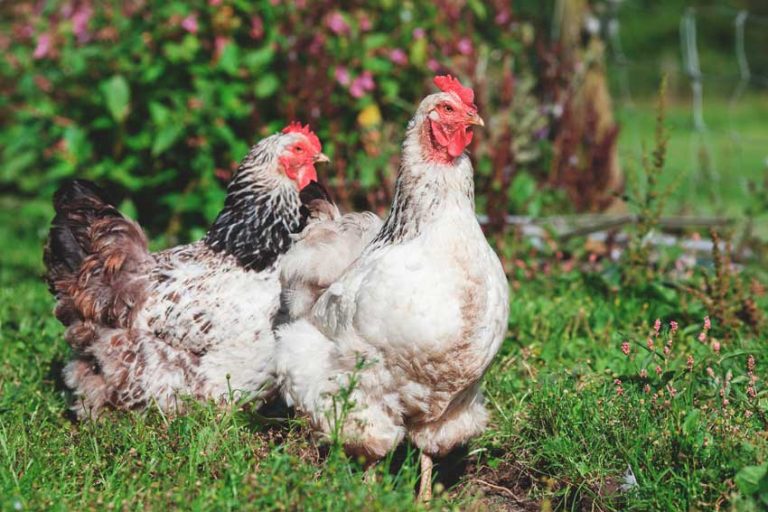
Proper nutrition plays a vital role in enhancing the productivity, health, and overall well-being of layer hens. Adequate feeding ensures that hens lay eggs consistently and maintain their vitality throughout their productive lifespan. A well-balanced diet not only maximizes egg production but also contributes to the quality of the eggs and the longevity of the hens.
Understanding the basic dietary requirements for laying hens is essential for farmers and poultry managers. Layer hens need a carefully formulated diet that supplies all essential nutrients, including proteins, carbohydrates, fats, vitamins, and minerals, in appropriate proportions. This balanced nutrition supports the hens’ metabolic activities, shell formation, and overall immune function.
Feeding practices vary significantly among different poultry farming systems, such as intensive, semi-intensive, and free-range systems. Each system has unique considerations, from concentrated feed formulations in intensive setups to natural foraging in free-range systems. Implementing suitable feeding strategies aligned with the specific system optimizes productivity and animal welfare.
Dietary Components for Layer Hens
The diet of layer hens should be comprehensive, addressing all nutritional needs to ensure optimal egg production and hen health. Typically, the diet includes:
- Proteins: Essential for tissue repair and egg formation; sources include soybean meal, fish meal, and sunflower seed cake.
- Carbohydrates: Provide energy; primarily derived from grains such as maize, wheat, and barley.
- Fats: Necessary for energy and absorption of fat-soluble vitamins; included through vegetable oils or animal fats.
- Vitamins and Minerals: Critical for metabolic functions, eggshell formation, and overall health; added via premixes or natural sources like greens and mineral supplements.
- Water: Fresh, clean water must always be available, as it is fundamental for digestion, temperature regulation, and egg production.
Common Feeding Practices in Different Poultry Systems
The approach to feeding layer hens is tailored to the specific management system to optimize efficiency and sustainability. The main practices include:
- Intensive Systems: These systems rely heavily on formulated feeds that are balanced to meet the hens’ nutritional needs precisely. Feed is usually supplied in mash, pellet, or crumble form, ensuring minimal wastage and ease of consumption. Regular feeding schedules and strict rationing help maintain consistent production levels.
- Semi-Intensive Systems: Combining controlled feeding with natural foraging, these systems allow hens to supplement their diet with greens and insects. The formulated feed provides the bulk of nutrients, while foraging contributes additional vitamins and minerals.
- Free-Range Systems: Hens are allowed to forage freely, supplementing their diet with natural sources such as insects, plants, and grains found in the environment. While natural feeding reduces feed costs, concentrate supplements are often provided to ensure nutritional adequacy, especially during periods of limited forage availability.
In all systems, the timing, quantity, and quality of feed are crucial factors. Regular monitoring of feed intake, egg production, and hen health help in adjusting feeding strategies appropriately, ensuring optimal performance and sustainability.
Nutritional Components of a Layer Hen Diet
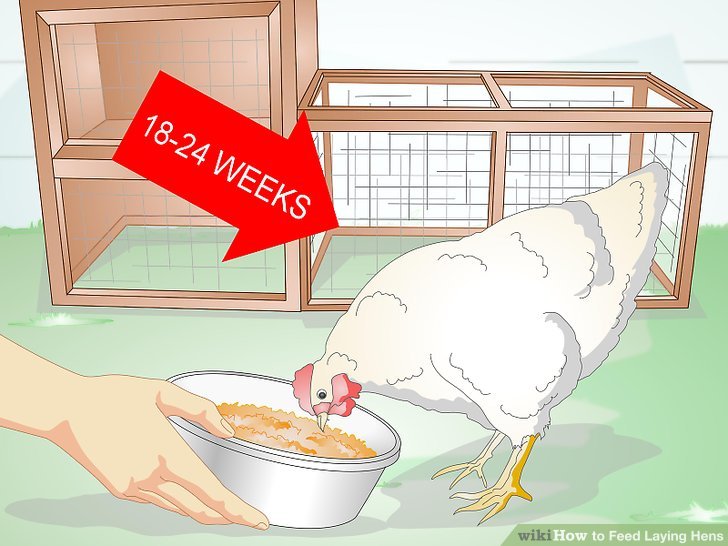
Providing a balanced and nutritionally complete diet is fundamental to optimizing egg production, maintaining hen health, and ensuring economic efficiency in poultry farming. Understanding the essential nutrients required by layer hens at different stages of production enables farmers and nutritionists to formulate feeds that meet these specific needs effectively. This section delves into the key nutrients vital for laying hens, their roles, and the typical feed ingredients that supply them.
Each component of the diet plays a crucial role in supporting the hen’s physiological functions, reproductive performance, and overall vitality. Proper balancing of proteins, carbohydrates, fats, vitamins, and minerals ensures that the hens produce high-quality eggs consistently while maintaining good health. Recognizing the nutrient requirements at various laying stages helps tailor feeding strategies to optimize productivity and reduce feed wastage or deficiencies.
Essential Nutrients in the Diet of Layer Hens
Layer hens require a comprehensive array of nutrients to sustain their metabolic processes, support egg formation, and maintain immune function. The primary nutrients include proteins, carbohydrates, fats, vitamins, and minerals. Each of these plays specific roles in ensuring the hens’ optimal performance during different phases of laying. Proper nutrient levels are also critical to preventing deficiencies that could lead to poor egg quality, decreased production, or health issues.
- Proteins: Essential for tissue repair, growth, and egg white formation. High-quality protein sources like soybean meal, fish meal, and alfalfa are commonly used in layer diets.
- Carbohydrates: Provide the primary energy source necessary for daily activities and egg production. Common ingredients include maize, wheat, sorghum, and barley.
- Fats: Offer concentrated energy, assist in the absorption of fat-soluble vitamins, and contribute to egg yolk formation. Vegetable oils, animal fats, and oilseed meals are typical fat sources.
- Vitamins: Support immune function, metabolic processes, and overall health. Vitamins such as A, D, E, and K are particularly important in laying hens and are often supplemented through premixes or fortified feeds.
- Minerals: Critical for bone development, eggshell formation, and enzyme functions. Common mineral sources include limestone (calcium), oyster shell (calcium), and trace mineral premixes containing zinc, manganese, selenium, and others.
Ideal Nutrient Ratios for Different Laying Stages
Optimizing nutrient ratios according to the hen’s age and production phase enhances efficiency and productivity. The following table illustrates typical ideal nutrient ratios for various stages, such as early laying, peak production, and late laying. These ratios are based on industry standards and research findings to ensure hens receive appropriate nutrition tailored to their physiological requirements.
| Stage of Laying | Crude Protein (%) | Metabolizable Energy (kcal/kg) | Calcium (% of diet) | Phosphorus (% of diet) |
|---|---|---|---|---|
| Early Laying (20-40 weeks) | 16-17 | 2800-2900 | 3.8-4.0 | 0.45-0.50 |
| Peak Laying (40-60 weeks) | 15-16 | 2750-2850 | 3.8-4.0 | 0.45-0.50 |
| Late Laying (after 60 weeks) | 14-15 | 2650-2750 | 3.5-3.8 | 0.40-0.45 |
Adjusting these ratios based on individual flock performance, environmental conditions, and specific breed requirements is essential for maintaining optimal productivity. For instance, during peak laying, energy and protein levels are slightly higher to support increased egg production, whereas in later stages, these requirements taper off, focusing on maintaining health and minimizing feed costs.
Types of Feed for Layer Hens
Feeding layer hens with appropriate and diverse types of feed is essential for maintaining optimal health, productivity, and egg quality. Different feeding strategies, whether natural forages, commercial feeds, or homemade mixes, offer unique benefits and challenges. Understanding these options enables poultry farmers to select the most suitable feeding approach based on resource availability, cost considerations, and specific nutritional needs of the hens at various stages of production.
Choosing the right type of feed involves evaluating the nutritional profile, ease of preparation, cost-effectiveness, and the ability to meet the hens’ dietary requirements. Incorporating a variety of feed sources can enhance nutrient intake, improve overall health, and maximize egg production efficiency. Each feeding method has its place within a comprehensive poultry management system, providing flexibility and adaptability to different farming contexts.
Natural Forages, Commercial Feeds, and Homemade Feed Mixes
Assessing the different feeding options available to layer hens helps in designing a balanced diet that supports optimal productivity. These options vary in terms of nutritional content, availability, and cost, requiring careful consideration to ensure each hen receives adequate nourishment.
- Natural Forages: These include grasses, weeds, kitchen scraps, and insects that hens can forage freely. Natural forages are rich in fiber, vitamins, and minerals, promoting digestive health and reducing feed costs. However, their nutritional content can vary depending on availability and seasonality, necessitating supplementation with concentrated feeds for balanced nutrition.
- Commercial Feeds: Formulated specifically for laying hens, these feeds are available in pelleted, mash, or crumb forms. They provide a consistent and complete nutritional profile, including energy, protein, vitamins, and minerals. Commercial feeds are convenient, reduce labor, and are often tailored to different production stages, such as pullets, early layers, and peak layers.
- Homemade Feed Mixes: These are custom blends prepared from locally available ingredients, such as grains, legumes, oilseeds, and mineral supplements. Homemade mixes offer flexibility and can be cost-effective, especially in small-scale or subsistence farms. However, meticulous formulation is necessary to ensure they meet all nutritional requirements, which may involve consulting poultry nutrition guidelines or a veterinarian.
Examples of Balanced Feed Formulations for Various Age Groups
Different ages and production stages of hens require tailored diets to optimize growth, egg production, and health. Below are examples of balanced formulations for pullets, early layers, and peak layers:
- Pullet Diet (8-16 weeks): Focuses on promoting steady growth and skeletal development. A typical formulation includes 16-18% crude protein, with adequate calcium and phosphorus for proper bone mineralization. Ingredients might include maize, soybean meal, wheat bran, and oyster shell for calcium supplementation.
- Early Layer Diet (17-20 weeks): A transition phase with increased energy and protein needs. The formulation may contain 16-17% crude protein, with added vitamins and minerals to support the onset of egg production. Ingredients such as sorghum, fishmeal, and limestone are common.
- Peak Layer Diet (21 weeks onwards): Designed to meet the high nutritional demands of maximum egg production. The diet typically contains 16-18% crude protein, with sufficient calcium (about 3.5-4%) for eggshell formation, achieved through ground limestone or oyster shell. High-quality grains, oilseeds, and vitamin premixes are essential components.
Effective formulation requires careful balancing of energy, protein, vitamins, and minerals, tailored to hens’ age and production stage, ensuring optimal performance and health.
Methods for Selecting Quality Feed Ingredients
Ensuring the nutritional adequacy of feed ingredients begins with selecting high-quality components. Proper selection is crucial for preventing deficiencies, reducing feed wastage, and achieving desired production outcomes. Several criteria guide the choice of quality ingredients:
- Purity and Freshness: Ingredients should be free from mold, pests, and contaminants. Freshness is vital to prevent spoilage and nutrient loss, especially for grains and oilseeds.
- Nutritional Content: Choosing ingredients with known nutrient profiles allows for precise formulation. Laboratory analysis or reliable feed tables can verify the nutrient content.
- Digestibility and Palatability: Ingredients must be acceptable to hens, encouraging sufficient intake. Poorly palatable ingredients can lead to reduced feed consumption and lower egg production.
- Cost and Availability: Readily available ingredients at reasonable prices support sustainable feeding practices. Local ingredients often reduce transportation costs and promote farm self-sufficiency.
- Processing and Handling: Proper processing methods, like grinding or pelleting, can improve digestibility and mixing uniformity. Avoid ingredients that are difficult to process or that may cause feed segregation.
Developing a reliable sourcing strategy and conducting periodic quality assessments of feed ingredients are essential practices for maintaining a balanced and nutritious diet for layer hens. Collaboration with local suppliers and periodic laboratory testing help in ensuring continuous feed quality and nutritional adequacy.
Feeding Methods and Schedules
Establishing an effective feeding routine for layer hens is essential to maximize egg production, maintain hen health, and optimize farm productivity. A well-structured feeding schedule ensures that hens receive adequate nutrition at appropriate intervals, fostering consistent laying cycles and reducing feed wastage.
Feeding methods vary depending on management practices, available resources, and environmental conditions. Selecting the right approach involves understanding the advantages and limitations of each method, as well as how to measure and distribute feed accurately to ensure each hen’s nutritional needs are met efficiently.
Feeding Methods and Their Implementation
The choice of feeding method significantly influences the health and productivity of layer hens. The most common methods include free-range feeding, supplemented feeding, and time-specific (scheduled) feeding. Each method offers distinct benefits and requires specific procedures for feed measurement and distribution to ensure effectiveness.
| Feeding Method | Description | Advantages | Typical Schedule |
|---|---|---|---|
| Free-range Feeding | Hens forage outdoors and access natural food sources during the day, supplemented with feed as needed. | Reduces feed costs, encourages natural foraging behavior, and can improve bird welfare. | Ad libitum access to feed, usually provided in the early morning or late afternoon when hens return to the shelter. |
| Supplemented Feeding | Hens receive a base diet with additional supplements such as grains, minerals, or vitamins based on production stages. | Ensures specific nutritional requirements are met, supporting higher productivity and health. | Feed is provided twice daily—morning and evening—to maintain consistent intake. |
| Time-specific (Scheduled) Feeding | Feed is offered at predetermined times, often in controlled quantities to prevent wastage. | Facilitates precise monitoring of feed intake and reduces overfeeding or underfeeding. | Typically scheduled at fixed times—such as 7:00 a.m. and 4:00 p.m.—with measured quantities each time. |
Effective implementation requires careful measurement of feed to prevent overfeeding or deficiencies. Use standard tools such as scales or measuring cups to determine feed amounts accurately. For example, a typical layer hen consumes approximately 120-130 grams of feed daily, which should be distributed proportionally across scheduled feedings. Distributing feed evenly and at designated times minimizes wastage and encourages consistent intake, supporting optimal egg production rates.
Feeding Management Practices
Effective feeding management is essential for maintaining the health, productivity, and overall welfare of layer hens. Proper practices ensure that hens receive the right nutrients in adequate amounts, support optimal egg production, and prevent nutritional disorders. Additionally, diligent management of feed and water resources contributes significantly to the efficiency and sustainability of poultry operations.
Implementing structured feeding management practices involves careful monitoring of feed and water intake, timely adjustments to rations based on hens’ needs, and recognizing signs of nutritional imbalances. These practices help optimize feed utilization, reduce waste, and promote the well-being of the flock.
Importance of Clean Water and Its Role in Feeding
Availability of clean, fresh water is fundamental to successful feeding management. Water constitutes approximately 70% of a hen’s body weight and is vital for digestion, nutrient absorption, temperature regulation, and overall health. When hens have access to uncontaminated water, their feed intake increases, leading to better nutrient utilization and higher egg production rates.
Contaminated or insufficient water can cause dehydration, reduce feed intake, and compromise immune function. Therefore, maintaining a consistent supply of clean water involves regular cleaning and sanitization of drinkers, ensuring water is free from pathogens, sediments, and harmful chemicals, and monitoring water temperature to prevent stress or drinking difficulties, especially during hot weather.
Procedures for Monitoring Feed Intake and Adjusting Rations
Regular monitoring of feed consumption provides vital insights into the health and productivity of the flock. Proper procedures include:
- Recording daily feed intake per group or individual hens to identify trends and irregularities.
- Observing feeding behavior to detect signs of feed aversion or preference shifts.
- Assessing waste such as uneaten feed to evaluate feed palatability and adjust formulations accordingly.
- Evaluating egg production data in relation to feed consumption to determine the efficiency of current rations.
- Adjusting rations based on age, production stage, environmental conditions, and performance metrics, ensuring that nutrient requirements are consistently met without overfeeding.
Implementing a systematic approach to feed management allows for precise ration formulation, cost-effective feeding, and improved flock performance.
Identifying Signs of Nutritional Deficiencies or Excesses in Hens
Monitoring hens for physical and behavioral indicators helps detect nutritional imbalances early. Visual and behavioral signs include:
- Leg weakness or lameness: Often linked to calcium deficiency, especially in hens producing large numbers of eggs.
- Feather pecking or slow growth: May indicate protein deficiency or inadequate amino acid supply.
- Reduced egg production or abnormal eggshell quality: Signifies calcium or vitamin D insufficiency.
- Diarrhea or dehydration: Can be caused by excessive or imbalanced mineral intake or contaminated feed/water.
- Overweight or obesity: Results from excess energy intake and can impair mobility and health.
Laboratory analysis of feed samples and blood tests from hens can confirm suspected deficiencies or excesses, enabling targeted correction through diet adjustments. Maintaining a close watch on these signs ensures optimal nutrition and sustainable production levels.
Special Considerations for Feeding Layer Hens
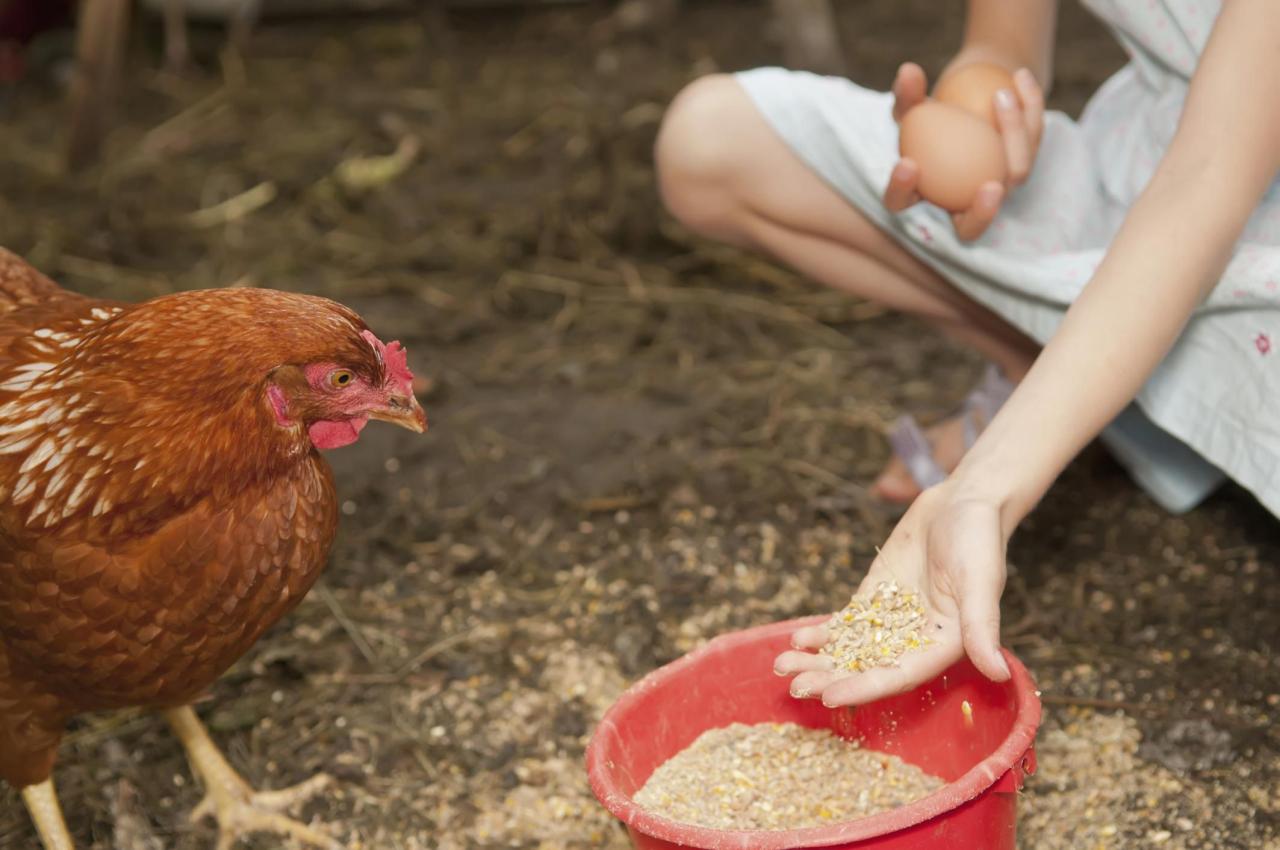
Effective feeding strategies for layer hens must adapt to their changing physiological needs and environmental conditions to optimize productivity and maintain health. Recognizing these variations ensures that hens receive appropriate nutrition throughout their laying cycle and under different climatic circumstances. Additionally, incorporating essential supplements and implementing preventative feeding practices are critical components of a comprehensive feeding program that supports the hens’ overall well-being and maximizes egg production.
Adjusting feeding regimens based on the hens’ age, production stage, and environmental factors helps prevent nutritional deficiencies and health issues. Proper supplementation with calcium and vitamins enhances eggshell quality and overall productivity, especially during peak laying periods. Preventive measures in feeding practices are fundamental to avoid common health problems such as nutrient imbalances, obesity, or deficiencies that could lead to decreased performance or disease susceptibility.
Feeding Adjustments During Different Laying Cycles and Environmental Conditions
The nutritional requirements of layer hens fluctuate throughout their laying cycle, necessitating specific adjustments to their diet. During the early laying period, hens benefit from higher protein levels to support peak egg production and tissue development. As hens reach peak production, the energy-to-protein ratio should be carefully balanced to sustain productivity without promoting excessive weight gain. In the late laying cycle, a slight reduction in energy intake prevents obesity while maintaining egg output.
Environmental conditions, such as temperature extremes, humidity, and housing design, significantly influence feeding strategies. In hot climates, hens tend to eat less due to heat stress, which can lead to nutrient deficiencies. During such periods, energy-dense feeds, supplemented with electrolytes and vitamins, help maintain performance. Conversely, in colder climates, increased energy in the diet compensates for the higher metabolic demands for thermoregulation.
Adjustments should also consider light intensity and day length, as these factors influence feed intake and laying patterns.
Methods for Incorporating Calcium and Vitamins to Enhance Productivity
Supplementing layer hen diets with calcium and vitamins is essential for maintaining egg quality, especially eggshell strength, and supporting overall health. Calcium is predominantly needed for eggshell formation, with a recommended intake of approximately 3.5-4.0% of the diet, mainly supplied through limestone or oyster shell. To ensure optimal absorption, calcium should be provided in easily accessible forms and distributed evenly throughout the day.
Vitamins, particularly A, D3, E, and the B-complex, play vital roles in metabolic processes, immune function, and reproductive health. Vitamin D3 enhances calcium absorption, making it a critical supplement alongside calcium sources. Incorporating vitamins via premixed feeds or water-soluble formulations ensures uniform intake. Regular assessment of hens’ health and egg quality helps determine the adequacy of supplementation and guides adjustments for maximum productivity.
Procedures for Preventing Common Feeding-Related Health Issues
Preventative feeding practices are crucial in mitigating health issues related to nutritional imbalances within layer flocks. Ensuring a balanced diet prevents deficiencies such as rickets, osteoporosis, or vitamin deficiencies that could impair productivity or cause health complications. Regular monitoring of feed intake, feed formulation, and nutrient levels is fundamental to maintaining optimal health.
Implementing a nutrient-focused feeding program, along with routine health assessments, reduces the incidence of metabolic disorders and other feed-related problems in layer hens.
Proper hygiene and storage of feed prevent contamination and mold growth, which can lead to mycotoxicosis or other illnesses. Avoiding abrupt changes in diet helps prevent digestive disturbances like dysbiosis or bloat. Additionally, incorporating probiotics and enzyme supplements can promote gut health and improve nutrient absorption, further reducing the risk of health issues. Proper management of mineral ratios, especially calcium and phosphorus, is also vital to prevent bone disorders and improve overall laying performance.
Common Feeding Challenges and Solutions
Feeding layer hens effectively involves overcoming several common challenges that can impact their health, productivity, and overall farm efficiency. Understanding these issues and implementing practical solutions ensures that hens receive balanced nutrition, minimize waste, and maintain optimal health. Addressing these challenges proactively contributes to a sustainable and profitable poultry management system.Feeding challenges often arise due to improper feeding techniques, environmental factors, or nutritional misunderstandings.
Identifying and troubleshooting these issues allows poultry producers to refine their feeding strategies, prevent economic losses, and promote the well-being of the hens.
Feed Wastage
Feed wastage is a prevalent issue that leads to increased costs and environmental concerns, arising from overfeeding, spillage, or improper feed distribution. Excess feed can attract pests, contaminate the environment, and reduce overall farm profitability.Solutions to reduce feed wastage include:
- Using appropriate feeders designed to minimize spillage, such as trough feeders with adjustable height and spill guards.
- Implementing controlled feeding schedules to prevent overfeeding and ensure hens consume the feed efficiently.
- Monitoring feeding behavior and adjusting feed quantities based on the hens’ age, size, and production stage.
- Providing clean, dry, and accessible feeding areas to encourage proper consumption and reduce spillage.
A practical example involves a farm noticing increased feed spillage during peak hours. By switching to nipple drinkers and trough feeders with guard lips, they significantly reduced wastage and improved feed utilization.
Choking or Feed Blockages
Choking occurs when hens swallow large feed particles or improper feed forms, leading to blockages in the esophagus or crop. This can cause discomfort, health deterioration, or even mortality if not addressed promptly.Preventive measures include:
- Providing finely ground or pelleted feed suited to the hens’ age and size, especially for young or small birds.
- Avoiding sudden changes in feed texture or formulation that can encourage gulping and choking.
- Ensuring that feed is moist enough to facilitate swallowing without causing clumping or blockage.
- Observing hens during feeding times for signs of distress or choking, such as gaping or coughing, and intervening if necessary.
For instance, in a layer farm where hens showed coughing and reluctance to eat, introducing softer, well-moistened feed reduced choking incidents and stabilized feed intake.
Nutritional Imbalance
Nutritional imbalance often results from inappropriate feed formulation, leading to deficiencies or excesses of essential nutrients. This can cause poor egg production, decreased immunity, or metabolic disorders.To prevent imbalance:
- Regularly analyzing feed ingredients and adjusting formulations based on hen age and production stage.
- Incorporating balanced mineral and vitamin premixes tailored for layers to meet their specific metabolic needs.
- Monitoring hen performance indicators such as egg size, shell quality, and health status to identify nutritional gaps.
- Consulting with a poultry nutritionist for precise diet formulation and periodic feed analysis.
An example involves a farm noticing thin eggshells and reduced laying rates. After adjusting their diet to include higher calcium levels and supplementing with vitamin D3, they observed improvements in eggshell strength and overall production.
Incorrect Feeding Schedule and Timing
Feeding hens at inconsistent times or during inappropriate periods can disrupt their digestive rhythm and lead to overeating or fasting stress.Best practices include:
- Establishing a consistent feeding schedule aligned with hens’ natural activity cycles, typically early morning and late afternoon.
- Providing ad libitum access to feed when appropriate, particularly during peak laying periods, to meet increased energy demands.
- Limiting feeding duration to prevent overconsumption and ensure feed remains fresh.
- Monitoring flock behavior to adjust timings that suit their natural routines and reduce competition at feeders.
For example, switching from random feeding times to a strict schedule improved feed intake uniformity and reduced feed spillage caused by hens rushing to feeders.
Overfeeding or Underfeeding
Overfeeding leads to excessive body weight gain, obesity, and increased feed costs, while underfeeding can cause poor growth, reduced egg production, and nutritional deficiencies.Addressing these issues involves:
Calculating the precise feed requirements based on hen age, production level, and body weight, ensuring neither excess nor deficit.
- Adopting a phased feeding program that adjusts feed quantities as hens mature or production demands change.
- Using body condition scoring and production data to fine-tune feeding rates.
- Employing automated feeders with adjustable portions for consistent delivery.
- Regularly evaluating hen health and production to detect signs of over- or underfeeding and making necessary adjustments.
In a case where hens showed signs of obesity and decreased laying, reducing feed quantities by 10% and increasing physical activity led to improved health and productivity.
Addressing common feeding challenges requires vigilant observation and timely interventions, ensuring hens receive balanced nutrition while minimizing waste and health risks. Implementing best practices tailored to specific farm conditions enhances overall flock performance and economic sustainability.
Final Conclusion
In conclusion, mastering the art of feeding layer hens involves careful attention to their nutritional needs, proper management practices, and proactive problem-solving. Implementing these strategies ensures a healthy, productive flock capable of delivering high-quality eggs consistently and sustainably.