As how to feed rabbits properly takes center stage, this opening passage beckons readers into a world of essential knowledge, ensuring a reading experience that is both absorbing and distinctly original. Understanding the nuanced dietary needs of these charming companions is paramount for their health and happiness, laying the groundwork for a thriving life.
This guide delves into the fundamental requirements of a balanced rabbit diet, exploring the crucial roles of hay, fresh greens, and pellets. We will navigate the specifics of age-appropriate nutrition, the importance of hydration, and the judicious use of treats, while also addressing common feeding pitfalls and how to establish an optimal feeding routine. Ultimately, mastering the art of feeding your rabbit correctly is a key pillar in supporting their overall well-being and longevity.
Understanding Rabbit Nutritional Needs
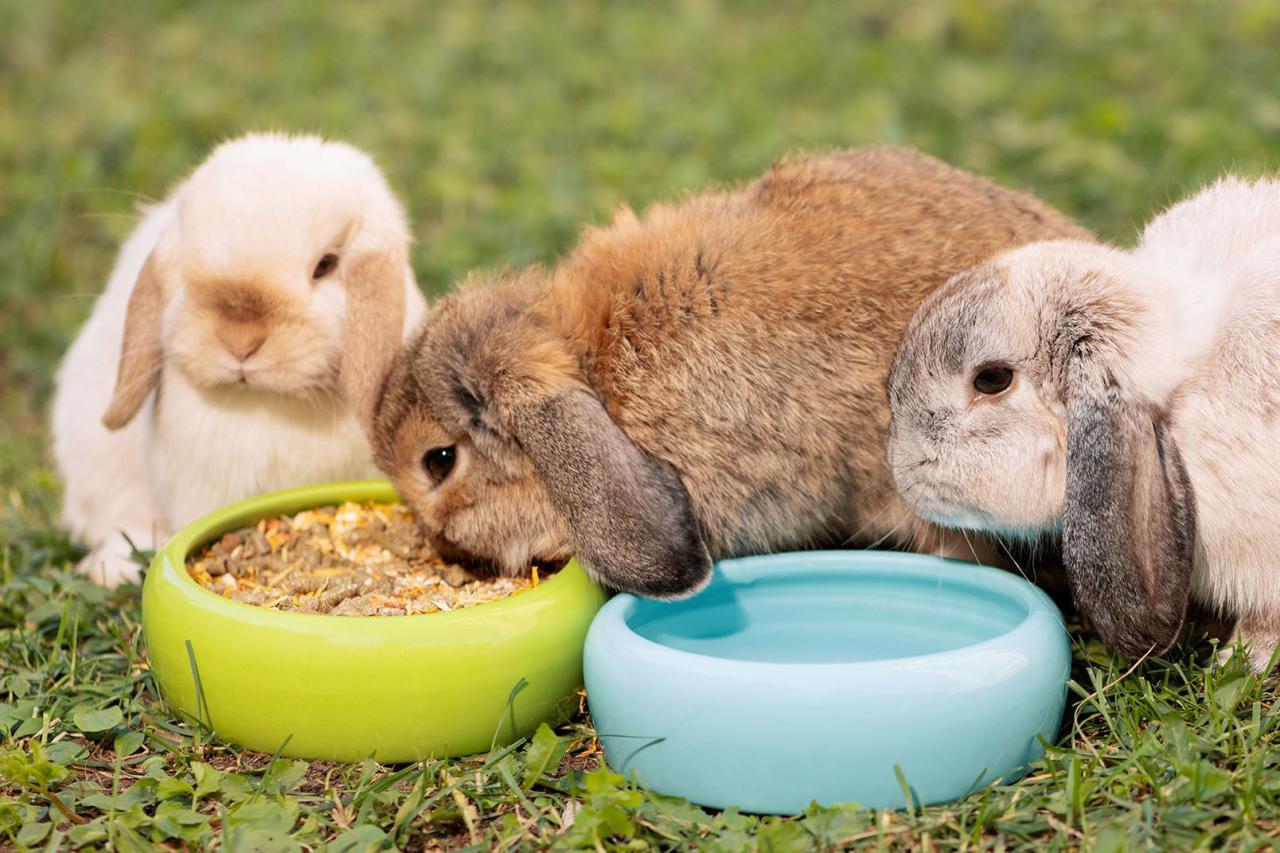
Proper nutrition is the cornerstone of a healthy and long life for your rabbit. Understanding their specific dietary requirements is crucial for preventing common health issues and ensuring their overall well-being. Rabbits are herbivores with a unique digestive system that necessitates a specific balance of nutrients to thrive.A balanced diet for a rabbit is primarily composed of fiber, with a moderate amount of protein and fat, and a controlled intake of carbohydrates and vitamins.
This composition is designed to support their hindgut fermentation process, which is essential for breaking down tough plant materials and extracting vital nutrients.
Fundamental Dietary Requirements
Rabbits have evolved to process fibrous plant matter, and their digestive system is finely tuned to extract maximum nutrition from this type of food. This means their diet must mimic their natural foraging habits as closely as possible. The primary goal of a rabbit’s diet is to maintain a healthy gut microbiome and to ensure regular gut motility, which is critical for preventing serious digestive stasis.
Essential Components of a Balanced Rabbit Diet
A well-rounded diet for a rabbit consists of several key components, each playing a vital role in their health. These components are best provided in specific proportions to meet their physiological needs.
- Hay: This is the most important element, forming the bulk of a rabbit’s diet. It provides essential fiber for digestion and helps wear down their continuously growing teeth.
- Fresh Greens: A variety of leafy green vegetables should be offered daily. These provide vitamins, minerals, and additional fiber.
- Pellets: High-quality, plain Timothy hay-based pellets should be given in limited quantities. They offer concentrated nutrients but should not be the primary food source.
- Fresh Water: Constant access to clean, fresh water is non-negotiable for hydration and overall health.
Importance of Fiber
Fiber is the linchpin of a rabbit’s digestive health. Their complex gastrointestinal tract, particularly the cecum, relies heavily on fiber to function correctly. Fiber aids in the passage of food through the digestive system, preventing blockages and promoting the growth of beneficial bacteria.
The cecum in rabbits acts as a fermentation vat, where indigestible plant material is broken down by microbes, producing volatile fatty acids and B vitamins that the rabbit can absorb. This process is highly dependent on a consistent supply of fiber.
Without adequate fiber, a rabbit’s digestive system can slow down or even stop, leading to a life-threatening condition known as gastrointestinal stasis. This is why hay should always be available.
Age-Specific Nutritional Variations
Just as with many species, a rabbit’s nutritional needs change as they grow and develop. Understanding these variations is key to providing optimal care at each life stage.
Young Rabbits (Kits)
Kits, from weaning until around 6-7 months of age, have different requirements than adult rabbits. They are still growing and developing, and thus require more energy and protein.
- Hay: Alfalfa hay is often recommended for young rabbits due to its higher calcium and protein content, which supports rapid growth.
- Pellets: Kits can be fed a higher protein, alfalfa-based pellet in unlimited quantities until they reach maturity.
- Greens: Introduce greens gradually after weaning, offering a small variety at first.
Adult Rabbits
Once a rabbit reaches maturity (approximately 6-7 months), their diet should transition to reflect their maintenance needs.
- Hay: Timothy hay or other grass hays should become the primary food source, available at all times.
- Pellets: Adult rabbits should be fed a limited amount of high-quality, Timothy hay-based pellets (e.g., 1/8 cup per 5 lbs of body weight per day, adjusted as needed).
- Greens: A variety of fresh, leafy greens should be offered daily.
Senior Rabbits
Senior rabbits, typically over 5-7 years old, may have different nutritional needs due to age-related changes. Their metabolism might slow, and they may develop health issues that affect their diet.
- Hay: Continue to offer unlimited grass hay.
- Pellets: Some senior rabbits may benefit from a slightly higher fiber pellet or may need their pellet intake adjusted based on their activity level and weight. Consult with a rabbit-savvy veterinarian.
- Greens: Continue offering a variety of greens, ensuring they are easily digestible. Monitor for any changes in appetite or digestion.
It is important to monitor your rabbit’s weight and condition regularly and adjust their diet accordingly. Any significant changes in appetite, weight, or droppings should be discussed with a veterinarian experienced with rabbits.
The Core Components of a Rabbit Diet
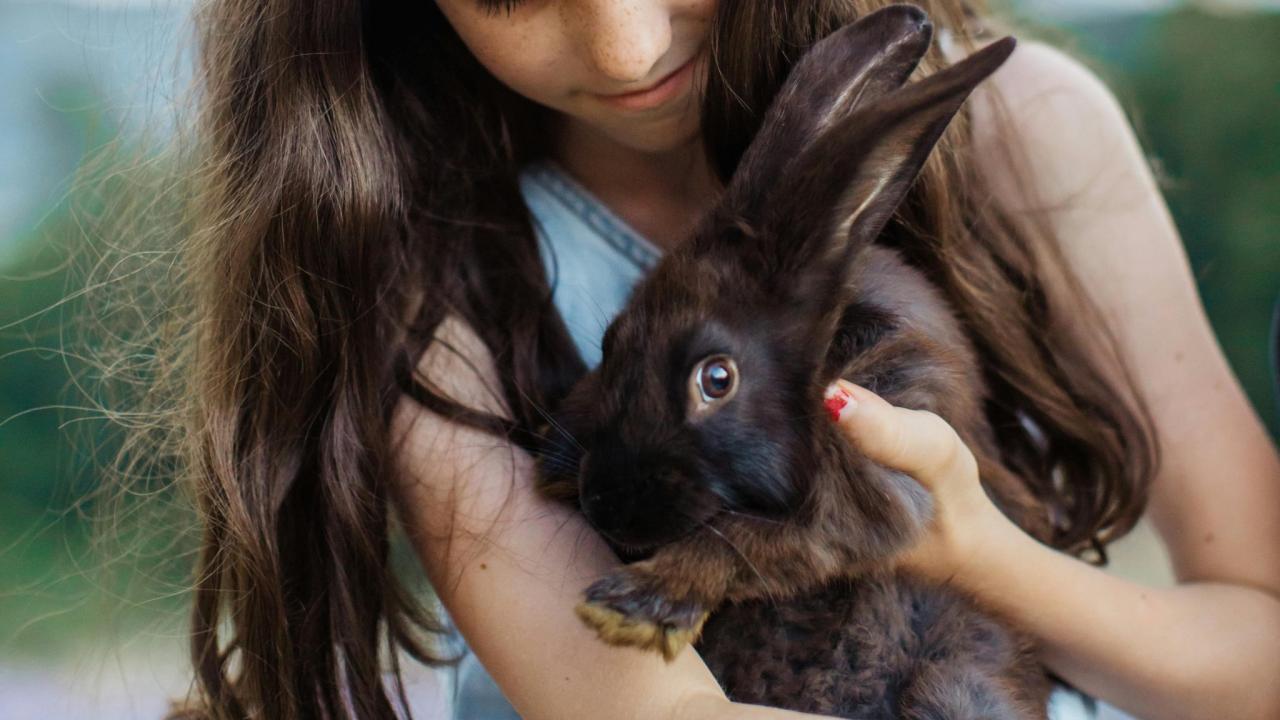
Understanding the fundamental building blocks of a rabbit’s diet is crucial for ensuring their long-term health and well-being. A balanced diet mimics their natural foraging habits, providing essential nutrients while preventing common health issues associated with improper feeding. This section will break down the ideal daily intake, focusing on the vital roles of hay, fresh vegetables, and pellets, as well as the appropriate use of treats.
Ideal Daily Intake Breakdown
A rabbit’s diet should be primarily composed of fiber, with a smaller but significant portion of vitamins, minerals, and protein. The majority of their caloric intake should come from high-quality hay, followed by a measured amount of fresh vegetables and a limited quantity of specialized rabbit pellets. Treats should be given sparingly and only as occasional rewards.
The Role of Hay and Its Benefits
Hay is the cornerstone of a healthy rabbit diet, providing essential fiber for digestive health and wearing down their continuously growing teeth. Rabbits should have unlimited access to fresh, high-quality hay at all times. The fiber in hay aids in the proper functioning of their complex digestive system, preventing gastrointestinal stasis, a potentially life-threatening condition. Furthermore, the act of chewing hay helps to naturally trim their incisors, preventing painful overgrowth and dental problems.
- Digestive Health: The high fiber content promotes regular gut motility, preventing blockages and promoting the growth of beneficial gut bacteria.
- Dental Health: Constant chewing on hay wears down the ever-growing incisors and molars, preventing painful spurs and malocclusion.
- Enrichment: Foraging for hay provides mental stimulation and helps to prevent boredom and stress.
- Hydration: Hay contributes a small but important amount to a rabbit’s overall water intake.
Suitable Fresh Vegetables
A variety of fresh, leafy green vegetables should be offered daily to supplement a rabbit’s diet with essential vitamins, minerals, and moisture. Introducing new vegetables gradually and in small amounts is recommended to avoid digestive upset. It’s important to offer a diverse selection to ensure a broad spectrum of nutrients.Here are some examples of suitable fresh vegetables for rabbits:
- Leafy Greens: Romaine lettuce, kale (in moderation due to high calcium), spinach (in moderation due to oxalates), dandelion greens, parsley, cilantro, mint, dill, basil, carrot tops.
- Other Vegetables: Broccoli florets and leaves (in moderation), bell peppers (seeds removed), zucchini, cucumber, celery.
It is crucial to wash all fresh vegetables thoroughly before offering them to your rabbit. Avoid feeding iceberg lettuce, as it has very little nutritional value and can cause diarrhea. Also, refrain from feeding starchy vegetables like potatoes or corn, as these are difficult for rabbits to digest.
Appropriate Types and Quantities of Rabbit Pellets
Rabbit pellets should be considered a supplement to the diet, not the main food source. High-quality pellets provide concentrated nutrients that might be lacking in hay and vegetables alone. The type of pellet is important; choose those that are high in fiber (at least 18-20%), moderate in protein (12-14%), and low in fat and carbohydrates. Avoid muesli-style mixes, as rabbits tend to pick out the tastier, less healthy ingredients.The quantity of pellets should be carefully managed based on the rabbit’s age, weight, and activity level.
For adult rabbits, a general guideline is about 1/8 to 1/4 cup of pellets per 5 pounds of body weight per day. Young, growing rabbits may require slightly more.
A balanced diet for an adult rabbit is approximately 80-90% hay, 10-15% fresh vegetables, and 5% high-fiber pellets.
Comparison of Rabbit Treats and Their Moderation
Treats can be used to build a bond with your rabbit and for training purposes, but they should be given in very small quantities and infrequently. Many commercially available “rabbit treats” are high in sugar and unhealthy ingredients. Opt for natural, healthy options.Here’s a comparison of different types of rabbit treats and guidance on moderation:
- Fresh Fruit: Small pieces of fruits like apple (seeds removed), banana, berries, melon, and pear can be offered as occasional treats. Due to their high sugar content, fruits should be given very sparingly, perhaps once or twice a week, and in very small amounts (e.g., a teaspoon per pound of body weight).
- Certain Vegetables: Small pieces of root vegetables like carrots can be offered as occasional treats due to their sugar content, similar to fruit.
- Commercial Treats: If choosing commercial treats, look for those made from dried herbs, Timothy hay, or plain, unsweetened dried fruits. Avoid treats with added sugars, artificial colors, or flavors. These should also be given in moderation.
- Herbal Sprigs: Fresh, safe herbal sprigs like mint, parsley, or basil can be offered as a healthy and enjoyable treat.
It’s essential to remember that moderation is key. Overfeeding treats can lead to obesity, dental problems, and digestive issues. Always prioritize hay and fresh vegetables as the primary components of your rabbit’s diet.
Hay: The Foundation of Rabbit Nutrition
Hay is not merely a supplement to a rabbit’s diet; it is the absolute cornerstone of their nutritional well-being and digestive health. Without a constant and abundant supply of high-quality hay, rabbits are susceptible to a range of serious health issues, most notably gastrointestinal stasis and dental problems. The fibrous nature of hay is essential for keeping their digestive system moving correctly and for wearing down their continuously growing teeth.The importance of hay cannot be overstated.
It provides the necessary roughage that stimulates peristalsis, the muscular contractions that move food through the digestive tract. This continuous movement is vital for preventing blockages and the buildup of gas, which can be life-threatening for rabbits. Furthermore, the act of chewing hay is a natural behavior that helps to prevent overgrown incisors and molars, a common and painful condition that can lead to reduced appetite, difficulty eating, and secondary infections.
Beneficial Types of Hay
Providing a variety of hay types can offer a broader spectrum of nutrients and keep your rabbit engaged with their food. Each type of hay has a unique nutritional profile and texture, contributing to overall health.The most beneficial types of hay for rabbits include:
- Timothy Hay: This is the most commonly recommended hay for adult rabbits. It is low in protein and calcium and high in fiber, making it ideal for maintaining a healthy digestive system and preventing urinary tract issues. Its texture is also excellent for dental wear.
- Orchard Grass Hay: Orchard grass is palatable and provides a good source of fiber. It is also relatively low in protein and calcium, making it a suitable alternative or addition to Timothy hay.
- Meadow Hay: This is a mix of various grasses and can be a good option as it offers a diverse range of nutrients and textures. The exact composition will vary depending on the grasses present.
- Botanical Hay: This type of hay includes herbs and flowers, offering a more varied nutrient profile and added palatability. It can be a delightful addition to a rabbit’s diet, providing enrichment.
It is generally advised to avoid Alfalfa hay for adult rabbits unless specifically recommended by a veterinarian for a young, growing rabbit or a rabbit with specific health needs. Alfalfa is very high in protein, calcium, and calories, which can lead to obesity, bladder stones, and other health problems in adult rabbits.
Introducing New Hay Types
Introducing new types of hay should be done gradually to allow your rabbit’s digestive system to adjust and to monitor for any adverse reactions. A sudden change in diet can lead to digestive upset, including diarrhea or a decrease in appetite.To introduce a new hay type:
- Begin by mixing a small amount of the new hay with your rabbit’s current preferred hay. Start with approximately a 10% ratio of new hay to 90% old hay.
- Observe your rabbit’s consumption and stool quality over the next few days. Look for any signs of digestive upset such as soft stools, diarrhea, or a reduced intake of food.
- If your rabbit tolerates the new hay well, gradually increase the proportion of the new hay over a week to ten days, slowly decreasing the amount of the old hay.
- Continue to offer a variety of hays once your rabbit has successfully adapted to a new type, ensuring a balanced intake of nutrients and textures.
Sample Daily Feeding Schedule Prioritizing Hay
A daily feeding schedule that emphasizes hay ensures your rabbit has continuous access to this essential nutrient, promoting optimal health and well-being. This schedule assumes your rabbit also receives appropriate amounts of fresh vegetables and a limited portion of high-quality pellets.A sample daily feeding schedule:
- All Day: Unlimited Fresh Hay. Hay should be available in a hay rack or a designated feeding area at all times. Rabbits should be encouraged to eat hay throughout the day and night.
- Morning: Offer a fresh portion of the primary hay (e.g., Timothy) and a selection of leafy green vegetables.
- Evening: Provide another generous portion of fresh hay and a different variety of leafy greens. If feeding pellets, this is a good time to offer the measured portion.
This structure ensures that hay remains the most abundant food source, readily available whenever the rabbit feels the urge to eat or chew. The consistent availability of hay supports their natural foraging behaviors and digestive processes.
Fresh Greens and Vegetables
Fresh greens and vegetables form a crucial part of a rabbit’s diet, offering essential vitamins, minerals, and fiber that support overall health and well-being. Introducing a variety of these items can help ensure your rabbit receives a broad spectrum of nutrients. It is important to select safe options and present them appropriately to maximize their benefits.The daily inclusion of fresh greens provides hydration and a wealth of nutrients that are vital for a rabbit’s digestive system and immune function.
These foods should be offered in moderation, complementing the primary diet of hay.
Safe and Healthy Vegetables for Rabbits
A diverse selection of fresh vegetables can be offered to rabbits, providing a range of tastes and textures. It is important to introduce new vegetables gradually and observe your rabbit for any signs of digestive upset. Always ensure vegetables are washed thoroughly before feeding.The following list details commonly available and safe vegetables for rabbits:
- Leafy Greens: Romaine lettuce, green leaf lettuce, red leaf lettuce, kale (in moderation due to calcium content), spinach (in moderation due to oxalates), parsley, cilantro, dill, mint, basil, arugula, bok choy, dandelion greens (ensure they are pesticide-free).
- Other Vegetables: Carrot tops (carrots themselves should be given as a treat due to sugar content), bell peppers (all colors, seeds removed), cucumber, celery, broccoli florets and leaves (in moderation due to gas-producing potential), cauliflower leaves, zucchini, squash.
Recommended Frequency and Portion Sizes for Fresh Greens
Fresh greens should be offered daily to pet rabbits, forming a significant part of their fresh food intake. The quantity depends on the rabbit’s size and age. For an adult rabbit weighing approximately 5 pounds (2.3 kg), about 1 to 2 cups of packed fresh greens per day is a general guideline. This can be divided into one or two feedings.
Younger rabbits may require slightly less, while very active or larger rabbits might benefit from a little more.It is best to introduce new greens one at a time and in small quantities to monitor for any adverse reactions, such as diarrhea or gas. A good practice is to offer a variety of 3-5 different types of greens each day.
Preparation of Vegetables for Rabbit Consumption
Proper preparation ensures that vegetables are safe and appealing to your rabbit. All fresh produce should be thoroughly washed under cool running water to remove any residual pesticides, dirt, or contaminants. After washing, it is advisable to pat the greens dry with a clean towel or allow them to air dry. This step helps to prevent digestive upset caused by excess moisture.Remove any tough stems or cores from vegetables like broccoli or cauliflower, as these can be harder for rabbits to digest.
For larger vegetables like bell peppers, remove the seeds and the white pith, as these can also be difficult for rabbits to process. Chop larger vegetables into bite-sized pieces to make them easier for your rabbit to eat.
Nutritional Benefits of Various Leafy Greens
Leafy greens offer a diverse range of nutrients, each contributing to a rabbit’s health in unique ways. Understanding these benefits can help in creating a balanced diet.
| Leafy Green | Key Nutrients | Considerations |
|---|---|---|
| Romaine Lettuce | Vitamins A, K, and folate; good source of hydration. | Generally well-tolerated. |
| Kale | Vitamins A, C, and K; calcium and potassium. | High in calcium and oxalates; should be fed in moderation. |
| Spinach | Vitamins A, C, and K; iron and calcium. | High in oxalates; should be fed in moderation. |
| Parsley | Vitamins K, C, and A; iron and folate. | Good source of antioxidants. |
| Dandelion Greens | Vitamins A, C, and K; calcium and iron. | Excellent source of fiber and beneficial compounds; ensure pesticide-free. |
| Bok Choy | Vitamins A, C, and K; calcium. | Can be fed in moderate amounts. |
Weekly Rotation Plan for Introducing Different Vegetables
A structured weekly rotation plan helps to ensure variety in your rabbit’s diet and minimizes the risk of digestive issues from overfeeding a single type of vegetable. This plan should be adapted based on your rabbit’s individual tolerance and preferences. The focus is on offering a mix of leafy greens daily, with other vegetables incorporated a few times a week.Here is a sample weekly rotation plan for an adult rabbit: Monday:
- Base Leafy Greens: Romaine Lettuce
- Additional Leafy Green: Parsley
Tuesday:
- Base Leafy Greens: Green Leaf Lettuce
- Additional Leafy Green: Cilantro
- Small portion of: Carrot Tops
Wednesday:
- Base Leafy Greens: Red Leaf Lettuce
- Additional Leafy Green: Dill
- Small portion of: Bell Pepper (seeds removed)
Thursday:
- Base Leafy Greens: Romaine Lettuce
- Additional Leafy Green: Mint
Friday:
- Base Leafy Greens: Butter Lettuce
- Additional Leafy Green: Basil
- Small portion of: Cucumber slices
Saturday:
- Base Leafy Greens: Green Leaf Lettuce
- Additional Leafy Green: Arugula
- Small portion of: Broccoli Leaves (in moderation)
Sunday:
- Base Leafy Greens: Romaine Lettuce
- Additional Leafy Green: Kale (in moderation)
- Small portion of: Zucchini slices
When introducing new vegetables, start with a very small piece, no larger than your thumbnail, and observe your rabbit for 24-48 hours. If no adverse reactions occur, you can gradually increase the portion size over subsequent days and weeks. Always prioritize hay as the primary food source, with fresh greens and vegetables serving as a vital supplement.
Pellets: Supplementing the Diet
While hay forms the bedrock of a rabbit’s nutrition, commercial rabbit pellets serve as a vital supplement, offering concentrated nutrients that might be difficult to obtain in sufficient quantities from hay and fresh produce alone. They are specifically formulated to provide a balanced array of vitamins, minerals, and proteins, ensuring your rabbit receives a comprehensive nutritional profile. It is crucial to understand that pellets are not the primary food source and should be offered in moderation to prevent health issues associated with overfeeding.
The Purpose and Formulation of Commercial Rabbit Pellets
Commercial rabbit pellets are designed to provide a concentrated source of essential nutrients, including protein, vitamins, and minerals, that may be lacking or present in insufficient amounts in a diet solely composed of hay and fresh greens. They are engineered to support overall health, growth, and well-being, particularly for young, growing rabbits or those with specific health concerns. The formulations vary to cater to different life stages and health conditions, ensuring that rabbits receive tailored nutritional support.
Recommended Pellet Types Based on Rabbit Age and Health
The type of pellet recommended for your rabbit is largely dependent on their age and any specific health considerations. Young, growing rabbits, generally up to six months of age, require pellets with a higher protein and calcium content to support their rapid development. Adult rabbits, from six months to about seven years old, benefit from pellets formulated for maintenance, with a balanced protein and fiber content.
Senior rabbits, typically over seven years old, may require specialized senior formulas that are often lower in protein and calcium and higher in fiber to aid digestion and support aging bodies. Rabbits with specific health issues, such as dental problems or digestive sensitivities, might also benefit from veterinarian-recommended therapeutic diets.
It is important to consult with a veterinarian to determine the most appropriate pellet type for your individual rabbit’s needs.
Guidelines for Appropriate Pellet Quantities
Overfeeding pellets can lead to obesity, digestive upset, and a reluctance to eat hay, which is detrimental to a rabbit’s health. Therefore, it is essential to adhere to recommended feeding guidelines. These guidelines are typically based on the rabbit’s weight and life stage.
- Young Rabbits (up to 6 months): These rabbits require more calories and nutrients for growth. A general guideline is to offer approximately 1/4 cup of pellets per 5 pounds of body weight per day, in addition to unlimited hay and fresh greens.
- Adult Rabbits (6 months to 7 years): Once rabbits reach maturity, their pellet intake should be reduced. A common recommendation is 1/8 cup of pellets per 5 pounds of body weight per day, served as a measured portion.
- Senior Rabbits (over 7 years): The amount may vary depending on their health and activity level, but often remains similar to adult recommendations, or may be slightly adjusted based on veterinary advice.
Always ensure that unlimited fresh hay and a variety of fresh greens are available alongside measured pellet portions. The exact quantity can vary based on the specific pellet brand and its nutritional density, so always refer to the manufacturer’s recommendations and your veterinarian’s advice.
Comparing Different Pellet Formulations and Their Ingredients
When selecting rabbit pellets, examining the ingredient list is crucial. High-quality pellets prioritize timothy hay, alfalfa, or other grass hays as the first ingredient. This ensures a good source of fiber, which is paramount for rabbit digestion. Avoid pellets that list corn, seeds, or excessive amounts of fruit as primary ingredients, as these are often high in sugar and fat and low in essential fiber.A comparison of common pellet formulations highlights these differences:
| Feature | High-Quality Pellets | Lower-Quality Pellets |
|---|---|---|
| Primary Ingredients | Timothy hay, alfalfa, grass hays | Corn, seeds, grains, molasses |
| Fiber Content | High (20-25% or more) | Lower (typically less than 18%) |
| Protein Content | Appropriate for life stage (e.g., 14-16% for adults, 16-18% for young rabbits) | Can be excessively high or low, often from less digestible sources |
| Fat Content | Low (2-4%) | Can be high due to seeds and grains |
| Additives | Minimal, often fortified with essential vitamins and minerals | Artificial colors, flavors, and preservatives are more common |
Look for pellets that are uniform in size and color, indicating consistent manufacturing. The absence of artificial dyes and excessive fillers is a good indicator of a superior product. For instance, a pellet where the first ingredient is timothy hay, followed by a good source of protein like dried alfalfa meal, and then essential vitamins and minerals, would be considered a high-quality choice for an adult rabbit.
Conversely, a pellet where corn or a seed mix is listed first, with minimal mention of hay, should generally be avoided.
Water: Essential for Hydration
Providing constant access to fresh, clean water is as crucial for a rabbit’s health as their diet. Water plays a vital role in digestion, nutrient absorption, temperature regulation, and overall bodily functions. Dehydration can lead to serious health issues, including digestive stasis, kidney problems, and heatstroke. Therefore, ensuring your rabbit always has ample water available is a non-negotiable aspect of proper rabbit care.Rabbits are sensitive to the quality and freshness of their water, and their drinking habits can be influenced by the delivery method.
Understanding these preferences and maintaining hygiene is key to encouraging adequate water intake.
Water Delivery Methods
The two primary methods for providing water to rabbits are through sipper bottles and ceramic bowls. Each has its advantages and disadvantages, and the best choice often depends on the individual rabbit’s preference and your ability to maintain cleanliness.
- Sipper Bottles: These are commonly used and consist of a reservoir that attaches to the side of the cage, with a metal spout that dispenses water when the rabbit licks or nudges the ball bearing inside. Bottles can help keep water cleaner as they prevent bedding and food from falling in. However, some rabbits may find them difficult to use, and the spouts can occasionally become blocked, requiring regular checks.
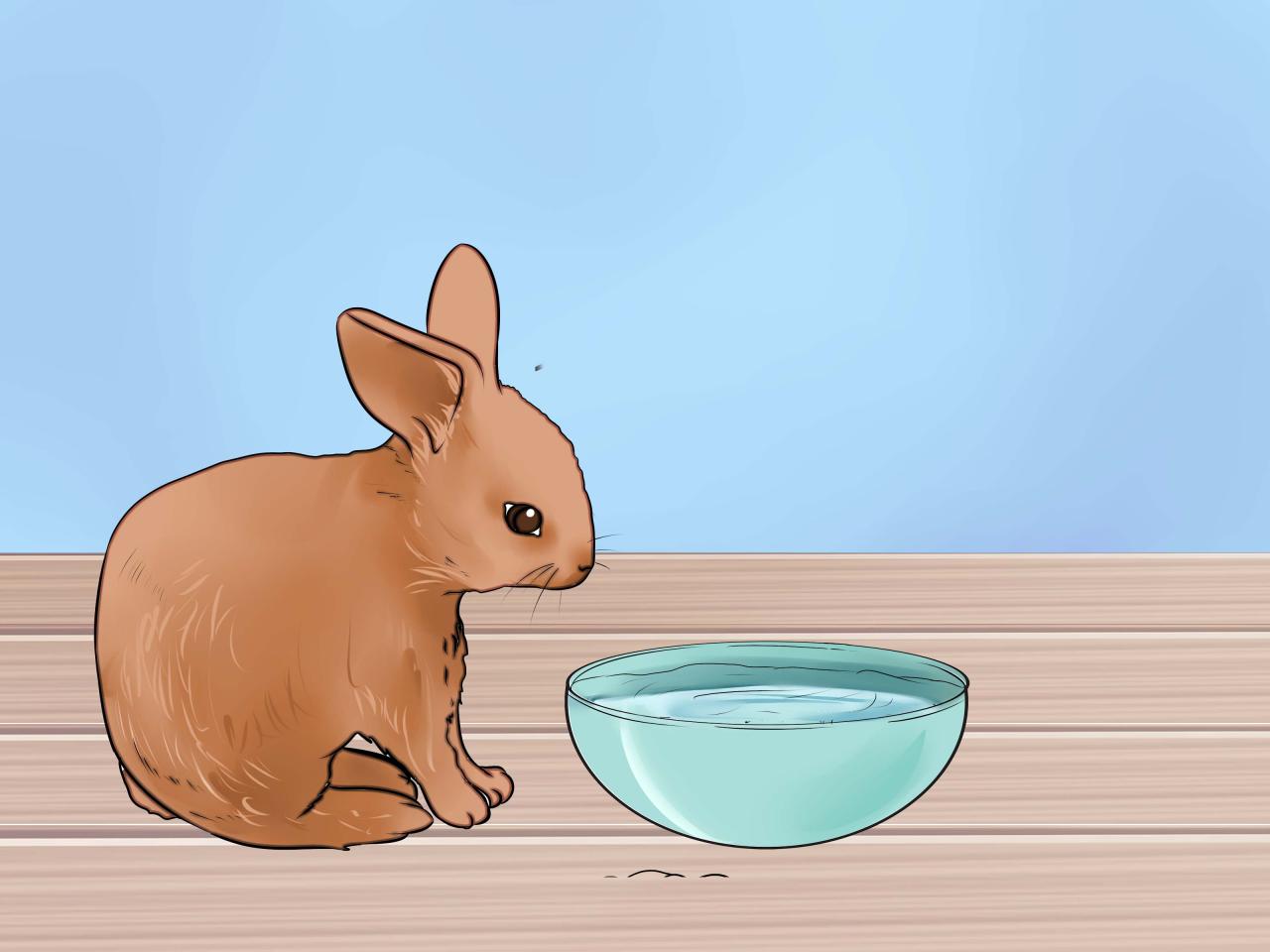
- Ceramic Bowls: Heavy ceramic bowls are a good alternative as they are less likely to be tipped over. They offer a more natural way for rabbits to drink, similar to how they would in the wild. The main challenge with bowls is keeping the water clean, as hay, bedding, and food can easily contaminate it, necessitating frequent cleaning and refilling.
Maintaining Water Hygiene
Cleanliness of the water source is paramount to prevent the growth of bacteria and algae, which can cause illness. Regular cleaning routines are essential, regardless of the delivery method chosen.
It is recommended to:
- Clean sipper bottles daily: Rinse the bottle and spout thoroughly each day to remove any buildup. Use a small bottle brush to clean the inside of the spout.
- Wash ceramic bowls thoroughly: Every day, empty, scrub, and rinse ceramic bowls with hot water and mild soap. Ensure all soap residue is removed before refilling.
- Change water at least twice daily: Even if the water level appears adequate, refreshing it ensures it remains cool and appealing.
- Monitor water quality: If you notice any slime, debris, or discoloration, clean and refill the water source immediately.
Encouraging Water Intake
Some rabbits may be less inclined to drink, especially if they consume a lot of moisture-rich greens. However, it’s important to ensure they are adequately hydrated.
To encourage your rabbit to drink more:
- Offer water in multiple ways: If your rabbit seems hesitant with one method, try the other. Some rabbits prefer the natural drinking action from a bowl, while others are content with a bottle.
- Ensure water is fresh and cool: Rabbits are more likely to drink water that is clean and at a refreshing temperature.
- Introduce ice cubes: During warmer months, adding a few ice cubes to their water bowl can make it more appealing and help keep it cool.
- Flavoring (with caution): In rare cases, a very small amount of 100% unsweetened fruit juice (like apple or carrot, diluted significantly with water) can be added to encourage drinking, but this should be a temporary measure and used sparingly to avoid dental issues or digestive upset. Always consult with a veterinarian before adding anything to your rabbit’s water.
Treats and Occasional Foods
While a rabbit’s diet should primarily consist of hay, fresh greens, and a limited amount of pellets, treats can be a delightful addition to their routine. Offering treats can be a wonderful way to bond with your rabbit and reinforce positive behaviors. However, it is crucial to approach treats with caution and a thorough understanding of what is safe and beneficial for your furry friend.The concept of moderation is paramount when it comes to feeding treats to rabbits.
Due to their sensitive digestive systems, an excess of sugary or starchy foods can lead to serious health issues, including obesity, dental problems, and gastrointestinal stasis. Therefore, treats should always be given sparingly and as a small supplement to their balanced diet, not as a replacement for essential nutrients.
Rabbit-Safe Treats and Their Benefits
Providing a variety of safe treats can offer not only enjoyment but also some nutritional advantages for your rabbit. These can include certain fruits and vegetables in small quantities, as well as specially formulated rabbit treats. It is important to introduce new treats one at a time to monitor for any adverse reactions.Here is a list of rabbit-safe treats and their potential benefits:
- Herbs: Many fresh herbs are excellent treats and can offer various vitamins and minerals. Examples include parsley (rich in Vitamin K and calcium), cilantro (Vitamin A and K), dill (Vitamin A and C), mint (digestive aid), and basil (antioxidant properties).
- Certain Vegetables: Small pieces of carrot (Vitamin A, but high in sugar, so very limited), bell pepper (Vitamin C), cucumber (hydrating), and zucchini are generally well-received.
- Small Pieces of Fruit: Fruits are high in sugar and should be offered very infrequently and in tiny amounts. Apple (no seeds or core), banana (a very small slice), berries (strawberries, blueberries, raspberries), and melon are occasional options.
- Commercial Rabbit Treats: Look for treats specifically designed for rabbits that are low in sugar and made with natural ingredients. Avoid those with added artificial colors, flavors, or preservatives. Some treats are formulated with added fiber to support digestive health.
The Concept of Moderation in Treat Consumption
Understanding the role of treats in a rabbit’s diet is essential for their overall health. Treats are not a primary food source and should be viewed as an occasional indulgence. Overfeeding treats can disrupt the delicate balance of a rabbit’s digestive system, leading to health problems.When offering treats, consider the size of your rabbit and their daily dietary intake. A good rule of thumb is that treats should not constitute more than 5-10% of their total daily food intake.
For smaller rabbits, this means even smaller portions. It is also beneficial to rotate the types of treats offered to provide a wider range of nutrients and prevent a preference for one specific item.
Foods Strictly Avoided by Rabbits
Certain foods can be toxic or extremely harmful to rabbits, and it is vital to know what to keep out of their reach. Feeding these items can lead to severe illness or even be fatal. Always err on the side of caution and consult your veterinarian if you are unsure about a particular food.Foods that should be strictly avoided by rabbits include:
- Dairy products: Rabbits are lactose intolerant and cannot digest dairy.
- Chocolate: Contains theobromine, which is toxic to rabbits.
- Avocado: Contains persin, which can be toxic to rabbits.
- Onions, garlic, and leeks: These can cause damage to red blood cells.
- Potatoes and potato leaves: Contain solanine, which is toxic.
- Rhubarb: Contains oxalic acid, which can be harmful.
- Seeds and pits from fruits: Many contain cyanide compounds.
- Bread, pasta, crackers, and other processed grains: High in carbohydrates and can cause digestive upset.
- Nuts: High in fat and can be a choking hazard.
- Iceberg lettuce: While not toxic, it has very little nutritional value and can cause diarrhea due to its high water content.
Sugar Content and Nutritional Value of Common Rabbit Treats
The sugar content and nutritional value of treats vary significantly. While some treats offer a small amount of vitamins or fiber, many common human snacks are laden with sugar and unhealthy fats, making them unsuitable for rabbits.Here’s a comparison of sugar content and nutritional value for some common treat categories:
| Treat Type | Sugar Content | Nutritional Value | Considerations |
|---|---|---|---|
| Carrots | High | Vitamin A | Offer in very small amounts due to high sugar. |
| Apples (without seeds/core) | High | Fiber, Vitamin C | Serve as a tiny piece, infrequently. |
| Berries (e.g., blueberries) | Moderate to High | Antioxidants, Vitamin C | A few berries are a suitable occasional treat. |
| Commercial Rabbit Treats (low sugar) | Low to Moderate | Varies; some contain added fiber or herbs. | Choose reputable brands with natural ingredients. |
| Leafy Greens (e.g., romaine, kale) | Low | Vitamins A, C, K, Calcium (in kale) | These are excellent as part of the daily diet, not just treats. |
Guideline for Maximum Daily Treat Allowance
Establishing a clear guideline for the number of treats a rabbit should receive daily is crucial for maintaining their health. This guideline should be adapted based on the rabbit’s size, age, activity level, and overall diet.As a general guideline, the total amount of treats offered daily should not exceed one to two tablespoons for an average-sized adult rabbit (approximately 4-5 pounds).
For smaller rabbits, this amount should be reduced proportionally. It is also important to remember that these are “treats” and should not be given every day if you are offering a variety of fruits and vegetables as part of their daily greens.
“Moderation is key: Treats should be a small, occasional part of a rabbit’s balanced diet, not a daily staple.”
Feeding Young and Senior Rabbits
Understanding the unique nutritional requirements of rabbits at different life stages is crucial for their long-term health and well-being. Young, growing rabbits have different needs than mature adults, and senior rabbits often require adjustments to their diet to manage age-related changes and potential health issues. This section will explore these specific dietary considerations.
Baby Rabbit (Kit) Nutritional Needs
Baby rabbits, known as kits, are born with a highly specialized diet that changes rapidly as they grow. Their primary source of nutrition in the first few weeks of life is their mother’s milk, which is rich in fat and protein to support rapid development. As they mature, they begin to explore solid food, with their digestive systems gradually adapting to process more complex nutrients.
Transitioning Kits to Solid Food
The weaning process for kits is a gradual transition from relying solely on milk to consuming solid foods. This typically begins around three weeks of age. During this period, kits will start to nibble on the same hay and pellets their mother consumes.
- Early Exploration: Around three weeks, kits will observe their mother eating and begin to investigate her food. Offering high-quality alfalfa hay and a small amount of alfalfa-based pellets specifically formulated for young rabbits can be introduced at this stage.
- Gradual Introduction: As kits grow, their intake of hay and pellets will increase. It’s important to ensure fresh water is always available in a shallow, stable dish that kits can easily access.
- Complete Weaning: By six to eight weeks of age, kits should be fully weaned and consuming a diet primarily composed of hay, supplemented with appropriate pellets and a small introduction to fresh greens. The amount of pellets should be carefully managed to prevent obesity.
Senior Rabbit Dietary Adjustments
As rabbits age, typically around five to seven years old depending on breed and individual health, their nutritional needs can change. Senior rabbits may experience a slower metabolism, reduced digestive efficiency, and an increased susceptibility to certain health conditions. Dietary adjustments can help support their health and quality of life.
- Increased Fiber: Senior rabbits often benefit from a diet with a slightly higher proportion of easily digestible fiber. This can be achieved by ensuring a constant supply of high-quality grass hay, such as timothy or orchard grass.
- Protein and Fat Levels: While generally maintaining a balanced diet, some senior rabbits may benefit from slightly increased protein or fat content if they are losing weight or muscle mass. This should be discussed with a veterinarian, who may recommend specific senior rabbit pellets or supplements.
- Digestive Support: As digestive function can slow, probiotics or prebiotics may be beneficial, again, under veterinary guidance.
- Hydration: Ensuring adequate water intake is paramount. Senior rabbits may be more prone to dehydration, so multiple water sources (bowls and bottles) should be available, and water intake should be monitored.
Encouraging Appetite in Older Rabbits
Loss of appetite can be a significant concern in senior rabbits, often indicating an underlying health issue. Strategies to encourage eating are vital for maintaining their nutritional status.
- Warm and Moist Foods: Gently warming certain foods, such as a small portion of mashed vegetables or a senior-specific pellet slurry, can make them more appealing and easier to consume.
- Variety and Palatability: Offering a small variety of highly palatable, rabbit-safe fresh greens can stimulate interest. However, introduce new greens slowly and in moderation.
- Hand-Feeding: For some senior rabbits, being hand-fed small pieces of their favorite greens or hay can encourage them to eat. This also provides valuable bonding time.
- Veterinary Consultation: It is critical to consult with a rabbit-savvy veterinarian if a senior rabbit shows a persistent lack of appetite. This is often a sign of dental problems, gastrointestinal stasis, or other serious conditions that require prompt medical attention.
Common Feeding Mistakes and How to Avoid Them
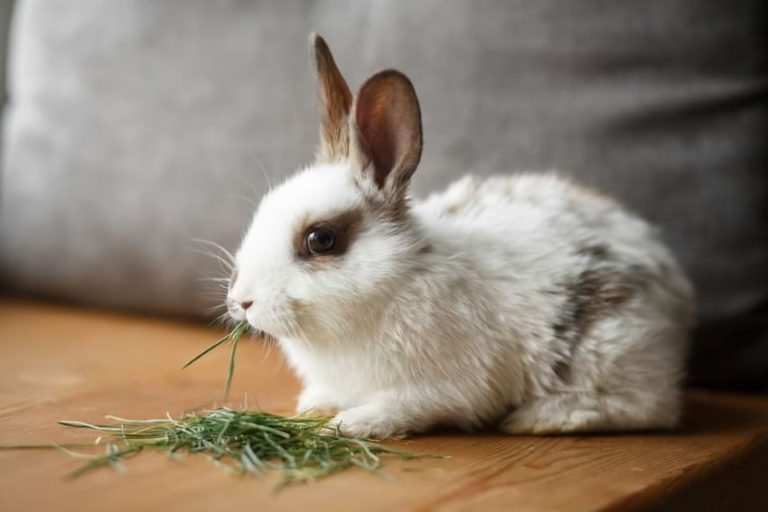
Ensuring your rabbit receives a balanced diet is crucial for their health and longevity. However, several common feeding mistakes can inadvertently harm your rabbit. Understanding these pitfalls and how to correct them is an essential part of responsible rabbit ownership.An unbalanced diet can lead to a cascade of health issues, ranging from digestive problems to dental disease and obesity. Rabbits have a highly specialized digestive system that relies on a constant intake of fiber to function correctly.
Deviations from their natural dietary needs can have severe consequences.
Overfeeding Pellets
Pellets are designed to supplement a rabbit’s diet, not to be the primary food source. Overfeeding pellets can lead to several problems. High-energy pellets can cause weight gain and obesity, which strains the rabbit’s joints and internal organs. Additionally, an excessive pellet intake can reduce the rabbit’s appetite for hay, the most vital component of their diet, leading to insufficient fiber consumption.
Insufficient Hay Provision
The most common and detrimental feeding mistake is not providing enough hay. Hay is the cornerstone of a rabbit’s diet, providing essential fiber for proper digestion and wearing down their continuously growing teeth. Without adequate hay, rabbits are prone to gastrointestinal stasis, a life-threatening condition where the digestive system slows down or stops. Dental issues, such as overgrown incisors and molars, are also a direct consequence of insufficient hay.
Introducing New Foods Too Quickly
Rabbits have sensitive digestive systems. Introducing new vegetables or fruits too rapidly can cause digestive upset, leading to diarrhea or a lack of appetite. It is important to introduce new foods one at a time and in small quantities, observing your rabbit for any adverse reactions over a 24-hour period before increasing the amount or introducing another new item.
Feeding High-Sugar or Starchy Foods Frequently
Foods high in sugar and starch, such as most fruits, root vegetables like carrots, and commercial rabbit treats, should be given sparingly. These foods can disrupt the delicate balance of bacteria in the rabbit’s gut, leading to digestive issues like cecal dysbiosis. Overconsumption can also contribute to obesity and dental problems.
Inadequate Water Access
Water is as critical as food for a rabbit’s survival and well-being. Dehydration can quickly lead to serious health problems, including kidney issues and digestive stasis. Rabbits should have constant access to fresh, clean water. While water bottles are common, many rabbits drink more from heavy ceramic bowls, which can also be beneficial for encouraging water intake. It is essential to check and refill water sources daily, and clean them regularly to prevent bacterial growth.
Recognizing Signs of a Poorly Fed Rabbit
Observing your rabbit’s behavior and physical condition can help identify if they are not receiving a proper diet.
- Lethargy and decreased activity: A rabbit that is not eating enough fiber may become less active due to digestive discomfort or lack of energy.
- Changes in droppings: Small, dry, or misshapen droppings can indicate a lack of fiber or digestive issues. Conversely, very soft or watery droppings point to diarrhea, often caused by dietary imbalances.
- Weight loss or gain: Unexplained weight changes are a significant indicator of dietary problems.
- Dental problems: Drooling, difficulty eating, or visible overgrowth of teeth are clear signs of dental issues often linked to insufficient hay.
- Poor coat condition: A dull, unkempt coat can sometimes be a symptom of poor nutrition.
- Reduced appetite: A rabbit that is not feeling well due to dietary issues may stop eating altogether, which is a veterinary emergency.
Rectifying common feeding mistakes involves a commitment to providing a diet that mimics a rabbit’s natural eating habits. Prioritize unlimited access to high-quality hay, offer a limited amount of appropriate pellets, and introduce a variety of fresh, safe greens daily. Always ensure fresh water is readily available. If you suspect your rabbit is suffering from a dietary imbalance or any related health issues, consult a rabbit-savvy veterinarian immediately.
Creating a Feeding Routine and Environment
Establishing a consistent feeding routine and a well-designed feeding environment are crucial for a rabbit’s overall health, well-being, and digestion. Rabbits are prey animals that thrive on predictability, and their digestive systems are designed for continuous foraging and eating. By mimicking these natural behaviors through a structured routine and a suitable environment, you can significantly contribute to your rabbit’s happiness and health.A predictable feeding schedule helps regulate your rabbit’s digestive system, reducing the risk of gastrointestinal stasis, a common and potentially life-threatening condition.
When meals are offered at regular intervals, the rabbit’s body anticipates food, ensuring a steady flow of digestive processes. This consistency also reduces stress, as rabbits feel more secure when they know when and where to expect their food.
Organizing a Daily Feeding Schedule
A well-structured daily feeding schedule should align with a rabbit’s natural crepuscular activity patterns, meaning they are most active at dawn and dusk. This approach not only caters to their biological rhythms but also encourages natural foraging behaviors.The following is a sample schedule that can be adapted based on your rabbit’s specific needs and your lifestyle:
- Morning (Dawn): Offer a portion of fresh greens and a small amount of high-quality pellets. This is an ideal time for a significant portion of their fresh food intake.
- Midday: Ensure fresh hay is always available. If your rabbit is a diligent eater, you might offer a small additional portion of greens or a few approved vegetables.
- Evening (Dusk): Provide another generous portion of fresh greens and the remaining portion of pellets. This mirrors their natural foraging activity during this period.
- Throughout the Day and Night: Unlimited access to fresh, clean hay and water is paramount.
Importance of Consistent Feeding Times
Consistency in feeding times plays a vital role in maintaining a rabbit’s digestive health and emotional stability. Irregular feeding can disrupt the delicate balance of the gut flora and lead to digestive issues.
A consistent feeding schedule helps prevent gastrointestinal stasis by ensuring the rabbit’s digestive system is regularly stimulated.
Regular mealtimes also contribute to a sense of security for your rabbit. When they know when to expect food, they experience less anxiety, which is beneficial for their overall mental well-being. This predictability can also help in litter training, as rabbits tend to associate specific areas with eating and eliminating.
Setting Up a Clean and Accessible Feeding Area
The feeding area should be designed to be both hygienic and easily accessible for your rabbit, promoting comfortable and safe eating. This involves selecting appropriate feeders and ensuring the area is kept clean.Consider the following elements when setting up the feeding area:
- Hay Rack or Feeder: A hay rack or feeder is essential to keep hay clean and prevent it from becoming soiled with urine or feces. This encourages more hay consumption.
- Food Bowls: Ceramic or stainless steel bowls are recommended as they are easy to clean and heavy enough to prevent tipping. Avoid plastic bowls, which can harbor bacteria and be chewed.
- Water Source: While some rabbits prefer bowls, many owners find water bottles more hygienic as they prevent hay and food from falling into the water. However, ensure the water bottle’s sipper tube is functioning correctly and clean it regularly. If using a bowl, place it in a stable location to prevent spills.
- Location: Place the feeding area in a quiet, low-traffic part of your rabbit’s enclosure or living space. This minimizes disturbances during meal times.
Regular cleaning of the feeding area is non-negotiable. Remove any uneaten fresh food promptly to prevent spoilage and potential health issues. Daily spot cleaning and weekly thorough cleaning of bowls, feeders, and the surrounding area are recommended.
Impact of the Feeding Environment on Well-being
The environment in which a rabbit eats has a profound impact on their stress levels, comfort, and overall enjoyment of food. A calm, safe, and enriching feeding environment promotes healthy eating habits and reduces anxiety.A cluttered or noisy feeding area can make a rabbit feel insecure, potentially leading to them eating less or becoming stressed. Conversely, a dedicated, clean, and quiet space allows the rabbit to relax and focus on their meal.
Providing multiple feeding stations, especially in multi-rabbit households, can also prevent competition and ensure all rabbits have access to food without stress. Enriching the feeding environment with foraging toys or hiding greens can further stimulate their natural behaviors and provide mental stimulation.
Observing Eating Habits for Health Indicators
Paying close attention to your rabbit’s eating habits is one of the most effective ways to monitor their health. Changes in appetite, the amount of food consumed, or the speed at which they eat can be early indicators of illness.Here are key observations to make regarding your rabbit’s eating habits:
- Appetite: A sudden decrease or complete loss of appetite is a serious concern and requires immediate veterinary attention.
- Food Preferences: While some variation is normal, a sudden aversion to their usual hay or greens could signal a dental issue or other underlying health problem.
- Eating Speed: If your rabbit is eating significantly faster or slower than usual, it may indicate discomfort or pain, particularly in their mouth or digestive tract.
- Chewing Behavior: Observe how your rabbit chews. Uneven chewing or difficulty swallowing can point to dental problems.
- Quantity of Food Consumption: Monitor the amount of food your rabbit is consuming daily. A consistent reduction in intake, especially of hay, is a red flag.
It is beneficial to keep a simple log of your rabbit’s food intake, especially if you notice any subtle changes. This information can be invaluable when discussing your rabbit’s health with your veterinarian.
Health Implications of Proper Feeding
Understanding the profound impact of proper nutrition on a rabbit’s well-being is crucial for their longevity and happiness. A carefully balanced diet is not merely about sustenance; it is a cornerstone of preventative healthcare, significantly influencing various physiological systems and mitigating the risk of numerous health issues. By adhering to the principles of good rabbit nutrition, owners can proactively contribute to a healthier, more vibrant life for their beloved companions.A well-managed diet directly translates into a robust digestive system, healthy teeth, a strong immune response, and the prevention of common weight-related ailments.
This section delves into the specific ways that appropriate feeding practices safeguard and enhance a rabbit’s overall health.
Digestive System Health
The rabbit’s digestive system is uniquely adapted to process a high-fiber diet, primarily composed of hay. A correct diet ensures the continuous and efficient functioning of this delicate system, preventing a range of gastrointestinal problems.A diet rich in fiber, particularly from hay, is essential for maintaining the correct gut motility in rabbits. This fiber stimulates peristalsis, the muscular contractions that move food through the digestive tract.
Without adequate fiber, the gut can slow down, leading to stasis, a potentially life-threatening condition where the digestive system grinds to a halt. This can result in pain, bloating, and a refusal to eat. Furthermore, the fermentation of fiber in the cecum produces essential volatile fatty acids and B vitamins, which are vital for the rabbit’s health and energy levels.
The correct balance of fiber also supports a healthy population of beneficial gut bacteria, which are critical for nutrient absorption and overall digestive health.
Dental Health
Rabbit teeth are continuously growing throughout their lives, and their diet plays a critical role in keeping them properly worn down. An incorrect diet can lead to serious and painful dental issues.The abrasive nature of hay is indispensable for naturally grinding down a rabbit’s incisors and molars. Chewing on hay for extended periods acts as a natural dental file, preventing overgrowth.
When a rabbit’s diet lacks sufficient hay, or consists of too many soft foods like pellets or sugary treats, their teeth do not receive the necessary wear. This overgrowth can result in sharp spurs forming on the molars, which can cut the tongue and cheeks, causing pain, difficulty eating, and infection. Incisor overgrowth can lead to malocclusion, where the teeth no longer align correctly, making it impossible for the rabbit to eat effectively and potentially causing damage to the upper jaw.
Regular dental checks by a rabbit-savvy veterinarian are also important, but a proper diet is the first line of defense.
Immune System Support
A rabbit’s immune system relies heavily on adequate nutrition to function effectively and protect against illness. Deficiencies or imbalances in the diet can compromise their ability to fight off infections.Essential vitamins, minerals, and antioxidants found in a varied diet of hay, fresh greens, and appropriate pellets contribute to a strong immune response. For instance, Vitamin A, often found in leafy greens, is crucial for the health of mucous membranes, which act as a primary barrier against pathogens.
Antioxidants help combat cellular damage caused by free radicals, supporting overall cellular health and immune function. A balanced diet ensures that the rabbit’s body has the building blocks and energy required to produce antibodies and maintain the white blood cells necessary to identify and neutralize harmful microorganisms. Conversely, a diet lacking in these vital nutrients can leave a rabbit more susceptible to diseases like snuffles, pasteurellosis, and other bacterial or viral infections.
Obesity Prevention
Obesity is a significant health concern for pet rabbits, leading to a cascade of other health problems. Proper feeding is the most effective strategy for maintaining a healthy weight.The primary cause of obesity in rabbits is an imbalance between calorie intake and energy expenditure, often exacerbated by overfeeding high-calorie foods like pellets and treats, while neglecting the high-fiber, lower-calorie staples like hay.
A diet predominantly composed of hay ensures that rabbits consume a large volume of food that is low in calories but high in fiber, promoting satiety without excessive calorie intake. Limiting the quantity of pellets to the recommended amount for the rabbit’s age and size, and offering treats sparingly, are also critical. Obesity can lead to a range of secondary health issues, including:
- Cardiovascular problems
- Liver disease
- Reduced mobility, making it difficult to groom properly and increasing the risk of flystrike
- Increased susceptibility to heatstroke
- Arthritis due to added strain on joints
Maintaining a healthy weight through a balanced diet and appropriate exercise is fundamental to a rabbit’s long-term health and quality of life.
Conclusive Thoughts
In summary, the journey of how to feed rabbits properly is a rewarding endeavor that profoundly impacts their health, vitality, and longevity. By prioritizing a diet rich in fiber from hay, supplemented with fresh vegetables and appropriate pellets, and ensuring constant access to clean water, we provide the foundation for a robust digestive system, healthy teeth, and a strong immune response.
Avoiding common feeding mistakes and establishing a consistent, nurturing feeding environment further enhances their quality of life. Embracing these principles empowers rabbit guardians to offer their beloved pets the very best in nutritional care, fostering a bond built on health and well-being.