Embarking on the journey of rapidly establishing a thriving pasture is an endeavor that requires a strategic approach. This guide, focused on how to grow pasture grass quickly, delves into the essential elements needed to cultivate lush, productive grazing land. From understanding the foundational principles of grass growth to implementing advanced techniques, we’ll explore the secrets to transforming your land into a vibrant and sustainable pasture.
The success of quick pasture establishment hinges on a deep understanding of various factors, including the selection of the right grass species, meticulous soil preparation, and the application of effective planting and maintenance strategies. We’ll cover the impact of sunlight, water, and soil nutrients, and discuss the differences between cool-season and warm-season grasses. Additionally, we’ll provide detailed insights into fertilization, irrigation, weed control, and grazing management, ensuring a holistic approach to achieving your pasture goals.
Understanding Pasture Grass Growth
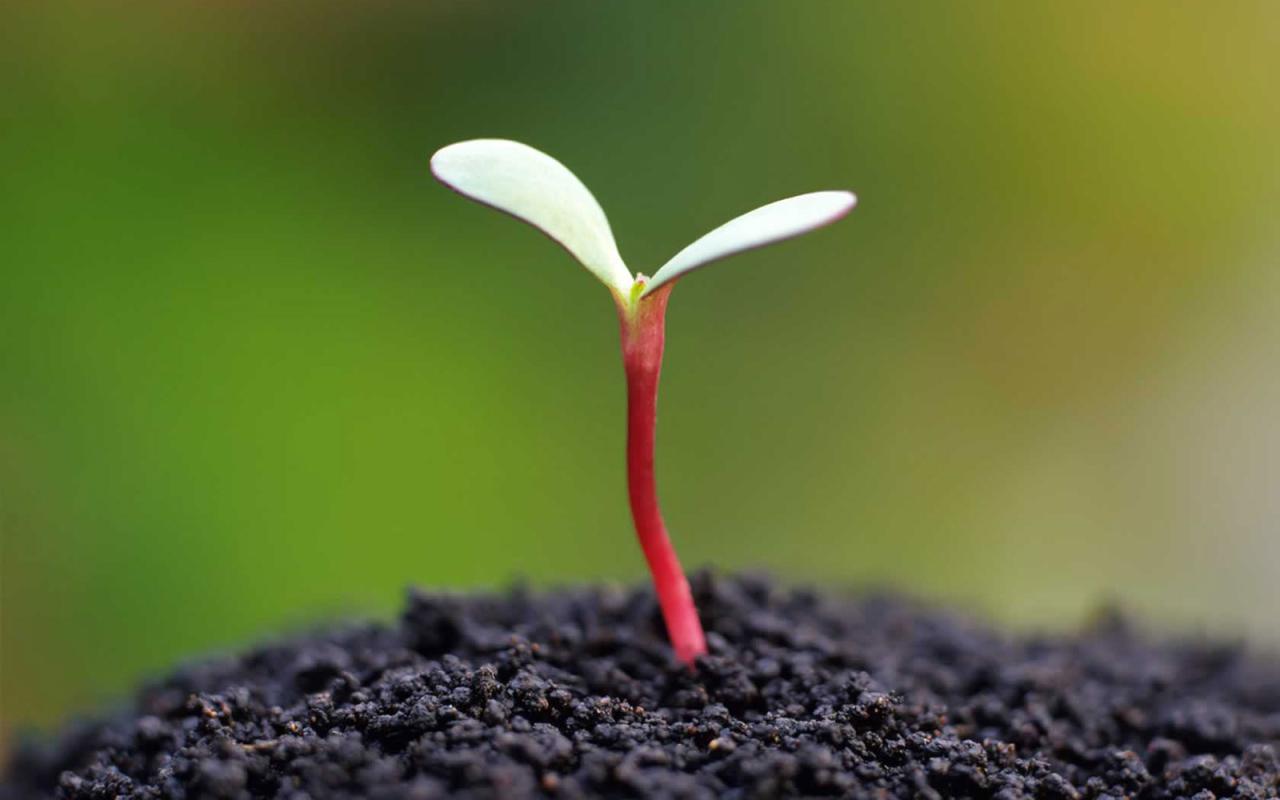
The rapid and healthy growth of pasture grass is a complex process, dependent on a variety of interacting factors. Understanding these fundamental elements is crucial for implementing effective management strategies to optimize grass production and ensure the long-term sustainability of your pasture. This section will delve into the key drivers of grass growth, providing a detailed overview of the environmental and biological influences at play.
Fundamental Factors Influencing Pasture Grass Growth
Several key factors work in concert to determine the rate and overall success of pasture grass growth. These elements include the availability of sunlight, the presence of adequate water, the composition and fertility of the soil, and the prevailing temperature. The interplay of these elements dictates the photosynthetic capacity, nutrient uptake, and overall health of the grass plants. Furthermore, the species of grass selected and the management practices employed by the landowner significantly impact growth.
Role of Sunlight, Water, and Soil Nutrients in Grass Development
Sunlight, water, and soil nutrients are indispensable resources for pasture grass growth. Each element contributes uniquely to the plant’s development and overall productivity. A deficiency in any of these areas can significantly hinder growth.
- Sunlight: Sunlight is the primary source of energy for pasture grass. Through the process of photosynthesis, plants convert light energy into chemical energy in the form of sugars, which fuel growth. The intensity and duration of sunlight exposure directly impact the rate of photosynthesis. Areas with full sun exposure typically support higher grass yields than shaded areas. For example, research has shown that grasses grown in full sunlight can produce up to twice the biomass compared to those grown under heavy shade conditions.
- Water: Water is essential for nutrient transport, cell turgor (rigidity), and various metabolic processes. Grasses require a consistent supply of water for optimal growth. Water stress can lead to reduced photosynthesis, stunted growth, and even plant death. The water needs of pasture grasses vary depending on the species, the stage of growth, and the environmental conditions. For instance, during periods of rapid growth, grasses require more water.
In arid regions, irrigation is often necessary to supplement rainfall and ensure adequate water availability.
- Soil Nutrients: Soil provides the essential nutrients that pasture grasses require for growth, including nitrogen (N), phosphorus (P), and potassium (K), as well as micronutrients. These nutrients are absorbed by the roots and used to build plant tissues, support metabolic processes, and enable overall health. The availability of these nutrients is heavily influenced by soil type, pH, and the presence of organic matter.
Proper soil testing and fertilization are crucial to ensure that grasses receive the necessary nutrients for optimal growth. A deficiency in nitrogen, for example, can result in yellowing of the leaves (chlorosis) and stunted growth.
Differences in Growth Habits Between Cool-Season and Warm-Season Grasses
Cool-season and warm-season grasses exhibit distinct growth patterns that are dictated by their adaptation to different climates and temperatures. Understanding these differences is vital for selecting the appropriate grass species for a particular region and for managing pastures effectively throughout the growing season.
- Cool-Season Grasses: These grasses, such as Kentucky bluegrass, tall fescue, and perennial ryegrass, thrive in cooler temperatures, typically between 60°F and 75°F (15°C and 24°C). They exhibit their primary growth during the spring and fall when temperatures are moderate and moisture is often plentiful. Growth slows or ceases during the hot summer months. Cool-season grasses often have a more extensive root system, which allows them to access water and nutrients more efficiently.
They are generally more tolerant of frequent grazing and can recover quickly after defoliation during their peak growing seasons. Example: Kentucky bluegrass typically exhibits its most vigorous growth in the spring and fall.
- Warm-Season Grasses: These grasses, such as bermudagrass, switchgrass, and big bluestem, are adapted to warmer temperatures, typically between 80°F and 95°F (27°C and 35°C). They experience their peak growth during the summer months. Warm-season grasses often have a more extensive root system than cool-season grasses. They are generally more drought-tolerant and can withstand high temperatures. However, their growth may be limited in areas with short growing seasons.
Example: Bermudagrass flourishes during the summer months, showing significant growth when temperatures are consistently high.
Selecting the Right Grass Species
Choosing the correct grass species is crucial for establishing a rapidly growing and productive pasture. The ideal selection hinges on several factors, including climate, soil type, livestock type, and grazing intensity. A well-considered choice ensures not only quick establishment but also long-term pasture health and sustainability, leading to increased forage production and improved livestock performance.
Best Grass Species for Rapid Growth
Selecting the right grass species depends heavily on the specific environmental conditions. Certain grasses are naturally adapted to thrive in particular climates and soil types, making them the best choices for rapid growth in those regions.* For Cool-Season Climates:
Perennial Ryegrass (Lolium perenne)
Known for its quick germination and establishment. It’s highly palatable and nutritious for livestock.
Tall Fescue (Schedonorus arundinaceus)
Tolerant to a wide range of soil conditions and relatively drought-resistant. It establishes quickly and can withstand heavy grazing.
Orchardgrass (Dactylis glomerata)
Provides good forage quality and is suitable for hay production. It establishes relatively fast and is productive in various soil types.* For Warm-Season Climates:
Bermudagrass (Cynodon dactylon)
Highly productive in warm climates and tolerates heavy grazing. It spreads rapidly through rhizomes and stolons.
Bahia Grass (Paspalum notatum)
Well-adapted to sandy soils and is relatively drought-tolerant. It provides good forage production in warm, humid environments.
Sudangrass (Sorghum sudanense)
An annual grass that establishes very quickly. It is often used for temporary pastures or hay production.* For Diverse Soil Types:
Timothy (Phleum pratense)
Grows well in moist, fertile soils. Provides high-quality forage for livestock.
White Clover (Trifolium repens)
A legume that fixes nitrogen in the soil, improving soil fertility. It is often mixed with grasses to enhance pasture productivity.
Alfalfa (Medicago sativa)
A high-protein legume that is well-suited to a variety of soil types, but prefers well-drained soils.
Pros and Cons of Different Grass Mixtures
Using grass mixtures can offer several advantages over monocultures. However, careful consideration is needed to balance the benefits and potential drawbacks.* Pros of Grass Mixtures:
Improved Forage Quality
Mixtures often combine grasses and legumes, enhancing the nutritional value of the forage.
Increased Yield
Different species have varying growth patterns, leading to more consistent forage production throughout the growing season.
Enhanced Soil Health
Legumes in the mix fix nitrogen, improving soil fertility. Different root systems also improve soil structure.
Greater Resilience
Mixtures are more resistant to pests, diseases, and environmental stresses than monocultures.
Extended Grazing Season
A diverse mix may offer a longer grazing season as different species mature at different times.* Cons of Grass Mixtures:
Variable Establishment
Different species may establish at different rates, leading to uneven stands.
Management Complexity
Managing mixed pastures can be more challenging, requiring careful grazing management and fertilization strategies.
Potential for Competition
Aggressive species can outcompete slower-growing species, leading to a decline in diversity over time.
Seed Cost
Mixtures can be more expensive than single-species plantings due to the variety of seed types required.
Palatability Issues
Livestock may selectively graze certain species, potentially leading to overgrazing of preferred plants.
Guide to Selecting Grass Species Based on Livestock Type and Grazing Intensity
The choice of grass species should align with the type of livestock and the intended grazing intensity to optimize pasture performance and animal health.* For Cattle:
High Grazing Intensity
Tall fescue, Bermudagrass, and perennial ryegrass are suitable choices.
Moderate Grazing Intensity
Orchardgrass, timothy, and a mix of grasses and legumes.
Considerations
Cattle require forage with a high fiber content. Select grasses that are tolerant of trampling and grazing pressure.
Example
In the Midwestern United States, a mix of tall fescue and orchardgrass can be used for cattle, providing a balance of palatability and resilience.* For Sheep and Goats:
High Grazing Intensity
Perennial ryegrass, white clover, and a mix of grasses with legumes.
Moderate Grazing Intensity
Orchardgrass, timothy, and alfalfa.
Considerations
Sheep and goats are selective grazers. Choose species that are palatable and can withstand close grazing.
Example
In the Southeastern United States, a mixture of bermudagrass and clover can be used for sheep, providing a balance of productivity and nutritional value.* For Horses:
High Grazing Intensity
Perennial ryegrass, timothy, and orchardgrass.
Moderate Grazing Intensity
A mix of grasses and legumes with careful management.
Considerations
Horses are sensitive to certain grasses. Avoid species that may cause health issues.
Example
In many regions, a mix of timothy and orchardgrass is common for horses, providing high-quality forage with good palatability.* Grazing Intensity Considerations:
High Intensity
Requires grasses that are tolerant of frequent and close grazing, such as tall fescue and Bermudagrass.
Moderate Intensity
Allows for a wider range of species, including orchardgrass and timothy.
Rotational Grazing
Enables the use of more sensitive species by allowing periods of rest and recovery.
Stocking Rate
Adjust the stocking rate based on the pasture’s productivity and the livestock’s forage requirements. A high stocking rate demands resilient grasses.
Soil Preparation for Fast Growth

Preparing the soil is a crucial step in establishing a thriving pasture. It lays the foundation for healthy grass growth, influencing everything from root development to nutrient availability. Neglecting this stage can lead to poor germination, stunted growth, and ultimately, a less productive pasture. Proper soil preparation maximizes the potential of your chosen grass species, leading to quicker establishment and sustained yields.
Soil Testing and Amendment Strategies
Soil testing provides essential information about the soil’s composition and health. It identifies nutrient deficiencies, pH imbalances, and other factors that might hinder grass growth. Based on the results, appropriate amendments can be applied to create an optimal growing environment.The soil testing process typically involves:
- Sample Collection: Soil samples are collected from multiple locations within the pasture area to get a representative analysis. The depth of the samples depends on the grass species, but typically it is between 4-6 inches.
- Laboratory Analysis: The samples are sent to a laboratory for analysis. The analysis usually measures pH, organic matter content, and levels of essential nutrients such as nitrogen (N), phosphorus (P), and potassium (K).
- Report Interpretation: The lab provides a report detailing the soil’s characteristics and recommendations for amendments. This report is critical for making informed decisions about fertilization and liming.
Soil amendment strategies are tailored to the soil test results. These strategies aim to correct any identified deficiencies or imbalances. Common amendment practices include:
- Lime Application: If the soil pH is too low (acidic), lime (calcium carbonate or calcium hydroxide) is applied to raise the pH to the optimal range for grass growth, typically between 6.0 and 7.0. This improves nutrient availability, especially phosphorus.
- Fertilizer Application: Based on nutrient deficiencies identified in the soil test, fertilizers are applied to provide the necessary nutrients for grass growth. The fertilizer type and application rate depend on the specific needs of the grass species and the soil conditions. For example, a soil deficient in nitrogen might require the application of urea or ammonium nitrate.
- Organic Matter Enhancement: Incorporating organic matter, such as compost or manure, improves soil structure, water retention, and nutrient availability. Organic matter also supports beneficial soil microorganisms.
- Addressing Compaction: In compacted soils, deep tillage may be necessary to break up the compacted layers and improve root penetration. This is especially important in areas with heavy clay soils or those that have experienced significant livestock traffic.
Soil Tilling and Compaction Prevention
Soil tilling, or plowing, is a crucial step in preparing the soil for planting pasture grass. It involves breaking up the soil, improving aeration, and incorporating amendments. However, it is equally important to prevent soil compaction, which can negate the benefits of tilling.The tilling process involves several key steps:
- Initial Tilling: The first tilling pass is typically done with a moldboard plow or a disc harrow to break up the existing vegetation and loosen the soil. The depth of tilling should be sufficient to incorporate any surface residue and allow for adequate root development, generally 6-8 inches.
- Incorporating Amendments: After the initial tilling, any soil amendments, such as lime or fertilizer, are incorporated into the soil. This ensures that the amendments are evenly distributed throughout the root zone.
- Secondary Tilling: A secondary tilling pass, often with a disc harrow or a rototiller, is used to further refine the soil structure, creating a fine seedbed for planting. This pass helps to break up any remaining clods and level the soil surface.
- Rolling (Optional): In some cases, a roller may be used after tilling to firm the soil surface and improve seed-to-soil contact. This is particularly beneficial in areas with loose, sandy soils.
Preventing soil compaction is vital for maintaining soil health and promoting healthy grass growth. Compaction restricts root growth, reduces water infiltration, and limits oxygen availability.Strategies to prevent compaction include:
- Avoiding Tilling When Wet: Tilling wet soil can lead to increased compaction. It is best to till when the soil is at the correct moisture level, which is generally when it crumbles easily in your hand.
- Using Appropriate Equipment: Using lighter equipment or equipment with wider tires can reduce soil compaction.
- Managing Livestock Grazing: Implementing rotational grazing systems helps to distribute livestock traffic and prevent excessive compaction in any one area. Avoid overgrazing, as it can damage the grass cover and leave the soil vulnerable to compaction.
- Incorporating Organic Matter: Adding organic matter to the soil improves its structure, making it less susceptible to compaction.
- Deep Tillage (as needed): If compaction has already occurred, deep tillage with a subsoiler or chisel plow can be used to break up the compacted layers. This should be done strategically, as repeated deep tillage can damage soil structure.
The table below illustrates the impact of soil compaction on plant growth. It shows the relationship between soil bulk density (a measure of compaction) and the potential for root growth and overall plant health.
| Soil Bulk Density (g/cm³) | Effect on Plant Growth |
|---|---|
| <1.3 | Excellent root growth, optimal aeration and water infiltration. |
| 1.3 – 1.5 | Moderate root restriction, some reduction in water infiltration. |
| 1.5 – 1.7 | Significant root restriction, reduced aeration, and water infiltration. Plant growth is significantly impaired. |
| >1.7 | Severe root restriction, poor aeration, and water infiltration. Plant growth is severely limited or impossible. |
The table above is a generalized example; actual values may vary depending on soil type and grass species. However, it demonstrates the detrimental effects of soil compaction on pasture grass establishment and growth. Maintaining a soil bulk density below 1.3 g/cm³ is ideal for optimal root development.
Planting Methods for Accelerated Results
To achieve rapid pasture grass establishment, the planting method employed plays a crucial role. Choosing the right technique can significantly influence germination rates, growth speed, and overall pasture health. Careful consideration of factors like soil type, climate, and the specific grass species is essential for optimal results.The selection of an appropriate planting method directly impacts the success of establishing a thriving pasture.
Several techniques are available, each with its own set of advantages and disadvantages. The most common methods include broadcasting, drilling, and hydroseeding.
Step-by-Step Guide on Effective Planting Methods
Successful pasture establishment requires a systematic approach. Each planting method demands specific procedures to ensure optimal seed-to-soil contact and promote healthy growth. Following a well-defined process increases the likelihood of achieving accelerated results.
- Broadcasting:
- Preparation: Ensure the soil is properly prepared with the correct soil pH and nutrient levels. A level seedbed is crucial for even distribution.
- Seeding: Evenly distribute the grass seed over the prepared soil surface. This can be done manually or with a broadcast spreader.
- Incorporation: Lightly incorporate the seed into the soil. This can be achieved using a cultipacker, harrow, or by lightly raking the soil. This step is vital for seed-to-soil contact.
- Compaction: Gently compact the soil to further enhance seed-to-soil contact and retain moisture.
- Watering: Water the newly seeded area thoroughly, ensuring the soil remains moist during germination.
- Drilling:
- Preparation: Prepare the soil to a fine tilth, similar to broadcasting. Ensure the soil is free of debris.
- Seeding: Use a drill seeder to deposit the seed at a consistent depth. This method allows for precise seed placement.
- Depth Control: Adjust the drill to sow seeds at the recommended depth for the specific grass species.
- Closing: Ensure the seed rows are closed and the soil is firmly packed around the seed.
- Watering: Water the seeded area adequately, particularly if rainfall is insufficient.
- Hydroseeding:
- Preparation: Prepare the soil by removing any large debris. A rough surface is often beneficial for hydroseeding.
- Slurry Application: Mix the grass seed, mulch, fertilizer, and water into a slurry.
- Application: Apply the slurry evenly over the prepared soil surface using a hydroseeder.
- Mulch Layer: The mulch layer helps retain moisture, protect the seed from erosion, and provides a favorable microclimate for germination.
- Watering: No initial watering is typically required, as the slurry already contains water. However, supplemental watering may be needed if conditions are dry.
Comparison of Planting Methods
Each planting method offers unique benefits and drawbacks. Understanding these differences helps in selecting the most suitable approach for a specific situation. The choice depends on various factors, including the size of the area, available equipment, and desired outcome.
| Planting Method | Advantages | Disadvantages | Best Suited For |
|---|---|---|---|
| Broadcasting |
|
|
|
| Drilling |
|
|
|
| Hydroseeding |
|
|
|
Visual Representation of the Planting Process
A visual representation of the planting process can significantly improve understanding. Consider a series of illustrations depicting each step of the chosen planting method.For broadcasting, the illustration could show a farmer using a hand-held spreader to scatter seeds evenly across a prepared field. A subsequent illustration could show the soil being lightly raked to cover the seeds, followed by a roller compacting the soil surface.For drilling, the illustration could show a tractor pulling a drill seeder, with lines of seeds being precisely deposited into the soil.
A close-up could show the seed placement depth.For hydroseeding, the illustration could show a hydroseeder spraying a green slurry onto a prepared slope. Another illustration could show the slurry’s even coverage over the soil, highlighting the mulch layer.
Fertilization Strategies for Rapid Growth
Fertilizers play a critical role in accelerating pasture grass growth by providing essential nutrients that plants need to thrive. Understanding how to effectively use fertilizers is key to maximizing productivity and ensuring the long-term health of your pasture. This section delves into the intricacies of fertilization, covering types of fertilizers, application rates, and the importance of balanced nutrient management.
The Role of Fertilizers in Promoting Rapid Grass Growth
Fertilizers supply plants with nutrients, such as nitrogen (N), phosphorus (P), and potassium (K), which are crucial for various growth processes. Nitrogen is essential for leaf development and chlorophyll production, leading to increased photosynthesis. Phosphorus supports root development and energy transfer, while potassium enhances overall plant health and stress resistance. Without sufficient nutrients, grass growth is stunted, and yields are reduced.
Fertilizers act as a supplement to the natural nutrient cycle, providing the necessary building blocks for rapid and robust growth.
Types of Fertilizers and Application Rates for Different Grass Species
Choosing the right fertilizer and applying it at the correct rate is essential for optimal results. The type of grass species, soil test results, and desired growth rate all influence the fertilizer selection and application.
- Nitrogen Fertilizers: Nitrogen is often the most limiting nutrient in pasture systems.
- Ammonium Nitrate (34-0-0): Provides a readily available source of nitrogen. Application rates typically range from 50 to 100 pounds of nitrogen per acre per year, split into multiple applications.
- Urea (46-0-0): A more concentrated form of nitrogen, urea requires proper incorporation into the soil or adequate rainfall to prevent nitrogen loss through volatilization. Application rates are similar to ammonium nitrate.
- Phosphorus Fertilizers: Phosphorus is vital for root development, especially in newly established pastures.
- Triple Superphosphate (0-46-0): Provides a concentrated source of phosphorus. Application rates depend on soil test results but often range from 20 to 50 pounds of P2O5 (phosphorus pentoxide) per acre.
- Diammonium Phosphate (18-46-0): Contains both phosphorus and nitrogen, making it suitable for stimulating early growth.
- Potassium Fertilizers: Potassium is essential for overall plant health and disease resistance.
- Muriate of Potash (0-0-60): A common source of potassium. Application rates depend on soil test results, often ranging from 50 to 100 pounds of K2O (potassium oxide) per acre.
- Complete Fertilizers: These fertilizers contain a blend of nitrogen, phosphorus, and potassium, often with micronutrients.
- Examples: 10-10-10, 20-20-20. Application rates depend on the specific fertilizer and soil test recommendations.
Application rates should always be based on soil test results. A soil test will reveal the existing nutrient levels and provide recommendations for the appropriate fertilizer type and amount. Applying too much fertilizer can lead to environmental problems, while applying too little will limit growth. For example, a soil test might indicate a phosphorus deficiency in a pasture dominated by tall fescue.
Based on this, the recommendation could be to apply 40 lbs of P2O5 per acre using triple superphosphate.
Importance of Balanced Nutrient Management to Avoid Environmental Issues
Maintaining a balanced nutrient supply is crucial for both maximizing grass growth and minimizing environmental impacts. Over-fertilization can lead to nutrient runoff, which pollutes waterways and contributes to eutrophication (excessive algae growth).
- Nitrogen Runoff: Excess nitrogen can leach into groundwater or run off into surface waters, leading to contamination.
- Phosphorus Runoff: Phosphorus runoff contributes to eutrophication in lakes and streams, harming aquatic life.
- Soil Testing: Regular soil testing is essential to determine nutrient levels and tailor fertilization practices accordingly.
- Best Management Practices: Implementing best management practices, such as split applications of nitrogen, using slow-release fertilizers, and avoiding fertilizer application before heavy rainfall, can help minimize nutrient losses.
- Cover Crops: Using cover crops can help absorb excess nutrients and prevent them from leaching or running off.
For instance, a study by the University of Wisconsin-Madison found that implementing best management practices, including reduced nitrogen application rates and the use of cover crops, significantly reduced nitrogen runoff from agricultural fields, improving water quality in nearby streams and lakes. Balanced nutrient management promotes sustainable pasture management, ensuring both high productivity and environmental protection.
Watering and Irrigation Techniques
Adequate watering is crucial for accelerating pasture grass growth, as water is a fundamental element for photosynthesis, nutrient uptake, and overall plant health. Proper irrigation ensures that the grass receives the necessary moisture, especially during dry periods, promoting vigorous growth and maximizing yields. Without sufficient water, grass growth slows significantly, and the pasture’s productivity declines.
Importance of Proper Watering for Accelerated Grass Growth
Water plays a vital role in various plant processes, making proper watering essential for accelerated grass growth. It acts as a solvent for nutrients, facilitating their absorption from the soil through the roots and their subsequent transport throughout the plant. Water also supports photosynthesis, the process by which plants convert sunlight into energy, and is a key component of the plant’s structure, maintaining turgor pressure that keeps cells firm and upright.
Inadequate water supply can lead to stress, stunted growth, reduced yields, and increased susceptibility to diseases. Consistent and appropriate watering practices, therefore, directly influence the rate and quality of pasture grass development.
Irrigation Techniques
Effective irrigation techniques are crucial for delivering water efficiently and uniformly to pasture grass. Selecting the right method depends on factors such as pasture size, topography, water availability, and budget. Several methods are available, each with its own advantages and disadvantages.
- Sprinkler Systems: Sprinkler systems are a widely used irrigation method, offering versatility and adaptability to various pasture sizes and shapes. They simulate rainfall by distributing water through the air.
- Types of Sprinkler Systems: There are several types, including impact sprinklers, which rotate and distribute water over a wide area; rotor sprinklers, which provide more uniform coverage and are suitable for larger pastures; and spray sprinklers, which are ideal for smaller areas or newly seeded pastures due to their gentle application.
- Advantages: Sprinkler systems are relatively easy to install and operate, can cover large areas, and are effective in providing uniform water distribution.
- Disadvantages: They can be less efficient than other methods, as some water is lost to evaporation, especially in windy conditions. Also, the initial cost can be higher than some other methods.
- Maintenance: Regular maintenance includes checking and cleaning nozzles, ensuring proper water pressure, and inspecting for leaks.
- Drip Irrigation Systems: Drip irrigation systems deliver water directly to the root zone of the grass, minimizing water loss through evaporation and runoff.
- Components: These systems typically consist of a water source, a filter to prevent clogging, main lines, lateral lines with emitters, and pressure regulators.
- Advantages: Drip irrigation is highly efficient, conserving water and reducing weed growth by limiting water availability to the areas between grass plants. It also delivers water more evenly.
- Disadvantages: The initial cost can be higher than sprinkler systems, and the system can be prone to clogging if the water is not properly filtered. Installation can be more complex.
- Maintenance: Regular maintenance includes checking and cleaning filters, flushing the lines to remove sediment, and inspecting emitters for clogs or damage.
Watering Schedule Based on Weather Conditions and Grass Type
Creating a watering schedule tailored to weather conditions and the specific grass type is essential for optimizing growth and conserving water. The schedule should be adjusted based on factors such as rainfall, temperature, humidity, and the grass’s water requirements.
- Determining Water Needs: Observe the pasture for signs of water stress, such as wilting, leaf rolling, or a change in color. Soil moisture monitoring using a soil moisture meter can provide valuable data on the water content in the root zone.
- Watering Frequency: During hot and dry periods, water more frequently, potentially daily or every other day, depending on the grass type and soil conditions. In cooler weather, reduce the frequency.
- Watering Depth: Water deeply and less frequently to encourage deep root growth, which makes the grass more drought-tolerant. Aim to moisten the soil to a depth of at least 6 inches (15 cm) for established pastures. For newly seeded areas, water more lightly and frequently to keep the soil surface moist.
- Grass Type Considerations: Different grass species have varying water needs. For example, tall fescue and orchardgrass are more drought-tolerant than Kentucky bluegrass. Adjust the watering schedule accordingly.
- Example Schedule:
- Warm Season (e.g., Bermuda grass): During peak growing season (summer), water deeply 1-2 times per week if rainfall is insufficient.
- Cool Season (e.g., Kentucky Bluegrass): During spring and fall, water 1-2 times per week. Increase frequency to 2-3 times per week during dry summer periods.
- Weather Monitoring: Monitor weather forecasts and adjust the watering schedule accordingly. Reduce watering after significant rainfall and increase it during prolonged dry spells.
- Evapotranspiration (ET) Rate: Using ET data, which measures the rate at which water is lost from the soil and plants through evaporation and transpiration, can help refine watering schedules. Weather stations often provide ET data for specific locations.
Weed Control and Management

Weed control is a critical aspect of rapidly establishing and maintaining healthy pasture grass. Weeds compete with desirable grasses for essential resources like sunlight, water, and nutrients, significantly hindering their growth. Implementing effective weed control strategies from the outset is crucial for maximizing pasture productivity and minimizing long-term management challenges.
Common Weeds That Hinder Pasture Grass Growth
Several weed species commonly invade pastures, posing significant challenges to grass establishment and growth. These weeds exhibit varying growth habits and competitive abilities, making their identification and control essential for pasture health.
- Broadleaf Weeds: These weeds, characterized by their broad leaves, often compete aggressively with grasses. Examples include:
- Dandelions (Taraxacum officinale): Easily recognizable with their yellow flowers and deeply lobed leaves. They can quickly establish and spread.
- Thistles (Cirsium spp.): Many thistle species, like Canada thistle, are highly invasive, forming dense patches and outcompeting grasses.
- Plantain (Plantago spp.): These low-growing weeds with broad leaves can tolerate heavy grazing and persist in pastures.
- Grassy Weeds: Some grassy weeds resemble desirable pasture grasses but can be less palatable or productive.
- Crabgrass (Digitaria spp.): This warm-season annual grass can quickly invade pastures, particularly in areas with thin grass cover.
- Foxtail (Setaria spp.): Known for its bristly seed heads, foxtail can outcompete desirable grasses for resources.
- Other Invasive Species: Certain invasive species can severely impact pasture health.
- Ragweed (Ambrosia spp.): This weed can produce large quantities of pollen, causing allergies and outcompeting grasses.
- Poison Ivy/Oak (Toxicodendron spp.): These poisonous plants can pose a health hazard to livestock and humans, and can also invade pastures.
Effective Weed Control Strategies
A comprehensive weed control program often combines multiple strategies to achieve optimal results. Both chemical and organic methods can be employed, depending on the severity of the infestation, the pasture’s intended use, and environmental considerations.
- Chemical Control: Herbicides can be effective in controlling weeds, but their use requires careful consideration.
- Pre-emergent Herbicides: These herbicides are applied before weed seeds germinate, preventing their emergence. They are most effective when applied before the growing season or after pasture renovation.
- Post-emergent Herbicides: These herbicides are applied to actively growing weeds. Selective herbicides target specific weed species, while non-selective herbicides kill all vegetation. Careful selection of herbicides is essential to avoid harming desirable grasses.
- Application Timing: Herbicide effectiveness depends on proper timing. Applying herbicides at the correct growth stage of the weeds is crucial for optimal control. Always follow label instructions.
- Example: 2,4-D is a commonly used selective herbicide for broadleaf weed control in pastures. Glyphosate is a non-selective herbicide used for spot treatments or pasture renovation.
- Organic Control Methods: Organic weed control methods offer environmentally friendly alternatives to chemical herbicides.
- Mowing: Regular mowing can prevent weeds from flowering and producing seeds, reducing their spread.
- Grazing Management: Implementing rotational grazing can promote healthy grass growth and reduce weed pressure. Overgrazing weakens grasses, making them more susceptible to weed invasion.
- Hand-Pulling: Removing weeds by hand can be effective for small infestations.
- Cover Cropping: Planting cover crops like oats or rye can suppress weed growth before establishing pasture grasses.
- Flame Weeding: In specific scenarios, controlled burning can be used to control weeds, but it requires careful planning and execution to avoid damaging desirable grasses.
- Example: Implementing a rotational grazing system allows grasses to recover and compete with weeds more effectively.
- Integrated Weed Management: This approach combines multiple control methods to achieve sustainable weed management.
- Prevention: Preventing weed introduction is the first line of defense. This includes using weed-free seed, controlling weeds along fence lines, and inspecting equipment for weed seeds.
- Monitoring: Regularly scouting pastures for weeds allows for early detection and timely intervention.
- Cultural Practices: Promoting healthy grass growth through proper fertilization, watering, and grazing management can help grasses outcompete weeds.
- Control Methods: Selecting and applying the most appropriate control methods based on the weed species, infestation level, and environmental conditions.
Visual Guide on Weed Identification and Removal
Accurate weed identification is essential for selecting the most effective control methods. The following visual guide provides information on identifying and removing common pasture weeds.
Image Description: A table illustrating the common weeds, their identification characteristics, and removal methods. The table contains three columns: “Weed Name,” “Identification,” and “Removal Method.”
| Weed Name | Identification | Removal Method |
|---|---|---|
| Dandelion (Taraxacum officinale) | Yellow flower, deeply lobed leaves forming a basal rosette. | Hand-pulling (best when soil is moist), spot-treatment with selective herbicide. |
| Canada Thistle (Cirsium arvense) | Spiny leaves, purple or pink flowers, spreads by rhizomes. | Repeated mowing, herbicide application (requires systemic herbicides), biological control (e.g., thistle weevils). |
| Crabgrass (Digitaria spp.) | Spreading, low-growing annual grass, often with reddish stems. | Pre-emergent herbicide application, hand-pulling (for small infestations), improving pasture density. |
| Plantain (Plantago spp.) | Broad, oval leaves with prominent veins, forming a basal rosette. | Hand-pulling, spot-treatment with selective herbicide. |
| Ragweed (Ambrosia spp.) | Deeply divided leaves, small green flowers, produces abundant pollen. | Mowing before flowering, herbicide application (requires specific herbicides). |
Image Description: A detailed close-up photograph showing a dandelion. The image focuses on the yellow flower and the deeply lobed leaves that form a basal rosette, allowing for easy identification.
Image Description: A close-up photograph displaying a Canada thistle plant. The image highlights the spiny leaves and the characteristic purple flower, demonstrating its features.
Image Description: A photograph of a pasture showing a visual representation of a rotational grazing system, demonstrating how it helps manage weed pressure and promote healthy grass growth. The pasture is divided into sections, with livestock grazing in one section while others are resting and recovering. This system allows the grasses to recover, outcompeting weeds, and leading to a healthier pasture.
Proper weed control is a continuous process. Regular monitoring and the implementation of integrated weed management strategies are essential for maintaining healthy and productive pastures.
Grazing Management for Quick Establishment
Effective grazing management is crucial for maximizing the growth rate of newly established pasture grass. Proper grazing practices not only promote healthy grass development but also prevent overgrazing, which can severely damage young plants and hinder their ability to thrive. Careful planning and execution of grazing strategies are essential for achieving a lush and productive pasture in a timely manner.
The Importance of Grazing Management
Grazing management significantly impacts the speed at which pasture grass establishes and flourishes. Controlling the timing and intensity of grazing directly influences the health and vigor of the grass plants. Poor grazing practices can lead to stunted growth, reduced root development, and increased susceptibility to weeds and diseases. Conversely, well-managed grazing encourages robust growth, deeper root systems, and improved overall pasture productivity.
Rotational Grazing and Its Benefits
Rotational grazing is a systematic approach to managing livestock grazing on pastureland. It involves dividing the pasture into multiple paddocks or sections and rotating livestock between these sections. This allows the grass in each paddock to rest and recover after being grazed, promoting healthier plant growth and higher yields.
- Enhanced Plant Recovery: Rotational grazing allows plants to regrow fully before being grazed again. This ensures that plants have sufficient time to replenish their energy reserves and develop strong root systems.
- Improved Forage Utilization: By moving livestock frequently, rotational grazing encourages even grazing across the pasture, preventing overgrazing in some areas and underutilization in others. This leads to more efficient use of the available forage.
- Reduced Weed Pressure: Healthy, vigorously growing grass is more competitive against weeds. Rotational grazing promotes the growth of desirable grasses, which can outcompete weeds for resources like sunlight, water, and nutrients.
- Increased Soil Health: Rotational grazing can improve soil health by promoting better root development and increasing the organic matter content in the soil. This leads to improved water infiltration, reduced erosion, and enhanced nutrient cycling.
- Parasite Control: Rotating livestock helps to break the life cycles of internal parasites, reducing the need for chemical treatments and improving animal health.
Adjusting Grazing Intensity Based on Grass Growth Rate
The intensity of grazing, or the amount of forage removed by livestock, should be adjusted based on the grass growth rate. Monitoring the grass’s growth stage and adapting grazing practices accordingly is vital for maintaining pasture health and productivity.
- Early Growth Stage: During the initial establishment phase, when the grass is young and actively growing, it’s essential to implement light grazing or defer grazing altogether. This allows the plants to develop strong root systems and establish a solid foundation. Avoid grazing when the grass is very short, as this can severely damage the plants.
- Moderate Growth Stage: As the grass matures and growth becomes more robust, grazing intensity can be increased. Aim to graze the grass down to a moderate height, leaving enough leaf area for the plants to recover and continue growing. A general guideline is to leave approximately 4-6 inches of stubble height.
- Rapid Growth Stage: During periods of rapid growth, such as during the spring and early summer, grazing intensity can be adjusted to match the high growth rate. Consider increasing the stocking density or shortening the grazing period to utilize the abundant forage.
- Slower Growth Stage: During periods of slower growth, such as during the late summer or fall, grazing intensity should be reduced to prevent overgrazing and allow the grass to recover. Consider extending the rest periods between grazing events or reducing the number of livestock in the pasture.
Addressing Common Challenges
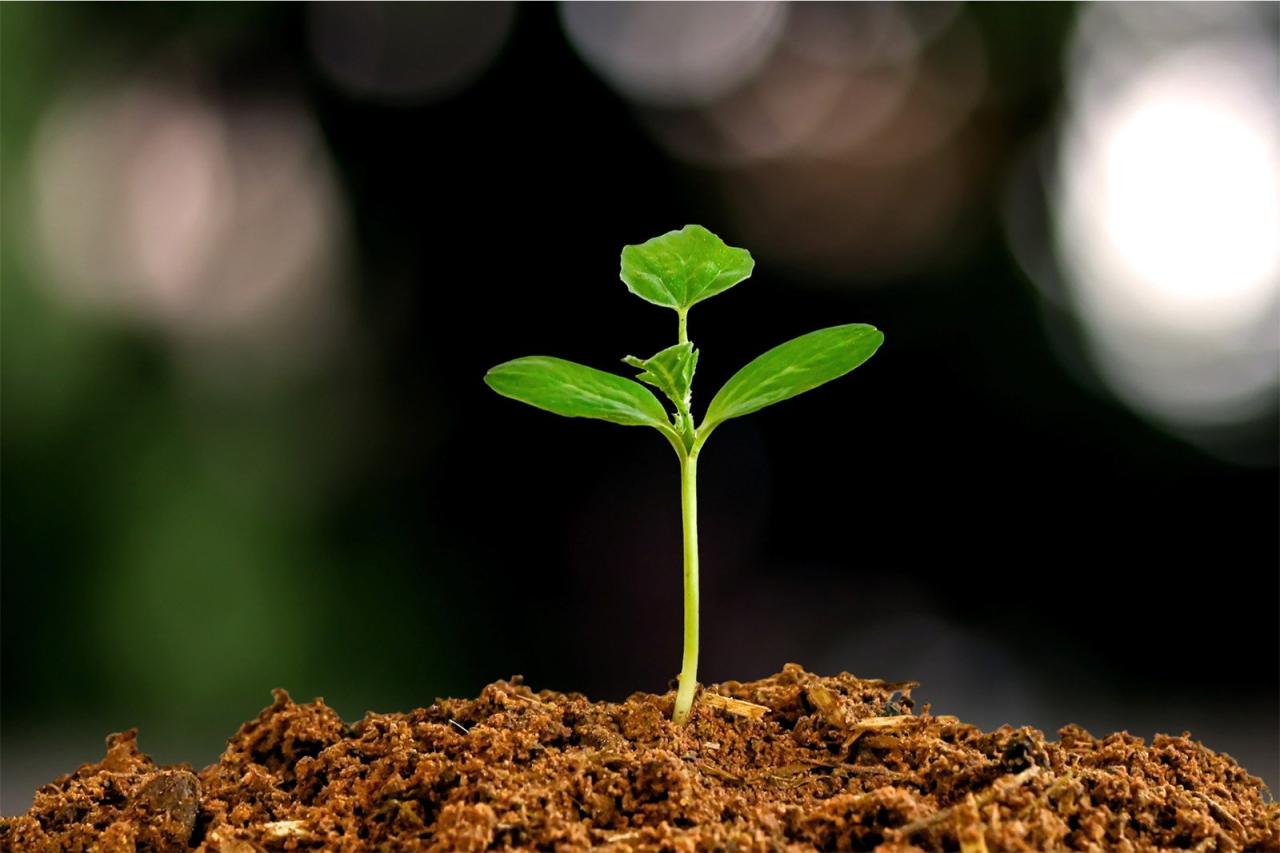
Accelerating pasture grass growth can present various hurdles. Understanding these challenges and having effective solutions is crucial for success. This section provides strategies to overcome common problems, ensuring a thriving and productive pasture.
Drought Management Strategies
Drought conditions can significantly impact pasture grass growth, leading to reduced yields and potential plant death. Implementing effective drought management strategies is essential to mitigate these effects.
- Selecting Drought-Tolerant Species: Choosing grass species known for their drought tolerance is the first line of defense. For example, Tall Fescue and Bermudagrass are generally more resilient to dry conditions compared to species like Kentucky Bluegrass. This selection should align with your local climate and soil conditions.
- Water Conservation Techniques: Employing water conservation practices is critical. This includes:
- Efficient Irrigation Systems: Utilize irrigation methods like drip irrigation or sprinklers that deliver water directly to the root zone, minimizing water loss through evaporation.
- Mulching: Applying a layer of mulch, such as straw or compost, around the grass plants helps retain soil moisture by reducing evaporation.
- Timing Irrigation: Irrigate during cooler parts of the day (early morning or late evening) to minimize water loss.
- Soil Health Improvement: Healthy soil can hold more water. Techniques include:
- Organic Matter Addition: Incorporating organic matter, such as compost or manure, improves the soil’s water-holding capacity.
- No-Till Farming: Minimizing soil disturbance through no-till practices helps preserve soil moisture.
- Monitoring and Adaptation: Regularly monitor soil moisture levels and adjust irrigation schedules accordingly. Be prepared to adapt your management practices based on the severity and duration of the drought.
Pest and Disease Control
Pests and diseases can significantly damage pasture grass, hindering growth and reducing forage quality. Proactive and reactive control measures are essential.
- Identifying Common Pests and Diseases: Knowing the specific pests and diseases prevalent in your region is crucial. Common pests include armyworms, grubs, and aphids, while diseases include rust, leaf spot, and fungal blights.
- Integrated Pest Management (IPM): Implement an IPM approach that combines multiple control methods:
- Cultural Practices: Promote healthy grass growth through proper fertilization, watering, and grazing management to increase plant resistance.
- Biological Control: Introduce beneficial insects or nematodes that prey on pests.
- Chemical Control: Use pesticides only as a last resort, and select products that are specific to the target pest or disease and have minimal impact on beneficial organisms.
- Disease Prevention: Preventative measures are crucial:
- Selecting Disease-Resistant Varieties: Choose grass species and varieties that are resistant to common diseases.
- Proper Air Circulation: Ensure adequate air circulation by avoiding overcrowding and managing weeds to reduce humidity levels that favor disease development.
- Sanitation: Remove dead or diseased plant material to prevent the spread of diseases.
- Regular Monitoring: Regularly inspect pastures for signs of pests or diseases. Early detection allows for timely intervention and reduces the severity of outbreaks.
Troubleshooting Guide for Pasture Grass Problems
A troubleshooting guide helps diagnose and address common issues encountered during pasture grass establishment and maintenance.
| Problem | Possible Causes | Solutions |
|---|---|---|
| Slow Growth | Poor soil fertility, inadequate watering, pest infestation, disease, improper planting method. | Conduct soil testing, amend soil with appropriate fertilizers, adjust irrigation, implement pest and disease control measures, review planting methods. |
| Yellowing or Browning of Grass | Nutrient deficiencies, drought stress, disease, pest damage. | Conduct soil testing, apply appropriate fertilizers, increase watering frequency (if drought stress), identify and control diseases or pests. |
| Weed Infestation | Poor soil conditions, improper grazing management, lack of weed control measures. | Improve soil health, implement rotational grazing, use herbicides or mechanical weed control methods. |
| Thin or Sparse Grass Cover | Overgrazing, poor seed germination, pest damage, disease. | Adjust grazing practices, reseed affected areas, implement pest and disease control measures. |
| Bare Patches | Erosion, overgrazing, soil compaction, pest or disease damage. | Implement erosion control measures, adjust grazing practices, aerate soil, reseed affected areas, identify and control pests or diseases. |
Long-Term Pasture Maintenance
Maintaining a healthy and productive pasture requires a long-term commitment to ongoing care. This involves regular monitoring, proactive management, and consistent practices to ensure the sustained growth and quality of your pasture grass. Ignoring long-term maintenance can lead to a decline in forage production, increased weed pressure, and ultimately, a less profitable and aesthetically pleasing pasture.
Reseeding for Sustained Productivity
Reseeding is a critical component of long-term pasture maintenance, helping to rejuvenate the sward, fill in bare patches, and introduce new, improved grass varieties. The frequency and method of reseeding depend on factors such as pasture age, species composition, and grazing pressure.
- Assessing the Need for Reseeding: Regularly assess your pasture for signs of decline, such as bare spots, a decrease in desirable grass species, and an increase in weeds. This assessment should be conducted at least once a year, ideally in the spring or fall when conditions are favorable for grass growth.
- Selecting Appropriate Grass Species: Choose grass species that are well-suited to your local climate, soil conditions, and intended use of the pasture. Consider factors like drought tolerance, palatability for livestock, and persistence. For example, if your pasture is heavily grazed, consider more resilient species.
- Reseeding Methods: There are several reseeding methods, each with its advantages and disadvantages. Broadcast seeding involves spreading seeds on the soil surface, while drilling involves using a specialized machine to place seeds directly into the soil. No-till drilling is often preferred as it minimizes soil disturbance and erosion.
- Timing of Reseeding: The optimal time for reseeding is typically in the spring or fall, when soil moisture is adequate and temperatures are moderate. This allows for good seed germination and establishment. Avoid reseeding during periods of extreme heat or drought.
- Post-Seeding Management: After reseeding, it is essential to provide adequate moisture, fertilization, and weed control to promote successful establishment. Avoid grazing the pasture until the new seedlings are well-established, typically after the first growing season.
Fertilization for Long-Term Health
Fertilization plays a vital role in maintaining soil fertility and providing essential nutrients for optimal grass growth. A well-planned fertilization program will replenish nutrients removed by grazing or haying, promoting vigorous growth and improved forage quality.
- Soil Testing: Conduct soil tests regularly (every 2-3 years) to determine nutrient levels and pH. This information will guide your fertilization decisions, ensuring that you apply the correct amount and type of fertilizer.
- Nutrient Requirements: Different grass species and pasture uses have varying nutrient requirements. Consult with a local agricultural extension agent or soil specialist to determine the specific needs of your pasture.
- Fertilizer Types: Consider the type of fertilizer to use. Common choices include nitrogen (N), phosphorus (P), and potassium (K). Organic fertilizers, such as compost or manure, can also be used to improve soil health and fertility.
- Application Timing: The timing of fertilizer application depends on the fertilizer type, grass species, and climate. Nitrogen is typically applied in the spring to coincide with the period of rapid growth. Phosphorus and potassium can be applied in the fall or spring.
- Application Methods: Fertilizer can be applied using various methods, including broadcasting, banding, or side-dressing. The method used will depend on the fertilizer type and equipment available.
Weed Control and Management Strategies
Weed control is essential for maintaining a healthy and productive pasture. Weeds compete with desirable grasses for resources such as sunlight, water, and nutrients, reducing forage production and quality. A proactive weed control program is necessary for long-term pasture health.
- Identifying Weed Species: Accurately identify the weed species present in your pasture. This will help you choose the most effective control methods.
- Preventative Measures: Implement preventative measures to minimize weed establishment, such as using certified weed-free seed, controlling weeds in hay fields, and avoiding overgrazing.
- Mechanical Control: Use mechanical control methods, such as mowing, grazing, or hand-pulling, to remove weeds. Mowing can be effective for controlling annual weeds before they set seed.
- Chemical Control: If mechanical control is insufficient, consider using herbicides. Select herbicides that are specifically labeled for use on pasture and that target the weeds present in your pasture. Always follow label instructions carefully.
- Integrated Weed Management: Employ an integrated weed management approach that combines multiple control methods to maximize effectiveness and minimize environmental impact. This may involve a combination of preventative measures, mechanical control, and chemical control.
Designing a Pasture Maintenance Schedule
Creating a detailed maintenance schedule helps ensure that all necessary tasks are completed on time, contributing to the sustained health and productivity of your pasture. This schedule should be tailored to your specific pasture, climate, and management goals.
- Annual Tasks (Performed Every Year):
- Conduct a thorough pasture assessment to identify areas needing attention.
- Perform soil testing to determine nutrient levels and pH.
- Apply fertilizer based on soil test results and grass needs.
- Implement weed control measures as needed.
- Monitor grazing management to prevent overgrazing.
- Biennial Tasks (Performed Every Two Years):
- Review and update the grazing plan to optimize pasture utilization.
- Evaluate the need for reseeding and implement reseeding if necessary.
- Assess and address any erosion issues.
- As-Needed Tasks (Performed as Required):
- Address any insect or disease problems as they arise.
- Repair or maintain fencing and water systems.
- Monitor and manage any invasive plant species.
Last Word
In summary, the journey to rapidly growing pasture grass is a blend of science, planning, and diligent execution. By understanding the nuances of grass growth, selecting appropriate species, preparing the soil meticulously, and employing effective planting, fertilization, and management techniques, you can create a vibrant and productive pasture. Remember that consistent maintenance and adaptation to environmental conditions are key to long-term success.
With the right approach, you can transform your land into a thriving and sustainable grazing area.