Understanding how to hatch duck eggs involves more than simply placing eggs in an incubator; it requires careful attention to biological, environmental, and developmental factors. Proper knowledge and preparation can significantly increase hatch rates and ensure healthy ducklings. Whether you’re a hobbyist or aiming for larger-scale hatching, mastering these essential steps is crucial for success.
This guide covers everything from selecting the right eggs and creating optimal incubation conditions to monitoring development and managing hatch procedures, providing a comprehensive resource for successful duck egg incubation.
Essential Knowledge About Duck Eggs

Understanding the biological and physical characteristics of duck eggs is fundamental for successful incubation and hatching. These eggs vary significantly among breeds and can influence hatchability rates, incubation practices, and the health of the emerging ducklings. Recognizing the key features of fertile duck eggs, their typical appearances, and the differences from unfertilized eggs is crucial for anyone involved in breeding or raising ducks.
Duck eggs are distinguished by their unique composition, size, and appearance, which are essential considerations during incubation. The breed of the duck significantly impacts laying patterns and egg characteristics, making it important to identify common breeds and their specific egg traits. Fertilized eggs, which contain the embryo, differ from unfertilized eggs primarily in their internal development potential, although visually they often appear similar until candling or incubation reveals their status.
Biological Characteristics of Duck Eggs Suitable for Incubation
Duck eggs used for incubation should possess certain biological features to ensure a high hatch rate. These include a well-formed shell, proper internal composition, and an optimal age for incubation. The shell must be intact, free from cracks, and sturdy enough to withstand handling and incubation conditions, while also allowing for gas exchange.
The interior of a duck egg consists of the yolk, albumen (egg white), membranes, and the developing embryo in fertilized eggs. The egg’s age affects its viability; eggs collected within 7 days of laying generally have the best hatchability. Fresh eggs are less likely to be contaminated and have a higher nutrient content, promoting healthy embryo development.
Common Duck Breeds and Their Egg-Laying Patterns
Numerous duck breeds are known for their prolific egg production and distinct egg characteristics. Recognizing these breeds and their laying patterns assists breeders in selecting the most suitable eggs for incubation.
- Khaki Campbell: Known for high egg production, laying approximately 250-300 eggs annually. Their eggs are medium-sized, smooth, and light brown with a slightly glossy surface.
- Indian Runner: Lays consistently throughout the year, averaging 200-250 eggs annually. Eggs are medium-sized, elongated, and range from white to light cream in color.
- Rouen: Lays fewer eggs, around 100-120 annually, with larger, pale blue or greenish eggs that are somewhat speckled.
- Pekin: Less prolific, with a focus on meat production, but still lays around 150-200 eggs per year. Eggs are medium-sized and light brown.
These breeds exemplify diverse laying patterns, which are influenced by genetic factors, environmental conditions, and management practices, thereby affecting the timing and quantity of eggs suitable for incubation.
Size, Weight, and Appearance of Fertile Duck Eggs
Fertile duck eggs exhibit specific physical characteristics that can help distinguish them from infertile eggs, especially during candling or inspection before incubation. Typical size, weight, and appearance are crucial for selecting optimal eggs for hatchability.
| Characteristic | Description |
|---|---|
| Size | Large eggs, generally measuring 7-9 cm in length and 4-6 cm in diameter. Some breeds like Rouen produce larger eggs, while Khaki Campbells produce smaller, more uniform eggs. |
| Weight | Average weight ranges from 70 to 100 grams, with fertilized eggs slightly heavier on average due to internal development potential. |
| Appearance | Color varies among breeds, from white, cream, light brown, to bluish-green. Fertile eggs typically have a uniform shell without cracks or deformities. The eggshell surface is often smooth, with some speckling depending on the breed. |
During candling or visual inspection, fertile eggs may reveal embedded blood spots or a network of blood vessels if eggs are incubated after a few days. These signs indicate fertility and viability.
Differences Between Fertilized and Unfertilized Duck Eggs
Distinguishing between fertilized and unfertilized eggs is essential for optimizing incubation success rates. While visual differences are minimal externally, internal examination reveals clear distinctions.
Fertilized eggs contain a germinal disc, also known as a blastodisc, which appears as a small white spot on the yolk. In fertilized eggs, this disc develops into an embryo during incubation, accompanied by visible blood vessels after a few days.
Unfertilized eggs lack this germinal disc or have a very small, inactive one that appears as a flat, circular white spot. These eggs do not develop embryos regardless of incubation conditions. When candled after a few days, fertilized eggs show blood vessels and a darker area around the germinal disc, while unfertilized eggs remain translucent or show no signs of development.
It is important to note that on the day of collection, fertilized and unfertilized eggs often look identical externally. Proper handling, storage, and candling are necessary to identify fertility status before incubation.
Selecting and preparing duck eggs for incubation
Choosing the right eggs and ensuring they are properly prepared are crucial steps in achieving successful hatchings. High-quality, viable eggs increase the likelihood of healthy ducklings emerging and reduce the risk of incubation issues or embryo mortality. Proper selection and meticulous preparation create an optimal environment for embryo development, leading to higher hatch rates and healthier offspring.
Effective selection involves assessing the physical condition, freshness, and fertility of eggs. Preparation must include careful cleaning and disinfection to prevent bacterial contamination, which can compromise embryo development. By following systematic procedures, breeders can maximize the success of their incubation efforts and ensure the health of the upcoming generation of ducks.
Criteria for Choosing Healthy, Viable Duck Eggs for Hatching
To identify eggs with the highest potential for successful incubation, it is essential to evaluate several key factors. Healthy, viable eggs are typically fresh, properly formed, and free from defects or damage. They should come from healthy breeding stock with good genetics and proper nutrition, which directly influences fertility and egg quality.
- Freshness: Eggs should be collected within 24 to 48 hours of laying to ensure maximum embryo viability.
- Size and Shape: Eggs should be uniformly oval with a smooth, uncracked shell. Excessively large or small eggs may have lower hatchability.
- Shell Quality: The shell must be intact, free of cracks, and have a consistent texture. Weak or damaged shells increase the risk of contamination and embryo loss.
- Fertility Signs: Eggs should be collected from healthy, mature hens with a balanced diet. Fertility can be inferred from previous hatch records or by candling at a later stage.
- Absence of Contaminants: Eggs must be free from dirt, feces, or any foreign material that could harbor bacteria or fungi.
Step-by-Step Process for Cleaning and Disinfecting Duck Eggs
Preparing eggs through proper cleaning and disinfection minimizes the risk of bacterial contamination, which can cause embryo mortality and hatch failures. The process involves gentle handling, using suitable cleaning agents, and ensuring thorough drying before incubation.
- Handle eggs carefully to avoid cracks or shell damage, using clean hands or gloves to prevent transferring oils or bacteria.
- Remove visible dirt and debris using a soft brush or cloth. Avoid aggressive scrubbing that could damage the shell.
- Prepare a cleaning solution with a mild disinfectant approved for poultry eggs, such as a diluted iodine or hydrogen peroxide solution, following manufacturer instructions.
- Immerse eggs briefly in the disinfectant solution or wipe them gently with a disinfected cloth soaked in the solution. Do not soak eggs for extended periods.
- Rinse eggs with sterile, lukewarm water if necessary to remove residual disinfectant, ensuring no chemicals remain on the shell.
- Dry eggs thoroughly with a clean, lint-free cloth or allow them to air dry in a clean environment to prevent mold growth.
- Label eggs with collection date and origin to monitor freshness and track incubation schedules.
Inspection Checklist for Eggs Before Incubation
Prior to incubation, a thorough visual and tactile inspection ensures that only suitable eggs are incubated, reducing waste and increasing hatch success. This checklist helps identify cracks, cleanliness issues, and signs of fertility or damage that could impair development.
- Cracks or shell damage: Examine eggs carefully for any visible cracks or chips that could allow bacterial infiltration or embryo dehydration.
- Cleanliness: Confirm that the eggs are free from dirt, feces, or sticky substances. Dirty eggs should be cleaned gently as described earlier.
- Fertility indicators: If candling is possible, check for blood spots or signs of embryo development, especially in eggs stored for more than a few days.
- Size and shape consistency: Select eggs that have a uniform shape and size suitable for incubation trays or incubator capacity.
- Shell integrity: Ensure shells are firm and smooth, with no weak spots or deformities.
Comparison Table: Suitable versus Unsuitable Duck Eggs for Incubation
| Criteria | Suitable Eggs | Unsuitable Eggs |
|---|---|---|
| Freshness | Collected within 24-48 hours of laying; stored properly | Older than 7 days or improperly stored |
| Shell Condition | Intact, smooth, without cracks or chips | Cracked, chipped, or deformed shells |
| Cleanliness | Free from dirt, feces, and foreign materials | Dirty or contaminated shells |
| Fertility | Shows signs of fertility, such as blood spots or embryo development during candling | Fertility signs absent or suspect |
| Size and Shape | Consistent with breed standards, oval, and well-formed | Uneven, oddly shaped, or misshapen eggs |
Creating the Ideal Incubation Environment
Establishing optimal conditions during incubation is crucial for the successful hatching of duck eggs. A carefully controlled environment ensures proper embryo development, minimizes risks such as malformation or death, and promotes strong, healthy ducklings. Attention to temperature, humidity, and egg handling practices forms the backbone of effective incubation management.
Maintaining a consistent and suitable environment involves understanding the specific requirements of duck eggs throughout their incubation period. This process requires precise monitoring and adjustments to ensure the internal conditions mimic the natural nesting environment as closely as possible, fostering a successful hatch rate.
Optimal Temperature Ranges for Duck Eggs
Temperature regulation is paramount during incubation, with duck eggs requiring a stable, optimal temperature to ensure proper embryo development. The ideal temperature range for incubating duck eggs is generally between
99.0°F to 100.0°F (37.2°C to 37.8°C)
. Temperatures above this range can cause overheating, leading to embryo dehydration or death, while lower temperatures may slow development or result in failure to hatch.
It is essential to use a reliable incubator with precise temperature controls and to monitor the temperature regularly. Fluctuations should be minimized, as sudden changes can adversely affect embryo growth. Consistency within the specified range typically yields hatch rates exceeding 85% when combined with proper humidity and handling.
Effective Humidity Maintenance and Monitoring
Humidity levels significantly influence the development and hatching success of duck eggs. During incubation, maintaining humidity at approximately
55-60%
ensures adequate moisture retention within the eggs, preventing excessive dehydration or excess fluid retention that can interfere with hatchability.
Monitoring humidity requires the use of a hygrometer placed inside the incubator to provide real-time readings. To adjust humidity levels, adding or removing water from the incubator’s water trays is effective. For example, during the first 25 days, maintaining humidity at the recommended level supports proper embryo development, while a slight increase to 65-70% during the last three days aids in easier hatchling emergence by softening the eggshells.
Egg Turning Techniques and Schedules
Proper egg handling through regular turning prevents the developing embryo from sticking to the shell membrane and promotes even temperature distribution. Turning also aids in the proper development of the embryo and the formation of the air cell.
Duck eggs should be turned at least three times daily during the first 25 days of incubation. Each turn should involve gently rotating the eggs approximately 180 degrees, mimicking natural nesting behavior. After the 25th day, egg turning is typically ceased to allow the embryo to position itself for hatch. Maintaining a consistent turning schedule is essential, as irregular handling can lead to embryo malposition or developmental failure.
Setting Up a Reliable Incubator with Adjustable Settings
A dependable incubator is fundamental to creating a controlled environment suitable for duck eggs. Adjustable settings for temperature and humidity provide flexibility and precision, ensuring optimal conditions are maintained throughout the incubation period. The following table summarizes typical incubator features and recommended settings:
| Parameter | Recommended Range | Adjustment Method | Notes |
|---|---|---|---|
| Temperature | 99.0°F – 100.0°F (37.2°C – 37.8°C) | Use thermostat controls; calibrate regularly with a reliable thermometer | Maintain consistent temperature; avoid sudden fluctuations |
| Humidity (First 25 days) | 55% – 60% | Add or remove water from trays; monitor with hygrometer | Ensure water trays are clean and filled to appropriate levels |
| Humidity (Last 3 days) | 65% – 70% | Increase water levels or add moisture sources as needed | Softens eggshells to facilitate hatch; avoid excessive moisture |
| Egg Turning Schedule | 3-5 times daily | Manual or automatic turners; set alarms/reminders for consistency | Start from day 1 until day 25; stop turning near hatch day |
Ensuring the incubator is properly calibrated and maintained prevents environmental fluctuations that could compromise hatch success. Regular checks and adjustments based on real-time readings help create a stable environment conducive to healthy duckling development.
Hatching Process and Chick Care
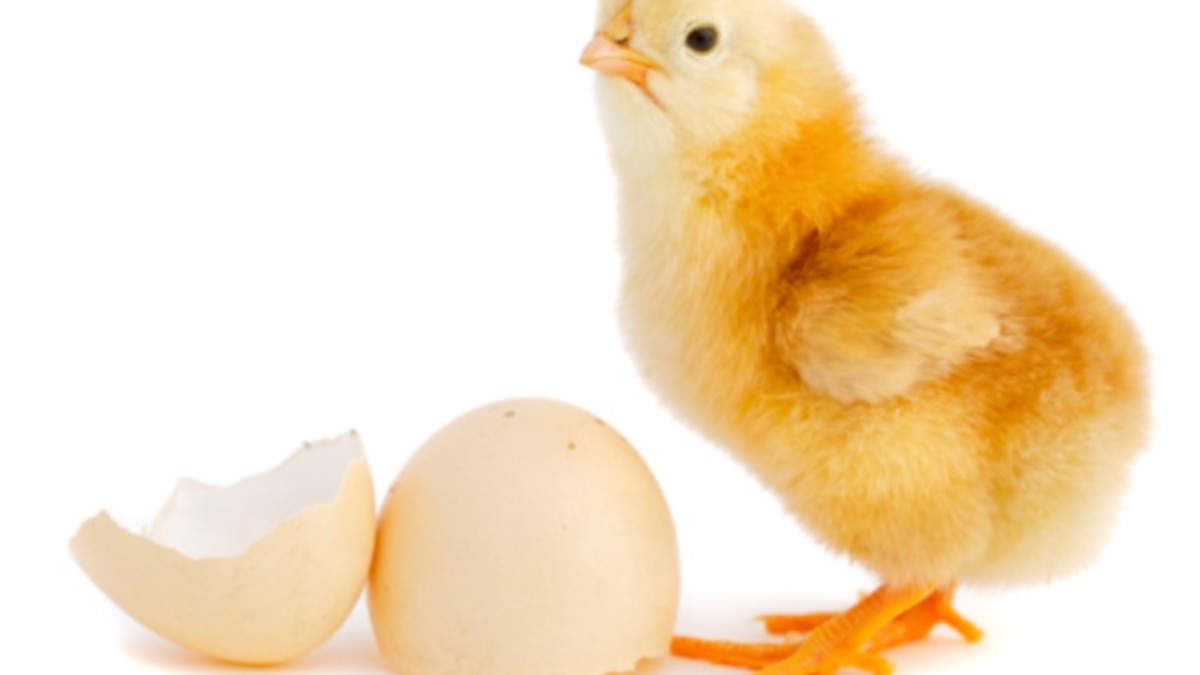
The hatching phase marks the culmination of the incubation period, where the developing duck embryo transitions into a newly born chick. Recognizing the signs of imminent hatch and understanding proper care procedures are vital for ensuring the health and survival of the hatchlings. Proper handling during this sensitive period can significantly influence chick vitality and growth prospects.
During hatching, chicks emerge from the eggshell by pecking through the membrane using their beak, a process known as pipping. This stage typically occurs within a specific window, often between 28 to 35 days of incubation, depending on the breed and incubation conditions. It’s crucial to observe signs indicating that the chick is ready to hatch to provide appropriate support without interference, which could jeopardize the chick’s development.
Signs of Hatch Readiness and Timing
Monitoring the eggs closely during the final days of incubation allows for the identification of hatch readiness. Key signs include:
- Clear or slightly cracked eggshells with a small pip or hole at the air cell end.
- Chicks making rhythmic pecking motions against the shell surface, indicating internal pipping.
- Period of inactivity followed by movement and vigorous pecking, signaling the start of external pip.
Typically, hatchings occur within a 24 to 48-hour window after initial pip, with most chicks emerging during this period. Noticing these signs early helps in managing the process effectively and preparing necessary supportive measures.
Assisting Chicks During Hatch
While most ducklings hatch naturally without intervention, there are circumstances where assistance may be necessary. It is important to exercise extreme caution, as improper handling can cause harm or stress to the chick. Assistance should be considered only if:
- The chick has been pipping for more than 24 hours without progress.
- The chick appears exhausted, weak, or dehydrated.
- The eggshell is excessively thick or compromised, preventing the chick’s emergence.
To assist, gently and carefully peel away small sections of the shell near the chick’s beak, ensuring the membrane remains moist and undamaged. Applying sterile, damp cloths can help keep the membrane moist and prevent sticking. Avoid pulling or forcing the chick out, as this can cause injury or suffocation. If difficulties persist, seeking advice from an experienced poultry veterinarian is recommended.
Post-Hatch Procedures and Chick Care
Once the chick has successfully emerged, immediate post-hatch care is critical to ensure warmth, hydration, and proper growth. The following steps should be taken:
- Place the hatchling in a clean, dry environment with a suitable brooding setup.
- Use a heat source such as a heat lamp or brooder plate to maintain an optimal temperature of approximately 35°C (95°F) during the first week, gradually reducing as the chicks grow.
- Gently dry the chick using soft towels if necessary to prevent chilling and stimulate circulation.
- Provide fresh, clean water and appropriate starter feed designed for ducklings, ensuring easy access at all times.
- Monitor the chicks closely for signs of distress, dehydration, or illness, and intervene promptly if needed.
Maintaining a hygienic environment and optimal temperature helps reduce the risk of infections and supports healthy development. Handling should be gentle to avoid stress or injury, and providing a quiet, draft-free space promotes successful adaptation to life outside the egg.
| Incubation Duration | Hatching Window | Chick Care Tips |
|---|---|---|
| 28 to 35 days | Typically 24-48 hours after initial pipping | Maintain optimal temperature, keep environment clean, provide fresh water and starter feed, monitor for signs of distress |
Troubleshooting Common Issues in Duck Egg Incubation
Incubating duck eggs successfully requires careful attention to numerous factors that influence embryo development. Despite meticulous preparation, challenges can still arise, affecting hatch rates and chick health. Understanding common problems and implementing effective solutions is essential for enhancing incubation outcomes and ensuring healthy ducklings. This section provides a comprehensive overview of prevalent issues encountered during incubation, their causes, and practical strategies for prevention and correction.Embryo development is sensitive to environmental conditions; deviations can lead to issues such as mold growth, shell thinning, or embryo mortality.
Recognizing these problems early and addressing root causes enables farmers and hobbyists to improve hatch success rates and promote healthy chick emergence.
Mold Growth on Eggs
Mold is a frequent concern during incubation, often resulting from excess humidity, poor egg hygiene, or contamination from handling. Mold can compromise eggshell integrity and lead to embryo infection, reducing hatchability.
- Maintain proper ventilation within the incubator to reduce excess moisture that fosters mold growth.
- Handle eggs with clean, disinfected hands or gloves to prevent cross-contamination.
- Remove visibly moldy eggs immediately to prevent spreading to other eggs.
- Ensure eggs are stored and cleaned appropriately prior to incubation, reducing surface contaminants.
Shell Thinning and Fragility
Shell thinning may occur due to nutritional deficiencies, particularly calcium insufficiency, or genetic factors, leading to fragile shells susceptible to cracking and bacterial invasion.
To address shell thinning:
- Ensure a balanced diet rich in calcium and vitamin D for laying hens prior to egg collection.
- Avoid excessive temperature fluctuations that can deplete calcium reserves.
- Monitor and maintain appropriate humidity levels during incubation, as low humidity can cause eggs to lose too much moisture, weakening shells.
- Regularly check eggs for cracks or thin shells and remove compromised eggs promptly.
Embryo Mortality
Embryo death can result from various factors, including improper temperature or humidity, genetic issues, or infection.
Preventive measures include:
- Maintaining consistent incubation temperature around 37.5°C (99.5°F) with minimal fluctuation.
- Monitoring humidity levels, generally around 55-60% during incubation and increasing slightly during hatching.
- Using reliable hygrometers and thermometers for precise environmental control.
- Ensuring eggs are collected frequently to prevent deterioration and bacterial contamination.
- Implementing biosecurity measures to prevent pathogen entry into the incubation environment.
Addressing Temperature and Humidity Fluctuations
Fluctuations in temperature and humidity are common causes of incubation failure, leading to uneven development, deformities, or embryo death.
Strategies to prevent and correct these issues include:
- Using incubators equipped with reliable thermostats and hygrometers, calibrated regularly for accuracy.
- Placing incubators in a stable environment away from direct sunlight, drafts, or heat sources.
- Implementing automatic temperature and humidity control systems where possible.
- Monitoring environmental conditions at least twice daily and adjusting settings as needed.
- Introducing a gradual temperature and humidity adjustment protocol during the incubation process to reduce stress on developing embryos.
Common Causes of Poor Hatch Rates and Improvement Measures
Several factors can contribute to low hatch rates, including poor egg quality, inadequate incubation conditions, or handling errors.
To enhance success rates:
- Use high-quality eggs from healthy, well-nourished hens with good reproductive history.
- Ensure eggs are stored at optimal temperatures (~12-15°C) and humidity prior to incubation.
- Implement gentle egg handling practices to prevent damage.
- Maintain precise incubation parameters, adjusting as necessary to suit the specific breed or egg type.
- Record incubation data regularly to identify and correct recurring issues.
- Perform candling at appropriate stages to monitor embryo development and remove non-viable eggs.
Incubation Failure Troubleshooting Flowchart
To assist in diagnosing and resolving incubation problems efficiently, a flowchart can be invaluable. Below is an illustrative step-by-step guide for troubleshooting failures:
| Step | Question / Observation | Action |
|---|---|---|
| 1 | Are eggs showing signs of mold or contamination? | If yes, remove infected eggs; sanitize incubator. If no, proceed. |
| 2 | Is the temperature steady at 37.5°C (99.5°F)? | If no, calibrate and repair the thermostat. If yes, proceed. |
| 3 | Is humidity maintained between 55-60%? | If no, adjust humidifier and ventilate as needed. If yes, proceed. |
| 4 | Are eggs properly rotated and handled carefully? | If not, implement regular turning and gentle handling. If yes, proceed. |
| 5 | Is candling showing clear embryo development at mid-incubation? | If no, identify and remove dead eggs; check environmental conditions. If yes, continue monitoring. |
| 6 | Are hatchlings emerging healthy and strong? | If poor hatch is observed, review all previous steps, re-evaluate egg quality, and adjust conditions accordingly. |
Following this structured troubleshooting approach ensures prompt identification of issues and implementation of corrective measures, ultimately improving hatchability and chick vitality.
Wrap-Up

In conclusion, successfully hatching duck eggs combines biological understanding with precise environmental control and attentive monitoring. By applying the Artikeld techniques and troubleshooting strategies, you can improve your hatch outcomes and raise healthy ducklings effectively. With patience and care, the rewarding experience of hatching your own ducks becomes attainable and enjoyable.