Learning how to hatch quail eggs is a rewarding process that combines careful preparation, precise environmental control, and attentive monitoring. Mastering this craft ensures healthy chick development and a successful hatch, making it a valuable skill for both hobbyists and breeders alike.
This guide provides comprehensive steps, from selecting quality eggs to managing incubation conditions and caring for hatchlings, helping you achieve optimal results in your quail rearing journey.
Introduction to Hatching Quail Eggs
Successfully hatching quail eggs requires careful attention to incubation techniques that promote healthy embryo development and optimal hatch rates. Proper management of temperature, humidity, and turning procedures are vital components in ensuring that the eggs develop uniformly and hatch successfully. This process not only demands precision but also patience, as each stage of incubation influences the overall outcome.
Hatching quail eggs generally follows a structured sequence beginning with selecting quality eggs, setting them in an incubator, maintaining appropriate environmental conditions, and monitoring progress until the hatch. The entire process can span approximately 17 to 18 days, depending on the quail species. Being aware of common challenges such as temperature fluctuations, incorrect humidity levels, or improper egg handling can significantly impact hatchability.
Addressing these challenges with proper techniques ensures a higher likelihood of a successful hatch and healthy chicks.
Importance of Proper Incubation Techniques
Effective incubation techniques are crucial because they directly influence embryo development and hatch success. Maintaining consistent temperature and humidity levels creates an ideal environment for the eggs, reducing stress on the developing embryo and preventing issues such as deformities or embryo mortality. Proper turning schedules prevent the embryo from sticking to the shell membranes and promote even heat distribution, which is essential during the early stages of development.
Incorrect techniques, such as fluctuating temperature or neglecting turning, can lead to poor hatch rates, weak chicks, or hatch failures. Consistent monitoring and adjustment of incubation parameters are key to overcoming these challenges. Implementing best practices in incubation results in healthier chicks, improved growth rates, and ultimately, a more successful quail farming or hobbyist operation.
Basic Process of Hatching Quail Eggs
The process of hatching quail eggs involves several essential stages, starting from egg selection to the emergence of chicks. Each phase requires specific conditions and careful oversight to ensure success. The process can be summarized as follows:
- Egg Collection and Selection: Choosing fresh, high-quality eggs with firm shells and proper size increases the likelihood of successful incubation.
- Setting Eggs in the Incubator: Eggs are placed in the incubator with the pointed end slightly downward, ensuring proper placement for embryo development.
- Incubation Period: Maintaining consistent temperature (around 99.5°F or 37.5°C) and humidity (about 55-65%) while turning eggs multiple times daily supports embryo growth.
- Lockdown and Final Days: Stopping egg turning near the end of incubation (usually days 17-18) and increasing humidity help facilitate hatching.
- Hatch and Post-Hatch Care: Chicks emerge naturally, and proper ventilation and temperature stabilization are necessary for their initial health and growth.
Each stage must be carefully managed to optimize hatch rates and ensure the health and vitality of the newly hatched quails. Observing the eggs during incubation, maintaining stable conditions, and understanding the biological timeline are fundamental to successful hatching.
Common Challenges in Incubation
While hatching quail eggs can be a rewarding process, it is not without its challenges. Recognizing and addressing these issues early can significantly improve outcomes. The most prevalent problems include:
- Temperature Fluctuations: Variations outside the optimal temperature range can cause developmental delays or embryo death. Maintaining a stable temperature is essential for consistent hatchability.
- Incorrect Humidity Levels: Too low humidity can lead to dehydration of the embryo, while excessive humidity might cause mold or damping off, impairing hatch success.
- Improper Egg Handling: Rough handling or dirty eggs can introduce bacteria and reduce hatch rates. Eggs should be collected and stored gently, with sanitation in mind.
- Inadequate Turning: Failing to turn eggs regularly can result in embryo adhesion to the shell membranes. The recommended interval is at least 3-5 times daily.
- Late Intervention: Not monitoring incubation conditions closely or neglecting to intervene when issues arise can lead to poor hatch rates or weak chicks.
Addressing these challenges involves meticulous management, regular checks, and adjustments based on incubation progress. Understanding the biological and environmental factors involved helps in creating optimal conditions for successful hatching of quail eggs.
Selecting and Preparing Quail Eggs for Incubation
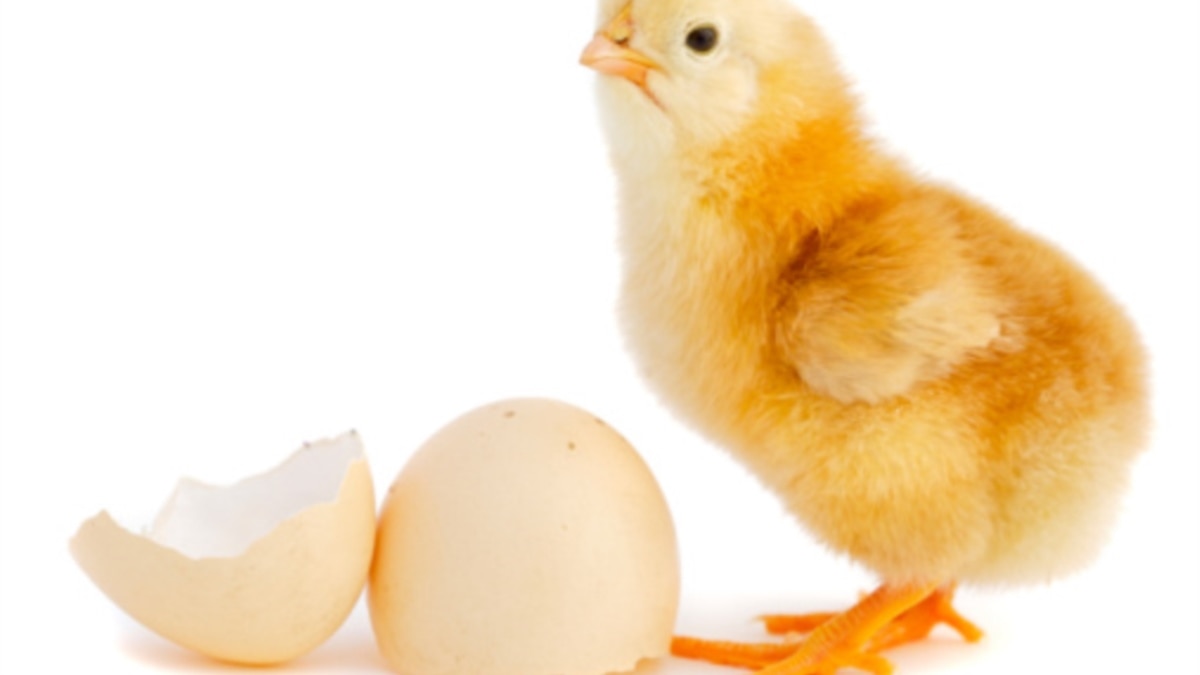
Choosing high-quality, viable quail eggs is a fundamental step toward successful hatching. Proper selection and preparation not only enhance hatch rates but also ensure the health and vigor of the emerging chicks. Careful handling, cleaning, and storage of eggs set the foundation for a smooth incubation process and healthy hatchlings.
Understanding the criteria for selecting the right eggs and implementing meticulous preparation techniques can significantly improve incubation outcomes. This involves assessing the eggs’ physical qualities, handling them correctly to prevent damage, properly marking eggs for incubation monitoring, and maintaining optimal storage conditions if immediate incubation is not feasible.
Choosing Healthy, Viable Quail Eggs
Identifying quality eggs is crucial to ensure they are fertilized, fresh, and suitable for incubation. Viable eggs typically possess specific characteristics that distinguish them from infertile or deteriorated eggs. Selecting eggs based on these criteria maximizes the likelihood of successful hatching and healthy chick development.
- Freshness: Choose eggs that are less than one week old. Fresh eggs have a higher fertility rate and better hatchability. Avoid eggs with cracks, deformities, or any visible damage.
- Shape and Size: Opt for eggs that are uniformly oval and of consistent size, generally around 1.2 to 1.4 inches in length. Eggs that are overly round or misshapen may have reduced hatchability.
- Shell Quality: Select eggs with smooth, clean, and unblemished shells. A strong shell indicates good calcium content and overall health of the egg.
- Interior Fertility Indicators: If possible, perform a candling test after a few days of incubation to confirm fertility. Fertile eggs will show a network of blood vessels and a visible embryo.
Cleaning, Handling, and Marking Eggs
Proper handling and preparation of eggs are vital to prevent contamination and facilitate monitoring during incubation. Gentle handling preserves the integrity of the shell and internal contents, while cleaning ensures a pathogen-free surface. Marking eggs allows easy identification and tracking throughout incubation.
- Handling: Always handle eggs with clean, dry hands or wear gloves to prevent transferring oils or bacteria onto the shell. Hold eggs gently to avoid cracks or damage.
- Cleaning: Use a soft, damp cloth or a mild, non-abrasive disinfectant solution to remove dirt or debris from the shell. Avoid soaking eggs in water, as this can disrupt the shell’s natural protective layer and promote bacterial growth.
- Marking: Use a non-toxic, water-based marker or pencil to write the date of laying and an identifying code on the eggshell. Place markings on the larger end to prevent interference with the air cell and to make monitoring easier during candling.
Optimal Storage Conditions Prior to Incubation
If eggs cannot be incubated immediately after collection, proper storage is essential to preserve viability. Incorrect storage can lead to decreased hatch rates due to embryo mortality or deterioration of the egg’s internal environment.
| Parameter | Recommended Condition |
|---|---|
| Temperature | Store eggs at 13-16°C (55-60°F) to slow embryo development without causing embryo death. |
| Humidity | Maintain relative humidity around 75-80% to prevent excessive moisture loss or absorption. |
| Position | Store eggs with the pointed end down to maintain the position of the air cell and prevent air pocket displacement. |
| Duration | Limit storage time to 7 days. Beyond this, hatch rates tend to decline significantly. |
Regularly monitor stored eggs for any signs of deterioration, such as cracking or mold, and keep storage conditions consistent to ensure maximum viability when ready for incubation.
Setting Up the Incubator Environment
Establishing a stable and optimal environment within the incubator is essential for the successful hatching of quail eggs. Proper control of temperature and humidity ensures healthy embryo development and minimizes the risk of hatch failures. A carefully maintained environment mimics the natural conditions, providing the necessary conditions for each stage of incubation.
Maintaining the ideal temperature and humidity levels involves regular calibration, diligent monitoring, and timely adjustments. Consistency in these parameters is vital, as fluctuations can adversely affect embryo development, leading to weak hatchlings or embryo mortality. Using reliable equipment and establishing routine checks will help create a conducive environment for quail eggs to hatch successfully.
Calibrating and Maintaining Incubator Conditions
To ensure optimal incubation conditions, it is important to set up a calibration protocol for the incubator, which includes initial adjustments and regular maintenance checks. An organized approach helps maintain consistent conditions and addresses any deviations promptly. Below is a recommended schedule illustrating typical temperature and humidity settings over the incubation period, along with durations for each stage.
| Temperature (°F/°C) | Humidity Level (%) | Duration |
|---|---|---|
| 99.5°F / 37.5°C | 50-55% | First 14 days (initial incubation period) |
| 99.5°F / 37.5°C | 65-70% | Last 3 days (Lockdown phase) |
Regular calibration of the incubator’s temperature and humidity sensors is recommended to prevent drift over time, which can disrupt the incubation environment. Use a reliable thermometer and hygrometer to cross-check readings and adjust the incubator controls accordingly.
To maintain consistent conditions, it is essential to perform routine checks, especially during the critical middle weeks of incubation. Mechanical or electronic incubators usually have built-in sensors and controls, but these should be verified periodically. If discrepancies are found, recalibrate the controls or replace faulty sensors. Additionally, keeping the incubator in a stable environment away from direct sunlight, drafts, or temperature fluctuations helps maintain optimal conditions.
Monitoring and Adjusting Environmental Factors
Continuous monitoring of temperature and humidity is crucial for successful quail incubation. Installing reliable digital or analog thermometers and hygrometers inside the incubator allows for real-time data collection. It is recommended to record these readings daily to identify any trends or anomalies that might require adjustment.
When environmental factors deviate from the desired range, immediate corrective actions should be taken. For temperature fluctuations, adjusting the incubator’s heating or cooling mechanisms and ensuring proper insulation can help stabilize the environment. For humidity issues, adding or removing water from the incubator’s troughs, or using damp sponges or humidifiers, can help regulate moisture levels effectively.
In practice, small adjustments made promptly can significantly improve hatch rates. For example, if humidity drops below 50%, placing a damp sponge inside the incubator can quickly raise moisture levels. Conversely, reducing water sources or increasing ventilation can lower humidity if it becomes too high.
Consistent environmental management, combined with proper calibration and regular checks, creates the ideal incubation environment for quail eggs. This diligent approach maximizes hatch success and promotes healthier, more vigorous chicks.
Incubation Procedures and Timeline
Successful hatching of quail eggs largely depends on meticulous adherence to incubation procedures and an understanding of the appropriate timeline. Consistent management of temperature, humidity, and turning schedules creates an optimal environment for embryo development, greatly increasing hatch rates and ensuring healthy chicks. Proper planning and routine maintenance throughout the incubation period are essential components of a successful hatch.
During incubation, the embryo undergoes various stages of development, requiring precise conditions at each phase. Recognizing these stages helps in monitoring the progress and addressing any issues that may arise. Maintaining a disciplined schedule for egg turning and environmental adjustments is vital to mimic the natural conditions quails would experience in the wild, thereby supporting robust embryonic growth.
Daily Incubation Schedule and Tasks
Implementing a structured daily routine ensures that the incubation environment remains stable and that the developing embryos receive consistent care. The following tasks should be performed daily to optimize hatching success:
- Check the temperature of the incubator twice daily, aiming for a steady 99.5°F (37.5°C). Adjust heating elements as necessary to maintain this temperature precisely.
- Monitor humidity levels, maintaining relative humidity between 45-50% during the first 14 days, increasing to 65% during the last three days before hatching. Use a hygrometer to ensure accuracy.
- Turn the eggs at least three times daily, ideally every 8 hours, to prevent the developing embryo from sticking to the shell and to promote even heat distribution.
- Inspect the incubator for any potential malfunctions, such as inconsistent temperature or humidity fluctuations, and address issues immediately.
- Ensure proper ventilation within the incubator to facilitate gas exchange, avoiding stale air buildup that could affect embryo health.
- Record environmental parameters and egg turning schedules in a hatchery log for tracking and troubleshooting purposes.
The Importance of Egg Turning and Proper Technique
Egg turning is a critical aspect of incubation that significantly influences hatchability. Regular turning prevents the embryo from adhering to the shell membrane, facilitates proper nutrient distribution, and promotes uniform development. Improper or infrequent turning can lead to embryo malformations or death, decreasing overall hatch success.
To perform egg turning correctly, each egg should be gently rotated along its axis without applying excessive force, ensuring the embryo remains in the correct position. Turning should be done at a consistent interval—ideally every 8 hours—to mimic natural behavior observed in nesting quails. Automated incubators often include egg turners, but manual turning remains effective when done carefully and regularly.
Eggs should be turned at least three times daily, with a minimum of every 8 hours, to ensure optimal embryo development and prevent adhesion to the shell membrane.
At the conclusion of the incubation period, eggs should no longer be turned during the final three days, allowing the embryo to settle into position for hatching. This period is critical, as the embryo begins to position itself for pipping and emergence from the shell.
Incubation Duration and Developmental Stages of Quail Embryos
Understanding the incubation timeline of quail eggs is essential for effective management and anticipating hatch times. Quail eggs typically hatch after an incubation period of 17 to 18 days, depending on temperature, humidity, and egg freshness. Monitoring the stages of embryo development provides insight into the progress and health of the eggs.
Embryo development proceeds through distinct phases:
| Day of Incubation | Developmental Milestones |
|---|---|
| Day 1-3 | Fertilization occurs; formation of blastoderm, primitive streak, and initial organ formation begins. |
| Day 4-7 | Rapid development of circulatory system, eyes, beak, and limb buds. Embryo becomes more recognizable. |
| Day 8-14 | Major organ systems develop; feathers begin to form; embryo increases in size and activity. |
| Day 15-16 | Shell gland begins to harden; embryo moves into a position ready for hatching; internal pipping may occur. |
| Day 17-18 | Hatching process begins; chick pips through the shell and emerges from the egg. |
During the final stages, increased humidity and minimal turning are critical to facilitate hatching. Recognizing the signs of readiness, such as internal pipping and chick peeping, helps in preparing for the hatch and ensuring the environment is maintained optimally to support the young quails’ emergence and initial survival.
Ventilation and Humidity Control

Proper ventilation and humidity regulation are critical components in ensuring successful quail egg incubation. Maintaining appropriate air circulation prevents the buildup of excess carbon dioxide and stale air, which can impair embryo development. Simultaneously, precise humidity control helps prevent issues such as malpositioned eggs, excessive moisture, or dehydration of the developing embryos. Together, these factors influence hatch rates and the overall health of the newly hatched quails.Effective ventilation ensures a steady exchange of gases within the incubator, providing fresh oxygen and removing carbon dioxide.
Adequate airflow also helps in controlling temperature uniformly across all eggs. Proper humidity levels, on the other hand, support the formation of the eggshell membrane and prevent the eggs from drying out or becoming too moist, which could lead to mold growth or poor hatchability.
Techniques for Air Circulation and Humidity Measurement
Maintaining optimal airflow and humidity involves several practical techniques. Consistent air circulation can be achieved through the strategic placement and operation of small fans within the incubator, which gently move air without creating direct drafts that could harm the eggs. Ensuring that the incubator has adjustable ventilation vents allows for fine-tuning airflow based on the incubation stage and ambient conditions.Measuring humidity accurately is essential for consistent incubation results.
Hygrometers are commonly used instruments that provide real-time readings of moisture levels inside the incubator. Regular calibration of these devices ensures their readings remain accurate over time. Additionally, monitoring ambient temperature and humidity in the incubation environment helps in making necessary adjustments to maintain stability.
Humidity Control Methods
Several methods are available to regulate and maintain appropriate humidity levels within the incubator. Here, we compare the most common techniques:
| Method | Description | Advantages | Disadvantages |
|---|---|---|---|
| Water Trays | Placing shallow trays filled with water inside the incubator to increase humidity through evaporation. | Easy to set up and adjust; cost-effective; allows for quick fine-tuning by adding or removing water. | Requires regular monitoring to prevent over-humidification or drying out; evaporation rate can vary with temperature and airflow. |
| Humidifiers (Ultrasonic or Steam) | Using electronic devices that produce a consistent mist or vapor to control moisture levels precisely. | High accuracy and control; minimal manual intervention once set; maintains stable humidity even with environmental changes. | Higher initial investment; potential maintenance issues; power dependency; need for calibration. |
| Combination Approach | Using water trays supplemented with a humidifier for more precise control, especially in larger or professional incubators. | Provides flexibility and redundancy; optimal for sensitive incubation periods. | Requires careful monitoring to balance both sources and prevent over-humidification. |
Blockquote: “Maintaining the right humidity levels during incubation ensures that the embryo’s development is not hindered by dehydration or excess moisture, thereby maximizing hatch success rates.”Adjusting humidity levels should be done gradually, with constant monitoring through hygrometers to ensure stability. In the early incubation stage, a humidity level of approximately 50-55% is recommended, increasing to about 65-70% during the final days to facilitate hatchling emergence. Proper ventilation combined with accurate humidity control creates an ideal environment for healthy quail chick development, leading to higher hatch rates and robust hatchlings.
Candle Inspection and Egg Viability Checks
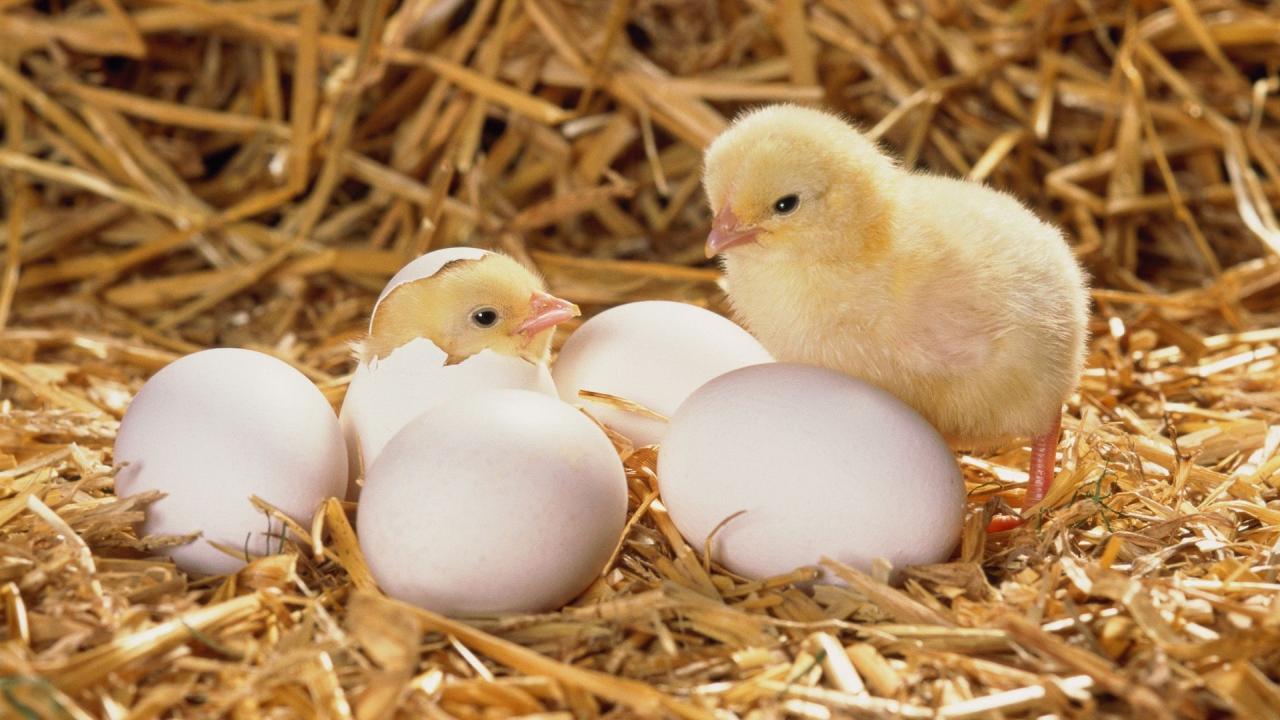
Regular candling of quail eggs during incubation is an essential step to monitor embryo development and determine the health of each egg. This process allows breeders to identify fertile eggs, detect early signs of infertility or developmental issues, and make informed decisions about egg removal or adjustment of incubation conditions. Proper candling techniques ensure that valuable eggs are not damaged while providing critical insights into the incubation process.
By carefully examining each egg’s interior, breeders can assess embryo growth, identify potential problems, and optimize hatch rates. Understanding how to interpret candling results properly and troubleshoot problematic eggs is key to successful quail hatching.
Candle Inspection Technique and Embryo Monitoring
Candling involves shining a bright light through the eggshell to observe the contents inside. This process should be performed in a darkened environment, ideally after 7-10 days of incubation when embryo development is visible. Using a small, high-intensity pen light or specialized candling device ensures a clear view without risking damage to the shell or embryo.
It is important to gently hold the egg at its large end, where the air cell is located, and tilt it slightly to see the interior. The light should be directed through the shell, illuminating the contents for inspection. Avoid excessive pressure, as this may crack the shell or harm the developing embryo.
Criteria for Identifying Fertile Versus Infertile Eggs
Understanding the visual cues during candling helps distinguish between fertile and infertile eggs, allowing for better management of incubation batches. Typically, fertile eggs show specific signs of embryo development, whereas infertile eggs remain clear or show abnormal patterns.
- Fertile Eggs: Display a distinct, blood vessel network radiating from a central embryo. The embryo itself appears as a small, moving mass, often with a darker, more defined area over time. The yolk may be slightly tilted, and the air cell at the large end remains relatively small.
- Infertile Eggs: Appear clear without visible blood vessels or embryo tissue. Some may show a faint, irregular spot but lack vascular development. These eggs often have a uniform, opaque appearance or show signs of early deterioration if stored improperly.
In the early stages, an infertile egg will often be completely clear with no embryo development. As incubation progresses, infertile eggs may develop mold or a foul smell, indicating spoilage.
Troubleshooting Eggs That Do Not Develop Properly
Eggs that fail to develop as expected require careful assessment to determine possible causes and corrective actions. Common issues include poor fertility, suboptimal incubation conditions, or eggs that were damaged before incubation began.
- Eggs with No Development: These eggs are often infertile or have been stored improperly before incubation. Reassess storage conditions, ensuring eggs are kept at appropriate temperatures and humidity levels prior to incubation.
- Early Embryo Death: Indicated by blood vessel deterioration, a cloudy or bloodstained egg, or a discolored embryo. Causes may include temperature fluctuations, improper humidity, or handling trauma. Adjust incubation parameters and handle eggs gently to prevent further issues.
- Abnormal Development Patterns: Abnormal embryo growth or irregular vascularization can suggest genetic issues or contamination. Remove compromised eggs promptly to prevent mold spread or other infections.
Tip: Regular candling allows early detection of potential problems, enabling prompt intervention to improve overall hatch success. Maintain consistent incubator conditions and handle eggs with care during candling to maximize viability assessments.
Troubleshooting Common Incubation Problems
Maintaining optimal conditions during the incubation process is crucial for achieving high hatch rates when hatching quail eggs. Despite careful preparation and monitoring, issues can arise that negatively impact embryo development and hatch success. Recognizing and addressing these problems promptly can significantly improve outcomes and ensure healthier hatchlings. This section details common incubation challenges, their causes, and effective strategies for resolution and prevention to support successful quail hatching.
Low Hatch Rates
Low hatch rates are a common concern that can stem from multiple factors affecting embryo viability. Factors such as improper temperature, humidity fluctuations, or poor egg quality often contribute to reduced hatch success. Understanding the root causes and implementing corrective measures can enhance hatch rates substantially.
To improve hatch efficiency, it is essential to identify stages where failures occur. Common causes include inconsistent incubation conditions, egg handling errors, or inadequate egg selection. Keeping precise records of incubation parameters and hatch outcomes can help diagnose issues and refine procedures for future batches.
Strategies for Improving Hatch Rates
Implementing the following strategies can help resolve issues leading to low hatch rates and prevent future problems:
- Maintain Consistent Incubation Conditions: Regularly calibrate and verify incubator temperature and humidity levels to ensure stability throughout the incubation period. Use reliable thermometers and hygrometers, and avoid frequent opening of the incubator.
- Egg Handling and Storage: Handle eggs gently to prevent damage and store them at proper temperatures before incubation to maintain viability. Egg rotation during storage and incubation ensures embryo development progresses evenly.
- Egg Selection: Discard cracked or deformed eggs before incubation, as these are less likely to hatch successfully and can introduce infections or mold.
- Proper Candling: Regular candling can help identify non-viable eggs early, allowing removal and reducing contamination risks.
Addressing Mold Growth
Mold development within the incubator or on eggs can severely impede embryo development, leading to total hatch failure. Mold often results from excessive humidity, poor ventilation, or contaminated eggs and environment.
Mold thrives in humid, poorly ventilated environments, making hygiene and airflow critical factors in prevention.
Strategies to combat mold include:
- Cleaning and Disinfection: Thoroughly clean and disinfect the incubator before each use, using agents compatible with the equipment and safe for eggs.
- Proper Humidity Control: Maintain humidity within recommended ranges (around 50-55%) to prevent excess moisture that fosters mold growth.
- Egg Hygiene: Avoid washing eggs with water, which can introduce contaminants; instead, use a gentle brush or dry cleaning method.
- Ventilation: Ensure adequate airflow to reduce moisture build-up and inhibit mold proliferation.
Preventing Egg Desiccation and Embryo Dehydration
Egg desiccation occurs when the eggs lose too much moisture during incubation, leading to embryo dehydration and death. Maintaining proper humidity levels and avoiding excessive handling can prevent this issue.
Consistent humidity prevents water loss, ensuring proper embryo development and healthy hatchlings.
Preventative measures include:
- Monitoring Humidity: Use reliable hygrometers and adjust water trays or ventilation to maintain humidity within the optimal range (around 50-55%).
- Egg Positioning: Place eggs in a manner that minimizes unnecessary movement and exposure, especially during humidification adjustments.
- Incubator Calibration: Regularly calibrate incubator sensors to ensure accuracy in temperature and humidity readings.
- Egg Turn Rate: Maintain a consistent turning schedule to prevent moisture from accumulating on one side and to aid in even moisture distribution.
Ultimate Conclusion
In conclusion, understanding the intricacies of hatching quail eggs can significantly improve hatch rates and the vitality of your young birds. With proper techniques, diligent observation, and patience, you can enjoy a successful hatching experience that yields healthy, thriving quails.