Embarking on the journey to hatch turkey eggs offers a rewarding experience that combines careful preparation, precise environmental control, and attentive monitoring. Understanding the intricacies of incubation can significantly increase hatch rates and ensure healthy, vigorous poults. Whether you’re a seasoned poultry keeper or a beginner, mastering the art of hatching turkey eggs opens the door to sustainable and rewarding poultry management.
This guide provides a detailed overview of selecting quality eggs, creating optimal incubation conditions, monitoring progress, and caring for hatchlings. By following these essential steps, you can enhance your success rate and enjoy witnessing the fascinating emergence of new life through proper incubation techniques.
Introduction to Hatching Turkey Eggs
Hatching turkey eggs is a critical process that requires meticulous attention to detail to ensure the successful emergence of healthy poults. Proper incubation not only influences hatchability rates but also impacts the vigor and future productivity of the young turkeys. Understanding the fundamental aspects of this process is essential for both novice and experienced breeders aiming to optimize their hatching outcomes.
The importance of proper incubation stems from the delicate nature of turkey eggs and the specific environmental conditions they need to develop. Factors such as temperature, humidity, turning, and ventilation play pivotal roles in simulating natural conditions and supporting embryonic development. Deviations from optimal parameters can result in poor hatch rates, weak poults, or total failure of incubation.
Key Factors Influencing Successful Hatching
Several core elements directly affect the success of hatching turkey eggs. These factors must be carefully monitored and maintained throughout the incubation period to maximize hatchability and ensure the health of the developing embryos. The primary influences include:
- Temperature: Maintaining a consistent temperature around 99.5°F (37.5°C) is vital for proper embryonic development. Fluctuations can cause developmental delays or embryo mortality.
- Humidity: Relative humidity levels should typically range between 55-65% during incubation. Adequate humidity prevents excessive water loss or retention, which can affect the size and vitality of the embryo.
- Turning: Eggs must be turned at least 3-5 times daily to prevent the embryo from sticking to the shell membranes and to promote uniform heat distribution.
- Ventilation: Proper airflow ensures a steady supply of oxygen and removal of carbon dioxide, creating a suitable gaseous environment for development.
- Egg Quality: Selecting eggs that are clean, properly fertilized, and free from cracks or deformities increases the likelihood of successful hatchings.
These factors work in concert, and failure to control any one of them can jeopardize the entire incubation process. Successful hatching involves not only maintaining optimal conditions but also understanding the overall timeline and developmental milestones of turkey embryos.
Overview of the General Hatching Process
The process of hatching turkey eggs encompasses several sequential stages, beginning from fertilization to the emergence of healthy poults. It involves initial incubation, meticulous environmental management, and finally, the actual hatch, which typically occurs around 28 days after setting.
During incubation, the embryo develops within the egg, relying on the warmth, humidity, and oxygen provided by the incubator. Turning the eggs regularly mimics natural brooding behaviors and supports proper development. As the embryo matures, it prepares for hatching by positioning itself and breaking through the inner membrane, eventually creating an external opening in the shell called the “hatch window.”
The hatch process itself is a critical stage where the poults use their beak to break through the eggshell and membranes. Providing a stable environment with minimal disturbance fosters a successful hatch and reduces the risk of deformities or weak poults. After hatching, a period of drying and rest is essential before the poults are moved to a brooder for further growth and development.
Selecting and Preparing Turkey Eggs for Incubation
Proper selection and preparation of turkey eggs are critical steps to ensure successful incubation and healthy hatchlings. The quality of the eggs directly influences hatch rates, the vitality of the poults, and the overall efficiency of the incubation process. Therefore, understanding the criteria for choosing fertile eggs, along with appropriate handling, cleaning, storage, and testing procedures, is essential for breeders aiming for optimal results.
Careful attention to these preliminary steps helps reduce the risk of disease transmission, improves embryo development, and facilitates effective tracking of incubation progress. Implementing best practices in egg handling and testing will significantly increase the likelihood of a successful hatch and healthy turkey poults.
Criteria for Choosing Healthy, Fertile Turkey Eggs
Choosing the right eggs begins with understanding the key indicators of fertility and health. Selecting high-quality eggs ensures that only the most viable candidates are incubated, thus maximizing hatch rates and poults’ health. The following criteria should be considered:
- Egg Size and Shape: Eggs should be uniform in size and symmetrical in shape, with smooth, uncracked shells. Abnormal shapes or sizes can indicate developmental issues or poor fertilization.
- Shell Quality: The shell should be clean, intact, and free from cracks, dirt, or residue. A strong shell provides a protective barrier against bacterial invasion and supports proper gas exchange.
- Egg Color: While coloration varies, eggs with consistent coloration and without discoloration or uneven patches are preferable.
- Egg Age: Fresh eggs, ideally less than 7 days old, have higher fertility potential. Eggs stored for longer periods tend to lose viability.
- Source of Eggs: Eggs should come from healthy, well-nourished turkeys with good reproductive performance. Breeding stock should be disease-free and vaccinated as needed.
Cleaning, Handling, and Storage Procedures
Proper handling and cleaning of turkey eggs prevent contamination and preserve embryo viability. The following guidelines are recommended:
- Handling: Always wash hands thoroughly before handling eggs to prevent bacterial transfer. Use gentle handling to avoid shell damage.
- Cleaning: Remove dirt and debris with a soft brush or cloth. If necessary, lightly moisten a cloth with a saline solution or a mild disinfectant approved for eggs, avoiding harsh chemicals that could penetrate the shell.
- Storage: Store eggs in a cool, humid environment—ideally at 12-16°C (54-61°F) with 70-80% relative humidity. Store eggs with the pointed end down to prevent embryo settling and maintain viability.
- Rotation: Turn eggs at least 3-4 times daily during storage to prevent the embryo from sticking to the shell membrane.
Candle Testing Eggs to Check Fertility and Quality
Candling is a vital process for evaluating egg fertility and embryo development before incubation. It allows breeders to identify viable eggs and remove infertile or damaged ones, optimizing incubation success. The process involves shining a bright light through the egg in a dark room to observe internal contents.
During candling, look for the following indicators:
- Fertile Eggs: Display a visible blood vessel network and a dark, developing embryo. The air cell should be small and located at the large end of the egg.
- Infertile Eggs: Show a clear or very pale appearance with no blood vessels or embryo development. These eggs often appear uniform without internal structures.
- Dying or Non-viable Eggs: May show a cloudy or mottled appearance with blood vessels deteriorating or embryo movement absent.
For best results, candling should be performed between days 7 and 10 of incubation to assess embryo development accurately.
Marking Eggs to Track Incubation Days
Tracking the incubation progress of each egg is crucial for timely turning, humidity adjustments, and eventual hatching. Marking eggs clearly helps monitor their development and identify eggs that may need special attention.
Best practices for marking eggs include:
- Use a Pencil or Non-Toxic Marker: Mark the egg with a soft pencil or non-toxic, water-based marker that won’t damage the shell or hinder gas exchange.
- Mark a Single Side: Draw a small, discreet mark on the eggshell’s top or side to indicate the starting point of incubation.
- Record the Date: Note the date of incubation on the egg or maintain a separate log with egg identification and markings.
- Implement a Turning System: Turn eggs at least 3-4 times daily, changing the mark’s orientation to confirm proper handling and prevent embryo adhesion.
Consistent marking and tracking facilitate timely interventions, such as adjusting humidity or temperature and preparing for hatch day, ultimately leading to a more successful hatch process.
Incubation Environment and Equipment
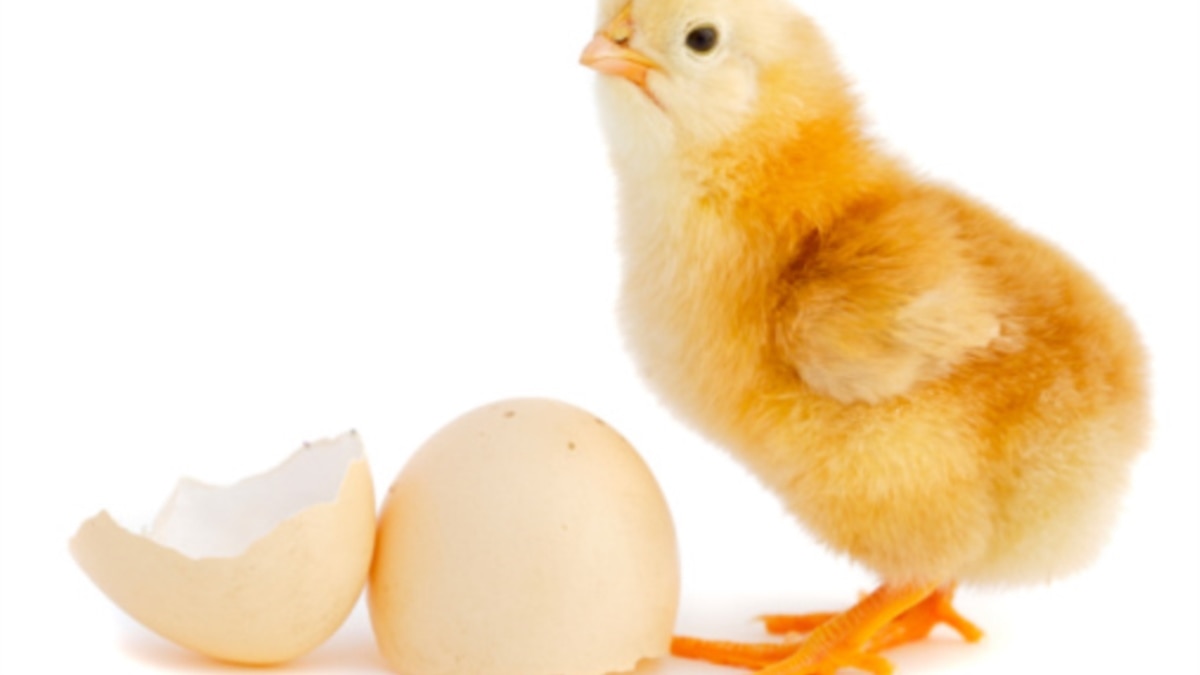
Maintaining the optimal incubation environment is crucial for the successful hatching of turkey eggs. The right combination of temperature, humidity, ventilation, and proper equipment setup ensures healthy embryo development and maximizes hatch rates. Understanding the specific requirements and selecting appropriate equipment are fundamental steps in setting up an efficient incubation process.
The incubation environment must be carefully controlled and consistently maintained throughout the incubation period, typically 28 days for turkey eggs. Variations in temperature, humidity, or airflow can adversely affect embryo viability, leading to poor hatchability or deformities. Proper equipment calibration and understanding the features of different incubator types enable poultry breeders and enthusiasts to achieve reliable results and healthy poults.
Ideal Temperature and Humidity Settings for Turkey Egg Incubation
Temperature regulation is vital for proper embryo development within turkey eggs. The ideal temperature range is between
99.5°F to 100°F (37.5°C to 37.8°C)
. Slight deviations outside this range can lead to developmental issues, with temperatures above 101°F increasing the risk of embryo mortality, and below 99°F causing slow growth or infertility.
Humidity levels influence the water loss from eggs, which affects embryo hydration and development. The recommended relative humidity for turkey eggs during incubation is approximately
55-60%
during the first 25 days. During the final days, around 65-70% humidity encourages proper hatchability by facilitating eggshell softening and chick emergence.
Setting Up and Calibrating Incubators
Effective setup and calibration of incubators are essential to maintain stable environmental conditions. Begin by thoroughly cleaning and sanitizing the incubator to prevent contamination. Place temperature and humidity sensors at the level of the eggs to monitor conditions accurately. Use a reliable thermometer and hygrometer, and calibrate these instruments regularly against a standard to ensure precision.
Adjust the incubator’s thermostats and humidifiers based on sensor readings, aiming to stabilize temperature within ±0.5°F and humidity within ±3%. Regularly check and record environmental parameters, especially during the first few days, to identify and correct any fluctuations promptly. Implementing a backup power supply can safeguard against temperature and humidity disruptions during power outages.
Comparison of Incubator Types Suitable for Turkey Eggs
Several incubator options are available for hatching turkey eggs, each with distinct features suitable for different scales of operation. These include forced-air incubators, still-air incubators, and advanced automatic models. Understanding their specifications helps in selecting the most appropriate equipment for successful incubation.
| Incubator Type | Capacity | Temperature Control | Features |
|---|---|---|---|
| Forced-Air Incubator | Up to 150 eggs | Digital thermostat with precise regulation | Uniform airflow, adjustable vents, automatic turning option |
| Still-Air Incubator | Up to 50 eggs | Manual control, requires frequent monitoring | Simple design, cost-effective, suitable for small-scale hatching |
| Automatic Incubator | Varies; typically 100-300 eggs | Built-in sensors for automatic temperature and humidity regulation | Automated turning, integrated humidity control, data logging |
| Hybrid Incubator | Depends on model, usually medium capacity | Manual and automatic features combined | Flexible operation, suitable for hobbyists and commercial breeders |
Importance of Proper Ventilation and Airflow Management
Effective ventilation ensures a continuous supply of fresh oxygen while removing carbon dioxide and excess humidity from the incubation environment. Proper airflow is essential for uniform temperature distribution and humidity control within the incubator, preventing hot or cold spots that could harm developing embryos.
Maintaining adequate ventilation involves aligning the incubator’s air exchange rate with the incubation stage. During early development, minimal airflow suffices, but in later stages, increased ventilation supports embryo respiration and prevents the buildup of harmful gases. Regularly checking and adjusting vents or fans ensures optimal airflow, contributing to higher hatch rates and healthier poults.
Incubation Procedures and Monitoring

Effective incubation is critical to ensuring the successful hatching of healthy turkey poults. This stage demands meticulous attention to detail, consistent monitoring, and timely adjustments to environmental conditions within the incubator. Proper procedures during placement, regular handling routines, and vigilant observation can significantly enhance hatch rates and poults’ vitality.
Throughout incubation, maintaining stable temperature and humidity levels, alongside regular turning of eggs and health assessments, forms the backbone of a successful hatch process. By following structured procedures, producers can identify potential issues early, minimizing losses and optimizing outcomes.
Placing Eggs in the Incubator
Careful placement of eggs in the incubator sets the foundation for successful hatching. Eggs should be handled gently to prevent damage and contamination, and their orientation must be maintained consistently to keep the air cell at the top. It is advisable to place the eggs with the large end slightly elevated to optimize air exchange and embryo development. Using clean, sanitized trays or cartons with egg cups can facilitate even spacing and support proper positioning.
- Allow eggs to reach room temperature before incubation to prevent condensation and thermal shock.
- Arrange eggs with the large, rounded end facing upward and the small, pointed end downward if used in a specific orientation.
- Place eggs in the incubator, ensuring they are not overcrowded to allow for proper airflow and turning.
- Label eggs if necessary to track incubation stages or batch origins.
Daily Routines for Turning Eggs and Maintaining Conditions
Consistent routines are vital during incubation to promote even embryo development and prevent adhesion to the shell. Turning eggs prevents the developing embryo from sticking to the shell membrane and encourages proper nutrient distribution.
- Turn eggs at least three times daily, ideally every 8 hours, ensuring gentle handling to avoid damaging the shell.
- Maintain cleanliness by cleaning incubator surfaces regularly to prevent bacterial growth.
- Record daily observations, noting temperature, humidity, and any anomalies.
- Ensure eggs are returned to the same position after each turn to maintain orientation consistency.
Environmental maintenance involves regulating temperature and humidity within optimal ranges for turkey eggs, typically around 99.5°F (37.5°C) and 55-60% humidity. Regular checks ensure these conditions remain stable, and any deviations are promptly corrected.
Monitoring Temperature, Humidity, and Egg Health
Continuous monitoring of incubation parameters is essential to detect and rectify issues early. Temperature sensors and hygrometers should be calibrated regularly for accuracy, and readings should be logged daily.
Optimal incubation conditions for turkey eggs include a temperature of approximately 99.5°F (37.5°C) and humidity levels of 55-60%. Variations beyond these ranges can compromise embryo development and hatchability.
- Temperature: Maintain consistent temperature within ±0.2°F (±0.1°C). Use a reliable thermometer and calibrate periodically. Fluctuations can cause embryo stress or developmental delays.
- Humidity: Use a hygrometer to monitor humidity levels. Adjust moisture sources or ventilation to stabilize humidity. Too high humidity can cause delayed hatch or adherence issues, while too low can lead to dehydration.
- Egg health: Conduct candling around days 7-10 to assess development. Remove infertile or non-viable eggs to prevent contamination and optimize space for healthy embryos.
Visual cues during incubation include embryo movement, blood vessels visible during candling, and the appearance of the air cell. Signs of trouble involve eggs that do not develop, foul odors, or abnormal shell conditions.
Adjusting Settings for Optimal Hatch Rates
As incubation progresses, environmental conditions may require fine-tuning to maximize hatch success. For example, during the final days, humidity is often increased to soften the shell and facilitate hatching. Temperature adjustments should be minimal, but if deviations are detected, immediate corrective actions are necessary.
Typically, the last three days of incubation, known as the hatch or lock-down period, involve raising humidity to around 65-70% and avoiding egg turning to allow the embryo to position correctly for hatch.
- Increase humidity gradually in the final days to prevent dehydration and facilitate hatch.
- Reduce or pause turning during the last days to allow the embryo to settle into position for hatching.
- Adjust temperature slightly if persistent deviations are affecting development, ensuring it remains within optimal ranges.
- Monitor hatch progress daily, noting the number of eggs that have pipped or externally hatched, and prepare for removal of hatchlings carefully to prevent injury.
Lockdown and Hatching Phase

During the final stage of incubation, the lockdown and hatching phase is crucial for ensuring the successful emergence of healthy chicks. This period involves preparing the eggs for hatch, creating an optimal environment, and monitoring the process closely. Proper management during this critical window helps improve hatch rates and minimizes the need for intervention, ensuring that each chick has the best possible start in life.The lockdown phase begins when the eggs are about 18 to 21 days into incubation, depending on the turkey breed and incubation conditions.
During this time, it is essential to avoid turning the eggs, keep humidity levels high, and stop any artificial ventilation that could dry out the eggs. This period allows the developing embryo to position itself for hatch, absorb remaining yolk nutrients, and prepare for external emergence.As the chicks near hatch, certain signs indicate imminent emergence, and understanding these cues helps in managing the process effectively.
It is equally important to know when and how to assist the chicks safely if complications arise. Organizing a comprehensive checklist ensures all necessary activities are covered on hatching day, and creating a calm, controlled environment facilitates a smooth hatch. Visualizing the hatching environment as a warm, slightly humid room with minimal disturbances helps clarify the conditions necessary for successful emergence, where chicks gradually break through the eggshells, often making peeping sounds and shimmering with movement as they emerge into the world.
Preparing Eggs for Hatching During Lockdown
The lockdown phase begins once incubation reaches the designated day, typically between days 18 and 21. Prior to this, ensure that all eggs are in optimal condition, with stable temperature and humidity levels maintained. During lockdown, stop turning the eggs to allow the embryo to settle into the proper position for hatching. Increase humidity levels gradually to a range of 65-70% to soften the eggshells and facilitate hatchling movement.
Maintain proper ventilation without causing drafts that could dry out the eggs. Cover the incubator vents if necessary to sustain higher humidity, and avoid opening the incubator unless absolutely necessary. It is also advisable to keep the incubation environment quiet and undisturbed to reduce stress on the developing embryos.
Signs of Imminent Hatch and What to Expect
Understanding the signs that indicate a chick is about to hatch helps in preparing for the emergence process. Around days 20 to 21, the chick will begin to peck at the eggshell, often referred to as “pipping.” This involves the chick making small, rhythmic pecks to break the shell, usually starting at the air cell end of the egg. Peeping sounds may become audible as the chick begins to breathe inside the shell.
As the hatch progresses, the chick will start to emerge, gradually pushing its way out, sometimes restlessly moving within the egg.During this stage, it is normal to see cracks or small holes in the shell, but the chick will usually take several hours to fully emerge. Patience is key; interference should be minimized unless the chick shows signs of distress or is unable to hatch after a significant period.
The entire hatching process can take from a few hours to over 12 hours, depending on the individual chick and conditions.
Assisting Chicks During Hatching
Assisting a chick should be approached with caution and only when necessary. If a chick appears to be in distress, such as being stuck in the shell for more than 24 hours after pipping, or if it is exhausted and unable to complete hatch, intervention may be warranted. Before assisting, ensure that the chick’s membranes are moist and softened, as dry membranes can be difficult to penetrate.
Use sterilized tools, such as fine scissors or forceps, to carefully enlarge the shell’s opening, taking care not to damage the chick or its membranes.It is crucial to time intervention correctly; too early or too late can harm the chick. If the chick is making progress, it is better to wait and allow natural hatching. Providing a warm, humid environment and gently helping only if signs of complete exhaustion or distress are evident can improve survival chances.
After assisting, place the chick in a brooder with appropriate temperature and humidity, and monitor its activity closely.
Hatching Day Management Checklist
To ensure a smooth hatching process, organize a checklist of essential activities for hatching day:
- Verify humidity levels are maintained at 65-70% within the incubator.
- Ensure the temperature remains steady at 99.5°F (37.5°C).
- Minimize handling of eggs to reduce stress and disturbance.
- Monitor eggs for signs of pipping or peeping at regular intervals.
- Prepare a clean, warm brooding area with appropriate bedding for hatchlings.
- Have sterilized tools ready for potential assistance with hatching.
- Keep a record of hatch times and progress for each egg.
- Limit opening the incubator during the critical hatching window to prevent humidity fluctuations.
- Observe chick emergence quietly and patiently, allowing natural hatching whenever possible.
Hatching Environment and Chick Emergence
The environment during hatching is characterized by a warm, humid atmosphere that fosters the chick’s emergence from the eggshell. As the chick begins to pip, it exerts gentle pressure, breaking through the shell’s membrane before finally cracking the shell itself. The process is often accompanied by peeping sounds and visible movement within the egg. Once the chick starts to emerge, it will gradually pull itself free, often resting for a short period before flapping its wings and drying off in the incubator.The emergence is a delicate phase; the chick’s initial struggle to free itself from the shell can last from a few hours to over half a day.
During this time, the environment must remain stable, with humidity slightly increased to prevent the membranes from drying out and causing adhesion issues. The newly hatched chicks are often wet and fragile, requiring a gentle hand in handling and immediate transfer to a warm, dry brooding area. Their initial emergence marks the beginning of their life outside the egg, and providing a calm, supportive environment helps set the stage for healthy growth and development.
Post-Hatch Care and Management
After successful incubation and hatching, proper care and management of turkey hatchlings are vital to ensure they develop into healthy, strong adults. The initial days post-hatch set the foundation for their growth, resilience, and productivity. Providing the right environment, nutrition, and health monitoring during this critical period enhances survival rates and promotes optimal development.
Effective post-hatch management involves careful transfer procedures, maintaining suitable environmental conditions, and implementing health and nutrition protocols. Attention to these details ensures the young turkeys grow efficiently and are protected against common health issues that can compromise their well-being and future productivity.
Transferring Hatchlings to Brooder Setups
Immediately following hatch, turkeys should be carefully transferred to a clean, warm, and draft-free brooder. The process involves gently handling the hatchlings with clean hands or gloves, minimizing stress and injury. The brooder should be prepared in advance with appropriate bedding, such as wood shavings or straw, to absorb moisture and provide comfort.
Ensure the temperature is initially set between 95°F to 98°F (35°C to 37°C) and gradually reduced by 5°F (about 2.8°C) each week as the birds grow. Proper ventilation and easy access to food and water are essential to prevent overcrowding and stress, which can lead to health issues.
Ideal Temperature, Humidity, and Nutrition for Newly Hatched Turkeys
Maintaining optimal environmental conditions is crucial during the first few weeks of a turkey hatchling’s life. The temperature in the brooder should start around 95°F to 98°F (35°C to 37°C), decreasing gradually as the poults mature. Humidity levels should be maintained between 60-70% during the first week to prevent dehydration, then gradually lowered to around 50-60%.
Nutrition plays a pivotal role in healthy growth. Newly hatched turkeys require a starter feed with high protein content, typically around 28-30%, formulated specifically for poults. Fresh, clean water must always be available, encouraging adequate hydration and aiding digestion. Supplementing their diet with vitamins and minerals can further support immunocompetence and development.
Preventing Common Hatchling Health Issues
Young turkeys are susceptible to various health issues, including dehydration, respiratory problems, leg weakness, and infections. Prevention strategies focus on maintaining a clean environment, proper nutrition, and vigilant health monitoring. Regularly cleaning the brooder reduces the risk of bacterial and fungal infections, while ensuring proper temperature and humidity levels protect against stress and dehydration.
Monitoring poults for signs of illness, such as lethargy, abnormal droppings, or difficulty standing, allows for prompt intervention. Vaccination against common diseases and practicing biosecurity measures significantly reduce the likelihood of disease outbreaks.
Essential Supplies for Turkey Chick Care
To provide optimal care, the following supplies are essential for raising healthy turkey poults:
- Brooder with temperature control equipment
- Heat lamps or radiant heaters
- Clean bedding material (wood shavings, straw)
- High-quality turkey starter feed
- Fresh, accessible water supply with feeders and waterers
- Thermometers and hygrometers for monitoring environment
- Vitamin and mineral supplements (if recommended)
- Cleaning supplies for maintaining hygiene in the brooder
Promoting Healthy Growth and Development of Young Turkeys
Supporting the healthy growth of poults involves a combination of proper nutrition, environment, and management practices. Providing a balanced diet with adequate protein and essential nutrients fosters muscle development and immunity. Regularly adjusting the temperature and humidity ensures comfort and reduces stress-related health issues.
Encouraging exercise by allowing space for movement helps develop strong legs and overall stamina. Implementing a consistent feeding and watering schedule, along with frequent health checks, helps detect and address problems early. Promoting a stress-free environment by minimizing handling and sudden changes in the setup further enhances their growth trajectory.
Troubleshooting Common Issues in Hatching

Introduction to Troubleshooting in Incubation
Effective incubation requires meticulous attention to detail, yet despite best practices, issues may still arise that affect hatchability and chick quality. Recognizing and addressing these problems promptly can significantly improve success rates and animal health. Troubleshooting involves understanding the root causes of common hatching problems, interpreting incubation data, and observing chick health to implement suitable corrective measures.
Common Problems in Turkey Egg Incubation
While many factors influence successful hatching, typical challenges include infertility, low hatch rates, deformities, and hatch delays. These issues can often be traced back to management practices, environmental conditions, or biological factors. Early diagnosis and targeted interventions are essential for minimizing losses and improving overall hatch performance.
Infertility and Its Causes
Infertility often results from issues such as poor flock management, genetic factors, or health problems in breeding birds. Common causes include inadequate nutrition, stress, or improper lighting. To mitigate infertility, ensure optimal nutrition, maintain a clean environment, and select healthy breeding stock with good reproductive history.
Solutions and Preventative Measures for Low Hatch Rates
Low hatch rates can stem from improper incubation conditions, poor egg handling, or genetic incompatibilities. Preventative strategies include maintaining correct temperature and humidity levels, turning eggs regularly, and handling eggs with care to prevent damage. Regularly calibrate incubators and monitor environmental parameters to ensure stability.
Diagnosing Issues Through Incubation Data and Chick Health Observations
Monitoring incubation parameters such as temperature, humidity, and turning schedules provides critical insights into potential problems. Abnormalities like inconsistent temperature or humidity fluctuations often correlate with poor hatch outcomes. Observing chick vitality, such as weak emergence or deformities, further indicates underlying issues that may need addressing.
Practical Troubleshooting Tips
- Uneven or no development of embryos: Verify incubator temperature stability and humidity levels; ensure eggs are turned appropriately.
- High embryo mortality at early stages: Check for egg fertility through candling; discard infertile eggs before incubation.
- Deformities or weak chicks: Assess incubation environment for excessive heat or humidity; ensure eggs are stored properly before incubation.
- Chicks emerging late or stuck in shell: Confirm that humidity during lockdown is within recommended ranges; avoid abrupt changes in environmental conditions.
- Foul smell or mold on eggs: Remove contaminated eggs immediately to prevent spread; maintain sanitation and proper egg storage conditions.
Consistent monitoring, record-keeping, and timely intervention are key to overcoming common incubation issues and achieving a high hatch rate in turkey production.
Final Conclusion
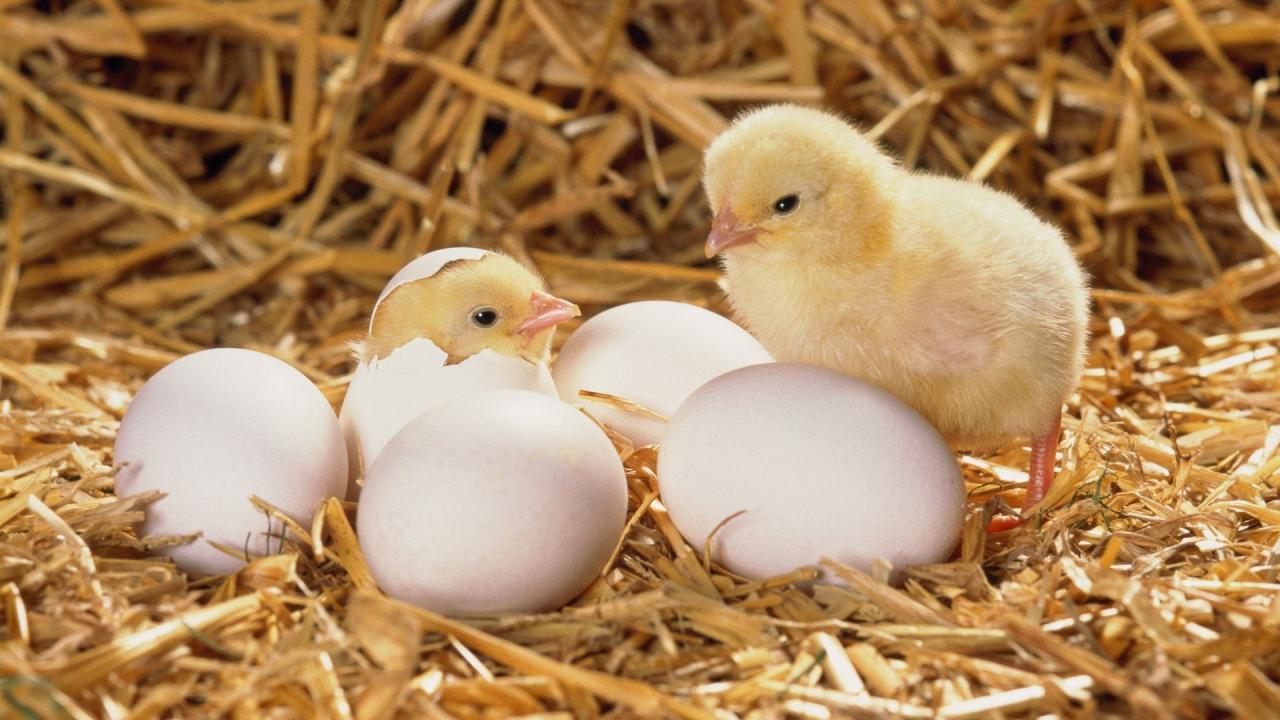
Successfully hatching turkey eggs requires dedication, attention to detail, and patience. With the right environment and diligent care, you can achieve a high hatch rate and nurture healthy young turkeys. Embracing these best practices not only ensures a smooth incubation process but also lays the foundation for a thriving poultry operation. May your hatching endeavors be fruitful and rewarding.