Embarking on the journey of how to hire skilled farm labor is crucial for the success of any agricultural operation. It’s not just about filling positions; it’s about building a dedicated team equipped to handle the diverse challenges and opportunities of modern farming. This guide delves into the essential steps, from defining your needs to retaining the best talent, ensuring your farm thrives.
This comprehensive guide explores every aspect of the hiring process, from identifying the specific skills required for various roles to navigating the legal landscape and fostering a positive work environment. We’ll cover sourcing potential employees, crafting compelling job descriptions, conducting effective interviews, evaluating qualifications, and implementing a robust onboarding process. We will also cover how to retain skilled farm labor and use technology in labor management.
Defining Skilled Farm Labor Needs
Understanding and defining the specific skill sets required for farm labor is crucial for efficient and productive agricultural operations. This involves a comprehensive assessment of the various tasks involved in farming, from the initial planting stages to the final harvesting processes, and identifying the specialized roles needed to support these operations. Proper labor planning ensures optimal resource allocation, minimizes operational inefficiencies, and ultimately contributes to the farm’s overall success.
Skill Sets for Farm Operations
The diverse nature of farming necessitates a wide range of skills. The following points Artikel the various skill sets required for different farm operations, detailing the specific tasks involved:
- Planting and Cultivation: This phase requires expertise in several areas. Workers must be proficient in soil preparation, including plowing, tilling, and amending soil with fertilizers. They should also be skilled in operating planting machinery, ensuring proper seed depth and spacing. Furthermore, knowledge of crop-specific planting techniques, such as transplanting seedlings, is essential. Monitoring and managing irrigation systems to ensure adequate water supply is also a critical skill.
- Crop Management and Maintenance: Effective crop management includes several key tasks. This involves regular monitoring of crops for pests, diseases, and nutrient deficiencies. Workers need to be able to identify and implement appropriate control measures, such as applying pesticides or herbicides, and be familiar with integrated pest management (IPM) strategies. Pruning, weeding, and providing support structures for crops are also essential maintenance activities.
- Harvesting: Harvesting requires a combination of physical dexterity and technical skills. Workers must be able to identify when crops are ready for harvest and use appropriate harvesting methods, whether manual or mechanical. Careful handling of harvested crops to minimize damage and ensure quality is also vital. Additionally, understanding post-harvest handling procedures, such as sorting, grading, and storage, is crucial.
- Livestock Management: Farms that raise livestock require a specialized set of skills. This includes knowledge of animal husbandry practices, such as feeding, watering, and providing healthcare. Workers must be able to recognize signs of illness and administer medications or provide basic first aid. Maintaining clean and sanitary living conditions for animals is also essential.
- Machinery Operation and Maintenance: Modern farms rely heavily on machinery. Skilled workers are needed to operate tractors, combines, and other equipment safely and efficiently. They must also be able to perform routine maintenance, such as changing oil, replacing filters, and making minor repairs. Understanding the specific operating manuals and safety protocols for each piece of equipment is critical.
Specialized Roles and Qualifications
Beyond general farm labor, certain specialized roles require specific qualifications and training. The following list provides examples of such roles and the necessary qualifications:
- Irrigation Specialist: Irrigation specialists are responsible for designing, installing, and maintaining irrigation systems. They need a strong understanding of water management principles, soil types, and crop water requirements. Qualifications often include a degree or certification in agricultural engineering, irrigation technology, or a related field. Experience with different irrigation methods, such as drip irrigation, sprinkler systems, and flood irrigation, is essential.
- Machinery Operator: Machinery operators are skilled in operating and maintaining various farm equipment. They need to have a thorough understanding of the equipment’s operation, safety protocols, and maintenance requirements. A commercial driver’s license (CDL) may be required for operating certain types of equipment. Experience with GPS and precision agriculture technologies is also increasingly valuable.
- Livestock Handler: Livestock handlers are responsible for the care and management of livestock. They need to have a strong understanding of animal behavior, nutrition, and health. Qualifications often include experience working with livestock, a degree or certification in animal science or a related field, and knowledge of animal welfare regulations.
- Farm Manager: Farm managers oversee all aspects of farm operations. They need a broad range of skills, including financial management, crop or livestock production, marketing, and human resources. Qualifications often include a degree in agricultural business, agricultural science, or a related field, along with several years of experience in farm management.
- Agronomist: Agronomists specialize in crop production and soil management. They need a strong understanding of plant physiology, soil science, and pest management. Qualifications typically include a degree in agronomy, plant science, or a related field, along with experience in crop production and soil testing.
Assessing Current Labor Needs
Determining the appropriate level of skilled farm labor requires a systematic assessment based on several factors. The following are key considerations:
- Farm Size: Larger farms typically require more labor than smaller farms. The total acreage under cultivation, the number of livestock, and the complexity of operations are all important considerations.
- Crop Type: Different crops have different labor requirements. Labor-intensive crops, such as fruits and vegetables, require more manual labor than less labor-intensive crops, such as grains. The harvest season also impacts labor needs.
- Production Goals: Farms with higher production goals need to employ more labor to meet those targets. This includes considering both the quantity and quality of the crops or livestock produced.
- Technology and Automation: The level of technology and automation on the farm can significantly impact labor needs. Farms that utilize automated machinery and precision agriculture technologies may require less labor than those that rely on manual labor.
- Seasonality: Labor needs fluctuate throughout the year, depending on the growing season and the timing of harvesting and other farm operations. It’s crucial to forecast labor needs to avoid understaffing or overstaffing during different periods.
For example, a small organic vegetable farm (5 acres) might need 2-3 full-time employees plus seasonal help during the harvest season. In contrast, a large-scale corn and soybean farm (1,000 acres) might require several full-time machinery operators and a smaller number of seasonal workers. The specific labor needs are highly dependent on the crops cultivated, the farming methods used, and the goals of the farm.
Screening and Interviewing Candidates
This section details the critical steps involved in effectively screening and interviewing potential skilled farm laborers. A robust screening process ensures that only qualified candidates advance, saving time and resources. Thorough interviews then allow for in-depth evaluation, leading to informed hiring decisions.
Screening Applications: Step-by-Step Procedure
The initial screening of applications is crucial for efficiently identifying candidates who meet the minimum requirements. A systematic approach helps streamline the process and ensures fairness.
- Initial Review: Begin by examining each application for completeness. Ensure all required documents, such as resumes and cover letters, are submitted. Immediately remove any incomplete applications from consideration.
- Skills and Experience Assessment: Focus on identifying candidates who possess the necessary skills and experience Artikeld in the job description. Look for specific s and phrases related to the required tasks, such as “tractor operation,” “irrigation system maintenance,” or “crop harvesting experience.”
- Education and Certifications Check: Verify that candidates meet the educational and certification requirements, such as a high school diploma or relevant agricultural certifications. Check for any specialized training that aligns with the farm’s needs.
- Employment History Verification: Review the candidate’s employment history to assess their stability and the duration of their previous roles. Look for any gaps in employment and consider the reasons behind them.
- Application Scoring: Develop a scoring system based on the most important criteria. Assign points to each criterion (e.g., experience, skills, education) to objectively evaluate candidates. Rank the candidates based on their scores.
- Shortlisting Candidates: Select the top candidates based on their scores and invite them for interviews. Notify the candidates who were not selected.
Interview Questions for Assessing Candidates
Preparing a comprehensive set of interview questions is essential for evaluating a candidate’s practical knowledge, problem-solving abilities, and work ethic. The questions should be designed to elicit detailed responses that reveal the candidate’s suitability for the role.
- Practical Knowledge Questions: These questions assess the candidate’s understanding of farm-related tasks.
- Describe your experience operating different types of farm machinery, including tractors, combines, and sprayers.
- Explain the process of diagnosing and repairing a common issue with an irrigation system.
- How do you identify and manage common crop pests and diseases?
- What are the key steps in planting and harvesting a specific crop (e.g., corn, wheat, or vegetables)?
- Describe your experience with different soil types and their management.
- Problem-Solving Questions: These questions evaluate the candidate’s ability to think critically and solve problems.
- Describe a time when you had to solve a problem on the farm. What steps did you take? What was the outcome?
- How would you handle a situation where a piece of equipment breaks down during a critical operation?
- Imagine you notice an unexpected change in a crop’s growth. How would you investigate the cause and what actions would you take?
- Describe a time when you had to make a quick decision under pressure.
- How would you handle a conflict with a coworker?
- Work Ethic Questions: These questions assess the candidate’s attitude toward work and their commitment to the job.
- Describe your approach to completing tasks on time and efficiently.
- What are your strategies for maintaining a safe working environment?
- How do you handle working long hours or during inclement weather?
- What are your expectations regarding teamwork and communication with other farm staff?
- Why are you interested in working on this farm, and what are your long-term career goals in agriculture?
Conducting Effective Interviews
Effective interviewing involves creating a comfortable environment and employing techniques to gather insightful information. This includes evaluating a candidate’s communication skills and assessing their cultural fit within the farm’s team.
- Preparation: Review the candidate’s application and resume thoroughly before the interview. Prepare a list of specific questions tailored to the candidate’s background and the requirements of the job.
- Creating a Comfortable Environment: Start the interview with a brief introduction and some casual conversation to help the candidate relax. Explain the interview process and the structure of the interview.
- Active Listening: Pay close attention to the candidate’s responses. Ask follow-up questions to clarify information and delve deeper into their experiences. Take notes to ensure accurate recall of the conversation.
- Evaluating Communication Skills: Assess the candidate’s ability to articulate their thoughts clearly and concisely. Observe their body language and how they respond to questions. Look for examples of their written and verbal communication skills.
- Assessing Cultural Fit: Determine if the candidate’s personality and values align with the farm’s culture. Ask questions about their teamwork experience, their approach to problem-solving, and their ability to adapt to new situations.
- Providing Information: Provide the candidate with a detailed overview of the job, the farm’s operations, and the team. Allow the candidate to ask questions.
- Concluding the Interview: Thank the candidate for their time and inform them of the next steps in the hiring process. Provide a timeline for when they can expect to hear back regarding their application.
Evaluating Skills and Qualifications

Assessing the skills and qualifications of potential farm labor is crucial for ensuring they can effectively perform the required tasks and contribute to the success of your agricultural operation. This evaluation process should be thorough and objective, providing a clear understanding of each candidate’s capabilities. By implementing a structured approach, you can identify the most qualified individuals and minimize the risk of hiring someone who lacks the necessary expertise.
Assessing Technical Skills
Evaluating technical skills requires a systematic approach to ensure that candidates possess the necessary abilities to perform their duties safely and efficiently. This involves assessing their proficiency in various areas specific to farm operations.To determine a candidate’s technical skills, consider these key areas:
- Machinery Operation: Assess the candidate’s ability to operate various farm machinery, such as tractors, combines, and sprayers. This includes their knowledge of safety protocols, maintenance procedures, and operational techniques. A practical demonstration of their skills can be included in the assessment. For example, observing a candidate operate a tractor and perform a simulated plowing task would be an effective assessment.
- Irrigation Systems: Evaluate the candidate’s understanding of irrigation systems, including knowledge of different types of systems (e.g., drip, sprinkler, flood), their operation, maintenance, and troubleshooting. Inquire about their experience with water management and conservation practices.
- Pesticide Application: Determine the candidate’s knowledge of pesticide application methods, safety regulations, and handling procedures. Verify their certifications (if required) and their understanding of label instructions and environmental considerations. This can be assessed through written tests or practical demonstrations, such as simulating the mixing and application of a pesticide.
- Crop Management: Evaluate the candidate’s knowledge of crop management practices, including planting, fertilization, pest control, and harvesting techniques. Inquire about their experience with specific crops and their understanding of crop-specific requirements.
- Livestock Management (if applicable): Assess the candidate’s experience with livestock care, including feeding, health monitoring, and handling techniques. This might involve asking about their experience with specific breeds or types of animals and their ability to recognize and address common health issues.
Verifying Experience and Qualifications
Verifying a candidate’s experience and qualifications is essential to confirm the information provided during the application and interview process. This helps ensure that the candidate possesses the skills and knowledge they claim to have.Methods for verifying a candidate’s experience and qualifications include:
- Checking References: Contacting the references provided by the candidate is a critical step. Prepare a set of questions to ask each reference, focusing on the candidate’s work ethic, skills, and reliability. Ask specific questions related to the candidate’s previous roles and responsibilities, and seek examples of their accomplishments and challenges. For instance, ask a previous employer: “Could you describe a time when the candidate demonstrated their ability to troubleshoot a problem with farm equipment?”
- Conducting Skills Tests: Implement skills tests to evaluate the candidate’s practical abilities. These tests should be relevant to the specific tasks the candidate will be performing. For example, a skills test for a tractor operator could involve maneuvering the tractor through an obstacle course or performing a simulated plowing task.
- Reviewing Certifications and Licenses: Verify the authenticity and validity of any certifications or licenses the candidate claims to possess. This is especially important for roles that require specific qualifications, such as pesticide application or operating specialized equipment.
- Reviewing Work History: Thoroughly review the candidate’s work history, looking for gaps in employment or inconsistencies in the information provided. Contact previous employers to verify the candidate’s job titles, responsibilities, and performance.
Creating a Scoring System
Developing a scoring system provides a standardized and objective method for evaluating candidates, ensuring fairness and consistency throughout the hiring process. This system helps to compare candidates and identify the most qualified individuals.A scoring system can be structured as follows:
- Skills Assessment: Assign points based on the candidate’s proficiency in various technical skills. For example:
- Machinery Operation: 30 points (10 points for knowledge of safety protocols, 10 points for operational techniques, 10 points for maintenance procedures).
- Irrigation Systems: 20 points (10 points for knowledge of different systems, 10 points for maintenance and troubleshooting).
- Pesticide Application: 20 points (10 points for knowledge of regulations, 10 points for application methods).
- Experience: Award points based on the candidate’s years of experience in relevant roles. For example:
- 0-2 years: 10 points
- 3-5 years: 20 points
- 6+ years: 30 points
- Interview Performance: Evaluate the candidate’s performance during the interview, considering factors such as communication skills, problem-solving abilities, and overall suitability for the role. Assign points based on these factors. For example:
- Communication Skills: 15 points
- Problem-solving: 15 points
- Suitability: 10 points
- References: Assign points based on the feedback received from references. For example:
- Excellent Feedback: 15 points
- Good Feedback: 10 points
- Fair Feedback: 5 points
The total score can be calculated by summing the points from each category. Candidates with higher scores should be considered more favorably. This system provides a framework for making informed hiring decisions.
Legal and Compliance Considerations
Hiring skilled farm labor involves navigating a complex web of legal and regulatory requirements. Understanding and adhering to these regulations is crucial to avoid potential legal issues, ensure fair treatment of employees, and maintain a sustainable farming operation. This section Artikels key legal and compliance considerations for agricultural employers.
Legal Requirements for Hiring Farm Labor
Farm employers must comply with various federal and state laws governing employment practices. These laws protect workers’ rights and ensure fair labor standards. Non-compliance can result in significant penalties, including fines, lawsuits, and damage to reputation.
- Wage and Hour Laws: These laws dictate minimum wage, overtime pay, and record-keeping requirements. The federal Fair Labor Standards Act (FLSA) sets the baseline, but state laws may offer higher standards.
- Minimum Wage: Employers must pay at least the federal or state minimum wage, whichever is higher. Some states have different minimum wage rates for agricultural workers.
- Overtime Pay: Non-exempt employees must be paid overtime (typically 1.5 times their regular rate) for hours worked over 40 in a workweek. Certain agricultural exemptions may apply, depending on the type of farm and the employee’s duties.
- Recordkeeping: Employers must maintain accurate records of hours worked, wages paid, and other relevant information. This includes documenting any deductions from pay.
- Worker’s Compensation: Most states require employers to carry worker’s compensation insurance to cover medical expenses and lost wages for employees injured on the job. The specific requirements and coverage levels vary by state. It is important to check state regulations to ensure adequate coverage for agricultural work.
- Safety Regulations: Farms must comply with safety regulations designed to protect workers from hazards.
- The Occupational Safety and Health Administration (OSHA) sets standards for agricultural safety.
- These standards cover a wide range of topics, including equipment operation, pesticide handling, and hazard communication.
- Providing a safe working environment reduces the risk of accidents and injuries, and protects workers from potential harm.
- Other Employment Laws: Agricultural employers must also comply with other relevant federal and state laws, such as:
- Anti-discrimination laws: Prohibiting discrimination based on race, religion, sex, national origin, age, or disability.
- Family and Medical Leave Act (FMLA): Providing eligible employees with unpaid leave for family or medical reasons. The applicability of FMLA to agricultural employers depends on the number of employees.
- Child Labor Laws: Regulating the employment of minors, including restrictions on the types of work they can perform and the hours they can work.
Process for Completing Necessary Paperwork
Properly completing paperwork is essential for legal compliance and maintaining accurate records. This process includes several key steps, from employment contracts to tax forms.
- Employment Contracts: A written employment contract clearly Artikels the terms of employment, including:
- Job duties
- Wage rate
- Hours of work
- Benefits (if any)
- Termination procedures
This contract helps to clarify expectations and avoid misunderstandings. It’s advisable to have the contract reviewed by an attorney specializing in agricultural labor law.
- Tax Forms: Employers must complete and submit various tax forms to the IRS and state tax agencies.
- W-4 Form (Employee’s Withholding Certificate): Completed by the employee to determine federal income tax withholding.
- I-9 Form (Employment Eligibility Verification): Used to verify an employee’s identity and eligibility to work in the United States. Employers must review and retain documentation to support this verification.
- W-2 Form (Wage and Tax Statement): Issued to employees at the end of the year, summarizing their wages and taxes withheld.
- Employer Identification Number (EIN): Required by the IRS for employers.
- Background Checks: Conducting background checks can help to ensure the safety and security of the workplace.
- Criminal background checks: May be conducted, particularly for positions involving access to sensitive areas or equipment. Always comply with all applicable federal and state laws.
- Driving records: Important for employees who will be operating vehicles or machinery.
Strategies for Ensuring Compliance with Labor Laws and Regulations
Maintaining compliance requires a proactive approach and ongoing effort. Implementing effective strategies can help minimize the risk of legal issues.
- Stay Informed: Regularly review federal and state labor laws and regulations. Subscribe to updates from relevant government agencies, such as the Department of Labor and OSHA. Changes in legislation can happen frequently.
- Develop Clear Policies and Procedures: Create a comprehensive employee handbook that Artikels company policies, including wage and hour practices, safety procedures, and anti-discrimination policies. Provide this to all employees.
- Provide Training: Offer regular training to employees on relevant topics, such as workplace safety, pesticide handling, and harassment prevention. Training helps employees understand their rights and responsibilities.
- Maintain Accurate Records: Keep meticulous records of hours worked, wages paid, training completed, and other relevant information. This documentation is essential for demonstrating compliance during audits or investigations.
- Seek Professional Advice: Consult with an attorney specializing in agricultural labor law and an HR professional to ensure compliance and address any specific legal questions. Professional advice can provide valuable guidance.
- Conduct Regular Audits: Periodically review your employment practices to identify and correct any potential compliance issues. Internal audits can help proactively identify and address any issues before they escalate.
Onboarding and Training New Hires
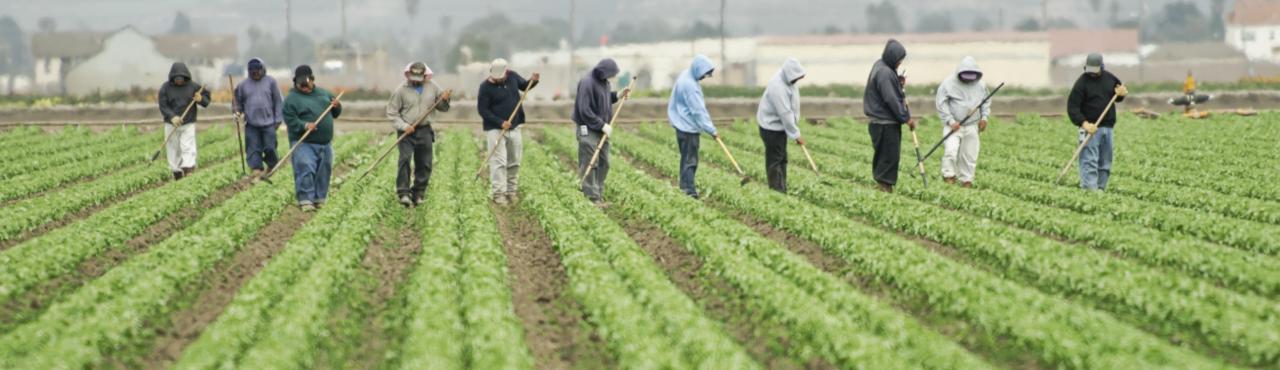
Bringing new skilled farm labor onto your team is only the first step. To ensure their success and your farm’s productivity, a well-structured onboarding and training program is crucial. This phase helps new hires integrate seamlessly into your farm operations, understand their responsibilities, and develop the necessary skills. Effective training also promotes safety, reduces errors, and boosts overall efficiency.
Designing a Comprehensive Onboarding Process
A robust onboarding process sets the foundation for a positive and productive working relationship. It should cover various aspects to acclimate new employees to the farm environment, their roles, and the farm’s values.
- Orientation: The initial orientation should provide an overview of the farm, its history, mission, and organizational structure. This includes introducing key personnel, explaining company policies (such as attendance, communication protocols, and dress code), and outlining employee benefits. A farm tour is essential, allowing new hires to familiarize themselves with the layout, equipment, and different work areas.
- Safety Training: Safety is paramount on any farm. Comprehensive safety training should cover hazard identification, accident prevention, and the proper use of personal protective equipment (PPE). Training should be tailored to specific job tasks, including operating machinery, handling chemicals, and working with livestock. Regular refresher courses and updates on safety regulations are also necessary.
- Job-Specific Training: This part of the onboarding focuses on the specific tasks and responsibilities of the new hire’s role. It should include detailed instructions, demonstrations, and hands-on practice. Mentorship programs, where new hires are paired with experienced employees, can be highly effective for knowledge transfer and skill development.
- Documentation and Paperwork: Ensure all necessary paperwork, such as employment contracts, tax forms, and insurance enrollment documents, is completed accurately and efficiently during onboarding. Provide clear explanations and assistance to avoid confusion and ensure compliance with legal requirements.
The Importance of Ongoing Training and Development
Investing in ongoing training and development is a long-term strategy that benefits both the employee and the farm. It helps employees stay up-to-date with industry best practices, improve their skills, and adapt to new technologies and challenges.
- Skill Enhancement: Ongoing training can focus on enhancing existing skills or teaching new ones. This could involve advanced machinery operation, specialized crop management techniques, or livestock handling practices.
- Productivity Improvement: Well-trained employees are more efficient and productive. By mastering their tasks and understanding the underlying principles, they can work more effectively and reduce errors.
- Employee Retention: Providing opportunities for growth and development demonstrates that you value your employees. This can significantly increase job satisfaction and reduce employee turnover.
- Adaptability: The agricultural industry is constantly evolving. Ongoing training ensures that your employees are equipped to adapt to new technologies, market changes, and environmental challenges.
Training Plan: Tractor Operation
Here’s a sample training plan for operating a tractor, a common task on many farms. This plan includes detailed steps and emphasizes safety precautions.
Objective: To train new employees on the safe and efficient operation of a tractor.
- Phase 1: Classroom Instruction (2 hours)
- Tractor Components and Functions: Explain the purpose of each component, including the engine, transmission, controls, and safety features (e.g., rollover protection system (ROPS), seat belts, lights).
- Pre-Operation Inspection: Teach how to inspect the tractor before each use, including checking fluid levels (oil, coolant, fuel), tire pressure, and the overall condition of the machine. Emphasize the importance of identifying and reporting any mechanical issues.
- Safety Regulations: Cover relevant safety regulations and best practices, such as wearing appropriate PPE (e.g., steel-toed boots, high-visibility clothing), avoiding distractions, and operating the tractor at a safe speed.
- Hands-on Practice (4 hours)
- Starting and Stopping the Tractor: Demonstrate the correct procedures for starting and stopping the tractor, including engaging the parking brake.
- Steering and Maneuvering: Practice steering the tractor in a controlled environment, such as an open field. Include exercises on turning, backing up, and navigating obstacles.
- Gear Shifting: Teach the proper techniques for shifting gears, including understanding the different gear ranges and how they affect speed and power.
- Attaching and Detaching Implements: Demonstrate how to safely attach and detach common implements, such as plows, harrows, and trailers.
- Phase 2: Supervised Operation (6 hours)
- Field Practice: Supervise the trainee while they operate the tractor in the field, performing various tasks such as plowing, discing, and transporting materials.
- Problem Solving: Guide the trainee in troubleshooting common issues, such as engine stalls or implement malfunctions.
- Feedback and Correction: Provide regular feedback and make corrections as needed to ensure safe and efficient operation.
- Phase 3: Evaluation and Certification
- Written Test: Administer a written test to assess the trainee’s understanding of tractor operation and safety regulations.
- Practical Assessment: Observe the trainee performing a range of tasks, such as operating the tractor in different conditions and attaching and detaching implements.
- Certification: Issue a certificate of completion upon successful completion of the training program.
Safety Precautions:
- Always wear appropriate PPE, including steel-toed boots, eye protection, and hearing protection.
- Inspect the tractor before each use to ensure it is in good working condition.
- Never operate a tractor under the influence of alcohol or drugs.
- Avoid sudden starts, stops, and turns.
- Be aware of your surroundings and avoid obstacles.
- Use the ROPS and seatbelt at all times.
- Never allow passengers on the tractor unless there is a designated passenger seat.
- Follow the manufacturer’s instructions for all operations.
Example: A farm in California implemented a tractor operation training program for its seasonal workers. The program included classroom instruction, hands-on practice, and supervised operation. After the program, the farm saw a 20% reduction in tractor-related accidents and a 15% increase in field efficiency.
Compensation and Benefits
Determining fair and attractive compensation and benefits packages is crucial for attracting and retaining skilled farm labor. A well-structured compensation plan not only recognizes the value of employees’ contributions but also motivates them to perform at their best. This section Artikels key considerations for establishing competitive wages, structuring compensation, and offering benefits that support employee well-being and loyalty.
Determining Competitive Wages
Establishing competitive wages requires a thorough understanding of the local labor market and the specific skills required for each position. It involves researching prevailing rates and considering factors like experience and performance.To determine competitive wages:
- Research Local Market Rates: Conduct thorough research to understand the average wages for similar positions in your geographic area. Utilize resources such as:
- Government labor statistics (e.g., the Bureau of Labor Statistics in the United States).
- Industry-specific salary surveys.
- Online job boards to analyze current postings and salary ranges.
- Consider Experience Levels: Differentiate wages based on experience. Entry-level positions typically command lower rates compared to those requiring years of specialized skills. A tiered system that acknowledges increasing proficiency and responsibility can be a great solution.
- Evaluate Skill Sets: Factor in the specific skills required for each role. Positions that demand specialized expertise, such as operating advanced machinery or managing complex irrigation systems, will usually warrant higher compensation.
- Assess Performance and Productivity: Implement a system that rewards employees for high performance and productivity. This could involve performance-based bonuses or salary increases tied to achieving specific goals.
- Review Regularly: Periodically review your wage structure to ensure it remains competitive. Adjust wages based on market changes, inflation, and employee performance.
Structuring Compensation Packages
Creating a well-structured compensation package involves determining the appropriate mix of hourly rates, salaries, bonuses, and other incentives. The approach should align with the nature of the work and the goals of the farm.Methods for structuring compensation packages:
- Hourly Rates: Suitable for positions with variable hours or tasks.
- Salaries: Best for roles with consistent responsibilities and a fixed number of working hours, such as farm managers or supervisors.
- Bonuses: Incentivize performance, productivity, or achieving specific goals. Bonuses can be tied to crop yields, cost savings, or other key performance indicators (KPIs). For example, a bonus of 5% of the annual harvest revenue could be awarded to the harvesting crew if they meet or exceed the yield target.
- Performance-Based Incentives: Link compensation directly to performance. This could involve piece-rate pay for harvesting or a commission-based structure for sales roles.
- Profit Sharing: Consider sharing a percentage of the farm’s profits with employees. This can boost morale and foster a sense of ownership.
Offering Benefits
Offering a comprehensive benefits package is critical for attracting and retaining skilled employees. Benefits enhance the overall compensation package and contribute to employee well-being and satisfaction.Benefits that are important to consider:
- Health Insurance: Provide access to health insurance to help employees cover medical expenses. Options include:
- Employer-sponsored health plans.
- Contributing to employee health savings accounts (HSAs).
- Paid Time Off (PTO): Offer paid time off for vacations, holidays, and sick leave. This allows employees to rest, recharge, and maintain a healthy work-life balance.
- Retirement Plans: Offer retirement plans, such as a 401(k) or a similar retirement savings plan. Consider matching employee contributions to encourage participation. For example, a farm might match 50% of an employee’s contributions up to 6% of their salary.
- Other Benefits: Consider offering other benefits, such as:
- Life insurance.
- Disability insurance.
- Employee assistance programs (EAPs) to provide support for personal and work-related issues.
Building a Positive Work Environment
Creating a positive work environment is crucial for retaining skilled farm labor, boosting productivity, and fostering a sense of community. A supportive atmosphere encourages employees to feel valued, motivated, and committed to their work. This section explores strategies for building and maintaining such an environment, addressing conflict resolution, and recognizing employee contributions.
Fostering Open Communication, Teamwork, and Respect
Establishing clear communication channels and promoting a culture of respect are fundamental to a positive work environment. This approach ensures that all employees feel heard, understood, and valued for their contributions. It fosters a collaborative atmosphere where teamwork thrives.
- Implementing Regular Communication Meetings: Holding weekly or bi-weekly meetings provides a platform for discussing farm operations, sharing updates, and addressing any concerns. These meetings should be structured to encourage open dialogue and feedback from all team members.
- Utilizing Multiple Communication Channels: Leverage various methods of communication, such as email, text messaging, bulletin boards, and shared online platforms, to ensure that information reaches all employees effectively. This approach accommodates different preferences and ensures consistent messaging.
- Encouraging Active Listening: Training supervisors and managers to practice active listening skills helps them understand employee perspectives and address concerns effectively. Active listening involves paying attention, providing feedback, and deferring judgment.
- Promoting Team-Building Activities: Organizing team-building activities, such as farm picnics, potlucks, or group volunteer events, strengthens relationships among employees and fosters a sense of camaraderie.
- Establishing Clear Expectations and Roles: Clearly defining job responsibilities and performance expectations minimizes confusion and ensures that employees understand their roles within the team. Providing regular feedback on performance helps employees understand their progress and areas for improvement.
- Leading by Example: Supervisors and managers should model respectful behavior, effective communication, and a positive attitude. Their actions set the tone for the entire team.
Addressing and Resolving Workplace Conflicts
Conflict is inevitable in any workplace, but how it’s handled can significantly impact the work environment. Implementing proactive strategies for conflict resolution is essential for maintaining a healthy and productive atmosphere. These strategies ensure that conflicts are addressed fairly, promptly, and constructively.
- Establishing a Clear Conflict Resolution Policy: A well-defined policy should Artikel the steps for addressing and resolving conflicts, including procedures for reporting, investigation, and mediation. This policy should be accessible to all employees.
- Providing Mediation Services: Offer access to a neutral third party to mediate conflicts between employees. A mediator can facilitate communication and help parties reach mutually agreeable solutions.
- Training in Conflict Resolution Skills: Equip supervisors and managers with the skills to mediate conflicts effectively, including active listening, empathy, and negotiation techniques.
- Addressing Conflicts Promptly: Addressing conflicts quickly prevents them from escalating and negatively impacting the work environment. Delaying resolution can lead to increased tension and decreased productivity.
- Promoting Fairness and Impartiality: Ensure that all employees are treated fairly and that conflict resolution processes are applied consistently. This includes avoiding favoritism and ensuring that all parties have an opportunity to be heard.
- Documenting Conflicts and Resolutions: Maintaining records of conflicts and their resolutions provides a reference for future issues and helps identify patterns of behavior. This documentation is also essential for legal compliance.
Recognizing and Rewarding Employee Contributions
Recognizing and rewarding employees for their contributions is vital for boosting morale, increasing job satisfaction, and encouraging high performance. These actions show that employees’ efforts are valued and appreciated.
- Implementing Performance-Based Bonuses: Offer bonuses based on individual or team performance metrics. These bonuses can be tied to achieving specific goals, such as increased crop yields or improved efficiency.
- Offering Employee of the Month Awards: Recognize outstanding employees through an “Employee of the Month” program. This could involve a certificate, a small gift, or public recognition.
- Providing Opportunities for Professional Development: Offer opportunities for employees to attend training courses, workshops, or conferences to enhance their skills and knowledge. This investment in their growth demonstrates a commitment to their long-term career development.
- Offering Flexible Work Arrangements: Where possible, provide flexible work schedules or the option to work remotely. This can improve work-life balance and increase employee satisfaction.
- Providing Positive Feedback and Praise: Regularly provide positive feedback and praise for employees’ accomplishments and contributions. This can be done through informal conversations, team meetings, or written acknowledgments.
- Organizing Team Celebrations: Celebrate successes, such as completing a harvest or achieving a specific goal, with team lunches, parties, or other events. This reinforces a sense of accomplishment and team spirit.
Retaining Skilled Farm Labor
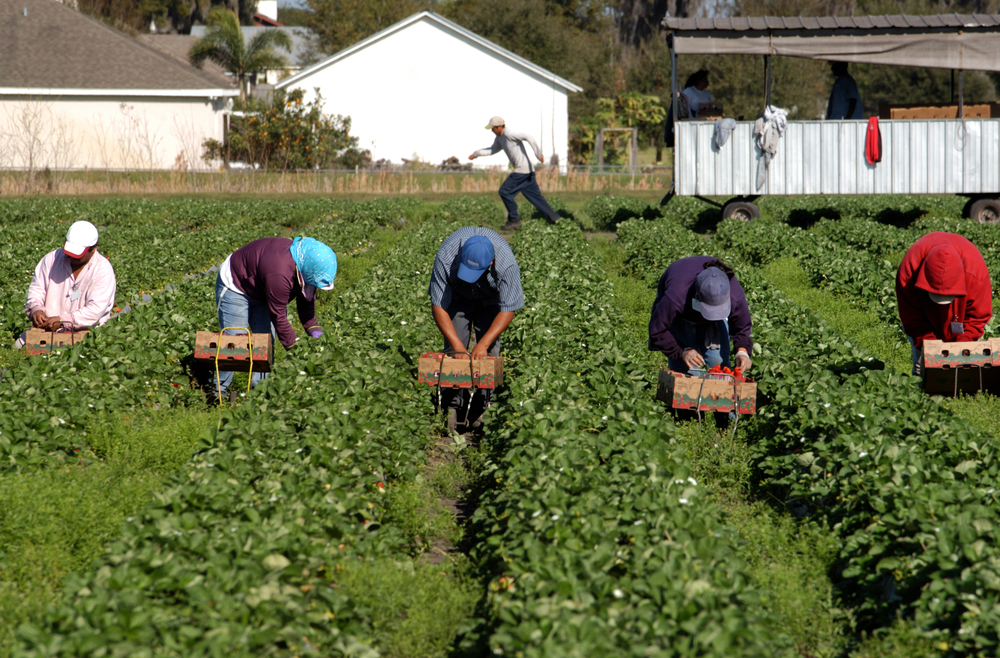
Retaining skilled farm labor is crucial for the long-term success and sustainability of any agricultural operation. High employee turnover leads to increased recruitment and training costs, decreased productivity, and a loss of valuable institutional knowledge. A proactive retention strategy focuses on creating a supportive and rewarding work environment that encourages employees to stay. This involves offering opportunities for growth, providing fair compensation and benefits, and fostering a culture of respect and appreciation.
Strategies for Retaining Skilled Farm Labor
Implementing effective strategies to retain skilled farm labor requires a multi-faceted approach. This includes offering opportunities for career advancement, providing professional development, and ensuring fair treatment. By investing in employees and creating a positive work environment, farm owners can significantly reduce turnover rates and build a loyal and productive workforce.
- Opportunities for Career Advancement: Provide clear pathways for employees to advance within the farm operation. This could involve promoting individuals to supervisory roles, offering specialized training to increase their skill set, or giving them increased responsibilities over time. For example, a farm could promote a skilled tractor operator to a field supervisor position after they demonstrate proficiency in managing field operations and leading a team.
- Professional Development: Invest in employees’ skills and knowledge by offering professional development opportunities. This can include sponsoring employees to attend industry workshops and conferences, providing access to online training courses, or funding certifications relevant to their roles. An example would be sending a farm worker to a specialized training course on precision agriculture techniques, allowing them to utilize new technologies and improve their skills.
- Fair Treatment and Respect: Treat all employees with respect and fairness, regardless of their position or background. This includes ensuring that they are treated equally, providing a safe and inclusive work environment, and addressing any concerns or complaints promptly and effectively. Implement a clear and transparent communication process to keep employees informed about farm operations, changes, and expectations.
Conducting Regular Performance Reviews and Providing Constructive Feedback
Regular performance reviews and constructive feedback are essential tools for employee retention and development. They provide an opportunity to recognize achievements, identify areas for improvement, and foster open communication between employees and management. A well-structured performance review process, coupled with consistent feedback, can significantly improve employee morale and performance.
- Regular Performance Reviews: Conduct performance reviews at least annually, or more frequently if needed. These reviews should be a formal process that allows for a comprehensive assessment of an employee’s performance, including their strengths, weaknesses, and contributions to the farm’s success. The review should also include a discussion of the employee’s goals and aspirations and how the farm can support their professional development.
- Constructive Feedback: Provide specific and actionable feedback to employees on their performance. Focus on both positive aspects and areas for improvement, using concrete examples to illustrate your points. Avoid vague or general statements, and instead, provide clear guidance on how the employee can improve their skills or performance.
- Goal Setting and Development Plans: Work with employees to set clear goals and create development plans. This can help employees understand what is expected of them and how they can grow within the farm operation. Development plans should Artikel specific steps the employee can take to improve their skills or advance their career, including training, mentoring, and other opportunities.
- Documentation: Maintain thorough documentation of performance reviews, feedback, and development plans. This documentation can be used to track an employee’s progress over time and to identify areas where additional support or training may be needed. This also provides a record of performance for legal and administrative purposes.
Creating a Long-Term Retention Strategy
Developing a long-term retention strategy requires a comprehensive approach that goes beyond simply offering competitive wages and benefits. This strategy should focus on creating a positive work environment, investing in employee development, and fostering a culture of appreciation and recognition. By implementing a well-defined plan, farm owners can build a loyal and skilled workforce that contributes to the long-term success of the operation.
- Training and Skill Upgrades: Continuously invest in employee training and skill upgrades. This can involve offering on-the-job training, sponsoring employees to attend industry workshops and conferences, or providing access to online learning resources. The goal is to ensure that employees have the skills and knowledge they need to perform their jobs effectively and to adapt to changing technologies and practices. For instance, a farm might invest in training for employees on the latest irrigation technologies to improve water usage efficiency.
- Competitive Compensation and Benefits: Offer competitive compensation and benefits packages that are aligned with industry standards and employee needs. This includes providing fair wages, health insurance, retirement plans, paid time off, and other benefits that contribute to employees’ financial security and well-being. Regularly review compensation and benefits packages to ensure they remain competitive.
- Employee Recognition and Appreciation: Implement programs to recognize and appreciate employees’ contributions to the farm’s success. This can include offering bonuses, awards, or other forms of recognition for outstanding performance, as well as creating opportunities for social events and team-building activities. A farm might establish an “Employee of the Month” program to recognize outstanding performance and contributions.
- Open Communication and Feedback Mechanisms: Foster open communication and provide mechanisms for employees to provide feedback and voice their concerns. This can include regular staff meetings, suggestion boxes, or anonymous surveys. Actively listen to employee feedback and take steps to address their concerns and suggestions.
- Succession Planning: Develop a succession plan to identify and prepare employees for future leadership roles within the farm operation. This involves identifying employees with leadership potential, providing them with training and development opportunities, and mentoring them to prepare them for future roles.
Using Technology in Labor Management
Leveraging technology is crucial for efficient farm labor management. It streamlines operations, enhances communication, and improves productivity. Integrating technology allows for better tracking, analysis, and decision-making, ultimately contributing to increased profitability and sustainability.
Tracking Employee Hours, Managing Payroll, and Monitoring Productivity
Accurate timekeeping and efficient payroll processing are essential for fair compensation and legal compliance. Technology provides solutions to automate these processes, reducing errors and saving time.
- Time Tracking Systems: Employing time clocks or time tracking software ensures accurate recording of employee hours. These systems can range from simple punch clocks to sophisticated software integrated with payroll systems. Examples include biometric scanners, time-tracking apps on smartphones, and web-based platforms. The use of such systems can eliminate manual errors and provide real-time data on labor costs.
- Payroll Software: Utilizing payroll software automates the calculation of wages, deductions, and taxes. This simplifies the payroll process, reduces the risk of errors, and ensures compliance with labor laws. These systems often integrate with time tracking data, streamlining the entire payroll cycle.
- Productivity Monitoring: Implementing tools to monitor employee productivity helps identify areas for improvement. This could involve tracking the number of units harvested per hour, the area of land weeded per day, or other relevant metrics. Data analysis from these systems can inform decisions on task assignments, training needs, and overall operational efficiency.
- Example: A large fruit farm utilizes a time-tracking app on employee smartphones to record work hours. The app integrates with their payroll software, automatically calculating wages. They also use a farm management system to track the yield per worker. This integrated approach provides them with real-time insights into labor costs and productivity, allowing for prompt adjustments to maximize efficiency.
Using Farm Management Software to Schedule Tasks, Assign Responsibilities, and Communicate with Employees
Farm management software provides a centralized platform for managing various aspects of farm operations, including labor management. It allows for efficient scheduling, clear task assignments, and effective communication.
- Task Scheduling: Scheduling tasks involves planning and organizing work activities, considering factors such as crop needs, weather conditions, and labor availability. Farm management software enables the creation of detailed schedules, ensuring that tasks are completed on time.
- Responsibility Assignment: Assigning responsibilities involves allocating tasks to specific employees or teams. The software allows managers to assign tasks, track progress, and monitor completion rates. Clear task assignments help avoid confusion and ensure accountability.
- Communication Tools: Effective communication is vital for coordinating farm activities. Farm management software often includes communication features such as messaging, notifications, and task updates. This allows managers to communicate important information to employees in real-time.
- Example: A vegetable farm uses farm management software to schedule planting, weeding, and harvesting activities. The software allows the farm manager to assign specific tasks to individual employees or work crews. Employees receive notifications about their assignments through the software’s mobile app. The system also allows the manager to monitor task completion and communicate any changes or updates.
Using Mobile Devices for On-the-Job Training, Communication, and Performance Tracking
Mobile devices, such as smartphones and tablets, are valuable tools for on-the-job training, communication, and performance tracking. They provide easy access to information and facilitate real-time data collection.
- On-the-Job Training: Mobile devices can deliver training materials, such as videos, manuals, and interactive tutorials, directly to employees in the field. This allows employees to learn new skills or refresh their knowledge while working. The training can be tailored to specific tasks or roles.
- Communication: Mobile devices facilitate instant communication between managers and employees. Employees can receive updates on tasks, ask questions, and report issues. Communication apps and messaging platforms streamline communication and ensure everyone is informed.
- Performance Tracking: Mobile devices can be used to collect data on employee performance. Employees can record their work hours, the quantity of work completed, and any issues encountered. This data can be used to assess productivity, identify areas for improvement, and provide feedback.
- Example: A vineyard provides its employees with tablets loaded with training videos on pruning techniques. Employees can access these videos while working in the vineyard, improving their skills and ensuring consistency in pruning practices. The tablets are also used to communicate daily work schedules and report any issues with equipment or crops.
Formatting and Visualization
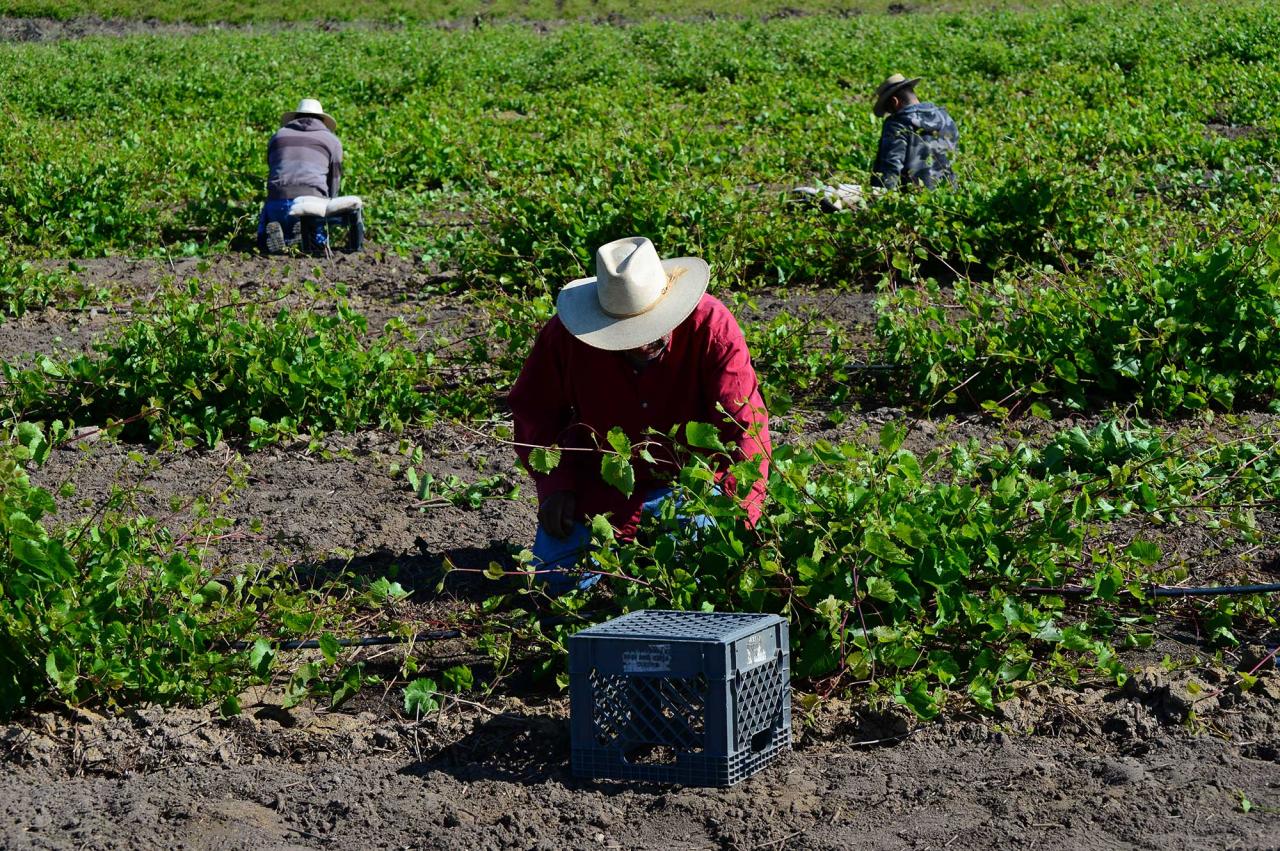
Effective communication and organization are crucial for managing farm labor efficiently. Visual aids and well-structured information improve understanding and streamline processes. This section focuses on presenting farm labor information in a clear and accessible format.
Farm Labor Roles, Skills, and Pay Scales
Understanding the different roles on a farm, the skills required for each, and the associated pay scales is essential for fair compensation and effective recruitment. The following table illustrates common farm labor roles, outlining necessary skills and providing estimated pay ranges. Note that these figures are estimates and can vary significantly based on location, experience, and farm size.
| Role | Required Skills | Estimated Hourly Pay Range (USD) | Responsibilities |
|---|---|---|---|
| Farm Manager | Crop management, livestock care, budgeting, personnel management, equipment operation, problem-solving, decision-making | $25 – $50+ | Overseeing all farm operations, planning, budgeting, supervising staff, ensuring efficient resource allocation, and ensuring compliance with regulations. |
| Field Worker/General Laborer | Planting, weeding, harvesting, operating basic equipment, general farm maintenance, physical stamina | $15 – $25 | Performing a variety of tasks, including planting, weeding, harvesting crops, maintaining fields and equipment, and other general farm duties as assigned. |
| Equipment Operator | Operation and maintenance of tractors, combines, and other farm machinery, mechanical aptitude, safety awareness | $20 – $40 | Operating and maintaining farm machinery for planting, harvesting, and other field operations. This includes conducting routine maintenance and repairs. |
| Livestock Handler | Animal care, feeding, health monitoring, handling techniques, knowledge of animal behavior | $16 – $30 | Caring for livestock, including feeding, watering, monitoring health, and assisting with breeding or other animal management practices. |
Hiring Process Flowchart
The hiring process, from job posting to onboarding, can be complex. A visual representation, such as a flowchart, simplifies this process, making it easier to understand and follow. The following is a description of a flowchart.The flowchart begins with a clear rectangle labeled “Job Posting.” An arrow extends to a diamond-shaped box labeled “Screening Applications.” From this box, two arrows emerge: one labeled “Reject” (leading to an end point) and another labeled “Shortlist Candidates” (leading to the next step).
This next step is a rectangle labeled “Interview Candidates.” From here, again, two arrows emerge: one labeled “Reject” (leading to an end point) and another labeled “Select Candidate” (leading to the next step). This leads to a rectangle labeled “Offer Employment.” Again, two arrows emerge: one labeled “Candidate Declines” (leading to an end point) and another labeled “Candidate Accepts” (leading to the next step).
This leads to a rectangle labeled “Onboarding.” From “Onboarding” an arrow leads to an end point labeled “Successful Hire.” The flowchart visually represents the sequential steps involved in the hiring process.
Common Farm Labor Challenges and Solutions
Farms often face specific labor challenges. Identifying these challenges and implementing effective solutions is crucial for operational success.
- Challenge: Seasonal Fluctuations in Labor Needs.
- Solution:
- Employing a mix of full-time and seasonal workers.
- Utilizing temporary staffing agencies.
- Implementing flexible work schedules.
- Challenge: Labor Shortages.
- Solution:
- Offering competitive wages and benefits.
- Improving working conditions.
- Developing relationships with local educational institutions.
- Challenge: High Employee Turnover.
- Solution:
- Providing opportunities for professional development.
- Creating a positive work environment.
- Offering performance-based incentives.
- Challenge: Communication Barriers.
- Solution:
- Providing training in multiple languages.
- Using visual aids and clear instructions.
- Appointing bilingual supervisors.
- Challenge: Compliance with Labor Laws.
- Solution:
- Staying informed about labor laws and regulations.
- Seeking legal advice when necessary.
- Implementing proper record-keeping practices.
Final Review
In conclusion, mastering the art of how to hire skilled farm labor is an ongoing process that requires careful planning, execution, and a commitment to creating a supportive and rewarding work environment. By following these guidelines, farms can build a strong and capable workforce, leading to increased productivity, efficiency, and long-term sustainability. Remember, the success of your farm is directly tied to the quality of your team.