Managing multi-species grazing offers an innovative approach to optimizing pasture utilization while promoting ecosystem diversity. This practice involves integrating different animal species into a cohesive grazing system, which can lead to enhanced pasture health, improved soil fertility, and increased biodiversity. Understanding the dynamics of various species and their interactions with the land is essential for developing effective management strategies that benefit both producers and the environment.
This comprehensive approach requires careful planning, including selecting compatible species, designing rotational grazing schedules, and monitoring pasture conditions. By implementing these practices, land managers can create resilient grazing systems that support productive livestock, safeguard soil integrity, and foster ecological balance.
Understanding Multi-Species Grazing Systems
Multi-species grazing systems involve the strategic management of different livestock species within a shared pasture environment. This approach harnesses the unique feeding behaviors and nutritional requirements of various animals to optimize pasture use, improve land health, and enhance farm productivity. When designed effectively, such systems can contribute to sustainable land management and increased biodiversity on agricultural landscapes.
Implementing multi-species grazing offers multiple benefits, including improved pasture utilization, reduction in parasite loads, and enhanced nutrient cycling. These systems can also mitigate the negative impacts associated with monoculture grazing, such as soil degradation and the loss of native plant species. By mimicking natural ecosystems more closely, multi-species grazing promotes resilient and diverse pasture landscapes that support both livestock health and environmental sustainability.
Benefits of Managing Multiple Species in a Grazing System
Managing multiple livestock species together provides several ecological and economic advantages. Different species have complementary grazing habits, which allows for more efficient use of available forage resources. For instance, cattle primarily graze on grasses and broadleaf plants, while small ruminants like goats prefer browsing on shrubs and woody plants. This diversity reduces overgrazing of specific plant types and promotes a more balanced pasture ecosystem.
Furthermore, multi-species grazing can improve pasture health through natural pest and parasite control. Certain animals can disrupt the life cycles of parasites that affect other species, leading to a reduction in chemical parasite treatments. The ability to diversify income streams by raising different livestock types also contributes to economic stability and resilience against market fluctuations or disease outbreaks.
Impact on Pasture Health and Biodiversity
Strategic multi-species grazing positively influences pasture health by encouraging a variety of plant species and preventing dominance of invasive or less desirable plants. The differing grazing pressures exerted by various animals promote a more diverse plant community, which enhances soil stability and nutrient cycling. This biodiversity helps increase resilience to drought, pests, and diseases, ultimately leading to more sustainable land management.
Additionally, multi-species grazing fosters richer habitat conditions, supporting a broader range of native wildlife and beneficial insects. The structural diversity created by various grazing patterns can provide shelter and food sources for pollinators, birds, and other beneficial organisms. Such practices contribute to broader ecological balance and conservation goals.
Suitable Species Combinations for Different Climates and Terrains
Choosing appropriate livestock combinations depends on regional climate conditions, terrain, and pasture characteristics. In temperate regions with lush grasses, combining cattle with sheep is common because their grazing preferences are complementary. Cattle tend to graze taller grasses, while sheep prefer shorter, more tender forage, allowing for efficient utilization of pasture resources.
In arid or semi-arid environments, goats are often integrated with sheep or cattle, as they are highly adaptable to drought conditions and browse on woody plants that other species avoid. This combination can improve land use efficiency while also controlling brush and invasive shrubs that threaten native ecosystems. For mountainous terrains, small ruminants like goats and sheep are more suitable due to their agility, and their grazing can help reduce wildfire fuel loads by consuming brush and dry grasses.
In tropical regions, integrating cattle with buffalo and small ruminants can optimize pasture management, as these animals often have complementary feeding behaviors and habitat needs. Properly planned multi-species systems must consider local climate patterns, terrain features, and plant diversity to maximize benefits and maintain ecological balance.
Planning and Designing a Multi-Species Grazing Program
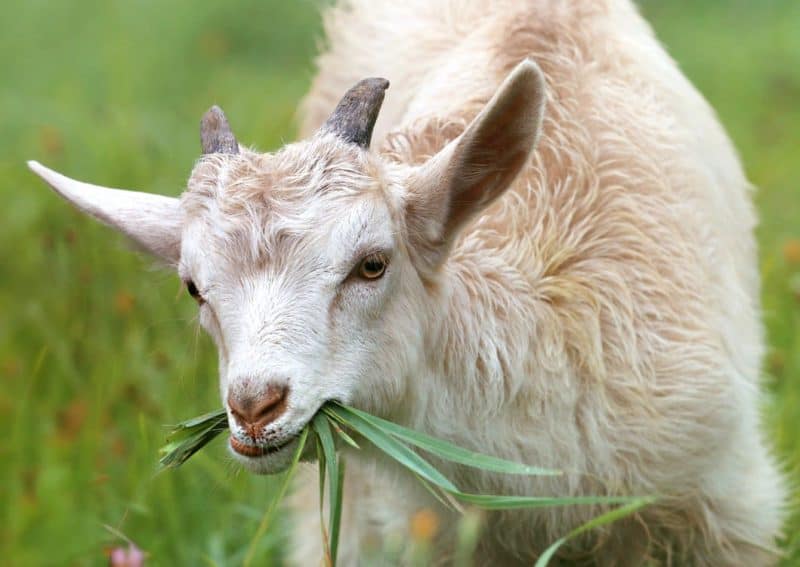
Effective planning and design are fundamental to establishing a successful multi-species grazing system. This process involves a thorough assessment of land resources, understanding the specific needs and behaviors of different animal species, and creating a grazing schedule that maximizes forage utilization while maintaining ecological balance. Proper planning ensures that each component of the system complements the others, leading to improved land health, enhanced productivity, and economic sustainability.
Designing a multi-species grazing program requires a strategic approach that considers both the characteristics of the land and the biological requirements of the animals involved. By carefully selecting species, organizing grazing sequences, and implementing rotational practices, farmers can optimize forage use, reduce parasite loads, and promote biodiversity. The following sections provide detailed steps to guide this planning process, emphasizing the importance of compatibility among species and the efficient management of pasture resources.
Assessing Land Resources and Selecting Appropriate Animal Species
Assessing land resources is a critical first step in designing a multi-species grazing system. It involves evaluating soil quality, forage availability, pasture layout, water sources, and terrain features to determine the carrying capacity of the land. This assessment helps identify areas that may require improvement or modification to support diverse grazing animals effectively.
Once land resources are evaluated, selecting appropriate animal species becomes essential. The choice should be based on the compatibility of forage preferences, grazing behaviors, and the animals’ adaptability to the environment. For example, cattle are known for their ability to consume a wide range of forages, including grasses and some legumes, whereas goats prefer browse and are highly adept at clearing brush, making them suitable for land maintenance and weed control.
Sheep are often complementary to goats due to their preference for grasses and their less aggressive browsing habits.
Matching species to land characteristics and forage types ensures optimal forage utilization and minimizes competition or overgrazing. It also contributes to maintaining soil health and biodiversity by fostering a diverse grazing environment.
Organizing a Rotational Grazing Schedule Incorporating Various Species
Developing an organized rotational grazing schedule is vital for maximizing pasture productivity and preventing land degradation. This involves dividing grazing land into multiple paddocks or zones, allowing for controlled movement of different species through the landscape. Proper scheduling ensures that each species grazes in a way that aligns with its specific needs and behaviors while giving pastures time to recover.
The schedule should consider factors such as forage availability, seasonality, animal nutritional requirements, and the reproductive cycle of the livestock. For instance, cattle might graze in a paddock for a specific period before moving on, allowing forage to regrow and preventing overgrazing. During that time, goats or sheep can be rotated into other paddocks, targeting different forage species and reducing parasite transmission among species.
Implementing a flexible and well-organized grazing plan fosters a balanced ecosystem, promotes soil health, and enhances overall productivity. It also reduces the risk of pasture deterioration and supports the health and welfare of the animals.
Forage Preferences, Grazing Behaviors, and Compatibility Among Species
Understanding the forage preferences, grazing behaviors, and compatibility of different animal species is essential for successful multi-species grazing management. This knowledge allows farmers to design grazing systems that optimize forage use while minimizing conflicts among species, ultimately leading to healthier pastures and animals.
The following table compares key characteristics of common grazing species, providing a clear overview of their interactions within a multi-species system:
| Species | Forage Preference | Grazing Behavior | Compatibility |
|---|---|---|---|
| Cattle | Grasses, legumes, some browse | Grazers with a preference for broad, flat bites; tend to be moderate to low selectivity | Compatible with sheep and goats; can share pasture effectively when managed properly |
| Sheep | Grasses, legumes; less selective than goats | Grazers; tend to prefer finer grasses and forbs, graze closer to the ground | Good complement to cattle; may compete with goats for similar forage types |
| Goats | Browse, shrubs, woody plants, weeds | Browsers; selectively feed on leaves and twigs, often climbing on brush | Can coexist with cattle and sheep; effective for land clearing and controlling invasive plants |
| Sheep | Grasses, legumes | Grazers; prefer shorter, finer forage, graze closer to the ground | Compatibility varies; usually compatible with cattle and goats with proper management |
Properly understanding and leveraging these characteristics allows for strategic grazing plans that utilize each species’ strengths while avoiding competition or land degradation. For example, pairing goats with cattle can efficiently control brush and weeds, whereas sheep and cattle can be grazed together on grass-dominant pastures without significant issues, provided grazing pressure is balanced.
Managing Grazing Intensity and Timing
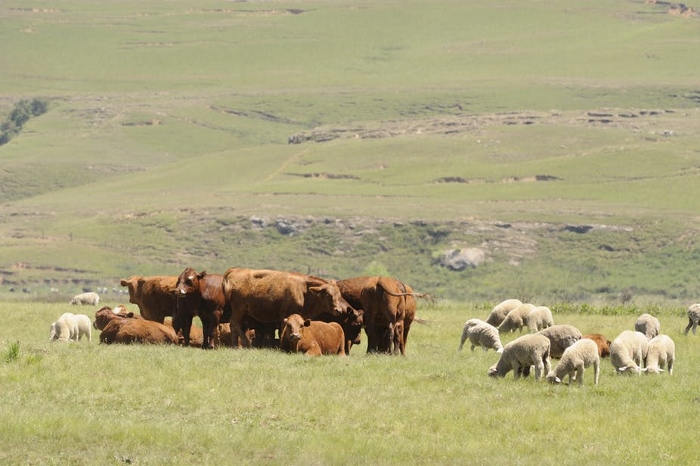
Effective management of grazing intensity and timing is essential for maintaining healthy multi-species grazing systems. Proper strategies ensure that each species grazes optimally without compromising pasture health, allowing for sustainable livestock production and pasture regeneration. Balancing grazing periods with pasture recovery and preventing overgrazing requires thoughtful planning, consistent monitoring, and flexible management practices.Managing grazing intensity involves regulating the number of animals and their distribution across the pasture to avoid overburdening specific areas.
Timing, on the other hand, pertains to determining the optimal periods for introducing, rotating, and removing different species to maximize forage utilization while allowing sufficient pasture recovery. Both elements are interconnected and critical for maintaining ecological balance within a multi-species grazing system.
Developing Strategies to Optimize Grazing Periods for Each Species
Optimizing grazing periods begins with understanding the specific forage preferences, grazing behavior, and nutritional needs of each species involved. This allows for scheduling grazing in a way that minimizes competition and ensures all species access their preferred forage types at appropriate times. For example, cattle may graze more intensively during mid to late summer, while sheep might prefer early-season forage due to their selective browsing habits.Implementing a rotational grazing system tailored to these behaviors can improve forage utilization.
Key strategies include:
- Designing paddock layouts that facilitate efficient movement and rest periods for each species.
- Adjusting grazing durations based on forage availability and species-specific intake rates.
- Synchronizing grazing periods with plant growth stages to promote pasture health and maximize forage quality.
Monitoring livestock behavior and forage conditions regularly enables managers to refine these strategies dynamically, ensuring each species grazes during its most suitable period.
Methods for Monitoring Pasture Recovery and Adjusting Stocking Densities
Effective pasture management necessitates ongoing assessment of pasture condition and recovery status. Regular monitoring helps determine whether current grazing pressures are sustainable or if adjustments are needed to prevent degradation. Common methods include visual assessments, pasture height measurements, and soil tests to evaluate plant vigor and ground cover.To monitor pasture recovery:
- Assess forage height and biomass at regular intervals, ideally weekly, to identify signs of overgrazing or underutilization.
- Measure residual forage mass after grazing to determine if plants have sufficient regrowth potential.
- Observe signs of soil compaction or erosion, which may indicate excessive grazing intensity.
Based on these assessments, stocking densities can be adjusted by:
- Reducing the number of animals per paddock when signs of overgrazing are evident, allowing for pasture recovery.
- Increasing grazing periods if pasture conditions permit, thus making more efficient use of forage resources.
- Implementing rest periods for heavily grazed areas to facilitate regrowth before reintroducing grazing animals.
Incorporating flexible stocking strategies, such as temporary herd reductions or strategic rest rotations, enhances pasture resilience and supports the long-term productivity of multi-species grazing systems.
Timing of Species Introduction and Removal to Prevent Overgrazing
The timing of introducing and removing different livestock species is pivotal in managing grazing pressure and maintaining pasture vitality. Proper timing ensures that forage is not overharvested, allowing plants adequate time to regenerate, which is particularly vital in multi-species systems with diverse feeding behaviors.Procedures for optimal timing include:
“Aligning species grazing schedules with forage growth cycles to prevent grazing during critical regrowth periods.”
- Initiating grazing when forage reaches a minimum height that supports targeted species’ intake without damaging the plant roots.
- Removing animals before forage biomass declines to levels that hinder regrowth, typically when residual forage reaches a predetermined minimum height or biomass threshold.
- Staggering the introduction of different species based on seasonal forage availability to avoid simultaneous high grazing pressure on the pasture.
- Utilizing strategic grazing events, such as short-duration rotational grazing, to prevent overexposure of plants and facilitate pasture recovery.
Case studies from temperate regions demonstrate that introducing sheep after cattle have grazed in early summer permits pasture plants to recover during late summer and early fall. Similarly, removing goats from heavily browsed areas before winter allows for woody plant recovery. These practices require careful planning, real-time pasture monitoring, and flexible adjustments to grazing schedules to sustain both livestock productivity and pasture health.
Enhancing Pasture Productivity and Soil Health
Implementing multi-species grazing systems offers a strategic approach to improving both pasture productivity and soil health. By integrating diverse plant and animal species, farmers can foster richer soil ecosystems, reduce the need for chemical inputs, and create resilient grazing environments that sustain productivity over the long term. This holistic management not only benefits crop yields but also enhances the sustainability and ecological balance of grazing lands.
Utilizing a variety of techniques that promote soil fertility and pasture resilience is essential for maximizing the benefits of multi-species grazing. These practices encourage nutrient cycling, improve soil structure, and suppress pests and diseases, leading to healthier pastures that support productive livestock while maintaining ecological integrity.
Techniques for Integrating Multi-Species Grazing to Improve Soil Fertility
Integrating multiple species in grazing systems involves adopting practices that promote biodiversity and symbiotic interactions between plants and animals. These techniques help enhance soil organic matter, fix nitrogen, and improve nutrient availability, ultimately boosting pasture productivity.
- Mixed Swards: Establishing pastures with a diverse mix of grasses, legumes, and herbs encourages complementary nutrient uptake. Legumes, such as clover or alfalfa, fix atmospheric nitrogen, naturally enriching the soil and reducing the need for synthetic fertilizers. Including deep-rooted species can improve soil aeration and water infiltration.
- Crop Rotation: Rotating different crops or pasture species prevents soil exhaustion and disrupts pest and disease cycles. Incorporating grazing periods for different species at different times ensures continuous ground cover, reduces erosion, and promotes nutrient cycling by returning organic matter to the soil.
- Cover Cropping: Planting cover crops during fallow periods or between grazing cycles enhances soil organic matter, reduces erosion, and suppresses weeds. Cover crops like rye, vetch, or clover can be incorporated into grazing systems to improve soil structure and capture nutrients for subsequent pasture growth.
Reducing Parasite Loads and Improving Pasture Resilience through Diverse Grazing
Multi-species grazing significantly contributes to controlling internal parasite loads in livestock. Different species tend to host specific parasites, and by rotating or mixing animals, the life cycle of parasites is disrupted, reducing infestations without reliance on chemical treatments. This natural parasite management enhances animal health and reduces the risk of drug resistance.
Furthermore, diverse grazing systems foster resilient pastures capable of withstanding environmental stresses such as drought, pests, or disease outbreaks. The presence of varied plant species enhances biodiversity, provides multiple forage options for livestock, and creates a more stable and productive ecosystem. This diversity buffers the system against fluctuations, ensuring sustained pasture productivity and ecological stability over time.
Addressing Challenges in Multi-Species Grazing Management
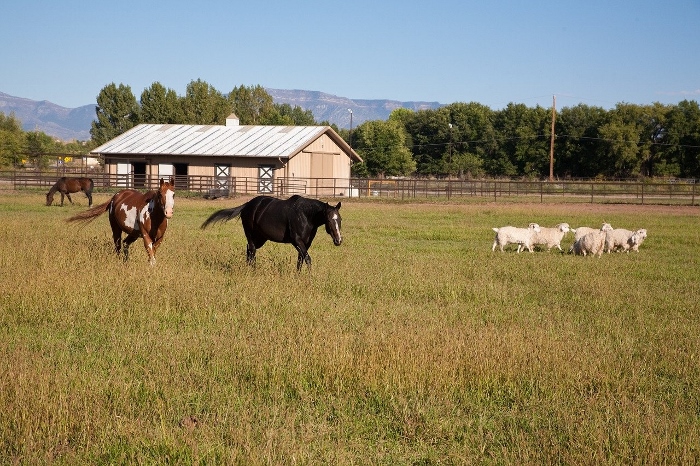
Implementing multi-species grazing systems offers numerous benefits, including enhanced pasture utilization, improved soil health, and increased farm resilience. However, managing multiple species concurrently presents distinct challenges that require careful consideration and adaptive strategies. Recognizing and effectively addressing these issues is essential to ensure the health of both the pasture ecosystem and the grazing animals, ultimately leading to sustainable and productive grazing operations.Successfully managing multi-species grazing necessitates understanding the complex interactions among different animal species, their specific nutritional requirements, and the potential for competition.
Additionally, disease control becomes more intricate due to the increased diversity of animals, each with unique susceptibilities. Managing these challenges involves implementing targeted management plans that adapt to changing pasture conditions and animal health status, fostering a harmonious and productive grazing environment.
Managing Species-Specific Nutritional Needs and Competition
In multi-species grazing systems, each species often has distinct dietary preferences and nutritional requirements, which can lead to competition for select forage types or uneven pasture utilization. For instance, cattle may prefer taller, more fibrous forage, whereas sheep might focus on shorter, more tender plants, creating potential for overgrazing certain pasture areas and underutilization of others.To effectively manage species-specific nutritional needs and minimize competition:
- Design pasture layouts to include a variety of forage species and heights, catering to the preferences of different animals and ensuring balanced grazing pressure across the pasture.
- Implement strategic grazing sequences, such as rotational grazing, to allow forage recovery and prevent overgrazing of preferred species by specific animal groups.
- Adjust stocking densities according to species and pasture capacity, ensuring each species receives adequate forage without excessive competition.
- Utilize supplemental feeding when necessary, particularly during periods of pasture scarcity or when certain species have specialized dietary needs that exceed available forage quality.
Recognizing these differences and tailoring management practices accordingly helps maintain pasture health and animal performance.
Managing Species Interactions and Disease Control
Interactions among different species can influence grazing behavior, pathogen transmission, and overall herd health. Close proximity of diverse animal species increases the risk of disease spread, especially when animals share water sources, feeding areas, or pasture zones. Certain diseases are species-specific, but others can be zoonotic or cross-species, necessitating vigilant health management practices.Effective measures to manage species interactions and control disease include:
- Implementing biosecurity protocols such as quarantine procedures for new or sick animals to prevent disease introduction and spread.
- Maintaining adequate spacing between different species during grazing and watering to reduce contact and minimize disease transmission risks.
- Ensuring regular veterinary health checks and vaccination programs tailored to the specific pathogens prevalent in the region and among the species present.
- Practicing pasture rotation and rest periods to break disease cycles, promote pasture recovery, and reduce pathogen load in the environment.
- Monitoring animal behavior and health indicators vigilantly, with prompt intervention at signs of illness or abnormal behavior.
These strategies foster a healthier grazing system by reducing disease pressures and promoting the well-being of all species involved.
Procedures for Adjusting Management Plans in Response to Pasture Condition and Animal Health
Flexibility in grazing management is crucial to respond effectively to changing pasture conditions and animal health status. Overgrazed pastures, unexpected weather events, or emerging disease outbreaks require prompt adjustments to maintain system productivity and sustainability.Key procedures include:
- Regular pasture assessments, including forage height, biomass measurements, and soil health indicators, to identify signs of degradation or overuse.
- Adjusting grazing timing and intensity based on pasture condition, such as reducing stocking rates during drought or after heavy grazing periods, to allow for recovery.
- Modifying rotation schedules to include longer rest periods or additional pasture subdivisions, facilitating pasture regeneration and preventing long-term degradation.
- Implementing targeted treatments, such as parasite control or disease management protocols, when health issues are detected, and reassessing their effectiveness periodically.
- Documenting all changes and outcomes to refine management strategies continually, ensuring they align with both pasture resilience and animal health outcomes.
Adapting management plans based on ongoing monitoring ensures the sustainability of multi-species grazing systems, safeguarding pasture resources and promoting healthy, productive herds.
Monitoring and Evaluating System Performance
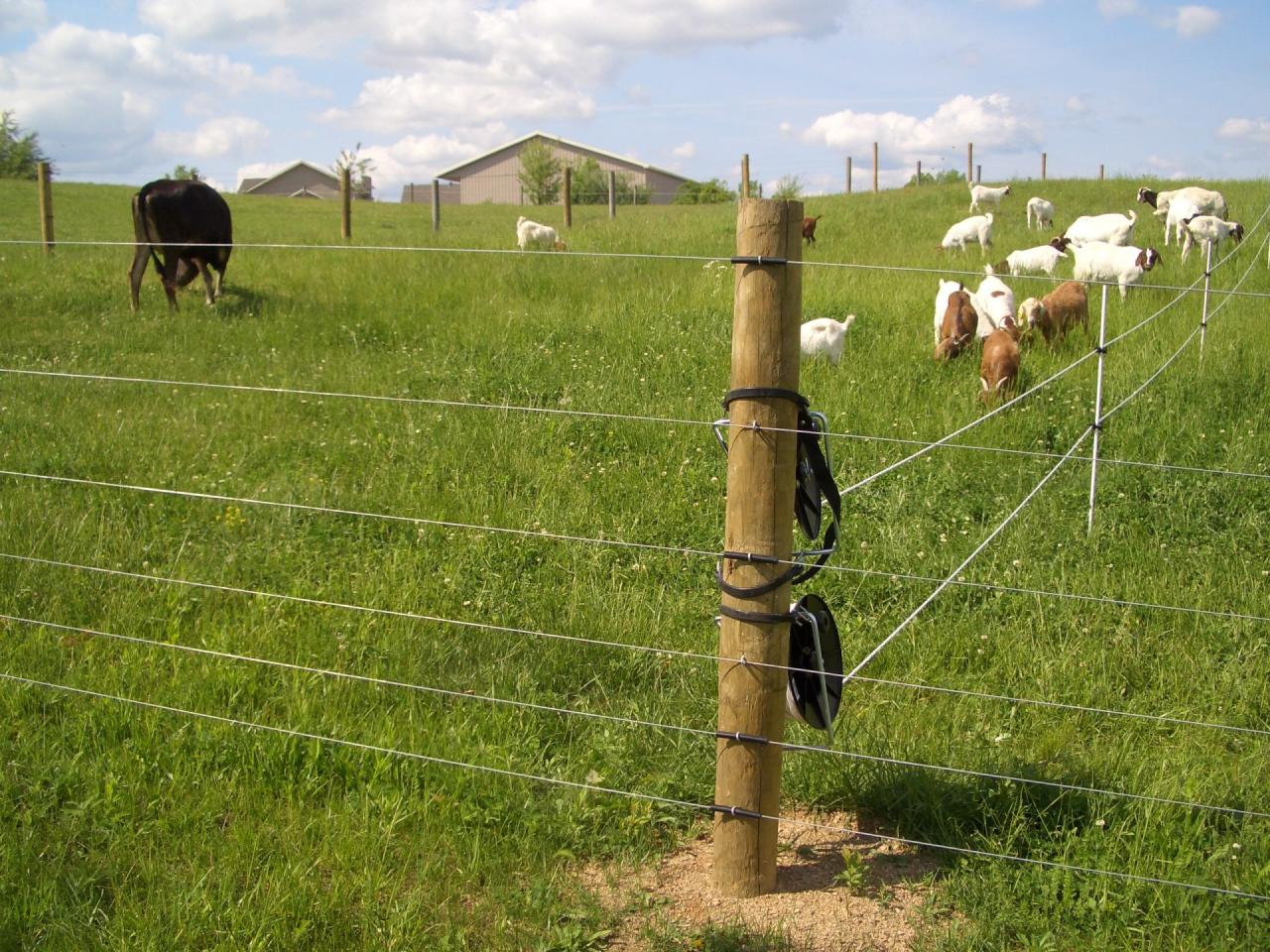
Effective management of multi-species grazing systems depends on ongoing monitoring and evaluation to ensure that both animal performance and pasture health are optimized. Regular assessment allows farmers and land managers to identify areas for improvement, adapt strategies to changing conditions, and promote sustainable, productive grazing systems. This comprehensive approach supports the long-term viability of multi-species grazing environments by balancing animal needs with pasture resilience and biodiversity conservation.
Implementing structured monitoring protocols and data analysis methods enables precise tracking of key indicators, fostering informed decision-making. By systematically observing livestock performance, pasture conditions, and biodiversity levels, managers can refine grazing plans, mitigate challenges, and enhance overall system efficiency. This section provides guidelines for tracking essential metrics, recording observations, and analyzing data to continuously improve grazing outcomes.
Tracking Animal Performance, Pasture Condition, and Biodiversity
Maintaining detailed records of animal health, growth rates, reproductive performance, and behavior is crucial for assessing the productivity of multi-species grazing systems. Equally important is monitoring pasture condition, such as forage availability, plant diversity, ground cover, and signs of overgrazing. Biodiversity indicators, including the presence and abundance of native flora and fauna, provide insights into ecosystem health and resilience.
Effective evaluation involves regular observations, standardized measurement protocols, and record-keeping. This data helps identify trends, detect issues early, and inform management actions to optimize both livestock performance and ecological integrity. Incorporating stakeholder feedback and utilizing technological tools can further enhance the accuracy and usefulness of monitoring efforts.
Record-Keeping Table for System Performance
The following table serves as a practical template for recording observations related to animal performance, pasture condition, and biodiversity. Consistent data entry facilitates trend analysis and supports evidence-based decision-making.
| Metric | Observation | Date | Action Taken |
|---|---|---|---|
| Animal weight gain | Average daily gain of sheep increased from 150g to 180g over 3 weeks | 2024-04-10 | Adjusted grazing rotation to allow longer rest periods for pasture regeneration |
| Pasture forage availability | Remaining forage biomass measured at 600 kg/ha, below optimal levels | 2024-04-12 | Implemented temporary supplementation and deferred grazing to allow regrowth |
| Biodiversity presence | Increased sightings of native pollinators and ground-nesting birds | 2024-04-15 | Reduced grazing intensity in sensitive areas to preserve habitat |
| Soil compaction | Compaction depth of 10 cm detected in high-traffic zones | 2024-04-16 | Restricted vehicle movement and added organic matter to improve soil structure |
Analyzing Data to Refine Grazing Strategies
Data analysis involves reviewing recorded metrics to identify patterns and assess the effectiveness of existing grazing practices. Techniques such as trend analysis, comparative assessments, and statistical evaluations enable managers to make data-driven adjustments. For instance, a consistent decline in forage biomass may indicate the need to alter grazing intensity or timing, while improvements in animal growth rates can signal optimal management practices.
Utilizing visualization tools like graphs and charts can clarify relationships between variables, making it easier to identify correlations and causal factors. Regularly reviewing monitoring data during seasonal planning meetings ensures that strategies remain responsive to environmental conditions, animal needs, and pasture health. Over time, this iterative process helps develop refined grazing schedules, stocking rates, and pasture management protocols that enhance productivity and ecological sustainability.
“Continuous monitoring and adaptive management are the cornerstones of resilient and sustainable multi-species grazing systems.”
Concluding Remarks
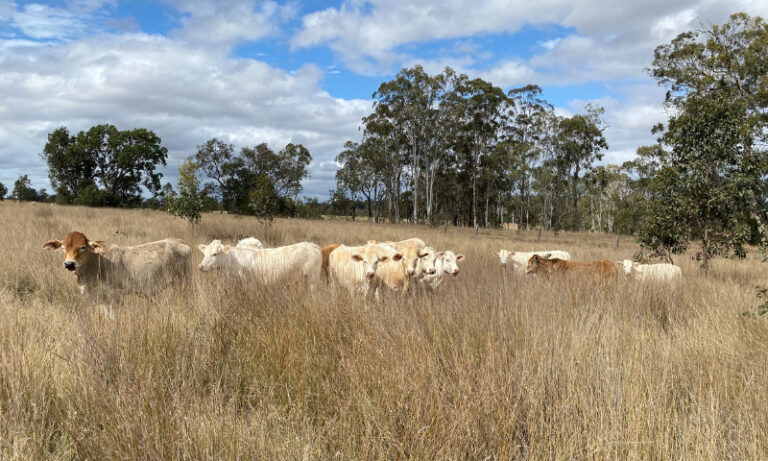
In conclusion, mastering the art of managing multi-species grazing can significantly improve land sustainability and livestock health. With thoughtful planning and ongoing monitoring, producers can harness the benefits of diverse grazing systems to achieve long-term productivity and environmental stewardship. Embracing these practices paves the way for more resilient and productive grazing landscapes.