Managing poultry litter is crucial for both the poultry industry’s sustainability and environmental protection. This comprehensive guide delves into the complexities of poultry litter, exploring its composition, potential environmental impacts, and effective management strategies. From understanding the fundamental characteristics of poultry litter to implementing best practices, this exploration provides the knowledge needed for responsible and profitable poultry farming.
The discussion encompasses a wide range of topics, starting with the composition and characteristics of poultry litter, which include moisture content, pH levels, and nutrient composition. We will then explore the environmental concerns associated with improper management, such as water and air pollution, greenhouse gas emissions, and ecosystem impacts. Furthermore, we’ll explore best management practices, including storage methods, composting techniques, and step-by-step litter management plan implementation.
Finally, we’ll discuss innovative approaches and future trends, from emerging technologies to the potential of poultry litter as a renewable energy source.
Understanding Poultry Litter
Poultry litter, a byproduct of poultry production, is a complex material with significant implications for both agricultural sustainability and environmental management. Effective management of poultry litter hinges on a thorough understanding of its composition, characteristics, and the factors that influence them. This knowledge is crucial for maximizing its beneficial uses while minimizing potential negative impacts.
Composition of Poultry Litter
Poultry litter is a heterogeneous mixture primarily composed of manure, bedding materials, spilled feed, feathers, and other organic and inorganic materials. The exact composition varies considerably depending on several factors, but a general breakdown provides a useful starting point.The following table illustrates the typical percentage composition of poultry litter:
| Component | Percentage (%) |
|---|---|
| Manure (feces and urine) | 50-70 |
| Bedding Material | 15-35 |
| Spilled Feed | 5-15 |
| Feathers | 1-5 |
| Other (soil, dust, etc.) | 1-5 |
Factors Influencing Poultry Litter Composition
The composition of poultry litter is not static; it’s influenced by various factors related to poultry production practices. Understanding these factors is essential for predicting litter characteristics and tailoring management strategies.
- Bird Species: Different poultry species, such as broilers, turkeys, and laying hens, produce litter with varying compositions. For example, turkey litter generally has a higher percentage of bedding material and a different nutrient profile compared to broiler litter due to differences in bird size, housing duration, and feeding habits.
- Bedding Materials: The type of bedding material used significantly affects litter composition. Common bedding materials include wood shavings, sawdust, rice hulls, and straw. Wood shavings typically provide good absorbency and aeration, influencing moisture content and decomposition rates. The choice of bedding material affects the carbon-to-nitrogen ratio (C:N ratio), which is crucial for nutrient cycling and odor production. For example, bedding materials high in carbon, like wood shavings, can increase the C:N ratio, potentially reducing ammonia volatilization.
- Feeding Practices: The type and amount of feed provided directly impact litter composition. Diets with higher protein content can lead to increased nitrogen excretion in manure, affecting ammonia levels and nutrient content in the litter. Feed additives, such as those used to enhance growth or control diseases, can also influence litter composition and its potential for use as a fertilizer.
- Water Management: Water spillage and the efficiency of water delivery systems influence litter moisture content. Excessive water can lead to increased ammonia production, promoting the growth of undesirable microorganisms, and reducing the litter’s value as a soil amendment.
- Stocking Density: The number of birds housed per unit area affects the rate of litter accumulation and the overall litter characteristics. Higher stocking densities can lead to increased moisture levels and a more rapid accumulation of waste products.
Physical and Chemical Characteristics of Poultry Litter
Poultry litter exhibits a range of physical and chemical characteristics that determine its suitability for various applications, including fertilizer, soil amendment, and energy production.
- Moisture Content: Moisture content is a critical parameter, typically ranging from 20% to 40%. High moisture levels promote anaerobic decomposition, leading to the production of undesirable gases such as ammonia and methane, and contributing to odor issues. The optimal moisture content for composting is generally between 50% and 60%.
- pH: The pH of poultry litter typically ranges from 7.0 to 8.5, making it slightly alkaline. This alkaline pH can influence nutrient availability and microbial activity. The pH can be affected by factors such as the type of bedding material, feeding practices, and the presence of ammonia.
- Nutrient Levels: Poultry litter is a valuable source of plant nutrients, particularly nitrogen (N), phosphorus (P), and potassium (K). Nutrient levels vary depending on the factors mentioned above. Broiler litter, for example, typically contains higher levels of phosphorus than turkey litter. The following table provides a general range of nutrient levels (on a dry-weight basis):
| Nutrient | Typical Range (%) |
|---|---|
| Nitrogen (N) | 2.0 – 5.0 |
| Phosphorus (P2O5) | 1.5 – 4.0 |
| Potassium (K2O) | 1.5 – 3.5 |
- Carbon-to-Nitrogen Ratio (C:N Ratio): The C:N ratio is a critical factor in determining the rate of decomposition and the release of nutrients. A higher C:N ratio (e.g., greater than 25:1) can slow down the decomposition process, while a lower ratio can lead to rapid decomposition and potential nitrogen loss through volatilization.
- Bulk Density: Bulk density, which refers to the mass of litter per unit volume, influences handling, transportation, and storage. It typically ranges from 300 to 600 kg/m 3.
- Organic Matter Content: Poultry litter contains a significant amount of organic matter, which improves soil structure, water-holding capacity, and overall soil health when applied as a soil amendment.
Importance of Understanding Litter Composition for Effective Management
A thorough understanding of poultry litter composition is fundamental for developing effective management strategies that maximize its benefits while minimizing potential environmental impacts. This knowledge allows for informed decisions regarding:
- Nutrient Management Planning: Knowing the nutrient content of the litter allows for the precise application of the litter as a fertilizer, reducing the risk of over-application and potential nutrient runoff. This, in turn, contributes to the sustainability of agricultural practices.
- Composting Strategies: Understanding the C:N ratio and moisture content allows for optimizing the composting process, ensuring efficient decomposition and the production of a stable, nutrient-rich compost.
- Odor Control: Monitoring ammonia levels and understanding the factors that influence odor production allows for implementing effective odor control measures, such as proper ventilation and litter management techniques.
- Biosecurity: Knowing the potential for pathogens in the litter informs the development of biosecurity protocols to minimize the risk of disease transmission.
- Alternative Uses: Understanding the composition enables the evaluation of alternative uses, such as energy production through anaerobic digestion or the production of value-added products.
Environmental Concerns Associated with Poultry Litter
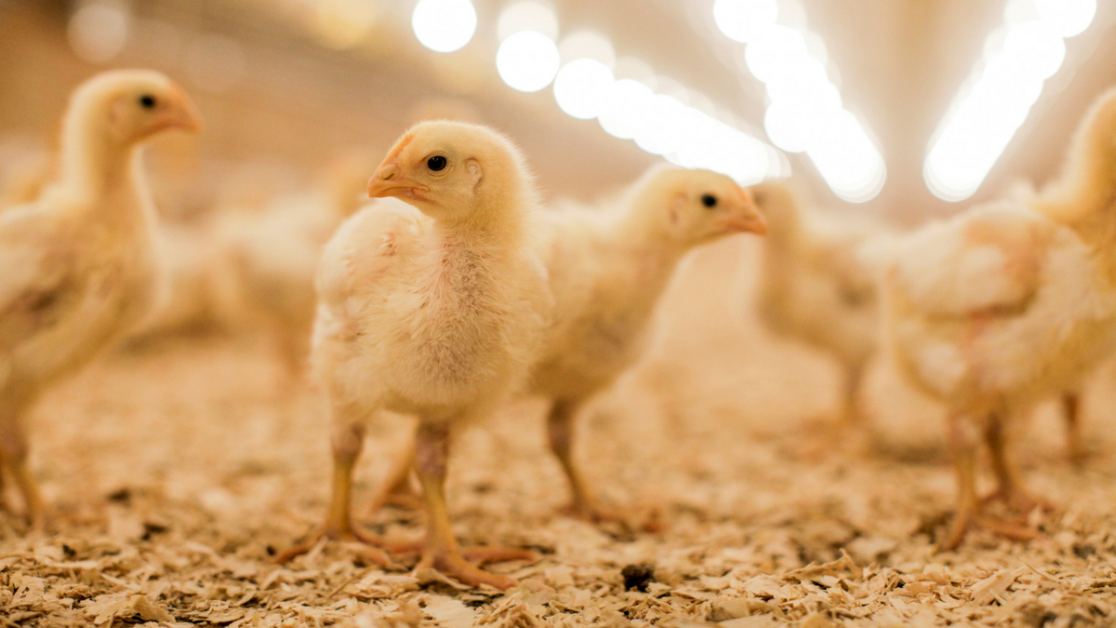
Improper management of poultry litter poses significant environmental challenges. Understanding these impacts is crucial for developing sustainable practices that protect both human health and the environment. The following sections detail the primary environmental concerns associated with poultry litter management, focusing on pollution, greenhouse gas emissions, and ecosystem impacts.
Water and Air Pollution from Improper Management
Improper handling and disposal of poultry litter can lead to substantial water and air pollution, impacting both human and environmental health. This pollution stems from the release of various pollutants into the environment.
- Water Pollution: Poultry litter contains high concentrations of nutrients, primarily nitrogen and phosphorus. When improperly stored or applied to land, these nutrients can runoff into surface waters (rivers, lakes, and streams) or leach into groundwater. This nutrient enrichment, known as eutrophication, leads to excessive algae growth, depleting oxygen levels and harming aquatic life. Furthermore, runoff can carry pathogens, such as bacteria and viruses, from the litter, contaminating water sources and posing risks to human health.
- Air Pollution: Poultry litter also contributes to air pollution. Decomposition of the litter releases several gases, including ammonia (NH3), hydrogen sulfide (H2S), and greenhouse gases like methane (CH4) and nitrous oxide (N2O). Ammonia, a pungent gas, can irritate the respiratory system and contribute to the formation of fine particulate matter (PM2.5) in the atmosphere, leading to respiratory problems and reduced visibility.
Hydrogen sulfide, even at low concentrations, has a characteristic odor and can cause adverse health effects. Greenhouse gases contribute to climate change.
Contribution to Greenhouse Gas Emissions
Poultry litter management practices can significantly contribute to greenhouse gas (GHG) emissions, exacerbating climate change. The decomposition processes within poultry litter, as well as its storage and application, release several GHGs.
- Methane (CH4): Anaerobic decomposition, which occurs in oxygen-deprived environments, such as poorly managed storage piles, generates methane. Methane is a potent GHG, with a global warming potential significantly higher than carbon dioxide (CO2) over a shorter timeframe.
- Nitrous Oxide (N2O): The application of poultry litter to land can lead to the production of nitrous oxide. This gas is produced through microbial processes (nitrification and denitrification) in the soil, particularly when excess nitrogen is present. Nitrous oxide has a high global warming potential and also contributes to the depletion of the ozone layer.
- Carbon Dioxide (CO2): While poultry litter is considered a biogenic source of carbon, the management practices influence the amount of CO2 released. For instance, the decomposition of organic matter in litter releases CO2. Proper management, such as composting, can reduce these emissions by improving decomposition efficiency.
Risks of Nutrient Runoff from Application
The application of poultry litter to land as a fertilizer carries a substantial risk of nutrient runoff, particularly when application rates exceed the crop’s nutrient uptake capacity. This runoff contributes to water pollution and ecosystem degradation.
- Excess Nutrient Application: Over-application of poultry litter is a primary cause of nutrient runoff. When the amount of nitrogen and phosphorus applied exceeds the crop’s needs, the excess nutrients remain in the soil and are susceptible to being washed away by rainfall or irrigation.
- Runoff Pathways: Runoff can occur through several pathways. Surface runoff carries nutrients directly into surface waters. Subsurface runoff, or leaching, transports nutrients through the soil profile, potentially reaching groundwater.
- Impact on Water Bodies: Nutrient runoff leads to eutrophication in surface waters. This process triggers algal blooms, which can deplete oxygen levels in the water, leading to fish kills and the disruption of aquatic ecosystems.
- Examples of Impact: The Chesapeake Bay in the United States provides a clear example. The bay’s water quality has been severely impacted by nutrient runoff from agricultural activities, including poultry farms. High levels of nitrogen and phosphorus from fertilizers and animal manure have contributed to algal blooms, reduced oxygen levels, and the decline of underwater grasses, affecting the bay’s ecosystem and fisheries.
Effects on Local Ecosystems
Improper poultry litter management can severely affect local ecosystems, causing a cascade of negative impacts on biodiversity, water quality, and overall environmental health. These effects can be long-lasting and difficult to reverse.
- Impact on Aquatic Ecosystems: Nutrient runoff from poultry litter contaminates streams, rivers, and lakes, leading to eutrophication. This process triggers algal blooms, which deplete oxygen levels, harming fish and other aquatic organisms. Toxic algal blooms can also produce harmful toxins, further endangering aquatic life and potentially impacting human health.
- Impact on Terrestrial Ecosystems: Over-application of poultry litter to land can alter soil chemistry, leading to nutrient imbalances and the potential for soil erosion. Excess nitrogen can also harm plant communities by favoring certain species and reducing biodiversity. The release of ammonia can also affect the health of terrestrial plants and animals.
- Loss of Biodiversity: The combined effects of water and air pollution, along with changes in soil chemistry, can lead to a decline in biodiversity. Sensitive species may be lost, and the overall resilience of the ecosystem is diminished.
- Disruption of Food Webs: Changes in the base of the food web (e.g., the decline of aquatic plants due to eutrophication) can have cascading effects on higher trophic levels, leading to a reduction in the populations of fish, birds, and other wildlife.
- Example of Ecosystem Damage: The Dead Zone in the Gulf of Mexico is a prime example of ecosystem damage caused by nutrient runoff, largely from agricultural activities, including poultry farms. Excess nutrients from the Mississippi River watershed flow into the Gulf, causing massive algal blooms. When these algae die and decompose, they deplete oxygen in the water, creating a “dead zone” where marine life cannot survive.
Best Management Practices for Poultry Litter
Managing poultry litter effectively is crucial for both environmental protection and the economic viability of poultry farms. Implementing best management practices (BMPs) ensures that litter is handled, stored, and utilized in a way that minimizes negative impacts on the environment, protects human health, and maximizes its value as a resource. These practices encompass various aspects of poultry litter management, from storage and composting to land application and nutrient management planning.
Poultry Litter Storage Methods
Proper storage of poultry litter is essential to prevent environmental contamination and preserve its nutrient value. The choice of storage method depends on factors such as farm size, climate, and available resources. Each method presents its own set of advantages and disadvantages.
Here is a table outlining various poultry litter storage methods:
| Storage Method | Description | Advantages | Disadvantages |
|---|---|---|---|
| Covered Storage Sheds | Litter is stored inside a building, typically a shed with a roof and walls. | Protects litter from rain and snow, reducing nutrient loss; minimizes odor and dust emissions; allows for easier handling and loading. | High initial construction cost; requires regular maintenance; may require permitting; can be labor-intensive. |
| Covered Stacks or Piles | Litter is piled outdoors but covered with a tarp, plastic sheeting, or other waterproof material. | Relatively low initial cost; provides protection from rainfall; reduces nutrient loss compared to uncovered storage. | Requires regular maintenance of the cover; can be labor-intensive; may be susceptible to wind damage; odor and dust emissions can still be a concern. |
| Uncovered Piles | Litter is piled outdoors without any cover. | Lowest initial cost; requires minimal labor. | High risk of nutrient loss due to runoff and leaching; significant odor and dust emissions; susceptible to weather damage; can attract pests. |
| Composting | Litter is mixed with other organic materials and allowed to decompose under controlled conditions. | Reduces volume; destroys pathogens and weed seeds; produces a stable, nutrient-rich product; reduces odor. | Requires specialized equipment and expertise; can be time-consuming; may require permitting. |
Composting Poultry Litter
Composting is a biological process where organic materials, such as poultry litter, are broken down by microorganisms under controlled conditions. This process transforms the litter into a stable, nutrient-rich product that can be used as a soil amendment. Successful composting requires careful management of several factors.
The composting process typically involves the following steps:
- Mixing: Poultry litter is mixed with a bulking agent, such as wood shavings, straw, or other carbon-rich materials. This improves aeration and provides a carbon source for the microorganisms.
- Pile Formation: The mixture is formed into piles or windrows, typically 4-8 feet high and 8-12 feet wide.
- Aeration: Adequate aeration is crucial for the composting process. This can be achieved through turning the piles regularly (e.g., weekly or bi-weekly) or by using forced aeration systems.
- Moisture Management: Maintaining the correct moisture content (50-65%) is essential for microbial activity. Water may need to be added or removed depending on the initial moisture content and environmental conditions.
- Temperature Monitoring: The temperature within the compost pile is a key indicator of the composting process. Temperatures should reach 130-160°F (54-71°C) to effectively kill pathogens and weed seeds.
- Curing: After the initial composting phase, the material is allowed to cure for several weeks to further stabilize the compost.
Successful composting requires the following conditions:
- Adequate Carbon-to-Nitrogen Ratio (C:N): A C:N ratio of 25:1 to 30:1 is generally optimal for composting poultry litter.
- Sufficient Moisture: A moisture content of 50-65% is necessary for microbial activity.
- Adequate Aeration: Oxygen is essential for the aerobic decomposition process.
- Optimal Temperature: Temperatures between 130-160°F (54-71°C) are needed to kill pathogens and weed seeds.
Composting poultry litter reduces its volume, destroys pathogens and weed seeds, reduces odor, and produces a stable, nutrient-rich product that can be used as a soil amendment. For example, research has shown that composting can reduce the volume of poultry litter by up to 50% and eliminate most of the pathogens present in the raw material.
Minimizing Odor and Dust Emissions
Proper litter handling is essential for minimizing odor and dust emissions, which can negatively impact air quality and surrounding communities. These emissions can also pose health risks to farm workers and residents.
Several practices can help reduce odor and dust:
- Maintaining Dry Litter: Keeping litter dry is critical for reducing odor and dust. This can be achieved through proper ventilation in poultry houses, repairing leaks, and preventing water spillage.
- Frequent Litter Removal: Removing litter frequently reduces the buildup of ammonia and other odor-causing compounds.
- Proper Ventilation: Adequate ventilation in poultry houses helps to remove moisture, ammonia, and dust.
- Using Litter Amendments: Litter amendments, such as alum or acidifiers, can help reduce ammonia emissions.
- Implementing Dust Control Measures: Dust control measures, such as applying water or oil to roadways, can help minimize dust emissions from poultry houses and litter handling areas.
- Proper Storage and Handling Techniques: Storing litter in covered structures and using enclosed equipment for handling can help minimize emissions.
By implementing these practices, poultry producers can significantly reduce odor and dust emissions, contributing to improved air quality and community relations. For instance, studies have shown that implementing improved ventilation systems in poultry houses can reduce ammonia emissions by up to 50%.
Implementing a Litter Management Plan
A comprehensive litter management plan is essential for ensuring that poultry litter is handled responsibly and sustainably. The plan should be tailored to the specific needs of the farm and should address all aspects of litter management, from production to utilization.
Here is a step-by-step guide for implementing a litter management plan:
- Assess the Farm’s Current Practices: Evaluate existing litter management practices, including storage, handling, and utilization methods. Identify any areas for improvement.
- Develop a Nutrient Management Plan: This plan should address the amount of litter produced, the nutrient content of the litter, and the amount of nutrients needed by crops grown on the farm. The plan should include a plan for soil testing, litter analysis, and application rates.
- Select Appropriate Storage and Handling Methods: Choose storage and handling methods that are appropriate for the farm’s size, climate, and resources. Consider the environmental impact and cost-effectiveness of each method.
- Implement Best Management Practices: Implement the BMPs discussed above, including maintaining dry litter, proper ventilation, and using litter amendments.
- Monitor and Evaluate the Plan: Regularly monitor and evaluate the effectiveness of the litter management plan. Make adjustments as needed to optimize performance and address any issues that arise.
- Comply with Regulations: Ensure that all litter management practices comply with local, state, and federal regulations.
- Maintain Records: Keep detailed records of all litter management activities, including litter analysis, application rates, and storage practices.
Implementing a comprehensive litter management plan is a continuous process that requires ongoing monitoring and adjustment. By following these steps, poultry producers can ensure that their litter management practices are environmentally sound, economically viable, and compliant with all applicable regulations. For example, a farm in Arkansas that implemented a comprehensive litter management plan, including a nutrient management plan and improved storage facilities, was able to reduce its phosphorus runoff by 40% and improve its relationship with the local community.
Litter Treatment Technologies and Options
Effective management of poultry litter extends beyond simple storage and land application. Various treatment technologies offer alternative approaches to handle poultry litter, reducing environmental impact and potentially recovering valuable resources. These technologies aim to stabilize the litter, reduce its volume, and transform it into a more manageable and potentially beneficial product.
Anaerobic Digestion
Anaerobic digestion (AD) is a biological process where microorganisms break down organic matter in the absence of oxygen. This process converts complex organic materials like poultry litter into biogas, a renewable energy source, and digestate, a nutrient-rich byproduct.The process works in several stages:
- Hydrolysis: Complex organic polymers are broken down into simpler soluble molecules.
- Acidogenesis: These simpler molecules are then converted into volatile fatty acids (VFAs), alcohols, carbon dioxide, and hydrogen.
- Acetogenesis: VFAs are converted into acetic acid, hydrogen, and carbon dioxide.
- Methanogenesis: Finally, methanogens convert acetic acid and hydrogen/carbon dioxide into biogas, primarily methane (CH₄) and carbon dioxide (CO₂).
The biogas produced can be used to generate electricity and heat or upgraded to pipeline-quality natural gas. The digestate, which contains most of the original nutrients (nitrogen, phosphorus, and potassium), can be used as a fertilizer.Environmental benefits of anaerobic digestion include:
- Reduction of greenhouse gas emissions (methane capture).
- Production of renewable energy.
- Reduction of odor and pathogen levels in the litter.
- Production of a more stable and readily usable fertilizer.
Drawbacks of anaerobic digestion include:
- High initial capital costs.
- The need for skilled operation and maintenance.
- Potential for process instability if not managed correctly.
- Digestates may still require further treatment before land application to manage nutrient levels.
Incineration
Incineration involves burning poultry litter at high temperatures, reducing its volume and destroying pathogens. This process can generate heat, which can be used to produce electricity or provide heat for other processes.Incineration typically involves these steps:
- Pre-treatment: Litter may be dried or mixed with other fuels to improve combustion.
- Combustion: The litter is burned in a furnace at temperatures typically between 800-1000°C.
- Energy Recovery: The heat generated can be used to produce steam, which drives turbines to generate electricity.
- Ash Disposal: The remaining ash, which contains mineral nutrients, needs to be properly disposed of or potentially utilized.
- Emission Control: Flue gases are treated to remove pollutants before release.
Environmental benefits of incineration include:
- Significant volume reduction of poultry litter.
- Destruction of pathogens.
- Potential for energy recovery.
Drawbacks of incineration include:
- High initial capital costs and operational expenses.
- Air pollution emissions (e.g., particulate matter, nitrogen oxides, sulfur dioxide) if emission controls are not properly implemented.
- Production of ash, which requires proper disposal.
- Public opposition due to potential environmental and health concerns.
Comparison of Litter Treatment Technologies
The following table compares the costs and benefits of Anaerobic Digestion and Incineration. The table considers factors such as initial investment, operational costs, environmental impact, and the value of the products generated.
| Technology | Costs | Benefits |
|---|---|---|
| Anaerobic Digestion |
|
|
| Incineration |
|
|
Poultry Litter as a Fertilizer
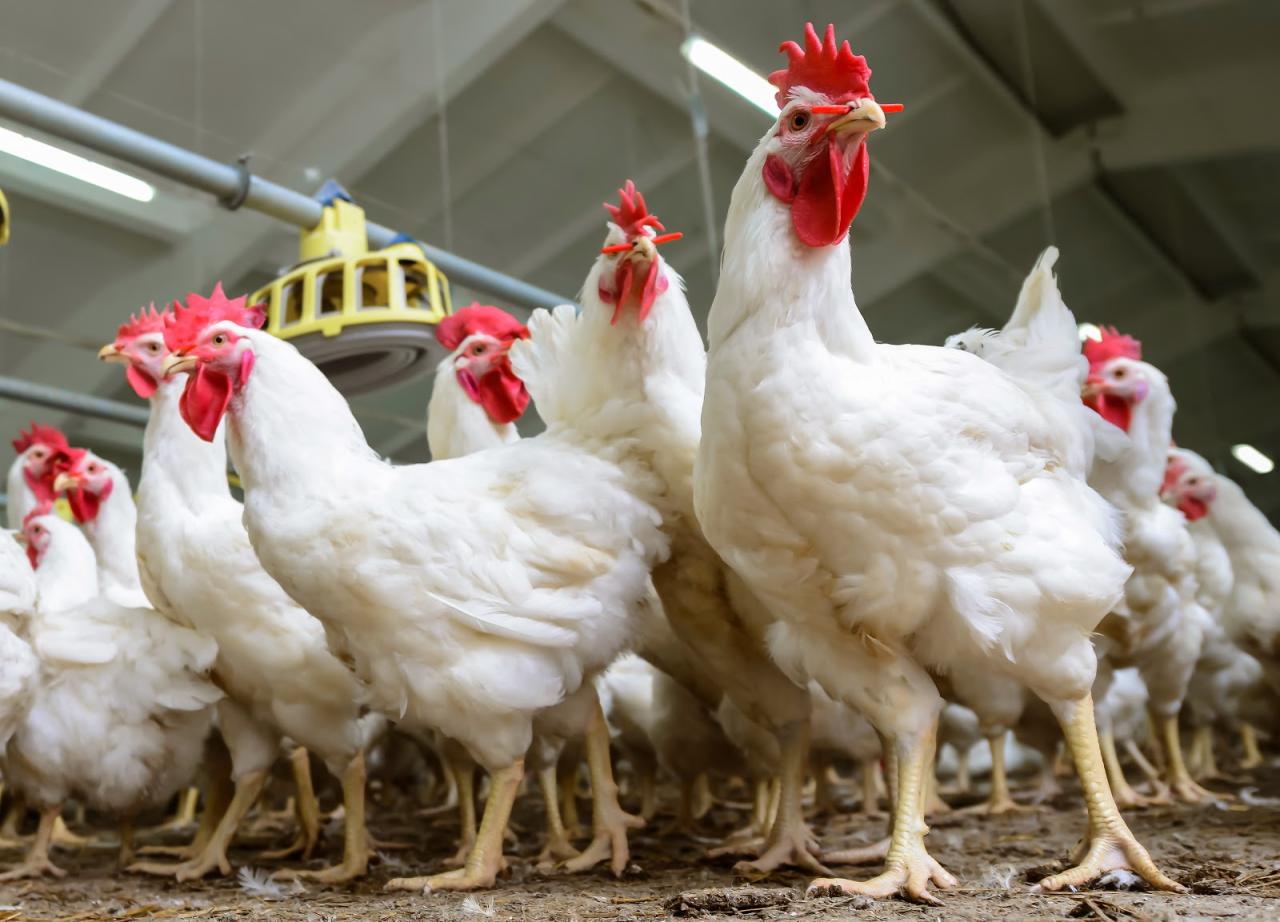
Poultry litter, a valuable byproduct of poultry production, offers significant benefits when used as a fertilizer. Its application to agricultural lands provides essential nutrients to crops, improves soil health, and can contribute to sustainable farming practices. Understanding the proper application methods and adhering to relevant regulations are crucial to maximize the benefits while minimizing potential environmental impacts.
Benefits of Poultry Litter as Fertilizer
Poultry litter is a rich source of essential plant nutrients, making it a valuable fertilizer. It offers a range of benefits for crop production and soil health.
- Nutrient Supply: Poultry litter contains significant amounts of nitrogen (N), phosphorus (P), and potassium (K), the primary macronutrients required for plant growth. It also provides micronutrients like calcium, magnesium, and sulfur.
- Improved Soil Structure: The organic matter in poultry litter enhances soil structure by improving aggregation, increasing water infiltration and retention, and reducing soil erosion. This creates a more favorable environment for root growth.
- Enhanced Water Holding Capacity: Organic matter increases the soil’s ability to retain water, reducing the need for irrigation and improving drought tolerance.
- Increased Microbial Activity: Poultry litter stimulates microbial activity in the soil, which aids in nutrient cycling and the breakdown of organic matter. This leads to improved soil health.
- Reduced Reliance on Synthetic Fertilizers: Using poultry litter can decrease the need for synthetic fertilizers, reducing costs and potentially minimizing the environmental impacts associated with their production and use.
Recommended Application Rates for Poultry Litter
Determining the appropriate application rate of poultry litter is crucial for optimizing crop yields and minimizing environmental risks. This process involves considering several factors.
- Crop Type: Different crops have varying nutrient requirements. For example, corn and other high-yielding crops generally require higher nitrogen inputs than legumes or forage crops.
- Soil Test Results: Soil tests provide information on the existing nutrient levels in the soil. This data is essential for determining how much poultry litter is needed to supplement the soil’s nutrient content.
- Litter Analysis: The nutrient content of poultry litter can vary depending on the type of poultry, feed composition, and management practices. Analyzing the litter provides accurate information on its nutrient composition.
- Application Method: The method of application (e.g., broadcast, band) can influence nutrient availability and uptake.
- Timing of Application: Applying litter at the appropriate time, such as before planting or during the growing season, can maximize nutrient use efficiency.
The following is an example of recommended application rates. These are estimates and should be adjusted based on soil test results and specific crop needs:
- Corn: 2-4 tons per acre (depending on soil test results and expected yield)
- Soybeans: 1-2 tons per acre (typically applied before planting)
- Hay/Pasture: 1-3 tons per acre (applied after cutting or grazing)
Regulations and Guidelines for Poultry Litter Application
The application of poultry litter is subject to various regulations and guidelines at the state and local levels. These regulations aim to protect water quality, prevent nutrient runoff, and ensure responsible land management practices.
- Nutrient Management Plans: Many states require farmers to develop and implement nutrient management plans. These plans Artikel the practices used to manage nutrients, including the application of poultry litter.
- Setback Distances: Regulations often specify setback distances from water bodies, wells, and residential areas to minimize the risk of nutrient runoff and odor issues.
- Application Timing Restrictions: Restrictions on litter application may be in place during periods of high rainfall or when the ground is frozen to reduce the risk of runoff.
- Litter Testing Requirements: Some regulations mandate regular testing of poultry litter to determine its nutrient content and ensure accurate application rates.
- Record Keeping: Farmers are typically required to maintain records of litter application, including application rates, dates, and fields.
- Permitting: Depending on the scale of operations, permits may be required for poultry litter application.
An example of a state-specific regulation: In North Carolina, the Department of Environmental Quality (DEQ) oversees the implementation of nutrient management plans, which regulate the application of poultry litter to protect water quality. These plans require farmers to assess their fields’ nutrient needs and to apply litter at rates that meet crop requirements without exceeding environmental limits.
Procedure for Conducting a Soil Test
Soil testing is a critical step in determining the appropriate application rate for poultry litter. Following a standardized procedure ensures accurate results and reliable recommendations.
- Sample Collection: Collect soil samples from the field using a soil probe or auger. Collect multiple samples from different locations within the field to obtain a representative sample. The number of samples depends on the field size and uniformity.
- Sample Depth: Collect samples from the appropriate depth, typically 6-8 inches for row crops.
- Sample Handling: Place the soil samples in a clean bucket and mix them thoroughly.
- Sample Submission: Send a composite sample to a certified soil testing laboratory. Provide information about the crop to be grown and any previous fertilizer or manure applications.
- Laboratory Analysis: The laboratory will analyze the soil sample for nutrient levels (N, P, K, etc.), pH, and organic matter content.
- Interpretation of Results: The soil test report will provide information on the soil’s nutrient status and recommendations for fertilizer or manure application rates, based on the crop’s nutrient requirements.
- Adjusting Application Rates: Use the soil test results and litter analysis to calculate the appropriate application rate of poultry litter, considering the crop’s needs and the litter’s nutrient content.
Biosecurity and Health Considerations in Litter Management
Effective poultry litter management is crucial not only for environmental sustainability but also for safeguarding the health of the birds and the farm workers. Improper handling of litter can significantly increase the risk of disease outbreaks, posing both economic and animal welfare challenges. Implementing robust biosecurity measures is paramount to mitigate these risks.
Role of Poultry Litter in the Spread of Poultry Diseases
Poultry litter, comprising a mixture of bedding material, manure, feathers, and feed, serves as a potential reservoir and vector for various poultry diseases. The composition of litter provides a favorable environment for pathogen survival and multiplication.The presence of pathogens in litter can lead to:* Direct Transmission: Birds can directly ingest or inhale pathogens present in the litter, leading to infection.
Indirect Transmission
Litter can contaminate equipment, footwear, and vehicles, facilitating the spread of pathogens to other areas of the farm or even to other farms.
Vector Transmission
Flies, rodents, and other pests attracted to the litter can act as vectors, carrying pathogens and spreading them throughout the poultry house and beyond.
Common Pathogens Found in Poultry Litter
Poultry litter can harbor a wide range of pathogens that pose significant threats to poultry health. Understanding the types of pathogens present in litter is critical for implementing effective control measures.Common pathogens found in poultry litter include:* Bacteria:
Salmonella spp.*
These bacteria can cause salmonellosis, a significant cause of foodborne illness in humans. In poultry, it can lead to reduced egg production and mortality.
Clostridium perfringens*
This bacterium causes necrotic enteritis, a common and economically devastating disease in broiler chickens.
-
Escherichia coli (E. coli)*
Certain strains of
- E. coli* can cause colibacillosis, leading to respiratory disease, septicemia, and mortality.
Campylobacter spp.*
This is a common cause of food poisoning in humans, often associated with poultry products. –
Viruses
Avian Influenza Virus
Highly pathogenic avian influenza (HPAI) can cause severe disease and mortality in poultry, leading to significant economic losses and requiring extensive control measures.
Infectious Bronchitis Virus (IBV)
IBV causes respiratory disease, decreased egg production, and kidney damage in chickens.
Gumboro Disease Virus (Infectious Bursal Disease Virus)
This virus attacks the immune system, making birds susceptible to other infections.
Parasites
Eimeria spp.* (Coccidia)
These protozoan parasites cause coccidiosis, a common parasitic disease in poultry that damages the intestinal lining and reduces feed efficiency.
Worms
Various worm species, such as roundworms and tapeworms, can infect poultry and cause health problems.
Fungi
Aspergillus fumigatus*
This fungus causes aspergillosis, a respiratory disease that can lead to mortality, especially in young birds.
Recommendations for Biosecurity Measures to Prevent the Spread of Diseases Through Litter
Implementing comprehensive biosecurity measures is essential to minimize the risk of disease transmission through poultry litter. These measures should be implemented at all stages of litter management, from the poultry house to disposal.Effective biosecurity practices include:* Litter Management:
Proper Ventilation
Adequate ventilation helps to reduce moisture levels in the litter, which inhibits pathogen growth.
Regular Litter Turning
Turning the litter can help to aerate it and break up any caked areas, reducing the survival of pathogens.
Litter Treatment
Using litter treatments, such as acidifiers, probiotics, or other approved products, can help to reduce pathogen loads.
Complete Cleanout
Removing all litter between flocks minimizes the buildup of pathogens.
House Sanitation
Thorough Cleaning and Disinfection
The poultry house and equipment should be thoroughly cleaned and disinfected between flocks to eliminate any remaining pathogens.
Foot Baths and Vehicle Disinfection
Foot baths and vehicle disinfection protocols should be implemented at all entry points to the poultry house to prevent the introduction of pathogens.
Rodent and Pest Control
Implement a comprehensive rodent and pest control program to prevent these vectors from spreading diseases.
Personnel Practices
Protective Clothing
Workers should wear dedicated protective clothing, including boots, coveralls, and gloves, when handling litter.
Hand Hygiene
Frequent handwashing with soap and water or the use of hand sanitizers is crucial.
Visitor Control
Restrict access to the poultry house to essential personnel only. Visitors should adhere to strict biosecurity protocols.
Litter Handling and Disposal
Containment
Ensure that litter is contained during removal and transport to prevent the spread of pathogens.
Proper Disposal
Dispose of litter according to approved methods, such as composting, incineration, or land application, to minimize environmental contamination and pathogen spread.
Avoid Cross-Contamination
Prevent cross-contamination between clean and dirty areas by using separate equipment and pathways.
Importance of Worker Safety When Handling Poultry Litter
Handling poultry litter poses significant health risks to farm workers. Exposure to pathogens, dust, and harmful gases can lead to various health problems. Prioritizing worker safety is therefore crucial for the well-being of farm personnel.Key aspects of worker safety include:* Personal Protective Equipment (PPE):
Workers should always wear appropriate PPE, including respirators (N95 or higher), gloves, eye protection (goggles or face shields), and coveralls.
PPE should be properly fitted and maintained.
Regular training on the correct use and maintenance of PPE is essential.
Respiratory Protection
Litter can generate dust containing allergens, pathogens, and other irritants.
Workers should use respirators to protect their respiratory systems.
Ensure respirators are properly fitted and maintained.
Hygiene Practices
Workers should wash their hands thoroughly with soap and water after handling litter and before eating or drinking.
Showers should be taken at the end of the workday.
Work clothes should be washed separately from other clothing.
Hazard Communication
Workers should be informed about the hazards associated with poultry litter and the specific pathogens that may be present.
Training should be provided on safe handling practices and the use of PPE.
Medical Surveillance
Workers should undergo regular medical checkups to monitor their health and detect any potential health problems related to litter exposure.
A health and safety program should be in place to address any health concerns.
Ventilation and Air Quality
Ensure adequate ventilation in areas where litter is handled to minimize dust and harmful gas exposure.
Monitor air quality and implement measures to reduce dust and gas levels.
Safe Handling Procedures
Workers should be trained on safe litter handling procedures, including proper lifting techniques and the use of equipment.
Avoid unnecessary contact with litter.
Emergency Procedures
Develop and implement emergency procedures for handling incidents such as pathogen exposure or injury.
Ensure that first aid supplies are readily available.
Economic Aspects of Poultry Litter Management
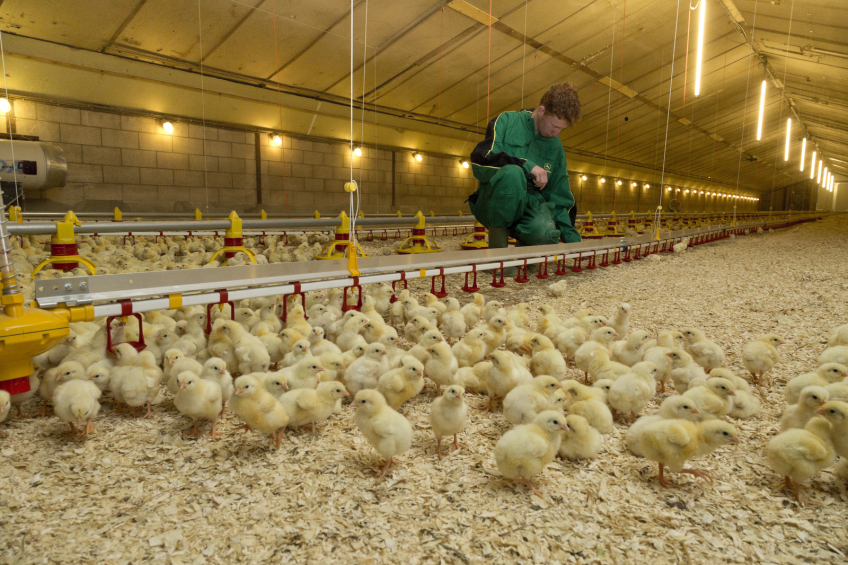
Managing poultry litter effectively is not only an environmental imperative but also a significant economic consideration for poultry producers. The choices made regarding litter management directly impact operational costs, farm profitability, and the potential for generating additional revenue streams. This section explores the financial implications of various poultry litter management practices, highlighting cost-saving strategies and the economic benefits of sustainable approaches.
Costs Associated with Different Poultry Litter Management Practices
The cost of managing poultry litter varies significantly depending on the chosen method. These costs include labor, equipment, materials, transportation, and regulatory compliance. Producers must carefully evaluate these factors to determine the most economically viable option for their operation.* Removal and Disposal: This often involves hauling litter off-site to a landfill or composting facility. Costs include transportation, tipping fees at the disposal site, and the labor associated with loading and unloading the litter.
Transportation costs are particularly sensitive to fuel prices and the distance to the disposal site.
Litter Treatment
Treatments like composting, chemical amendments, or anaerobic digestion require initial investments in equipment and ongoing costs for materials (e.g., carbon sources for composting, chemicals). These methods can reduce odors, pathogens, and nutrient runoff, potentially offsetting costs associated with environmental compliance.
On-Farm Storage
Adequate storage facilities, such as covered sheds or bunkers, are necessary to protect litter from the elements and prevent nutrient losses. These facilities represent an upfront investment and require ongoing maintenance.
Application to Cropland
This involves the cost of spreading the litter on fields, which includes the cost of application equipment, labor, and potentially, the purchase of a spreader. It is important to consider the costs associated with soil testing and nutrient management planning to ensure optimal application rates and avoid environmental impacts.
Reducing Costs and Increasing Profitability through Effective Litter Management
Effective litter management can lead to significant cost reductions and increased profitability. By implementing best management practices, poultry producers can minimize expenses related to waste disposal, fertilizer purchases, and environmental compliance.* Optimizing Litter Composition: Managing the litter’s moisture content and nutrient levels can improve its value as a fertilizer and reduce the need for costly synthetic fertilizers. For example, maintaining a proper carbon-to-nitrogen ratio in the litter enhances composting efficiency, reducing the time and resources needed for decomposition.
Reducing Nutrient Runoff
Implementing practices to prevent nutrient runoff, such as buffer strips and cover crops, can minimize the risk of environmental penalties and reduce the need for costly remediation efforts.
Improving Biosecurity
Strict biosecurity measures, including proper litter management, can prevent disease outbreaks, which can lead to significant economic losses. Implementing biosecurity measures can help reduce the potential economic burden of disease outbreaks.
Maximizing Litter Value as Fertilizer
Utilizing poultry litter as a fertilizer on cropland can reduce or eliminate the need to purchase commercial fertilizers, which can be a significant cost for poultry producers. Properly managing the litter’s application to match crop nutrient needs minimizes nutrient losses and optimizes crop yields.
Economic Benefits of Using Poultry Litter as a Fertilizer Versus Other Disposal Methods
Using poultry litter as a fertilizer offers several economic advantages over disposal methods like landfilling or incineration.* Reduced Fertilizer Costs: Poultry litter is a valuable source of essential plant nutrients, including nitrogen, phosphorus, and potassium. Using litter as a fertilizer reduces the need to purchase expensive synthetic fertilizers, significantly decreasing input costs.
Improved Soil Health
Poultry litter improves soil structure, water-holding capacity, and organic matter content. This enhances soil fertility and reduces the need for irrigation and other soil amendments.
Revenue Generation
In some cases, poultry producers can sell or give away excess litter to neighboring farmers or custom applicators, generating additional revenue.
Environmental Benefits
By reducing the reliance on synthetic fertilizers and minimizing waste disposal, using poultry litter as a fertilizer contributes to environmental sustainability, potentially avoiding costs associated with environmental regulations and remediation.
Comparison Table
| Disposal Method | Economic Benefit | Economic Drawback |
|---|---|---|
| Landfilling | Avoids upfront investment in processing. | Tipping fees, transportation costs, potential environmental liabilities. |
| Incineration | Potential for energy recovery. | High initial investment, operational costs, air pollution control costs. |
| Fertilizer Application | Reduced fertilizer costs, improved soil health, potential revenue from sales. | Labor and equipment costs for application, potential for nutrient runoff if mismanaged. |
Financial Incentives and Grants for Sustainable Litter Management Practices
Various financial incentives and grants are available to poultry producers to encourage the adoption of sustainable litter management practices. These programs help offset the initial costs of implementing environmentally sound technologies and practices.* Cost-Share Programs: Many state and federal agencies offer cost-share programs to help producers implement best management practices, such as composting, constructing litter storage facilities, and purchasing nutrient management planning software.
Grants for Innovative Technologies
Grants may be available for implementing innovative litter treatment technologies, such as anaerobic digestion, which can generate biogas for energy production.
Tax Credits
Some jurisdictions offer tax credits for investments in environmentally friendly practices, such as constructing manure storage facilities or purchasing equipment for applying litter as a fertilizer.
Conservation Programs
Programs like the Environmental Quality Incentives Program (EQIP) offered by the USDA’s Natural Resources Conservation Service (NRCS) provide financial and technical assistance to farmers for implementing conservation practices, including those related to litter management.
State-Specific Programs
Many states have their own programs that provide financial assistance for poultry producers. These programs may offer grants, loans, or tax incentives for implementing specific litter management practices.
Innovative Approaches and Future Trends in Litter Management
The field of poultry litter management is constantly evolving, driven by advancements in technology, environmental concerns, and the need for sustainable agricultural practices. This section explores emerging technologies, the potential of poultry litter as a renewable energy source, and future trends shaping the landscape of litter management.
Emerging Technologies for Poultry Litter Management
Several innovative technologies are transforming how poultry litter is managed, offering more efficient and environmentally friendly solutions. These advancements aim to optimize resource utilization, minimize environmental impact, and enhance farm productivity.* Precision Agriculture Techniques: Precision agriculture techniques are increasingly being applied to poultry litter management. These techniques involve the use of sensors, data analytics, and GPS technology to monitor and manage litter more effectively.
Sensor Technology
Sensors can be deployed within poultry houses and in litter storage facilities to monitor various parameters, including moisture content, temperature, and gas emissions (e.g., ammonia, methane). This data allows for real-time assessment of litter conditions and facilitates timely intervention to optimize conditions and reduce emissions.
Data Analytics
Collected sensor data is analyzed to identify trends, predict potential problems, and optimize management practices. Predictive models can forecast litter degradation rates, nutrient release, and the risk of pathogen outbreaks.
Variable-Rate Application
GPS-guided systems allow for variable-rate application of litter as fertilizer, based on the specific nutrient needs of the soil and the crop. This approach minimizes nutrient runoff and optimizes fertilizer efficiency.* Advanced Composting Systems: Composting is a well-established method for processing poultry litter. However, advanced composting systems are emerging that enhance the efficiency and effectiveness of this process.
Aerated Static Pile Composting
This method involves forced aeration of composting piles to maintain optimal oxygen levels and accelerate decomposition. Aeration can be achieved through the use of blowers or by turning the piles mechanically.
In-Vessel Composting
This approach involves composting poultry litter in enclosed vessels, which offers greater control over environmental conditions and reduces odor emissions.
Bioaugmentation
The addition of specific microbial inoculants can enhance the composting process by accelerating the breakdown of organic matter and improving nutrient stabilization.* Automated Litter Removal Systems: Robotic and automated systems are being developed to streamline the process of litter removal and reduce labor costs. These systems can remove litter from poultry houses efficiently and safely.
Robotic Litter Removal
Robots equipped with specialized tools can navigate poultry houses and remove litter, reducing the physical demands on farm workers.
Automated Conveyor Systems
Conveyor systems can transport litter from the poultry house to storage facilities or processing plants, increasing efficiency and minimizing manual handling.
Poultry Litter as a Source of Renewable Energy
Poultry litter possesses significant potential as a renewable energy source, offering a sustainable alternative to fossil fuels. Several technologies are being developed to convert poultry litter into energy.* Combustion: Poultry litter can be burned directly to generate heat and electricity.
Combustion Plants
Specialized combustion plants are designed to efficiently burn poultry litter and capture the energy released. The heat generated can be used to produce steam, which drives turbines to generate electricity.
Co-Firing
Poultry litter can be co-fired with other fuels, such as coal, in existing power plants. This approach reduces the reliance on fossil fuels and utilizes existing infrastructure.* Anaerobic Digestion: Anaerobic digestion is a biological process that converts organic matter into biogas, a mixture of methane and carbon dioxide.
Anaerobic Digesters
Anaerobic digesters are designed to break down poultry litter in the absence of oxygen. The biogas produced can be used to generate heat and electricity, or it can be upgraded to pipeline-quality natural gas.
Co-Digestion
Poultry litter can be co-digested with other organic materials, such as food waste or animal manure, to increase biogas production.* Pyrolysis and Gasification: Pyrolysis and gasification are thermal processes that convert poultry litter into syngas, a mixture of combustible gases.
Pyrolysis
Pyrolysis involves heating poultry litter in the absence of oxygen to produce bio-oil, biochar, and syngas. Bio-oil can be used as a fuel or a feedstock for the production of chemicals. Biochar can be used as a soil amendment.
Gasification
Gasification involves heating poultry litter with a limited amount of oxygen to produce syngas. Syngas can be used to generate heat and electricity or can be converted into other fuels.
Forecast on Future Trends in Poultry Litter Management
The future of poultry litter management will be shaped by several key trends. These trends are expected to drive innovation and transformation in the industry.* Increased Emphasis on Sustainability: Sustainability will continue to be a driving force in poultry litter management. There will be a growing focus on reducing environmental impact, conserving resources, and promoting circular economy principles.
Advancements in Technology
Technological advancements will play a critical role in improving litter management practices. Precision agriculture techniques, automation, and data analytics will become more prevalent.
Expansion of Renewable Energy Applications
The use of poultry litter as a renewable energy source will expand. Investments in combustion, anaerobic digestion, and pyrolysis technologies are expected to increase.
Greater Regulatory Scrutiny
Regulatory requirements related to poultry litter management will likely become more stringent. This will drive the adoption of best management practices and the development of innovative solutions to reduce emissions and protect water quality.
Focus on Nutrient Recovery and Reuse
There will be a greater emphasis on recovering and reusing nutrients from poultry litter. Technologies for nutrient extraction and fertilizer production will become more sophisticated.
Integration of Circular Economy Principles
Poultry litter management will increasingly align with circular economy principles, where waste is minimized, and resources are reused. This includes utilizing litter as a feedstock for various applications, such as biochar production or as a component in building materials.
Potential Research Areas in Poultry Litter Management
Continued research is crucial for advancing the field of poultry litter management. Several areas warrant further investigation.* Improved Nutrient Management Strategies: Research is needed to develop more effective nutrient management strategies to minimize nutrient runoff and optimize fertilizer efficiency.
Precision Nutrient Application
Research should focus on refining precision application techniques to match nutrient application rates with crop needs, using advanced sensing technologies and data analysis.
Nutrient Recovery Technologies
Studies should investigate the efficiency and economic viability of technologies to extract and recover nutrients (e.g., phosphorus and nitrogen) from poultry litter for reuse as fertilizers.* Enhanced Biogas Production: Research should focus on improving the efficiency of anaerobic digestion processes for poultry litter.
Optimizing Digester Design
Studies should focus on optimizing digester designs to improve biogas yields and reduce operational costs.
Co-Digestion Strategies
Research should explore the benefits of co-digesting poultry litter with other organic materials to enhance biogas production and improve process stability.* Development of Sustainable Litter Treatment Technologies: Research is needed to develop new and improved litter treatment technologies.
Biochar Production and Application
Studies should focus on optimizing biochar production from poultry litter and evaluating its impact on soil health and crop yields.
Novel Composting Techniques
Research should explore new composting techniques that enhance nutrient stabilization, reduce odor emissions, and improve compost quality.* Mitigation of Greenhouse Gas Emissions: Research is needed to develop strategies to reduce greenhouse gas emissions from poultry litter management.
Ammonia Emission Control
Studies should focus on identifying and implementing effective methods to reduce ammonia emissions from poultry houses and litter storage facilities.
Methane Emission Reduction
Research should investigate strategies to minimize methane emissions from anaerobic digestion processes and litter decomposition.* Economic and Environmental Impact Assessments: Conducting comprehensive economic and environmental impact assessments is crucial for informing decision-making.
Life Cycle Assessments
Research should utilize life cycle assessment methodologies to evaluate the environmental impacts of different litter management practices.
Cost-Benefit Analyses
Economic studies should evaluate the costs and benefits of various litter management technologies and practices.
Wrap-Up
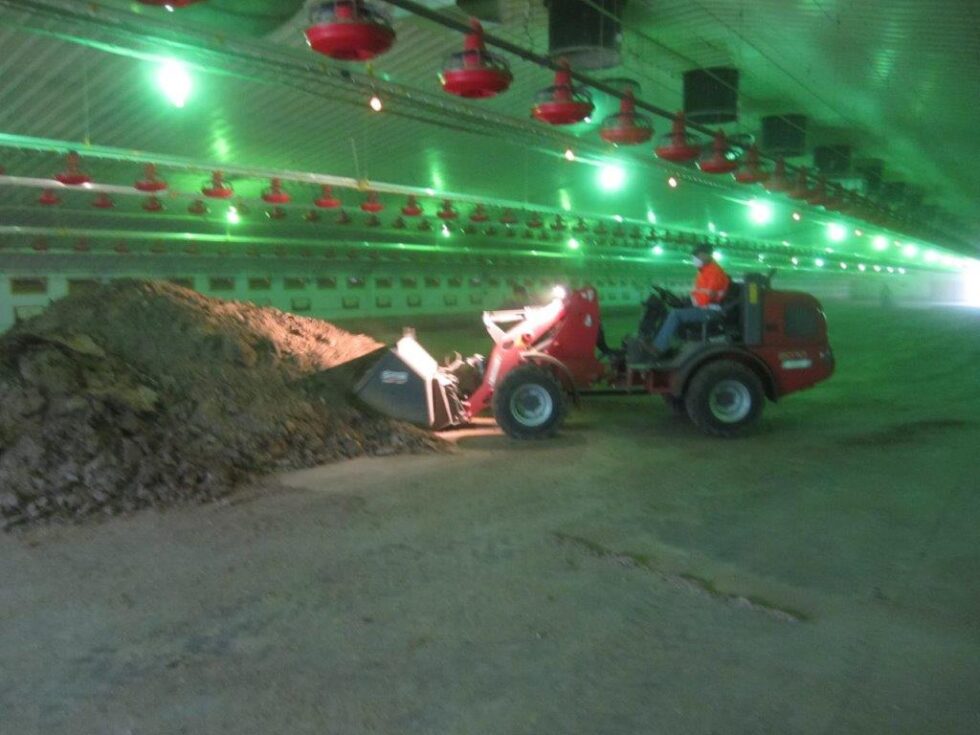
In conclusion, effectively managing poultry litter is a multifaceted endeavor that requires a thorough understanding of its composition, environmental impacts, and available management practices. This guide has provided a comprehensive overview, from exploring the composition of poultry litter and the risks associated with its improper handling, to presenting various best management practices, innovative technologies, and economic considerations. By implementing the strategies discussed, poultry farmers can minimize environmental impact, maximize profitability, and contribute to a more sustainable agricultural future.