Learning how to market livestock products is essential for producers seeking to expand their reach and maximize profitability. Employing effective marketing strategies allows farmers and entrepreneurs to connect with the right audiences, showcase the quality of their products, and build lasting customer relationships. By understanding various channels and promotional techniques, stakeholders can transform their livestock offerings into thriving business opportunities.
This comprehensive guide explores key methods such as branding, digital marketing, regulatory compliance, and customer engagement, providing practical insights to elevate your livestock marketing efforts and achieve sustainable success in the competitive agricultural marketplace.
Effective Strategies for Marketing Livestock Products
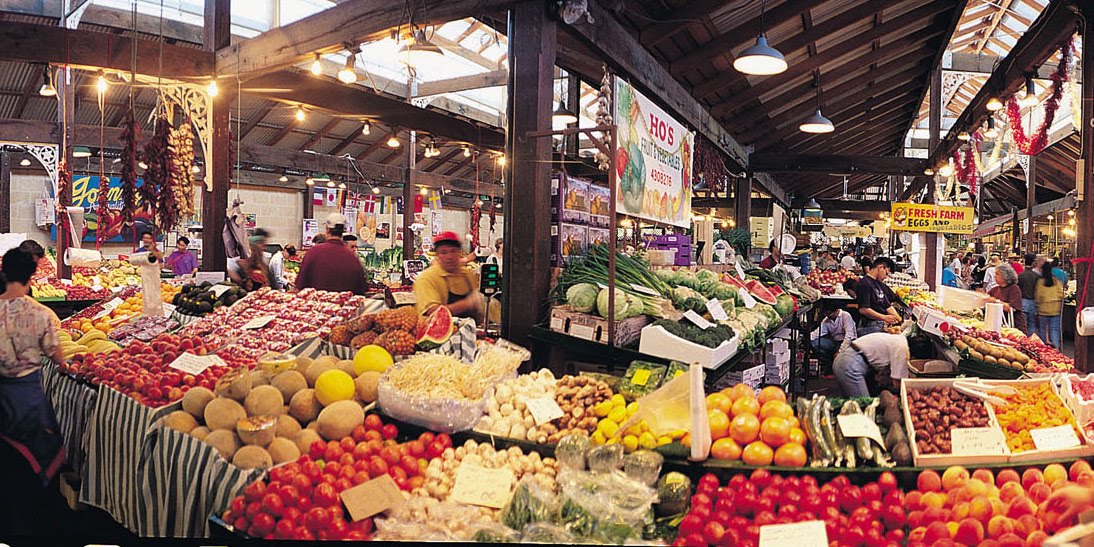
Successfully marketing livestock products involves leveraging diverse channels, establishing strong brand identity, implementing strategic pricing, and employing targeted promotional techniques. Each of these elements plays a vital role in reaching the right customers, maximizing profitability, and building a sustainable market presence.
By adopting comprehensive marketing strategies, livestock producers can enhance their competitiveness, increase sales, and foster customer loyalty. In this section, various marketing channels, branding and packaging considerations, pricing strategies, and promotional methods are explored to provide a well-rounded approach for effective livestock product marketing.
Marketing Channels Suitable for Livestock Products
Utilizing multiple marketing channels allows livestock producers to reach a broader audience and tap into various demand segments. Each channel has unique advantages and requires tailored approaches to optimize results.
- Direct Sales: Selling directly to consumers through farm storefronts, farmers’ markets, or farm-to-table arrangements fosters personal relationships and allows for premium pricing. This method provides transparency about product origin and quality, appealing to health-conscious and environmentally aware buyers.
- Online Platforms: E-commerce websites, social media marketplaces, and specialized livestock product platforms enable producers to reach a national or even international audience. Digital marketing also allows for targeted advertising, customer engagement, and convenient order processing.
- Local Markets and Cooperatives: Participating in local markets, cooperative sales groups, and community-supported agriculture (CSA) programs helps build community trust and provides consistent revenue streams. These venues often attract loyal customers seeking fresh, locally-sourced products.
Developing Compelling Branding and Packaging
Creating a strong brand identity and attractive packaging is crucial for differentiating livestock products in a competitive marketplace. Effective branding communicates quality, trust, and the unique story behind the products.
- Branding Elements: Design a memorable logo, choose consistent color schemes, and develop a compelling brand story that highlights your farm’s values, animal welfare practices, and sustainability efforts.
- Packaging Design: Use durable, food-safe materials that preserve freshness and appeal visually. Incorporate clear labeling with product details, nutritional information, and certifications such as organic or grass-fed labels.
- Eco-friendly Packaging: Emphasize environmentally friendly packaging options, such as biodegradable wraps or cartons, to attract eco-conscious consumers and enhance brand reputation.
Pricing Strategies for Livestock Products
Pricing plays a critical role in balancing profitability with market competitiveness. Implementing effective pricing strategies involves understanding costs, market demand, and consumer willingness to pay.
- Cost-Plus Pricing: Calculate the total cost of production, including feed, labor, and overhead, then add a markup to ensure profit margins are met.
- Market-Based Pricing: Set prices based on comparable products in the local market, adjusting for quality, breed, and production methods to remain competitive.
- Premium Pricing: Position high-quality, specialty, or organic products at higher price points to target niche markets willing to pay a premium for superior attributes.
- Dynamic Pricing: Adjust prices based on seasonal demand, market fluctuations, and inventory levels to optimize profits over time.
“A well-structured pricing strategy not only covers costs but also reflects the value perceived by consumers, leading to sustainable profitability.”
Promotional Techniques Tailored for Livestock Products
Targeted promotional activities can significantly boost product visibility and consumer interest, especially when emphasizing quality and farm origin.
- Farm Demonstrations and Open Days: Invite potential buyers to visit the farm, see the livestock, and understand the production process. This transparency builds trust and personal connection.
- Tastings and Sampling Events: Organize tasting sessions at markets, festivals, or farm visits to showcase the flavor and quality of your products, encouraging immediate purchase and word-of-mouth promotion.
- Educational Campaigns: Share information about animal husbandry, sustainable practices, and health benefits through social media, newsletters, and community events to position your brand as knowledgeable and responsible.
- Partnerships and Collaborations: Work with local chefs, restaurants, and retailers to feature your products in menus or displays, expanding reach and credibility.
Building Customer Relationships and Market Outreach
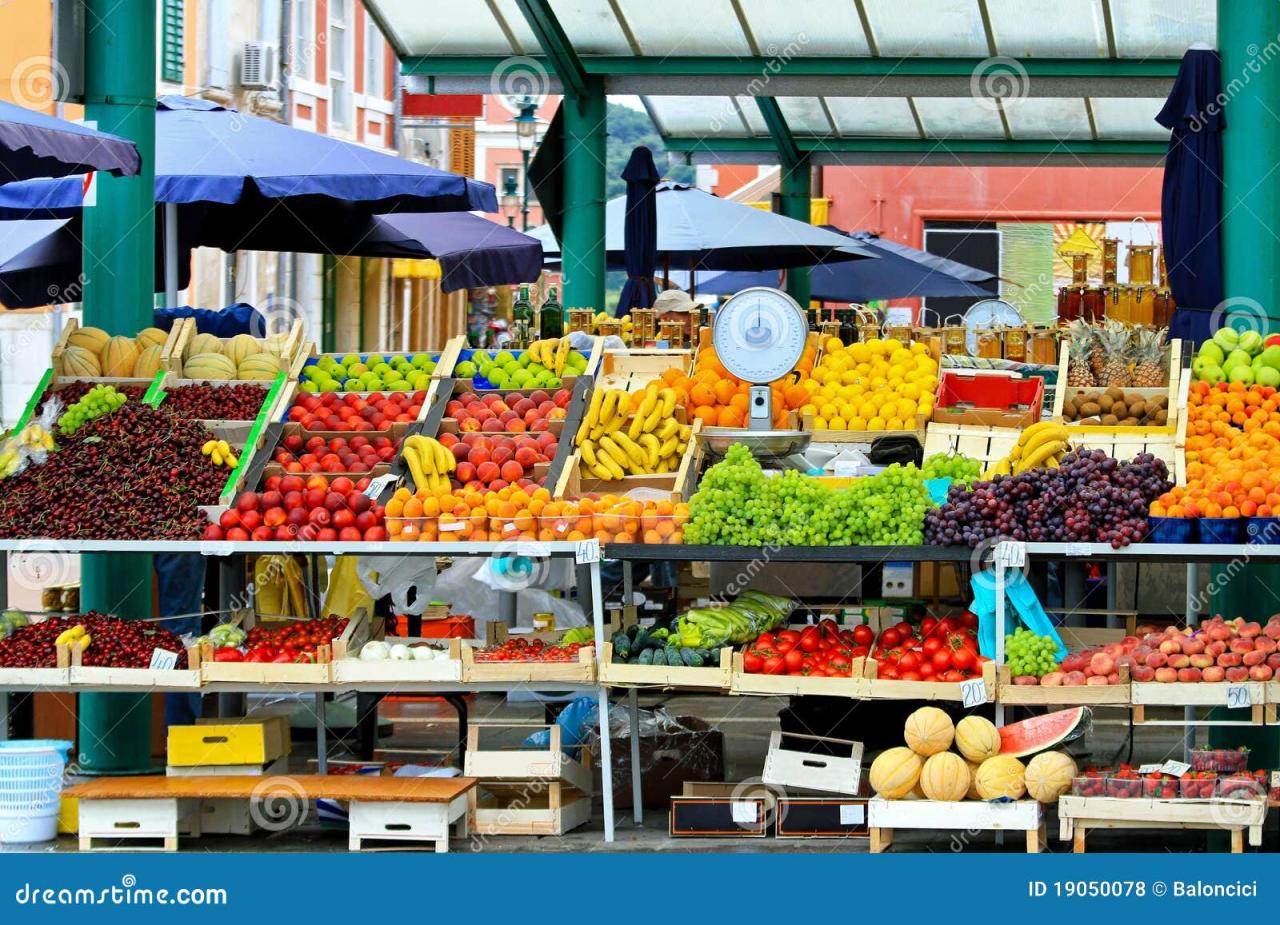
Establishing strong relationships with customers and expanding market reach are essential components of successful livestock product marketing. Effective engagement not only fosters loyalty but also enhances the reputation of your farm within the community and broader market. Developing targeted outreach strategies ensures your products reach the right audience, encouraging repeat business and positive word-of-mouth promotion.Building lasting customer relationships involves understanding your target market segments, engaging them actively, and creating trust through consistent communication and quality assurance.
Market outreach strategies should be tailored to specific customer groups and designed to increase visibility through community involvement, digital platforms, and traditional advertising methods.
Identifying Target Customer Segments within Livestock Markets
Accurately identifying your target customer segments lays the foundation for effective marketing. The process involves analyzing various demographic, geographic, and psychographic factors to determine who is most likely to purchase your livestock products. Typical segments include local consumers, restaurants, meat processors, wholesale buyers, and specialty markets such as organic or grass-fed products.Procedures for identifying these segments include:
- Conducting market surveys to understand consumer preferences, purchasing behaviors, and price sensitivities.
- Analyzing sales data to identify which customer groups purchase your products most frequently.
- Engaging with local community leaders and agricultural cooperatives to gather insights about potential markets.
- Monitoring competitors’ customer bases to uncover underserved segments or niche markets.
Utilizing this information helps tailor your marketing messages and outreach efforts, ensuring they resonate with specific customer needs and preferences.
Establishing Trust and Loyalty through Customer Engagement and Feedback
Building trust and loyalty requires ongoing interaction and transparent communication. Establishing feedback mechanisms enables customers to share their experiences, preferences, and concerns, which can be used to improve product quality and service delivery.Strategies include:
- Implementing regular customer satisfaction surveys, either in person or via digital platforms.
- Encouraging direct communication through farm visits, social media, or dedicated customer service channels.
- Responding promptly and courteously to customer inquiries, complaints, or suggestions.
- Offering loyalty programs or discounts to repeat customers to incentivize ongoing business.
- Sharing stories about your farm practices, animal welfare standards, and product origins to foster transparency.
- Organize seasonal farm tours inviting local schools, community groups, and consumers to see your livestock and farming practices firsthand.
- Participate in regional agricultural fairs and markets, providing samples and educational materials about your products.
- Collaborate with local restaurants and retailers through demonstrations or tasting events to showcase your livestock products.
- Utilize community newsletters and local radio stations to promote upcoming events and farm activities.
- Develop partnerships with local schools and organizations for educational workshops and farm visits.
- Product Presentation: Use high-quality images that clearly depict livestock and related products from multiple angles. Include detailed descriptions emphasizing breed characteristics, health status, weight, and other relevant attributes. Incorporate videos showcasing farming practices or product highlights to enhance engagement.
- Secure Payment Options: Integrate trusted payment gateways such as PayPal, Stripe, or local bank processors to ensure safe and reliable transactions. Clearly display accepted payment methods and reinforce data security measures to build consumer confidence.
- User Experience: Design intuitive navigation menus, clear call-to-action buttons, and a simple checkout process. Optimize the website for mobile devices to accommodate users browsing via smartphones or tablets.
- Contact and Support: Provide easily accessible contact information, including phone numbers, email addresses, and live chat options, to assist customers promptly and foster trust.
- Content Ideas: Share high-resolution photos of livestock, behind-the-scenes farm operations, success stories of satisfied clients, and educational posts about livestock care and product benefits. Use storytelling to create emotional connections with followers.
- Engagement Tactics: Encourage comments, questions, and reviews to foster interactions. Conduct polls or live Q&A sessions to address customer concerns and gather feedback. Use hashtags relevant to livestock and local markets to increase visibility.
- Consistent Posting: Maintain a regular posting schedule to keep your audience engaged. Utilize scheduling tools to plan posts ahead and ensure a steady stream of fresh content.
- Paid Advertising: Invest in targeted social media advertising campaigns to reach specific demographics, such as local buyers or niche markets specializing in organic or heritage breeds.
- List Building: Collect email addresses through website sign-ups, social media promotions, or at farm visits by offering incentives such as discounts, informational materials, or free consultations.
- Content Strategy: Develop informative newsletters that include product updates, care tips for livestock, upcoming events, and special promotions. Incorporate high-quality images and clear calls-to-action to encourage engagement.
- Segmentation and Personalization: Segment your email list based on buyer preferences, location, or purchase history to tailor content effectively. Personalization increases open rates and customer satisfaction.
- Compliance: Adhere to data protection regulations such as GDPR or local laws by including unsubscribe options and respecting privacy rights.
Creating a genuine relationship centered on trust and mutual benefit enhances customer retention and encourages positive word-of-mouth referrals.
Community Involvement, Farm Tours, and Agricultural Fairs
Active participation in community events significantly boosts product visibility and establishes your farm as a trusted local provider. Scheduling regular farm tours, participating in agricultural fairs, and engaging with local organizations create opportunities for direct interaction with potential customers.
To maximize outreach:
Consistency and genuine engagement foster a strong community presence, which translates into increased trust and customer loyalty.
Comparison of Outreach Methods
Understanding the relative advantages of various outreach methods allows for informed allocation of resources to maximize effectiveness. The following table compares social media, local advertisements, and word-of-mouth promotion based on cost, reach, and effectiveness:
| Outreach Method | Cost | Reach | Effectiveness |
|---|---|---|---|
| Social Media | Moderate (content creation, advertising budget) | High (local, regional, and global audiences) | High for engagement, especially among younger demographics; allows targeted advertising |
| Local Advertisements | Low to Moderate (newspapers, flyers, radio) | Local community and surrounding areas | Moderate; effective in reaching community members and regular customers |
| Word-of-Mouth Promotion | Minimal (primarily time investment) | Variable; depends on customer interactions | Very High; trusted and credible, drives referrals and repeat business |
This comparison highlights that integrating multiple methods, especially combining digital platforms with traditional engagement, can optimize outreach efforts and build a robust customer base.
Utilizing Digital Marketing for Livestock Products
In today’s interconnected world, digital marketing has become an essential tool for livestock producers seeking to expand their market reach, enhance brand visibility, and increase sales. Leveraging online channels allows farmers and traders to connect directly with consumers, retailers, and distributors across broader geographical regions, providing new growth opportunities.
Implementing effective digital marketing strategies involves establishing a professional online presence, engaging actively on social media platforms, utilizing targeted email campaigns, and presenting products through well-designed online storefronts. These approaches are vital in building trust, showcasing product quality, and facilitating seamless transactions in the digital marketplace.
Setting Up a Website or Online Store
Creating an accessible and user-friendly website or online store is foundational for digital marketing success. It serves as the digital storefront where potential customers can learn about livestock products, view detailed information, and make purchases securely.
Guidelines for effective setup include:
Leveraging Social Media Platforms for Product Promotion
Social media channels serve as powerful tools to reach targeted audiences, share engaging content, and build community around livestock products. Platforms like Facebook, Instagram, and WhatsApp offer diverse ways to promote and interact with potential buyers.
Effective strategies include:
Email Marketing Campaigns and Newsletter Distribution
Email marketing offers a direct, personalized channel to inform customers about new livestock products, seasonal offers, and market updates. Building a robust email list enhances communication and loyalty among buyers.
Procedures for effective email marketing include:
Responsive HTML Table Layout for Livestock Product Showcase
Presenting livestock products in a clear and organized manner enhances customer experience and facilitates quick decision-making. An HTML table layout provides a professional way to display product details, prices, and availability systematically.
“A well-structured table improves readability and allows customers to compare products effortlessly, increasing the likelihood of purchase.”
| Product | Description | Price | Availability | Contact |
|---|---|---|---|---|
| High-Quality Beef Cattle | Purebred Hereford, 24 months aged, healthy and well-fed | $2,000 per head | In Stock | [email protected] |
| Dairy Sheep | Lacaune breed, producing high-yield milk, healthy and vaccinated | $150 per ewe | Limited Stock | [email protected] |
| Broiler Chickens | Meat breed, ready for slaughter in 8 weeks, vaccinated | $5 each | Available | [email protected] |
Creative Content and Visual Presentation in Livestock Marketing
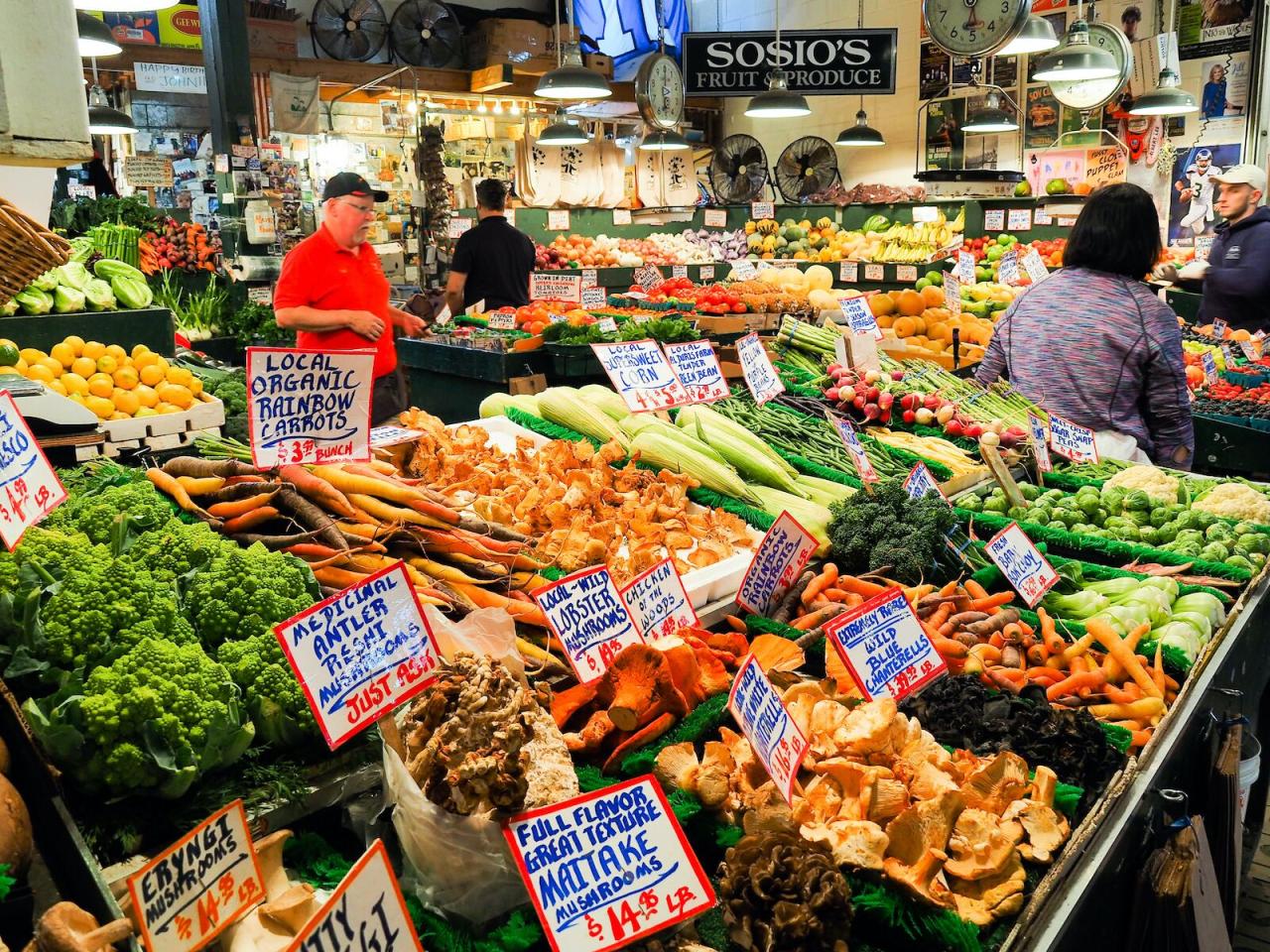
Effective livestock marketing extends beyond basic product descriptions; it involves crafting compelling narratives and visually appealing materials that attract and engage consumers. By utilizing creative storytelling and impactful visual design, producers can differentiate their products, build brand recognition, and foster consumer trust. Well-designed content not only informs but also evokes emotional responses, encouraging repeat purchases and long-term loyalty.Engaging stories centered around livestock products can highlight their origin, health benefits, and sustainability practices.
Combining authentic narratives with high-quality visuals creates a memorable impression that resonates with consumers. Additionally, designing attractive labels, packaging, and promotional materials enhances product visibility and communicates quality, health, and ethical standards. Developing educational content such as infographics or videos also plays a crucial role in informing consumers about livestock farming practices, emphasizing transparency and responsible production. Detailed product descriptions that spotlight unique selling points can be effectively presented using HTML formatting to emphasize key features and benefits, facilitating better consumer understanding and decision-making.
Creating Engaging Stories Around Livestock Products
Stories serve as powerful tools to connect consumers with livestock products on an emotional level. By sharing narratives about the origin of the animals, the care and expertise involved in their raising, and their journey to the consumer’s table, producers can foster transparency and trust. Highlighting health benefits, such as natural feeding practices or antibiotic-free methods, appeals to health-conscious buyers.
Emphasizing sustainability efforts, like eco-friendly farming or ethical treatment of animals, aligns with the values of modern consumers who prioritize environmental responsibility. Such stories can be shared through social media posts, product labels, or website content, creating a cohesive brand message that emphasizes authenticity and quality.
Designing Attractive Labels, Packaging, and Promotional Materials
Visual appeal plays a vital role in attracting consumer attention and conveying product quality. Effective labels should feature clear typography, appealing color schemes, and informative content including product details, certifications, and health benefits. Packaging designs that reflect the nature of livestock products—such as rustic, farm-inspired motifs or modern minimalist styles—can enhance perceived value. Promotional materials, including banners, flyers, and digital ads, should maintain consistency in branding, utilizing high-resolution images and compelling messaging.
Incorporating visual elements that showcase the livestock’s origin, quality assurance seals, or sustainability symbols can reinforce consumer trust and encourage purchase decisions.
Developing Educational Content on Livestock Farming Practices
Educational content helps bridge the gap between producers and consumers by providing transparency about livestock farming practices. Infographics are effective tools to visually depict processes such as animal husbandry, feed management, and hygiene standards. Videos presenting farm tours, interviews with farmers, or demonstrations of humane treatment and sustainability initiatives can engage consumers and foster confidence. These materials should be clear, visually appealing, and easy to understand, emphasizing the producer’s commitment to quality and responsible practices.
Sharing such content on websites, social media, and packaging can serve as a powerful marketing strategy that builds credibility and educates the audience.
Presenting Detailed Product Descriptions with Emphasis on Unique Selling Points
Clear and detailed product descriptions highlight the distinct features that differentiate livestock products in a competitive market. Emphasizing unique selling points—such as organic certification, free-range rearing, or proprietary feeding methods—can influence consumer choice. Using HTML blockquote tags helps draw attention to key benefits or certifications, ensuring they stand out within product listings or promotional materials. For example, a product description may include:
Grass-Fed, Antibiotic-Free Beef: Sourced from pasture-raised cattle, ensuring superior flavor and health benefits. Our sustainable farming practices prioritize animal welfare and environmental stewardship.
Such formats enable consumers to quickly grasp the product’s advantages, fostering informed purchasing decisions and reinforcing the product’s value proposition.
Conclusive Thoughts
In conclusion, mastering how to market livestock products involves a strategic combination of effective channels, strong customer relationships, digital tools, and quality assurance. Implementing these practices ensures that your livestock offerings stand out, attract loyal customers, and comply with industry standards. With dedication and the right approach, you can confidently grow your livestock business and make a lasting impact in the marketplace.