Embarking on a journey to understand how to market pork products opens a world of opportunities in a dynamic industry. This comprehensive guide will explore the multifaceted strategies necessary to effectively promote pork products, from understanding market trends and identifying target audiences to crafting compelling brand narratives and leveraging digital platforms. We will delve into the intricacies of product positioning, pricing strategies, and distribution channels, providing a roadmap for success in the competitive food market.
This exploration will cover a wide array of marketing tactics, including digital marketing, content creation, traditional advertising, and building relationships with influencers. We’ll also address crucial aspects such as food safety, quality control, and sustainable practices, ensuring a holistic approach to marketing pork products. This guide will provide the tools and insights needed to create a successful marketing strategy, and it can be tailored to suit a variety of pork products.
Understanding the Pork Market Landscape
The pork market is a dynamic sector influenced by global consumption patterns, consumer preferences, and supply chain dynamics. A comprehensive understanding of these elements is crucial for effective marketing strategies. This section provides an overview of current trends, consumer segments, and the impact of supply chain disruptions.
Global Pork Consumption Trends
Global pork consumption varies significantly across different regions and countries. Several factors influence these trends, including economic conditions, cultural preferences, and dietary habits.
- Asia: Asia is the largest consumer of pork globally, with China accounting for the majority of consumption. Consumption in this region is driven by its affordability, cultural significance, and the integration of pork in traditional cuisines. The rise of middle-class populations and increasing disposable incomes further fuel demand. For instance, in China, pork is a staple food, and any fluctuation in supply or price can significantly impact consumer behavior and inflation rates.
- Europe: Europe is the second-largest consumer of pork, with countries like Germany, Spain, and Poland playing significant roles. Consumption patterns are influenced by factors such as meat quality, food safety standards, and the growing demand for processed pork products. The trend toward higher welfare standards for pigs is also impacting production and consumer preferences.
- North America: The United States and Canada are major pork producers and consumers. Consumption in North America is influenced by factors such as the popularity of bacon, ham, and other processed pork products, as well as changing dietary trends. The rise of the “farm-to-table” movement and consumer interest in sustainable agriculture are shaping demand for specific pork products.
- South America: Countries like Brazil and Argentina are important pork producers and consumers. Consumption is influenced by economic conditions, trade policies, and cultural preferences. The export market plays a significant role in driving production and consumption patterns.
Consumer Segments for Pork Products
Understanding consumer segments is essential for tailoring marketing efforts to specific target audiences. Different segments exhibit varying preferences and behaviors regarding pork products.
- Age: Age influences pork consumption habits. Younger consumers may be more open to trying new pork products and cuts, while older consumers may have established preferences for traditional items. For example, younger consumers may be more likely to try pulled pork sandwiches or pork belly, while older consumers may prefer ham or pork chops.
- Income: Income levels significantly impact purchasing power and the types of pork products consumed. Higher-income consumers may be willing to pay a premium for higher-quality, organic, or specialty pork products. Lower-income consumers may prioritize affordability and focus on value-oriented options.
- Cultural Background: Cultural background plays a crucial role in shaping pork consumption patterns. Certain cultures have strong traditions and preferences related to pork, influencing the types of products consumed and the ways they are prepared. For instance, in many Asian cultures, pork is a central ingredient in various dishes, whereas some religious groups have dietary restrictions regarding pork consumption.
- Health Consciousness: Health-conscious consumers are increasingly focused on the nutritional value of their food choices. This segment may prefer leaner cuts of pork, processed products with reduced sodium and fat content, and pork raised under specific welfare standards. The demand for antibiotic-free and sustainably raised pork is also growing within this segment.
Impact of Supply Chain Disruptions on Pork Product Availability and Pricing
Supply chain disruptions, such as disease outbreaks, transportation issues, and labor shortages, can significantly impact the pork market. These disruptions can lead to fluctuations in product availability and pricing.
- Disease Outbreaks: Disease outbreaks, such as African Swine Fever (ASF), can devastate pig populations, leading to reduced supply and higher prices. ASF has had a significant impact on the global pork market, particularly in Asia. The impact is further compounded by export restrictions and reduced production capacity.
- Transportation Issues: Disruptions in transportation, including port congestion, trucking shortages, and rising fuel costs, can hinder the movement of pork products from producers to consumers. These issues can lead to delays, increased costs, and reduced availability in certain regions. For example, a shortage of refrigerated trucks can prevent the timely delivery of fresh pork products.
- Labor Shortages: Labor shortages in processing plants and farms can limit production capacity and increase labor costs. This can lead to higher prices for pork products and affect the availability of certain cuts and processed items. The COVID-19 pandemic highlighted the vulnerability of the pork supply chain to labor disruptions.
- Trade Policies and Tariffs: Changes in trade policies, including tariffs and import restrictions, can impact the flow of pork products across borders. These policies can affect the price of imported pork and the competitiveness of domestic producers. For example, tariffs imposed by one country on pork imports from another can lead to higher prices for consumers in the importing country.
Identifying Target Audiences
Defining your ideal customer profiles is a crucial step in effective pork product marketing. Understanding who your target audience is allows for tailored messaging, optimized distribution strategies, and ultimately, increased sales. This section will explore the process of identifying and understanding these key consumer segments.
Defining Ideal Customer Profiles
Developing ideal customer profiles (ICPs) involves creating detailed representations of your most valuable customers. This goes beyond basic demographics and delves into their needs, behaviors, and motivations. It’s about building a clear picture of who is most likely to purchase and repeatedly buy your pork products.To define an ICP, consider these key areas:
- Demographics: This includes age, gender, income, education, location (urban, suburban, rural), and household size. For example, a profile for premium pork products might target households with higher disposable incomes, located in urban areas, who are more likely to experiment with different cuts and cooking methods.
- Psychographics: This encompasses lifestyle, values, interests, and attitudes. Are they health-conscious? Do they value convenience or sustainability? Are they adventurous eaters or stick to familiar dishes? For instance, a profile might identify a segment of environmentally conscious consumers who prioritize ethically raised pork.
- Behavioral Patterns: This examines purchase frequency, preferred retailers, online behavior, and brand loyalty. Do they frequently shop at farmers’ markets? Do they research recipes online before buying? Do they tend to buy specific cuts, such as pork chops, or are they open to trying less common cuts like pork belly?
- Needs and Pain Points: What are their specific needs and challenges related to pork consumption? Are they looking for quick and easy meal solutions? Do they have concerns about food safety or origin? Do they seek recipes and cooking inspiration? For example, a pain point might be the lack of readily available information on how to prepare different pork cuts, opening an opportunity to provide recipe resources.
By thoroughly analyzing these factors, you can create detailed ICPs that inform your marketing efforts.
Designing a Questionnaire for Consumer Preferences and Purchase Behaviors
Gathering consumer insights is essential for understanding their preferences and behaviors. A well-designed questionnaire can provide valuable data to refine your marketing strategies. The questionnaire should be clear, concise, and easy to complete.Here are some key elements to include in your questionnaire:
- Demographic Questions: Begin with demographic questions to segment your audience. These questions should be simple and straightforward.
- Pork Consumption Habits: Ask about the frequency of pork consumption, preferred cuts, and cooking methods.
- Purchasing Behavior: Inquire about where they typically buy pork (supermarkets, butcher shops, online), the factors that influence their purchasing decisions (price, quality, origin), and their willingness to try new pork products.
- Preferences and Attitudes: Explore their preferences regarding taste, texture, and cooking time. Gauge their attitudes towards different aspects of pork production, such as animal welfare and sustainability.
- Recipe and Cooking Information: Include questions about their cooking skills, recipe preferences, and their interest in receiving cooking tips and recipe suggestions.
- Open-ended Questions: Include a few open-ended questions to allow respondents to provide more detailed feedback and express their opinions. For example, “What are the most important factors when you buy pork?”
Example Questions:
- How often do you eat pork? (Daily, Weekly, Monthly, Rarely, Never)
- Which cuts of pork do you typically buy? (Select all that apply: Pork chops, Pork loin, Pork ribs, Ground pork, Bacon, Sausage, Other)
- Where do you typically purchase pork? (Supermarket, Butcher shop, Farmers’ market, Online, Other)
- What factors are most important to you when buying pork? (Price, Quality, Origin, Brand, Packaging, Other)
- Are you willing to try new pork products or cuts? (Yes, No, Maybe)
- What are your preferred cooking methods for pork? (Grilling, Roasting, Frying, Slow cooking, Other)
Ensure the questionnaire is pilot-tested with a small group to identify any ambiguities or areas for improvement before distribution.
Organizing a Method for Market Segmentation
Market segmentation involves dividing your target market into distinct groups based on shared characteristics. This allows you to tailor your marketing messages and product offerings to specific segments, increasing the effectiveness of your campaigns.Here’s a method for segmenting the pork market:
- Identify Segmentation Variables: Select the variables that will be used to segment the market. Common variables include:
- Demographics: Age, income, education, household size.
- Geographics: Location (urban, suburban, rural), climate.
- Psychographics: Lifestyle, values, attitudes, interests.
- Behavioral: Purchase frequency, usage rate, brand loyalty, benefits sought (e.g., convenience, health, taste).
- Analyze Data: Analyze the data collected from your questionnaire and other market research to identify patterns and trends. Look for commonalities among consumers.
- Create Segment Profiles: Develop detailed profiles for each segment, outlining their characteristics, needs, and behaviors. Give each segment a descriptive name.
- Target Specific Segments: Based on your market research, select the segments that are most attractive and profitable for your business.
- Develop Targeted Marketing Strategies: Tailor your marketing messages, product offerings, and distribution strategies to each target segment.
Examples of potential market segments:
- The “Health-Conscious Consumers”: They prioritize lean cuts of pork, are concerned about the animal’s welfare, and look for products with minimal processing and added ingredients. They are more likely to purchase organic or sustainably raised pork.
- The “Convenience Seekers”: They are looking for pre-cooked or easy-to-prepare pork products, such as pre-seasoned pork chops or pulled pork. They value convenience and time-saving solutions.
- The “Gourmet Cooks”: They are adventurous eaters who are interested in trying different cuts of pork and experimenting with various cooking methods. They are willing to pay a premium for high-quality pork products.
- The “Budget-Conscious Consumers”: They are primarily focused on price and are more likely to purchase value-priced cuts of pork.
By segmenting the market, you can tailor your marketing efforts to resonate with each segment, increasing your chances of success. For example, you might create a social media campaign focused on healthy recipes for health-conscious consumers, or partner with a meal kit service to offer convenient pork-based meals for convenience seekers.
Product Positioning and Branding
Effective product positioning and branding are crucial for success in the competitive pork market. This involves creating a distinct identity that resonates with target audiences and differentiates products from competitors. A well-defined brand helps build consumer trust, loyalty, and ultimately, drive sales.
Creating a Brand Identity Guide
A brand identity guide serves as a comprehensive document that Artikels the core elements of a brand. It ensures consistency across all marketing materials and communications.The following are key components of a brand identity guide:* Logo Concepts: The logo is the visual cornerstone of a brand. Consider these logo concepts for a hypothetical pork product line, “Heritage Harvest”:
Concept 1
The Farmhouse Seal. A circular logo featuring a stylized illustration of a farmhouse with a rising sun, surrounded by a border of wheat stalks. The name “Heritage Harvest” is arched above the farmhouse. This design evokes feelings of tradition, quality, and wholesome goodness.
Image Description
* A circular logo featuring a detailed, stylized illustration of a red-roofed farmhouse set against a yellow sunrise. The farmhouse is surrounded by a border of green wheat stalks. The name “Heritage Harvest” is written in a classic, slightly serif font above the farmhouse in a dark green color. The overall design communicates a sense of tradition and quality.
Concept 2
The Butcher’s Block. A minimalist logo featuring a clean, modern depiction of a butcher’s block with a cleaver resting on top. The brand name “Heritage Harvest” is displayed in a bold, sans-serif font next to the block. This design conveys a sense of expertise, freshness, and simplicity.
Image Description
* A square logo with a white background. A stylized, solid brown butcher’s block is positioned in the center. A silver cleaver is placed on top. To the right of the block, the words “Heritage Harvest” are written in a clean, sans-serif, dark brown font. This design suggests a focus on quality and simplicity.
Concept 3
The Pig & Field. A playful logo that depicts a friendly, cartoon-style pig standing in a field of green grass. The brand name “Heritage Harvest” is written below the pig in a handwritten-style font. This design appeals to a younger demographic and suggests a connection to nature and a family-friendly product.
Image Description
* A circular logo with a light blue background. A cartoon pig with a happy expression is standing in a field of green grass. The pig is pink and wearing a straw hat. Below the pig, the words “Heritage Harvest” are written in a whimsical, handwritten-style font in dark blue. This design is appealing and suggests a focus on natural ingredients.
Color Palette
The color palette influences brand perception and recognition.
Primary Colors
A rich, earthy green (e.g., #4A772D) representing nature and freshness, and a warm, inviting brown (e.g., #8B4513) symbolizing the earth and tradition.
Secondary Colors
A creamy white (e.g., #F5F5DC) for text and backgrounds, and a vibrant red (e.g., #C0392B) for accents and call-to-actions, symbolizing quality and appetite appeal.
Typography
Consistent font choices enhance brand recognition and readability.
Headline Font
A strong, slightly serif font like “Playfair Display” to convey a sense of heritage and quality.
Body Font
A clean, sans-serif font like “Open Sans” for easy readability across all platforms.
Brand Voice
The brand voice defines the personality and tone of communication. For “Heritage Harvest,” the brand voice should be:
Authentic
Speak honestly and transparently about the product.
Approachable
Use friendly and relatable language.
Knowledgeable
Demonstrate expertise in pork production and preparation.
Trustworthy
Build consumer confidence through clear and consistent messaging.
Positioning Pork Cuts for Health-Conscious Consumers
Pork, when prepared correctly, can be a healthy and nutritious food option. To appeal to health-conscious consumers, it is essential to highlight the lean cuts and promote healthy cooking methods.Here’s how to position pork belly and pork loin to attract this consumer segment:* Pork Belly:
Focus
While pork belly is known for its rich flavor and fat content, it can be positioned as a treat to be enjoyed in moderation. Highlight its use in flavorful, yet balanced dishes.
Messaging
Emphasize the quality of the pork, the unique flavor profile, and how it can be incorporated into a balanced diet. Provide recipes that balance the richness of the pork belly with vegetables and other healthy ingredients.
Example
Market pork belly as a key ingredient in a “slow-cooked pork belly with roasted root vegetables” recipe. Highlight the use of high-quality ingredients and the cooking method that renders the fat, leaving the dish with a savory flavor and a crispy texture.
Pork Loin
Focus
Promote pork loin as a lean, versatile, and protein-rich option.
Messaging
Emphasize its low-fat content and its suitability for various cooking methods, such as grilling, roasting, and stir-frying. Provide recipes that showcase its versatility and flavor. Highlight its nutritional benefits, such as its high protein content and its source of essential vitamins and minerals.
Example
Promote “grilled pork loin with a side of quinoa and steamed asparagus” as a quick and healthy meal option. Provide nutritional information, such as the calorie and fat content per serving, to appeal to health-conscious consumers.
Developing a Unique Selling Proposition (USP) for Pork Products
A unique selling proposition (USP) clearly communicates what makes a product or service different and more appealing than the competition. It is a concise statement that differentiates the brand.Here is a plan for developing a USP for “Heritage Harvest” pork products:* Identify Target Audience: Health-conscious consumers, families seeking quality and convenience, and foodies looking for unique flavor experiences.
Analyze Competitors
Research existing pork brands and identify their strengths and weaknesses.
Highlight Differentiators
Focus on the unique aspects of “Heritage Harvest” pork. This might include:
Source
Emphasize the use of humanely raised pigs, or pigs raised on specific farms, or the region where the pigs are raised, such as a specific breed or farming practice.
Quality
Guarantee a high-quality product through strict quality control measures, such as ensuring that the pork meets specific marbling standards.
Flavor
Offer unique flavor profiles through specific cuts, such as slow-smoked cuts, or through the use of specific feeds or recipes.
Sustainability
Highlight sustainable farming practices and environmentally friendly packaging.
Develop the USP Statement
Based on the differentiators, craft a concise and compelling statement.
Example USP
“Heritage Harvest: The taste of tradition, raised with care. Experience the superior quality and flavor of our humanely raised pork, expertly crafted for your family’s enjoyment.”
Communicate the USP
Ensure that the USP is consistently communicated across all marketing channels, including packaging, website, social media, and advertising.
Test and Refine
Continuously evaluate the effectiveness of the USP and make adjustments as needed based on consumer feedback and market trends.
Content Marketing and Storytelling
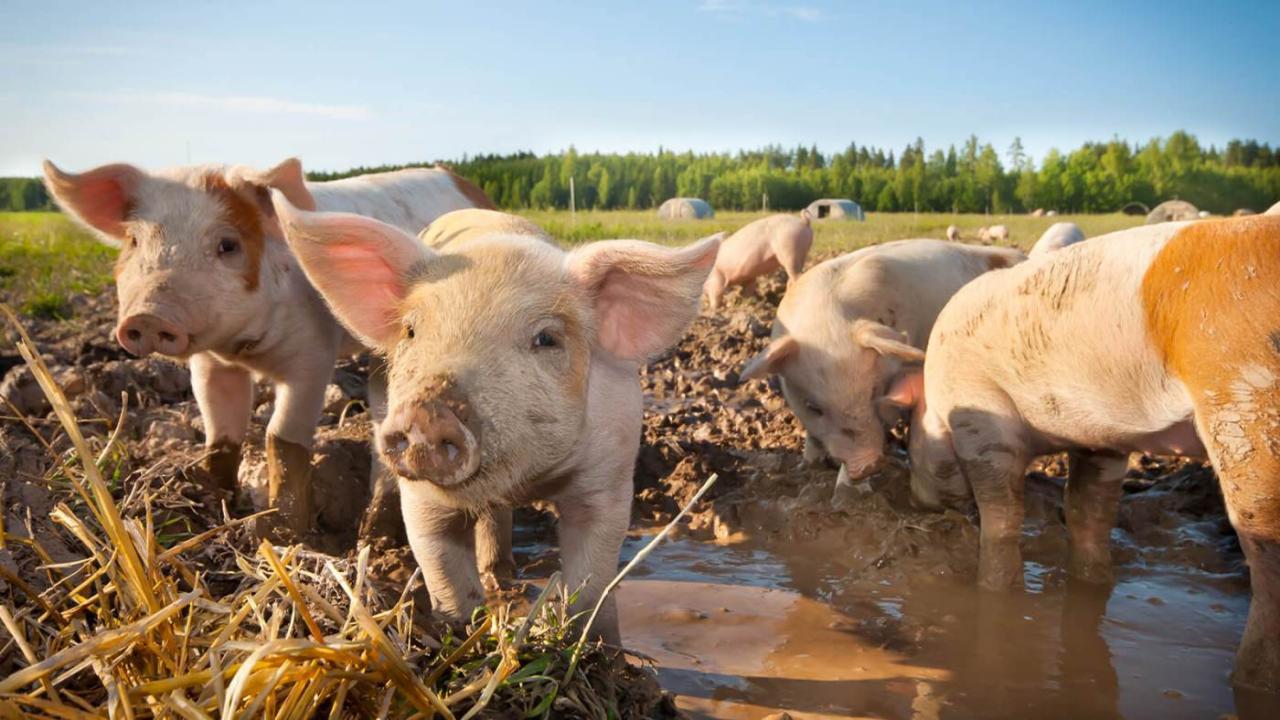
Content marketing and storytelling are crucial for building brand awareness, engaging consumers, and driving sales in the pork industry. By providing valuable content that educates, entertains, and inspires, we can connect with our target audiences on a deeper level, fostering loyalty and advocacy for our pork products. This section Artikels specific strategies for leveraging content marketing to showcase our pork products effectively.
Blog Post Series: Pork Cuts, Recipes, and Cooking Tips
A well-structured blog post series can establish authority and provide valuable information for consumers. This series should delve into various pork cuts, offering practical advice and delicious recipes.
- Introduction to the Series: A welcome post introducing the series, highlighting the benefits of cooking with pork, and outlining the topics to be covered. It should emphasize the versatility and flavor of different pork cuts.
- Post 1: Understanding Pork Cuts: This post explains the different cuts of pork, such as the loin, shoulder, belly, and ham. Each cut is described, detailing its characteristics, best cooking methods (e.g., grilling, roasting, braising), and ideal uses (e.g., chops, roasts, bacon). It should also include information on where the cut comes from on the pig and the general flavor profile.
- Post 2: Pork Loin Recipes and Tips: Focus on the pork loin, providing a variety of recipes, from simple weeknight meals to more elaborate dishes. Include cooking tips for achieving optimal tenderness and flavor, such as proper internal temperatures and resting times.
- Post 3: Shoulder/Butt Recipes and Tips: Dedicated to the pork shoulder, showcasing recipes for pulled pork, slow-cooked roasts, and other dishes that benefit from this cut’s rich flavor and tenderness after long cooking. Include tips on braising, smoking, and dry-rub preparation.
- Post 4: Pork Belly Recipes and Tips: Explore the versatility of pork belly, featuring recipes for bacon, slow-cooked belly, and other dishes. Provide tips on rendering the fat for maximum flavor and crispy skin.
- Post 5: Ham Recipes and Tips: Offer recipes for various ham dishes, including baked ham, glazed ham, and ham steaks. Include tips on selecting the right ham for different purposes and on carving techniques.
- Post 6: Beyond the Basics: Exploring Lesser-Known Cuts: Introduce cuts like pork cheeks, jowls, and feet, with recipes and cooking methods for those adventurous cooks. This can showcase culinary diversity and minimize food waste.
- Post 7: Cooking Pork to Perfection: A comprehensive guide to cooking pork, covering topics such as food safety (proper internal temperatures), seasoning techniques, and equipment recommendations. Include a chart of internal temperatures for various pork cuts.
- Post 8: Pairing Pork with Flavors: Provide guidance on flavor pairings, including herbs, spices, and sauces that complement pork’s natural flavors.
Storytelling: Ethical Sourcing and Sustainable Farming
Sharing the story behind our pork products can significantly impact consumer perception and build trust. Highlighting ethical sourcing and sustainable farming practices allows us to connect with consumers who value these principles.
- The Origin Story: Develop a narrative that begins with the farm, emphasizing the care and attention given to the pigs. This includes the environment where the pigs are raised, the feed they consume, and the overall welfare of the animals.
- Ethical Farming Practices: Detail the specific ethical practices employed, such as providing ample space for the pigs, access to outdoor environments, and humane handling throughout their lives.
- Sustainable Farming Practices: Explain the farm’s commitment to sustainability, including efforts to reduce environmental impact. This could include the use of renewable energy, water conservation, responsible waste management, and the promotion of biodiversity.
- Transparency and Traceability: Highlight the ability to trace the pork products back to the farm of origin, providing consumers with confidence in the product’s provenance.
- Community Engagement: Showcase the farm’s involvement in the local community, such as supporting local farmers, providing jobs, and contributing to the local economy.
- Visual Storytelling: Incorporate high-quality photographs and videos to visually communicate the story. For instance, show pigs in a clean and spacious environment or the sustainable practices being used. Consider including interviews with the farmers.
- Farmer Profiles: Feature the farmers and their families, sharing their passion for raising pigs and their commitment to ethical and sustainable practices. This adds a personal touch and humanizes the brand.
- Certifications and Accreditations: Mention any relevant certifications, such as organic or humane certifications, to demonstrate the commitment to ethical and sustainable practices.
Video Script: Cooking Demonstration
A short cooking demonstration video can be a highly effective way to showcase a specific pork dish and provide viewers with practical cooking instructions. The video should be concise, visually appealing, and informative.
- Introduction (0:00-0:15):
- Open with a visually appealing shot of the finished dish.
- Introduce the dish and the featured pork cut (e.g., pork tenderloin).
- Briefly explain why this dish is a great choice (e.g., easy to prepare, flavorful, perfect for a weeknight meal).
- Ingredients and Preparation (0:15-0:45):
- Show the ingredients being used, highlighting their freshness and quality.
- Provide clear and concise instructions for preparing the ingredients (e.g., chopping vegetables, measuring spices).
- Emphasize any important preparation steps, such as marinating the pork.
- Cooking Process (0:45-1:30):
- Demonstrate the cooking process step-by-step.
- Use clear and concise instructions, narrating the process.
- Show close-up shots of key techniques (e.g., searing the pork, adding the sauce).
- Include cooking times and temperatures.
- Highlight any important visual cues (e.g., the pork is browned, the sauce is thickening).
- Plating and Presentation (1:30-1:45):
- Show how to plate the dish attractively.
- Suggest garnishes or side dishes.
- Explain any final touches, such as drizzling a sauce or adding a sprinkle of herbs.
- Tasting and Conclusion (1:45-2:00):
- Show the presenter tasting the dish and providing a positive review.
- Encourage viewers to try the recipe.
- Include a call to action, such as visiting the website for the full recipe or purchasing the featured pork cut.
Example: A video demonstration on how to prepare a pork tenderloin with roasted vegetables could be an excellent choice. The video could showcase the simple steps involved, the vibrant colors of the ingredients, and the delicious outcome, making it a compelling piece of content.
Traditional Marketing Channels
Traditional marketing channels remain a vital component of a comprehensive marketing strategy for pork products, offering tangible avenues to reach specific consumer segments. While digital marketing has gained prominence, traditional methods still provide opportunities for direct engagement and brand building. Effective use of print media, in-store promotions, and partnerships with local establishments can significantly boost sales and brand awareness.
Print Advertising Effectiveness
Print advertising, encompassing newspapers, magazines, and brochures, provides targeted reach based on readership demographics. This allows pork producers to tailor their messaging to specific consumer groups, increasing the likelihood of engagement.Print advertising can be highly effective when targeted correctly. For instance:* Newspapers: Local newspapers are effective for reaching older demographics and residents within a specific geographic area.
Advertisements can focus on community events, special offers, and highlighting local pork producers.
Magazines
Food and lifestyle magazines offer targeted reach to consumers interested in culinary experiences and recipe inspiration. Advertisements featuring high-quality images of pork dishes, recipes, and information on pork cuts can effectively capture attention.
Brochures
Brochures are ideal for distributing information about pork products at farmers’ markets, grocery stores, and food events. These can showcase different pork cuts, cooking tips, and nutritional information.
In-Store Promotions and Displays
In-store promotions and displays directly influence purchasing decisions at the point of sale. Creative and informative displays can attract attention, highlight product benefits, and encourage impulse buys.Successful in-store promotions and displays for pork products include:
| Display Type | Description | Benefits | Example |
|---|---|---|---|
| Endcap Display | Located at the end of an aisle, featuring a variety of pork cuts and related products (e.g., sauces, marinades). | High visibility, encourages impulse purchases, promotes product variety. | A display featuring a selection of pork chops, ribs, and sausages, alongside BBQ sauce and grilling accessories. |
| Recipe Card Display | A stand with recipe cards featuring different pork dishes, using the store’s pork products. | Provides cooking inspiration, encourages recipe exploration, promotes product usage. | Recipe cards featuring slow-cooked pork shoulder, easy pork stir-fry, and pulled pork sliders. |
| Sampling Station | Offering free samples of cooked pork products to customers. | Allows customers to taste the product, increases trial, and builds brand loyalty. | A station offering samples of grilled pork tenderloin, bacon, or pulled pork sandwiches. |
| “Meat Case Makeover” | A redesigned meat case that includes better lighting, signage, and organization. | Improves the overall shopping experience, increases product visibility, and enhances the perceived quality of the pork products. | A meat case with clear labels, attractive lighting, and information about different pork cuts and their uses. |
Building Relationships with Local Restaurants and Chefs
Collaborating with local restaurants and chefs provides opportunities to showcase pork products in a professional setting, increasing brand credibility and reaching a wider audience. Building strong relationships is crucial.Strategies for building relationships with local restaurants and chefs include:* Product Sampling and Presentations: Offering chefs samples of pork products and presenting their quality, origin, and unique characteristics. This allows them to experience the product firsthand and assess its suitability for their menus.
Customized Product Development
Collaborating with chefs to develop customized pork cuts or preparations tailored to their specific menu needs. This demonstrates a commitment to their success and provides a unique selling proposition.
Joint Marketing and Promotions
Partnering with restaurants for joint marketing campaigns, such as featuring pork dishes in restaurant promotions or sponsoring chef appearances at local food events. This increases brand visibility and generates excitement.
Providing Recipe Ideas and Culinary Support
Offering chefs recipe ideas, cooking tips, and culinary support to help them create innovative and appealing pork dishes. This demonstrates expertise and provides value to the chefs.
Building Long-Term Partnerships
Establishing long-term relationships with chefs based on trust, mutual benefit, and a shared passion for quality food. Regular communication, consistent product supply, and ongoing support are key to building successful partnerships.
Pricing and Promotion Strategies
Developing effective pricing and promotion strategies is crucial for maximizing profitability and market share in the pork industry. These strategies require a deep understanding of production costs, market dynamics, and consumer behavior. Successful implementation involves carefully considering various factors and employing a mix of tactics to attract and retain customers.
Factors for Pork Product Pricing
Setting the right price for pork products involves a multi-faceted approach that considers both internal and external factors. This ensures profitability while remaining competitive within the market.
- Production Costs: These form the foundation of your pricing strategy. They encompass all expenses related to raising pigs and processing the meat.
- Feed Costs: This is often the largest expense. Fluctuations in grain prices (corn, soybeans) directly impact production costs. Consider hedging strategies or long-term contracts to mitigate price volatility.
- Labor Costs: Include wages for farm workers, processing plant employees, and marketing staff.
- Animal Health Costs: Veterinary care, vaccinations, and disease prevention measures are essential.
- Transportation Costs: The expense of moving pigs from the farm to the processing plant and then to retailers.
- Processing Costs: Costs associated with slaughtering, cutting, packaging, and storage.
- Overhead Costs: Utilities, insurance, rent, and other general operating expenses.
- Market Competition: Analyzing competitor pricing is essential. Research prices of similar pork products offered by other producers, retailers, and wholesalers. Identify your competitive advantages (e.g., higher quality, organic certification, local sourcing) and adjust your prices accordingly.
- Demand and Supply: Understand the current market dynamics. During periods of high demand and low supply, you may be able to charge a premium. Conversely, when supply exceeds demand, you might need to lower prices to clear inventory.
- Product Differentiation: Highlight unique selling points. If your pork is raised using a specific method (e.g., pasture-raised, heritage breeds), or has a unique flavor profile, you can justify higher prices.
- Retailer/Wholesaler Margins: Factor in the margins expected by your distribution partners (retailers, wholesalers, restaurants).
- Geographic Location: Prices can vary depending on location. Consider local market conditions and consumer preferences.
- Seasonality: Certain pork products may experience higher demand during specific times of the year (e.g., holiday hams). Adjust prices accordingly.
Promotional Offers and Discounts for Pork Products
Effective promotions drive sales and build brand loyalty. Carefully consider the target audience and the desired outcome when designing promotional offers.
- Percentage Discounts: Offer a percentage off the regular price. For example, “20% off all pork chops this week.”
- Dollar-Off Discounts: Provide a specific dollar amount off the purchase. For example, “$5 off your purchase of a whole pork loin.”
- Buy-One-Get-One (BOGO) Offers: Encourage larger purchases. For example, “Buy one package of bacon, get one free.”
- Bundle Deals: Package related products together at a discounted price. For example, “Grilling Pack: Includes pork ribs, sausages, and burger patties at a special price.”
- Loyalty Programs: Reward repeat customers with exclusive discounts or points.
- Coupons: Distribute coupons through various channels (online, print, in-store).
- Free Samples: Offer free samples of your products at farmers’ markets, grocery stores, or events to generate interest.
- Limited-Time Offers: Create a sense of urgency with time-sensitive promotions. For example, “Flash sale: 30% off all pork shoulder roasts for 24 hours.”
- Early Bird Specials: Offer discounts for customers who purchase early in the day or week.
- Contests and Giveaways: Generate excitement and engagement by running contests or giveaways featuring your products.
Seasonal Promotion Planning
Seasonal promotions leverage holidays and special events to boost sales. This strategy allows businesses to capitalize on increased consumer demand and create a sense of relevance.
- Christmas/Holiday Season: Promote ham, pork roasts, and other festive products. Offer special holiday bundles and recipes.
- Example: A local butcher shop could offer a “Holiday Ham & Sides Package” including a spiral-cut ham, mashed potatoes, and gravy.
- Thanksgiving: Focus on pork products that can be used as alternatives or complements to turkey.
- Easter: Promote ham and other Easter-themed pork products.
- Summer Grilling Season (Memorial Day, 4th of July, Labor Day): Highlight grilling favorites such as ribs, sausages, and pork chops. Offer grilling recipe suggestions and bundles.
- Example: A meat market could create a “Summer BBQ Pack” with various cuts of pork, BBQ sauce, and grilling accessories.
- Back-to-School Season: Promote convenient and family-friendly pork products.
- Local Festivals and Events: Partner with local events to offer samples, discounts, and sponsorships.
- Example: A pork producer could sponsor a local county fair, offering samples of their products and participating in cooking demonstrations.
- Consider the Timing: Plan promotions well in advance of the event. Start advertising several weeks before the holiday or event to build anticipation.
- Utilize Various Marketing Channels: Promote seasonal offers through social media, email marketing, in-store displays, and local advertising.
- Track Results: Monitor the performance of seasonal promotions to measure their effectiveness and identify areas for improvement.
Sales and Distribution Channels
Effectively distributing pork products is crucial for reaching target audiences and driving sales. Selecting the right channels, or a combination of them, depends on factors like product type, target market, and business resources. This section explores the various sales and distribution channels available, providing guidance on how to leverage them for maximum impact.
Distribution Channel Options
Choosing the right distribution channels allows businesses to reach their customers efficiently. Several options are available, each with its own advantages and disadvantages. Understanding these options helps businesses make informed decisions about how to get their products to market.
- Direct-to-Consumer (DTC): This channel involves selling pork products directly to the consumer, bypassing intermediaries.
- Online Stores: Setting up an e-commerce platform allows businesses to sell products directly to consumers across a wide geographic area.
- Farmers Markets: Participating in farmers markets provides a face-to-face opportunity to sell products and build relationships with customers.
- Subscription Services: Offering subscription boxes with curated pork products provides a recurring revenue stream and fosters customer loyalty.
- Wholesale: Selling products in bulk to retailers, restaurants, and other businesses.
- Distributors: Partnering with food distributors can expand market reach and streamline logistics.
- Restaurants: Supplying pork products to restaurants provides a steady stream of orders and brand exposure.
- Grocery Stores: Selling products to grocery stores increases product visibility and accessibility for consumers.
- Retail: Selling products through brick-and-mortar stores.
- Butcher Shops: Partnering with local butcher shops allows for personalized service and targeted marketing.
- Specialty Food Stores: Selling products in specialty food stores aligns with a target audience interested in high-quality pork.
- Grocery Stores: Securing shelf space in grocery stores increases product visibility and accessibility.
Setting Up an Online Store
Establishing an online store is a powerful way to reach a wider audience and control the customer experience. Careful planning and execution are essential for success.
- Choose an E-commerce Platform: Select a platform that meets your business needs. Popular options include Shopify, WooCommerce (for WordPress), and BigCommerce. Consider factors like ease of use, scalability, and integration with payment gateways.
- Develop a User-Friendly Website: Design a website that is visually appealing, easy to navigate, and mobile-friendly. High-quality product photos and detailed descriptions are crucial.
- Implement Secure Payment Processing: Integrate a secure payment gateway, such as Stripe or PayPal, to ensure secure transactions.
- Manage Inventory and Order Fulfillment: Implement an inventory management system to track stock levels and streamline order fulfillment. Consider using a third-party logistics (3PL) provider for order fulfillment.
- Market Your Online Store: Promote your online store through social media, email marketing, and search engine optimization ().
- Consider Shipping and Handling: Determine shipping costs, packaging requirements, and shipping options. Offer different shipping speeds and prices to meet customer needs.
- Provide Excellent Customer Service: Respond promptly to customer inquiries and address any issues that arise. Offer a return policy and ensure customer satisfaction.
Successful Partnerships
Collaborating with established businesses can significantly boost sales and brand awareness. These partnerships require careful planning and execution to ensure mutual benefit.
- Grocery Store Partnerships:
- Example: A local pork producer partners with a regional grocery store chain to supply fresh, high-quality pork products. The producer provides detailed product information and recipes for in-store displays, and the grocery store features the producer’s products in their weekly circulars and online promotions. This collaboration increases brand visibility and drives sales for both parties. The success hinges on meeting the grocery store’s standards for food safety, packaging, and consistent supply.
- Benefit: Access to a large customer base, increased product visibility, and established distribution networks.
- Butcher Shop Partnerships:
- Example: A small-scale pork producer teams up with a reputable butcher shop to supply custom cuts and specialty products. The butcher shop can offer unique cuts and personalized service, while the producer benefits from the butcher shop’s expertise and loyal customer base. This type of partnership enables the producer to reach customers seeking high-quality, locally sourced products.
- Benefit: Access to a targeted customer base, personalized service, and increased brand credibility.
Packaging and Labeling
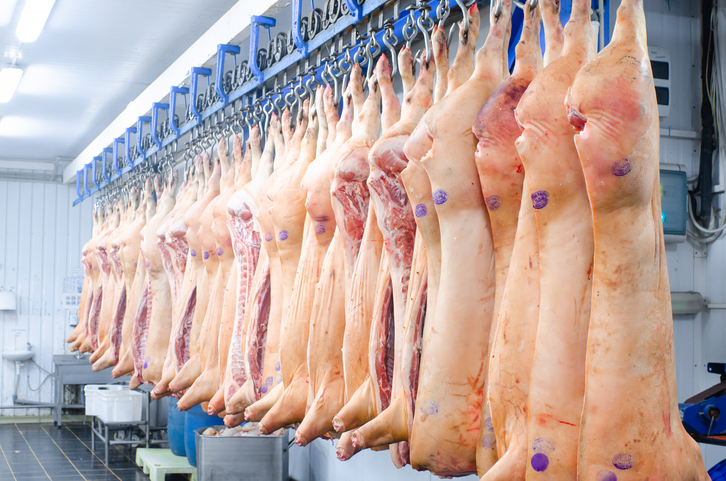
Effective packaging and labeling are critical components of marketing pork products, playing a significant role in attracting consumers, conveying product information, and ensuring regulatory compliance. These elements directly influence consumer perception of freshness, quality, and brand trustworthiness, ultimately impacting purchasing decisions and brand loyalty. Strategic packaging and labeling not only protect the product but also serve as a powerful marketing tool, communicating the product’s value proposition and differentiating it within a competitive market.
Designing a Packaging Concept for Freshness and Quality
Creating packaging that emphasizes the freshness and quality of pork products requires careful consideration of materials, design elements, and functionality. The goal is to provide both visual appeal and practical protection, thereby enhancing the consumer experience and preserving the product’s integrity.The following are key elements to consider:* Packaging Materials:
Modified Atmosphere Packaging (MAP)
This is a common method for extending the shelf life of fresh pork. The packaging typically uses a barrier film to control the levels of oxygen, carbon dioxide, and nitrogen within the package. This helps to inhibit microbial growth and maintain the product’s color and flavor.
Vacuum Packaging
Vacuum packaging removes air from the package, which helps to prevent oxidation and reduce the growth of spoilage bacteria. This method is particularly suitable for cuts of pork like chops and roasts.
Skin Packaging
Skin packaging molds the film tightly around the product, creating a second-skin effect. This reduces purge (the release of liquid from the meat) and provides excellent presentation, showcasing the product’s shape and quality.
Tray Materials
The choice of tray material is also important. Trays made from expanded polystyrene (EPS) offer good insulation and protection, but they are not as environmentally friendly as other options. Recycled PET (rPET) trays are a more sustainable alternative, offering good clarity and recyclability.
Design Elements
Visual Appeal
The packaging design should be visually appealing and reflect the brand’s identity. This includes the use of high-quality images of the pork product, attractive color palettes, and clear, easy-to-read typography.
Transparency
Incorporating transparent windows or sections in the packaging allows consumers to see the product, building trust and showcasing its freshness and quality.
Shape and Form
The shape and form of the packaging should be functional and aesthetically pleasing. Consider the ease of handling, storage, and display.
Functionality
Ease of Use
The packaging should be easy to open and reseal (if applicable). Consider features like easy-open tabs or resealable closures.
Leak Resistance
The packaging must be leak-proof to prevent any mess or contamination during handling and storage.
Portioning
For certain products, consider packaging in pre-portioned sizes to cater to different consumer needs and reduce food waste. For example, consider a packaging design for pork tenderloin. The packaging could utilize a clear, skin-tight film over a rPET tray. The design would feature a high-resolution image of the cooked tenderloin, highlighting its succulence. The label would include the brand logo, the product name, weight, and clear cooking instructions.
The use of a resealable feature would allow consumers to store any unused portion safely. This combination of visual appeal, transparency, and functionality would communicate freshness and quality.
Complying with Food Labeling Regulations for Pork Products
Adhering to food labeling regulations is crucial for legal compliance and building consumer trust. Regulations ensure that consumers have access to accurate and reliable information about the products they purchase. These regulations vary by region (e.g., the United States, European Union, etc.), but generally, they require specific information to be clearly displayed on the packaging.The following are essential elements for compliance:* Product Name: The product name must accurately reflect the type of pork product (e.g., “Pork Loin Roast,” “Pork Chops,” “Ground Pork”).
Net Weight or Quantity
The net weight or quantity of the product must be clearly stated. This can be in metric or imperial units, depending on the region.
Ingredient List
All ingredients used in the product, including any additives, preservatives, and flavorings, must be listed in descending order of weight.
Nutrition Facts Panel
This panel provides information about the nutritional content of the product, including calories, fat, protein, carbohydrates, sodium, and other essential nutrients.
Allergen Information
Any ingredients that are known allergens (e.g., soy, gluten) must be clearly identified.
Country of Origin
The country of origin must be stated to inform consumers about where the pork was raised and processed.
Manufacturer Information
The name and address of the manufacturer or distributor must be included.
Use-by or Best-by Date
The date by which the product should be consumed to ensure optimal quality and safety must be clearly displayed.
Safe Handling Instructions
Instructions for safe handling, storage, and cooking of the pork product are required to prevent foodborne illnesses.
Special Claims
Any special claims made on the label (e.g., “organic,” “grass-fed”) must be substantiated and comply with relevant regulations. For instance, in the United States, the Food and Drug Administration (FDA) regulates food labeling. The FDA provides detailed guidelines on labeling requirements, including the format and content of the Nutrition Facts panel. Food businesses are responsible for ensuring that their labels comply with these regulations.
The Importance of Sustainable Packaging and Consumer Perception
Sustainable packaging is increasingly important for pork producers as consumers become more environmentally conscious. Sustainable packaging reduces the environmental impact of packaging materials, contributing to a more circular economy. Consumers are increasingly making purchasing decisions based on a company’s environmental practices.Here’s how sustainable packaging impacts consumer perception:* Environmental Responsibility: Using sustainable packaging demonstrates a commitment to environmental responsibility, which resonates with eco-conscious consumers.
Brand Reputation
Sustainable practices enhance a brand’s reputation and build consumer trust. Consumers are more likely to support brands that prioritize sustainability.
Competitive Advantage
Sustainable packaging can differentiate a brand from competitors, attracting environmentally conscious consumers.
Consumer Preference
Studies show that consumers are willing to pay more for products packaged in sustainable materials. Examples of sustainable packaging options include:
Recycled and Recyclable Materials
Using packaging made from recycled materials, such as rPET trays or recycled paperboard, and ensuring that the packaging is easily recyclable.
Compostable Materials
Utilizing compostable packaging materials like plant-based films or molded pulp trays.
Reduced Packaging
Minimizing the amount of packaging material used to reduce waste.
Innovative Materials
Exploring innovative packaging materials like mushroom packaging or seaweed-based films. For example, a pork producer could switch from traditional polystyrene trays to rPET trays, which are widely recyclable. They could also reduce the amount of plastic film used in the packaging and clearly label the packaging with recycling instructions. This would signal to consumers that the company is committed to sustainability, which can positively influence their purchasing decisions.
The shift towards sustainable packaging is not just an environmental imperative; it’s also a strategic business move that can enhance brand image, build consumer loyalty, and drive sales.
Measuring and Analyzing Marketing Performance
Understanding the effectiveness of your pork product marketing campaigns is crucial for optimizing resource allocation and achieving desired sales results. This involves a systematic approach to track, analyze, and adapt your marketing strategies based on concrete data. This section Artikels the key performance indicators (KPIs) to monitor, provides methods for utilizing data analytics tools, and details a strategy for adjusting marketing efforts.
Key Performance Indicators (KPIs) to Track
Tracking the right KPIs is essential to gain insights into the performance of your marketing efforts. The selection of appropriate KPIs should align with your specific marketing objectives, such as increasing brand awareness, driving website traffic, generating leads, or boosting sales.
- Website Traffic and Engagement: Measuring website traffic provides insight into the effectiveness of your online marketing strategies in attracting visitors. Key metrics include:
- Website Traffic Volume: Total number of visitors to your website.
- Bounce Rate: Percentage of visitors who leave your website after viewing only one page. A high bounce rate may indicate that your content isn’t engaging or relevant.
- Average Session Duration: The average time visitors spend on your website, which reflects their level of interest.
- Pages per Session: The average number of pages a visitor views during a session, indicating content engagement.
- Social Media Engagement: Social media KPIs gauge the reach and impact of your content on social platforms. Metrics include:
- Reach: The number of unique users who have seen your content.
- Impressions: The number of times your content has been displayed.
- Engagement Rate: The percentage of users who interact with your content (likes, shares, comments, etc.). This is calculated as:
Engagement Rate = (Total Engagements / Total Reach)
– 100 - Follower Growth: The rate at which your social media following is increasing.
- Sales and Conversions: These KPIs directly measure the impact of your marketing efforts on sales.
- Conversion Rate: The percentage of website visitors or social media users who complete a desired action, such as making a purchase or filling out a form.
- Cost per Acquisition (CPA): The cost of acquiring a new customer through a specific marketing channel.
CPA = Total Marketing Spend / Number of New Customers Acquired
- Return on Ad Spend (ROAS): The revenue generated for every dollar spent on advertising.
ROAS = Revenue Generated from Advertising / Cost of Advertising
- Customer Lifetime Value (CLTV): The predicted revenue a customer will generate throughout their relationship with your business.
- Brand Awareness: Assessing brand awareness helps gauge the visibility and recognition of your pork products in the market. Metrics include:
- Brand Mentions: The frequency with which your brand name is mentioned online (social media, news articles, etc.).
- Share of Voice: Your brand’s percentage of the total market conversation related to pork products.
- Surveys and Polls: Gathering feedback from your target audience to gauge brand recognition and perception.
Using Data Analytics Tools
Data analytics tools provide the means to collect, analyze, and visualize marketing performance data. Several tools are available, each offering unique capabilities and features.
- Website Analytics Tools: Google Analytics is a widely used and free tool for tracking website traffic, user behavior, and conversion rates. It provides detailed reports on various metrics, including traffic sources, page views, bounce rates, and goal completions. Other tools like Adobe Analytics offer advanced features for in-depth analysis.
- Social Media Analytics Tools: Platforms like Facebook Insights, Twitter Analytics, and Instagram Insights provide built-in analytics dashboards to track engagement, reach, and follower growth. Third-party tools like Hootsuite, Sprout Social, and Buffer offer more comprehensive analytics, including cross-platform reporting and competitive analysis.
- Sales and CRM Tools: Customer Relationship Management (CRM) systems, such as Salesforce and HubSpot, integrate sales data with marketing data to track leads, conversions, and customer lifetime value. These tools provide insights into the effectiveness of marketing campaigns in driving sales.
- Data Visualization Tools: Tools like Tableau and Power BI allow you to visualize data from various sources, creating dashboards and reports that provide a clear overview of marketing performance. This facilitates the identification of trends and patterns.
The process of using these tools generally involves:
- Data Collection: Implementing tracking codes and integrating the tools with your marketing channels to collect data.
- Data Analysis: Reviewing reports, identifying trends, and analyzing the performance of individual campaigns.
- Reporting: Creating dashboards and reports to present the data in a clear and concise manner.
- Insights Generation: Deriving actionable insights from the data to improve marketing strategies.
Adjusting Marketing Efforts Based on Performance Data
Analyzing performance data should lead to actionable adjustments to your marketing strategies. This involves identifying what is working, what is not, and making data-driven decisions to optimize your campaigns.A strategic approach to adjusting marketing efforts involves:
- Campaign Evaluation: Regularly review the performance of each marketing campaign, assessing KPIs such as website traffic, conversion rates, and ROAS.
- Identifying Strengths and Weaknesses: Determine which campaigns are performing well and which ones are underperforming. This may involve analyzing the effectiveness of different ad creatives, targeting options, and content formats.
- A/B Testing: Conducting A/B tests to compare different versions of ads, landing pages, or email campaigns to identify which performs best. For example, you could test different headlines, calls-to-action, or images to see which ones generate the highest click-through rates or conversions.
- Channel Optimization: Reallocating resources to the most effective marketing channels. If social media campaigns are driving higher engagement and sales than traditional advertising, for example, you might increase your investment in social media marketing.
- Content Optimization: Analyzing which types of content are resonating most with your target audience. This could involve creating more content on popular topics, adjusting your content formats, or optimizing your content for search engines.
- Budget Allocation: Adjusting your marketing budget based on performance data. Increase spending on successful campaigns and channels, and reduce spending on underperforming ones.
- Regular Monitoring and Iteration: Continuously monitor performance data, make adjustments as needed, and iterate on your marketing strategies. This ensures that your marketing efforts remain effective over time.
For example, if a Facebook ad campaign promoting pork ribs has a low conversion rate but high click-through rates, the marketing team could A/B test different landing pages to optimize the conversion process. If a specific in a search engine marketing campaign is generating high-quality leads but a low conversion rate, the team could adjust the landing page to better align with the search intent.
Another example could be a promotional campaign offering a discount on a specific pork product; if the data indicates that this product is selling well in a particular region, then the marketing team could decide to run a similar campaign in another area.
Addressing Food Safety and Quality Concerns
Consumers are increasingly concerned about the safety and quality of the food they consume. Successfully marketing pork products requires a proactive approach to addressing these concerns, building trust, and demonstrating a commitment to providing safe and high-quality products. Transparency in practices, along with robust quality control measures, are crucial for establishing and maintaining a positive brand reputation and fostering consumer loyalty.
Communicating Food Safety Practices to Consumers
Building trust with consumers regarding food safety involves open and honest communication. This transparency demonstrates a commitment to consumer well-being and differentiates a brand in the marketplace.* Clear and Accessible Information: Provide readily available information about food safety practices. This includes details on farm-to-table processes, animal welfare standards, and processing procedures. Consider using websites, social media, and packaging to convey this information.
Certifications and Audits
Highlight relevant certifications and audits, such as those from the USDA or third-party organizations. These certifications offer independent verification of food safety practices. Displaying these logos and providing links to audit reports can build consumer confidence.
Traceability Systems
Implement and promote traceability systems that allow consumers to track the origin of their pork products. This might involve QR codes on packaging that link to information about the farm, processing facility, and date of production. This increased transparency empowers consumers and enhances trust.
Educational Content
Create educational content about safe food handling practices for consumers. This could include videos, infographics, and articles on proper cooking temperatures, storage guidelines, and safe handling procedures.
Proactive Communication during Recalls
Develop a clear plan for communicating with consumers in the event of a product recall. This includes providing timely and accurate information about the recall, the affected products, and the steps consumers should take. This demonstrates a commitment to consumer safety and helps to mitigate potential damage to the brand’s reputation.
Best Practices for Maintaining Pork Product Quality
Maintaining the quality of pork products throughout the supply chain is essential for consumer satisfaction and brand reputation. These practices ensure the product reaches the consumer in optimal condition.* Animal Welfare: Implement and maintain high standards of animal welfare throughout the raising and processing stages. Stress-free animals produce higher-quality meat. This can involve providing adequate space, nutrition, and veterinary care.
Proper Handling and Storage
Maintain strict temperature control during all stages of the supply chain, from processing to distribution and retail. Refrigerated storage is crucial to prevent bacterial growth and spoilage.
Hygienic Processing
Ensure that processing facilities adhere to rigorous hygiene standards. This includes regular cleaning and sanitation, proper employee training, and the use of food-grade equipment.
Quality Control Checks
Implement regular quality control checks at each stage of the supply chain. This includes monitoring temperature, inspecting products for defects, and testing for pathogens.
Packaging and Labeling
Use appropriate packaging materials that protect the product from contamination and spoilage. Labeling should clearly indicate the product’s origin, ingredients, nutritional information, and storage instructions.
Transportation
Utilize temperature-controlled transportation to maintain product quality during distribution. Ensure that delivery vehicles are clean and properly maintained.
Supplier Relationships
Establish strong relationships with suppliers and ensure they adhere to the same quality and food safety standards. Conduct regular audits of supplier facilities.
Handling Customer Complaints Related to Food Safety or Product Quality
A well-defined process for handling customer complaints is critical for maintaining consumer trust and resolving issues effectively.* Establish a Clear Complaint Process: Make it easy for customers to report complaints. Provide contact information on packaging, websites, and social media platforms.
Acknowledge Complaints Promptly
Respond to customer complaints promptly, ideally within 24 hours. Acknowledge the complaint and express empathy for the customer’s experience.
Investigate Thoroughly
Conduct a thorough investigation into each complaint. This may involve reviewing production records, interviewing employees, and testing samples of the product.
Offer Solutions
Provide appropriate solutions to address the complaint. This might include offering a refund, replacement product, or other compensation.
Document and Analyze Complaints
Keep detailed records of all complaints, including the nature of the complaint, the investigation findings, and the resolution. Analyze these records to identify trends and areas for improvement in food safety and quality control processes.
Follow Up
Follow up with the customer to ensure they are satisfied with the resolution. This demonstrates a commitment to customer satisfaction.
Use Feedback for Improvement
Use customer feedback to improve food safety and quality control processes. This could involve making changes to production procedures, training employees, or modifying packaging.
Building Relationships with Influencers
Building strong relationships with relevant influencers is a crucial strategy for effectively marketing pork products. Influencers can significantly amplify brand visibility, build trust with target audiences, and drive sales by authentically showcasing products to their engaged followers. This section Artikels the steps for identifying, engaging, and measuring the impact of influencer marketing campaigns.
Identifying Relevant Food Bloggers and Social Media Influencers
Identifying the right influencers is paramount for campaign success. The goal is to find individuals whose audience aligns with the target market for pork products and whose content resonates with the desired brand image.
- Research Platforms: Explore various social media platforms, including Instagram, TikTok, YouTube, and food blogs, to identify potential influencers. Utilize search terms like “pork recipes,” “grilling tips,” “meat reviews,” and location-specific s to find relevant creators.
- Analyze Audience Demographics: Carefully examine the influencer’s audience demographics to ensure alignment with the target market. Consider factors such as age, location, interests, and purchasing behavior. Tools like social media analytics dashboards can provide valuable insights into audience demographics.
- Assess Content Quality and Engagement: Evaluate the quality of the influencer’s content, including photography, videography, and writing style. Look for high engagement rates (likes, comments, shares) to gauge audience interest and the influencer’s ability to drive interaction.
- Check for Authenticity and Brand Fit: Verify the influencer’s authenticity by assessing their engagement with followers and the consistency of their brand messaging. Ensure the influencer’s values align with the brand’s values to maintain credibility and avoid potential conflicts.
- Consider Niche Expertise: Seek out influencers with expertise in specific areas related to pork, such as barbecue, charcuterie, or specific regional cuisines. This targeted approach can enhance the campaign’s relevance and appeal. For example, a barbecue influencer with a focus on Southern-style cooking could be an ideal partner for promoting a specific cut of pork, such as a pork shoulder.
Creating a Plan for Contacting Influencers and Proposing Partnership Opportunities
A well-crafted outreach plan is essential for securing successful partnerships with influencers. This plan should Artikel the steps for contacting influencers, proposing partnership opportunities, and establishing clear expectations.
- Personalized Outreach: Avoid generic messages. Instead, personalize each outreach email or direct message, mentioning specific content the influencer has created that you admire and explaining why they are a good fit for the brand.
- Clearly Defined Partnership Proposals: Present a clear and concise proposal outlining the partnership opportunity. Specify the deliverables, such as sponsored posts, recipe development, product reviews, or social media takeovers. Clearly state the compensation, whether it be monetary, product-based, or a combination of both.
- Offer Mutually Beneficial Collaboration: Frame the partnership as a mutually beneficial collaboration. Emphasize how the partnership will benefit the influencer by providing them with new content opportunities, exposure to a new audience, and potential revenue.
- Provide Creative Freedom: Give influencers creative freedom in developing content that aligns with their brand and audience. This will ensure the content feels authentic and resonates with their followers.
- Establish Clear Guidelines: Provide clear guidelines regarding the brand’s messaging, required disclosures (e.g., #ad, #sponsored), and any legal requirements. Ensure the influencer understands the importance of transparency and compliance.
- Set Realistic Expectations: Avoid making unrealistic promises about campaign results. Instead, focus on building a long-term relationship with the influencer and creating high-quality content that resonates with their audience.
- Follow Up: Follow up with influencers who have not responded to your initial outreach. A friendly reminder can sometimes prompt a response and move the partnership forward.
Organizing a Guide for Tracking the Results of Influencer Marketing Campaigns
Tracking the results of influencer marketing campaigns is crucial for measuring their effectiveness and optimizing future campaigns. A comprehensive tracking guide should include key performance indicators (KPIs), data collection methods, and reporting procedures.
- Define Key Performance Indicators (KPIs): Establish specific KPIs to measure campaign success. These may include:
- Reach: The total number of people who saw the influencer’s content.
- Engagement: The number of likes, comments, shares, and saves on the influencer’s content.
- Website Traffic: The number of visitors referred to the brand’s website from the influencer’s content.
- Sales: The number of sales generated directly or indirectly by the influencer’s content.
- Brand Mentions: The number of times the brand is mentioned by the influencer and their audience.
- Establish Data Collection Methods: Implement methods for collecting data on the defined KPIs.
- Use Unique Tracking Links: Provide influencers with unique tracking links for their content, allowing you to monitor website traffic and sales generated through their posts.
- Monitor Social Media Analytics: Utilize social media analytics dashboards to track engagement metrics, reach, and audience demographics.
- Implement Discount Codes or Promo Codes: Provide influencers with unique discount codes or promo codes to track sales and attribute them to their content.
- Conduct Surveys: Conduct surveys to gauge brand awareness and purchase intent among the influencer’s audience.
- Create a Reporting Framework: Develop a reporting framework to analyze the collected data and assess campaign performance.
- Regular Reporting: Prepare regular reports summarizing campaign performance, including key metrics, insights, and recommendations.
- Analyze Data: Analyze the data to identify trends, patterns, and areas for improvement.
- Optimize Future Campaigns: Use the data and insights to optimize future influencer marketing campaigns, such as by refining the selection of influencers, content formats, and campaign objectives.
- Utilize Analytics Tools: Leverage analytics tools, such as Google Analytics, social media analytics platforms (e.g., Facebook Insights, Instagram Insights), and specialized influencer marketing platforms, to track and analyze campaign results.
- Provide Post-Campaign Feedback: Provide influencers with feedback on their content performance and express gratitude for their partnership. This will help build long-term relationships and foster future collaborations.
Conclusive Thoughts
In conclusion, successfully marketing pork products requires a blend of strategic planning, creative execution, and a deep understanding of consumer behavior. By embracing the strategies Artikeld in this guide – from establishing a strong brand identity and leveraging digital platforms to prioritizing food safety and building relationships with key stakeholders – businesses can effectively reach their target audiences and achieve sustainable growth.
The future of pork product marketing lies in adaptability, innovation, and a commitment to delivering high-quality, ethically sourced products that resonate with consumers.