Maintaining a healthy duck flock is essential for both the well-being of your birds and the productivity of your farm. Understanding how to prevent duck diseases is the cornerstone of responsible duck keeping, requiring a proactive approach that encompasses various aspects of their care. This guide provides a comprehensive overview, offering practical strategies to safeguard your flock against common ailments and ensure their thriving existence.
From implementing rigorous biosecurity measures to crafting tailored vaccination and nutritional plans, we’ll explore the multifaceted approach required for optimal duck health. This involves examining environmental management, early disease detection, and effective parasite control. Furthermore, we will address the crucial steps to take in the event of a disease outbreak, including isolation, diagnosis, and treatment. Let’s dive into these key areas to protect your ducks and foster a thriving, healthy flock.
Biosecurity Measures for Duck Flocks
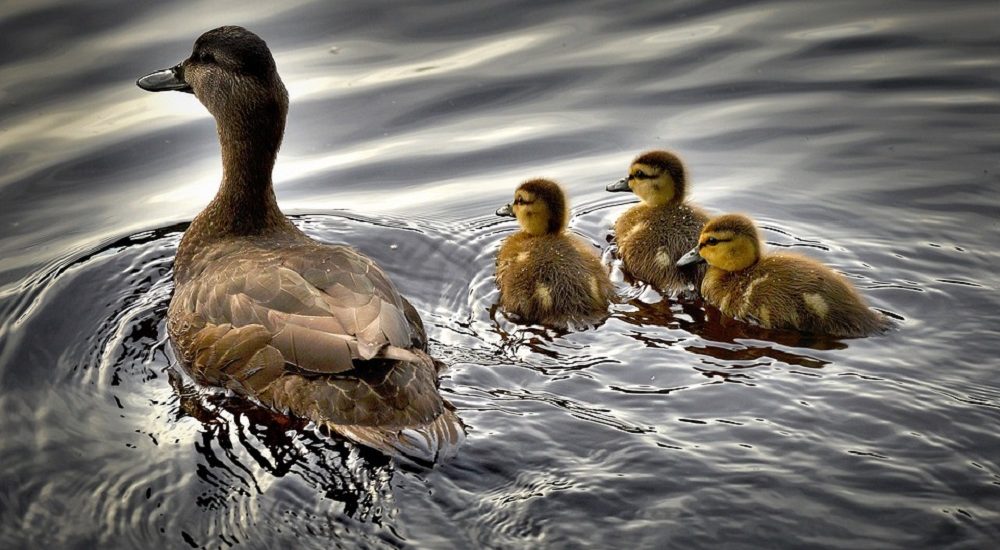
Implementing robust biosecurity measures is paramount for protecting your duck flock from diseases. These practices minimize the introduction and spread of pathogens, safeguarding the health and productivity of your birds. A comprehensive biosecurity plan is an investment in the long-term well-being of your ducks and can significantly reduce the risk of disease outbreaks.
Quarantine Procedures for New Ducks
Quarantine is a critical biosecurity measure that involves isolating new ducks from the existing flock to observe them for signs of illness. This isolation period allows you to identify and address potential health issues before they can spread to the rest of your birds.The quarantine period typically lasts for a minimum of 30 days. During this time, the new ducks should be housed in a separate area, ideally a different building or a well-fenced enclosure far from the established flock.
This separation prevents direct contact and minimizes the risk of pathogen transmission through shared air or equipment.Observation is key during quarantine. Regularly monitor the new ducks for any signs of illness, including:
- Lethargy or reduced activity.
- Loss of appetite or changes in water consumption.
- Respiratory symptoms such as coughing, sneezing, or nasal discharge.
- Diarrhea or changes in droppings.
- Swelling of the head, eyes, or legs.
- Lameness or difficulty walking.
If any signs of illness are observed, consult with a veterinarian immediately. The veterinarian can diagnose the problem and recommend appropriate treatment.
Disinfecting Duck Housing and Equipment
Regular disinfection of duck housing and equipment is essential for eliminating pathogens and preventing disease outbreaks. This process involves cleaning and sanitizing surfaces to remove dirt, organic matter, and disease-causing organisms.Before disinfecting, thoroughly clean the housing and equipment to remove all visible debris. This step is crucial because disinfectants are less effective in the presence of organic matter. Use a suitable detergent or cleaner to remove dirt, manure, and other contaminants.After cleaning, apply a disinfectant according to the manufacturer’s instructions.
Some effective disinfectants for duck housing and equipment include:
- Quaternary ammonium compounds (Quats): These are broad-spectrum disinfectants effective against many bacteria, viruses, and fungi. Follow the manufacturer’s instructions for dilution and application.
- Bleach solutions: A diluted bleach solution (e.g., 1 part household bleach to 32 parts water) can be used to disinfect surfaces. Ensure the area is well-ventilated, and wear appropriate protective gear. Be aware that bleach can corrode some materials, so test it on a small area first.
- Phenolic disinfectants: These are effective against a wide range of pathogens but can be toxic if ingested. Use them with caution and follow the manufacturer’s instructions.
- Iodine-based disinfectants: These are effective against bacteria, viruses, and fungi. They are generally less corrosive than bleach but can stain surfaces.
Apply the disinfectant to all surfaces, including floors, walls, ceilings, feeders, waterers, and any other equipment that comes into contact with the ducks. Allow the disinfectant to remain on the surfaces for the recommended contact time, as specified by the manufacturer. After the contact time, rinse the surfaces with clean water if necessary, according to the disinfectant’s instructions. Regularly disinfect feeders, waterers, and other equipment, as these can harbor pathogens.
Controlling Access to the Flock
Controlling access to your duck flock is a critical biosecurity measure that limits the introduction of diseases. This involves implementing strategies to prevent unauthorized individuals, animals, and equipment from entering the flock’s environment.Fencing is the first line of defense. Ensure your duck enclosure is surrounded by sturdy fencing that prevents the entry of predators and other animals that could carry diseases.
The fencing should be well-maintained and free of holes or gaps. Consider using a fence material appropriate for your area and the types of predators present.Foot baths are another important tool. Place foot baths filled with a disinfectant solution at the entrances to the duck housing and any areas where visitors or personnel may enter. Foot baths help to remove pathogens from footwear, preventing them from being carried into the flock’s environment.Develop and enforce visitor protocols.
Limit the number of visitors allowed to enter the flock area. Require all visitors to:
- Wear clean clothing and footwear.
- Use the foot baths before entering.
- Avoid contact with the ducks if they have been in contact with other poultry or birds within the past 24 hours.
- Report any signs of illness in their own flocks or birds.
Restrict the movement of vehicles and equipment within the flock area. If vehicles or equipment must enter the area, ensure they are thoroughly cleaned and disinfected before and after use. Consider establishing a dedicated area for parking vehicles and storing equipment to minimize the risk of cross-contamination.
Waste Management for Disease Prevention
Proper waste management is essential for preventing the spread of diseases within a duck flock. This involves managing manure and other organic waste in a way that minimizes pathogen survival and transmission.Composting is an effective method for managing duck manure. Composting involves breaking down organic matter through the action of microorganisms. This process generates heat, which kills many pathogens.To compost duck manure, follow these steps:
- Collect manure regularly from the duck housing.
- Combine the manure with carbon-rich materials, such as straw, wood shavings, or leaves. This helps to balance the carbon-to-nitrogen ratio and provides air pockets for the microorganisms.
- Turn the compost pile regularly to ensure proper aeration and heat distribution.
- Monitor the temperature of the compost pile. The temperature should reach at least 130°F (54°C) for several days to kill pathogens effectively.
- Allow the compost to cure for several months before using it as fertilizer.
Dispose of dead ducks properly. Dead ducks can be a source of disease if not handled correctly. Dispose of dead ducks by:
- Incineration: This is the most effective method for eliminating pathogens.
- Burial: Bury dead ducks in a location that is inaccessible to scavengers and away from water sources. The burial site should be at least 3 feet (0.9 meters) deep.
- Composting: Dead ducks can be composted, but they should be placed deep within the compost pile to ensure proper decomposition and pathogen inactivation.
Implement a regular cleaning schedule for the duck housing. Remove manure and soiled bedding frequently to prevent the buildup of pathogens. Clean and disinfect the housing regularly to further reduce the risk of disease.
Vaccination and Immunization Protocols
Vaccination plays a crucial role in protecting duck flocks from various infectious diseases. Implementing a well-structured vaccination program, alongside effective biosecurity measures, is essential for maintaining the health and productivity of your ducks. This section details the common diseases preventable through vaccination, the proper administration techniques, and provides a vaccination schedule template to guide your flock management.
Common Duck Diseases Preventable Through Vaccination
Vaccination is a proactive approach to disease prevention. Several diseases can be effectively controlled through the administration of appropriate vaccines. These vaccines stimulate the duck’s immune system, enabling it to produce antibodies that protect against future infections.
- Duck Viral Hepatitis (DVH): This highly contagious disease, caused by a circovirus, primarily affects young ducklings. Vaccination is a standard practice to protect against DVH.
- Duck Plague (Duck Virus Enteritis – DVE): DVE is a severe disease caused by a herpesvirus. It causes high mortality rates in susceptible ducks. Vaccination is critical for prevention.
- Avian Influenza (AI): While not a routine practice in all regions, vaccination against certain strains of Avian Influenza may be recommended in areas with a high risk of outbreaks. Consult with your veterinarian regarding the need for AI vaccination based on local regulations and disease prevalence.
Proper Administration Techniques for Duck Vaccines
Proper vaccine administration is critical to ensure the vaccine’s efficacy and minimize potential side effects. Incorrect administration can render the vaccine ineffective, leaving the ducks vulnerable to disease.
- Vaccine Handling: Always follow the manufacturer’s instructions for vaccine storage, handling, and reconstitution. Vaccines are often temperature-sensitive, so proper storage is essential. Use vaccines before their expiration date.
- Injection Sites: Vaccines are typically administered via intramuscular (IM) or subcutaneous (SC) injections. For IM injections, the breast muscle is a common site. For SC injections, the loose skin on the neck is often used.
- Needle Size: Use the appropriate needle size for the duck’s age and the injection site. Generally, smaller needles are used for ducklings, and larger needles are used for adult ducks.
- Sterility: Ensure all syringes and needles are sterile to prevent secondary infections. Use a fresh needle for each duck.
- Restraint: Properly restrain the ducks during vaccination to prevent injury to both the ducks and the handler. Gentle handling minimizes stress.
- Dosage: Administer the correct vaccine dose as specified by the manufacturer.
Vaccination Schedule Template for Different Duck Breeds and Age Groups
A vaccination schedule should be tailored to the specific needs of your flock, considering the prevalent diseases in your area and the breed of ducks. Consult with a veterinarian to create a customized vaccination plan. The following table provides a general guideline.
| Disease | Vaccine | Age | Administration |
|---|---|---|---|
| Duck Viral Hepatitis (DVH) | DVH Vaccine | 1-7 days old | Subcutaneous (SC) or Intramuscular (IM) |
| Duck Plague (DVE) | DVE Vaccine | 4-8 weeks old, then annually | Intramuscular (IM) |
| Avian Influenza (AI) | AI Vaccine (Specific strains) | As per veterinarian’s recommendation, depending on local risk | Intramuscular (IM) |
Note: This is a general template. Always consult with your veterinarian to determine the appropriate vaccination schedule for your flock based on your location, duck breed, and disease risks.
Potential Vaccine Side Effects and Management
Vaccines, like any medical intervention, can sometimes cause side effects. Understanding these potential effects and how to manage them is crucial for responsible flock management.
- Mild Reactions: Some ducks may experience mild, transient reactions, such as lethargy, loss of appetite, or a slight swelling at the injection site. These reactions usually resolve within a few days.
- Severe Reactions: In rare cases, more severe reactions, such as anaphylaxis (severe allergic reaction), can occur. These reactions require immediate veterinary attention.
- Management:
- Monitor vaccinated ducks closely for any adverse reactions.
- Provide supportive care, such as fresh water and a comfortable environment.
- Contact your veterinarian immediately if you observe any severe reactions.
- Have epinephrine (anaphylaxis treatment) on hand if recommended by your veterinarian.
Nutritional Strategies for Disease Prevention
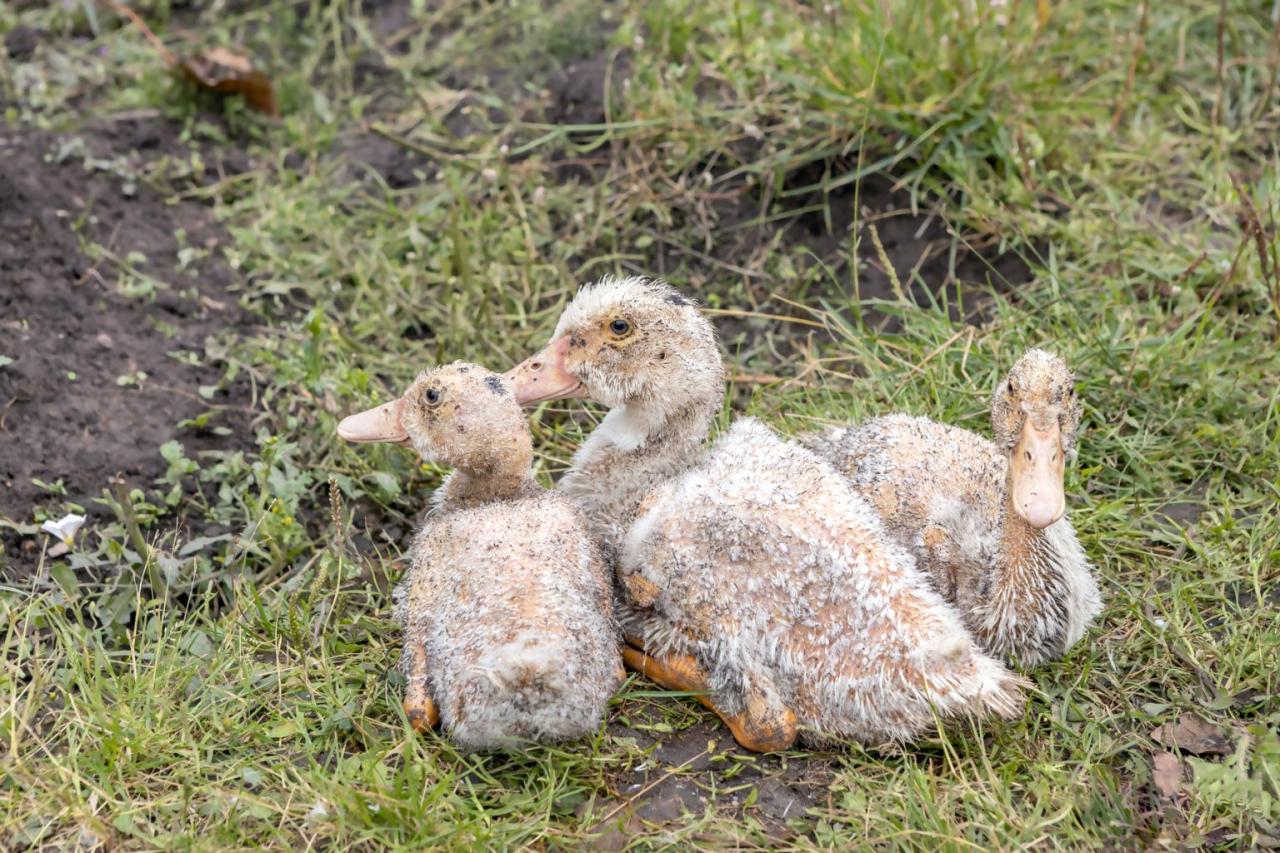
Proper nutrition is fundamental to maintaining a healthy duck flock and bolstering their natural defenses against diseases. A well-balanced diet provides the essential nutrients required for optimal immune function, growth, and overall well-being. This section Artikels the crucial role of nutrition in disease prevention, focusing on essential nutrients, diet formulation, and strategies to avoid nutritional deficiencies and feed-related health hazards.
Essential Nutrients for Duck Health and Immune Function
Ducks, like all animals, require a variety of nutrients to thrive and resist diseases. These nutrients play crucial roles in maintaining the integrity of the immune system and supporting overall health.
- Vitamins: Vitamins are organic compounds essential for various metabolic processes.
- Vitamin A: Critical for maintaining the health of the mucous membranes, which act as a barrier against pathogens. Deficiency can lead to respiratory infections and eye problems.
- Vitamin D: Essential for calcium absorption and bone development, and it also plays a role in immune function. Ducks synthesize vitamin D from sunlight, but supplementation may be needed in confined environments.
- Vitamin E: An antioxidant that protects cells from damage and supports immune function. Deficiency can lead to muscle weakness and impaired immune response.
- B Vitamins: Important for energy metabolism and nerve function. Specific B vitamins, like B12, are crucial for red blood cell production and immune cell development.
- Minerals: Minerals are inorganic substances necessary for various physiological functions.
- Calcium and Phosphorus: Essential for bone development and eggshell formation. Imbalances can lead to skeletal problems and reduced egg production.
- Selenium: An antioxidant that works with vitamin E to protect cells from damage. It also plays a role in immune function.
- Zinc: Important for immune cell development and wound healing. Zinc deficiency can impair immune responses.
- Protein: Protein provides the building blocks for tissues, enzymes, and antibodies.
- Amino Acids: The components of proteins, including essential amino acids that ducks cannot synthesize and must obtain from their diet. Deficiencies can lead to poor growth, reduced immune function, and increased susceptibility to disease.
Recommendations for Formulating a Balanced Duck Diet
A balanced diet is crucial for ducks of all ages and activity levels. The nutritional requirements vary depending on the duck’s life stage and purpose (e.g., meat production, egg laying). Consider these guidelines for formulating a balanced diet:
- Duckling Diet (0-3 weeks): Ducklings require a diet high in protein (around 20-22%) to support rapid growth. Use a commercially available starter feed specifically formulated for waterfowl. Ensure the feed is finely ground for easy consumption. Provide access to fresh, clean water at all times.
- Grower Diet (3-8 weeks): As ducklings grow, protein requirements decrease slightly (around 16-18%). Continue using a commercially available grower feed or transition to a formulated ration. Provide grit to aid in digestion.
- Breeder Diet (Laying Ducks): Laying ducks require a diet rich in calcium (around 3-4%) to support eggshell formation. Use a commercially available layer feed or a formulated ration specifically designed for laying ducks. Ensure adequate access to clean water and oyster shell grit.
- Breeder Diet (Breeding Ducks): Breeding ducks require a balanced diet to support both egg production and fertility. The diet should be rich in essential vitamins and minerals.
- Diet for Meat Production: Ducks raised for meat production benefit from diets that promote rapid growth. The diet should be formulated with high-energy ingredients and sufficient protein to support muscle development.
Example: A typical diet for laying ducks might include a mixture of grains (e.g., corn, wheat), protein sources (e.g., soybean meal, fish meal), and supplements (e.g., vitamins, minerals). The specific proportions will depend on the ingredients available and the desired nutritional profile.
Strategies for Preventing Nutritional Deficiencies in Ducks
Nutritional deficiencies can weaken the immune system and make ducks more susceptible to diseases. Several strategies can help prevent these deficiencies.
- Supplementation: Supplementing the diet with vitamins and minerals is often necessary, especially in intensive farming systems.
- Vitamin Premixes: Add vitamin premixes to the feed, particularly during periods of stress or increased nutritional demand.
- Mineral Supplements: Provide free-choice mineral supplements, such as oyster shell grit for laying hens, to ensure adequate mineral intake.
- Feed Storage Practices: Proper feed storage is essential to maintain the nutritional value of the feed and prevent spoilage.
- Store Feed in a Cool, Dry Place: This helps prevent the growth of mold and the degradation of vitamins.
- Use Feed Within Its Expiration Date: Older feed may have reduced nutritional value.
- Rotate Feed Stocks: Use the oldest feed first to minimize storage time.
- Monitoring Duck Health: Regularly observe the ducks for signs of nutritional deficiencies, such as poor growth, feather problems, or lameness.
Impact of Mycotoxins in Feed on Duck Health
Mycotoxins are toxic substances produced by molds that can contaminate feed and pose significant health risks to ducks. Exposure to mycotoxins can suppress the immune system, leading to increased susceptibility to disease and reduced performance.
- Mycotoxin Detection: Various methods are used to detect mycotoxins in feed.
- Visual Inspection: Look for visible mold growth on feed.
- Laboratory Testing: Submit feed samples to a laboratory for mycotoxin analysis.
- Use of Rapid Test Kits: Employ commercially available test kits for quick detection of specific mycotoxins.
- Avoiding Contaminated Feed: Several measures help prevent mycotoxin contamination.
- Source Feed from Reputable Suppliers: Choose suppliers with good quality control practices.
- Store Feed Properly: Maintain proper storage conditions to prevent mold growth.
- Use Feed Additives: Consider using mycotoxin binders in the feed to reduce the absorption of mycotoxins.
- Discard Contaminated Feed: Do not feed moldy or suspect feed to ducks.
Example: A study found that ducks fed feed contaminated with aflatoxins, a type of mycotoxin, exhibited reduced growth rates, impaired liver function, and increased susceptibility to infections. The affected ducks were more likely to contract diseases and experience higher mortality rates compared to those fed uncontaminated feed.
Environmental Management and Housing
Maintaining a healthy environment for ducks is crucial for preventing disease outbreaks and ensuring the well-being of the flock. This involves careful attention to water quality, housing conditions, and pest control measures. Proper environmental management minimizes stress, reduces exposure to pathogens, and supports the ducks’ immune systems.
Clean Water and Sanitation for Ducks
Providing ducks with access to clean water and maintaining sanitary conditions are fundamental to disease prevention. Ducks require clean water for drinking, swimming, and preening, and a lack of these resources can lead to a range of health problems.
- Water Quality: Fresh, clean water should be available at all times. Regularly check water sources for debris, algae, and other contaminants. Consider using waterers designed to minimize spillage and prevent the accumulation of dirt. Ensure the water source is not contaminated by manure or other waste products.
- Sanitation: Clean and sanitize water containers regularly. Remove any spilled feed or droppings promptly to prevent the buildup of harmful bacteria. Implement a routine cleaning schedule for all areas where ducks have access, including ponds, pools, and surrounding ground.
- Waste Management: Proper waste management is essential. Regularly remove manure from housing areas to prevent the build-up of ammonia and other harmful gases. Composting or spreading manure on fields (following local regulations) are effective methods of waste disposal.
- Examples: In a study by the University of California, Davis, ducks provided with clean, sanitized water sources showed a 30% reduction in instances of
-E. coli* infections compared to ducks with access to contaminated water.
Well-Ventilated Duck Housing
Adequate ventilation in duck housing is vital for maintaining air quality and preventing the buildup of harmful gases and pathogens. Poor ventilation can lead to respiratory problems, increased susceptibility to disease, and a generally unhealthy environment.
- Airflow: Ensure good airflow throughout the housing. This can be achieved through the use of vents, windows, and fans. Avoid drafts, which can chill the ducks, especially young ducklings.
- Gas Management: Proper ventilation helps to remove ammonia, carbon dioxide, and other harmful gases produced by duck droppings and decomposition of organic matter. Ammonia, in particular, can irritate the respiratory system and make ducks more vulnerable to respiratory diseases.
- Moisture Control: Ventilation also helps to control moisture levels in the housing. High humidity can promote the growth of bacteria, fungi, and parasites. Ensure that bedding remains dry.
- Housing Design: Consider the design of the housing. Natural ventilation can be enhanced by orienting the housing to take advantage of prevailing winds. Ensure that the housing is not overcrowded.
- Examples: A poultry farm in France, which implemented a well-designed ventilation system, reported a 40% decrease in instances of respiratory illnesses and a corresponding increase in duckling survival rates.
Controlling Parasites and Pests in Duck Housing
Controlling parasites and pests is essential for maintaining a healthy duck flock. These unwanted inhabitants can transmit diseases, irritate the ducks, and reduce their overall productivity. A combination of natural and chemical control methods can be employed.
- Natural Control Methods:
- Good Sanitation: Regular cleaning and removal of manure, spilled feed, and other organic matter are the most effective natural control measures.
- Predator Control: Secure the housing to prevent access by rodents, wild birds, and other potential vectors of parasites and diseases.
- Dust Baths: Provide dust baths, which allow ducks to naturally control external parasites such as mites and lice.
- Herbs: Some herbs, such as garlic and rosemary, are known to have insect-repellent properties.
- Chemical Control Methods:
- Insecticides: Use approved insecticides to control pests such as mites, lice, and flies. Always follow label instructions carefully.
- Rodenticides: Employ rodenticides to control rodents, but use them with caution to avoid accidental poisoning of ducks.
- Fumigation: Fumigation can be used to control pests in empty housing. This should be performed by trained professionals.
- Integrated Pest Management: Implement an integrated pest management (IPM) strategy, combining natural and chemical control methods, to minimize the use of chemicals and reduce the risk of pest resistance.
- Examples: A study published in the Journal of Applied Poultry Research showed that a combination of regular cleaning and the use of diatomaceous earth (a natural insecticide) reduced mite infestations in duck housing by 75%.
Optimal Stocking Density for Ducks
The optimal stocking density, or the number of ducks per unit of space, is a critical factor in duck health and productivity. Overcrowding can lead to stress, increased disease transmission, and reduced performance. The appropriate stocking density varies depending on the breed, age, and housing type.
- Breed Considerations: Larger breeds, such as Pekin ducks, require more space than smaller breeds, like Call ducks. Consider the mature size of the breed when determining stocking density.
- Age of Ducks: Ducklings require less space than adult ducks. Increase the space as the ducks grow.
- Housing Type: The type of housing also influences stocking density. Outdoor runs may allow for higher densities than enclosed housing, provided adequate shelter and protection from predators are available.
- General Guidelines:
- Ducklings (0-4 weeks): Approximately 0.5 to 1 square foot per duckling in brooder areas.
- Growing Ducks (4-8 weeks): Approximately 1 to 2 square feet per duck in housing.
- Adult Ducks: Approximately 2 to 4 square feet per duck in housing, and more space is recommended in outdoor runs (e.g., 4-8 square feet per duck).
- Observation: Regularly observe the ducks for signs of overcrowding, such as increased aggression, feather pecking, and reduced weight gain. Adjust stocking density as needed.
- Examples: A study by the University of Missouri found that ducks housed at a density of 4 square feet per bird showed a 15% increase in egg production compared to ducks housed at a density of 2 square feet per bird.
Early Disease Detection and Monitoring
Early disease detection and diligent monitoring are crucial for maintaining a healthy duck flock. Prompt identification of illnesses allows for timely intervention, minimizing the spread of disease, reducing mortality rates, and protecting the overall well-being of the birds. Regular observation and proactive health management practices are fundamental to preventing significant losses and ensuring a productive flock.
Signs and Symptoms of Common Duck Diseases
Understanding the signs and symptoms of common duck diseases is essential for rapid identification and treatment. Different diseases manifest with distinct clinical signs, allowing for a more accurate diagnosis.
- Respiratory Illnesses: These often affect the upper and lower respiratory tracts, causing breathing difficulties.
- Avian Influenza (Bird Flu): Symptoms include sneezing, coughing, nasal discharge, swelling around the head and eyes, and a bluish discoloration of the comb and wattles. Affected ducks may also exhibit neurological signs like tremors and paralysis. Outbreaks can result in high mortality rates.
- Duck Viral Hepatitis: Characterized by lethargy, loss of appetite, and tremors. Ducks may exhibit paddling movements with their legs. Mortality rates can be very high, especially in young ducklings.
- Aspergillosis (Brooder Pneumonia): Ducks may display labored breathing, gasping, and increased thirst. This fungal infection is common in young ducklings exposed to contaminated bedding.
- Digestive Illnesses: These affect the digestive system, impacting feed intake and nutrient absorption.
- Colibacillosis (E. coli infection): Symptoms include diarrhea, loss of appetite, and depression. It often leads to dehydration and can cause sudden death in young ducklings.
- Salmonellosis (Paratyphoid): Ducks may exhibit diarrhea, weakness, and ruffled feathers. In severe cases, neurological signs like tremors may appear. This bacterial infection can be transmitted to humans (zoonotic).
- Coccidiosis: Ducks show signs of bloody diarrhea, weight loss, and weakness. This parasitic disease affects the intestinal tract and can cause significant mortality in young ducks.
- Neurological Illnesses: These affect the nervous system, leading to various neurological signs.
- Duck Plague (Duck Virus Enteritis): Signs include loss of appetite, diarrhea (often bloody), and neurological symptoms such as paralysis. This highly contagious viral disease can cause rapid death.
- Botulism: Ducks may exhibit weakness, paralysis (especially of the legs and neck), and difficulty swallowing. This is often caused by ingesting toxins produced by bacteria in decaying organic matter.
- West Nile Virus: Symptoms can include lethargy, weakness, and neurological signs such as tremors or paralysis. While less common in ducks than in other birds, it can still pose a threat.
Guide for Conducting Regular Health Checks on Ducks
Regular health checks are a cornerstone of proactive disease management. Consistent observation allows for early detection of subtle changes that might indicate illness. This process should involve both visual inspection and physical examination.
- Visual Inspection: This involves observing the ducks from a distance and up close.
- Behavioral Assessment: Observe the ducks’ overall activity levels. Healthy ducks are typically active, alert, and social. Look for signs of lethargy, isolation, or unusual behavior.
-
Physical Appearance: Examine the ducks’ feathers, eyes, nostrils, and vent area.
- Feathers: Look for ruffled, unkempt feathers, which may indicate illness or stress.
- Eyes and Nostrils: Check for any discharge, swelling, or discoloration. Clear eyes and nostrils are signs of good health.
- Vent: Examine the vent area for signs of diarrhea, redness, or swelling.
- Physical Examination: This involves handling the ducks to assess their physical condition.
- Body Condition: Gently feel the duck’s breastbone to assess its weight and muscle mass. A duck that feels thin or emaciated may be ill.
- Palpation: Gently feel the abdomen for any unusual swelling or masses.
- Respiratory Assessment: Observe the duck’s breathing rate and effort. Listen for any unusual sounds, such as wheezing or coughing.
Checklist for Monitoring Duck Health
A systematic checklist provides a standardized approach to monitoring duck health. This ensures that all aspects of health are regularly assessed, increasing the likelihood of early disease detection.
- Daily Observation:
- Observe flock activity and behavior.
- Note any changes in feeding or water intake.
- Check for any signs of injury or unusual droppings.
- Weekly Inspection:
- Conduct a visual inspection of all ducks, paying attention to feathers, eyes, nostrils, and vent area.
- Assess body condition of a sample of ducks.
- Check for any signs of respiratory distress.
- Monthly Review:
- Review health records and identify any trends or potential problems.
- Evaluate the effectiveness of current management practices.
- Make any necessary adjustments to the flock’s health program.
Collecting and Submitting Samples for Disease Diagnosis
Accurate disease diagnosis often requires laboratory analysis of samples collected from sick ducks. Proper sample collection, handling, and shipping are essential to ensure accurate and reliable results.
- Sample Collection:
- Swabs: Nasal, tracheal, or cloacal swabs can be used to collect samples for viral or bacterial testing. Use sterile swabs and carefully insert them into the appropriate area.
- Blood Samples: Blood samples are used for serological testing to detect antibodies or to identify pathogens. Collect blood in appropriate tubes.
- Tissue Samples: Tissue samples from affected organs (e.g., lungs, liver, spleen) may be necessary for histopathological examination or pathogen isolation. Collect samples aseptically during necropsy.
- Fecal Samples: Fecal samples can be analyzed for parasites or bacterial infections. Collect fresh samples from the ducks or from the environment.
- Sample Handling:
- Labeling: Clearly label all samples with the duck’s identification, date of collection, and type of sample.
- Storage: Store samples appropriately before shipping. Refrigerate most samples (e.g., blood, tissues) at 4°C. Follow specific instructions from the diagnostic laboratory.
- Packaging: Package samples securely to prevent leakage or damage during shipping. Use appropriate containers and absorbent materials.
- Shipping Procedures:
- Shipping Containers: Use insulated shipping containers to maintain the proper temperature.
- Shipping Method: Ship samples via overnight delivery to ensure timely arrival at the diagnostic laboratory.
- Accompanying Information: Include a submission form with detailed information about the ducks, including clinical signs, history, and any treatments administered. Provide contact information for follow-up.
- Example:
In 2022, a duck farm in the United States experienced an outbreak of avian influenza. Samples (nasal swabs and tissue samples) were collected from affected ducks and submitted to a diagnostic laboratory. The laboratory confirmed the presence of the highly pathogenic avian influenza virus, allowing for prompt implementation of biosecurity measures and control strategies, limiting the spread of the disease.
Parasite Control and Prevention
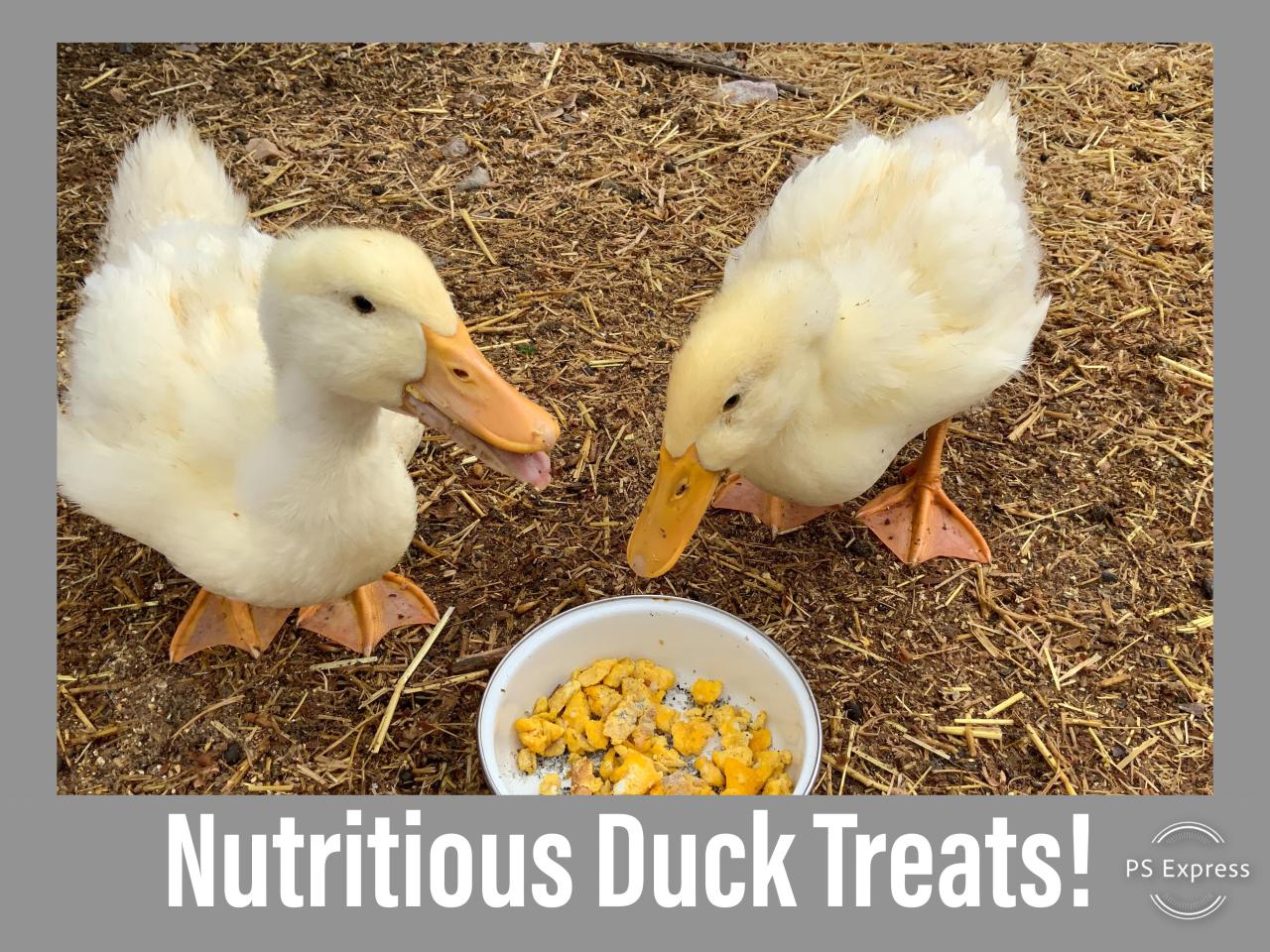
Maintaining a healthy duck flock involves more than just providing nutritious food and clean water; it also requires diligent parasite control. Parasites can significantly impact duck health, leading to reduced egg production, weight loss, and even mortality. A proactive approach to parasite prevention and control is crucial for ensuring the well-being of your ducks and the productivity of your flock.
Common Duck Parasites
Ducks are susceptible to a variety of internal and external parasites. Understanding these parasites is the first step in effective control.
- Internal Parasites: These parasites live inside the duck’s body, primarily in the digestive system, respiratory system, or circulatory system.
- Roundworms (Nematodes): These are common intestinal parasites that can cause weight loss, diarrhea, and anemia. Examples include
-Ascaridia* spp. and
-Capillaria* spp. - Tapeworms (Cestodes): These flatworms attach to the intestinal wall and compete for nutrients. They can cause weight loss and decreased egg production. Several tapeworm species affect ducks, often transmitted through intermediate hosts like snails or insects.
- Gapeworms (Syngamus trachea): These worms reside in the trachea (windpipe), causing respiratory distress, such as gasping and coughing. This is more common in young ducks.
- Roundworms (Nematodes): These are common intestinal parasites that can cause weight loss, diarrhea, and anemia. Examples include
- External Parasites: These parasites live on the duck’s skin, feathers, or in their environment.
- Mites: Several types of mites can infest ducks, causing skin irritation, feather loss, and anemia.
- Feather mites: These mites live on the feathers, causing feather damage and irritation.
- Scaly leg mites (Knemidocoptes mutans): These burrow under the scales of the legs and feet, causing thickening, crusting, and lameness.
- Northern fowl mites (Ornithonyssus sylviarum): These mites are blood-sucking parasites that can cause severe anemia and stress, particularly in young birds.
- Lice: Lice are external parasites that feed on feathers, skin, and debris. They cause irritation, feather damage, and reduced productivity. Common duck lice species include
- Anaticola* spp. and
- Menopon* spp.
- Mites: Several types of mites can infest ducks, causing skin irritation, feather loss, and anemia.
Effective Parasite Control Methods
A comprehensive parasite control strategy combines various methods to minimize parasite burdens and protect duck health.
- Medications: Anthelmintics (for internal parasites) and insecticides (for external parasites) are often necessary.
- Anthelmintics: Medications such as ivermectin, fenbendazole, and piperazine are commonly used to treat roundworms and other internal parasites. Dosage and administration methods vary depending on the specific medication and the type of parasite. Consult with a veterinarian to determine the appropriate medication and dosage for your flock.
- Insecticides: Insecticides like permethrin and pyrethrins can be used to control mites and lice. These can be applied as dusts, sprays, or dips. Always follow label instructions carefully and take precautions to avoid contamination of food and water.
- Environmental Management: Maintaining a clean and well-managed environment is crucial for preventing parasite infestations.
- Regular Cleaning: Clean and disinfect duck housing regularly, removing manure and soiled bedding. This reduces the buildup of parasite eggs and larvae.
- Proper Ventilation: Ensure good ventilation in the housing to reduce humidity, which can promote parasite survival.
- Dry Bedding: Use dry bedding materials, such as straw or wood shavings, and replace them frequently. Damp bedding provides an ideal environment for parasites.
- Weed Control: Remove weeds and tall grass around the duck enclosure, as these can harbor intermediate hosts for some parasites.
- Rotation of Pastures: If ducks are kept on pasture, rotate the grazing areas to reduce the buildup of parasite eggs in the soil.
- Natural Remedies: Some natural remedies can help control parasites and boost the ducks’ immune systems.
- Garlic: Adding garlic to the ducks’ feed may help repel some parasites.
- Diatomaceous Earth (DE): Food-grade DE can be added to feed or dusted on bedding to control external parasites. DE is a fine powder made from the fossilized remains of diatoms. It works by dehydrating the parasites.
- Herbs: Certain herbs, such as oregano and thyme, are believed to have antiparasitic properties.
Parasite Control Schedule for Duck Flocks
A well-defined parasite control schedule helps to ensure that treatments are administered regularly and effectively. The schedule should be tailored to your flock’s specific needs and the parasites common in your area. Consult with a veterinarian to develop the best schedule for your situation.
Here is a sample parasite control schedule:
| Parasite | Treatment | Frequency | Method |
|---|---|---|---|
| Roundworms & Tapeworms | Fenbendazole (e.g., Panacur) or Ivermectin | Every 3-6 months | Administered in feed or water, following veterinarian’s instructions. |
| Mites (Feather, Scaly Leg) | Permethrin spray or dust, or Ivermectin | As needed (inspect regularly) | Spray or dust directly on ducks and in housing; Ivermectin through injection or in feed. |
| Lice | Permethrin dust or spray | As needed (inspect regularly) | Dust or spray on ducks and in housing. |
| Gapeworms | Flubendazole or Levamisole | If infestation is suspected | Administered in feed or water, following veterinarian’s instructions. |
Biosecurity’s Role in Parasite Prevention
Biosecurity measures play a crucial role in preventing the introduction and spread of parasites within a duck flock. Implementing strong biosecurity protocols can significantly reduce the risk of parasitic infestations.
- Quarantine New Birds: Quarantine new ducks for at least 30 days before introducing them to the existing flock. This allows you to observe them for signs of parasites and treat them if necessary.
- Control Visitors: Limit access to the duck enclosure to essential personnel only. Require visitors to wear clean footwear and clothing.
- Clean Equipment: Regularly clean and disinfect all equipment, such as feeders, waterers, and tools, to prevent the spread of parasites.
- Source Feed and Bedding Carefully: Obtain feed and bedding from reputable sources to minimize the risk of introducing parasites. Store feed and bedding in a way that prevents contamination by pests.
- Monitor for Signs: Regularly monitor your ducks for signs of parasites, such as weight loss, feather damage, or skin irritation. Early detection allows for prompt treatment.
Disease Outbreak Management
Managing a disease outbreak in a duck flock is crucial for minimizing losses, preventing further spread, and protecting other flocks. A swift and coordinated response is essential, involving isolation, diagnosis, treatment (where possible), and strict biosecurity measures. This section Artikels the key steps to take during a suspected outbreak.
Steps During a Suspected Duck Disease Outbreak
When a disease outbreak is suspected, immediate action is critical. The following steps should be implemented without delay to control the situation effectively.
- Immediate Isolation: Immediately isolate the affected birds from the healthy ones. This involves moving sick birds to a separate area or, if that’s not possible, creating a strict barrier within the existing housing. This barrier should prevent direct contact and aerosol transmission. Ensure that all personnel working with the sick birds use separate protective clothing and footwear.
- Diagnosis: Contact a veterinarian or poultry health specialist immediately. They can collect samples (blood, tissue, swabs) for laboratory analysis to determine the specific disease. Early and accurate diagnosis is paramount for effective treatment and control measures.
- Treatment and Supportive Care: Based on the diagnosis, the veterinarian will recommend appropriate treatment. This might include antibiotics for bacterial infections, antiviral medications (if available and effective), or supportive care to help the birds recover. Supportive care includes providing clean water, nutritious feed, and a comfortable environment.
- Culling (If Necessary): In cases of highly contagious or untreatable diseases, culling the affected birds may be necessary to prevent further spread. This decision should be made in consultation with a veterinarian and relevant authorities.
- Biosecurity Reinforcement: Strengthen biosecurity measures throughout the entire flock. This includes restricting access to the affected area, disinfecting equipment and vehicles, and training personnel on proper hygiene practices.
Safe Disposal of Infected Birds and Contaminated Materials
Proper disposal of infected birds and contaminated materials is vital to prevent environmental contamination and the spread of disease. The following guidelines must be followed.
- Carcass Disposal:
- Burial: If permitted by local regulations, bury carcasses in a location away from water sources and other sensitive areas. The burial site should be deep enough to prevent scavengers from accessing the carcasses.
- Composting: Composting can be an effective method of disposal. This process involves mixing the carcasses with carbon-rich materials like wood shavings or straw to create compost. The heat generated during composting helps to kill pathogens.
- Incineration: Incineration is a highly effective method of disposal, especially for highly contagious diseases. This method should be performed in a controlled environment to prevent air pollution.
- Contaminated Material Disposal:
- Incineration: Incinerate contaminated materials such as bedding, feed, and equipment that cannot be effectively disinfected.
- Burial: Bury contaminated materials in a designated area, if incineration is not feasible.
- Disinfection: Thoroughly disinfect all equipment, housing, and surfaces that have come into contact with infected birds or contaminated materials.
- Personal Protective Equipment (PPE): Personnel involved in carcass disposal should wear appropriate PPE, including gloves, masks, coveralls, and boots, to prevent exposure to pathogens.
Protocols for Disinfecting the Affected Area
Effective disinfection is crucial for eliminating pathogens and preventing the spread of disease. Implement the following protocols.
- Preparation:
- Remove all organic matter (manure, bedding, feed) from the affected area. Organic matter can inactivate disinfectants.
- Thoroughly clean the surfaces with water and detergent to remove any remaining debris.
- Disinfection:
- Choose a disinfectant that is effective against the specific pathogens identified in the outbreak. Consult with a veterinarian or poultry health specialist to determine the most appropriate disinfectant.
- Follow the manufacturer’s instructions carefully for dilution rates, contact time, and application methods.
- Apply the disinfectant to all surfaces, including walls, floors, equipment, and feeders.
- Allow the disinfectant to remain in contact with the surfaces for the recommended time.
- Post-Disinfection:
- Rinse the disinfected surfaces with clean water, if necessary, to remove any residual disinfectant.
- Allow the area to dry completely before reintroducing healthy birds.
The Role of Reporting Disease Outbreaks
Reporting disease outbreaks to relevant authorities is essential for several reasons. This practice is vital for protecting the broader poultry industry and public health.
- Early Warning System: Reporting allows authorities to monitor disease trends and implement control measures quickly. This helps to prevent outbreaks from spreading to other flocks.
- Disease Surveillance: Data from outbreak reports is used to improve disease surveillance programs. This helps to identify emerging diseases and develop strategies for prevention and control.
- International Trade: Reporting outbreaks to the World Organisation for Animal Health (WOAH) is a requirement for many countries. This is crucial for maintaining international trade in poultry products.
- Public Health: Some poultry diseases can pose a risk to human health. Reporting outbreaks helps to protect public health by allowing authorities to take appropriate action.
- Legal Requirements: In many jurisdictions, reporting certain poultry diseases is a legal requirement. Failure to report can result in penalties.
Reporting a suspected disease outbreak is a critical step in protecting your flock and the broader poultry industry. Always follow the guidelines of your local and national authorities.
End of Discussion
In conclusion, successfully preventing duck diseases demands a holistic strategy. Implementing robust biosecurity protocols, adhering to vaccination and nutritional guidelines, and maintaining a clean and well-managed environment are all critical components. By remaining vigilant, practicing proactive health monitoring, and responding promptly to any signs of illness, you can significantly reduce the risk of disease outbreaks and ensure your ducks live long, healthy, and productive lives.
Remember that prevention is always the best medicine, and a healthy flock is a happy flock.