Understanding how to prevent heat stress in animals is essential for maintaining their health, well-being, and productivity, especially during hot weather periods. As temperatures rise, animals become more vulnerable to heat-related issues that can significantly impact their growth, reproductive performance, and overall vitality. Implementing effective management strategies can help mitigate these risks and ensure animals remain comfortable and healthy.
By adopting a combination of environmental modifications, nutritional support, water management, behavioral monitoring, technological tools, and appropriate health measures, livestock owners can create a resilient environment that reduces heat stress. This comprehensive approach not only protects the animals but also enhances productivity and welfare standards across farming operations.
Understanding Heat Stress in Animals
Heat stress occurs when animals are unable to dissipate excess body heat effectively, leading to physiological strain that can compromise their health, welfare, and productivity. As global temperatures rise and heatwaves become more frequent, understanding how heat stress impacts various animal species is critical for implementing appropriate management strategies. Recognizing the signs and symptoms early can help mitigate adverse effects and ensure the well-being of livestock and other animals in different environments.
Animals have evolved diverse mechanisms to regulate their body temperature, but extreme or prolonged heat exposure can overwhelm these natural defenses, resulting in significant physiological disturbances. The severity of heat stress and its impact vary among species, influenced by factors such as body size, coat type, metabolic rate, and habitat conditions. Effective management requires an in-depth understanding of these physiological effects, common indicators of heat stress, and its repercussions on animal productivity and overall health.
Physiological Effects of Heat Stress on Different Animal Species
Heat stress induces a series of physiological responses aimed at cooling the body, but when these mechanisms are insufficient, it can cause serious health issues. These responses differ among species depending on their adaptations and environmental interactions.
- Cattle: Elevated ambient temperatures lead to increased respiration rates, sweating, and reduced feed intake. Prolonged heat stress can cause dehydration, decreased milk production, reproductive issues, and in severe cases, heat exhaustion or death.
- Horses: Similar to cattle, horses exhibit increased respiratory rates and sweating. Chronic heat exposure may result in reduced performance, dehydration, and increased risk of colic or other health complications.
- Sheep and goats: These animals rely heavily on wool and hair for insulation, which can hinder heat dissipation. They experience increased respiration and reduced feeding, potentially leading to weight loss and lowered immunity if heat stress persists.
- Poultry: Birds are particularly vulnerable due to their high metabolic rates and lack of sweat glands. They respond with panting, wing spreading, and reduced feed intake, which can impair growth, egg production, and immune function.
Understanding these species-specific physiological effects assists in tailoring management practices and interventions to minimize heat-related health issues.
Signs and Symptoms Indicating Heat Stress in Livestock
Early recognition of heat stress is vital in preventing severe health consequences. Animals exhibit distinct signs that can be observed in their behavior and physical condition.
- Increased respiration and panting: Rapid, labored breathing is often the first visible sign of heat stress across species.
- Elevated body temperature: Rectal temperatures exceeding normal ranges (e.g., >39.5°C in cattle) indicate overheating.
- Reduced feed and water intake: Animals tend to eat and drink less, leading to weight loss and dehydration.
- Altered behavior: Seek shaded or cooler areas, decreased activity levels, and increased restlessness or discomfort.
- Physical signs in specific animals: Excess salivation in horses, drooping wings in poultry, and wool or hair puffiness in sheep.
- Decreased productivity: Lower milk yields, reduced growth rates, and poor reproductive performance are indirect indicators of heat stress.
Monitoring these signs allows caretakers to initiate timely cooling strategies and prevent progression to more severe conditions such as heatstroke or death.
Impact of Heat Stress on Animal Productivity and Health
Prolonged exposure to high temperatures significantly affects the physical health and productivity of animals, leading to economic losses and compromised welfare.
- Reduced growth and production: Heat-stressed animals often exhibit decreased feed efficiency, resulting in slower weight gain and lower meat or milk output.
- Reproductive challenges: Elevated body temperatures can impair fertility, delay estrus cycles, and decrease conception rates, impacting herd replacement and productivity.
- Immune suppression: Heat stress dampens immune responses, increasing susceptibility to diseases such as respiratory infections and parasitic infestations.
- Dehydration and metabolic disturbances: Excessive heat leads to dehydration, electrolyte imbalances, and metabolic disorders that can be life-threatening if unaddressed.
- Behavioral changes: Chronic heat stress may cause animals to become lethargic or show signs of discomfort, reducing natural behaviors essential for their well-being.
Understanding these impacts underscores the importance of implementing effective heat mitigation strategies to safeguard livestock health and optimize productivity during periods of elevated temperatures.
Environmental Management Strategies
Effective environmental management is essential in minimizing heat stress in animals. By optimizing shade, improving airflow, and selecting appropriate cooling systems, farmers and animal caretakers can create a habitat that mitigates high temperatures and promotes animal well-being. Implementing these strategies requires a careful balance of natural resources and technological solutions to ensure animals remain comfortable and productive during hot weather conditions.
Proper environmental management not only enhances animal comfort but also reduces heat-related health issues, improves productivity, and promotes sustainable farming practices. The following methods highlight practical approaches to achieve a cooler and more comfortable environment for animals, especially during peak heat periods.
Optimizing Shade Provision Using Natural and Artificial Structures
Providing adequate shade is critical in reducing direct solar radiation exposure for animals. Shade structures can be constructed from natural or artificial materials, each offering unique benefits. Ensuring that animals have access to shaded areas during the hottest parts of the day helps prevent heat buildup and reduces stress.
- Natural Shade: Utilizing existing trees, shrubs, or creating shelterbelts can provide effective shade. Trees such as acacia, eucalyptus, or native species with broad canopies are ideal as they offer extensive shade and facilitate airflow. Proper positioning to block the sun during peak hours and ensuring that foliage is well-maintained enhances their effectiveness.
- Artificial Shade Structures: Constructed using materials like metal sheets, shade cloths, or polycarbonate panels, these structures can be customized to fit specific farm layouts. Elevated roofs with open sides promote airflow while providing shade. The orientation of shade structures should minimize direct sunlight penetration, especially during midday.
It is important that shade structures are durable, properly anchored, and positioned to maximize coverage. Incorporating adjustable or movable shades allows flexibility based on weather conditions, thereby maintaining a comfortable environment for the animals throughout the day.
Improving Airflow and Ventilation in Animal Housing
Enhancing airflow within animal shelters is essential in dissipating accumulated heat and reducing the temperature inside enclosures. Proper ventilation not only lowers ambient temperature but also improves air quality by removing excess moisture, dust, and gases like ammonia, which can exacerbate heat stress.
Optimal ventilation strategies include natural and mechanical systems. Natural ventilation relies on design features that promote air movement, while mechanical systems provide consistent airflow regardless of external conditions.
- Design for Natural Ventilation: Incorporating side vents, ridge vents, and windows positioned to facilitate cross-ventilation encourages air to flow through the housing. Elevated roof designs and open eaves create chimney effects, drawing hot air upward and out of the shelter.
- Mechanical Ventilation Systems: Fans, exhaust systems, and ducted ventilation help maintain a steady flow of fresh air. Installing adjustable fans allows for control over airflow rates during particularly hot days. Ensuring that ventilation outlets are unobstructed maximizes effectiveness.
- Considerations for Ventilation Effectiveness: The design should account for prevailing wind directions and local climate patterns. Regular maintenance of ventilation equipment is essential to prevent dust buildup and mechanical failures. Combining natural and mechanical ventilation often yields the best results in diverse environmental conditions.
Implementing well-designed ventilation can significantly reduce the microclimate temperature within animal housing, leading to better health, comfort, and productivity.
Comparison of Cooling Systems
Choosing the appropriate cooling system depends on the specific needs of the animals, environmental conditions, and infrastructure capabilities. Below is a comparison of common cooling solutions used in animal husbandry:
| Cooling System | Description | Advantages | Limitations |
|---|---|---|---|
| Fans | Mechanical devices that increase air movement within shelters, creating a wind-chill effect to help animals lose heat. | Simple to install and operate, cost-effective, provides immediate relief, suitable for various animal types. | Less effective in high humidity; may require high energy consumption; noise may disturb animals. |
| Misters (Mist Cooling) | Systems that release fine water droplets into the air to increase humidity and promote evaporative cooling. | Effective in dry climates; rapidly reduces ambient temperature; easy to adjust. | Less effective in humid environments; potential for increased humidity leading to respiratory issues if not managed properly; water consumption can be high. |
| Evaporative Cooling Units | Enclosures that combine water evaporation with airflow to lower temperatures, often utilizing pads or cooling tunnels. | Provides significant cooling in hot, dry climates; reduces temperature substantially; suitable for large-scale operations. | Initial investment can be high; requires regular maintenance; effectiveness less in humid conditions. |
Selecting the most suitable cooling system should consider environmental factors, animal species, operational costs, and infrastructure. Combining systems, such as fans with misters or evaporative units, often yields optimal results in maintaining a comfortable microclimate.
Nutritional Approaches to Mitigate Heat Stress
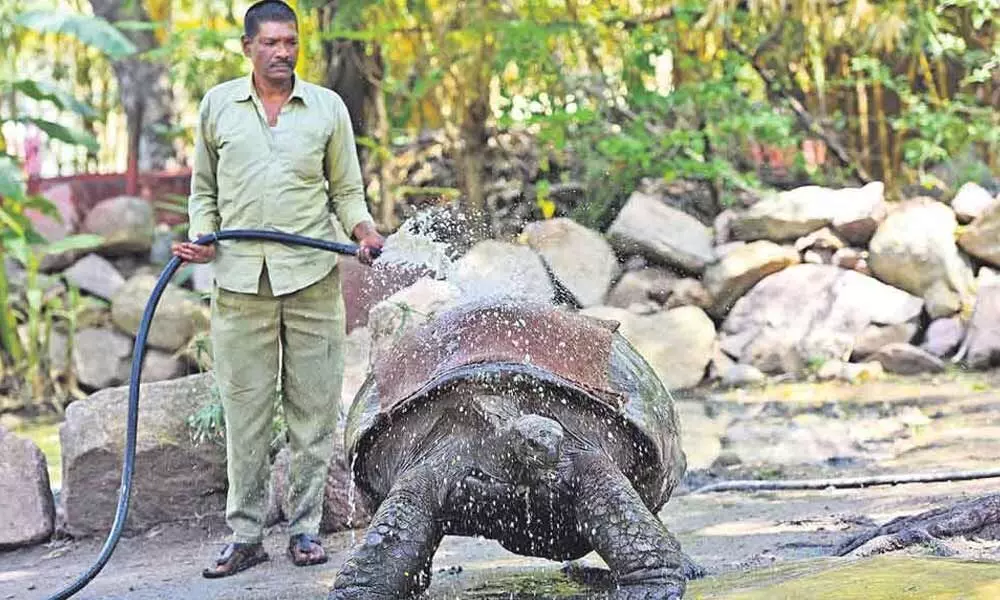
During periods of high temperatures, nutritional strategies become essential in supporting animals’ resilience against heat stress. Proper dietary adjustments can enhance a creature’s ability to thermoregulate, maintain productivity, and prevent health complications associated with heat exposure. Implementing specific feeding practices and supplementing nutrients can significantly reduce the adverse effects of heat stress on farm animals, ensuring their well-being and optimal performance.
Incorporating targeted nutritional interventions involves optimizing diet composition, supplementing key electrolytes, and designing feed formulations that ease the metabolic load during hot conditions. These approaches help in maintaining hydration, electrolyte balance, and overall energy status, which are critical for animals coping with elevated temperatures.
Dietary Adjustments to Support Animals During High Temperatures
Adjusting the nutrient intake during heat waves is vital to reduce metabolic heat production and improve comfort. The primary goal is to modify the energy density of the diet to prevent excessive internal heat generation while ensuring animals receive essential nutrients.
- Reduce the overall energy content of the diet by decreasing concentrate feed and increasing fiber sources such as hay and silage, which generate less heat during digestion.
- Increase the proportion of easily digestible nutrients to minimize the energy expenditure on digestion and metabolism.
- Adjust feeding schedules to cooler parts of the day—early morning or late evening—to encourage intake while avoiding heat stress during peak temperatures.
Monitoring feed intake is crucial, as animals tend to eat less during hot weather. Providing palatable and high-quality feed can help maintain adequate nutrient intake and support physiological functions during stressful periods.
Electrolyte Supplementation and Hydration Strategies
Maintaining electrolyte balance and hydration is critical in animals experiencing heat stress, as it prevents dehydration, supports muscle function, and sustains metabolic processes. Electrolyte supplementation can be administered through drinking water or feed, depending on the species and management system.
- Electrolyte solutions typically contain sodium, potassium, chloride, and bicarbonate, which help replenish losses from sweating and respiration.
- Providing fresh, clean, and freely accessible water is fundamental; water intake should be increased to compensate for fluid losses, especially during heatwaves.
- Incorporating electrolyte powders or premixed solutions into drinking water can improve intake and prevent imbalances, especially in dairy cattle and young animals.
- Regularly monitoring hydration status through behavioral cues and physical signs ensures timely intervention and prevents severe dehydration.
Effective hydration strategies involve supplying electrolytes in combination with ample clean water, ensuring animals can maintain fluid balance during high-temperature periods.
Sample Feed Formulations Designed to Reduce Heat Load
Designing feed formulations that minimize metabolic heat production while meeting animals’ nutritional requirements is an effective approach to combat heat stress. These formulations focus on balancing energy, fiber, and electrolyte content to optimize thermoregulation.
| Component | Formulation Strategy | Purpose |
|---|---|---|
| High-quality forage | Increased proportion in diet | Provides digestible fiber with minimal heat |
| Reduced concentrates | Decreased energy-dense feeds such as grains | Limits internal heat from fermentation |
| Electrolyte premixes | Added to water or feed | Maintains electrolyte balance and hydration |
| Inclusion of fats/oils | Moderate amounts in diet | Provides energy with less heat of digestion than carbohydrates |
For example, a dairy cow diet during hot weather can include increased forage, supplemented with electrolytes in the drinking water, and a small inclusion of fats to provide energy without causing excess metabolic heat. Such formulations help sustain milk production and overall health, even under challenging climatic conditions.
Water Management Techniques
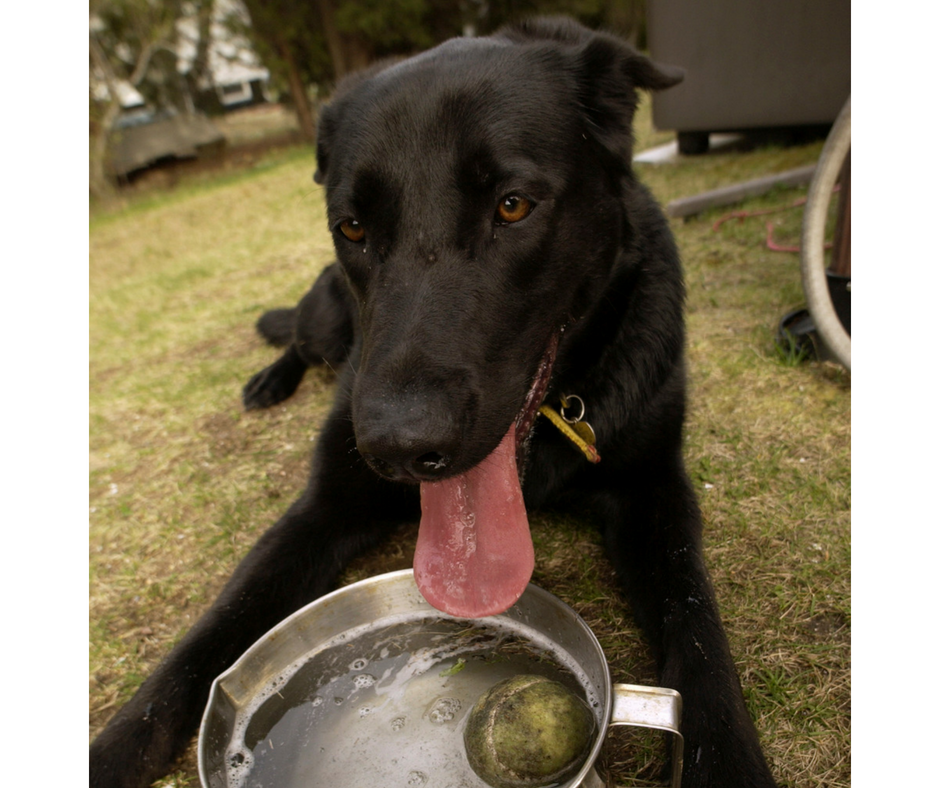
Effective water management is crucial in safeguarding animals against heat stress. During hot weather, animals experience increased water loss through sweating, respiration, and urination, which can lead to dehydration if not properly addressed. Ensuring continuous access to clean, fresh water and optimizing water delivery systems help maintain hydration, body temperature regulation, and overall health. Proper management of water resources also helps prevent the spread of disease and supports animals’ metabolic functions during periods of high environmental heat.
Implementing efficient water management techniques involves setting up water supply systems that facilitate easy access, prevent contamination, and promote cooling. Regular monitoring and maintenance of water sources ensure the animals remain adequately hydrated, especially during heat waves when water intake naturally increases. Strategically managing water consumption is a key component of comprehensive heat stress prevention strategies for livestock and other animals.
Importance of Constant Access to Clean, Fresh Water
Animals require a steady supply of clean, fresh water to maintain physiological functions, especially under heat stress conditions. Adequate hydration supports thermoregulation by enabling animals to dissipate excess body heat through sweating and respiration. Dehydration can impair digestion, reduce feed intake, weaken immune responses, and increase susceptibility to illness. Ensuring constant access to uncontaminated water helps animals recover from heat stress more effectively, maintains productivity, and promotes overall welfare.
Setting Up Water Troughs for Efficient Cooling and Hydration
Proper installation of water troughs is vital to maximize their effectiveness in providing hydration and cooling benefits. Troughs should be positioned in shaded, well-ventilated areas to prevent water temperature rise and contamination from environmental debris or pests. The design should facilitate easy access for animals of different sizes and ages, with smooth, non-slip surfaces to prevent injuries. Elevated or float-controlled troughs help maintain consistent water levels and prevent overflow or wastage.
In hot weather, additional measures such as installing sprinklers or misting devices near water points can enhance the cooling effect. Regular cleaning and disinfection of water troughs prevent bacterial growth, which can cause illness. Ensuring adequate water flow and capacity helps accommodate increased consumption during heat waves, keeping animals hydrated and reducing heat stress risk.
Best Practices for Water Usage During Heat Waves
| Practice | Description | Benefit |
|---|---|---|
| Increase Water Availability | Provide additional water sources or increase the flow rate to meet higher consumption demands. | Prevents dehydration and promotes effective cooling. |
| Maintain Cleanliness | Regularly clean and disinfect water troughs to prevent pathogen buildup. | Reduces disease transmission and ensures water safety. |
| Shade Water Points | Place water sources under shade to keep water temperature low and prevent contamination. | Maintains water quality and encourages intake. |
| Monitor Water Levels Frequently | Check and refill water troughs multiple times daily during heat waves. | Ensures animals always have access to sufficient water. |
| Implement Water Cooling Measures | Use sprinklers or misting systems around water points to cool water and ambient air. | Enhances cooling and animal comfort. |
| Encourage Drinking Behavior | Design water points to be easily accessible and inviting for animals. | Promotes adequate water intake during stress periods. |
Behavioral and Handling Practices
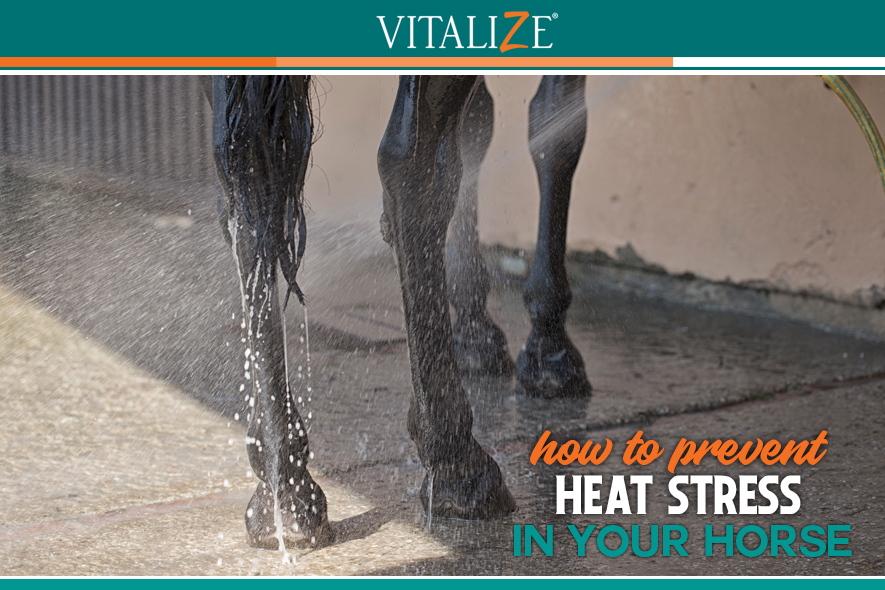
Ensuring the well-being of animals during hot weather requires attention to their natural behaviors and stress signals. Proper handling practices can significantly reduce heat-induced stress, promoting healthier and more comfortable animals. Recognizing behavioral cues and implementing effective monitoring routines are essential components of humane animal management in high-temperature conditions.Handling animals during hot weather must be conducted with care to prevent additional stress.
Rapid or rough handling can elevate core temperatures and induce panic, increasing the risk of heat stress complications. Gentle, calm movements, minimizing restraint time, and avoiding sudden noises or movements can help keep animals relaxed. Using low-stress handling techniques, such as avoiding loud commands and providing quiet spaces, fosters a safer environment. Scheduling handling activities during cooler parts of the day, such as early morning or late evening, further mitigates heat-related issues.
Additionally, ensuring adequate hydration and providing shaded or ventilated areas during handling reduces physiological stress.Animals exhibit specific behavioral cues indicating discomfort or heat stress. Recognizing these signs enables timely intervention and improved care practices. Common indicators include:
Behavioral Cues Indicating Discomfort or Heat Stress
- Increased respiratory rate or rapid breathing, often referred to as panting
- Excessive salivation or drooling, which can signal overheating
- Weakness or lethargy, showing reluctance to move or engage in normal activities
- Elevated tail or ear positioning, such as ears held back or tail tucked
- Frequent seeking of shade or water sources
- Reduced feed intake and decreased overall activity levels
- Persistent sweating in some species, especially horses or cattle with sweating ability
- Uncoordinated movements or staggering, suggesting severe distress
Recognizing these cues allows handlers to implement immediate cooling measures, provide additional water, or move animals to shaded areas to alleviate heat stress.A structured daily monitoring protocol is vital to promptly identify early signs of heat distress, ensuring swift intervention. The following checklist can serve as a practical guide:
Daily Monitoring Checklist for Animal Responses to Heat
| Parameter | Observation Criteria | Action Required |
|---|---|---|
| Respiratory Rate | Number of breaths per minute; normal varies by species but typically less than 60 for cattle | If elevated beyond normal ranges, provide shade and water; consider cooling measures |
| Behavioral Signs | Restlessness, seeking shade, panting, or decreased activity | Record observations; move animals to cooler areas if needed |
| Hydration Status | Skin elasticity, gum moisture, and water intake | Ensure continuous access to clean, fresh water and monitor intake |
| Body Temperature | Rectal temperature; normal varies by species (e.g., 38-39°C in cattle) | If elevated, initiate cooling protocols such as spray cooling or wetting |
| Physical Appearance | Signs of distress like excessive sweating, drooling, or weakness | Immediate cooling and hydration interventions |
Consistent daily assessment using this checklist enables proactive management, minimizes heat-related health issues, and ensures animals maintain optimal comfort levels during high-temperature periods.
Use of Technological Tools and Monitoring Devices
Advancements in technology have significantly enhanced the ability to monitor environmental conditions affecting animals, especially during periods of heat stress. Implementing appropriate sensors and devices allows farmers and animal handlers to actively track changes in temperature, humidity, and other relevant factors in real time, facilitating prompt and effective management responses. This integration of technology not only improves animal welfare but also optimizes productivity and reduces economic losses associated with heat-related health issues.
By leveraging modern monitoring tools, managers can gain precise, continuous data that inform decision-making processes. These devices help anticipate stress events, automate responses, and create a proactive approach to heat stress mitigation, ultimately promoting healthier, more resilient animal populations.
Types of Sensors and Devices to Track Environmental Conditions
Accurate measurement of environmental parameters is essential to prevent heat stress. Several types of sensors and devices are available to provide reliable data, each suited to specific needs and settings. Understanding their features ensures appropriate selection and application:
- Digital Thermometers: Provide precise temperature readings within animal habitats, allowing constant monitoring of ambient conditions. Wireless versions enable remote data collection for large-scale operations.
- Hygrometers and Humidity Sensors: Measure ambient humidity levels, which combined with temperature data, help determine the heat index or apparent temperature that animals experience.
- Wet Bulb Globe Temperature (WBGT) Devices: Measure a combination of temperature, humidity, wind speed, and solar radiation. WBGT readings are more comprehensive for assessing heat stress risk in outdoor environments.
- Data Loggers: Record environmental conditions over time, providing historical data to analyze patterns and evaluate the effectiveness of mitigation strategies.
- Infrared Thermometers: Offer quick surface temperature measurements, useful for checking animal body temperatures non-invasively.
- Environmental Monitoring Stations: Integrate multiple sensors to continuously track temperature, humidity, wind, and solar radiation, often equipped with wireless data transmission capabilities for centralized management.
Interpreting Data from Thermometers and Humidity Meters
Interpreting environmental data accurately is crucial for timely interventions to prevent heat stress. Understanding the relationship between temperature and humidity helps determine the heat load animals are subjected to, guiding appropriate management actions:
The heat index, or apparent temperature, combines air temperature and humidity to provide a more realistic assessment of heat stress risk. Values exceeding certain thresholds indicate the need for immediate remedial measures.
For example, a temperature of 30°C (86°F) combined with 70% humidity results in a high heat index, posing significant stress risks to most livestock. Regularly reviewing and analyzing data from thermometers and humidity meters allows managers to identify critical periods where animals are vulnerable, prompting actions such as increasing shade, ventilation, or adjusting feeding schedules.
Data interpretation also involves establishing baseline conditions and monitoring deviations that signal potential stress. Setting thresholds based on species-specific tolerance levels enables proactive management, such as activating cooling systems or providing additional water sources before animals exhibit signs of heat stress.
Integrating Technology into Management Routines
Effective heat stress prevention depends on seamlessly incorporating monitoring devices into daily management routines. This integration enhances responsiveness and minimizes delays in implementing mitigation strategies:
- Establish regular data review schedules, including automated alerts for threshold breaches, to promptly address unfavorable environmental conditions.
- Use centralized dashboards or management software that consolidates data from multiple sensors, providing a comprehensive overview of environmental dynamics across different zones or facilities.
- Train staff on interpreting sensor data accurately and taking appropriate actions based on real-time information.
- Schedule routine calibration and maintenance of sensors to ensure ongoing accuracy and reliability of data collection.
- Combine technological data with visual and behavioral observations of animals to develop a holistic understanding of their well-being.
- Implement automated control systems, such as fans, misters, or ventilation fans, that respond to sensor data to maintain optimal conditions without manual intervention.
Integrating these tools into a structured management protocol ensures proactive, data-driven responses to environmental challenges, thereby significantly reducing the risk of heat stress in animals and promoting their overall health and productivity.
Preventive Health Measures and Vaccination
Ensuring the health and resilience of animals during hot periods requires implementing comprehensive preventive health strategies and appropriate vaccination programs. These measures play a critical role in reducing the risk of heat-related illnesses and enhancing the overall well-being of livestock and companion animals, especially when environmental conditions are at their most challenging.Effective preventive health protocols, combined with timely vaccination, help safeguard animals against diseases that may be exacerbated by heat stress.
Sanitation and strict biosecurity practices further contribute to minimizing health hazards, ensuring that animals remain robust despite adverse climatic conditions.
Regular Health Checks During Hot Periods
During periods of elevated temperature, routine health assessments become vital to detect early signs of heat stress or underlying health issues. These checks should be scheduled more frequently, focusing on vital signs such as body temperature, respiratory rate, and hydration status. Animals exhibiting symptoms like excessive panting, lethargy, reduced feed intake, or abnormal behavior must be promptly evaluated to initiate appropriate interventions.
Maintaining meticulous health records during hot seasons aids in monitoring trends and identifying animals that are more susceptible to heat stress, facilitating targeted care.
Vaccination Schedules Supporting Heat Resilience
Vaccination is a key component in bolstering animals’ immune systems against specific diseases, some of which may be more prevalent or severe during hot weather. Developing vaccination schedules that align with seasonal risks ensures animals are protected when they are most vulnerable.For example, in tropical regions, vaccination against diseases such as foot-and-mouth disease, bovine viral diarrhea, or clostridial infections should be administered well before the onset of the hot season.
It is also beneficial to include vaccines that support general immune robustness, such as multivalent vaccines, to aid animals in coping with environmental stressors.
Establishing a proactive vaccination schedule not only prevents disease outbreaks but also reduces the physiological burden on animals during heat stress, enabling them to better withstand environmental challenges.
Sanitation and Biosecurity Practices to Prevent Heat-Related Illnesses
Maintaining high standards of sanitation and biosecurity is essential in preventing secondary infections and heat-related illnesses. Proper sanitation reduces pathogen load in animal environments, decreasing the risk of disease transmission, which can be particularly problematic during periods of heat stress when animals are more susceptible.Biosecurity protocols should include restrictions on unnecessary movement, disinfection of equipment and footwear, and control of visitors to minimize pathogen introduction.
Additionally, isolating and quickly managing sick animals prevents disease spread and allows for targeted treatment.Implementing these practices involves routine cleaning of animal housing, ensuring proper waste disposal, and maintaining clean water sources to prevent the proliferation of bacteria and other pathogens. These measures collectively create a healthier environment, reducing additional stress factors that could compromise animal resilience during high-temperature periods.
Designing Effective Cooling Facilities
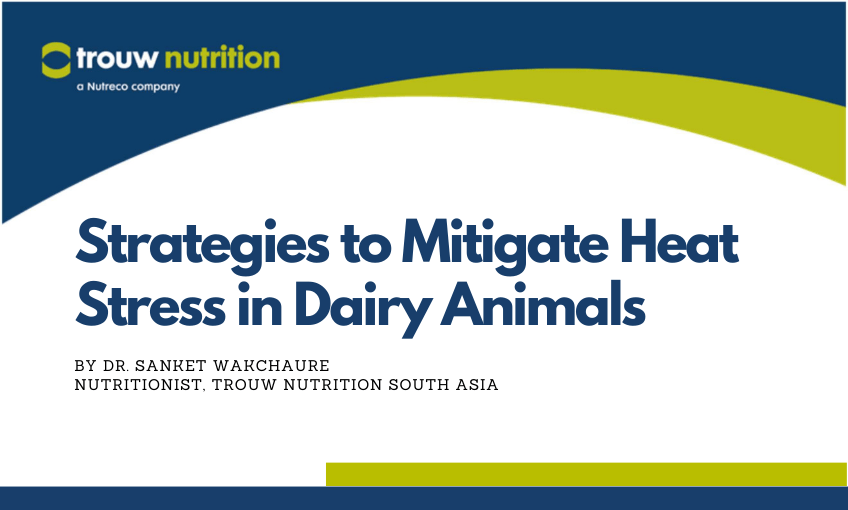
Creating proper cooling facilities is essential for safeguarding animals from the adverse effects of heat stress. Well-designed shelters and cooling stations help regulate temperature, improve airflow, and provide relief during peak heat periods. An effective cooling infrastructure not only enhances animal welfare but also optimizes productivity and health outcomes, especially during extreme weather conditions such as heatwaves.Designing shaded and ventilated shelters requires careful consideration of environmental factors, material choices, and structural design to maximize cooling efficiency.
Proper construction of temporary cooling stations during heatwaves ensures rapid deployment and effective temperature management, reducing the risk of heat-related illnesses.
Principles of Designing Shaded and Ventilated Shelters
The core principles focus on harnessing natural elements and structural features to minimize heat accumulation and promote airflow within animal enclosures. These principles include maximizing shade coverage, facilitating cross-ventilation, and utilizing material properties that reflect rather than absorb heat. Shelters should be oriented to block prevailing sunlight during the hottest parts of the day, typically aligning with the east-west axis to minimize direct sun exposure.
Incorporating natural ventilation strategies—such as openings, vents, and high ceilings—ensures continuous airflow, which significantly reduces indoor temperatures. The use of reflective roofing materials and light-colored surfaces further diminishes heat absorption, maintaining a cooler environment inside the shelter.
Steps for Constructing Temporary Cooling Stations During Heatwaves
During heatwaves, rapid establishment of temporary cooling stations can mitigate heat stress risks. The following steps Artikel an effective approach:
- Site Selection: Choose open, well-ventilated locations away from direct sunlight, with easy access to water sources and transportation routes.
- Structural Framework: Use lightweight, durable materials such as bamboo, PVC, or metal frames to facilitate quick assembly. Consider modular designs for easy expansion or relocation.
- Shade Provision: Install temporary shading coverings like tarpaulins, mesh fabrics, or reflective blankets that can be anchored securely to withstand wind and weather conditions.
- Ventilation Setup: Incorporate natural ventilation through open sides, or install portable fans and exhaust systems where feasible, to ensure continuous airflow.
- Water Supply and Cooling Equipment: Set up accessible water outlets and misters or fans to assist in evaporative cooling. Ensure water quality and availability are maintained.
- Animal Comfort and Safety: Provide non-slip flooring, shaded resting areas, and easy access points to prevent injuries and reduce stress during deployment.
Comparison Table of Material Options for Cooling Infrastructure
Effective cooling infrastructure relies heavily on the choice of materials, which influence durability, reflectivity, and thermal properties. Understanding the advantages and limitations of available materials helps in making informed decisions for both permanent and temporary structures.
Below is a comparison of common material options used in constructing cooling shelters and stations:
| Material | Thermal Reflectivity | Durability | Cost | Ease of Installation | Environmental Impact |
|---|---|---|---|---|---|
| Metal (e.g., galvanized steel, aluminum) | High (reflects sunlight) | High (corrosion-resistant options available) | Moderate to high | Moderate (requires specialized tools) | Recyclable, but energy-intensive manufacturing |
| Polyethylene or PVC sheets | Moderate (can be reflective if coated) | Moderate (UV degradation over time) | Low to moderate | Easy (lightweight, flexible) | Non-biodegradable, recyclable in some cases |
| Wood (treated or untreated) | Low (absorbs heat) | Variable (depends on treatment and type) | Low to moderate | Easy (readily available) | Biodegradable, but susceptible to decay and pests |
| Natural thatch or straw | High (excellent reflection, porous for ventilation) | Low to moderate (subject to weathering) | Low | Easy (traditional construction) | Renewable but may harbor pests and mold if not properly maintained |
| Reflective paints and coatings | High (reflects solar radiation) | Dependent on surface material | Moderate | Easy to apply | Low environmental impact, but requires reapplication over time |
“Selecting the right materials for cooling infrastructure involves balancing thermal performance, durability, cost, and environmental considerations to ensure long-term effectiveness and sustainability.”
Final Review
In conclusion, preventing heat stress in animals requires a multifaceted approach that integrates environmental, nutritional, behavioral, and technological strategies. Proactively implementing these measures ensures animals can withstand high temperatures, leading to healthier animals and more efficient farm management. Staying vigilant and adaptable in heat management practices is key to safeguarding animal welfare during hot seasons.