How to prevent piglet crushing is a critical concern for modern pig farmers, impacting both animal welfare and farm profitability. This comprehensive guide delves into the multifaceted challenge of piglet crushing, a significant cause of mortality in piglets. We will explore the underlying causes, from sow behavior and environmental factors to the design of farrowing crates, providing actionable strategies to mitigate this prevalent issue.
This exploration encompasses a range of crucial aspects, including sow management techniques, farrowing crate design, and piglet management procedures. We will also examine the influence of environmental factors, such as temperature and humidity, and how they contribute to piglet crushing. Furthermore, we will investigate the integration of advanced technologies and the importance of staff training, offering a holistic approach to improving piglet survival rates and enhancing the overall health of your pig farming operation.
Understanding the Problem of Piglet Crushing
Piglet crushing is a significant welfare and economic concern in modern pig farming. It refers to the accidental or intentional death of piglets by the sow, usually through being lain on or stepped on. This issue necessitates a comprehensive understanding of its prevalence, causes, and impacts to implement effective prevention strategies.
Prevalence of Piglet Crushing in Modern Pig Farming Operations
Piglet crushing is a widespread problem across various pig farming systems globally. The frequency of crushing varies depending on factors like housing design, sow genetics, and management practices.
Piglet Mortality Rates Due to Crushing
Mortality rates due to crushing represent a crucial indicator of the problem’s severity. Studies have shown considerable variations in piglet mortality rates depending on the farming system employed.
- Conventional Farrowing Crates: While designed to reduce crushing, these systems still experience crushing, though rates are often lower than in less controlled environments. Mortality rates due to crushing in these systems can range from 5% to 15% of live-born piglets.
- Loose Housing Systems: Systems allowing sows greater freedom of movement, such as free-farrowing pens, generally experience higher crushing rates if not properly designed and managed. Mortality rates can vary widely, from 10% to over 25%, depending on the specific design and management practices. This is because sows have more freedom of movement and may be less careful when lying down.
- Outdoor Systems: Outdoor farrowing systems, such as those using huts or paddocks, can also experience piglet crushing, particularly in adverse weather conditions or when piglets are small and vulnerable. Mortality rates are variable, but can be significant if proper shelter and management are not provided.
Main Causes of Piglet Crushing by the Sow
Understanding the primary causes of crushing is essential for developing targeted prevention strategies. Several factors contribute to this phenomenon.
- Sow Behavior: Sows’ natural behaviors, such as lying down suddenly or being inattentive to the location of their piglets, are major contributors.
- Piglet Behavior: Piglets’ movements, including seeking warmth, nursing, or exploring, can place them in harm’s way.
- Farrowing Environment: The design of the farrowing pen and the provision of adequate space and resources influence the likelihood of crushing.
- Sow Health and Condition: Sows experiencing illness, pain, or fatigue may be less attentive to their piglets.
Behavioral and Physiological Factors Contributing to Sows Crushing Piglets
Several behavioral and physiological factors predispose sows to crushing piglets. These factors often interact, making the problem multifaceted.
- Sow Size and Body Condition: Larger sows and those with excessive body condition may be less agile and less aware of their piglets.
- Lactation Physiology: The hormonal changes associated with lactation can influence sow behavior, potentially increasing the risk of crushing.
- Nest-Building Behavior: Sows’ natural nesting behavior, particularly in the pre-farrowing period, can sometimes lead to crushing if the nest is poorly constructed or if piglets are trapped.
- Stress and Anxiety: Stressful environments can make sows more restless and less attentive to their piglets.
Economic Impact of Piglet Crushing on Farm Profitability
Piglet crushing significantly impacts farm profitability through several avenues. The economic consequences underscore the importance of prevention.
- Reduced Piglet Survival: The most direct impact is the loss of piglets, leading to a lower number of weaned pigs per litter.
- Increased Labor Costs: Managing and monitoring sows and piglets to reduce crushing increases labor requirements.
- Veterinary and Medication Costs: Piglet crushing can lead to injuries and infections, increasing veterinary expenses.
- Reduced Genetic Potential: Crushing reduces the number of offspring from high-performing sows, which can hinder genetic progress within the herd.
- Lower Overall Productivity: A higher mortality rate leads to a lower number of pigs marketed per sow per year, reducing overall farm productivity and income.
Sow Management Strategies
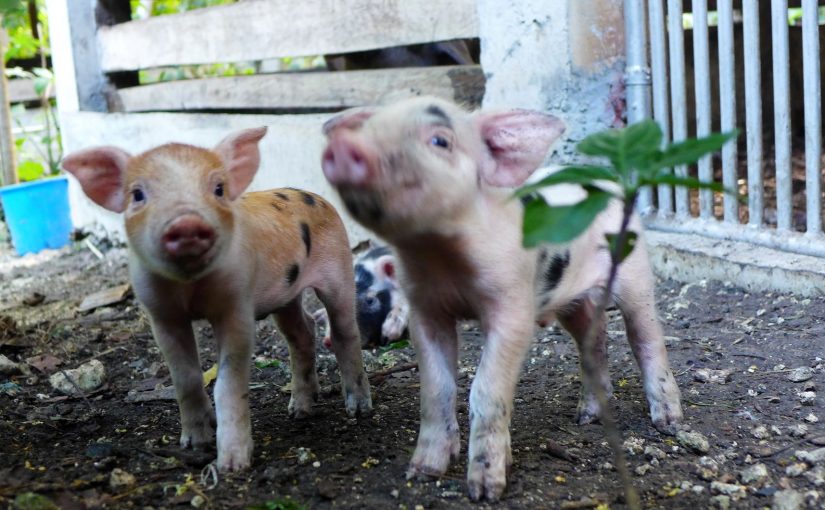
Managing sows effectively is crucial in preventing piglet crushing. Proper sow management encompasses various aspects, from nutrition and housing to behavioral monitoring and training. These strategies aim to create a safe and comfortable environment for both the sow and her piglets, ultimately reducing the incidence of crushing and improving piglet survival rates.
Sow Nutrition and Its Impact on Piglet Crushing
Sow nutrition plays a pivotal role in piglet survival. The sow’s nutritional status directly influences her health, body condition, milk production, and maternal behavior, all of which impact the risk of piglet crushing. Deficiencies or imbalances in the sow’s diet can lead to various problems, increasing the likelihood of piglets being crushed.
- Body Condition Score (BCS): Sows that are excessively thin or obese are more prone to crushing piglets. Thin sows may be restless and uncomfortable, increasing the chance of them lying down on their piglets. Obese sows may have difficulty maneuvering and may be less aware of their piglets. Maintaining an ideal BCS is essential.
- Milk Production: Adequate nutrition is vital for optimal milk production. Insufficient milk supply can lead to piglets seeking more frequent feeding, increasing their exposure to the risk of being crushed as they compete for access to the udder.
- Mineral and Vitamin Deficiencies: Deficiencies in calcium, phosphorus, and vitamin D can weaken the sow’s bones, making her more susceptible to injury and potentially affecting her ability to stand and lie down carefully. These deficiencies can also impact the health of the piglets.
- Energy Levels: Sows require sufficient energy to maintain their body condition and support milk production. Insufficient energy intake can lead to weight loss, affecting their overall health and potentially their maternal behavior.
Feeding Schedule for Sows During Gestation and Lactation
A well-designed feeding schedule tailored to the sow’s physiological state can significantly reduce the risk of piglet crushing. The feeding plan should consider the sow’s energy, protein, mineral, and vitamin requirements throughout gestation and lactation. Here’s an example of a feeding schedule:
- Gestation (Days 1-84): During the first 84 days of gestation, the sow’s nutritional needs are relatively low. The goal is to maintain her body condition. Feed a gestation diet (lower in energy and protein) to limit excessive weight gain. Typically, feed 2.5-3 kg of feed per day, adjusted based on body condition.
- Gestation (Days 85-114): In the final weeks of gestation, increase the feed intake gradually to prepare the sow for lactation. This increase supports fetal development and colostrum production. Gradually increase feed intake to 3-3.5 kg per day.
- Lactation (Days 1-21): During lactation, the sow’s energy and nutrient requirements increase dramatically to support milk production. Feed the sow ad libitum (as much as she will eat) a lactation diet (higher in energy and protein) to maximize milk yield. Provide fresh water at all times. A common rule of thumb is to feed approximately 1 kg of feed for every 2.5 kg of piglets weaned.
- Post-Weaning: After weaning, restrict feed intake to allow the sow to lose weight and prepare for the next breeding cycle. This helps to maintain body condition and reproductive performance.
Sow Housing and Its Effect on Piglet Safety
The type of housing significantly influences piglet safety and the incidence of crushing. Different housing systems offer varying levels of protection for piglets. The following table summarizes the different sow housing types, their advantages, disadvantages, and the associated crushing risk level:
| Housing Type | Advantages | Disadvantages | Crushing Risk Level |
|---|---|---|---|
| Farrowing Crates |
|
|
Low |
| Free-Farrowing Pens (with Guard Rails) |
|
|
Medium |
| Free-Farrowing Pens (without Guard Rails) |
|
|
High |
| Outdoor Farrowing |
|
|
Medium to High (depending on management) |
Protocol for Monitoring Sow Behavior Before and During Farrowing
Careful monitoring of sow behavior is essential to anticipate and mitigate the risk of piglet crushing. Observing sows before and during farrowing allows for timely interventions and can significantly reduce piglet mortality.
- Pre-Farrowing Monitoring:
- Observe for Nesting Behavior: Sows will typically exhibit nesting behavior 12-24 hours before farrowing. They will gather bedding material, root, and build a nest.
- Monitor for Mammary Development: Enlargement of the mammary glands and the presence of colostrum indicate that farrowing is imminent.
- Check for Restlessness: Sows may become restless, pacing, and repeatedly lying down and standing up.
- Monitor for Vulva Changes: The vulva will become swollen and may relax.
- During Farrowing Monitoring:
- Observe for the Progression of Labor: Note the time between piglets being born. Prolonged farrowing can increase the risk of piglet crushing.
- Monitor Sow’s Position: Observe the sow’s position during and after piglet delivery. Ensure she is lying carefully and is not crushing piglets.
- Check Piglet Vitality: Ensure piglets are breathing and moving. Assist piglets if necessary.
- Monitor for Maternal Behavior: Observe the sow’s interaction with her piglets. A good mother will allow piglets to nurse and protect them.
Training Techniques for Sows to Improve Maternal Behavior
Training sows can enhance their maternal behavior and reduce piglet crushing. While not always feasible, certain techniques can improve the sow’s awareness of her piglets and her overall maternal instincts.
- Positive Reinforcement: Reward sows for attentive behavior towards their piglets. This could include providing treats or positive interaction when the sow demonstrates careful behavior around her piglets.
- Familiarization: Expose sows to piglets before farrowing. This can help them become accustomed to the piglets’ presence and reduce the likelihood of them accidentally crushing the piglets.
- Gentle Handling: Handle sows gently and calmly, especially during farrowing. Avoid sudden movements or loud noises, which can startle the sow and increase the risk of crushing.
- Observation and Early Intervention: Closely observe sows during and after farrowing. If a sow seems inattentive or careless, intervene promptly to protect the piglets. This might involve gently repositioning the piglets or encouraging the sow to lie down carefully.
Farrowing Crate Design and Modifications
Farrowing crate design plays a crucial role in piglet survival, significantly impacting the incidence of crushing. A well-designed crate provides a safe environment for piglets while allowing the sow to move comfortably. Modifications and considerations in crate design can drastically reduce piglet mortality.
Comparing Different Farrowing Crate Designs
Various farrowing crate designs exist, each with its strengths and weaknesses. The following table provides a comparative analysis of common designs, highlighting their features, advantages, and disadvantages.
| Crate Design | Features | Advantages | Disadvantages |
|---|---|---|---|
| Standard Crate | Metal bars, solid or partially slatted flooring, typically no creep area. | Simple and relatively inexpensive. Easy to clean. | Limited piglet access to the udder. Higher crushing risk due to lack of piglet refuge. Can restrict sow movement. |
| Curved Crate | Curved sides allowing for increased sow movement. Often includes a creep area. | Encourages sow to lie down gently. Reduced crushing risk compared to standard crates. | Can be more expensive than standard crates. May require more space. |
| Swing-Side Crate | Side panels that swing outwards, allowing for increased sow space before and after farrowing. | Provides the sow with more space, especially during the farrowing process. Potentially reduces crushing. | More complex design, potentially increasing cost and maintenance. |
| Free-Farrowing System | Allows the sow to move freely within a designated pen. May include a farrowing crate for a limited period. | Offers the sow greater freedom and reduces stress. Potentially reduces crushing. | Requires significant space and management. Can be challenging to manage piglet survival if sow is not confined during the initial stages. |
Modifications to Enhance Piglet Safety
Modifications to standard farrowing crates can significantly improve piglet safety. These changes often focus on providing safe zones for piglets and optimizing the sow’s behavior.
- Creep Area Design: Enlarging and improving the creep area, which should be warm and dry, is a key modification. A well-designed creep area allows piglets to escape the sow and reduces the risk of crushing. The creep area can be heated with a heat lamp or heated mat to provide warmth for the piglets.
- Anti-Crushing Rails: Installing rails along the sides of the crate, particularly at the sow’s shoulder and flank, can prevent the sow from lying directly on piglets. These rails create a physical barrier, providing a safe space for piglets to move.
- Adjustable Crate Width: Some crates allow for adjustments in width, which can be beneficial, especially during the farrowing process. Increasing the crate width can give the sow more room to maneuver, decreasing the likelihood of crushing piglets.
- Non-Slip Flooring: Utilizing non-slip flooring in the sow’s lying area can reduce the risk of the sow slipping and potentially crushing piglets.
The Role of Flooring Materials in Reducing Piglet Crushing
Flooring materials significantly influence piglet safety and sow comfort within farrowing crates. The choice of flooring material impacts both the sow’s movement and the piglets’ ability to escape crushing.
- Solid Concrete Flooring: While durable and easy to clean, solid concrete can be cold and abrasive, potentially discouraging the sow from lying down gently. This can increase crushing risk.
- Partially Slatted Flooring: This design combines solid and slatted sections. The solid section provides a comfortable lying area for the sow, while the slatted section allows for manure removal. This can be a good compromise.
- Fully Slatted Flooring: While facilitating good hygiene, fully slatted flooring can be uncomfortable for the sow, potentially leading to restlessness and increasing the risk of crushing.
- Plastic Slats: These are often preferred over metal slats due to their warmer surface and reduced risk of injury. They are also easier to clean.
Optimal Dimensions of Farrowing Crates
The dimensions of a farrowing crate should be tailored to the sow’s size. Adequate space allows the sow to move comfortably without compromising piglet safety.
- Length: The crate length should allow the sow to lie down and stand up without being restricted. Typically, crates are 2.1 to 2.4 meters (7 to 8 feet) long.
- Width: The width is crucial. It should provide adequate space for the sow to lie down and allow for a safe creep area. The width can vary depending on the design, but generally ranges from 1.8 to 2.4 meters (6 to 8 feet). The ability to adjust the crate width can be beneficial.
- Height: The height should be sufficient to prevent the sow from escaping while allowing for adequate ventilation.
As an example, a large sow might require a crate that is 2.4 meters (8 feet) long and 2.1 meters (7 feet) wide. Smaller sows may require less space.
Providing a Safe and Accessible Creep Area
The creep area is a vital component of a farrowing crate, providing a safe haven for piglets. A well-designed creep area is warm, dry, and easily accessible to piglets.
- Location: The creep area should be located away from the sow’s lying area to minimize the risk of crushing. Typically, it is positioned along one side or at the end of the crate.
- Temperature: Maintaining a warm temperature in the creep area (around 32-35°C or 90-95°F) is crucial for piglet survival. Heat lamps or heated mats are commonly used to provide this warmth.
- Accessibility: The creep area should be easily accessible to piglets, allowing them to move freely in and out.
- Flooring: The flooring in the creep area should be non-slip and easy to clean. Solid flooring or a combination of solid and slatted flooring is often used.
- Protection: Consider using barriers or rails to protect piglets from the sow.
Piglet Management Techniques
Effective piglet management is crucial in minimizing piglet crushing and improving pre-weaning survival rates. Implementing specific techniques focused on piglet handling, health monitoring, and environmental control can significantly reduce the risk of piglets being accidentally crushed by the sow. This section will detail practical strategies for ensuring piglet safety and well-being during the critical farrowing and lactation periods.
Fostering and Cross-Fostering Importance
Fostering and cross-fostering are vital practices in piglet management, playing a key role in equalizing piglet numbers across litters and ensuring adequate access to colostrum and milk. This process helps to reduce crushing by preventing overcrowding and ensuring that each piglet receives sufficient resources for growth and development. These practices are especially important when dealing with large litters or sows with insufficient milk production.
Fostering Techniques: Step-by-Step Procedure
Implementing fostering techniques requires a systematic approach to ensure the safety and well-being of both the piglets and the sow. The following steps provide a detailed procedure:
- Assess the Litter and Sow: Before fostering, evaluate the size of the litters and the sow’s milk production. Identify sows with a surplus of piglets or insufficient milk.
- Identify the Piglets to Foster: Select piglets for fostering based on size and health. Prioritize piglets of similar size and age to minimize competition and ensure successful integration.
- Prepare the Recipient Sow: If possible, remove the recipient sow’s piglets for a short period (e.g., 1-2 hours) to allow the fostered piglets to bond with the sow without competition.
- Introduce the Piglets: Introduce the fostered piglets to the recipient sow’s litter. Rub the piglets with the sow’s body fluids or a bedding material from her crate to mask their scent and facilitate acceptance.
- Monitor the Piglets: Closely observe the piglets for the first 24-48 hours. Watch for signs of rejection, such as the sow aggressively pushing them away or the piglets failing to nurse.
- Provide Supplemental Feeding (If Necessary): If the recipient sow’s milk production is insufficient, provide supplemental feeding to the piglets, such as milk replacer, to ensure adequate nutrition.
Handling and Moving Piglets: Correct Methods
Proper handling and movement of piglets are essential to prevent injury and reduce the risk of crushing. Gentle and careful techniques minimize stress and promote the piglets’ safety.
- Grasping Technique: Always lift piglets by grasping them firmly but gently around the chest or under the front legs, avoiding the tail, ears, or legs.
- Avoid Sudden Movements: Move piglets slowly and deliberately to prevent them from being startled or injured.
- Provide a Safe Environment: Ensure that the pathways and areas where piglets are moved are free of obstacles and hazards.
- Use a Carrying Crate: When moving multiple piglets, use a carrying crate or basket to prevent them from escaping and ensure their safety.
Piglet Health Monitoring and Crushing Injury Detection
Regular monitoring of piglet health is crucial for early detection of crushing injuries and other health problems. Prompt intervention can significantly improve survival rates and overall herd health.
- Daily Observation: Conduct daily visual inspections of piglets for any signs of injury, such as lameness, bruising, or bleeding.
- Observe Nursing Behavior: Monitor piglets’ nursing behavior to ensure they are actively feeding and competing effectively for teats.
- Assess Body Condition: Evaluate the piglets’ body condition to determine if they are receiving adequate nutrition. Look for signs of emaciation or failure to thrive.
- Detect Crushing Injuries: Recognize the signs of crushing injuries, including fractured ribs, internal bleeding, and lacerations. These injuries may not always be visible and may require veterinary assistance for diagnosis.
- Isolate Injured Piglets: Immediately isolate any piglets with crushing injuries to prevent further injury and provide appropriate medical care.
Heat Lamps and Environmental Controls
Utilizing heat lamps and other environmental controls is crucial for attracting piglets away from the sow and minimizing the risk of crushing. These measures create a comfortable microclimate for the piglets, encouraging them to spend more time in a safe area away from the sow.
- Placement of Heat Lamps: Position heat lamps in a designated area away from the sow, such as a creep area or piglet-specific zone. Ensure the lamps are securely mounted and at the appropriate height to prevent burns.
- Temperature Regulation: Maintain an appropriate temperature gradient within the farrowing crate. The creep area should be warmer (e.g., 30-32°C or 86-90°F) than the sow’s area (e.g., 18-22°C or 64-72°F).
- Creep Area Design: Design the creep area with features that encourage piglets to stay away from the sow. This might include solid barriers, non-slip flooring, and adequate ventilation.
- Monitoring Environmental Conditions: Regularly monitor the temperature and humidity levels in the farrowing crate to ensure optimal conditions for piglet comfort and health.
Environmental Factors and Crushing Prevention
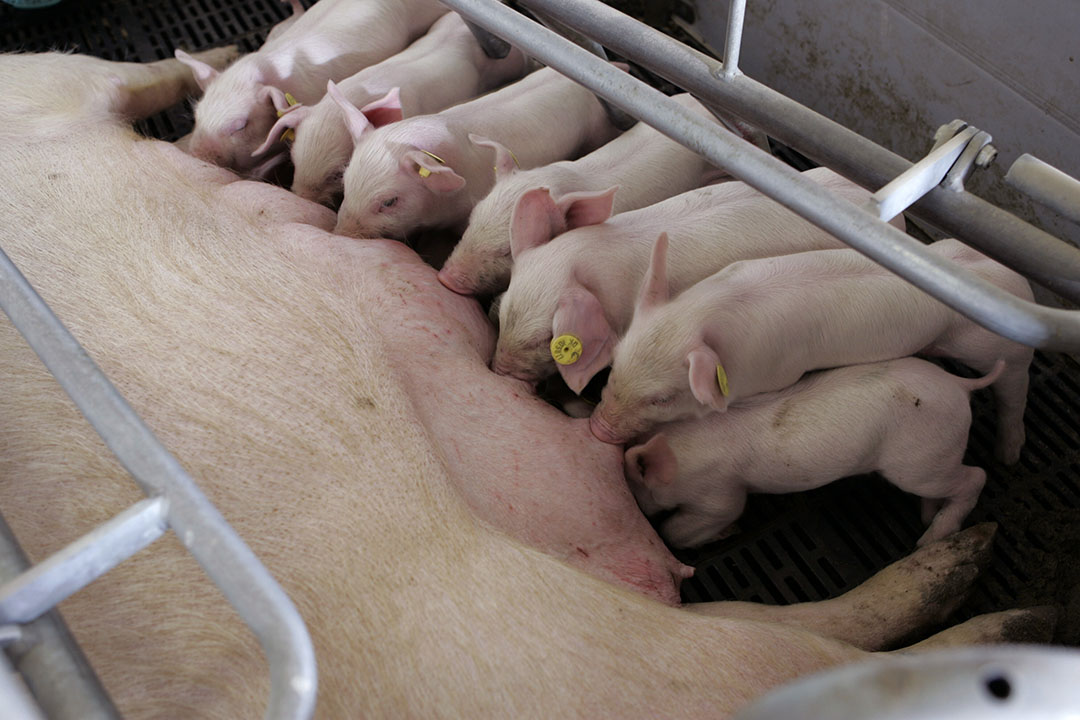
The farrowing environment plays a critical role in piglet survival and significantly influences the risk of crushing. Maintaining optimal temperature, humidity, ventilation, and lighting is essential to create a safe and comfortable space for both sows and piglets, minimizing the likelihood of piglet crushing incidents. This section will delve into the key environmental factors that contribute to piglet crushing and the strategies to mitigate these risks.
Role of Temperature and Humidity in Piglet Crushing
Temperature and humidity are two of the most crucial environmental factors influencing piglet survival. Piglets are born with limited thermoregulatory capabilities, making them highly susceptible to hypothermia, which can lead to increased crushing risk. Sows, on the other hand, prefer cooler temperatures. Maintaining the appropriate balance between these needs is vital.* Temperature: Piglets require a warm environment, ideally around 30-34°C (86-93°F) for the first few days of life, gradually decreasing to 20-24°C (68-75°F) as they mature.
Sows thrive in cooler temperatures, around 18-22°C (64-72°F). A significant temperature difference between the sow and the piglets is necessary.
Humidity
Ideal humidity levels in the farrowing unit range from 50-70%. High humidity can exacerbate chilling in piglets, while low humidity can lead to respiratory issues.
Ideal Environmental Conditions for a Farrowing Unit
Creating an ideal farrowing environment involves carefully managing temperature, humidity, and air quality. This necessitates a balanced approach that caters to the needs of both the sow and the piglets.* Temperature Zoning: Implementing temperature zoning is a key strategy. This involves providing a localized warm area for piglets, such as a heat lamp or a creep area, while maintaining a cooler overall temperature for the sow.
This prevents the sow from seeking the warmth of the heat source and potentially crushing piglets.
Air Quality
Ensure good air quality, minimizing drafts and ammonia levels. Poor air quality can lead to respiratory problems in both sows and piglets, increasing their susceptibility to other health issues and potentially affecting behavior.
Cleanliness
Maintain a clean and dry environment. Wet and dirty bedding can contribute to chilling and create an environment conducive to bacterial growth. Regular cleaning and disinfection are essential.
Importance of Proper Ventilation in the Farrowing Environment
Adequate ventilation is crucial for maintaining optimal air quality and controlling temperature and humidity in the farrowing unit. Proper ventilation removes harmful gases, such as ammonia and carbon dioxide, and excess moisture, while also regulating temperature.* Air Exchange Rate: A sufficient air exchange rate is essential to ensure the removal of pollutants and maintain the desired temperature. The air exchange rate should be adjusted based on the season, stocking density, and the age of the pigs.
Draft Prevention
Avoid drafts, which can chill piglets and increase the risk of crushing. Proper ventilation systems should be designed to minimize drafts directly on the piglets.
Ventilation System Types
Several ventilation systems can be used in farrowing units, including natural ventilation, mechanical ventilation, and a combination of both. The best system depends on the specific needs of the farm and the local climate.
Examples of Equipment to Monitor and Control Environmental Parameters
Various types of equipment are available to monitor and control the environmental parameters in the farrowing unit, helping to maintain optimal conditions for piglet survival.* Temperature Sensors and Controllers: These devices continuously monitor temperature and automatically adjust heating systems, such as heat lamps or radiant heaters, to maintain the desired temperature in the piglet creep area. The controller is typically connected to the heating system, so when the temperature drops below a set point, the heater activates.
Humidity Sensors and Controllers
Humidity sensors measure the relative humidity in the farrowing unit. These sensors can be linked to ventilation systems to adjust the air exchange rate and control humidity levels.
Thermometers
Digital and analog thermometers are essential for monitoring temperature.
Air Quality Monitors
Devices to measure ammonia, carbon dioxide, and other gases.
Data Loggers
These devices record temperature, humidity, and other environmental parameters over time, allowing for the identification of trends and potential problems. This data can be used to optimize the farrowing environment and prevent crushing.
Role of Lighting in Influencing Sow and Piglet Behavior
Lighting plays a significant role in influencing the behavior of sows and piglets in the farrowing unit. Proper lighting can encourage sows to lie down carefully and can help piglets navigate the environment, potentially reducing the risk of crushing.* Light Intensity: Provide appropriate light intensity. Too much light can cause stress in sows, while insufficient light can hinder piglets’ ability to find the sow’s teats.
Lighting Duration
Implement a regular lighting schedule. This can help regulate the sow’s circadian rhythm and encourage consistent feeding and resting patterns.
Light Placement
Position lighting strategically to minimize shadows and provide uniform illumination throughout the farrowing crate. This helps piglets to see and avoid being crushed.
Examples of Lighting Systems
Consider using a combination of overhead lighting and localized lighting, such as infrared lamps for piglets, to create a suitable environment. Studies have shown that a gradual increase in light intensity in the farrowing crate can reduce the incidence of crushing, as piglets become more aware of their surroundings.
Technologies for Crushing Prevention
Implementing technology offers a proactive approach to reducing piglet crushing incidents. These systems provide real-time data, enabling farmers to respond swiftly and effectively to potential hazards. The following sections detail various technological advancements in this area.
Automated Systems for Farrowing Monitoring and Assistance
Automated systems can significantly improve farrowing management by providing constant monitoring and assistance. These systems often incorporate sensors, cameras, and automated alerts to detect and respond to farrowing events.A typical automated farrowing system might include the following features:
- Farrowing Detection: Sensors detect changes in sow behavior, such as increased restlessness or nesting activity, signaling the onset of farrowing.
- Automated Assistance: Some systems offer automated assistance during farrowing, such as automatically adjusting the temperature of the farrowing crate or dispensing medication.
- Real-Time Monitoring: Data is transmitted to a central control system, allowing farmers to monitor the farrowing process remotely via a computer or mobile device.
- Alerts and Notifications: Automated alerts are generated to notify farmers of any complications or when assistance is needed.
These systems reduce the need for constant human presence, allowing for better resource allocation and a quicker response time to potential crushing incidents. For example, a study published in theJournal of Animal Science* found that automated farrowing systems reduced piglet mortality by 10% compared to traditional farrowing management. This reduction was primarily attributed to the quicker intervention in cases of dystocia and the improved monitoring of sow behavior.
Camera Systems for Observing Sow Behavior and Piglet Activity
Camera systems are a valuable tool for observing sow behavior and piglet activity, helping to identify and address potential crushing risks. These systems utilize strategically placed cameras to provide visual data that can be analyzed to understand the dynamics within the farrowing crate.Here’s how a camera system can be designed and implemented:
- Camera Placement: Cameras are positioned to provide comprehensive coverage of the farrowing crate, including the sow’s body, the piglets, and the surrounding area. A minimum of two cameras, strategically positioned, are recommended to eliminate blind spots. One camera can be placed above the sow, providing an overview, and another at the side to monitor the piglets.
- Data Recording and Analysis: The system records video footage, which can be reviewed in real-time or later for analysis. Advanced systems utilize artificial intelligence (AI) to analyze the footage automatically, identifying patterns and anomalies that indicate a risk of crushing.
- Behavioral Analysis: The footage allows for detailed observation of sow behavior, such as restlessness, nesting behaviors, and the time spent lying down. Piglet activity, including their location and movement patterns, can also be analyzed.
- Alerting System: When the AI detects specific patterns, such as the sow lying down in a position that could crush piglets, the system can generate alerts to notify the farmer.
An example of the use of camera systems can be found in large-scale pig farms in Denmark, where AI-powered cameras are used to monitor sow posture and piglet movement. These systems have been shown to reduce piglet crushing by up to 15% by identifying and alerting farmers to risky situations, allowing for timely intervention.
Sensors for Detecting Piglet Location and Alerting Farmers
Sensors provide another technological solution for preventing piglet crushing by tracking piglet location and alerting farmers to potential hazards. These systems typically involve attaching sensors to piglets or utilizing environmental sensors within the farrowing crate.Here’s how sensor technology can be applied:
- Wearable Sensors: Small, lightweight sensors can be attached to piglets, transmitting their location data to a central monitoring system. These sensors can utilize various technologies, such as radio frequency identification (RFID) or Bluetooth, to transmit the data.
- Environmental Sensors: Sensors can be placed in the farrowing crate to monitor environmental factors, such as temperature and pressure. These sensors can help identify when the sow is lying down and potentially crushing piglets.
- Alerting System: When a sensor detects a piglet in a high-risk location (e.g., under the sow), the system sends an alert to the farmer via a mobile device or computer.
- Data Analysis: The data collected from the sensors can be analyzed to identify patterns and trends in piglet movement and sow behavior, providing insights for improving management practices.
A study conducted at the University of Illinois showed that using RFID tags to track piglet movement reduced crushing incidents by 12% in the first two weeks after farrowing. The real-time data allowed farmers to intervene quickly when piglets were in vulnerable positions.
Wearable Technology for Sows in Reducing Crushing Incidents
Wearable technology for sows offers a proactive approach to reducing crushing incidents by monitoring sow behavior and providing insights into their movements and activities. These devices can collect data on various physiological and behavioral parameters, helping farmers identify potential risks.Examples of wearable technology for sows:
- Activity Monitors: These devices track the sow’s activity levels, including standing, lying, and walking. They can detect patterns that might indicate increased restlessness or impending farrowing.
- Position Sensors: These sensors track the sow’s position, allowing farmers to identify when the sow is lying down and the duration of time spent in that position.
- Biometric Sensors: Some devices can monitor physiological parameters, such as heart rate and body temperature, providing insights into the sow’s health and well-being.
- Data Transmission and Analysis: Data collected by the wearable devices is transmitted to a central system, where it is analyzed to identify patterns and potential risks. The system can generate alerts to notify farmers of any concerns.
For example, in a pilot project conducted in the Netherlands, sows wearing activity monitors showed a reduction in crushing incidents by 8% compared to a control group. This was primarily due to the early detection of increased restlessness before farrowing, allowing for timely intervention.
Benefits and Drawbacks of Different Technologies
Each technology for preventing piglet crushing has its own set of benefits and drawbacks. Understanding these factors is crucial for selecting the most appropriate solution for a specific farm.Here’s a comparison of the different technologies:
| Technology | Benefits | Drawbacks |
|---|---|---|
| Automated Systems |
|
|
| Camera Systems |
|
|
| Sensors |
|
|
| Wearable Technology for Sows |
|
|
The best approach often involves a combination of technologies. For instance, combining camera systems with automated farrowing systems can provide a comprehensive solution. The choice depends on the specific needs and resources of the farm.
Training and Education for Farm Staff
Effective training and education are paramount in reducing piglet crushing. A well-informed and skilled farm staff can significantly impact piglet survival rates by implementing preventative measures and responding appropriately during farrowing. Investing in staff training is an investment in the health and welfare of the animals and the overall profitability of the farm.
Importance of Proper Training for Farm Staff
Proper training equips farm staff with the knowledge and skills necessary to identify, prevent, and respond to piglet crushing incidents. This training fosters a proactive approach, shifting the focus from reacting to problems to preventing them. A well-trained team is better equipped to recognize early warning signs of potential crushing risks, allowing for timely intervention.
Training Program for Farm Staff on Piglet Crushing Prevention
A comprehensive training program should cover various aspects of piglet crushing prevention. This program should be regularly updated to reflect the latest research and best practices.
- Module 1: Understanding Piglet Crushing: This module covers the causes of piglet crushing, including sow behavior, environmental factors, and piglet vulnerability. It should detail the financial and ethical implications of piglet crushing.
- Module 2: Sow Management Strategies: Training on pre-farrowing management, including preparing the sow for farrowing, monitoring feed intake, and recognizing signs of impending farrowing.
- Module 3: Farrowing and Piglet Management: Detailed instruction on assisting during farrowing, proper piglet handling techniques, and early identification of piglets at risk.
- Module 4: Farrowing Crate Design and Functionality: Education on the different types of farrowing crates, their features, and how to optimize their use for piglet safety.
- Module 5: Environmental Management: Understanding the importance of temperature control, ventilation, and flooring in preventing crushing.
- Module 6: Technology and Innovation: An overview of technologies such as heat lamps, creep areas, and sow behavior monitoring systems.
- Module 7: Emergency Procedures: Training on how to respond to crushing incidents, including resuscitation techniques and immediate care for injured piglets.
Correct Techniques for Handling Sows and Piglets
Proper handling techniques are crucial for minimizing stress and preventing crushing. Staff should be trained to handle sows and piglets gently and safely.
- Sow Handling: Approach sows calmly and avoid sudden movements. Speak in a soft voice. When moving a sow, guide her gently and avoid forcing her.
- Piglet Handling: When handling piglets, use both hands to support the body. Avoid grabbing piglets by their legs or tails. Ensure piglets are warm and dry after birth.
- Moving Piglets: When moving piglets to the creep area, do so carefully and ensure they are not placed near the sow in a way that increases the risk of crushing.
Best Practices for Observing Sow Behavior During Farrowing
Observing sow behavior is critical for identifying potential crushing risks. Staff should be trained to recognize the signs of impending farrowing and the behaviors that may lead to crushing.
- Pre-Farrowing Behavior: Observe for nesting behavior, restlessness, and changes in appetite. Note any signs of discomfort or unusual behavior.
- Farrowing Process: Monitor the duration of farrowing and the intervals between piglets.
- Post-Farrowing Behavior: Observe the sow’s interaction with her piglets. Look for signs of aggression, restlessness, or neglect.
- Common Indicators: Observe the sow’s posture during and after farrowing. Is she lying down abruptly or slowly? Is she consistently lying on her side, increasing the risk of crushing?
Resources for Continuing Education on Piglet Crushing Prevention
Continuing education ensures that farm staff stays updated on the latest research and best practices. Access to reliable resources is essential.
- Veterinary Associations: Veterinary organizations often provide educational materials, webinars, and workshops on piglet crushing prevention.
- University Extension Programs: University extension programs offer research-based information and training materials.
- Industry Publications: Journals and magazines dedicated to swine production provide up-to-date information on piglet health and management.
- Online Resources: Websites and online databases offer articles, videos, and other educational resources.
- Professional Conferences: Attending conferences allows for networking and learning from experts in the field.
Last Point
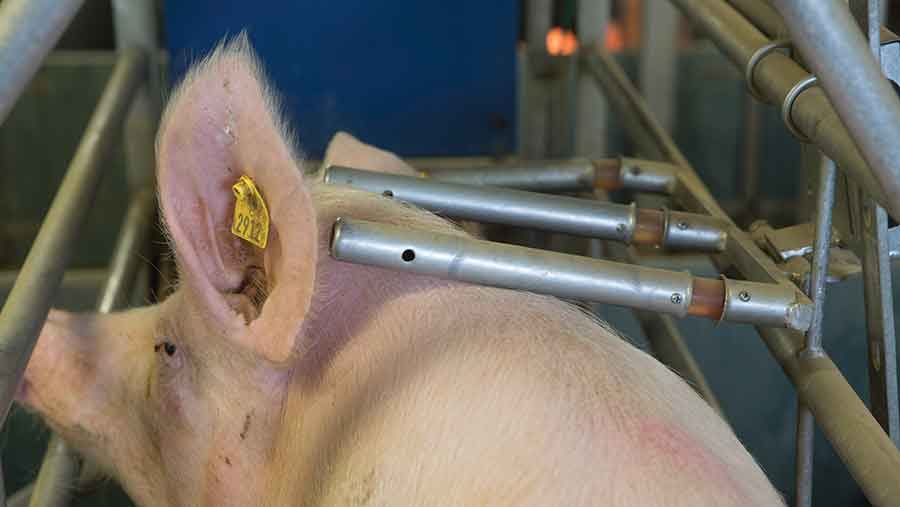
In conclusion, effectively preventing piglet crushing requires a multi-pronged approach, integrating sound sow management, optimal farrowing crate design, diligent piglet care, and a keen awareness of environmental factors. By implementing the strategies Artikeld in this guide, pig farmers can significantly reduce piglet mortality, improve animal welfare, and boost the economic viability of their operations. Continuous learning and adaptation, alongside the adoption of innovative technologies, will further contribute to creating a safer and more sustainable environment for piglets.