Understanding how to prevent rabbit diseases is essential for maintaining the health and well-being of your furry companions. Proper knowledge and proactive measures can significantly reduce the risk of illness and ensure a happy, thriving rabbit population.
This comprehensive guide covers essential practices such as hygiene, nutrition, vaccination, habitat management, quarantine procedures, handling, and record-keeping, all aimed at safeguarding your rabbits from common ailments and promoting a healthy environment.
Understanding Rabbit Diseases

Maintaining the health of rabbits requires a thorough understanding of the common diseases that can affect them. Recognizing the signs, causes, and transmission pathways of these illnesses is essential for prevention and prompt treatment. Rabbits are susceptible to various health issues, some of which can be life-threatening if not identified early.
Rabbit diseases often stem from infectious agents such as bacteria, viruses, fungi, or parasites. Environmental factors, poor sanitation, inadequate diet, and stress can also predispose rabbits to illness. Understanding how diseases spread within rabbit populations enables caregivers to implement effective biosecurity measures, reducing the risk of outbreaks and ensuring the well-being of their furry companions.
Common Rabbit Diseases and Their Causes
Rabbits can suffer from a range of diseases, each with specific causes and implications. Some of the most prevalent conditions include:
- Myxomatosis: Caused by the myxoma virus, transmitted primarily through biting insects such as fleas and mosquitoes. It results in swelling, skin lesions, and often death.
- Rabbit Hemorrhagic Disease (RHD): A highly contagious viral disease spread through direct contact or contaminated objects, leading to sudden death due to liver failure.
- Pasteurellosis: Bacterial infection caused by Pasteurella multocida, spread via respiratory droplets, contaminated bedding, or direct contact. It can cause respiratory issues, abscesses, and sinusitis.
- Giardiasis and Coccidiosis: Parasitic infections resulting from contaminated food or water, leading to diarrhea, weight loss, and dehydration.
- Dental and Gastrointestinal Diseases: Often linked to diet and environmental stress, causing malocclusion, bloating, and anorexia.
Transmission and Spread of Diseases
Understanding how rabbit diseases are transmitted helps in designing effective preventive strategies. Many infectious diseases are spread through direct contact with infected animals, contaminated bedding, feed, water, or environmental surfaces. Parasites like fleas and mites can also serve as vectors, facilitating the spread of viruses and bacteria. Additionally, stress and overcrowding weaken the immune system, making rabbits more susceptible to infections and facilitating the rapid transmission of diseases within groups.
Outbreaks are often facilitated by poor sanitation, inadequate quarantine procedures for new or sick animals, and compromised hygiene practices. Recognizing the modes of transmission allows caretakers to implement proper quarantine measures, sanitation routines, and vector control to minimize risks.
Comparison of Common Rabbit Diseases
To better understand the differences and similarities among prevalent rabbit diseases, consider the following comparison table:
Disease Causes Transmission Major Symptoms Myxomatosis Myxoma virus (viral) Insect bites, direct contact Swelling, skin lesions, lethargy, nasal discharge Rabbit Hemorrhagic Disease Calicivirus (viral) Direct contact, contaminated objects Sudden death, fever, bleeding, liver enlargement Pasteurellosis Pasteurella multocida (bacterial) Respiratory droplets, contaminated bedding Respiratory distress, abscesses, sneezing Giardiasis and Coccidiosis Parasites (protozoa) Contaminated water, food, environment Diarrhea, weight loss, dehydration
Monitoring for early warning signs is crucial for timely intervention. Symptoms such as loss of appetite, nasal or ocular discharge, abnormal swelling, lethargy, diarrhea, and respiratory distress should prompt immediate veterinary consultation. Regular health checks and observation enhance early detection, increasing the likelihood of effective treatment and reducing disease transmission within the rabbit population.
Preventative Hygiene Practices
Maintaining rigorous hygiene standards is essential in preventing rabbit diseases and ensuring a healthy living environment. Consistent cleaning routines, effective disinfection procedures, and diligent habitat maintenance significantly reduce the risk of pathogen transmission and disease outbreaks. By establishing a structured hygiene regimen, rabbit owners can detect potential issues early and promote overall well-being for their pets.
Implementing proper hygiene practices involves daily and weekly routines that target different aspects of habitat cleanliness and health safety. These measures help eliminate waste, prevent the buildup of harmful bacteria or fungi, and create a safe environment that discourages disease vectors such as mites, flies, or rodents. Attention to detail and consistency are key elements in safeguarding your rabbit’s health.
Daily and Weekly Cleaning Routines for Rabbit Habitats
Regular cleaning routines are vital in minimizing the accumulation of waste, uneaten food, and soiled bedding that can harbor bacteria and parasites. Establishing specific daily and weekly tasks ensures that the habitat remains hygienic and reduces stress and disease risk for the rabbit.
- Daily Tasks:
- Remove soiled bedding, droppings, and uneaten fresh food to prevent bacterial growth and foul odors.
- Spot clean feeding and drinking areas to eliminate leftover food and ensure clean water supply.
- Inspect the habitat for signs of damage, pests, or contamination, addressing issues promptly.
- Refill water bottles or bowls with fresh, clean water to promote hydration and health.
- Weekly Tasks:
- Replace all bedding materials completely, using dust-free and absorbent substrates such as paper-based bedding or hay.
- Thoroughly clean and disinfect cages, trays, and accessories to eliminate pathogens.
- Check and clean ventilation systems or filters to ensure proper airflow and reduce humidity.
- Declutter the habitat, removing any worn-out or soiled items that cannot be adequately cleaned.
Effective Disinfection of Cages and Accessories
Proper disinfection is crucial in preventing the spread of infectious agents. Disinfectants should be chosen carefully to ensure they are safe for rabbits and effective against common pathogens such as bacteria, fungi, and viruses. Regular disinfection routines help maintain a sterile environment, particularly after illness outbreaks or when introducing new rabbits.
Disinfection Tips: Always rinse thoroughly after applying disinfectants to remove chemical residues before reintroducing your rabbit to the habitat.
To disinfect cages and accessories effectively, follow these procedures:
- Remove the rabbit and all items from the cage, placing the animal in a safe and secure temporary enclosure.
- Discard or thoroughly clean bedding, hay, and any soiled materials.
- Wash all surfaces with hot water and a mild soap or enzymatic cleaner to remove organic matter.
- Apply an appropriate disinfectant, such as a solution containing diluted bleach (1:32 ratio), or commercial disinfectants approved for small animal habitats.
- Allow the disinfectant to sit for the recommended contact time, usually 10-15 minutes, to ensure pathogen kill efficacy.
- Rinse all items thoroughly with water to eliminate residual chemicals.
- Air dry or wipe with clean, disposable towels before reassembling the habitat.
- Replace bedding and introduce the rabbit once all items are dry and disinfected.
Maintenance of Clean Living Environments
Consistent habitat maintenance involves more than just cleaning; it requires ongoing vigilance to prevent contamination and disease. Regular inspections and proactive management help identify potential issues early, thereby minimizing health risks.
- Ensure adequate ventilation to reduce humidity and prevent mold or bacterial growth.
- Use washable accessories, such as feeding bowls and water bottles, that can be easily sanitized.
- Maintain proper waste disposal practices, removing droppings and soiled bedding promptly.
- Monitor temperature and humidity levels within the habitat to ensure optimal living conditions.
- Limit access for pests such as flies, mites, or rodents by sealing entry points and maintaining cleanliness.
- Keep bedding dry and regularly refreshed to prevent the development of skin infections or respiratory issues.
Hygiene Practice Checklist to Minimize Disease Risk
Adopt this hygiene checklist as part of your routine to maintain a healthy environment:
| Frequency | Task |
|---|---|
| Daily | Remove droppings and soiled bedding; clean food and water containers; inspect habitat for damages or pests; refill water with fresh, clean water. |
| Weekly | Complete replacement of bedding; disinfect cages and accessories; check ventilation and airflow; declutter habitat. |
| Monthly | Deep clean entire habitat; replace bedding substrates; inspect for structural damage; replace or sterilize accessories as needed. |
Proper Nutrition and Feeding
Ensuring rabbits receive proper nutrition is essential for maintaining their health and preventing a range of diseases. A balanced diet not only supports optimal growth, reproduction, and activity levels but also enhances the immune system, making rabbits less susceptible to illnesses. Proper feeding practices involve selecting the right types of food, monitoring portion sizes, and establishing consistent feeding schedules to promote overall wellbeing.A well-planned diet for rabbits includes a combination of high-quality hay, fresh vegetables, and appropriate pellets.
This balanced approach supplies essential nutrients such as fiber, vitamins, minerals, and water, which work synergistically to reinforce the rabbit’s natural defenses against common diseases. Proper nutrition also aids in preventing issues like gastrointestinal stasis, dental problems, and obesity, which are prevalent health concerns among domestic rabbits.
Selection of Healthy Food Options for Rabbits
Choosing the right food for rabbits involves prioritizing natural, nutrient-rich, and fresh ingredients. A typical healthy diet should primarily consist of high-quality hay, as it provides necessary fiber, promotes healthy digestion, and wears down continuously growing teeth. Fresh leafy greens, such as romaine lettuce, parsley, and cilantro, offer essential vitamins and minerals, while fresh vegetables like carrots and bell peppers can be provided in moderation.
Commercial pellets formulated specifically for rabbits can complement their diet but should be given in controlled portions to prevent overfeeding.When selecting commercial feeds, it is important to choose products with high fiber content and low levels of fats and proteins that are not specifically formulated for rabbits. Avoid feeds with artificial additives, preservatives, or excessive seeds and grains, as these can disrupt digestive health.
Always ensure the food is fresh, stored properly, and free from mold or pests to prevent potential disease transmission.
Nutritional Components of Different Feeds
| Feed Type | Fiber Content (%) | Protein (%) | Fat (%) | Calcium (mg/kg) | Notes |
|---|---|---|---|---|---|
| Timothy Hay | 28-36% | 8-10% | 1-2% | 800-1200 | Primary fiber source, ideal for adult rabbits |
| Oat Hay | 25-30% | 10-12% | 3-4% | 700-900 | Higher energy, suitable for breeding or young rabbits |
| Pelleted Feed | 20-25% | 12-15% | 3-4% | 1000-1500 | Supplemental diet, formulated for balanced nutrition |
Careful consideration of the nutritional components ensures the rabbit receives a balanced intake aligned with its age, activity level, and health status.
Feeding Schedules and Portion Control Methods
Establishing consistent feeding routines and controlling portion sizes are vital steps in maintaining rabbit health and preventing overeating-related diseases. Typically, rabbits should have constant access to hay, which should constitute approximately 80-90% of their diet. Fresh vegetables and pellets can be introduced in measured quantities depending on the rabbit’s size and dietary needs.For adult rabbits, a common guideline is to offer about 1/8 cup of pellets per 2 pounds of body weight daily, divided into two feeds.
Fresh greens should be provided in the morning and evening, ensuring a variety of vegetables to supply diverse nutrients. Portion control helps prevent obesity, which increases the risk of cardiovascular and musculoskeletal diseases, and reduces the likelihood of gastrointestinal issues caused by sudden dietary changes.Implementing a feeding schedule that emphasizes regularity helps rabbits develop predictable digestion patterns, minimizing stress and encouraging optimal health.
It is also important to monitor the rabbit’s weight and adjust portions accordingly, especially during seasonal changes, illness, or breeding periods. Using a simple scale and maintaining a feeding diary can assist in tracking dietary impacts over time.
Vaccination and Medical Care
Ensuring that rabbits receive appropriate vaccinations and timely medical attention is vital for maintaining their health and preventing the spread of contagious diseases. A well-structured vaccination schedule combined with vigilant observation for health issues can significantly increase the lifespan and well-being of your pet or breeding rabbits.
Implementing a comprehensive vaccination and medical care plan involves understanding essential vaccines, recognizing signs that require veterinary intervention, and being familiar with common treatments. This proactive approach helps minimize health risks and ensures rapid response to any health concerns that may arise.
Essential Vaccines and Timing Schedules
Vaccinating rabbits against prevalent infectious diseases is crucial, especially in environments with multiple animals or exposure to outdoor settings. The vaccination schedule should be tailored based on local disease prevalence, rabbit age, and advice from a qualified veterinarian. The most common vaccines include those for myxomatosis and rabbit haemorrhagic disease (RHD), both of which pose significant threats to rabbit populations.
Typically, rabbits should receive their initial vaccinations at a young age, with booster shots administered regularly to sustain immunity. For example, a common schedule might involve vaccinating at 8 to 12 weeks old, followed by annual boosters. Always consult a veterinarian to develop a schedule suited to your specific circumstances and regional disease risks.
Signs Indicating Need for Veterinary Attention
Prompt recognition of health issues allows for effective treatment and can prevent the escalation of illness. Owners should monitor their rabbits daily for signs that warrant veterinary evaluation. Indicators include changes in appetite, lethargy, abnormal stool or urine, respiratory distress, lethargy, swelling, or visible discomfort. Abnormal behaviors or physical symptoms such as nasal discharge, eye discharge, or uncharacteristic aggression also require professional assessment.
Early detection of symptoms ensures that rabbits receive appropriate medical interventions promptly, reducing the risk of severe complications or mortality.
Common Medications and Treatment Procedures
Having a basic understanding of common medications and treatment procedures enables owners to provide immediate care before veterinary assistance is obtained. Some medications and treatments frequently used in rabbit healthcare include:
- Antibiotics – for bacterial infections such as respiratory issues or abscesses.
- Antiparasitics – to control external and internal parasites like mites, fleas, or intestinal worms.
- Anti-inflammatory drugs – to reduce swelling and pain associated with injuries or inflammation.
- Rehydration solutions – administered orally or via injection to treat dehydration.
- Wound cleaning and bandaging – for treating cuts, abscesses, or injuries.
Common treatment procedures include administering medications as prescribed, maintaining proper wound hygiene, and providing supportive care such as fluids and nutrition. It is essential to follow veterinary instructions carefully and avoid self-medicating without professional guidance to prevent adverse reactions.
Vaccination Types, Purposes, and Recommended Ages
| Vaccination Type | Purpose | Recommended Age |
|---|---|---|
| Myxomatosis Vaccine | Protects against myxomatosis, a highly contagious and often fatal disease caused by the myxoma virus. | Initial dose at 8-12 weeks; booster annually |
| Rabbit Hemorrhagic Disease (RHD) Vaccine | Prevents RHD, a deadly viral disease affecting the liver and respiratory system. | Initial dose at 8-12 weeks; booster annually |
| Additional Vaccines (if applicable) | Depending on regional risks, vaccines for other diseases such as Pasteurellosis may be recommended. | As advised by veterinarian, typically after initial series |
Adhering to these vaccination schedules and understanding each vaccine’s purpose helps ensure optimal protection for your rabbits. Regular veterinary consultations are vital to adjust protocols based on health status and regional disease prevalence.
Habitat Management and Environmental Control
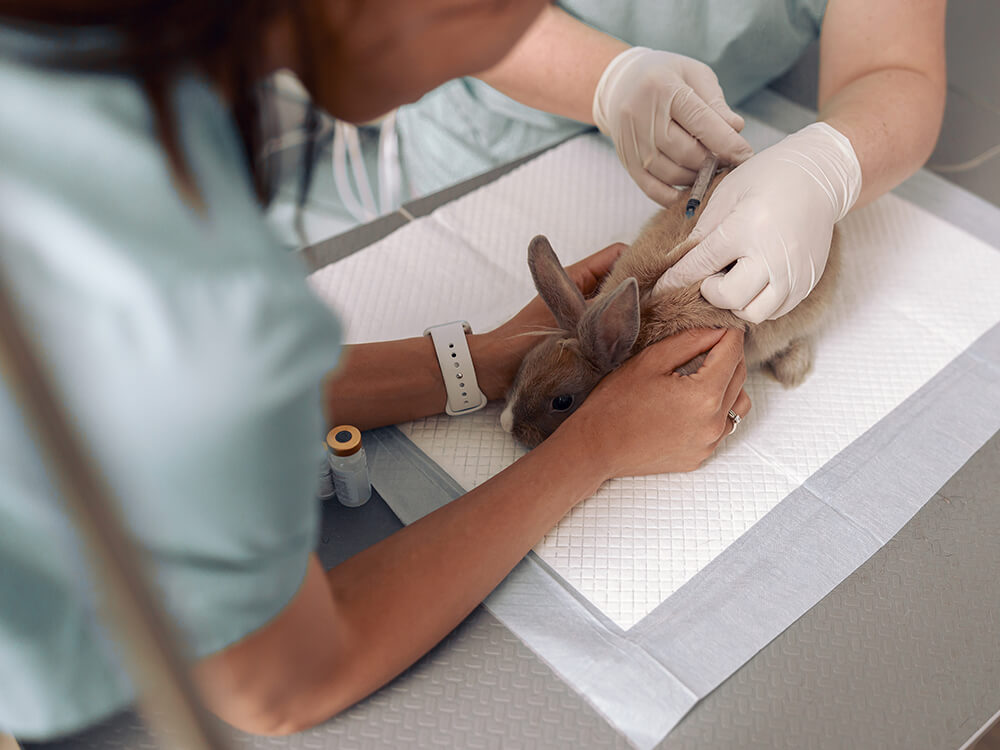
Effective habitat management and environmental control are essential components in preventing rabbit diseases. Creating an optimal living environment reduces stress and minimizes exposure to disease-causing agents, ensuring your rabbits remain healthy and productive. Proper management involves designing suitable enclosures, maintaining appropriate environmental conditions, and implementing consistent cleaning routines to support overall well-being.
By carefully managing the habitat and environment, rabbit owners can significantly decrease the risk of respiratory infections, parasitic infestations, and other common health issues. This proactive approach complements proper nutrition and medical care, forming a comprehensive strategy for disease prevention.
Optimal Cage Design and Space Requirements
The design and size of rabbit cages directly influence their health and disease resistance. Cages should provide ample space for movement, exercise, and natural behaviors, which helps prevent stress-related illnesses and reduces contact with waste and potential pathogens.
Standard recommendations suggest that a single adult rabbit require a minimum of 4 square feet of floor space, with additional space for exercise and enrichment. Cages should be constructed from non-toxic, easy-to-clean materials like galvanized wire or durable plastic, ensuring durability and hygiene. Adequate height allows rabbits to stand upright comfortably, and providing separate areas for resting, feeding, and elimination minimizes contamination risks.
Proper Ventilation and Temperature Control
Maintaining optimal airflow and temperature within rabbit habitats is crucial for respiratory health and overall comfort. Poor ventilation can lead to the buildup of ammonia from urine, which irritates the respiratory tract and predisposes rabbits to infections.
Effective ventilation involves designing cages with appropriate openings to facilitate fresh air circulation without causing drafts. Mechanical ventilation systems or ventilation fans can be used in enclosed environments, especially during extreme weather conditions. The ideal temperature range for rabbits lies between 15°C to 21°C (59°F to 70°F). Temperatures exceeding 25°C (77°F) can cause heat stress, while temperatures below 10°C (50°F) increase the risk of cold-related illnesses.
Using shade covers, fans, or heaters helps regulate temperature fluctuations.
Controlling Humidity and Cleaning Frequency
Humidity levels influence the growth of mold, bacteria, and parasites within rabbit housing. Maintaining humidity below 60% minimizes the risk of respiratory and fungal diseases.
Controlling humidity involves proper ventilation, avoiding excess moisture, and ensuring adequate drainage. In environments with high humidity, dehumidifiers or silica gel packs can help absorb excess moisture. Regular cleaning routines are vital for maintaining hygiene and reducing disease transmission.
Cleaning frequency should be at least once a week for general sanitation, with daily removal of soiled bedding and waste. Deep cleaning, including disinfecting cages and accessories, should occur monthly or more frequently if needed. Using appropriate disinfectants, such as diluted bleach solutions or commercial disinfectants safe for rabbits, ensures the eradication of pathogens without harming the animals.
Environmental Best Practices Table
| Aspect | Best Practice | Implementation | Additional Notes |
|---|---|---|---|
| Cage Design | Ample space and sturdy construction | Design cages with sufficient floor area (minimum 4 sq ft per rabbit) and durable, non-toxic materials | Include hiding areas and separate zones for feeding and elimination |
| Ventilation | Good airflow without drafts | Install vents or fans, ensure cage openings promote fresh air circulation | Avoid direct drafts, especially in winter |
| Temperature Control | Maintain 15°C to 21°C (59°F to 70°F) | Use fans, heaters, or shade covers as needed | Monitor temperature regularly with a thermometer |
| Humidity and Cleaning | Humidity below 60%, regular cleaning | Use dehumidifiers if necessary, clean cages weekly | Replace bedding frequently to prevent mold growth |
Quarantine Procedures for New or Sick Rabbits
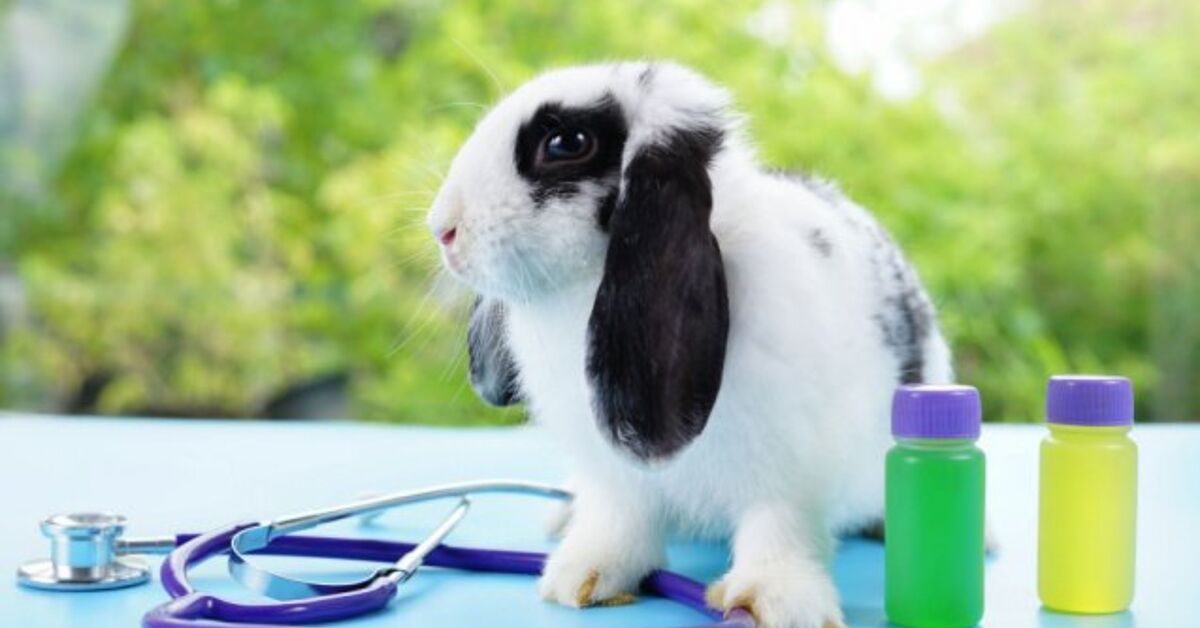
Implementing effective quarantine procedures is a vital aspect of maintaining a healthy rabbit population and preventing the spread of infectious diseases. Properly isolating new or ill rabbits ensures early detection and minimizes exposure to healthy animals, thereby safeguarding the overall health of your rabbitry or household.
Adhering to structured quarantine protocols involves careful planning, consistent monitoring, and thorough sanitation practices. These steps help identify potential health issues before integrating new rabbits into existing groups and provide a controlled environment for recovery if illness occurs.
Step-by-Step Quarantine Protocols for Introducing New Rabbits
Establishing a comprehensive quarantine process involves specific steps designed to carefully assess and isolate new or sick rabbits. The following protocol provides a clear timeline and actions to follow:
| Step | Description | Timeline |
|---|---|---|
| 1. Initial Isolation | Place the new rabbit in a designated quarantine area, separate from existing animals. Ensure the space is well-ventilated, clean, and free from shared equipment. | Immediately upon arrival and maintained for at least 30 days. |
| 2. Observation Period | Monitor the rabbit closely for any signs of illness, such as lethargy, changes in appetite, respiratory issues, or abnormal feces. Record daily health observations. | Daily during the 30-day quarantine period. |
| 3. Routine Health Checks | Inspect for external parasites, dental issues, or skin lesions. Conduct minimal handling to reduce stress, but ensure thorough assessment. | Weekly assessments. |
| 4. Diagnostic Testing | If possible, perform health screenings, including blood tests or fecal examinations, especially if the rabbit shows concerning symptoms or after 2 weeks of quarantine. | Within the first 2-3 weeks. |
| 5. Introduction to Existing Population | If the quarantined rabbit remains healthy after 30 days and tests are clear, gradually introduce it to the existing group, ideally in a neutral area to prevent territorial disputes. | After completing the quarantine period. |
Consistent monitoring and adherence to quarantine timelines significantly reduce the risk of disease transmission within your rabbitry.
Monitoring Quarantined Rabbits for Signs of Illness
Effective monitoring involves daily observation and documentation of the rabbit’s behavior, appetite, and physical condition. Look for subtle signs such as nasal discharge, sneezing, diarrhea, or lethargy, which may indicate underlying health issues. It is advisable to maintain a health record for each quarantined rabbit to track any changes or emerging symptoms.
Prompt veterinary consultation is recommended if any abnormal signs are observed. Early detection and treatment are critical components in managing potential health problems and preventing outbreaks.
Isolation and Disinfection Procedures After Illness
Should a rabbit be diagnosed with or suspected of having a contagious disease, immediate isolation of the affected animal is essential. Once the rabbit recovers or is euthanized, comprehensive cleaning and disinfection of the quarantine area are necessary to prevent pathogen persistence and future outbreaks.
Disinfection steps include:
- Removing all bedding, hay, and feed from the quarantine space.
- Cleaning surfaces with soap and water to remove organic matter.
- Applying an appropriate disinfectant proven effective against common rabbit pathogens, such as a 10% bleach solution or commercial disinfectants designed for small animal facilities.
- Allowing sufficient contact time for the disinfectant to act before rinsing or reusing the area.
It is also important to disinfect all equipment, feeding dishes, and any items that came into contact with the ill rabbit. Quarantine zones should be thoroughly cleaned and left unused for a period sufficient to eliminate residual pathogens, typically at least 24-48 hours after disinfection.
Quarantine Protocols Timeline and Flowchart
Below is a simplified flowchart outlining the key steps and timeline in a typical quarantine process:
| Phase | Actions | Duration |
|---|---|---|
| Arrival and Isolation | Place new rabbit in quarantine, restrict contact with others, initiate health observations. | |
| Monitoring & Testing | Conduct daily checks, perform diagnostic tests if needed. | |
| Evaluation | Assess health status at 30 days, review test results. | |
| Introduction or Extended Quarantine | Introduce to existing group if healthy; continue quarantine if signs of illness or pending test results. | |
| Post-Illness Disinfection | Clean and disinfect quarantine area thoroughly after illness recovery or euthanasia. |
This structured approach ensures a systematic and safe process for integrating new or recovering rabbits into your population, significantly reducing disease transmission risks.
Handling and Socialization Techniques
Proper handling and socialization are essential components of rabbit care that significantly influence their health and well-being. Gentle handling not only reduces stress but also minimizes the risk of disease transmission by preventing injuries and stress-related immune suppression. Moreover, fostering positive social interactions helps rabbits develop trust and confidence, leading to a healthier and happier life.
Stress is a critical factor impacting a rabbit’s immune system, often making them more vulnerable to illnesses. By adopting effective handling and socialization practices, caretakers can create a calm environment that supports the rabbit’s natural defenses. Safe socialization methods encourage positive behaviors and reduce the likelihood of fear or aggression, which can lead to injuries or stress-induced health issues.
Best Practices for Gentle Handling to Reduce Stress and Disease Risk
Implementing gentle handling techniques is vital in maintaining a healthy rabbit population. Proper handling reduces physical injuries and emotional stress, both of which can compromise the immune system and increase susceptibility to diseases such as pasteurellosis or gastrointestinal issues. Careful handling also improves the overall well-being of the rabbit, making routine health checks and grooming easier for handlers.
- Approach the rabbit slowly and calmly, using soft voices and gentle movements to avoid startling.
- Support the rabbit’s body fully, especially the chest and hindquarters, to prevent stress or injury during lifting.
- Use both hands to hold the rabbit securely but gently, avoiding squeezing or constricting movements that could cause discomfort.
- Handle the rabbit in a quiet, familiar environment to reduce environmental stressors.
- Limit handling duration, especially for young or nervous rabbits, to prevent fatigue and stress buildup.
Impact of Stress on Rabbit Immune Health
Stress triggers the release of stress hormones such as cortisol, which, when elevated over prolonged periods, can suppress immune function. This suppression diminishes the rabbit’s ability to fight off pathogens, making them more prone to infections like respiratory diseases, parasitic infestations, and gastrointestinal disorders. Chronic stress can also delay recovery from illness and affect reproductive health. Therefore, minimizing handling-induced stress is crucial for maintaining a resilient immune system in rabbits.
Methods for Socializing Rabbits Safely
Positive socialization helps rabbits become accustomed to human interaction and promotes healthy relationships with other rabbits. Properly socialized rabbits tend to be less stressed, more obedient, and less likely to develop behavioral issues. Safe socialization practices ensure that interactions are enjoyable and non-threatening, reducing the risk of injuries or fear responses.
- Introduce new rabbits gradually, allowing them to sniff and observe each other from a distance before direct contact.
- Use a neutral space for initial interactions to prevent territorial disputes.
- Supervise all interactions, especially during the first few encounters, to intervene if signs of aggression or fear appear.
- Encourage gentle petting and allow the rabbit to approach willingly, respecting their comfort level at all times.
- Incorporate positive reinforcement, such as treats or praise, to associate socialization with pleasant experiences.
By adhering to these handling and socialization techniques, caretakers can foster a safe, stress-free environment that supports the physical health and psychological well-being of rabbits, ultimately reducing their risk of illness and promoting a harmonious relationship between humans and their furry companions.
Final Wrap-Up
Implementing effective prevention strategies is key to ensuring your rabbits remain healthy and disease-free. By staying vigilant and maintaining best practices in hygiene, nutrition, and habitat management, you can provide a safe and comfortable life for your beloved pets. Consistent monitoring and proper medical care further reinforce their health and happiness.