Understanding how to prevent turkey diseases is essential for ensuring the health and productivity of your poultry farm. By implementing effective management practices, farmers can reduce the risk of disease outbreaks and promote a thriving, healthy flock. This comprehensive approach covers disease recognition, hygiene, biosecurity, nutrition, vaccination, environmental control, monitoring, and emergency response, equipping poultry keepers with the necessary tools to maintain optimal health standards.
Preventing turkey diseases involves a combination of proactive strategies designed to minimize exposure to pathogens and create a supportive environment for turkeys to thrive. From early detection of symptoms to stringent sanitation routines and vaccination schedules, each element plays a vital role in safeguarding your poultry operation against prevalent health threats.
Understanding Common Turkey Diseases
Maintaining the health and productivity of turkeys requires a thorough understanding of the prevalent diseases that can affect these birds. Recognizing the most common illnesses, their symptoms, and the methods to prevent them is essential for effective turkey management. Early detection enables timely intervention, reducing mortality rates and ensuring optimal growth performance.
Turkeys are susceptible to a variety of diseases caused by bacteria, viruses, fungi, and parasites. These diseases can significantly impair their immune system, lead to decreased feed efficiency, and in severe cases, result in death. Farmers and poultry keepers must be vigilant in observing changes in behavior, physical appearance, and overall health to identify potential health issues promptly.
Prevalent Diseases Affecting Turkeys
This section provides an overview of the most widespread diseases affecting turkey health and productivity, highlighting their causes, clinical signs, and prevention strategies.
| Disease | Causes | Symptoms | Prevention Methods |
|---|---|---|---|
| Blackhead Disease (Histomoniasis) | Protozoan parasite Histomonas meleagridis, transmitted via infected worms or contaminated feed/water |
|
|
| Newcastle Disease | Virus from the Paramyxoviridae family, spread through aerosols, contaminated equipment, and wild birds |
|
|
| Avian Influenza | Highly contagious virus, transmitted via direct contact, contaminated feed, water, and equipment |
|
|
| Coccidiosis | Protozoan parasites from the genus Eimeria, affecting the intestinal lining |
|
|
| Mycoplasma Infection | Bacterial pathogen Mycoplasma gallisepticum, spread via respiratory secretions and contaminated equipment |
|
|
Visual Identification of Disease Symptoms
Accurately diagnosing diseases in turkeys involves recognizing specific physical and behavioral signs. Visual cues play a crucial role in early detection, enabling farmers to implement control measures swiftly.
Leaden discoloration of the skin around the head and neck is characteristic of Blackhead Disease, often accompanied by diarrhea and lethargy. Swollen and discolored ceca and liver are also indicative.
Respiratory distress, twisted neck, and abnormal egg production are hallmarks of Newcastle Disease, often observed through coughing, sneezing, and paralysis.
For instance, in cases of Coccidiosis, affected turkeys display watery, sometimes bloody diarrhea, along with weight loss and dehydration. The appearance of unthrifty birds with ruffled feathers and a dull coat can also signal underlying infections.
In the event of Avian Influenza, sudden death without prior symptoms is common, but respiratory signs like coughing, nasal discharge, and facial swelling are also warning indicators. Recognizing these symptoms early allows for rapid containment and treatment.
Descriptive images or diagrams typically show the physical changes such as skin discoloration, swollen organs, respiratory distress signs, or intestinal lesions. Understanding these visual cues is vital for timely intervention and containment of disease outbreaks.
Maintaining Optimal Hygiene and Sanitation
Ensuring proper hygiene and sanitation within turkey housing environments is fundamental to preventing the spread of diseases and maintaining flock health. Consistent and thorough cleaning routines create a safe environment that minimizes pathogen presence, supports optimal growth, and enhances overall productivity.
Implementing effective cleaning and disinfection procedures requires a structured approach, attention to detail, and the use of appropriate supplies. Establishing a routine not only reduces disease risk but also promotes a clean, comfortable space conducive to healthy turkey development.
Procedures for Cleaning and Disinfecting Turkey Housing Environments
Regular cleaning and disinfection are critical components of biosecurity in turkey farms. These procedures involve removing organic material, eliminating pathogens, and creating an environment that discourages disease proliferation. Adhering to a methodical process ensures environmental hygiene is maintained at high standards.
- Remove all birds and equipment from the housing. This prevents contamination during cleaning and allows full access to all surfaces.
- Discard or thoroughly clean bedding, manure, and feed residues. These materials harbor bacteria, viruses, and fungi, so their removal is essential.
- Pre-clean surfaces with high-pressure water or manually scrub. This step dislodges dirt, organic matter, and biofilms from walls, floors, feeders, and waterers.
- Apply a suitable disinfectant. Use approved disinfectants that are effective against common turkey pathogens such as Salmonella, E. coli, and avian influenza viruses.
- Allow adequate contact time. Follow manufacturer instructions to ensure the disinfectant remains on surfaces for the required duration for effective pathogen kill.
- Rinse surfaces if necessary. Some disinfectants require rinsing to remove chemical residues that might harm new bedding or birds.
- Replace bedding, feeders, and waterers. Use fresh bedding material and ensure all equipment is properly sanitized before reintroduction of birds.
Step-by-Step Guide to Establishing a Sanitation Routine
A consistent sanitation schedule fortifies biosecurity and reduces disease risks. The following steps help create an effective routine tailored to turkey farming needs:
- Develop a cleaning calendar. Schedule cleaning activities daily, weekly, monthly, and after any disease outbreak or suspected contamination.
- Assign responsibilities. Designate trained personnel to oversee each cleaning task, ensuring accountability and thoroughness.
- Prepare cleaning and disinfecting supplies in advance. Having all necessary materials available minimizes delays and ensures timely cleaning.
- Perform routine cleaning after each flock. Remove all bedding, wash surfaces, and disinfect to prepare for the next batch of turkeys.
- Perform a thorough disinfectant application periodically. At least once a month, conduct an in-depth cleaning, including inaccessible areas such as ventilation systems.
- Document each cleaning activity. Maintain logs detailing dates, personnel responsible, and products used to track compliance and identify areas for improvement.
Checklist of Cleaning Supplies and Disinfectants Suitable for Turkey Farms
Using the right cleaning agents and disinfectants is essential to maintain a pathogen-free environment. The following checklist provides guidance on essential supplies:
- Cleaning supplies: Brooms, mops, scrapers, brushes, high-pressure hoses, cloths, and buckets
- Disinfectants: Quaternary ammonium compounds, phenolic disinfectants, iodophors, chlorine-based disinfectants, and hydrogen peroxide solutions
- Personal protective equipment (PPE): Gloves, masks, goggles, coveralls, and boots to protect personnel during cleaning and disinfection
- Water supply: Clean, potable water for rinsing and diluting disinfectants
- Additional supplies: Organic matter removers, neutralizers (if required), and biofilm removers for specific cleaning needs
Cleaning Frequency and Methods for Different Farm Areas
The following table Artikels recommended cleaning frequencies and methods tailored to various areas within a turkey farm to optimize hygiene standards.
| Farm Area | Cleaning Frequency | Cleaning Method | Notes |
|---|---|---|---|
| Brooding Area | Daily | Remove manure and feed residues, scrub surfaces with detergent, rinse, then disinfect | Ensure temperature and humidity are controlled during cleaning |
| Grow-out Houses | After each flock | Remove all bedding and debris, wash with detergent, high-pressure rinse, disinfect, and dry thoroughly | Disinfect ventilation systems periodically |
| Feeding and Watering Equipment | Weekly or after each flock | Disassemble, scrub with brushes, soak in disinfectant solution, rinse, and dry | Prevent biofilm formation to ensure water quality |
| Storage Areas and Equipment | Monthly | Clean with detergent, disinfect, and ensure proper ventilation | Store equipment in a clean, dry place to prevent recontamination |
| Footpaths and Entrance Areas | Daily | Sweep and disinfect regularly | Use footbaths with disinfectant solution at entry points |
Implementing biosecurity measures
Ensuring effective biosecurity is a fundamental component in preventing the introduction and spread of diseases within turkey farms. A comprehensive biosecurity plan minimizes the risk of pathogen entry and helps maintain a healthy flock, thereby safeguarding productivity and animal welfare.A well-structured biosecurity protocol involves a series of preventive measures tailored to the specific needs of the farm. It includes controlling access points, managing movement of personnel and equipment, and establishing quarantine procedures for new or sick birds.
Consistent implementation and monitoring of these measures are essential in creating a robust defense against infectious diseases.
Developing a comprehensive biosecurity plan
A detailed biosecurity plan should Artikel all preventive actions, responsibilities, and protocols to be followed by staff and visitors. It should include steps for securing the premises, managing external contacts, controlling feed and water sources, and maintaining cleanliness to reduce pathogen load. Collaborating with veterinary professionals to tailor the plan according to prevalent regional diseases enhances its effectiveness.
Protocols for visitor and worker access control
Controlling access to the farm is critical to prevent disease transmission via humans and equipment. This involves establishing designated entry points with clear signage, requiring visitors and workers to follow strict biosecurity procedures, and maintaining an access log. Visitors should be directed to wear protective clothing, footwear disinfection stations should be available, and unnecessary visits should be minimized during outbreaks.
Quarantine procedures for new or sick birds
Quarantine serves as a barrier to prevent the spread of disease from incoming or unwell birds. Newly introduced birds should be kept isolated for a minimum of 30 days, monitored for signs of illness, and tested if necessary before integration into the main flock. Sick birds should be immediately separated, housed in designated quarantine areas, and examined by veterinary professionals to determine appropriate treatment and prevent transmission.
Best practices in biosecurity compliance
To ensure a high level of biosecurity, farms should adopt the following best practices:
- Restrict access to essential personnel only and maintain a visitor log.
- Implement footbaths and disinfection stations at all entry and exit points.
- Require protective clothing, hats, and boots for all individuals entering the poultry areas.
- Disinfect equipment and vehicles before entering or leaving the farm premises.
- Maintain proper record-keeping of health status, vaccinations, and quarantine periods.
- Establish a routine cleaning and disinfection schedule for all housing and equipment.
- Educate staff regularly on biosecurity protocols and the importance of compliance.
- Monitor the flock continuously for early signs of disease and respond promptly.
Proper Nutrition and Water Management
Effective management of nutrition and water intake is fundamental to maintaining healthy turkeys and preventing disease outbreaks. Well-balanced diets and access to clean water support immune function, growth, and overall vitality, reducing susceptibility to common ailments and enhancing recovery if illness occurs. Ensuring these aspects are optimized contributes significantly to a resilient turkey flock and sustainable poultry operations.A comprehensive understanding of dietary requirements and water quality management enables producers to implement practices that promote health, optimize production efficiency, and prevent nutritional deficiencies or waterborne diseases.
Proper nutrition involves selecting the right feed types, formulating balanced diets, and maintaining water hygiene, all tailored to the turkeys’ age, weight, and production stage.
Essential Nutrients for Turkey Health and Disease Resistance
Turkeys require a spectrum of nutrients to sustain growth, reproduction, and immune competence. These include:
- Proteins: Critical for tissue repair, immune cell production, and overall growth. Essential amino acids such as lysine and methionine support optimal protein utilization.
- Carbohydrates: Provide a primary energy source to meet metabolic demands and support daily activities.
- Fats: Concentrated energy sources and carriers of fat-soluble vitamins. Essential fatty acids, like linoleic acid, support skin and feather health.
- Vitamins: Vitamins A, D, E, and C bolster immune functions, antioxidant defenses, and maintain overall health.
- Minerals: Calcium and phosphorus are vital for bone development; zinc, selenium, and iron contribute to immune responses and metabolic processes.
- Electrolytes: Sodium, potassium, and chloride regulate fluid balance and nerve function.
Ensuring adequate intake of these nutrients enhances disease resistance by supporting immune cell development and function, maintaining mucosal barriers, and facilitating recovery from illnesses.
Guidelines for Balanced Feed Formulation and Supplementation
Balanced diets should align with the nutritional requirements of turkeys at different growth stages, ensuring all essential nutrients are supplied in appropriate proportions. Feed formulation must consider:
- Using high-quality ingredients such as soybean meal, corn, and wheat to provide necessary proteins and energy.
- Including vitamin and mineral premixes to fill any nutritional gaps, especially during critical growth phases.
- Adjusting nutrient levels based on age, weight, and production goals, such as increased calcium during laying periods.
- Incorporating feed additives like probiotics or immunostimulants carefully, to enhance gut health and immunity.
- Monitoring feed intake and body condition regularly to prevent over- or underfeeding, which can compromise health or lead to metabolic issues.
Supplementation should be tailored based on feed analysis, local dietary deficiencies, and specific health challenges identified within the flock. Consulting with a poultry nutritionist ensures diets are optimized for health and productivity.
Importance of Clean, Fresh Water and Methods to Ensure Water Quality
Water quality directly impacts turkey health, as contaminated or stagnant water sources can introduce pathogenic microorganisms, leading to diseases such as coccidiosis or bacterial infections. Ensuring access to clean, fresh water supports optimal digestion, nutrient absorption, and immune function.Key practices include:
- Providing continuous access to potable water through well-maintained drinker systems.
- Regularly cleaning and disinfecting water lines to prevent biofilm buildup and pathogen proliferation.
- Conducting routine water testing for microbial contamination, pH levels, and mineral content, adjusting treatment protocols accordingly.
- Using water filtration or chlorination where necessary to improve water clarity and safety.
- Monitoring water consumption patterns to detect potential issues such as reduced intake due to poor quality or system malfunction.
Maintaining high water quality minimizes disease risk and ensures turkeys remain hydrated, especially in warm climates or during high production demands. Proper management of water systems is essential for overall flock health and productivity.
Comparative Table of Feed Types, Their Purposes, and Effects on Immunity
To optimize immune function and disease resistance, selecting appropriate feed types is crucial. The table below summarizes common feed options, their primary purposes, and impacts on immunity:
| Feed Type | Purpose | Effects on Immunity |
|---|---|---|
| Starter Feed | Supports rapid growth in young poults | Rich in proteins and vitamins; enhances early immune development |
| Grower Feed | Maintains growth and prepares turkeys for reproductive stages | Balanced nutrients; sustains immune functions during rapid growth phases |
| Layer Feed | Supports egg production and calcium needs in laying hens | Includes vitamins such as E and D; aids in reproductive health and immunity |
| High-Quality Complete Feed | Provides all essential nutrients; used in intensive production | Optimizes overall health; enhances disease resistance through balanced nutrition |
| Supplemental Feed Additives (probiotics, prebiotics, immunostimulants) | Boosts gut health and immune responses | Strengthens natural defenses and improves nutrient absorption |
Maintaining a strategic balance of these feed types, aligned with flock needs, supports robust immunity and minimizes disease susceptibility, fostering a healthy and productive turkey flock.
Vaccination and Disease Control Programs
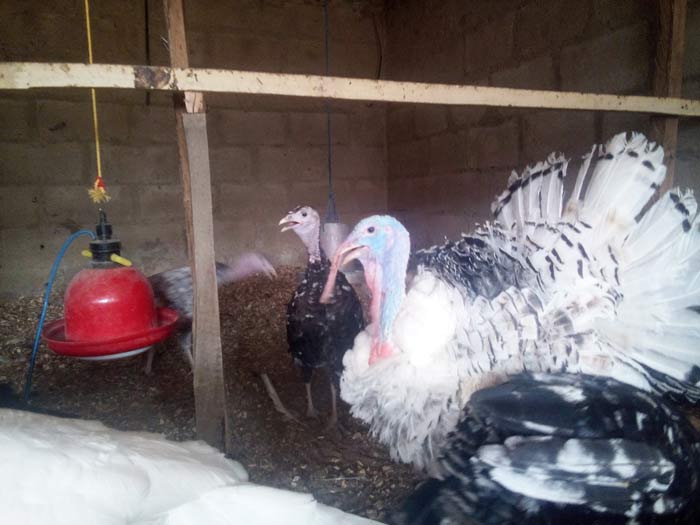
Implementing a comprehensive vaccination and disease control program is fundamental for maintaining healthy turkey flocks and preventing the spread of infectious diseases. Proper scheduling, administration, and management of vaccines, along with effective outbreak response strategies, are crucial components that help safeguard poultry health and optimize productivity.
Effective disease control hinges on strategic vaccination protocols tailored to specific regional risks and disease prevalence. Combining vaccination with vigilant monitoring and biosecurity measures creates a robust defense system that minimizes disease incidence and mitigates the impact of outbreaks when they occur.
Recommended Vaccination Schedules for Turkeys
Establishing a well-timed vaccination schedule is essential for providing active immunity at critical stages of turkey development. The schedule should be designed based on prevalent diseases in the area, vaccine availability, and the specific needs of the flock. Vaccinations are typically administered at various ages to ensure continuous protection during vulnerable periods.
- Day-old: Administer vaccines for diseases such as Newcastle Disease (ND) and Infectious Bursal Disease (IBD) to protect against early-life infections.
- 2-4 weeks: Follow up with additional doses of ND and IBD, especially if live vaccines are used, to boost immunity as maternal antibodies decline.
- 6-8 weeks: Vaccinate against diseases like Mycoplasma gallisepticum and other relevant bacterial or viral pathogens based on regional disease pressures.
- Pre-market or at transition to free-range: Consider vaccines for diseases such as avian influenza or other future threats identified through surveillance.
Periodic booster vaccinations may be necessary depending on the vaccine type and disease risk. It is critical to consult with a poultry veterinarian to design a schedule appropriate for the specific flock and local conditions.
Proper Vaccine Administration and Monitoring Responses
Correct vaccine administration is vital to ensure maximum efficacy. Vaccines can be delivered via various routes, including eye drops, drinking water, spray, or injection. Each method requires specific handling and dosage to maintain vaccine potency and ensure uniform coverage across the flock.
- Training personnel: Properly train staff in correct administration techniques to minimize wastage and ensure safety.
- Dosage adherence: Follow manufacturer instructions precisely to avoid under- or over-dosing, which can compromise immunity or cause adverse reactions.
- Monitoring responses: Observe vaccinated birds for any adverse reactions, such as swelling or behavioral changes. Collect blood samples periodically to measure antibody titers, verifying adequate immune response.
- Record keeping: Maintain detailed vaccination records, including dates, vaccine batch numbers, administration methods, and observed responses, to facilitate future planning and outbreak investigations.
Strategies for Managing Disease Outbreaks and Minimizing Impact
Despite preventive measures, outbreaks can occur, making rapid response strategies essential. Early detection and swift implementation of control measures reduce the spread and severity of disease outbreaks.
- Isolation and quarantine: Immediately isolate affected birds to prevent transmission to healthy stock. Quarantine incoming birds until health status is confirmed.
- Intensified sanitation: Increase cleaning and disinfection procedures in affected areas, emphasizing equipment, housing, and personnel hygiene.
- Targeted treatment: Use appropriate medications under veterinary guidance to treat affected birds, while being mindful of withdrawal periods and resistance issues.
- Enhanced biosecurity: Limit access to the flock, control movement, and implement protective clothing protocols for personnel.
- Communication and record-keeping: Document outbreak details, response actions, and outcomes to inform future prevention plans and improve response strategies.
Vaccination Calendar for Turkeys
| Age of Turkeys | Vaccine | Timing | Administration Method | Remarks |
|---|---|---|---|---|
| Day 1 | Newcastle Disease (ND), Infectious Bursal Disease (IBD) | At hatch | Injection or spray | Ensure cold chain; use approved vaccines |
| 2-4 weeks | Boosters for ND and IBD | 2-4 weeks post-hatch | Drinking water or injection | Reinforce immunity during early growth |
| 6-8 weeks | Mycoplasma gallisepticum, other region-specific vaccines | As recommended | Injectable or spray | Consult veterinarian for regional diseases |
| Pre-market or transition to free-range | Avian influenza (if applicable), other emergent diseases | Based on surveillance data | Injection or spray | Follow national vaccination guidelines |
Environmental Management and Housing Conditions
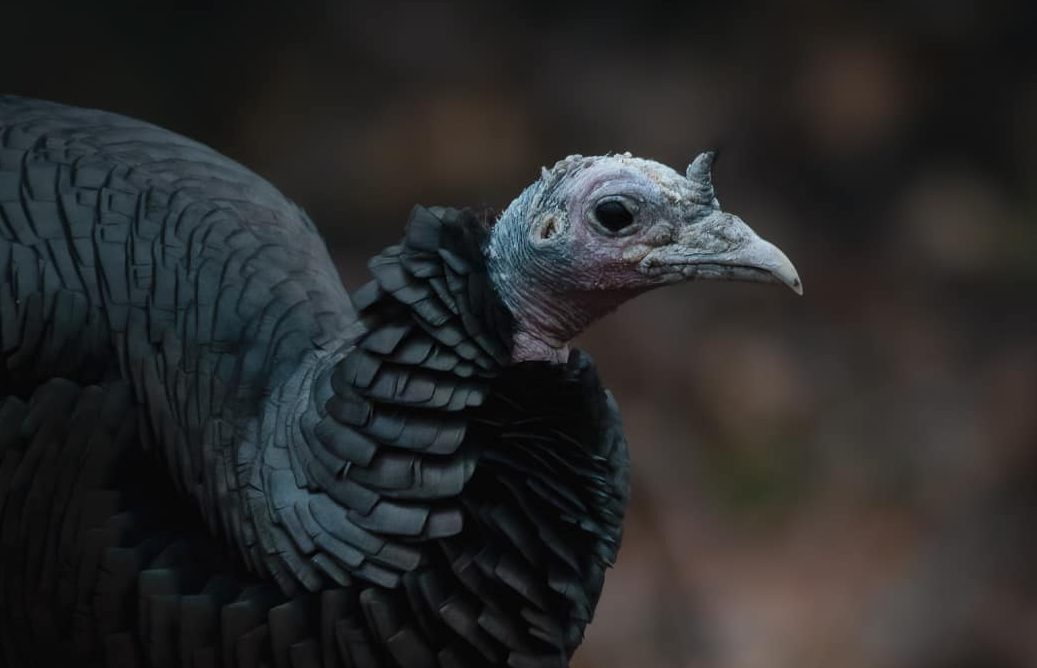
Effective environmental management and optimal housing conditions are fundamental in maintaining healthy turkey flocks and preventing disease outbreaks. Proper control of ventilation, temperature, and humidity minimizes physiological stress and reduces the risk of pathogen proliferation. Consistent monitoring and adjustments based on environmental parameters ensure that turkeys thrive in conditions that support their immune function and overall well-being.
Environmental stressors such as excessive heat, cold, high humidity, or poor air quality can compromise the immune system of turkeys, making them more susceptible to various diseases. Therefore, a well-designed housing system that maintains stable environmental conditions, coupled with regular monitoring, plays a crucial role in disease prevention. These practices not only enhance productivity but also contribute to the sustainability of the poultry operation.
Optimal Ventilation, Temperature, and Humidity Settings
Maintaining appropriate ventilation, temperature, and humidity levels within turkey housing is essential in creating a comfortable environment that discourages disease development and spread. Proper ventilation ensures adequate airflow, removes harmful gases, and maintains oxygen levels, while temperature and humidity control prevent heat stress and respiratory issues.
Adjustments should be based on the age of the turkeys, seasonal variations, and specific housing design. Over-ventilation can cause drafts and cold stress, whereas under-ventilation may lead to high ammonia concentrations and poor air quality. Similarly, temperature fluctuations can induce stress responses, reducing immune competence. Humidity levels that are too high promote mold growth and bacterial proliferation, while low humidity can cause respiratory irritation.
Procedures for Regular Environmental Monitoring
Consistent environmental monitoring involves routine measurement of key parameters to ensure conditions remain within optimal ranges. This process helps detect early signs of deviations that could lead to stress or disease susceptibility. Monitoring should include:
- Air temperature using calibrated thermometers placed at bird level in multiple locations within the housing.
- Relative humidity using hygrometers to ensure levels stay between 50-70%.
- Ammonia, carbon dioxide, and other gas concentrations through regular air quality assessments using portable gas detectors or sensors.
- Ventilation system performance, including airflow rates and exhaust efficiency, to confirm proper operation.
Maintaining detailed logs of environmental parameters facilitates trend analysis and timely adjustments. Routine inspections and calibration of monitoring instruments enhance accuracy and reliability of data collection.
Impact of Environmental Stressors on Disease Susceptibility
Environmental stressors such as extreme temperatures, high humidity, poor air quality, and inadequate ventilation can weaken turkeys’ immune defenses, rendering them more vulnerable to infectious diseases. Heat stress, for example, causes physiological strain, leading to reduced feed intake, slower growth, and increased mortality. Cold stress may impair immune responses and increase susceptibility to respiratory infections.
High ammonia levels and poor ventilation contribute to respiratory tract irritation and chronic inflammation, creating an environment conducive to bacterial and viral infections. Continuous exposure to stressors accelerates the development of disease conditions, which often require more aggressive treatment and can result in significant economic losses. Ensuring a stable and comfortable environment minimizes these risks and promotes resilience against disease outbreaks.
Ideal Environmental Parameters and Adjustments
To sustain optimal conditions, the following environmental parameters should be maintained within specified ranges, with adjustments made based on real-time monitoring and seasonal changes:
| Parameter | Ideal Range | Adjustments |
|---|---|---|
| Air Temperature | 18°C to 24°C (65°F to 75°F) | Increase heating during colder months; use fans or cooling systems during hot weather to prevent heat stress. |
| Relative Humidity | 50% to 70% | Use humidifiers or evaporative cooling to raise humidity; activate ventilation or exhaust fans to reduce excess moisture. |
| Ammonia Concentration | Below 25 ppm | Enhance ventilation, clean bedding regularly, and manage manure to reduce ammonia buildup. |
| Airflow Rate | At least 0.2-0.3 meters/sec at bird level | Adjust ventilation fans and exhaust systems to ensure uniform airflow and prevent stagnation zones. |
Optimal environmental management involves maintaining stable conditions that prevent physiological stress, support immune functions, and inhibit pathogen growth, thereby reducing disease risks in turkey flocks.
Monitoring and early detection
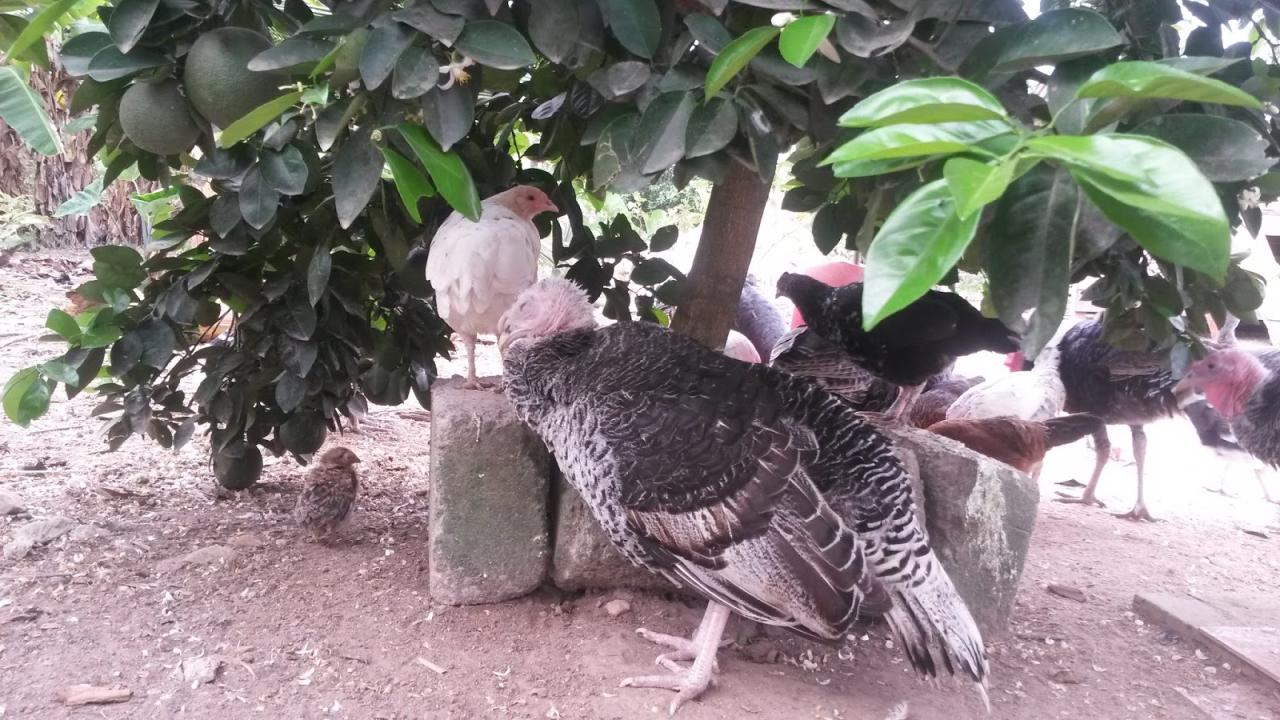
Effective monitoring and early detection are vital components of a comprehensive poultry health management strategy. Regular health assessments enable producers to identify potential issues promptly, minimizing the risk of disease spread and reducing economic losses. By implementing systematic observation and diagnostic protocols, farm operators can respond swiftly to emerging health threats, ensuring the well-being of their turkey flocks.
Early detection of diseases allows for timely intervention, which can significantly improve treatment outcomes and prevent extensive outbreaks. Incorporating routine monitoring practices, record-keeping, and diagnostic testing creates a proactive approach that enhances overall flock health management and sustainability.
Routine health assessments and record keeping
Consistent health assessments are foundational for recognizing deviations from normal bird behavior and physiology. Regularly scheduled checks should include visual inspections, behavior observations, and physical examinations to identify early signs of illness. Maintaining detailed records of these assessments provides valuable data for trend analysis and helps in tracking the health status over time.
- Document daily observations of behavior, feed intake, and movement patterns.
- Record physical parameters such as body weight, feather condition, and respiratory signs.
- Keep logs of environmental conditions, vaccination dates, and any treatments administered.
Implementing a standardized record-keeping system, whether paper-based or digital, ensures consistency and facilitates quick retrieval of critical information during health evaluations or investigations.
Identifying early signs of disease outbreaks
Recognizing early symptoms is essential for swift response and containment. Common initial signs include decreased feed and water intake, lethargy, ruffled feathers, and subtle changes in behavior, such as isolation from the flock or increased resting. Physical indicators may involve swelling, respiratory distress, abnormal droppings, or decreased production rates.
Monitoring trends in mortality rates and noting any sudden increases can also serve as an alert for potential disease outbreaks. Educating farm personnel to be observant and report anomalies immediately enhances the early detection process.
Diagnostic tools and laboratory testing
Accurate diagnosis relies on the use of appropriate diagnostic tools and laboratory analyses. Field tests such as rapid antigen detection kits can provide immediate preliminary results for common viral or bacterial infections. For definitive identification, samples like blood, tissue, or swabs are sent to accredited laboratories for tests including bacteriology, virology, serology, and molecular diagnostics like PCR.
Timely laboratory testing helps confirm suspected diseases, guides targeted treatment, and informs vaccination strategies.
Proper sample collection, handling, and transportation are critical to ensure test accuracy. Regular collaboration with veterinary diagnostic labs can streamline the process and improve response times during outbreaks.
Flowchart illustrating the steps from observation to action
| Step | Description |
|---|---|
| Observation | Farm personnel notice unusual behaviors, physical signs, or environmental anomalies during routine assessments. |
| Record Keeping | All observations are documented clearly, including date, time, and specific symptoms or conditions observed. |
| Initial Evaluation | Assess whether the signs suggest a common issue or require immediate intervention. Determine if further diagnostics are necessary. |
| Sample Collection | If indicated, collect appropriate samples such as blood, swabs, or tissue following proper protocols to avoid contamination. |
| Laboratory Testing | Send samples to a qualified laboratory for diagnostic testing to identify pathogens or confirm suspected diseases. |
| Analysis and Diagnosis | Review laboratory results to establish a definitive diagnosis, considering clinical signs and test outcomes. |
| Response Planning | Based on the diagnosis, implement targeted treatment, quarantine measures, or other control strategies. |
| Follow-up and Monitoring | Continue with regular assessments to evaluate the effectiveness of interventions and detect any recurring issues. |
Understanding and implementing this step-by-step process ensures a structured approach to disease management, minimizing impacts and supporting flock health sustainability.
Emergency Preparedness and Response
Effective emergency preparedness and response planning are vital components in safeguarding turkey flocks against sudden disease outbreaks. Establishing clear protocols ensures swift action, minimizes disease spread, and protects both animal health and farm profitability. A well-structured response plan not only facilitates immediate management but also supports coordination with authorities and stakeholders to control incidents efficiently.
Implementing comprehensive strategies for managing suspected disease cases, maintaining readiness through supplies and equipment, and establishing communication channels with relevant agencies are essential steps. These processes help mitigate risks, contain outbreaks, and ensure the swift deployment of resources necessary for effective disease control.
Protocols for Managing Suspected Disease Cases
Developing standardized procedures for identifying and responding to suspected disease cases is critical. Early detection, isolation, and diagnostic confirmation form the backbone of an effective management protocol.
- Immediately isolate any bird exhibiting symptoms consistent with contagious diseases to prevent cross-contamination.
- Record detailed clinical signs, environmental conditions, and possible exposure sources for accurate documentation.
- Collect appropriate samples following biosafety guidelines for laboratory testing to confirm diagnosis.
- Limit movement of personnel and equipment around affected areas to reduce disease transmission risk.
- Implement quarantine measures for affected and neighboring flocks until diagnosis is confirmed and control measures are established.
- Notify veterinary authorities promptly to enable coordinated response and support.
Emergency Supplies and Equipment Checklist
Having a prepared inventory of essential supplies ensures rapid response when a disease outbreak occurs. Regularly updating and inspecting these items maintains readiness at all times.
Key supplies include personal protective equipment, disinfectants, diagnostic kits, medications, and biosecurity barriers.
| Item | Purpose | Quantity/Specifications |
|---|---|---|
| PPE (gloves, masks, coveralls) | Protect personnel from infection | At least 10 sets per response team |
| Disinfectants (e.g., formaldehyde, quaternary ammonium compounds) | Sanitize affected areas and equipment | Sufficient to cover entire farm |
| Sample collection kits | Obtain diagnostic specimens | Multiple kits, including swabs, transport media |
| Medications and vaccines (if applicable) | Treat or prevent specific diseases | Based on anticipated threats and veterinary advice |
| Biosecurity barriers (footbaths, signage) | Control movement and contain spread | Multiple units and clearly marked signage |
Notification and Coordination with Authorities
Timely and accurate communication with relevant health and regulatory agencies is essential for effective outbreak management. Clear protocols should define who to contact, what information to provide, and how to document communications.
- Identify the appropriate local or national veterinary authorities and emergency response teams.
- Immediately notify them upon suspicion of a notifiable disease, providing detailed clinical and epidemiological data.
- Follow instructions regarding further testing, movement restrictions, and quarantine procedures.
- Maintain record of all communications, including dates, times, and recommendations received.
- Coordinate response efforts, including containment strategies, disposal of affected birds, and decontamination procedures, under the guidance of authorities.
Sample Incident Report Template
Structured documentation of disease incidents facilitates tracking, analysis, and compliance with reporting requirements. The following template offers a comprehensive format for recording outbreak details:
| Incident Report | |
|---|---|
| Date of Report | ______________________________ |
| Farm Name | ______________________________ |
| Location | ______________________________ |
| Reported By | ______________________________ |
| Contact Details | ______________________________ |
| Date and Time of Suspected Outbreak | ______________________________ |
| Clinical Signs Observed | ______________________________ |
| Number of Birds Affected | ______________________________ |
| Environmental Conditions | ______________________________ |
| Actions Taken | ______________________________ |
| Samples Collected | ______________________________ |
| Initial Diagnosis or Suspicion | ______________________________ |
| Authorities Notified | Yes / No |
| Follow-up Actions Needed | ______________________________ |
Final Thoughts
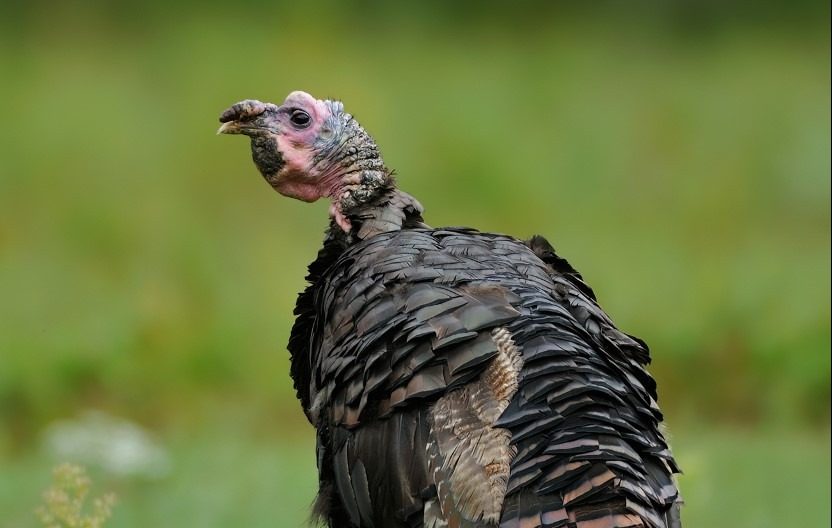
In conclusion, implementing a holistic disease prevention plan is crucial for maintaining healthy and productive turkey flocks. Regular monitoring, strict hygiene, effective biosecurity measures, proper nutrition, and prompt emergency responses collectively form a robust defense against diseases. By staying vigilant and prepared, poultry farmers can ensure their turkeys remain healthy, ultimately leading to a successful and sustainable farming operation.