Understanding how to price livestock products is crucial for the success of any farming operation. This guide provides a detailed exploration of the multifaceted considerations involved in setting prices for meat, dairy, eggs, and other livestock-derived goods. From the influence of market forces to the intricacies of cost calculation and sales channel selection, we will delve into the strategies and tools necessary to optimize pricing decisions and maximize profitability.
We’ll examine the key factors that drive price fluctuations, including supply and demand dynamics, seasonality, and production costs. Furthermore, we will explore various pricing strategies, from cost-plus methods to value-based approaches, equipping you with the knowledge to choose the most suitable method for your specific livestock products and target market. The insights provided here are designed to help you navigate the complexities of the livestock market with confidence.
Factors Influencing Livestock Product Pricing

Understanding the factors that influence the pricing of livestock products is crucial for both producers and consumers. These factors are complex and interconnected, impacting the market dynamics and profitability of the livestock industry. Several key elements play a significant role in determining the final price of livestock products, including supply and demand, seasonality, and production costs.
Supply and Demand Dynamics in Livestock Product Pricing
The principles of supply and demand are fundamental to price determination in the livestock sector. The interaction between the availability of livestock products (supply) and the consumers’ desire for those products (demand) directly affects prices.
- Impact of Supply: When the supply of a livestock product is high, and demand remains constant, prices typically decrease. This is because there is more product available than consumers are willing to purchase at the existing price, leading to downward pressure on prices. Conversely, when supply is limited, prices tend to increase. For instance, if a disease outbreak reduces the number of available cattle, the price of beef will likely rise due to scarcity.
- Impact of Demand: Consumer demand is influenced by factors such as income levels, consumer preferences, and the availability of substitute products. If demand for a particular livestock product increases (e.g., due to a health trend favoring lean meats), prices will likely increase, assuming supply remains constant. Conversely, if demand decreases (e.g., due to economic recession), prices will likely decrease.
- Market Equilibrium: The market reaches equilibrium when the quantity supplied equals the quantity demanded at a specific price. This is the point where the market clears, and there is neither a surplus nor a shortage of the product. Shifts in either supply or demand will cause the equilibrium price and quantity to change.
Seasonal Influences on Livestock Product Pricing
Seasonality significantly affects the pricing of various livestock products. Fluctuations in production, consumer demand, and external factors like weather contribute to price variations throughout the year.
- Production Cycles: The timing of breeding, calving, or farrowing can lead to seasonal variations in the supply of livestock products. For example, the availability of spring lambs often peaks in the late spring or early summer, potentially driving down lamb prices during that period.
- Consumer Demand: Demand for certain livestock products may increase during specific seasons. For example, demand for turkeys typically peaks during the Thanksgiving and Christmas holidays, resulting in higher prices. Similarly, demand for barbecue-related meats like ribs and steaks often increases during the summer months.
- Weather Conditions: Weather can impact both supply and demand. Extreme weather events can disrupt livestock production (e.g., droughts affecting feed availability) or transportation, leading to price fluctuations. For example, a severe winter could reduce the availability of pasture for grazing, increasing feed costs and potentially raising the price of beef.
- Examples of Seasonal Price Fluctuations: Consider the price of eggs. Prices often rise in the weeks leading up to Easter due to increased demand for egg-based products and decorating activities. Conversely, the price of milk may fluctuate due to seasonal changes in feed availability and milk production by dairy cows.
The Role of Production Costs in Livestock Product Pricing
Production costs are a critical determinant of the price of livestock products. These costs encompass all expenses incurred in raising livestock, from initial investments to ongoing operational expenses. Understanding these costs is crucial for producers to determine profitability and make informed pricing decisions.
- Feed Costs: Feed represents a significant portion of the total production costs for most livestock operations. The cost of feed is influenced by factors such as the availability and price of grains (corn, soybeans, etc.), hay, and other feed ingredients. Fluctuations in feed prices can significantly impact the profitability of livestock operations. For instance, a drought that reduces corn yields can lead to higher feed costs, forcing producers to increase the price of their products.
- Labor Costs: Labor costs include wages, salaries, and benefits for all workers involved in the livestock operation. These costs can vary depending on the size and complexity of the operation, as well as the skill level of the workers. Efficient labor management is essential for controlling costs.
- Veterinary Care and Health Management: Maintaining the health of livestock is crucial for maximizing productivity and minimizing losses. Veterinary costs include vaccinations, medications, and treatments for illnesses or injuries. Implementing effective health management practices can help reduce these costs.
- Other Costs: Other production costs include housing, equipment, utilities, transportation, and marketing expenses. These costs vary depending on the type of livestock, the scale of the operation, and the geographical location.
Example Table: Production Cost Variations for Different Livestock
This table provides a simplified overview and is based on averages; actual costs may vary significantly based on location, management practices, and market conditions.
| Livestock Type | Feed Costs (per unit) | Labor Costs (per unit) | Veterinary & Health (per unit) | Total Estimated Production Cost (per unit) |
|---|---|---|---|---|
| Beef Cattle (per head) | $500 – $800 | $100 – $200 | $50 – $100 | $650 – $1100 |
| Dairy Cows (per head per year) | $1200 – $1800 | $300 – $500 | $100 – $200 | $1600 – $2500 |
| Hogs (per head) | $75 – $125 | $10 – $25 | $5 – $15 | $90 – $165 |
| Broiler Chickens (per bird) | $0.80 – $1.20 | $0.10 – $0.20 | $0.05 – $0.10 | $0.95 – $1.50 |
Market Research and Competitive Analysis
Understanding the market and your competition is critical for effectively pricing livestock products. This involves analyzing current market prices, researching competitor strategies, and understanding consumer preferences. This detailed analysis allows producers to make informed decisions, ensuring profitability and competitiveness in the livestock product market.
Understanding Current Market Prices
Analyzing current market prices for similar livestock products is essential for setting competitive and profitable prices. Staying informed allows producers to benchmark their prices against the prevailing market rates, avoiding both underpricing and overpricing their products.
Methods for Researching Competitor Pricing Strategies
Several methods can be employed to research competitor pricing strategies, providing valuable insights into market dynamics.
- Online Marketplaces and Retail Websites: Regularly browse online platforms where livestock products are sold. This allows for direct observation of competitor pricing, product descriptions, and any promotional offers. For example, checking the prices of free-range eggs on Amazon or local farm websites can reveal pricing trends.
- Local Retailers and Farmers’ Markets: Visiting local retailers and farmers’ markets provides firsthand information about competitor pricing, packaging, and product presentation. This direct observation can reveal how competitors are positioning their products and their pricing strategies.
- Direct Contact with Competitors (Indirectly): While direct contact can be challenging, gathering information through distributors or by posing as a potential customer can sometimes provide insights into competitor pricing structures.
- Industry Publications and Reports: Subscription to industry publications and access to market reports can offer valuable data on pricing trends, competitor activities, and overall market conditions. These reports often contain detailed analyses of price fluctuations and competitive landscapes.
- Price Scraping Tools: For large-scale analysis, consider using price scraping tools to automatically gather pricing data from various online sources. These tools can save time and provide a comprehensive overview of competitor pricing.
Gathering Information About Consumer Preferences and Willingness to Pay
Understanding consumer preferences and their willingness to pay is crucial for successful pricing. This involves identifying the value consumers place on specific product attributes.
- Surveys and Questionnaires: Conducting surveys and questionnaires can provide direct feedback on consumer preferences and willingness to pay. These surveys can be administered online, in-person, or through mail. Include questions about product attributes (e.g., organic, grass-fed), preferred price ranges, and factors influencing purchase decisions.
- Focus Groups: Organize focus groups to gather qualitative data on consumer perceptions, preferences, and attitudes towards livestock products. These groups allow for in-depth discussions and can uncover valuable insights that surveys might miss.
- Observation and Ethnographic Research: Observe consumer behavior in retail settings or farmers’ markets to understand how they interact with livestock products. This can involve tracking how long consumers spend examining products, what information they seek, and what influences their purchasing decisions.
- A/B Testing: If selling online, use A/B testing to experiment with different pricing strategies and product descriptions. This involves presenting different prices or product information to different groups of consumers and measuring their purchasing behavior.
- Analyzing Sales Data: Analyze historical sales data to identify patterns and trends in consumer purchasing behavior. This includes examining which products sell best at different price points and how sales are affected by promotional offers.
Steps to Perform a Competitive Analysis, Focusing on Livestock Product Markets
Performing a competitive analysis involves a structured approach to understanding the competitive landscape. This detailed analysis helps to inform pricing decisions and refine overall business strategies.
- Identify Competitors: Begin by identifying direct and indirect competitors. Direct competitors sell similar livestock products in the same geographic area. Indirect competitors offer substitute products that satisfy the same consumer needs. For example, a direct competitor for a grass-fed beef producer might be another local farm selling grass-fed beef, while an indirect competitor might be a supermarket selling conventionally raised beef.
- Gather Information on Competitors: Collect data on each competitor, including their product offerings, pricing strategies, marketing tactics, distribution channels, and customer reviews. This information can be gathered through online research, visiting retail locations, and analyzing industry reports.
- Analyze Product Attributes: Compare the product attributes of your livestock products with those of your competitors. This includes factors such as product quality, origin, certifications (e.g., organic, humane), packaging, and branding.
- Evaluate Pricing Strategies: Analyze the pricing strategies of your competitors. This includes understanding their pricing models (e.g., cost-plus, value-based), price points, promotional offers, and discounts. Identify how their prices compare to yours and assess the reasons behind any price differences.
- Assess Marketing and Distribution: Evaluate the marketing and distribution strategies of your competitors. This includes their online presence, advertising efforts, social media activity, and distribution channels (e.g., direct-to-consumer, retail stores, farmers’ markets).
- Analyze Customer Reviews and Feedback: Examine customer reviews and feedback to understand customer perceptions of competitor products. This provides insights into strengths, weaknesses, and areas for improvement. This can be done by looking at online reviews, social media comments, and customer testimonials.
- Identify Competitive Advantages and Disadvantages: Based on the gathered information, identify your competitive advantages and disadvantages compared to your competitors. This involves pinpointing areas where your products or services are superior or inferior.
- Develop Pricing and Marketing Strategies: Use the competitive analysis to inform your pricing and marketing strategies. This includes setting competitive prices, differentiating your products, and targeting specific customer segments.
- Monitor and Update Regularly: Competitive analysis is an ongoing process. Regularly monitor your competitors and update your analysis to stay informed about changes in the market and adjust your strategies accordingly.
Pricing Strategies for Livestock Products
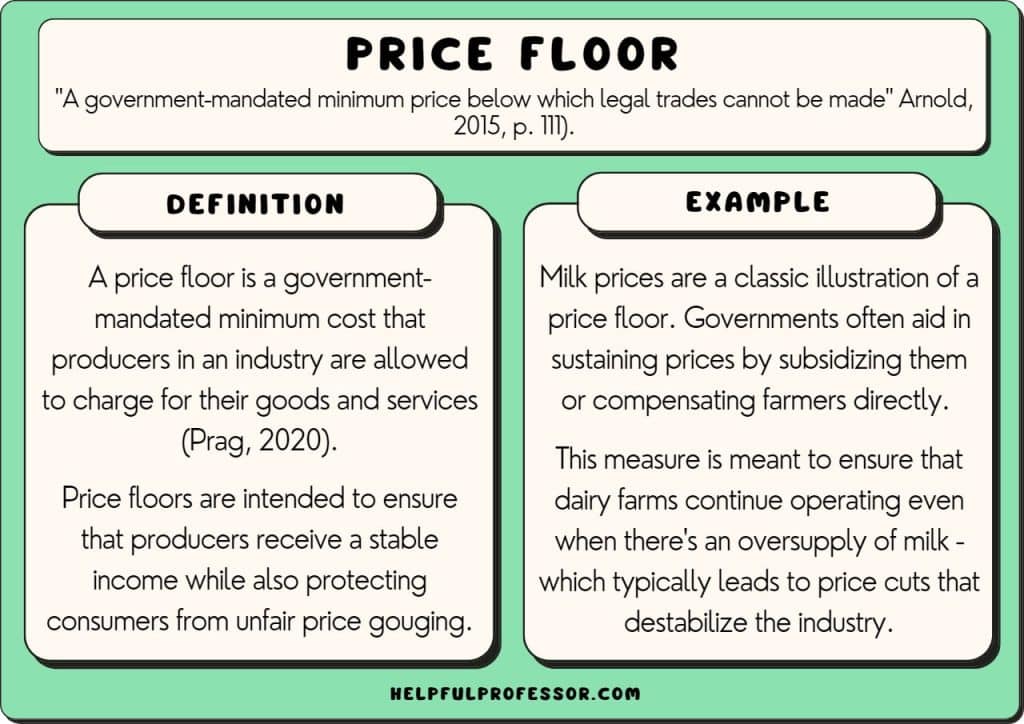
Effective pricing is crucial for the profitability and sustainability of any livestock operation. Choosing the right pricing strategy involves understanding costs, market dynamics, and the perceived value of the products. Several strategies can be employed, each with its own advantages and disadvantages, depending on the specific livestock product and market conditions.
Cost-Plus Pricing and its Application
Cost-plus pricing is a straightforward method where the price of a product is determined by adding a markup to the total cost of production. This approach ensures that all costs are covered and a profit margin is achieved.To apply cost-plus pricing to livestock products:
- Calculate Total Production Costs: This includes all expenses associated with raising the livestock, such as feed, veterinary care, labor, housing, and transportation. Accurate record-keeping is essential for this calculation.
- Determine the Desired Profit Margin: This is the percentage of profit the producer wants to earn on each unit sold. The profit margin should be sufficient to cover business overhead and provide a return on investment.
- Calculate the Selling Price: The selling price is calculated using the following formula:
Selling Price = (Total Production Cost) + (Total Production Cost
– Profit Margin)
For example, consider a farmer producing free-range eggs. The total cost to produce a dozen eggs, including feed, housing, and labor, is $2.
00. The farmer desires a 25% profit margin. Applying the formula
Selling Price = $2.00 + ($2.00
0.25) = $2.50 per dozen.
The advantage of cost-plus pricing is its simplicity and the guarantee of covering costs. However, it may not always be competitive, especially if the production costs are higher than those of competitors. It also doesn’t consider the market demand or the perceived value of the product.
Value-Based Pricing: Benefits and Drawbacks
Value-based pricing sets the price based on the perceived value of the livestock product to the customer. This strategy focuses on what the customer is willing to pay rather than the cost of production.The benefits of value-based pricing are:
- Higher Profit Margins: If the perceived value is high, the producer can charge a premium price, leading to greater profitability.
- Differentiation: This strategy allows producers to differentiate their products based on quality, origin, or specific attributes.
- Market Responsiveness: Value-based pricing is more adaptable to changes in consumer preferences and market trends.
The drawbacks of value-based pricing are:
- Difficulty in Determining Value: Accurately assessing the perceived value can be challenging and requires thorough market research and understanding of customer preferences.
- Potential for Price Sensitivity: If the price is set too high, demand may be reduced.
- Requires Strong Branding: Value-based pricing often requires a strong brand and marketing efforts to communicate the value proposition effectively.
For instance, a farmer raising grass-fed beef might price their product higher than conventionally raised beef, emphasizing the health benefits and superior taste to justify the price. The farmer would need to clearly communicate these benefits through marketing and branding to convince consumers of the value.
Implementing a Premium Pricing Strategy
A premium pricing strategy involves setting a higher price than competitors to reflect superior quality, unique features, or a strong brand image. This strategy is often used for high-quality livestock products, such as organic meats, heritage breeds, or products with specific certifications.To implement a premium pricing strategy:
- Ensure Superior Quality: The product must genuinely be of higher quality than the competition. This could involve better genetics, superior animal welfare practices, or more stringent processing standards.
- Build a Strong Brand: Develop a brand that communicates the value proposition and builds trust with consumers. This includes branding, packaging, and marketing efforts.
- Target the Right Market: Identify and target customers who are willing to pay a premium for high-quality products. This may involve focusing on specific demographics or distribution channels.
- Provide Excellent Customer Service: Premium pricing often requires providing excellent customer service to justify the higher price.
An example is a producer selling Wagyu beef. The high price is justified by the superior marbling, flavor, and tenderness of the meat, the breed’s heritage, and the careful husbandry practices employed. The producer invests in branding, marketing, and distribution channels to reach consumers willing to pay a premium for this high-quality product.
Comparison of Pricing Strategies
The following table summarizes and compares different pricing strategies, including their pros, cons, and ideal scenarios:
| Pricing Strategy | Pros | Cons | Ideal Scenarios |
|---|---|---|---|
| Cost-Plus Pricing | Simple to calculate; Ensures cost recovery. | May not be competitive; Doesn’t consider market demand. | When production costs are relatively stable and the market is not highly competitive; for commodity products. |
| Value-Based Pricing | Potentially higher profit margins; Differentiates products. | Difficult to determine value; Requires strong branding. | When products have unique features or benefits; for niche markets; for high-quality products. |
| Premium Pricing | High profit potential; Builds brand prestige. | Requires high-quality products; Can limit market size. | For products with superior quality or unique attributes; strong brand recognition; loyal customer base. |
| Competitive Pricing | Easy to implement; Can capture market share. | May lead to lower profit margins; Doesn’t differentiate products. | When competing in a crowded market; for products with little differentiation; when aiming for volume sales. |
Calculating Costs and Profit Margins
Understanding costs and profit margins is crucial for the financial success of any livestock operation. Accurately calculating these elements allows producers to make informed pricing decisions, ensuring profitability and sustainability. This section will delve into the steps required to determine production costs, establish desired profit margins, and ultimately, set prices that align with financial goals.
Calculating the Total Cost of Production
Determining the total cost of producing a specific livestock product involves a systematic approach to account for all expenses incurred. This process requires careful record-keeping and analysis of both direct and indirect costs.To calculate the total cost of production, follow these steps:
- Identify Direct Costs: These costs are directly attributable to the production of the livestock product.
- Feed Costs: Include the cost of all feed consumed by the livestock. This can be broken down further to include the cost of different feed ingredients, supplements, and any associated storage or handling costs. For example, a beef cattle producer would need to account for the cost of hay, grain, and mineral supplements.
- Veterinary and Healthcare Costs: This encompasses all expenses related to maintaining the health of the livestock, including vaccinations, medications, and veterinary consultations.
- Breeding Costs: Include the cost of breeding services, such as artificial insemination or the maintenance of breeding animals.
- Labor Costs: Account for the wages or salaries paid to employees involved in the production process. If the operation is family-run, estimate the value of the labor provided by family members.
- Processing and Packaging Costs: This includes the expenses related to processing the livestock product, such as slaughtering, packaging, and labeling.
- Identify Indirect Costs (Overhead): These costs are not directly tied to the production of a single unit but are necessary for the operation.
- Depreciation: Calculate the depreciation of equipment, buildings, and other assets used in the production process. This represents the decline in value of these assets over time. For example, a tractor used for feeding livestock would depreciate over its lifespan.
- Utilities: Include the cost of electricity, water, and other utilities used in the operation.
- Insurance: Account for the cost of insurance policies that protect the livestock and the operation’s assets.
- Property Taxes: Include the property taxes paid on land and buildings used for the livestock operation.
- Interest Expense: Include the interest paid on loans used to finance the operation.
- Marketing and Transportation Costs: Account for expenses related to marketing the livestock product and transporting it to market.
- Calculate Total Cost: Sum up all direct and indirect costs over a specific period (e.g., annually, monthly, or per production cycle).
- Calculate Cost per Unit: Divide the total cost by the number of units produced to determine the cost per unit of the livestock product. For example, if a farmer spends $5,000 producing 100 pigs, the cost per pig is $50.
Determining the Desired Profit Margin
The desired profit margin is the percentage of revenue that a livestock producer wants to retain as profit after all costs are covered. It is a critical component of pricing strategy and reflects the profitability goals of the operation.The formula for determining the desired profit margin is:
Profit Margin = (Desired Profit / Revenue) – 100%
For example, if a livestock producer wants to make a profit of $2,000 on revenue of $10,000, the desired profit margin is:
($2,000 / $10,000) – 100% = 20%
The desired profit margin can vary depending on several factors, including the type of livestock product, market conditions, and the producer’s business objectives. A higher profit margin might be desired for products with higher risk or greater value-added components.
Setting Prices to Achieve a Target Profit Margin
Setting prices to achieve a target profit margin involves calculating the selling price per unit based on the cost per unit and the desired profit margin.To set prices to achieve a target profit margin, follow these steps:
- Determine the Cost per Unit: Calculate the total cost of production and divide it by the number of units produced, as detailed in the previous section.
- Determine the Desired Profit per Unit: Multiply the cost per unit by the desired profit margin (expressed as a decimal). For example, if the cost per unit is $50 and the desired profit margin is 20%, the desired profit per unit is $50 – 0.20 = $10.
- Calculate the Selling Price per Unit: Add the cost per unit and the desired profit per unit. In the example above, the selling price would be $50 + $10 = $60.
For instance, a farmer producing free-range eggs has a cost of $2.00 per dozen. They aim for a 25% profit margin. The desired profit per dozen is $2.000.25 = $0.50. Therefore, the selling price per dozen eggs would be $2.00 + $0.50 = $2.50. This pricing strategy ensures that the farmer covers all production costs and achieves the desired profit margin.
Key Components of a Profit and Loss Statement for a Livestock Operation
A profit and loss (P&L) statement, also known as an income statement, is a financial statement that summarizes a livestock operation’s revenues, expenses, and profitability over a specific period. This statement provides valuable insights into the financial performance of the operation and helps producers make informed decisions.The key components of a profit and loss statement for a livestock operation are:
- Revenue: This represents the income generated from the sale of livestock products, such as meat, milk, eggs, or wool. Revenue can also include income from the sale of breeding stock or other related products.
- Cost of Goods Sold (COGS): This includes the direct costs associated with producing the livestock product.
- Feed Costs
- Veterinary and Healthcare Costs
- Breeding Costs
- Processing and Packaging Costs
- Gross Profit: Calculated as Revenue – Cost of Goods Sold. This indicates the profitability of the operation before considering overhead expenses.
- Operating Expenses: These are the indirect costs associated with running the livestock operation.
- Depreciation
- Utilities
- Insurance
- Property Taxes
- Interest Expense
- Marketing and Transportation Costs
- Labor Costs (If not already included in COGS)
- Operating Income (EBIT – Earnings Before Interest and Taxes): Calculated as Gross Profit – Operating Expenses. This indicates the profitability of the operation before considering interest and taxes.
- Interest Expense: The cost of borrowing money to finance the operation.
- Income Before Taxes: Calculated as Operating Income – Interest Expense.
- Income Taxes: The taxes paid on the operation’s income.
- Net Income (Profit or Loss): Calculated as Income Before Taxes – Income Taxes. This is the bottom-line figure, representing the operation’s overall profitability for the period.
Pricing for Different Livestock Products (Meat, Milk, Eggs, etc.)
Pricing livestock products effectively requires a nuanced understanding of each product’s unique characteristics, market dynamics, and cost structures. This section delves into the specific pricing considerations for various livestock products, providing insights into the factors that influence their value and profitability.
Pricing Considerations for Meat Products (Beef, Pork, Poultry)
Meat products, including beef, pork, and poultry, share some common pricing principles while also exhibiting distinct differences due to variations in production methods, consumer demand, and market supply.
- Beef: Beef pricing is often influenced by the cut of meat (e.g., steak, roast, ground beef), the animal’s grade (e.g., USDA Prime, Choice, Select), and the cost of raising cattle, including feed, land, and labor. The global demand for beef, import/export regulations, and the impact of disease outbreaks (e.g., mad cow disease) also play significant roles. For instance, the price of a ribeye steak will be higher than ground beef due to its quality and preparation ease.
- Pork: Pork pricing is affected by similar factors to beef, including cut, grade, and production costs. The efficiency of pig farming, feed prices, and consumer preferences for specific pork products (e.g., bacon, ham, pork chops) are particularly important. The impact of diseases, such as African Swine Fever, on pork supplies can dramatically influence pricing.
- Poultry: Poultry (chicken and turkey) generally has a lower price point than beef and pork due to the shorter production cycle and more efficient farming practices. Pricing is heavily influenced by feed costs, processing efficiency, and consumer demand for different poultry products (e.g., whole chicken, chicken breasts, chicken wings).
Unique Pricing Challenges for Dairy Products (Milk, Cheese, Yogurt)
Dairy products present unique pricing challenges due to their perishability, the seasonality of milk production, and the diverse range of processed products.
- Milk: The price of raw milk is largely determined by supply and demand, influenced by the number of dairy cows, weather conditions, and government regulations (e.g., milk marketing orders in the United States). Processing costs, transportation, and the demand for different milk products (e.g., whole milk, skim milk, flavored milk) also affect pricing.
- Cheese: Cheese pricing is affected by the type of cheese, the aging process, and the cost of milk. Specialty cheeses often command higher prices due to their unique production methods, aging requirements, and consumer demand. The price of cheddar cheese, for example, will fluctuate based on milk prices, aging time, and overall market demand.
- Yogurt: Yogurt pricing is influenced by the type of yogurt (e.g., Greek yogurt, fruit yogurt), the ingredients used, and the packaging. The cost of fruit, sweeteners, and packaging materials, alongside marketing and distribution costs, significantly impact the final price.
Pricing Factors Specific to Egg Production and Sales
Egg pricing is influenced by several key factors, from production costs to consumer preferences and market conditions.
- Production Costs: Feed costs are a major component of egg production costs, alongside the costs of housing, labor, and hen health.
- Egg Size and Grade: Larger eggs and eggs of higher grades (e.g., Grade A) typically command higher prices.
- Egg Type: The market for specialty eggs (e.g., organic, free-range, cage-free) often allows for premium pricing.
- Market Demand: Seasonal demand, influenced by holidays and consumer preferences, also plays a role.
- Supply Chain: The distribution network, including transportation and retail markups, influences the final price.
Typical Pricing Ranges for Livestock Products
The following table provides estimated pricing ranges. These prices are subject to change based on market fluctuations and regional variations.
| Product | Farm Gate Price (per unit) | Wholesale Price (per unit) | Retail Price (per unit) | Supply Chain Stage |
|---|---|---|---|---|
| Beef (Ground Beef, per lb) | $3.50 – $5.00 | $4.50 – $6.50 | $5.50 – $8.00+ | Farm to Retail |
| Pork (Pork Chops, per lb) | $2.50 – $4.00 | $3.50 – $5.50 | $4.50 – $7.00+ | Farm to Retail |
| Chicken (Whole, per lb) | $1.00 – $2.00 | $1.50 – $3.00 | $2.00 – $4.00+ | Farm to Retail |
| Milk (per gallon) | $2.00 – $3.00 | $2.50 – $4.00 | $3.00 – $5.00+ | Farm to Retail |
| Eggs (per dozen) | $1.50 – $3.00 | $2.00 – $4.00 | $2.50 – $5.00+ | Farm to Retail |
Sales Channels and Pricing
Understanding how different sales channels affect pricing is crucial for maximizing profitability in the livestock industry. The choice of sales channel significantly influences the price a producer can command for their products, impacting both revenue and operational efficiency. This section explores the relationship between sales channels and pricing strategies.
Impact of Sales Channels on Pricing
The sales channel selected dictates the number of intermediaries involved, the level of service provided, and the target customer base. These factors directly influence the price point. For instance, selling directly to consumers often allows for higher profit margins, while selling through wholesale channels may result in lower prices but higher volume sales.
Pricing Strategies for Direct-to-Consumer Channels
Direct-to-consumer (DTC) channels, such as farm stands, online stores, and farmers markets, offer producers greater control over pricing and branding. Effective pricing in DTC channels often involves considering the following:
- Value-Based Pricing: This strategy emphasizes the perceived value of the product by the customer. Producers can highlight the product’s quality, origin, sustainability, and unique attributes to justify a premium price. For example, a farmer selling pasture-raised eggs might emphasize the humane treatment of the chickens and the superior taste of the eggs.
- Cost-Plus Pricing: This involves calculating the total cost of production (including labor, feed, and other expenses) and adding a desired profit margin.
Price = Cost + Profit Margin
This ensures that all costs are covered and a profit is made.
- Competitive Pricing: Researching the prices of similar products from competitors in the local market helps establish a competitive price point. This involves understanding the price ranges offered by other farmers or producers in the area.
- Psychological Pricing: This strategy utilizes price points that appeal to consumers’ psychology, such as setting prices slightly below a round number (e.g., $9.99 instead of $10.00).
- Promotional Pricing: Offering temporary discounts or special promotions can attract new customers and boost sales. These promotions can include seasonal sales, bundle deals, or loyalty programs.
Adjusting Prices Based on Sales Channel
Prices must be adjusted based on the chosen sales channel to account for the different costs and market dynamics.
- Direct Sales (Farmers Markets, Farm Stands): Higher prices are often possible due to direct customer interaction and the ability to communicate the product’s value. Costs are relatively low, primarily involving setup and marketing.
- Wholesale: Lower prices are typical due to the volume of sales and the need to compete with other suppliers. Producers may have to offer discounts to wholesalers to secure sales. The costs include transportation, and the need to meet the wholesale buyer’s specifications.
- Retail (Grocery Stores, Butcher Shops): Prices may be higher than wholesale, but lower than direct sales. The retailer adds its margin, and producers need to consider the costs of packaging, labeling, and meeting retailer requirements.
Advantages and Disadvantages of Different Sales Channels
Each sales channel presents its own set of benefits and drawbacks.
- Direct Sales (Farmers Markets, Farm Stands):
- Advantages: Higher profit margins, direct customer feedback, brand building, and control over pricing.
- Disadvantages: Requires significant time and effort, limited reach, weather-dependent, and can be labor-intensive.
- Wholesale:
- Advantages: High volume sales, consistent demand, reduced marketing effort, and predictable revenue.
- Disadvantages: Lower profit margins, loss of control over pricing, and dependence on the wholesaler.
- Retail (Grocery Stores, Butcher Shops):
- Advantages: Wider reach, increased visibility, and established distribution channels.
- Disadvantages: Lower profit margins than direct sales, stringent requirements, and competition from other suppliers.
Legal and Regulatory Considerations
Pricing livestock products is not solely determined by market forces; it’s significantly shaped by a complex web of legal and regulatory requirements. Understanding these obligations is crucial for livestock producers to ensure compliance, avoid penalties, and maintain consumer trust. Failure to navigate these regulations can lead to financial losses, reputational damage, and even legal action. This section delves into the critical legal and regulatory aspects impacting livestock product pricing.
Identifying Legal and Regulatory Requirements Affecting Pricing
Numerous laws and regulations directly or indirectly influence the pricing of livestock products. These requirements vary significantly depending on the product (meat, milk, eggs, etc.), the region, and the intended market (local, national, international). Compliance often adds to the operational costs, which in turn, affects pricing strategies.Here are some key legal and regulatory requirements that livestock producers must consider:
- Food Safety Regulations: These are paramount, focusing on preventing foodborne illnesses. They often involve stringent hygiene standards, traceability systems, and product testing, which add costs to production. For instance, the United States Department of Agriculture (USDA) regulates meat and poultry processing, mandating inspections and Hazard Analysis and Critical Control Points (HACCP) plans.
- Labeling Requirements: Accurate and informative labeling is essential for consumer protection and market access. Labels must disclose product origin, ingredients, nutritional information, and any certifications (e.g., organic, free-range). These requirements may necessitate investments in specialized equipment and processes.
- Animal Welfare Standards: Growing consumer demand for ethically sourced products has led to increased scrutiny of animal welfare practices. Compliance with animal welfare standards, such as those enforced by the European Union, can influence production costs and, consequently, pricing.
- Environmental Regulations: Livestock operations can impact the environment through waste management and greenhouse gas emissions. Regulations concerning manure disposal, water usage, and air quality can increase operational expenses.
- Trade Regulations: For producers involved in international trade, complying with import and export regulations, tariffs, and sanitary and phytosanitary (SPS) measures is essential. These factors significantly impact pricing in global markets.
Labeling Requirements and Food Safety Standards Influencing Pricing Decisions
Labeling requirements and food safety standards are inextricably linked and significantly impact pricing decisions. Meeting these requirements necessitates investments in infrastructure, processes, and personnel. These costs are ultimately passed on to the consumer, affecting the final price of the product.The influence of labeling and food safety standards manifests in several ways:
- Traceability Systems: Implementing robust traceability systems, which track a product from farm to table, is essential for compliance with food safety regulations. These systems often involve using technology like radio-frequency identification (RFID) tags or blockchain, adding to operational expenses.
- Product Testing and Inspection: Regular testing for contaminants, pathogens, and residues is mandatory for many livestock products. The costs of these tests and inspections, conducted by government agencies or accredited laboratories, contribute to the overall production cost.
- Ingredient and Nutritional Labeling: Providing accurate and comprehensive information about ingredients, nutritional content, and allergens is a legal obligation. This may require investing in laboratory analysis and specialized labeling equipment.
- Certification and Verification: Obtaining certifications, such as organic, halal, or kosher, can open up new markets and command premium prices. However, the certification process itself involves fees, audits, and ongoing compliance costs.
- Packaging and Storage: Food safety regulations often dictate specific packaging and storage requirements to prevent contamination and maintain product quality. This can influence packaging costs and cold chain management expenses.
Impact of Government Subsidies or Price Supports on Livestock Product Pricing
Government subsidies and price support programs can have a substantial impact on livestock product pricing, both positively and negatively. These interventions aim to stabilize markets, support farmers’ incomes, and ensure food security. However, they can also distort market signals and lead to unintended consequences.The effects of government intervention can be summarized as follows:
- Price Supports: Direct price supports, such as minimum price guarantees, can provide a safety net for producers, allowing them to maintain profitability even during periods of low market prices. This can stabilize prices for consumers. However, excessive price supports can lead to overproduction and surpluses.
- Subsidies: Subsidies, such as direct payments, production subsidies, or input subsidies (e.g., for feed or fertilizer), can reduce production costs, enabling producers to offer lower prices. Subsidies can also encourage increased production, which might affect market prices.
- Trade Barriers: Government policies, such as tariffs and import quotas, can protect domestic producers from foreign competition, leading to higher prices for consumers. These policies can also distort global trade patterns.
- Market Access Programs: Government programs that support market access, such as export subsidies or trade promotion initiatives, can help producers reach new markets and potentially increase prices.
- Environmental Regulations and Subsidies: Government regulations and subsidies related to environmental sustainability can influence production costs and prices. For example, subsidies for implementing environmentally friendly practices can lower production costs.
Examples of Regulations Affecting Pricing in Various Regions
The following table illustrates how specific regulations impact livestock product pricing in different regions, providing examples and real-world context.
| Region | Regulation | Impact on Pricing | Example |
|---|---|---|---|
| European Union | Animal Welfare Regulations (e.g., Directive 98/58/EC) | Higher production costs due to requirements for space, enrichment, and handling. Increased prices to reflect higher welfare standards. | Free-range egg production in the EU, which mandates specific stocking densities and outdoor access, leads to higher production costs than conventional egg production. |
| United States | USDA Meat and Poultry Inspection (FSIS) | Mandatory inspections and HACCP plans increase production costs. Prices reflect food safety investments. | Meat processing facilities must adhere to rigorous inspection procedures, including pathogen testing and sanitation protocols, adding to operational expenses. |
| Canada | Canadian Food Inspection Agency (CFIA) Regulations | Stringent labeling requirements for country of origin, ingredients, and nutritional information. This influences the price due to the costs associated with detailed labeling. | Packaged meat products must clearly indicate the country of origin and provide detailed nutritional information, impacting packaging and labeling expenses. |
| Australia | National Livestock Identification System (NLIS) | Traceability requirements for cattle, sheep, and goats increase production costs. Prices must cover the costs of tracking and tracing animals. | Producers must use electronic identification tags and maintain records, which adds to operational expenses, affecting the final price of meat products. |
Negotiating Prices and Sales Terms
Effectively negotiating prices and establishing clear sales terms are crucial for the profitability and sustainability of any livestock product business. Strong negotiation skills, coupled with well-defined sales agreements, can lead to more favorable pricing, reduced risk, and stronger long-term relationships with buyers. This section provides practical guidance on navigating price negotiations, setting sales terms, and managing potential disputes, all while fostering positive customer interactions.
Effectively Negotiating Prices with Buyers
Successful price negotiation requires preparation, confidence, and a clear understanding of your costs and market value. It’s a dynamic process that requires flexibility and the ability to adapt to different buyer behaviors.
- Preparation is Key: Before any negotiation, thoroughly research market prices for comparable livestock products. Know your production costs intimately. This includes feed, labor, veterinary care, transportation, and any other associated expenses. Calculate your desired profit margin to determine your minimum acceptable price. Having this information readily available allows you to justify your pricing and respond confidently to buyer offers.
- Know Your Buyer: Understand the buyer’s business model, their typical purchasing practices, and their potential constraints. Are they a small local butcher or a large supermarket chain? Their needs and priorities will influence their negotiation strategy. Researching their previous purchases and pricing can give you a competitive advantage.
- Start High, but Be Realistic: Begin with a price slightly higher than your target price to allow for negotiation. This gives you room to concede without sacrificing your desired profit margin. However, avoid being overly aggressive, as this could deter buyers.
- Focus on Value, Not Just Price: Highlight the quality of your products, any unique selling points (e.g., organic certification, specific breed), and the benefits they offer to the buyer. For example, if your eggs are known for their superior taste and freshness, emphasize these attributes to justify a higher price.
- Be Willing to Walk Away: Know your walk-away point – the lowest price you’re willing to accept. If the buyer’s offer falls below this point, be prepared to decline the sale. This demonstrates confidence and reinforces your value. It also preserves your profitability.
- Be a Good Listener: Pay close attention to the buyer’s concerns and objections. Address them directly and offer solutions. For example, if the buyer is concerned about the price, you might suggest a different volume or delivery schedule.
- Be Flexible: Be prepared to make concessions, but always ensure they are within your acceptable profit range. Consider offering discounts for larger orders, agreeing to a different payment schedule, or adjusting the delivery terms.
- Document Everything: Keep a detailed record of all negotiations, including offers, counteroffers, and final agreements. This will be useful for future negotiations and in case of any disputes.
Establishing Clear Sales Terms and Conditions
Clearly defined sales terms and conditions are essential for protecting your business interests and preventing misunderstandings. These terms should be documented in a written sales agreement.
- Price and Payment Terms: Clearly state the agreed-upon price per unit, the total purchase price, and the payment method (e.g., cash, check, electronic transfer). Specify the payment due date and any late payment penalties.
- Quantity and Quality: Specify the exact quantity of the livestock product being sold and the quality standards. Define the acceptable grade or standards. This is particularly important for meat products, where grading systems exist.
- Delivery and Transportation: Clearly Artikel the delivery method, the location of delivery, the party responsible for transportation costs, and the delivery timeframe. Specify who is responsible for any losses or damages during transportation.
- Inspection and Acceptance: Define the buyer’s right to inspect the product upon delivery and the timeframe for accepting or rejecting the shipment. State the procedure for handling rejected products.
- Warranty and Liability: Clearly state any warranties offered on the product. Define the seller’s liability in case of defects or other issues. Consider including a clause that limits your liability to the purchase price.
- Dispute Resolution: Include a clause outlining the process for resolving any disputes. This might involve mediation or arbitration.
- Force Majeure: Include a force majeure clause to protect yourself from unforeseen events, such as natural disasters or government regulations, that could prevent you from fulfilling the contract.
- Governing Law: Specify the state or jurisdiction whose laws will govern the contract.
Handling Price Disputes and Maintaining Positive Customer Relationships
Price disputes are inevitable, but how you handle them can significantly impact your customer relationships. A proactive and professional approach is crucial.
- Acknowledge the Dispute Promptly: Respond to the buyer’s concerns quickly and professionally. Demonstrate that you value their business and are committed to finding a resolution.
- Investigate the Issue: Thoroughly investigate the cause of the dispute. Gather all relevant information, including the sales agreement, delivery records, and any communication with the buyer.
- Communicate Clearly and Honestly: Explain your position clearly and honestly. Provide supporting documentation to justify your pricing or actions.
- Seek a Mutually Acceptable Solution: Be willing to negotiate and find a compromise. This might involve offering a discount on a future purchase, providing a credit, or adjusting the payment terms.
- Document the Resolution: Document the agreed-upon resolution in writing, signed by both parties. This will prevent future misunderstandings.
- Maintain Professionalism: Even if the dispute is heated, remain professional and respectful. Avoid getting into personal attacks or engaging in negative behavior.
- Learn from the Experience: After the dispute is resolved, analyze what went wrong and identify ways to prevent similar issues in the future. This might involve improving your sales agreements, clarifying your pricing policies, or enhancing your communication with buyers.
- Follow Up: After resolving the dispute, follow up with the buyer to ensure they are satisfied with the resolution. This shows that you value their business and are committed to building a strong relationship.
Best Practices for Negotiating Prices with Wholesalers
Negotiating prices with wholesalers requires a strategic approach to ensure favorable terms and maintain a long-term business relationship.
- Understand Wholesale Pricing Structures: Research common wholesale pricing models, such as cost-plus pricing, value-based pricing, and market-based pricing. This knowledge will help you understand the wholesaler’s perspective and negotiate effectively.
- Offer Volume Discounts: Wholesalers typically expect volume discounts. Determine a tiered pricing structure based on order size. This incentivizes larger orders and increases your sales volume.
- Negotiate Payment Terms: Explore flexible payment terms, such as net 30 or net 60 days, to improve your cash flow. Consider offering early payment discounts.
- Provide Accurate and Timely Information: Maintain clear and consistent communication with wholesalers. Provide accurate information about product availability, pricing, and delivery schedules.
- Build Relationships: Cultivate strong relationships with wholesalers. This includes regular communication, prompt responses to inquiries, and a willingness to work collaboratively.
- Be Prepared to Compromise: Understand that negotiation is a give-and-take process. Be willing to make reasonable concessions to secure a favorable agreement.
- Focus on Long-Term Partnerships: View wholesalers as long-term partners. Prioritize building a sustainable business relationship that benefits both parties.
- Consider Market Trends: Stay informed about market trends, including changes in demand, competitor pricing, and seasonal fluctuations. This information can be used to support your negotiation strategy.
Pricing in Response to Market Fluctuations
Market dynamics are constantly shifting, influenced by factors such as seasonality, consumer demand, global events, and economic conditions. Livestock producers must possess the agility to monitor these changes and adapt their pricing strategies accordingly to maintain profitability and competitiveness. This section will explore the strategies for navigating the volatile landscape of livestock product pricing.
Monitoring Market Conditions
Effective price management hinges on diligent monitoring of market conditions. This involves staying informed about various factors impacting the prices of livestock products.
- Tracking Market Reports: Regularly review market reports from reputable sources, such as the USDA’s Agricultural Marketing Service (AMS), industry publications, and commodity exchanges. These reports provide insights into current prices, supply and demand dynamics, and emerging trends.
- Analyzing Supply and Demand: Understand the interplay between supply and demand for your specific livestock product. Factors like the number of animals available, feed costs, and consumer preferences all affect demand. Monitor these factors to anticipate price movements.
- Following Economic Indicators: Economic indicators, such as inflation rates, consumer spending, and unemployment figures, can influence consumer behavior and demand for livestock products. Tracking these indicators helps anticipate changes in purchasing power and adjust pricing strategies.
- Monitoring Competitor Pricing: Keep a close eye on competitor pricing strategies. Analyze their pricing models and how they respond to market changes. This information can inform your own pricing decisions and help maintain a competitive edge.
- Leveraging Technology: Utilize technology, such as online price tracking tools, market analysis software, and data analytics platforms, to streamline the monitoring process and gain real-time insights into market trends.
Adjusting Prices During High or Low Demand
Price adjustments should be made strategically in response to fluctuations in demand. The goal is to maximize profitability while maintaining market share.
- High Demand Periods: During periods of high demand, such as holiday seasons or times of limited supply, consider increasing prices. However, be mindful of customer price sensitivity. Small, incremental price increases are often more palatable than large, sudden changes.
- Low Demand Periods: When demand is low, such as during periods of oversupply or economic downturns, consider decreasing prices to stimulate sales. This could involve offering discounts, promotions, or bundling products.
- Price Segmentation: Explore price segmentation strategies to cater to different customer segments. For example, offer premium products at higher prices for customers willing to pay more for quality or convenience, while providing more affordable options for price-sensitive consumers.
- Inventory Management: Manage inventory levels effectively to minimize waste and maximize profits. During periods of low demand, reduce production or slow down sales to prevent oversupply.
- Diversification: Consider diversifying your product offerings or exploring alternative sales channels to mitigate the impact of fluctuating demand. For instance, a meat producer might offer a range of cuts, from premium steaks to ground beef, or sell products directly to consumers through online platforms.
Managing Price Risk with Futures Markets and Hedging
Futures markets and hedging strategies provide tools to mitigate price risk, protecting against adverse price movements.
- Understanding Futures Contracts: Futures contracts are agreements to buy or sell a commodity at a predetermined price on a specific future date. Livestock producers can use futures contracts to lock in a price for their products, reducing the risk of price declines.
- Hedging Strategies: Hedging involves using futures contracts to offset potential losses from price fluctuations. For example, a hog producer can sell futures contracts to protect against a decline in hog prices. If prices fall, the profit from the futures contract will offset the loss in the cash market.
- Basis Risk: Be aware of basis risk, which is the difference between the cash price and the futures price. Basis risk can impact the effectiveness of hedging strategies. Carefully monitor the basis and adjust hedging strategies accordingly.
- Consulting with Experts: Seek advice from commodity brokers or financial advisors specializing in agricultural markets. They can provide guidance on developing and implementing hedging strategies tailored to your specific needs.
- Example of Hedging: Consider a cattle producer who anticipates selling a group of steers in six months. To protect against a potential price decline, the producer sells a futures contract for live cattle. If the market price of live cattle falls by the time the steers are ready for sale, the profit from the futures contract will help offset the loss in the cash market.
Scenario: A poultry farmer in the Midwest faced a sudden surge in feed costs due to a severe drought that impacted corn production. Initially, the farmer maintained their existing pricing structure, but the rising feed costs quickly eroded their profit margins. Recognizing the need for action, the farmer decided to implement a series of price adjustments. First, they raised the price of their eggs by a small percentage, informing their regular customers of the change and explaining the circumstances.
Simultaneously, they explored alternative feed sources, such as soybean meal, to mitigate the impact of high corn prices. The farmer also began selling directly to consumers at a local farmers market, allowing them to capture a higher margin. While some customers were initially hesitant about the price increase, the farmer’s transparent communication and the perceived quality of their eggs helped maintain customer loyalty.
By adapting their pricing strategy and seeking out alternative solutions, the poultry farmer was able to navigate the market shift and maintain a profitable operation.
Technology and Tools for Pricing
Leveraging technology is crucial for optimizing livestock product pricing. It provides access to real-time market data, automates complex calculations, and facilitates data-driven decision-making. This section explores the various technological tools and strategies available to livestock producers to enhance their pricing strategies.
Software and Online Tools for Livestock Product Pricing
Several software and online tools are designed to assist livestock producers in determining optimal prices. These tools often integrate market data, cost analysis, and pricing strategies.
- Pricing Software: Dedicated pricing software often includes features like cost tracking, profit margin calculations, and price comparison tools. These tools can help automate the pricing process and ensure consistency. Some software also integrates with accounting systems for seamless financial management.
- Market Information Services: Many online services provide real-time market data, including commodity prices, supply and demand information, and competitor pricing. Access to such information is critical for understanding current market conditions and adjusting pricing accordingly. These services may offer subscription-based access to detailed reports and analytics.
- Spreadsheet Software: Basic tools like Microsoft Excel or Google Sheets remain valuable. They enable producers to create custom pricing models, track costs, and analyze historical data. Spreadsheets allow for flexible calculations and can be adapted to specific needs.
- Farm Management Software: Integrated farm management software often includes pricing modules. These modules allow producers to manage all aspects of their operations, from animal health to financial performance. Such software can offer comprehensive insights into production costs and profitability, which directly inform pricing decisions.
Data Analytics for Improved Pricing Decisions
Data analytics plays a vital role in refining pricing strategies. Analyzing historical sales data, market trends, and production costs can lead to more informed pricing decisions.
- Analyzing Sales Data: Analyzing past sales data identifies patterns and trends in consumer behavior. This includes understanding how price changes affect sales volume, identifying peak demand periods, and recognizing the impact of seasonality on prices.
- Market Trend Analysis: Tracking market trends, such as changes in consumer preferences or competitor pricing, provides valuable insights. Staying informed about these trends allows producers to anticipate market shifts and adjust pricing strategies accordingly.
- Cost Analysis and Optimization: Detailed cost analysis, including production costs, transportation expenses, and labor costs, is essential. Data analytics can help identify areas where costs can be reduced, improving profit margins and informing pricing strategies.
- Predictive Modeling: Advanced analytics techniques, such as predictive modeling, can forecast future demand and price fluctuations. These models use historical data to anticipate market changes, allowing producers to proactively adjust pricing strategies.
Role of Market Information Services in Providing Pricing Insights
Market information services are indispensable for livestock producers, offering access to real-time data and in-depth market analysis. This information empowers producers to make informed pricing decisions.
- Real-Time Price Data: Market information services provide up-to-the-minute price data for various livestock products. This includes information on commodity prices, spot market rates, and futures prices.
- Supply and Demand Analysis: These services analyze supply and demand dynamics, providing insights into market imbalances and potential price fluctuations. Understanding these factors helps producers adjust pricing strategies.
- Competitor Pricing Information: Market information services often track competitor pricing, allowing producers to benchmark their prices and remain competitive. This information is vital for setting prices that attract customers while maintaining profitability.
- Expert Market Commentary: Many services offer expert commentary and analysis on market trends and outlooks. This provides valuable context for understanding price movements and making informed pricing decisions.
Using a Hypothetical Pricing Tool
Imagine a hypothetical pricing tool called “Livestock Price Pro.” This tool integrates several key features to streamline the pricing process.
- Data Input and Cost Tracking: The user first inputs production costs, including feed, labor, veterinary care, and other expenses. The tool allows for tracking of these costs over time, providing a clear understanding of production expenses.
- Market Data Integration: Livestock Price Pro connects to several market information services to pull in real-time data on commodity prices, competitor pricing, and market trends. This information is automatically updated within the tool.
- Price Calculation and Scenario Planning: The tool uses the inputted cost data and market information to calculate suggested prices. Users can adjust profit margins and experiment with different pricing scenarios to see how they affect profitability and sales volume.
- Reporting and Analysis: Livestock Price Pro generates reports on sales performance, profit margins, and market trends. These reports allow users to monitor their pricing strategies’ effectiveness and make data-driven adjustments.
- Example Use Case: A beef producer using Livestock Price Pro might enter their production costs, then review the current market price for beef. The tool could then suggest a price that considers both production costs and market prices, allowing the producer to determine the most profitable price point. If the market price for beef rises, the tool automatically updates the suggested price, allowing the producer to capture the increased market value.
Last Point

In conclusion, mastering the art of pricing livestock products involves a blend of market awareness, financial acumen, and strategic thinking. By understanding the factors that influence prices, employing effective pricing strategies, and adapting to market changes, livestock producers can enhance their profitability and build sustainable businesses. Armed with the knowledge of cost analysis, market research, and sales channel optimization, you are well-equipped to navigate the livestock market successfully and achieve your financial goals.