Embarking on the journey of learning how to produce organic fertilizer from manure unveils a world of sustainable agriculture and environmental stewardship. This process, steeped in history, offers a potent alternative to synthetic fertilizers, enriching our soils while minimizing environmental impact. From the ancient practices of utilizing manure in agriculture to modern composting techniques, this guide will navigate you through the essentials of transforming a valuable resource into a garden’s best friend.
This comprehensive exploration delves into the intricacies of manure selection, composting methods, nutrient management, and application techniques. We will explore the nuances of different manure types, unravel the secrets of successful composting, and discover how to ensure the health and vitality of your plants through this natural approach. Prepare to unlock the potential of manure and transform your understanding of sustainable gardening.
Introduction to Organic Fertilizer from Manure
Organic fertilizer derived from manure offers a sustainable and environmentally friendly alternative to synthetic fertilizers. This approach not only enhances soil health but also contributes to a circular economy by repurposing waste products. Using manure as a fertilizer has a rich history, evolving from ancient agricultural practices to modern, efficient methods. The benefits extend beyond just crop yield, encompassing environmental conservation and long-term soil fertility.
Benefits of Organic Fertilizer vs. Synthetic Fertilizers
The use of organic fertilizer from manure presents several advantages when compared to synthetic fertilizers. These advantages contribute significantly to soil health, environmental sustainability, and overall agricultural productivity.
- Improved Soil Structure: Organic fertilizers, like manure, enhance soil structure by adding organic matter. This leads to improved water retention, aeration, and drainage, creating a more favorable environment for root growth. Synthetic fertilizers, in contrast, often lack the ability to significantly improve soil structure and can even degrade it over time.
- Increased Nutrient Availability: Manure slowly releases nutrients, providing a steady supply for plants over a longer period. This contrasts with synthetic fertilizers, which release nutrients rapidly, potentially leading to nutrient runoff and waste. The slow-release nature of organic fertilizers also reduces the risk of nutrient imbalances and toxicity.
- Enhanced Soil Biodiversity: Organic fertilizers support a thriving soil ecosystem by providing food for beneficial microorganisms, such as bacteria and fungi. This biodiversity is crucial for nutrient cycling, disease suppression, and overall soil health. Synthetic fertilizers, while providing nutrients, do not contribute to soil biodiversity and can sometimes harm beneficial organisms.
- Reduced Environmental Impact: Manure reduces the reliance on the production of synthetic fertilizers, which often involve energy-intensive processes and contribute to greenhouse gas emissions. Manure also reduces the risk of water pollution from nutrient runoff, a common problem associated with synthetic fertilizers.
- Cost-Effectiveness: In many regions, manure is a readily available and inexpensive resource. Using manure as fertilizer can reduce the need to purchase expensive synthetic fertilizers, lowering production costs for farmers.
History of Manure Use in Agriculture
The utilization of manure as a fertilizer dates back millennia, evolving significantly over time with advancements in agricultural practices and understanding of soil science.
- Ancient Civilizations: The practice of using animal manure to enrich soil can be traced back to ancient civilizations, including those in Mesopotamia, Egypt, and Greece. Early farmers recognized the beneficial effects of manure on crop yields and soil fertility. Evidence suggests that animal manure was a fundamental component of agricultural practices.
- Medieval Period: During the medieval period, manure continued to be a crucial element of agriculture in Europe. Crop rotation systems often incorporated the use of manure to maintain soil fertility and prevent nutrient depletion.
- 18th and 19th Centuries: The advent of the Industrial Revolution brought about significant changes in agriculture. The introduction of synthetic fertilizers provided a quick fix for nutrient deficiencies, leading to a decline in the use of manure in some regions. However, manure continued to be used in areas where synthetic fertilizers were less accessible or affordable.
- 20th and 21st Centuries: The growing awareness of the environmental impacts of synthetic fertilizers and the benefits of organic farming has led to a renewed interest in manure as a sustainable fertilizer source. Modern manure management techniques, such as composting and anaerobic digestion, have improved the efficiency and environmental friendliness of manure utilization.
Environmental Advantages of Manure for Fertilizer Production
Utilizing manure for fertilizer production offers substantial environmental benefits, contributing to more sustainable agricultural practices and overall environmental health.
- Reduction in Greenhouse Gas Emissions: Properly managed manure reduces greenhouse gas emissions. Composting and anaerobic digestion, for instance, can convert manure into usable fertilizer while capturing methane, a potent greenhouse gas. This contrasts with the production of synthetic fertilizers, which is energy-intensive and generates significant emissions.
- Improved Water Quality: Manure helps reduce water pollution. When used as fertilizer, manure provides nutrients to plants in a controlled manner, reducing the risk of nutrient runoff that can contaminate waterways. Synthetic fertilizers, if improperly managed, can contribute to eutrophication, a process that depletes oxygen in water bodies and harms aquatic life.
- Waste Reduction and Resource Recovery: Manure management reduces the need for waste disposal, turning a waste product into a valuable resource. This contributes to a circular economy, where waste is minimized, and resources are reused.
- Enhanced Soil Health and Carbon Sequestration: Manure enriches the soil with organic matter, which improves soil structure, water retention, and carbon sequestration. Healthy soils store more carbon, mitigating climate change. Synthetic fertilizers do not contribute to these benefits.
- Reduced Reliance on Synthetic Fertilizers: Using manure as fertilizer reduces the demand for synthetic fertilizers, decreasing the environmental impacts associated with their production and use. This includes the energy consumption, pollution, and depletion of resources involved in manufacturing synthetic fertilizers.
Types of Manure Suitable for Fertilizer Production
Understanding the different types of manure available is crucial for effective organic fertilizer production. The nutrient composition of manure varies significantly based on the animal species, diet, and age of the animal. This section will explore the common types of livestock manure, their nutrient profiles, and their suitability for various plant types.
Common Types of Livestock Manure and Their Nutrient Composition
Livestock manure is a valuable source of nutrients for plants. The composition of manure varies depending on the animal species.
- Cattle Manure: Cattle manure is one of the most readily available types of manure. It typically has a lower nutrient concentration compared to poultry or swine manure, but it’s still a good source of nitrogen (N), phosphorus (P), and potassium (K), along with essential micronutrients. The exact composition depends on the breed of cattle and the feed provided.
- Poultry Manure: Poultry manure, particularly from chickens, is considered a nutrient-rich source. It generally contains a higher concentration of nitrogen, phosphorus, and potassium than other types of manure. It’s often used in smaller quantities due to its potency.
- Swine Manure: Swine manure provides a balanced nutrient profile, including nitrogen, phosphorus, and potassium. However, it can also contain higher levels of salts, which can be a concern if over-applied.
- Horse Manure: Horse manure is a popular choice due to its good texture and relatively low odor compared to some other types. It contains a good balance of nutrients, including nitrogen, phosphorus, and potassium, and it also adds organic matter to the soil, improving its structure and water-holding capacity.
- Sheep Manure: Sheep manure is a concentrated source of nutrients and is often used in smaller quantities. It provides a good balance of nitrogen, phosphorus, and potassium and is relatively easy to handle.
Differences in Nutrient Content Based on Animal Diet and Age
The nutrient content of manure is significantly affected by the animal’s diet and age. For example, animals fed a diet high in protein will produce manure with a higher nitrogen content.
- Animal Diet: The diet directly influences the nutrient composition of the manure. For example, animals fed high-protein diets will produce manure with higher nitrogen levels. Diets supplemented with phosphorus or potassium will result in manure richer in those nutrients.
- Animal Age: The age of the animal can also impact manure composition. Younger animals, which are still growing, may excrete manure with slightly different nutrient ratios compared to mature animals. The digestive efficiency of the animal can also vary with age, affecting the nutrient content of the manure.
- Bedding Material: The type of bedding used in animal housing (e.g., straw, wood shavings, sawdust) can dilute the manure’s nutrient content. For example, straw-based manure will contain more carbon and less nitrogen than manure from animals kept on concrete.
Suitability of Different Manure Types for Various Plant Types
Different plant types have varying nutrient requirements, and the suitability of manure depends on these needs. Some plants benefit more from specific manure types than others. The table below compares the suitability of different manure types.
| Manure Type | Typical Nutrient Composition (N-P-K, % dry weight) | Suitable Plant Types | Considerations |
|---|---|---|---|
| Cattle Manure | 0.6-0.3-0.6 | Vegetables, Fruits, Grains | Lower nutrient concentration; good for soil structure; needs composting before use. |
| Poultry Manure | 3-2.5-1.5 | Heavy Feeders (corn, tomatoes), Lawns | High nutrient concentration; can burn plants if overused; needs careful application. |
| Swine Manure | 1.5-1-0.8 | Vegetables, Grains, Pasture | Can contain high salt levels; requires composting and careful application to avoid runoff. |
| Horse Manure | 0.7-0.3-0.6 | Vegetables, Flowers, Gardens | Good soil amendment; adds organic matter; can contain weed seeds if not composted properly. |
| Sheep Manure | 1.7-0.8-1.5 | Vegetables, Gardens, Lawns | Concentrated nutrients; good for various plants; easy to handle. |
Composting Manure
Composting manure transforms animal waste into a valuable soil amendment, enriching gardens and farmlands. This natural process relies on the activity of microorganisms to break down organic matter, producing a nutrient-rich product. Understanding the composting basics is crucial for maximizing its benefits and minimizing environmental impact.
The Composting Process and Microorganisms
Composting is a biological process where microorganisms, including bacteria and fungi, decompose organic materials under controlled conditions. These microorganisms feed on the manure, breaking down complex organic compounds into simpler substances. This process generates heat, which helps to kill pathogens and weed seeds. The end product, compost, is a stable, humus-rich substance that improves soil structure, water retention, and nutrient availability.Microorganisms play a pivotal role in composting.
They are the workhorses of decomposition, and their activity determines the speed and efficiency of the process.
- Bacteria: Bacteria are the primary decomposers, especially in the initial stages. They break down readily available carbon and nitrogen compounds, generating heat. There are different types of bacteria involved, including aerobic bacteria (which require oxygen) and anaerobic bacteria (which thrive in oxygen-poor environments).
- Fungi: Fungi, such as molds and mushrooms, are important in later stages. They break down more complex organic materials, like lignin and cellulose, found in plant matter and manure.
- Actinomycetes: These are a type of bacteria that also play a role in decomposition. They are responsible for the earthy smell often associated with compost.
Essential Elements for Successful Composting
Successful composting requires a balance of several key elements. These elements work together to create an environment conducive to microbial activity. Imbalances can slow down the process or lead to undesirable outcomes, such as foul odors.
- Carbon: Carbon provides energy for the microorganisms. It’s found in materials like dry leaves, straw, and wood chips. A good carbon source is essential for the composting process.
- Nitrogen: Nitrogen is essential for microbial growth. It’s found in materials like manure, food scraps, and green grass clippings.
- Oxygen: Oxygen is required by aerobic microorganisms for decomposition. It’s important to provide adequate aeration through turning or other methods.
- Moisture: Moisture is essential for microbial activity. The compost pile should be kept moist, like a wrung-out sponge.
The ideal carbon-to-nitrogen (C:N) ratio for composting is generally considered to be between 25:1 and 30:1.
C:N Ratio = (Weight of Carbon Source / Weight of Nitrogen Source)
Step-by-Step Guide to Composting Manure
Composting manure effectively requires a structured approach. Following these steps will help to create high-quality compost.
- Site Selection: Choose a well-drained location that is accessible and sheltered from direct sunlight and heavy rainfall. Consider the proximity to water sources and the potential for odor control.
- Material Preparation: Gather the necessary materials, including manure and a carbon-rich bulking agent, such as straw, wood chips, or shredded paper.
- Pile Construction: Build the compost pile in layers, alternating between carbon-rich and nitrogen-rich materials. Aim for a C:N ratio of approximately 25:1 to 30:1.
- Moisture Management: Add water to the pile as needed to maintain a moisture level similar to a wrung-out sponge. The pile should be moist but not soggy.
- Aeration and Turning: Turn the compost pile regularly, typically every 1-2 weeks, to provide oxygen and redistribute moisture. This helps to speed up the decomposition process.
- Monitoring Temperature: Monitor the temperature of the compost pile. The temperature should rise to 130-160°F (54-71°C) during the active composting phase to kill pathogens and weed seeds.
- Curing: Once the temperature stabilizes and the composting process slows down, allow the compost to cure for several months. This process further stabilizes the compost and allows it to mature.
- Harvesting: Compost is ready when it has a dark, crumbly texture and an earthy smell.
Optimal Conditions:
- Temperature: Aim for a temperature range of 130-160°F (54-71°C) during the active composting phase.
- Moisture: Maintain a moisture level of 40-60%.
- Oxygen: Ensure adequate aeration through turning.
- C:N Ratio: Maintain a C:N ratio between 25:1 and 30:1.
Turning Frequency:The frequency of turning depends on the composting method and the materials used. As a general guideline:
- Hot Composting (faster process): Turn the pile every 1-7 days, depending on the temperature and activity.
- Cold Composting (slower process): Turn the pile less frequently, perhaps every few weeks or months.
Composting Methods and Techniques
Composting manure effectively transforms it into a valuable organic fertilizer. Several methods exist, each with its own set of advantages and disadvantages, affecting the efficiency and suitability for different farm sizes and resources. Choosing the right method depends on factors like available space, labor, equipment, and the desired composting speed.
Composting Methods
Various composting techniques cater to different needs and resources. The primary methods include static pile composting, turned pile composting (also known as windrow composting), and aerated static pile composting. Understanding each method’s mechanics and requirements is crucial for successful manure composting.
- Static Pile Composting: This method involves constructing a compost pile and allowing it to decompose without turning. Aeration is often provided passively through the pile’s structure or actively through perforated pipes.
- Turned Pile Composting (Windrow Composting): Windrow composting involves forming the manure into long, narrow piles (windrows) and turning them periodically, typically with a front-end loader or a specialized turner. Turning provides aeration and mixes the materials.
- Aerated Static Pile Composting: This method combines the static pile approach with active aeration. Air is forced through the pile using a blower, either continuously or intermittently, to provide oxygen and control temperature.
Comparison of Composting Methods
Each composting method presents its own set of pros and cons. The choice of method depends heavily on available resources and the desired outcome. A comparison of the methods is presented below.
| Composting Method | Advantages | Disadvantages | Suitability |
|---|---|---|---|
| Static Pile Composting |
|
|
|
| Turned Pile Composting (Windrow Composting) |
|
|
|
| Aerated Static Pile Composting |
|
|
|
Building a Compost Pile for Manure Composting
Constructing a compost pile involves several steps to ensure efficient decomposition. The process includes choosing the right materials, layering them correctly, and maintaining optimal conditions for microbial activity. Proper construction contributes significantly to the final compost quality.
- Choose a Location: Select a well-drained site, away from water sources and sensitive areas (e.g., neighbors). Consider accessibility for equipment and material transport. The location should be partially shaded to help maintain moisture levels.
- Gather Materials: The ideal compost pile requires a balance of “greens” (nitrogen-rich materials like manure, food scraps, and fresh grass clippings) and “browns” (carbon-rich materials like straw, wood chips, and dried leaves).
- Layer the Materials: Begin with a layer of coarse, carbon-rich material (e.g., wood chips) at the bottom for aeration. Alternate layers of greens and browns, aiming for a carbon-to-nitrogen ratio of approximately 25:1 to 30:1. A general guideline is to use about one-third greens and two-thirds browns by volume.
- Moisten the Pile: As you build the pile, moisten each layer with water. The compost should be as moist as a wrung-out sponge. Avoid overwatering, which can lead to anaerobic conditions and foul odors.
- Monitor and Turn (if applicable): For turned pile composting, turn the pile every 1-3 weeks to provide aeration and mix the materials. Monitor the temperature of the pile. The ideal temperature range for active composting is 130-160°F (54-71°C).
- Maintain Moisture: Regularly check the moisture content and add water as needed to keep the pile moist.
- Monitor Decomposition: Observe the pile for signs of decomposition, such as a decrease in volume, a change in color, and the absence of the original materials. The composting process can take several months, depending on the method and materials used.
- Cure the Compost: Once the pile has cooled and decomposition has slowed, allow the compost to cure for several weeks or months. This allows the compost to stabilize and further mature.
For example, a small-scale farmer with access to straw and chicken manure could build a static compost pile. They would layer straw (browns) and chicken manure (greens), ensuring proper moisture levels. Turning the pile manually every few weeks would improve aeration, but is not essential for static composting. The finished compost, after several months, would be a valuable soil amendment for their crops.
Manure Aeration and Moisture Control
Effective composting of manure relies heavily on maintaining optimal aeration and moisture levels. These two factors are critical for the activity of the microorganisms responsible for breaking down organic matter. Without proper aeration and moisture control, the composting process slows down, leading to incomplete decomposition and potentially unpleasant odors.
Importance of Aeration in the Composting Process
Aeration is essential for providing oxygen to the aerobic microorganisms that drive the composting process. These microorganisms, including bacteria and fungi, require oxygen to respire and break down organic materials. Aeration also helps to release excess heat and moisture, preventing the compost pile from becoming anaerobic (lacking oxygen) and developing undesirable odors, such as the smell of ammonia or hydrogen sulfide.To understand the importance of aeration, consider the following:* Aerobic decomposition is significantly faster than anaerobic decomposition.
- Aerobic decomposition produces less offensive odors.
- Aerobic decomposition results in a higher-quality compost.
- Aeration helps to regulate the temperature within the compost pile, which is crucial for optimal microbial activity.
Techniques for Ensuring Adequate Aeration in Different Composting Systems
Various techniques can be employed to ensure adequate aeration, depending on the composting system used. Here are some common methods:* Turning the Pile: Regularly turning the compost pile is one of the most effective ways to introduce oxygen. Turning involves using a pitchfork, compost turner, or other tools to mix the materials and expose them to air. The frequency of turning depends on the composting method and the materials being composted, but typically, piles are turned every few days to a week.
Bulking Agents
Adding bulking agents, such as wood chips, straw, or shredded paper, to the manure mixture helps to create air pockets within the pile. These air pockets facilitate airflow and provide pathways for oxygen to reach the microorganisms.
Forced Aeration Systems
In larger-scale composting operations, forced aeration systems may be used. These systems involve blowing air through the compost pile using fans or blowers. Forced aeration can provide a more consistent and controlled level of aeration. There are two main types of forced aeration:
Positive Aeration
Air is forced into the pile from the bottom.
Negative Aeration
Air is drawn out of the pile from the top or sides.
Pile Design
The design of the compost pile can also influence aeration. Piles should be constructed with a good balance of carbon-rich and nitrogen-rich materials. A well-structured pile allows for better airflow. Piles should also be of the correct size; too small and they won’t heat up properly, too large and they may become anaerobic in the center.
Managing Moisture Levels to Optimize Decomposition
Moisture content is another critical factor in the composting process. Microorganisms require moisture to survive and thrive. However, too much moisture can lead to anaerobic conditions, while too little moisture can slow down microbial activity. The ideal moisture content for composting is generally considered to be between 40% and 60%. This is often described as a “wrung-out sponge” consistency.The following techniques can be used to manage moisture levels:* Monitoring Moisture: Regularly monitor the moisture content of the compost pile.
This can be done by squeezing a handful of compost. If water drips out, the pile is too wet. If the compost feels dry and crumbly, it is too dry.
Adding Water
If the compost pile is too dry, add water using a hose or sprinkler. Water should be added slowly and evenly to avoid creating overly wet spots.
Covering the Pile
Covering the compost pile can help to retain moisture, especially during dry periods. A tarp or other covering can also protect the pile from excessive rainfall, which can lead to over-saturation.
Adjusting the Carbon-to-Nitrogen Ratio (C
N Ratio): The C:N ratio of the materials being composted can also influence moisture levels. Materials with a high C:N ratio, such as wood chips, tend to absorb more moisture. Adjusting the mix of materials can help to balance moisture levels.
Turning the Pile (again)
Turning the pile can help to redistribute moisture throughout the pile, preventing overly wet or dry spots.Maintaining the correct moisture level is crucial for optimal microbial activity. For example, a study by the University of California, Davis, found that composting manure with a moisture content of 60% resulted in a 30% faster decomposition rate compared to composting with a moisture content of 30%.
Nutrient Management in Manure Composting
Effective nutrient management is crucial for producing high-quality organic fertilizer from manure. This involves carefully controlling the composting process to maximize nutrient retention and availability, ensuring the final product provides the greatest benefit to plants and soil health. Proper management not only enriches the compost but also minimizes nutrient losses, which can reduce environmental impacts.
Balancing Carbon and Nitrogen Ratios
Maintaining an appropriate carbon-to-nitrogen (C:N) ratio is fundamental to successful composting. This balance directly influences the rate of decomposition and the efficiency of nutrient conversion.The ideal C:N ratio for composting is generally considered to be between 25:1 and 30:1. This means for every 25 to 30 parts of carbon, there should be one part of nitrogen.* If the C:N ratio is too high (excess carbon), decomposition slows down because the microorganisms lack sufficient nitrogen to break down the carbon-rich materials.
The composting process may stall, and the resulting compost might take longer to mature.
If the C
N ratio is too low (excess nitrogen), the composting process can become anaerobic, leading to the release of ammonia (a form of nitrogen) into the atmosphere, resulting in odor problems and nutrient loss.To achieve the ideal C:N ratio, it’s essential to mix carbon-rich materials (browns) with nitrogen-rich materials (greens).* Carbon-rich materials (Browns): These include materials like dry leaves, straw, wood chips, shredded paper, and sawdust.
They provide the necessary carbon for the microorganisms.
Nitrogen-rich materials (Greens)
These include materials like manure, food scraps, grass clippings, and vegetable waste. They provide the nitrogen needed for microbial growth and decomposition.A practical example is to use a combination of straw (high in carbon) and fresh manure (high in nitrogen). The ratio of these materials needs to be carefully estimated based on the manure’s type and the straw’s composition.
Preserving and Enhancing Nutrient Content
Several strategies can be employed to preserve and enhance the nutrient content of compost during the composting process. This includes minimizing nutrient losses through volatilization, leaching, and runoff, while also promoting the conversion of nutrients into plant-available forms.* Controlling Moisture Levels: Maintaining optimal moisture levels (around 50-60%) is critical. Too much moisture can lead to anaerobic conditions and nutrient loss through leaching.
Too little moisture slows down decomposition.
Adequate Aeration
Proper aeration ensures aerobic conditions, preventing the loss of nitrogen through ammonia volatilization and reducing the formation of undesirable odors.
Temperature Management
Monitoring and managing pile temperatures are essential. High temperatures can lead to nitrogen loss, while lower temperatures may slow down decomposition. Aim for a temperature range that promotes microbial activity but prevents excessive heat.
Preventing Leaching
Constructing the compost pile on an impermeable surface or using a containment system can prevent nutrient-rich leachate from contaminating the surrounding environment.
Inoculation with Beneficial Microorganisms
Adding specific microbial inoculants can enhance decomposition, improve nutrient retention, and increase the final compost’s quality. These microorganisms can convert complex organic matter into simpler forms, increasing nutrient availability.
Common Composting Additives and Their Effects on Nutrient Composition
Various additives can be incorporated into the composting process to enhance the nutrient composition and overall quality of the finished compost. These additives can serve different purposes, from increasing the carbon content to improving nutrient retention or adding essential trace elements.* Wood Ash: Adds potassium and increases the pH of the compost. It should be used in moderation as excessive amounts can raise the pH too high.
Rock Phosphate
Provides a slow-release source of phosphorus. It can be added to manure compost to enhance the phosphorus content, making it a more complete fertilizer.
Greensand
Another source of potassium, as well as trace minerals. It can improve the nutrient balance in the compost.
Agricultural Lime (Calcium Carbonate)
Increases the pH and provides calcium. This is particularly helpful in composting acidic materials.
Bentonite Clay
Improves moisture retention and can help bind nutrients, reducing leaching losses.
Seaweed
Adds trace minerals and improves the carbon-to-nitrogen ratio. It is a good source of micronutrients and can also act as a bulking agent.
Biochar
Increases porosity, improving aeration and water retention, and can also adsorb nutrients, reducing losses.
Gypsum (Calcium Sulfate)
Provides calcium and sulfur and can improve soil structure.
Compost Activators (Commercial or Homemade)
Can include microbial inoculants, food scraps, or other materials that stimulate decomposition and enhance nutrient breakdown. These may be used to increase the speed of the composting process.
Curing and Maturation of Compost
The curing and maturation phase is a crucial, often overlooked, step in manure composting. This process allows the initially produced compost to stabilize, further breaking down complex organic compounds and improving the overall quality and usability of the final product. Curing transforms the compost into a stable, nutrient-rich soil amendment suitable for various agricultural and horticultural applications.
The Curing Process and its Significance for Compost Quality
Curing is the final stage of composting, following the active composting phase. It involves a period of several weeks to months where the compost continues to decompose, albeit at a slower rate. During curing, the temperature gradually decreases, and the microbial activity shifts to a different set of organisms that further break down the remaining organic matter. This stage is essential for several reasons:
- Stabilization of Organic Matter: The curing process allows for the further decomposition of unstable organic compounds, such as volatile organic acids. This reduces the potential for phytotoxicity, ensuring the compost doesn’t harm plants when applied.
- Reduction of Pathogens and Weed Seeds: While the active composting phase typically eliminates most pathogens and weed seeds, the curing phase provides an additional margin of safety. The prolonged exposure to microbial activity and moderate temperatures further reduces the risk of introducing harmful organisms to the soil.
- Improved Nutrient Availability: Curing can enhance the availability of nutrients, particularly nitrogen. Microbes convert organic nitrogen into plant-available forms like ammonium and nitrate.
- Enhanced Compost Structure: The curing process allows for the breakdown of larger particles and the formation of stable humus, improving the compost’s texture, porosity, and water-holding capacity.
Identifying Fully Cured Compost
Determining when compost is fully cured is critical for ensuring its quality and safety for use. Several indicators can help assess the compost’s maturity. These include physical, chemical, and biological properties.
- Temperature: The compost pile should be at or near ambient temperature. Active composting generates heat, so a consistently cool temperature indicates that the active phase has ceased.
- Odor: Cured compost should have an earthy, pleasant smell, similar to forest soil. The absence of foul odors like ammonia (indicating excess nitrogen) or rotten eggs (indicating anaerobic conditions) is a good sign.
- Particle Size and Texture: The compost should have a dark, crumbly texture. Most of the original materials should be unrecognizable, and the compost should be relatively uniform in appearance.
- Carbon-to-Nitrogen Ratio (C:N Ratio): The C:N ratio is a key indicator of compost stability. The ratio should be in the range of 15:1 to 25:1. A lower ratio suggests the compost is more stable and has undergone sufficient decomposition.
- Stability Tests: Several tests can assess compost stability. The Solvita test measures carbon dioxide evolution, and the germination test assesses the compost’s potential for phytotoxicity.
Visual Cues for Well-Cured Compost
Visual inspection can provide valuable insights into the state of the compost. Several visual cues indicate that the compost is well-cured and ready for use:
- Color: Well-cured compost is typically dark brown or black, indicating the presence of humus. The color should be uniform throughout the pile.
- Texture: The compost should be crumbly and friable, not clumpy or sticky. It should feel somewhat like rich soil.
- Particle Size: Most of the original materials should be unrecognizable. The compost should consist of small, uniform particles.
- Presence of Humus: Humus is the dark, stable organic matter that gives compost its rich color and texture. It is the result of the complete decomposition of organic materials. The presence of humus indicates that the compost is well-cured.
Testing and Analysis of Compost
Regular testing and analysis are crucial steps in the manure composting process. They provide essential information about the compost’s quality and suitability for use as a soil amendment. Analyzing compost helps ensure it meets specific standards, identifies any potential issues, and allows for informed decisions regarding application rates and practices. This leads to improved plant health, reduced environmental impact, and more efficient use of resources.
Importance of Testing for Nutrient Content and pH
Analyzing compost for its nutrient content and pH is vital for several reasons. The nutrient analysis reveals the levels of essential elements like nitrogen (N), phosphorus (P), and potassium (K), as well as micronutrients. pH testing determines the acidity or alkalinity of the compost. These parameters are critical for effective plant growth and environmental sustainability.
- Nutrient Content: Compost serves as a slow-release fertilizer. Knowing the nutrient levels allows for appropriate application rates to meet the specific needs of the crops. Over-application can lead to nutrient runoff, polluting water sources, while under-application may result in nutrient deficiencies in plants. The specific nutrient levels vary depending on the manure source, composting process, and materials added.
- pH Level: The pH of compost affects the availability of nutrients to plants. Most plants thrive in a slightly acidic to neutral pH range. Compost with an unsuitable pH can hinder nutrient uptake, even if the nutrients are present. Testing ensures the compost is within the optimal pH range for the intended use. For example, compost with a high pH (alkaline) might be unsuitable for acid-loving plants.
- Overall Quality: Analyzing both nutrient content and pH provides a comprehensive understanding of the compost’s overall quality. This information is essential for determining its suitability for various applications, such as in gardens, agricultural fields, or landscaping projects.
Common Laboratory Tests for Compost Analysis
Several laboratory tests are commonly employed to analyze compost, providing detailed information about its composition and characteristics. These tests offer valuable insights into the compost’s maturity, nutrient content, and potential for use.
- Nutrient Analysis: This test determines the concentrations of essential nutrients, including nitrogen (N), phosphorus (P), potassium (K), calcium (Ca), magnesium (Mg), and sulfur (S). It may also include micronutrients such as iron (Fe), manganese (Mn), zinc (Zn), copper (Cu), and boron (B). Nutrient analysis is typically expressed as a percentage of dry weight or in parts per million (ppm).
- pH and Electrical Conductivity (EC): pH measures the acidity or alkalinity of the compost, while EC indicates the concentration of soluble salts. High EC levels can inhibit plant growth.
- Organic Matter Content: This test measures the amount of organic matter present in the compost, typically expressed as a percentage of dry weight. Organic matter is essential for soil health and fertility.
- Carbon-to-Nitrogen (C:N) Ratio: The C:N ratio is a critical indicator of compost maturity. A high C:N ratio indicates that the compost is still breaking down, while a lower ratio suggests it is more stable and mature.
- Moisture Content: Determining the moisture content is essential for calculating application rates.
- Heavy Metal Analysis: This test assesses the presence of heavy metals such as lead (Pb), cadmium (Cd), and mercury (Hg), which can be harmful to plants and the environment.
- Pathogen Testing: This may include tests for fecal coliforms and other pathogens to ensure the compost is safe for use, especially when applied to food crops.
- Stability Testing: Stability testing, such as the Solvita test or the Dewar self-heating test, assesses the degree of biological activity and maturity of the compost.
Interpreting Compost Analysis Reports and Adjusting Application Rates
Understanding how to interpret compost analysis reports and adjust application rates is crucial for effectively utilizing compost. These reports provide detailed information about the compost’s properties, allowing for informed decisions about its use.
Compost analysis reports typically present data in a standardized format. The report will include information on nutrient levels, pH, EC, organic matter content, C:N ratio, and other relevant parameters. Understanding the units of measurement (e.g., ppm, percentage of dry weight) is essential for accurate interpretation.
Application rates should be adjusted based on the compost analysis and the specific needs of the plants. Several factors should be considered:
- Nutrient Requirements of the Crop: Different crops have different nutrient requirements. For example, heavy feeders like corn require higher levels of nitrogen than crops like beans. Refer to soil test results and crop-specific recommendations to determine the optimal nutrient levels.
- Nutrient Content of the Compost: Use the nutrient analysis to calculate the amount of compost needed to supply the required nutrients.
- Soil Type and Existing Nutrient Levels: Soil tests provide information about the existing nutrient levels in the soil. Compost application rates should be adjusted to supplement any deficiencies.
- Organic Matter Content: Compost also improves soil structure and water-holding capacity. Consider the organic matter content when determining the application rate.
For example, if a compost analysis reveals a nitrogen content of 1% (by dry weight) and the crop requires 100 lbs of nitrogen per acre, you would need to apply 10,000 lbs of compost per acre (100 lbs N / 0.01 = 10,000 lbs). Always consider the other nutrients present in the compost and adjust application rates accordingly to avoid nutrient imbalances.
It’s also advisable to consult with a local agricultural extension office or soil testing laboratory for specific recommendations based on the compost analysis and local conditions.
Example: Let’s say a compost analysis shows the following results:
Nutrient Levels:
- Nitrogen (N): 1.2%
- Phosphorus (P2O5): 0.8%
- Potassium (K2O): 1.0%
Application for a Corn Crop: Corn requires approximately 150 lbs of nitrogen per acre. Using the formula:
(Desired Nitrogen Requirement / Compost Nitrogen Content) = Compost Application Rate
We can calculate the application rate: (150 lbs N / 0.012) = 12,500 lbs of compost per acre. This provides the necessary nitrogen while also supplying phosphorus and potassium.
Application of Organic Fertilizer
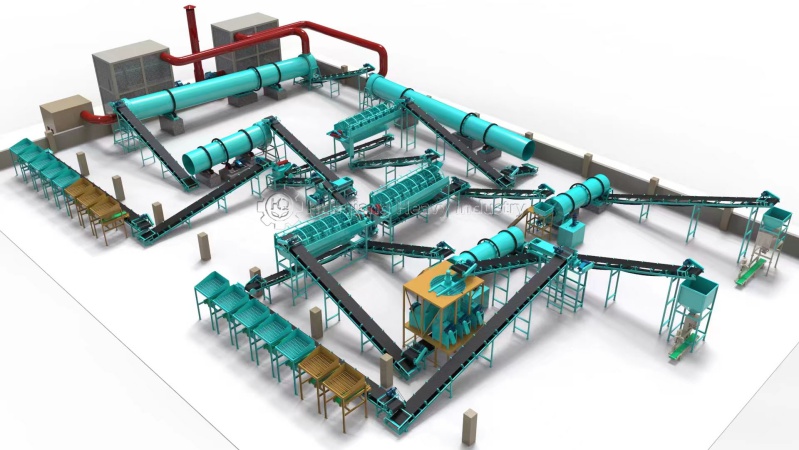
The successful application of organic fertilizer, derived from manure, is crucial for maximizing its benefits and ensuring healthy crop growth. Understanding the different application methods, calculating appropriate rates, and timing the application correctly are essential steps in this process. Proper application not only enhances crop yields but also contributes to soil health and environmental sustainability.
Methods for Applying Organic Fertilizer
Several methods can be employed to apply organic fertilizer, each with its own advantages depending on the crop, soil type, and available equipment. Choosing the right method is key to efficient nutrient delivery and minimizing losses.
- Broadcasting: This involves spreading the fertilizer evenly across the entire field surface. It is commonly used for pre-planting applications or for crops with wide spacing. Broadcasting can be done manually or with specialized equipment, such as manure spreaders. While relatively simple, it may lead to some nutrient loss through volatilization or runoff, especially if not incorporated into the soil promptly.
- Banding: In this method, the fertilizer is applied in narrow bands alongside or beneath the crop rows. This concentrates the nutrients in the root zone, making them readily available to the plants. Banding is particularly effective for row crops and can reduce the risk of nutrient loss compared to broadcasting. Special planters and fertilizer applicators are required for this technique.
- Side-dressing: This involves applying fertilizer alongside the growing crop during the growing season. It is a common practice for crops that have high nutrient demands at specific growth stages. Side-dressing allows for targeted nutrient delivery and can be adjusted based on plant needs.
- Injection: Liquid organic fertilizers can be injected directly into the soil. This method minimizes nutrient losses through volatilization and runoff, and it places the nutrients directly in the root zone. Injection is often used with irrigation systems, allowing for efficient nutrient distribution.
- Foliar Application: In some cases, liquid organic fertilizers can be sprayed directly onto the leaves of the plants. This method is most effective for micronutrient deficiencies or when a quick nutrient boost is needed. However, foliar application is not a primary method for applying the bulk of the fertilizer.
Calculating Application Rates
Determining the correct application rate is crucial to avoid over- or under-fertilization. Over-fertilization can lead to environmental problems, while under-fertilization can limit crop yields. Application rates depend on several factors, including the crop’s nutrient requirements, the soil’s nutrient status, and the nutrient content of the organic fertilizer.
- Crop Nutrient Requirements: Different crops have different nutrient needs. For example, corn requires more nitrogen than soybeans. Nutrient requirements can be found in agricultural extension publications or through soil testing and crop-specific recommendations.
- Soil Testing: Soil testing is essential to determine the existing nutrient levels in the soil. This information helps to identify any nutrient deficiencies or excesses. Soil tests typically provide information on the levels of nitrogen (N), phosphorus (P), potassium (K), and other essential nutrients.
- Manure Analysis: The nutrient content of manure varies depending on the animal species, diet, and composting process. It is important to have the manure analyzed to determine its nutrient content. This analysis provides information on the total N, P, and K content, as well as other nutrients.
- Calculating Application Rates: The following formula can be used to calculate the application rate of organic fertilizer:
Application Rate = (Crop Nutrient Requirement – Soil Nutrient Availability) / Nutrient Content of Fertilizer
This formula helps to determine the amount of fertilizer needed to supply the crop’s nutrient requirements, considering the nutrients already available in the soil. The result is usually expressed in tons or cubic meters per acre or hectare.
- Example: Suppose a corn crop requires 150 lbs of nitrogen per acre, the soil test shows 50 lbs of available nitrogen per acre, and the manure analysis indicates the composted manure contains 1% nitrogen. The calculation would be:
(150 lbs N – 50 lbs N) / 0.01 = 10,000 lbs of manure per acre. This is equivalent to 5 tons of manure per acre.
The example shows how to determine the manure application rate based on crop needs, soil conditions, and the nutrient content of the manure.
Timing of Fertilizer Application
The timing of fertilizer application is critical for maximizing nutrient uptake by the crops and minimizing nutrient losses. The optimal timing depends on the crop, the application method, and the climate.
- Pre-Planting Application: This involves applying fertilizer before planting the crop. It is often used for broadcast applications or when incorporating fertilizer into the soil. Pre-planting applications allow time for the nutrients to become available to the plants.
- At Planting Application: This involves applying fertilizer at the time of planting. It is often used for banding or side-dressing applications. At-planting applications provide nutrients to the young plants as they are establishing their root systems.
- During the Growing Season: This involves applying fertilizer during the growing season. It is a common practice for crops that have high nutrient demands at specific growth stages. This can be done through side-dressing or foliar applications.
- Considerations for Timing: The timing of application should also consider the risk of nutrient losses. For example, nitrogen is susceptible to volatilization, especially in warm weather. Phosphorus can be lost through runoff, especially on sloping land. Applying fertilizer just before a heavy rainfall can increase the risk of nutrient loss.
- Weather Conditions: Application should be avoided during periods of heavy rainfall or when the soil is saturated, to minimize the risk of runoff.
- Crop Growth Stage: Application should be timed to coincide with the crop’s peak nutrient demand. For example, nitrogen is particularly important during the vegetative growth stage.
Safety Precautions and Considerations
Handling and composting manure requires adherence to strict safety protocols to protect human health and the environment. Manure, while a valuable resource for organic fertilizer, poses potential risks due to the presence of pathogens, irritants, and the production of harmful gases. Understanding and implementing these precautions is crucial for safe and effective manure management.
Potential Health Hazards Associated with Manure and Composting
Manure and the composting process can expose individuals to several health hazards. These hazards can range from mild irritations to severe illnesses, depending on the level of exposure and the specific contaminants present.
- Pathogens: Manure can harbor a variety of pathogenic microorganisms, including bacteria (e.g., Salmonella, E. coli, Campylobacter), viruses (e.g., norovirus), and parasites (e.g., Cryptosporidium, Giardia). These pathogens can cause gastrointestinal illnesses, respiratory infections, and other health problems. Exposure can occur through direct contact with manure, inhalation of dust containing pathogens, or consumption of contaminated food or water.
- Allergens and Irritants: Manure and compost can contain allergens and irritants that can trigger allergic reactions or skin and respiratory irritation. These include mold spores, dust particles, and ammonia gas. Prolonged exposure can lead to conditions such as allergic rhinitis, asthma, and dermatitis.
- Gases: The decomposition of manure produces various gases, some of which are hazardous.
- Ammonia (NH3): High concentrations of ammonia can irritate the eyes, nose, and throat, and can cause respiratory problems.
- Hydrogen Sulfide (H2S): This gas, produced under anaerobic conditions, is highly toxic and can cause headaches, nausea, and even death at high concentrations. It has a characteristic rotten egg smell, but this can be misleading, as the sense of smell can be quickly overwhelmed at high levels.
- Methane (CH4): Methane is a flammable gas and can contribute to the risk of explosions if it accumulates in enclosed spaces.
- Physical Hazards: Composting activities can also present physical hazards. These include the risk of injury from handling heavy materials, operating machinery (e.g., front-end loaders, compost turners), and potential exposure to sharp objects.
Best Practices for Preventing the Spread of Pathogens
Preventing the spread of pathogens is a critical aspect of manure management. Implementing these best practices helps to minimize health risks and ensure the safety of workers, the public, and the environment.
- Personal Protective Equipment (PPE): Always wear appropriate PPE when handling manure or working with compost. This includes:
- Gloves: Wear waterproof, durable gloves to protect hands from direct contact with manure and potential pathogens.
- Eye Protection: Wear safety glasses or goggles to protect eyes from splashes and airborne particles.
- Respiratory Protection: Use a dust mask or respirator, especially during activities that generate dust, such as turning compost or spreading manure. A respirator with an appropriate filter (e.g., N95) is recommended for environments with high levels of dust or potential pathogen exposure.
- Protective Clothing: Wear long sleeves, long pants, and waterproof boots to minimize skin exposure. Wash work clothes separately from other laundry.
- Hygiene Practices: Maintain strict hygiene practices to prevent the spread of pathogens.
- Handwashing: Wash hands thoroughly with soap and water before eating, drinking, or touching your face, and after handling manure or compost. Use hand sanitizer if soap and water are not available.
- Avoid Eating and Drinking: Do not eat, drink, or smoke while handling manure or working with compost.
- Clean and Sanitize Equipment: Regularly clean and sanitize tools, equipment, and work surfaces that come into contact with manure or compost.
- Composting Process Control: Properly managing the composting process is essential for pathogen reduction.
- Temperature Management: Maintain high temperatures within the compost pile for a sufficient duration to kill pathogens. The EPA recommends maintaining a temperature of 131°F (55°C) for at least 3 days for windrow composting and 15 days for static pile composting (with pile turned five times). This is known as the “time-temperature relationship”.
- Aeration: Ensure adequate aeration to promote aerobic decomposition and maintain the necessary temperatures. This can be achieved through turning the compost pile, using forced aeration systems, or employing a combination of methods.
- Moisture Control: Maintain optimal moisture levels within the compost pile (typically 40-60%) to support microbial activity and pathogen reduction.
- Manure Storage: Properly storing manure can help to reduce pathogen survival and prevent environmental contamination.
- Covered Storage: Store manure under cover (e.g., in a shed or under a tarp) to protect it from rain and runoff.
- Containment: Ensure that manure storage areas are properly contained to prevent leachate from contaminating soil or water sources.
- Separation from Water Sources: Locate manure storage areas away from wells, streams, and other water sources.
- Health Monitoring: Regularly monitor the health of workers who handle manure or work with compost. Report any symptoms of illness, such as fever, diarrhea, or respiratory problems, to a healthcare provider.
- Education and Training: Provide comprehensive training to all workers on the safe handling of manure and compost, the potential health hazards, and the proper use of PPE.
- Environmental Monitoring: Implement environmental monitoring programs to assess potential risks, such as testing water sources for contamination.
Troubleshooting Common Composting Problems
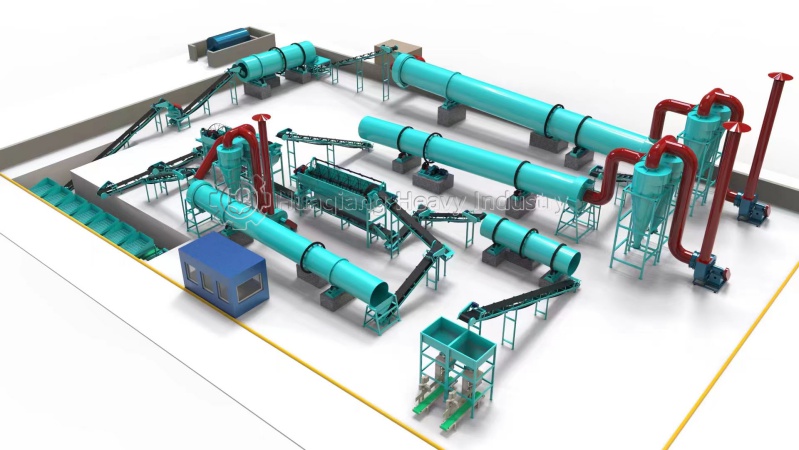
Composting, while a natural process, can sometimes encounter challenges. Understanding and addressing these issues promptly is crucial for producing high-quality organic fertilizer and maintaining an efficient composting system. This section identifies common problems, offers practical solutions, and provides preventive measures to ensure a smooth composting experience.
Foul Odors in Composting
Foul odors, often associated with a rotting smell, are a common indicator of an imbalance in the composting process. These odors usually arise from anaerobic conditions, where decomposition occurs without sufficient oxygen.
- Cause: Anaerobic decomposition due to lack of oxygen, excessive moisture, or an imbalance of carbon and nitrogen materials.
- Solution:
- Turn the compost pile regularly (every 1-7 days) to introduce oxygen.
- Add more dry, carbon-rich materials (browns) like shredded paper, cardboard, or dried leaves to absorb excess moisture and balance the C:N ratio.
- Ensure adequate drainage to prevent waterlogging.
- Avoid compacting the pile.
- Prevention:
- Maintain a proper balance of “greens” (nitrogen-rich materials) and “browns” (carbon-rich materials). A ratio of 25-30 parts carbon to 1 part nitrogen (25-30:1) is often recommended.
- Ensure proper aeration by turning the pile regularly or using aeration systems.
- Monitor moisture levels; the compost should be moist but not soggy.
- Avoid adding excessive amounts of wet materials at once.
Slow Decomposition in Composting
Slow decomposition can significantly delay the composting process, hindering the production of usable fertilizer. Several factors can contribute to this issue, ranging from material composition to environmental conditions.
- Cause: Insufficient nitrogen, lack of moisture, cold temperatures, or an imbalanced carbon-to-nitrogen ratio.
- Solution:
- Add nitrogen-rich materials (“greens”) like grass clippings, food scraps, or manure to the pile.
- Moisten the compost pile if it is too dry, ensuring it has the consistency of a wrung-out sponge.
- Insulate the pile during colder months to maintain optimal temperatures for microbial activity. Consider using a compost bin or covering the pile with a tarp.
- Ensure a balanced carbon-to-nitrogen ratio.
- Prevention:
- Monitor the C:N ratio and adjust the materials added accordingly.
- Maintain proper moisture levels.
- Ensure the compost pile is in a location that receives adequate sunlight or is insulated during colder months.
- Inoculate the pile with compost starter or finished compost to introduce beneficial microorganisms.
Pest Infestations in Composting
Pest infestations, such as rodents, flies, and other unwanted creatures, can disrupt the composting process and potentially spread diseases. Addressing these issues promptly is essential for maintaining a healthy composting environment.
- Cause: Presence of food scraps, lack of proper covering, and inadequate maintenance.
- Solution:
- Bury food scraps deeply within the compost pile.
- Cover the pile with a layer of “brown” materials like shredded paper or leaves.
- Turn the compost pile regularly to disrupt pest habitats.
- Ensure the compost pile is not accessible to rodents. Consider using a compost bin with a secure lid.
- Prevention:
- Avoid adding meat, dairy products, and oily foods to the compost pile, as these can attract pests.
- Cover the compost pile with a lid or tarp to prevent access by pests.
- Maintain a well-aerated and balanced compost pile to discourage pest infestations.
- Regularly inspect the compost pile for signs of pests.
Excessive Moisture in Composting
Excessive moisture can lead to anaerobic conditions, foul odors, and slow decomposition. It’s crucial to manage moisture levels to ensure a healthy composting process.
- Cause: Too many wet materials, insufficient drainage, or heavy rainfall.
- Solution:
- Add dry, carbon-rich materials (browns) like shredded paper, cardboard, or dried leaves to absorb excess moisture.
- Improve drainage by ensuring the compost pile is not sitting in a low-lying area.
- Cover the compost pile during heavy rainfall to prevent waterlogging.
- Turn the pile regularly to improve aeration and drying.
- Prevention:
- Monitor the moisture content of the compost pile regularly. It should be moist but not soggy.
- Add a balanced mix of wet and dry materials.
- Ensure the compost pile is well-drained.
Insufficient Moisture in Composting
Insufficient moisture can hinder microbial activity, slowing down the decomposition process. Maintaining the right moisture level is essential for effective composting.
- Cause: Lack of water, too many dry materials, or hot and dry weather conditions.
- Solution:
- Water the compost pile regularly, especially during dry periods.
- Add wet materials or cover the pile to retain moisture.
- Turn the pile to redistribute moisture evenly.
- Prevention:
- Monitor the moisture content of the compost pile regularly. It should be moist but not soggy.
- Add a balanced mix of wet and dry materials.
- Choose a composting location that is partially shaded to reduce water evaporation.
Presence of Undesirable Materials in Composting
The presence of certain materials can disrupt the composting process or contaminate the final product. Identifying and removing these materials is crucial.
- Cause: Adding inappropriate materials to the compost pile.
- Solution:
- Carefully inspect the compost pile and remove any non-compostable materials.
- Sort through the compost and remove any undesirable items.
- Prevention:
- Familiarize yourself with materials suitable for composting.
- Avoid adding meat, dairy products, oily foods, diseased plants, or pet waste.
- Use a compost bin with a secure lid to prevent accidental contamination.
Organic Fertilizer Production: Beyond Composting
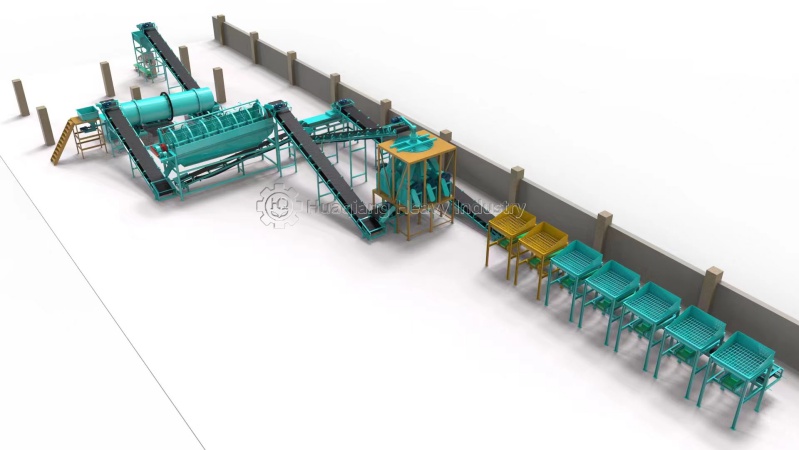
Producing organic fertilizer from manure extends beyond traditional composting. While composting remains a cornerstone, exploring alternative methods expands the options for nutrient management and resource utilization. These methods can offer unique advantages, from producing biogas to creating liquid fertilizers. This section delves into alternative processing techniques, compares their benefits, and explores the creation of liquid fertilizer from manure.
Alternative Manure Processing Methods
Beyond composting, various methods transform manure into valuable resources. Each method offers unique advantages and disadvantages, depending on the desired end product and available resources.
- Anaerobic Digestion: This biological process breaks down organic matter in the absence of oxygen. Microorganisms convert manure into biogas (primarily methane and carbon dioxide), a renewable energy source, and digestate, a nutrient-rich residue that can be used as fertilizer. Anaerobic digestion is particularly suitable for handling large volumes of manure and can reduce greenhouse gas emissions. The biogas can be used for heating, electricity generation, or as a transportation fuel.
- Pyrolysis: Pyrolysis involves heating manure at high temperatures in the absence of oxygen. This process produces biochar, a charcoal-like substance that can improve soil health and carbon sequestration. Pyrolysis also yields bio-oil and syngas, which can be used as fuels or chemical feedstocks.
- Vermicomposting: This method uses earthworms to break down manure, producing vermicompost, a highly nutrient-rich fertilizer. Vermicomposting is particularly effective for small-scale operations and can be done indoors. The worms consume the organic matter, and their castings are rich in nutrients and beneficial microbes.
- Thermal Hydrolysis: Thermal hydrolysis involves treating manure with high-pressure steam. This process breaks down complex organic molecules, making nutrients more accessible. The resulting material can be used as a fertilizer or further processed into other products.
Comparison of Manure Processing Methods
The choice of manure processing method depends on various factors, including the desired end products, available resources, and environmental considerations. The following table provides a comparison of composting and other methods.
| Method | Description | Benefits | Drawbacks |
|---|---|---|---|
| Composting | Controlled decomposition of organic matter by microorganisms in the presence of oxygen. | Simple to implement, produces a stable, nutrient-rich fertilizer, improves soil structure, reduces odors. | Can be time-consuming, requires space, potential for odor emissions if not managed correctly, nutrient loss can occur. |
| Anaerobic Digestion | Decomposition of organic matter by microorganisms in the absence of oxygen. | Produces biogas (renewable energy), reduces greenhouse gas emissions, produces nutrient-rich digestate. | Requires specialized equipment, can be complex to operate, digestate can have high ammonia content. |
| Pyrolysis | Heating manure at high temperatures in the absence of oxygen. | Produces biochar (soil amendment and carbon sequestration), bio-oil, and syngas. | Requires specialized equipment, can be energy-intensive, biochar quality can vary. |
| Vermicomposting | Decomposition of manure by earthworms. | Produces a highly nutrient-rich fertilizer, simple to implement on a small scale, reduces odors. | Can be slow, requires careful management of worm populations, limited capacity. |
Creating Liquid Fertilizer from Manure
Liquid fertilizer offers a readily available form of nutrients for plants. It can be produced from manure through various methods, including anaerobic digestion digestate processing and manure tea preparation.
- Anaerobic Digestion Digestate: The liquid portion of the digestate from anaerobic digestion is a rich source of nutrients. It can be applied directly to crops as a liquid fertilizer, after appropriate dilution and analysis to determine nutrient content. The digestate is typically high in nitrogen, phosphorus, and potassium.
- Manure Tea: Manure tea is made by steeping manure in water. This process extracts nutrients from the manure into the water. The resulting liquid can be used as a foliar spray or soil drench.
- Process for Manure Tea:
- Preparation: Dilute manure with water, typically at a ratio of 1:10 to 1:20 (manure:water). The specific ratio can be adjusted based on the manure type and desired nutrient concentration.
- Steeping: Allow the mixture to steep for several days or weeks, depending on the desired concentration and temperature. Aeration (e.g., with an air pump) can enhance the process and prevent anaerobic conditions.
- Straining: Strain the liquid to remove solid particles. The solids can be composted or used as a soil amendment.
- Application: Dilute the manure tea further before application to avoid burning plants. Test the pH and nutrient content of the tea before application to determine appropriate dilution rates.
Illustration: A Detailed Diagram of a Compost Pile
A clear visual representation is crucial for understanding the intricate process of composting. This section provides a detailed diagram of a compost pile, accompanied by a descriptive explanation of its components and the biological activity within. This illustration helps visualize the layering and decomposition processes involved in creating nutrient-rich organic fertilizer from manure.
Diagram Components
The following elements comprise a typical compost pile, each playing a vital role in the decomposition process:A compost pile can be visualized as a layered structure, typically rectangular or trapezoidal in shape, with dimensions that vary based on the scale of composting. A visual representation includes the following key components:* Base Layer: This initial layer, often composed of coarse, bulky materials like woody branches or straw, provides aeration and drainage.
It raises the pile off the ground, allowing for air circulation from below.* Brown Layer (Carbon-Rich Materials): This layer consists of carbon-rich materials, such as dried leaves, shredded paper, wood chips, and straw. These materials provide the carbon necessary for the microorganisms to break down the organic matter.* Green Layer (Nitrogen-Rich Materials): This layer is composed of nitrogen-rich materials, including manure, food scraps, grass clippings, and coffee grounds.
Nitrogen is essential for microbial growth and the decomposition process.* Active Zone: This is the central area where the most significant microbial activity occurs. The temperature here is elevated due to the heat generated by the decomposition process.* Outer Layer: This layer, often composed of a mix of brown and green materials, helps to retain moisture and regulate temperature within the pile.* Aeration Pockets: These are air spaces within the pile, created by the structure of the materials, facilitating the flow of oxygen.
Adequate oxygen is crucial for aerobic decomposition.* Microorganisms: These are the primary agents of decomposition, including bacteria, fungi, and actinomycetes. They break down the organic matter, converting it into compost. The diagram should illustrate the presence of these microorganisms throughout the pile.* Moisture: The diagram should depict the presence of moisture, which is essential for microbial activity.
The compost pile should be moist, like a wrung-out sponge.* Turning: The diagram can also illustrate the process of turning the pile, which involves mixing the materials to aerate them and redistribute moisture.
Decomposition Process Illustrated
The decomposition process, as visualized in the diagram, highlights the key stages and microbial activities.* Initial Stage: As the pile is constructed, microorganisms begin to colonize the materials. Initially, mesophilic bacteria (thriving at moderate temperatures) are dominant. They break down easily degradable materials, generating heat.* Thermophilic Stage: As the temperature rises (typically above 40°C or 104°F), thermophilic bacteria (heat-loving) take over.
These microorganisms are responsible for the rapid decomposition of organic matter, breaking down complex compounds like cellulose and lignin.* Cooling and Maturation: As the readily available organic matter is consumed, the temperature in the pile begins to decrease. Mesophilic bacteria return, and fungi become more active. This stage involves the stabilization of the compost and the humification of the organic matter, resulting in a stable, nutrient-rich product.* Humus Formation: The final stage involves the formation of humus, a stable, dark-colored substance that is rich in nutrients and beneficial for soil health.The diagram should use arrows to show the flow of materials, the movement of air, and the progression of the decomposition process, including the activity of microorganisms at different stages.
The diagram should clearly show how these components work together to transform raw materials into valuable organic fertilizer.
Illustration: A Step-by-Step Guide with Visuals
Creating effective organic fertilizer from manure involves a series of carefully executed steps. Visual aids significantly enhance understanding of this process, allowing for easier replication and troubleshooting. This section provides a detailed, step-by-step guide, accompanied by descriptive narratives of what is happening at each stage.
Step 1: Site Selection and Preparation
The initial step in composting manure involves choosing a suitable location and preparing the composting area.The image shows a level, well-drained area. This area is often located away from water sources to prevent runoff contamination. The ground may be covered with a layer of wood chips or straw to facilitate drainage and aeration.* Description: The chosen site should be level to ensure even decomposition.
It should be well-drained to prevent waterlogging, which can hinder the composting process and create anaerobic conditions. Consider the accessibility for machinery and ease of turning the pile.
Actions
Clear the area of any vegetation. If the soil is compacted, consider loosening it. Prepare a base layer of carbon-rich material, such as wood chips or straw, to aid in drainage and aeration.
Step 2: Gathering and Mixing Materials
This step involves gathering the necessary materials and mixing them in the correct proportions.The image displays a pile of manure, a pile of carbon-rich materials (such as straw or wood shavings), and possibly a small amount of previously finished compost. The materials are being mixed using a front-end loader or a similar tool.* Description: The key materials are manure (the nitrogen source) and carbon-rich materials (the carbon source).
A good carbon-to-nitrogen (C:N) ratio is crucial for successful composting.
Actions
Gather the manure and carbon materials. Aim for a C:N ratio of approximately 25:1 to 30:1. Mix the materials thoroughly, ensuring even distribution of both. This can be achieved using a front-end loader, a tractor with a bucket, or by hand (for smaller operations). Incorporating a small amount of finished compost can introduce beneficial microorganisms.
Step 3: Building the Compost Pile
Proper construction of the compost pile is vital for optimal decomposition.The image shows a compost pile being constructed. The pile should be constructed in layers, ensuring proper aeration and moisture distribution.* Description: The pile should be built in layers, alternating between carbon-rich and nitrogen-rich materials. The pile’s size should be appropriate for the volume of material and the available equipment.
The ideal dimensions of a compost pile are typically around 3 feet (1 meter) high, 3-5 feet (1-1.5 meters) wide, and as long as necessary.
Actions
Start with a base layer of carbon-rich material. Add layers of manure, then layers of carbon-rich materials. Moisten the layers as you build the pile, but avoid over-saturation. The moisture content should ideally be around 50-60%.
Step 4: Monitoring and Turning the Pile
Regular monitoring and turning are essential for maintaining optimal conditions within the compost pile.The image depicts a person using a compost turning tool or a tractor to turn the compost pile. Another image shows a thermometer being inserted into the pile to check the temperature.* Description: Monitoring the temperature, moisture, and the decomposition progress is critical. Turning the pile provides aeration, redistributes moisture, and ensures even decomposition.
Actions
Monitor the temperature using a compost thermometer. Turn the pile regularly, ideally every few days or weeks, depending on the composting method and the rate of decomposition. The frequency of turning depends on the specific composting method used and the desired speed of decomposition.
Step 5: Maintaining Moisture and Aeration
Maintaining the right moisture level and providing adequate aeration are critical to the composting process.The image shows someone adding water to the compost pile with a hose. Another image shows the pile being turned to ensure proper aeration.* Description: The moisture content should be maintained at around 50-60%. The pile needs sufficient oxygen for the aerobic bacteria to thrive.
Actions
Add water if the pile becomes too dry. Turn the pile regularly to provide aeration. The turning frequency should be adjusted based on the pile’s moisture content and temperature. If the pile becomes too wet, add more carbon-rich materials to absorb excess moisture.
Step 6: Monitoring Decomposition and the Curing Process
The curing process allows the compost to stabilize and mature.The image depicts a compost pile that has reduced in size and is now dark in color. The compost is also being checked for its consistency.* Description: As the composting process progresses, the materials break down, and the pile’s volume decreases. Once the active composting phase is complete, the compost enters the curing phase.
This stage involves allowing the compost to further stabilize and mature.
Actions
Monitor the pile for signs of decomposition, such as a decrease in volume and a change in color and texture. After the active composting phase, allow the compost to cure for several months. During the curing process, continue to monitor moisture levels.
Step 7: Harvesting and Using the Compost
The final step involves harvesting the finished compost and applying it to the soil.The image shows a person using a shovel to remove the finished compost from the pile. Another image shows the compost being spread on a garden bed.* Description: Finished compost is a dark, crumbly material with an earthy smell. It is rich in nutrients and beneficial microorganisms.
Actions
Harvest the finished compost from the pile. Screen the compost to remove any large pieces of undecomposed material. Apply the compost to the soil as a soil amendment or mulch. The compost can be used in gardens, lawns, and other landscaping applications.
Ending Remarks
In conclusion, mastering how to produce organic fertilizer from manure empowers you to embrace a more sustainable and environmentally conscious approach to gardening. This journey not only enriches your soil and boosts plant health but also contributes to a healthier planet. By understanding the processes of composting, nutrient management, and application, you can unlock the full potential of manure, fostering a thriving garden and a greener future.
So, let’s cultivate a world where waste transforms into wealth, one compost pile at a time.