Livestock mortality presents a significant challenge for farmers worldwide, impacting both economic viability and animal welfare. This guide delves into the multifaceted strategies necessary to minimize losses and promote healthier, more productive herds and flocks. From understanding the root causes of mortality to implementing practical solutions, we’ll explore a range of techniques designed to safeguard livestock and optimize farm operations.
We will explore critical areas such as disease prevention, nutritional strategies, environmental management, breeding practices, and effective record-keeping. This comprehensive approach will empower you with the knowledge and tools needed to proactively address mortality issues and create a thriving livestock operation. Furthermore, we will examine emergency response protocols to mitigate risks during unforeseen circumstances.
Understanding Livestock Mortality
Livestock mortality, the death of animals on a farm, represents a significant challenge for agricultural producers worldwide. Understanding the scope of this issue is crucial for developing effective strategies to minimize losses and improve overall farm productivity and profitability. This section delves into the various facets of livestock mortality, exploring its prevalence, impact, and influencing factors.
Stages of Livestock Production and Mortality Prevalence
Mortality rates vary significantly across the different stages of livestock production. Certain periods are inherently more vulnerable than others due to factors such as age, physiological stress, and environmental challenges.
- Early Life Stages: Newborn animals, particularly those in their first few days or weeks of life, are often the most susceptible to mortality. This is due to their immature immune systems, vulnerability to environmental stressors, and dependence on adequate colostrum intake.
- Growing and Finishing Stages: As animals mature, mortality rates typically decrease, but they can still be significant. This stage is influenced by factors such as disease outbreaks, nutritional deficiencies, and injuries.
- Breeding Stages: Mortality in breeding animals can result from reproductive issues, diseases, or age-related decline. These losses can directly impact the farm’s ability to produce offspring and maintain herd/flock size.
Common Livestock Species and Typical Mortality Rates
Mortality rates vary considerably depending on the livestock species, breed, and production system. The following are examples of typical mortality rates observed in various livestock species at different life stages. These rates can fluctuate based on numerous factors, including management practices and environmental conditions.
| Species | Life Stage | Typical Mortality Rate | Notes |
|---|---|---|---|
| Cattle (Beef) | Calving to weaning | 2-5% | Influenced by calving difficulty, disease, and environmental factors. |
| Cattle (Dairy) | Calving to weaning | 3-8% | Higher rates can be associated with calf scours and respiratory diseases. |
| Swine | Birth to weaning | 15-25% | High rates are often linked to crushing by the sow, disease, and environmental stress. |
| Poultry (Broilers) | 0-42 days | 3-7% | Mortality is often linked to disease outbreaks, especially in densely populated environments. |
| Poultry (Layers) | Rearing to laying | 5-10% | Influenced by disease, nutritional deficiencies, and environmental stress. |
| Sheep | Lambing to weaning | 5-15% | Lamb survival is affected by factors like dystocia, hypothermia, and predation. |
| Goats | Kidding to weaning | 5-15% | Kid mortality is influenced by factors like dystocia, disease, and environmental stress. |
Economic Impact of Livestock Mortality
Livestock mortality has significant economic consequences for farm operations. These impacts extend beyond the direct loss of the animal itself and can affect overall profitability in various ways.
- Direct Loss of Investment: The most immediate economic impact is the loss of the investment made in the animal, including the cost of feed, housing, veterinary care, and labor.
- Reduced Production: Mortality reduces the number of animals available for sale or breeding, thereby decreasing overall production output. For example, the loss of a breeding sow can significantly impact piglet production.
- Increased Costs: Mortality can lead to increased costs associated with disease prevention and treatment, as well as the need to purchase replacement animals.
- Impact on Profit Margins: Ultimately, livestock mortality reduces profit margins by increasing costs and decreasing revenue. The extent of the impact depends on the species, production system, and the magnitude of mortality rates.
Factors Influencing Mortality Rates
Several factors can significantly influence livestock mortality rates. Understanding these factors is crucial for implementing effective management strategies to reduce losses.
- Breed: Some breeds are inherently more susceptible to certain diseases or environmental conditions than others. For example, some breeds of cattle may be more prone to calving difficulties.
- Environment: Environmental factors, such as temperature, humidity, and ventilation, can significantly impact animal health and survival. Extreme temperatures and poor air quality can increase stress and susceptibility to disease.
- Management Practices: Management practices, including nutrition, housing, hygiene, and vaccination programs, play a crucial role in determining mortality rates. Poor management practices can create environments that favor disease outbreaks and increase mortality.
- Disease: Infectious and non-infectious diseases are major contributors to livestock mortality. Outbreaks of diseases such as foot-and-mouth disease in cattle, African swine fever in pigs, and avian influenza in poultry can lead to significant losses.
- Nutrition: Inadequate or imbalanced nutrition can weaken the immune system and increase susceptibility to disease. Malnutrition is particularly detrimental to young animals and can significantly increase mortality rates.
- Genetics: Selective breeding can be used to improve animal health and resilience, reducing mortality rates. Animals with superior genetic traits, such as disease resistance, tend to have higher survival rates.
Disease Prevention and Management
Effective disease prevention and management are crucial for minimizing livestock mortality and ensuring the health and productivity of your animals. A proactive approach, focusing on prevention rather than solely on treatment, is essential. This involves implementing strategies that reduce the risk of disease introduction and spread within the farm, as well as having plans in place to quickly identify and address any health issues that do arise.
Identifying Common Infectious Diseases that Cause Livestock Mortality
Livestock are susceptible to a wide range of infectious diseases, with the specific threats varying depending on the species. Understanding the common diseases affecting each species allows for targeted prevention and management strategies.
- Cattle: Bovine Viral Diarrhea (BVD), Bovine Respiratory Disease (BRD), Johne’s Disease, Foot and Mouth Disease (FMD), and Anthrax are significant causes of mortality. BVD, for instance, can lead to reproductive losses and immunosuppression, making cattle more vulnerable to other infections. BRD, often caused by a combination of viral and bacterial agents, is a major concern in feedlots and can result in pneumonia and death.
- Swine: Porcine Reproductive and Respiratory Syndrome (PRRS), African Swine Fever (ASF), Classical Swine Fever (CSF), and Swine Influenza are common culprits. PRRS is a widespread disease that causes reproductive failure in sows and respiratory illness in piglets. ASF, a highly contagious and deadly disease, has devastating consequences for pig populations.
- Poultry: Avian Influenza (AI), Newcastle Disease (ND), Infectious Bronchitis (IB), and Marek’s Disease are major concerns. AI, particularly highly pathogenic strains, can cause rapid mortality in flocks. ND is a highly contagious viral disease that can affect all species of birds.
- Sheep and Goats: Ovine Progressive Pneumonia (OPP), Caseous Lymphadenitis (CL), Foot Rot, and Contagious Ecthyma (orf) are significant. OPP, a chronic viral disease, leads to progressive respiratory failure. CL causes abscesses in lymph nodes, affecting animal welfare and productivity.
Vaccination Strategies to Prevent Disease Outbreaks
Vaccination is a cornerstone of disease prevention in livestock. Implementing a well-designed vaccination program can significantly reduce the incidence and severity of infectious diseases.
- Vaccine Selection: Choose vaccines appropriate for the specific diseases prevalent in your region and for the species and age of your animals. Consult with a veterinarian to determine the most effective vaccination schedule for your farm.
- Vaccination Schedules: Follow recommended vaccination schedules meticulously. These schedules are designed to provide optimal protection, considering factors like the age of the animals, the duration of immunity provided by the vaccine, and the timing of potential disease exposure.
- Vaccine Storage and Handling: Proper storage and handling of vaccines are crucial to maintain their efficacy. Vaccines should be stored at the correct temperature, as indicated by the manufacturer, and administered within the expiration date.
- Booster Shots: Many vaccines require booster shots to maintain immunity. Adhere to the recommended booster schedules to ensure continued protection.
- Example: In regions with a high prevalence of Foot and Mouth Disease (FMD) in cattle, regular vaccination campaigns are often conducted. These campaigns may involve mass vaccinations of all susceptible animals in a defined area, with booster shots administered at intervals determined by the vaccine’s efficacy and the disease risk.
Biosecurity Measures to Minimize Disease Transmission on Farms
Biosecurity encompasses a set of practices designed to prevent the introduction and spread of infectious diseases on a farm. Implementing robust biosecurity measures is essential for protecting livestock health.
- Physical Barriers: Establish physical barriers, such as fences and gates, to restrict access to the farm and control animal movement.
- Visitor Control: Implement strict visitor protocols, including requiring visitors to wear clean clothing and footwear, and to disinfect their vehicles. Limit the number of visitors to essential personnel.
- Animal Movement Control: Quarantine newly arrived animals before introducing them to the existing herd or flock. Observe these animals for signs of illness and ensure they are vaccinated as needed.
- Equipment and Vehicle Disinfection: Regularly disinfect all equipment and vehicles that enter the farm. This includes vehicles used for transporting animals, feed, and other supplies.
- Rodent and Pest Control: Implement a rodent and pest control program to prevent the introduction and spread of diseases carried by these vectors.
- Waste Management: Implement proper waste management practices, including composting or proper disposal of manure and dead animals.
- Water and Feed Hygiene: Ensure a clean and safe water supply and store feed in a way that prevents contamination.
- Example: A farm implementing strict biosecurity might require all vehicles entering the premises to drive through a designated disinfectant bath, and all personnel to change into farm-specific clothing and footwear before entering animal areas.
Designing a Plan for Early Disease Detection and Rapid Response Procedures
Early detection of disease outbreaks is critical for minimizing mortality and controlling the spread of disease. A proactive approach involves establishing monitoring systems and having well-defined response procedures.
- Regular Monitoring: Regularly monitor animals for signs of illness, such as changes in behavior, appetite, or physical condition. This should involve daily observation and regular health checks.
- Record Keeping: Maintain detailed records of animal health, including vaccination history, treatments administered, and any observed signs of illness. These records are essential for tracking disease trends and identifying potential problems.
- Diagnostic Testing: Have access to diagnostic testing services to quickly identify the cause of illness. This may involve collaborating with a veterinary diagnostic laboratory.
- Isolation Procedures: Establish isolation procedures for sick animals to prevent the spread of disease to the rest of the herd or flock. This involves moving sick animals to a separate area and implementing strict hygiene protocols.
- Treatment Protocols: Develop clear treatment protocols for common diseases, in consultation with a veterinarian. These protocols should Artikel the appropriate medications and dosages.
- Emergency Plan: Develop an emergency plan to address potential disease outbreaks. This plan should include procedures for contacting a veterinarian, implementing quarantine measures, and controlling the spread of disease.
- Example: A poultry farm might establish a system where workers are trained to identify early signs of respiratory illness in chickens. If any birds show symptoms, they are immediately isolated, and a veterinarian is contacted to determine the cause and implement appropriate treatment and control measures.
Common Livestock Diseases: Symptoms and Treatment Options
Understanding the symptoms and treatment options for common livestock diseases is crucial for effective disease management. This table provides an overview of some of the most prevalent diseases, their typical symptoms, and general treatment approaches.
Note
Always consult with a veterinarian for accurate diagnosis and treatment recommendations.*
| Disease | Affected Species | Common Symptoms | Treatment Options |
|---|---|---|---|
| Bovine Viral Diarrhea (BVD) | Cattle | Fever, diarrhea, respiratory problems, reproductive losses | Supportive care (fluids, antibiotics for secondary infections), vaccination (prevention) |
| Porcine Reproductive and Respiratory Syndrome (PRRS) | Swine | Reproductive failure (abortions, stillbirths), respiratory disease | Supportive care, biosecurity measures, vaccination (prevention), culling infected animals |
| Avian Influenza (AI) | Poultry | Sudden death, respiratory distress, swelling of the head, cyanosis | Culling of infected flocks, biosecurity measures, antiviral medications (in some cases) |
| Foot Rot | Sheep & Goats | Lameness, swelling of the foot, foul odor, separation from the flock | Foot trimming, topical antibiotics, foot baths, systemic antibiotics (severe cases) |
Nutritional Strategies for Reducing Mortality
Proper nutrition is a cornerstone of livestock health and a significant factor in minimizing mortality rates. A well-balanced diet supports robust immune function, enabling animals to resist diseases and recover more effectively when they do become ill. Implementing effective nutritional strategies requires careful consideration of the specific needs of each livestock species, their age, and their physiological state. This section details various approaches to optimize livestock nutrition and reduce mortality.
Role of Balanced Nutrition in Strengthening Livestock Immune Systems
Balanced nutrition is essential for a strong immune system. Nutrients such as vitamins, minerals, and specific amino acids are crucial for immune cell function, antibody production, and overall disease resistance. Deficiencies in these nutrients can compromise the immune system, making livestock more susceptible to infections and diseases, which can ultimately lead to higher mortality rates. Providing a diet that meets the animals’ requirements is therefore paramount.
Feed Additives for Improving Livestock Health and Reducing Mortality
Feed additives can play a significant role in improving livestock health and reducing mortality. These additives can enhance nutrient absorption, support gut health, and bolster the immune system.Here are some examples:
- Probiotics: These live microorganisms, such as Lactobacillus and Bifidobacterium, help to improve gut health by promoting a balanced gut microbiome. A healthy gut enhances nutrient absorption and prevents the overgrowth of harmful bacteria, which reduces the risk of infections and diseases. For example, studies have shown that supplementing broiler chickens’ diets with probiotics can significantly reduce mortality rates due to necrotic enteritis, a common intestinal disease.
- Prebiotics: These are non-digestible food ingredients that promote the growth of beneficial bacteria in the gut. Prebiotics, such as fructooligosaccharides (FOS) and mannan-oligosaccharides (MOS), provide a food source for probiotics, further enhancing gut health and immune function.
- Vitamins and Minerals: Supplementation with essential vitamins and minerals is vital, especially during periods of stress or increased demand. Vitamin E and selenium, for instance, are antioxidants that support immune function. Vitamin A is crucial for maintaining the integrity of mucous membranes, which act as a barrier against pathogens. Zinc plays a critical role in immune cell development and function.
- Enzymes: Feed enzymes, such as phytase, can improve the digestibility of feed ingredients. Phytase, for example, breaks down phytic acid in grains, releasing phosphorus and other nutrients, making them more available to the animal. This enhances nutrient utilization and overall health.
Importance of Providing Fresh Water and Adequate Access to Feed
Providing fresh water and adequate access to feed is fundamental to livestock health and survival. Water is essential for all bodily functions, including nutrient transport, waste removal, and temperature regulation. Dehydration can severely compromise health and increase susceptibility to disease.Similarly, adequate access to feed ensures that livestock receive the necessary nutrients to maintain their health and immune function. Insufficient feed intake can lead to malnutrition, which weakens the immune system and increases the risk of disease.
Strategies for Managing Nutritional Deficiencies in Different Livestock Species
Managing nutritional deficiencies requires careful monitoring of livestock and implementing targeted interventions. Nutritional deficiencies can arise from inadequate feed quality, insufficient feed quantity, or imbalances in the diet.Here are some strategies:
- Regular Feed Analysis: Regularly analyzing feedstuffs to determine their nutrient content is essential. This allows for the formulation of balanced diets that meet the specific needs of the livestock.
- Supplementation: Supplementing the diet with specific nutrients is often necessary to correct deficiencies. This can involve adding vitamins, minerals, or other essential nutrients to the feed or water.
- Dietary Adjustments: Adjusting the diet based on the livestock’s age, physiological state, and environmental conditions is crucial. For example, pregnant or lactating animals have higher nutrient requirements and may need a more nutrient-dense diet.
- Monitoring Animal Health: Closely monitoring livestock for signs of nutritional deficiencies, such as poor growth, reduced feed intake, or specific clinical signs, is critical. Early detection allows for prompt intervention.
For example, in dairy cattle, a common nutritional deficiency is a lack of selenium, which can lead to retained placenta and increased susceptibility to mastitis. Supplementing the diet with selenium, either through feed additives or mineral supplements, can help to prevent these problems.
Nutritional Needs of Young Livestock for Optimal Growth and Survival
Young livestock, such as calves, lambs, and piglets, have high nutritional requirements to support rapid growth and development. Meeting these needs is critical for their survival and long-term health.Here is a bulleted list detailing the nutritional needs of young livestock:
- Colostrum: The first milk, colostrum, is rich in antibodies that provide passive immunity to the newborn. Adequate colostrum intake within the first few hours of life is crucial for survival.
- Protein: High-quality protein is essential for muscle development and growth. Young animals require diets with a high protein content, especially in the early stages of life.
- Energy: Adequate energy intake is necessary for growth, activity, and maintaining body temperature. The diet should provide sufficient carbohydrates and fats.
- Vitamins and Minerals: Young animals have high requirements for vitamins and minerals, particularly calcium, phosphorus, and vitamin D, for bone development. Trace minerals like zinc and copper are also important for immune function and growth.
- Water: Access to fresh, clean water is crucial for hydration and overall health. Young animals should have access to water at all times.
- Fiber: While young animals require easily digestible feeds, a small amount of fiber is needed for proper gut function.
Environmental Management and Animal Welfare
Effective environmental management and the prioritization of animal welfare are crucial for minimizing livestock mortality. The environment significantly impacts animal health, directly influencing their susceptibility to diseases and their overall well-being. Creating optimal conditions reduces stress, boosts immune function, and enhances the resilience of livestock populations. This section will explore the key aspects of environmental management and animal welfare practices that contribute to reduced mortality rates.
Impact of Environmental Factors on Livestock Health
Environmental factors exert a profound influence on livestock health. Temperature, humidity, and ventilation, in particular, play critical roles in animal comfort, disease resistance, and overall productivity. Extreme fluctuations in these factors can compromise the immune system, making animals more vulnerable to infections and other health problems.* Temperature: Both heat stress and cold stress can negatively impact livestock.
Heat stress, common in warmer climates, can lead to reduced feed intake, decreased milk production (in dairy animals), and increased susceptibility to diseases. Conversely, cold stress can increase energy expenditure for maintaining body temperature, leading to weight loss and a weakened immune response. For example, during a heatwave in the summer of 2022, many poultry farms in the US experienced significant mortality rates due to heat stress.
Humidity
High humidity, often coupled with high temperatures, creates an environment conducive to the growth of pathogens. It also reduces the animal’s ability to dissipate heat through evaporation, exacerbating heat stress. High humidity levels can also promote the spread of respiratory diseases.
Ventilation
Proper ventilation is essential for removing excess moisture, ammonia, and other harmful gases from animal housing. Inadequate ventilation can lead to respiratory problems, increased disease incidence, and reduced animal performance. For instance, poorly ventilated barns are often associated with outbreaks of pneumonia in calves.
Methods for Providing Appropriate Shelter and Housing
Providing appropriate shelter and housing is fundamental to mitigating environmental stressors and promoting animal health. The design and construction of housing should be tailored to the specific needs of each livestock species, considering factors such as climate, stocking density, and behavioral requirements.* Shelter Design: Shelters should provide protection from extreme weather conditions, including heat, cold, rain, and wind.
The design should incorporate features such as shade structures, insulated walls and roofs, and windbreaks. For example, in hot climates, shade structures can significantly reduce heat stress in cattle, leading to improved weight gain and reproductive performance.
Housing Materials
The choice of building materials impacts temperature regulation, hygiene, and durability. Materials should be durable, easy to clean, and resistant to moisture and pests. Concrete floors are often preferred for their durability and ease of sanitation.
Stocking Density
Overcrowding increases stress, promotes disease transmission, and compromises air quality. Appropriate stocking densities vary depending on the species, age, and production system. For example, broiler chickens should be provided with adequate space to move freely and exhibit natural behaviors.
Bedding
Adequate bedding provides insulation, absorbs moisture, and offers a comfortable resting area. The type of bedding should be appropriate for the species and climate. For instance, straw is commonly used for cattle, while wood shavings are often used for poultry.
Importance of Reducing Stress in Livestock
Reducing stress in livestock is paramount for improving their resilience and minimizing mortality. Stress weakens the immune system, making animals more susceptible to diseases. Chronic stress can also impair growth, reproduction, and overall productivity.* Environmental Enrichment: Providing environmental enrichment can reduce stress by allowing animals to express natural behaviors. Examples include providing toys, perches, or rooting substrates.
Social Environment
Maintaining appropriate social groups and minimizing overcrowding can reduce social stress.
Handling Practices
Gentle and consistent handling reduces stress during routine procedures such as vaccinations, treatments, and transportation.
Noise and Light Control
Reducing exposure to loud noises and excessive light can minimize stress.
Humane Handling Practices to Promote Animal Welfare
Humane handling practices are essential for promoting animal welfare and reducing mortality. These practices encompass all aspects of animal care, from birth to slaughter.* Gentle Handling: Animals should be handled calmly and gently, avoiding rough treatment, excessive force, and loud noises.
Proper Restraint
When restraint is necessary, it should be performed humanely, using appropriate methods that minimize stress and injury.
Disease Prevention and Treatment
Prompt diagnosis and treatment of diseases are crucial for preventing suffering and reducing mortality.
Transportation
Transportation should be conducted in a manner that minimizes stress and injury. Animals should be provided with adequate space, ventilation, and access to water and feed.
Euthanasia
When euthanasia is necessary, it should be performed humanely, using methods that are quick, painless, and minimize distress.
Optimal Environmental Conditions for Different Livestock Species
| Species | Temperature (°C) | Humidity (%) | Ventilation (Air Changes per Hour) | Other Considerations |
|---|---|---|---|---|
| Cattle (Beef) | -5 to 25 | 50-75 | 4-10 | Provide shade in summer; windbreaks in winter. |
| Dairy Cattle | 5 to 20 | 60-75 | 6-12 | Ensure adequate cooling in hot weather. |
| Poultry (Broilers) | 20-28 (Gradually reduced from day 1) | 50-70 | 10-20 | Control ammonia levels; provide adequate space. |
| Swine (Growing/Finishing) | 15-25 | 60-70 | 6-10 | Provide adequate space and enrichment. |
Breeding and Genetics
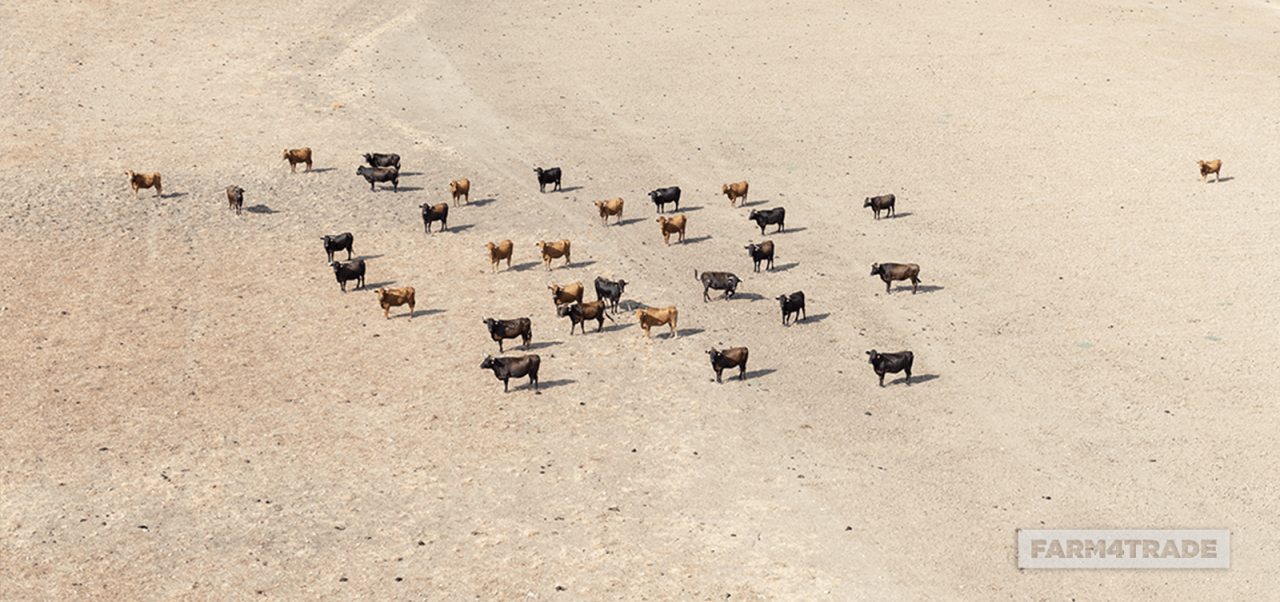
Breeding and genetics play a pivotal role in shaping the health and resilience of livestock populations, directly influencing mortality rates. Strategic selection and breeding practices can significantly enhance an animal’s ability to withstand disease, thrive in challenging environments, and produce offspring with superior health traits. Implementing robust genetic programs is therefore crucial for sustainable livestock production.
Genetic Selection for Health and Mortality Reduction
Genetic selection is a powerful tool for improving livestock health and reducing mortality. By carefully choosing breeding stock based on their genetic potential for desirable traits, producers can gradually increase the frequency of beneficial genes within their herds or flocks. This targeted approach leads to animals that are inherently more resistant to diseases and better adapted to their environment, resulting in lower mortality rates and improved overall productivity.
Disease Resistance Traits in Breeding Stock
Selecting breeding stock with inherent disease resistance is a critical strategy for minimizing mortality. Animals that possess genetic traits conferring resistance to common diseases are less likely to become infected or severely affected, ultimately reducing the need for costly treatments and mitigating the risk of widespread outbreaks. This approach focuses on building a population with robust immune systems and the capacity to withstand environmental stressors.
Genetic Testing and Breeding Programs for Enhanced Livestock Health
Genetic testing and well-structured breeding programs are essential components of modern livestock management, enabling targeted improvements in health and productivity. These programs often incorporate advanced technologies to identify animals with superior genetic potential, allowing producers to make informed decisions about breeding pairs.
- Genomic Selection: Genomic selection utilizes information from an animal’s entire genome to predict its breeding value for various traits, including disease resistance and production efficiency. This allows for faster genetic progress compared to traditional methods. For example, in dairy cattle, genomic selection has been used to increase resistance to mastitis, a common and costly disease.
- Marker-Assisted Selection (MAS): MAS involves identifying specific DNA markers linked to desirable traits. This allows breeders to select animals carrying favorable genes, even before the traits are expressed. MAS has been successfully employed in poultry breeding to enhance resistance to avian influenza.
- Crossbreeding Programs: Strategic crossbreeding can combine the strengths of different breeds, leading to improved hybrid vigor (heterosis) and enhanced health traits. For instance, crossing breeds known for disease resistance with those known for high productivity can create offspring that excel in both areas. An example of this is the use of Brahman cattle, known for their heat and parasite resistance, crossed with Angus cattle, known for their meat quality.
Preventing Inbreeding and Maintaining Genetic Diversity
Preventing inbreeding and maintaining genetic diversity are crucial for the long-term health and sustainability of livestock populations. Inbreeding increases the likelihood of offspring inheriting recessive genes that can lead to health problems and reduced productivity. Maintaining a diverse gene pool ensures that the population has the genetic resources to adapt to changing environmental conditions and resist new diseases.
- Using Outcrossing Strategies: Introducing unrelated animals into the breeding population is the primary method for reducing inbreeding. Carefully selecting breeding pairs from different genetic lines can help maintain genetic diversity.
- Tracking Pedigrees: Detailed record-keeping of animal pedigrees is essential for monitoring inbreeding levels and making informed breeding decisions. This allows producers to avoid mating closely related animals.
- Utilizing Artificial Insemination: Artificial insemination can facilitate the use of superior sires from a wider genetic base, increasing genetic diversity and reducing inbreeding risks.
- Implementing Breeding Soundness Exams: Prioritizing breeding stock with desirable traits is important, and breeding soundness exams can identify animals with poor reproductive capabilities.
Key Traits for Selecting Breeding Stock
Selecting breeding stock involves considering multiple traits that contribute to overall health, productivity, and resilience. Prioritizing these traits ensures that the next generation of livestock is better equipped to thrive. The following is a bulleted list detailing key traits:
- Disease Resistance: Select animals with a demonstrated ability to resist common diseases prevalent in the specific environment.
- Immune Response: Evaluate animals for their immune system’s ability to mount an effective response to pathogens.
- Growth Rate: Choose animals with efficient growth rates, as this often correlates with overall health and vigor.
- Reproductive Performance: Select animals with high fertility rates and the ability to produce healthy offspring.
- Conformation and Structure: Assess animals for proper body conformation, which is linked to soundness and longevity.
- Temperament: Choose animals with calm temperaments, as this can reduce stress and improve overall welfare.
- Adaptability: Select animals that are well-suited to the local climate and environmental conditions.
- Longevity: Favor animals that live longer, as this reduces replacement costs and improves lifetime productivity.
Management Practices for Specific Livestock Species
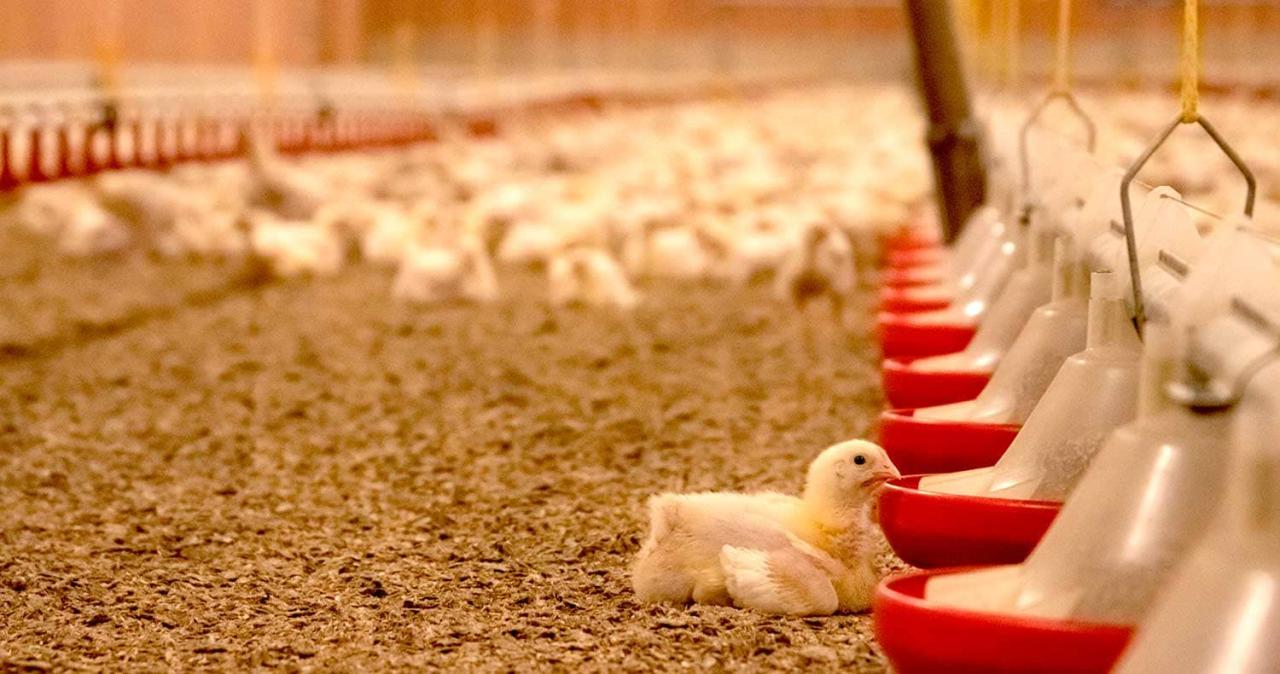
Effective livestock management is crucial for minimizing mortality rates and ensuring the economic viability of agricultural operations. Different species require tailored approaches, considering their unique physiological needs, environmental sensitivities, and disease susceptibility. This section Artikels specific management practices designed to reduce mortality across various livestock species, providing practical strategies for farmers and producers.
Poultry Production: Reducing Mortality
Poultry production requires stringent management practices to mitigate mortality, particularly during the critical early stages of life. These practices encompass various aspects, from biosecurity to environmental control, and significantly impact bird survival rates.
- Biosecurity Measures: Implementing robust biosecurity protocols is paramount. This includes restricting access to poultry houses, ensuring proper sanitation and disinfection of equipment and facilities, and controlling the movement of people and vehicles. Regular monitoring for signs of disease and prompt isolation of sick birds are also critical. An example of this would be the use of foot dips containing disinfectants at the entrance to poultry houses, combined with dedicated clothing and footwear for personnel entering the facility.
- Environmental Control: Maintaining optimal environmental conditions, including temperature, humidity, and ventilation, is crucial for bird health. The specific requirements vary depending on the bird’s age and breed. For example, in broiler production, consistent temperature control during the first few weeks of life is essential for preventing chilling and respiratory diseases, which can lead to high mortality rates. This might involve using automated climate control systems that adjust temperature and ventilation based on real-time sensor data.
- Nutrition and Water Management: Providing balanced diets and clean, fresh water is fundamental. Diets should be formulated to meet the birds’ specific nutritional needs at different growth stages. Regular monitoring of water quality and the use of water sanitation systems can help prevent the spread of waterborne diseases. An example of this is the use of medicated water or feed supplements during periods of increased disease risk, under the guidance of a veterinarian.
- Vaccination and Disease Prevention: Implementing a comprehensive vaccination program and adhering to strict disease prevention protocols are vital. Vaccination schedules should be tailored to the specific diseases prevalent in the region. Regular monitoring for common poultry diseases, such as avian influenza and Newcastle disease, and prompt treatment or culling of infected birds, can help contain outbreaks. This may involve the use of ELISA tests to monitor antibody titers after vaccination to ensure adequate protection.
- Stocking Density and Housing Design: Appropriate stocking density and well-designed housing can significantly impact bird welfare and reduce mortality. Overcrowding increases stress and the risk of disease transmission. Housing should provide adequate space, ventilation, and access to feed and water. Consider the use of enriched housing systems that provide environmental enrichment, such as perches and dust baths, to reduce stress and improve bird welfare.
Piglet Survival: Management Strategies
Improving piglet survival rates is essential for the profitability of pig farming. Several management strategies, focused on the pre-weaning period, can significantly reduce piglet mortality.
- Gestation and Farrowing Management: Proper management during gestation is crucial for the health of both the sow and her piglets. Providing a balanced diet, appropriate housing, and minimizing stress during pregnancy can improve piglet birth weights and vitality. Farrowing management should focus on creating a clean and safe environment for the sow and piglets. This involves providing a farrowing crate that protects piglets from being crushed, and ensuring a clean, dry, and warm environment for the newborn piglets.
- Colostrum Intake: Ensuring piglets receive adequate colostrum within the first few hours of life is critical for their immune system development. Colostrum provides essential antibodies that protect against diseases. Monitoring colostrum intake and supplementing piglets with colostrum if necessary, particularly in cases of weak or orphaned piglets, can significantly improve survival rates. An example is the practice of hand-feeding colostrum to piglets that are unable to nurse effectively.
- Environmental Control in the Farrowing House: Maintaining optimal environmental conditions, including temperature and humidity, is essential for piglet survival. Newborn piglets are particularly vulnerable to chilling. The farrowing house should be kept warm, with a supplemental heat source for the piglets. Proper ventilation is also necessary to remove ammonia and other harmful gases. The use of heat lamps or heated mats in the creep area can help maintain the piglets’ body temperature.
- Disease Prevention and Management: Implementing strict biosecurity measures and disease prevention protocols is crucial. Vaccination of sows against common piglet diseases, such as porcine reproductive and respiratory syndrome (PRRS), can provide passive immunity to the piglets. Early detection and treatment of sick piglets, along with proper hygiene and sanitation practices, are also essential. For example, routine cleaning and disinfection of farrowing crates between litters help to reduce the spread of infectious diseases.
- Cross-Fostering and Management of Large Litters: Managing large litters can be challenging. Cross-fostering piglets to sows with fewer piglets can help ensure that all piglets receive adequate nutrition. Supplementing piglets with milk replacer may also be necessary. This requires careful monitoring of piglet weights and health to ensure all piglets thrive.
Calving Management and Calf Mortality
Proper calving management is a cornerstone of successful dairy and beef operations, significantly impacting calf survival and overall herd productivity.
- Pre-Calving Preparation: Preparing the cow for calving involves providing adequate nutrition, monitoring body condition, and ensuring a clean and stress-free environment. This includes vaccinating the cow against diseases that can affect the calf and providing adequate space for the cow to calve. An example would be moving the cow to a clean calving pen a few days before the expected calving date.
- Assisted Calving: Knowing when to assist the cow during calving is crucial. Prolonged or difficult labor can lead to calf distress and increased mortality. Monitoring the progress of labor and assisting the cow if necessary, by providing gentle traction on the calf, can help to prevent these problems. This requires experience and the ability to recognize the signs of dystocia.
- Calf Resuscitation: Newborn calves may require resuscitation if they experience breathing difficulties. Clearing the airways, providing oxygen, and stimulating the calf to breathe can improve survival rates. This involves using a bulb syringe to clear the calf’s nostrils and mouth, and, if necessary, administering oxygen.
- Colostrum Management: Providing the calf with adequate colostrum within the first few hours of life is critical for immune system development. Ensuring the calf receives colostrum of good quality and in sufficient quantity is essential. An example of this would be measuring the IgG content of the colostrum to ensure it meets the required standards, and supplementing with colostrum replacer if necessary.
- Calf Housing and Hygiene: Providing a clean, dry, and warm environment for the newborn calf is essential for preventing disease. This involves providing individual calf hutches or pens, ensuring proper ventilation, and cleaning and disinfecting the housing regularly. Regularly cleaning and disinfecting calf housing reduces the risk of exposure to pathogens.
Dairy Cattle: Specific Practices to Reduce Mortality
Dairy cattle management requires specialized practices to minimize mortality, focusing on the critical periods of calving, the neonatal phase, and the transition period.
- Dry Cow Management: Proper dry cow management is essential for the health of the cow and her calf. This includes providing a balanced diet, monitoring body condition, and preventing mastitis. The dry period allows the cow to recover from lactation and prepare for the next calving. An example of this is the use of a dry cow diet that is specifically formulated to meet the cow’s nutritional needs during this critical period.
- Calving Environment: Providing a clean and comfortable calving environment reduces the risk of infection for both the cow and the calf. This includes providing a clean calving pen, ensuring proper sanitation, and monitoring the cow for signs of dystocia. Using a designated calving area that is regularly cleaned and disinfected is essential.
- Calf Management: Proper calf management is crucial for reducing mortality. This includes providing adequate colostrum, monitoring the calf for signs of disease, and providing a clean and comfortable environment. Early detection and treatment of diseases are essential. For instance, regularly monitoring calves for signs of scours and promptly treating them with appropriate medications can significantly reduce mortality.
- Transition Cow Management: Managing the transition cow, the cow in the period before and after calving, is critical for preventing metabolic diseases and improving milk production. This involves providing a balanced diet, monitoring the cow’s health, and minimizing stress. An example is adjusting the cow’s diet in the weeks leading up to calving to help her adapt to the demands of lactation.
- Disease Prevention: Implementing a comprehensive disease prevention program is essential for reducing mortality in dairy cattle. This includes vaccination against common diseases, biosecurity measures, and regular monitoring for signs of disease. For example, vaccinating cows against bovine viral diarrhea (BVD) and other diseases can help to protect both the cows and their calves.
Best Practices for Managing Newborn Lambs
- Ensure Adequate Colostrum Intake: Within the first few hours of life, lambs need to consume colostrum. This provides essential antibodies.
- Provide a Warm and Dry Environment: Protect lambs from hypothermia by providing a clean, dry, and sheltered area.
- Monitor Lambs for Signs of Disease: Observe lambs for signs of illness, such as lethargy, diarrhea, or difficulty breathing, and seek veterinary assistance if needed.
- Navel Care: Dip the lamb’s navel in a disinfectant solution to prevent infection.
- Provide Nutritional Support: Supplement lambs with milk replacer if they are unable to nurse effectively.
Monitoring and Record Keeping
Accurate and consistent monitoring and record keeping are essential pillars of effective livestock mortality management. They provide the foundation for understanding mortality patterns, identifying underlying causes, and implementing targeted interventions to reduce losses. A well-maintained record system not only helps to minimize financial losses but also improves animal welfare and overall farm productivity.
Importance of Accurate Record Keeping in Monitoring Livestock Mortality
Detailed record keeping enables the proactive identification and management of livestock mortality issues. Accurate records serve as a valuable tool for assessing the health status of the herd or flock, tracking disease outbreaks, and evaluating the effectiveness of implemented management strategies. These records offer insights into mortality trends, allowing for the early detection of anomalies and the implementation of corrective actions before significant losses occur.
Key Data Points to Track for Effective Mortality Management
Tracking specific data points is crucial for gaining a comprehensive understanding of mortality events. Careful documentation provides valuable insights into the causes of death and the effectiveness of implemented strategies.
- Animal Identification: Individual animal identification (e.g., ear tag number, microchip) allows for tracking of mortality events at the individual level.
- Date and Time of Death: Recording the date and time of death provides temporal context for mortality events, enabling analysis of seasonal trends or time-related patterns.
- Species, Breed, and Age: Identifying the species, breed, and age of the deceased animal helps in determining if certain demographics are more susceptible to mortality.
- Cause of Death (if known): Attempting to determine the cause of death (e.g., disease, injury, predation, unknown) is critical for targeted intervention. This might require veterinary examination or post-mortem analysis.
- Clinical Signs Observed: Documenting any observed clinical signs (e.g., coughing, diarrhea, lethargy) prior to death can provide clues about the underlying cause.
- Treatment Administered: Recording any treatments administered before death allows for assessing the efficacy of therapeutic interventions.
- Location of Death: The location of death (e.g., pasture, barn, specific pen) can help identify potential environmental factors contributing to mortality.
- Management Practices at the Time of Death: Recording the management practices in place at the time of death (e.g., feeding schedule, vaccination status, recent movement) provides context for analyzing potential risk factors.
- Necropsy Results (if performed): If a necropsy (animal autopsy) is performed, recording the findings, including any gross or microscopic lesions, provides detailed information about the cause of death.
- Mortality Rate Calculation: Regular calculation of mortality rates (e.g., percentage of animals dying per month or year) provides a measure of the overall success of mortality management efforts.
Examples of How to Use Mortality Data to Identify and Address Problems
Mortality data, when analyzed correctly, can pinpoint the root causes of livestock losses and guide effective interventions.
- Identifying Disease Outbreaks: A sudden increase in mortality rates, especially among animals of a specific age group, can signal the presence of a disease outbreak. For example, if a pig farm observes a spike in piglet mortality due to pneumonia, it can trigger immediate action, such as implementing enhanced biosecurity measures and consulting with a veterinarian.
- Evaluating Vaccination Programs: Analyzing mortality data in relation to vaccination schedules can help assess the effectiveness of vaccines. If mortality rates remain high for a specific disease despite vaccination, the vaccination program may need adjustment or re-evaluation.
- Assessing Environmental Factors: Comparing mortality rates across different housing environments (e.g., barns vs. pastures) or during different seasons can reveal environmental risk factors. For instance, an increase in heat stress-related mortality during summer months may necessitate improvements in ventilation and cooling systems.
- Evaluating Feeding Practices: Analyzing mortality data in conjunction with feeding records can reveal nutritional deficiencies or imbalances. For example, an increase in mortality due to bloat might indicate a problem with the feed ration.
- Monitoring the Impact of Management Changes: Tracking mortality rates before and after implementing changes in management practices (e.g., improved hygiene, new handling techniques) can help evaluate the effectiveness of those changes.
Strategies for Implementing a Mortality Monitoring System on a Farm
Implementing a robust mortality monitoring system requires a systematic approach, encompassing data collection, analysis, and interpretation.
- Establish Clear Protocols: Develop standardized protocols for recording mortality data, including the specific data points to be collected, the methods for data entry, and the frequency of data analysis.
- Train Staff: Provide comprehensive training to all staff members involved in data collection to ensure accuracy and consistency.
- Choose a Data Management System: Select a suitable system for recording and managing mortality data. This could range from a simple paper-based system to a sophisticated electronic database.
- Regular Data Entry: Implement a system for regular and timely data entry to ensure that records are up-to-date.
- Data Analysis and Interpretation: Regularly analyze the collected data to identify trends, patterns, and potential risk factors.
- Data Visualization: Use graphs, charts, and other visual aids to present mortality data and make it easier to interpret.
- Feedback and Action: Share the findings with relevant staff and implement corrective actions based on the data analysis.
- Review and Refine: Regularly review and refine the mortality monitoring system to ensure its continued effectiveness.
Essential Components of a Livestock Mortality Record
A well-structured livestock mortality record should include several essential components to ensure comprehensive data collection and effective analysis.
- Animal Identification: Unique identifier for each animal (e.g., ear tag number, microchip).
- Date and Time of Death: Precise date and time of death.
- Species and Breed: Identification of the animal’s species and breed.
- Age: The animal’s age at the time of death (e.g., days, months, years).
- Sex: The animal’s sex (male or female).
- Location of Death: Specific location where the animal was found deceased (e.g., pasture, pen number, barn).
- Cause of Death (if known): The suspected or confirmed cause of death (e.g., disease, injury, predation, unknown).
- Clinical Signs Observed: Any observable signs of illness or distress before death.
- Treatment Administered: Any treatments administered before death, including the type of medication, dosage, and route of administration.
- Necropsy Results (if performed): Summary of findings from a post-mortem examination, if conducted.
- Management Practices at the Time of Death: Details about management practices in place at the time of death (e.g., feeding schedule, vaccination status).
- Mortality Rate Calculation: Calculation of mortality rates (e.g., monthly, annual) to track trends.
- Notes: Any additional relevant information or observations.
Emergency Response and Crisis Management
Effective emergency response and crisis management are critical components of any livestock operation. Proactive planning and swift execution during emergencies can significantly reduce livestock mortality rates, safeguard animal welfare, and minimize economic losses. This section will Artikel essential strategies for handling various livestock emergencies, emphasizing the importance of preparedness and well-defined protocols.
Identifying Potential Livestock Emergencies
Several types of emergencies can dramatically increase livestock mortality. Understanding these potential threats allows for targeted planning and resource allocation.
- Disease Outbreaks: Rapidly spreading infectious diseases, such as foot-and-mouth disease (FMD), avian influenza, or African swine fever (ASF), can decimate livestock populations. The speed of spread and the severity of symptoms greatly influence mortality rates.
- Natural Disasters: Events like floods, hurricanes, wildfires, and extreme temperatures (heat stress or cold snaps) pose significant risks. These can directly cause death through drowning, exposure, or indirect consequences like lack of access to food and water.
- Toxic Exposure: Accidental ingestion of poisonous plants, chemicals, or toxins can lead to rapid mortality. This includes exposure to contaminated feed or water sources.
- Infrastructure Failures: Disruptions in essential services like power outages (affecting ventilation, heating, and cooling systems) or water supply failures can create life-threatening conditions. Structural collapses of barns or other housing facilities can also lead to injuries and fatalities.
- Predator Attacks: In areas with significant predator populations, attacks can result in injury and death, especially for young or vulnerable animals.
Developing a Farm Emergency Response Plan
A comprehensive farm emergency response plan is essential for mitigating the impact of crises. This plan should be written, regularly reviewed, and readily accessible to all farm personnel.
- Risk Assessment: Identify potential hazards specific to the farm’s location, livestock species, and operational practices. Consider the likelihood and potential impact of each identified hazard.
- Communication Protocols: Establish clear communication channels, including contact information for key personnel (veterinarians, emergency services, feed suppliers), and methods for disseminating information during a crisis. This should include a designated chain of command.
- Evacuation Procedures: Develop plans for safely moving livestock to secure locations, considering different scenarios (e.g., fire, flood, disease outbreak). This includes pre-identifying safe zones and routes.
- Resource Inventory: Maintain an inventory of essential supplies, including medications, first-aid kits, backup generators, water storage, and feed reserves. Regularly check and replenish these supplies.
- Training and Drills: Conduct regular training sessions and drills for all farm personnel to ensure they understand their roles and responsibilities during an emergency.
- Biosecurity Measures: Implement and enforce strict biosecurity protocols to prevent and control disease outbreaks. This includes controlling access to the farm, disinfecting equipment, and monitoring animal health.
Managing Disease Outbreaks and Natural Disasters
Effective management during disease outbreaks and natural disasters requires a coordinated response.
- Disease Outbreak Management: Immediately isolate affected animals. Contact a veterinarian and relevant animal health authorities for diagnosis and guidance. Implement strict biosecurity measures to prevent further spread. Consider depopulation of infected animals if necessary, following established protocols.
- Natural Disaster Management: Prioritize animal safety. Secure livestock housing and provide access to water and feed. Evacuate animals to safe locations if necessary. Seek assistance from emergency services and animal welfare organizations. After the event, assess the damage and begin the recovery process.
Best Practices for Safely Disposing of Dead Animals
Proper disposal of deceased animals is crucial to prevent the spread of disease and environmental contamination.
- Carcass Disposal Methods: Options include composting, rendering, burial, and incineration. The chosen method should comply with local regulations and be appropriate for the scale of the operation.
- Biosecurity during Disposal: Implement strict biosecurity measures during carcass handling and disposal, including the use of personal protective equipment (PPE) and disinfection protocols.
- Record Keeping: Maintain detailed records of all animal deaths, including the cause of death, disposal method, and dates.
- Compliance with Regulations: Adhere to all local, state, and federal regulations regarding carcass disposal to prevent environmental contamination and disease spread.
Emergency Protocols for Common Livestock Crises
The following table provides an overview of emergency protocols for common livestock crises.
| Emergency | Immediate Actions | Long-Term Actions | Resources Required |
|---|---|---|---|
| Disease Outbreak (e.g., Avian Influenza) | Isolate affected animals; Contact veterinarian and animal health authorities; Implement strict biosecurity. | Implement quarantine; Consider depopulation; Disinfect facilities; Monitor remaining animals. | Veterinarian, disinfectants, PPE, diagnostic tests, communication plan, potentially depopulation equipment. |
| Flood | Move animals to high ground; Secure housing; Ensure access to water and feed. | Assess structural damage; Repair or rebuild infrastructure; Implement flood mitigation strategies. | Emergency water and feed supplies, sandbags, pumps, fencing materials, veterinary care. |
| Heat Stress | Provide shade and ventilation; Ensure access to cool, clean water; Reduce animal density. | Improve ventilation systems; Implement cooling systems; Consider breed selection for heat tolerance. | Water troughs, fans, shade structures, veterinary care. |
| Power Outage | Activate backup generators; Provide alternative ventilation (if possible); Monitor animal welfare. | Maintain and test backup generators; Consider investing in alternative energy sources; Review power supply options. | Backup generator, fuel, ventilation equipment, communication devices, veterinary care. |
End of Discussion
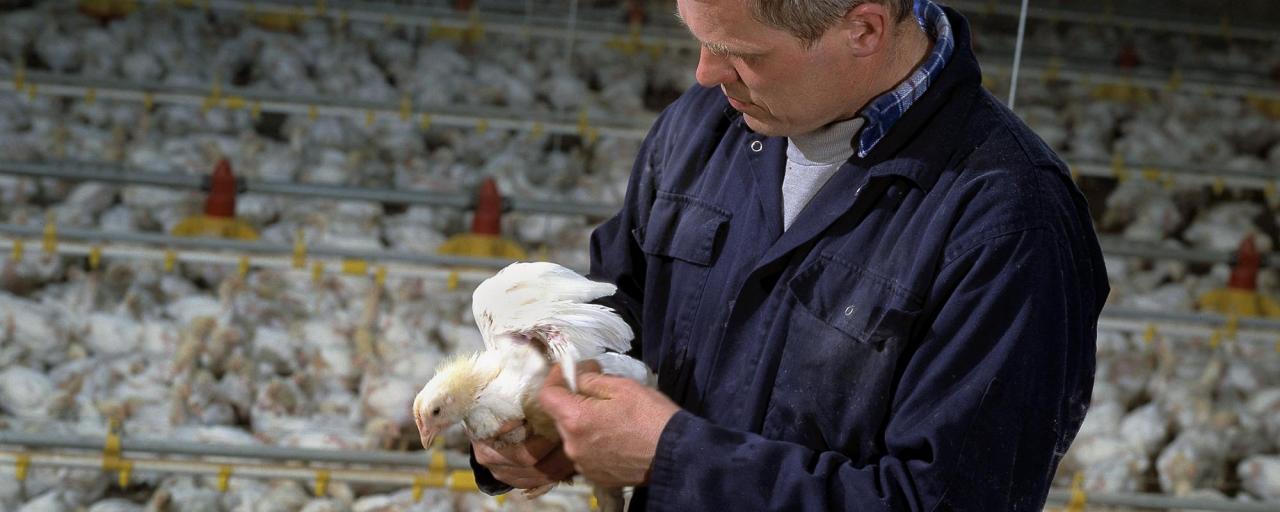
In conclusion, reducing livestock mortality requires a holistic approach that combines preventative measures, proactive management, and continuous monitoring. By implementing the strategies Artikeld in this guide, farmers can significantly improve animal health, increase productivity, and enhance their overall farm profitability. Embracing these practices not only benefits the agricultural industry but also contributes to the ethical and sustainable treatment of livestock, paving the way for a more resilient and compassionate future for animal agriculture.