Embarking on the journey of raising ducks for meat is a rewarding endeavor, offering the opportunity to produce delicious, high-quality protein. However, the success of this venture hinges on making informed decisions, starting with the selection of the right breed. This guide delves into the critical aspects of choosing duck breeds best suited for meat production, ensuring optimal growth, yield, and flavor.
From the rapid growth of Pekins to the unique flavors of Muscovies and Rouens, each breed presents distinct advantages and considerations. We will explore the factors influencing breed selection, including climate, space requirements, and market demands. Furthermore, we will examine meat quality, yield, temperament, management, nutritional needs, health, housing, and the practicalities of breeding, purchasing, and marketing your duck meat.
Duck Breeds Overview for Meat Production
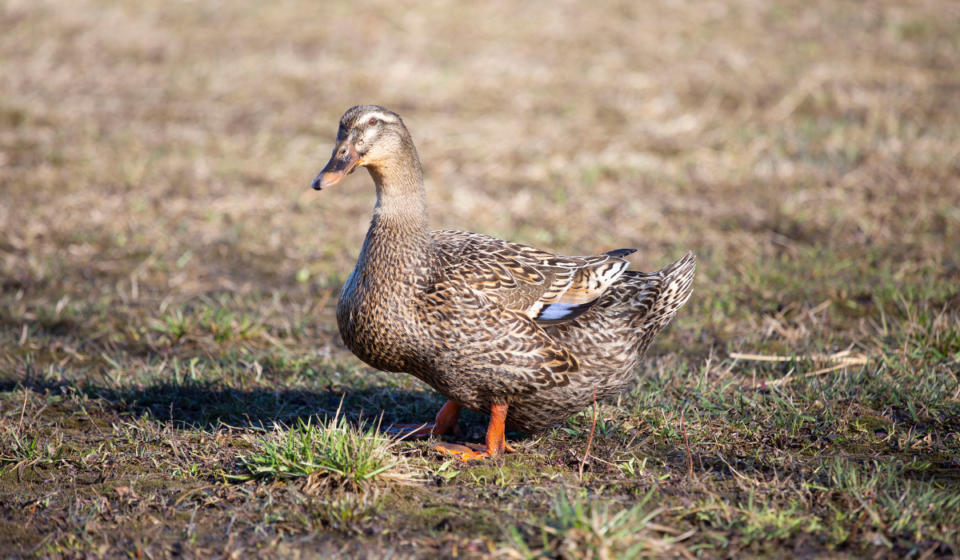
Selecting the right duck breed is crucial for successful meat production. Different breeds offer varying characteristics in terms of growth rate, meat quality, and overall management requirements. Understanding these differences allows producers to choose breeds that best suit their specific needs and market demands.
Duck Breeds Raised for Meat Production
Several duck breeds are popular choices for meat production, each with its unique traits. These breeds have been selectively bred over generations to maximize meat yield and efficiency. The following breeds are commonly utilized:
- Pekin: Originating from China, Pekin ducks are the most popular breed for meat production globally. They are known for their rapid growth and high meat yield. The average mature weight for Pekin drakes is approximately 9-12 pounds (4-5.5 kg), while hens typically weigh 8-10 pounds (3.6-4.5 kg). Pekins are characterized by their white plumage and yellow bills and legs.
- Muscovy: Muscovy ducks are native to South America but have been domesticated worldwide. They are easily recognized by the red, fleshy caruncles (wattles) around their eyes and beak. Muscovies are larger than Pekins, with drakes weighing between 10-15 pounds (4.5-6.8 kg) and hens weighing 6-9 pounds (2.7-4.1 kg). They have a distinctive appearance and are known for their relatively lean meat.
- Rouen: Rouen ducks, developed in France, are a dual-purpose breed, raised for both meat and eggs. They are larger than Pekins and have a similar appearance to the wild Mallard duck, with colorful plumage. Rouen drakes can weigh 9-12 pounds (4-5.5 kg), while hens typically weigh 8-10 pounds (3.6-4.5 kg). They are slower-growing than Pekins.
- Aylesbury: Aylesbury ducks, originating from England, are another popular meat breed, historically known for their large size and white plumage. Aylesbury ducks are similar in size to Pekins, but are less common due to their susceptibility to certain health issues. They typically weigh around 8-10 pounds (3.6-4.5 kg).
Growth Rate and Mature Weight: Pekin vs. Muscovy
The growth rate and mature weight of ducks are significant factors in meat production efficiency. Pekin and Muscovy ducks, two commonly raised breeds, exhibit distinct differences in these aspects.
The Pekin duck is renowned for its rapid growth rate. They typically reach a market weight of 6-8 pounds (2.7-3.6 kg) in approximately 7-8 weeks. Muscovy ducks, on the other hand, grow at a slower pace. They take considerably longer to reach market weight, often requiring 10-12 weeks or more to reach a similar size. However, because Muscovy drakes can reach a significantly larger size, their mature weight is often higher.
While Pekins may reach 8-12 pounds, mature Muscovy drakes can reach 10-15 pounds.
Meat Flavor and Texture: Pekin, Muscovy, and Rouen
The flavor and texture of duck meat vary considerably depending on the breed. These differences impact consumer preference and the suitability of the meat for different culinary applications.
- Pekin: Pekin duck meat is known for its mild flavor and relatively high fat content, making it tender and juicy. The fat content contributes to its rich flavor, and it’s often favored for roasting.
- Muscovy: Muscovy duck meat is leaner than Pekin meat, resulting in a slightly gamey flavor and a firmer texture. It’s often compared to beef or venison due to its lower fat content and darker color. This makes it a good choice for those who prefer a less fatty meat.
- Rouen: Rouen duck meat has a flavor profile that is intermediate between Pekin and Muscovy. It offers a good balance of flavor and tenderness, with a slightly richer taste than Pekin. The texture is generally firmer than Pekin but not as lean as Muscovy.
Factors Influencing Breed Selection
Selecting the right duck breed for meat production involves careful consideration of various factors beyond just the breed’s inherent characteristics. These influences can significantly impact the success and profitability of your operation. Understanding these elements is crucial for making informed decisions that align with your specific environment, resources, and market goals.
Climate Considerations
Climate plays a pivotal role in duck breed selection, influencing their overall health, productivity, and welfare. Different breeds possess varying degrees of tolerance to extreme temperatures, making it essential to choose breeds that can thrive in your local climate.
- Temperature Tolerance: Some breeds are better suited to warmer climates, while others are more adaptable to colder conditions. For example, Muscovy ducks are relatively heat-tolerant due to their South American origins, whereas Pekin ducks, a common meat breed, can struggle in extreme heat. Conversely, breeds with denser feathering, like the Khaki Campbell, are more cold-hardy.
- Cold Hardiness: Cold hardiness is critical in regions experiencing freezing temperatures. Breeds with thick down feathers and the ability to conserve body heat are preferred. The Indian Runner, despite their slender build, are surprisingly cold-hardy. Ducks require adequate shelter from wind and drafts during the winter, regardless of breed. Consider providing heated water sources to prevent freezing.
- Examples: In regions with mild winters and hot summers, breeds like the Pekin or Muscovy may be suitable with appropriate shade and ventilation. In colder climates, breeds like the Khaki Campbell or Rouen are more appropriate, especially if they have access to a sheltered coop or barn.
Space Requirements
Adequate space is fundamental for duck health and productivity. Overcrowding can lead to stress, increased disease susceptibility, and reduced growth rates. Providing sufficient space for both indoor and outdoor areas is crucial.
- Indoor Space: The amount of indoor space required depends on the breed and housing system. Generally, a good rule of thumb is to provide at least 4 square feet (0.37 square meters) of floor space per duck in a coop or enclosed area. This allows for comfortable movement and reduces the risk of disease transmission.
- Outdoor Space: Ducks benefit greatly from access to outdoor areas, providing opportunities for foraging, exercise, and natural behaviors. Outdoor space requirements vary depending on the availability of pasture and water. A minimum of 8-10 square feet (0.74-0.93 square meters) per duck is recommended in outdoor runs, although more space is preferable.
- Water Access: Ducks need access to water for swimming and cleaning. This can range from a small wading pool to a larger pond or natural water source. The amount of water space needed will depend on the breed and the overall size of the flock. Consider the breed’s natural inclination for swimming; for example, Pekin ducks, being heavier, might prefer more shallow water.
- Examples: A small backyard flock of Pekin ducks might require a coop of 12 square feet (1.11 square meters) for three ducks, with an attached outdoor run of 30 square feet (2.79 square meters). A commercial operation with a large flock of Muscovy ducks would need significantly more space, potentially including access to a pond or a larger pasture area.
Local Regulations and Market Demand
Local regulations and market demand significantly impact breed selection. Compliance with local ordinances and understanding market preferences are crucial for a successful meat production venture.
- Local Regulations: Zoning laws and local ordinances can restrict the types of poultry that can be raised and the scale of operations. Some areas may prohibit or limit the raising of certain breeds or the number of birds allowed per property. It’s essential to research and comply with all local regulations before starting your operation.
- Market Demand: The demand for specific duck breeds varies depending on local preferences and market trends. Some markets may have a higher demand for specific breeds, such as Pekin for their meat yield, or Rouen for their traditional appearance. Researching your target market is essential to understand which breeds are most sought after and command the best prices.
- Niche Markets: Consider niche markets, such as organic or heritage breed meat. These markets often command premium prices, but may require breeds with specific characteristics and certifications.
- Examples: In areas with strong demand for Pekin duck meat, selecting this breed would be a logical choice. If local regulations restrict the number of ducks allowed, choosing a breed with a higher meat yield per bird, like the Pekin, could maximize production within the allowed limits. If a local market values heritage breeds, breeds like the Rouen or Aylesbury could be considered.
Meat Quality and Yield Considerations
The selection of duck breeds for meat production necessitates a deep understanding of meat quality and yield. These factors are critical for profitability and consumer satisfaction. Fat content, carcass yield, and optimal slaughter age significantly influence the final product’s appeal and the efficiency of production. Understanding these aspects enables producers to make informed decisions, leading to superior meat quality and higher returns.
Fat Content and Meat Quality
The fat content in duck meat is a crucial determinant of its quality, affecting both flavor and texture. Different duck breeds exhibit varying levels of fat deposition, influencing the overall consumer experience.The fat content in duck meat is primarily influenced by genetics, diet, and age. Certain breeds, such as the Pekin, are genetically predisposed to higher fat content, leading to a richer flavor and a more tender texture.
Conversely, breeds like the Muscovy tend to have less fat, resulting in leaner meat. The diet also plays a significant role. Ducks fed high-energy diets, particularly those rich in grains, tend to accumulate more fat. Age is another critical factor; older ducks generally have higher fat content compared to younger ones.High fat content contributes to a succulent and flavorful eating experience, but excessive fat can lead to a greasy mouthfeel and may not appeal to all consumers.
Conversely, leaner meat may be perceived as less flavorful and potentially tougher if not cooked properly. Balancing these factors is key to achieving optimal meat quality.
Carcass Yield Comparison
Carcass yield, the percentage of the dressed carcass weight relative to the live weight, is a vital metric for evaluating meat production efficiency. It directly impacts the profitability of duck farming. The following table presents a comparison of average carcass yields for several popular duck breeds.
| Breed | Average Live Weight (kg) | Average Carcass Weight (kg) | Carcass Yield (%) |
|---|---|---|---|
| Pekin | 3.0 – 3.5 | 2.1 – 2.5 | 70 – 75 |
| Muscovy | 2.5 – 3.5 (female), 4.5 – 6.0 (male) | 1.7 – 2.4 (female), 3.0 – 4.0 (male) | 65 – 70 |
| Rouen | 3.5 – 4.5 | 2.4 – 3.2 | 68 – 72 |
| Khaki Campbell | 2.0 – 2.7 | 1.4 – 1.9 | 70 – 73 |
It is important to note that the carcass yield can vary depending on factors such as the age of the duck, its diet, and the processing techniques used. However, the table provides a useful comparative overview of the yield potential of different breeds.
Optimal Slaughter Age
Determining the optimal slaughter age is crucial for maximizing meat yield and quality. Slaughtering ducks too early can result in lower carcass weights and underdeveloped flavor, while delaying slaughter may lead to increased fat deposition and potentially tougher meat. The ideal slaughter age varies depending on the breed and the desired product characteristics.
- Pekin: Typically slaughtered at 7-8 weeks of age. At this age, Pekin ducks have reached a desirable weight with a good balance of meat and fat. The meat is tender and flavorful.
- Muscovy: The optimal slaughter age for Muscovy ducks is generally between 10-12 weeks for females and 16-20 weeks for males. Males are often raised longer due to their slower growth rate and larger size. The meat has a distinct, gamey flavor.
- Rouen: Rouen ducks are usually slaughtered at around 10-12 weeks of age. This allows for sufficient muscle development and fat deposition, providing a rich flavor.
- Khaki Campbell: These ducks are often slaughtered at 8-10 weeks. They are known for their efficient feed conversion and lean meat.
Duck Breed Temperament and Management
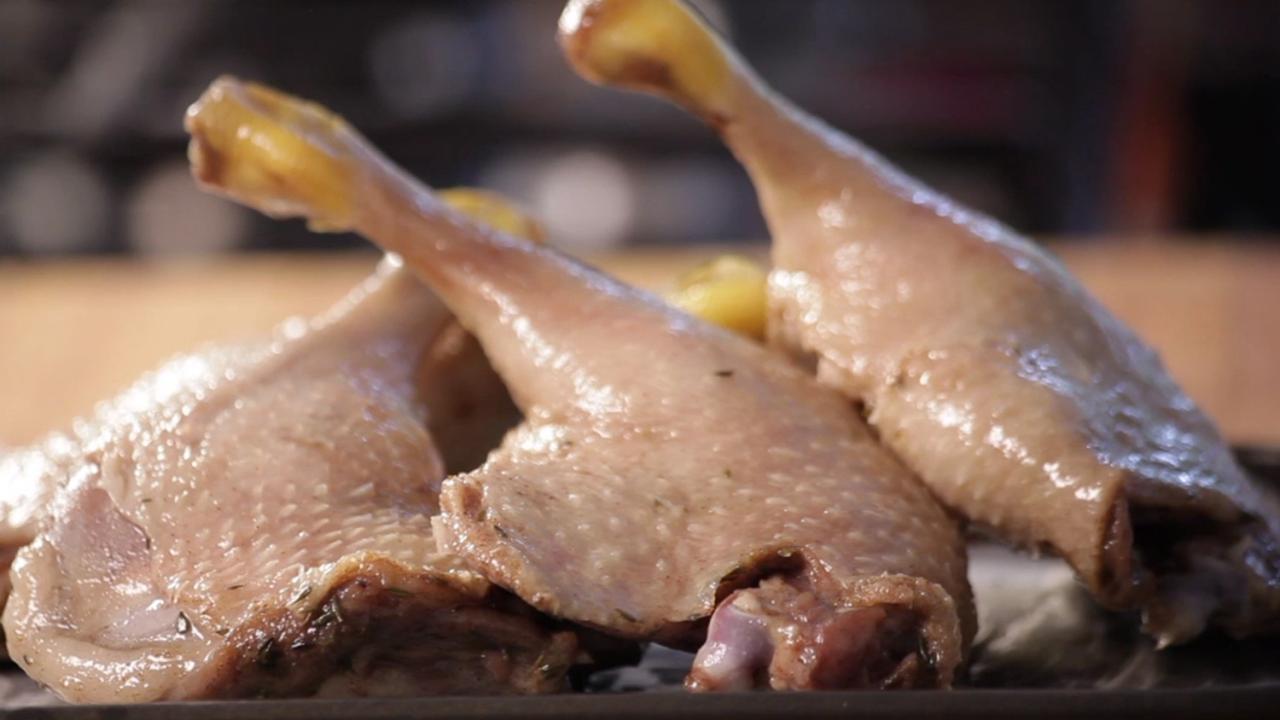
Understanding the temperament and management needs of different duck breeds is crucial for successful meat production. Different breeds exhibit varying levels of docility, flightiness, and environmental adaptability. Proper management practices, including appropriate housing, feeding strategies, and predator protection, are essential to ensure the well-being of the ducks and optimize meat quality and yield. Effective management also includes considering the potential benefits of crossbreeding to enhance desirable traits.
Temperament Differences Between Breeds
Duck breeds display a range of temperaments, significantly impacting their management requirements. Some breeds are naturally more docile and easier to handle, while others are prone to flightiness. This knowledge is critical when selecting breeds for meat production, as temperament influences the ease of handling, housing design, and overall stress levels within the flock.
- Pekin Ducks: Generally known for their docile nature, Pekin ducks are often considered the easiest breed to manage. Their calm temperament makes them suitable for various housing systems and reduces the risk of stress-related issues. They are less likely to fly away, making them easier to contain.
- Muscovy Ducks: Muscovy ducks exhibit a more reserved and independent temperament. While not typically aggressive, they can be wary of humans and may be more prone to flight. Their behavior requires a different approach to handling and housing, often necessitating taller fencing and more secure enclosures.
- Rouen Ducks: Rouen ducks can be more flighty than Pekins but generally are less so than Muscovies. Their temperament falls somewhere in between, requiring moderate management strategies. They are generally calm but can become stressed if handled roughly or housed in overcrowded conditions.
- Khaki Campbell Ducks: Khaki Campbells are active and alert. They can be flighty if startled, but generally adapt well to human interaction if they are handled gently from a young age. They need a lot of space to forage.
Methods for Managing Different Duck Breeds
Effective management practices are crucial for the health, productivity, and meat quality of ducks. These practices include providing appropriate housing, ensuring adequate nutrition, and implementing effective predator protection strategies. Each breed may have specific requirements based on its temperament and physical characteristics.
- Housing:
Housing should be designed to accommodate the breed’s specific needs. For instance, breeds prone to flight, such as Muscovies, require taller fences and secure enclosures. All ducks need access to shelter from the elements, such as a coop or covered area. The size of the housing should be based on the number of ducks and the breed, with adequate space to prevent overcrowding and minimize stress.
Pekin ducks can thrive in a variety of housing setups, while Muscovies need more secure and potentially more spacious accommodations.
- Feeding:
Feeding strategies should be tailored to the breed and the stage of growth. Ducks require a balanced diet that includes protein, carbohydrates, and essential vitamins and minerals. Starter feed, grower feed, and finisher feed are often used, with the formulations changing to meet the ducks’ nutritional needs as they mature. Consider the specific dietary requirements of the breed; some breeds, like Muscovies, may have different preferences.
Adequate access to fresh, clean water is also critical for digestion and overall health. For example, Pekin ducks can be fed a standard commercial duck feed, while Muscovies may benefit from supplemental foraging opportunities.
- Predator Protection:
Predator protection is essential for all duck breeds. This includes providing secure housing with sturdy construction and implementing measures to deter predators. Fencing should be buried or extend underground to prevent digging predators from accessing the enclosure. Netting can protect ducks from aerial predators. The specific predator protection strategies will depend on the local predators and the breed’s vulnerability.
For example, Pekin ducks, due to their size and docility, are more vulnerable than some breeds and require robust protection.
Successful Crossbreeding Strategies
Crossbreeding can be a valuable tool to improve meat quality, growth rate, and other desirable traits in meat ducks. By strategically crossing different breeds, producers can combine the strengths of each parent breed. However, it’s crucial to understand the genetic characteristics of each breed and the potential outcomes of the cross.
- Pekin x Muscovy Cross: This cross can produce hybrid offspring with increased meat yield and potentially improved disease resistance. The resulting offspring, known as “Mulard” ducks, are sterile and are often prized for their meat quality. Mulards tend to be calmer than pure Muscovies.
- Pekin x Rouen Cross: This cross can result in offspring with improved meat quality compared to pure Pekins. The Rouen genes can contribute to better flavor and carcass conformation.
- Selection of Breeding Stock: Selecting parent stock based on traits like growth rate, breast meat yield, and feed conversion efficiency is crucial for successful crossbreeding. Keeping detailed records of individual duck performance can help in making informed breeding decisions.
Nutritional Needs and Feeding Strategies
Proper nutrition is paramount for optimal meat production in ducks. A well-balanced diet ensures rapid growth, efficient feed conversion, and high-quality meat. Understanding the specific nutritional requirements of meat ducks and implementing appropriate feeding strategies are crucial for successful duck farming.
Specific Nutritional Requirements of Meat Ducks
Ducks, like all poultry, require a diet that provides the necessary energy and building blocks for growth and development. The proportions of these nutrients change as the duck ages. These are the key nutritional components:
- Protein: Protein is essential for muscle development, feather growth, and overall body maintenance. Growing ducklings require a higher protein percentage in their diet compared to mature ducks. A typical starter feed for ducklings contains approximately 20-22% crude protein. As ducks mature, the protein requirement decreases.
- Carbohydrates: Carbohydrates, primarily from grains, provide the primary source of energy for ducks. They are essential for fueling activity and maintaining body temperature. Ducks efficiently convert carbohydrates into energy. The diet should include a balance of carbohydrates, often comprising the bulk of the feed.
- Fats: Fats are a concentrated source of energy and contribute to the palatability of the feed. They also aid in the absorption of fat-soluble vitamins. A small percentage of fat in the diet supports healthy growth and feather development.
- Vitamins and Minerals: Ducks require a variety of vitamins and minerals for various bodily functions, including bone development, immune system support, and enzyme activity. Commercial duck feeds are usually supplemented with these essential micronutrients.
Feeding Schedule Example for Pekin Ducks
A carefully planned feeding schedule is crucial for maximizing growth and meat production. The following is an example feeding schedule for Pekin ducks, a breed commonly raised for meat, from day-old to slaughter. This schedule assumes access to fresh, clean water at all times. Quantities are approximate and can be adjusted based on breed, environmental conditions, and individual duck performance.
| Age | Feed Type | Quantity (per duck per day) | Notes |
|---|---|---|---|
| Day 1-3 weeks | Duckling Starter Crumble (20-22% protein) | Ad libitum (free choice) | Ensure constant access to feed. Small amounts of grit can be offered. |
| 3-6 weeks | Grower Feed (16-18% protein) | Gradually increase the amount as they grow. Aim for about 100-150g per duck per day. | Reduce the protein content to promote muscle growth. |
| 6 weeks – Slaughter (approx. 7-9 weeks) | Finisher Feed (14-16% protein) | Increase feed amount as needed to achieve desired weight. Typically 150-200g per duck per day. | Ensure ducks have adequate space and are not overcrowded. |
Note: Ad libitum feeding means the ducks have access to feed at all times.
Impact of Feed Quality on Meat Flavor and Off-Flavors
The quality of feed significantly influences the flavor of duck meat. The ingredients used in the feed, as well as the feed’s freshness and storage conditions, play a crucial role.
- Feed Ingredients: The type of grains, fats, and other ingredients in the feed can affect the flavor profile of the meat. For example, diets high in fish meal can sometimes impart a fishy taste to the meat, while diets containing high levels of certain types of fats can affect the texture and flavor.
- Feed Storage and Freshness: Stale or improperly stored feed can develop rancidity or mold, leading to off-flavors in the meat. Proper storage in a cool, dry place is essential to maintain feed quality.
- Specific Off-Flavor Development: Certain practices can lead to undesirable flavors. For example, if ducks are fed excessive amounts of certain oils or allowed to consume foods with strong flavors (e.g., some weeds), the meat may develop off-flavors. Another example is the use of low-quality or rancid fats in the feed, which can also affect the flavor.
Maintaining high-quality feed and adhering to proper feeding practices are essential for producing duck meat with a desirable flavor and texture, free from off-flavors.
Health and Disease Prevention
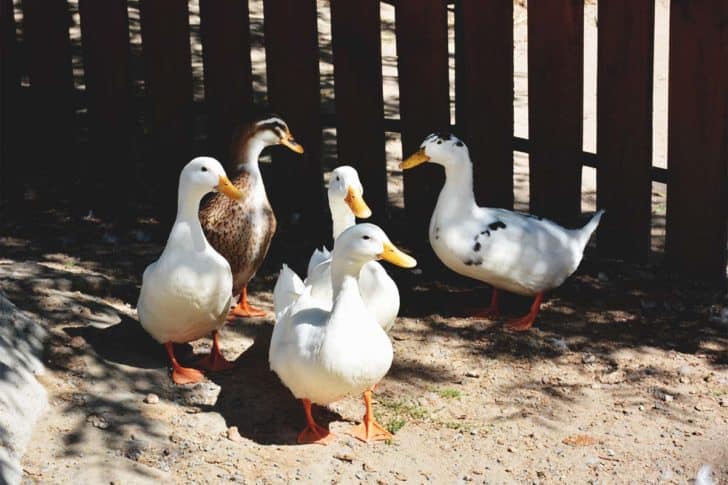
Maintaining the health of meat ducks is crucial for maximizing productivity and profitability. Disease outbreaks can lead to significant losses, impacting meat production, and overall farm efficiency. Implementing proactive health management strategies, including breed selection, biosecurity, and vaccination, is essential for minimizing risks and ensuring animal welfare. This section focuses on common health challenges, preventative measures, and disease recognition in meat duck production.
Common Health Challenges and Breed Susceptibility
Several diseases and health issues commonly affect meat ducks. Breed selection can influence susceptibility to some of these challenges. Understanding these vulnerabilities is vital for effective management.* Avian Influenza (Bird Flu): This highly contagious viral disease can cause severe illness and mortality in ducks. Certain breeds, or lines within breeds, may exhibit varying levels of susceptibility. For instance, commercial meat duck breeds, selected for rapid growth and high meat yield, may be more vulnerable due to their intensive production environment and potential for reduced immune function.* Duck Viral Hepatitis: A highly contagious disease primarily affecting young ducklings.
Some breeds might have a slightly higher or lower predisposition to the disease, though all are susceptible.* Bacterial Infections (e.g.,E. coli*,
Salmonella*)
Ducks are prone to bacterial infections, especially in unsanitary conditions. Breeds with compromised immune systems, potentially resulting from intensive breeding practices, might be more susceptible.* Parasitic Infestations (e.g., worms, mites): Parasites can weaken ducks and make them more susceptible to other diseases. The environment and management practices play a significant role in parasite control.* Nutritional Deficiencies: Poorly balanced diets can weaken the immune system, making ducks more susceptible to diseases.
Rapidly growing meat breeds have higher nutritional demands, making them more prone to deficiencies if not properly fed.
Preventative Measures for Common Duck Diseases
Proactive measures are crucial for disease prevention. Implementing a comprehensive approach that includes biosecurity protocols and vaccination programs is paramount.* Biosecurity Protocols: Implementing strict biosecurity measures is the first line of defense. These measures help prevent the introduction and spread of diseases.
- Restricting access: Limit access to the duck rearing area to essential personnel only. Implement a visitor log and require all visitors to disinfect their footwear and clothing before entering.
- Cleaning and disinfection: Regularly clean and disinfect housing, equipment, and waterers. Use appropriate disinfectants effective against avian pathogens.
- Source of stock: Purchase ducklings or hatching eggs from reputable sources with established health management programs.
- Quarantine: Quarantine new arrivals for at least 21 days to observe for signs of illness before introducing them to the main flock.
- Rodent and pest control: Implement effective rodent and pest control programs, as they can act as disease vectors.
- Proper waste management: Implement a system for proper waste disposal, such as composting or incineration, to prevent disease spread.
* Vaccination Schedules: Vaccination programs are crucial for preventing specific diseases. Consult with a veterinarian to develop an appropriate vaccination schedule based on the local disease prevalence and the specific duck breeds being raised. Common vaccines include those for:
- Duck Viral Hepatitis: Vaccination is typically administered to young ducklings. The timing of vaccination depends on the vaccine used and the advice of a veterinarian.
- Avian Influenza: In areas with a high risk of avian influenza, vaccination might be recommended. The use of vaccines for avian influenza is a complex issue, and the decision to vaccinate depends on factors such as the specific strain of the virus, the risk of introduction, and government regulations.
* Environmental Management: Maintaining a clean and well-ventilated environment is essential for preventing disease.
- Housing: Provide adequate space and ensure proper ventilation to reduce the build-up of ammonia and other harmful gases.
- Litter management: Keep litter dry and clean to prevent the growth of bacteria and parasites. Replace wet or soiled litter regularly.
- Water quality: Provide clean, fresh drinking water at all times. Regularly clean waterers to prevent the growth of algae and bacteria.
* Nutritional Management: Providing a balanced diet is critical for supporting the immune system.
- Feed quality: Use high-quality feed formulated for meat ducks. Ensure the feed meets the ducks’ nutritional requirements for their specific stage of growth.
- Supplementation: Consider supplementing the diet with vitamins and minerals, especially during times of stress, such as vaccination or changes in weather.
Signs and Symptoms of Common Duck Diseases
Early detection of disease is crucial for effective treatment and preventing outbreaks. Regular observation of the flock is essential. Recognizing the signs and symptoms of common duck diseases allows for prompt intervention.* Avian Influenza:
- Lethargy: Ducks may appear inactive and listless.
- Respiratory signs: Sneezing, coughing, nasal discharge, and difficulty breathing.
- Neurological signs: Twisting of the head and neck, tremors, and paralysis.
- Sudden death: High mortality rates are common.
- Visual cues: Observe for ruffled feathers, swollen sinuses, and purple discoloration of the legs and wattles.
* Duck Viral Hepatitis:
- Lethargy: Ducklings may appear weak and unwilling to move.
- Loss of appetite: Ducklings may stop eating.
- Neurological signs: Tremors, paddling of the legs, and paralysis.
- Sudden death: High mortality rates are common, particularly in young ducklings.
- Visual cues: Look for a characteristic posture with the head thrown back and the legs extended.
* Bacterial Infections (e.g.,E. coli*, –
Salmonella*)
- Diarrhea: Watery or bloody droppings.
- Loss of appetite: Reduced feed intake.
- Lethargy: Ducks may appear weak and depressed.
- Respiratory signs: Coughing and sneezing.
- Visual cues: Observe for dirty feathers around the vent and signs of dehydration.
* Parasitic Infestations:
- Weight loss: Ducks may appear thin and emaciated.
- Diarrhea: Can be caused by internal parasites.
- Anemia: Pale skin and wattles.
- Visual cues: Observe for parasites in droppings or on the skin. Mites can cause feather loss and skin irritation.
* Nutritional Deficiencies:
- Poor growth: Ducks may fail to gain weight at the expected rate.
- Feather problems: Feather picking, poor feather development, or feather loss.
- Leg problems: Weakness, lameness, or leg deformities.
- Visual cues: Observe for specific deficiency signs, such as curled toes (riboflavin deficiency) or perosis (manganese deficiency).
It is essential to consult with a veterinarian for accurate diagnosis and treatment of any disease. Early intervention can significantly improve the outcome and reduce losses.
Housing and Environmental Conditions
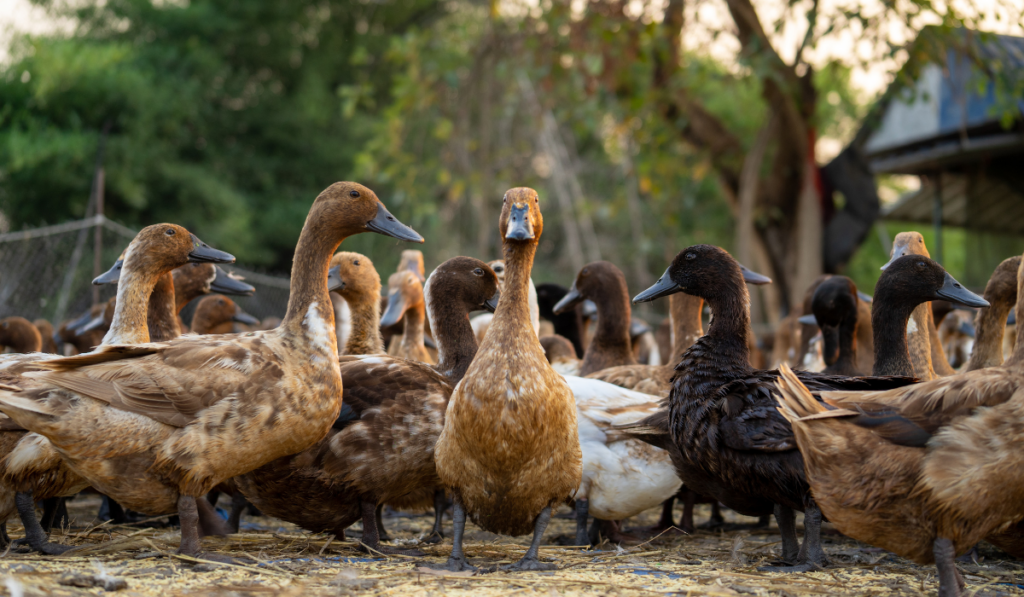
Providing appropriate housing and environmental conditions is crucial for the health, welfare, and meat production efficiency of ducks. Ducks are highly adaptable, but their well-being is significantly influenced by their living environment. Designing a suitable habitat involves considering factors like coop size, ventilation, access to water, lighting, temperature, and humidity. These elements must be tailored to the specific breed and the intended production goals to maximize growth, meat quality, and overall flock health.
Design Housing Recommendations for Different Duck Breeds
Duck housing requirements vary based on breed size, activity levels, and environmental tolerances. Proper housing design considers factors like space allocation, ventilation, and bedding materials to ensure optimal conditions for growth and health.
- Coop Size: Coop size should accommodate the number of ducks and provide adequate space for movement, feeding, and roosting.
- Meat Breeds (Pekin, Muscovy): These breeds, being larger, require more space. A general guideline is 4-6 square feet per duck inside the coop and 8-10 square feet per duck in the outdoor run. Overcrowding can lead to stress, increased disease susceptibility, and reduced growth rates.
For instance, a flock of 20 Pekin ducks would ideally need a coop of at least 80 square feet.
- Smaller Breeds (Khaki Campbell, Runner): These breeds can be housed with slightly less space. 3-4 square feet per duck inside the coop and 6-8 square feet per duck in the outdoor run is generally sufficient.
- Meat Breeds (Pekin, Muscovy): These breeds, being larger, require more space. A general guideline is 4-6 square feet per duck inside the coop and 8-10 square feet per duck in the outdoor run. Overcrowding can lead to stress, increased disease susceptibility, and reduced growth rates.
- Ventilation: Proper ventilation is essential to remove moisture, ammonia, and other harmful gases, preventing respiratory illnesses and maintaining air quality.
- Design: Coops should have vents located near the roof to allow for air circulation without creating drafts at duck level. Avoid placing vents directly above roosting areas.
- Considerations: Natural ventilation through ridge vents or cross-ventilation is preferable. In colder climates, ensure vents can be closed or adjusted to maintain a comfortable temperature.
- Bedding Materials: The choice of bedding material affects hygiene, moisture control, and overall coop environment.
- Suitable Options: Straw, wood shavings (pine or fir are preferred), and shredded paper are commonly used. Avoid cedar shavings due to potential respiratory irritation.
- Maintenance: Bedding should be kept clean and dry. Regular removal of wet or soiled bedding is crucial to prevent the buildup of ammonia and reduce the risk of disease. Deep litter methods, where bedding is built up over time, can be used, but require careful management.
Importance of Access to Water for Swimming and Cleaning, by Breed
Access to water is essential for ducks, not only for drinking but also for swimming and preening. The need for water access varies slightly depending on the breed and its natural behaviors.
- Swimming Water:
- Meat Breeds (Pekin, Muscovy): While not strictly necessary for survival, access to a pool or pond significantly benefits their well-being. Swimming allows them to preen their feathers, maintain plumage condition, and regulate body temperature. A kiddie pool or a small pond is often sufficient. For example, Pekin ducks, known for their love of water, will benefit from daily access to swimming water.
- Smaller Breeds (Khaki Campbell, Runner): These breeds are generally more active swimmers and benefit from larger water sources. They may also forage in and around water sources, increasing their natural behaviors.
- Cleaning Water:
- Drinking Water: Clean, fresh drinking water must always be available. Ducks need to submerge their bills to clean their nostrils and eyes. Provide waterers that are deep enough for them to do so.
- Preening: Ducks use water to preen and maintain their feathers. Without access to water, their feathers can become dirty and matted, reducing their insulation and potentially leading to health problems.
Environmental Considerations for Optimal Duck Growth
Controlling environmental factors such as lighting, temperature, and humidity is essential for optimal duck growth, health, and meat production.
- Lighting: Proper lighting influences growth rates and egg production in breeding ducks.
- Growth Phase: During the growing phase, provide 14-16 hours of light per day to encourage feed consumption and growth.
- Breeding Ducks: In breeding flocks, controlled lighting can be used to stimulate egg production.
- Natural Light: Utilize natural light as much as possible. Supplement with artificial light during shorter days.
- Temperature: Ducks are relatively cold-hardy but need protection from extreme temperatures, especially during the early stages of life.
- Brooding: Newly hatched ducklings require a temperature of 90-95°F (32-35°C) for the first week, gradually decreasing the temperature by 5°F (3°C) each week until they reach ambient temperature.
- Mature Ducks: Mature ducks can tolerate temperatures as low as 20°F (-7°C) if they have adequate shelter and dry bedding. Provide protection from drafts and extreme heat.
- Humidity: Maintaining appropriate humidity levels is important for respiratory health and overall comfort.
- Ideal Range: Aim for a relative humidity of 60-70% within the coop.
- Control: Good ventilation and proper bedding management help control humidity levels. Avoid overcrowding, which increases humidity.
Breeding vs. Purchasing Ducklings
Choosing between breeding your own ducklings and purchasing them is a crucial decision for meat production. Each option presents its own set of advantages and disadvantages, influencing the overall efficiency and profitability of your operation. Carefully weighing these factors will help you determine the most suitable approach for your specific circumstances, taking into account your resources, experience, and goals.
Advantages and Disadvantages of Hatching Eggs vs. Purchasing Ducklings
The decision to hatch your own ducklings or buy them from a hatchery involves considering several factors, including time commitment, cost, and genetic control.
- Hatching Eggs: Advantages
- Cost Savings: Initially, purchasing hatching eggs can be less expensive than buying ducklings, especially when starting with a small flock.
- Genetic Control: You have complete control over the genetics of your flock, allowing you to select breeding stock based on desired traits.
- Disease Prevention: You can implement strict biosecurity measures from the start, minimizing the risk of introducing diseases.
- Breeding Program: Establishes a foundation for long-term breeding programs.
- Hatching Eggs: Disadvantages
- Time and Labor: Requires significant time and labor for incubation, brooding, and early chick care.
- Incubation Equipment: Requires investment in an incubator and brooder.
- Hatchability Issues: Hatching success rates can be variable and affected by various factors.
- Learning Curve: Involves a learning curve for proper incubation techniques and chick care.
- Purchasing Ducklings: Advantages
- Convenience: Saves time and labor, allowing you to focus on other aspects of your operation.
- Established Health: Ducklings are often vaccinated and pre-started, reducing initial mortality risks.
- Specialized Breeds: Hatcheries often offer specific breeds and crosses selected for meat production.
- Predictable Supply: Ensures a reliable supply of ducklings.
- Purchasing Ducklings: Disadvantages
- Higher Initial Cost: Ducklings are generally more expensive than hatching eggs.
- Limited Genetic Control: You have limited control over the genetics of the ducklings.
- Disease Risk: Potential for introducing diseases from the hatchery.
- Breed Availability: Availability of specific breeds may be limited.
Selecting Breeding Stock for Meat Production
Selecting breeding stock is crucial for improving meat production traits. This process involves evaluating both physical characteristics and performance metrics to identify ducks that will produce high-quality offspring.
- Physical Characteristics:
- Body Conformation: Select ducks with a broad, deep breast and a well-developed keel. These features indicate a higher proportion of breast meat. The ideal body shape resembles a rectangular block, indicating good muscle mass.
- Legs: Strong, straight legs are essential for mobility and overall health. Avoid ducks with leg deformities.
- Size: Choose ducks that reach a good size for their breed. Larger ducks generally produce more meat.
- Feathering: Look for ducks with dense, well-formed feathers. This can indicate good health and efficient feed conversion.
- Overall Health: Select birds that are alert, active, and free from any signs of disease or injury. Observe the ducks for any signs of lameness, respiratory issues, or other health problems.
- Performance Metrics:
- Growth Rate: Select ducks that grow rapidly and reach market weight quickly. Keeping records of duckling weights at various ages (e.g., 3, 6, and 8 weeks) will help identify fast-growing individuals.
- Feed Conversion Ratio (FCR): This is a measure of how efficiently ducks convert feed into meat. A lower FCR is desirable. Calculate FCR by dividing the total feed consumed by the weight gained.
FCR = Total Feed Consumed / Weight Gain
- Carcass Yield: Evaluate carcass yield by measuring the percentage of the live weight that becomes meat. This includes breast meat, leg meat, and other edible parts. Higher yields are preferable.
- Egg Production (for breeding females): While meat production is the primary goal, selecting breeding females with good egg production can increase the number of ducklings available.
- Fertility: Monitor the fertility of eggs from breeding pairs. High fertility rates are essential for a successful breeding program.
Common Hatchability Problems and Troubleshooting Methods
Hatching duck eggs can sometimes present challenges. Understanding the common problems and implementing effective troubleshooting methods can significantly improve hatchability rates.
- Temperature Fluctuations: Maintaining a consistent temperature is critical.
- Problem: Temperature fluctuations during incubation can lead to embryo mortality.
- Troubleshooting: Use a reliable thermometer and monitor the temperature closely. Ensure the incubator is placed in a stable environment, away from drafts and direct sunlight. Calibrate the thermometer regularly.
- Humidity Imbalance: Humidity levels must be kept in the ideal range.
- Problem: Too little humidity can cause the egg membrane to dry out, while too much can hinder the duckling’s ability to breathe.
- Troubleshooting: Use a hygrometer to monitor humidity levels. Add water to the incubator’s water reservoirs as needed. Increase humidity during the last few days of incubation.
- Egg Turning Issues: Turning eggs is essential for proper embryo development.
- Problem: Insufficient or improper egg turning can cause the embryo to stick to the shell.
- Troubleshooting: Ensure the automatic egg turner is functioning correctly. If turning eggs manually, turn them at least three to five times a day, ensuring they are turned a full 180 degrees.
- Poor Egg Quality: The quality of the hatching eggs significantly impacts hatchability.
- Problem: Eggs that are too old, cracked, or misshapen may not hatch.
- Troubleshooting: Use fresh eggs (ideally less than 7 days old). Store eggs properly (at a temperature of 55°F and 75% humidity) before incubation. Discard cracked or misshapen eggs. Ensure the breeding ducks are fed a balanced diet to produce high-quality eggs.
- Nutritional Deficiencies: Deficiencies in the hen’s diet can affect embryo development.
- Problem: A lack of essential nutrients in the hen’s diet can lead to weak ducklings or failure to hatch.
- Troubleshooting: Feed breeding ducks a high-quality feed formulated for breeders. Ensure the feed contains adequate levels of vitamins, minerals, and protein.
- Infection: Bacterial or fungal infections can compromise hatchability.
- Problem: Contaminated eggs or a dirty incubator can lead to infections.
- Troubleshooting: Clean and disinfect the incubator thoroughly before each use. Wash your hands before handling eggs. If you notice any signs of infection, such as foul odors or discolored eggs, discard the eggs.
Marketing and Sales Strategies
Successfully marketing and selling duck meat requires a multifaceted approach, encompassing various channels and strategies. This involves understanding your target market, complying with regulations, and prioritizing food safety to ensure customer satisfaction and build a sustainable business.
Marketing Channels for Duck Meat
Diversifying your marketing channels increases your reach and potential customer base. Different channels cater to different customer preferences and purchasing behaviors.
- Direct Sales: Direct sales involve selling duck meat directly to consumers, often through your farm or a designated pick-up location. This can include:
- Farm Gate Sales: Selling directly from your farm allows customers to see where their food comes from and potentially interact with the ducks. This builds trust and allows for premium pricing. Consider having a small farm store or offering pre-arranged pick-ups.
- Online Sales: Establishing an online presence through a website or social media platform allows you to reach a wider audience. You can offer online ordering, delivery (if permitted by regulations), or pick-up options. Ensure your website is user-friendly and showcases high-quality photos of your duck meat.
- Community Supported Agriculture (CSA) Programs: Offering a CSA program involves selling shares of your duck meat production to customers upfront. This provides a guaranteed income stream and allows you to build a loyal customer base. Include details about the duck breeds, farming practices, and expected delivery schedules.
- Farmers Markets: Farmers markets provide a direct sales platform where you can interact with customers, offer samples, and build brand awareness. This is an excellent way to test market your products and gather feedback.
- Booth Presentation: A well-presented booth with attractive displays, clear pricing, and informative signage is essential. Offer samples of cooked duck meat to entice customers.
- Customer Interaction: Engage with customers, answer their questions about your ducks and farming practices, and provide cooking tips.
- Market Research: Pay attention to customer preferences, competitor pricing, and popular products at the market to refine your offerings.
- Restaurants: Partnering with restaurants can provide a consistent sales outlet and increase your brand visibility.
- Targeting Restaurants: Identify restaurants that specialize in poultry dishes or are known for using locally sourced ingredients. Offer samples of your duck meat to the chefs.
- Negotiating Pricing and Supply: Negotiate fair pricing and establish a reliable supply chain to meet the restaurant’s needs.
- Building Relationships: Build strong relationships with chefs and restaurant owners. This can lead to repeat business and potential menu features.
- Wholesale: Selling to grocery stores or butcher shops can expand your market reach.
- Finding Wholesale Partners: Research local grocery stores or butcher shops that are interested in sourcing local duck meat.
- Meeting Wholesale Requirements: Understand and comply with the specific requirements of your wholesale partners, including packaging, labeling, and delivery schedules.
- Establishing a Consistent Supply: Ensure you can consistently meet the demands of your wholesale partners to maintain a good relationship.
Regulations Related to Selling Duck Meat
Navigating the regulations surrounding the sale of duck meat is crucial for legal compliance and consumer safety. These regulations vary depending on your location and the specific sales channels you utilize.
- Federal Regulations:
- Food Safety and Inspection Service (FSIS): If you are selling duck meat across state lines, you must comply with FSIS regulations. This includes requirements for processing, labeling, and inspection.
- USDA Inspection: USDA inspection ensures that the meat is safe, wholesome, and correctly labeled. This involves regular inspections of your processing facility and product testing.
- Labeling Requirements: Labels must include the product name, net weight, ingredients, nutrition facts, and safe handling instructions.
- State Regulations:
- State Departments of Agriculture: Each state has its own regulations regarding the sale of poultry products. These regulations may cover processing, licensing, and inspection.
- Slaughterhouse Licensing: You may need to use a licensed slaughterhouse to process your ducks. Check with your state’s Department of Agriculture for a list of licensed facilities.
- Retail Sales Regulations: If you sell directly to consumers, you must comply with state regulations for food handling, storage, and labeling.
- Local Regulations:
- Zoning Laws: Ensure that your farming and processing activities comply with local zoning laws.
- Permits and Licenses: You may need to obtain permits and licenses from your local health department or other authorities to sell duck meat.
- Farmers Market Regulations: Farmers markets often have specific regulations regarding food safety, vendor requirements, and product labeling.
- Understanding Regulations:
- Consult with Authorities: Contact your local and state departments of agriculture, health departments, and zoning authorities to determine the specific regulations that apply to your operation.
- Develop a Food Safety Plan: Create a comprehensive food safety plan that addresses potential hazards and Artikels procedures for safe handling, processing, and storage of duck meat.
- Seek Professional Advice: Consider consulting with a food safety specialist or attorney to ensure you are in compliance with all applicable regulations.
Proper Meat Handling and Storage
Maintaining food safety is paramount for building trust with your customers and protecting their health. Proper meat handling and storage practices are essential throughout the production and sales process.
- Slaughter and Processing:
- Humane Slaughter: Ensure that ducks are slaughtered humanely, following approved methods.
- Sanitation: Maintain strict sanitation standards during processing, including cleaning and sanitizing all equipment and surfaces.
- Temperature Control: Keep the meat at a safe temperature (below 40°F or 4°C) throughout the processing and storage process.
- Packaging and Labeling:
- Proper Packaging: Package the duck meat in food-grade materials that prevent contamination and maintain product quality.
- Accurate Labeling: Include all required information on the label, such as the product name, net weight, ingredients, nutrition facts, and safe handling instructions.
- Date Marking: Include a “sell-by” or “use-by” date on the package to indicate the shelf life of the product.
- Storage:
- Refrigeration: Store duck meat in a refrigerator at a temperature below 40°F (4°C).
- Freezing: For longer-term storage, freeze duck meat at 0°F (-18°C) or below. Properly wrap the meat to prevent freezer burn.
- Thawing: Thaw frozen duck meat in the refrigerator, in cold water, or in the microwave. Never thaw meat at room temperature.
- Transportation:
- Temperature Control: Maintain proper temperature control during transportation, using insulated containers and refrigeration as needed.
- Cleanliness: Ensure that all vehicles and equipment used for transportation are clean and sanitary.
- Customer Education:
- Safe Handling Instructions: Provide customers with clear instructions on safe handling, storage, and cooking of duck meat.
- Cooking Recommendations: Offer cooking tips and recipes to help customers prepare the meat safely and enjoy its flavor.
- Customer Support: Be available to answer customer questions and address any concerns about your products.
Breed Comparisons and Rankings
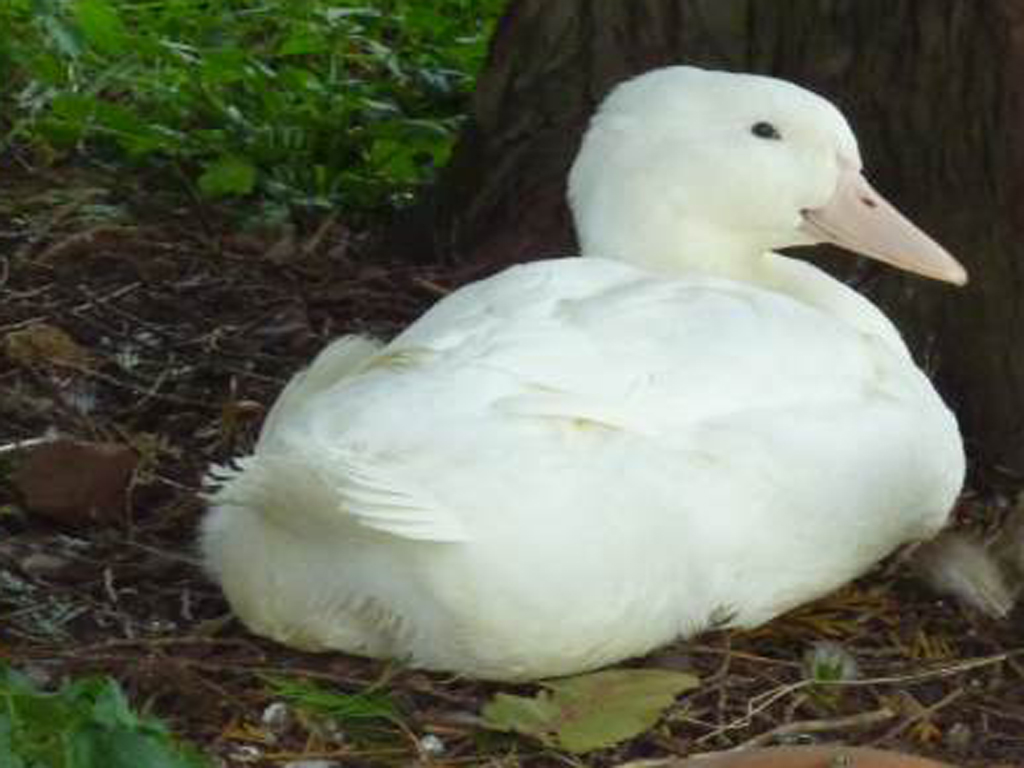
Selecting the right duck breed for meat production is crucial for maximizing profitability and ensuring consumer satisfaction. This section provides a comparative analysis of several popular breeds, focusing on key characteristics like growth rate, meat yield, and flavor profiles. We’ll also provide a ranking to help guide your selection based on your specific production goals.
Comparing Pekin, Muscovy, Rouen, and Khaki Campbell Ducks
Different duck breeds exhibit varying characteristics that impact their suitability for meat production. Understanding these differences allows producers to make informed decisions.
- Pekin: Pekin ducks are renowned for their rapid growth and high meat yield. They typically reach market weight (around 7-9 pounds) in about 7-8 weeks. Their meat is known for being tender and relatively mild in flavor, making them a popular choice in the commercial duck industry. The feed conversion ratio (FCR) for Pekins is generally good, contributing to their economic viability.
- Muscovy: Muscovy ducks have a slower growth rate compared to Pekins, taking approximately 10-12 weeks to reach market weight. However, they offer a leaner meat profile with a distinct, slightly gamey flavor. The carcass yield can be lower than Pekins, but their meat is often preferred by consumers seeking a more flavorful option. Muscovies are also known for their ability to forage, which can reduce feed costs in some environments.
- Rouen: Rouen ducks are a heritage breed, known for their attractive appearance and slower growth rate. They typically take around 10-14 weeks to reach market weight, similar to Muscovies. While their meat quality is excellent, with a rich flavor and good texture, their lower meat yield and slower growth rate make them less commercially viable compared to Pekins.
- Khaki Campbell: Khaki Campbell ducks are primarily known for their egg-laying capabilities, but they can also be raised for meat. Their growth rate is moderate, reaching market weight in about 10-12 weeks. The meat is considered to be of good quality, but the overall meat yield might be lower than breeds specifically selected for meat production.
Ranking the Best Duck Breeds for Meat Production
Ranking duck breeds involves considering multiple factors, including growth rate, feed conversion ratio, meat yield, and meat quality. The following ranking is based on a combination of these factors, aiming to provide a balanced assessment for meat production purposes.
- Pekin: Pekins consistently rank high due to their rapid growth, high meat yield, and efficient feed conversion. They are the most commercially viable breed for meat production, particularly in large-scale operations.
- Muscovy: Muscovies offer a good balance of meat quality and production potential. While their growth rate is slower than Pekins, their leaner meat and distinct flavor profile can command a premium price in certain markets.
- Rouen: Rouen ducks are a good choice for those prioritizing meat quality and flavor. Their slower growth and lower meat yield make them less competitive in large-scale commercial settings.
- Khaki Campbell: Khaki Campbells can be used for meat production, but they are better known for their egg-laying capabilities. Their meat production is a secondary function.
Flavor Profiles and Textural Differences in Duck Meat
The flavor and texture of duck meat vary significantly across different breeds, influencing consumer preferences. Understanding these differences is crucial for marketing and customer satisfaction.The Pekin duck, the most common breed, offers a mild, tender meat profile, with a high fat content that contributes to its succulence. The Muscovy duck presents a leaner, slightly gamey flavor with a firmer texture, appealing to those seeking a more robust taste.
Rouen ducks, with their heritage lineage, boast a rich, flavorful meat, often described as having a slightly sweet undertone and a well-marbled texture. Khaki Campbell duck meat tends to have a good flavor, though perhaps not as pronounced as the Rouen, and the meat may be less fatty. These textural and flavor differences influence cooking methods and consumer choices. For example, the higher fat content of Pekin ducks makes them suitable for roasting, while the leaner Muscovy duck might be better suited for grilling or braising.
Last Point
In conclusion, selecting the ideal duck breeds for meat production is a multifaceted process, requiring careful consideration of various factors. By understanding breed characteristics, management techniques, and market dynamics, you can cultivate a thriving duck operation and enjoy the fruits of your labor. Armed with this knowledge, you are now well-equipped to make informed choices and embark on a successful journey in raising ducks for meat, providing a delicious and sustainable food source.