Embarking on the journey of fish farming begins with a crucial step: selecting the right fish fingerlings. These young fish, representing the future of your aquaculture venture, require careful consideration to ensure a healthy and productive harvest. Understanding the intricacies of fingerling selection is not merely a technicality; it’s the cornerstone of successful fish farming, impacting everything from growth rates to disease resistance.
This guide provides a detailed exploration of how to select fish fingerlings, covering everything from understanding their life cycle and choosing the right species to assessing health, managing their environment, and ensuring their safe transport. We will delve into the critical aspects of selecting healthy fingerlings, setting up their habitat, and implementing effective feeding strategies to maximize their growth potential.
Introduction: Understanding Fish Fingerlings
Fish fingerlings are juvenile fish, typically between a few weeks to a few months old, and are at a stage of development suitable for stocking into grow-out ponds, tanks, or other aquaculture systems. They represent a critical stage in the fish farming process, acting as the foundation for successful aquaculture operations. The health and quality of fingerlings significantly influence the final yield, growth rate, and overall profitability of a fish farm.
Definition and Importance of Fish Fingerlings in Aquaculture
Fingerlings are essentially young fish, post-larval stage, that have developed sufficiently to feed on formulated diets or natural food sources available in their rearing environment. Their importance stems from several key factors that contribute to successful fish farming:
- Efficient Resource Utilization: Fingerlings are relatively small and require less space and feed compared to larger fish. This allows farmers to maximize the use of their resources, such as pond area and feed inputs, during the initial growth phases.
- Improved Survival Rates: Starting with healthy fingerlings increases the chances of survival. Fingerlings that are free from diseases and have a good growth rate are more resilient to environmental stressors and diseases.
- Faster Growth and Production Cycles: The use of high-quality fingerlings can lead to faster growth rates, which shortens the production cycle. This allows farmers to harvest their fish sooner and increase their production frequency.
- Genetic Improvement: Selecting fingerlings from improved genetic stocks enhances the overall productivity and quality of the farmed fish.
- Disease Management: Sourcing fingerlings from reputable hatcheries that implement stringent biosecurity measures helps to minimize the risk of introducing diseases into the farm.
Types of Fish Fingerlings Available
The variety of fish fingerlings available depends on the species being cultivated and the geographical location. Common examples include:
- Carp Fingerlings: These are widely farmed freshwater fish, including species like common carp, grass carp, and silver carp.
- Tilapia Fingerlings: Tilapia is a popular choice due to its fast growth and adaptability. Several species and strains are available.
- Catfish Fingerlings: Catfish fingerlings, such as channel catfish, are also commonly stocked.
- Trout and Salmon Fingerlings: In cooler regions, trout and salmon fingerlings are raised for food production.
- Marine Fish Fingerlings: Fingerlings of marine species like sea bass, sea bream, and various groupers are used in marine aquaculture.
The availability of fingerlings varies based on the species and local demand. For instance, in Southeast Asia, tilapia and carp fingerlings are readily available, while salmon fingerlings are more common in regions with colder climates. The choice of fingerling type also depends on the target market, environmental conditions, and farming practices.
Life Cycle Stage of Fish Fingerlings and Their Significance in Fish Farming
The fingerling stage represents a crucial transition period in a fish’s life cycle. This is the stage between the larval phase and the juvenile or adult stage. Understanding this life cycle stage is crucial for fish farmers.
- Egg Stage: The life cycle begins with eggs. These are typically incubated in a controlled environment, such as a hatchery.
- Larval Stage: After hatching, the fish enter the larval stage. During this stage, they are highly vulnerable and require specialized care, including appropriate feeding and water quality management.
- Fingerling Stage: This is the stage when the fish have developed enough to be considered fingerlings. They are able to actively feed and are more resilient than larvae. This is the stage when they are stocked into grow-out ponds or tanks.
- Juvenile/Adult Stage: The fingerlings continue to grow and develop into juveniles and, eventually, adults. During this phase, they are harvested for consumption or breeding.
The significance of the fingerling stage in fish farming is due to the fact that the health and management during this period significantly influence the survival rate and the overall performance of the fish throughout the grow-out phase. This period determines the fish’s ability to grow efficiently, resist diseases, and achieve the desired market size. Effective management practices during the fingerling stage, including appropriate feeding, water quality management, and disease prevention, are essential for the success of any fish farming operation.
Species Selection
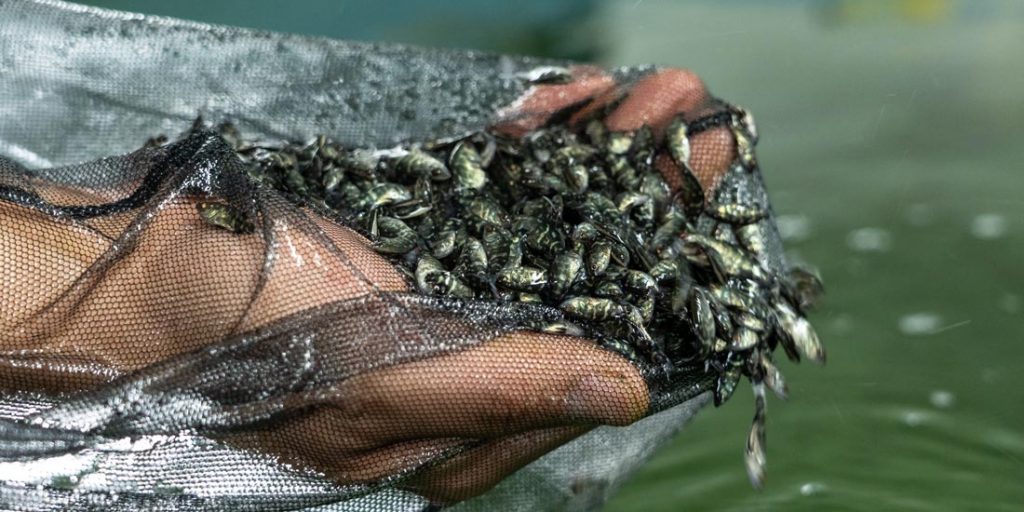
Selecting the appropriate fish species is crucial for successful fingerling production. Careful consideration of several factors ensures optimal growth, marketability, and profitability. This process involves understanding the environment, the target market, and the specific characteristics of different fish species.
Factors for Species Selection
Several factors influence the selection of fish species for fingerling production. These considerations directly impact the viability and profitability of the aquaculture venture.
- Climate: The climate of the production area significantly influences species selection. Consider temperature, rainfall, and sunlight exposure. For instance, tilapia thrives in warm climates, while trout prefers cooler waters. Matching the species’ environmental needs with the local climate is essential for survival and growth.
- Market Demand: Evaluate the local and regional market demand for different fish species. Identify which species are popular and command good prices. Research consumer preferences, local consumption patterns, and the availability of existing supply chains. Understanding market trends will help you choose a species that can be easily sold, maximizing your return on investment.
- Water Quality: Assess the water quality parameters, including pH, dissolved oxygen, and salinity, as different species have varying tolerances. Some species are more resilient to fluctuations in water quality than others. Ensure that the water source can support the chosen species’ specific requirements to maintain healthy growth.
- Growth Potential: Select species known for their rapid growth rates. Faster-growing fish reach marketable size sooner, reducing production time and costs. Research the average growth rates of different species under similar environmental conditions to make an informed decision.
- Disease Resistance: Choose species that are known for their resistance to common fish diseases. This reduces the risk of disease outbreaks and minimizes the need for costly treatments. Consider species with a proven track record of resilience in aquaculture settings.
Growth Potential in Fingerlings
The growth potential of fingerlings is a key factor determining the success of a fish farm. Faster growth translates to a shorter production cycle, lower feed costs, and quicker returns on investment.
The formula for calculating growth rate is: Growth Rate = (Final Weight – Initial Weight) / Time
Selecting fingerlings with superior genetics and providing optimal environmental conditions can maximize growth rates. This includes providing adequate nutrition, maintaining appropriate water quality, and managing stocking densities. For example, fast-growing strains of Nile tilapia can reach marketable size (around 300-500 grams) in 6-8 months under ideal conditions, while slower-growing strains may take significantly longer.
Species for Specific Environments
Choosing the right species for your environment is critical for success. The following table illustrates examples of fish species, their suitable environments, and their general market value. Market values can fluctuate, so consider current local pricing when making decisions.
| Species | Suitable Environment | Market Value (USD/kg) |
|---|---|---|
| Tilapia (Oreochromis niloticus) | Warm, tropical climates; freshwater ponds, tanks, and cages. Requires temperatures between 25-30°C. | $2.50 – $4.00 |
| Common Carp (Cyprinus carpio) | Temperate climates; freshwater ponds and lakes. Tolerates a wide range of water conditions. | $2.00 – $3.50 |
| Rainbow Trout (Oncorhynchus mykiss) | Cool, freshwater environments; requires high dissolved oxygen levels (above 5mg/L) and temperatures between 10-18°C. | $5.00 – $8.00 |
| Catfish (Ictalurus punctatus) | Warm climates; freshwater ponds and raceways. Adaptable to various water qualities. | $2.80 – $4.50 |
| Atlantic Salmon (Salmo salar) | Cool, saltwater environments; net pens in coastal waters. Requires temperatures between 5-15°C. | $8.00 – $12.00 |
Source and Supplier Evaluation: Finding Reliable Fingerlings
Finding a dependable source for fish fingerlings is crucial for the success of any aquaculture venture. The quality of fingerlings directly impacts growth rates, disease resistance, and overall profitability. Careful evaluation of potential suppliers is therefore paramount. This section provides guidance on assessing suppliers and making informed decisions.
Checklist for Evaluating Potential Fingerling Suppliers
Before committing to a supplier, a thorough evaluation process is essential. This checklist provides a structured approach to assessing potential sources of fingerlings, ensuring they meet the necessary standards for your specific needs.
- Supplier Reputation and Experience: Investigate the supplier’s history. How long have they been in business? Do they have a good reputation within the aquaculture community? Look for testimonials or references from other farmers.
- Hatchery Practices and Biosecurity: Assess the hatchery’s operational practices. Are they following industry best practices for hygiene and disease prevention? Inquire about their biosecurity protocols to minimize the risk of introducing diseases.
- Fingerling Health and Quality: Request information on the health status of the fingerlings. Do they provide health certificates or guarantees? Observe the fingerlings firsthand, if possible, to assess their appearance and behavior.
- Species and Genetics: Confirm that the supplier provides the desired species and strain. Inquire about the genetic background of the fingerlings, particularly if specific traits (e.g., disease resistance, growth rate) are important.
- Water Quality and Management: Understand the hatchery’s water source and management practices. High-quality water is essential for healthy fingerlings. Ask about their filtration, aeration, and water testing procedures.
- Transportation and Handling: Clarify the procedures for transporting the fingerlings. Ensure they are properly packaged and transported to minimize stress. Inquire about the supplier’s experience in transporting fingerlings.
- Pricing and Terms of Sale: Obtain clear pricing information, including the cost per fingerling and any associated fees (e.g., transportation, health certification). Review the terms of sale, including payment schedules and guarantees.
- Post-Sale Support: Determine what support the supplier offers after the sale. Do they provide advice on feeding, disease management, or other aspects of fingerling care?
Criteria for Assessing Fingerling Health and Quality
Evaluating the health and quality of fingerlings requires careful observation and attention to detail. Several key indicators can help you assess their suitability for your aquaculture operation.
- Appearance: Observe the physical characteristics of the fingerlings. Healthy fingerlings should have bright, clear eyes, intact fins, and a streamlined body shape. Avoid fingerlings with deformities, lesions, or any signs of disease.
- Behavior: Monitor the fingerlings’ behavior. Healthy fingerlings should be active and responsive to stimuli. Look for signs of lethargy, erratic swimming, or unusual behavior. Observe their feeding behavior, and ensure they are actively feeding.
- Size and Uniformity: Assess the size and uniformity of the fingerlings. A more uniform size distribution indicates better management practices. The size should align with your specific needs and the species’ growth stage.
- Disease Signs: Look for any signs of disease, such as fin rot, ulcers, or external parasites. A healthy population should be free of visible disease symptoms. Inquire about the supplier’s disease prevention and treatment protocols.
- Mortality Rates: Ask the supplier about mortality rates during the fingerling stage. High mortality rates can indicate poor health or disease. Understand their mortality reporting procedures.
- Stress Tolerance: Evaluate the fingerlings’ ability to withstand stress. A stress test might involve exposing a small sample to a brief period of handling or temperature changes to observe their response.
Pros and Cons of Purchasing Fingerlings from Local Hatcheries vs. Importing
The decision to source fingerlings from a local hatchery or import them involves weighing various factors. Each option presents its own set of advantages and disadvantages.
- Local Hatcheries
- Pros:
- Easier access and reduced transportation costs.
- Potential for direct communication and on-site visits.
- Supports local economies.
- May be more familiar with local environmental conditions and disease profiles.
- Often offer species adapted to local climates.
- Cons:
- May have a limited selection of species or strains.
- Could have less advanced technology or management practices.
- Potential for higher prices due to local market dynamics.
- Disease risk can be higher if biosecurity practices are not strictly followed.
- Importing Fingerlings
- Pros:
- Access to a wider variety of species and strains.
- Potentially access to superior genetics or disease resistance.
- May benefit from advanced hatchery technologies and management.
- Cons:
- Higher transportation costs and longer transit times.
- Increased risk of introducing diseases or invasive species.
- More complex import regulations and paperwork.
- Requires careful quarantine procedures upon arrival.
- May face challenges adapting to local environmental conditions.
Fingerling Health and Quality Assessment
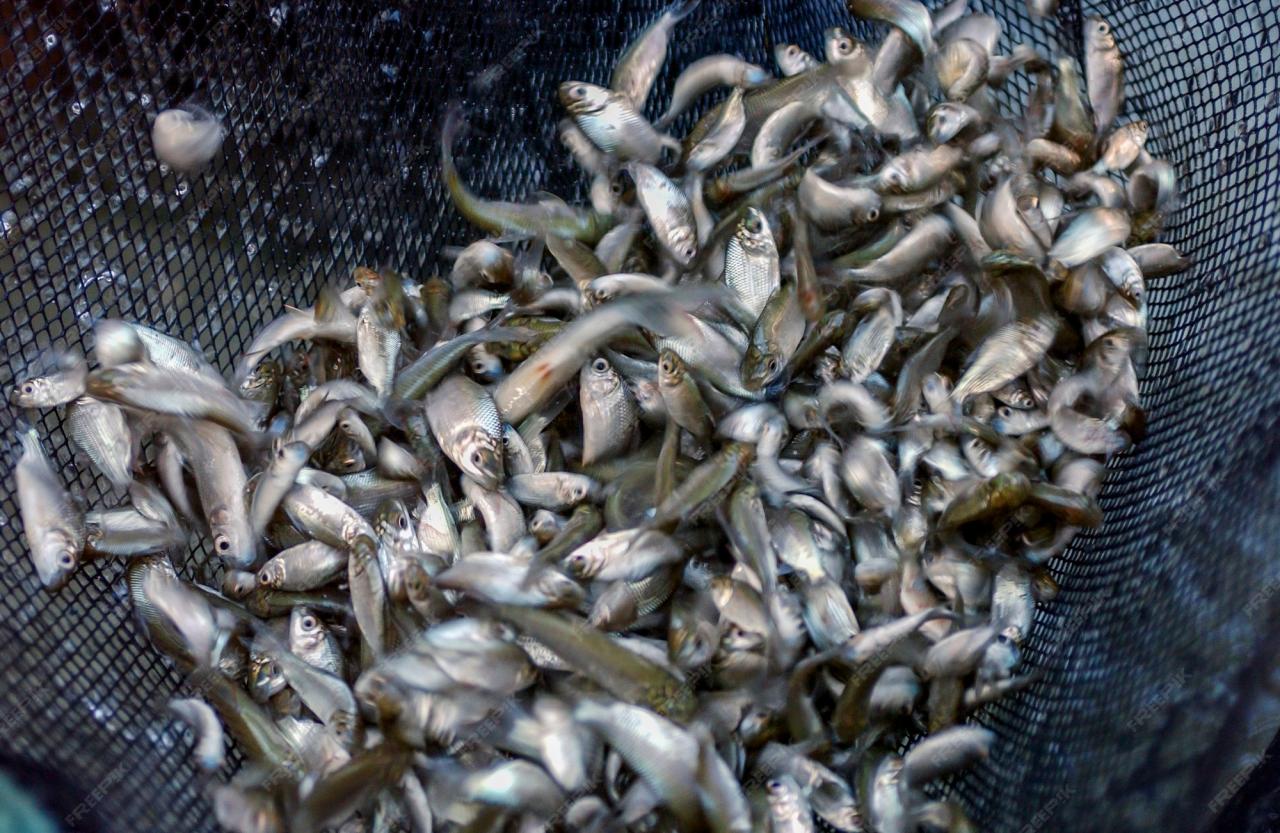
Selecting healthy, high-quality fingerlings is crucial for successful fish farming. A thorough assessment of their health and physical characteristics is a vital step in preventing disease outbreaks and ensuring optimal growth and survival rates. This section details methods for visually inspecting fingerlings, assessing their size and uniformity, and implementing disease prevention strategies.
Visual Inspection for Disease or Stress
A visual inspection is the first line of defense in evaluating fingerling health. Observing fingerlings closely can reveal signs of disease or stress, allowing for early intervention and potentially preventing significant losses.
- Behavioral Observations: Healthy fingerlings should exhibit active swimming behavior, exploring their environment and responding appropriately to stimuli. Observe for signs of lethargy, erratic swimming patterns (e.g., spinning, flashing), or unusual schooling behavior. These can indicate stress or the presence of disease.
- External Appearance: Examine the fingerlings for any physical abnormalities. Check for:
- Lesions and Ulcers: Open sores or wounds on the body can indicate bacterial or parasitic infections.
- Fin Rot: Observe the fins for fraying, discoloration, or erosion, a common sign of bacterial infection.
- Abnormal Swelling: Swelling of the abdomen (dropsy) or eyes (exophthalmia) can indicate internal infections or poor water quality.
- Parasites: Look for visible parasites such as anchor worms or fish lice attached to the body or fins.
- Discoloration: Unusual coloration or the presence of dark or pale patches can indicate stress or disease.
- Gill Examination: Healthy gills are bright red. Examine the gills for:
- Pale or Discolored Gills: May indicate anemia or gill disease.
- Swollen Gills: Suggests irritation from parasites or poor water quality.
- Excessive Mucus: A sign of irritation or infection.
Assessing Fingerling Size and Uniformity
Fingerling size and uniformity are essential indicators of growth and overall health. A uniform size distribution suggests consistent growth rates, while significant size variations can indicate competition for resources, disease, or genetic differences.
- Sample Selection: Randomly select a representative sample of fingerlings from the population. The size of the sample should be proportional to the total number of fingerlings being evaluated (e.g., a larger sample for a larger population).
- Measurement Techniques:
- Length Measurement: Use a ruler or measuring board to measure the total length of each fingerling from the tip of the snout to the end of the tail fin.
- Weight Measurement: Weigh the fingerlings individually using a sensitive scale.
- Data Analysis:
- Average Size: Calculate the average length and weight of the fingerlings in the sample.
- Size Range: Determine the range of sizes (smallest to largest) within the sample.
- Coefficient of Variation (CV): The CV is a statistical measure of size uniformity. A lower CV indicates greater uniformity. The formula is:
CV = (Standard Deviation / Mean)
– 100A CV of less than 10% is generally considered good for fingerling populations, suggesting a relatively uniform size distribution. For example, if a sample of 100 fingerlings has an average length of 5 cm with a standard deviation of 0.3 cm, the CV would be (0.3 / 5)
– 100 = 6%.
Disease Prevention and Control in Fingerling Selection
Implementing effective disease prevention and control measures is paramount to minimizing disease outbreaks and maximizing fingerling survival. These measures should begin during the selection process.
- Quarantine: Quarantine newly acquired fingerlings in a separate tank or pond for a period (e.g., 14-30 days) before introducing them to the main culture system. This allows for observation and early detection of disease.
- Biosecurity Measures: Implement strict biosecurity protocols to prevent the introduction and spread of pathogens:
- Disinfection: Disinfect all equipment (nets, buckets, etc.) before and after use.
- Water Source: Ensure the water source is free from pathogens or treat it appropriately (e.g., filtration, UV sterilization).
- Staff Training: Train staff on biosecurity protocols and disease recognition.
- Vaccination (if applicable): Vaccinate fingerlings against common diseases where vaccines are available and appropriate for the species. Consult with a veterinarian or fish health specialist.
- Proper Nutrition: Provide a balanced diet formulated to meet the nutritional needs of the fingerlings. A well-nourished fish is more resistant to disease.
- Water Quality Management: Maintain optimal water quality parameters (temperature, dissolved oxygen, pH, ammonia, nitrite) to minimize stress and support fish health.
- Regular Monitoring: Conduct regular health checks and monitor water quality parameters to detect any early signs of disease or environmental stress.
- Common Diseases and Preventative Measures:
- Bacterial Infections (e.g., Aeromonas, Pseudomonas):
- Prevention: Maintain good water quality, avoid overcrowding, and provide a balanced diet.
- Treatment: Antibiotics (under veterinary supervision).
- Parasitic Infections (e.g., Ichthyophthirius multifiliis (Ich), Argulus):
- Prevention: Quarantine new fish, maintain good water quality, and treat water sources.
- Treatment: Parasiticides (e.g., formalin, malachite green – use with caution and following regulations).
- Fungal Infections (e.g., Saprolegnia):
- Prevention: Avoid injuries, maintain good water quality, and control stress.
- Treatment: Antifungal agents (e.g., malachite green, potassium permanganate – use with caution and following regulations).
- Viral Diseases (e.g., Lymphocystis):
- Prevention: Source fish from reputable suppliers, maintain good water quality, and reduce stress.
- Treatment: No specific treatment; supportive care (improve water quality, reduce stress) is crucial.
- Bacterial Infections (e.g., Aeromonas, Pseudomonas):
Environmental Considerations
Creating a suitable environment is paramount for the successful rearing of fish fingerlings. The water quality and habitat directly impact their survival, growth rate, and overall health. Careful attention to these environmental factors ensures the fingerlings thrive and reach maturity.
Water Quality in Fingerling Rearing
Water quality is the single most critical factor influencing the success of fingerling rearing. Poor water quality can lead to stress, disease, and even mortality. Maintaining optimal water parameters provides the best environment for growth and survival. Regular monitoring and appropriate management practices are essential to maintain a healthy aquatic environment.
Water Parameter Guidelines
Monitoring and maintaining specific water parameters are crucial for fingerling well-being. Regular testing and adjustments, if necessary, are essential to prevent issues and promote healthy development.
- Temperature: The ideal temperature range varies depending on the fish species. Generally, most fingerlings thrive within a temperature range of 24-30°C (75-86°F). Maintaining a stable temperature is crucial; sudden fluctuations can stress the fingerlings. For example, tilapia fingerlings grow best at 28-30°C (82-86°F), while trout prefer cooler temperatures, around 14-18°C (57-64°F). Temperature directly affects metabolic rate and oxygen consumption.
- pH: The pH level, which indicates the acidity or alkalinity of the water, should be maintained within an optimal range. Most fingerlings prefer a pH between 6.5 and 8.5. Deviations from this range can affect gill function and stress the fish. Regular pH testing is vital; if the pH is too low, adding lime can help, and if it’s too high, the addition of carbon dioxide can lower it.
- Dissolved Oxygen (DO): Adequate dissolved oxygen is essential for fish respiration. The optimal DO level for fingerlings is typically above 5 mg/L. Oxygen levels can be increased through aeration using air pumps or water circulation. Monitoring the DO level, especially in warmer water where oxygen solubility decreases, is crucial.
- Ammonia, Nitrite, and Nitrate: These nitrogenous compounds are byproducts of fish metabolism and the decomposition of organic matter. Ammonia and nitrite are highly toxic to fish, even at low concentrations. Nitrate is less toxic but can still contribute to stress. Regular water changes and the use of biofilters are necessary to control the levels of these compounds.
Habitat Preparation for Fingerlings
Creating a suitable habitat involves providing the right physical and biological environment for the chosen fingerling species. The habitat should offer protection, appropriate feeding opportunities, and the necessary space for growth. The specific requirements vary depending on the fish species, but some general principles apply.
- Tank or Pond Selection: The choice between a tank or pond depends on resources and the scale of operation. Tanks offer better control over water quality and easier monitoring, while ponds can provide a more natural environment and are often more cost-effective for larger operations. The size of the tank or pond should be appropriate for the number of fingerlings and their expected growth.
- Substrate: The substrate, or bottom material, can influence the habitat. Some species, like catfish, prefer muddy bottoms, while others prefer gravel or sand. The substrate can provide a surface for the growth of beneficial bacteria and act as a natural food source. However, the substrate can also accumulate waste, so it’s important to consider the maintenance requirements.
- Cover and Shelter: Providing cover, such as plants, rocks, or artificial structures, can help fingerlings feel secure and reduce stress. Cover also provides hiding places from predators. The type of cover should be appropriate for the species; some fingerlings prefer dense vegetation, while others prefer open areas.
- Water Circulation and Aeration: Adequate water circulation and aeration are essential for maintaining water quality. Circulation helps distribute oxygen and nutrients throughout the habitat. Aeration, through the use of air pumps or water fountains, ensures sufficient oxygen levels, especially in densely stocked tanks or ponds.
- Vegetation: Aquatic plants can play a vital role in maintaining water quality by absorbing nutrients and providing oxygen. They also offer cover and shelter for the fingerlings. However, excessive plant growth can deplete oxygen levels at night, so careful management is necessary.
Transportation and Acclimation
The successful introduction of fish fingerlings to a new environment hinges significantly on the methods employed during their transportation and the subsequent acclimation process. Minimizing stress during these critical stages is paramount to ensuring the survival and long-term health of the fingerlings. Proper handling and a carefully executed acclimation protocol are crucial for reducing mortality rates and fostering a thriving aquatic population.
Safe Handling
Transporting fish fingerlings requires meticulous attention to detail to prevent injury and stress. The goal is to maintain optimal water quality and temperature throughout the journey. Several best practices contribute to a successful transport.* Preparation of Transport Containers: The choice of transport container depends on the scale of the operation and the duration of the journey. Options include plastic bags, insulated containers, and specialized transport tanks.
For short distances, oxygenated plastic bags are often used. The bags are partially filled with water, oxygen is added, and the bags are sealed. For longer trips, insulated containers or tanks are preferable. These help maintain a stable water temperature. Containers should be clean and free from any residual chemicals.
Water Quality Management
Maintaining water quality is essential.
Before packing, ensure the water is clean, well-oxygenated, and has a suitable pH level for the species.
The water temperature should be stable and appropriate for the fingerlings’ physiological needs. Sudden temperature changes can be fatal. Ammonia and nitrite levels should be monitored and kept to a minimum, as these are toxic to fish. –
Oxygenation
Adequate oxygen levels are crucial, especially during longer transport periods.
Oxygen can be supplied by using an oxygen tank and diffuser.
Oxygen tablets or oxygen-releasing compounds can be added to the water.
The amount of oxygen needed depends on the density of the fish, the water temperature, and the duration of the transport.
Fish Density
Overcrowding should be avoided. The density of fingerlings in the transport container should be appropriate for the species and the size of the fingerlings.
Overcrowding increases stress and can lead to oxygen depletion and ammonia buildup.
A general guideline is to transport fewer fish per volume of water for longer distances.
Temperature Control
Maintaining a stable temperature is vital.
Insulated containers help to regulate temperature.
During hot weather, ice packs can be used to keep the water cool, but direct contact with the ice should be avoided.
During cold weather, the container should be protected from freezing temperatures.
Minimizing Handling
Handling should be kept to a minimum.
Use a soft net to gently catch the fingerlings.
Avoid touching the fish with bare hands, as this can remove their protective slime coat and increase the risk of infection.
The transfer from the net to the transport container should be done quickly and efficiently.
Transportation Conditions
The vehicle used for transport should provide a smooth ride and protect the fingerlings from direct sunlight and extreme temperatures.
The vehicle should be well-ventilated.
The container should be secured to prevent it from tipping over.
The driver should avoid sudden stops and starts.
Acclimation Process
Acclimation is the gradual process of introducing fish fingerlings to their new environment. It helps them adjust to changes in water parameters such as temperature, pH, and water chemistry, reducing stress and increasing their chances of survival. This process should be done slowly and carefully.* Temperature Matching: The most critical parameter to match is temperature.
Before releasing the fingerlings, measure the temperature of the water in the transport container and the receiving pond or tank.
If there is a significant temperature difference, float the sealed transport bag in the new water for 15-30 minutes to allow the temperatures to equalize gradually.
Alternatively, slowly add small amounts of the new water to the transport container over a period of time to adjust the temperature.
Water Parameter Adjustment
Gradually acclimate the fingerlings to the new water parameters.
If there are differences in pH, salinity, or other water parameters, slowly introduce water from the new environment to the transport container over a period of an hour or more.
This can be done using a drip method, where a small amount of water is slowly dripped into the transport container.
Monitor the fish for any signs of stress, such as erratic swimming or gasping at the surface.
Release Procedure
Once the fingerlings have been acclimated, they can be released into their new environment.
Choose a release point that is sheltered and provides some cover for the fingerlings.
Slowly release the fingerlings from the transport container into the water.
Observe the fish for a period of time to ensure they are adjusting well.
Avoid pouring the fish into the water suddenly, as this can cause stress.
Post-Acclimation Monitoring
Continue to monitor the fingerlings for several days after introduction.
Observe their behavior, feeding habits, and overall health.
Monitor water quality parameters regularly.
Be prepared to take corrective action if any problems arise, such as disease outbreaks or water quality issues. –
Example
Imagine a scenario where fish fingerlings are transported from a hatchery to a new pond. The hatchery water temperature is 20°C, while the pond water is 25°C.
To acclimate the fingerlings, the transport bag is first floated in the pond for 20 minutes to equalize the temperatures.
After that, small amounts of pond water are slowly added to the bag over the next hour.
Finally, the fingerlings are gently released into the pond, and their behavior is monitored for several days to ensure they are adjusting well.
Feeding and Nutrition
Proper nutrition is paramount for the healthy growth and development of fish fingerlings. A well-balanced diet provides the essential nutrients necessary for optimal growth, disease resistance, and overall survival. Understanding the specific nutritional needs of different fish species and providing appropriate feed is crucial for successful fingerling rearing. This section will delve into the importance of feeding, feed selection, and recognizing signs of proper and improper feeding practices.
Providing the Right Diet
Selecting the appropriate feed type and establishing a suitable feeding schedule are fundamental aspects of fingerling management. The choice of feed depends on the species, age, and feeding habits of the fingerlings. Starter feeds are typically fine and highly digestible, while grow-out feeds become larger and contain more protein as the fish mature.
- Feed Types:
Fingerling diets generally fall into several categories. These include:
- Starter Feeds: These are finely ground or powdered feeds, often formulated as crumbles or pellets, designed for the initial feeding of newly hatched or very young fingerlings. They are highly digestible and typically contain high protein levels to support rapid growth. Examples include commercially available starter feeds specifically designed for different fish species, often ranging from 45-55% crude protein content.
- Grow-Out Feeds: As fingerlings grow, they require larger feed particles and a slightly lower protein content. Grow-out feeds are available in various pellet sizes. The protein content typically ranges from 30-45%, depending on the species and stage of development.
- Supplementary Feeds: In some cases, supplementary feeds, such as live or frozen organisms (e.g., Artemia nauplii, Daphnia), may be used to enhance the nutritional profile or stimulate feeding behavior, particularly for certain species.
- Feeding Schedules:
The feeding frequency and amount should be adjusted based on the species, water temperature, and observed feeding behavior. Overfeeding can lead to poor water quality and increased disease risk, while underfeeding can stunt growth and weaken the fish. As a general guideline:
- Young Fingerlings (e.g., first few weeks): Feed small amounts multiple times a day (e.g., 6-8 times).
- Growing Fingerlings: Reduce the feeding frequency (e.g., 3-4 times a day) while increasing the amount of feed per feeding as the fish grow.
- Adult Fingerlings: Feeding frequency can be reduced further (e.g., 1-2 times a day).
- Feed Selection Guidelines:
Consider the following when selecting feed:
- Species-Specific Needs: Different species have different nutritional requirements. Research the specific dietary needs of the fish species you are raising. For example, carnivorous fish like trout require a higher protein content than omnivorous fish like tilapia.
- Feed Quality: Choose high-quality feeds from reputable suppliers. Look for feeds that are fresh, properly stored, and have a good shelf life. Check the feed composition and ensure it meets the nutritional requirements of the fish.
- Pellet Size: Select the appropriate pellet size for the size of the fingerlings. Start with smaller pellets and gradually increase the size as the fish grow.
- Ingredient List: Review the ingredient list to ensure the feed contains high-quality protein sources (e.g., fish meal, soybean meal), essential amino acids, vitamins, and minerals.
- Feed Conversion Ratio (FCR): Consider the FCR of the feed, which is a measure of how efficiently the fish convert feed into body mass. A lower FCR indicates a more efficient feed.
Signs of Underfeeding and Overfeeding
Monitoring the feeding behavior and physical condition of the fingerlings is crucial for adjusting feeding strategies. The following table summarizes the signs of underfeeding and overfeeding, along with recommended adjustments for different fingerling species.
| Species | Signs of Underfeeding | Signs of Overfeeding | Feeding Adjustments |
|---|---|---|---|
| Tilapia |
|
|
|
| Catfish |
|
|
|
| Trout |
|
|
|
| Carp |
|
|
|
Record Keeping and Monitoring: Tracking Progress
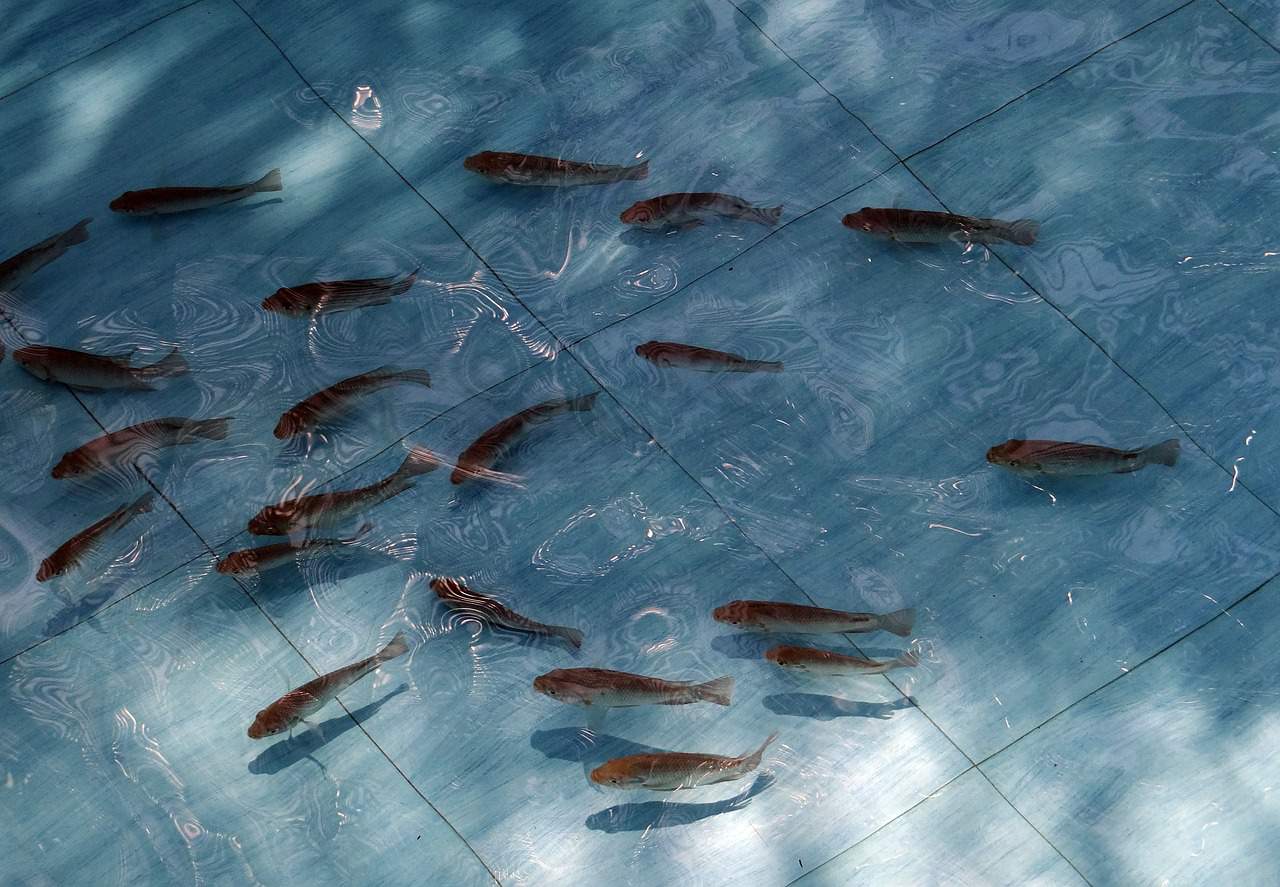
Maintaining meticulous records is crucial for successful fingerling rearing. This allows for effective monitoring of growth, health, and environmental conditions, ultimately enabling informed decision-making and optimizing fish production. A well-structured record-keeping system provides valuable insights into the performance of the fingerlings and helps identify potential problems early on.
Designing a Simple Record-Keeping System
A simple record-keeping system should be easy to use, yet comprehensive enough to capture all relevant information. This system helps track the fingerlings’ progress and identify potential issues.
- Daily Observations: Document daily observations of fingerling behavior, such as feeding activity, swimming patterns, and any signs of disease. Note any unusual occurrences, such as lethargy, erratic swimming, or changes in color.
- Feeding Records: Record the type and amount of feed provided, the feeding frequency, and the time of feeding. Also, note any uneaten feed, which indicates overfeeding or potential problems with feed quality.
- Mortality Records: Keep a detailed record of any mortalities, including the date, number of fish lost, and a description of any observed symptoms. If possible, collect samples for disease diagnosis.
- Water Quality Parameters: Regularly monitor and record water quality parameters such as temperature, dissolved oxygen, pH, ammonia, nitrite, and nitrate levels. This data helps to identify and address any potential water quality issues.
- Growth Measurements: Periodically measure the length and weight of a representative sample of fingerlings to track their growth rate. This data helps to assess the effectiveness of the feeding regime and overall health.
- Treatment Records: If any treatments are administered (e.g., for disease), record the date, type of treatment, dosage, and any observed effects.
Tracking Water Quality Parameters and Feeding Efficiency
Monitoring water quality and assessing feeding efficiency are essential for optimizing fingerling growth and survival. Consistent monitoring provides valuable data for managing the rearing environment and ensuring the well-being of the fish.
- Water Quality Monitoring: Water quality parameters must be measured regularly using appropriate test kits or meters. The frequency of testing depends on the system and the stage of fingerling development, but it is generally recommended to test daily or every other day for critical parameters like dissolved oxygen and ammonia, especially in the early stages.
- Feeding Efficiency Assessment: Feeding efficiency can be assessed by observing the fish during feeding, measuring the amount of feed consumed, and monitoring the growth rate.
- Calculating Feed Conversion Ratio (FCR): FCR is a crucial metric for evaluating feeding efficiency. It is calculated as:
FCR = Total Feed Consumed / Total Weight Gain of Fish
A lower FCR indicates better feed efficiency.
- Water Exchange and Filtration: Regular water exchange and the use of filtration systems are essential for maintaining optimal water quality. The frequency and volume of water exchange depend on the system and stocking density.
Expected Growth Rates for Different Fingerling Species
Growth rates vary significantly among different fish species and are influenced by factors such as water temperature, feed quality, and stocking density. The following chart provides an example of expected growth rates for several common fingerling species. Please note that these are estimates, and actual growth may vary.
| Species | Age (Weeks) | Average Length (cm) | Average Weight (g) |
|---|---|---|---|
| Tilapia (Oreochromis niloticus) | 4 | 3-5 | 1-3 |
| Catfish (Clarias gariepinus) | 4 | 4-6 | 2-5 |
| Common Carp (Cyprinus carpio) | 6 | 5-7 | 5-10 |
| Rainbow Trout (Oncorhynchus mykiss) | 8 | 6-8 | 10-20 |
This chart presents average growth rates. Tilapia fingerlings, for instance, are expected to grow to 3-5 cm in length and 1-3 grams in weight within 4 weeks, whereas catfish might reach 4-6 cm and 2-5 grams in the same period. Common carp generally grow to 5-7 cm and 5-10 grams in 6 weeks, while rainbow trout can achieve 6-8 cm and 10-20 grams in 8 weeks.
These values serve as benchmarks; actual results depend on optimal conditions.
Final Wrap-Up
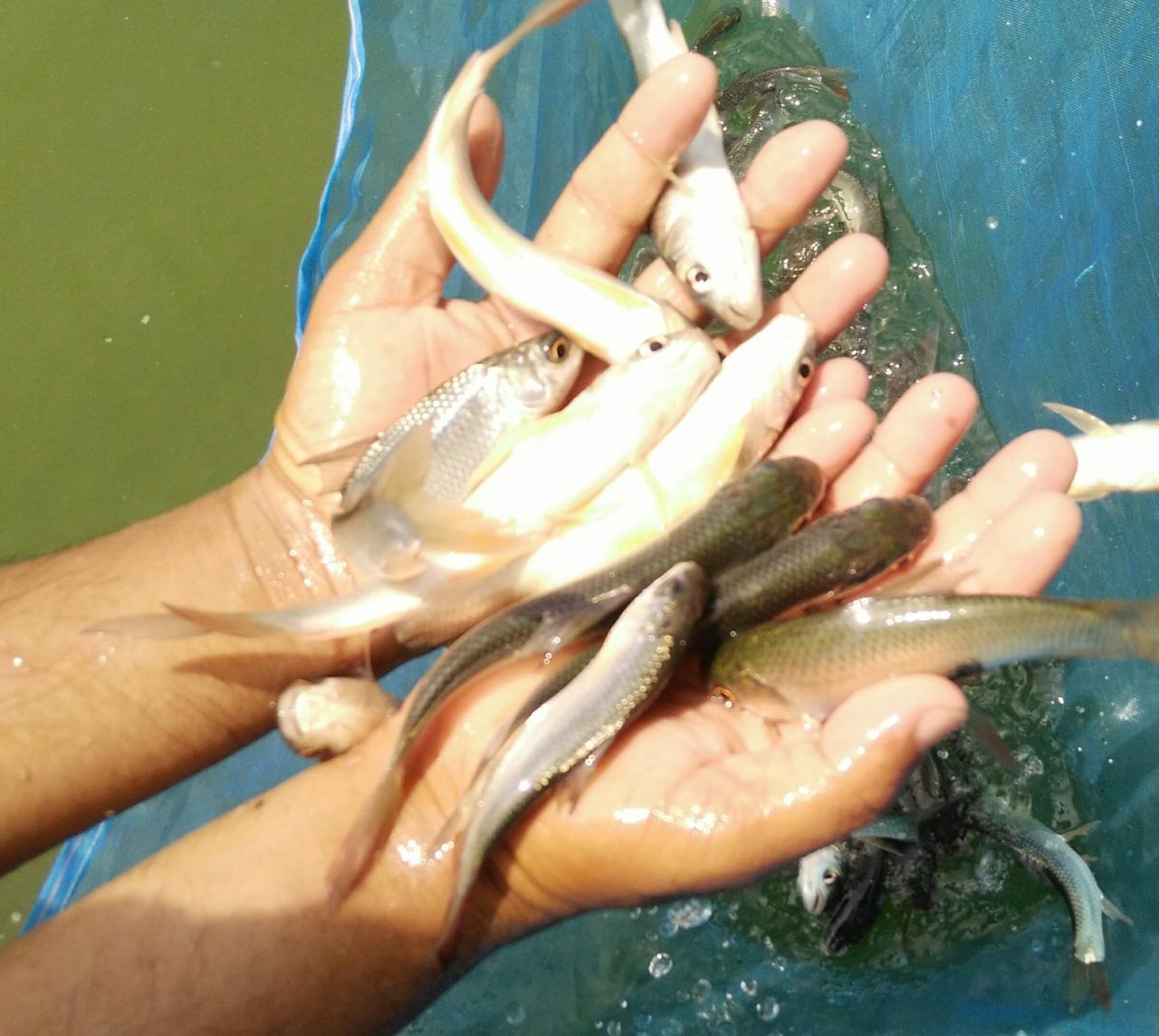
In conclusion, mastering the art of how to select fish fingerlings is paramount for any aspiring or experienced fish farmer. By focusing on species selection, source evaluation, health assessment, environmental considerations, and proper care, you can significantly increase your chances of a thriving aquaculture operation. Remember, the success of your harvest starts with the choices you make at the very beginning, ensuring a healthy and productive future for your fish.