Embarking on the journey of goat breeding requires a solid foundation of knowledge and careful planning. This guide provides a comprehensive overview of the key considerations when selecting goats for breeding, ensuring you make informed decisions that align with your goals. From understanding different breeds and their purposes to assessing physical characteristics and genetic history, this resource equips you with the essential information to cultivate a healthy and productive herd.
We’ll delve into the intricacies of breed selection, physical conformation, health considerations, and genetic evaluation. You will discover the importance of age, temperament, and breeding soundness exams. Furthermore, we’ll explore various breeding systems, the significance of nutrition, and the critical role of meticulous record-keeping. This comprehensive approach aims to empower you with the knowledge necessary for success in goat breeding.
Breed Selection and Purpose
Choosing the right goat breed is crucial for successful breeding, directly impacting the productivity and profitability of a goat farming operation. The selection process hinges on the intended use of the offspring, whether for meat, milk, fiber, or a combination of these. Careful consideration of breed characteristics, adaptability to the local environment, and the farmer’s resources will lead to optimal results.
Meat Goat Breeds
Meat goat breeds are specifically bred for efficient meat production, characterized by rapid growth, good muscling, and high carcass yields.
- Boer: Originally from South Africa, Boers are known for their rapid growth and heavy muscling. They are a popular choice for meat production globally. Boers are typically white with a red head and neck, although solid red or patterned individuals exist. They have a high dressing percentage, meaning a large proportion of their live weight translates to usable meat.
A mature Boer buck can weigh over 300 pounds, while does typically weigh around 200-250 pounds. Their prolificacy, often producing twins or triplets, contributes to their profitability.
- Kiko: Developed in New Zealand, Kikos are known for their hardiness and ability to thrive in challenging environments. They are generally larger framed than Boers and are excellent foragers, making them well-suited for extensive grazing systems. Kikos are often used to improve the hardiness and parasite resistance of other meat goat breeds. Their coat color varies widely. Kikos have a good mothering ability and are known for their resilience against parasites.
- Myotonic (Fainting Goat): Myotonics, also known as fainting goats, are a unique breed that exhibit a temporary stiffening or “fainting” response when startled. They are known for their high meat-to-bone ratio and relatively low fat content. Their docile temperament and easy management make them suitable for smaller farms. Myotonics come in various colors and patterns.
- Spanish: Spanish goats are a diverse group, often referred to as “brush goats,” adapted to various climates and grazing conditions. They are hardy and prolific, often used for clearing brush. Their meat quality can vary, but they are valued for their adaptability. They come in a wide range of colors and patterns.
Dairy Goat Breeds
Dairy goat breeds are selected for high milk production, with a focus on milk quality, butterfat content, and overall health.
- Alpine: Alpine goats are known for their high milk production and adaptability to various climates. They are a medium to large-sized breed, with a variety of coat colors. Alpine goats are known for their friendly and curious nature. They produce a moderate amount of butterfat in their milk.
- Saanen: Saanens are one of the highest milk-producing breeds, known for their gentle temperament. They are typically white or cream-colored. Saanens thrive in cooler climates and produce milk with a lower butterfat content compared to some other breeds. Their high milk yield makes them a popular choice for commercial dairy operations.
- Nubian: Nubians are easily recognized by their long, pendulous ears and Roman nose. They produce milk with a higher butterfat content than many other dairy breeds, making it ideal for cheese production. Nubians are adaptable to warmer climates and known for their distinctive vocalizations. Their milk is often used for artisan cheese and other dairy products.
- Toggenburg: Toggenburgs are one of the oldest known dairy breeds. They are brown with white markings. Toggenburgs are known for their consistent milk production and are well-suited to various climates. Their milk has a moderate butterfat content.
Fiber Goat Breeds
Fiber goat breeds are raised for the production of valuable fibers, such as mohair and cashmere.
- Angora: Angora goats are the primary producers of mohair, a luxurious fiber known for its luster, softness, and durability. Angoras are known for their distinctive fleece, which grows continuously and requires regular shearing. They are generally white but can also be other colors. Mohair is used in a variety of textiles, including clothing and upholstery.
- Cashmere: Cashmere goats produce cashmere fiber, a fine, soft undercoat that is highly prized for its warmth and luxurious feel. Cashmere goats are typically smaller than Angoras and are raised primarily for their fiber production. The fiber is harvested by combing the goats during the spring shedding season. Cashmere fiber is used in high-end clothing and accessories.
Dual-Purpose Goat Breeds
Dual-purpose breeds are selected for their ability to produce both meat and milk, offering a versatile option for goat farmers.
- Nigerian Dwarf: Nigerian Dwarfs are a miniature breed that can produce a surprising amount of milk for their size. They also produce a decent amount of meat. They are known for their friendly personalities and are popular with hobby farmers. They come in a wide range of colors and patterns.
- Pygmy: Pygmy goats are a small breed that can be used for both meat and milk production. They are known for their hardiness and adaptability. Pygmies are often kept as pets but can also be used for meat production. They come in a variety of colors and patterns.
Successful Breed Combinations for Specific Breeding Goals
Careful breed selection and crossbreeding can enhance desirable traits in offspring.
- Meat Production: Crossing a Boer buck with Kiko does can result in offspring with improved hardiness and growth rates, benefiting from hybrid vigor.
- Milk Production: Crossing a Saanen buck with Nubian does can increase milk production while maintaining a good butterfat content.
- Fiber Production: Breeding Angora goats for mohair production ensures a consistent supply of this valuable fiber. Cashmere goats, when bred, produce cashmere, a valuable fiber.
- Dual-Purpose: Crossing a Nigerian Dwarf with a Boer can result in offspring that are excellent for meat production and have a higher milk production compared to a Boer.
Physical Characteristics and Conformation
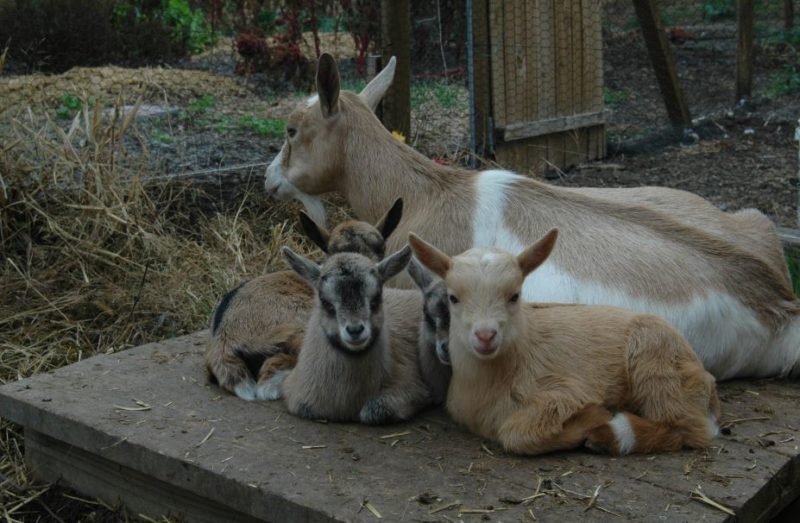
Selecting breeding goats based on physical characteristics and conformation is crucial for ensuring the health, productivity, and longevity of your herd. Careful evaluation helps to identify animals that are likely to pass on desirable traits to their offspring. This process involves assessing both the overall appearance and the structural soundness of the goat.
Desirable Physical Traits in Breeding Goats
The ideal physical traits vary slightly between bucks and does, but the underlying principles of good health and structural integrity remain consistent. The following details the characteristics that are generally sought after.For Bucks:
- Masculinity: Bucks should exhibit strong masculine characteristics, including a broad chest, a well-developed neck and shoulders, and a muscular body. This suggests good breeding potential and the ability to pass on these traits to their offspring.
- Head and Horns: The head should be proportionate to the body, with a strong jaw and a slightly dished or straight face, depending on the breed standard. Horns, if present, should be well-shaped and correctly positioned, avoiding any interference with the eyes or face.
- Legs and Feet: Strong, straight legs are essential for good movement and longevity. Bucks should have well-formed feet with even weight distribution across the hooves.
- Reproductive Organs: The scrotum should be well-developed, symmetrical, and free from any abnormalities. Testicles should be of adequate size and firm to the touch.
- Overall Condition: Bucks should appear alert, healthy, and in good body condition. Their coat should be clean and shiny, indicating good health.
For Does:
- Femininity: Does should exhibit feminine characteristics, including a refined head, a long, smooth neck, and a wedge-shaped body. This indicates good breeding potential and the ability to successfully carry and raise kids.
- Udder: Dairy does, in particular, should have a well-attached udder with a smooth texture, good capacity, and well-placed teats. Meat does should also have a functional udder capable of nursing kids.
- Legs and Feet: Like bucks, does require strong, straight legs and well-formed feet for mobility and longevity.
- Body Capacity: Does should have adequate body capacity, including a deep chest and a long body, to accommodate pregnancy and milk production.
- Reproductive Soundness: Does should have a vulva that is correctly formed and free from any abnormalities.
- Overall Condition: Does should appear alert, healthy, and in good body condition. Their coat should be clean and shiny.
Comparing Ideal Conformation in Meat Goats Versus Dairy Goats
Conformation, or the physical structure of an animal, significantly impacts its performance and longevity. While both meat and dairy goats benefit from good conformation, the specific requirements differ due to their intended purpose. The following table highlights the key differences:
| Characteristic | Meat Goats | Dairy Goats | Notes |
|---|---|---|---|
| Body Shape | Compact and Muscular; Emphasis on meat production in the loin, hindquarters, and chest. | Wedge-shaped; Emphasis on a deep rib cage and large abdominal capacity for milk production. | The overall body shape reflects the primary function of each type of goat. |
| Muscle Development | Well-developed muscles, especially in the hindquarters and loin, are crucial for meat yield. | Muscle development is less emphasized; focus is on a lean body and efficient energy use for milk production. | Meat goats are bred for high muscle mass, whereas dairy goats prioritize efficient nutrient conversion into milk. |
| Udder/Teats | Udder should be functional, with teats that are easy for kids to nurse. | Udder should be well-attached, with a smooth texture, good capacity, and well-placed teats for easy milking. | Udder conformation is critical for milk production in dairy goats. |
| Legs and Feet | Strong, straight legs and sound feet are essential for mobility and foraging ability. | Similar to meat goats, good legs and feet are important for longevity and ease of movement. | Regardless of breed type, structural soundness is essential for a goat’s ability to move and thrive. |
Assessing a Goat’s Conformation and Identifying Potential Structural Flaws
Assessing conformation involves a systematic examination of the goat’s physical structure. This process can identify potential structural flaws that may negatively impact the animal’s health, productivity, and longevity. The following points guide the assessment.
- Visual Appraisal: Begin by observing the goat from a distance, noting the overall balance and proportion of the body. Look for any obvious deviations from the breed standard or signs of asymmetry.
- Side View Assessment: Evaluate the goat’s topline (back) and underline (belly). A straight topline and a deep underline are desirable. Check for a swayback (a dip in the back) or a roach back (a hump in the back).
- Front View Assessment: Observe the goat’s front legs and chest. Legs should be straight and well-aligned. Look for conditions such as knock-knees (knees that turn inward) or bowlegs (legs that curve outward). The chest should be broad enough to allow for adequate lung capacity.
- Rear View Assessment: Evaluate the goat’s hind legs and hindquarters. Legs should be straight and well-aligned. Look for cow hocks (hocks that turn inward) or sickle hocks (hocks that are overly curved). The hindquarters should be well-muscled and proportionate.
- Palpation: Use your hands to feel the goat’s bones and joints. Check for any signs of swelling, heat, or pain. Assess the firmness of the muscles and the condition of the udder (in does).
- Gait Assessment: Observe the goat walking and trotting. This helps to assess the goat’s movement and identify any lameness or gait abnormalities.
- Common Structural Flaws: Be aware of common structural flaws, such as:
- Weak Pasterns: Pasterns that are too long or weak can cause the feet to splay outward.
- Posty Legs: Legs that are too straight, lacking proper angulation, can lead to joint problems.
- Cow Hocks/Sickle Hocks: These conditions can place undue stress on the hock and stifle joints.
- Swayback/Roach Back: These spinal abnormalities can affect the goat’s overall conformation and movement.
Identifying and avoiding goats with significant structural flaws is essential for maintaining a healthy and productive herd.
Health and Genetic Considerations
Breeding healthy goats is paramount for the long-term success and well-being of your herd. Careful attention to health and genetics helps to minimize disease, improve productivity, and enhance the overall quality of your breeding program. Ignoring these factors can lead to significant economic losses, animal suffering, and compromised genetic potential.
Health Screening Before Breeding
Thorough health screening is a crucial step before introducing any animal into a breeding program. This process helps identify and prevent the spread of infectious diseases and genetic conditions that could negatively impact offspring and the existing herd.Health screening typically involves several components:
- Physical Examination: A veterinarian should perform a comprehensive physical examination, including assessing body condition, checking for external parasites, and listening to heart and lung sounds.
- Diagnostic Testing: Blood tests, fecal examinations, and other diagnostic tests are essential for detecting internal parasites, bacterial infections, and viral diseases. Specific tests will depend on the region and common diseases. For example, testing for Caprine Arthritis Encephalitis (CAE) and Caseous Lymphadenitis (CL) is highly recommended.
- Quarantine: Newly acquired animals should be quarantined for a minimum of 30 days to observe for signs of illness and to prevent the introduction of diseases to the existing herd. During this time, they should be kept separate from other goats and monitored closely.
- Vaccination and Parasite Control: Ensure that all breeding stock are up-to-date on vaccinations and parasite control protocols appropriate for your region. This helps protect against common diseases and reduces the risk of transmission.
Common Goat Diseases and Genetic Conditions to Avoid in Breeding Stock
Selecting breeding stock that is free from known diseases and genetic conditions is vital for producing healthy offspring and maintaining a robust herd. Some conditions can be devastating to the herd. Others may affect productivity and longevity.
- Infectious Diseases:
- Caprine Arthritis Encephalitis (CAE): A viral disease that causes arthritis in adult goats and neurological problems in kids. Infected goats can appear healthy but transmit the virus.
- Caseous Lymphadenitis (CL): A bacterial infection that causes abscesses in lymph nodes, potentially leading to chronic illness and reduced productivity.
- Johne’s Disease: A chronic, wasting disease caused by bacteria that affects the intestines.
- Foot Rot: A painful bacterial infection of the hooves that can lead to lameness and reduced mobility.
- Pneumonia: Respiratory infections, which can be caused by various pathogens and can be particularly dangerous in young goats.
- Genetic Conditions:
- Spider Lamb Syndrome: A genetic condition found in some meat goat breeds that causes skeletal deformities.
- Polled Gene Issues: Breeding for polled (hornless) goats can sometimes result in undesirable traits, such as hermaphroditism in females or cryptorchidism in males.
- Progressive Pneumonia: A chronic respiratory disease that affects the lungs.
Methods for Preventing the Spread of Diseases During Breeding
Implementing biosecurity measures during the breeding season is essential to minimize the risk of disease transmission. Careful management practices help protect both the breeding animals and the entire herd.
- Pre-Breeding Health Checks: Both the buck and the does should undergo thorough health checks, including physical examinations and appropriate diagnostic testing, before breeding.
- Isolation of Breeding Animals: If possible, isolate breeding animals from the rest of the herd, especially during the breeding season. This minimizes contact and reduces the risk of disease spread.
- Hygiene and Sanitation: Maintain strict hygiene protocols, including cleaning and disinfecting breeding areas, equipment, and handling tools. Regular cleaning and disinfection of equipment used for breeding, such as artificial insemination tools, is crucial.
- Vaccination and Deworming: Ensure all breeding animals are up-to-date on vaccinations and deworming protocols appropriate for your region. Consult with your veterinarian to develop a preventative health plan.
- Monitor for Signs of Illness: Regularly monitor breeding animals for any signs of illness, such as coughing, nasal discharge, or lameness. Isolate and treat any sick animals immediately.
- Consider Artificial Insemination (AI): Artificial insemination can reduce the risk of transmitting certain diseases, as it eliminates direct contact between the buck and the doe. This method is especially helpful if the buck has a questionable health history.
Evaluating Pedigree and Genetic History
Understanding a goat’s pedigree and genetic history is crucial for making informed breeding decisions. This knowledge allows breeders to predict the potential for desirable traits in offspring and to mitigate the risk of inherited weaknesses. Careful examination of a goat’s lineage provides valuable insights into its genetic makeup, influencing its health, productivity, and overall quality.
Interpreting a Goat’s Pedigree and Identifying Desirable Traits
A goat’s pedigree is a genealogical record that traces its ancestry, typically over several generations. Interpreting this record effectively involves understanding the terminology and recognizing the significance of various information. The pedigree often includes names, registration numbers, and performance data of ancestors. This information can be used to identify the potential for desirable traits.
- Understanding Pedigree Terminology: Familiarize yourself with common terms like “sire” (father), “dam” (mother), “grand sire,” and “grand dam.” Pedigrees may also indicate breed classifications, registration status, and awards. Understanding these terms is essential for navigating the document.
- Identifying Desirable Traits: Look for ancestors known for specific traits. For instance, if you are breeding dairy goats, prioritize ancestors with high milk production records, udder conformation scores, and desirable milk composition (butterfat and protein). For meat goats, focus on ancestors with rapid growth rates, muscling, and carcass quality.
- Performance Data Analysis: Evaluate the performance data of ancestors. This may include milk production records (pounds of milk, butterfat, and protein), weight gain data (e.g., weaning weight, yearling weight), and show ring results. These data points provide objective measures of the ancestor’s traits.
- Progeny Performance: Review the performance of siblings and other relatives. This information provides insights into the heritability of traits. If a goat has many siblings with excellent traits, it increases the likelihood that the goat will also possess these traits.
- Linebreeding and Outcrossing: Understand the impact of breeding strategies. Linebreeding involves breeding closely related animals to concentrate desirable traits. Outcrossing involves breeding unrelated animals to introduce new genetic material. Consider the breeding strategies employed by the breeder and their impact on the pedigree.
Assessing a Goat’s Genetic History for Potential Weaknesses or Undesirable Traits
Evaluating a goat’s genetic history is equally important for identifying potential weaknesses or undesirable traits. This involves scrutinizing the pedigree for any history of genetic defects, diseases, or poor performance in the ancestors. This proactive approach helps minimize the risk of passing on undesirable traits to the offspring.
- Identifying Genetic Defects: Look for any history of genetic defects within the pedigree. These defects can include conditions such as progressive retinal atrophy (PRA), spider lamb syndrome (in sheep, but a similar concept applies to goats), or other inherited diseases. A history of these conditions in the ancestry increases the risk of the goat carrying or expressing the defect.
- Investigating Disease Susceptibility: Assess the ancestors’ history of disease. Some breeds or bloodlines may be more susceptible to certain diseases. For example, some goats may be more prone to internal parasites or foot rot. Knowledge of the ancestors’ disease history helps assess the goat’s potential susceptibility.
- Analyzing Reproductive Issues: Investigate any history of reproductive problems, such as difficult kidding, infertility, or retained placentas. Reproductive efficiency is a crucial trait for breeders, and a history of problems can indicate a potential risk in the offspring.
- Evaluating Longevity and Overall Health: Examine the longevity and overall health of the ancestors. Goats that live long, healthy lives are generally considered to have superior genetics. If ancestors had shortened lifespans or a history of chronic health problems, it may be a cause for concern.
- Consulting with Experts: Consult with veterinarians, breed experts, or geneticists if there are concerns about the genetic history. These experts can provide valuable insights and guidance on interpreting the pedigree and assessing potential risks.
Key Elements to Consider When Researching a Goat’s Family Tree
Thorough research into a goat’s family tree requires a systematic approach, ensuring a comprehensive understanding of the animal’s genetic background. This involves accessing reliable sources of information, compiling data, and critically analyzing the findings.
- Accessing Pedigree Information: Obtain the goat’s official pedigree from the breed registry. This document is the foundation for your research.
- Utilizing Breed Registry Databases: Utilize breed registry databases, if available. These databases often contain extensive information on registered animals, including performance data, health records, and genetic evaluations.
- Reviewing Show and Performance Records: Review show and performance records for ancestors. This can include awards, milk production records, and other relevant data. These records provide objective evidence of an animal’s quality.
- Interviewing Breeders and Owners: Interview the breeders and previous owners of the goat and its ancestors. They may have valuable insights into the animals’ traits, health, and temperament.
- Analyzing the Breeding Program: Understand the breeding program of the breeder who produced the goat. Consider their breeding goals, selection criteria, and breeding strategies. This information can provide context for interpreting the pedigree and predicting the goat’s potential.
- Considering Genetic Testing: Consider genetic testing for inherited diseases or traits. Genetic testing can provide more definitive information about a goat’s genetic makeup.
- Creating a Family Tree Chart: Create a visual family tree chart to help organize and analyze the information. This chart can help you identify patterns and trends in the goat’s ancestry.
Age and Maturity
Understanding the age and maturity of goats is crucial for successful breeding programs. Breeding at the wrong age can lead to health problems for the animals and negatively impact productivity. This section explores the optimal breeding ages for does and bucks, signs of sexual maturity, and the consequences of breeding too young or too old.
Optimal Breeding Age for Does and Bucks
The optimal breeding age varies depending on the breed and individual development, but there are general guidelines to follow. Breeding at the appropriate age maximizes the chances of successful conception, healthy offspring, and the long-term health of the breeding animals.
- Does: Generally, does should be bred when they are at least 7-9 months old, or have reached approximately 60-70% of their adult weight. This typically coincides with their second or third estrous cycle. Breeding too early can stunt their growth and lead to difficult pregnancies and kidding.
- Bucks: Bucks can reach sexual maturity at a younger age than does, sometimes as early as 4-5 months. However, it’s best to wait until they are at least 8-12 months old before allowing them to breed. This allows them to fully develop physically and produce high-quality sperm. Breeding a young buck excessively can also affect their long-term fertility.
Signs of Sexual Maturity in Goats
Recognizing the signs of sexual maturity is vital for determining when a goat is ready for breeding. Observing these signs helps producers avoid breeding too early or missing the optimal breeding window.
- Does: The most obvious sign is the onset of estrus (heat). Does in estrus will exhibit behavioral changes, including:
- Increased bleating and restlessness.
- Flagging their tail frequently.
- Mounting other does (and allowing themselves to be mounted).
- A swollen vulva, which may appear red or inflamed.
- Clear or slightly cloudy vaginal discharge.
- Bucks: Bucks show different signs of maturity:
- Increased interest in does in heat.
- Exhibiting breeding behaviors, such as mounting and attempting to breed.
- Production of sperm, which can be confirmed through semen analysis.
- A more pronounced musky odor.
Impact of Breeding Too Young or Too Old
Breeding goats at the wrong age can have detrimental consequences for both the animals and the overall breeding program. Understanding these risks is essential for making informed breeding decisions.
- Breeding Too Young: Breeding too young can lead to several problems:
- For Does: Stunted growth, difficult pregnancies (dystocia), increased risk of stillbirths, and reduced milk production in subsequent lactations. The doe’s body is still developing, and the demands of pregnancy and lactation can overwhelm her, leading to health complications. For example, a 6-month-old doe that becomes pregnant may not be able to provide enough nutrients for her kids and herself.
- For Bucks: Reduced sperm quality and quantity, which can affect conception rates. Overuse of a young buck can also impact his future breeding potential.
- Breeding Too Old: While goats can breed for many years, breeding too old can also present challenges:
- For Does: Decreased fertility, increased risk of difficult births due to age-related changes in the reproductive tract, and potential for health issues. Older does may have more difficulty carrying a pregnancy to term. For example, a 10-year-old doe might experience more complicated kidding compared to a younger one.
- For Bucks: Reduced sperm quality and motility, and potential for age-related health problems that can affect breeding performance.
Temperament and Behavior
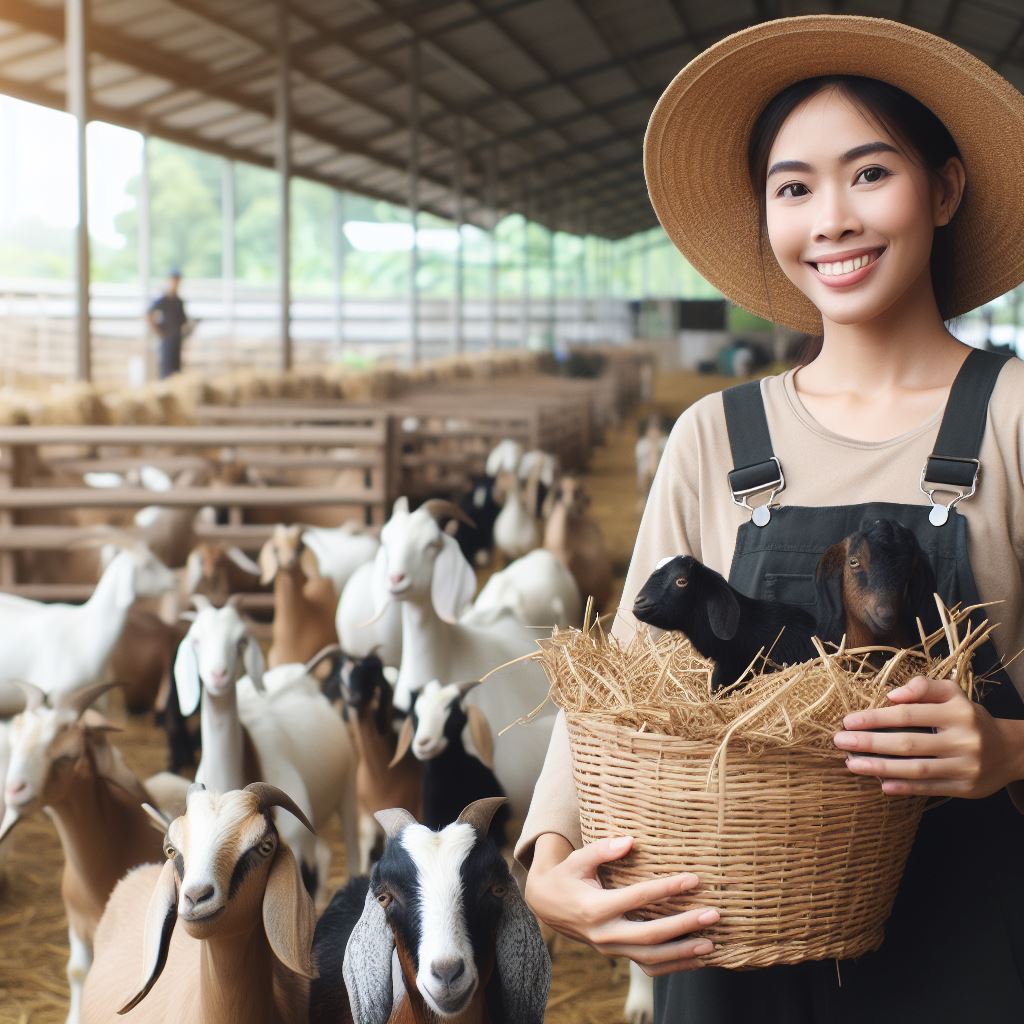
Selecting goats for breeding involves evaluating various traits, and temperament is a crucial aspect often overlooked. A goat’s temperament significantly influences its overall manageability, productivity, and the quality of its offspring. A calm and docile goat is generally easier to handle, less prone to injury, and more likely to thrive in a herd environment. Conversely, goats with poor temperaments can pose challenges for herd management and potentially pass undesirable behavioral traits to their offspring, negatively impacting the overall quality of the herd.
Importance of Temperament in Breeding Stock
Temperament is a heritable trait, meaning it can be passed from parents to offspring. Breeding goats with desirable temperaments can improve the overall docility and manageability of the herd, reducing stress for both the animals and the farmer. Goats with good temperaments are typically less stressed, which can lead to better health, improved reproductive performance, and higher milk or meat production.
Furthermore, a calm herd is safer to work with, minimizing the risk of injury to both the goats and the handlers.
Undesirable Behaviors to Avoid in Breeding Goats
Certain behaviors indicate a poor temperament and should be avoided in breeding stock. These behaviors can make goats difficult to manage, potentially dangerous, and can negatively impact herd dynamics.
- Aggression: Aggressive goats may exhibit butting, charging, or fighting with other goats or humans. This behavior is undesirable as it can lead to injuries and disrupt herd harmony.
- Excessive Fearfulness: Goats that are easily frightened or panicked can be difficult to handle and may injure themselves or others in an attempt to escape. This behavior can also lead to stress and decreased productivity.
- Persistent Vocalization: While some vocalization is normal, excessive bleating, especially without apparent cause, may indicate stress or a nervous disposition.
- Destructive Behavior: Goats that engage in destructive behaviors, such as chewing on fences, buildings, or equipment, can be challenging to manage and may indicate boredom, stress, or a poor temperament.
- Bolting: Goats that repeatedly attempt to escape from enclosures are often difficult to manage and can pose a safety risk. This behavior may indicate a lack of trust in their handlers or a general unwillingness to cooperate.
Methods for Assessing a Goat’s Temperament
Evaluating a goat’s temperament requires careful observation and interaction. Several methods can be employed to assess a goat’s behavior and suitability for breeding.
- Observation in the Herd: Observe the goat’s interactions with other goats in the herd. Note any instances of aggression, dominance, or avoidance behavior. Observe how the goat integrates with the group and its general level of social interaction.
- Handling and Physical Examination: Approach the goat calmly and observe its reaction. Gently handle the goat, including touching its body and handling its legs. A calm goat will remain relatively still and allow handling without excessive resistance. A fearful goat may try to pull away or become agitated.
- Response to Novel Situations: Introduce the goat to new situations, such as a new environment, a new person, or a new object. Observe its reaction to these novel stimuli. A well-tempered goat will exhibit curiosity rather than fear or aggression.
- Assessment of Maternal Behavior: If the goat is a doe, observe her maternal behavior. A good mother will be protective of her kids but not overly aggressive. She should allow handling of her kids and demonstrate care for their needs.
- Response to Feed and Treats: Offer the goat feed or treats and observe its behavior. A calm goat will approach the feed or treat without excessive aggression or fear. This also helps build trust.
Breeding Soundness Exam (BSE)
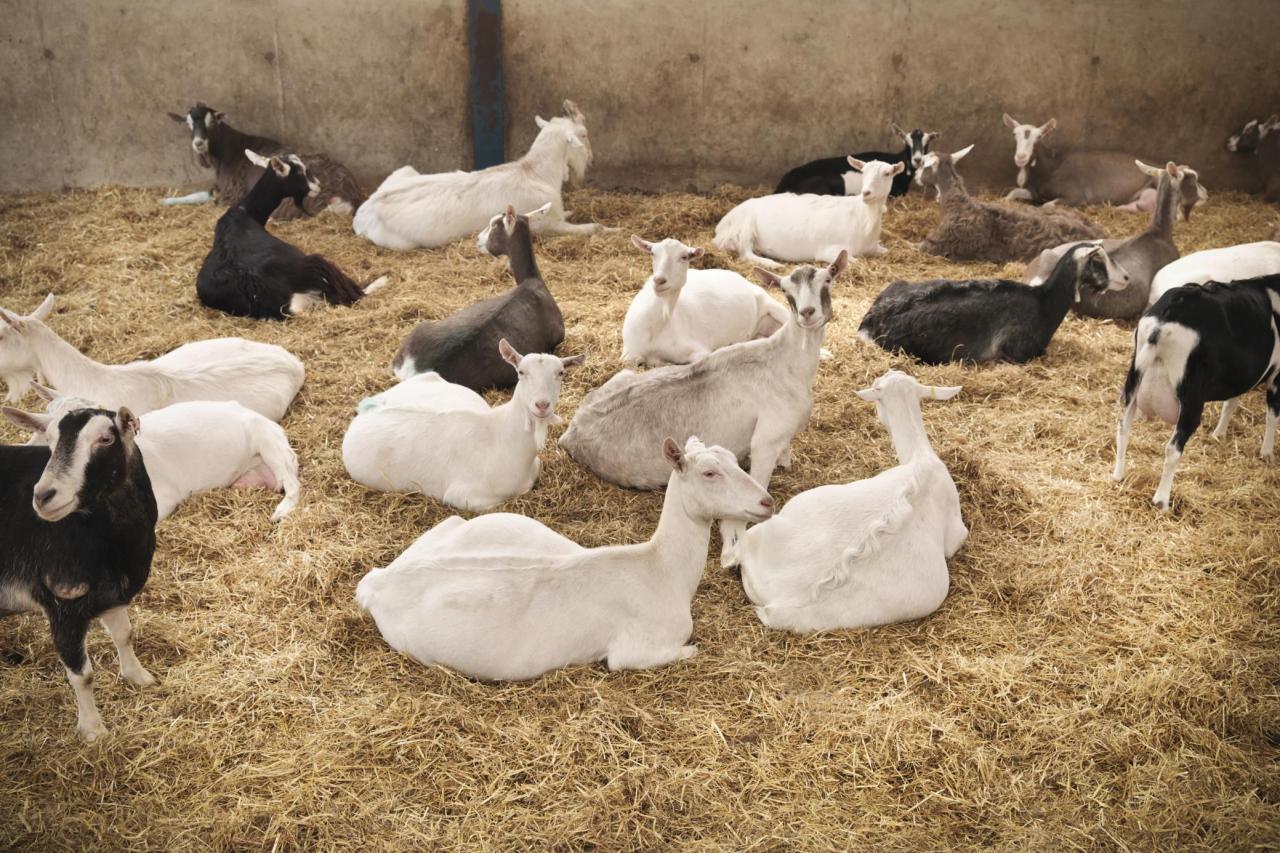
A Breeding Soundness Exam (BSE) is a crucial assessment for breeding bucks, ensuring they are physically capable of successful reproduction. This evaluation helps producers identify potentially infertile or sub-fertile bucks, optimizing breeding programs and minimizing reproductive losses. A thorough BSE provides valuable information about a buck’s fertility potential, contributing to a more efficient and profitable goat operation.
Components of a Breeding Soundness Exam for Bucks
The BSE for bucks is a comprehensive evaluation encompassing several key areas. The assessment provides a snapshot of the buck’s reproductive health, which helps to predict its breeding potential.
- Physical Examination: This involves a visual inspection and palpation of the buck’s overall body condition, looking for any lameness, injuries, or signs of disease that could impact breeding ability. The examination also focuses on the reproductive tract, assessing the scrotum, testicles, epididymides, and penis. This includes evaluating the size, symmetry, and consistency of the testicles.
- Scrotal Circumference Measurement: Scrotal circumference is measured using a scrotal tape. This measurement is correlated with sperm production and fertility. Generally, larger scrotal circumference is associated with higher sperm production. The minimum acceptable scrotal circumference varies depending on the breed and age of the buck, but generally, a larger measurement is preferred.
- Semen Evaluation: Semen is collected using electroejaculation or artificial vagina. The semen sample is then evaluated under a microscope for several parameters:
- Sperm Motility: This assesses the percentage of sperm cells that are actively moving forward (progressively motile). A higher percentage of progressively motile sperm is desirable. For example, a buck with 70% progressively motile sperm is generally considered to have good motility.
- Sperm Morphology: This involves examining the sperm cells for any structural abnormalities. The presence of a significant number of abnormal sperm cells can reduce fertility. Common abnormalities include detached heads, bent tails, and cytoplasmic droplets. For instance, a buck with more than 20% abnormal sperm might have reduced fertility.
- Sperm Concentration: This measures the number of sperm cells per milliliter of semen. Higher sperm concentration is usually associated with increased fertility.
- Libido and Breeding Behavior Assessment: Although not always included in a standard BSE, observing the buck’s interest in does in heat and his ability to mount and breed can provide valuable information. This is especially important if there are concerns about breeding behavior.
Significance of BSE Results
The results of a BSE provide critical information about a buck’s breeding potential. These results are categorized based on established criteria.
- Satisfactory: Bucks that pass the BSE are considered to have a high probability of being fertile. They have adequate scrotal circumference, good sperm motility and morphology, and a reasonable sperm concentration. These bucks are suitable for breeding.
- Unsatisfactory: Bucks that fail the BSE are considered to have a low probability of being fertile. This could be due to poor sperm motility, a high percentage of abnormal sperm, low sperm concentration, or other physical defects. These bucks should not be used for breeding.
- Deferred: Bucks that have borderline results, or are experiencing illness or injury, might be classified as “deferred.” This means they need to be re-evaluated after a period of time, often 30-60 days, to determine if their breeding potential has improved.
The BSE results are not a guarantee of fertility, but they provide a good indication of a buck’s breeding potential at the time of the examination. Environmental factors, such as heat stress, can temporarily affect sperm quality.
What to Do if a Buck Fails the BSE
If a buck fails the BSE, the appropriate course of action depends on the specific findings and the overall breeding goals.
- Confirm the Results: Before making a final decision, it’s crucial to confirm the results. This can involve repeating the BSE with a different veterinarian or at a later date. This helps to rule out any potential errors or temporary issues.
- Investigate the Cause: If the results are consistent, try to identify the underlying cause of the reproductive issues. This might involve further diagnostic testing, such as blood work or biopsies, to determine if there’s an underlying health problem.
- Consider Treatment Options: Depending on the cause of the infertility, treatment options might be available. For example, if the issue is a bacterial infection, antibiotics could be prescribed. However, in many cases, the underlying cause of infertility is not treatable.
- Culling or Alternative Use: If the buck consistently fails the BSE and treatment is not an option, culling is often the most practical choice. Alternatively, the buck could be used for meat production or other purposes.
- Seek Expert Advice: Consult with a veterinarian specializing in reproduction or a goat breeding expert for guidance. They can provide valuable insights and help you make informed decisions about your breeding program. For example, they might suggest specific management changes to improve the fertility of other bucks or recommend strategies for replacing the infertile buck in your breeding program.
Breeding Systems and Management
Selecting the right breeding system is crucial for the success of a goat breeding program. The chosen system significantly impacts the genetic progress, disease management, and overall efficiency of the operation. Careful consideration of available resources, management expertise, and breeding goals is essential when deciding which system to employ. The following sections will detail the different breeding systems, their advantages, disadvantages, and associated management practices.
Breeding Systems Overview
Goat breeders have several options for breeding their animals, each with its own set of benefits and drawbacks. The three primary breeding systems are hand breeding, pasture breeding, and artificial insemination. The selection of a breeding system should align with the specific goals of the breeding program, the resources available, and the desired level of control over the breeding process.
Hand Breeding
Hand breeding, also known as controlled breeding, involves direct supervision of the mating process. This system provides maximum control over which animals are bred together, allowing for precise genetic selection. The breeder carefully monitors the estrous cycles of the does and introduces them to the selected buck at the optimal time for conception.Management practices for hand breeding involve several key steps:* Estrus Detection: Regular observation of does is critical to identify signs of estrus, such as mounting behavior, tail flagging, vulva swelling, and discharge.
The use of a teaser buck can aid in estrus detection.
Buck Selection
Only the chosen buck is used for breeding. He is typically housed separately from the does.
Mating
The doe and buck are brought together under close supervision. The mating process is monitored to ensure successful copulation.
Record Keeping
Accurate records of breeding dates, parentage, and any complications are essential for tracking pregnancies and predicting kidding dates.
Health Monitoring
Both the buck and the doe must be in optimal health to ensure successful breeding. Regular health checks and parasite control are important.
Post-Breeding Management
The doe is separated from the buck after mating. The breeder monitors the doe for signs of pregnancy.
Pasture Breeding
Pasture breeding, also known as natural breeding, is a more hands-off approach where the buck is allowed to run with the does in a pasture setting. This system is simpler to manage but offers less control over the breeding process. It is typically used in extensive grazing systems.Management practices for pasture breeding are less intensive than hand breeding, but still require careful attention:* Buck Selection: A suitable buck is selected and introduced to the breeding pasture.
Buck-to-Doe Ratio
The appropriate ratio of bucks to does is crucial for ensuring adequate breeding coverage. A common ratio is one buck for every 25-50 does, depending on the buck’s age, libido, and pasture size.
Pasture Management
Adequate pasture space and quality are essential for the health and well-being of the breeding animals.
Health Monitoring
Regular health checks and parasite control are necessary for all animals in the breeding group.
Record Keeping
While less detailed than hand breeding, basic records of kidding dates and parentage are still recommended.
Buck Rotation
In some cases, bucks may be rotated out of the breeding pasture periodically to prevent over-mating and ensure the buck’s health.
Artificial Insemination (AI)
Artificial insemination (AI) involves the collection and storage of semen from a selected buck, which is then used to inseminate does. This system allows breeders to utilize superior genetics from bucks located far away, increasing the genetic diversity and potential for improvement within the herd. AI requires specialized equipment and training.Management practices for AI are more complex than the other two systems:* Semen Collection and Storage: Semen is collected from the buck and either used fresh or frozen for later use.
Proper storage of frozen semen is critical for maintaining its viability.
Estrus Synchronization
Does are often synchronized using hormonal treatments to bring them into estrus at the same time, allowing for efficient insemination.
Insemination Technique
Trained personnel perform the insemination procedure, either through cervical or laparoscopic methods.
Record Keeping
Detailed records of semen source, insemination dates, and pregnancy outcomes are crucial.
Health Monitoring
Strict biosecurity measures are necessary to prevent the spread of diseases, particularly when using semen from outside sources.
Pregnancy Confirmation
Pregnancy is confirmed through palpation or ultrasound.
Comparison of Breeding Systems
The following table summarizes the advantages and disadvantages of each breeding system:
| Breeding System | Advantages | Disadvantages |
|---|---|---|
| Hand Breeding |
|
|
| Pasture Breeding |
|
|
| Artificial Insemination |
|
|
Nutrition and Feeding
Proper nutrition is absolutely critical for breeding goats. It directly impacts their reproductive performance, overall health, and the viability of their offspring. A well-nourished goat is more likely to conceive, carry a pregnancy to term, deliver healthy kids, and produce sufficient milk for lactation. Conversely, nutritional deficiencies can lead to infertility, abortion, weak kids, and increased susceptibility to diseases. Careful attention to a goat’s dietary needs throughout the breeding cycle is essential for a successful and productive breeding program.
Essential Nutrients for Breeding Does and Bucks
Breeding goats require a balanced diet rich in various nutrients. Providing these nutrients ensures optimal reproductive function and overall health.
- Energy: Primarily supplied by carbohydrates and fats, energy is crucial for all bodily functions, including reproduction. Deficiencies can lead to poor body condition, reduced libido in bucks, and difficulty conceiving in does. Examples of energy sources include high-quality hay, grains like oats or corn (fed in moderation), and supplemental fats.
- Protein: Essential for growth, tissue repair, and milk production. Breeding does have increased protein requirements, especially during late gestation and lactation. Buck’s need protein for semen production. Protein deficiencies can result in reduced fertility and poor kid growth. Protein sources include alfalfa hay, soybean meal, and cottonseed meal.
- Vitamins: Vitamins play a vital role in numerous metabolic processes. Vitamin A is crucial for reproductive function, while vitamin E and selenium are antioxidants that support reproductive health. Vitamin D is essential for calcium absorption, important for bone development and milk production. Vitamin deficiencies can lead to various reproductive problems.
- Minerals: Minerals are necessary for bone development, enzyme function, and overall health. Calcium and phosphorus are critical for bone health and milk production. Copper and selenium are trace minerals that are especially important for reproductive function. Mineral deficiencies can lead to reproductive failure and health issues.
- Water: Clean, fresh water is essential for all bodily functions. Goats require ample water, especially during lactation and hot weather. Dehydration can negatively affect reproductive performance.
Adjusting Feeding Based on the Goat’s Stage of Reproduction
The nutritional needs of a breeding goat change significantly depending on its reproductive stage. Adjusting the diet to meet these changing needs is crucial for optimal performance.
- Pre-Breeding: Before breeding, does should be in good body condition (a body condition score of 3-3.5 out of 5). Flushing, or increasing the plane of nutrition a few weeks before breeding, can increase ovulation rates. Bucks should also be in good body condition and receiving a balanced diet.
- Gestation (Pregnancy): During the first two-thirds of gestation, the doe’s nutritional needs are only slightly increased. However, during the last trimester, the fetus experiences rapid growth, and the doe’s nutritional needs increase dramatically. Supplementing with extra protein, energy, and minerals is essential during this period.
- Lactation: Lactation is the most nutritionally demanding stage for does. They require high levels of energy, protein, minerals, and vitamins to produce milk. The amount of feed offered should be increased gradually after kidding, based on milk production and body condition. High-quality hay and concentrates are essential during this period.
- Buck Management: Bucks require a balanced diet year-round. Their nutritional needs are highest during the breeding season. Ensuring they have adequate energy, protein, and minerals is crucial for semen production and libido.
Record Keeping
Maintaining meticulous breeding records is crucial for the success of any goat breeding program. These records serve as the foundation for informed decision-making, enabling breeders to track performance, identify desirable traits, and make strategic breeding choices that improve the herd over time. Accurate records are also essential for demonstrating the value of breeding stock, complying with breed association requirements, and maximizing the profitability of the operation.
Importance of Detailed Breeding Records
Comprehensive breeding records are indispensable tools for effective goat management. They provide a historical overview of each animal’s breeding history, health, and productivity, allowing breeders to make informed decisions about which animals to breed, when to breed them, and how to manage their offspring.
- Tracking Genetic Progress: Records help in monitoring the transmission of desirable traits across generations, allowing breeders to assess the effectiveness of their breeding program and make adjustments as needed. For example, if a specific buck consistently sires kids with improved milk production, this information, documented in the records, can guide future breeding decisions.
- Identifying Health Issues: Breeding records can help in the early detection of health problems by tracking the incidence of diseases or genetic predispositions within the herd. If a particular doe consistently produces kids with a specific health issue, this pattern, revealed in the records, can prompt further investigation and prevent the spread of the problem.
- Optimizing Breeding Schedules: Records on estrous cycles, conception dates, and kidding dates help breeders optimize breeding schedules for maximum productivity. This information helps in planning for optimal kidding seasons and managing labor resources efficiently.
- Evaluating Performance: Records provide a means to evaluate the performance of individual animals, allowing breeders to identify superior animals for breeding and cull those with poor performance. For example, recording milk production, growth rates, and fiber quality (for fiber breeds) enables breeders to select the best animals for breeding.
- Complying with Regulations: Breeding records are often required by breed associations and regulatory bodies for registration, health certifications, and participation in performance testing programs. Accurate records ensure compliance with these requirements.
Basic Breeding Record Template
A well-designed breeding record template simplifies the process of collecting and organizing essential information. The template should be easily accessible, whether it’s a paper-based system or a digital spreadsheet.
| Animal ID | Date of Birth | Sire | Dam | Breeding Date | Method of Breeding | Pregnancy Confirmation Date | Kidding Date | Number of Kids Born | Kid Sexes | Kid Identification | Health Records (Vaccinations, Deworming) | Performance Data (Milk Production, Weight Gain) | Notes |
|---|---|---|---|---|---|---|---|---|---|---|---|---|---|
| (e.g., Doe 123) | (e.g., 01/15/2023) | (Sire’s ID) | (Dam’s ID) | (e.g., 06/01/2023) | (e.g., AI, Natural) | (e.g., 07/01/2023) | (e.g., 11/10/2023) | (e.g., 2) | (e.g., 1 Buck, 1 Doe) | (Kid IDs) | (Dates, Products Used) | (e.g., lbs milk/day, weight) | (Any relevant information) |
Information to Include in Breeding Records
Comprehensive breeding records encompass various data points to provide a complete picture of each animal’s breeding history, health, and performance.
- Animal Identification: This includes the animal’s unique identification number (e.g., ear tag number, tattoo), breed, and any other relevant identifiers.
- Date of Birth: The exact date of birth is crucial for calculating age and tracking growth rates.
- Sire and Dam Information: Recording the parentage is essential for tracking genetic relationships and making informed breeding decisions. This includes the sire and dam’s identification numbers and, ideally, their performance records.
- Breeding Information: This section includes the date of breeding, the method of breeding (e.g., natural service, artificial insemination), and the buck or semen used.
- Pregnancy Confirmation: Record the date and method of pregnancy confirmation (e.g., palpation, ultrasound).
- Kidding Information: This includes the date of kidding, the number of kids born, the sex of each kid, and the kid’s identification numbers.
- Health Records: Maintain detailed records of vaccinations, deworming treatments, and any illnesses or injuries. Include the dates, products used, and dosages.
- Performance Data: Collect data on milk production (for dairy breeds), weight gain (for meat breeds), fiber quality (for fiber breeds), and any other relevant performance metrics.
- Notes: Include any additional observations or comments that may be relevant, such as unusual behaviors, health concerns, or specific characteristics.
Conclusion
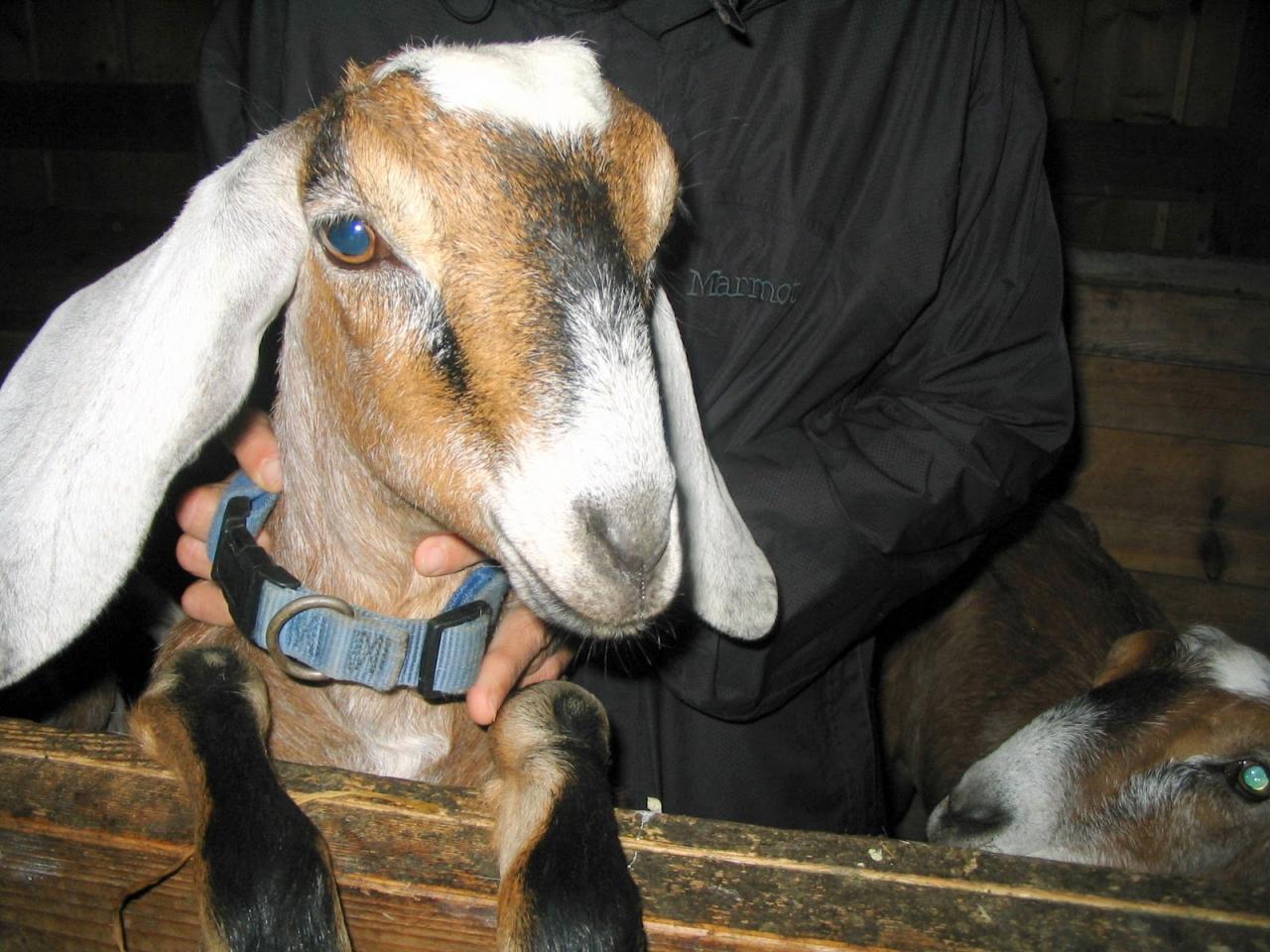
In conclusion, selecting goats for breeding is a multifaceted process that demands attention to detail and a commitment to responsible practices. By carefully considering breed suitability, physical attributes, health, genetics, age, temperament, and management practices, you can significantly increase your chances of building a thriving goat herd. Implementing the principles Artikeld in this guide will pave the way for a successful and rewarding breeding experience.