Understanding how to trim goat hooves is essential for maintaining the health and well-being of your goats. This process, while seemingly simple, requires knowledge of hoof anatomy, proper tools, and safe techniques. Neglecting hoof care can lead to a variety of problems, from discomfort and lameness to more serious infections. This guide will provide you with the information and skills needed to keep your goats’ hooves in top condition.
We’ll delve into the intricacies of goat hoof anatomy, examining the wall, sole, heel, and frog, and understanding their internal structures. You’ll learn about the tools of the trade, from hoof trimmers and knives to rasps, and how to prepare both yourself and your goat for a safe and effective trimming session. This comprehensive guide will walk you through every step, from basic techniques to addressing common hoof problems, ensuring you can confidently care for your goats’ hooves.
Understanding Goat Hoof Anatomy

Understanding the anatomy of a goat’s hoof is crucial for proper trimming and maintaining their overall health. Just as we need to understand human anatomy to care for our feet, understanding goat hoof anatomy enables us to identify potential problems early and provide appropriate care. This section will delve into the various parts of the hoof, both externally and internally, and highlight the differences between a healthy hoof and one affected by common issues.
External Hoof Structures
The external structure of a goat’s hoof provides the foundation for its locomotion and weight-bearing capabilities. Each part plays a vital role in protecting the sensitive internal structures.
- The Wall: This is the hard, outer layer of the hoof, visible when the goat is standing. It’s made of keratin, the same protein that forms our fingernails. The wall grows continuously, and its thickness and growth rate can vary based on factors such as breed, diet, and environmental conditions.
- The Sole: Located on the underside of the hoof, the sole is the flat, slightly concave area. It’s also made of keratin, but it’s softer than the wall. The sole protects the sensitive tissues underneath and provides a weight-bearing surface.
- The Heel: The heel is the softer, more flexible part of the hoof located at the back. It provides cushioning and shock absorption. Healthy heels are typically well-defined and slightly raised.
- The Frog: This is a V-shaped structure located in the center of the sole. It’s softer than the wall and sole and acts as a shock absorber and aids in blood circulation. The frog should be firm but flexible and not overly overgrown.
Internal Hoof Structures
The internal structure of the goat’s hoof is complex, containing bones, blood vessels, nerves, and soft tissues, all working together to support the goat’s weight and allow for movement.
- Bones: The primary bone within the hoof is the distal phalanx, also known as the coffin bone. This bone is shaped to fit the hoof and provides the structural support.
- Blood Vessels: A network of blood vessels, including arteries and veins, supplies blood to the hoof. The blood flow is crucial for providing nutrients and removing waste. The sensitive laminae, the tissue that connects the hoof wall to the coffin bone, contains a rich blood supply.
- Nerves: Nerves run through the hoof, providing sensation. These nerves are responsible for transmitting pain and pressure signals.
- Sensitive Laminae: These are the soft tissues that connect the hoof wall to the coffin bone. They are highly vascularized and sensitive, providing the connection and blood supply to the hoof.
Comparison of Healthy and Unhealthy Hooves
Identifying the differences between a healthy and an unhealthy hoof is essential for early intervention and preventing serious problems. The following table provides a comparison of the characteristics of healthy hooves versus those with common issues:
| Feature | Healthy Hoof | Overgrown Hoof | Hoof Rot |
|---|---|---|---|
| Wall | Smooth, even, and properly aligned with the sole. | Long, often curled or flared. May be overgrown and cracked. | May be separated from the sole, with a soft, crumbly texture. |
| Sole | Firm, slightly concave, and free of cracks. | Thick, often with overgrown areas. | Soft, often with a foul odor. |
| Heel | Well-defined, slightly raised, and flexible. | Overgrown, leading to the heel being too long. | Soft and may be eroded. |
| Frog | Firm, flexible, and well-defined. | May be overgrown and hidden. | Soft, mushy, and often with a foul odor. |
| Appearance | Clean, well-maintained, and the correct shape. | Long, misshapen, and may have a “walking on tiptoes” appearance. | May be lame, with a distinct smell. |
Preparing for Hoof Trimming
Proper preparation is crucial for a safe and effective goat hoof trimming session. This involves gathering the necessary tools, preparing the goat, and implementing safety precautions to ensure the well-being of both the trimmer and the animal. Taking the time to prepare properly minimizes stress for the goat and allows for a more efficient and successful trimming experience.
Essential Tools for Hoof Trimming
Having the right tools is paramount for a successful and safe hoof trimming session. These tools allow for precise and efficient trimming, reducing the risk of injury to the goat. The following are essential for the task:
- Hoof Trimmers: These are the primary tools for trimming goat hooves. They resemble large pliers with sharp, curved blades. Hoof trimmers are used to remove excess hoof wall and sole, providing a quick and efficient way to shape the hoof. Different types of trimmers are available, including scissor-type trimmers and guillotine trimmers. The choice often depends on personal preference and the size of the goat.
- Hoof Knife: A hoof knife is a small, sharp blade with a curved edge, used for more detailed trimming. It’s particularly useful for removing overgrown sole and trimming around the heel and toe. The hoof knife allows for precise work in tight spaces where trimmers may be too bulky. Knives come in various shapes and sizes, often with a handle designed for a comfortable grip.
- Hoof Rasp: A hoof rasp is a coarse file used to smooth the trimmed hoof and remove any sharp edges. It’s essential for creating a smooth, even surface and can help prevent the hoof from cracking or splitting. The rasp is also useful for shaping the hoof to the desired contour. Choose a rasp with a comfortable handle and a good grip.
Step-by-Step Preparation for Hoof Trimming
Preparing the goat and the work area beforehand ensures a smooth and stress-free trimming process. This involves gathering supplies, securing the goat, and ensuring a comfortable environment. The following steps Artikel the preparation process:
- Gather Supplies: Before you begin, assemble all necessary tools, including hoof trimmers, a hoof knife, a hoof rasp, a hoof pick (for cleaning), a brush (for cleaning), antiseptic solution (like iodine or betadine), and a first-aid kit. Also, have a comfortable and safe working area ready.
- Choose a Safe Location: Select a well-lit, flat, and dry surface for trimming. A concrete floor or a sturdy wooden platform is ideal. Ensure the area is clean and free of debris that could cause injury. Consider a location that offers protection from the elements, such as a barn or a shaded area.
- Secure the Goat: Safely restrain the goat. This can be done using a stanchion, a milking stand, or by having an assistant hold the goat. Ensure the goat is calm and comfortable. If the goat is uncooperative, consider using a halter and lead rope for added control.
- Clean the Hooves: Before trimming, use a hoof pick and brush to remove any dirt, debris, and manure from the hooves. This allows for a clearer view of the hoof and helps prevent contamination.
- Inspect the Hooves: Examine the hooves for any signs of disease, injury, or overgrowth. This will help you determine the extent of trimming needed and identify any potential problems.
Safety Precautions for Hoof Trimming
Safety is of utmost importance during hoof trimming. Implementing these precautions minimizes the risk of injury to both the goat and the trimmer. Proper handling techniques and sanitation are essential for a safe and successful trimming experience.
- Handling Techniques: Always approach the goat calmly and speak in a reassuring tone. Avoid sudden movements that could startle the animal. When lifting a leg, support the goat’s weight by holding the leg firmly at the fetlock. Be aware of the goat’s body language and adjust your approach accordingly.
- Protective Gear: Wear appropriate protective gear, including gloves to protect your hands and eye protection to shield your eyes from debris. Consider wearing a dust mask if working in a dusty environment.
- Sanitation: Regularly sanitize your tools with a disinfectant solution before and after use. This helps prevent the spread of bacteria and potential infections. Clean the hooves thoroughly before trimming.
- Trimming Depth: Avoid trimming too deeply, as this can cause bleeding and pain, and increase the risk of infection. The goal is to remove excess hoof wall and sole, not to expose the sensitive inner structures of the hoof. Trim in small increments, checking your progress frequently.
- First Aid: Have a first-aid kit readily available in case of accidental cuts or injuries. If you accidentally cut into the quick (the sensitive tissue within the hoof), apply a styptic powder or antiseptic to stop the bleeding and prevent infection.
Trimming Techniques
Now that you understand the anatomy of a goat’s hoof and how to prepare for trimming, let’s delve into the practical aspects of the trimming process itself. Proper trimming is crucial for maintaining hoof health and preventing lameness. This section provides a step-by-step guide to effectively and safely trim your goat’s hooves.
Fundamental Steps in Hoof Trimming
The trimming process involves several key steps, from handling the goat to the final shaping of the hoof. Following these steps ensures a safe and effective trim, promoting the goat’s well-being.
- Restraining the Goat: The first step is to safely restrain the goat. This can be done by having an assistant hold the goat, placing the goat on a trimming stand, or gently guiding the goat to a comfortable position. Ensure the goat is calm and secure to prevent injury to both the goat and the handler.
- Picking Up the Foot: Gently lift the goat’s foot. Support the pastern with one hand while using the other to hold the hoof. This position provides stability and control.
- Cleaning the Hoof: Use a hoof pick to remove any dirt, debris, and loose material from the sole and between the toes. This allows for a clear view of the hoof’s structure.
- Trimming the Hoof Wall: Using hoof trimmers, carefully trim the hoof wall, following the natural shape of the hoof. Trim from the heel towards the toe, removing excess length and maintaining a balanced shape.
- Trimming the Heel: Trim the heel to the appropriate height, ensuring it is level with the sole. Overgrown heels can lead to imbalances and discomfort.
- Trimming the Sole: Using a hoof knife, carefully trim the sole, removing any excess horn. Avoid cutting into the sensitive tissue of the sole.
- Finishing the Trim: Smooth any rough edges with the hoof knife or trimmers. The goal is to create a clean, even surface.
Identifying Correct Length and Shape
Determining the correct length and shape is essential for a successful trim. Over-trimming can cause pain and lameness, while under-trimming can lead to hoof deformities. The following guidelines help achieve the correct balance.
The ideal hoof shape allows the goat to walk comfortably and efficiently. The goal is to maintain a balanced hoof, ensuring proper weight distribution and minimizing the risk of hoof-related problems.
- Hoof Wall Length: The hoof wall should be trimmed to a length that allows the sole to be level with the ground. A general guideline is to trim the hoof wall to approximately 2-3 inches in length from the coronary band to the ground. However, this can vary depending on the goat’s breed and individual hoof growth. Observe the goat’s gait to ensure proper weight distribution.
- Heel Height: The heel should be trimmed to a height that is level with the sole. Overgrown heels can cause the toes to point upwards, leading to uneven weight distribution and increasing the risk of injury. The ideal heel height promotes proper alignment of the pastern and leg.
- Sole Thickness: The sole should be thick enough to provide protection for the underlying tissues. Avoid trimming the sole too thin, as this can make the goat more susceptible to injury. The sole should be trimmed to a thickness that allows for a healthy, weight-bearing surface.
- Toe Angle: Maintain a natural toe angle. The toe should slope gently from the coronary band to the ground. Avoid creating a steep or unnatural angle. Observe the goat’s movement and gait to assess the toe angle.
Holding the Foot and Using Tools Safely
Proper handling and tool usage are crucial for a safe and effective hoof trim. Incorrect techniques can lead to injury for both the goat and the handler. The following guidelines help to promote safety and efficiency.
Always prioritize safety when handling tools and working with animals. A calm and controlled approach is essential for a successful hoof trim.
- Holding the Foot: Securely hold the goat’s foot, supporting the pastern with one hand. This provides stability and control. Maintain a firm grip to prevent the goat from pulling away.
- Hoof Trimmers: Use sharp hoof trimmers to make clean cuts. Position the trimmers at the heel and trim towards the toe, following the natural shape of the hoof wall. Avoid jagged edges.
- Hoof Knife: Use a sharp hoof knife to trim the sole. Hold the knife at a slight angle and carefully remove excess horn. Avoid cutting into the sensitive tissue of the sole.
- Safety Precautions:
- Always wear appropriate safety gear, such as gloves.
- Keep tools sharp and in good condition.
- Work in a well-lit area.
- Take breaks as needed to avoid fatigue.
- If you are unsure about any step, seek guidance from an experienced trimmer or veterinarian.
Trimming Techniques
Addressing advanced hoof trimming considerations is crucial for maintaining goat health and preventing lameness. This section focuses on handling common hoof problems and tailoring trimming techniques to different breeds and hoof shapes. Proper management and treatment strategies are also discussed.
Addressing Common Hoof Problems
Goat hooves are susceptible to various issues, including overgrown hooves, uneven wear, and minor hoof rot. Addressing these problems effectively requires careful assessment and targeted trimming.Overgrown hooves can lead to lameness and discomfort. This often occurs when trimming is infrequent. The overgrown hoof can curl, putting pressure on the sole and potentially leading to infection.* Trim the hoof back gradually, removing small amounts at a time.
- Carefully assess the angle of the hoof and trim to restore a natural shape.
- Avoid trimming too deeply, which can expose sensitive tissue and cause bleeding.
Uneven wear is another common issue. This can be caused by various factors, including uneven terrain or gait abnormalities.* Evaluate the wear pattern on each hoof.
- Trim the higher areas to even out the hoof surface.
- Ensure the weight is distributed evenly across the hoof.
Minor hoof rot, a bacterial infection, can also be managed during trimming.* Clean the affected area thoroughly with a hoof pick and brush.
- Trim away any infected tissue, but avoid excessive trimming.
- Apply a topical treatment, such as a copper sulfate solution, to the affected area.
- Keep the goat in a clean, dry environment to promote healing.
Designing a Process for Different Breeds and Hoof Shapes
Different goat breeds have varying hoof shapes and sizes. Adapting trimming techniques to these differences is essential for optimal hoof health.Consider these examples when tailoring trimming to breed-specific needs:* Dairy Goats (e.g., Alpine, Nubian): Dairy goats often have smaller hooves and may require more frequent trimming. Their hooves can be prone to developing cracks due to the intensive management they are often under.
The trimming should maintain the natural shape of the hoof, and regular trimming (every 4-6 weeks) is often necessary.
Meat Goats (e.g., Boer, Kiko)
Meat goats, particularly those raised in more extensive grazing systems, may have tougher hooves. Their hooves can be larger and may require more aggressive trimming. Trimming frequency can vary based on the environment and hoof growth rate.
Fiber Goats (e.g., Angora)
Angora goats’ hooves, similar to dairy goats, often require regular attention due to their typically smaller size. Hoof care is crucial for their overall well-being.The process for trimming should be adjusted based on the goat’s breed, hoof shape, and individual needs. Always consider the age and health of the goat.
Methods for Managing and Treating Hoof Problems
Proper management and treatment are vital for addressing hoof problems effectively. Prevention is also key to minimizing the risk of hoof issues.Several methods can be employed to manage and treat hoof problems.* Regular Hoof Trimming: Consistent trimming is the foundation of hoof care.
Foot Baths
Using foot baths with copper sulfate or other appropriate solutions can help prevent and treat hoof rot.
Environmental Management
Keeping the goat’s living environment clean and dry reduces the risk of hoof problems. Providing a dry, well-drained area is crucial.
Nutrition
A balanced diet, including adequate minerals, supports hoof health.
Early Detection and Intervention
Regularly inspect hooves for any signs of problems and address them promptly.
Topical Treatments
Applying topical treatments, such as antibiotic ointments or hoof hardeners, can aid in healing.
Early detection and prompt intervention are crucial for successful management of hoof problems.
Step-by-Step Trimming Procedure
Performing hoof trimming on goats is a critical skill for maintaining their health and well-being. A well-executed trim prevents foot rot, promotes proper weight distribution, and ensures the goat’s comfort. This procedure requires patience, precision, and a good understanding of goat hoof anatomy.
Preparation for Trimming
Before beginning the trimming process, it is essential to prepare both the goat and the workspace. This includes ensuring the goat is safely restrained and that all necessary tools are readily available.
- Restrain the Goat: Securely restrain the goat. This can be achieved through various methods, such as using a stanchion, having an assistant hold the goat, or using a specialized goat trimming stand. Ensure the goat is comfortable and can’t move excessively, which can lead to injury.
- Gather Tools: Assemble all necessary tools within easy reach. This minimizes interruptions during the trimming process. Essential tools include hoof trimmers (scissors or shears), a hoof knife, a hoof pick, a brush, and a rasp (optional).
- Clean the Hoof: Use the hoof pick to remove any dirt, debris, and stones from the hoof. Brushing the hoof will also improve visibility.
- Assess the Hoof: Before trimming, carefully examine the hoof. Note any abnormalities, such as overgrowth, cracks, or signs of infection. This assessment guides the trimming process.
Trimming the Hoof Wall
Trimming the hoof wall involves removing excess growth to maintain the proper shape and prevent the hoof from splaying or cracking. The goal is to create a level, balanced hoof.
- Trim the Wall: Use the hoof trimmers to trim the hoof wall, starting from the heel and working towards the toe. Hold the trimmers at a slight angle, following the natural slope of the hoof wall. Trim small amounts at a time to avoid removing too much material. The correct angle mimics the natural slope of the hoof, which allows for proper weight distribution.
- Maintain the Angle: Ensure the angle of the hoof wall is consistent around the entire hoof. Overgrown walls can cause the goat to walk unevenly, leading to lameness.
- Avoid Over-Trimming: Be cautious not to trim the wall too short, as this can cause pain and potentially expose sensitive tissues. Aim to maintain a wall length of approximately 2-3 inches, depending on the breed and individual goat.
Trimming the Sole
The sole is the underside of the hoof, and trimming it helps to maintain the correct hoof shape and prevent the buildup of excess sole material.
- Expose the Sole: After trimming the hoof wall, use the hoof knife to expose the sole. Carefully remove any loose or flaky sole material.
- Trim Excess Sole: Trim the sole to create a concave shape. The goal is to remove any excess sole that may be causing pressure or discomfort. The sole should be even with the trimmed hoof wall.
- Assess for Balance: Regularly assess the balance of the hoof by placing the trimmed hoof on a flat surface. The hoof should sit flat without rocking.
Finishing the Trim
The finishing touches ensure the hoof is smooth, balanced, and ready for the goat’s daily activities.
- Smooth Rough Edges: Use the rasp to smooth any rough edges on the hoof wall and sole. This helps prevent cracking and snagging.
- Inspect for Problems: Thoroughly inspect the trimmed hoof for any remaining issues, such as cracks, abscesses, or signs of infection.
- Apply Treatment (If Necessary): If any problems are identified, apply appropriate treatments, such as antiseptic solutions or medicated foot baths. Consult a veterinarian for guidance.
- Monitor the Goat: After trimming, observe the goat for any signs of discomfort or lameness. Regular hoof trimming is typically recommended every 4-8 weeks, depending on the goat’s individual hoof growth rate and environmental conditions. A goat in a wet environment will likely require more frequent trimming compared to a goat in a dry environment.
Addressing Common Problems During Trimming
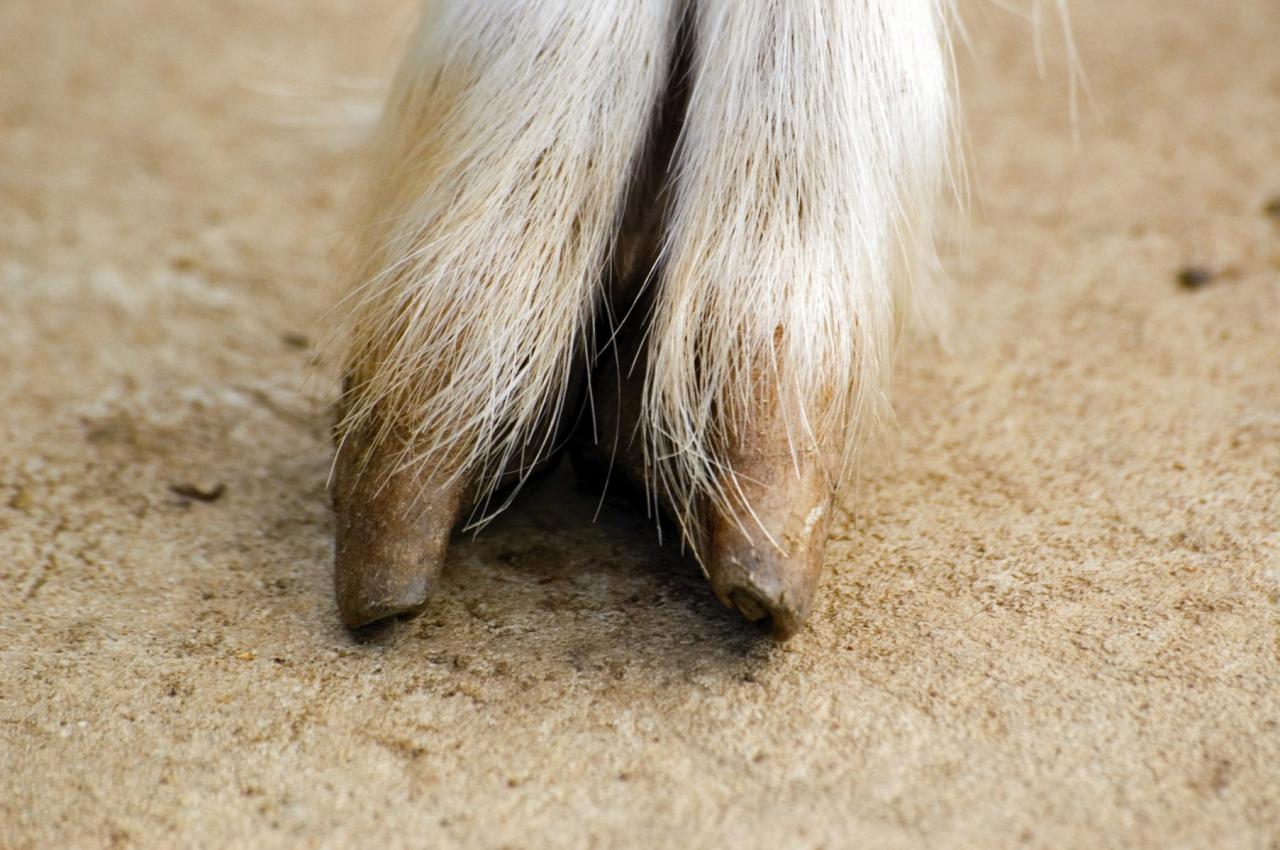
Goat hoof trimming isn’t always a straightforward process; various issues can arise. Recognizing and addressing these problems during trimming is crucial for maintaining hoof health and preventing lameness. This section covers common challenges encountered during hoof trimming and provides guidance on how to manage them effectively.
Identifying and Managing Hoof Rot
Hoof rot is a painful and infectious condition affecting goats’ hooves, primarily caused by bacteria in wet, muddy environments. Early detection and prompt treatment are vital.
- Identifying Hoof Rot: Signs of hoof rot include a foul odor emanating from the hoof, lameness, separation of the hoof wall from the sole, and redness or swelling around the coronary band. The hoof may appear soft, crumbly, or have a cheesy texture.
- Addressing Hoof Rot During Trimming: When trimming a goat with hoof rot, prioritize hygiene to prevent spreading the infection.
- Initial Cleaning: Thoroughly clean the hoof with a hoof pick and brush to remove mud and debris.
- Trimming Affected Tissue: Carefully trim away any diseased hoof tissue. This may involve removing sections of the hoof wall that have separated from the sole and trimming away any soft or decayed sole material. Be cautious not to over-trim, which could expose sensitive underlying tissues.
- Disinfecting: After trimming, disinfect the affected area with a suitable antiseptic solution, such as a diluted iodine solution or a commercial hoof rot treatment.
- Topical Treatment: Apply a topical antibiotic ointment or a medicated hoof dressing to the trimmed area, as recommended by a veterinarian.
- Bandaging (if necessary): In severe cases, the hoof may need to be bandaged to protect the treated area and keep it clean.
- Preventative Measures: Maintaining a clean and dry environment is critical for preventing hoof rot. Provide adequate drainage in pens and pastures, and avoid overcrowding. Regular hoof trimming helps to identify and address early signs of the condition.
Addressing Overgrown Hooves
Overgrown hooves are a common issue, often resulting from infrequent trimming or environmental factors. They can lead to discomfort, lameness, and altered gait.
- Safe and Effective Trimming: Overgrown hooves require careful and systematic trimming.
- Gradual Approach: Avoid trimming too much hoof at once, especially if the overgrowth is significant. Trim in stages, removing small amounts of hoof material over several sessions.
- Restoring Proper Shape: The goal is to restore the natural shape of the hoof, ensuring the sole is level and the hoof wall does not extend beyond the sole.
- Trimming the Heel: Pay particular attention to the heel, as it often becomes overgrown and can cause the toes to point upwards. Trim the heel back to a normal height, ensuring it aligns with the sole.
- Addressing Toe Length: Trim the toe to maintain the proper angle and length, preventing the hoof from becoming too long and impacting gait.
- Regular Trimming Schedule: Establishing a consistent trimming schedule is essential to prevent overgrown hooves. The frequency of trimming depends on the goat’s breed, environment, and individual hoof growth rate. Most goats require trimming every 4-8 weeks.
Common Hoof Problems and Solutions
The following table summarizes common hoof problems, their potential causes, and how to address them during trimming.
| Hoof Problem | Potential Causes | Addressing During Trimming |
|---|---|---|
| Hoof Rot | Bacteria in wet conditions, poor hygiene | Trim away infected tissue, disinfect, apply topical treatment, improve environment. |
| Overgrown Hooves | Infrequent trimming, lack of wear | Gradual trimming to restore proper shape, regular trimming schedule. |
| Toe Cracks | Dry conditions, injury, nutritional deficiencies | Trim away cracked hoof, address underlying cause (e.g., improve diet, provide moisture). |
| White Line Disease | Infection, poor hoof care | Trim away separated hoof wall, disinfect, provide a clean environment. |
| Laminitis | Dietary imbalances, systemic illness | Consult a veterinarian, provide supportive care (e.g., soft bedding), trim hooves as directed. |
Aftercare and Maintenance

Following successful hoof trimming, proper aftercare and ongoing maintenance are crucial for ensuring your goats maintain healthy hooves and overall well-being. This involves a combination of immediate post-trimming care and consistent monitoring to prevent future problems. Neglecting these steps can lead to infections, lameness, and discomfort for your goats.
Post-Trimming Care
Immediately after trimming, the following steps are recommended to promote healing and prevent complications.* Cleaning and Inspection: Thoroughly clean the trimmed hooves to remove any debris or loose particles. Inspect the hooves for any signs of bleeding, cracks, or abnormalities. If any areas are bleeding, apply a suitable antiseptic solution to prevent infection.
Observation
Closely observe your goats for a few days following the trimming. Monitor their gait, behavior, and appetite. Any signs of lameness, reluctance to walk, or changes in feeding habits should be addressed promptly.
Environment
Provide a clean and dry environment for your goats to minimize the risk of infection. Avoid muddy or wet areas, especially in the days following trimming. Consider using a foot bath with a diluted antiseptic solution if necessary, but consult with a veterinarian before implementing this.
Maintaining Healthy Hooves
Regular maintenance is key to preventing hoof problems and ensuring your goats’ long-term health. This involves a proactive approach to hoof care.* Regular Foot Checks: Perform regular foot checks, ideally every few weeks, to identify any potential issues early. This allows you to address minor problems before they escalate. Look for overgrown hooves, cracks, signs of infection, or any other abnormalities.
Proper Nutrition
A balanced diet is essential for healthy hooves. Ensure your goats receive adequate amounts of essential nutrients, including biotin, zinc, and copper. These nutrients play a vital role in hoof growth and strength. Consider supplementing the diet with a hoof-specific supplement if necessary, but consult with a veterinarian first.
Environmental Management
Maintain a clean and dry environment. Avoid overcrowding, as this can increase the risk of hoof problems. Provide access to areas with varying textures, such as gravel or concrete, to help wear down the hooves naturally.
Regular Trimming Schedule
Establish a regular hoof trimming schedule based on your goats’ individual needs and the rate of hoof growth. This schedule will vary depending on the breed, environment, and individual goat.
Signs Requiring Immediate Veterinary Attention
Certain signs indicate a serious hoof problem that requires immediate veterinary intervention. Recognizing these signs is crucial for the health and well-being of your goats.* Severe Lameness: If a goat is unable to bear weight on a leg or shows extreme difficulty walking, it requires immediate veterinary attention.
Swelling or Heat
Swelling or excessive heat in the hoof area can indicate an infection or inflammation.
Foul Odor
A foul odor emanating from the hoof suggests a possible infection, such as foot rot.
Deep Cracks or Lesions
Deep cracks or open wounds in the hoof can be a source of infection and require veterinary treatment.
Abscesses
The presence of abscesses, which are pockets of pus, within the hoof indicates a serious infection.
Troubleshooting and Tips
Hoof trimming, while a fundamental skill in goat care, can sometimes present challenges. This section provides guidance on resolving common issues encountered during the process and offers valuable resources for further learning. It aims to equip goat owners with the knowledge to address problems effectively and maintain optimal hoof health.
Addressing Common Problems During Trimming
Several issues can arise during hoof trimming, and knowing how to address them is crucial for the well-being of your goats. Here are some common problems and their solutions:
- Over-Trimming: This is a common mistake, especially for beginners. Over-trimming removes too much hoof material, potentially exposing the sensitive tissues and causing pain, lameness, and even infection.
- Solution: Trim in small increments, regularly checking the hoof structure. Stop when you see pink, healthy tissue. If you’ve over-trimmed, apply an antiseptic solution and monitor the goat closely for signs of infection.
Consider using hoof boots or wraps for protection until the hoof regrows.
- Solution: Trim in small increments, regularly checking the hoof structure. Stop when you see pink, healthy tissue. If you’ve over-trimmed, apply an antiseptic solution and monitor the goat closely for signs of infection.
- Uneven Hoof Shape: Uneven trimming can lead to uneven weight distribution, predisposing the goat to lameness and arthritis.
- Solution: Regularly compare the hooves and trim them symmetrically. Use the sole of the hoof as a guide, ensuring the weight-bearing surface is level. If one hoof is significantly more worn than the other, address any underlying issues, such as uneven weight distribution due to injury or conformation.
- Difficulty Handling the Goat: Goats can be uncooperative during trimming, especially if they are not accustomed to the process or are experiencing pain.
- Solution: Handle goats gently and calmly. Consider using a goat stanchion or having an assistant to help restrain the goat. Provide positive reinforcement, such as treats, to create a positive association with hoof trimming. Start trimming early in the goat’s life to get them used to the process.
- Infections: Infections can occur if the hoof is trimmed too short, exposing sensitive tissues, or if unsanitary tools are used.
- Solution: Use clean, sanitized tools. If you suspect an infection, isolate the goat and consult with a veterinarian. Signs of infection include redness, swelling, heat, and pus. Treatment may involve antibiotics and topical wound care.
- Thrush: Thrush is a bacterial infection that affects the hoof, particularly the frog. It is characterized by a foul odor and a black, crumbly discharge.
- Solution: Trim away the infected tissue. Clean the hoof thoroughly and apply a topical treatment, such as a copper sulfate solution. Keep the hoof clean and dry.
- Hoof Rot: This is a more severe infection that can cause lameness and pain. It is caused by bacteria that thrive in wet and unsanitary conditions.
- Solution: Contact a veterinarian immediately for diagnosis and treatment. Treatment may involve antibiotics, foot baths, and hoof trimming. Improve sanitation and drainage in the goat’s living environment.
Frequently Asked Questions (FAQs) Regarding Goat Hoof Trimming
Many goat owners have similar questions about hoof trimming. This section provides answers to some of the most common inquiries:
- How often should I trim my goat’s hooves?
- The frequency of hoof trimming depends on several factors, including the goat’s breed, environment, and activity level. In general, goats living on soft ground require more frequent trimming (every 4-6 weeks) than those on hard, abrasive surfaces (every 8-12 weeks). Regularly inspect your goats’ hooves and trim them as needed.
- What tools do I need for hoof trimming?
- You will need hoof trimmers (scissors or nippers), a hoof knife, and possibly a rasp. A good pair of gloves is also recommended for protection. Ensure all tools are clean and sharp for efficient and safe trimming.
- How do I know if I’m trimming the hooves correctly?
- The goal is to maintain the natural shape and balance of the hoof. Trim away excess hoof wall, leaving the sole and heel in a level plane. Avoid trimming too deeply, which can cause bleeding and pain. The hoof should have a natural slope, mimicking the shape of a healthy hoof.
- What should I do if my goat’s hooves are overgrown?
- If the hooves are severely overgrown, trim them gradually over several sessions to avoid over-trimming. Start by removing the excess hoof wall, and then trim the sole and heel to restore the proper shape. Consult with a veterinarian or experienced goat owner if you are unsure how to proceed.
- Can I trim my goat’s hooves myself, or do I need a professional?
- Most goat owners can learn to trim their goats’ hooves with practice. However, if you are uncomfortable or unsure, you can seek assistance from a veterinarian, farrier, or experienced goat owner. It’s always better to err on the side of caution, especially when starting out.
- What should I do if my goat is lame after hoof trimming?
- If your goat becomes lame after hoof trimming, assess the situation immediately. Check for any signs of over-trimming, such as bleeding or tenderness. If you suspect an infection, consult with a veterinarian. Provide supportive care, such as rest and pain relief, as needed.
Resources and Further Reading on Goat Hoof Care and Trimming
Continuing your education on goat hoof care can improve your goat’s health and well-being. The following resources offer valuable information:
- Veterinary Professionals: Consult your veterinarian for advice and guidance on hoof care. They can provide specific recommendations for your goats’ needs and help you address any health concerns.
- Extension Services: Your local agricultural extension office is an excellent source of information on goat care, including hoof trimming. They often offer workshops, publications, and expert advice.
- Goat Associations: Organizations like the American Goat Society (AGS) and the American Dairy Goat Association (ADGA) offer resources and educational materials on goat care.
- Online Resources: Websites and online forums dedicated to goat care can provide valuable information and support. Look for reputable sources with verified information.
- Books and Publications: Numerous books and publications cover goat care, including hoof trimming. Search for titles specifically focused on goat health and management.
Wrap-Up
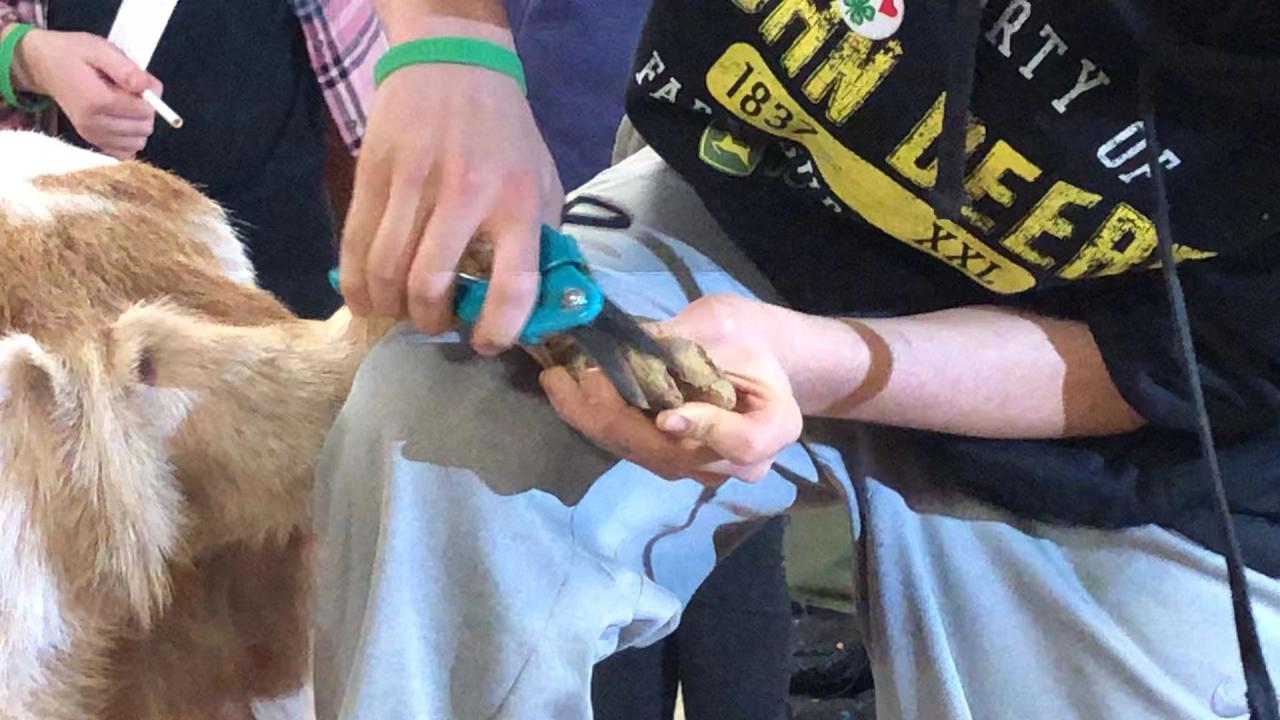
In conclusion, mastering the art of trimming goat hooves is a rewarding endeavor that contributes significantly to your goats’ overall health and happiness. By understanding the anatomy, employing the correct techniques, and practicing consistent care, you can prevent hoof problems, promote healthy movement, and ensure your goats thrive. Remember to prioritize safety, observe your goats regularly, and seek professional veterinary assistance when needed.
With dedication and the knowledge gained here, you are well-equipped to provide excellent hoof care for your herd.