Embarking on the journey of raising backyard chickens brings immense joy, but also the responsibility of ensuring their health and well-being. Vaccination is a cornerstone of preventative care, offering protection against a range of potentially devastating diseases. This guide, “How to Vaccinate Chickens at Home,” provides a comprehensive overview, empowering you to safeguard your flock with confidence and knowledge.
This resource delves into the “why” and “how” of chicken vaccination. We’ll explore the critical importance of vaccinating chickens, detailing the diseases prevented and the typical ages they are most susceptible. You’ll learn about essential preparations, from selecting the right vaccines to mastering various administration methods. We’ll also cover post-vaccination care, record-keeping, and crucial safety precautions, ensuring you’re well-equipped to protect your feathered friends.
Understanding Chicken Vaccination
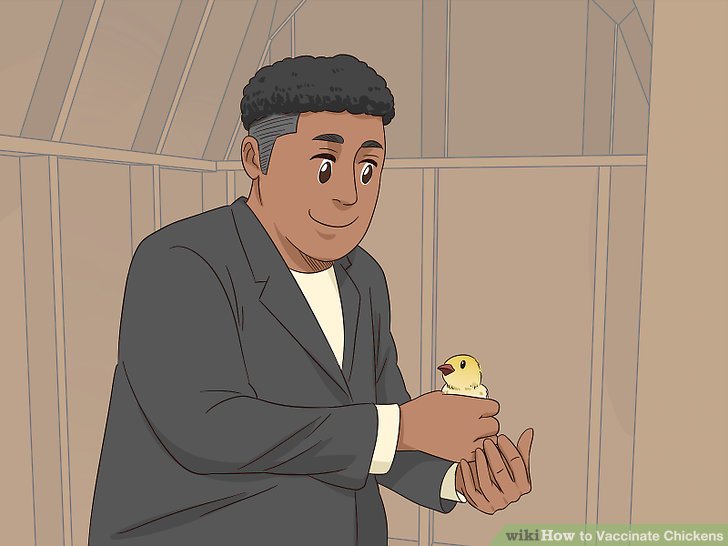
Vaccinating your chickens is a crucial aspect of responsible poultry management. It’s a proactive measure that protects your flock from potentially devastating diseases, ensuring their health and productivity. This guide will explain the importance of vaccination, when to vaccinate, and the benefits it provides.
Diseases Preventable Through Vaccination
Vaccination is a cornerstone of disease prevention in chickens. It exposes the birds to weakened or inactive forms of disease-causing agents, stimulating their immune systems to develop protective antibodies. This pre-emptive strike equips the chickens to effectively fight off infections if they encounter the actual disease.
Here’s a list of common chicken diseases preventable through vaccination, along with the typical ages when chickens are most susceptible:
- Marek’s Disease: This highly contagious viral disease often affects young chicks, causing paralysis, tumors, and death. Vaccination is typically administered to chicks on the first day of life. Early vaccination is critical because the virus can be contracted very early in life.
- Infectious Bronchitis (IB): This respiratory disease can cause reduced egg production and poor egg quality. Vaccination is often administered at day-old and then repeated.
- Newcastle Disease (ND): A highly contagious viral disease that can cause respiratory, nervous, and digestive problems. Vaccination schedules vary, but typically involve vaccination at a young age, and sometimes booster vaccinations later in life.
- Fowl Pox: This viral disease causes skin lesions and respiratory problems. Vaccination is usually done at a young age, and sometimes boosted.
- Avian Encephalomyelitis (AE): This viral disease primarily affects young chicks, causing neurological signs. Vaccination is usually done during the rearing phase.
- Infectious Bursal Disease (IBD or Gumboro Disease): A highly contagious viral disease that damages the immune system. Vaccination is usually done during the rearing phase.
Benefits of Vaccinating Chickens
Vaccinating your chickens offers a multitude of benefits that contribute to the overall well-being of your flock and the success of your poultry operation.
- Improved Flock Health: Vaccination significantly reduces the incidence and severity of diseases, leading to healthier chickens with stronger immune systems.
- Reduced Mortality Rates: By preventing or mitigating diseases, vaccination helps to minimize chicken deaths, protecting your investment and ensuring a stable flock population.
- Enhanced Productivity: Healthy chickens lay more eggs and gain weight more efficiently. Vaccination contributes to increased egg production, better meat quality, and overall improved productivity. For example, a flock vaccinated against Infectious Bronchitis may experience a 10-20% increase in egg production compared to an unvaccinated flock.
- Prevention of Economic Losses: Disease outbreaks can result in significant financial losses due to reduced production, treatment costs, and potential loss of the entire flock. Vaccination helps to protect against these losses.
- Reduced Need for Antibiotics: By preventing disease, vaccination reduces the need for antibiotics, which can contribute to antibiotic resistance and negatively impact human health.
- Protection Against Zoonotic Diseases: Some chicken diseases can be transmitted to humans. Vaccination helps to protect both the chickens and the people who interact with them.
Essential Preparations Before Vaccination
Vaccinating your chickens at home requires careful planning and preparation to ensure the safety and efficacy of the process. This involves gathering the correct supplies, setting up a clean and stress-free vaccination area, and understanding the critical importance of proper vaccine storage and handling. These steps are crucial for protecting your flock from diseases and maintaining their overall health.
Necessary Supplies for Vaccination
Before you begin, it is essential to gather all the necessary supplies. This will help ensure a smooth and efficient vaccination process.
- Vaccine: The specific type of vaccine required depends on the diseases prevalent in your area and the age of your chickens. Common vaccines include those for Marek’s disease, Newcastle disease, infectious bronchitis, and fowl pox. Always check the vaccine’s expiration date before use. For example, a Marek’s disease vaccine typically comes in a frozen form and must be reconstituted before use.
- Syringes and Needles: Choose syringes and needles appropriate for the size and age of your chickens. For subcutaneous injections (under the skin), use a smaller gauge needle (e.g., 25-gauge) to minimize discomfort. For intramuscular injections (into the muscle), a slightly larger gauge (e.g., 22-gauge) may be used. Have extra syringes and needles on hand in case of breakage or need.
- Sterile Diluent: Some vaccines require reconstitution with a sterile diluent. This diluent is often provided with the vaccine. Ensure the diluent is appropriate for the vaccine being used.
- Disinfectant: Have a disinfectant on hand to clean the injection site before administering the vaccine. Common disinfectants include isopropyl alcohol (70%) or a commercially available poultry-safe disinfectant.
- Gloves: Wear disposable gloves to maintain hygiene and protect yourself from any potential exposure to the vaccine.
- Sharps Container: A puncture-proof container is essential for the safe disposal of used needles and syringes.
- First-Aid Kit: Have a basic first-aid kit available in case of any accidental injuries to yourself or the chickens. This should include antiseptic wipes, bandages, and gauze.
- Restraint Equipment: Depending on your chickens’ temperament, you may need soft towels or a helper to gently restrain them during vaccination.
Preparing the Vaccination Area
Creating a clean and calm environment is crucial for minimizing stress on your chickens and ensuring the effectiveness of the vaccination. Follow these steps to prepare the vaccination area:
- Clean and Disinfect: Thoroughly clean and disinfect the vaccination area, including the surface you will be working on and any equipment. This helps prevent the spread of disease.
- Provide Adequate Lighting: Ensure the area is well-lit so you can clearly see the injection site and administer the vaccine accurately.
- Minimize Noise and Distractions: Choose a quiet location away from loud noises or other disturbances that could frighten the chickens.
- Gather Supplies: Arrange all your supplies within easy reach to streamline the process and minimize handling of the chickens.
- Prepare a Holding Area: Have a clean and comfortable holding area ready for the chickens before and after vaccination. This could be a clean crate or a designated area in their coop.
- Protect Yourself: Wear gloves and eye protection, if necessary, to protect yourself from potential exposure to the vaccine or any accidental splashes.
Vaccine Storage and Handling Recommendations
Proper storage and handling of vaccines are paramount to maintaining their potency and efficacy. Failure to follow these guidelines can render the vaccine ineffective, leaving your chickens unprotected.
Storage: Store vaccines according to the manufacturer’s instructions. This usually involves refrigeration at a specific temperature (e.g., 2-8°C or 35-46°F). Some vaccines, like those for Marek’s disease, may require frozen storage until use. Avoid freezing vaccines unless specifically indicated by the manufacturer.
Handling: Always read and follow the manufacturer’s instructions carefully.Reconstitute vaccines only when you are ready to use them. Avoid exposing vaccines to direct sunlight or excessive heat. Use the vaccine within the timeframe specified by the manufacturer after reconstitution. Discard any unused vaccine appropriately. For example, if a vaccine needs to be used within one hour after reconstitution, any remaining vaccine after that time should be discarded.
Choosing the Right Vaccine
Selecting the appropriate vaccines for your chickens is a crucial step in safeguarding their health and ensuring the long-term well-being of your flock. This decision involves understanding the different types of vaccines available, the diseases they protect against, and how to tailor your vaccination strategy to your specific location and the prevalent disease risks in your area. Careful consideration of these factors will significantly improve the effectiveness of your vaccination program.
Comparing Chicken Vaccine Types
Vaccines for chickens come in various forms, each with its own characteristics and suitability for different situations. Understanding the distinctions between these vaccine types is essential for making informed choices.The two primary categories of chicken vaccines are live and killed vaccines.
- Live Vaccines: These vaccines contain a weakened (attenuated) form of the disease-causing organism. They stimulate a strong immune response because they replicate within the chicken, mimicking a natural infection but without causing disease.
- Advantages: Live vaccines typically provide longer-lasting immunity and can be administered via various routes, such as through drinking water, eye drops, or spray. They often induce a more comprehensive immune response.
- Disadvantages: Live vaccines require careful handling and storage to maintain their potency. They may not be suitable for all chickens, such as those with compromised immune systems. There is a slight risk of reversion to virulence, though this is rare.
- Killed Vaccines: These vaccines contain inactivated (killed) organisms or parts of organisms. They do not replicate within the chicken and cannot cause disease.
- Advantages: Killed vaccines are generally safer than live vaccines, especially for birds with weakened immune systems or in flocks with unknown health histories. They are stable and easier to store and handle.
- Disadvantages: Killed vaccines typically require multiple doses (boosters) to achieve adequate immunity. The immunity they provide is often shorter-lived than that of live vaccines. They are usually administered by injection.
Common Diseases Requiring Vaccination
Vaccinating chickens is essential to protect them from a range of infectious diseases that can cause significant morbidity and mortality within a flock. The specific diseases that require vaccination often vary based on geographic location and local disease prevalence, but some diseases are widespread concerns.Common diseases for which chickens are routinely vaccinated include:
- Marek’s Disease: A highly contagious viral disease that causes tumors and paralysis. Vaccination is typically done at the hatchery or shortly after hatching.
- Newcastle Disease: A highly contagious viral disease that can cause respiratory, nervous, and digestive problems.
- Infectious Bronchitis: A highly contagious viral disease that affects the respiratory system and can cause decreased egg production.
- Fowl Pox: A viral disease characterized by skin lesions and respiratory distress.
- Avian Encephalomyelitis: A viral disease that affects the nervous system, primarily in young chickens.
- Infectious Bursal Disease (Gumboro Disease): A viral disease that attacks the immune system, making chickens more susceptible to other infections.
Determining Appropriate Vaccines Based on Location and Prevalence
Choosing the right vaccines for your flock necessitates considering your geographical location and the diseases prevalent in your area. This involves researching local disease outbreaks, consulting with poultry veterinarians, and potentially contacting your local agricultural extension office.Here’s how to determine which vaccines are appropriate:
- Research Local Disease Prevalence: Investigate which diseases are common in your region. Your local agricultural extension office or poultry veterinarian can provide valuable information on prevalent diseases and recommended vaccination protocols. Consider consulting online resources, such as the USDA’s Animal and Plant Health Inspection Service (APHIS), to monitor disease outbreaks.
- Consult with a Poultry Veterinarian: A veterinarian specializing in poultry can assess your flock’s specific needs based on your location, breed of chickens, and overall health status. They can recommend a tailored vaccination schedule and advise on the best vaccine types for your situation.
- Consider the Breed of Your Chickens: Some chicken breeds are more susceptible to certain diseases than others. For instance, some breeds may be more prone to Marek’s disease. Vaccination strategies should be adjusted accordingly.
- Evaluate Biosecurity Practices: Even with vaccination, robust biosecurity measures are crucial to prevent disease introduction and spread. This includes controlling access to your flock, sanitizing equipment, and quarantining new birds. Effective biosecurity will enhance the effectiveness of your vaccination program.
- Follow Vaccination Schedules: Adhere to the recommended vaccination schedules provided by the vaccine manufacturer and your veterinarian. These schedules are designed to ensure optimal immunity at the appropriate ages. Booster shots may be required for some vaccines.
Vaccination Methods
Administering vaccines correctly is crucial for ensuring your chickens develop immunity. The method you choose will depend on the vaccine type and your comfort level. Proper technique minimizes stress on the birds and maximizes the vaccine’s effectiveness. This section provides a comprehensive guide to the common vaccination methods used in poultry, along with detailed procedures and considerations.Understanding the different vaccination methods and their respective advantages and disadvantages will enable you to make informed decisions, ensuring the health and well-being of your flock.
Vaccination Methods: A Step-by-Step Guide
Several methods exist for vaccinating chickens, each with its own set of advantages and disadvantages. The choice of method depends on the type of vaccine, the age of the chickens, and the resources available. The following table provides a comparison of common vaccination methods, outlining the supplies needed, the steps involved, and potential risks.
| Method | Description | Supplies Needed | Potential Risks |
|---|---|---|---|
| Subcutaneous Injection | The vaccine is injected under the skin, typically in the neck. This method is often used for Marek’s disease and other vaccines that require a slower release. | Vaccine, sterile syringes and needles (appropriate gauge and length for chicken size), alcohol swabs, sharps container. | Injection site abscesses, improper injection technique leading to vaccine failure, stress to the bird, accidental needle stick injury to the handler. |
| Wing-Web Stick | The vaccine is administered through a small puncture in the wing web. This method is commonly used for fowl pox and Marek’s disease. | Vaccine, wing web applicator, diluent (if required), alcohol swabs, sharps container. | Bleeding, incomplete vaccination, improper technique leading to vaccine failure, stress to the bird, accidental injury to the handler. |
| Eye-Drop (Ocular) | The vaccine is administered directly into the eye. This method is often used for Newcastle disease and infectious bronchitis. | Vaccine, diluent (if required), dropper or specialized applicator, sterile water or saline solution, eye dropper. | Incomplete vaccination, vaccine contamination, stress to the bird, eye irritation. |
| Drinking Water | The vaccine is added to the chickens’ drinking water. This method is suitable for some live vaccines and is easier to administer to a large flock. | Vaccine, vaccine stabilizer (e.g., skim milk powder), clean water, water containers, water line sanitizer. | Vaccine inactivation due to improper water quality, inconsistent vaccine uptake, vaccine degradation. |
Subcutaneous Injection Procedure
Administering a subcutaneous injection requires precision to ensure the vaccine is delivered correctly. Follow these steps carefully:
- Prepare the Vaccine: Check the vaccine’s expiration date and appearance. Allow the vaccine to reach room temperature. If the vaccine requires reconstitution, follow the manufacturer’s instructions carefully.
- Gather Supplies: Ensure you have all necessary supplies, including the vaccine, syringes, needles, alcohol swabs, and a sharps container. Use sterile syringes and needles of the appropriate size (usually 22-25 gauge, 1/2 inch needle for adult chickens).
- Restrain the Chicken: Gently restrain the chicken. One method is to hold the chicken against your body, with one hand securing the wings and the other gently holding the head. Ensure the chicken is calm and relaxed.
- Prepare the Injection Site: Locate the loose skin on the back of the chicken’s neck. Clean the injection site with an alcohol swab.
- Administer the Injection: Gently pinch a fold of skin on the back of the neck. Insert the needle at a 45-degree angle into the subcutaneous tissue (under the skin). Aspirate (pull back slightly on the plunger) to ensure you are not in a blood vessel. If no blood appears, slowly inject the vaccine.
- Withdraw the Needle: Withdraw the needle quickly and gently.
- Dispose of the Syringe and Needle: Immediately place the used syringe and needle in a sharps container.
- Observe the Chicken: Monitor the chicken for any adverse reactions, such as swelling or lethargy.
Wing-Web Stick Procedure
The wing-web stick method requires a specialized applicator and careful technique.
- Prepare the Vaccine: Check the vaccine’s expiration date and appearance. Allow the vaccine to reach room temperature. Reconstitute the vaccine with the diluent provided by the manufacturer, if required.
- Gather Supplies: Ensure you have the vaccine, diluent (if required), wing-web applicator, and alcohol swabs.
- Restrain the Chicken: Hold the chicken securely, exposing the wing web (the thin, skin between the wing and body).
- Prepare the Applicator: Dip the wing-web applicator in the vaccine solution, ensuring the tines are fully loaded.
- Administer the Vaccine: Pierce the wing web with the applicator tines, ensuring that you puncture the skin but avoid hitting major blood vessels or bone. The applicator should go through the wing web at two points.
- Observe the Chicken: Observe the chicken for any bleeding or adverse reactions.
- Dispose of the Applicator: Discard the applicator according to local regulations.
Eye-Drop (Ocular) Procedure
The eye-drop method involves delivering the vaccine directly into the chicken’s eye.
- Prepare the Vaccine: Check the vaccine’s expiration date and appearance. Allow the vaccine to reach room temperature. Reconstitute the vaccine with the diluent provided by the manufacturer, if required.
- Gather Supplies: Ensure you have the vaccine, diluent (if required), and a sterile dropper or applicator.
- Restrain the Chicken: Gently restrain the chicken, holding its head steady.
- Administer the Vaccine: Gently pull back the lower eyelid. Administer the vaccine into the eye, ensuring that the vaccine enters the eye. A single drop is usually sufficient.
- Observe the Chicken: Ensure the chicken blinks and spreads the vaccine across the eye.
- Clean Up: Dispose of any unused vaccine and the dropper/applicator according to local regulations.
Visual Guide: Restraining a Chicken for Vaccination
Proper restraint is crucial for both the safety of the handler and the well-being of the chicken. Different breeds may require slight adjustments in handling techniques.
Restraining a Standard-Sized Chicken:
The handler should stand or sit. Place the chicken’s body against your side. One arm is used to secure the chicken’s wings against its body, preventing flapping. The other hand gently holds the chicken’s head, using the fingers to gently secure the beak and prevent pecking. This technique is suitable for breeds like Rhode Island Reds or Plymouth Rocks.
Restraining a Smaller Chicken Breed (e.g., Bantam):
Smaller breeds can often be held with one hand. The handler can gently cup the chicken’s body with one hand, securing the wings against the body with the fingers. The thumb and forefinger can be used to gently hold the head. This provides greater control while minimizing the risk of injury to the bird.
Restraining a Large Chicken Breed (e.g., Brahma):
Larger breeds may require two people. One person secures the wings and body as described above, while the second person gently holds the head. Alternatively, the handler can hold the chicken between their legs while securing the wings and head. The key is to ensure a firm but gentle grip to avoid causing injury.
Always prioritize the chicken’s safety and comfort during restraint. Avoid applying excessive pressure or causing undue stress.
Administering Vaccines
Successfully administering vaccines to your chickens requires a combination of careful preparation and practiced technique. This section provides practical guidance to help you efficiently and safely vaccinate your flock, minimizing stress and ensuring optimal vaccine efficacy. Following these guidelines will help you safeguard your chickens’ health and well-being.
Minimizing Stress During Vaccination
Reducing stress is crucial for successful vaccination. Stressed chickens may not mount an effective immune response and are more susceptible to complications.
- Gentle Handling: Approach and handle chickens calmly and confidently. Avoid sudden movements or loud noises that can frighten them. When catching a chicken, gently restrain it, supporting its body and wings.
- Vaccination Environment: Choose a quiet, well-lit area for vaccination, away from predators or other disturbances. This can be a designated coop area or a separate, clean space.
- Minimize Holding Time: Vaccinate chickens quickly and efficiently. Have all necessary supplies readily available before you start. Work with a helper if possible to streamline the process.
- Provide Support: When administering vaccines, gently support the chicken’s body to prevent injury and reduce struggling. A helper can be invaluable in holding the chicken securely.
- Post-Vaccination Care: After vaccination, return the chickens to their coop or run immediately. Observe them for any signs of stress, such as lethargy, ruffled feathers, or difficulty breathing. Provide fresh water and food to encourage them to eat and drink.
Safe Handling of Vaccine Vials, Syringes, and Needles
Proper handling of vaccine vials, syringes, and needles is essential to prevent injury, contamination, and vaccine degradation. Safety precautions protect both you and your chickens.
- Vaccine Preparation: Always read and follow the vaccine manufacturer’s instructions carefully. Prepare the vaccine in a clean, designated area. Use only sterile syringes and needles.
- Vial Handling: Before drawing the vaccine, inspect the vial for any damage or contamination. If the vaccine requires reconstitution (mixing), follow the manufacturer’s instructions precisely. Use the correct diluent.
- Syringe and Needle Safety: Use the appropriate needle gauge and length for the chosen vaccination method (e.g., subcutaneous, intramuscular). After use, immediately dispose of needles in a sharps container to prevent accidental injury. Never recap needles.
- Preventing Contamination: Maintain strict hygiene during vaccination. Wash your hands thoroughly before and after handling the vaccine and chickens. Avoid touching the needle or syringe tip with your hands or other surfaces.
- Storage and Disposal: Store vaccines according to the manufacturer’s instructions, usually refrigerated. Properly dispose of used syringes, needles, and vaccine vials according to local regulations.
Troubleshooting Common Vaccination Problems
Even with careful preparation, problems can sometimes arise during vaccination. Knowing how to address these issues can help you ensure the vaccine’s effectiveness and the chickens’ health.
- Vaccine Not Being Absorbed: If the vaccine appears not to be absorbed, check the injection site for proper placement. Make sure the needle is inserted correctly. If the chicken has a lot of subcutaneous fat, the needle may not have reached the muscle. Try a slightly longer needle or a different injection site.
- Chicken Reacting Poorly: Observe chickens for any adverse reactions, such as swelling, redness, or lethargy. In most cases, mild reactions are normal and temporary. If the reaction is severe, consult a veterinarian immediately.
- Vaccine Spillage: If vaccine spills during preparation or administration, clean the area thoroughly with a disinfectant. Ensure that you have sufficient vaccine for the entire flock before you begin.
- Needle Clogging: If the needle becomes clogged, replace it with a fresh, sterile needle. Do not attempt to force the vaccine through a clogged needle, as this can damage the syringe or injure the chicken.
- Expiration Dates: Always check the expiration date of the vaccine before use. Expired vaccines may be ineffective.
Post-Vaccination Care and Monitoring
Caring for your chickens after vaccination and closely monitoring their health is crucial for ensuring the vaccine’s effectiveness and the overall well-being of your flock. Proper post-vaccination care minimizes potential side effects and helps you identify any issues early on. Careful observation and proactive management are key to a successful vaccination program.
Immediate Post-Vaccination Care
After administering the vaccine, your primary focus should be on providing a stress-free environment for your chickens. Minimizing stress helps their immune systems function optimally.
- Provide Fresh Water and Feed: Ensure readily available access to fresh, clean water and their regular feed. This supports their immune system and aids in recovery.
- Shelter from Extreme Conditions: Protect your chickens from extreme weather conditions, such as excessive heat, cold, or drafts. A comfortable environment minimizes stress.
- Observe for Adverse Reactions: Closely monitor your chickens for any signs of adverse reactions to the vaccine, as discussed below. Early detection is critical for intervention.
- Isolate If Necessary: If you observe any sick or unwell chickens, consider isolating them to prevent the potential spread of any infection.
Monitoring for Vaccine Effectiveness
Monitoring your flock for signs of vaccine effectiveness involves observing for the development of immunity and protection against the targeted diseases. This often requires a period of observation after vaccination.
- Observe for Disease Symptoms: Carefully monitor your chickens for any signs of the diseases the vaccine was intended to prevent. This includes symptoms such as sneezing, coughing, lethargy, or changes in feed and water consumption.
- Monitor Mortality Rates: Keep track of mortality rates within your flock. A successful vaccination program should result in a decrease in mortality related to the targeted diseases.
- Review Vaccination Records: Maintain detailed records of your vaccination program, including the date of vaccination, the type of vaccine administered, and any observations regarding the chickens’ health.
- Consider Diagnostic Testing: In some cases, you may want to conduct diagnostic testing to assess the effectiveness of the vaccine. For example, blood tests can be used to measure antibody levels, indicating the development of immunity. This is especially important if you observe persistent disease symptoms.
Potential Side Effects and Actions to Take
Vaccinations, like any medical procedure, can sometimes cause side effects. Recognizing these potential side effects and knowing how to respond is essential for the health of your flock.
- Mild Lethargy: Some chickens may exhibit mild lethargy or a temporary decrease in activity levels for a day or two after vaccination. This is a common and usually harmless reaction. No specific intervention is needed, but ensure the chickens have access to fresh water and food.
- Slight Swelling at the Injection Site: If you used an injectable vaccine, you might observe a small amount of swelling at the injection site. This is usually temporary and resolves within a few days. Monitor the area for signs of infection, such as redness or pus.
- Reduced Feed Intake: A temporary reduction in feed intake can occur after vaccination. Ensure that food is available and encourage feeding by offering palatable options.
- Sneezing or Mild Respiratory Symptoms: Some vaccines, particularly those administered via spray or through drinking water, can cause mild respiratory symptoms like sneezing. These symptoms are typically transient.
- Severe Reactions (Rare): In rare cases, chickens may experience more severe reactions, such as difficulty breathing, swelling of the face, or anaphylactic shock. These reactions require immediate veterinary attention.
- Action Plan for Adverse Reactions:
- Mild Reactions: Provide supportive care, such as fresh water, feed, and a comfortable environment. Monitor the chickens closely.
- Moderate Reactions: If the symptoms persist or worsen, consult with a veterinarian. Supportive care may be required, and medications might be prescribed.
- Severe Reactions: Seek immediate veterinary assistance. The veterinarian may administer antihistamines, corticosteroids, or other treatments to counteract the reaction.
Vaccination Schedules and Record Keeping
Maintaining a robust vaccination schedule and meticulous record-keeping are critical for protecting your backyard chicken flock from common diseases. A well-structured plan ensures that your birds receive timely vaccinations, maximizing their immunity and overall health. Accurate records allow you to track vaccine administration, monitor for adverse reactions, and provide essential information to your veterinarian.
Sample Vaccination Schedule
A vaccination schedule is a guide, and it’s important to tailor it to your specific location and the diseases prevalent in your area. This example provides a general framework for a typical backyard chicken flock, but always consult with your veterinarian for personalized recommendations.
Here is a sample vaccination schedule, keeping in mind that this is a general guideline and should be adjusted based on your flock’s specific needs and regional disease risks:
- Day 1-7 (At Hatchery or Upon Arrival): Administer Marek’s disease vaccine (if not already vaccinated). This vaccine is often administered to chicks at the hatchery.
- 2-4 Weeks: Revaccinate for Marek’s disease (if applicable).
- 4-6 Weeks: Administer infectious bronchitis vaccine (IBV) via eye drop or water.
- 6-8 Weeks: Administer Newcastle disease and infectious bronchitis vaccine (ND/IBV) via eye drop or water.
- 14-16 Weeks (Before Laying): Revaccinate for Newcastle disease and infectious bronchitis (ND/IBV).
- Annually: Consider revaccination for Newcastle disease and infectious bronchitis, depending on the disease prevalence in your area and your veterinarian’s advice.
Important Considerations:
- Consult your veterinarian: This schedule is a general guideline. Your veterinarian can advise on the best vaccines and timing for your flock based on local disease risks.
- Source vaccines from a reputable supplier: Ensure the vaccines are stored and handled correctly.
- Follow manufacturer’s instructions: Always adhere to the vaccine manufacturer’s recommendations for dosage, administration, and storage.
- Observe for reactions: Monitor your chickens for any adverse reactions after vaccination.
Record-Keeping Methods
Accurate record-keeping is essential for managing your flock’s health and tracking vaccination history. This information is invaluable for future reference and in case of any health issues.
Here are some effective methods for keeping vaccination records:
- Paper-Based Records: Maintain a dedicated notebook or binder to record all vaccinations. This can be a simple, yet effective method.
- Spreadsheet Software: Use software like Microsoft Excel or Google Sheets to create a digital vaccination log. This allows for easy sorting, filtering, and analysis of data.
- Poultry Management Software: Consider specialized poultry management software that includes vaccination tracking features. These programs often offer additional functionalities such as flock health monitoring, egg production tracking, and more.
Essential Information to Record:
- Date of Vaccination: The exact date the vaccine was administered.
- Vaccine Type: The specific name of the vaccine (e.g., Marek’s disease, Newcastle disease/Infectious Bronchitis).
- Lot Number and Expiration Date: This information is crucial for traceability and in case of vaccine recalls.
- Administration Method: How the vaccine was administered (e.g., eye drop, water).
- Dosage: The amount of vaccine given to each bird.
- Birds Vaccinated: Identify the individual birds or the total number of birds vaccinated.
- Observer’s Name: The person who administered the vaccine.
- Observed Reactions: Note any reactions observed after vaccination (e.g., lethargy, swelling).
Example of a Record-Keeping Table:
This table shows an example of how to track vaccination information:
| Date | Vaccine | Lot # | Expiry Date | Method | Dosage | Birds Vaccinated | Observer | Reactions |
|---|---|---|---|---|---|---|---|---|
| 2024-03-15 | Marek’s Disease | ABC123 | 2024-12-31 | Injection | 0.2 mL | 5 chicks | Jane Doe | None observed |
| 2024-04-20 | Newcastle/IB | XYZ456 | 2025-01-15 | Water | As per label | 5 hens | John Smith | Mild sneezing |
Importance of Veterinary Consultation
Consulting with a veterinarian who specializes in poultry health is paramount for the well-being of your flock. They can provide invaluable guidance tailored to your specific situation.
Benefits of Veterinary Consultation:
- Disease Risk Assessment: Your veterinarian can assess the disease risks in your geographic area and recommend appropriate vaccines.
- Vaccination Schedule Customization: They can help you develop a vaccination schedule tailored to your flock’s breed, age, and overall health.
- Vaccine Selection: Veterinarians can advise on the most effective vaccines for your flock, considering the prevalence of specific diseases.
- Vaccination Technique Guidance: They can demonstrate proper vaccination techniques and provide guidance on handling and administering vaccines correctly.
- Disease Diagnosis and Treatment: In the event of illness, your veterinarian can accurately diagnose the problem and recommend appropriate treatment.
- Ongoing Health Monitoring: They can provide advice on overall flock health management and preventive care.
Finding a Poultry Veterinarian:
- Ask for recommendations: Seek recommendations from other poultry keepers, local feed stores, or your local agricultural extension office.
- Search online directories: Utilize online veterinary directories or professional organizations to find poultry veterinarians in your area.
- Contact veterinary schools: Veterinary schools often have poultry specialists or clinics that provide services to backyard flocks.
Safety Precautions and Legal Considerations
Vaccinating your chickens at home is a responsible undertaking, but it also comes with significant safety and legal responsibilities. It’s crucial to prioritize the well-being of your flock and adhere to all relevant regulations to protect both your birds and the wider poultry community. This section Artikels the necessary precautions and legal considerations for safe and ethical chicken vaccination.
Following Local and National Regulations Regarding Poultry Vaccination
Adhering to local and national regulations is paramount when vaccinating your chickens. These regulations are in place to protect against the spread of diseases and ensure the safety of the poultry population. Ignoring these rules can lead to penalties and potentially contribute to disease outbreaks.
- Understanding the Scope of Regulations: Regulations can vary significantly depending on your location. Some areas may have strict requirements regarding which vaccines can be used, who can administer them, and the reporting of vaccination activities. Others may have more relaxed guidelines. It’s essential to determine the specific rules applicable to your area.
- Identifying Regulatory Bodies: Contact your local agricultural extension office or your state’s Department of Agriculture. These agencies can provide information on poultry health regulations, approved vaccines, and any required permits or licenses. They can also advise on disease surveillance programs and reporting protocols.
- Vaccine Approval and Usage: Only use vaccines approved for use in poultry by the relevant regulatory bodies in your area. Ensure you understand the proper usage instructions, including dosage, administration route, and storage requirements. Improper vaccine use can render the vaccine ineffective or even harmful to your birds.
- Record Keeping and Reporting: Maintain detailed records of all vaccinations, including the date, vaccine type, batch number, and the number of birds vaccinated. Some jurisdictions require reporting of vaccination activities to track disease prevention efforts. Accurate record-keeping is crucial for disease surveillance and outbreak management.
- Biosecurity Measures: Comply with biosecurity guidelines to prevent the introduction and spread of diseases. This includes controlling access to your flock, practicing good hygiene, and isolating new birds before introducing them to the existing flock. Proper biosecurity practices complement vaccination efforts, maximizing the protection of your birds.
Safety Precautions for Handling Vaccines and Disposing of Used Syringes and Needles
Handling vaccines and disposing of sharps require strict adherence to safety protocols to protect yourself and prevent the spread of potential pathogens. Following these precautions is crucial to ensure your safety and the safety of others.
- Personal Protective Equipment (PPE): Always wear appropriate PPE when handling vaccines. This includes gloves (preferably nitrile or latex), eye protection (safety glasses or a face shield), and a lab coat or apron. This will protect you from accidental exposure to the vaccine or any potential contaminants.
- Vaccine Storage and Handling: Store vaccines according to the manufacturer’s instructions. Most vaccines require refrigeration. Avoid exposing vaccines to extreme temperatures or direct sunlight. Prepare the vaccine immediately before use and discard any unused vaccine according to the manufacturer’s recommendations.
- Syringe and Needle Handling: Use a new, sterile syringe and needle for each bird. Never reuse needles, as this can transmit diseases between birds. Always handle sharps with extreme care to prevent accidental needle sticks.
- Sharps Disposal: Dispose of used syringes and needles in a designated sharps container. These containers are puncture-resistant and are designed to safely contain contaminated sharps. Never throw used needles or syringes in regular trash.
- Accidental Exposure Procedures: In case of accidental exposure to a vaccine, such as a needle stick or eye contact, immediately flush the affected area with copious amounts of water. Seek medical attention if necessary. Report any incidents to your local health authorities.
Ethical Considerations Surrounding Vaccination and Responsible Poultry Ownership
Responsible poultry ownership extends beyond the practical aspects of vaccination; it encompasses ethical considerations that affect the well-being of your birds and the wider community.
- Animal Welfare: Vaccination is a proactive measure to prevent suffering and disease in your flock. Prioritize the health and well-being of your chickens by following recommended vaccination schedules and providing appropriate care.
- Disease Prevention and Control: Vaccination contributes to the overall health of the poultry population by reducing the risk of disease outbreaks. Consider the impact of your actions on neighboring flocks and the broader community.
- Transparency and Communication: If you sell or give away chickens, inform the new owners about the vaccination status of your birds. Provide them with the necessary information to maintain their health.
- Responsible Breeding Practices: Avoid breeding birds that are chronically ill or carriers of diseases that can be prevented by vaccination. Healthy breeding stock is essential for a thriving flock.
- Staying Informed: Keep up-to-date with the latest information on poultry diseases, vaccination protocols, and best practices. Consult with your veterinarian or poultry specialists to make informed decisions about your flock’s health.
Final Wrap-Up
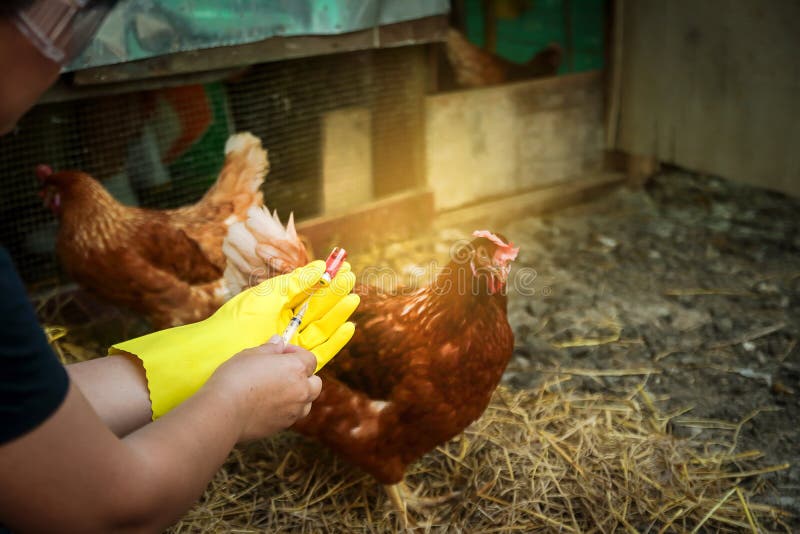
In conclusion, mastering the art of vaccinating chickens at home is a rewarding endeavor that significantly contributes to the health and longevity of your flock. From understanding disease prevention to implementing effective vaccination strategies, this guide has equipped you with the knowledge needed. By embracing responsible poultry ownership and prioritizing preventative care, you’re not just raising chickens, you’re fostering a thriving, healthy community within your backyard.