How to vaccinate livestock is a vital skill for ensuring the health and productivity of your farm animals. Proper vaccination not only prevents devastating diseases but also promotes overall herd wellness, leading to increased productivity and sustainability. Understanding the correct procedures, vaccine types, and post-vaccination care is essential for farm owners and workers alike.
This comprehensive guide covers everything from preparing for vaccination, selecting appropriate vaccines, administering them safely, to monitoring animal responses. It aims to equip you with the knowledge needed to implement effective vaccination protocols that safeguard your livestock and enhance farm success.
Overview of Livestock Vaccination

Livestock vaccination is a fundamental component of modern animal husbandry, playing a crucial role in safeguarding herd health and enhancing productivity. By immunizing animals against various infectious diseases, farmers can prevent outbreaks that could otherwise cause severe economic losses and threaten food security.
The practice of vaccinating livestock dates back centuries, with early efforts focused on controlling diseases like rinderpest and foot-and-mouth disease. Over time, advancements in microbiology and immunology have led to the development of sophisticated vaccines and vaccination protocols. These innovations have improved the efficacy and safety of vaccines, enabling livestock producers to better manage disease risks across diverse farming systems.
Importance of Vaccinating Livestock for Disease Prevention
Vaccinating livestock is essential for controlling and preventing infectious diseases that can spread rapidly within herds and across regions. Effective vaccination programs help reduce morbidity and mortality rates, ensuring animals remain healthy and productive. This not only protects individual animals but also curtails the transmission of contagious diseases, fostering herd immunity that benefits entire farming communities.
Historical Development and Evolution of Vaccination Practices
The history of livestock vaccination reflects a continual quest to improve animal health management. Early vaccines were often developed through empirical methods, such as variolation, which involved exposing animals to weakened or inactivated pathogens. The 20th century saw significant breakthroughs with the advent of inactivated and live attenuated vaccines, which provided more reliable and longer-lasting immunity.
Recent decades have introduced molecular techniques and recombinant DNA technology, leading to the creation of more targeted vaccines with fewer side effects. The evolution of vaccination practices has also emphasized the importance of vaccination timing, dosage, and administration routes to maximize effectiveness.
Benefits of Proper Vaccination Protocols for Farm Productivity
Implementing well-designed vaccination protocols yields numerous advantages for livestock farms. These include:
- Reduction in disease incidence and severity, leading to healthier animals.
- Lower veterinary costs associated with disease treatment and control.
- Enhanced growth rates and feed conversion efficiency, contributing to higher yields and profitability.
- Improved reproductive performance and offspring survival rates.
- Facilitation of access to export markets due to disease-free status and compliance with international standards.
Ultimately, consistent and scientifically grounded vaccination practices underpin sustainable livestock management, ensuring resilience against infectious threats and supporting long-term farm success.
Types of Livestock Vaccines
Understanding the different types of vaccines used in livestock management is essential for effective disease prevention and control. Each vaccine type offers unique benefits and suits specific diseases and livestock species. Proper selection of vaccine types ensures optimal protection, safety, and cost-effectiveness in livestock health programs.
Livestock vaccines are categorized based on their composition, method of production, and how they stimulate immunity. These categories include live attenuated vaccines, inactivated vaccines, subunit vaccines, and recombinant vaccines. Recognizing their differences helps veterinarians and farmers implement appropriate vaccination strategies tailored to particular diseases, species, and environments.
Live Attenuated Vaccines
Live attenuated vaccines contain weakened forms of the pathogen that retain the ability to replicate within the host without causing disease. They mimic natural infection closely, leading to robust and long-lasting immunity. These vaccines are widely used for diseases such as Foot-and-Mouth Disease (FMD) in cattle, Peste des petits ruminants (PPR) in goats and sheep, and Classical Swine Fever in pigs.
“Live attenuated vaccines stimulate both cellular and humoral immunity, often providing longer-lasting protection after fewer doses.”
Advantages include strong and durable immune responses and often a single-dose immunity. However, they require careful handling to prevent reversion to virulence, and they are not suitable for immunocompromised animals or pregnant livestock due to potential risks of causing disease.
Inactivated (Killed) Vaccines
Inactivated vaccines contain pathogens that have been killed or inactivated using heat, chemicals, or radiation. They cannot replicate within the host, making them safer for use in immunocompromised animals, pregnant animals, and young livestock. Examples include rabies vaccines for livestock and some strains of Salmonella vaccines.
“Inactivated vaccines generally require multiple doses and booster shots to maintain immunity, but they carry minimal risk of causing disease.”
Advantages include high safety profiles and stability during storage. Disadvantages involve a weaker immune response compared to live vaccines, necessitating adjuvants to enhance effectiveness and multiple immunizations for sustained protection.
Subunit Vaccines
Subunit vaccines contain specific parts of the pathogen, such as proteins or polysaccharides, that are crucial for inducing immunity. They do not contain whole organisms, which reduces the risk of adverse reactions. An example is the Clostridium perfringens vaccine used in sheep and goats, which contains bacterial toxins or surface proteins.
“Subunit vaccines focus on presenting only essential antigens, enabling targeted immune responses with minimal side effects.”
Advantages include high safety and specificity, and they are suitable for animals with compromised immune systems. The main limitation is that they may require multiple doses and adjuvants to elicit strong immunity.
Recombinant Vaccines
Recombinant vaccines utilize genetic engineering techniques to produce specific pathogen proteins in host cells, such as bacteria, yeast, or mammalian cells. They can incorporate genes encoding key antigens, leading to the production of vaccines that are highly targeted. Examples include vaccines against Infectious Bovine Rhinotracheitis (IBR) and Bluetongue virus.
“Recombinant vaccines offer high specificity and safety, with the ability to differentiate vaccinated animals from infected ones—a valuable feature in disease eradication programs.”
Advantages include safety, specificity, and the potential for differentiation of infected from vaccinated animals (DIVA). Challenges involve higher production costs and technological complexity, which may limit widespread use in resource-limited settings.
Comparison of Livestock Vaccine Types
| Vaccine Type | Advantages | Disadvantages | Typical Use Cases |
|---|---|---|---|
| Live Attenuated |
|
|
FMD in cattle, PPR in goats and sheep, Classical Swine Fever in pigs |
| Inactivated |
|
|
Rabies, Salmonella, and certain bacterial vaccines in livestock |
| Subunit |
|
|
Clostridial diseases, viral vaccines like Bovine Respiratory Disease (BRD) |
| Recombinant |
|
|
IBR, Bluetongue, and other targeted viral vaccines |
Preparing for Livestock Vaccination
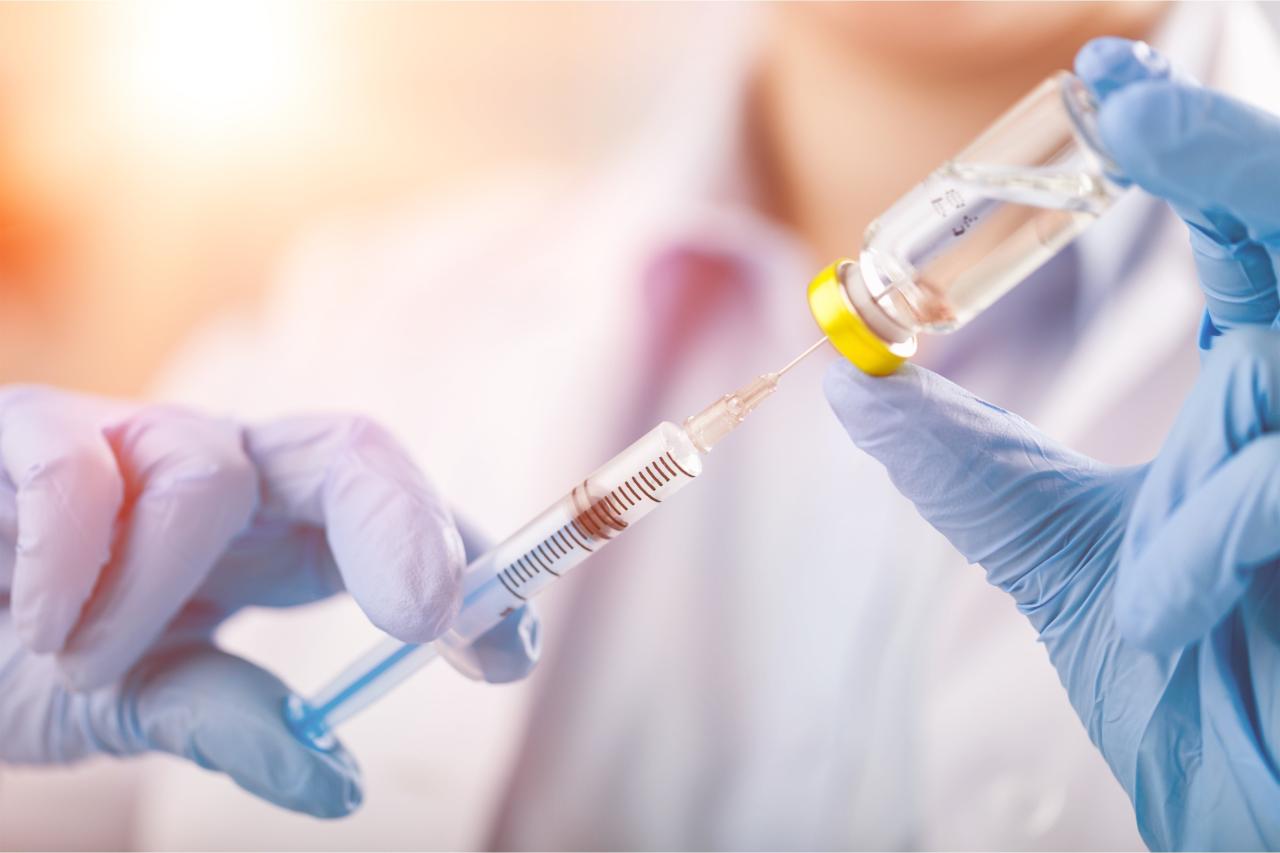
Effective livestock vaccination begins long before administering the vaccine itself. Proper preparation ensures the safety of both the animals and the personnel involved, maximizes the efficacy of the vaccine, and minimizes potential risks such as contamination or injury. Thorough planning and organization are vital components of a successful vaccination campaign.
Preparing for vaccination involves assessing the animals’ health status, gathering all necessary supplies, and ensuring that equipment is clean and functional. Additionally, safety measures should be prioritized to protect both the animals and the handlers from accidental injuries or adverse reactions. A systematic approach to preparation not only streamlines the vaccination process but also enhances animal welfare and program success.
Step-by-Step Procedures for Preparing Animals and Equipment
Implementing a standardized sequence of actions ensures consistency and efficiency in the vaccination process. The following steps Artikel the essential procedures:
- Assess Animal Health: Observe each animal for signs of illness, stress, or injury. Only healthy animals should be vaccinated to ensure optimal immune response and avoid complications.
- Segregate Animals: Group animals based on age, species, or health status to facilitate targeted vaccination and reduce stress during handling.
- Secure the Animals: Use appropriate restraining techniques or equipment such as chutes, head gates, or halters to keep animals calm and immobilized during vaccination.
- Inspect Equipment: Check all vaccination supplies and tools for cleanliness, integrity, and proper functioning. Replace or sterilize equipment as needed.
- Prepare Vaccines: Follow manufacturer instructions to thaw, mix, or load vaccines into syringes. Ensure correct dosage and label all prepared syringes clearly.
- Set Up a Clean Vaccination Area: Designate a clean, well-organized space that minimizes contamination risks and facilitates smooth movement of animals and personnel.
Essential Supplies and Safety Gear
Having the right supplies and safety gear readily available is essential for a smooth and safe vaccination process. Proper equipment not only improves efficiency but also helps prevent accidents and cross-contamination.
- Vaccines and Syringes: Appropriate vaccines for the livestock species, sterile syringes, and needles of suitable gauge and length.
- Disinfectants: Solutions such as alcohol or chlorhexidine for disinfecting hands, equipment, and injection sites.
- Restraint Devices: Chutes, head gates, halters, or nose tongs to securely restrain animals without causing undue stress or injury.
- Personal Protective Equipment (PPE): Gloves, masks, protective eyewear, and coveralls to shield handlers from potential exposure and accidental needle sticks.
- Labeling Supplies: Markers or labels to identify vaccines, doses, and animal details for record-keeping.
- Cleaning Supplies: Towels, disinfectant solutions, and waste disposal containers to maintain hygiene standards.
Preparation Protocols for Different Livestock Types
Preparation protocols vary depending on the livestock species and the specific vaccination context. The table below summarizes key considerations for different types of animals:
| Livestock Type | Preparation Focus | Specific Considerations |
|---|---|---|
| Cattle | Health assessment and restraint setup | Use of head gates; ensure animals are calm; check for signs of mastitis or illness |
| Sheep and Goats | Restraint and vaccine handling | Use of halters or chutes; handle gently to reduce stress; avoid injecting into contaminated areas |
| Swine | Facility hygiene and animal handling | Restraining with snare or crate; disinfect equipment; inspect skin for lesions |
| Horses | Restraint and health checks | Use of halters and stocks; monitor for signs of colic or stress; ensure sedation if necessary |
| Birds (e.g., poultry) | Environmental hygiene and handling | Minimize stress; handle gently; use sterile needles and clean housing areas |
Note: Proper preparation tailored to each livestock type enhances vaccine efficacy and reduces the risk of adverse reactions or injuries during the vaccination process.
Vaccination Procedures
Effective vaccination of livestock requires precise methods of administration, proper animal restraint, and meticulous handling to ensure safety and vaccine efficacy. Adhering to correct procedures minimizes stress for the animals and reduces the risk of injury to handlers. Properly executed vaccination procedures are essential for maintaining herd health and preventing the spread of infectious diseases among livestock populations.Vaccination procedures involve administering vaccines through various routes depending on the type of vaccine and the target pathogen.
Each method requires specific techniques to ensure that the vaccine is delivered accurately and effectively. Additionally, animal restraint plays a crucial role in facilitating safe and humane vaccination, while proper handling and dosage accuracy are vital components of successful vaccination programs.
Methods of Administering Vaccines
Administering vaccines correctly is fundamental to ensuring immune response and disease prevention. The primary routes for vaccine delivery include injection, oral, and topical applications. Each method has specific techniques and considerations to maximize efficacy and animal comfort.
Injection methods are the most common and reliable way to deliver vaccines. They include intramuscular (IM), subcutaneous (SC), and, less frequently, intravenous (IV) injections. Proper technique involves selecting the correct needle size and length, disinfecting the site, and inserting the needle at the appropriate angle to avoid tissue damage. For IM injections, the vaccine is injected into the muscle mass, typically in the neck region for small livestock or the thigh for larger animals.
Subcutaneous injections are administered just under the skin, usually in the neck or behind the shoulder, using a shorter needle. Ensuring the correct dosage involves using pre-measured syringes or carefully calculating the volume based on the animal’s weight.
“Injecting vaccines accurately and with minimal stress enhances immune response and reduces adverse reactions.”
Oral Vaccination
Oral vaccination is a practical method for delivering vaccines to large herds, especially for diseases affecting the gastrointestinal tract or for pathogens that invade mucosal surfaces. The vaccine is administered via feed or water, making it less invasive and easier to distribute but requiring precise dosing to ensure each animal receives an effective dose.
- Mix the vaccine thoroughly into feed or water to ensure uniform distribution.
- Use medicated drinking systems or specialized dosing equipment to control the amount administered.
- Ensure that animals consume the entire dose to guarantee effective immunization.
- Monitor feed and water intake to verify that all animals participate in vaccination.
Topical Vaccination
Topical application involves applying vaccines directly onto the skin or mucous membranes, typically used for vaccines against skin or mucosal pathogens. This method is especially useful in newborn or young animals where injections may be challenging.
- Clean the application site thoroughly to enhance absorption and prevent contamination.
- Apply the vaccine evenly to the designated area, avoiding excessive handling or stress.
- Use sterile applicators and gloves to prevent cross-contamination and ensure hygiene.
- Follow manufacturer instructions regarding the amount and technique of application for optimal results.
Animal Restraint Techniques
Proper restraint is essential for safe and effective vaccination, minimizing stress for the animal and risk for the handler. The restraint method varies depending on the size, temperament, and species of the livestock.
For cattle, methods such as head gates, chutes, and halters are common to restrict movement safely. Small ruminants like goats and sheep can be restrained using individual scruffs or handheld halters, providing control without causing undue stress. Pigs are often restrained using snaring or gentle holding by handlers, especially during injections.
The goal of restraint is to keep the animal calm and still, reducing the risk of injury or accidental needle sticks. Quick and gentle restraint techniques not only improve vaccination efficiency but also promote animal welfare.
Ensuring Vaccine Accuracy and Proper Handling
Accurate vaccine administration depends on meticulous handling, correct dosage, and adherence to storage guidelines. Vaccines are sensitive biological products that require specific conditions to maintain potency.
- Always check the label for the correct vaccine, dosage, and expiration date before use.
- Store vaccines at recommended temperatures, typically refrigerated between 2°C and 8°C, away from direct sunlight and freezing conditions.
- Use sterile equipment for each vaccination to prevent contamination.
- Ensure the vaccine is mixed thoroughly if required, such as reconstituting lyophilized vaccines with the appropriate diluent.
- Administer the precise volume calculated based on the animal’s weight or as specified by the manufacturer.
- Record vaccination details, including date, vaccine batch number, and animal identification, to maintain accurate health records.
Procedures for Different Vaccination Sites and Methods
The site of vaccination and method used can influence vaccine effectiveness and animal comfort. Proper selection of injection site and technique is crucial for optimal immune response and minimal tissue damage.
| Vaccination Site | Method | Notes |
|---|---|---|
| Neck (for IM or SC) | Intramuscular or Subcutaneous | Preferred site for most livestock; easy access and minimal tissue damage. |
| Thigh (for IM) | Intramuscular | Suitable for larger animals; ensure injection into the muscle mass without hitting bones. |
| Oral Cavity | Oral | Mix with feed or water; ensure complete consumption. |
| Skin surfaces (mucosal sites) | Topical | Apply directly to mucous membranes or skin, following hygiene protocols. |
| Intranasal | Nasal spray or drops | Administer as directed, usually in small doses for mucosal immunity. |
Post-Vaccination Care and Monitoring
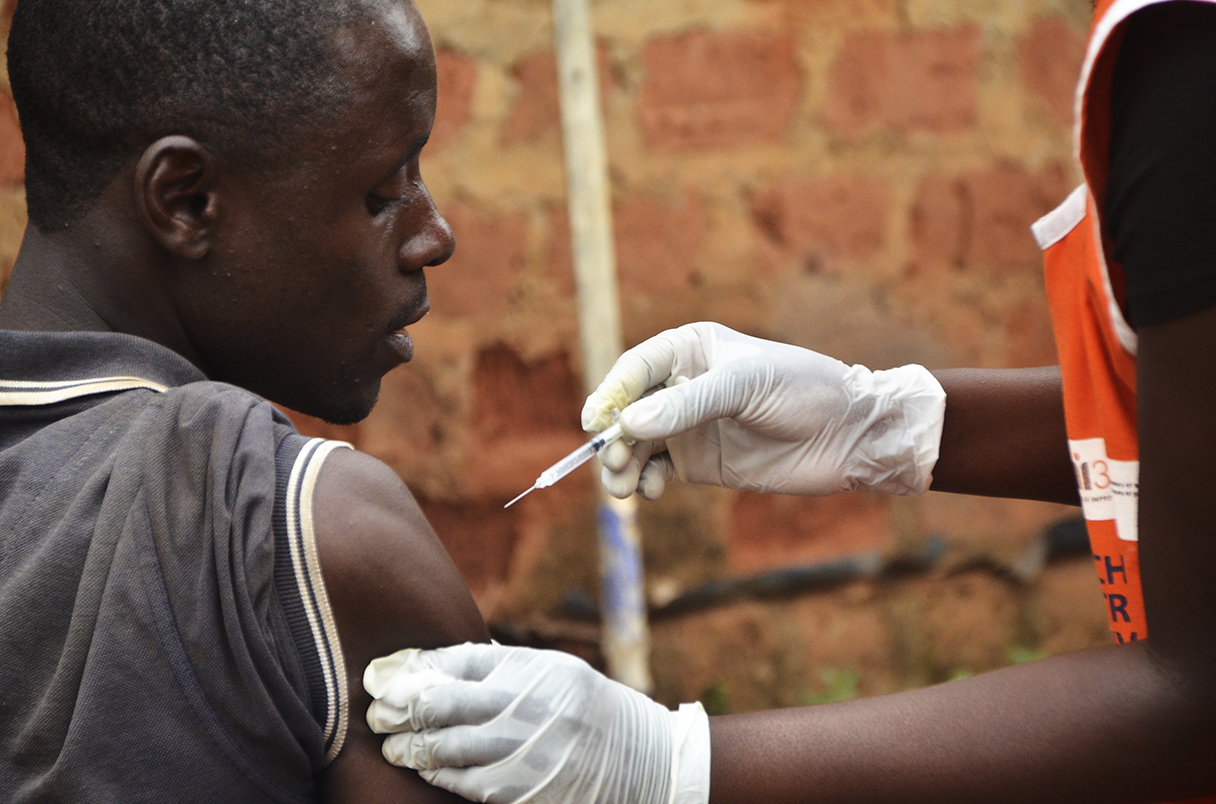
Effective post-vaccination care and vigilant monitoring are critical components of ensuring the success of livestock vaccination programs. Proper observation following vaccination helps identify any adverse reactions early, allowing for prompt intervention and minimizing potential health risks. Additionally, systematic recording of vaccination data and outcomes enhances herd health management, supports traceability, and informs future vaccination strategies.
Maintaining a detailed record of each vaccination event, coupled with consistent follow-up, not only validates the efficacy of the vaccines used but also contributes to overall herd health monitoring. Understanding and implementing structured procedures for post-vaccination care ensures the health and productivity of livestock are preserved, and potential outbreaks of adverse reactions are swiftly addressed.
Observation of Animals for Adverse Reactions
Post-vaccination observation involves continuous monitoring of livestock during the immediate hours following vaccination, as well as in the subsequent days. Key signs of adverse reactions include swelling at the injection site, abnormal behavior such as lethargy or tremors, loss of appetite, fever, or respiratory distress.
To facilitate early detection, farm personnel should conduct regular visual inspections, noting any deviations from normal behavior or physical appearance. Maintaining a calm environment helps reduce stress, which can mask or exacerbate reactions. In cases where symptoms are observed, animals should be isolated if necessary, and veterinary consultation should be sought promptly.
“Timely identification of adverse reactions minimizes the risk of severe health complications and ensures prompt treatment.”
Recording Vaccination Data and Maintaining Records
Accurate documentation is vital for tracking vaccination history and assessing herd immunity over time. The following guidelines help establish an effective record-keeping system:
- Record details such as vaccine type, batch number, administration date, and the individual animal identification (e.g., ear tag number).
- Note any immediate reactions or side effects observed post-vaccination, including their nature and severity.
- Maintain a comprehensive health record for each animal, including vaccination dates, responses, and subsequent health events.
- Use organized tables or digital databases to facilitate easy access, analysis, and reporting of data.
An example of a vaccination record table:
| Animal ID | Date of Vaccination | Vaccine Used | Batch Number | Observed Reactions | Follow-up Actions |
|---|---|---|---|---|---|
| 001 | 2024-04-15 | Brucellosis Vaccine | BRU-2024-045 | None | Regular monitoring scheduled |
| 002 | 2024-04-15 | Clostridial Vaccine | CLA-2024-078 | Swelling at injection site | Applied cold compress, observed for 48 hours |
Follow-Up Procedures to Ensure Vaccine Efficacy
Ensuring vaccine efficacy involves systematic follow-up activities that confirm the immune response and identify any need for booster doses or additional interventions. Follow-up procedures include:
- Scheduling booster vaccinations as recommended based on vaccine type and herd health status.
- Monitoring animals periodically for signs of disease or inadequate immune response, especially in the weeks following vaccination.
- Assessing antibody titers through laboratory testing in cases where herd immunity is critical, such as during outbreaks or before movements.
- Reviewing health records to identify patterns that may indicate vaccine failure or the need for alternative vaccination strategies.
Documenting the outcomes of follow-up activities is equally important. Organizing follow-up data in structured formats allows for comprehensive analysis and informed decision-making. For example, tracking antibody levels over time or noting the incidence of disease post-vaccination provides valuable feedback on vaccine performance.
“Routine follow-up and diligent record-keeping enable farmers and veterinarians to optimize vaccination programs and maintain herd health effectively.”
Common Challenges and Solutions
Effective livestock vaccination campaigns are vital for maintaining herd health and productivity. However, practitioners often encounter various challenges that can hinder the success of these initiatives. Understanding these obstacles and implementing practical solutions can significantly improve vaccination outcomes, ensuring animals are adequately protected against infectious diseases.
Addressing common issues such as vaccine storage, handling, and animal resistance requires a strategic approach. By recognizing these problems early and applying targeted solutions, veterinary professionals and farmers can enhance vaccination efficiency, minimize animal stress, and reduce vaccine wastage.
Vaccine Storage and Handling Difficulties
Proper storage and handling are critical to maintaining the potency and efficacy of vaccines. Challenges in this area often lead to reduced vaccine effectiveness, rendering the vaccination less protective.
Vaccines are sensitive biological products that require strict temperature control, typically between 2°C and 8°C, to preserve their stability. Improper storage conditions, such as exposure to excessive heat, freezing temperatures, or fluctuating temperatures, can compromise vaccine integrity.
-Ensuring the availability of reliable cold chain equipment, such as refrigerators with temperature monitoring devices, is essential.
-Regularly checking storage temperatures and maintaining logs helps identify and rectify storage issues promptly.
-Training staff on proper handling procedures, including avoiding contamination and shaking vaccines excessively, reduces wastage and preserves vaccine quality.
Animal Resistance and Stress During Vaccination
Animals may resist vaccination due to fear, pain, or unfamiliar handling, which can result in incomplete vaccination or injury to both animals and handlers.
Implementing calm and gentle handling techniques can minimize stress and resistance. This includes approaching animals slowly, using appropriate restraint methods, and familiarizing animals with handling equipment beforehand.
-Utilizing stress-reduction techniques such as minimal restraint or the use of calming agents in sensitive cases can improve cooperation.
-Employing experienced personnel trained in animal behavior increases the likelihood of smooth vaccination procedures.
-Implementing a systematic vaccination approach, including consistent routines and positive reinforcement, can reduce animal fear over time.
Methods to Improve Vaccination Success Rates
Achieving high vaccination coverage requires employing strategies that enhance the likelihood of successful immunization across diverse settings and herd sizes.
Practical methods include:
– Use of Proper Equipment: Selecting the appropriate needle size and syringe type for the specific vaccine and animal species ensures accurate administration and reduces discomfort.
– Scheduling and Planning: Coordinating vaccination campaigns during favorable weather conditions and when animals are in good health minimizes stress and improves immune response.
– Training and Education: Continuous training for handlers on vaccination techniques and troubleshooting common issues boosts confidence and competence.
– Community Engagement: Involving local farmers and community leaders encourages cooperation and adherence to vaccination schedules.
– Monitoring and Record-Keeping: Maintaining detailed records of vaccinated animals facilitates follow-up and identification of vaccination gaps or issues.
Implementing a comprehensive approach that combines proper handling, storage, training, and community involvement can significantly enhance the success of livestock vaccination campaigns, ensuring broader and more reliable disease protection.
Storage and Handling of Vaccines
Proper storage and handling of livestock vaccines are crucial steps in ensuring their potency, safety, and effectiveness. Vaccines are biological products sensitive to environmental conditions, and incorrect practices can compromise their efficacy, leading to inadequate immune responses or potential health risks. Maintaining the integrity of vaccines from the manufacturer to the point of administration involves strict adherence to recommended storage and handling protocols.
Vaccines are often fragile and require specific temperature controls, protected from light, contamination, and physical damage. Proper procedures during storage and transportation minimize the risk of vaccine deterioration, ensuring animals receive effective immunization that contributes to herd health and disease prevention. Implementing standardized protocols facilitates safe and efficient vaccine management across different farm settings and veterinary services.
Optimal Conditions for Vaccine Storage
The integrity and efficacy of livestock vaccines depend heavily on maintaining appropriate storage conditions. The following guidelines highlight the essential environmental parameters:
- Temperature Control: Most vaccines should be stored within a temperature range of 2°C to 8°C (36°F to 46°F). This range prevents freezing, which can destabilize some vaccines, and overheating, which can degrade vaccine components.
- Protection from Light: Vaccines should be kept in opaque containers or in dark storage areas to shield them from light exposure, which can cause inactivation of certain vaccine constituents.
- Humidity and Cleanliness: Storage areas must be dry, clean, and free from dust, chemicals, or other contaminants that could compromise vaccine quality.
- Temperature Monitoring: Use of calibrated thermometers and data loggers to continuously monitor storage conditions is recommended. Regular checks ensure deviations are promptly addressed.
- Segregation and Labeling: Vaccines should be stored separately from other chemicals or medicines to prevent accidental contamination. Clearly labeled storage units prevent mishandling or misuse.
Note: Certain vaccines may have specific storage requirements, such as ultra-cold chain conditions (-20°C or -70°C), especially for newer or more sensitive products. Always consult manufacturer guidelines for detailed instructions.
Procedures for Transporting Vaccines Safely
Transporting vaccines from storage facilities to vaccination sites demands careful handling to prevent temperature excursions and physical damage. The following procedures help maintain vaccine efficacy during transit:
- Use of Insulated Containers: Transport vaccines in insulated coolers equipped with ice packs or refrigerants designed to maintain consistent temperatures. Avoid direct contact between ice packs and vaccine vials to prevent freezing.
- Temperature Monitoring During Transit: Incorporate portable temperature data loggers or thermometers within transport containers to record conditions throughout transit.
- Minimize Transit Time: Plan routes and schedules to reduce the duration of transportation, limiting exposure to fluctuating ambient conditions.
- Handling Precautions: Transport vaccines gently to avoid agitation or breakage. Ensure secure placement to prevent jostling or spillage.
- Documentation and Labeling: Clearly label containers as “Vaccines” and include handling instructions. Maintain detailed records of transport conditions and times.
Safety and Storage Protocol Table
To facilitate quick reference and consistent practices, the following table summarizes key points for vaccine safety and storage:
| Aspect | Guideline |
|---|---|
| Optimal Storage Temperature | 2°C to 8°C (36°F to 46°F); avoid freezing unless specified |
| Light Protection | Store in dark, opaque containers or storage areas |
| Humidity Control | Keep storage area dry and clean to prevent contamination |
| Temperature Monitoring | Use calibrated thermometers; record temperatures regularly |
| Transport Conditions | Use insulated containers with temperature control; monitor during transit |
| Handling Precautions | Handle with care; avoid agitation and physical shocks |
| Labeling | Clearly mark vaccine containers and storage units with relevant information |
Ensuring adherence to these storage and handling protocols enhances vaccine potency, safeguarding animal health and supporting effective disease control strategies across livestock populations.
Training and Education for Farm Workers
Effective livestock vaccination programs depend heavily on the skill and knowledge of farm workers responsible for administering vaccines. Proper training ensures that personnel understand the importance of vaccination, follow safety protocols, and execute procedures accurately, thereby safeguarding animal health and maximizing vaccine efficacy.
Investing in comprehensive training and continuous education for farm workers not only reduces errors and improves the success rate of vaccination campaigns but also fosters a culture of safety and responsibility within the farm environment. Well-trained personnel are better equipped to handle unexpected situations and can contribute to overall farm productivity and disease control efforts.
Curriculum for Effective Livestock Vaccination Training
An effective training curriculum should encompass both theoretical knowledge and practical skills essential for livestock vaccination. It should be tailored to the specific needs of the farm, the types of livestock, and the vaccines used. The curriculum typically includes the following core components:
- Introduction to Livestock Diseases and Vaccination: Covering the basics of common livestock diseases, their impacts, and the role of vaccination in prevention.
- Vaccine Types and Proper Handling: Training on different vaccine types, storage requirements, and handling protocols to maintain vaccine potency.
- Preparation for Vaccination: Procedures for animal assessment, vaccine preparation, and ensuring the correct dosage based on animal age and health status.
- Vaccination Techniques: Step-by-step instruction on proper injection methods, site selection, and restraint techniques to ensure effective delivery and animal welfare.
- Safety Procedures: Emphasizing personal protective equipment use, disposal of sharps, and handling of accidental exposures.
- Post-Vaccination Monitoring and Record-Keeping: Procedures for observing animals post-vaccination, managing adverse reactions, and maintaining accurate vaccination records.
- Biosecurity Measures: Training on hygiene practices and movement controls to prevent disease spread during vaccination activities.
Training Materials and Resources
Utilization of diverse training materials enhances understanding and retention. Effective materials include checklists for each step of the vaccination process, visual aids like posters demonstrating correct injection sites, and comprehensive learner’s guides that consolidate key information. These resources serve as quick references during vaccination activities and support ongoing education.
Example of a Vaccination Checklist: Confirm animal ID, prepare vaccine, wear PPE, restrain animal properly, administer vaccine using correct technique, record details, and monitor animal afterwards.
Training manuals should incorporate detailed protocols, safety guidelines, and troubleshooting tips. Interactive sessions, demonstrations, and practical exercises reinforce learning and build confidence among farm workers. Providing access to updated materials aligned with the latest veterinary standards ensures that personnel stay informed about best practices and emerging vaccines or protocols.
Outcome Summary
Mastering how to vaccinate livestock is a critical component of responsible animal husbandry. By following proper procedures and maintaining diligent care, you can significantly reduce disease risks and ensure healthier, more productive herds. Implementing these practices will contribute to sustainable farming and the well-being of your animals for years to come.